Ramblings

Taiwan Road Trip

After China, we returned to Taipei for one day, then went off on another adventure: a road trip around Taiwan. Locals call this experience 環島.
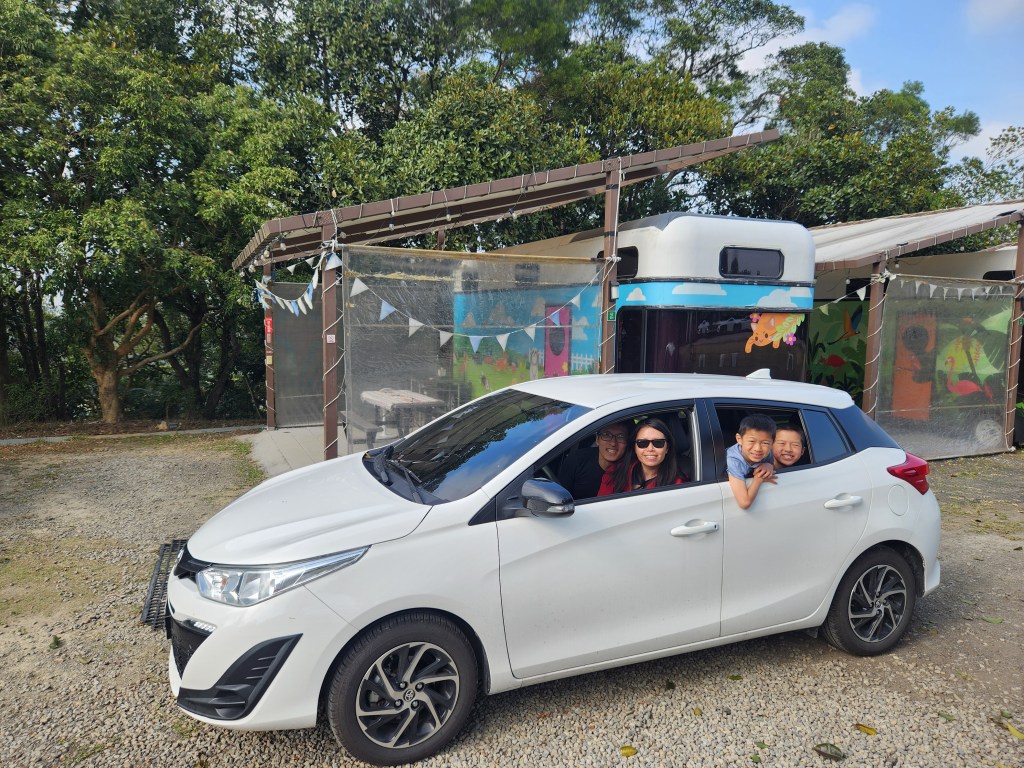
Since we plan to move back to the US soon (more on that later), we figured this would be a good opportunity to see more of the island. We rented a car from New Taipei City and drove from east to south to west.

To be honest, I was not mentally or physically prepared to go on this trip so soon after China. China was not exactly a relaxing trip, and I was exhausted coming back. But we already had everything booked so I trudged along.

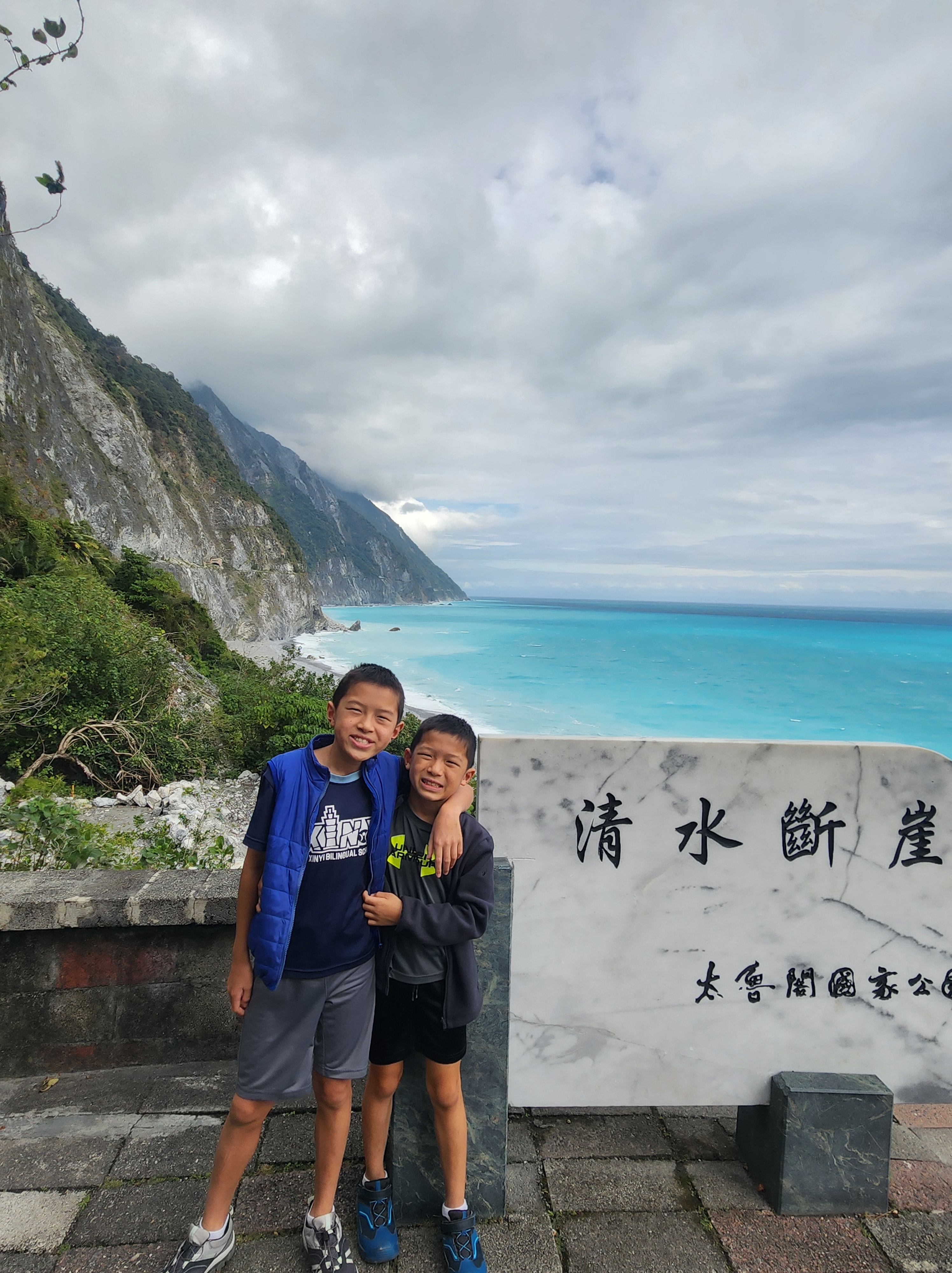
Hualien. Our first stop was Hualien, a beautiful county by the coast. Hualien is also home to Taroko National Park, which we visited back in 2024. But due to the 2024 earthquake, Taroko was ravaged and still isn’t completely open yet. For this reason, plus more recent earthquakes in the area, tourism in Hualien has plummeted, and many businesses have had to shut down. Locals aren’t sure if the county will ever recover. 😔 It’s such a shame, because Hualien is very scenic and peaceful, and still worth a visit if you’re in Taiwan.
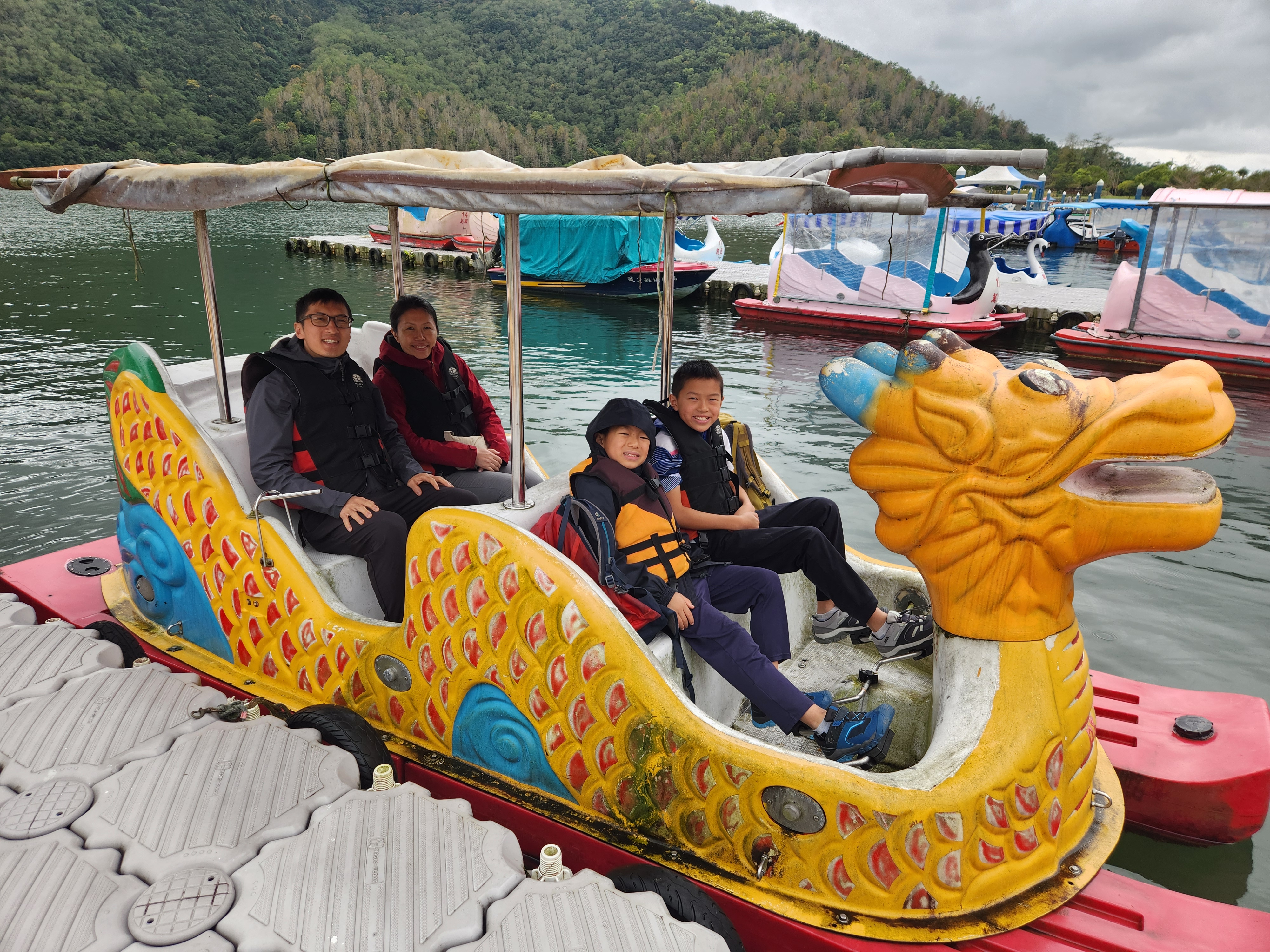
Taitung. Next, we made the long 3-hour drive to Taitung, a city known for its nature, clean air and slow travel. The city center looks very much like a tamer version of Taipei.
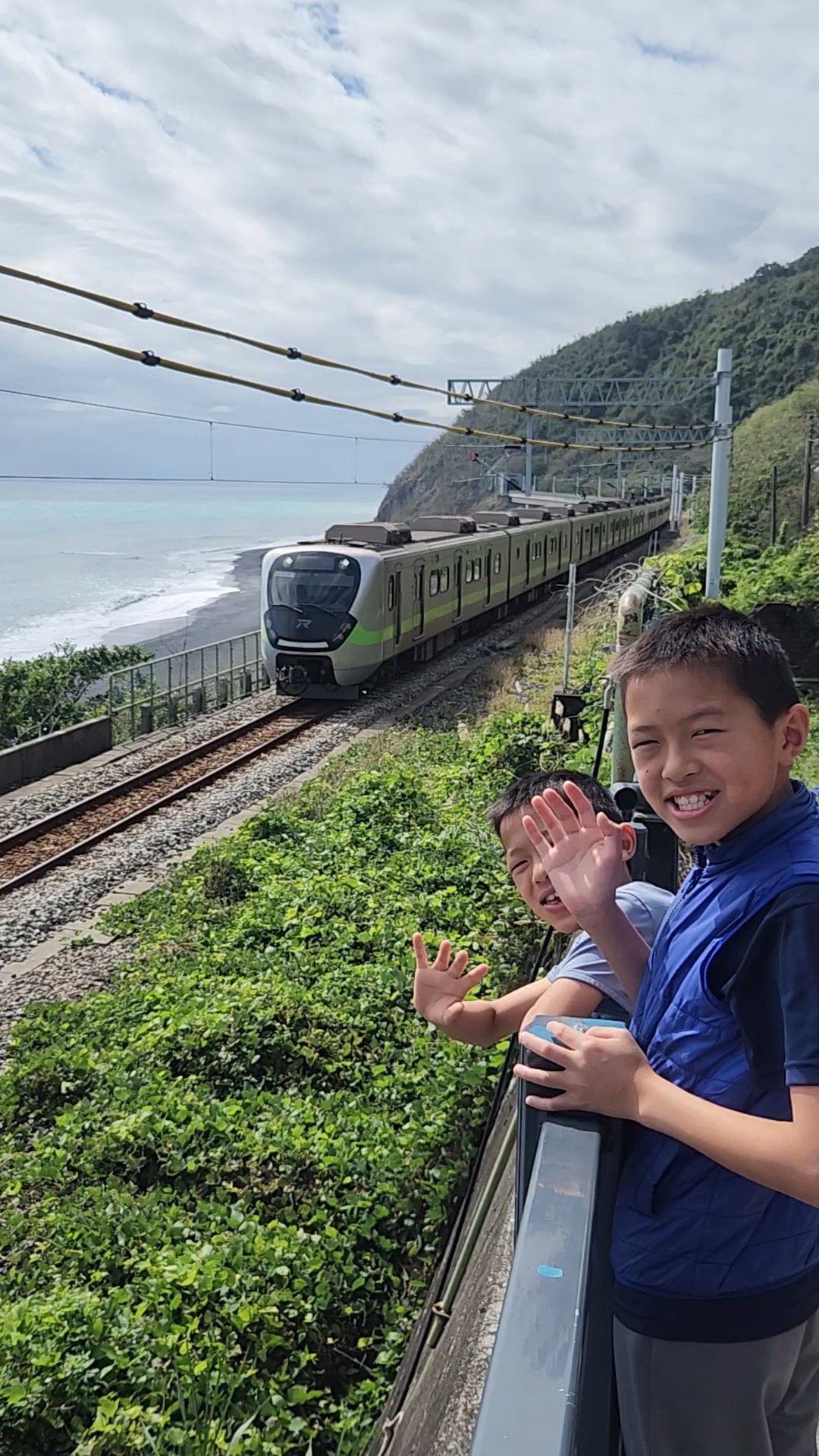
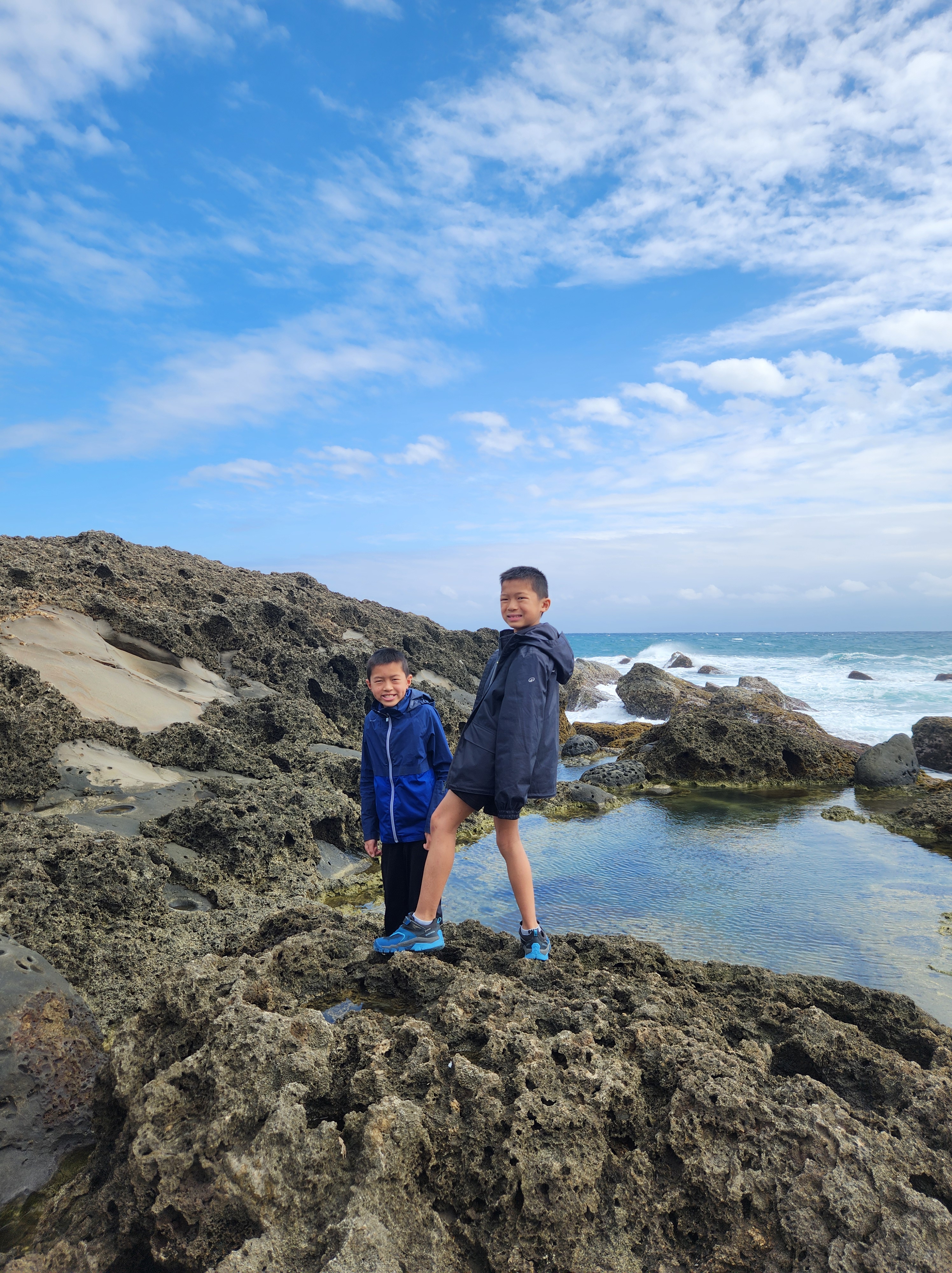
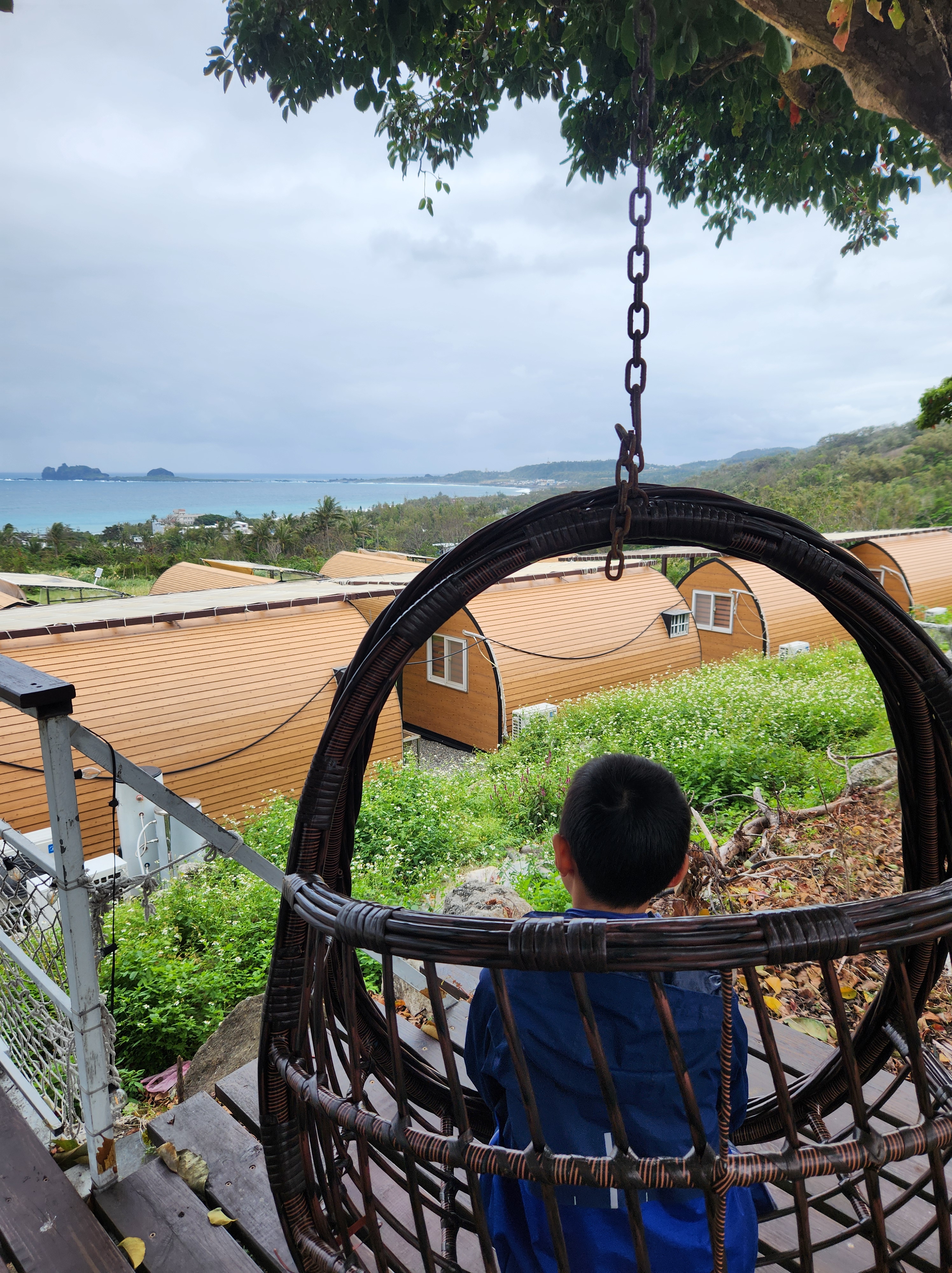
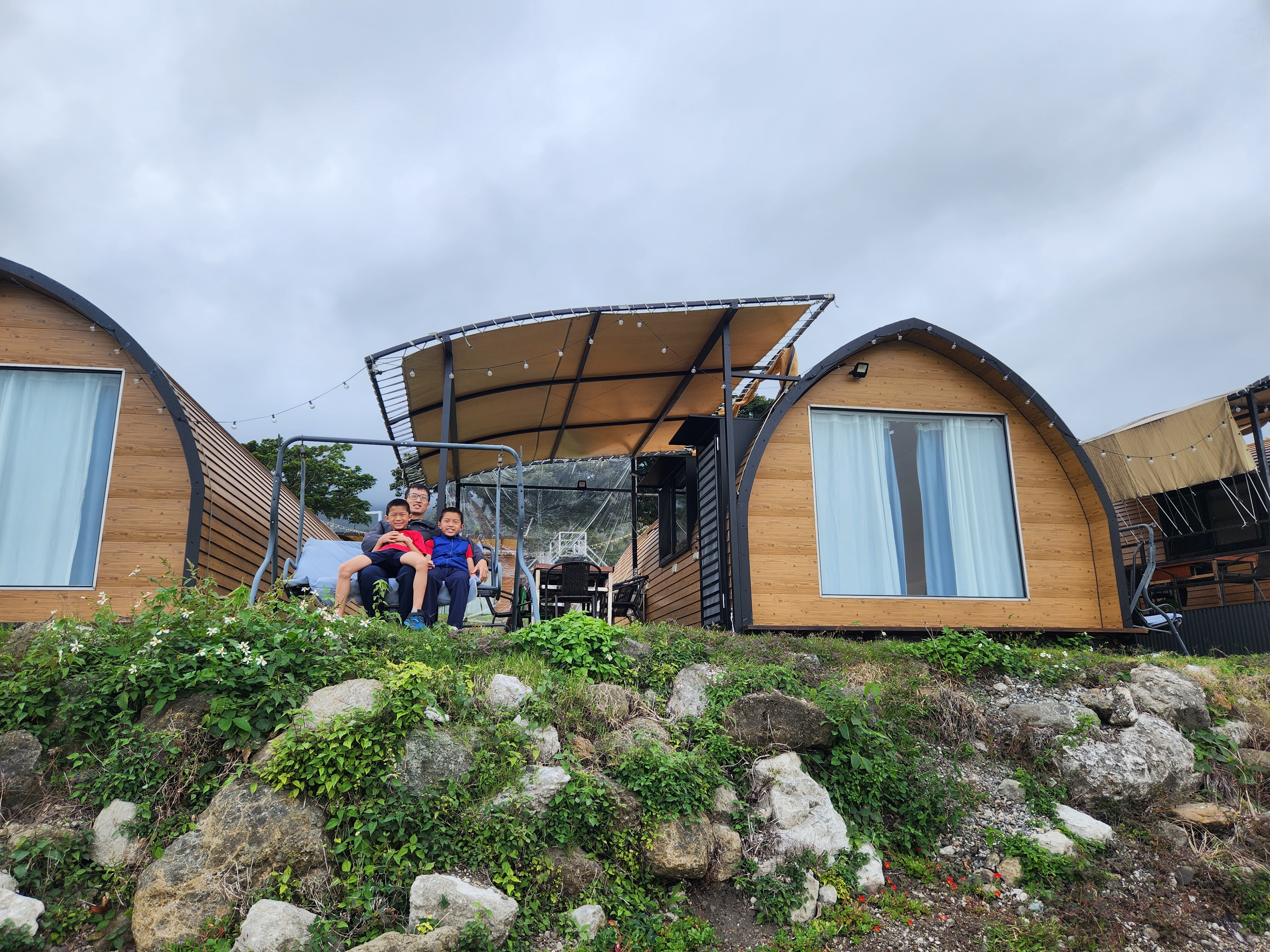
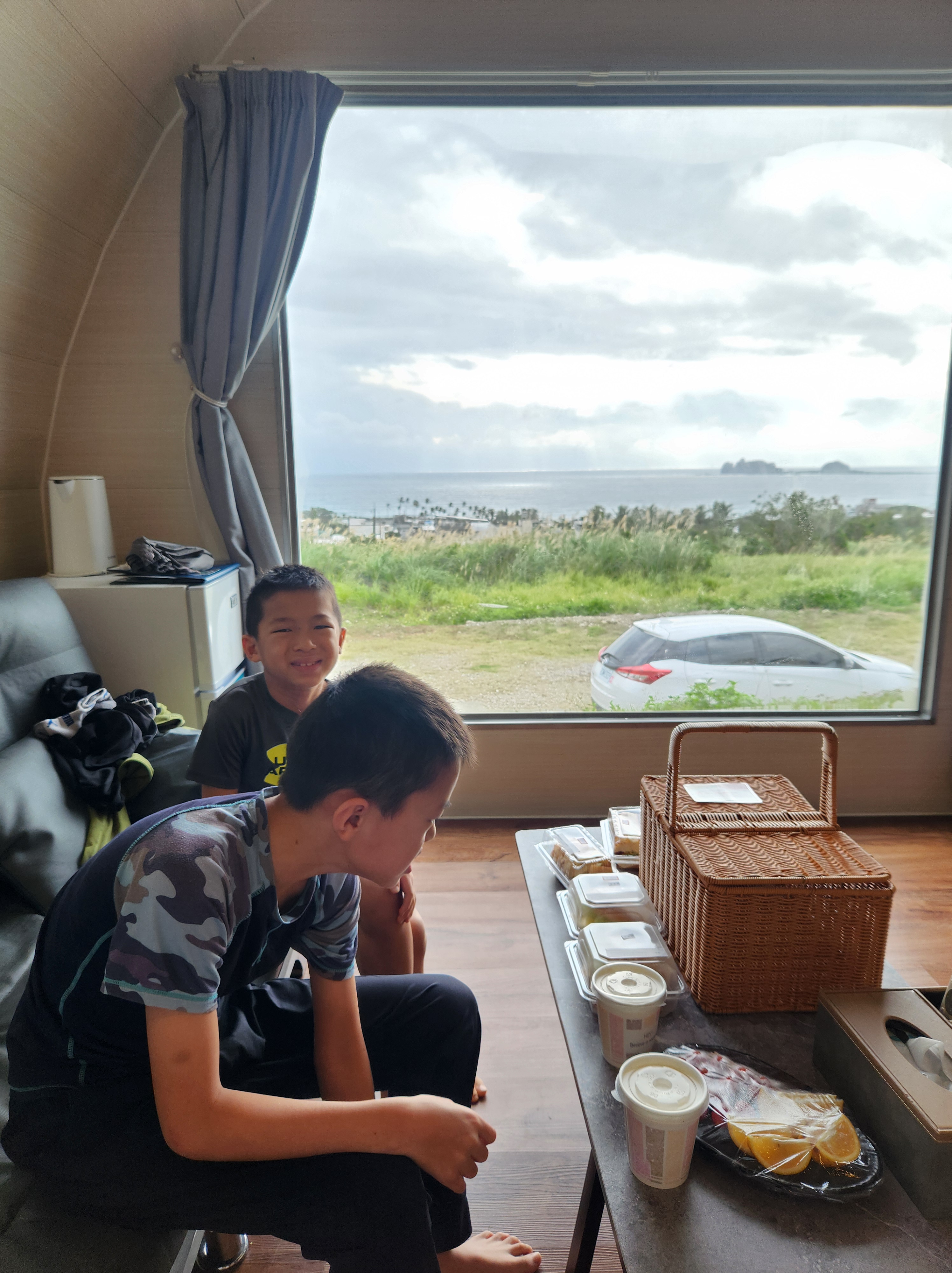
We stayed at a glamping site in Taitung. Taiwanese people love nature but they also love convenience, so there are many all-inclusive glamping sites in Taiwan. These sites include real beds, a full bath, TV, wifi – some even have food delivered to your door! Now this is my kind of camping. 😎
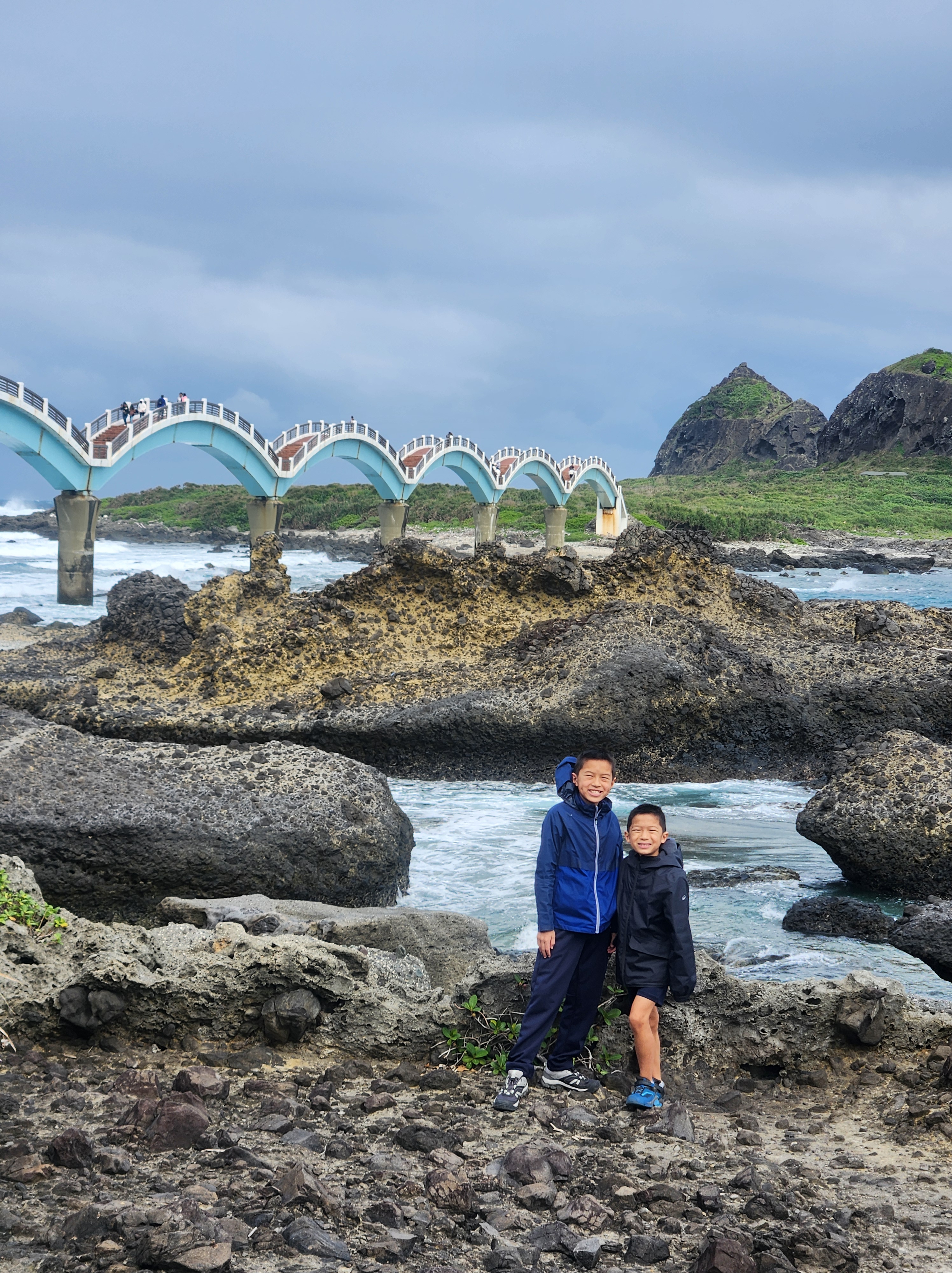
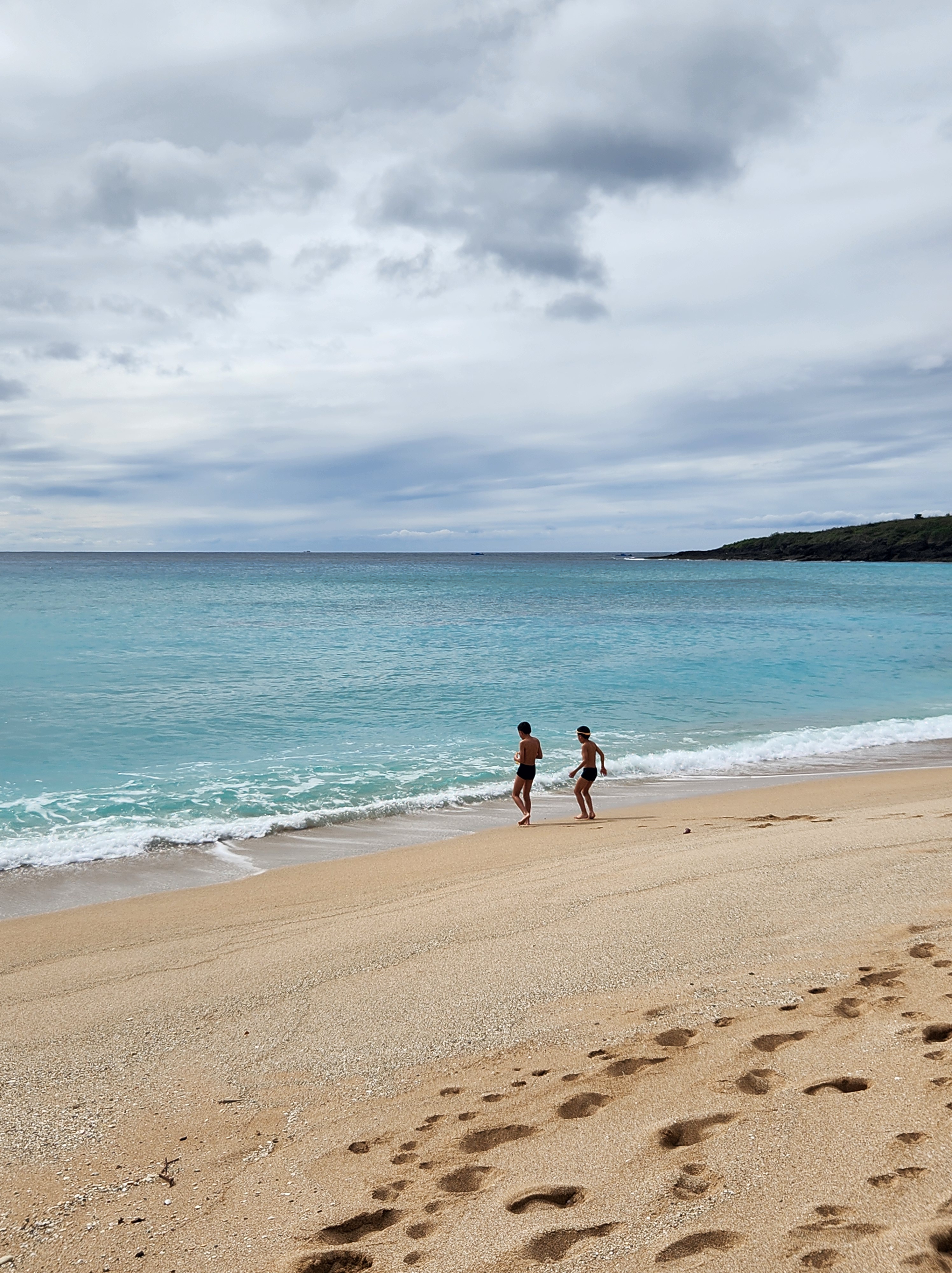
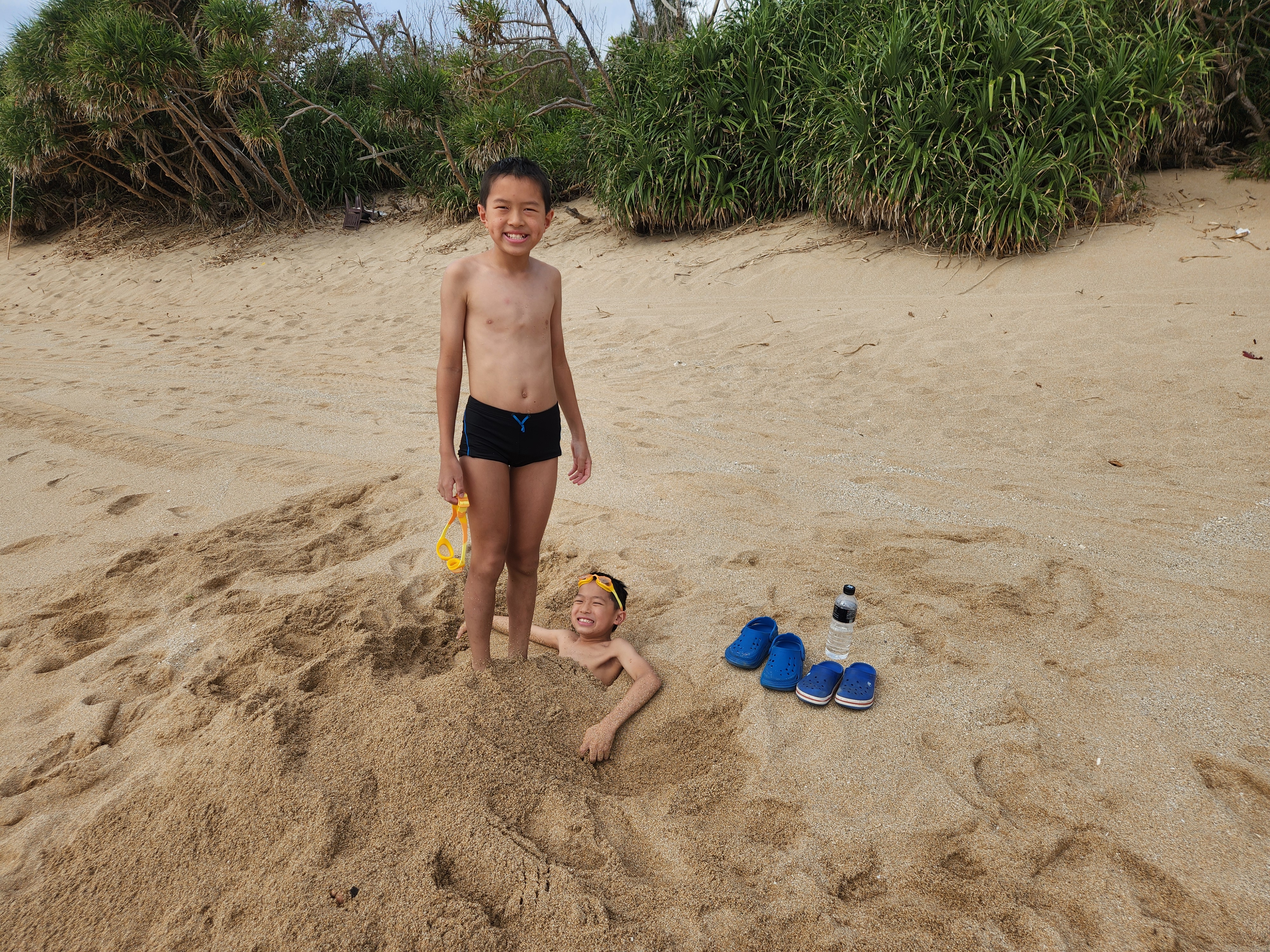
Kenting. After a couple of nights in Taitung, we drove 2 hours to the city of Kenting. It’s located at the southern tip of Taiwan, and is the country’s closest thing to a beach town. Now that we live so far away from the beach, the boys miss it and want to head to the beach every time we get. The beaches at Kenting were nice – soft, clean sand and calm waves.
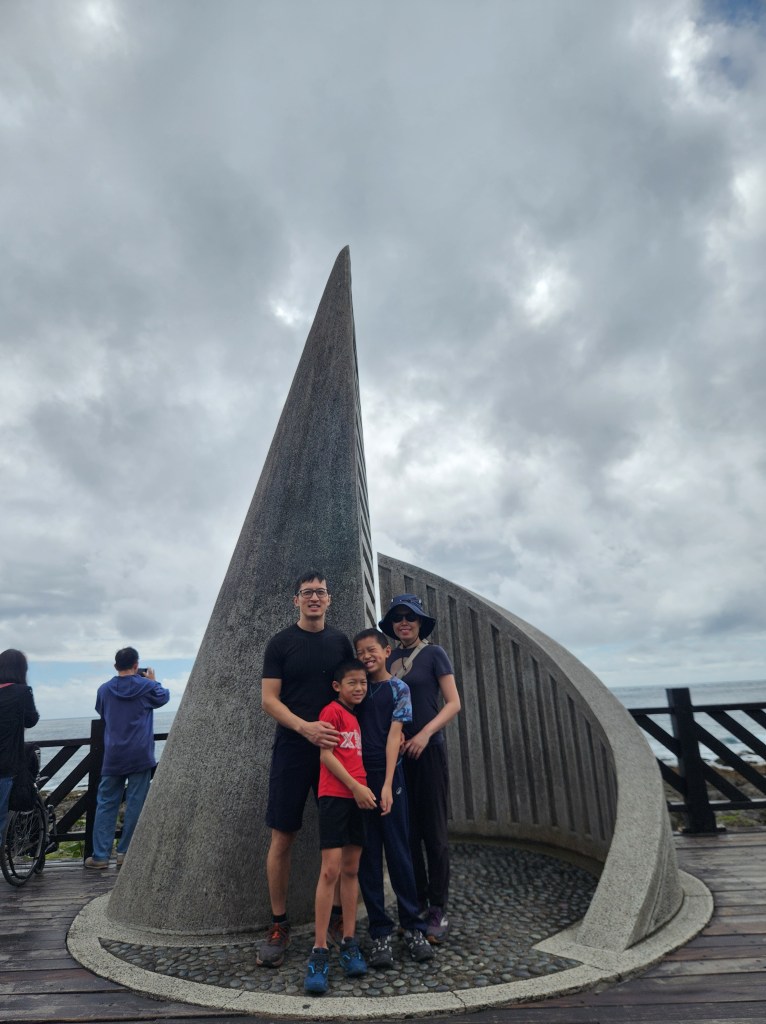
We also went to the most southern point of Taiwan, which is marked by a triangular pyramid-shaped monument. Nothing particularly special here, but just wanted to visit since we were nearby.
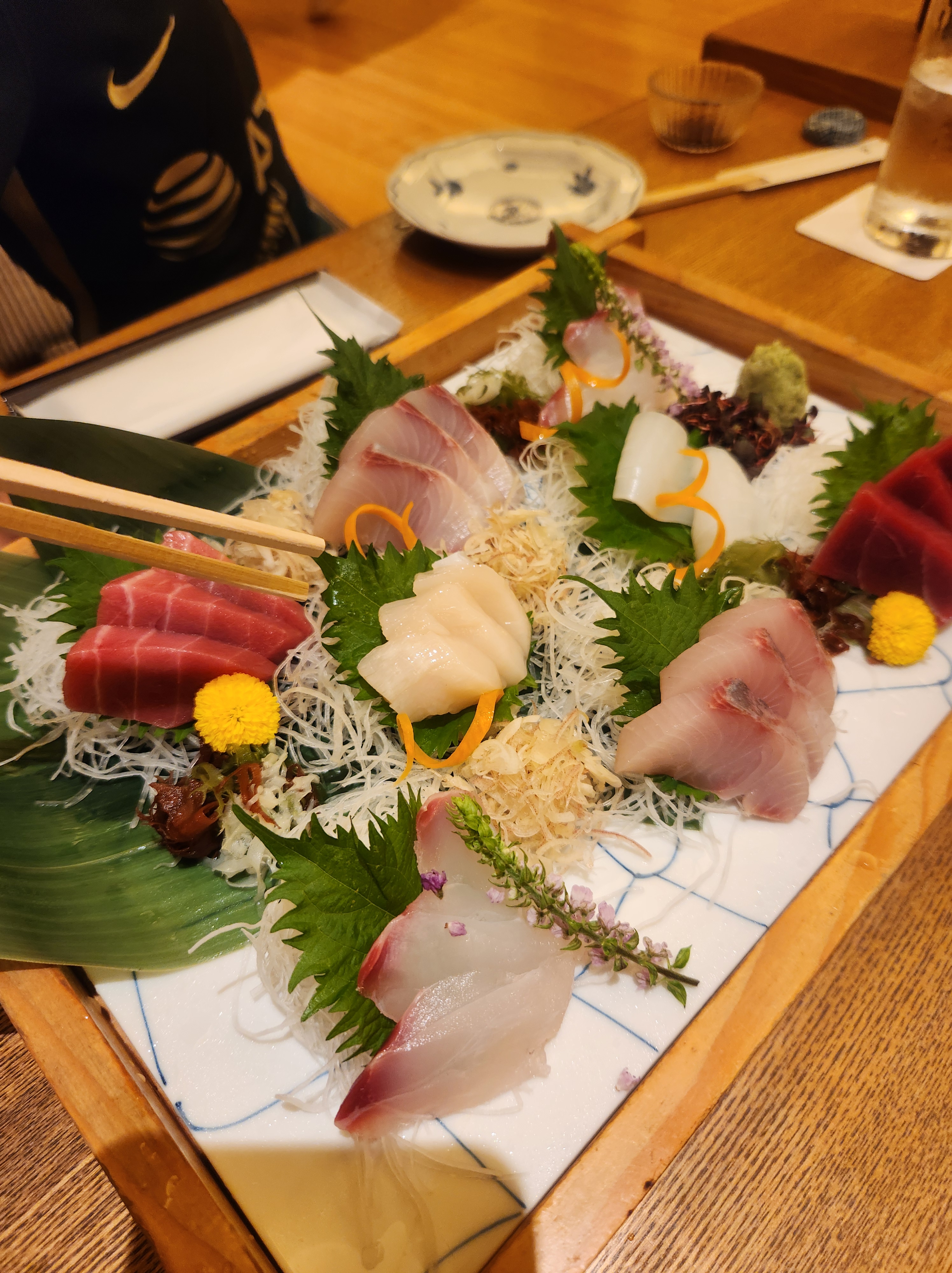
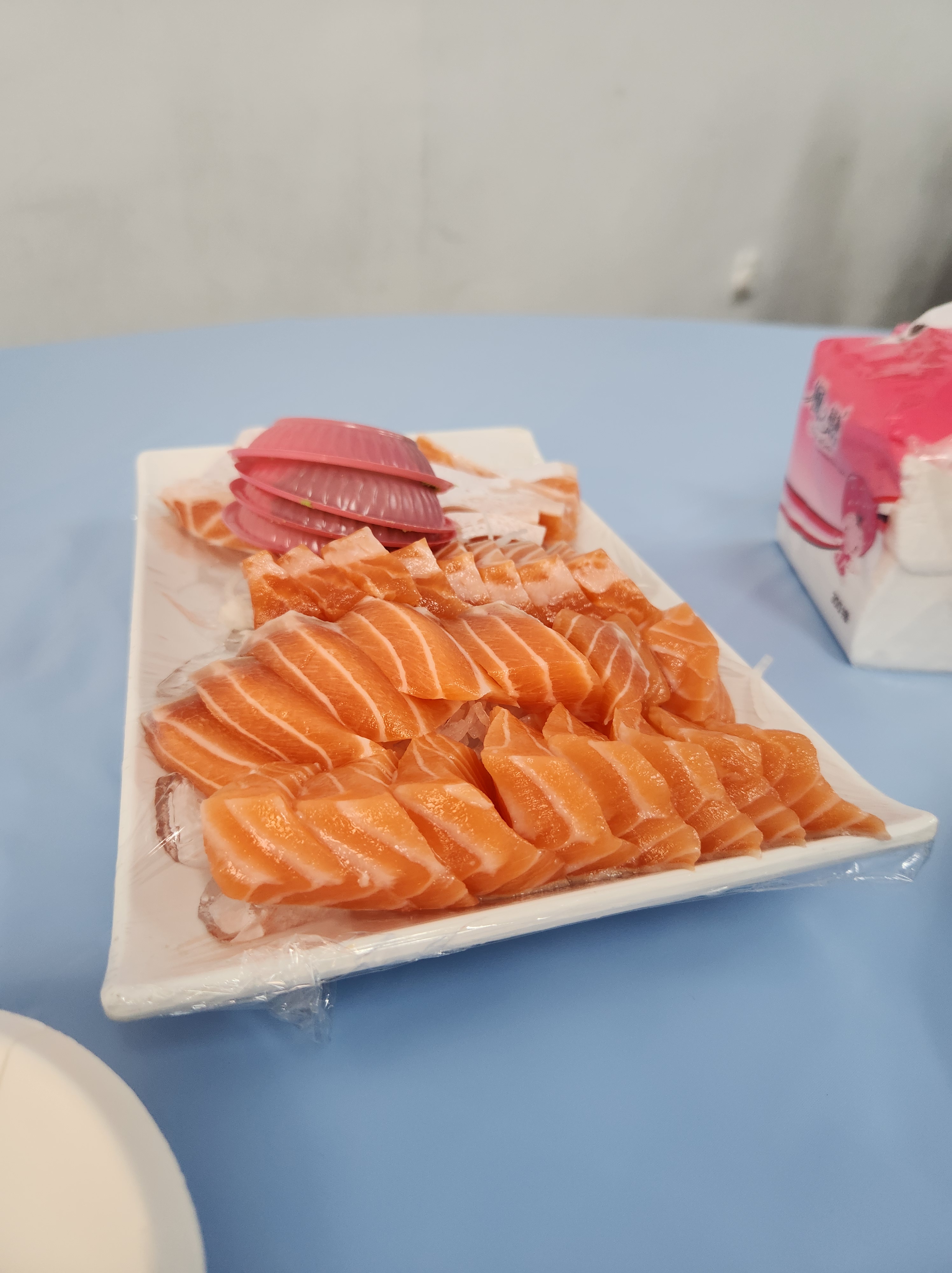
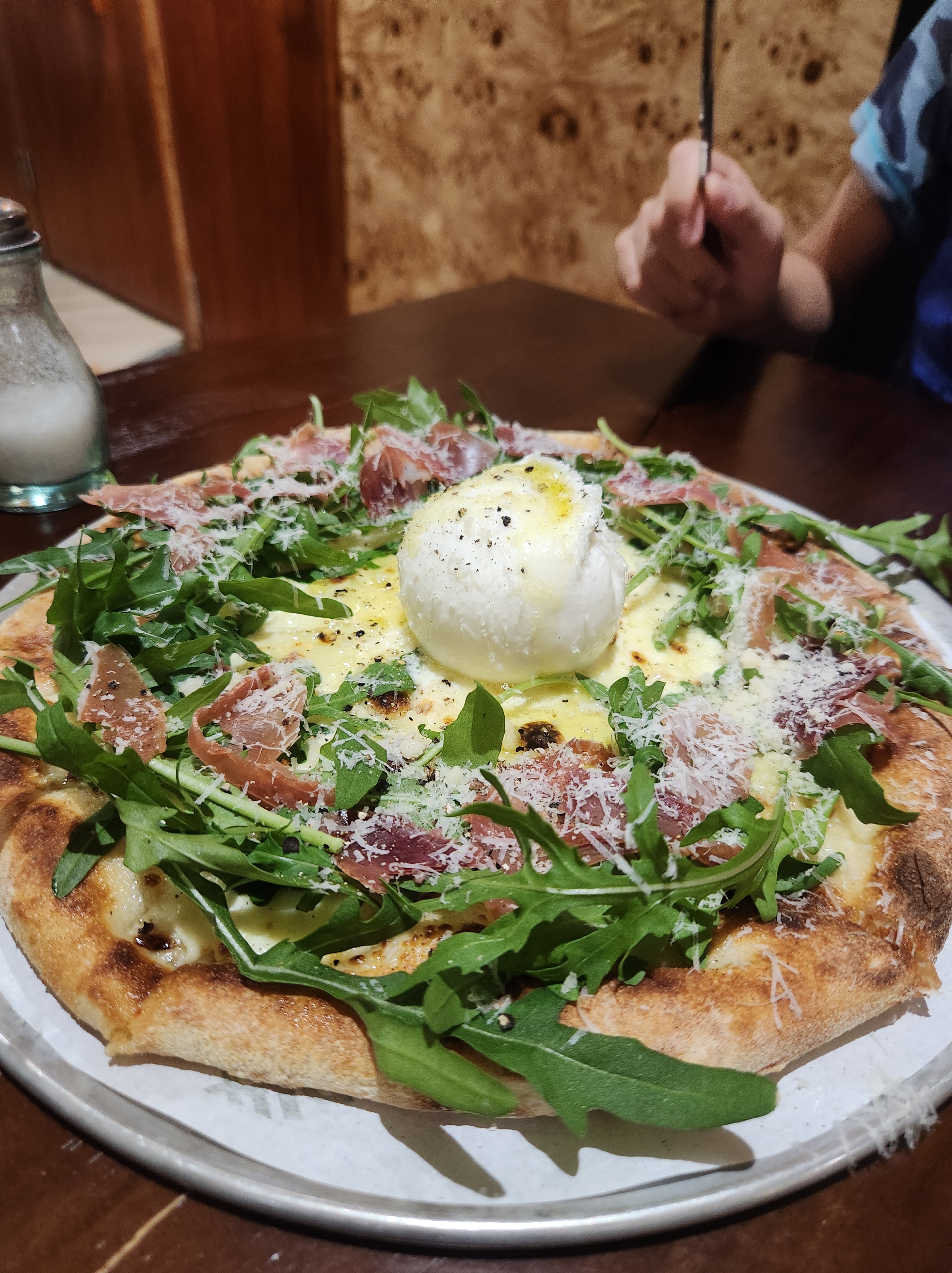
Since Kenting is near the ocean, there are a lot of restaurants selling sashimi for dirt cheap (i.e., about $6 for a huge plate)! It’s not the best quality of course, but too good of a deal to pass up. We ordered a plate of sashimi practically each time we ate out, and by the end of the trip I was so sick of it. 😐 Interestingly enough, Kenting is also where we had some amazing pizza.
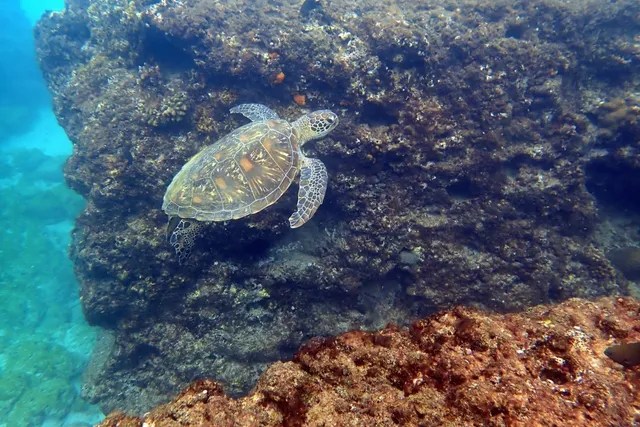
Xiaoliuqiu. Next, we drove to the Donggang port, parked our car there overnight, and caught a ferry to a small island called Xiaoliuqiu. Xiaoliuqiu’s main attraction is sea turtles! This place has been on my travel wish-list for some time. The warm waters, rich coral reefs, and abundant food attract many sea turtles and you can see them year-round. The island is also filled with turtle merchandise: turtle-shaped treats, turtle stuffies, turtle statues, you name it.

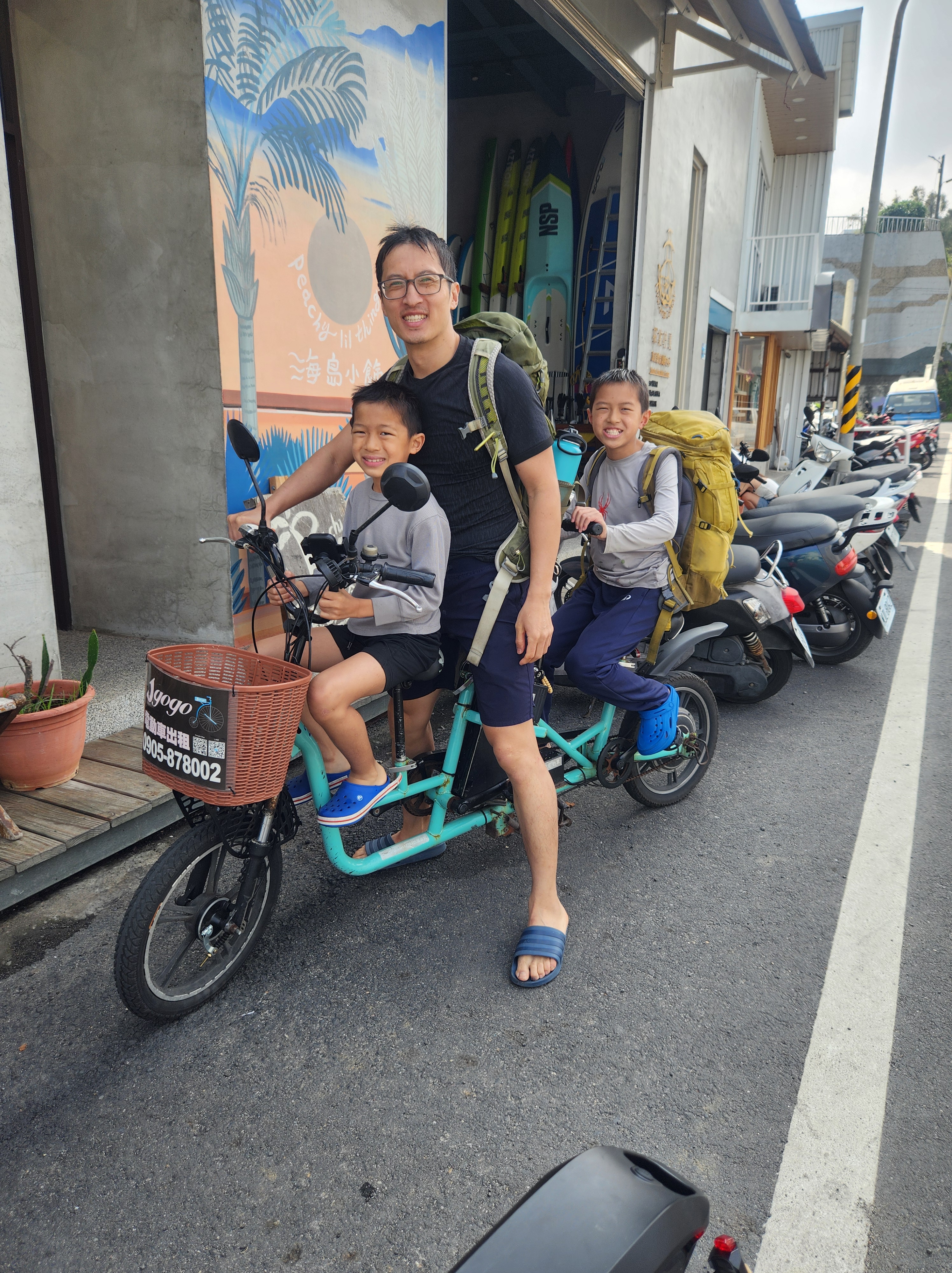
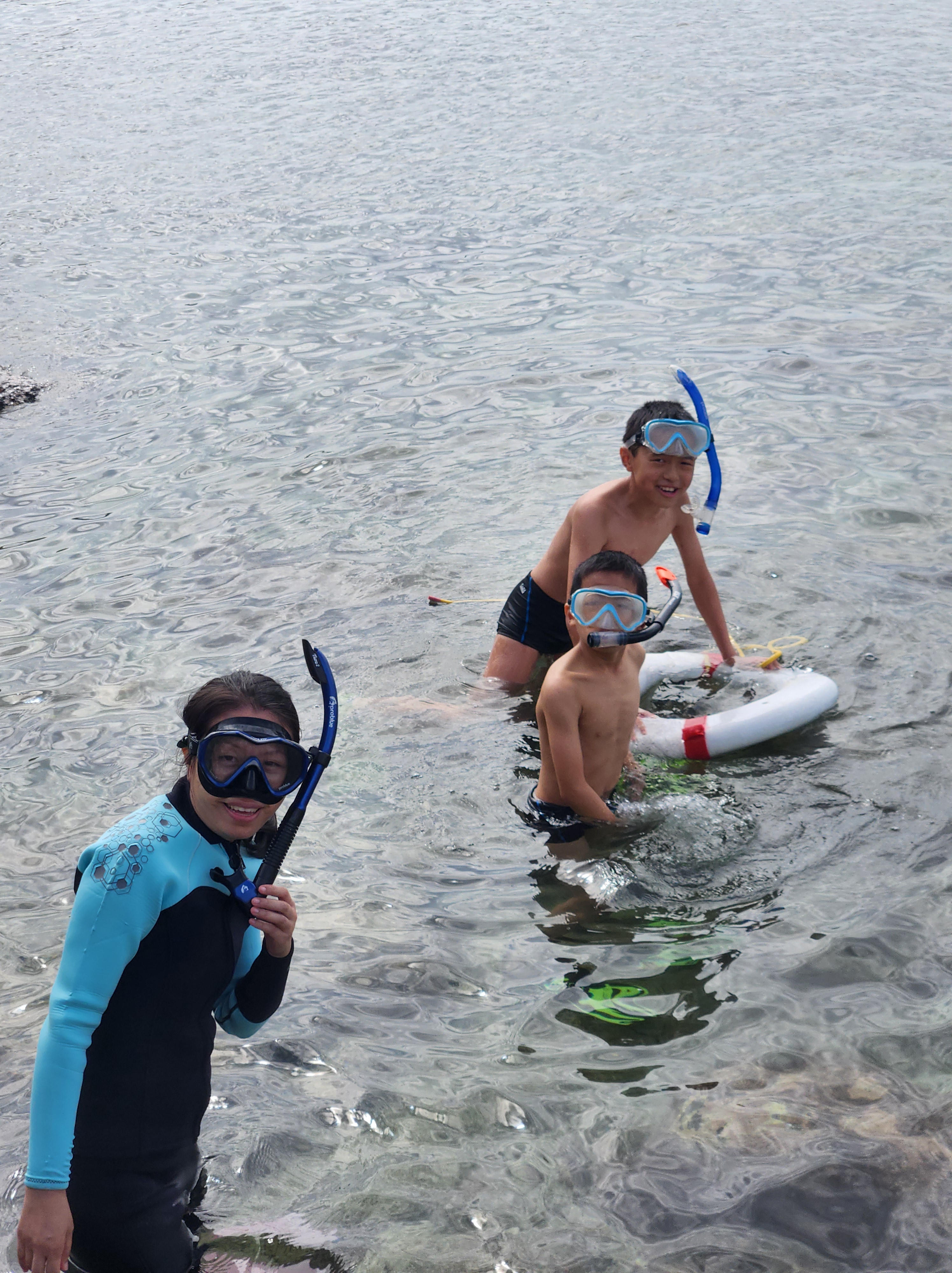
We rented e-bikes and biked around the island to different beaches to snorkel. At our second location, Beauty Beach, we spotted SO many sea turtles! The turtles must be used to seeing people, because we got very close several times and they seemed completely unbothered. Seeing sea turtles up close in the ocean felt so magical – what a special treat!
Unfortunately, Xiaoliuqiu was also where I got a stomach bug. 😫 I suspect it might it have been the sushi we ate for dinner (which is why I still haven’t had sushi since we got back, ha!).

Kaohsiung. We got back to the Donggang port and drove about 1.5 hours to Kaohsiung, a major port city and Taiwan’s second-largest city. Kaohsiung felt very vast, with wide boulevards and high rises, but with fewer people than Taipei. Yet, it was the hardest place for me to drive because the roads were so confusing and traffic was heavy all the time. Thankfully, Kaohsiung has its own MRT and while it’s not as comprehensive as Taipei’s, we used it to get around the city and avoid driving.

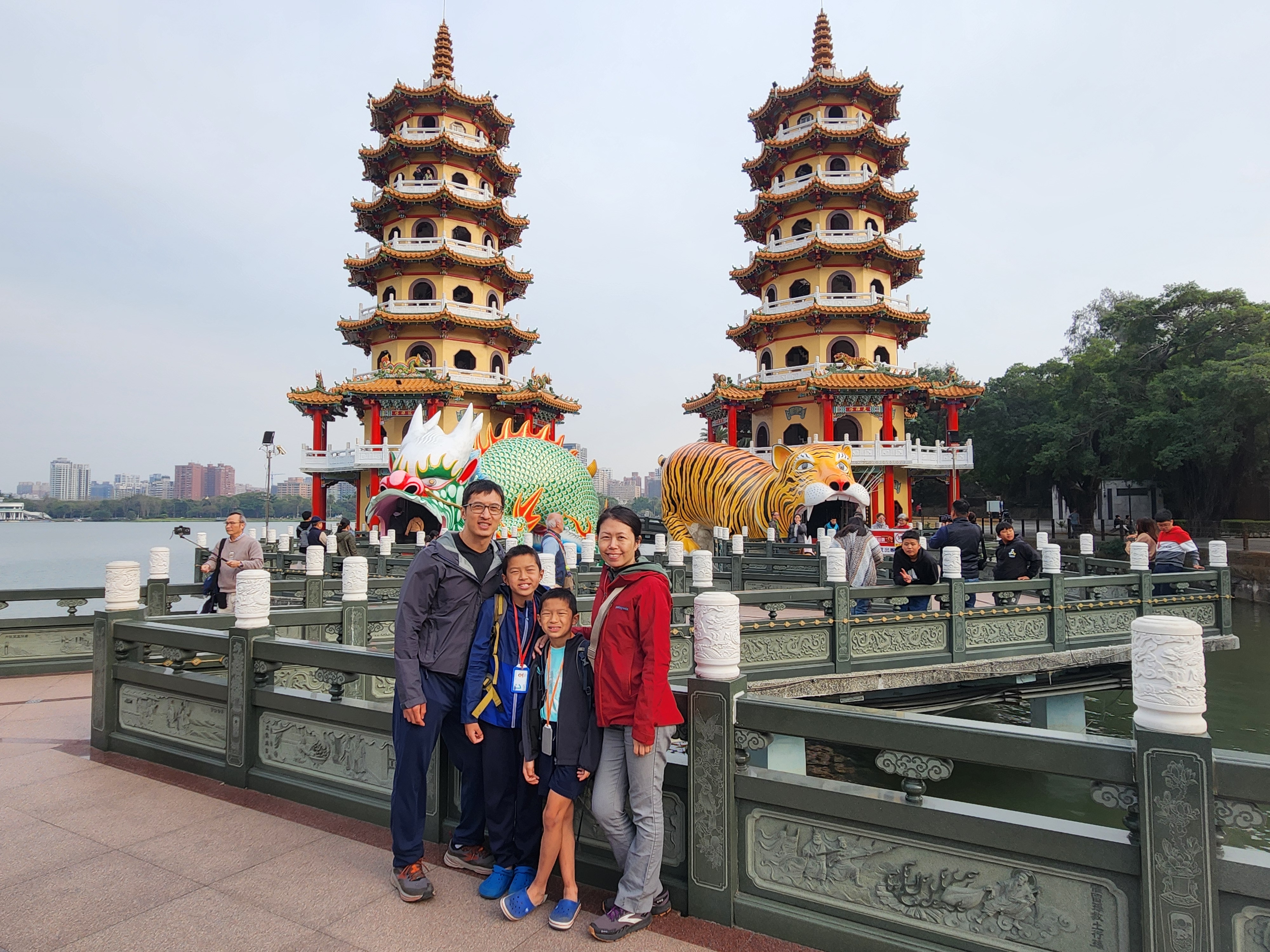
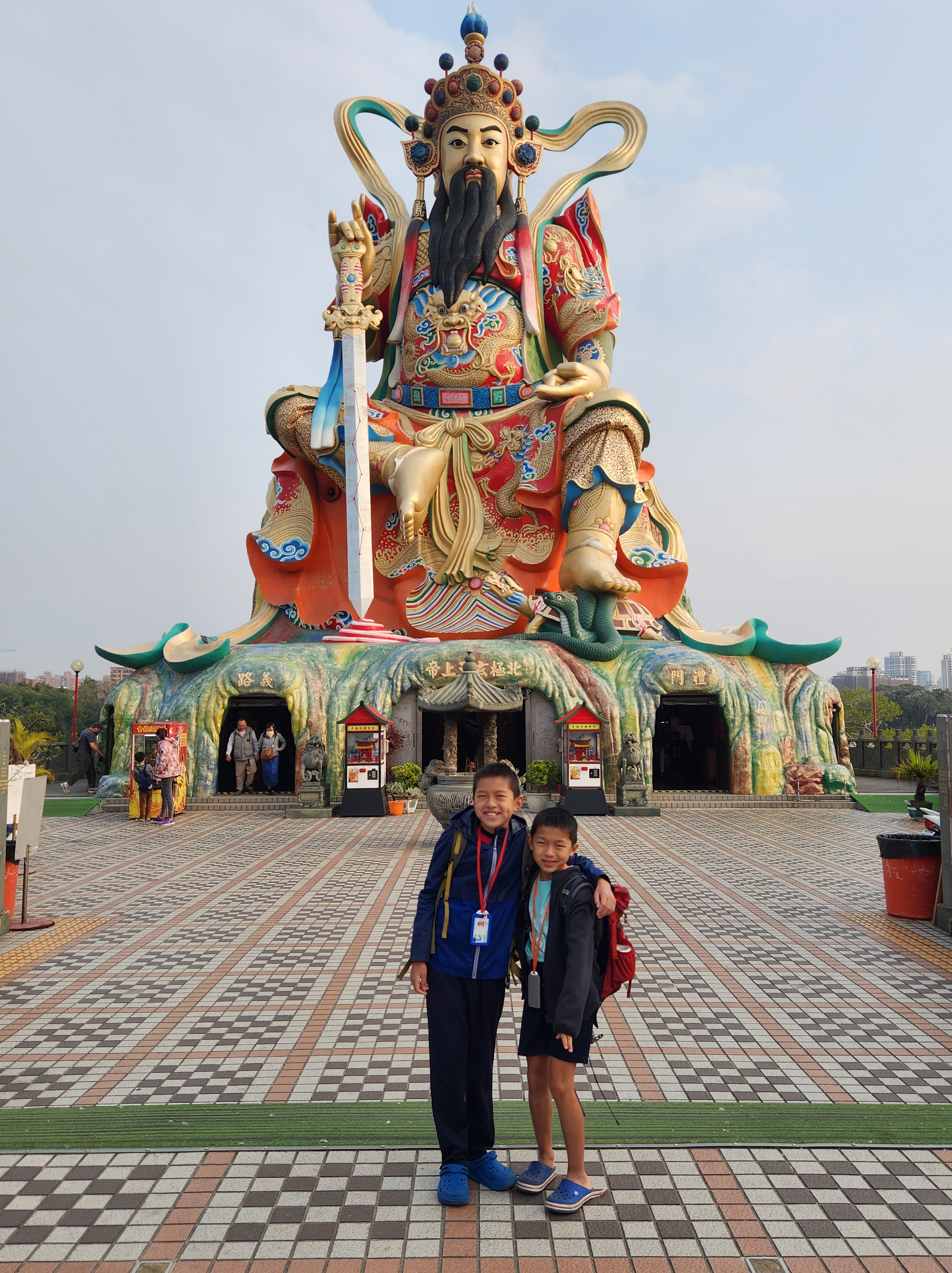
We visited the Lotus Pond and Temples. It was quite a lively area – a small bazaar, people exercising nearby, fishermen along the pond, and singing voices in the background.
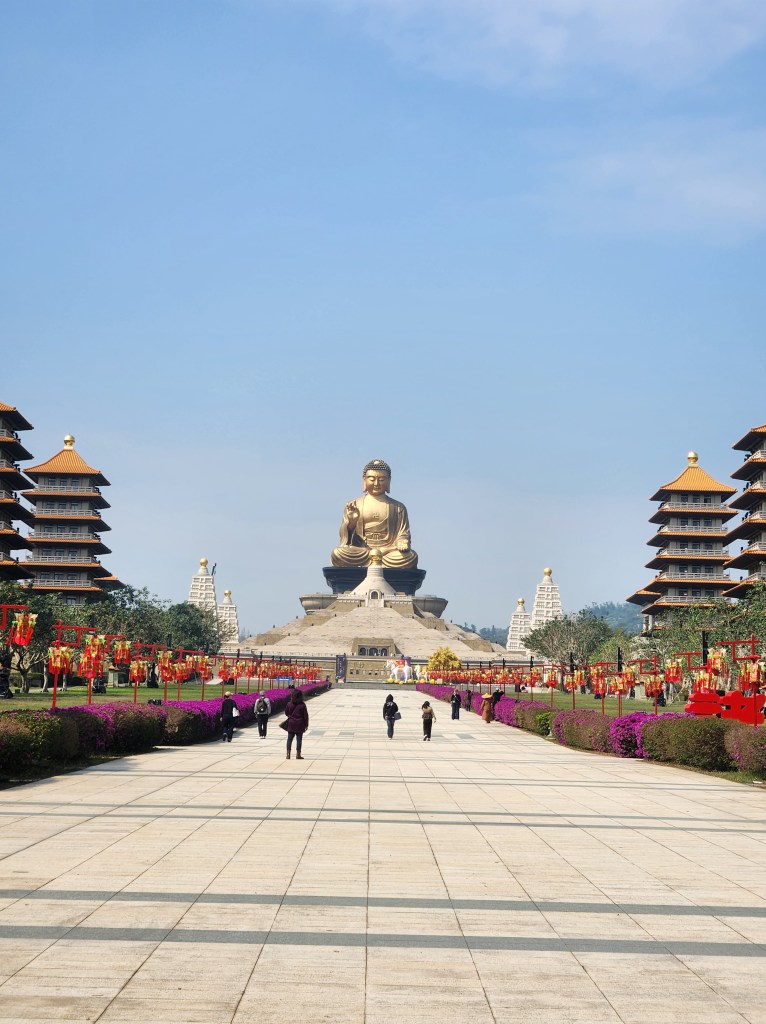
Before we left Kaohsiung, we visited Fo Guang Shan Buddha Museum. The place is massive. A 354′ Budda statue sits at the end of a long walkway flanked by 4 pagodas on each side. The museum contains Buddhist art and relics. The whole complex was impressive to see and exceptionally well-built.
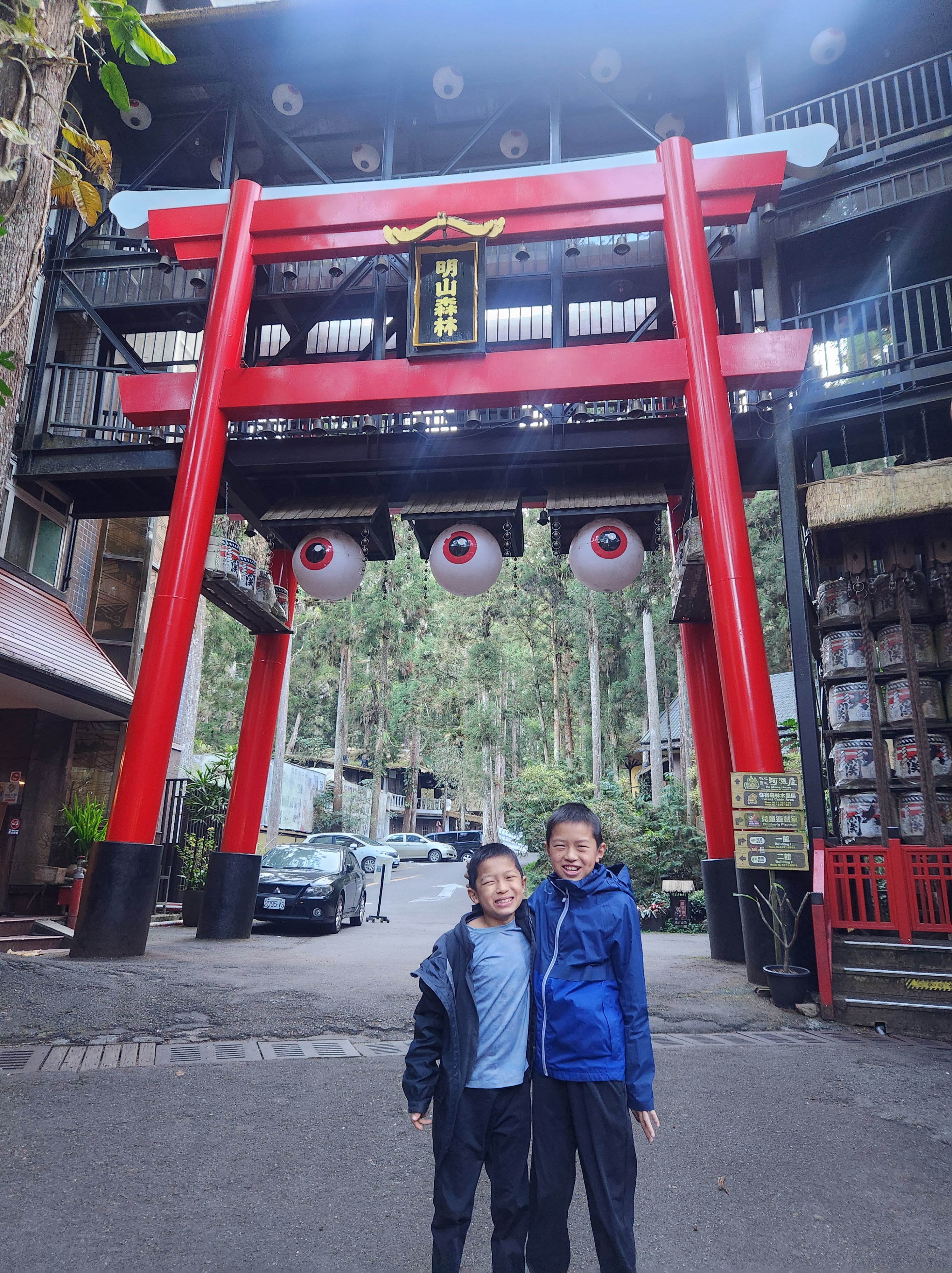
Nantou. Nantou is a mountainous county located in the middle of Taiwan. We came here because I was interested in visiting the Xitou Nature Education Area, but I have to admit it was pretty disappointing.

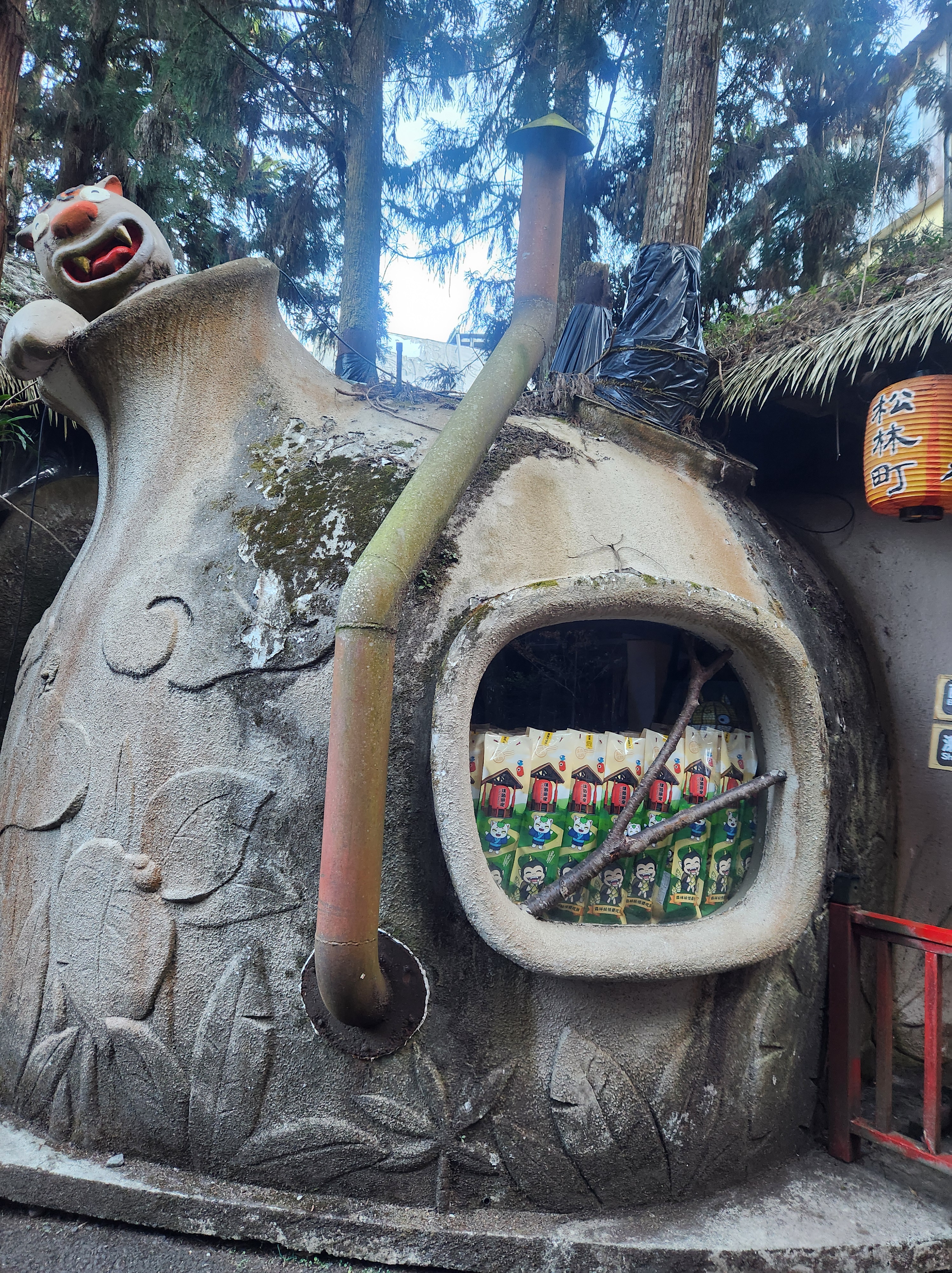
We stayed in Monster Village, a Japanese monster-themed “village”. It consists of a hotel and a few shops and restaurants. On social media, it looked really cute but in reality, it was much smaller than I thought, a bit run down and deserted.
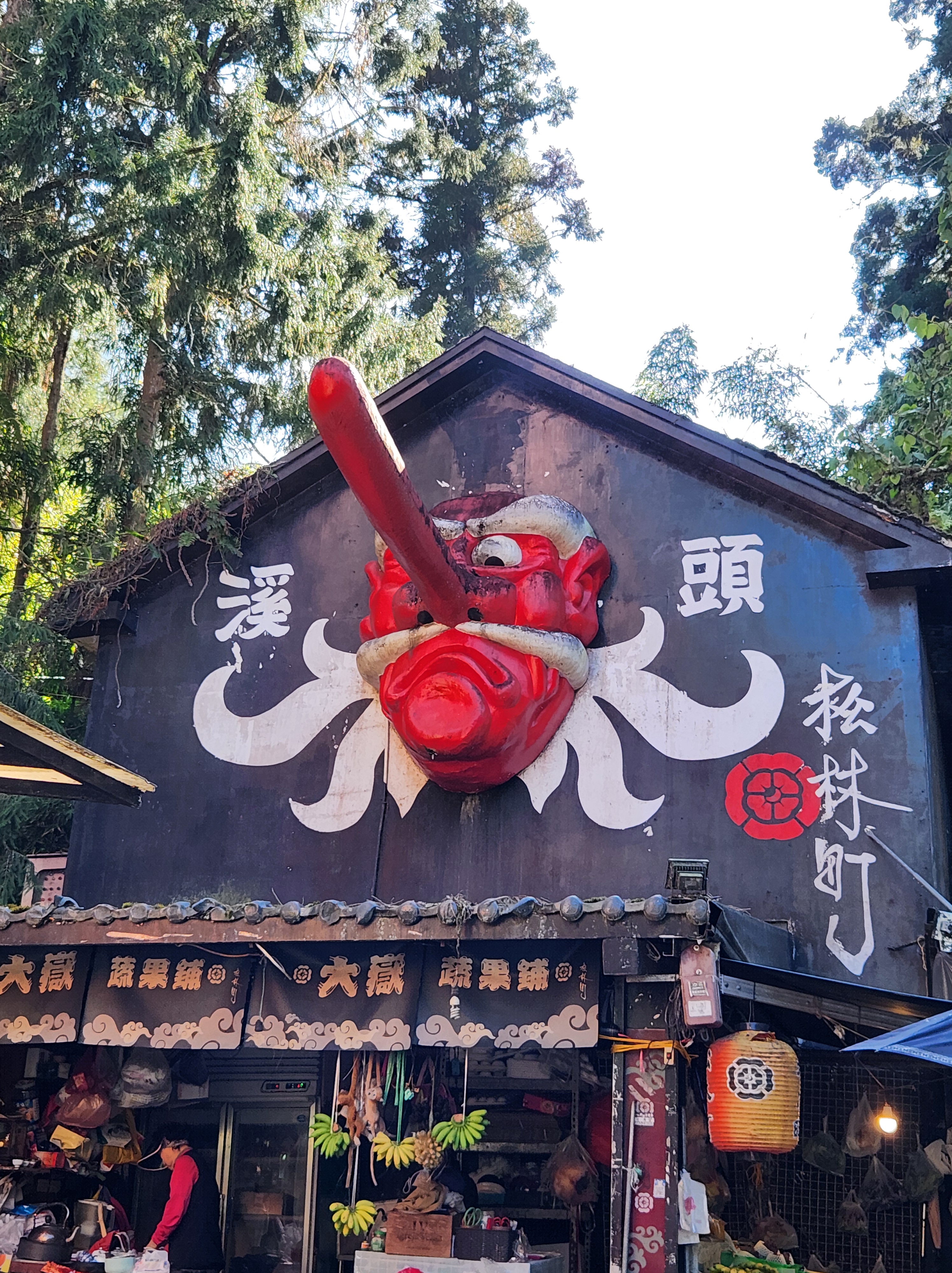
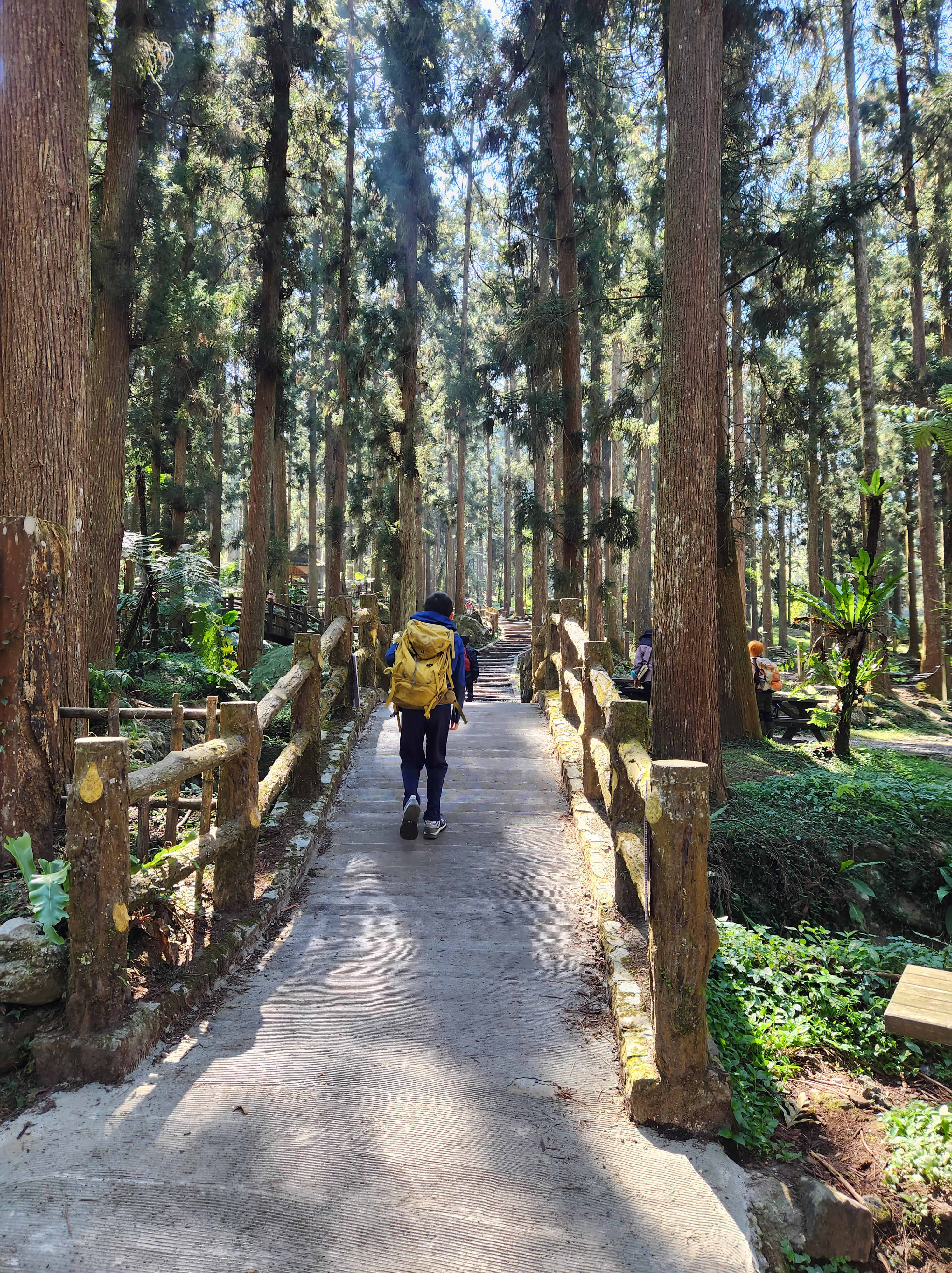
The Monster Village is located right next to the Xitou Nature Education Area. However, we didn’t enjoy that area much either. The trails were short and boring, and mostly filled with older people exercising, so it felt more like a park than a real hike. The boys quickly lost interest so we didn’t stay long.
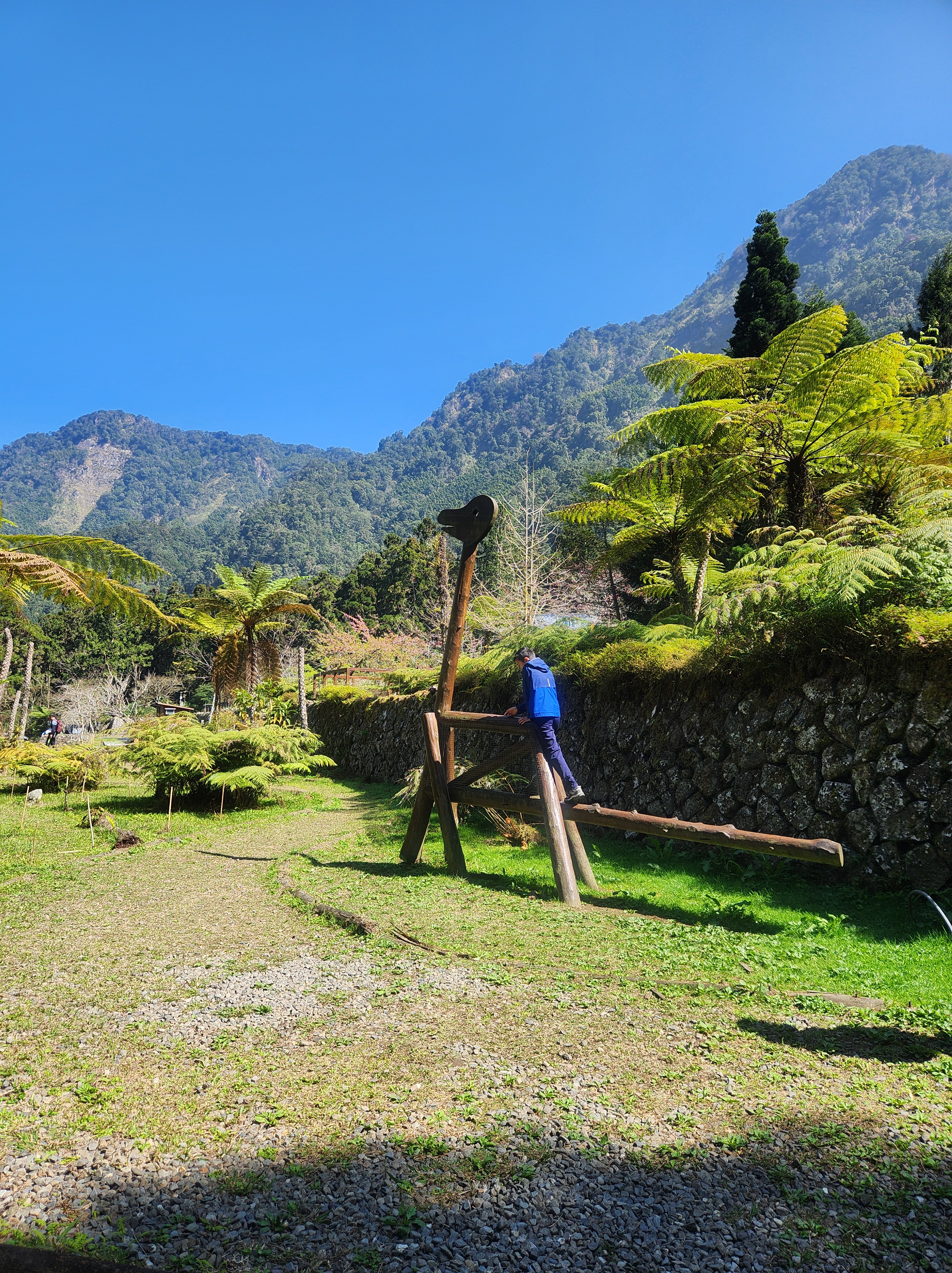
Miaoli. Last stop on our road trip was Miaoli, a county in the northwestern part of Taiwan and a 2 hour drive from Nantou. Miaoli has a huge Hakka population and a laid-back vibe.

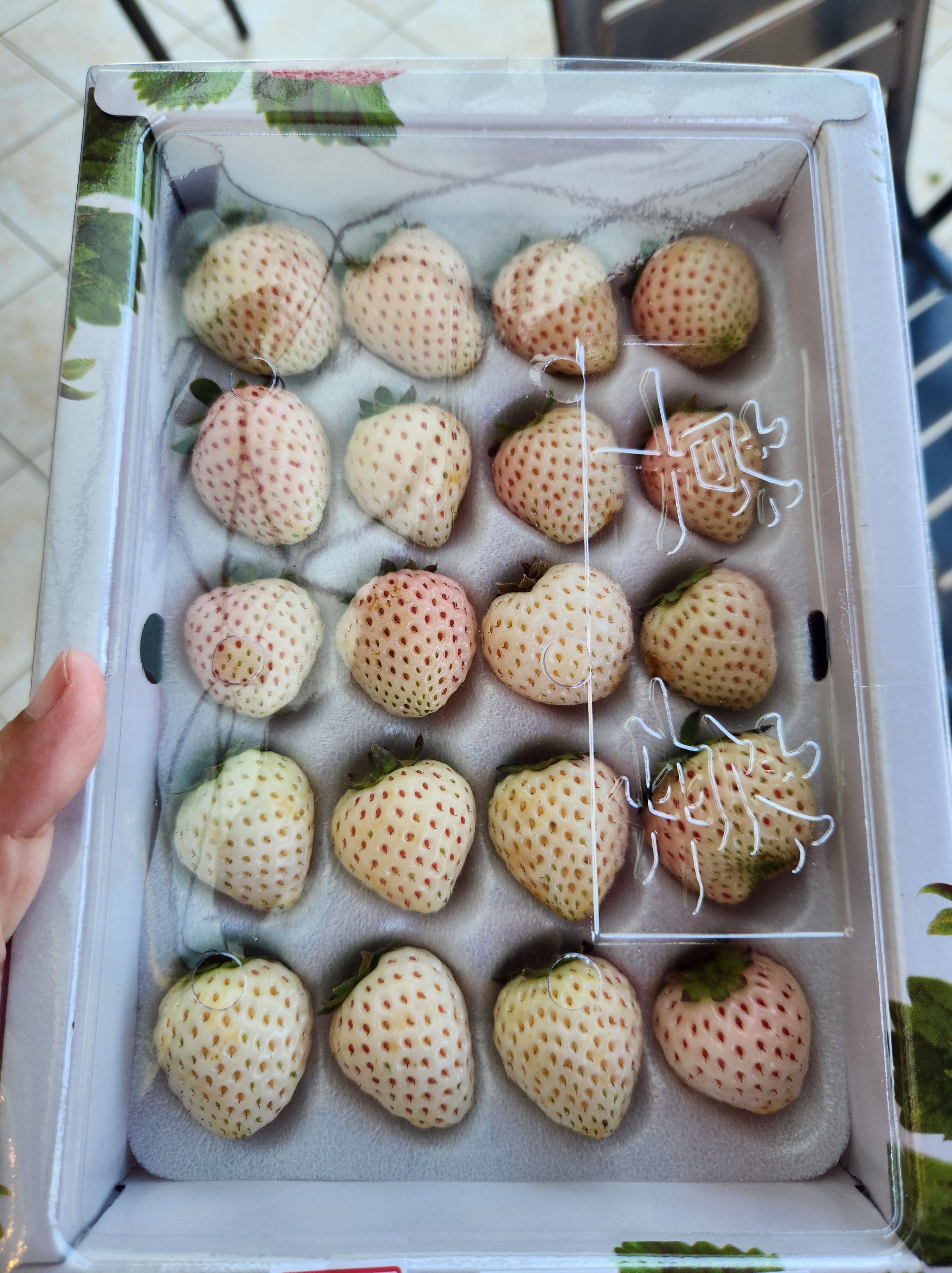
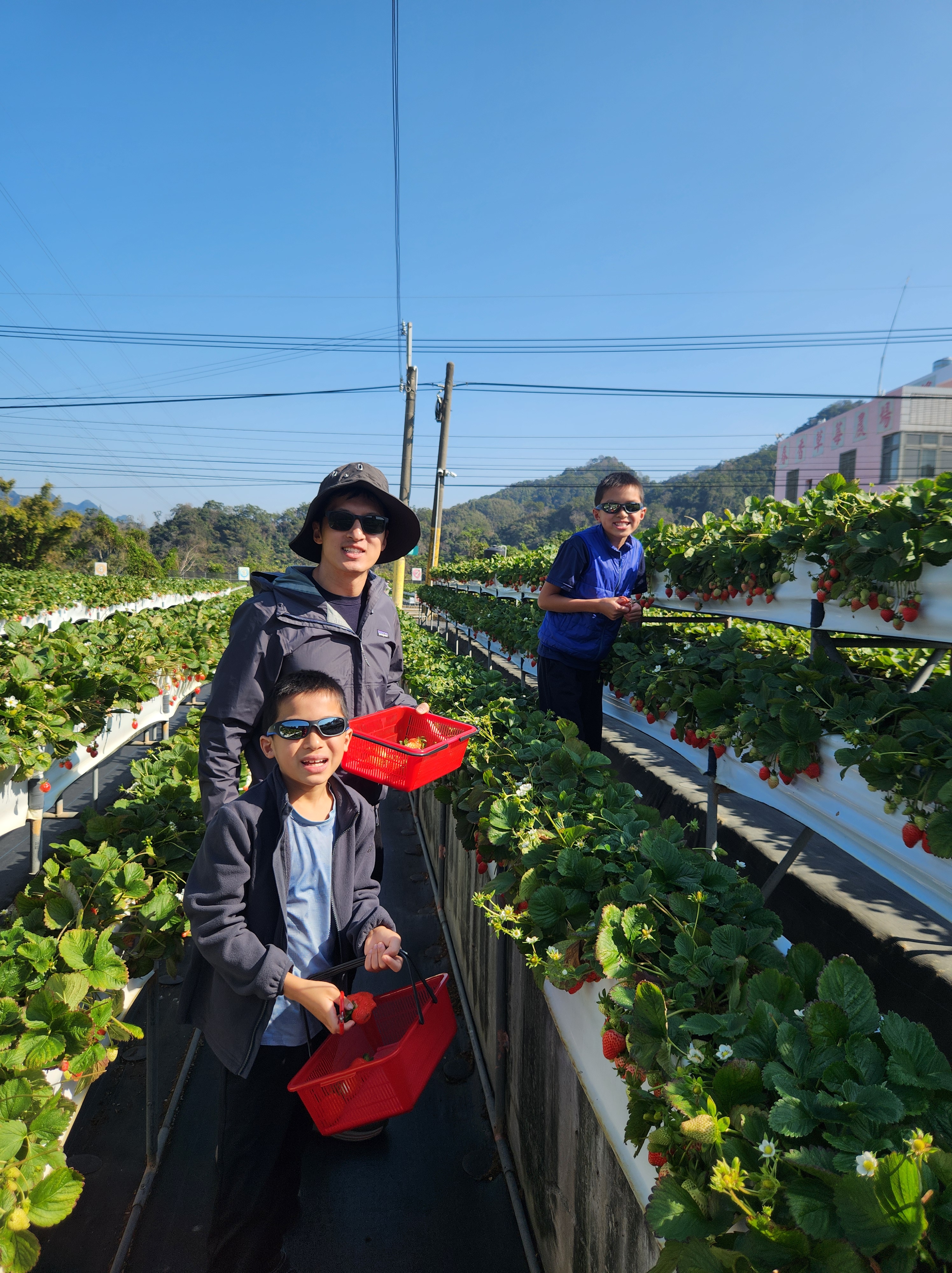
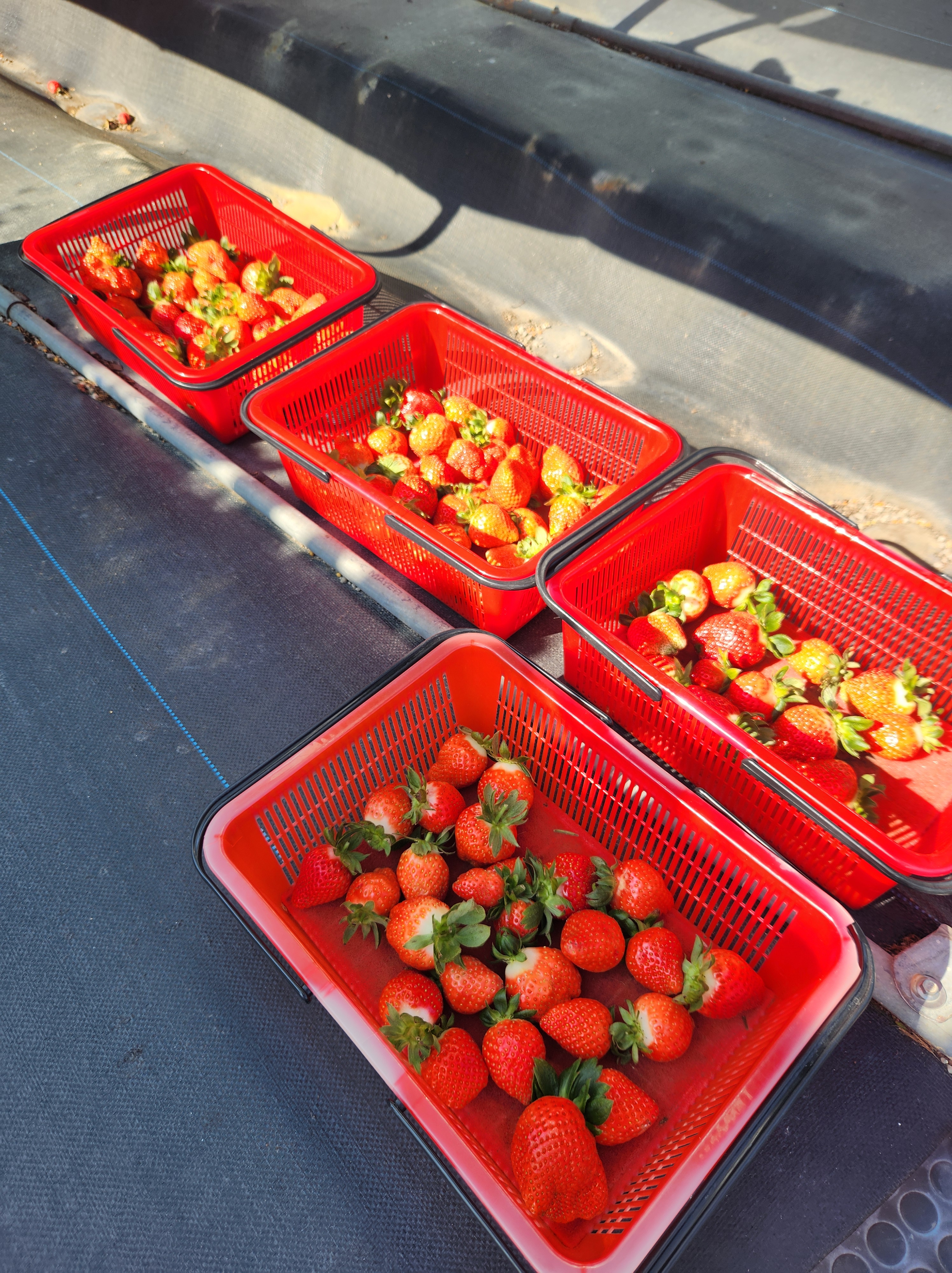
We stopped by the town of Dahu to pick strawberries as January/February is strawberry season in Taiwan. The strawberries were big, juicy and sweet (but expensive!). We also bought a unique variety of white strawberries called Snow Rabbit, which tasted slightly sweet and has a more delicate flavor simliar to a pear. We had a lot of fun picking strawberries.
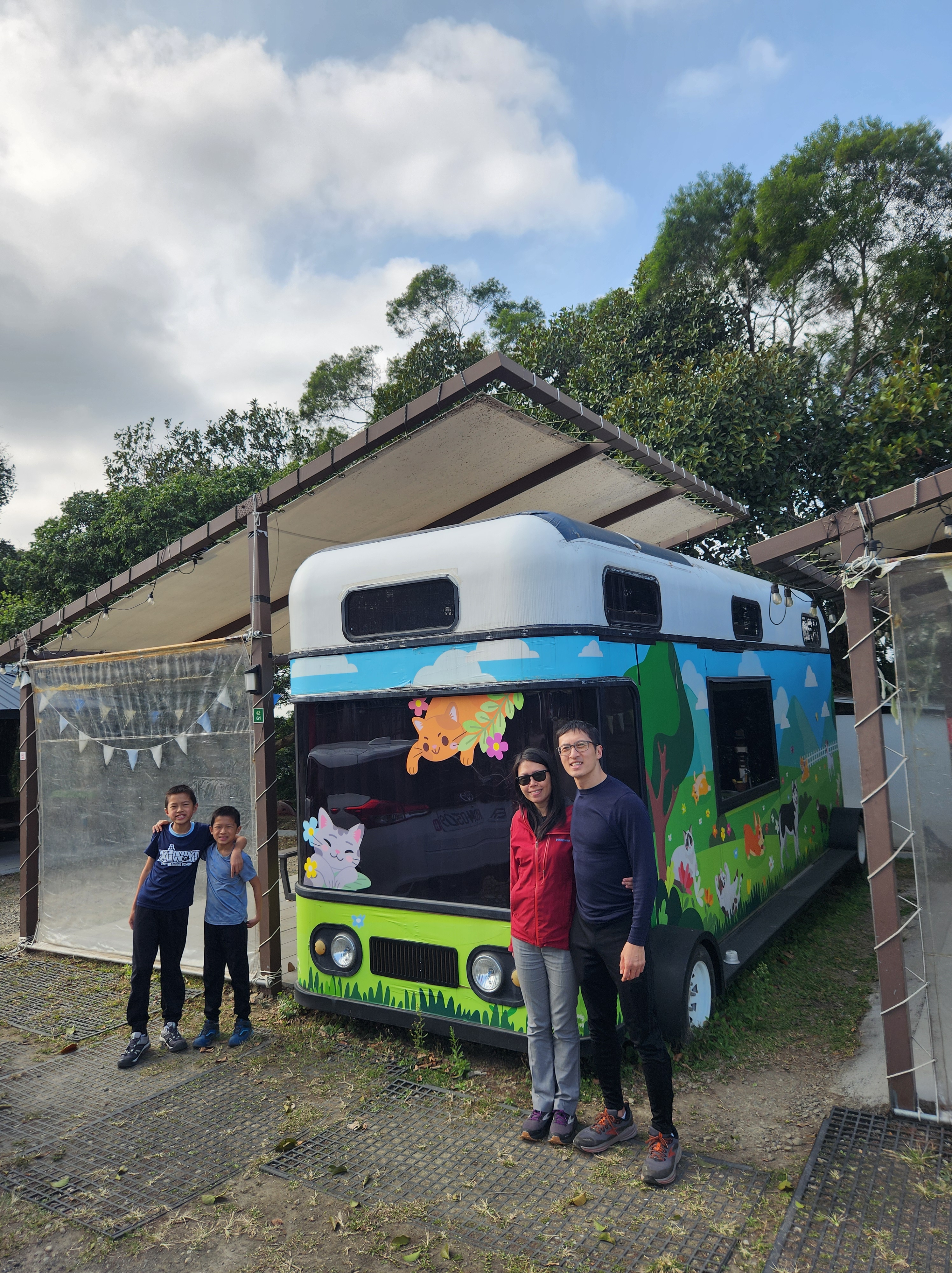
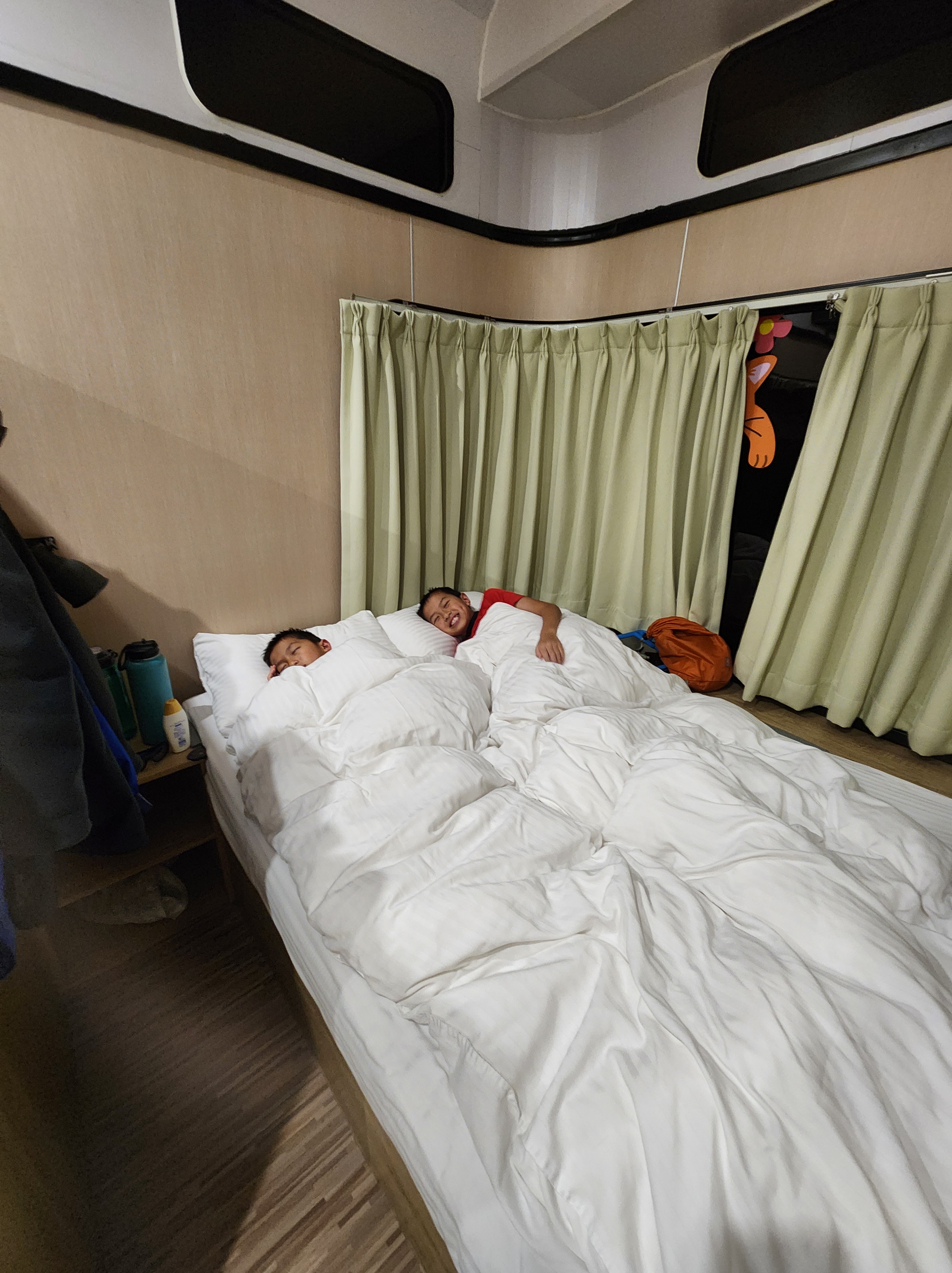
On our last night, we stayed at another glamping site. I booked this site specifically for their cute camper vans. It’s the boys’ dream to own a camper van one day. 😂 As with most glamping sites in Taiwan, the inside of the cabin was really nice and clean.
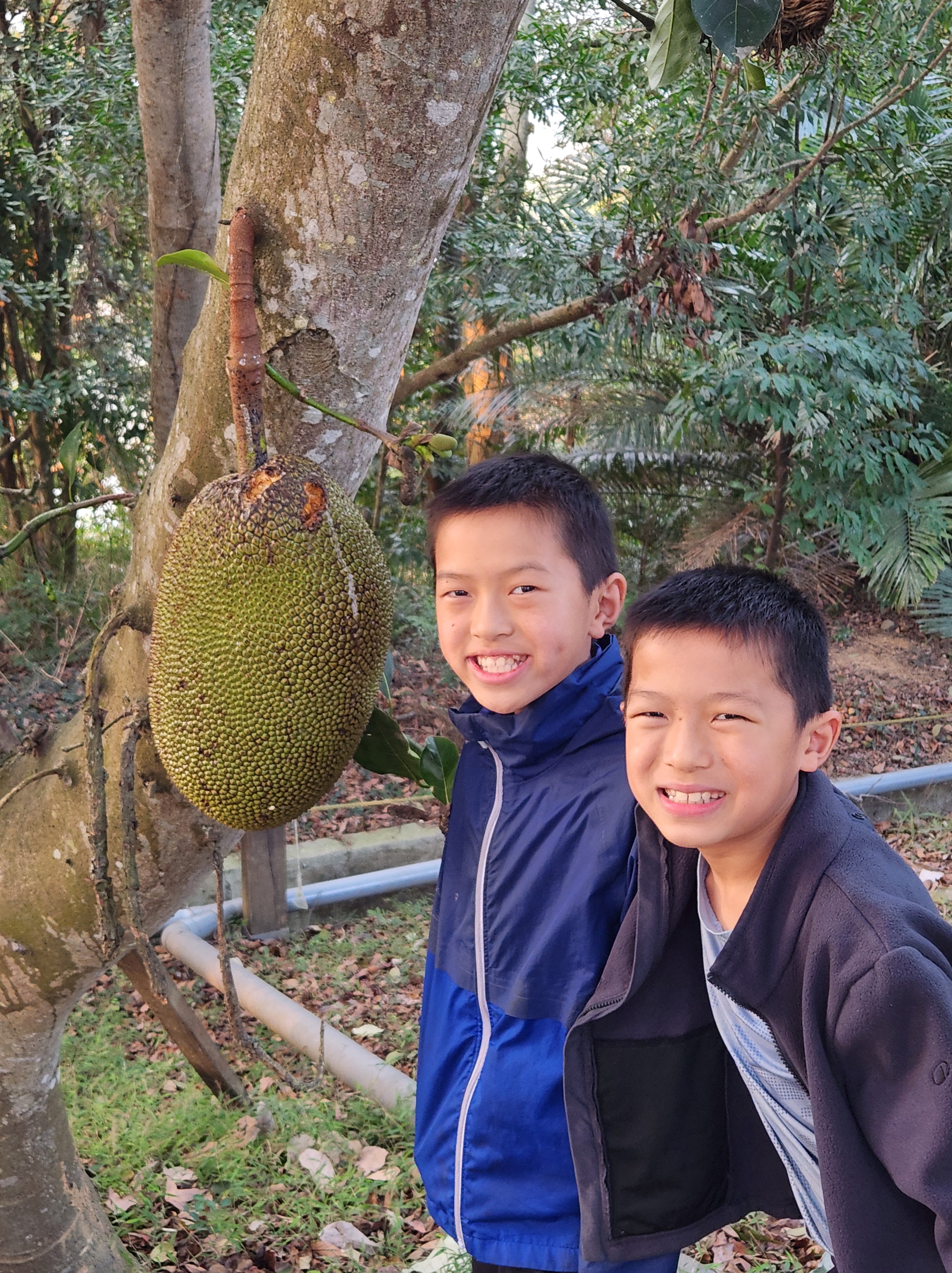
We were surprised to find the campsite was practically a jackfruit orchard! There were jackfruit growing everywhere. The owner kindly offered us one but mentioned they weren’t quite ripe yet. Knowing how much work it takes to open a jackfruit, we didn’t want to go through the hassle for something that wasn’t sweet yet, so we passed. Still, it was so cool to see them growing in the wild for the first time!

The campsite also had a fire pit, so we stopped by the nearest grocery store to pick up ingredients for s’mores. They didn’t turn out to be what we’re used to; for instance, graham crackers were replaced with saltines, but it was still fun to relive a little slice of American culture.
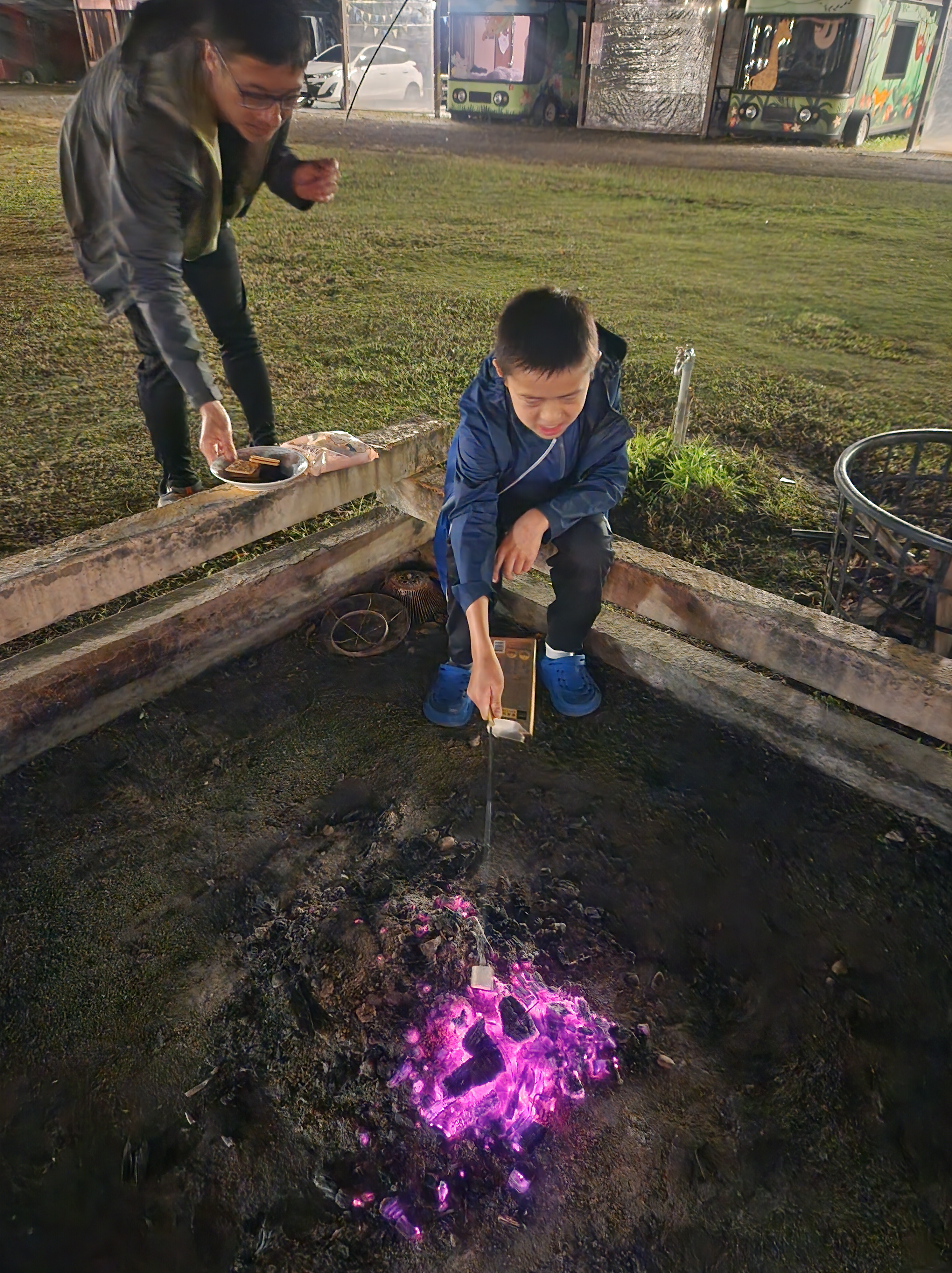
That night, Baba and O were hit with the stomach bug. 🤢 We suspect it may have been the strawberries they ate (C and I didn’t have any). I don’t know if they ate too many or if the strawberries weren’t washed properly. Either way, it was a rough night with very little sleep, and we were all exhausted for the drive home the next morning.

Still, I was glad to finally be back home in Taipei. The three of us who came down with stomach bugs spent the next few days recovering. I felt completely drained, both physically and mentally. I was the sole driver on the entire trip (Baba’s license had expired and he’s better at helping me navigate anyway). I was driving anywhere from 2-3 hours every other day, and Taiwan is not an easy place to drive. This was also a packed trip; we stayed in hotels for only 1 or 2 nights. This was fine when Baba and I were in our 20s, but now we much prefer slow travel.

I was in a funk for some time afterwards, and didn’t want to do anything or go anywhere for awhile. After eating out for 5 weeks straight, I was so ready for home-cooked meals. I know this sounds a little spoiled but after weeks on the road, just being back in a normal routine felt like a luxury.
Ramblings

China: Part 2

Read Part 1 here.

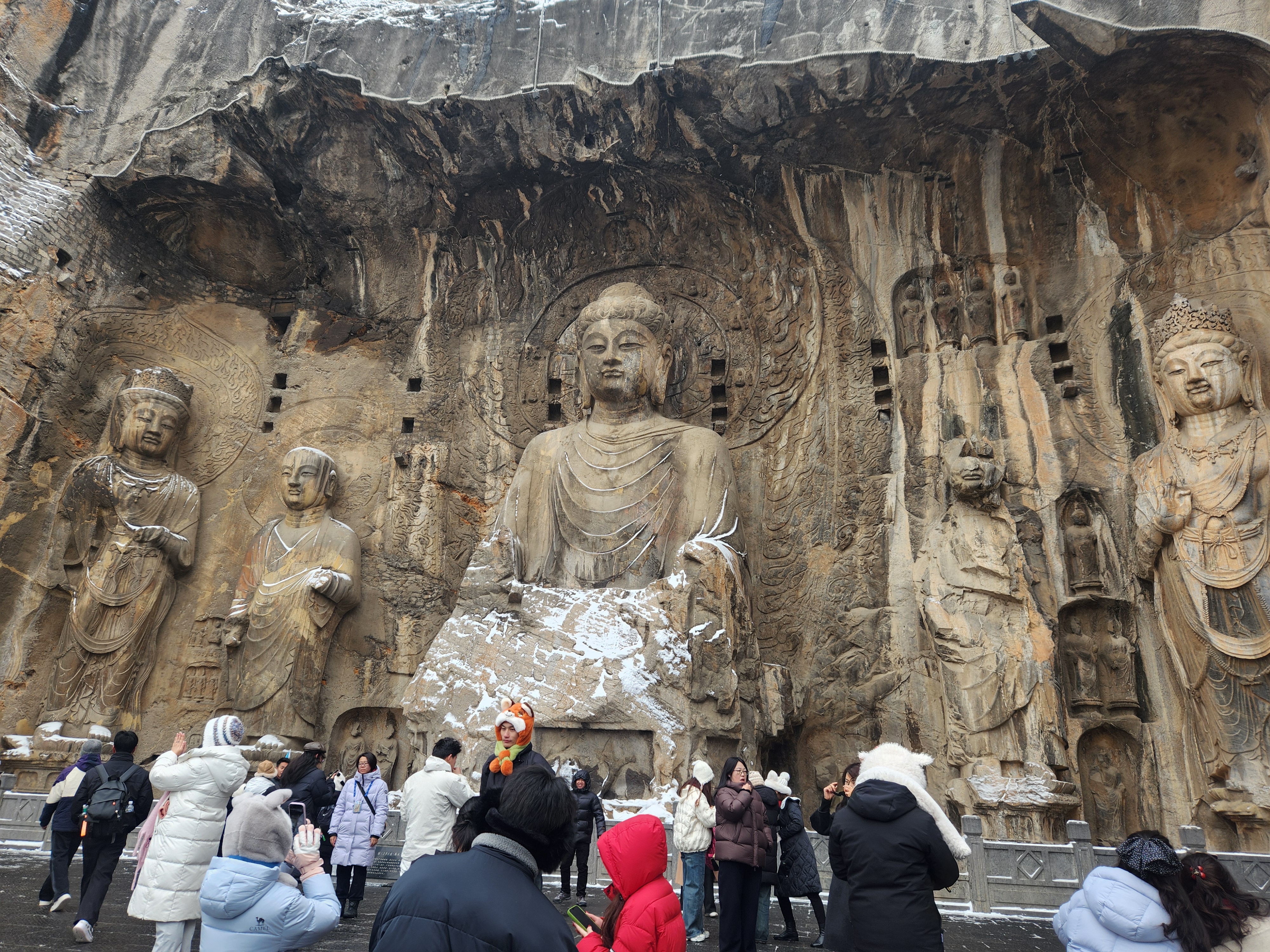
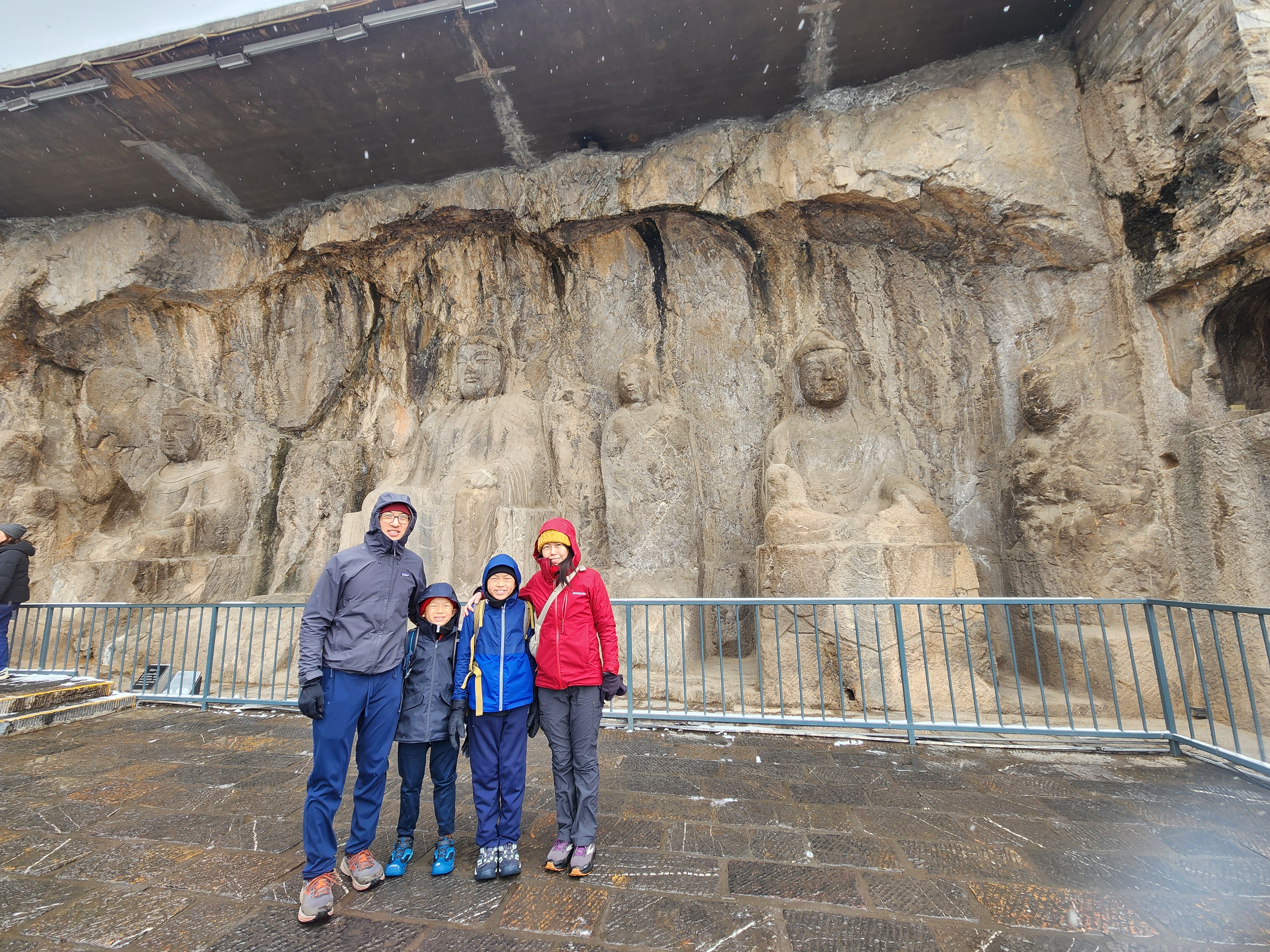
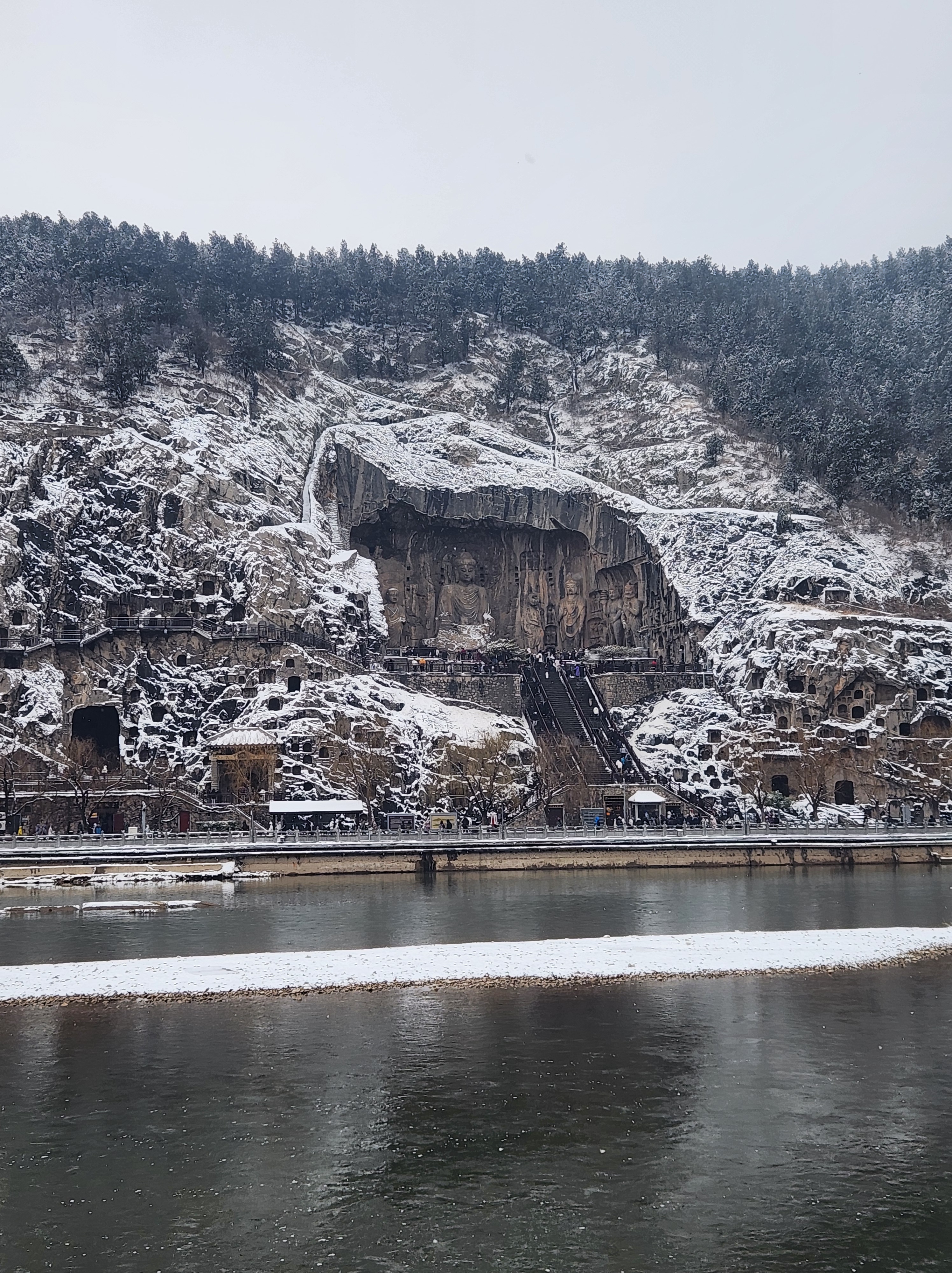
Luoyang. From Xian, we went on a day trip to Luoyang, one of China’s ancient capitals. The main attraction is the Longmen Grottoes, 龍門石窟, a set of Buddhist statues carved into the cliffs, many of which were completed during the Tang Dynasty. The site was about a 1.5 hour train ride from Xian.

Longmen Grottoes are absolutely worth a day trip. Each of the small caves you see in the photo below contains intricately carved Buddha statues…so incredible! A light dusting of snow that day blanketed the mountains, making the place even more beautiful.

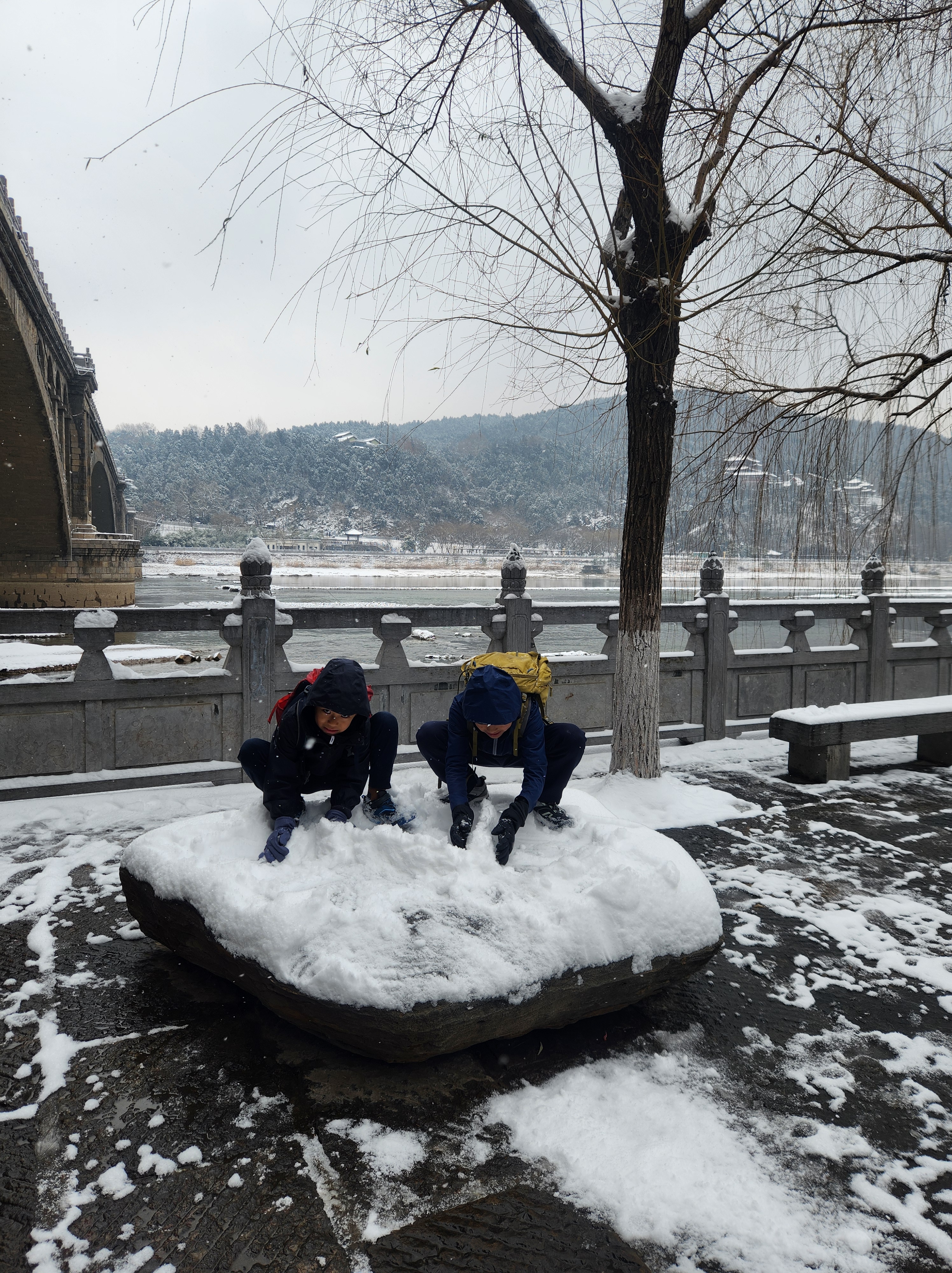
The main attraction at Longmen Grottoes is the Fengxian Temple, featuring a 57′ tall Buddha surrounded by smaller guardians and disciples on both sides. I remember climbing the long staircase with my head down, completely unprepared for the moment I looked up and found myself face to face with this amazing sight. The boys of course, were more amused by the snow. 😏

Our day trip to Luoyang was perfect, other than the fact our train back to Xian was delayed by over 2 hours because of the snow. 😣

Huangshan. Even though I’m mostly a city girl, I like to incorporate some nature experiences on our trips. I originally wanted to go to Zhangjiajie National Park, but was afraid winter wouldn’t be a good time to go and it’s a bit out of the way. So, we decided to go to Huangshan National Park, though that wasn’t exactly easy to get to either. The high speed rail took 7 hours to get from Xian to Huangshan!

We stayed at Tangkou, a town at the base of Huangshan, for 2 nights. Friday morning, we took a shuttle bus from the town which took us to the cable car up the mountain. This was our first glimpse of what awaited us at Huangshan. Swarms of people ran around the steel barricades, racing to catch the buses – it honestly felt like Disneyland! We stood there stunned for a moment…then did what everyone else was doing and joined the flow. Do as the Romans do, right?

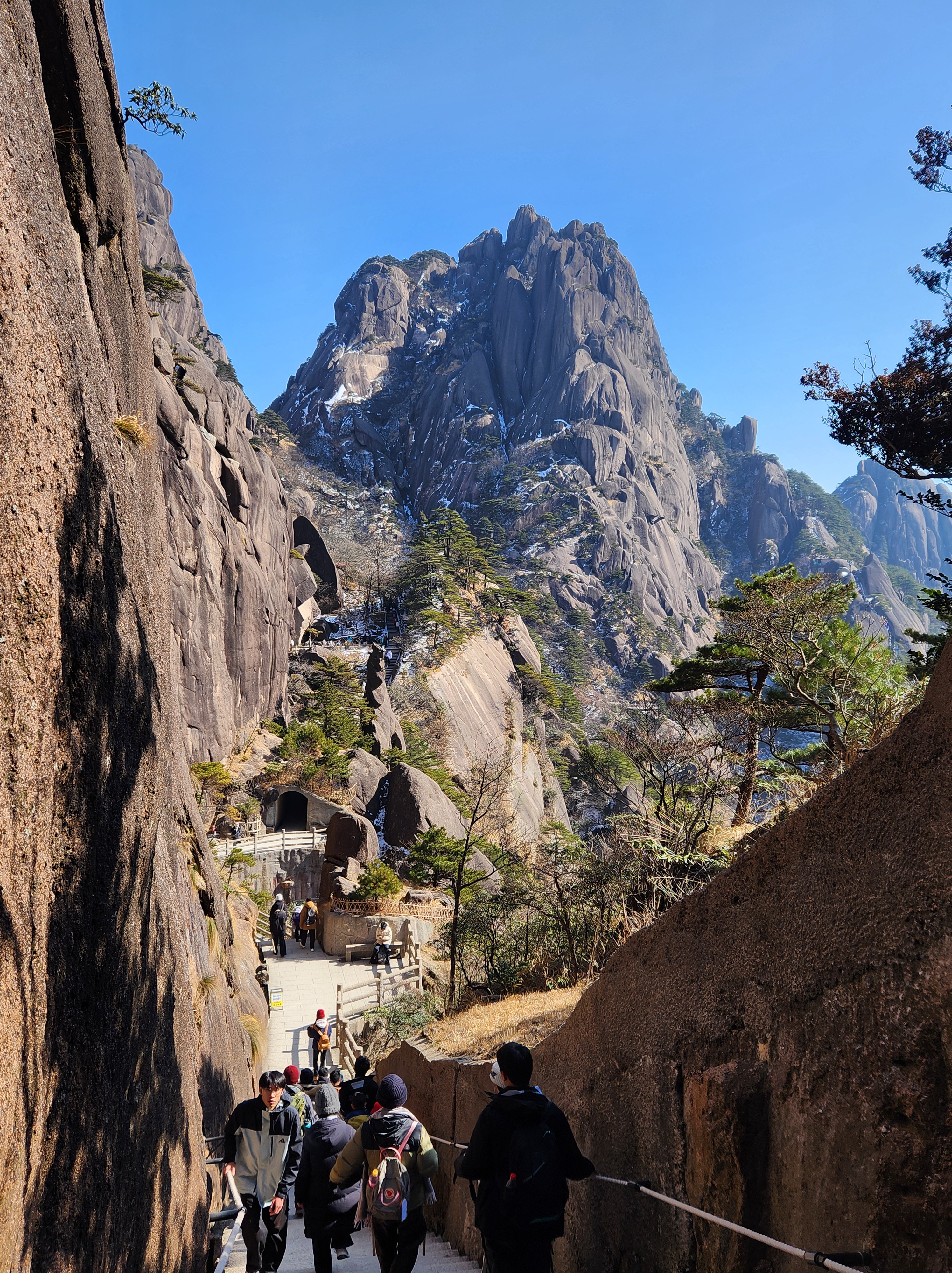
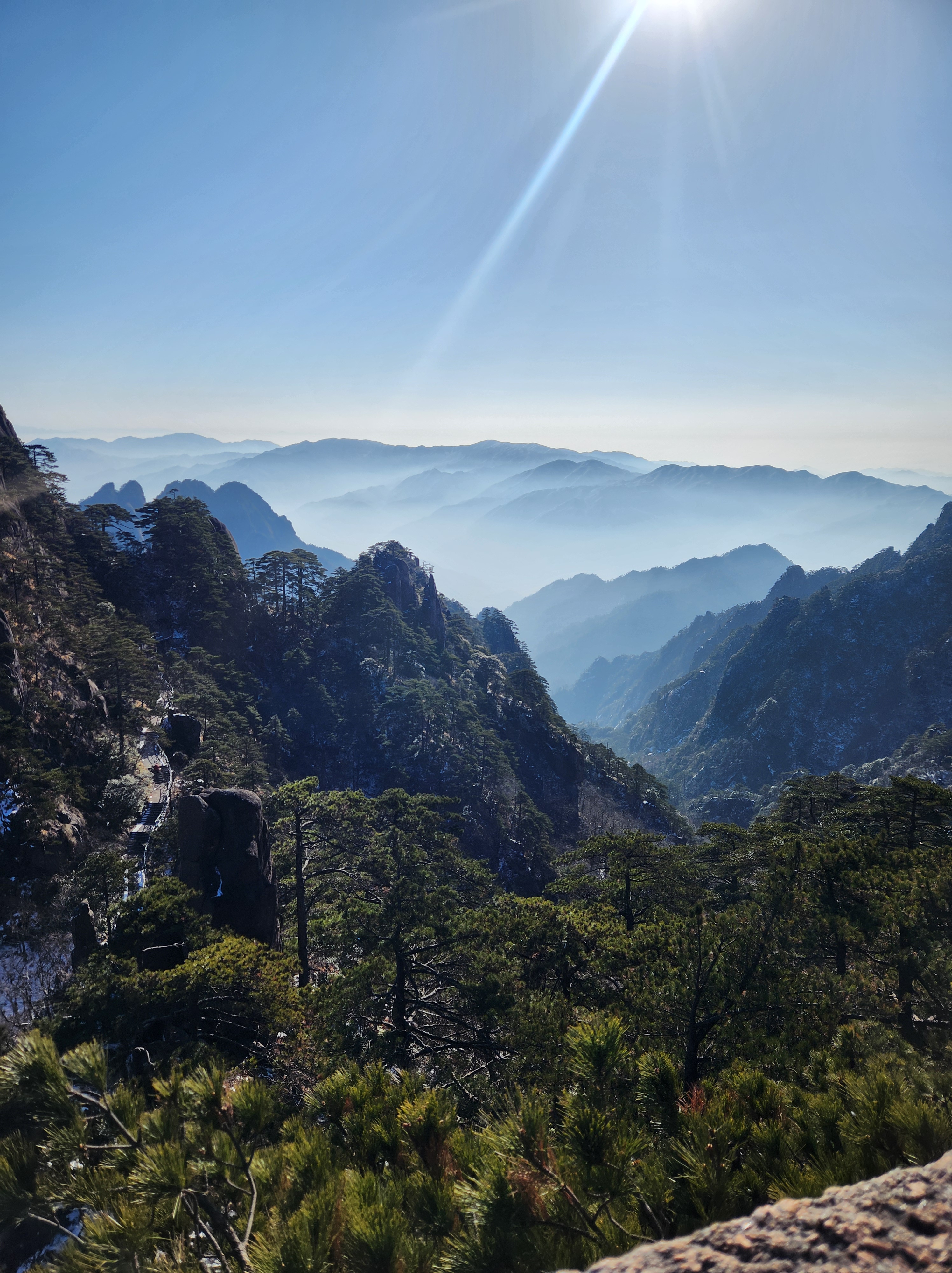
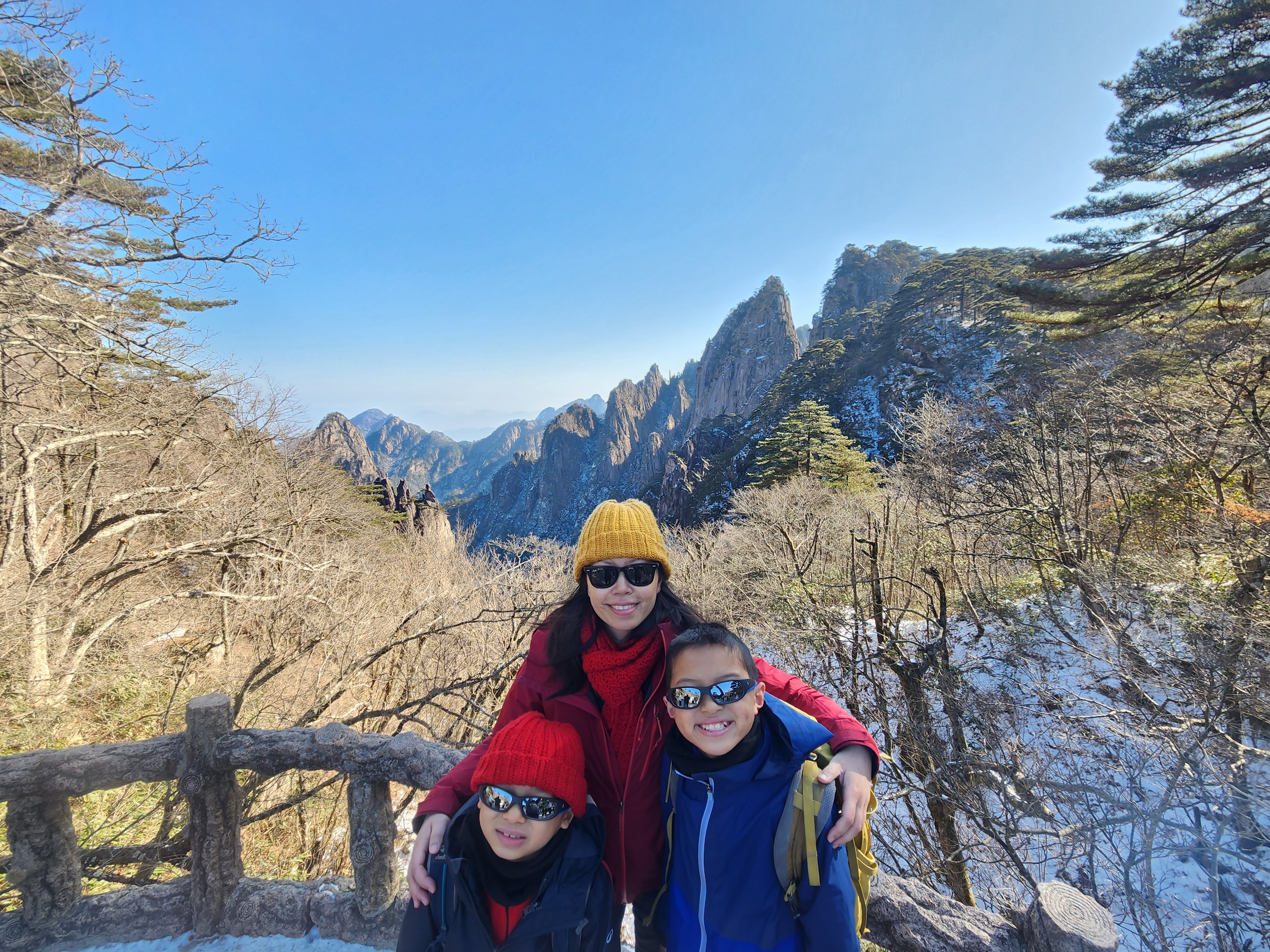
Huangshan is often known as the most beautiful mountain in China, and had inspired many of the famous ancient landscape paintings. We didn’t see the famous “sea of clouds” grazing the tops of the mountains as it was a clear day, but they were still extremely beautiful. The trails were all paved and fairly easy so hiking in Huangshan is suitable for anyone of decent fitness.

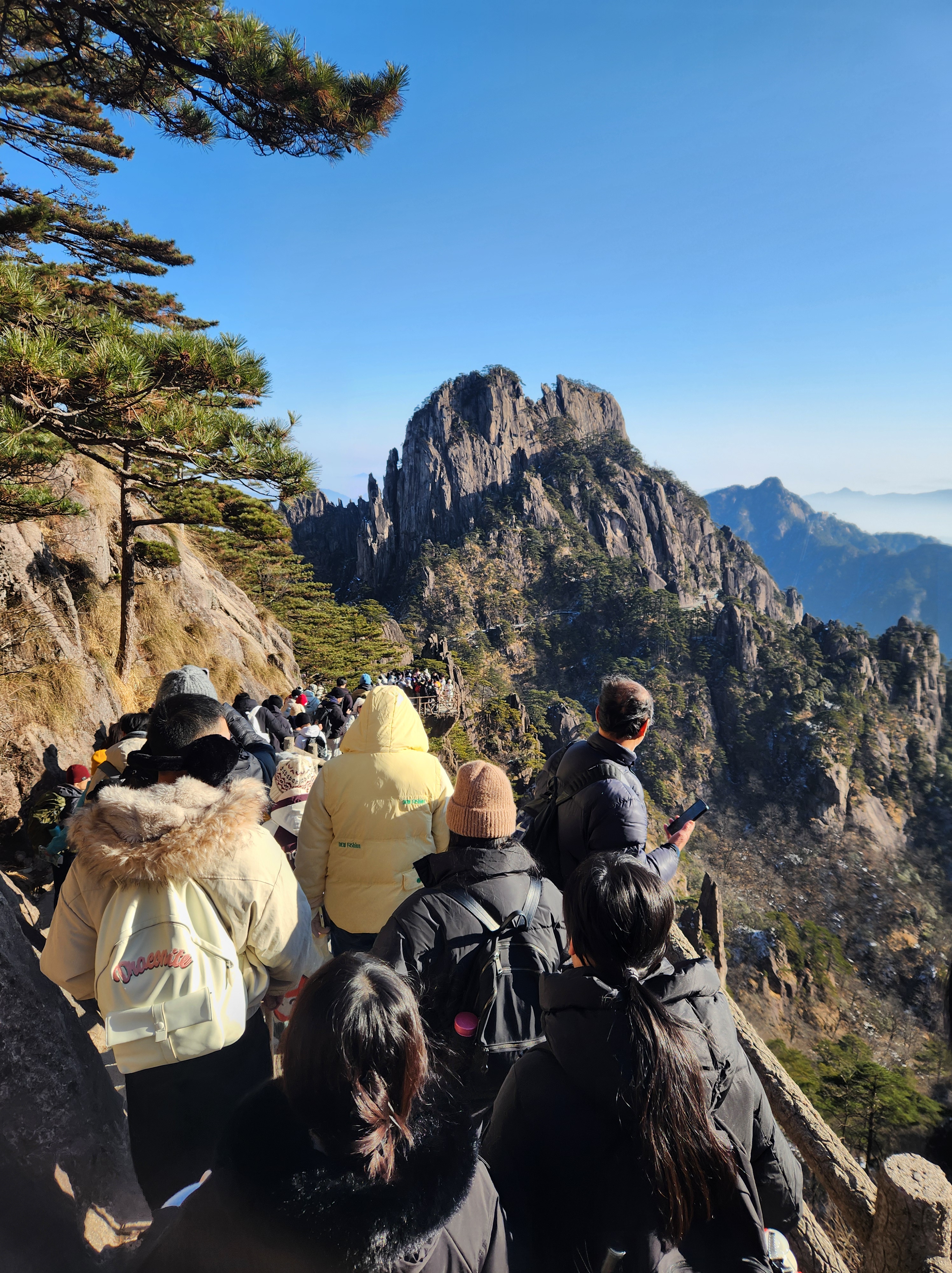
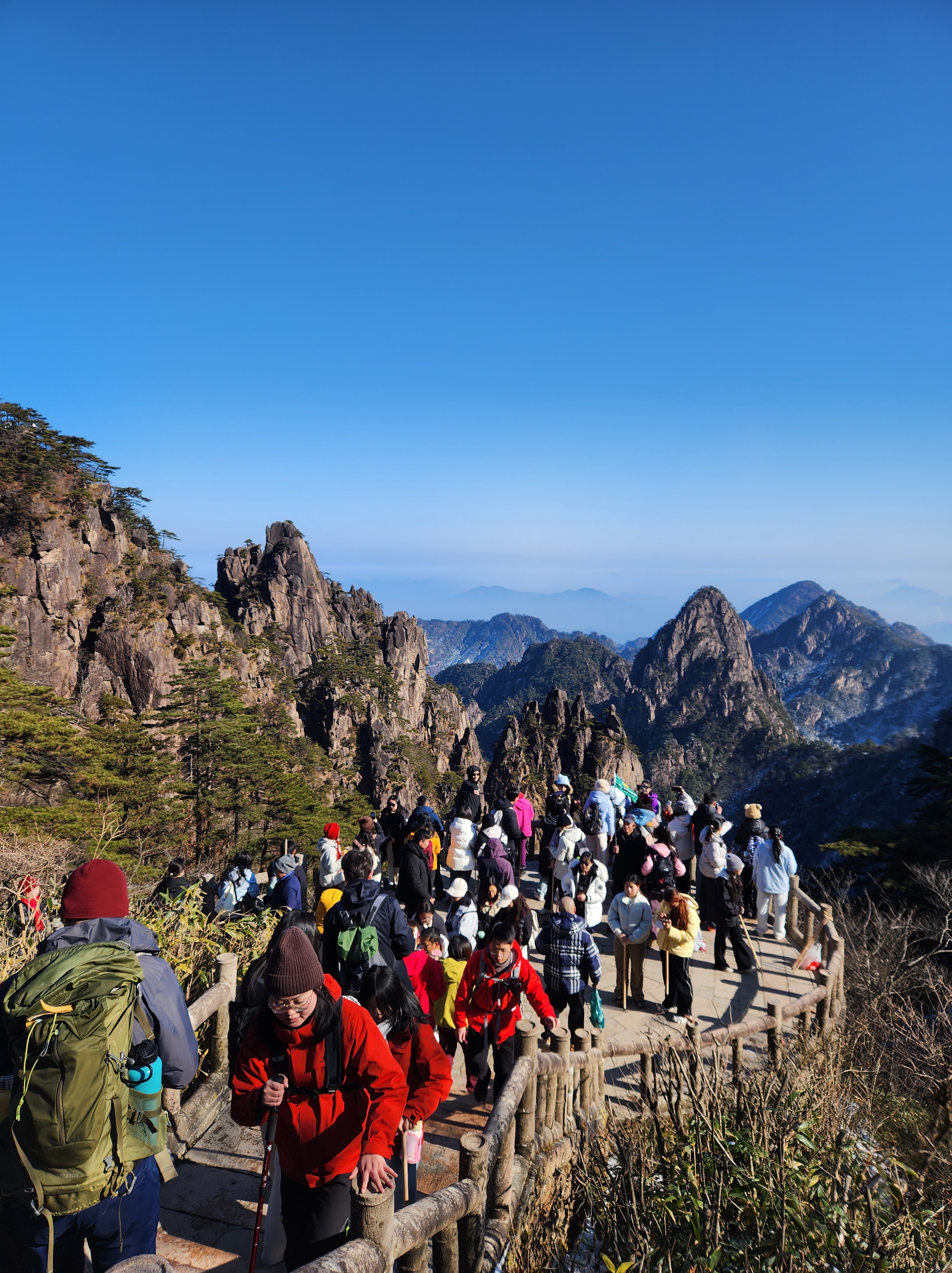
But oh, the crowds. If the chaos at the bus station was already overwhelming, stepping inside the park was like being swept into a human river. Baba and I had experienced Yosemite at its busiest, but even that felt tame compared to this. We were bumping into people at every viewpoint and on every trail. There were lines of people waiting to get up to a viewpoint or to take a picture. It was hard to get a picture without someone in the way, and I was disappointed I couldn’t take as many photos as I’d hoped. The constant jostling really took away from the quiet, peaceful experience of being in nature.

Shanghai. We were honestly happy to leave Huangshan and head to Shanghai. We took the high speed rail for 2.5 hours, and stayed in Shanghai for 4 nights.

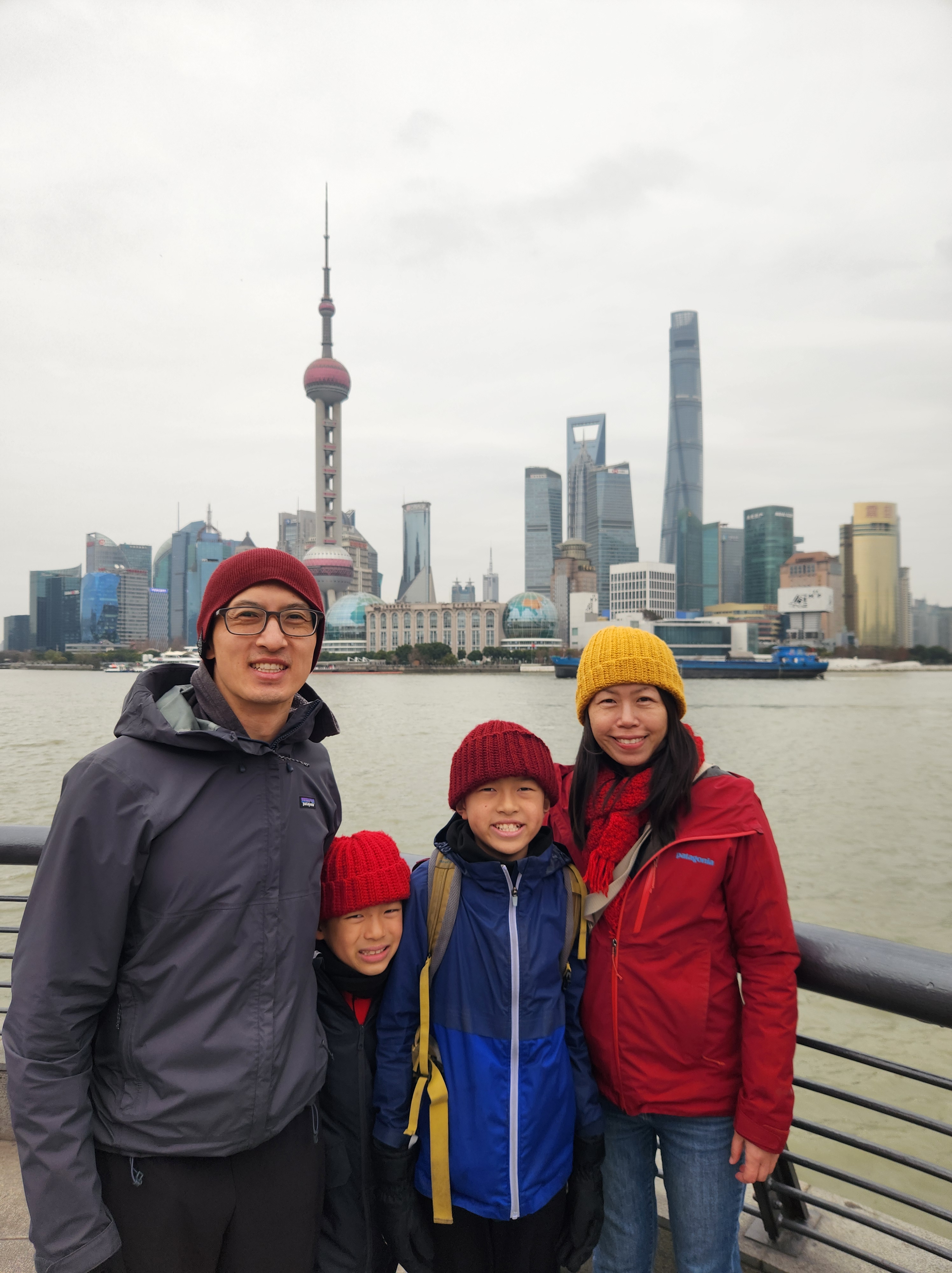
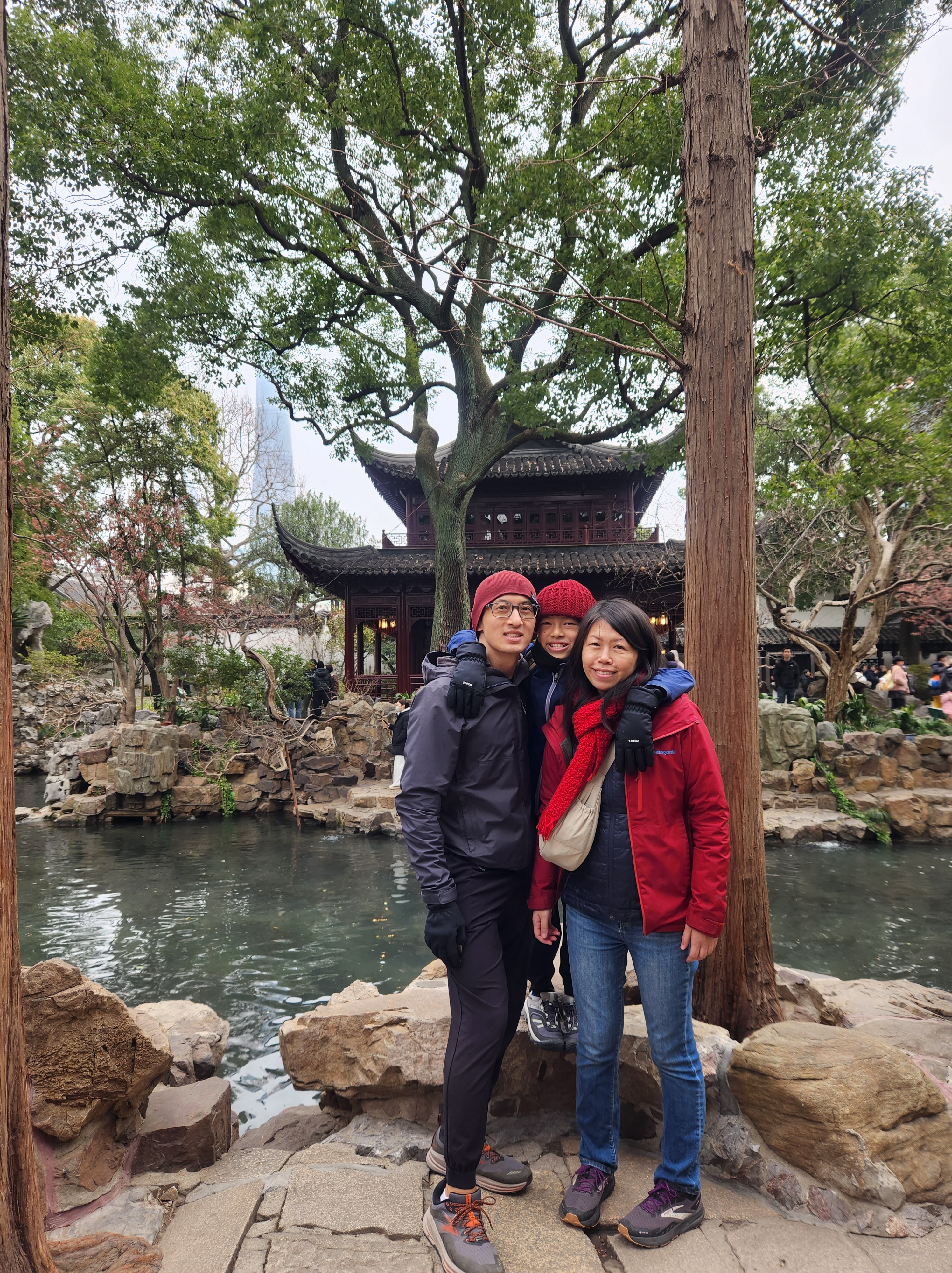
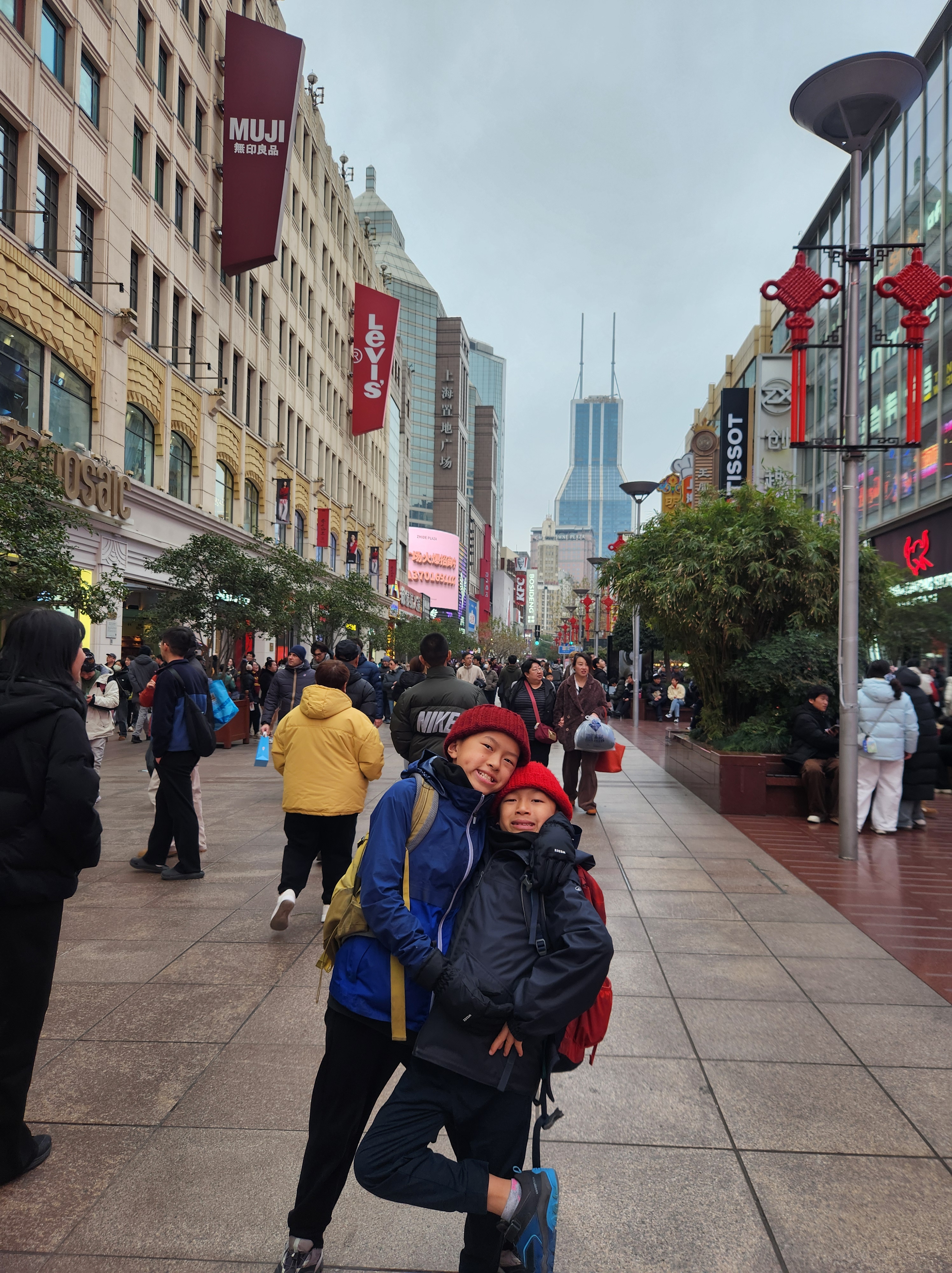
In terms of attractions and famous landmarks, Shanghai doesn’t compare to other cities in China. However, I also liked Shanghai the most. I loved its stylish, modern vibes, great food, and controlled chaos. Shanghai is a mega city with 30 million residents but it never felt like it. We hit up all the tourist spots: the Bund, Yu Garden, and Nanjing Road.

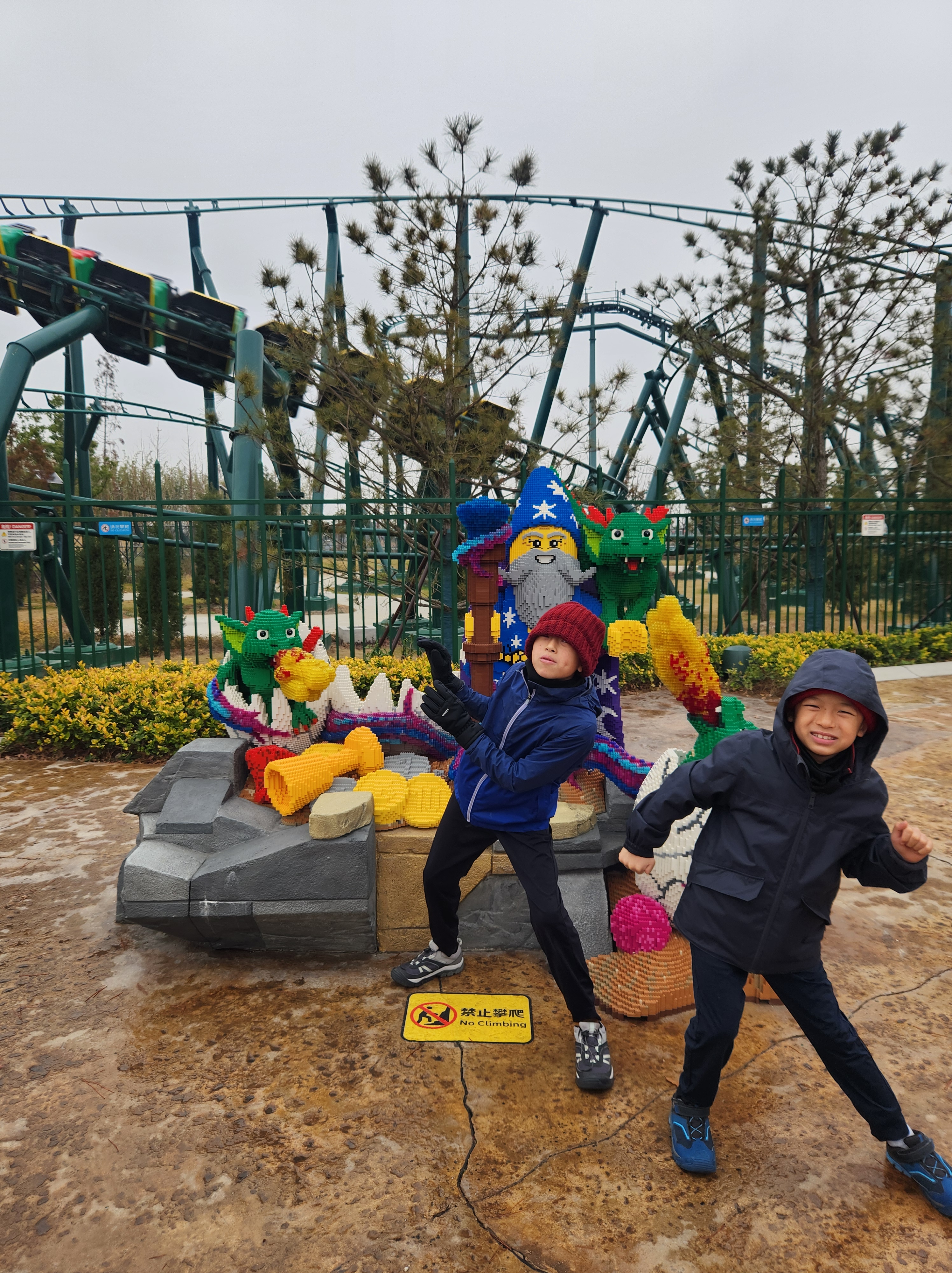
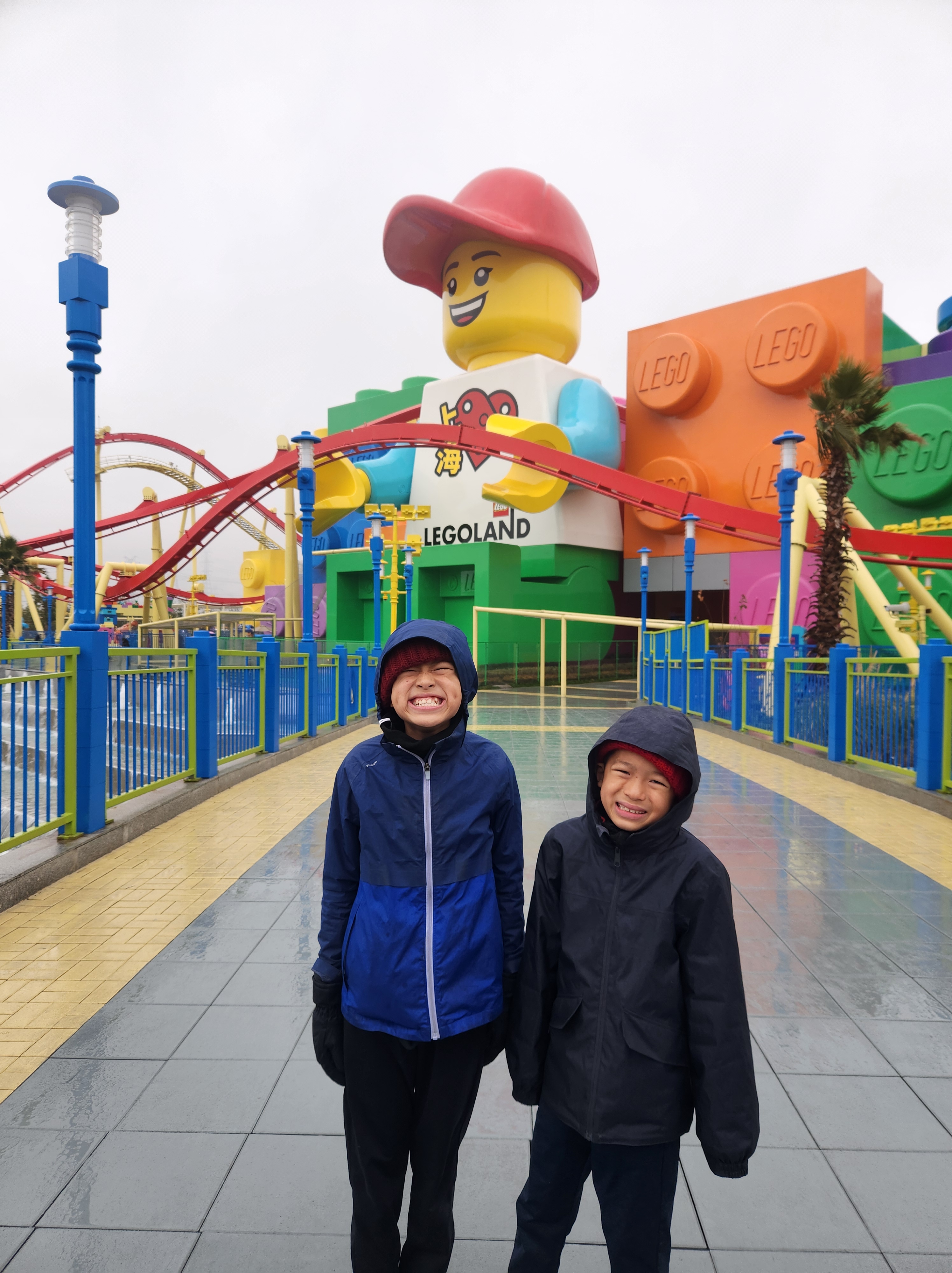
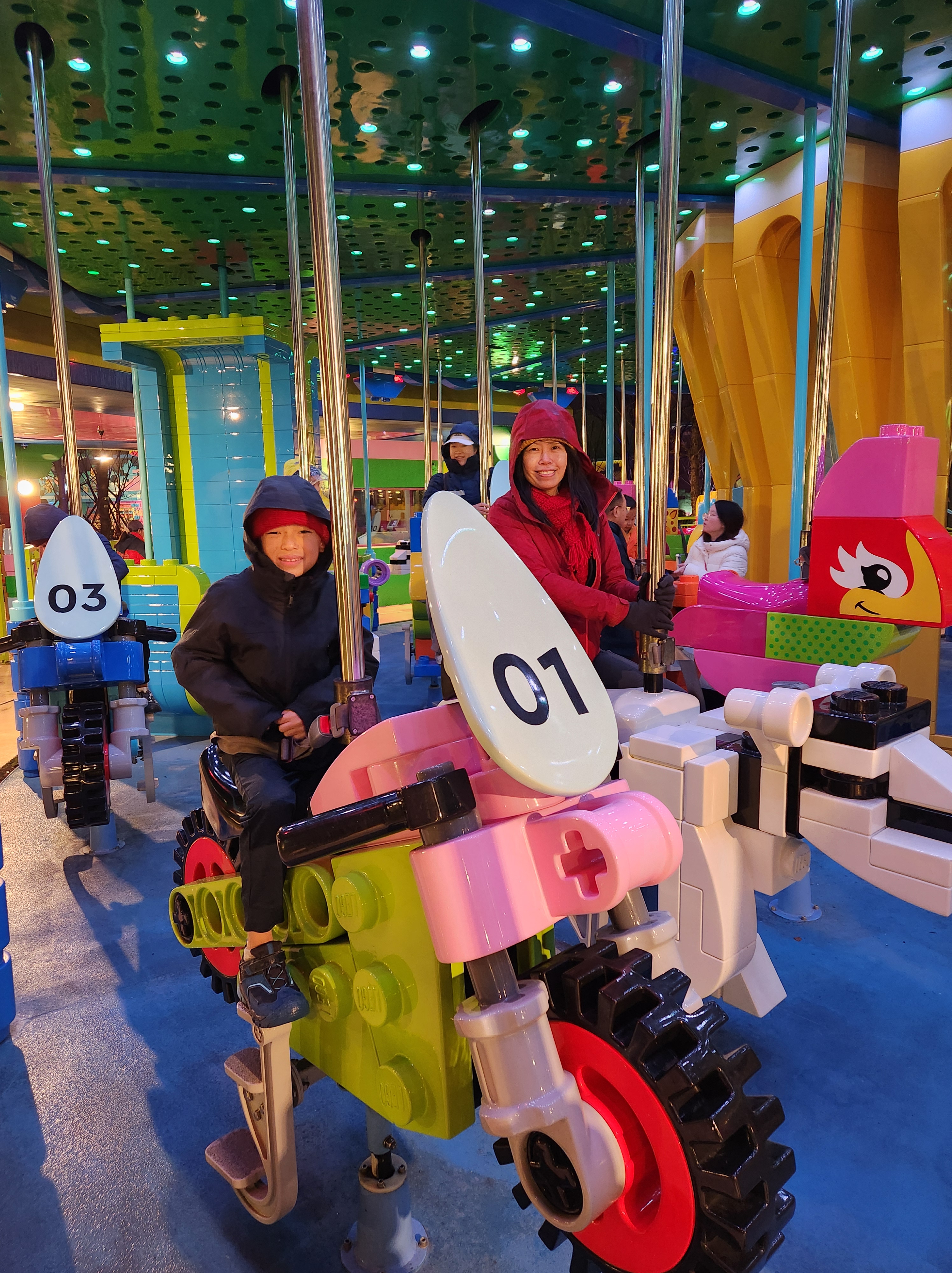
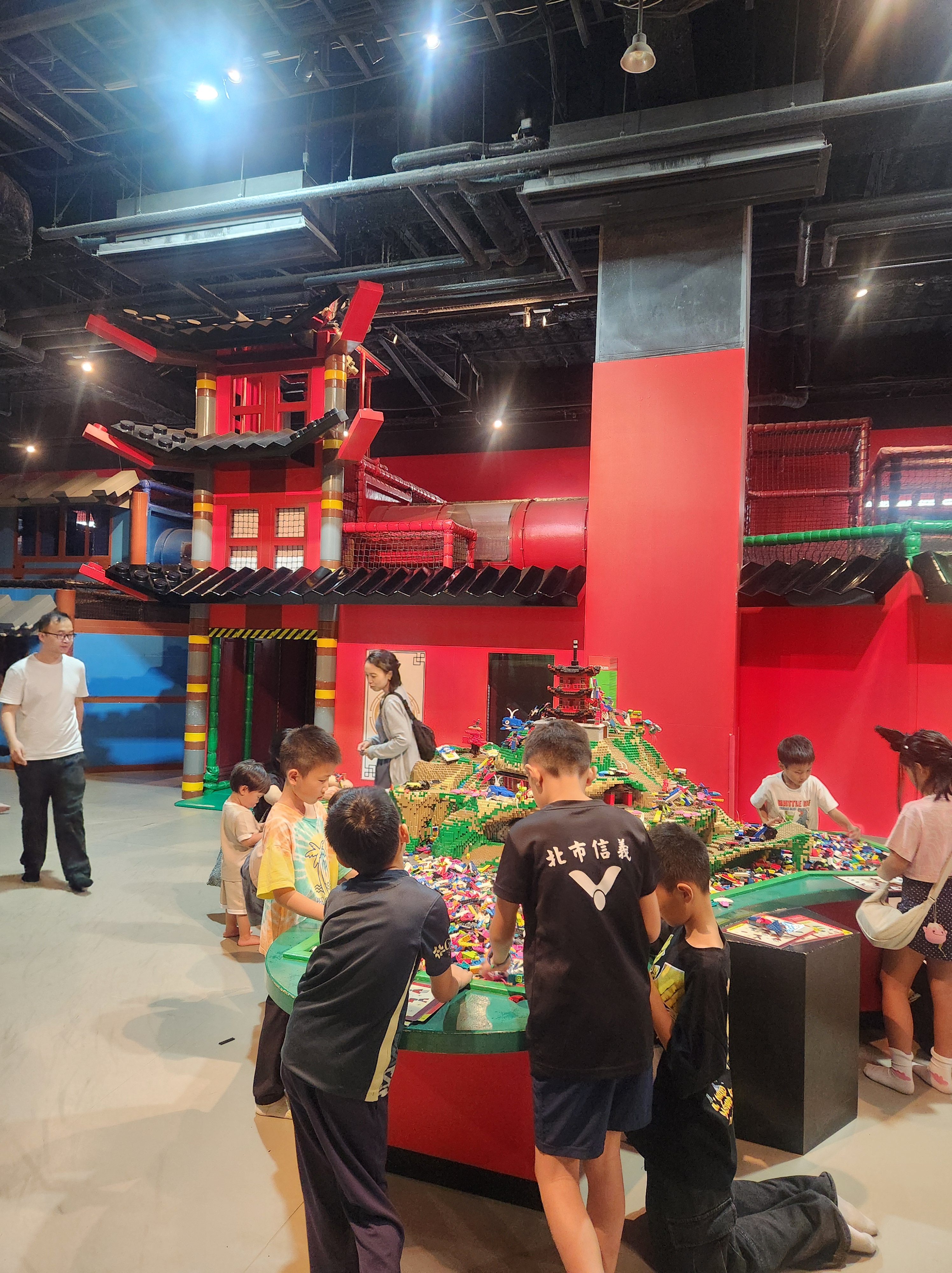
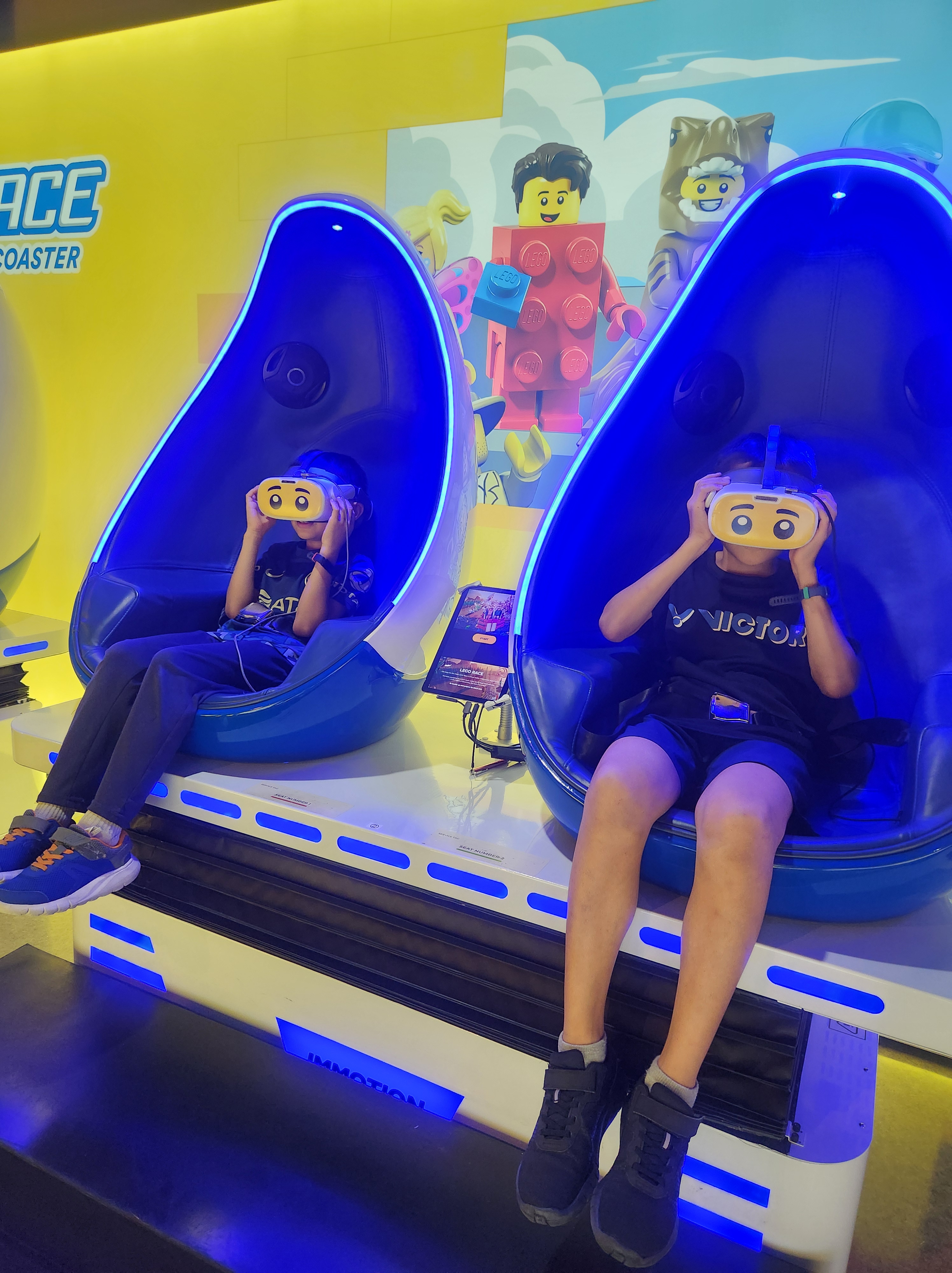
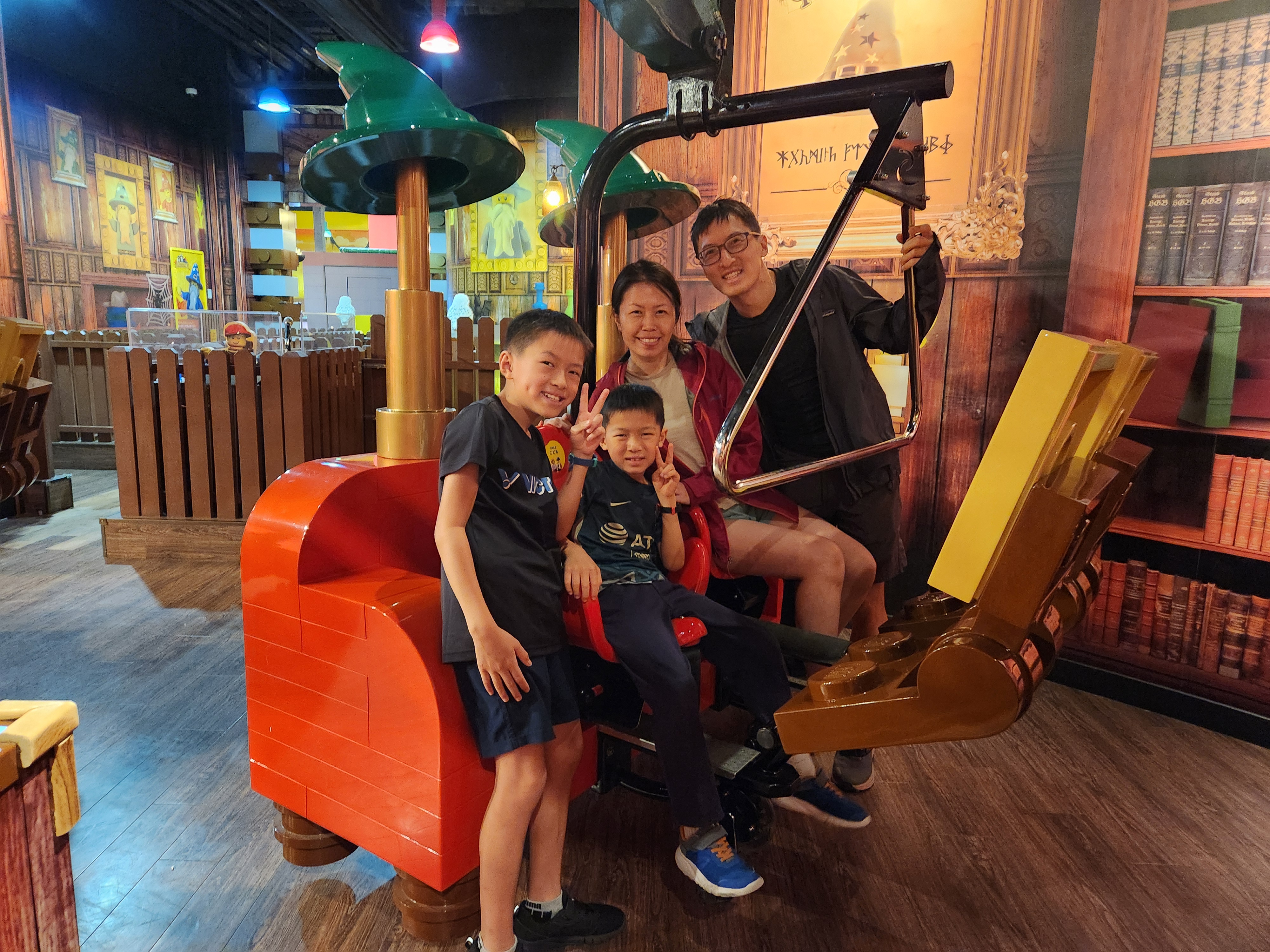
We also visited Shanghai’s newly opened Legoland, since our last attempt in Japan was a failure. 😅 It’s currently the biggest Legoland in the world, but it felt manageable and none of the lines were ever too long (though we also went on a rainy weekday). I’m glad we brought the kids to Legoland at least once, because I think C might outgrow it in about a year. The park seems most appropriate for younger kids.

My friends from business school live in Shanghai, so we took this opportunity to meet up! Traveling to a foreign place is so much more fun when you have local friends taking you around. I originally wanted to do a day trip to Suzhou, but my friends offered to drive us to Wuzhen, a small water town about 1.5 hours outside of Shanghai.

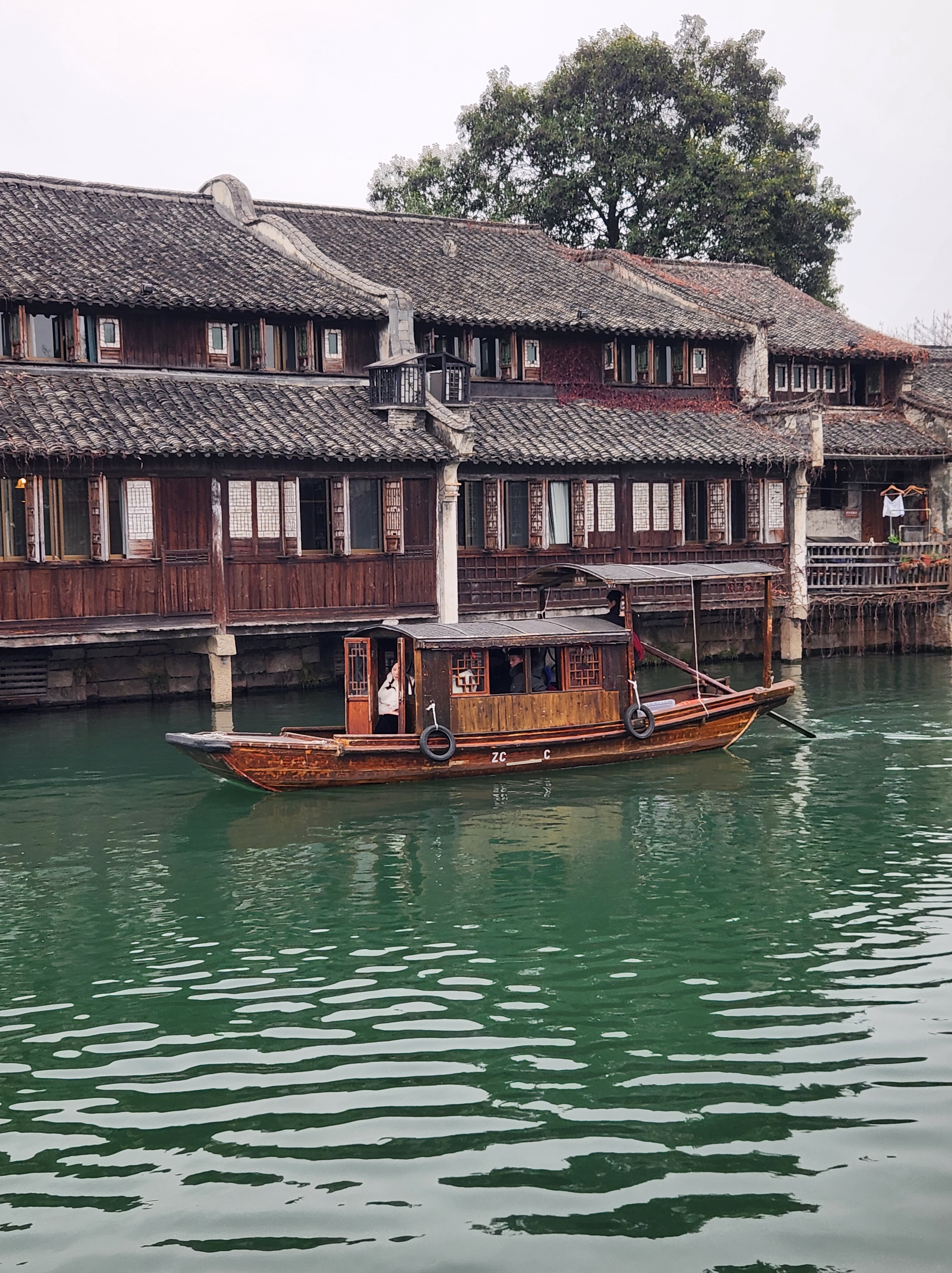
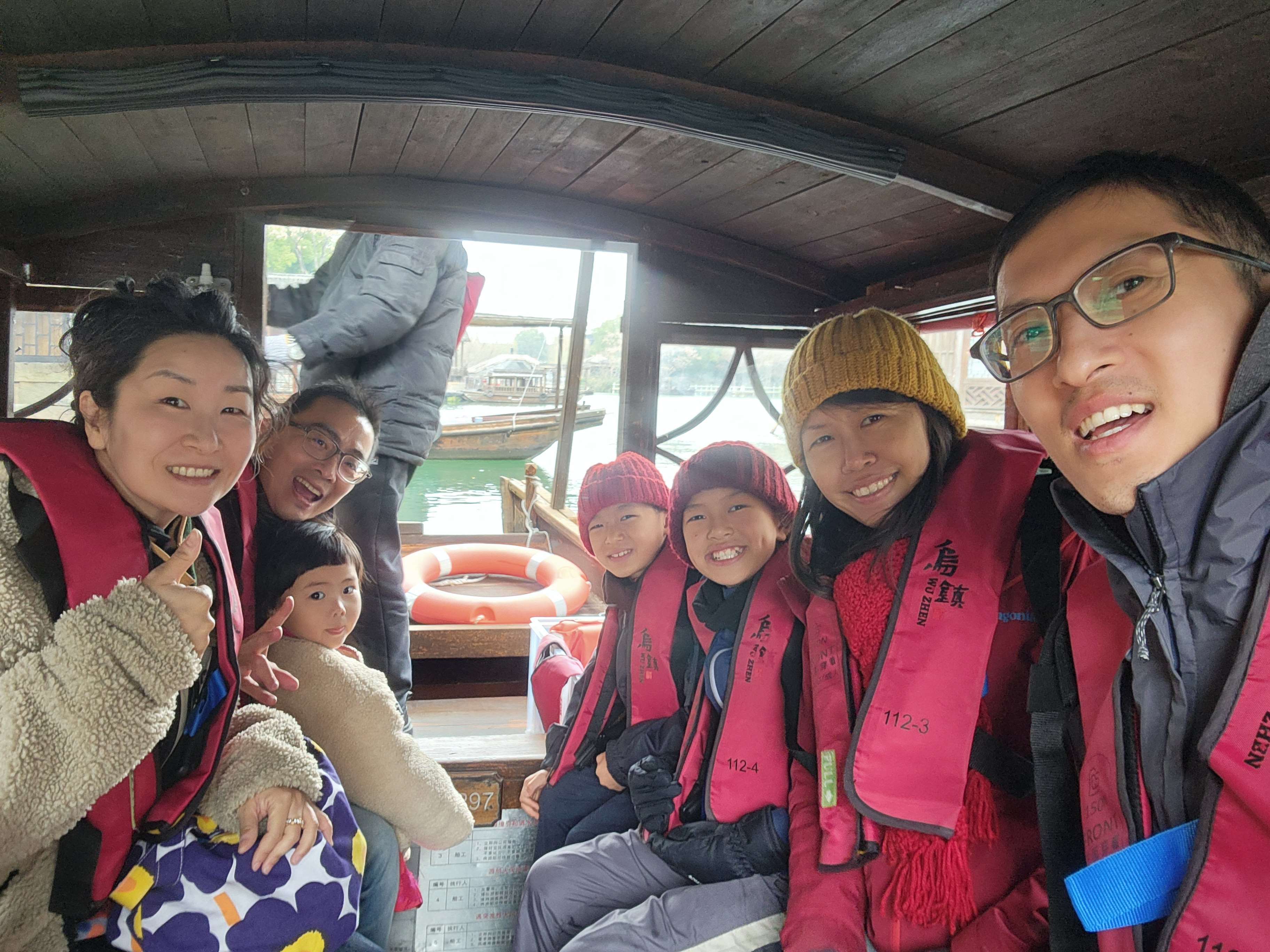
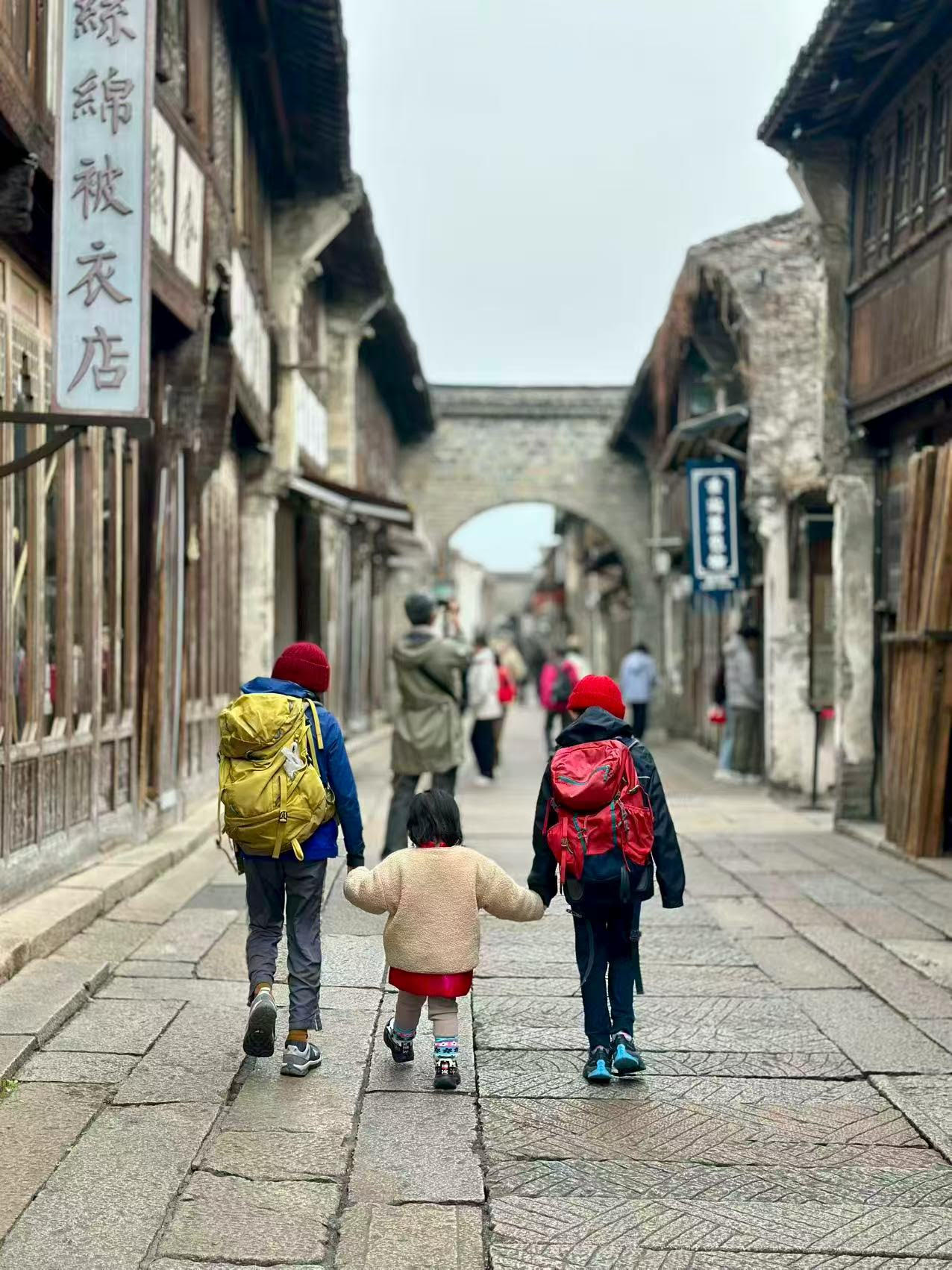
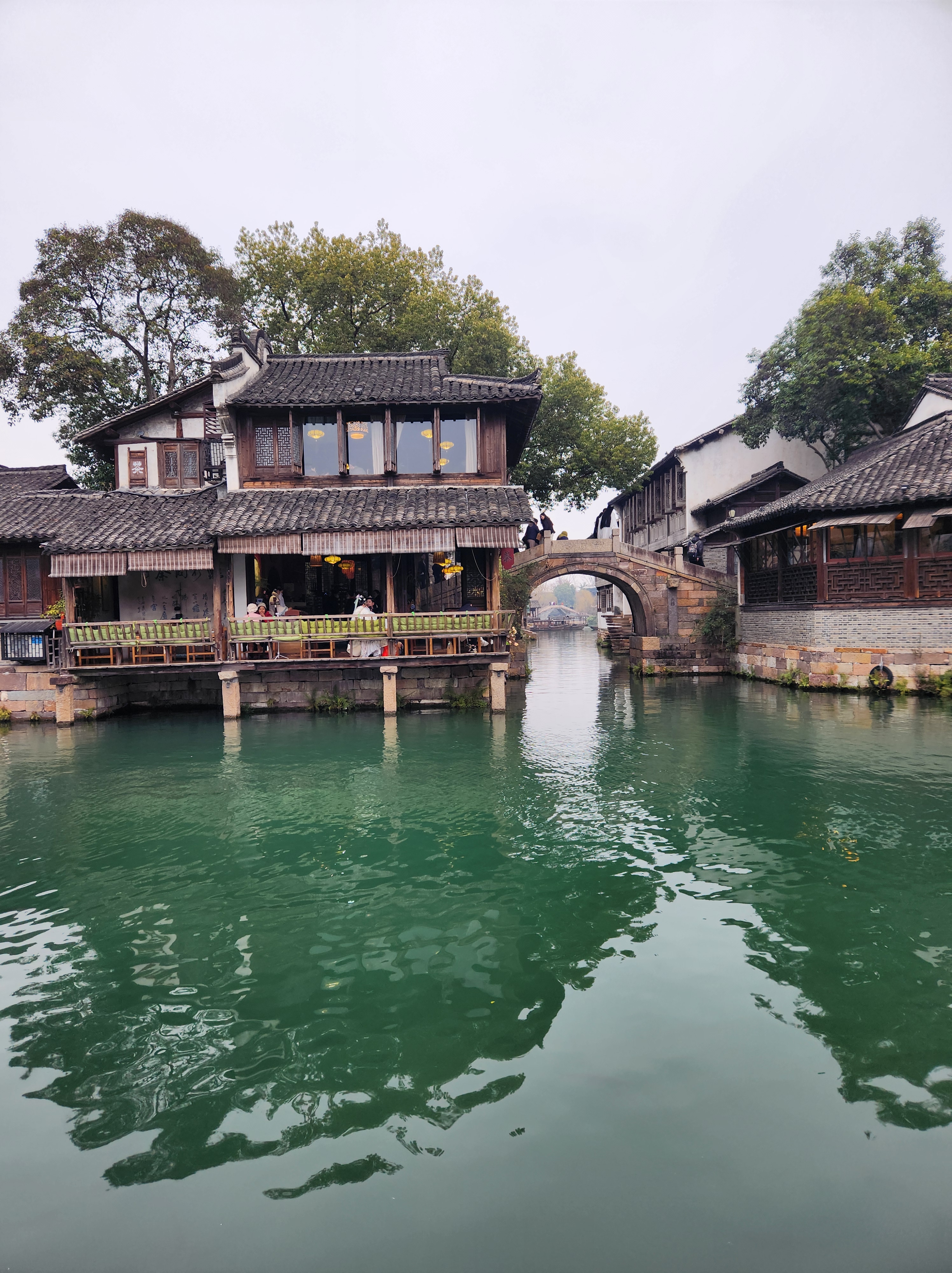
Wuzhen was a lovely little town. It’s like the Venice of the east, with waterfront houses and stone bridges built over quiet canals. We all took a ride in one of the old wooden boats. My friends also brought along their 2 year old daughter, whom my boys absolutely adored. 💓 Wuzhen, though well developed for tourism, still felt wonderfully quiet and unhurried. I’m so grateful our friends introduced us to this hidden gem! It’s the kind of place we probably wouldn’t have discovered on our own.

This pretty much wraps up our 3 week trip in China. It wasn’t exactly a relaxing trip – we were challenged, overwhelmed but also amazed. Would we return? Absolutely! For all its imperfections, China has too many iconic destinations, too much good food, and far too much depth of culture for us not to keep exploring.

Tips for visiting China:

  • China has their own set of apps for everyday activities. It’s recommended to download and set up these apps before entering China.
    • WeChat: Probably the most important app to download. It’s used for payment, messaging, and has a built-in Didi app, which is used for ride hailing.
    • Alipay: Another payment app. It’s good to have both WeChat and Alipay in case one doesn’t work (which happened to us more than once). You can link your credit card in both WeChat and Alipay.
    • Didi: A ride hailing app like Uber, but if you already have WeChat, there’s no need to download the separate Didi app.
    • Amap: Similar to Google maps, but not as accurate. We got lost many times using this app. Baidu is another navigation app, but it’s entirely in Chinese.
    • Dianping: Chinese people use this app to find and book restaurants. I downloaded it, but found it confusing to use. Instead, we mainly looked on social media for restaurant recommendations.
  • The language barrier is real. Almost no English is spoken in China. Even staff at the hotels we stayed at did not speak English, nor did the staff at popular tourist attractions. Luckily, since we’ve been living in Taiwan for awhile, we could get by with our mediocre Chinese. But I can see it being really frustrating for other travelers. So if your Chinese is not up to par, use a translator app!
  • Bring your passports with you everywhere. Not only does it serve as your ID, your passport is also your ticket to many attractions. For instance, when you book tickets for Forbidden City, it’ll link your ticket to your passport number. When you enter the site, they’ll only need to scan your passport. There are no separate tickets.
  • Some tickets (such as Temple of Heaven and Summer Palace) were difficult to book as they require downloading a “mini-app” in WeChat, then inputting a Chinese phone number, which we didn’t have. I ended up booking some tickets through Klook or GetYourGuide and paid a little extra to have someone else book for us.
  • Bring your own toilet paper when going out! Squat toilets are still the norm. You’ll find some Western toilets in modern shopping areas and hotels, but majority of toilets are squat style. Thankfully, most of them are clean, but toilet paper is usually not provided.
  • Be prepared for crowds and chaos. I used to think Taipei, a city with 2.5 million people, was huge. But crowds take on a whole new meaning in China. 😆 You will likely get nudged, pushed or someone may cut you in line. I would get annoyed, but later understood that it’s nothing personal – it’s just part of having to live with 1.4 billion other people.

Ramblings

China: Part 1

China. Where do I even begin? It’s a place I’ve always wanted to visit with the boys (especially given our proximity to it), but it’s a strange dichotomy. On one hand, the sights, landscapes and history are amazing. There’s no place in the world quite like it. But on the other, the culture, crowds and massiveness of the country can be shocking.

Beijing. Our first stop was Beijing, where we stayed for 6 nights. We knew it was going to be cold in January, but you can’t get a sense of how cold until you feel it. And boy, it was brutal. Temperatures were in high 20s to low 30s, plus wind chill. Coming from Taiwan, we didn’t have a lot of cold-weather clothing so we tried to layer up, but I still felt freezing all the time. It’s no fun putting on 10 layers every time we had to go out either.

We visited all the major sites in the Beijing area: Summer Palace, Temple of Heaven, Forbidden City, Tiananmen Square and of course the Great Wall. I won’t go into too many details of each place or else this post will never end, but here are some highlights.

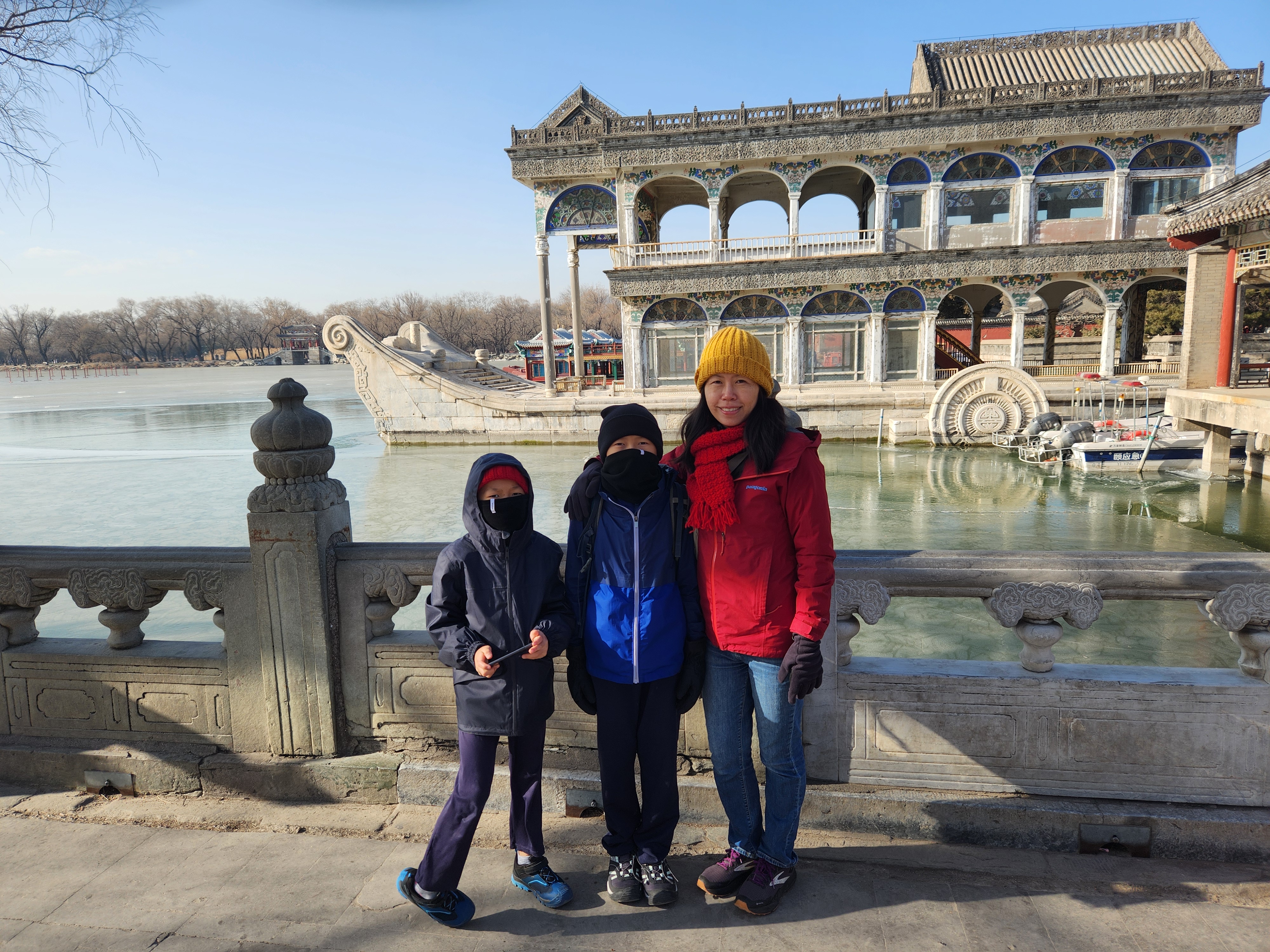
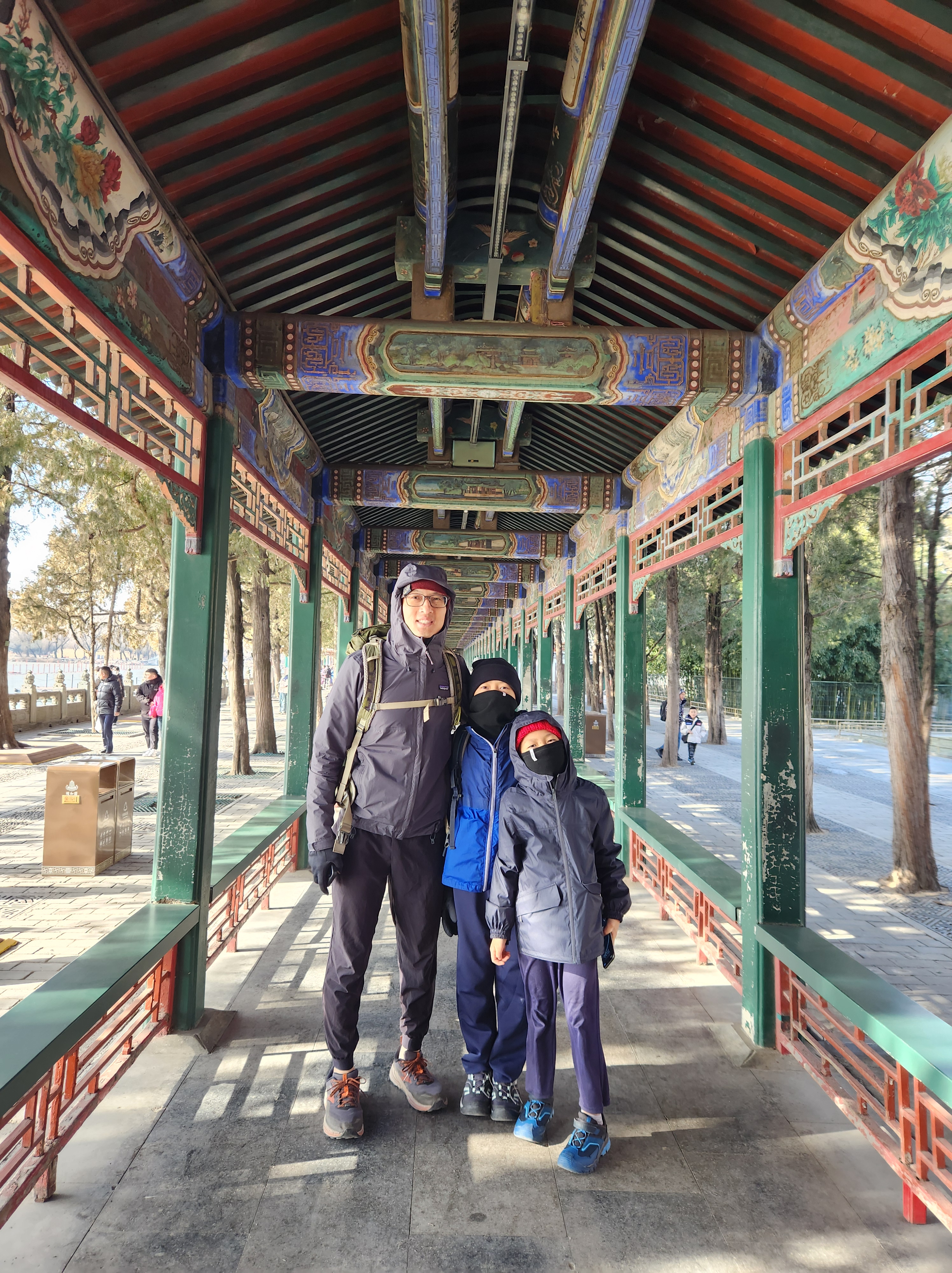
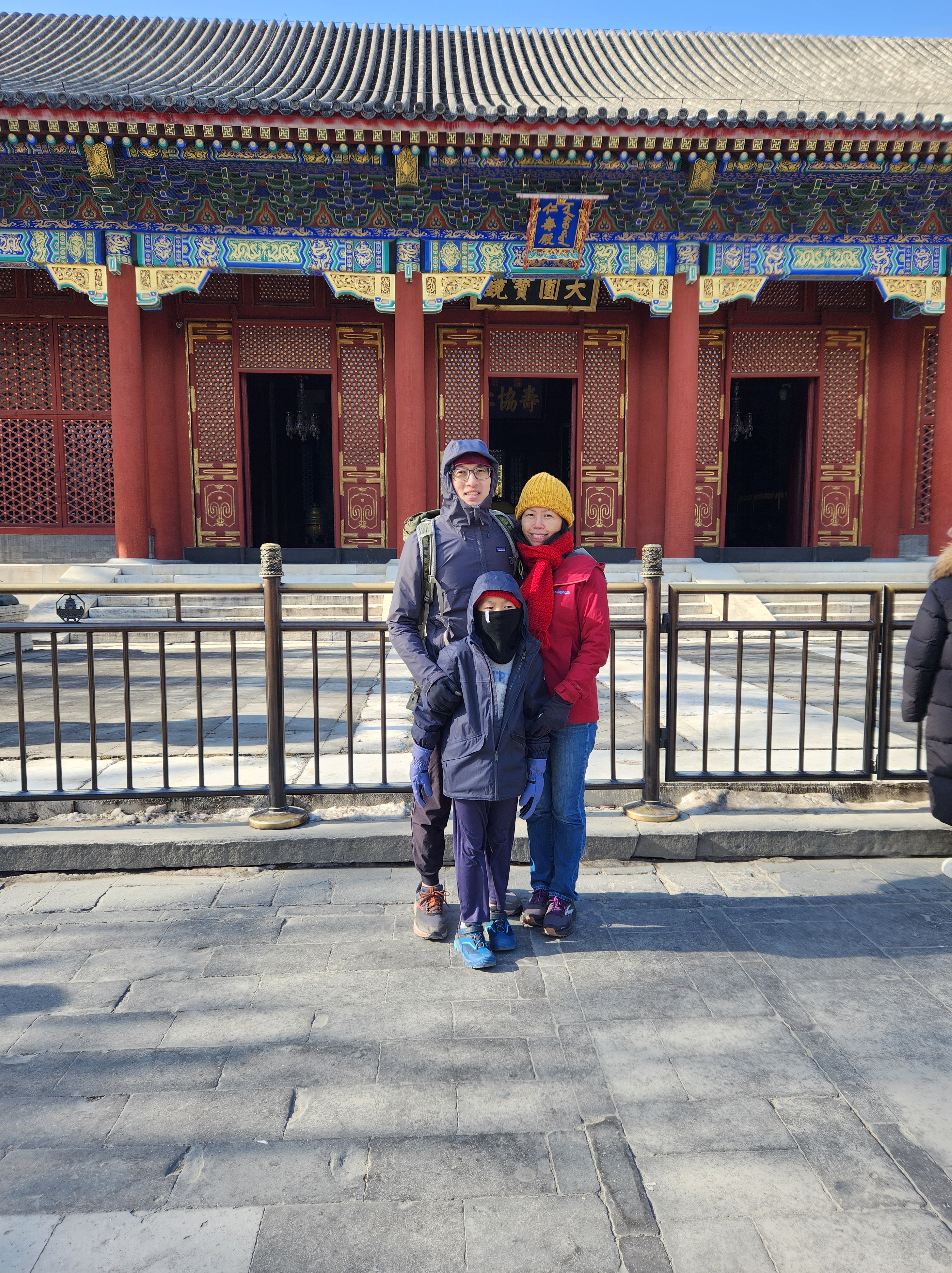
Summer Palace: A summer garden retreat built for Empress Cixi and the royal family, it is unsurprisingly vast and beautiful. But it was so, so cold and windy we didn’t spend too much time here.

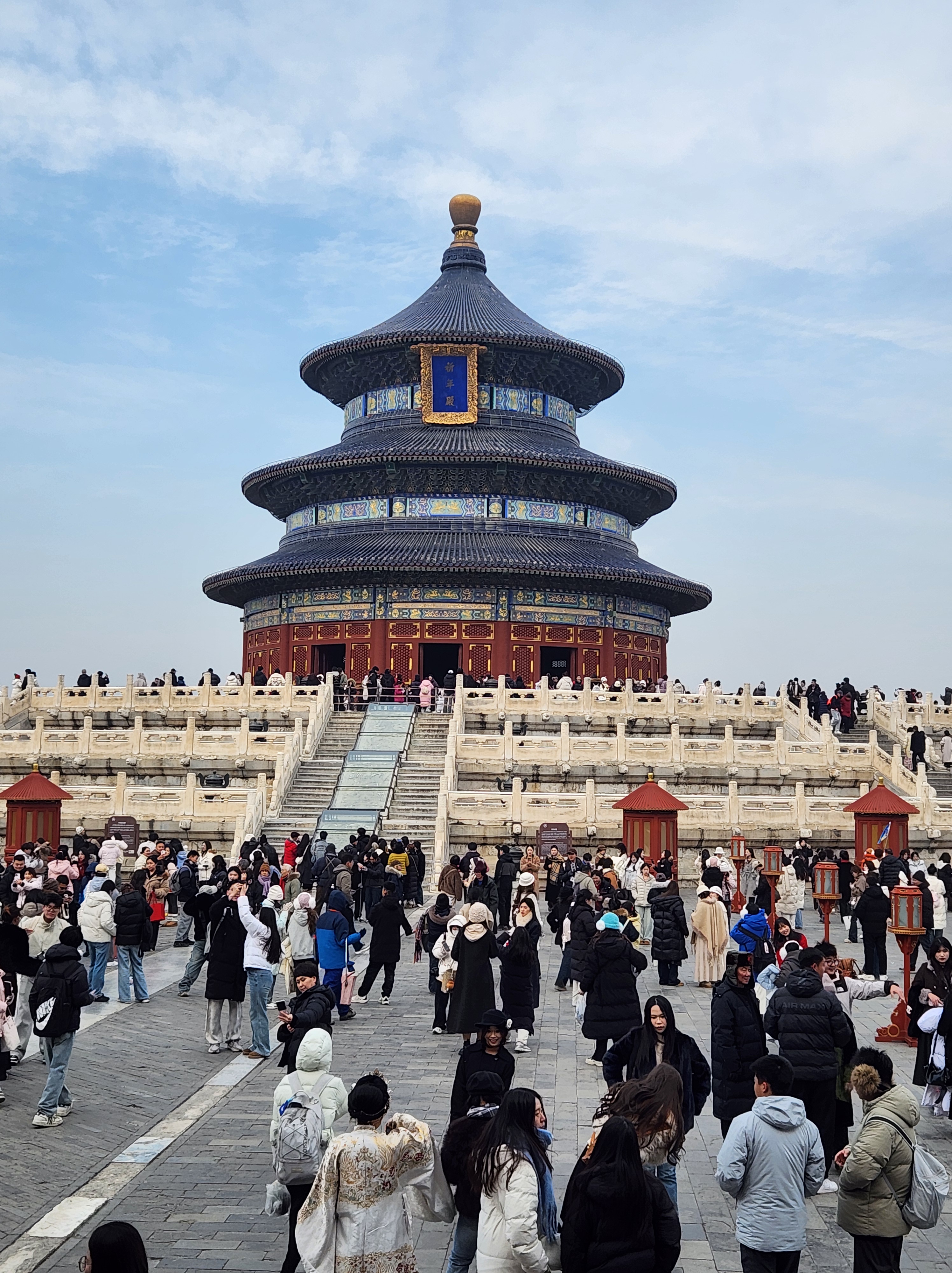
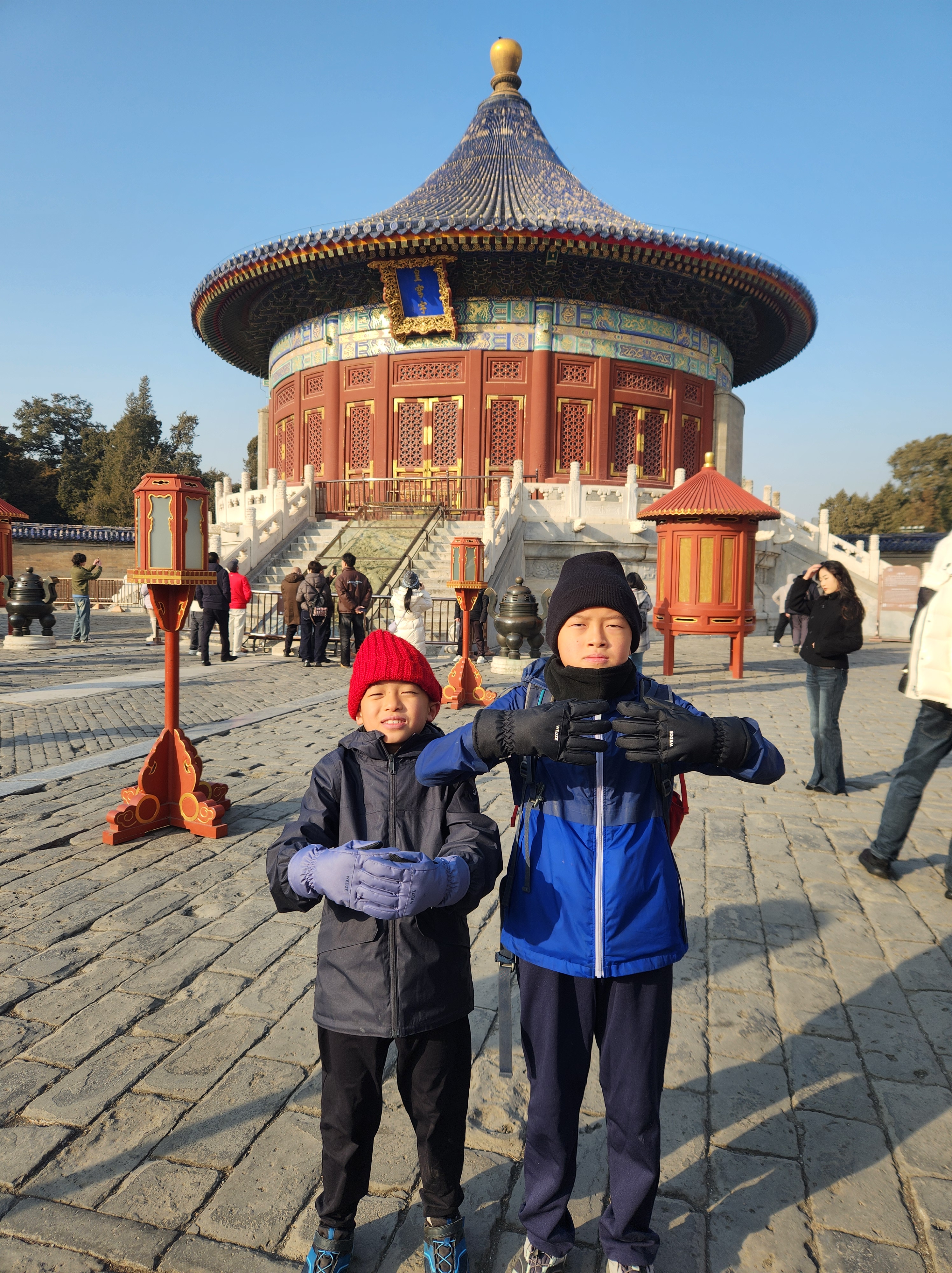
Temple of Heaven: The circular architecture of the temple is stunning. It’s massive, so it’s even more impressive in person. The main temple was very crowded, which as I realized, would be a recurring theme throughout our time in China. 😬

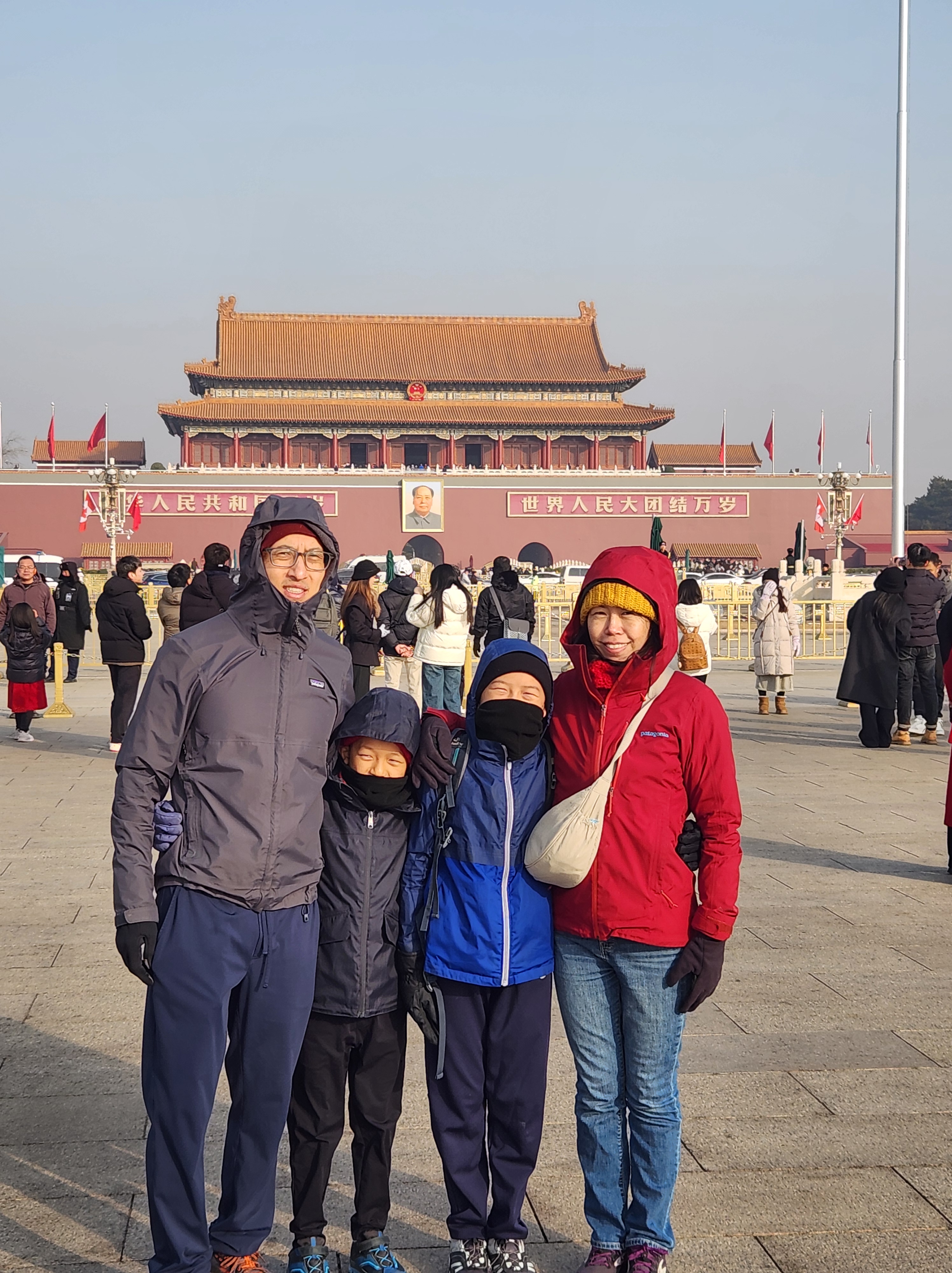
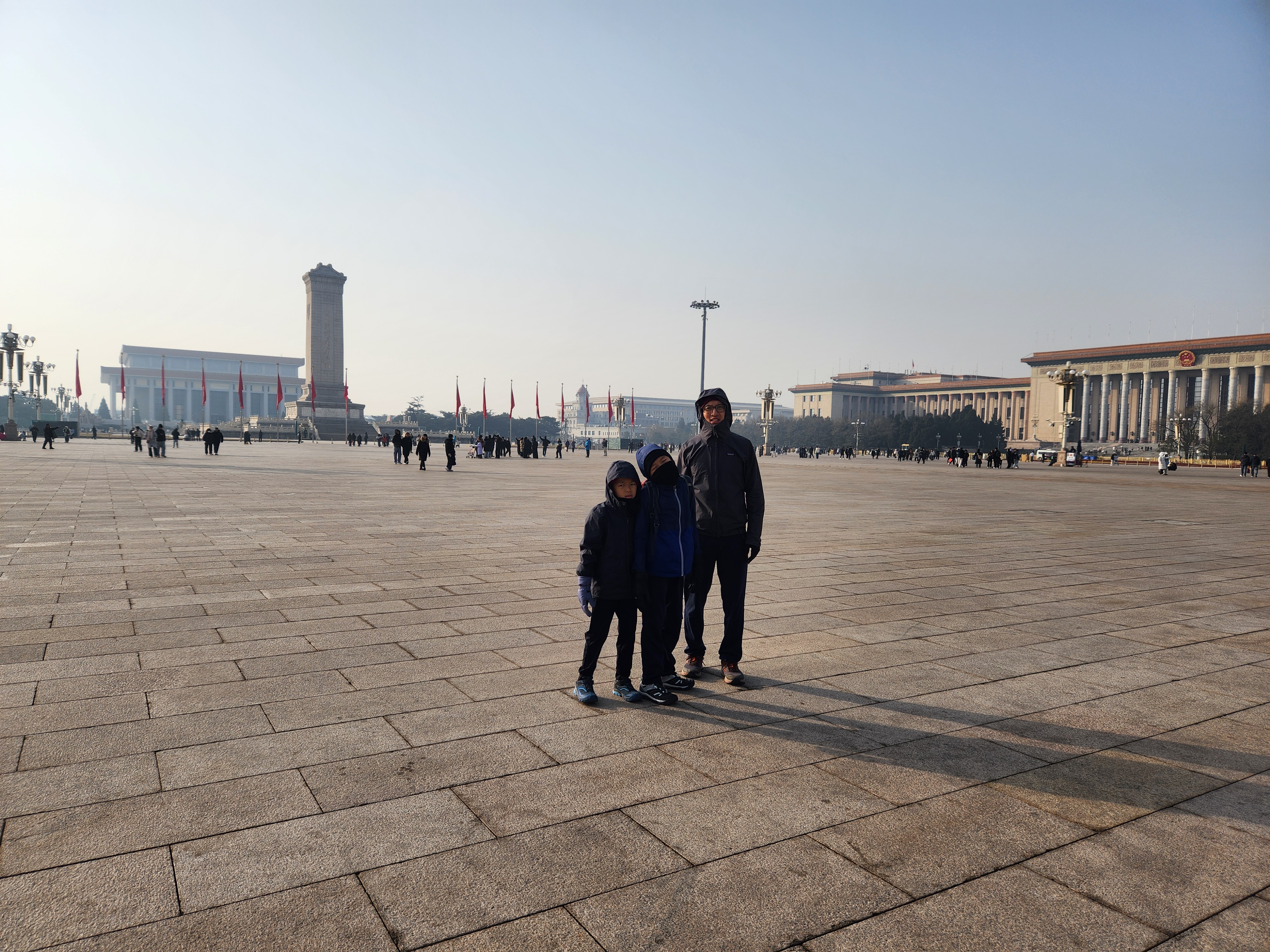
Tiananmen Square: We had watched an intriguing documentary about Tiananmen Square before coming to China, and to be honest, if it weren’t for giving the boys a glimpse into its history, we would have skipped it. For one thing, the security to enter was intense. Our passports were checked three times, and we had to wait in a security line (in the cold!) for 45 minutes. Word of advice: if you visit Tiananmen Square, do NOT bring bags, backpacks or anything! There was virtually no line for visitors without bags.

Another reason why we would’ve skipped Tiananmen Square had it not been for the boys? It’s literally just a square. 😅There was nothing interesting to see there, other than knowing the history. Also, the air quality that day was so horrendously bad we couldn’t wait to leave.
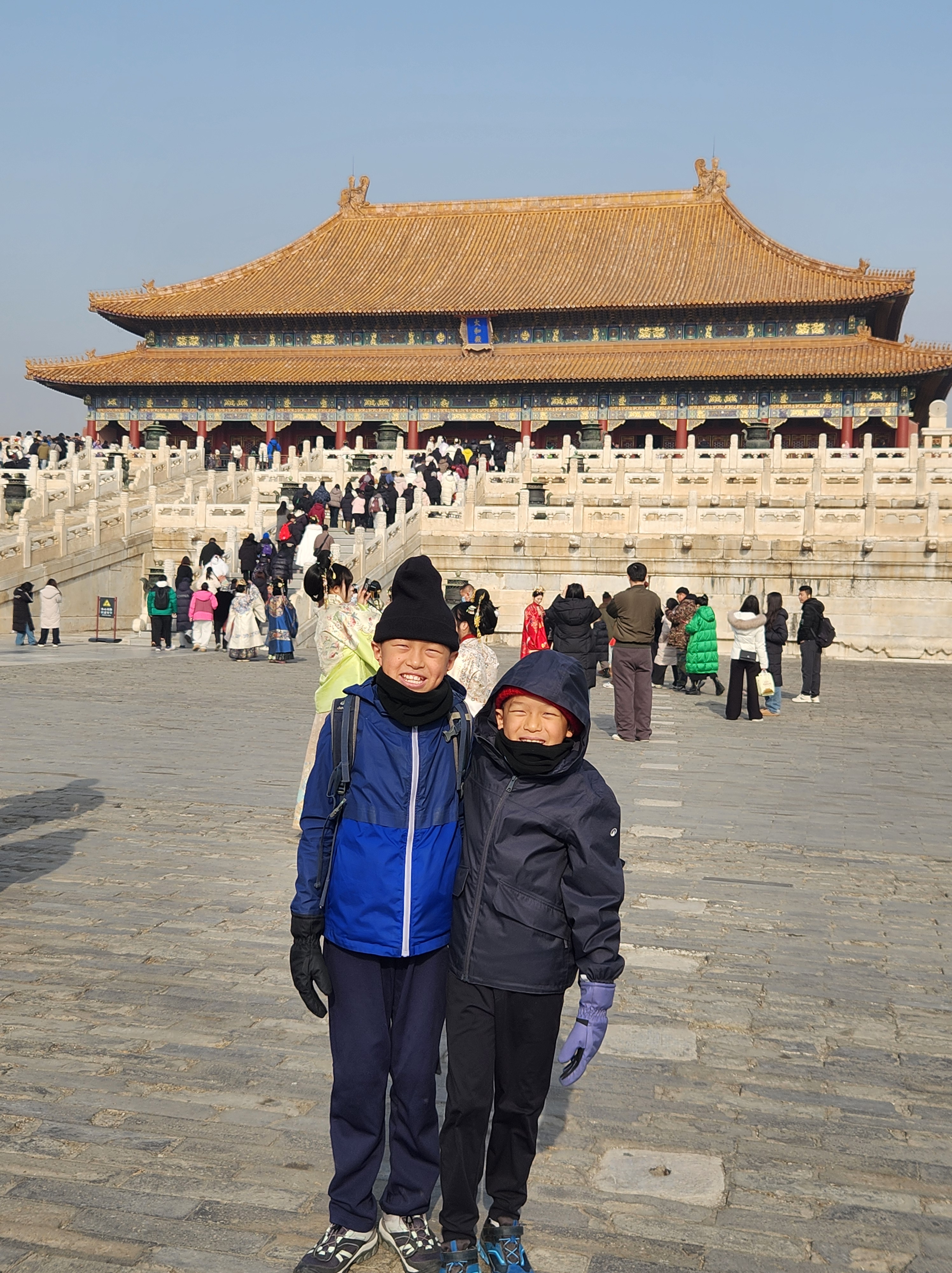
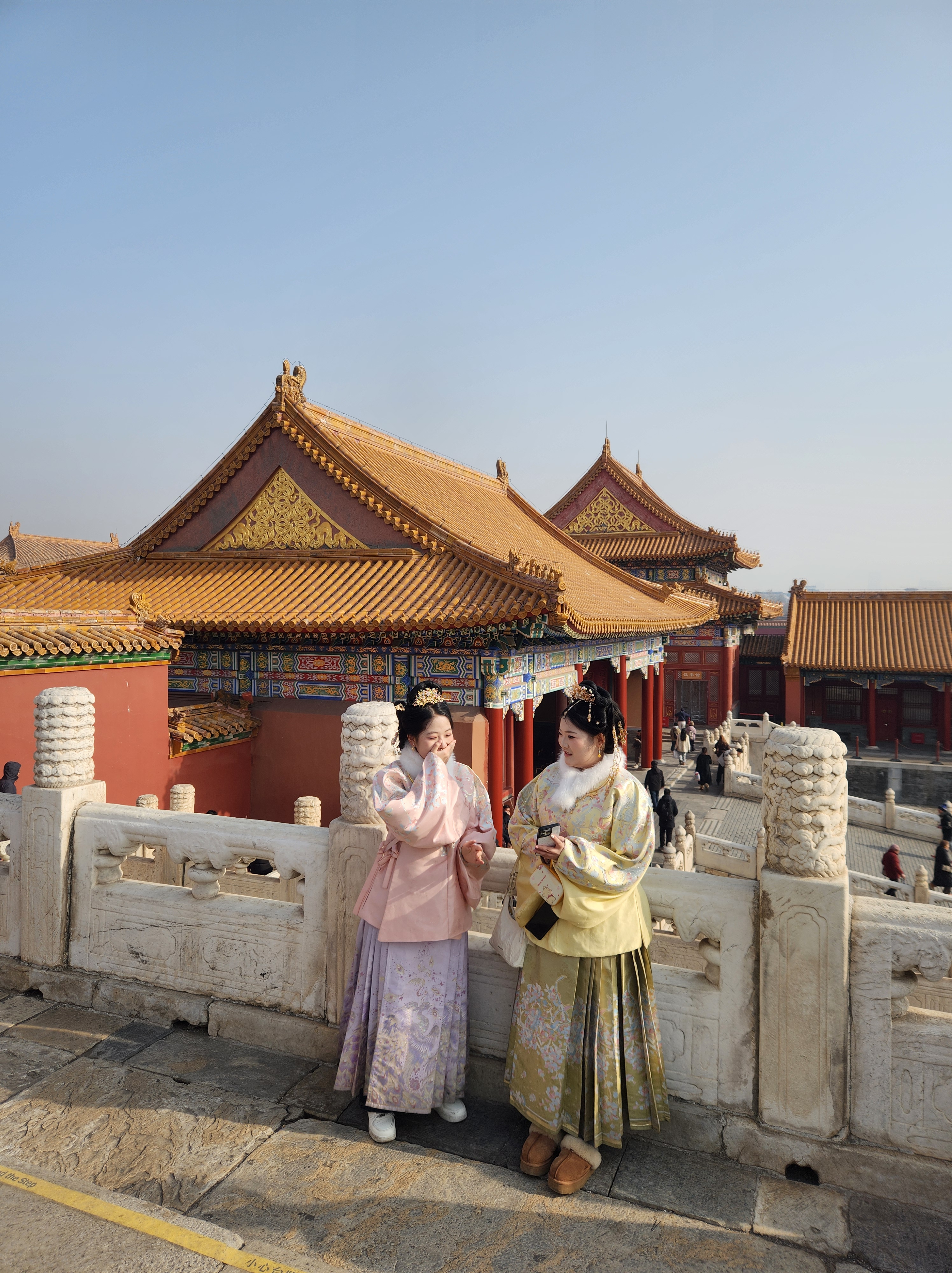
Forbidden City: Visiting the Forbidden City is a must though, and luckily it’s across from Tiananmen Square. (When I say across, I mean we still had to walk 30-40 minutes because Beijing is just humungous.) I’ve watched a lot of Chinese historical dramas that take place here, so I’m always fascinated by the Forbidden City’s legacy and mystery.
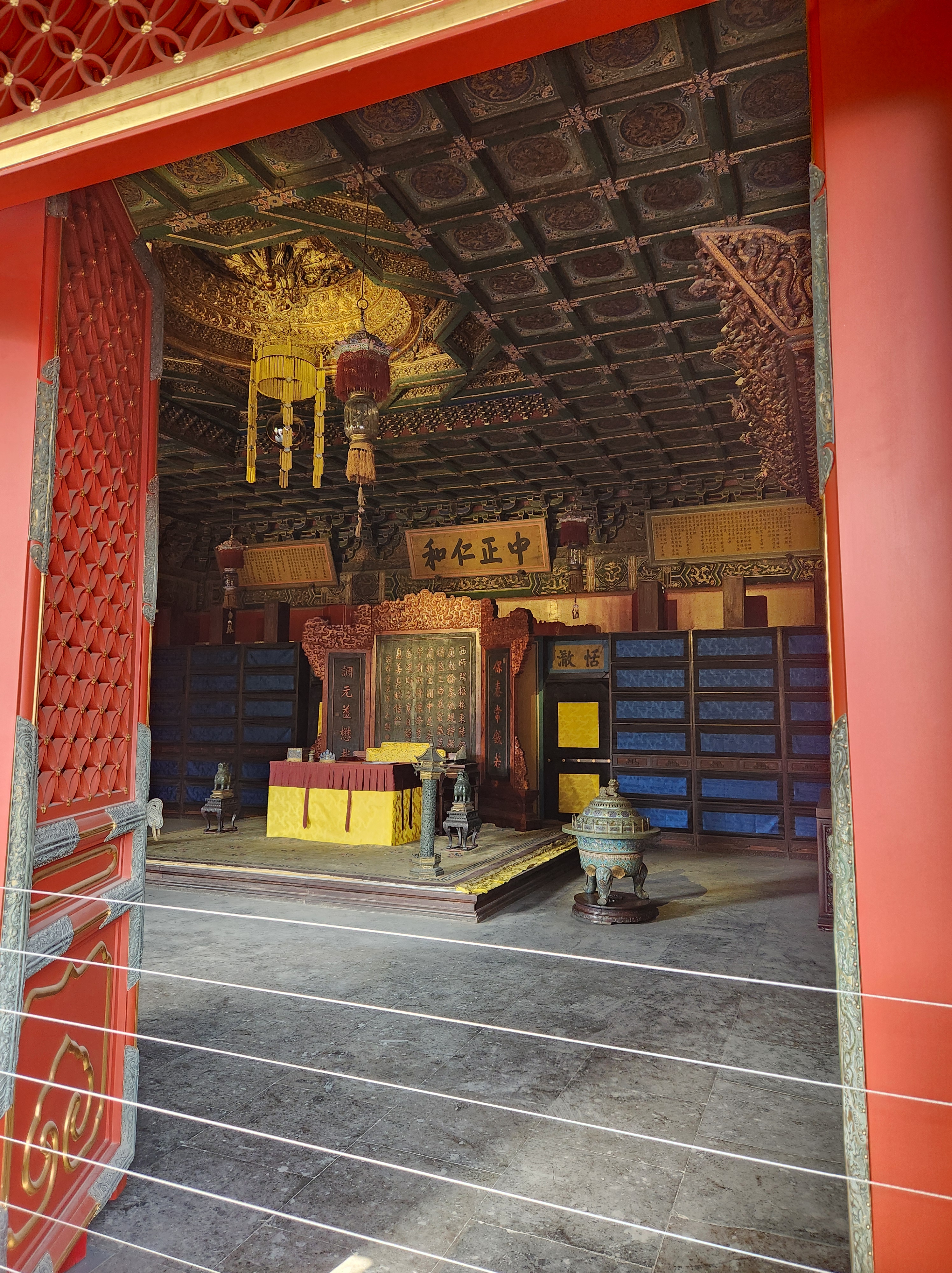
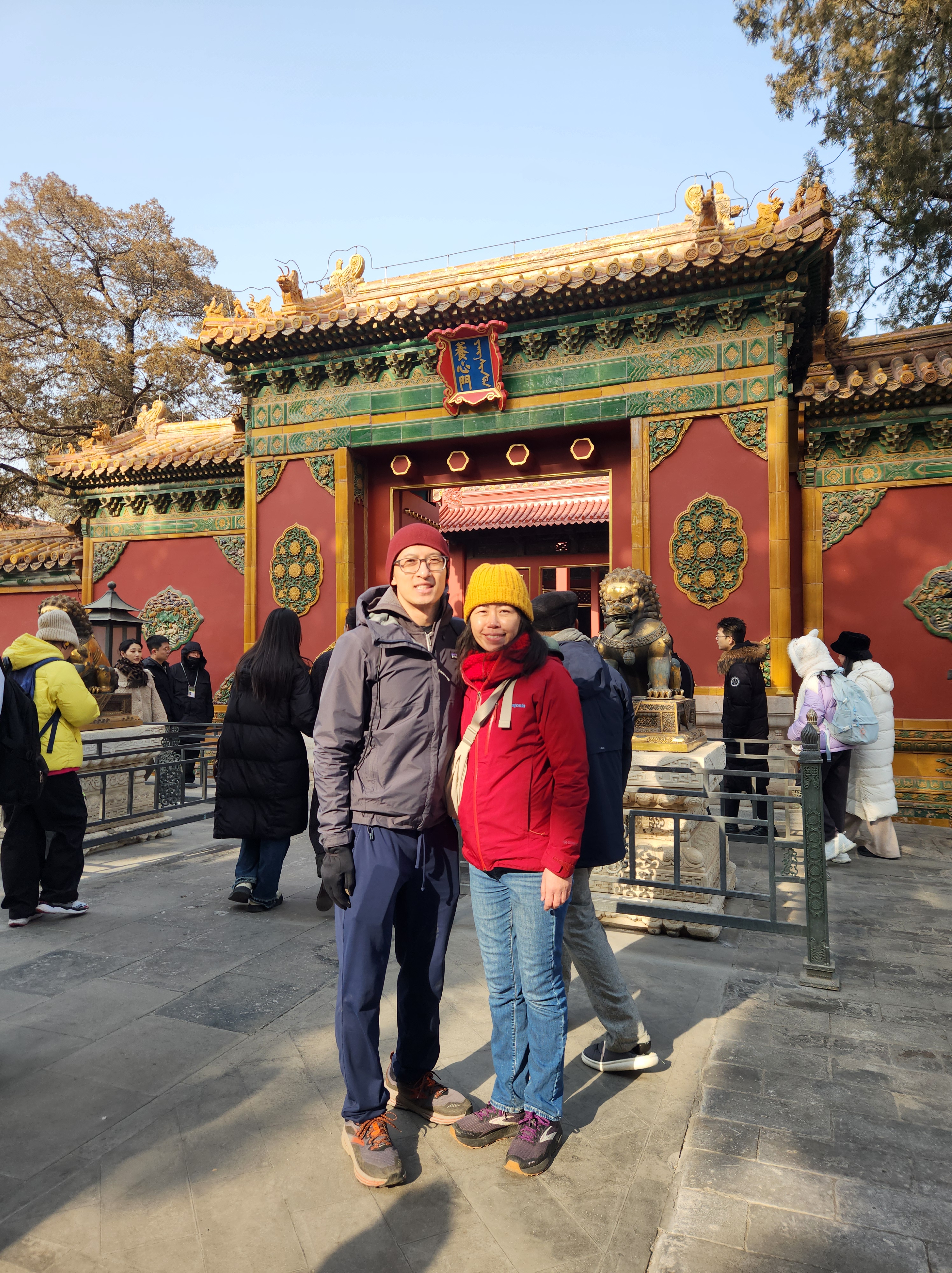
The palace was another site that felt incredibly crowded. While walking around felt fine, any relatively famous sites such as the Hall of Supreme Harmony 太和殿 or Hall of Mental Cultivation 養心殿 would be packed. To take a photo, you’d either have to wait for a spot to open up and try to squeeze in, or hold your camera above your head and hope for the best.
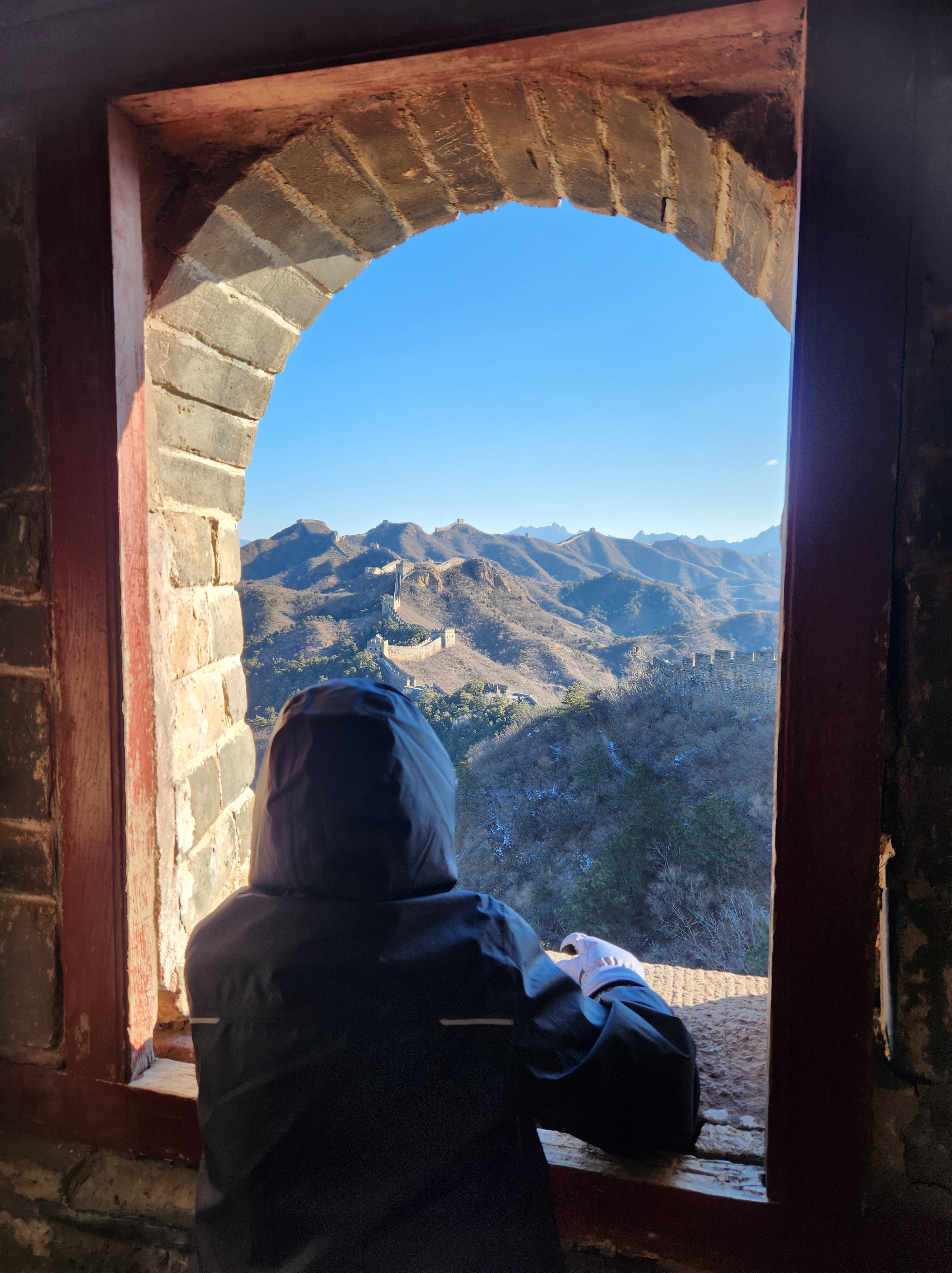
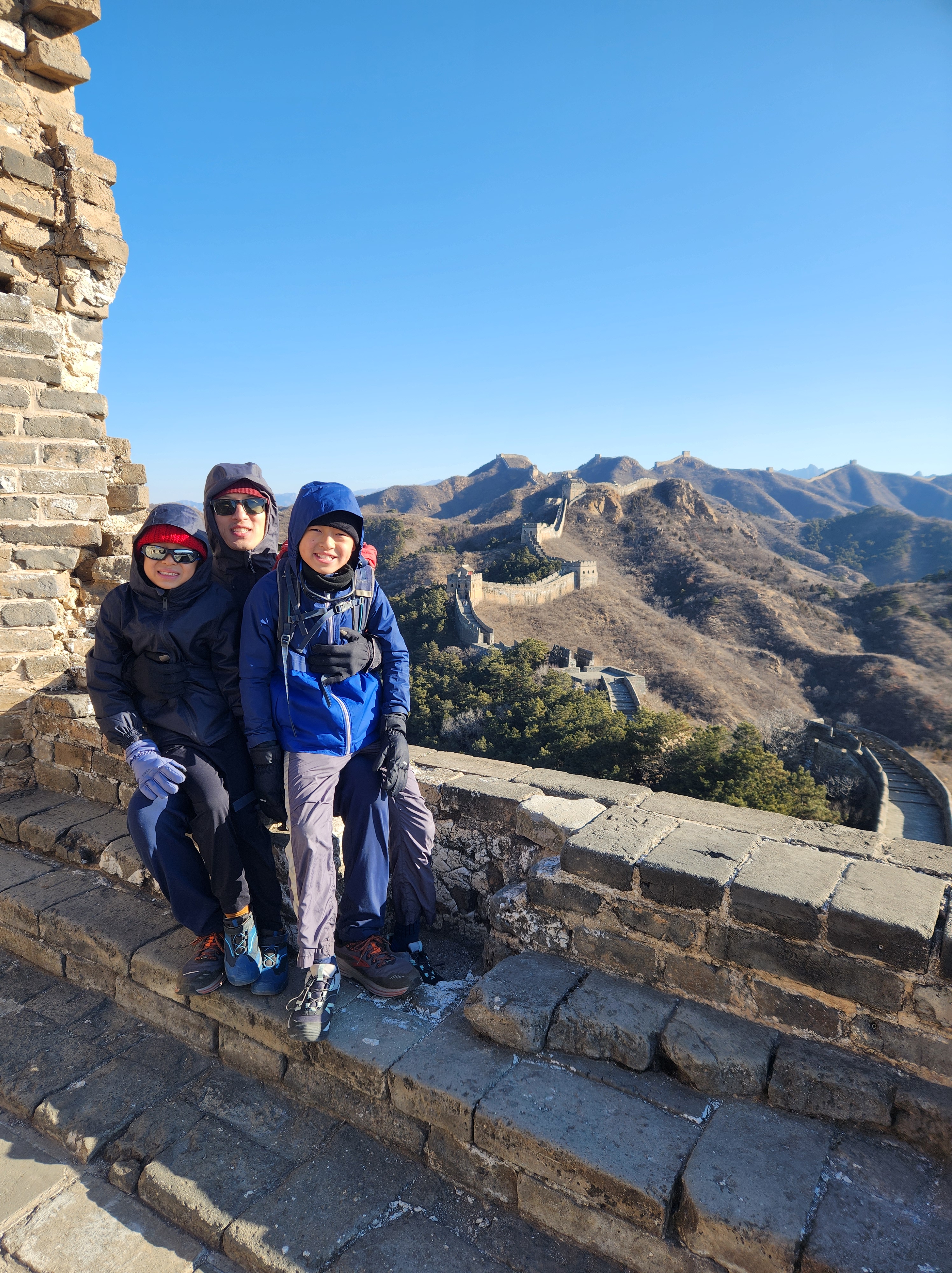
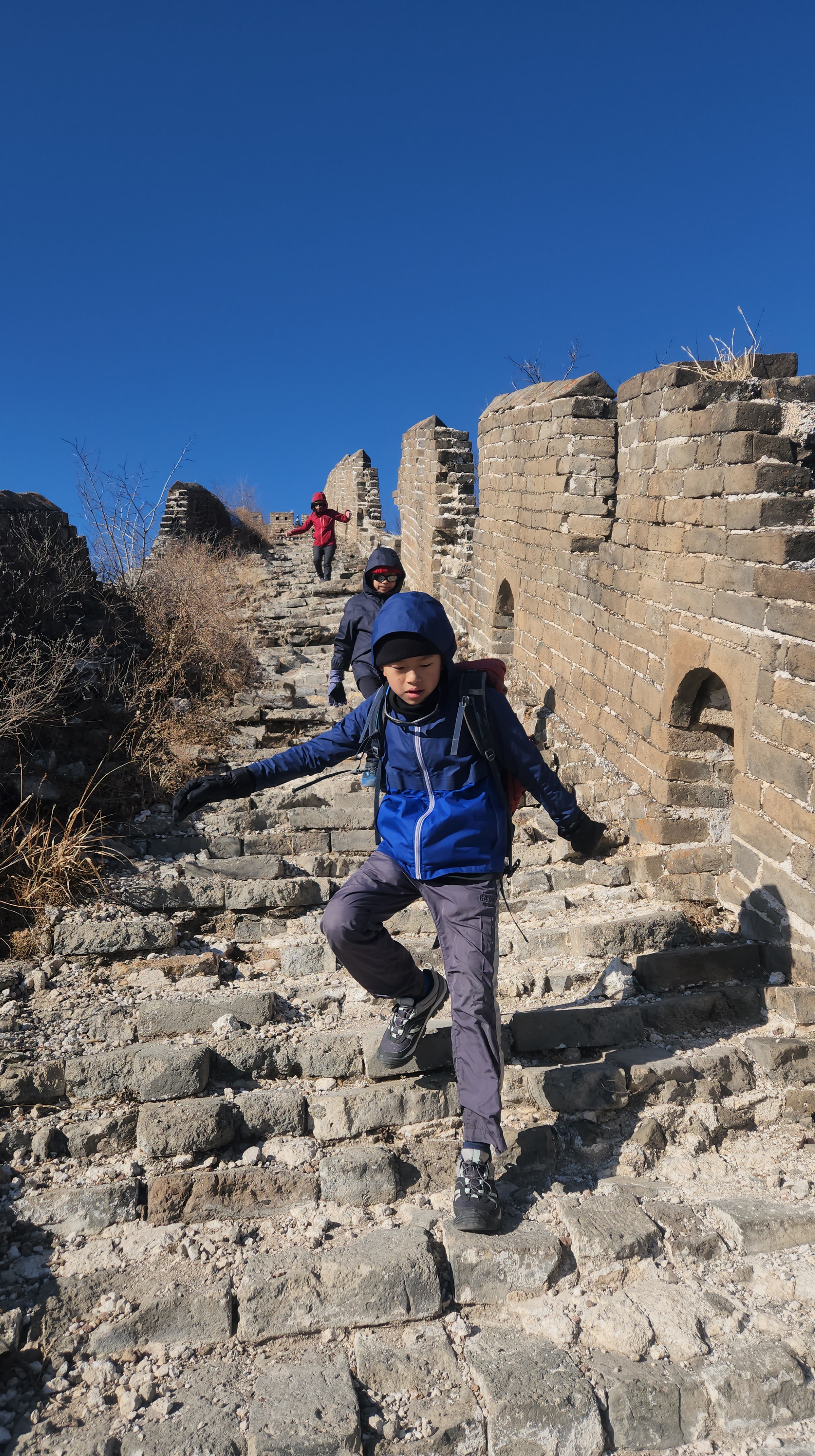
Great Wall. This was probably the highlight of our Beijing visit, if not our entire China trip. The last time Baba and I visited the Great Wall, we felt rushed and the wall was jam-packed with tourists. This time, we hired a private driver to take us to Jinshanling 金山嶺, a more remote part of the wall about 2.5 hours outside of Beijing.

It was so, so worth it. We hiked about 8 miles, and had the wall mostly to ourselves! We also explored an original section of the wall, which was very cool to see as the majority of the wall that is open to tourists have been restored. Every chance I got, I would remind myself to stop and admire the magnificence of this man-made wonder. And every time, I was wowed.

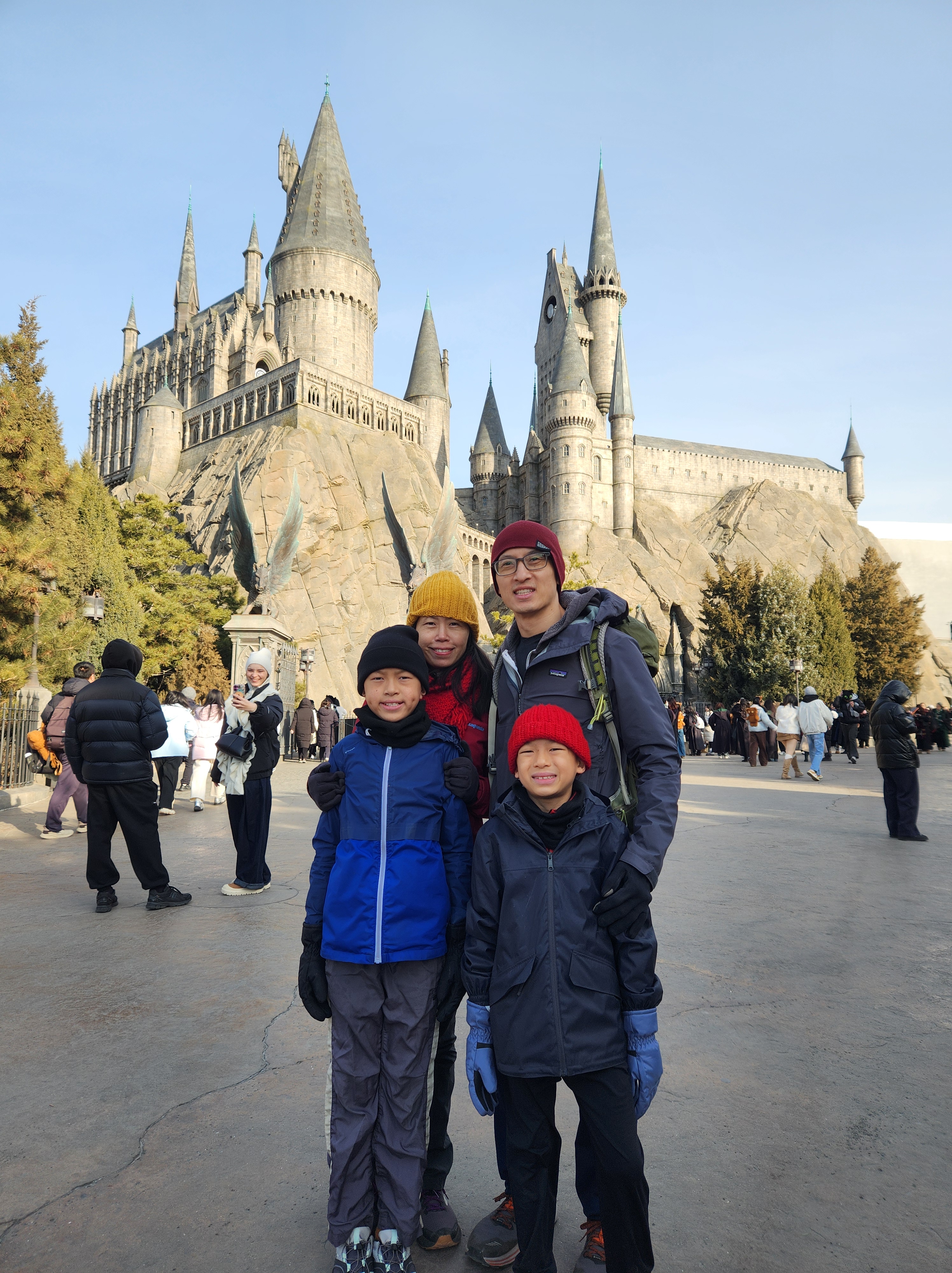
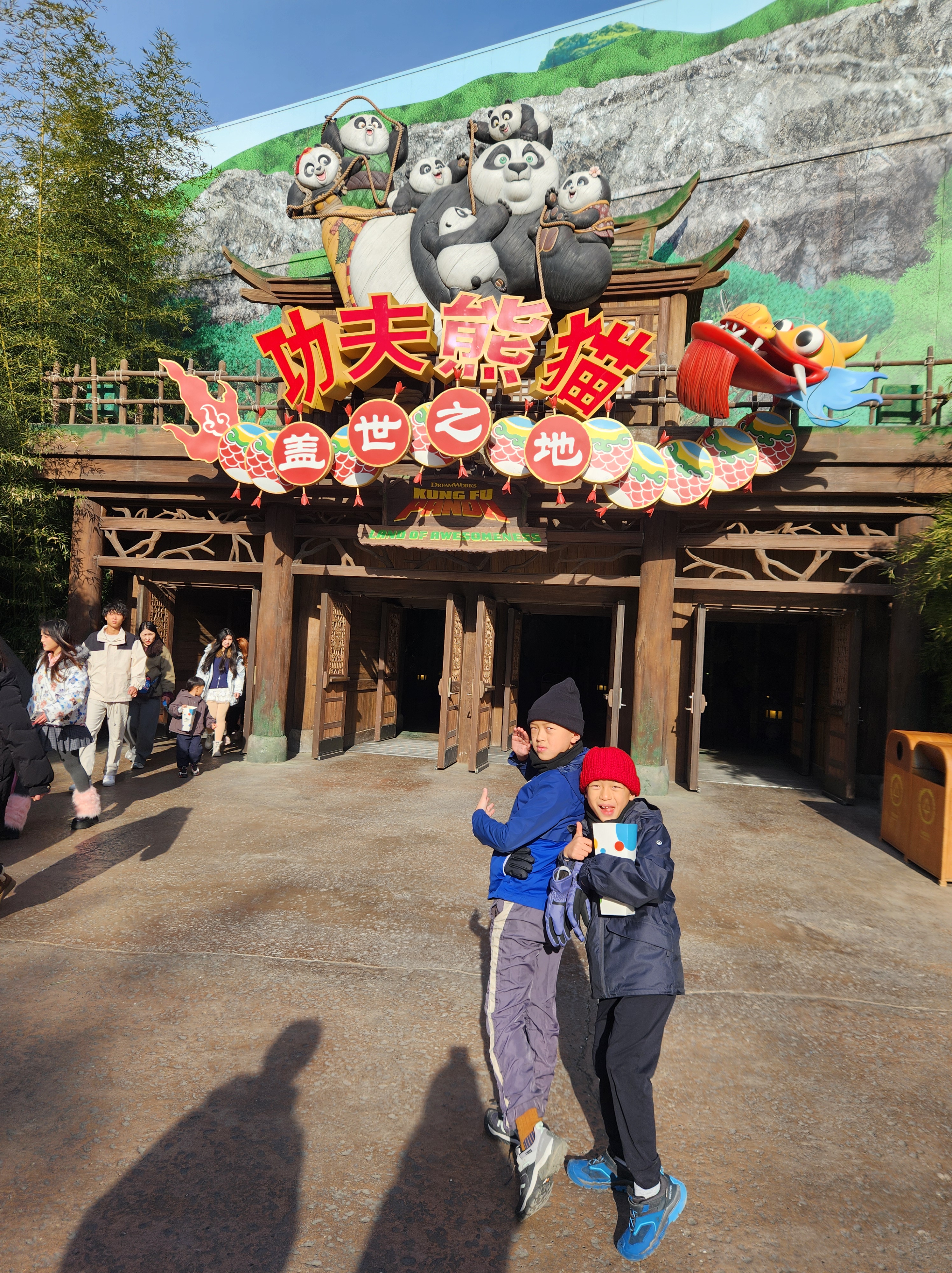
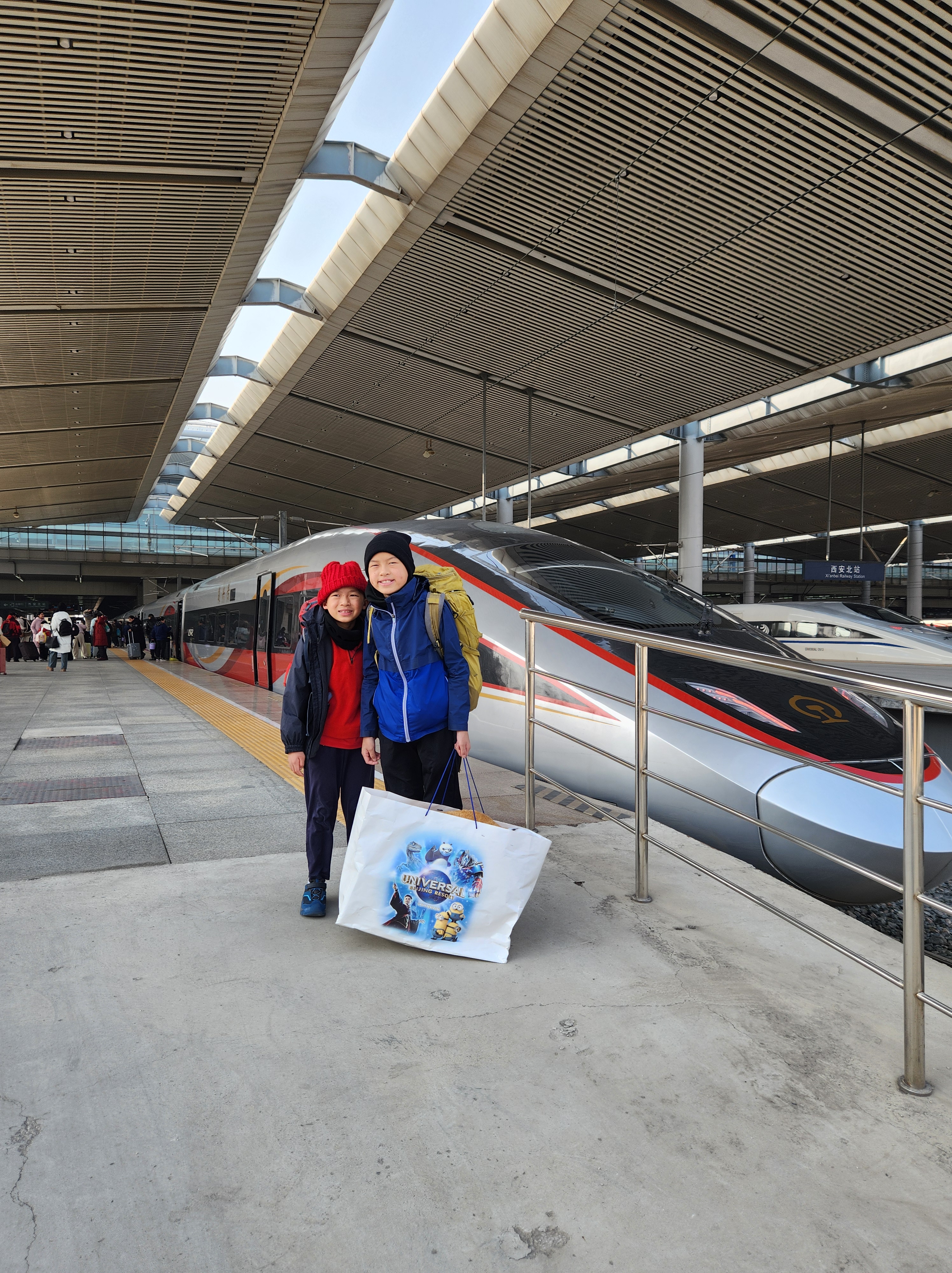
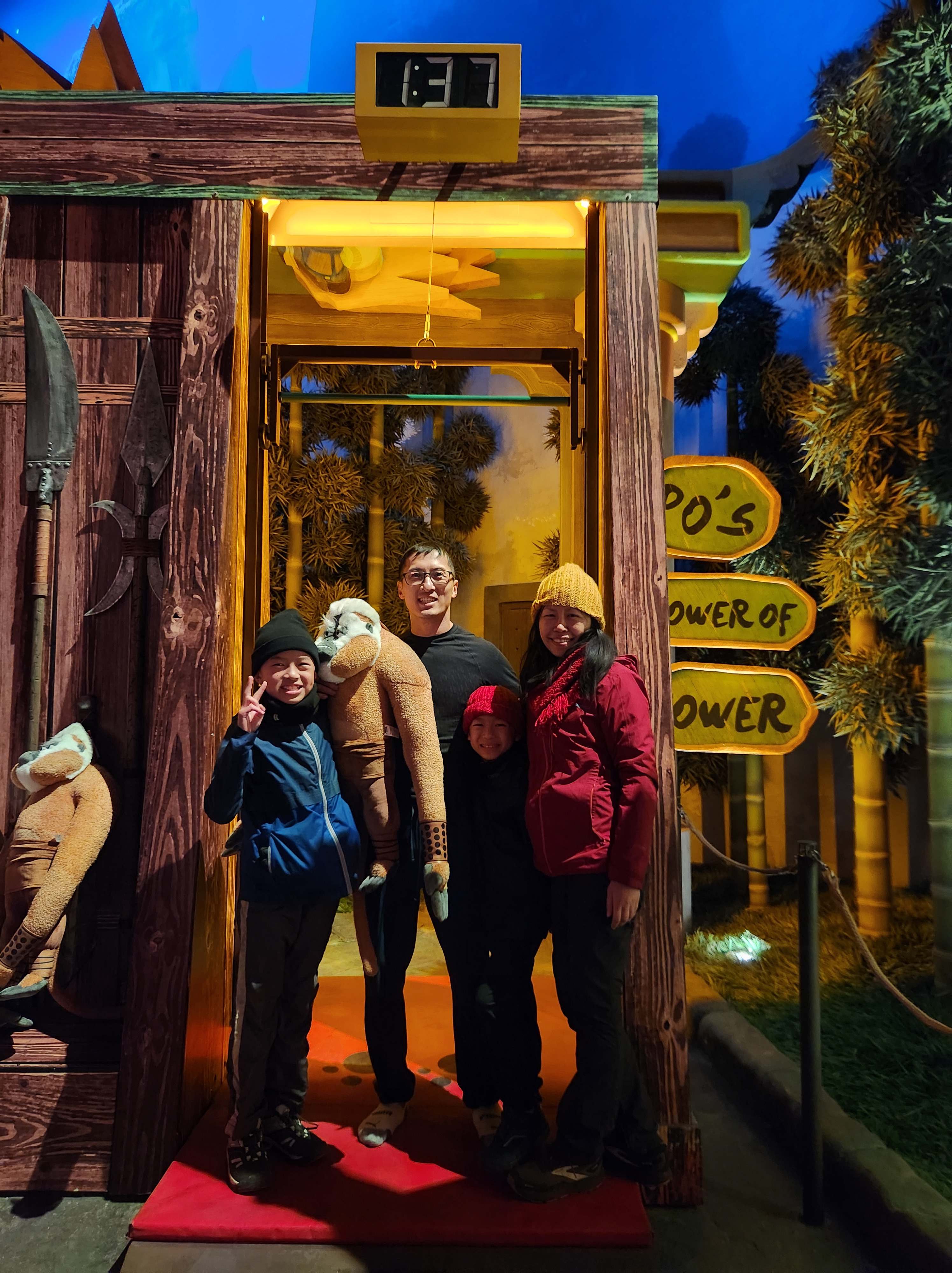
Other notable experiences: We also visited Universal Studios in Beijing, which opened in 2021. We decided to go only because the Wizarding World of Harry Potter was there, and O in particular is a big fan of HP. It’s a nice park – not too big but still had many fun attractions. The highlight was Baba winning a dead hang contest at Kung Fu Panda Land, and our prize was a ginormous monkey that we had to lug around China. 😆

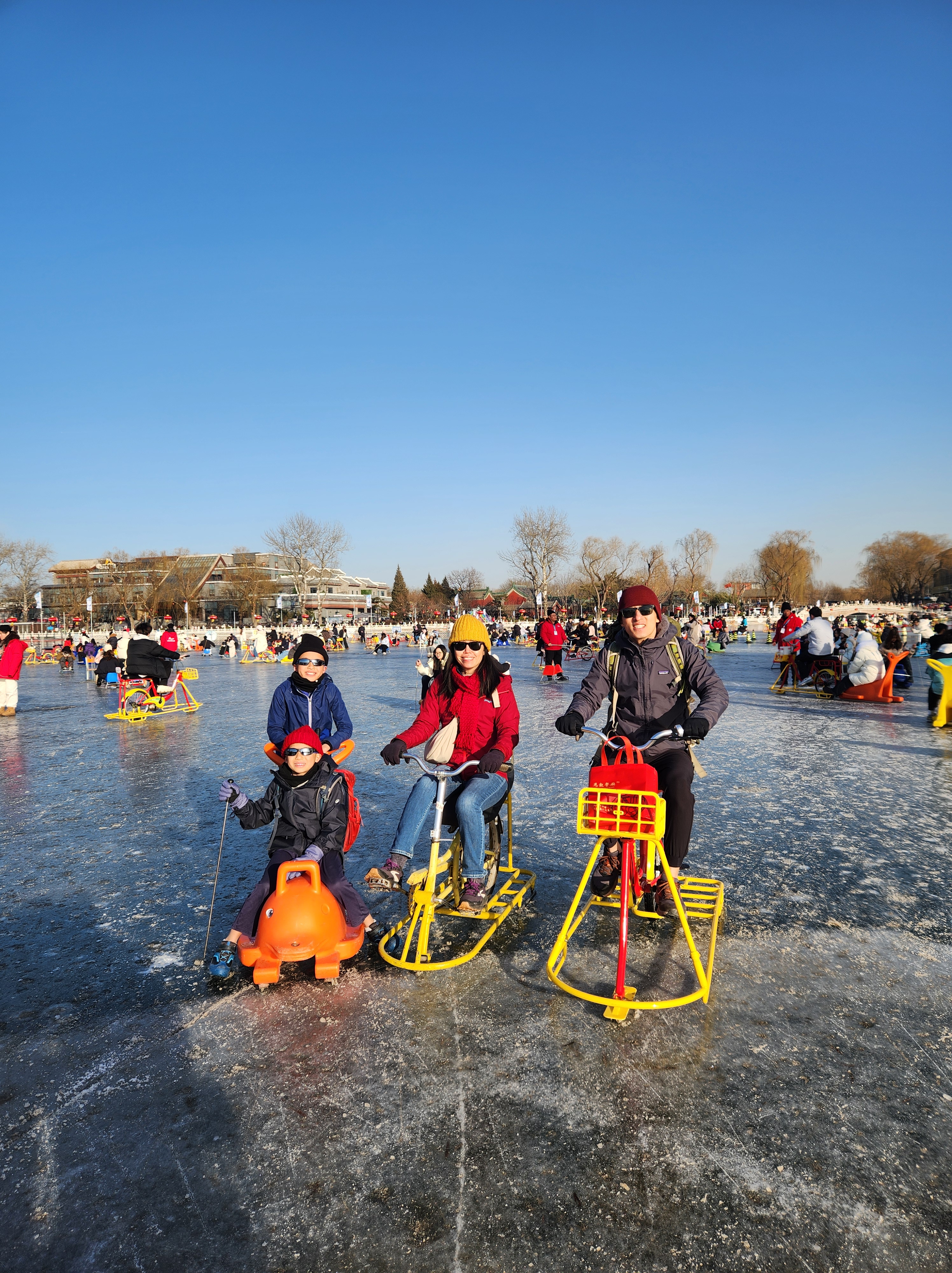
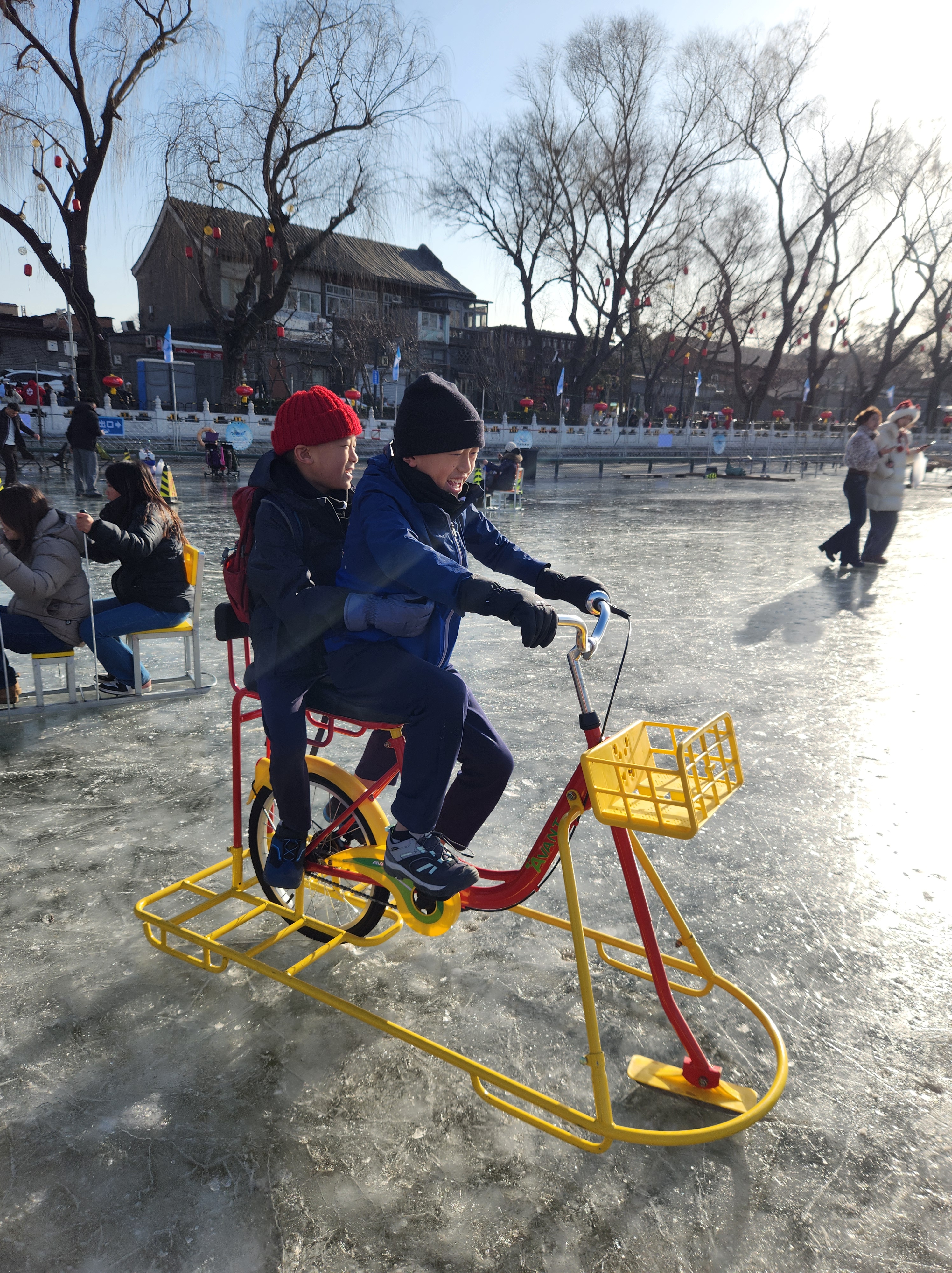
Another unique experience was biking on a frozen lake! Every winter, Houhai 後海 lake freezes over and people can bike or sled across it. We discovered new levels of faith while biking on this ice 😅.

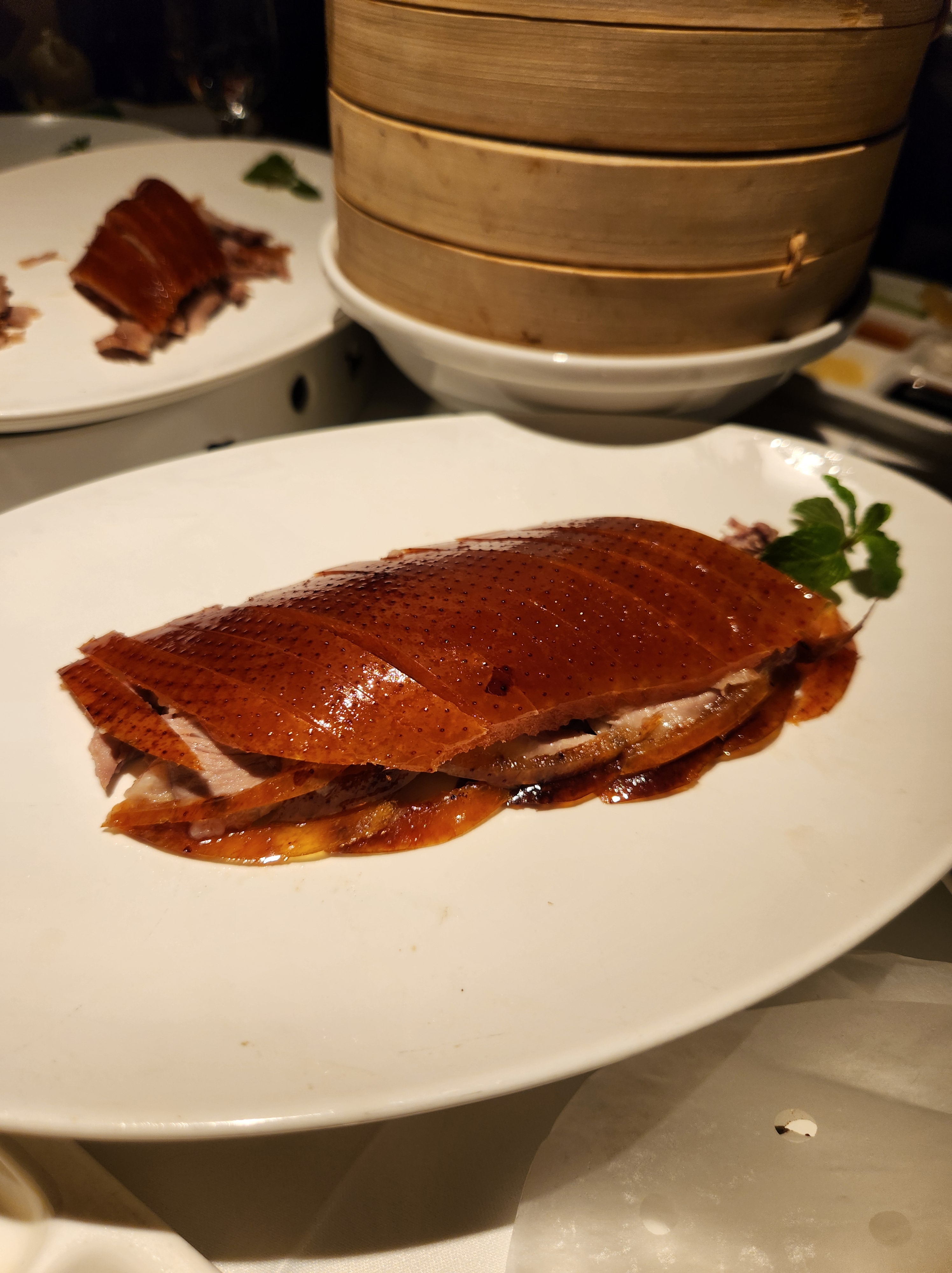
When in Beijing, you have to eat Peking duck. We went to probably the most famous Peking duck restaurant called Siji Minfu 四季民福. I normally don’t eat a lot of duck, but this place was just heavenly. Thin, crispy skin wrapped over tender, juicy meat – it’s no wonder this place is so popular! Luckily, our hotel was literally right next to the restaurant and the concierge could help us get a queue number while we did other things. Otherwise, the wait could be 2-3 hours long!

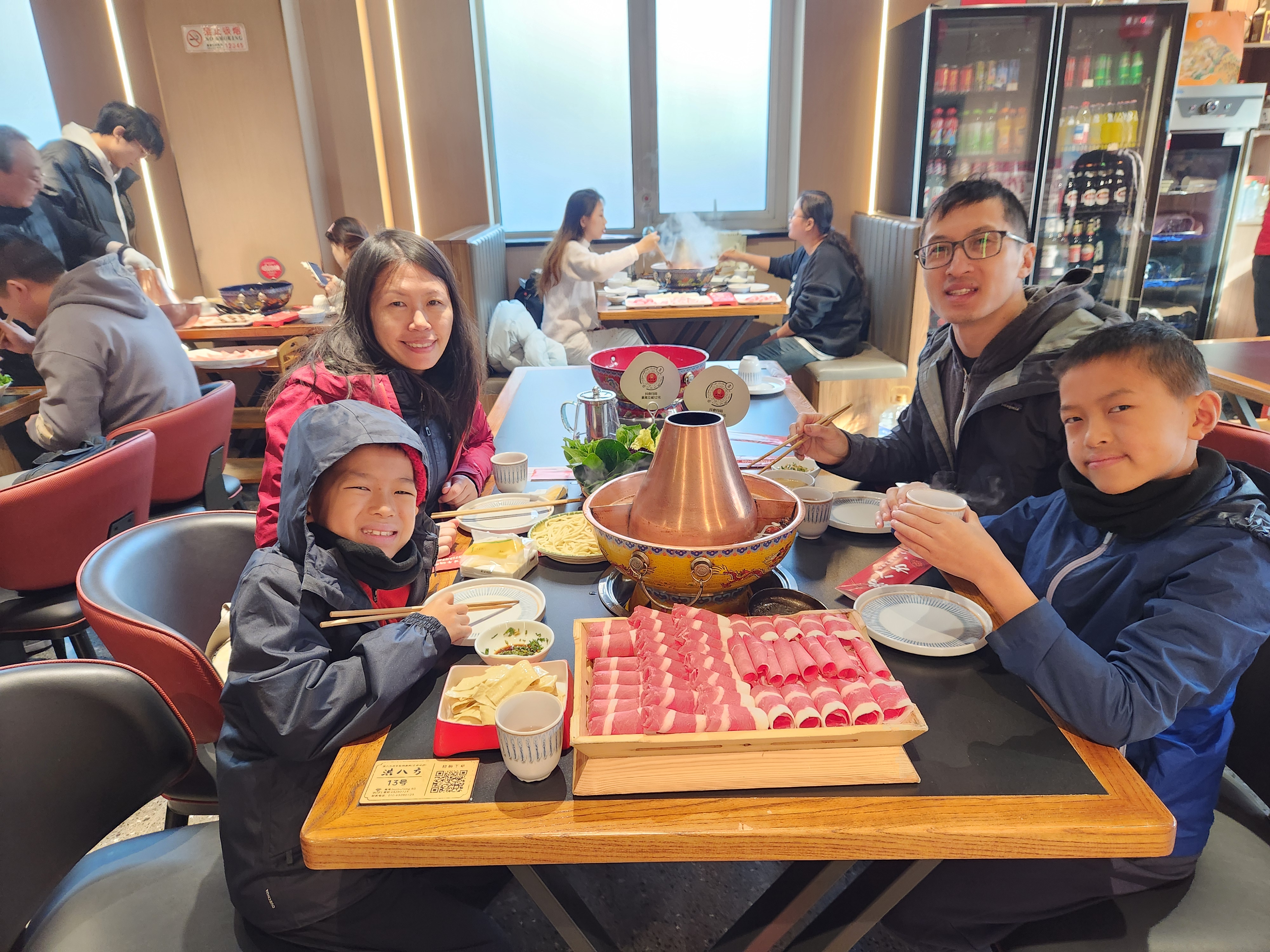
Because it was so cold, we often ate a lot of hot pot (not complaining, because I’m hot pot’s #1 fan). Beijing’s famous for their chimney copper pot filled with mild broth. Always hit the spot on a cold day.

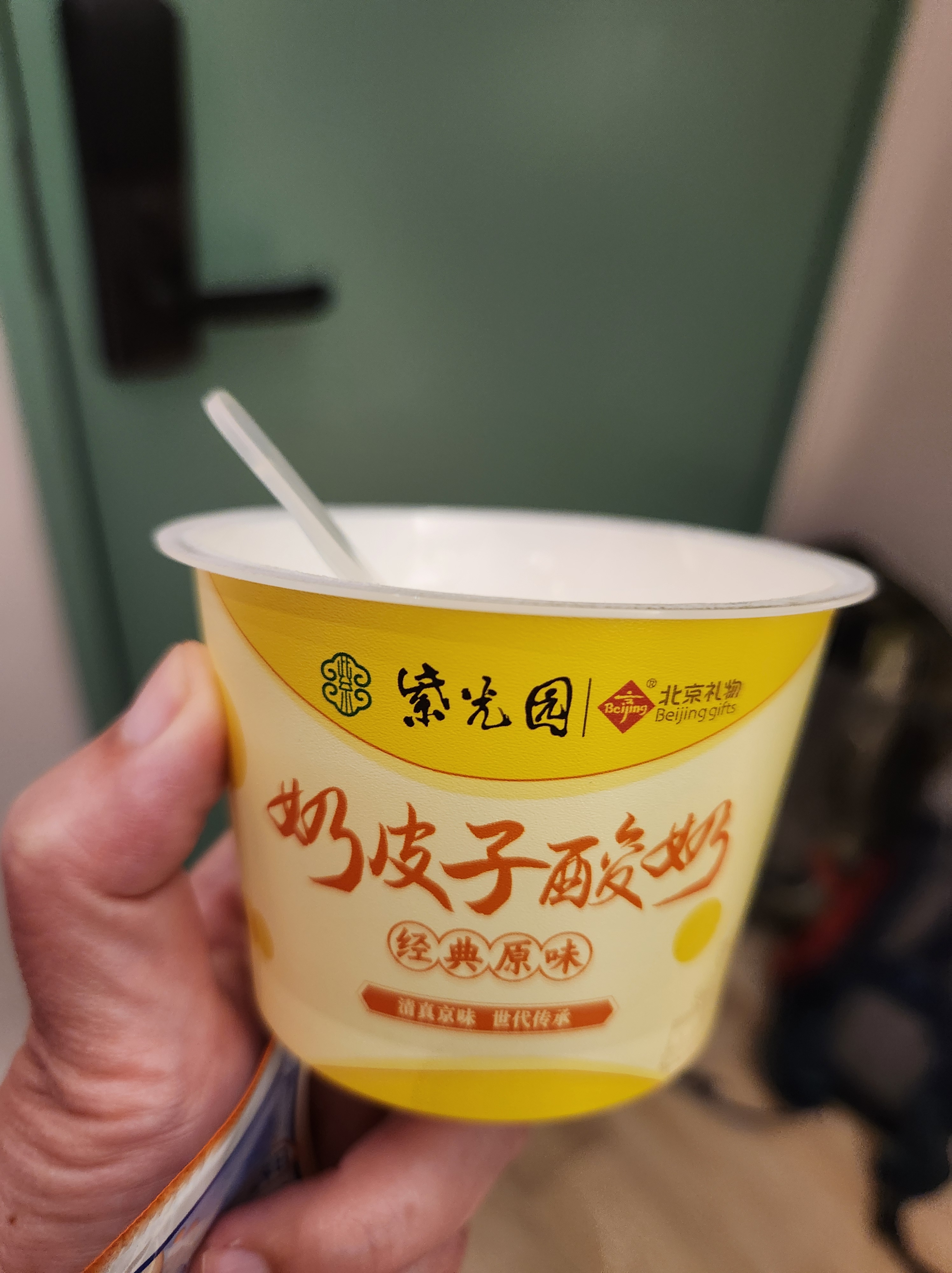
Last but not least, we fell in love with Beijing style yogurt! There were many shops selling these, but the most popular variation is 奶皮子酸奶, or milk skin yogurt. It’s creamy, rich and smooth with just the right amount of sweetness. We often ate these for breakfast.

While Beijing is a must-visit on any China itinerary, admittedly it is not one of my favorite cities. It is too vast and sprawling, which made it feel impersonal. I also don’t know if it was because of the frigid weather, but Beijing looked bleak in a lot of areas, possibly due to the large number of grey brick walls surrounding old houses.

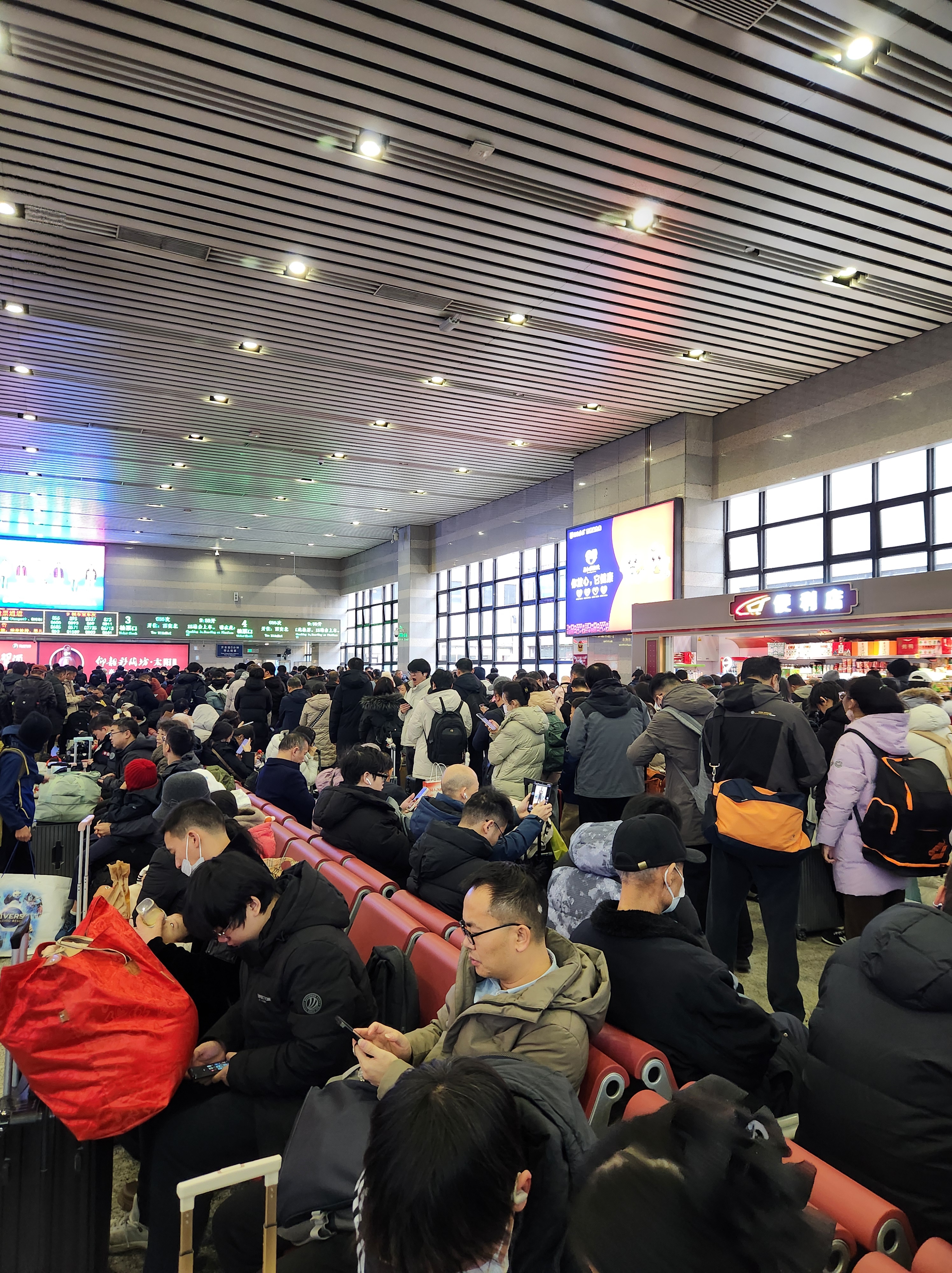
Xian. After Beijing, we took a high speed train to Xian and stayed there for 4 nights. I am incredibly impressed with China’s rail network. Within a decade, the country built an extensive rail system to support 1.4 billion people. The trains are clean, on time and fast too. We traveled about 683 miles from Beijing to Xian in 4.5 hours! (For reference, that’s almost the same distance between SF to LA.) Catering to massive numbers of travelers, the train stations were unsurprisingly crowded and chaotic. Some even looked like airports!

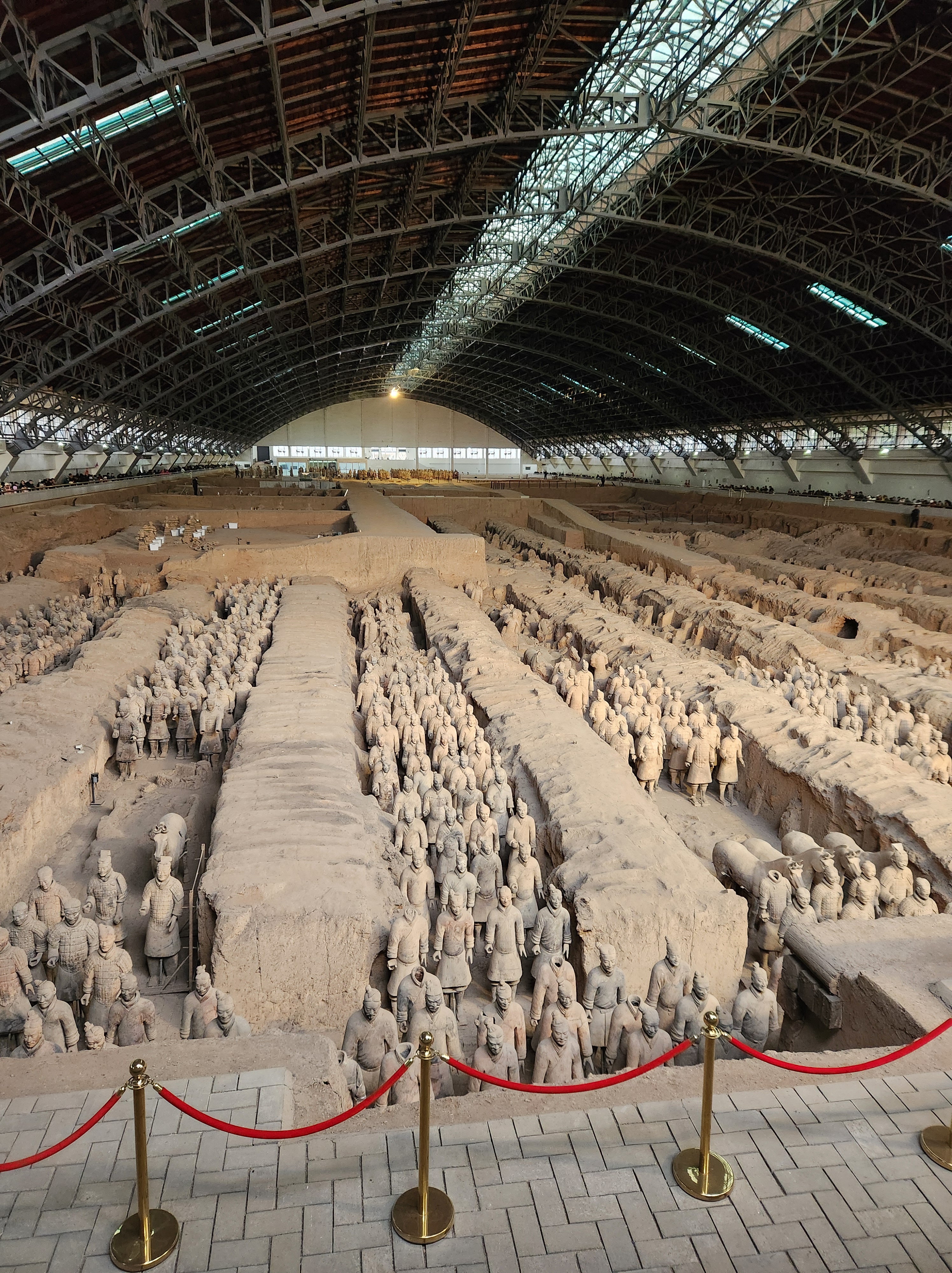
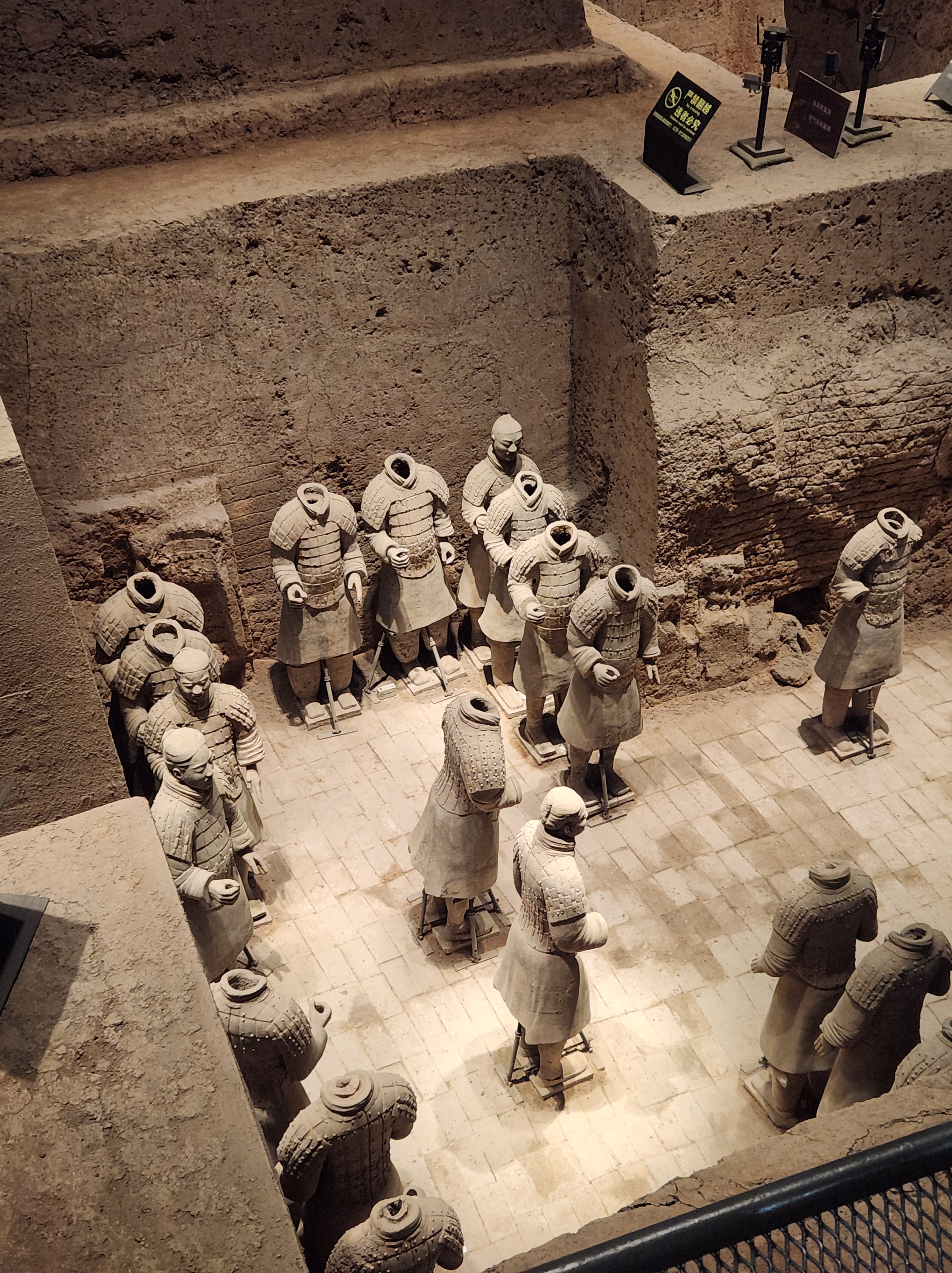
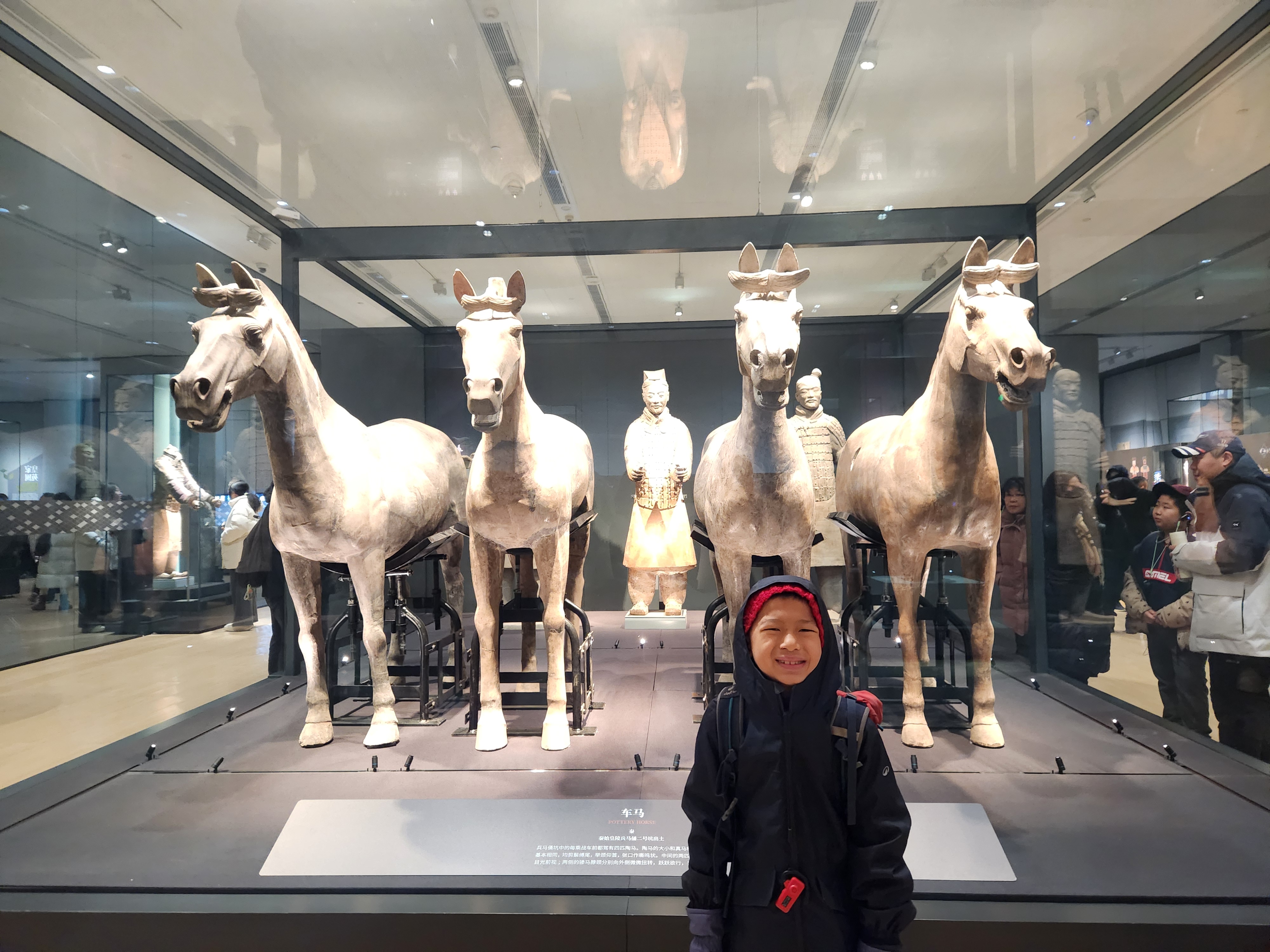
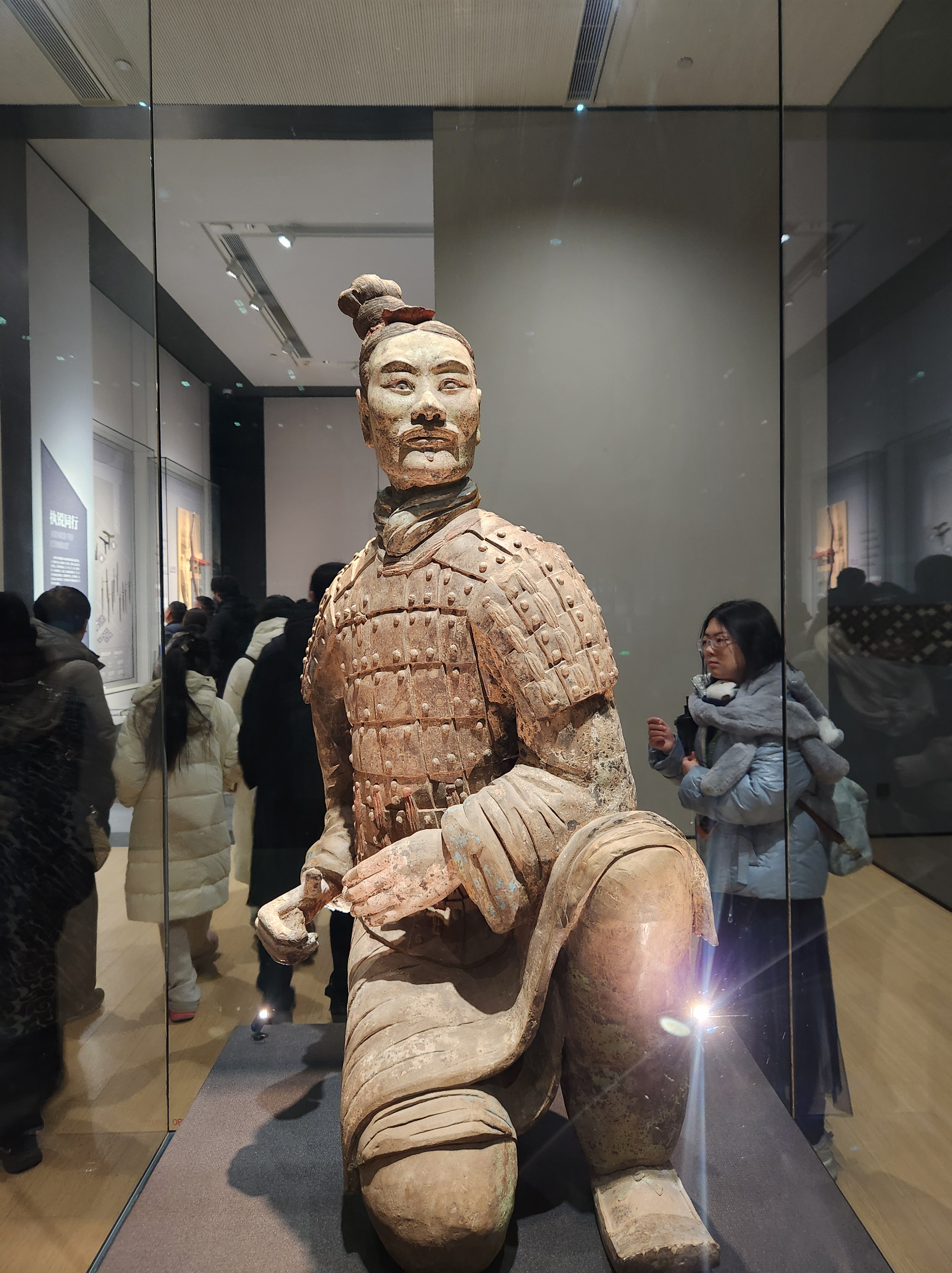
We came to Xian to see none other than the Terracotta Army. We booked a half day tour and while it was convenient, we probably could’ve visited on our own. A lot of the information the guide told us we already learned from watching a documentary and, the tour arrived at the museum around 10am, which is when all the other tours arrive. Needless to say, it was super crowded. Still, the history, art and scale of this place is mind-blowing. I still cannot comprehend how this was all made by hand over 2,000 years ago.

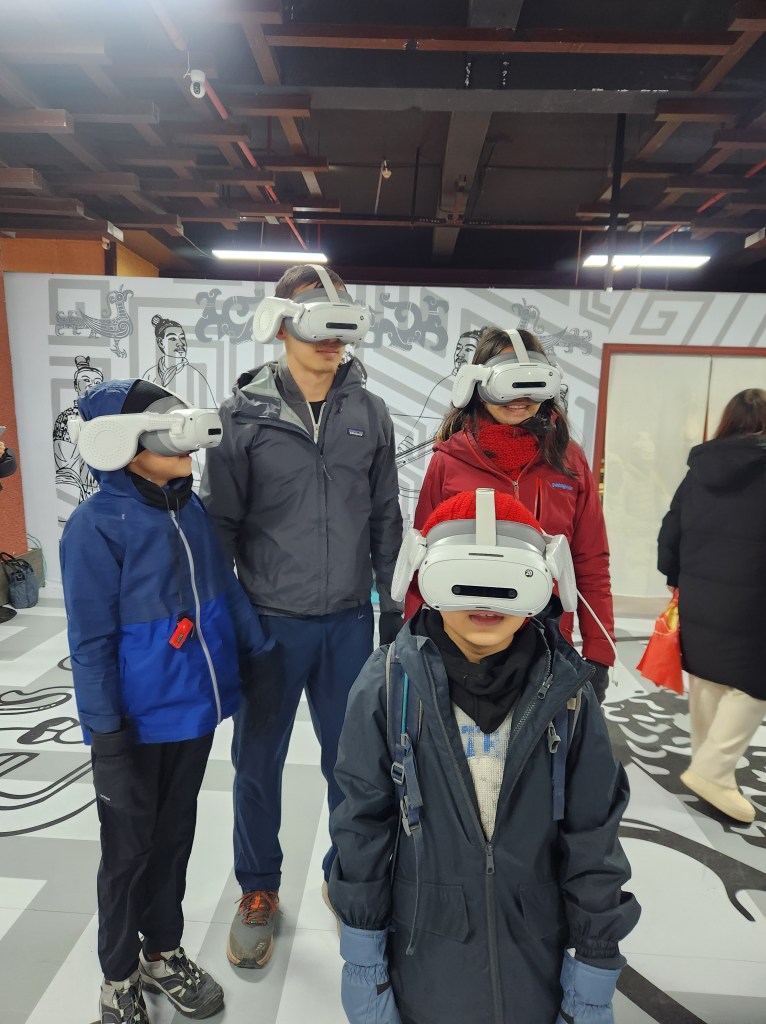
We also tried a VR experience that offered a glimpse of what Qin Shi Huang’s tomb might look like. His burial chamber has never been excavated, so everything we saw was just based on historical documents. It’s unlikely we’ll see the tomb opened in our lifetime, but if the army guarding him is any indication, I can only imagine how extraordinary his final resting place must be.

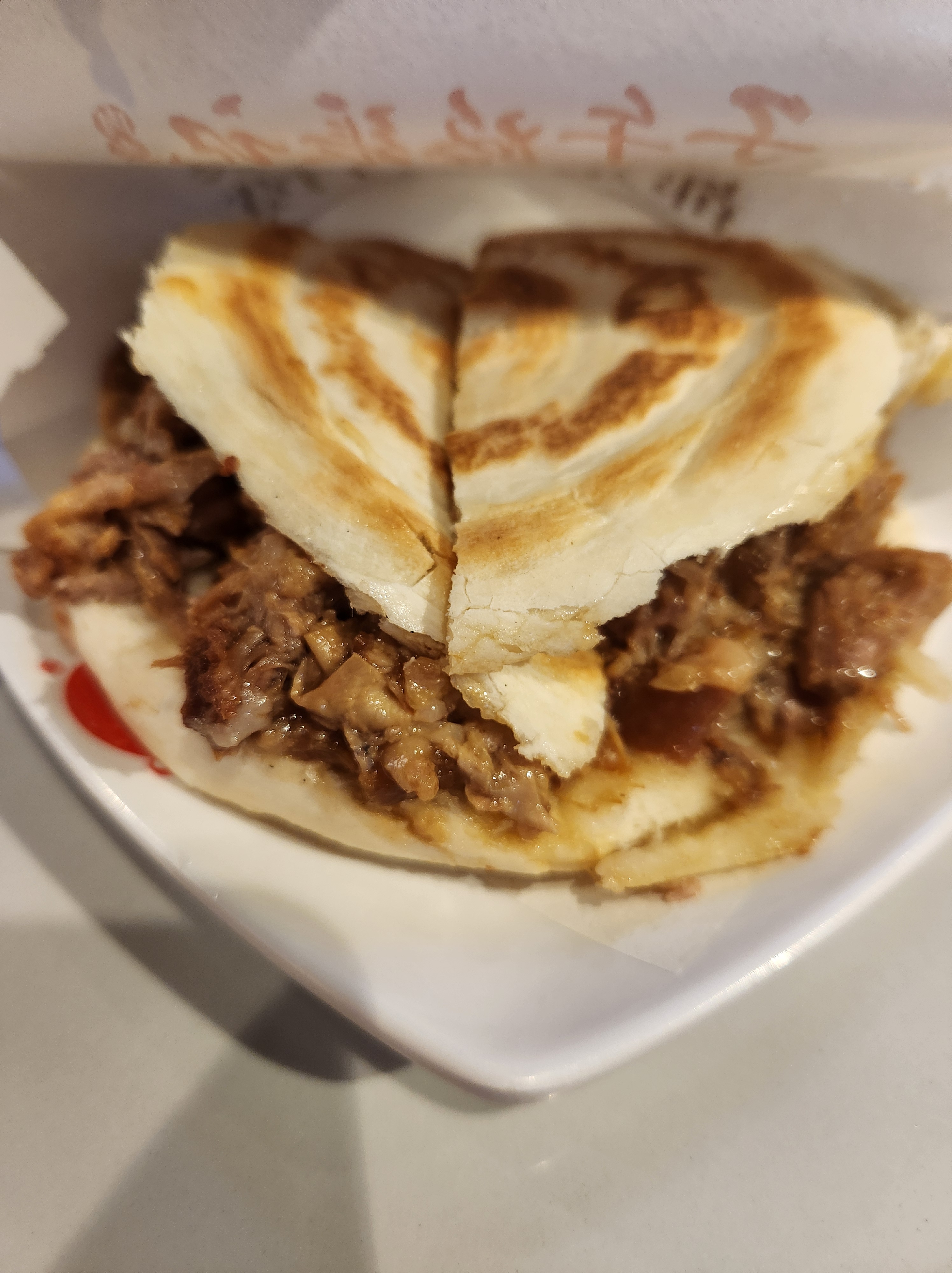
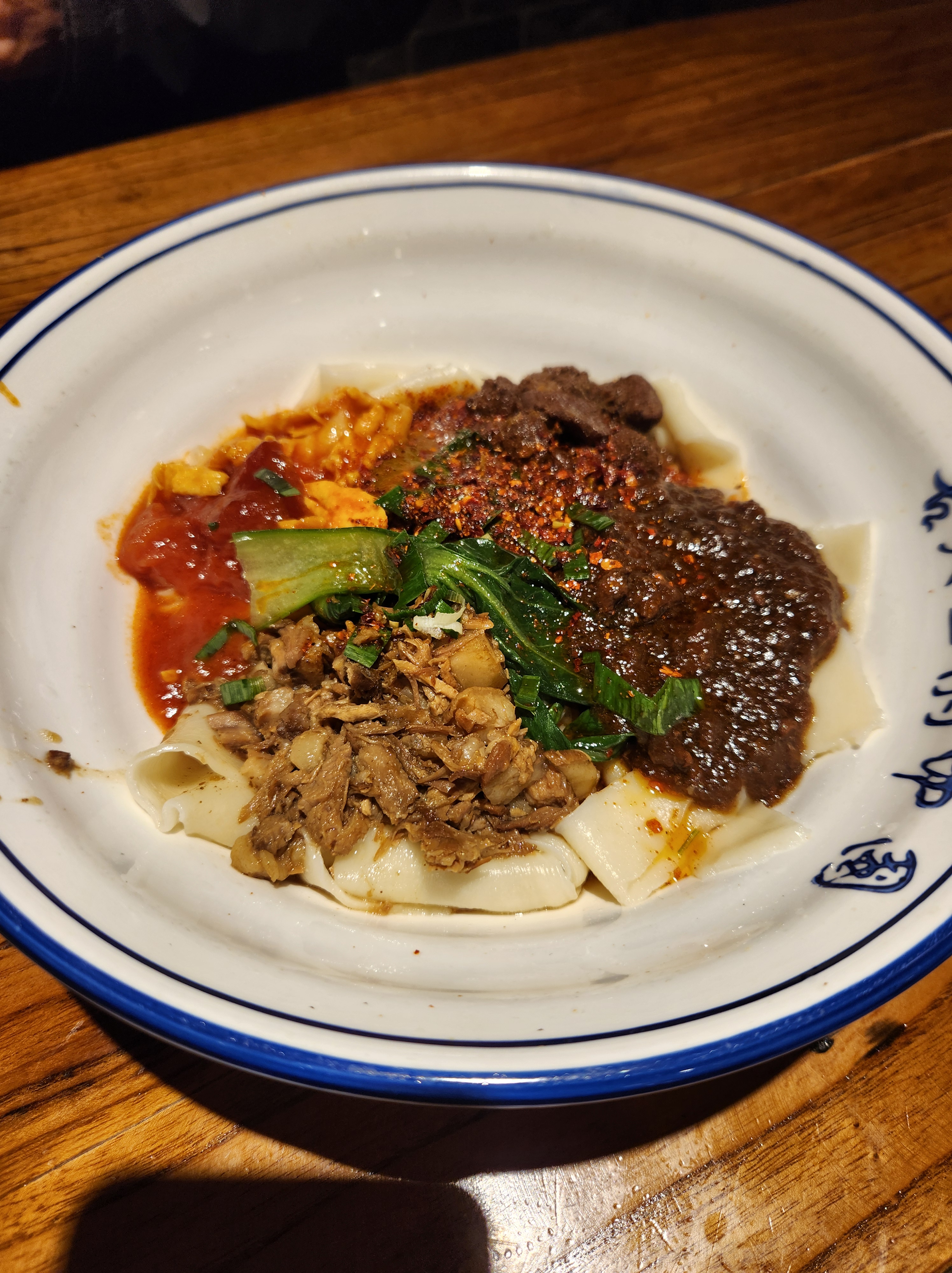
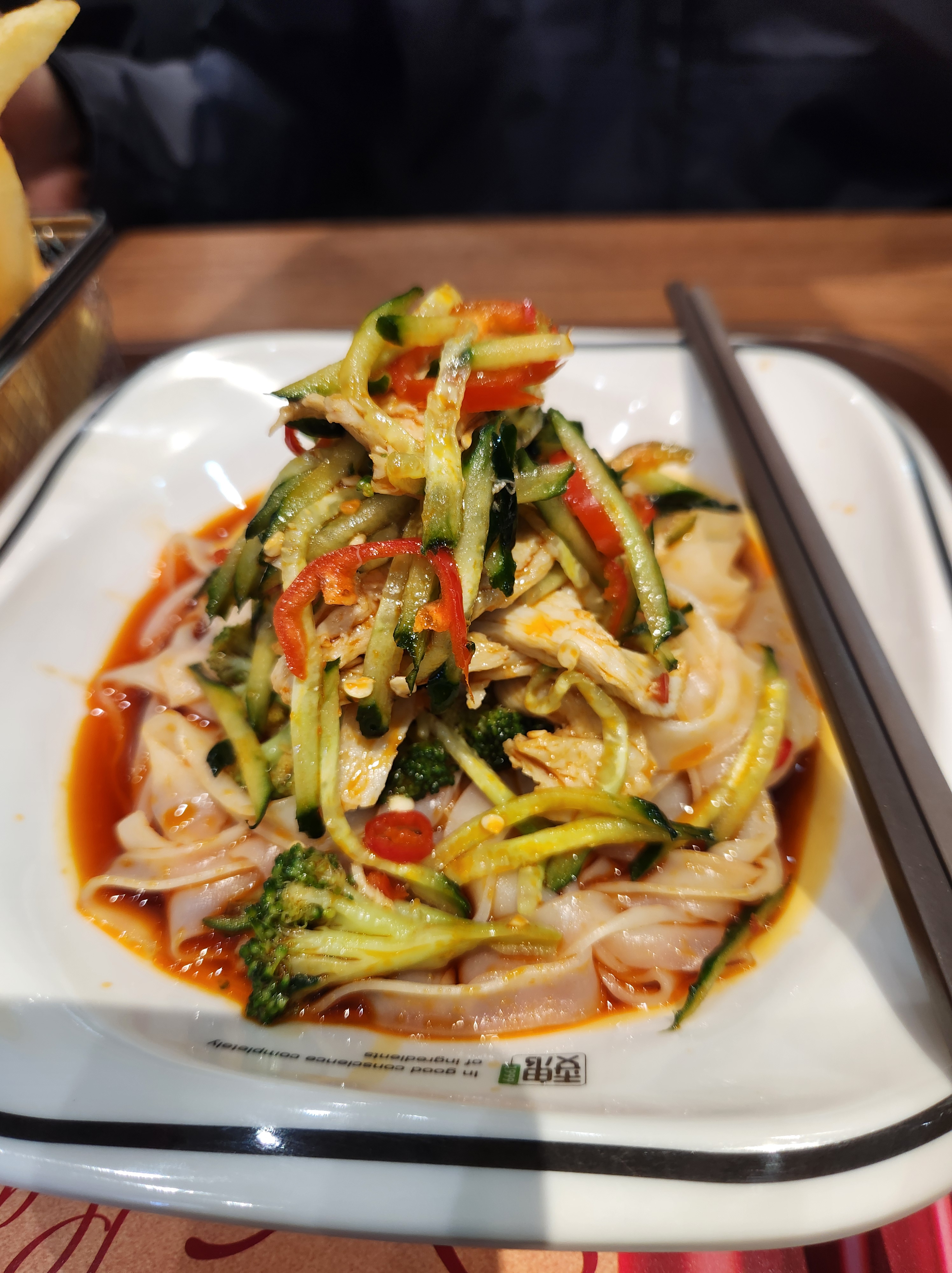
What surprised us most about Xian was the food! We had never heard about Xian food outside of China before, but it is DELICIOUS. From left to right:

  • 肉夾饃, or Chinese hamburger – It doesn’t look like much but the meat was so flavorful and juicy stuffed inside a crispy flatbread.
  • Biang biang noodles – The noodles were wide and soft, mixed in with a symphony of flavors – salty, spicy, and sour. We loved it so much we ate this dish twice and will be dreaming about it forever.
  • 涼皮, or cold noodles – This was so good! A cold noodle dish that’s spicy and vinegary.
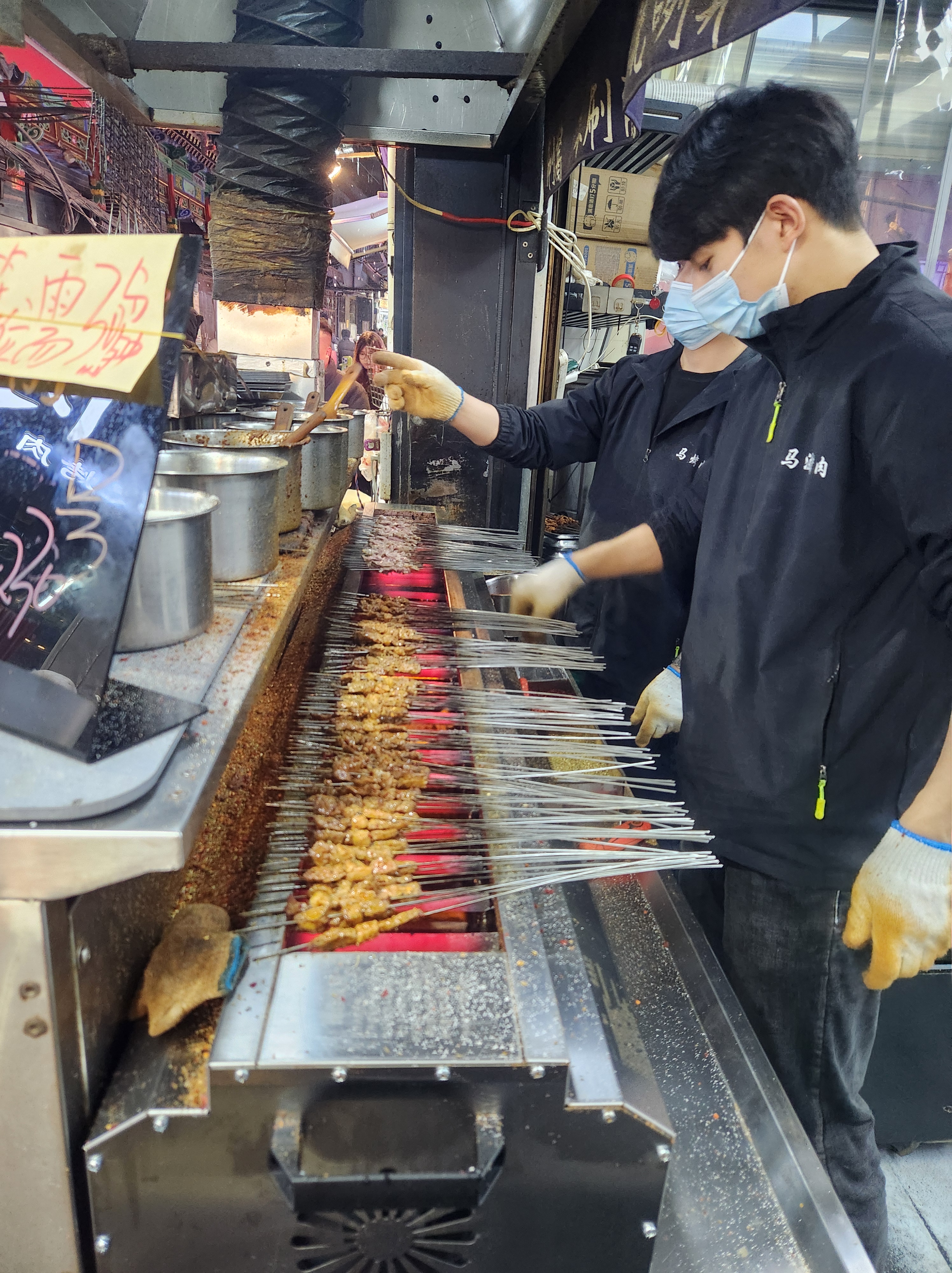
  • Skewered meats – Super popular in Xian, these are influenced by the city’s large Muslim population. The meats are often grilled with cumin, chili and Sichuan peppercorn.

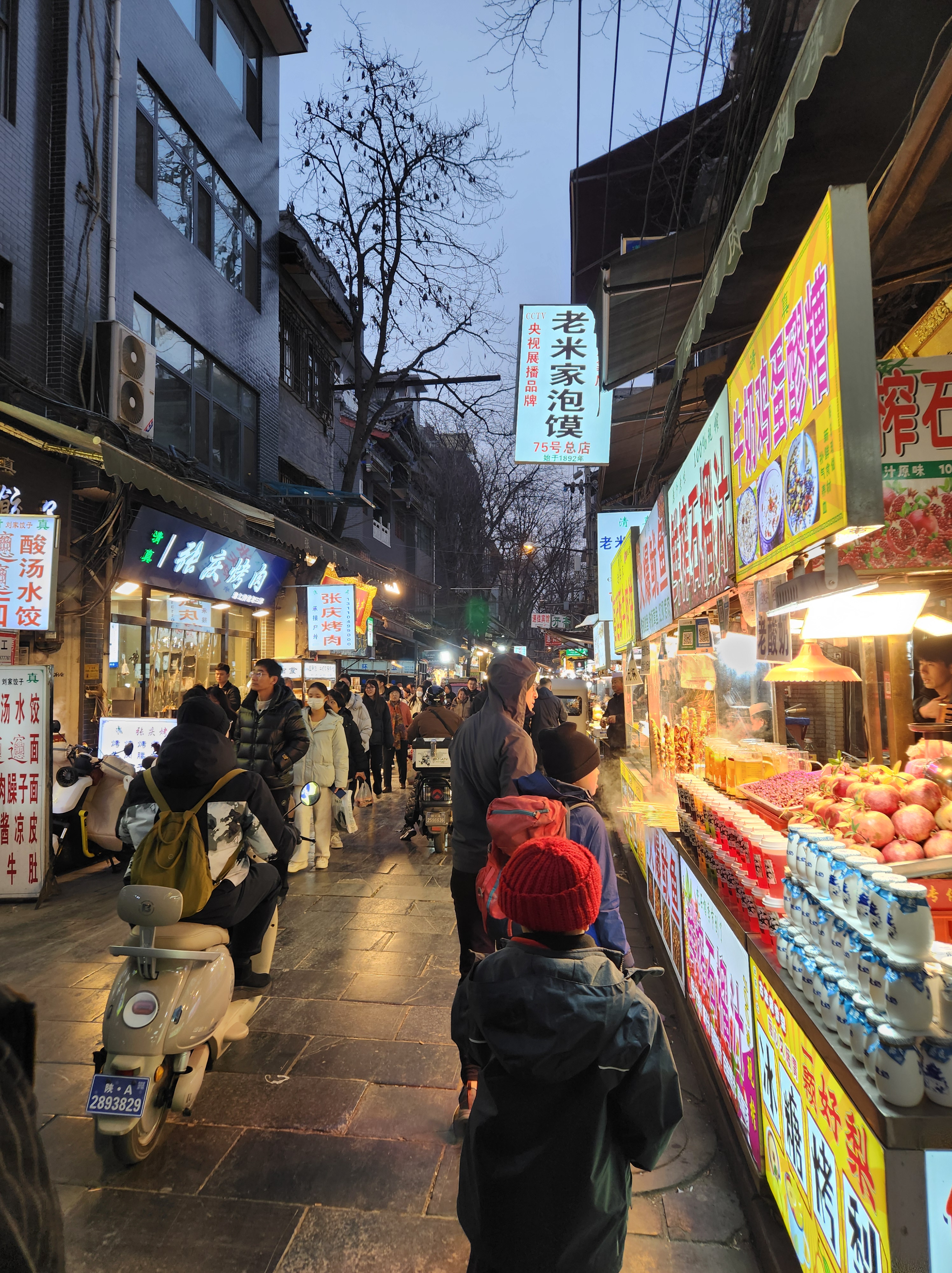
We really enjoyed Xian. Our hotel was right inside the Muslim Quarter, so delicious food and lively streets were literally steps away. That same energy seemed to ripple through the entire city – everywhere we went, the streets were filled with fascinating sights and tempting foods. ☺️
Ok this post has gotten long enough! I’ll end it here and save Luoyang, Huangshan, and Shanghai for part 2.

Ramblings

A Weekend in Hong Kong

Early last month, we took a short trip to Hong Kong. Hong Kong had not been part of our original travel plans because we’ve already visited a couple of times, and we’ve always found the people a bit rude. 😓

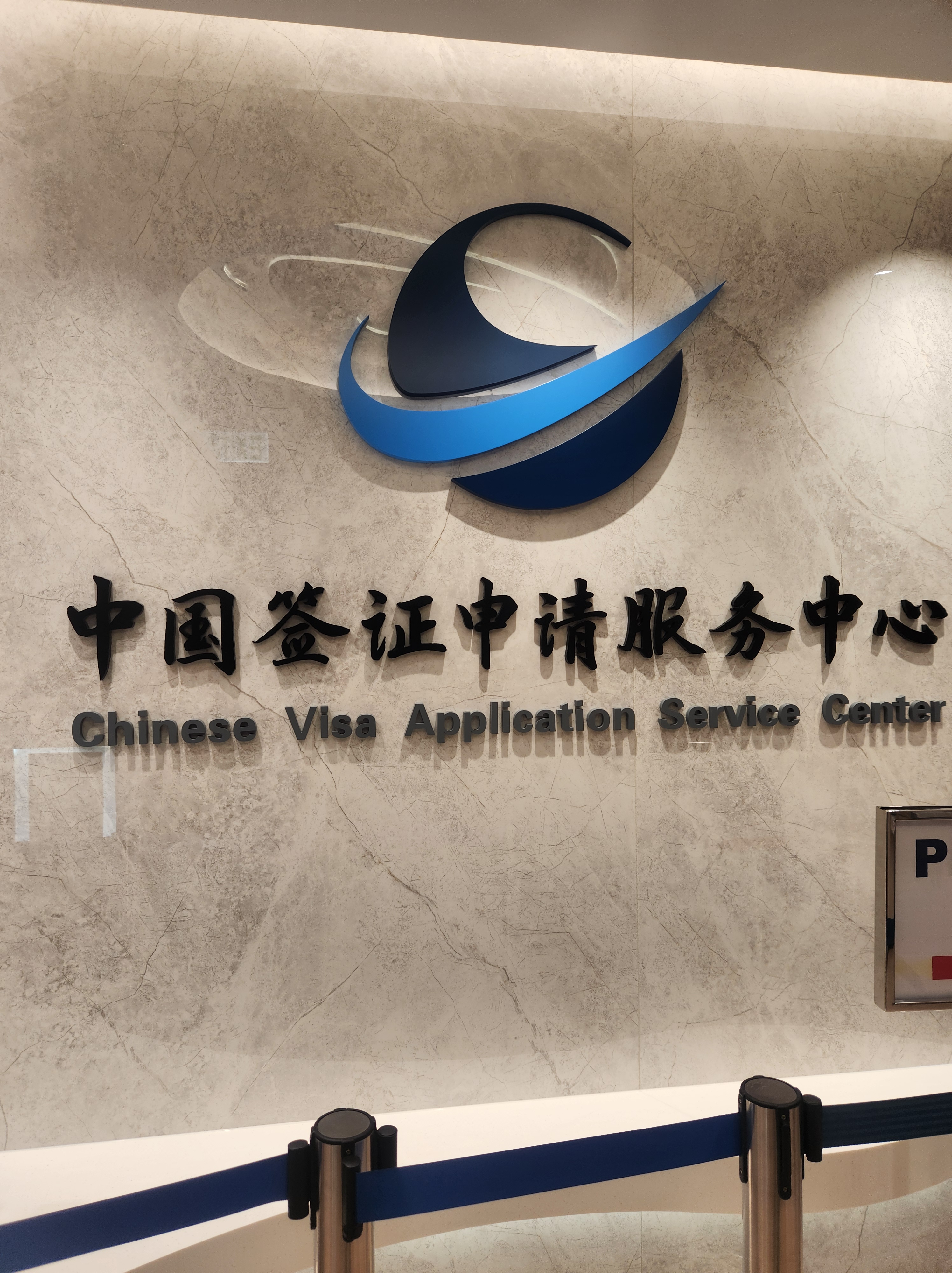
But what has been in our travel plans is China. When we left the US, we naively assumed that we could get our visas in Taiwan. (Spoiler alert: we couldn’t.) Turns out there is no Chinese embassy in Taiwan, so we would either need to return to the US to get our visas, OR go to the China visa application center in Hong Kong. Since Hong Kong is only a 1.5 hour flight away, we decided to go that route and make a long weekend trip out of it.

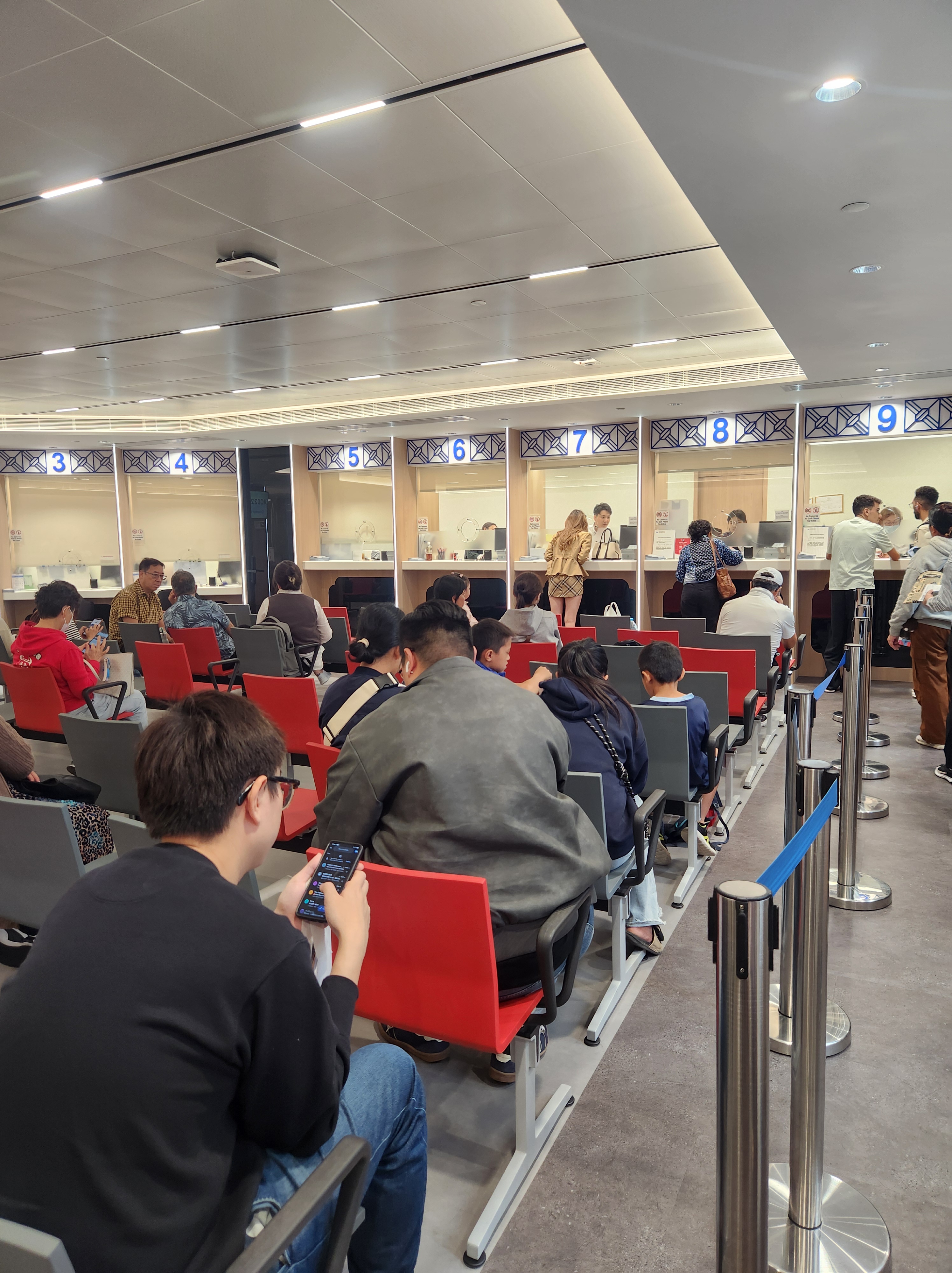
The visa application process has two parts. First, you have to fill out an online application on their website. They ask for a lot of information, including your itinerary, previous travel to China, parents’ birth place, etc., so it can be tedious. After submitting your application, the visa office will review and possibly ask for additional information. It is only after your online application is approved that you can go into the office to submit your passport and get your visa. The online review/approval process was quick, about 2-3 business days between submission to approval.

Early Monday morning, we arrived at the visa office only to find a ton of people already there. 😬Luckily, since we applied for urgent service (next-day turnaround), we were able to skip to the front of the line. Important tip: if you applied for urgent service, make sure to tell them when you check-in! They will give you a different queue number. Otherwise, you’d be waiting with the masses.

The whole process was fairly smooth. We handed in our online application confirmation, passports and payment, and left within 30 minutes. The fees were hefty for urgent service; we paid close to $1200 USD for the four of us. 😯 They advised us to pick up our passports and visas the next day at 5pm but we were able to get them by 3pm, which was perfect because we had a flight to catch!

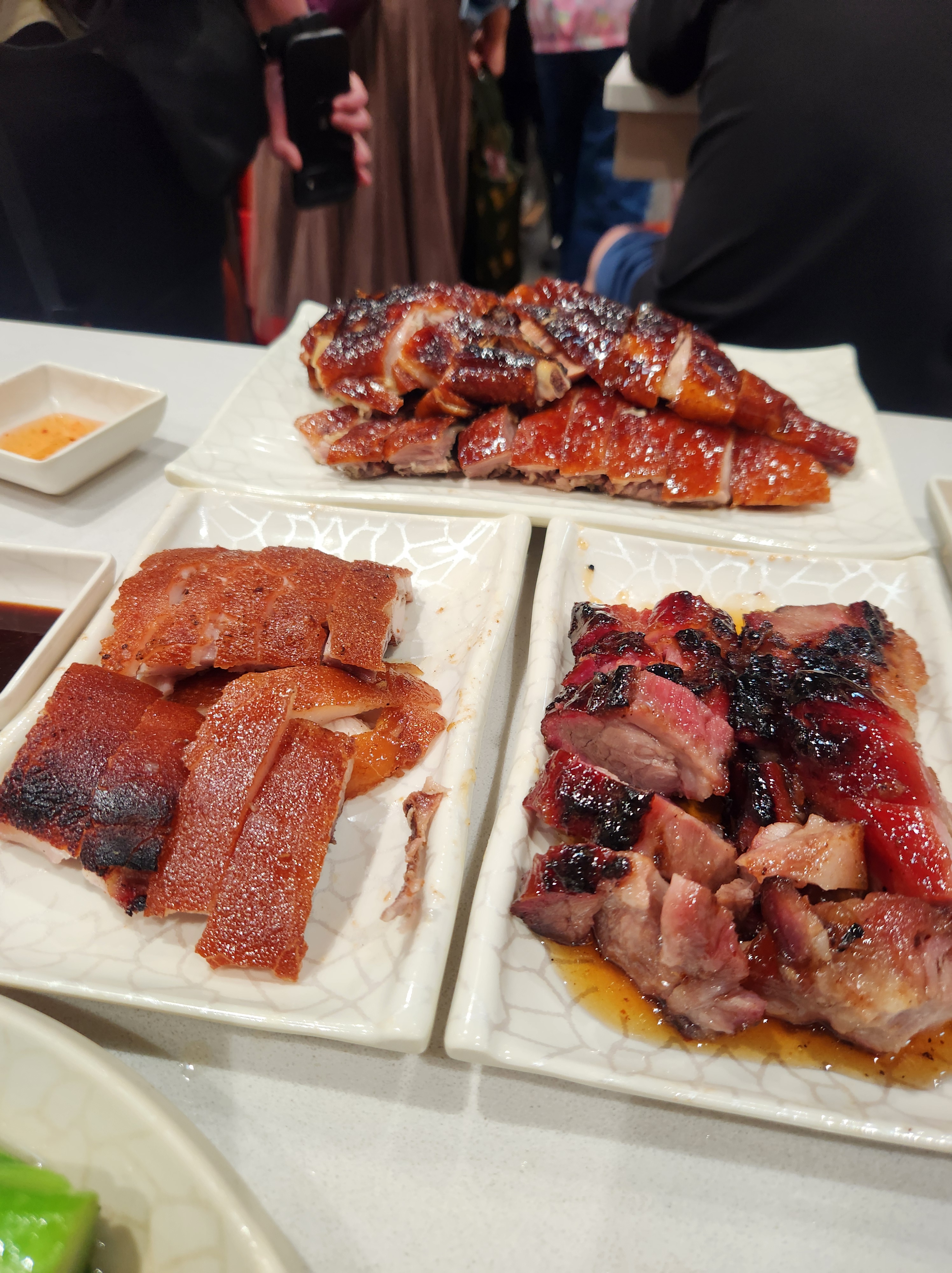
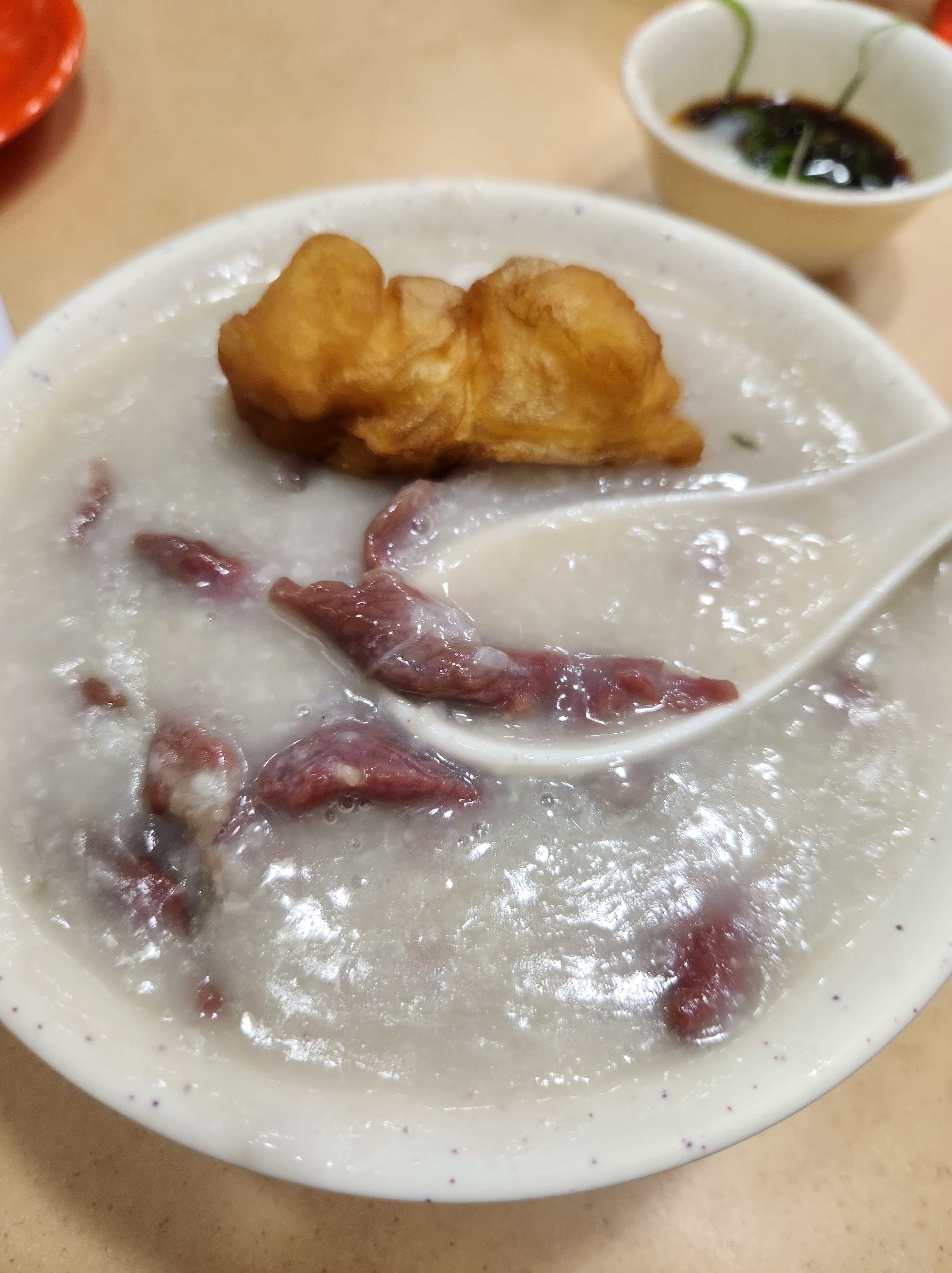
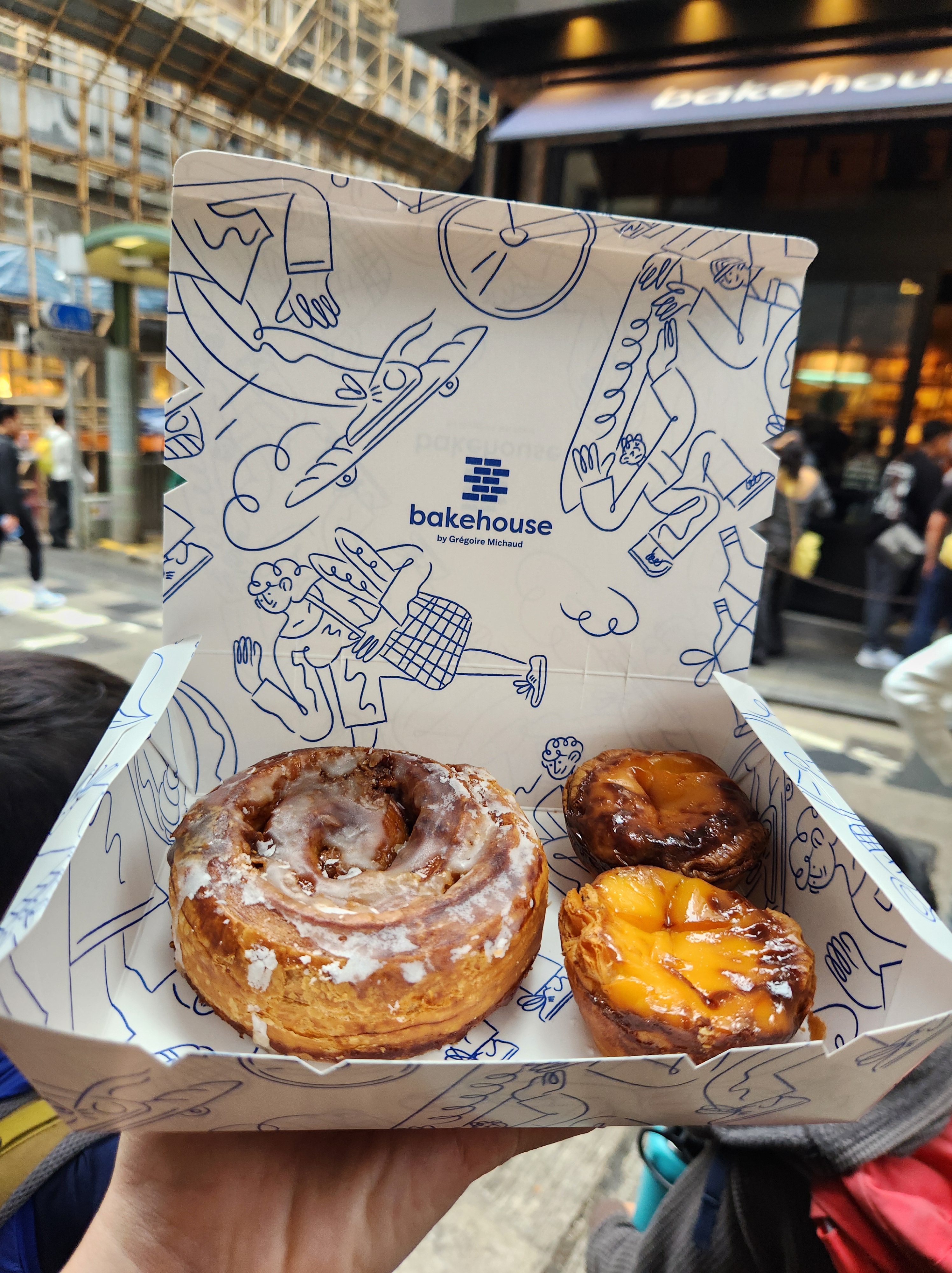
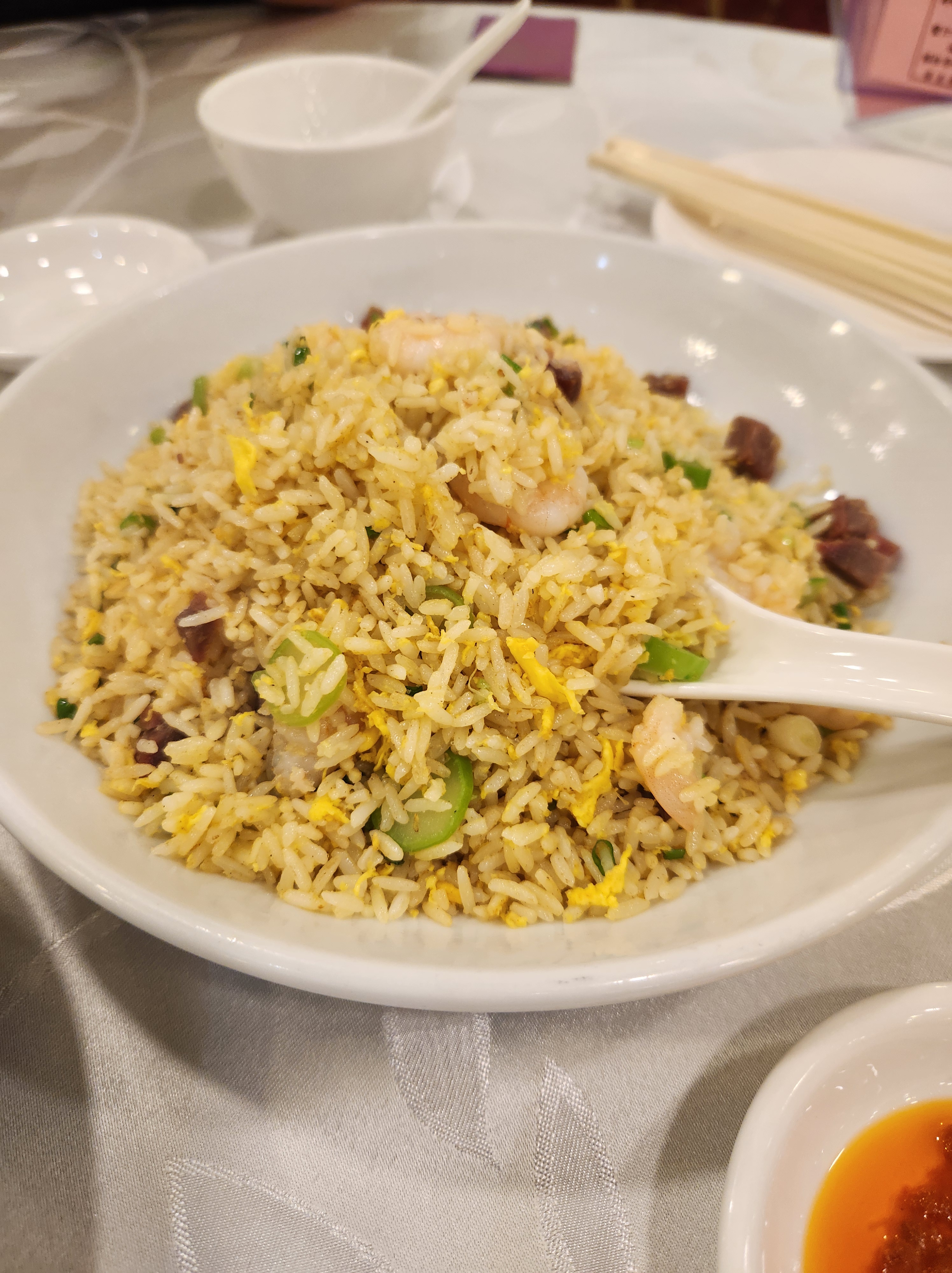
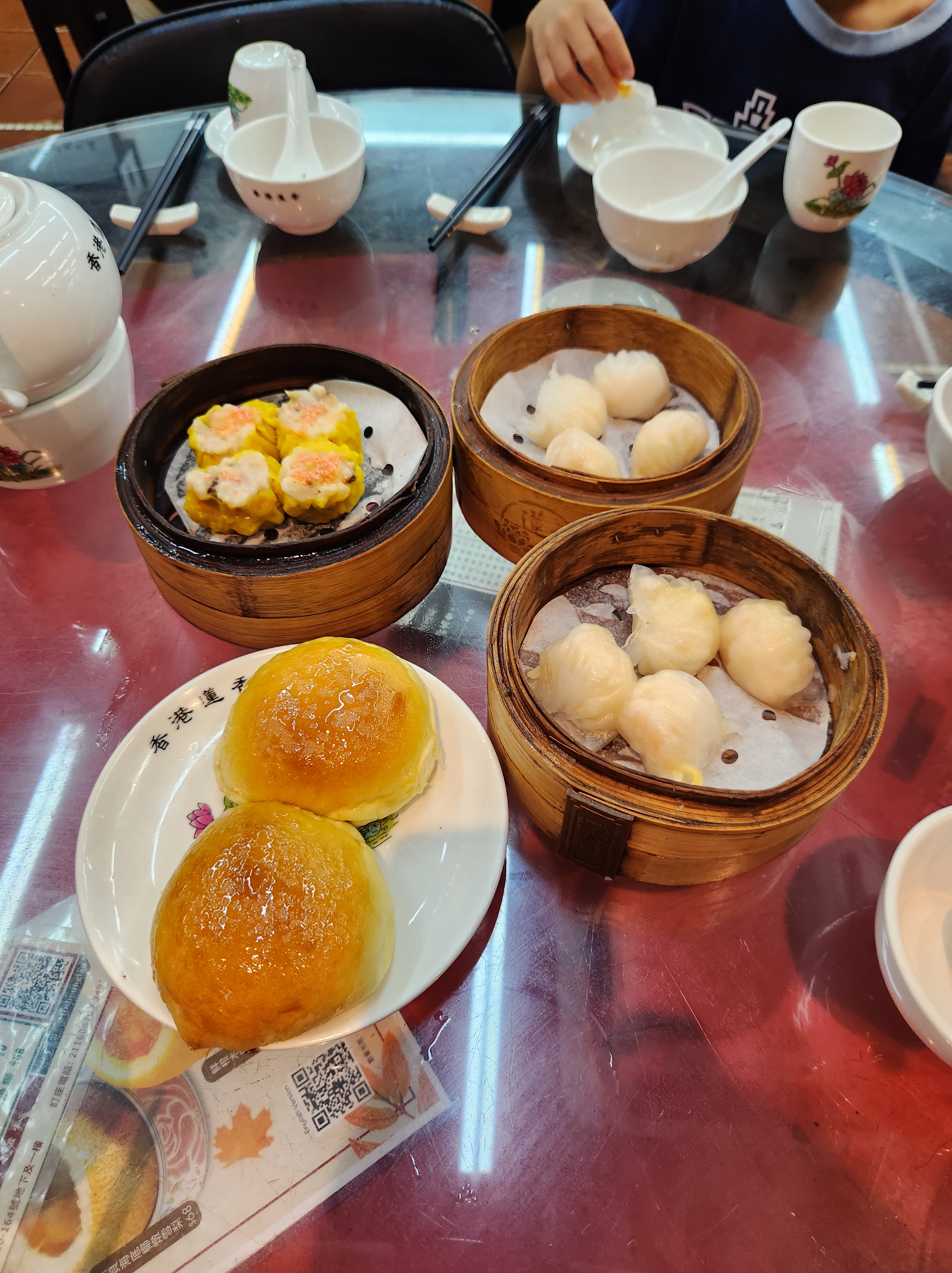
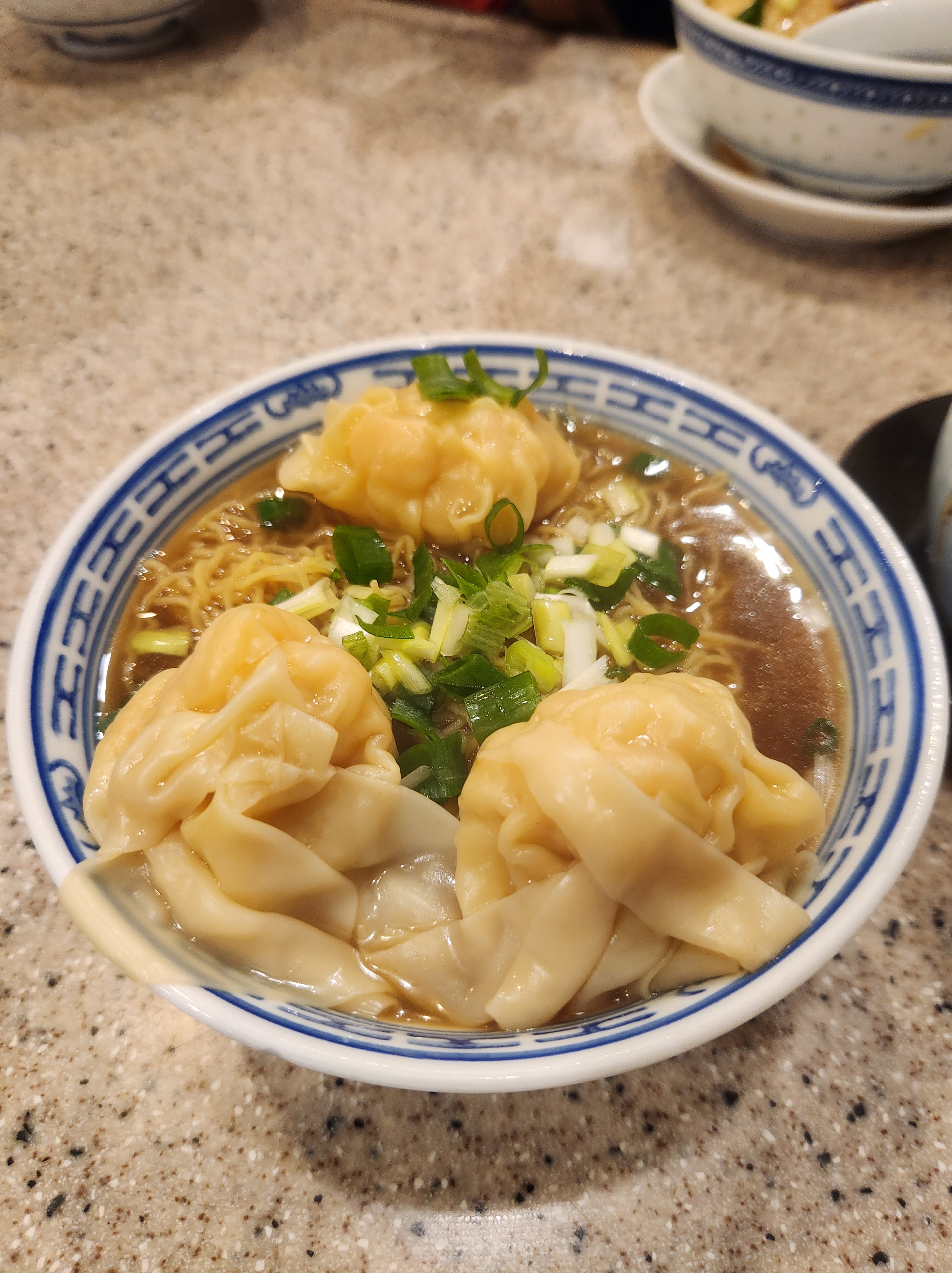
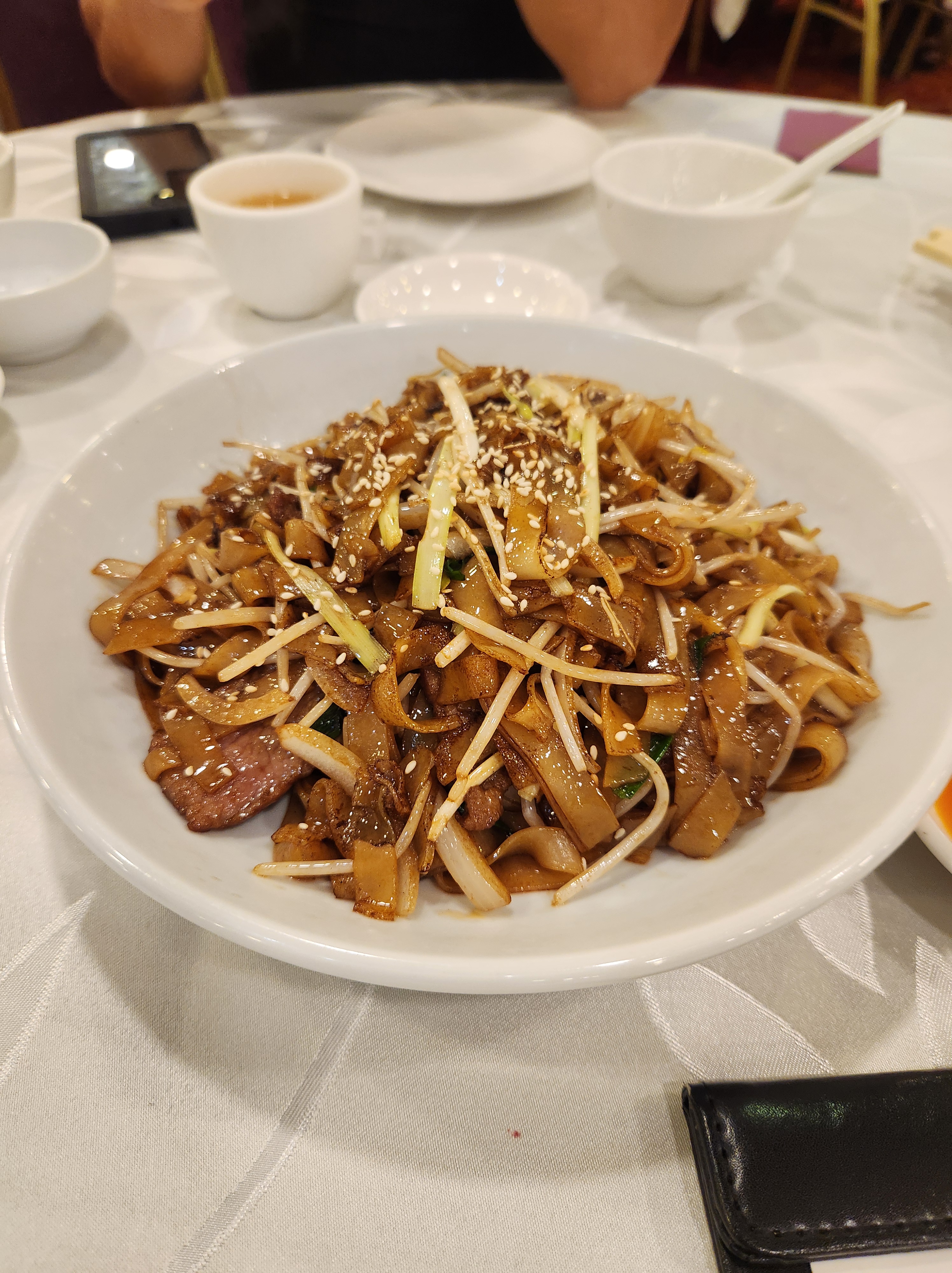
Ok, enough of the boring stuff. We spent only 2 full days in Hong Kong and ate to our hearts’ content. We miss Cantonese food terribly (there isn’t much of it in Taiwan) so we hunted down all our favorites. It hit the spot for sure!

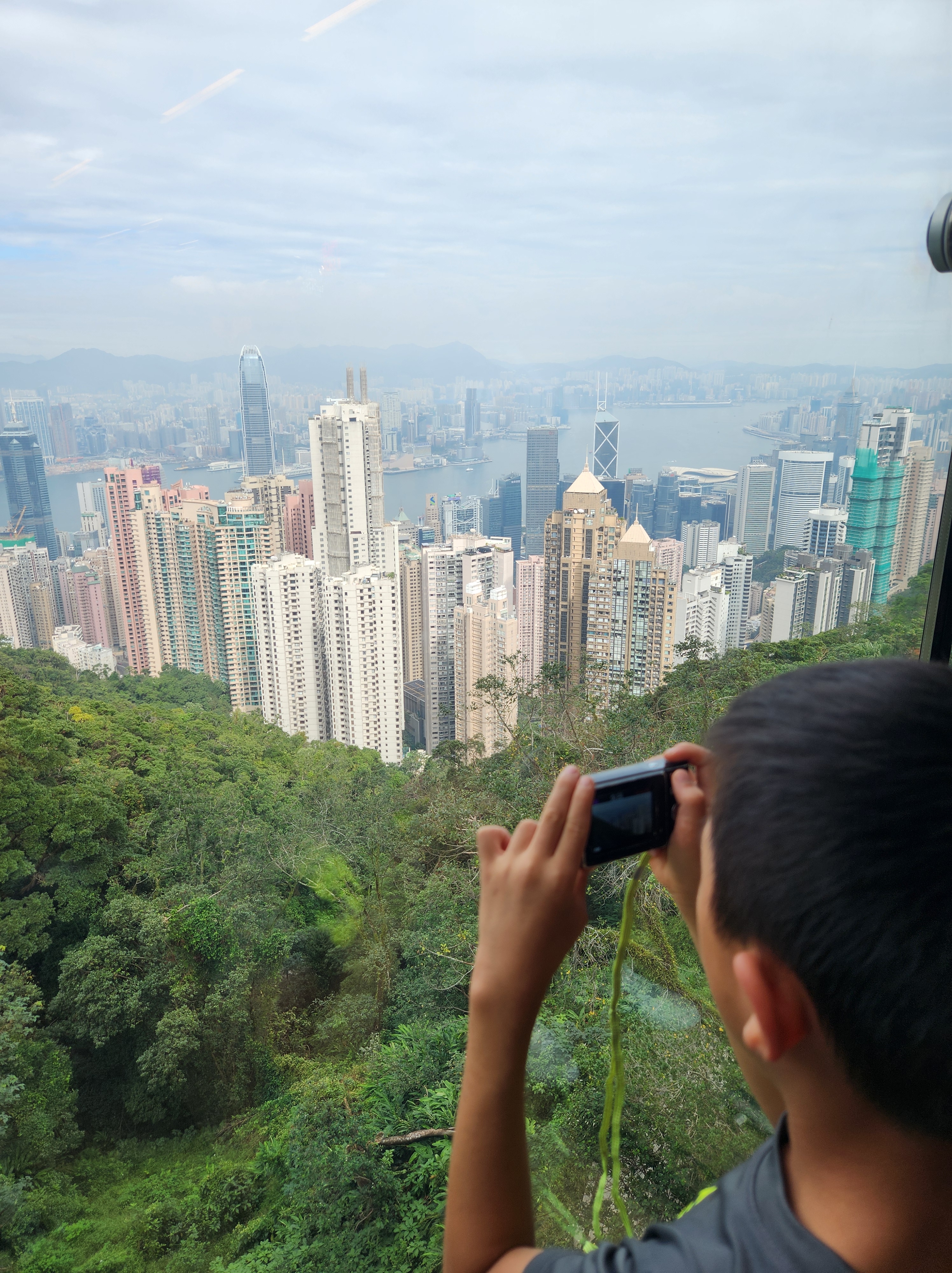
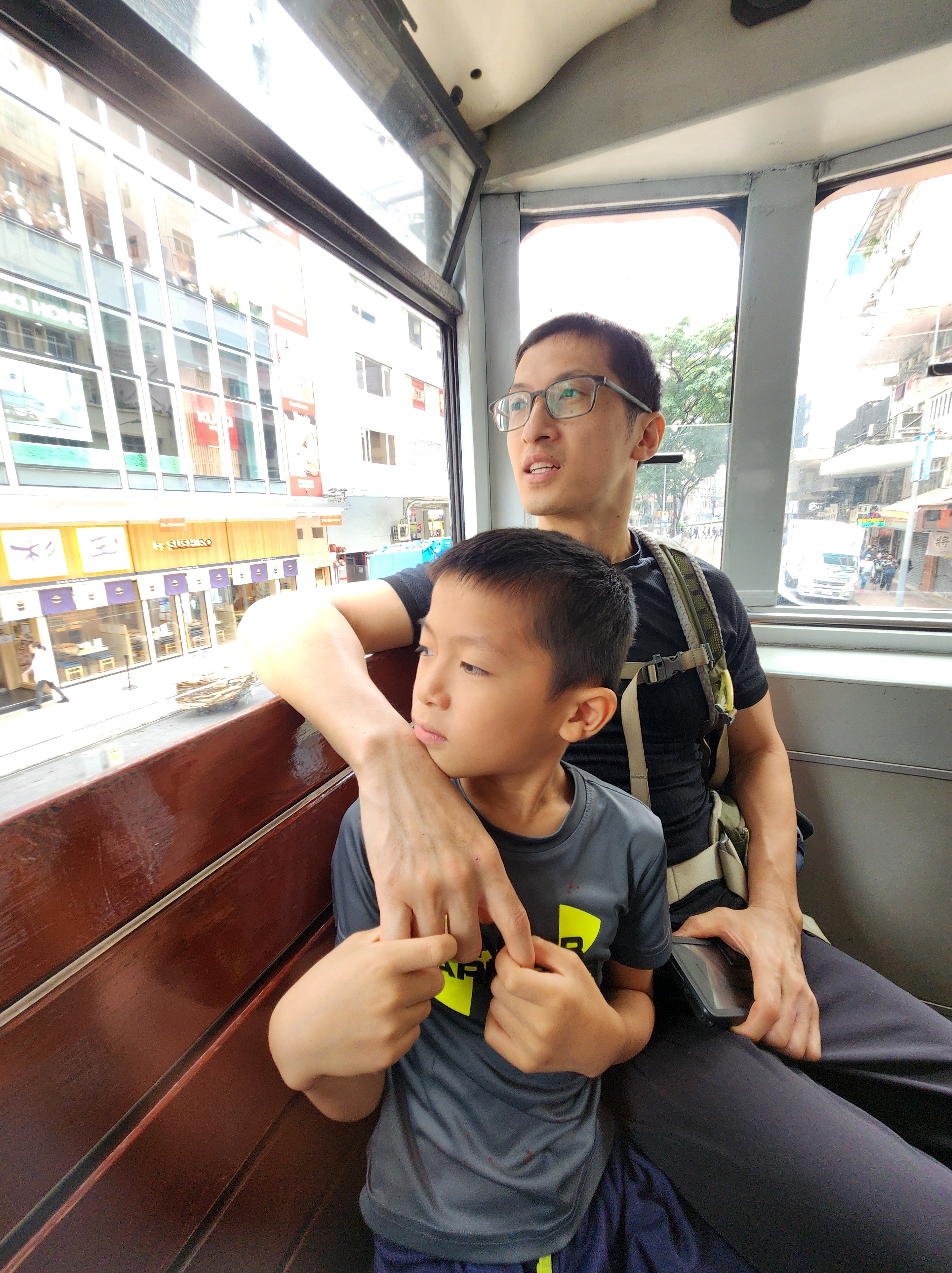
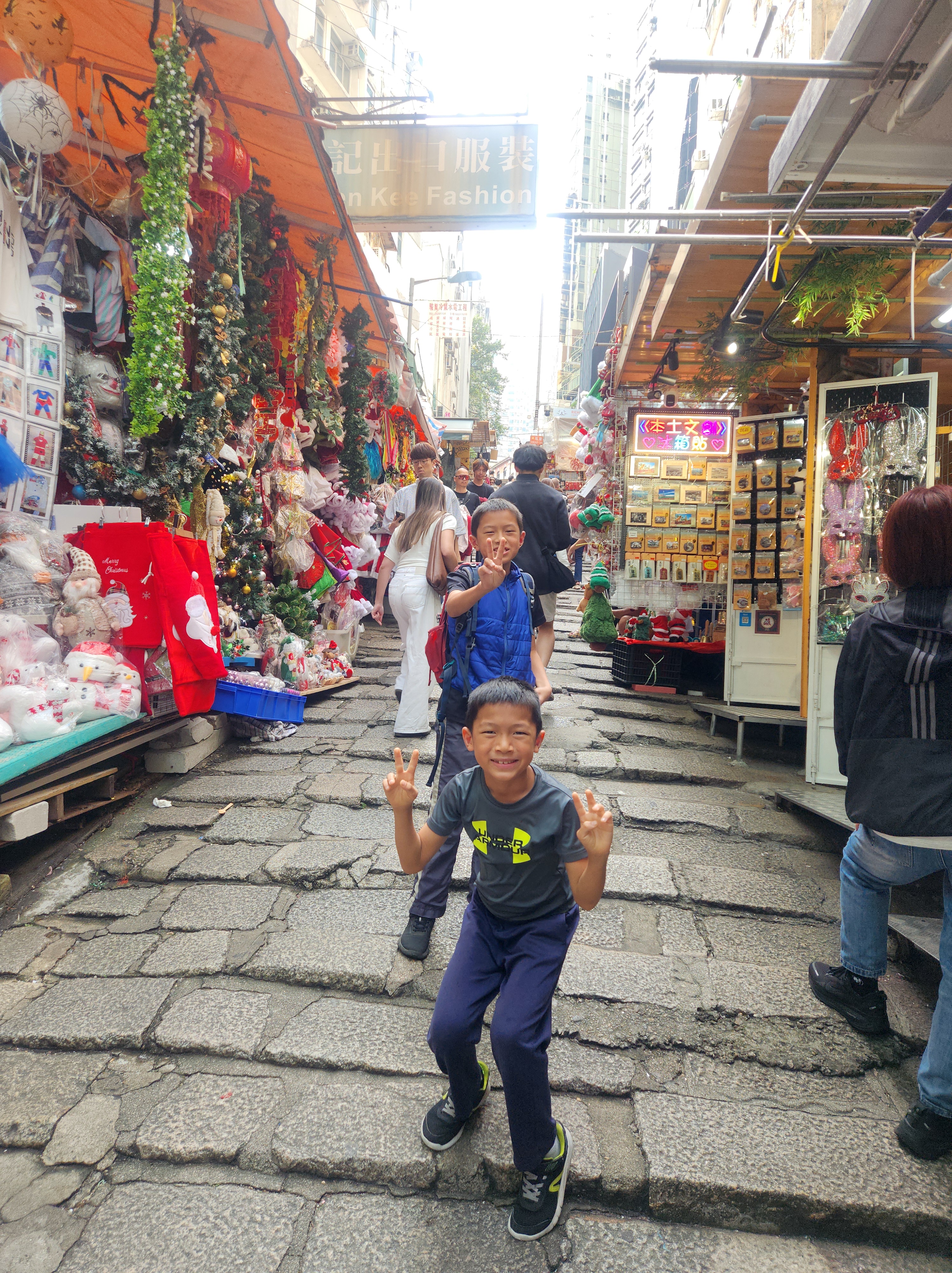
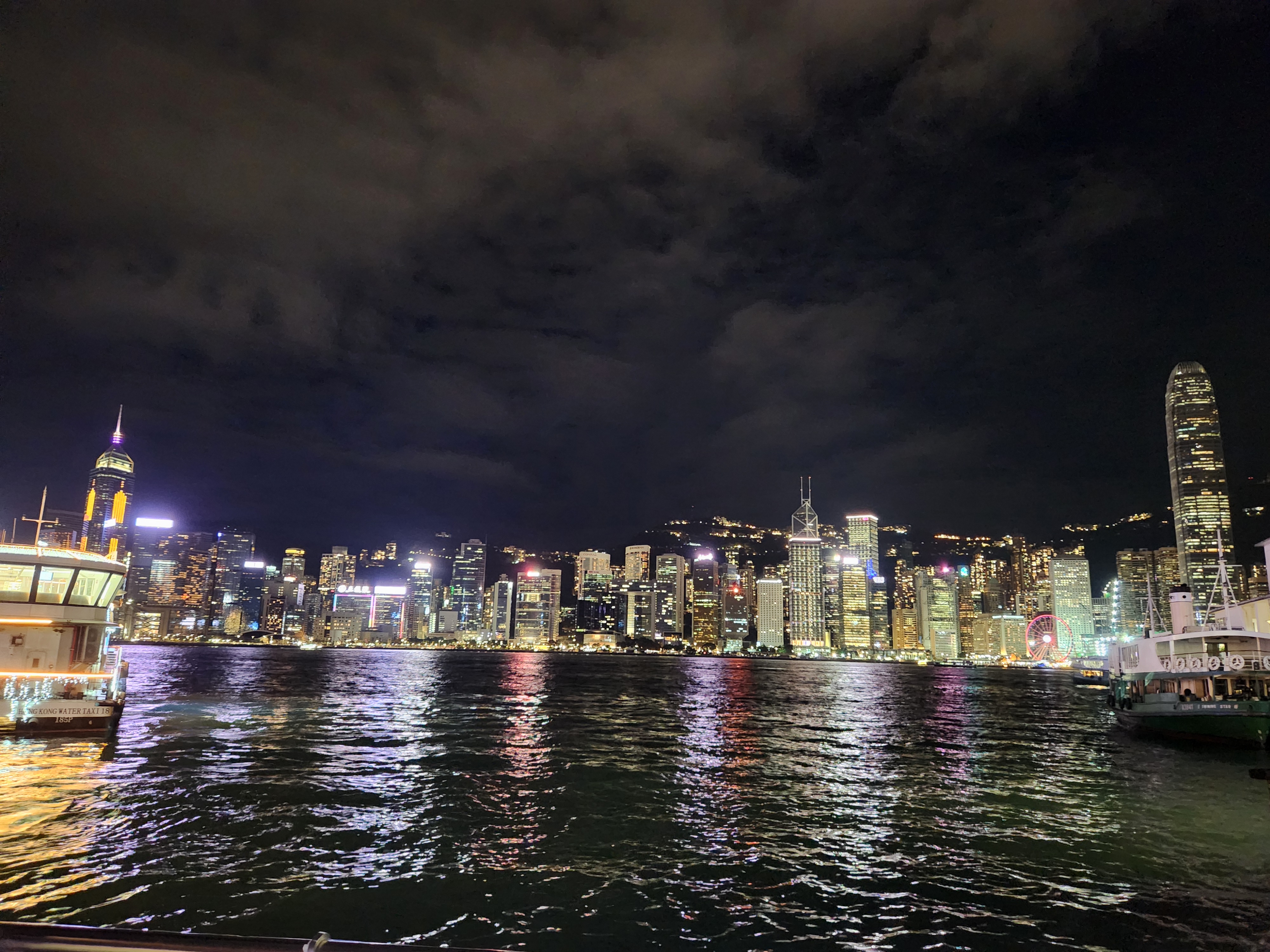
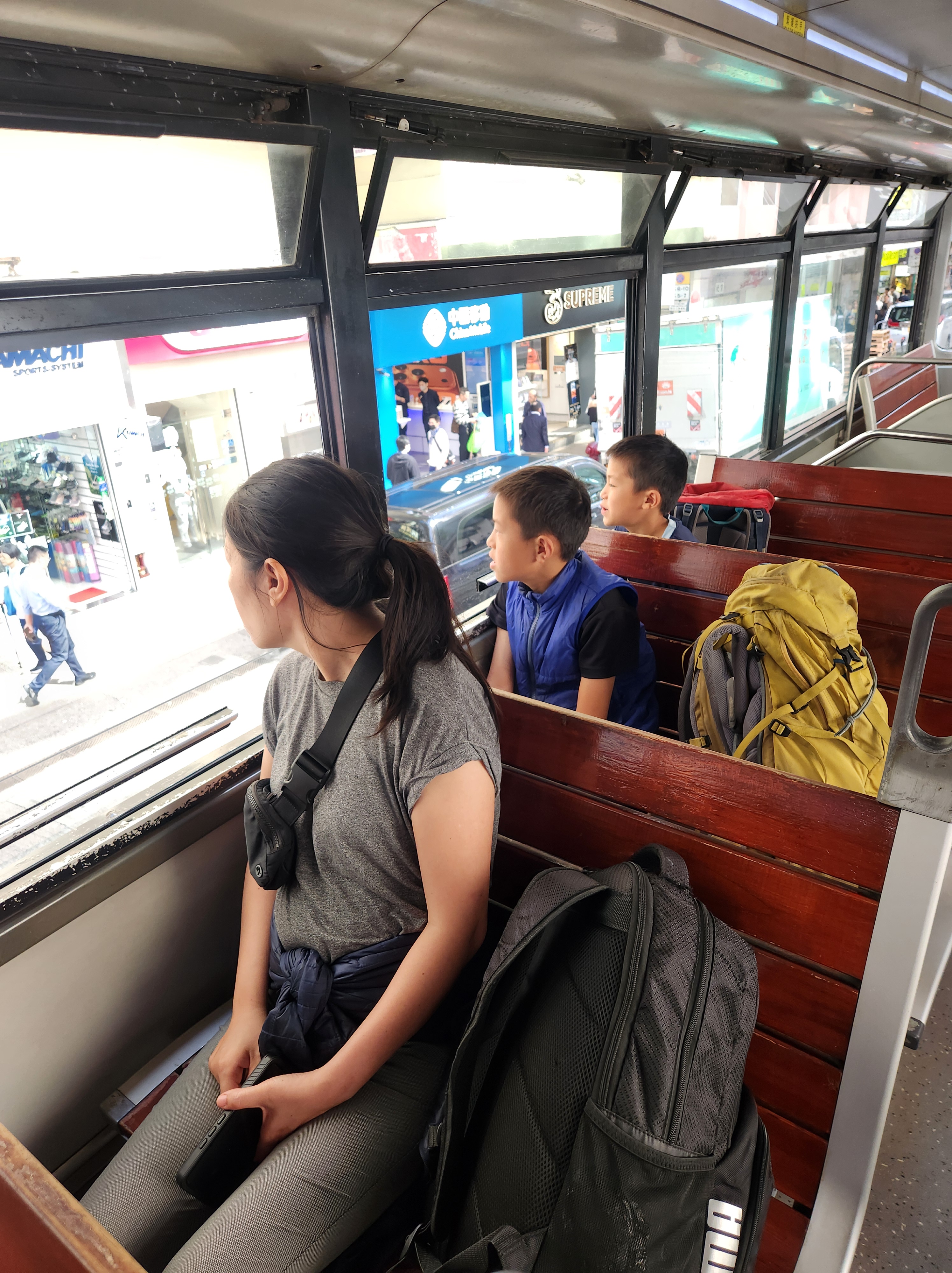
We also visited Victoria’s Peak, rode the ding ding train multiple times (per the kids’ request), and rode the Star Ferry across the harbor. The lights at the harbor were dimmed to mourn the victims of the recent Tai Po fire, but Hong Kong’s skyline will never not be beautiful to me. 💖

Our trip to Hong Kong was pleasant this time around. Our past experiences were tainted by locals scolding us but this time, we actually had some nice encounters so I call that a win. ✌️ This time, Hong Kong also felt strangely comforting. Maybe because we’ve been living in Taiwan for a while now, but the sights, sounds, and even the city’s unique “smell” barely registered. It was also nice to be able to use the language I grew up with, even though I often mixed it up with Mandarin. 😅

Ramblings

Japan

Over the summer, we went to Tokyo, Japan for 10 days (followed by Australia but more on that later). This would be my third time in Japan, so I wasn’t too keen on visiting again except for a few reasons:

  1. We brought C to Japan when he was only a year old, and O has never been
  2. DisneySea is often called the best Disney park in the world, so we thought it was the perfect place to take the boys for their first Disney experience
  3. We wanted to climb Mt. Fuji
  4. Japan is only a three hour flight from Taiwan – plus, no jet lag!

Japan has always been a favorite destination for many, particularly in the last few years to the point that it’s suffering from overtourism. To be honest, I never understood it. Japan is nice enough – safe, clean and affordable – but I didn’t think it was any more special than other countries. I never got the hype…until this trip.

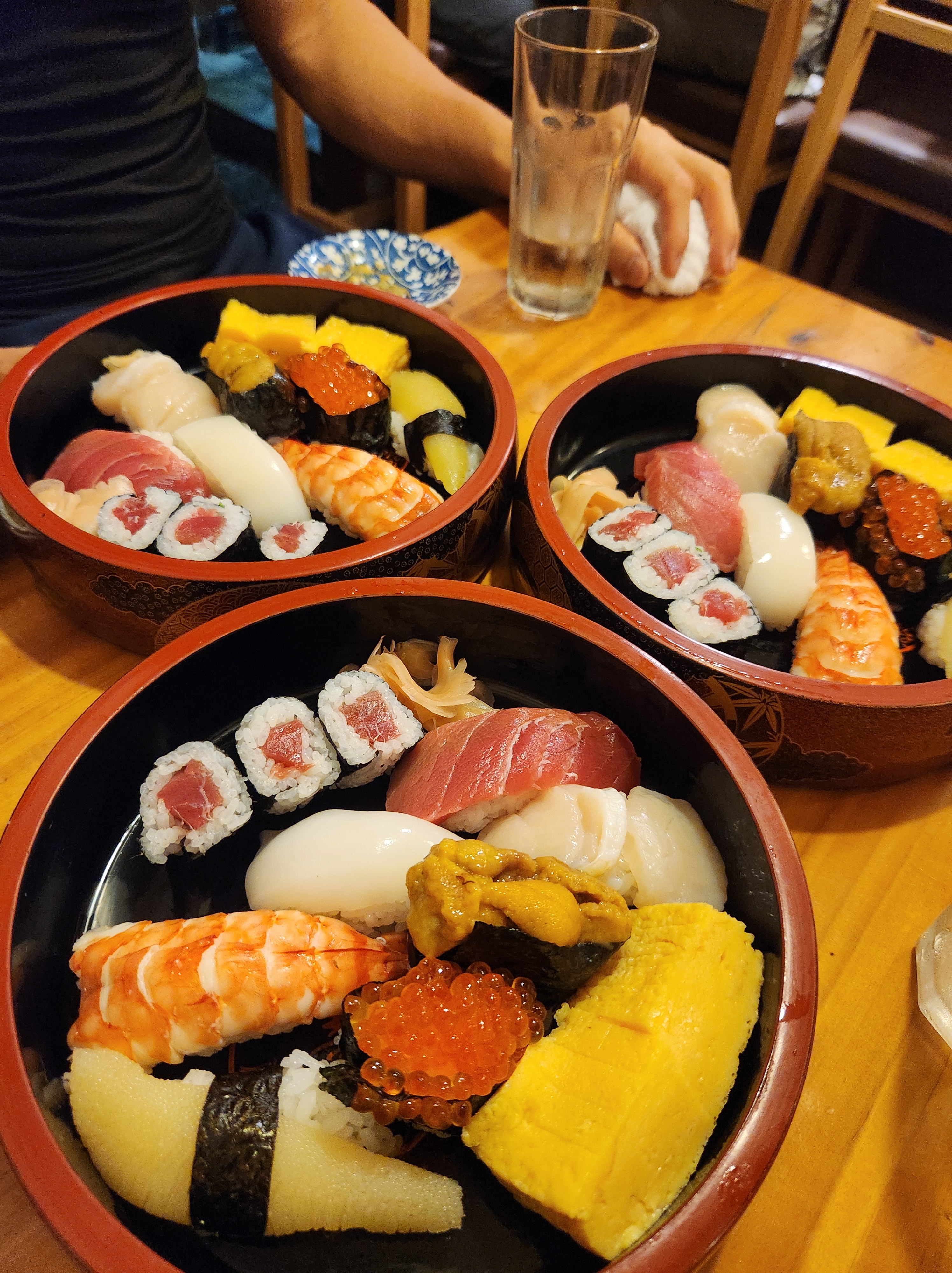
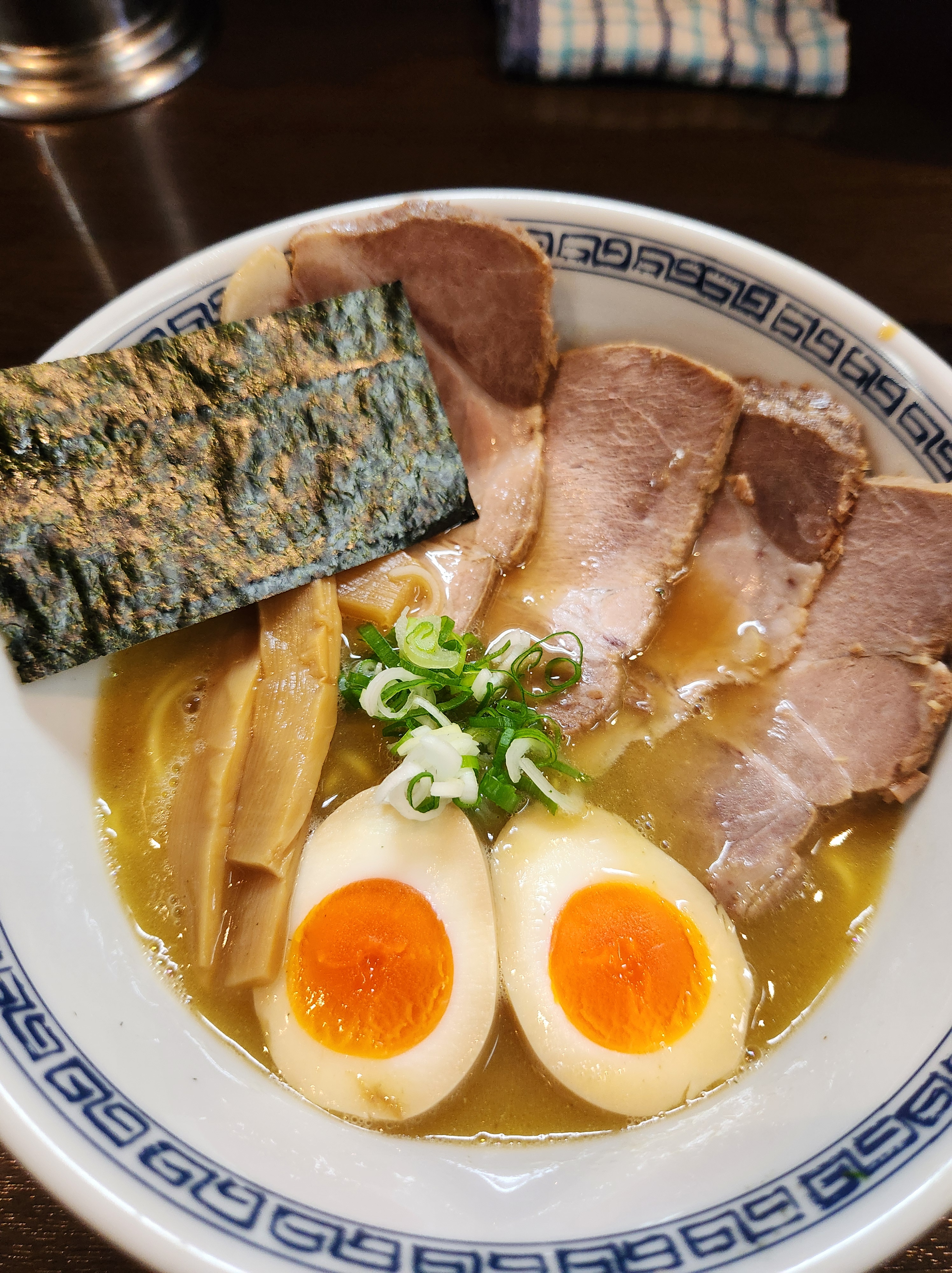
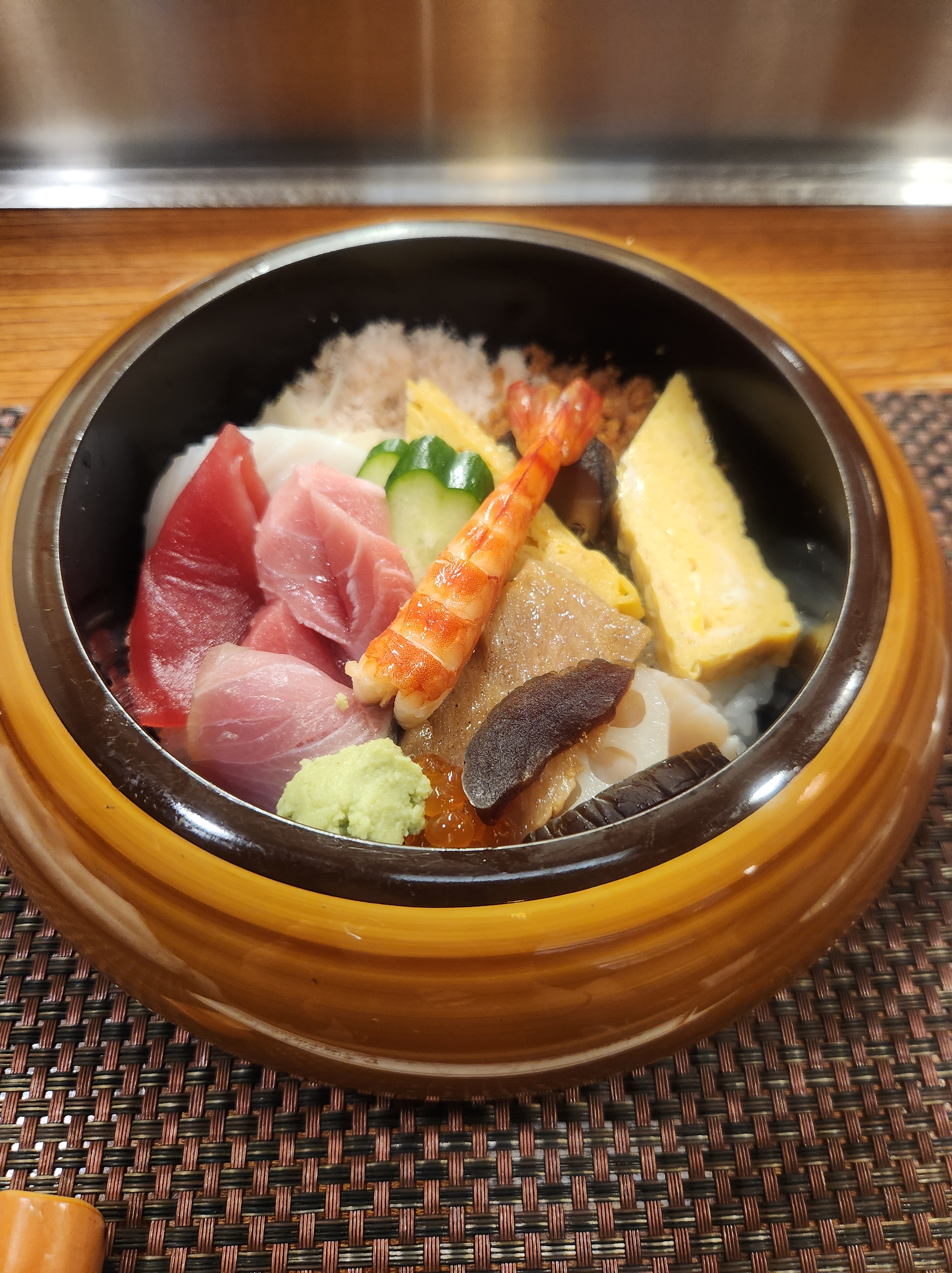
First, the food. We didn’t seek out the most popular spots, yet even the little restaurants down the street were amazing. I don’t think we ever had a bad meal there, and everything was so affordable! (As you can tell from the pictures below, we ate a LOT of sushi.)

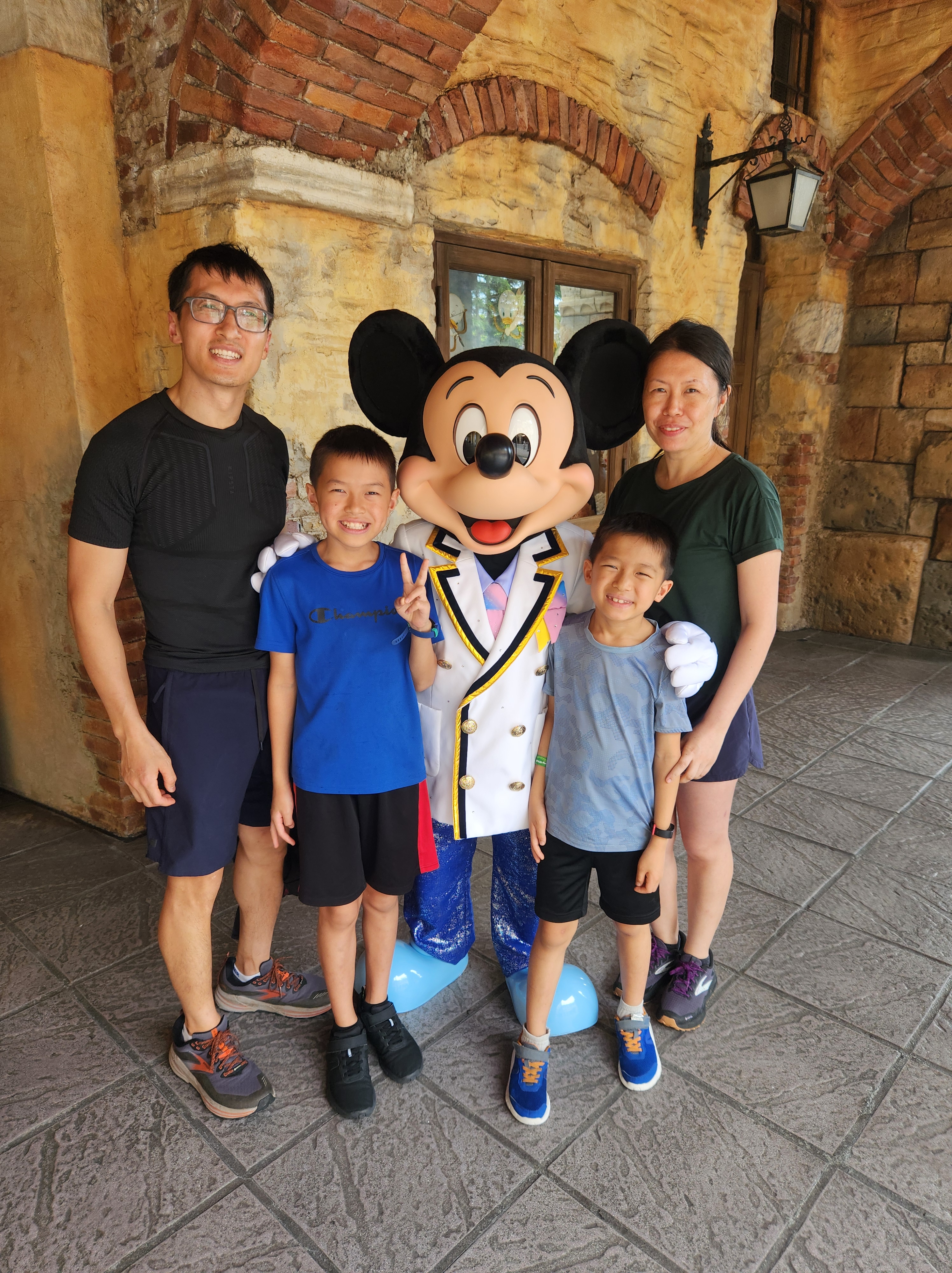
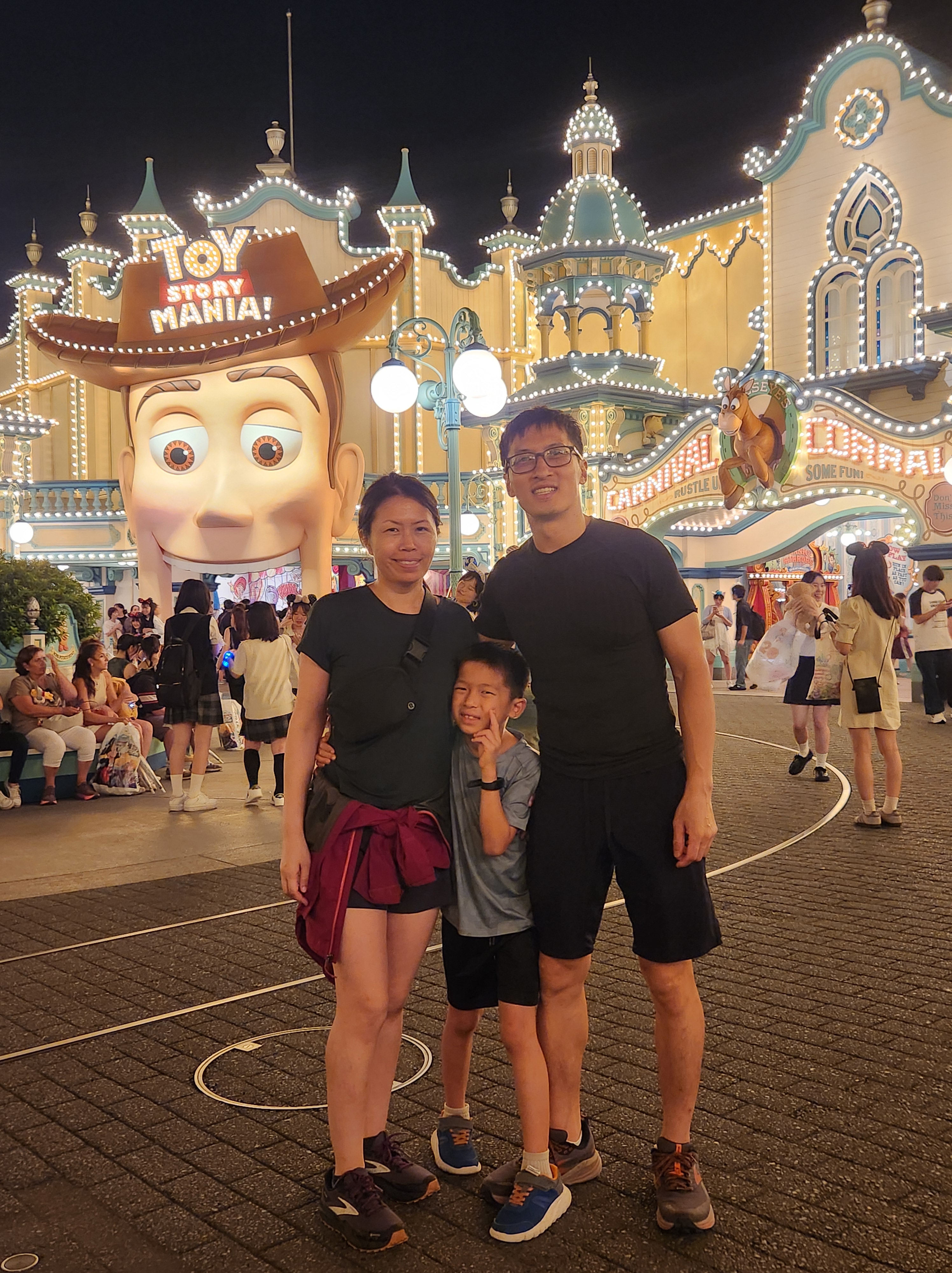
Next up: DisneySea. We’re not huge Disney fans, but could still appreciate their stunning visuals, immersive experiences, and attention to detail. DisneySea felt especially unique, with rides like Soaring Fantastic Flight and Journey to the Center of the Earth that we had never experienced before.

Tickets to DisneySea were about $70 USD for adults, and $60 USD for kids, which is a STEAL compared to the prices for Disneyland in Anaheim. We did splurge on fast passes for Soaring Fantastic Flight and Anna and Elsa’s Frozen Journey, at around $15 USD per person per ride. What would’ve been a 1.5 hour – 2 hour wait ended up being a 10-15 minute wait with the fast passes, so the splurge was worth it!

By the end of a full day at DisneySea, our feet were so sore and our wallets a little lighter, but we had an absolute blast. Disney sure knows how to make your experience there enjoyable!

On a less successful theme park note…

We had also planned to go to Legoland Japan for O’s birthday. We were careful to book tickets for Legoland Resort (the full theme park), not the Legoland Discovery Center (the smaller indoor version). The day before while checking the route, we realized it would take us THREE hours by train to get there. (Why we didn’t notice this earlier, I have no idea.) But since it was O’s birthday and we already had the tickets, we decided to make the trek anyway.

At the crack of dawn, we packed our bags and headed to the train station…only for Baba to discover that round-trip train tickets would cost us $700 USD!! 😱😱 We checked, re-checked, and triple-checked, but it was true. Since Legoland is in Nagoya, the only way to get there was the Shinkansen, and those tickets are pricey. (Planning ahead? Clearly not our strong suit.)

We had to cut our losses short. We gave up our Legoland tickets (about $150 USD) and faced the hardest part– telling the boys. Poor O burst into tears, heartbroken that his birthday trip to Legoland was canceled. My mama heart was crushed.

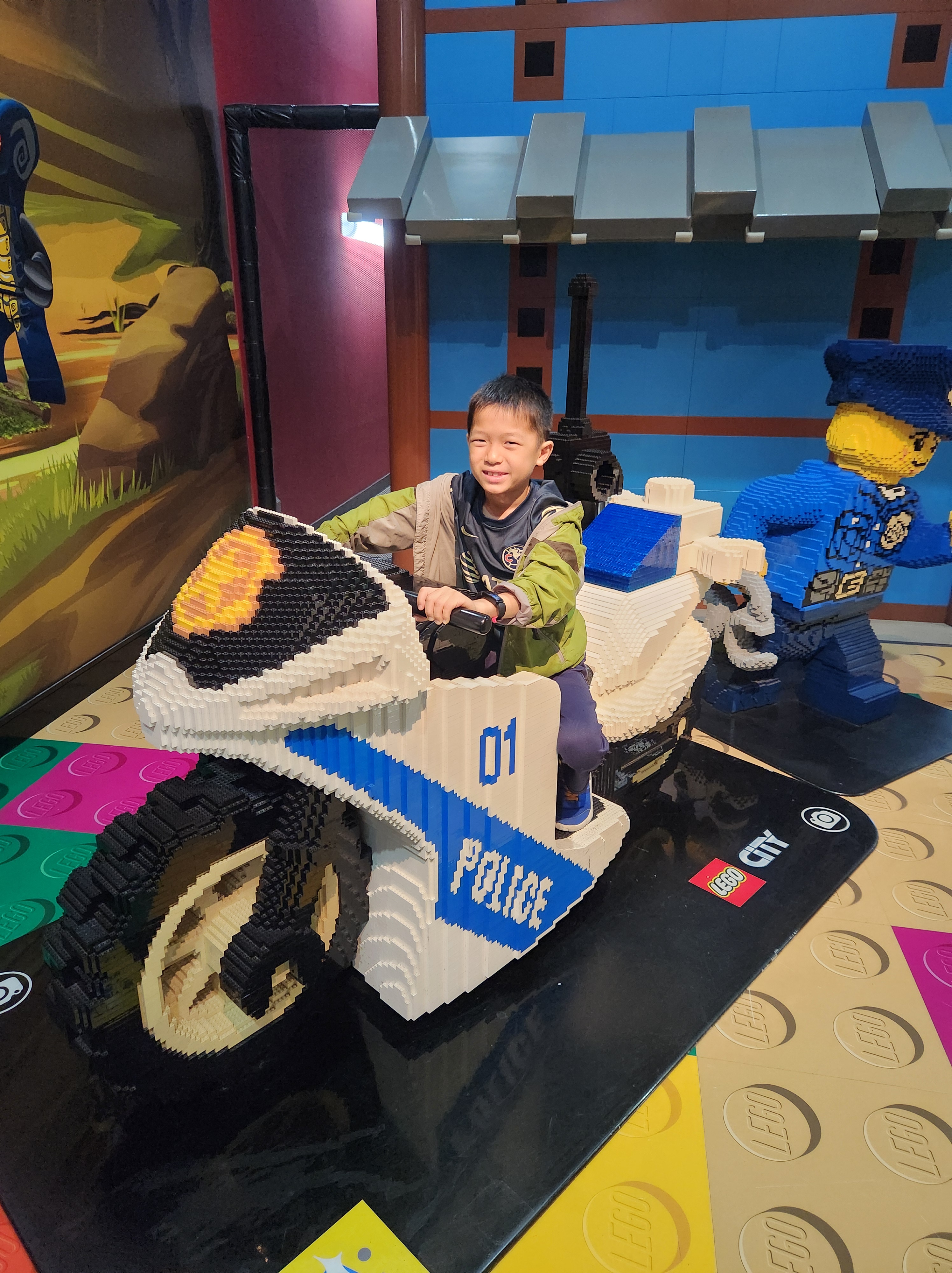
To soften the blow, we went to the Legoland Discovery Center instead (ironically, the very place we had been so careful not to book initially – ha!). Thankfully, it’s right in central Tokyo, and while it’s nowhere near as comprehensive as the full resort, it still had enough rides, games, and Lego builds to keep the boys entertained for most of the day.

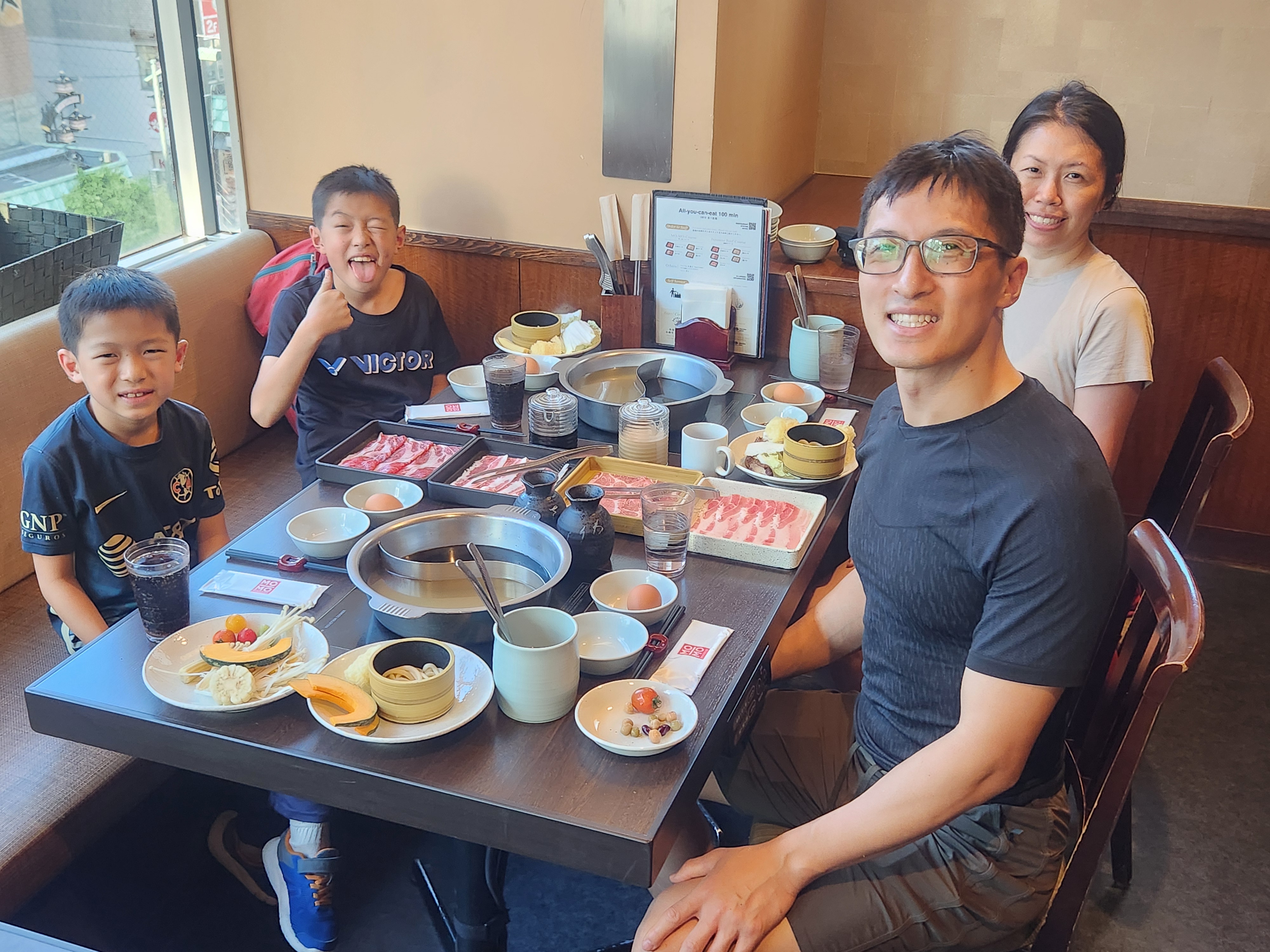
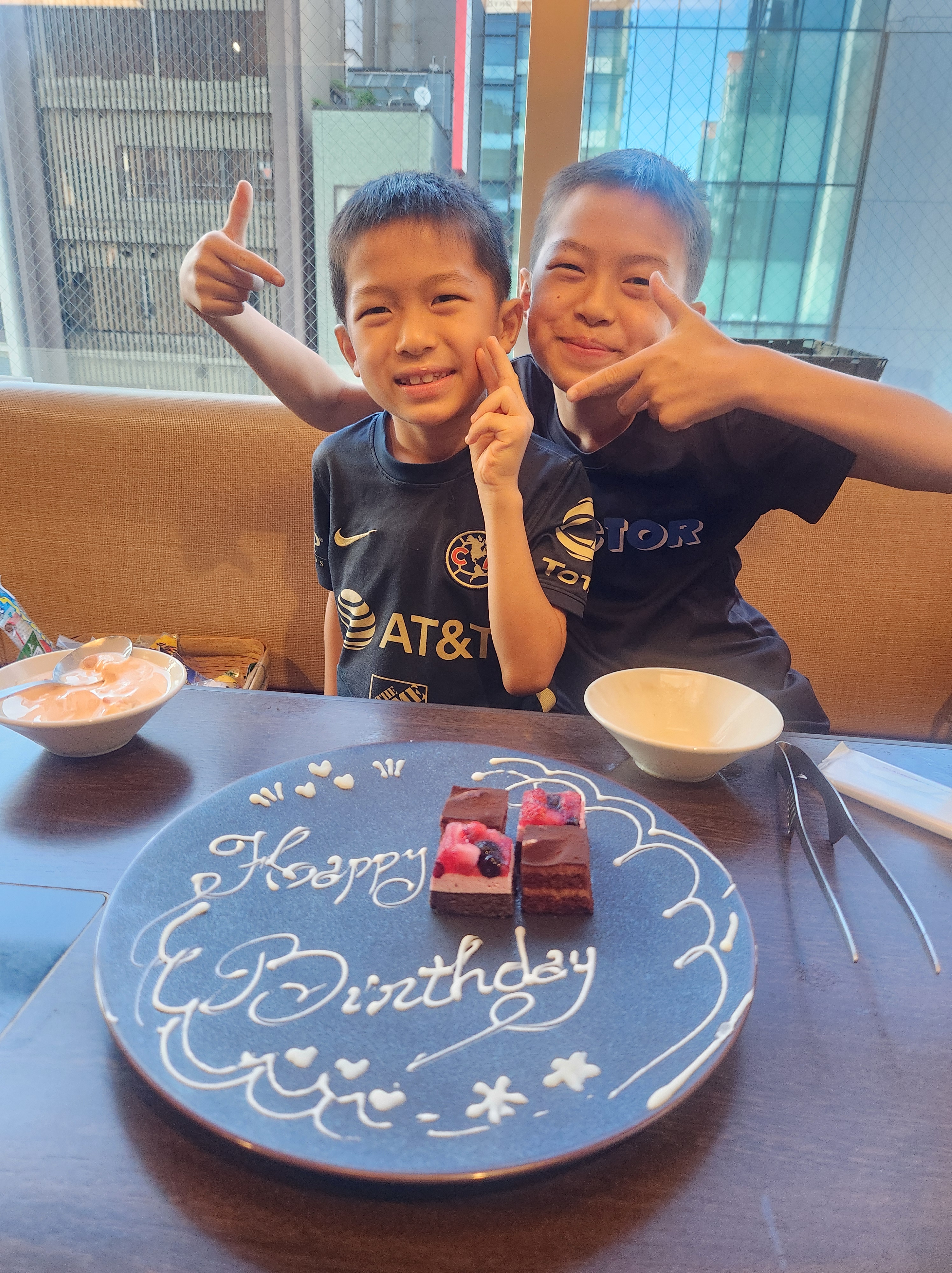
We wrapped up by letting the birthday boy choose dinner — AYCE shabu shabu, which helped turn a disappointing start to a day that was still memorable and fun. Happy birthday O, we love you! ❤️

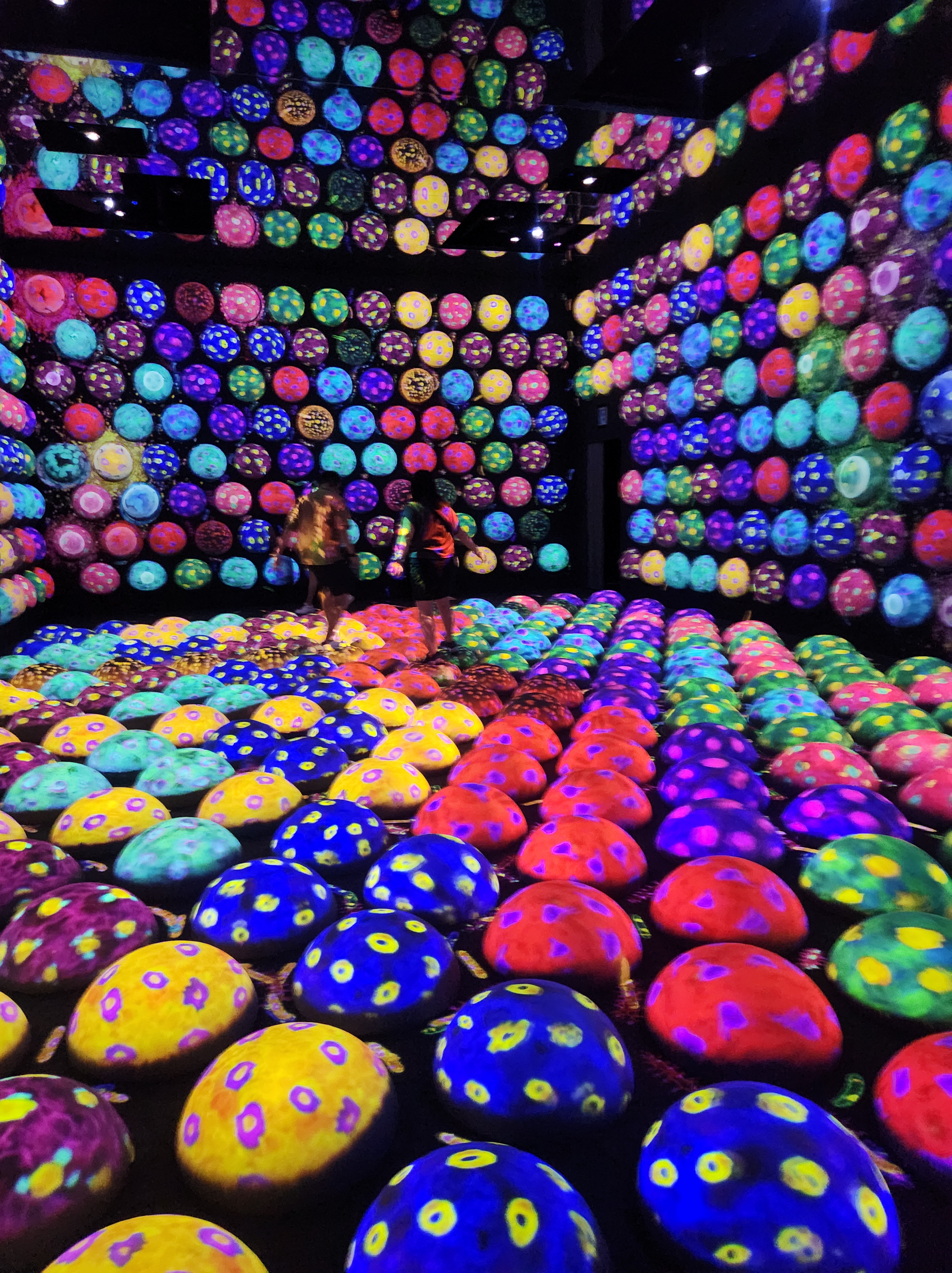
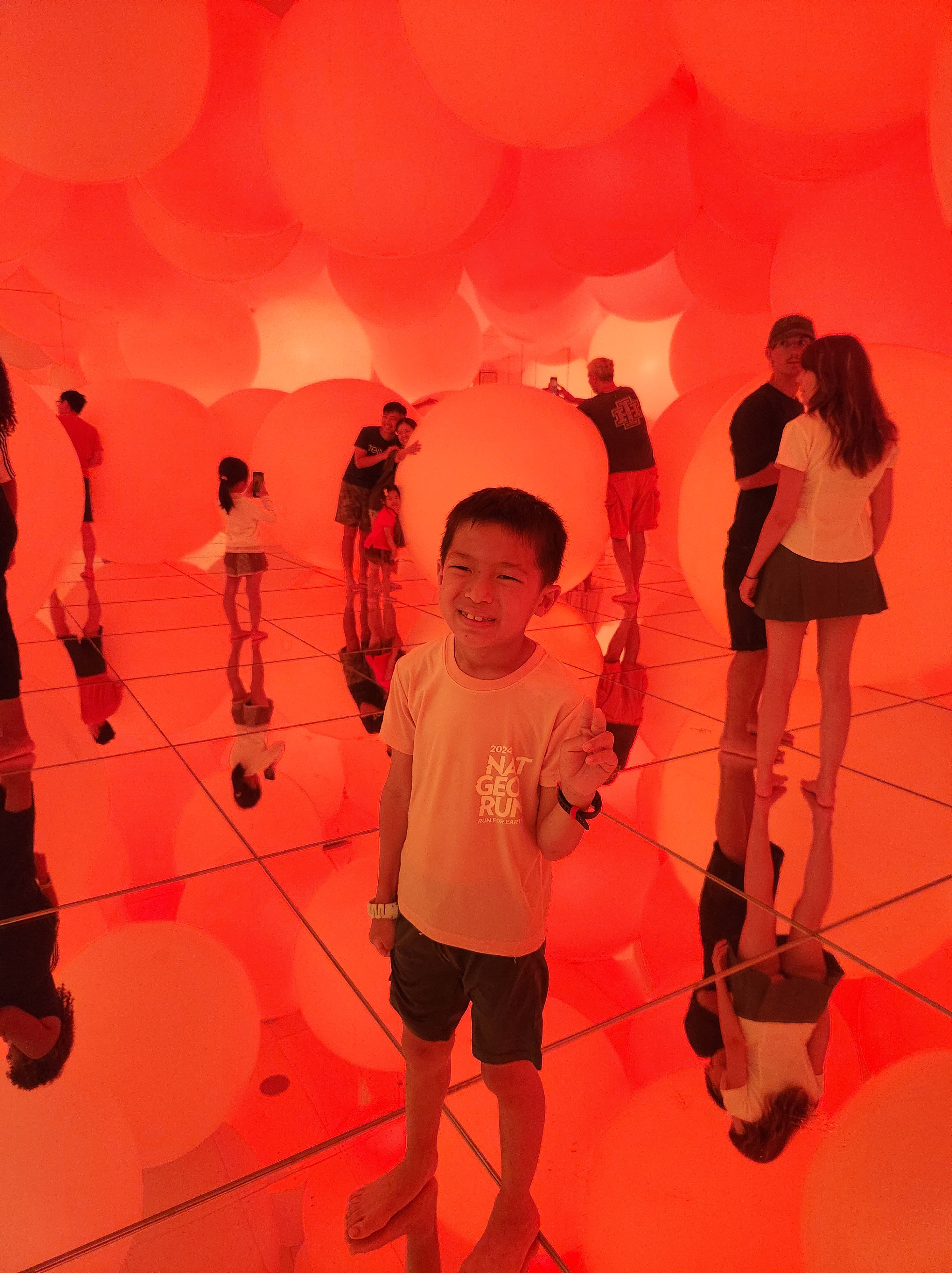
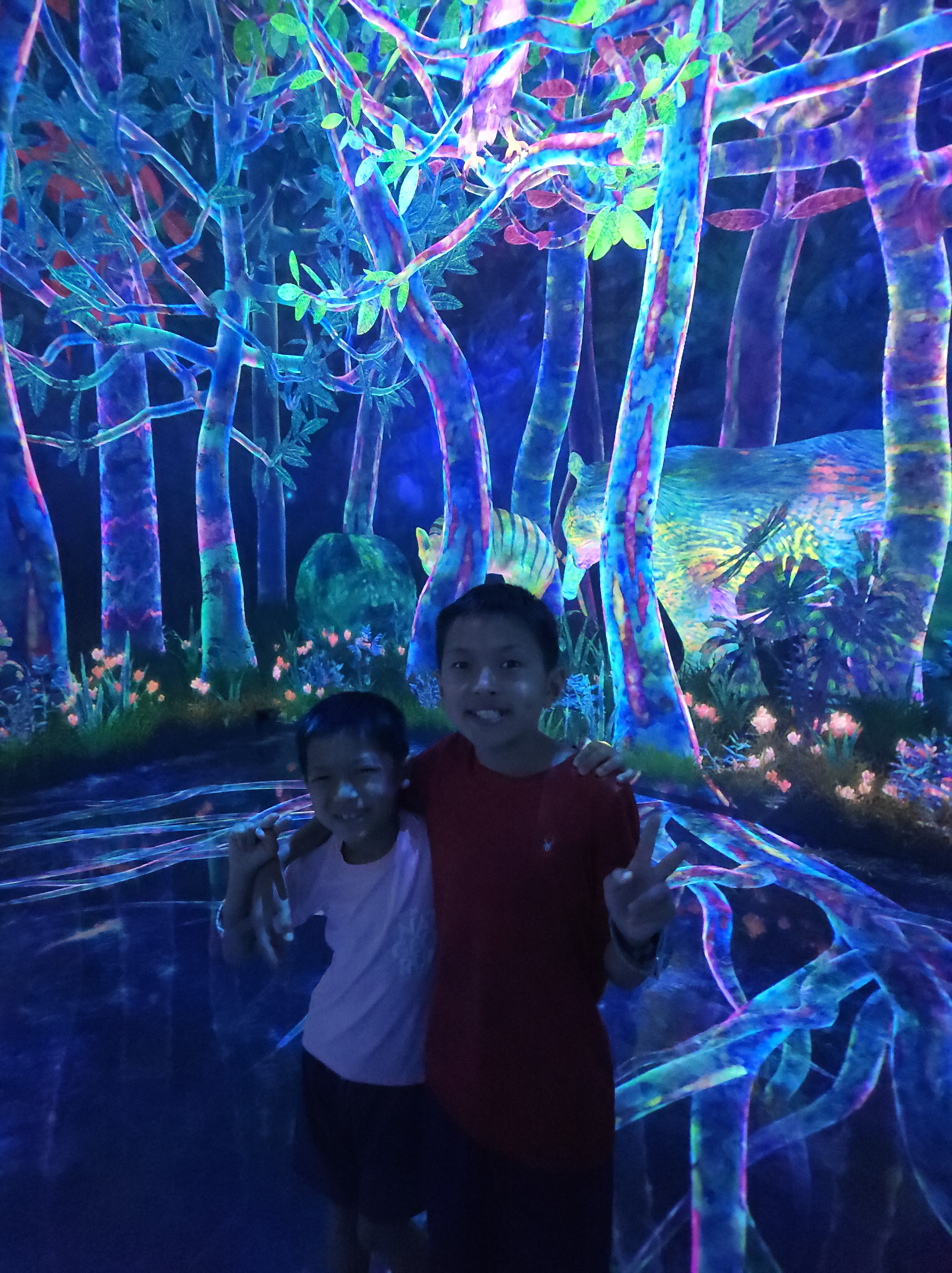
On our last day in Tokyo, we visited TeamLabs Planets, an immersive exhibit that combines art with technology. The boys and I had already been impressed by a TeamLabs exhibit in Taipei, but since Japan is where TeamLabs originated, we wanted to check it out.

The experience was nothing short of psychedelic and fully immersive, from bouncing among giant ceiling-to-floor spheres, to walking barefoot through water as digital fish swam around us! The “wow” factor never stopped. It was wildly creative, awe-inspiring from start to finish, and highly recommended for kids AND adults!

As you can tell, we didn’t exactly dive into Japan’s cultural side on this trip. 😏 Instead, it was mostly theme parks and art exhibits, but we still had a fantastic time.

As for our Mt. Fuji climb…this post is getting a bit long and I think that deserves a post all its own. So, stay tuned!

Ramblings

Thailand

The last leg of our month-long SE Asia trip was to Bangkok, Thailand. Since we had been bouncing around Vietnam and Cambodia the past few weeks, we decided to station ourselves in Bangkok for the remainder of our trip. Bangkok is one of my favorite cities in the world. There is a special vibe and energy that that’s both comforting and thrilling. There is just so much to do, see, and eat! This is my third time there, and my feelings about the Bangkok remain the same.

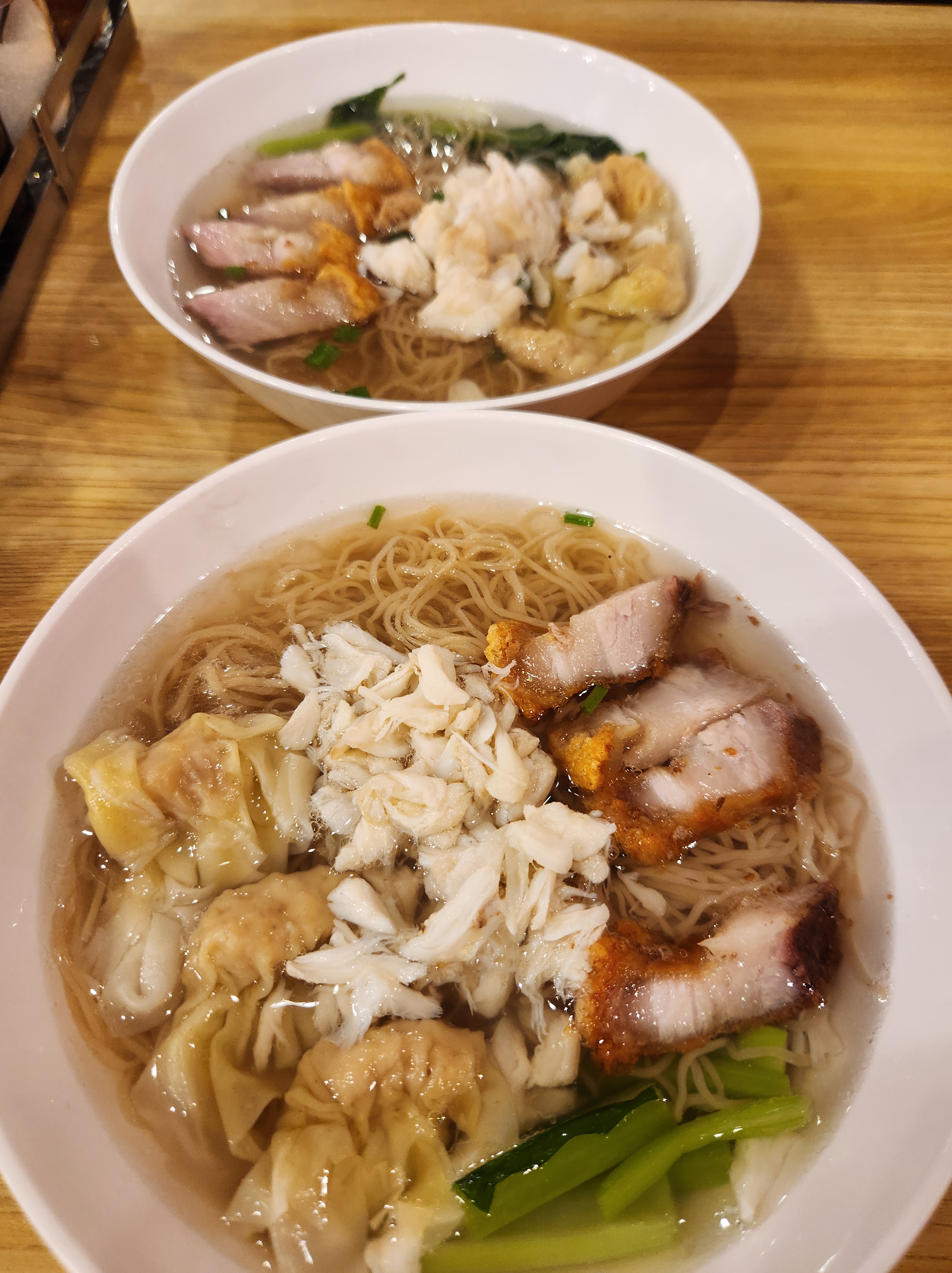
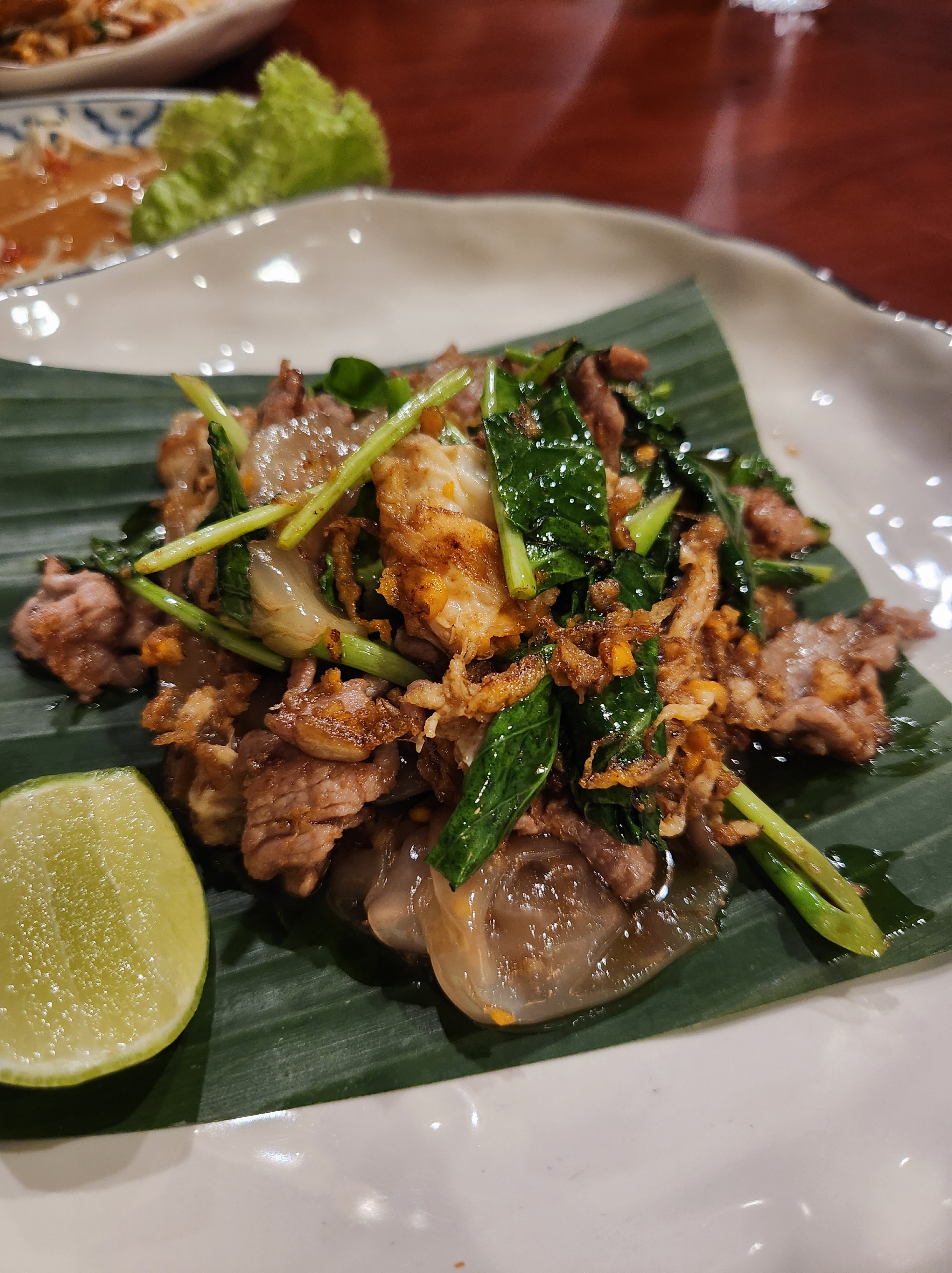
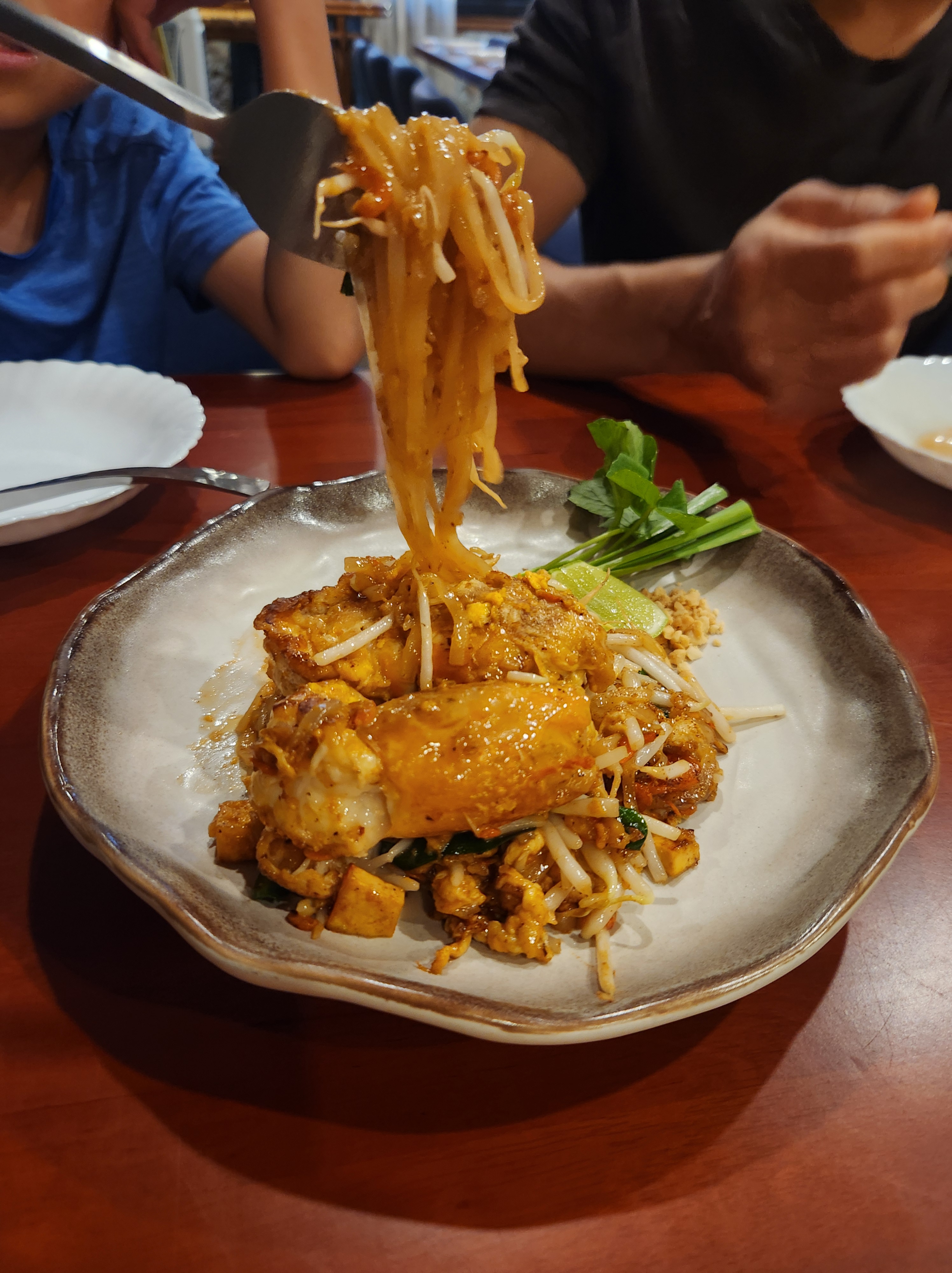
It would be negligent to visit Thailand and not eat to our heart’s content. 😊 We love Thai food but as with Vietnamese food, Taipei unfortunately doesn’t have a lot of authentic Thai restaurants and we sorely miss it.

We spent the week in Bangkok eating and eating and eating. Probably gained a few pounds from this trip but boy, was it worth it!

The food prices in Bangkok were not as cheap as Vietnam’s, but more on par with Taipei’s (about $25-$30 for a casual meal for family of four). However, you can also easily find street food that’s much cheaper.

Another “must” when visiting Thailand is getting a Thai massage. Since we didn’t have anyone to watch the boys, Baba stayed at the Airbnb with them while I went to get a 1.5 hour massage. It was a relaxing experience, but not as joint-cracking as I remembered (and hoped for) 😂. At $30, the massage was on the higher-end but still very reasonable compared to the US.

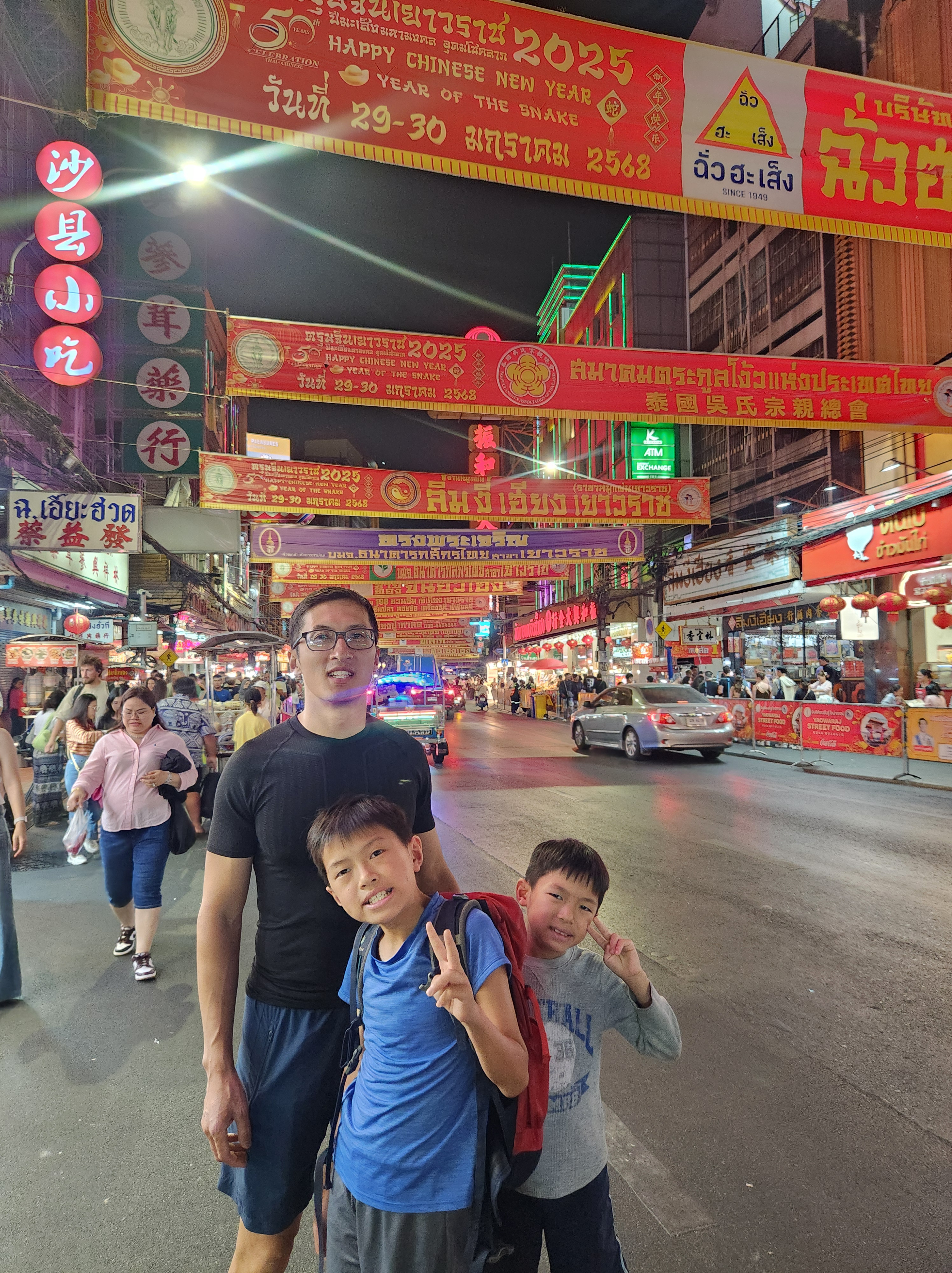
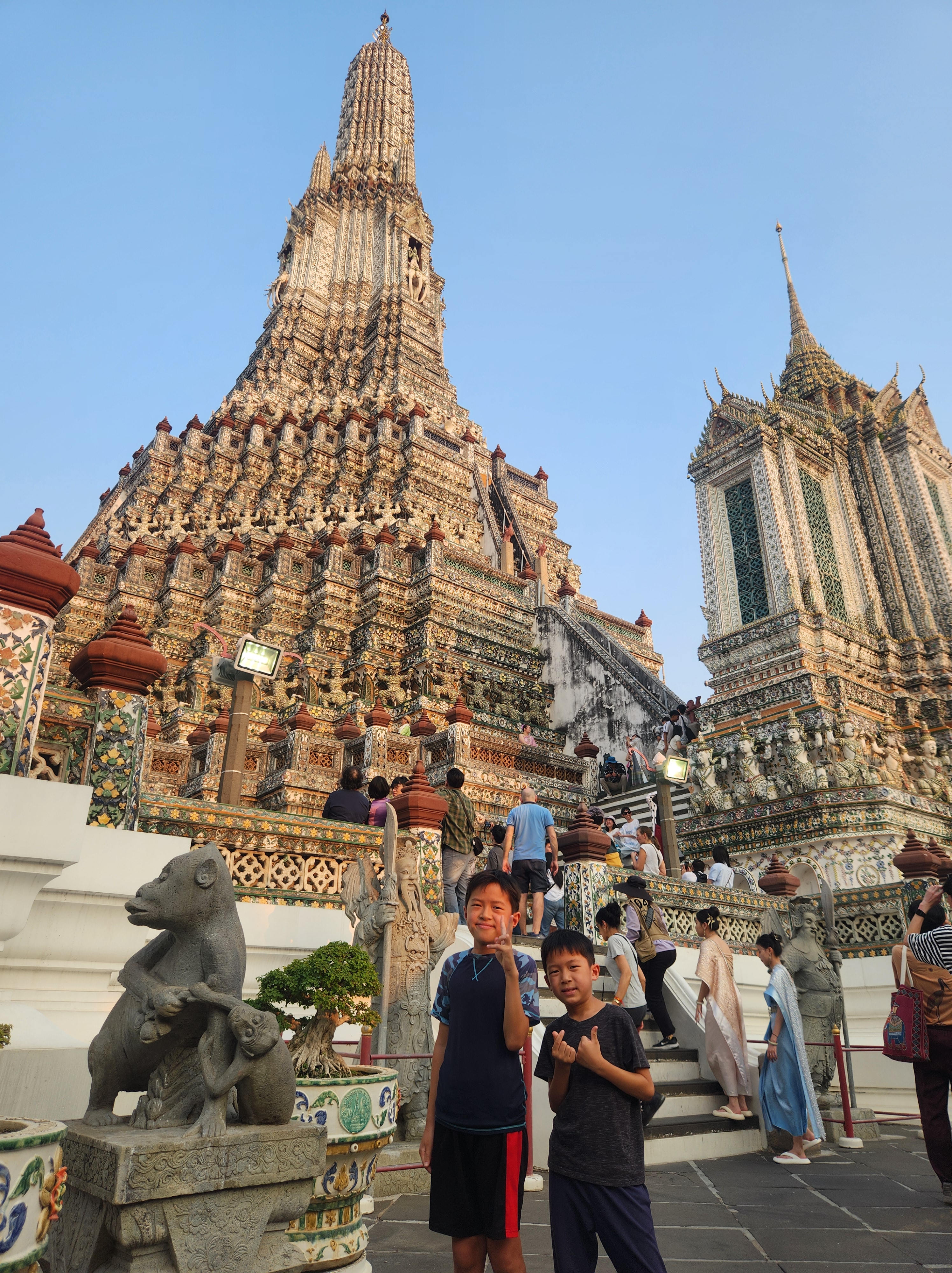
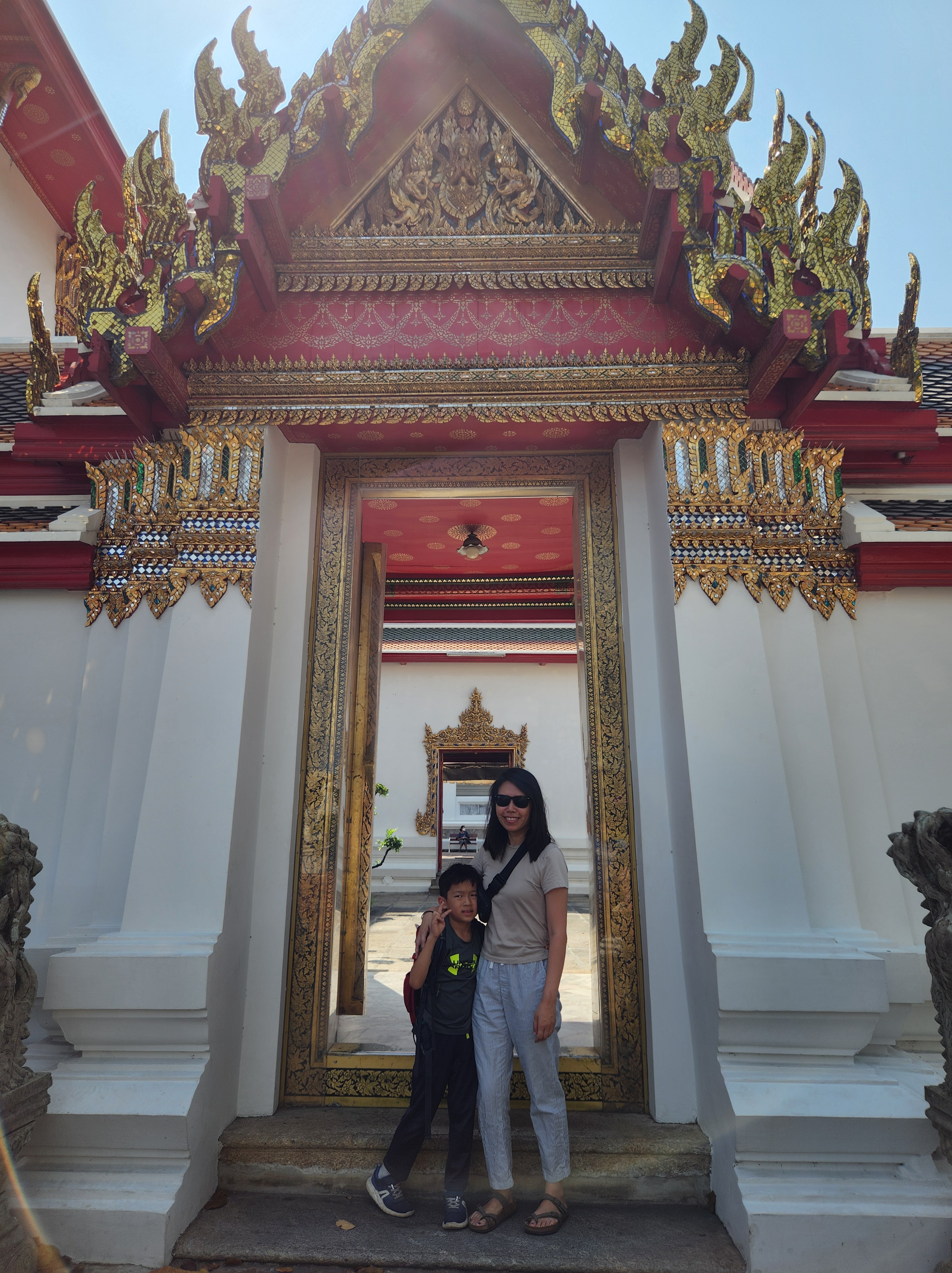
Sightseeing around Bangkok: Chinatown (incredibly chaotic but in a good way!), Icon Siam (the biggest, most fabulous mall in Bangkok), and Wat Arun Temple.

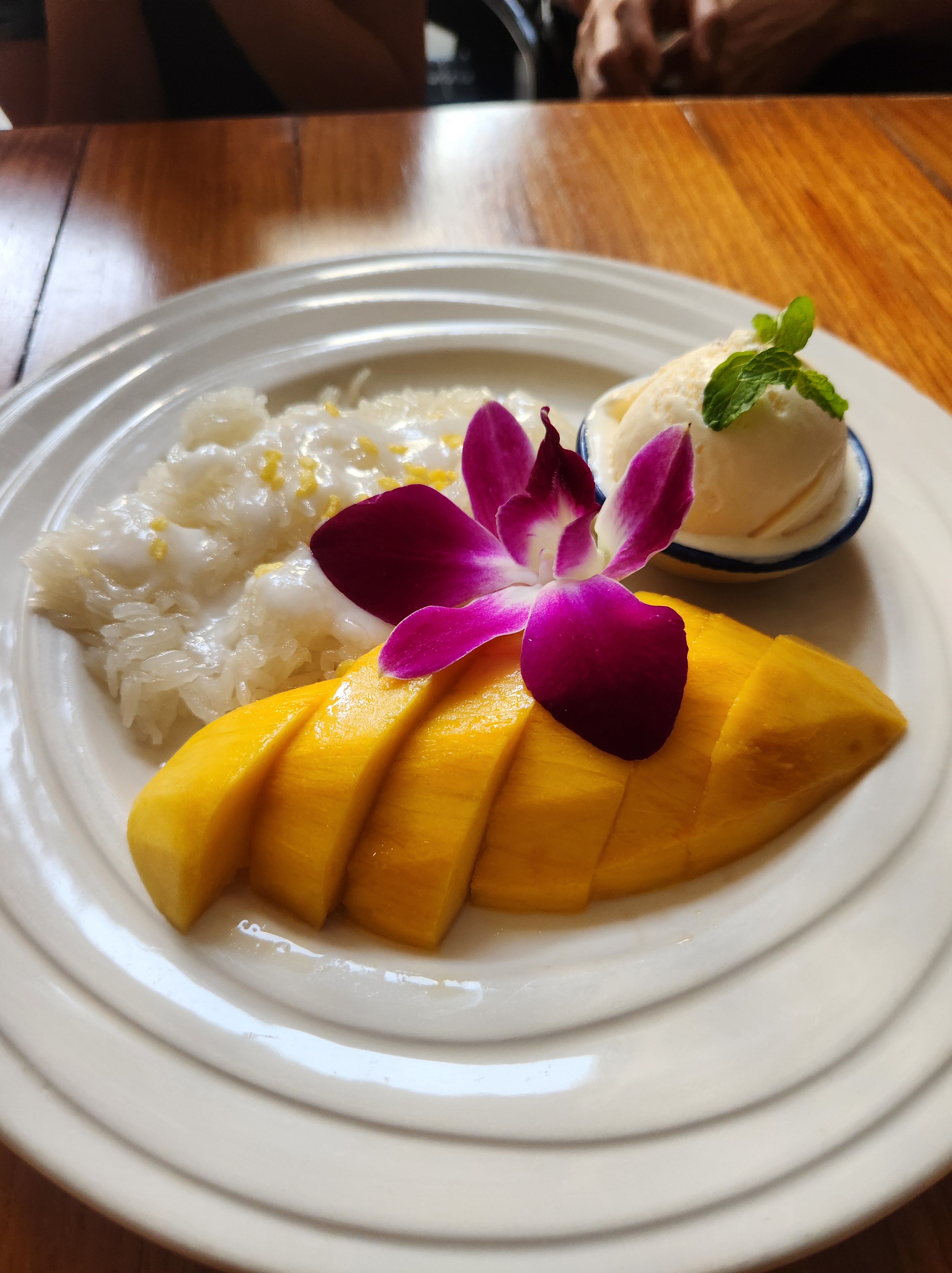
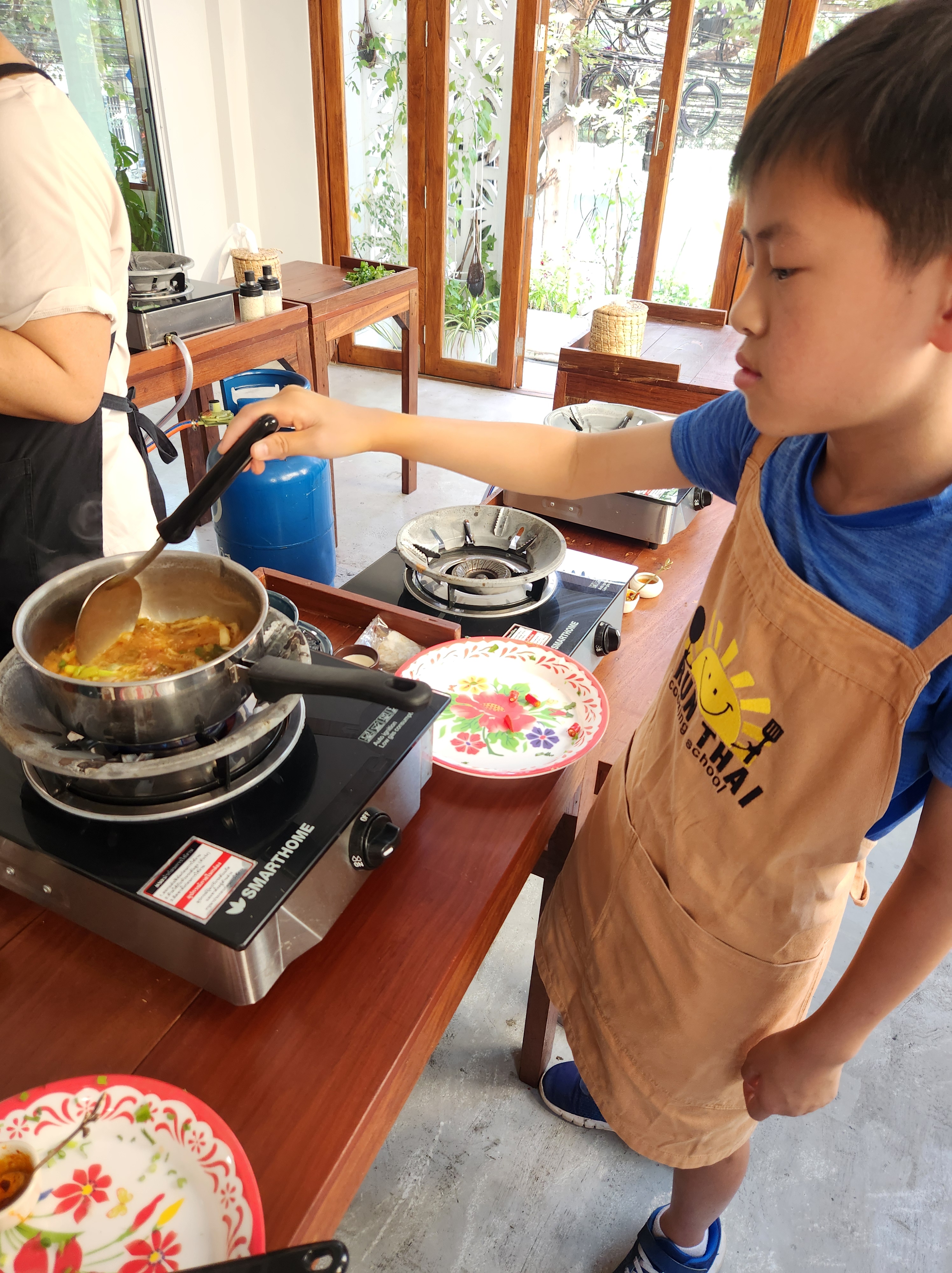
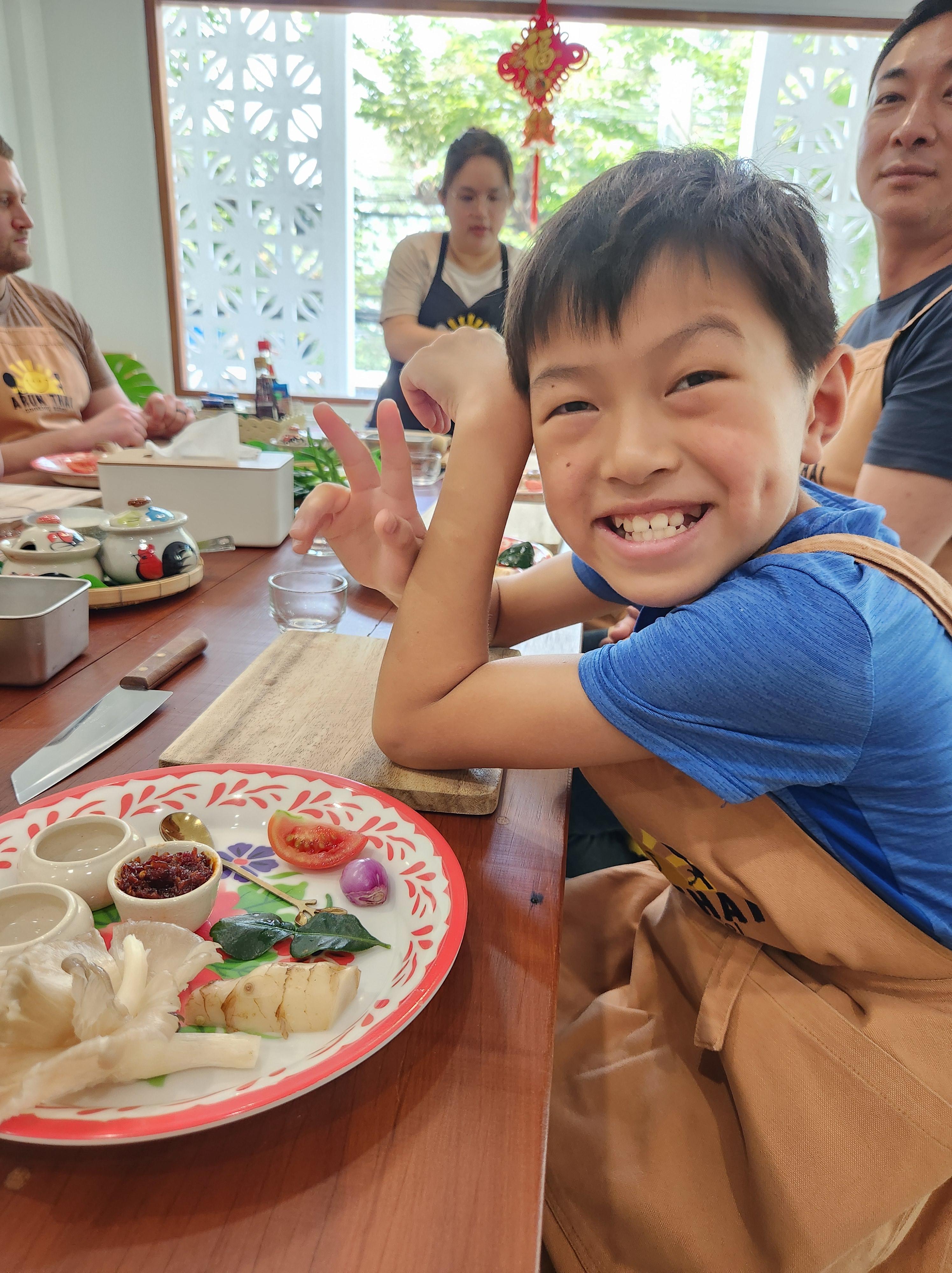
Around the second or third day into the trip, Baba started experiencing GI issues. (We suspect it may have been all that coconut cream from the mounds of Mango Sticky Rice he ate.) So, I decided to book a last-minute Thai cooking class with C, my boy who lives to eat.

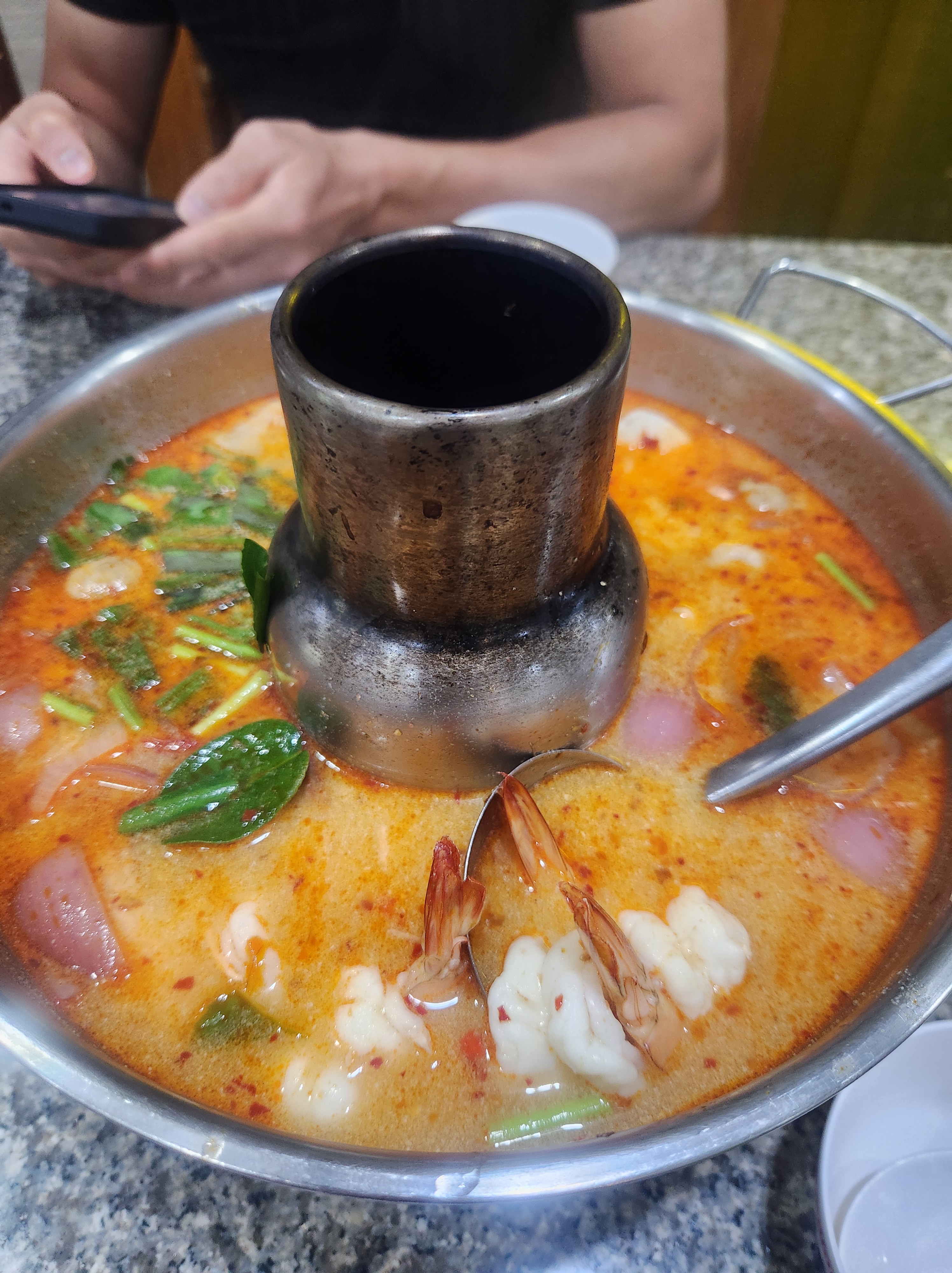
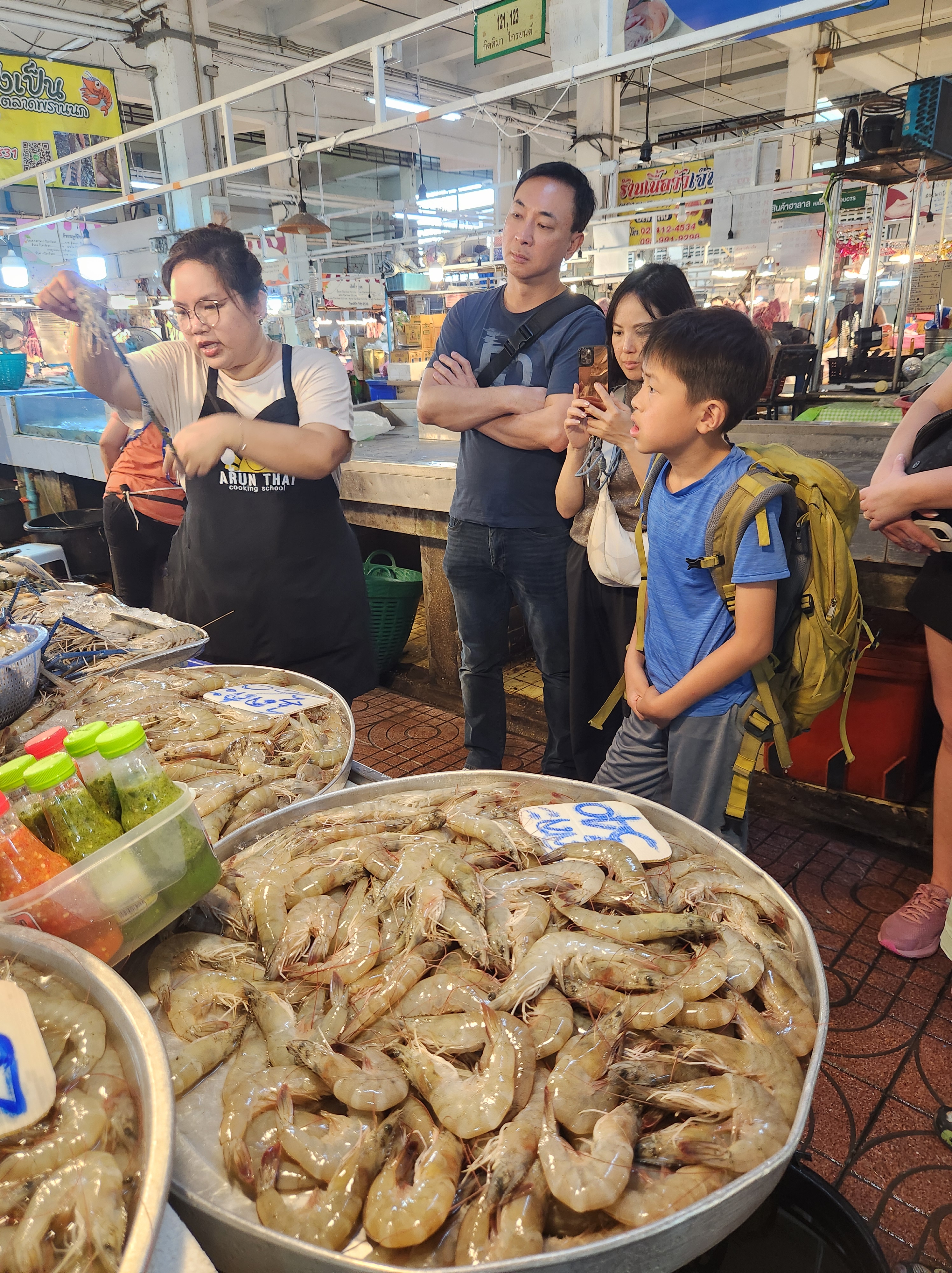
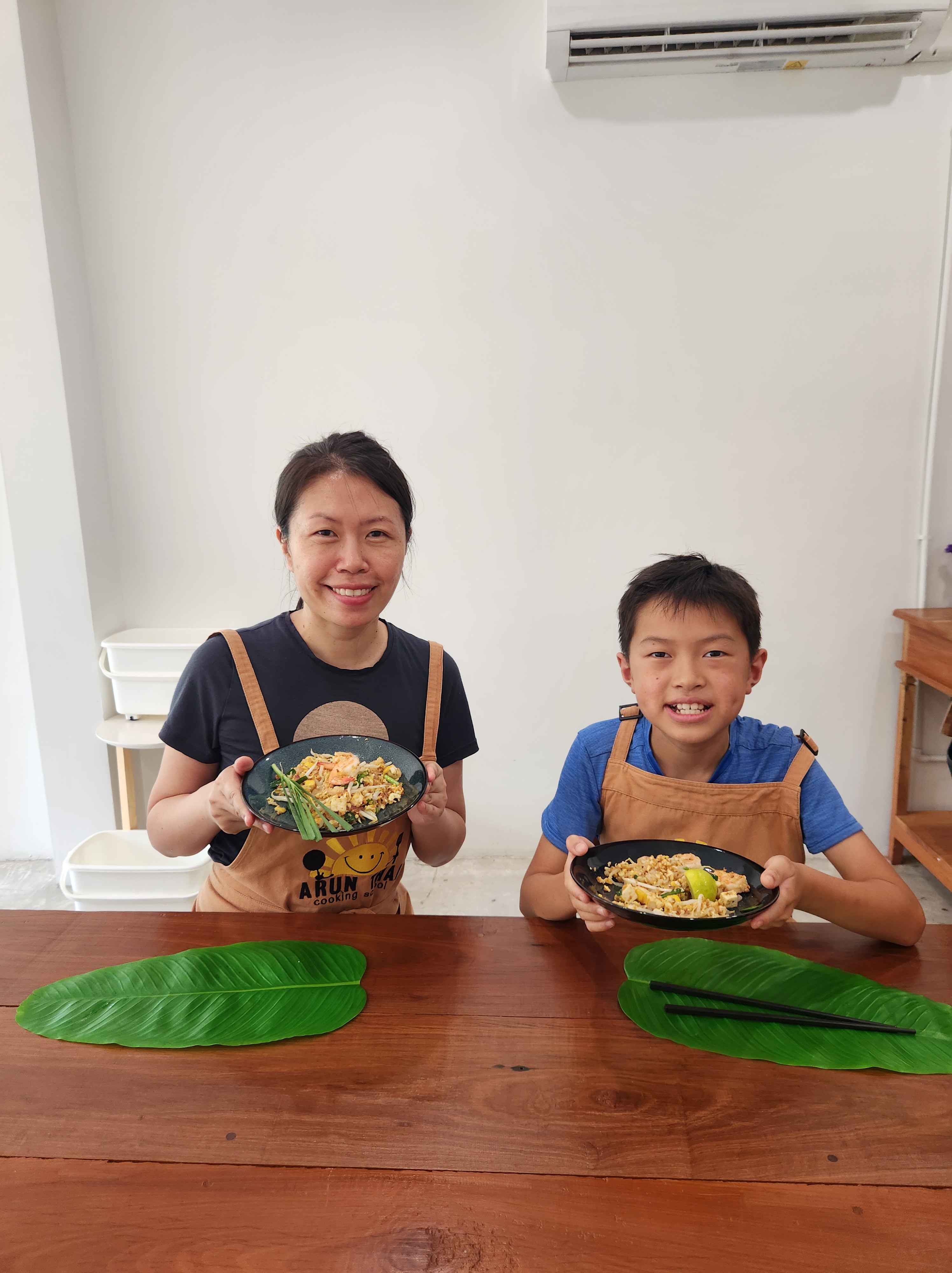
We had a total blast!! The class started off at a local wet market, where our teacher showed what some common ingredients are in Thai cooking. We went back to the cooking school via tuk-tuk and cooked four amazing dishes: Tom Yum Goong, Pad Thai, Massaman Curry and Mango Sticky Rice. Every dish was restaurant-quality and surprisingly easy to make! Then again, not having to source ingredients and clean up after ourselves makes a huge difference too 😅.

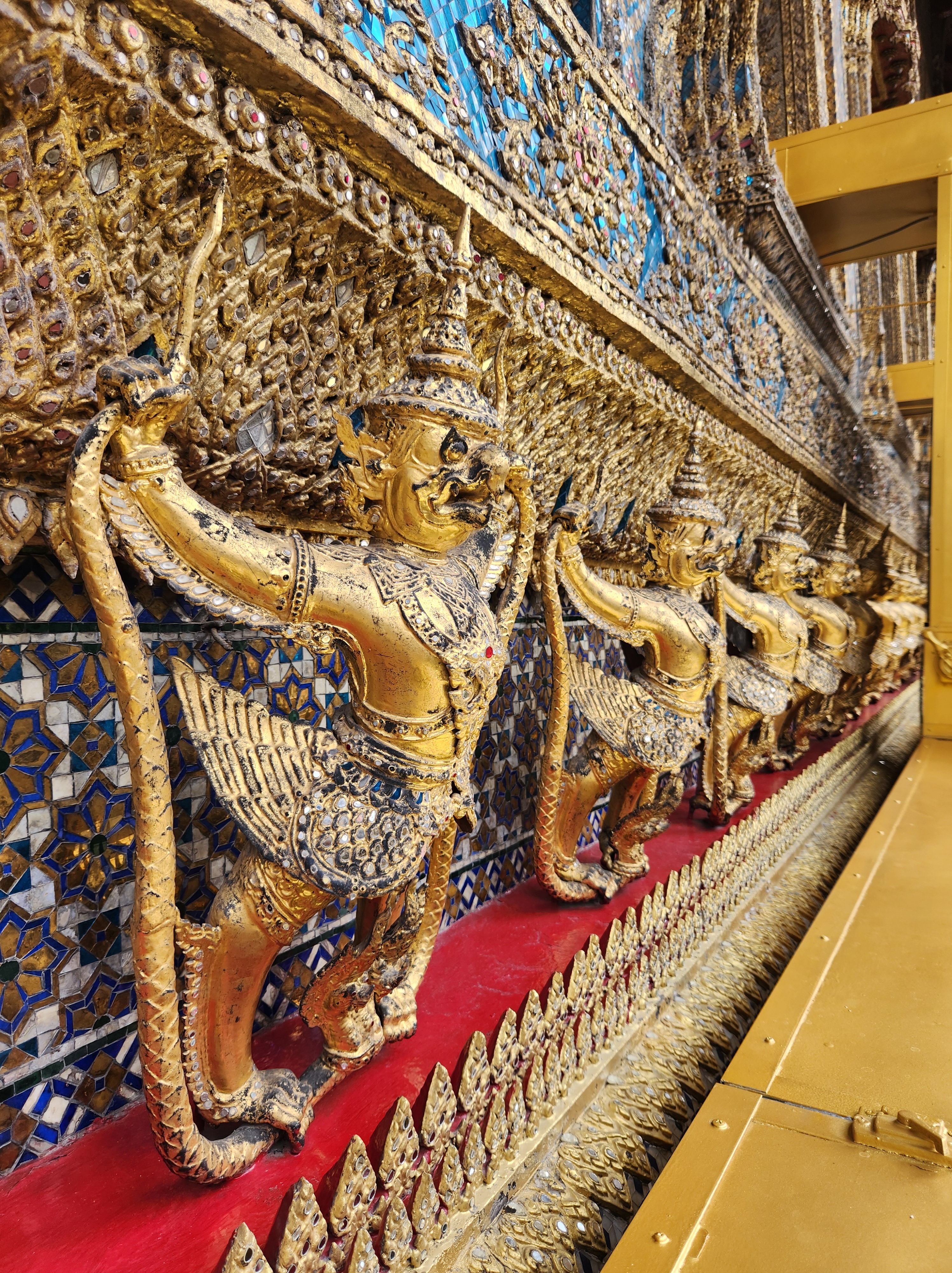
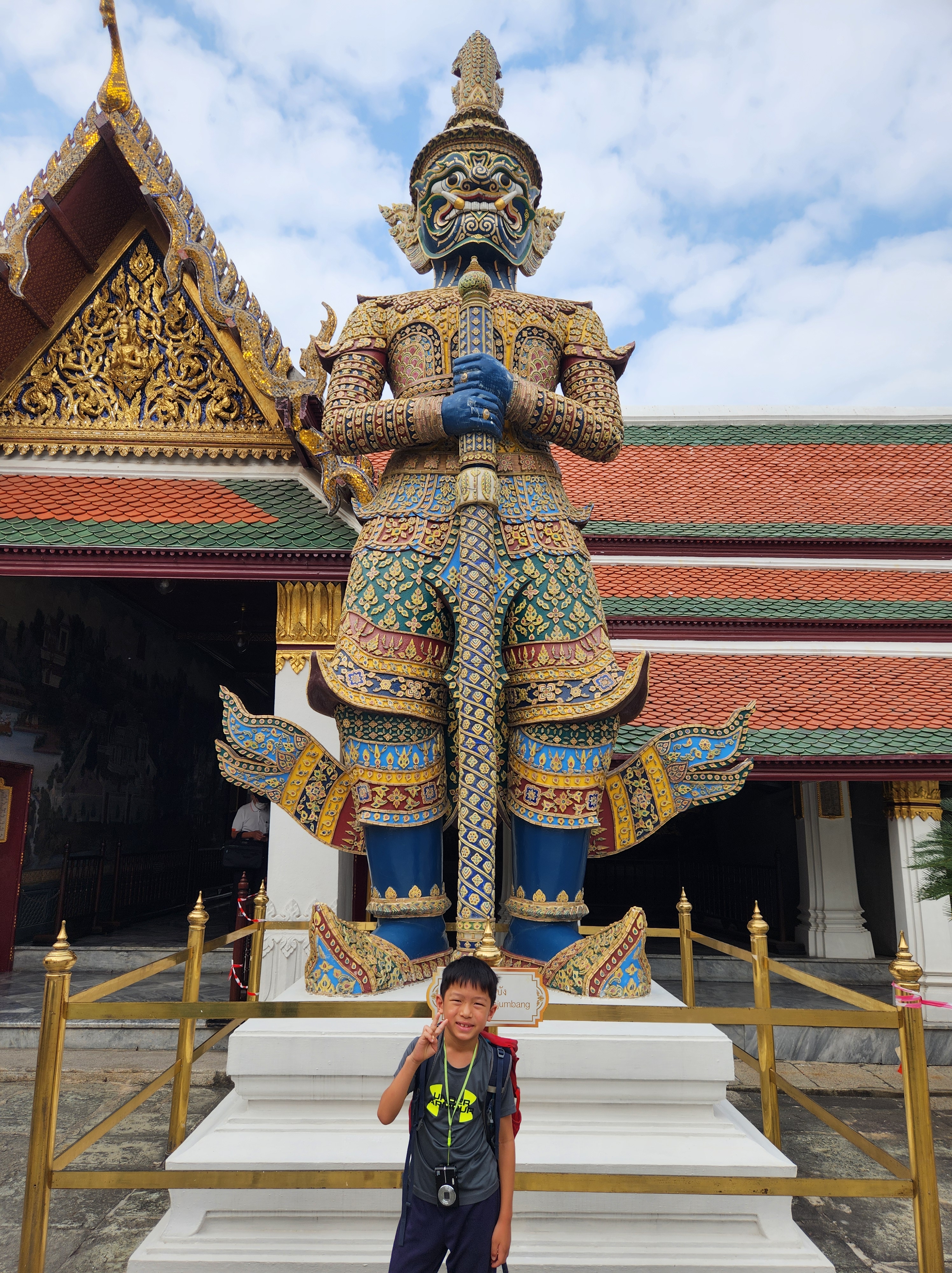
As the week went on, C caught another stomach bug. 😣 (Or maybe he never fully healed from the last bug in Vietnam?) With two men down, O and I went sightseeing at the Grand Palace and Wat Pho (Reclining Buddha Temple) by ourselves. I remember seeing these grand, opulent temples for the first time 20 years ago and feeling my jaw drop to the floor. It was moving to see O reacting the same way when he laid eyes on the Grand Palace, and I was reminded why we take these trips with our kids.

And that completes our whirlwind trip in SE Asia! Thankfully, Baba and C recovered from their illnesses before we flew back to Taipei. We even got to sneak in some delicious food (but with extra caution) on our last day. We got back to Taipei in the evening and the boys had school the very next morning 😅. Even after a month-long vacation, they whined and wished they could stay in SE Asia a while longer. But you know what? I felt the same way.

Ramblings

Cambodia

After Vietnam, we took a bus from Ho Chi Minh City to Phnom Penh. When Baba suggested taking a bus instead of flying, I was skeptical. The ride would take 8-9 hours long, although Baba reasoned that flying (driving ~1 hour to the airport, checking in, waiting around for ~2+ hours, etc.) was just as much of a nuisance.

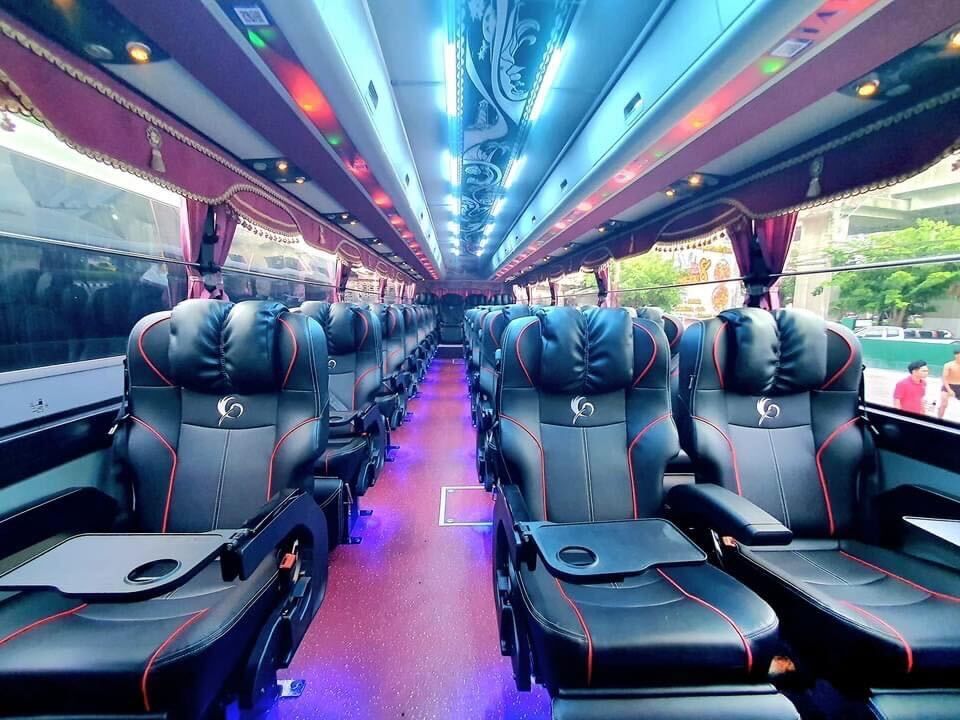
We took the Giant Ibis bus, a popular transportation company in SE Asia. And to my surprise, it was a great experience. The seats were large and comfortable, and the driver offered water and snacks. The bus stopped every 2 hours for restroom breaks so the ride didn’t feel long at all. C also caught a stomach bug that morning – vomiting a couple times before leaving HCMC 😓- so it was a relief that he could just rest on the bus. (Luckily his nausea stopped once we departed too.)

Pic taken from Google

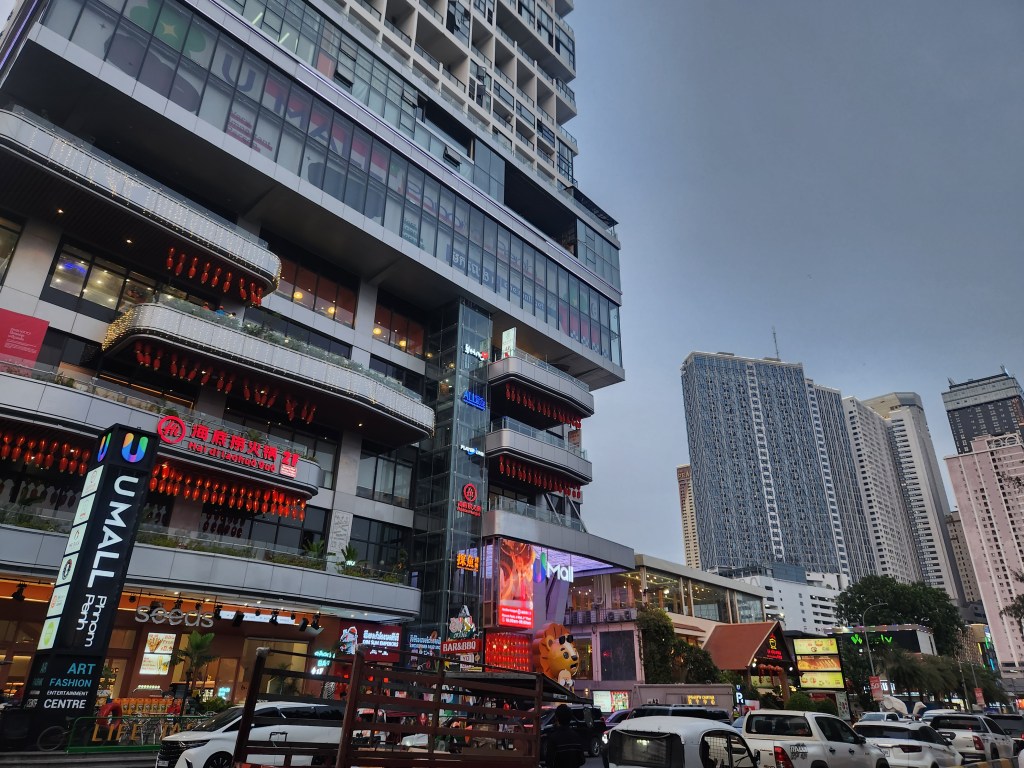
Phnom Penh. Baba and I visited Cambodia 15+ years ago but only went to Siem Reap/Angkor Wat. Therefore, our memories of the capital are vague, but we definitely did not remember Phnom Penh being so modern and full of mainland Chinese! We later learned that a lot of mainlanders immigrated to Cambodia to invest in high-rises and casinos.

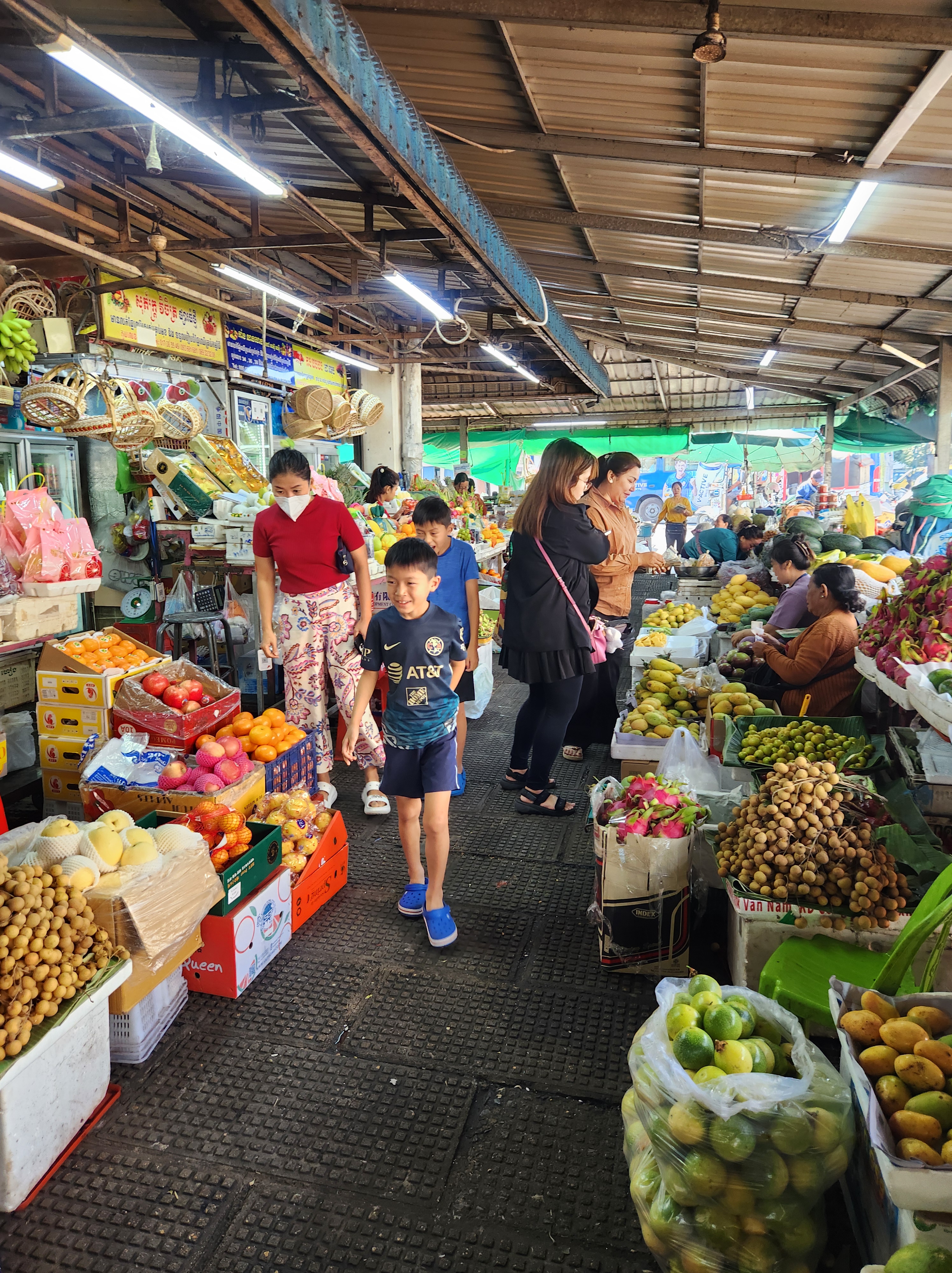
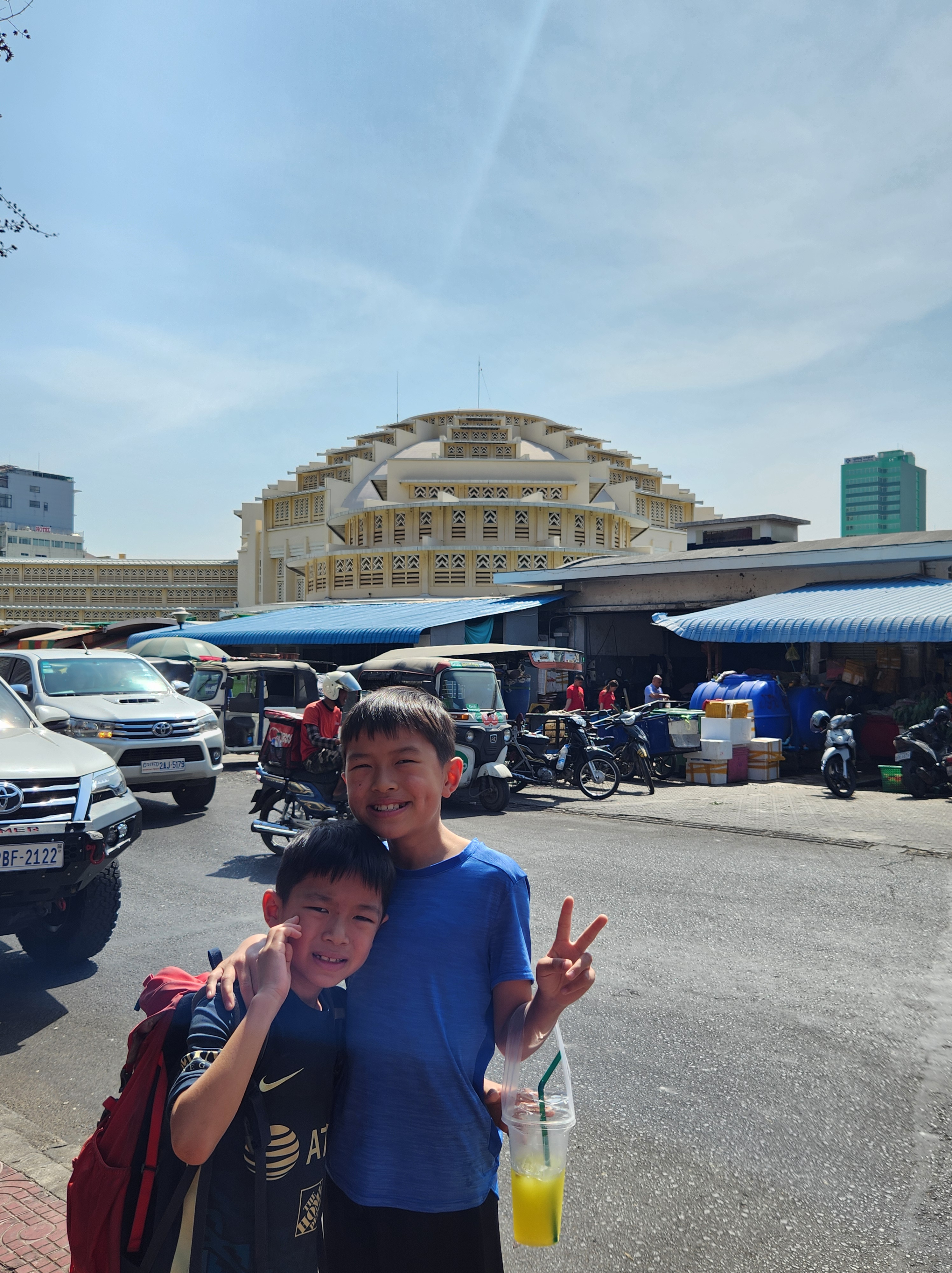
On our first day, we visited the Central Market, an art-deco market selling everything from fruits to seafood to fried tarantulas. A whirlwind of interesting sights, smells, and sounds, wet markets are one of our favorite things to see while traveling!

Two places I regrettably missed while visiting Cambodia many years ago were the Killing Fields and the Tuol Sleng Genocide Museum. From 1975-1979, the Khmer Rouge regime under Pol Pot committed a genocide that killed between 1.5 to 3 million Cambodians. Pol Pot’s goal was to create a completely agrarian, classless society. This led to forced labor, mass purges and executions. Yet, we never learned about the Cambodian Genocide in school and never heard much about it in the media. I always feel it’s important to learn about the history of the places we’re visiting, no matter how horrific it may be. Traveling is not only about luxury resorts and shopping malls.

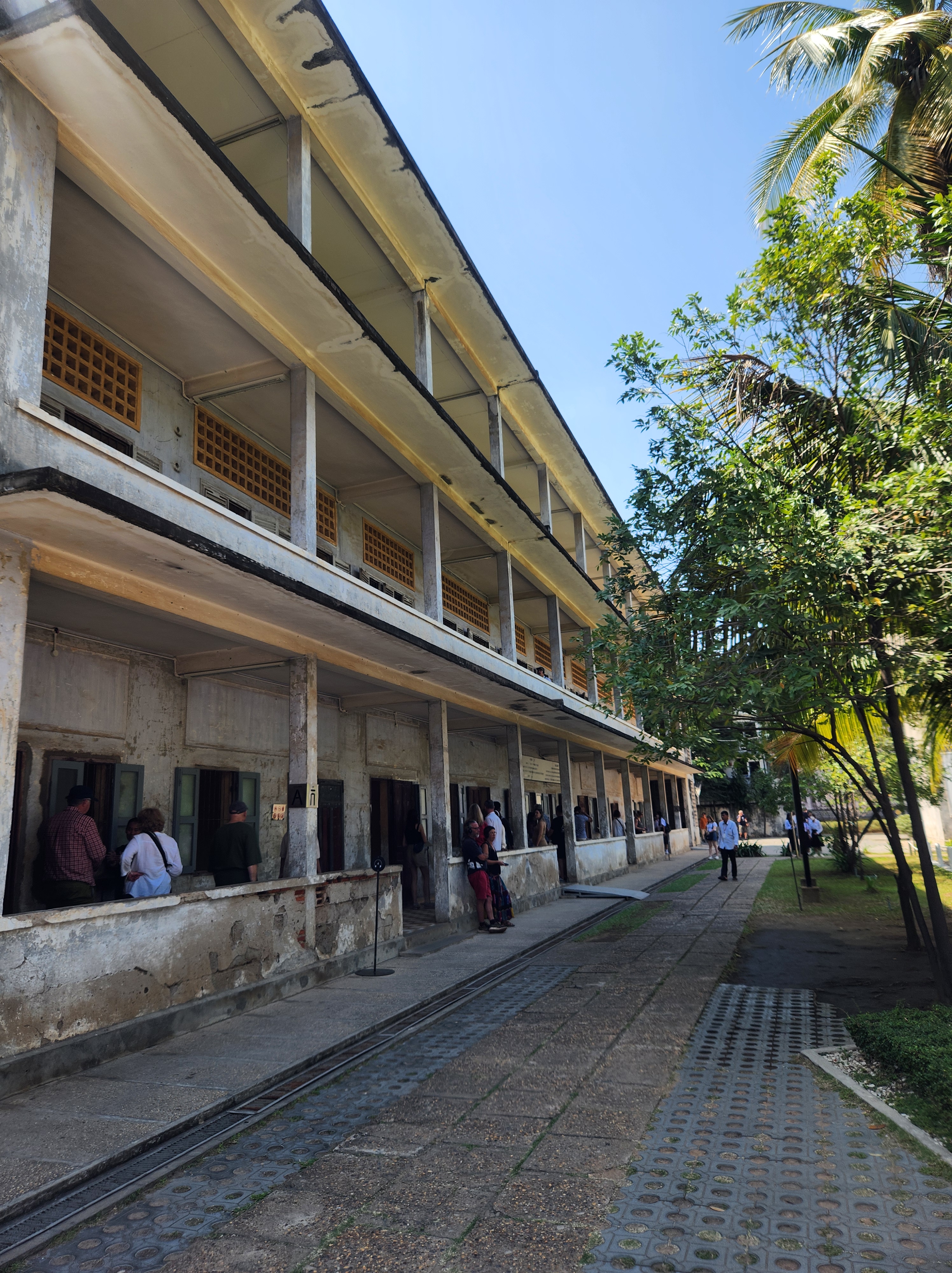
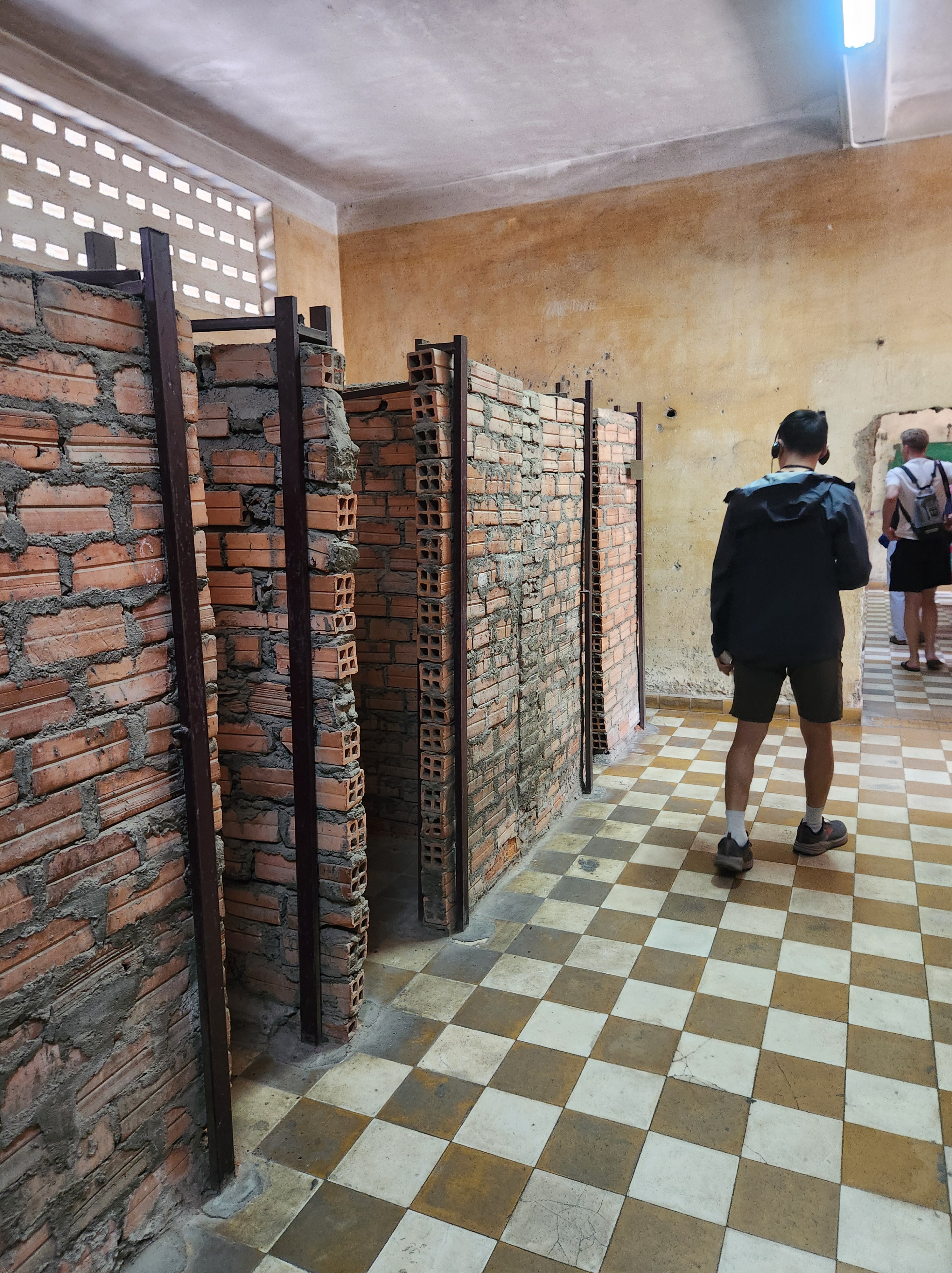
The Tuol Sleng Genocide Museum was once a high school in the middle of Phnom Penh but under the Khmer Rouge regime, it turned into a torture prison. Inside the prison, you’ll see actual devices and tools that were used to torture people. The rows and rows of black and white photos of prisoners were particularly haunting. Out of the estimated 14,000 to 20,000 people imprisoned there, only 12 known survivors made it out alive. Because of the graphic nature of the museum, we didn’t bring the boys inside but briefly shared with them what we saw.

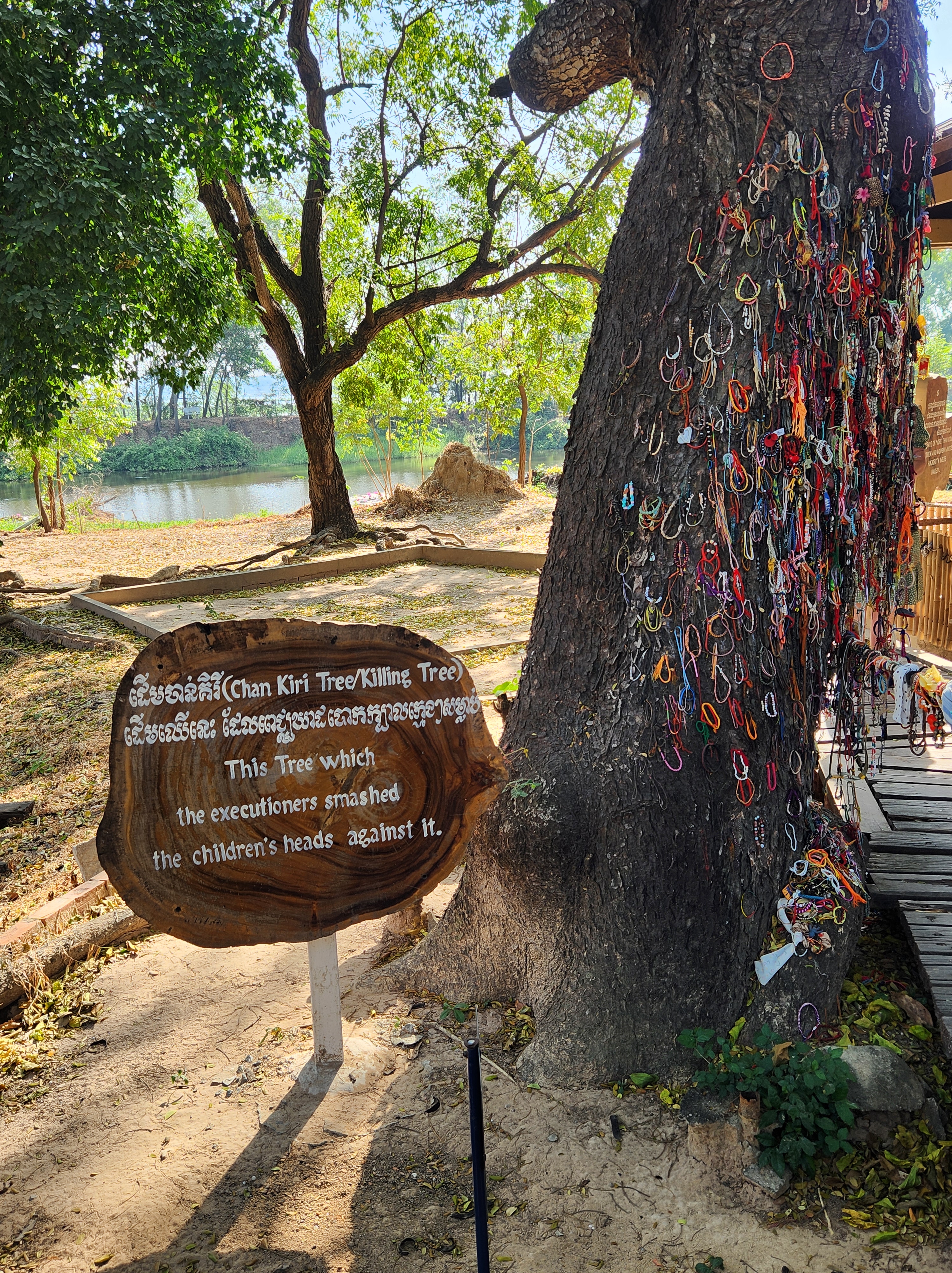
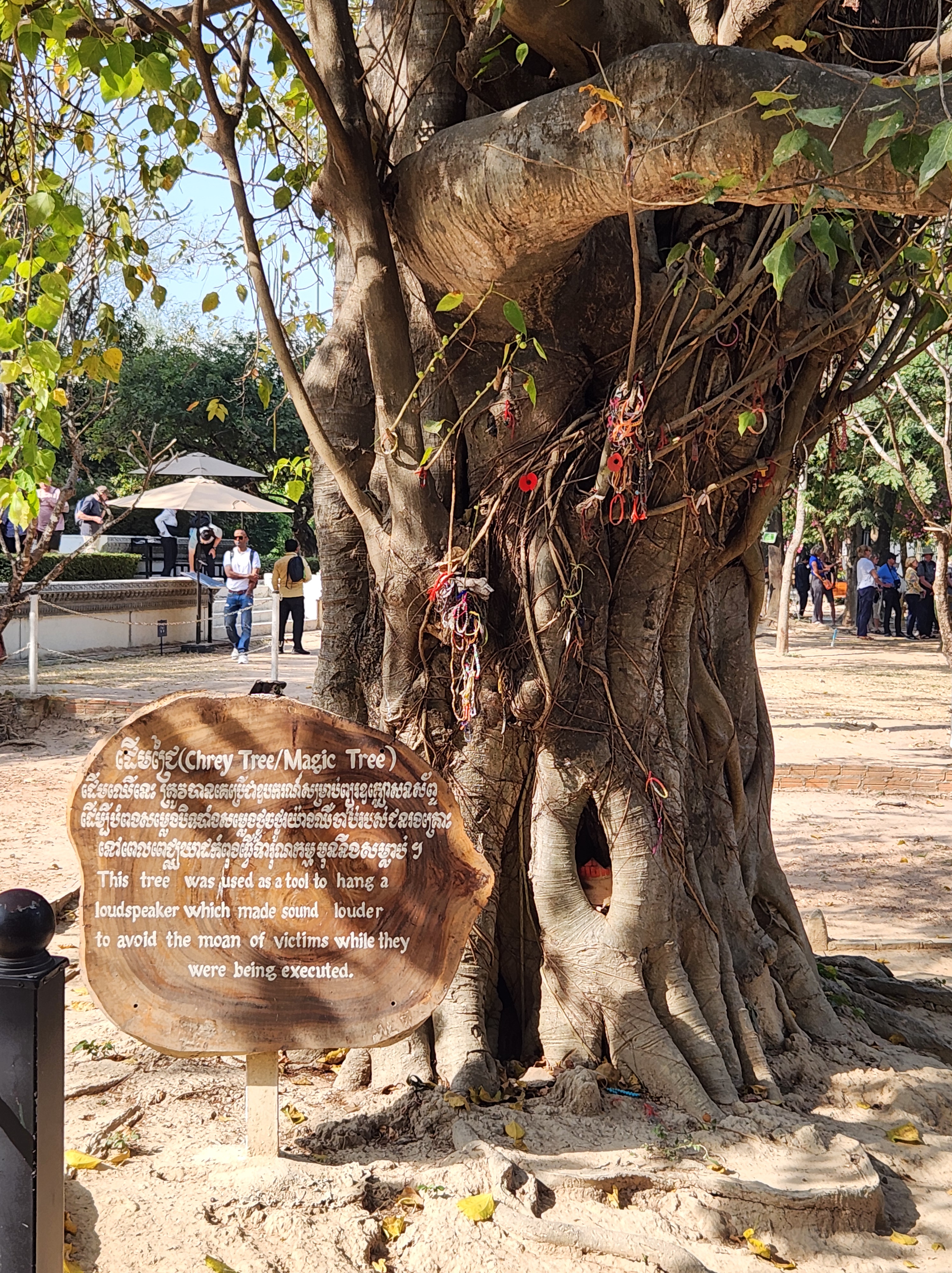
Many prisoners from torture prisons like Tuol Sleng were taken to the Killing Fields, where they were brutally executed. At a quick glance, the Killing Fields look like a nice, serene park but there, babies’ heads were smashed into trees (often in front of their mothers), and women and men were killed with blunt objects, slashed with knives, etc. in order to save bullets. We rented the audio guide, and it was absolutely gut-wrenching to hear what happened at the Killing Fields.

Many Cambodians today are still scarred by the genocide and you can see the pain in their eyes whenever Khmer Rouge is mentioned. Visiting both the Killing Fields and Tuol Sleng in one day left me heavy-hearted, but I’m grateful we got this opportunity to learn about this important piece of Cambodia’s history.

Siem Reap. We traveled by bus from Phnom Penh to Siem Reap, which took about 6 hours. Siem Reap was no longer the run-down little town we remember from 15+ years ago. Today, it’s a trendy resort town with cafes, pizza shops, and modern hotels.

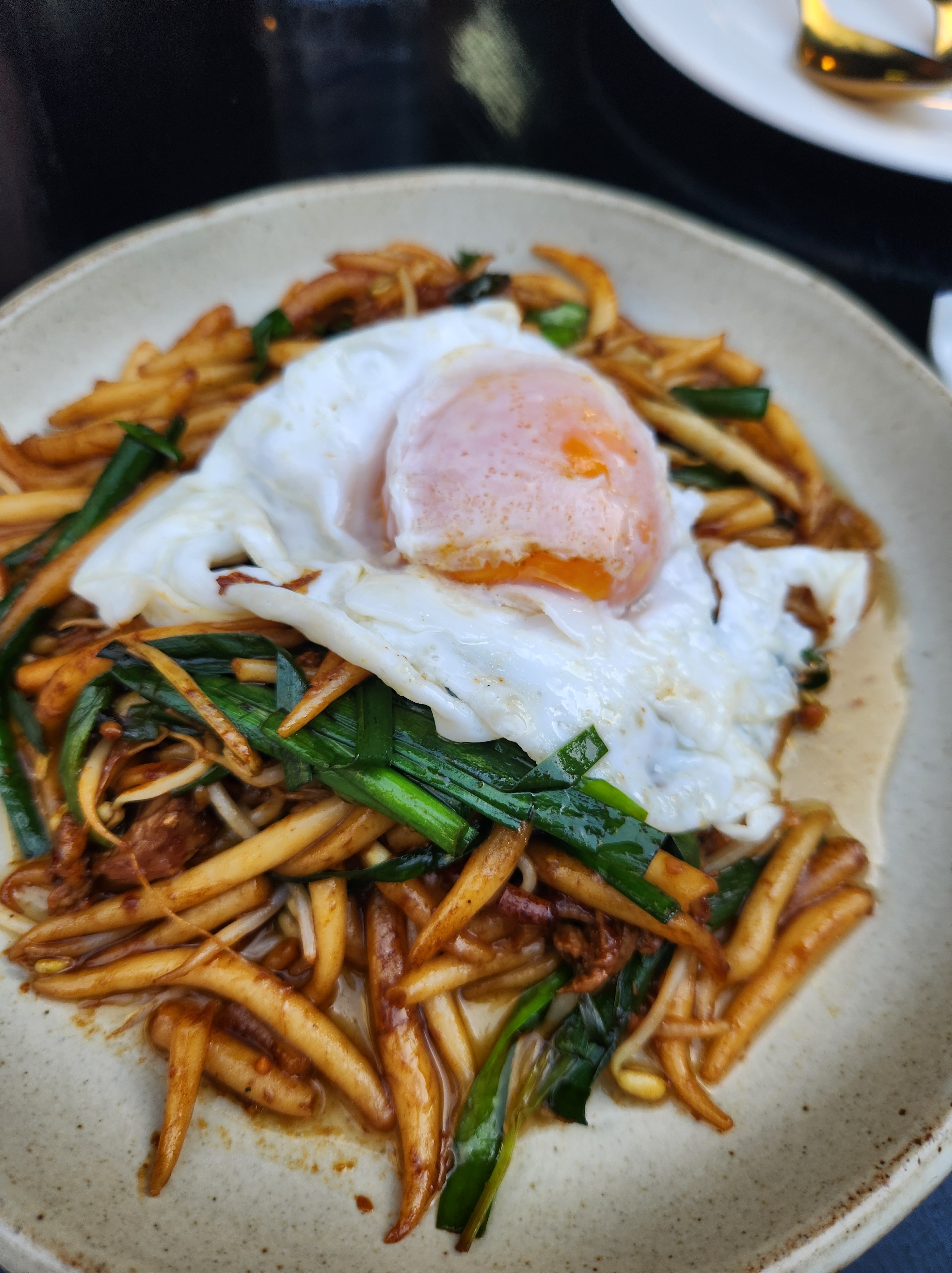
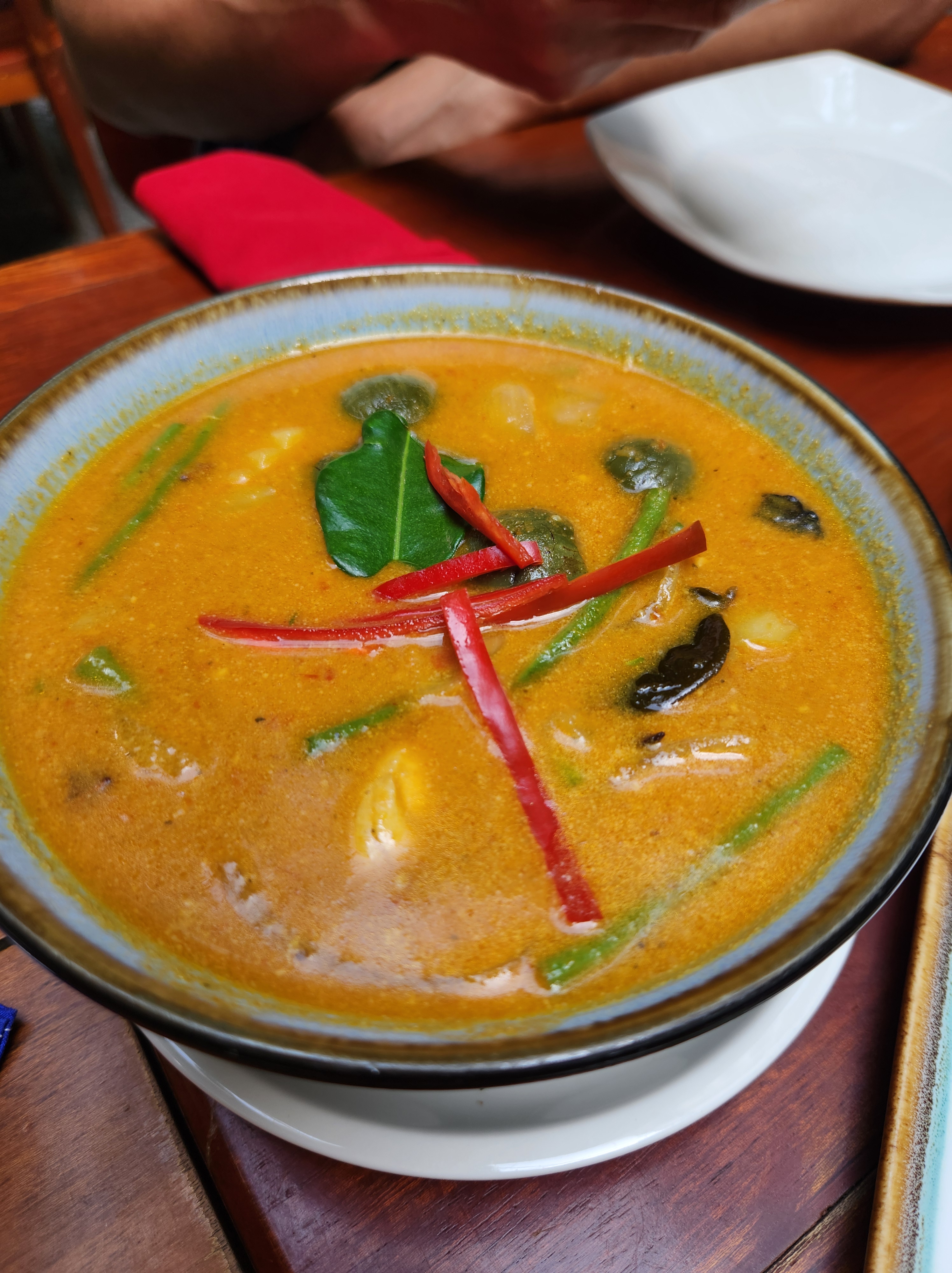
The food in Siem Reap (and Phnom Penh) was unfortunately not suited to our tastes. There wasn’t a ton of variety, and even the national dish – Fish Amok – was a hit and miss for us. We ended up mostly eating pizza in Siem Reap, which was surprisingly pretty good!

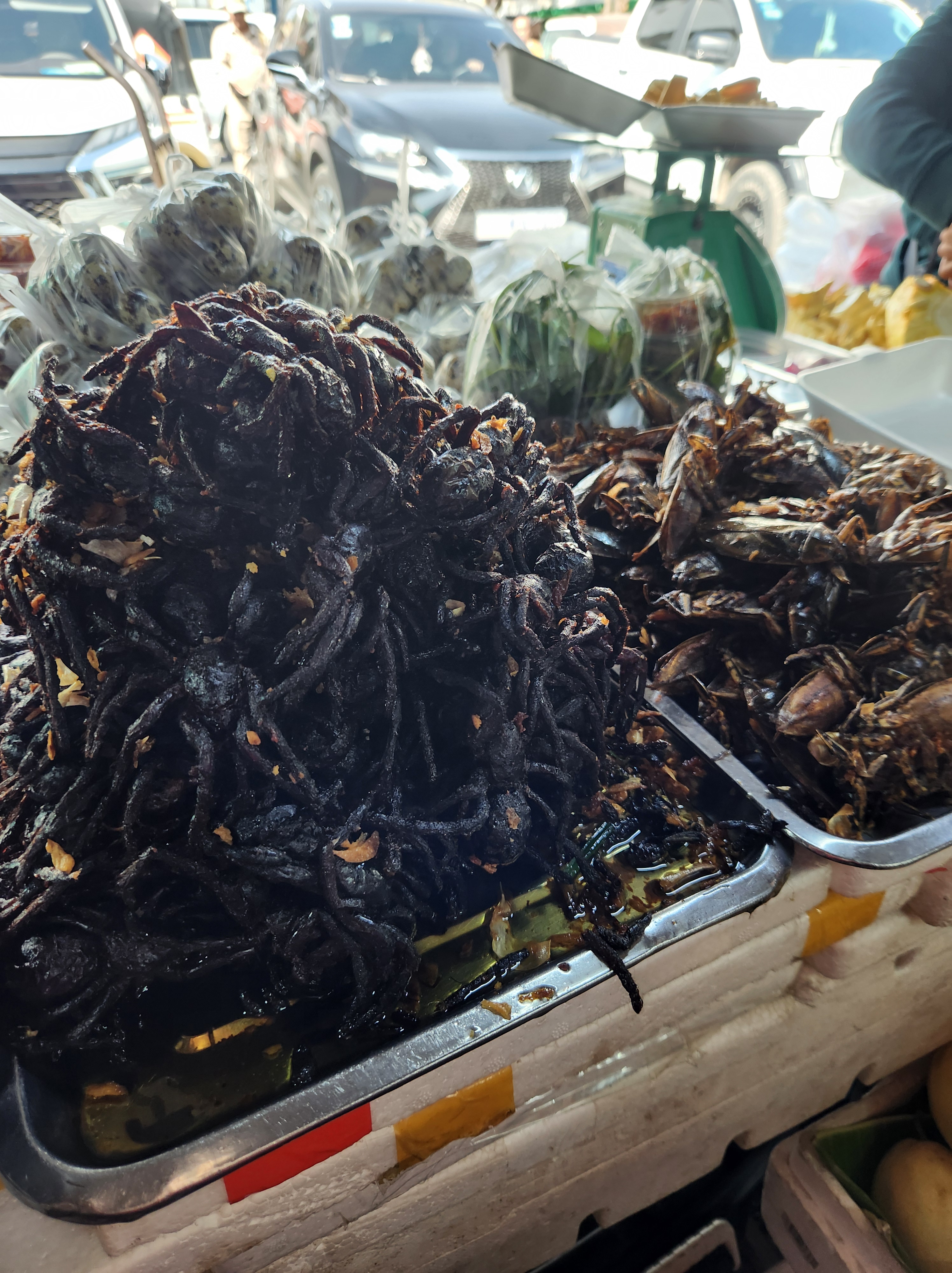
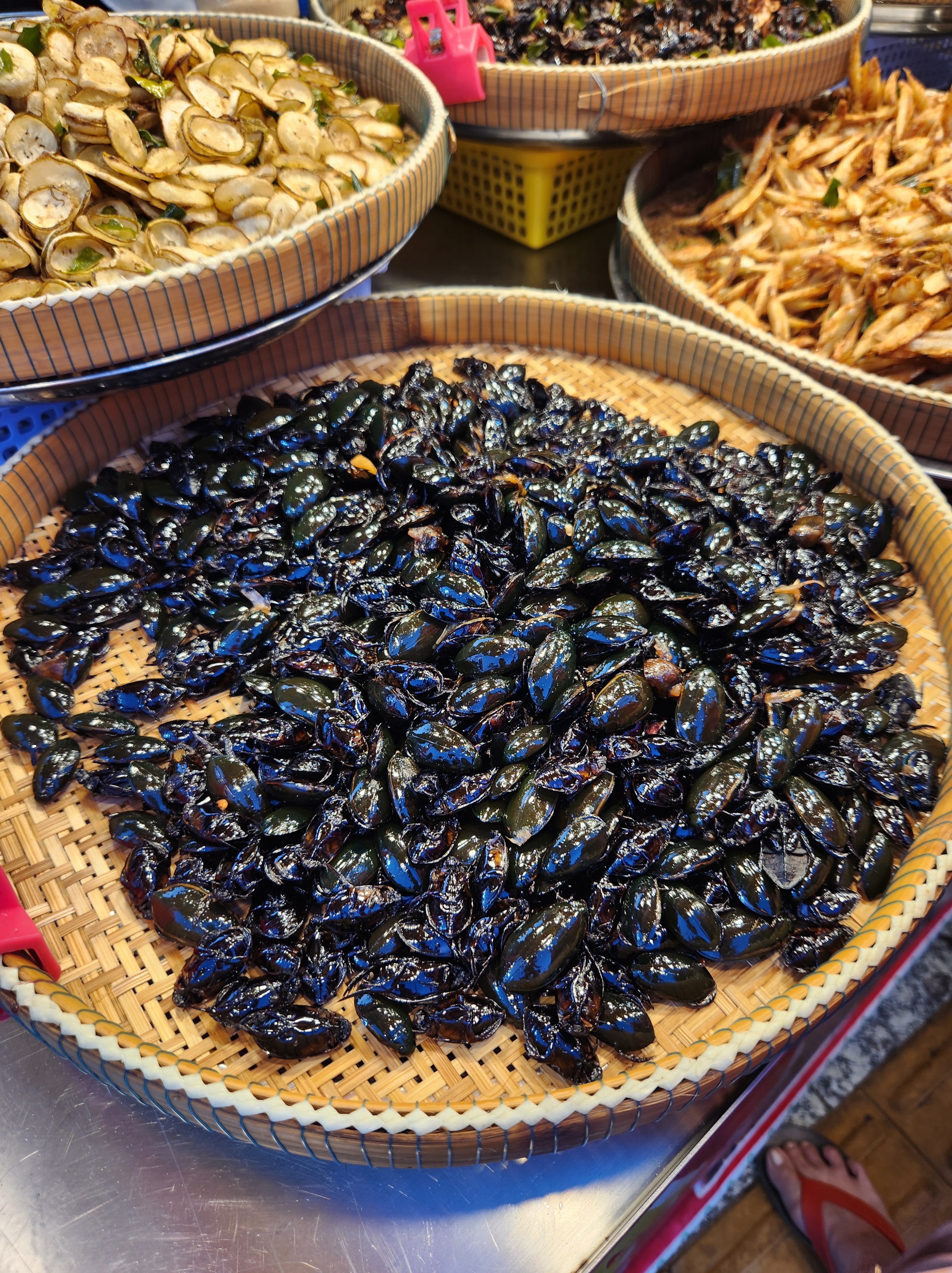
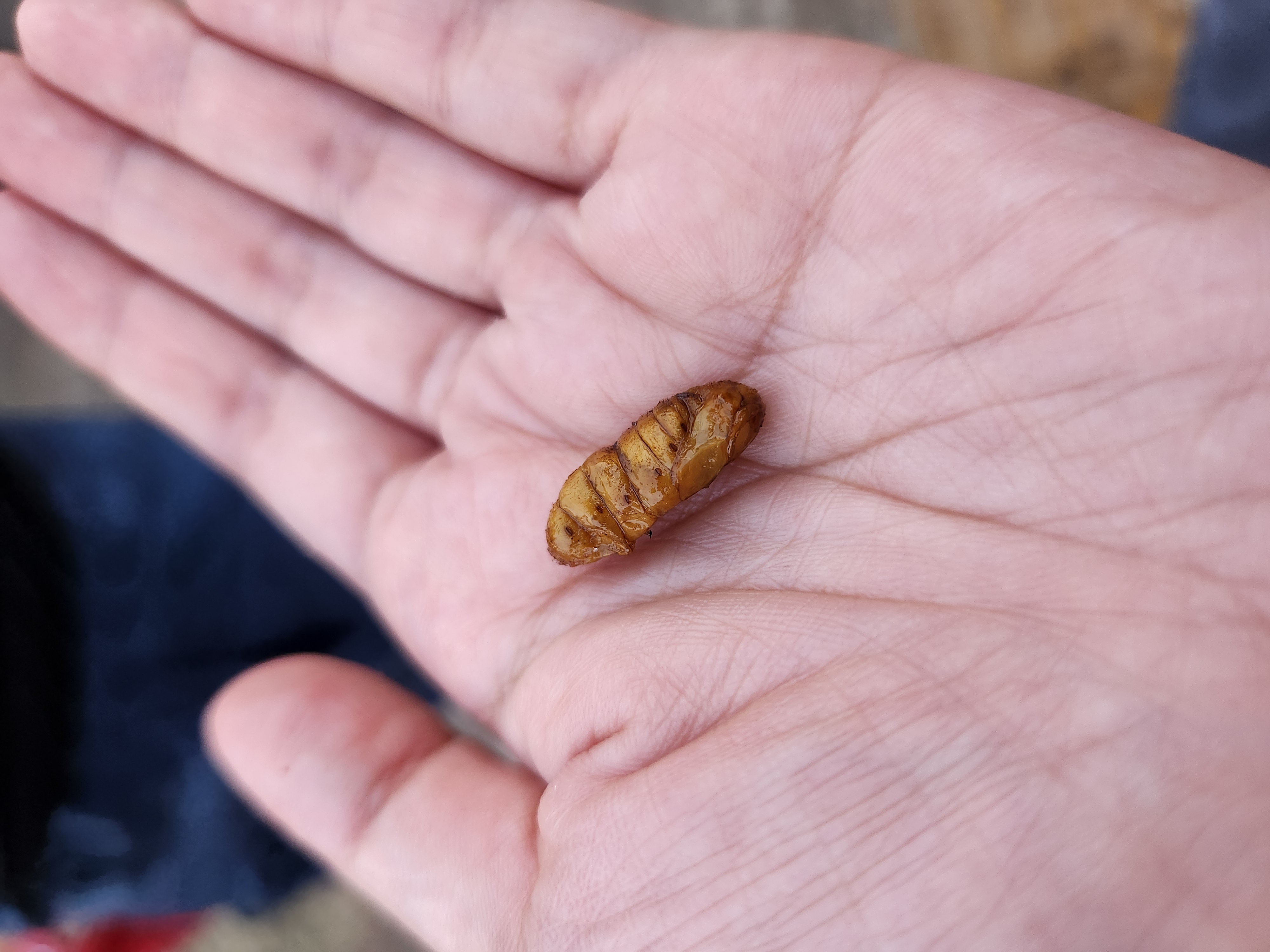
We did, however, stop by a local stall to try a popular local snack – BUGS!

There were beetles, grasshoppers, and worms. They were heavily spiced and deep fried so you won’t be able to taste the “natural” flavor of the bugs, but once I popped a worm into my mouth and felt its guts explode I was DONE. The boys and Baba enjoyed them though.

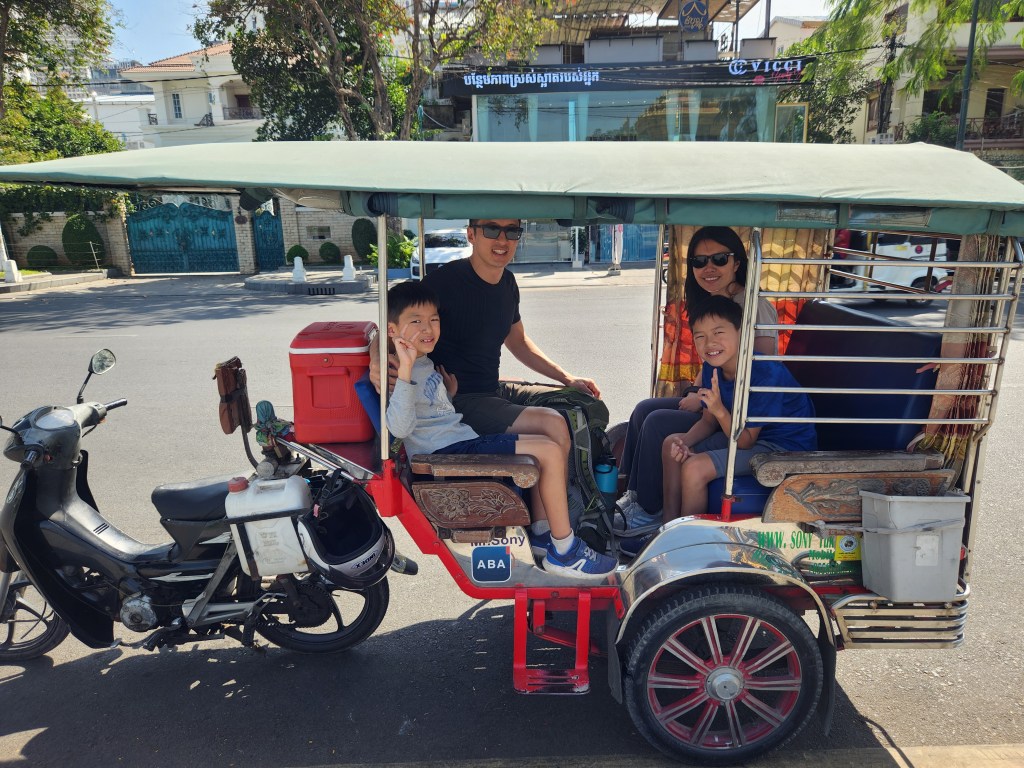
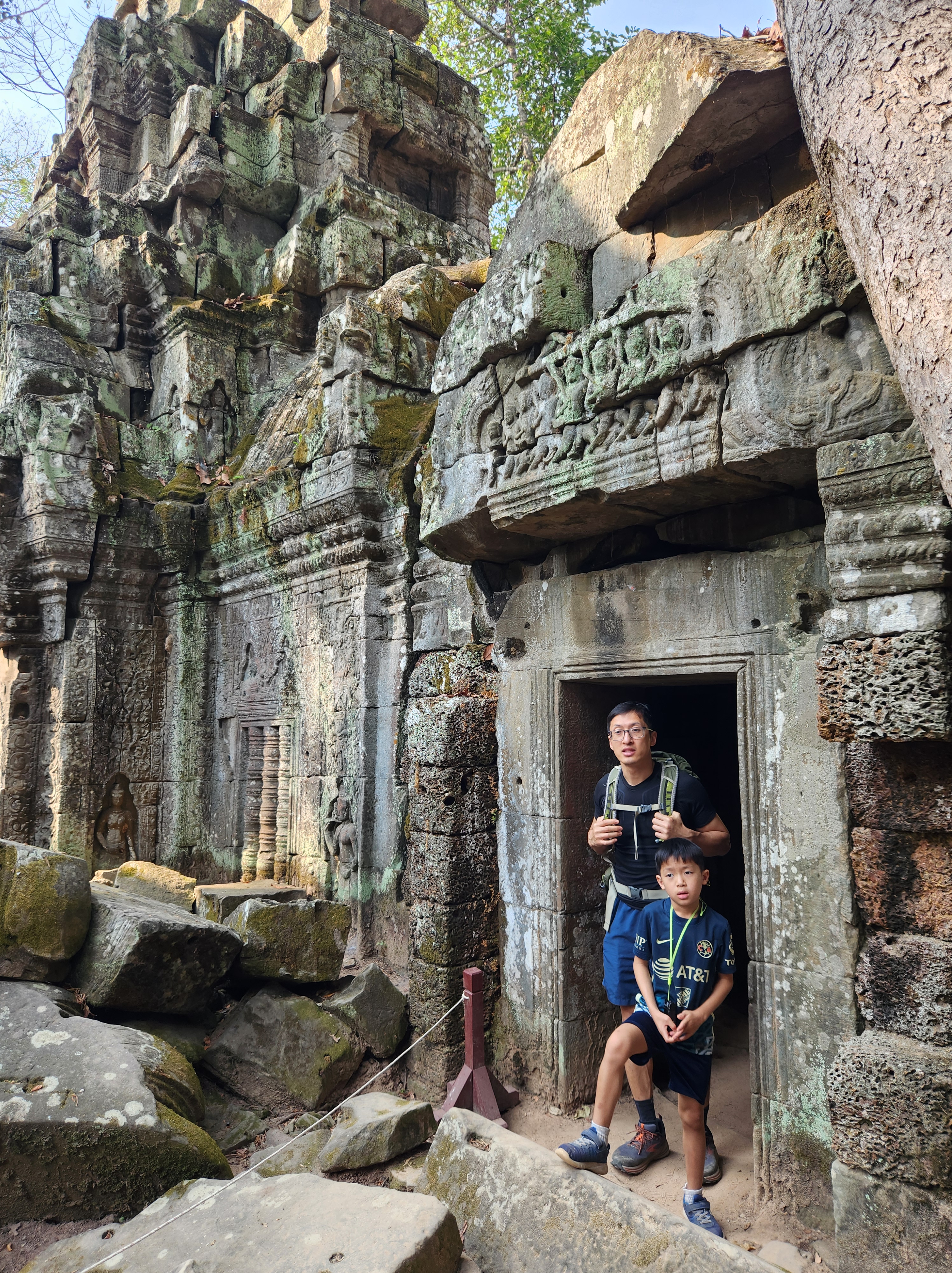
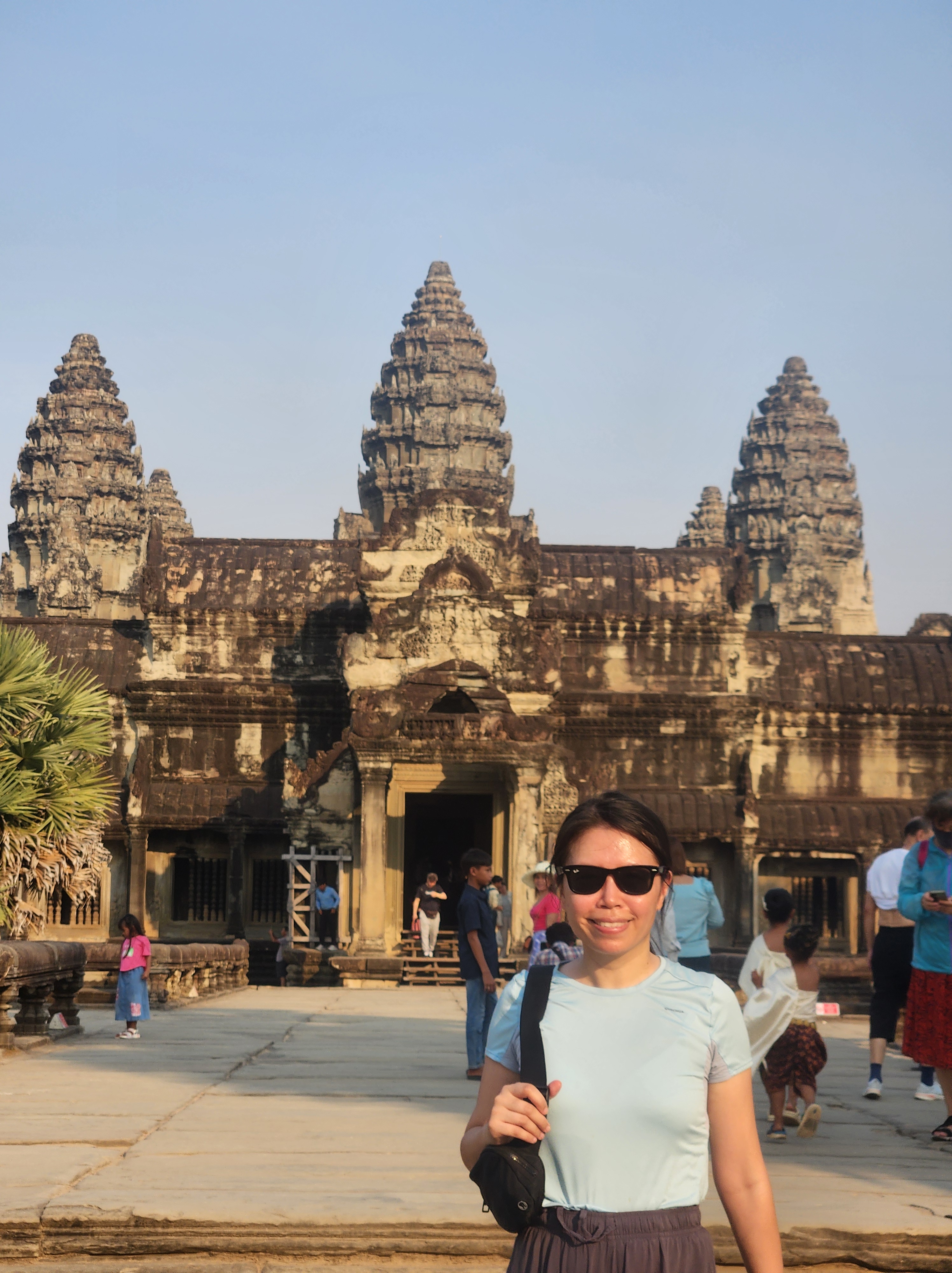
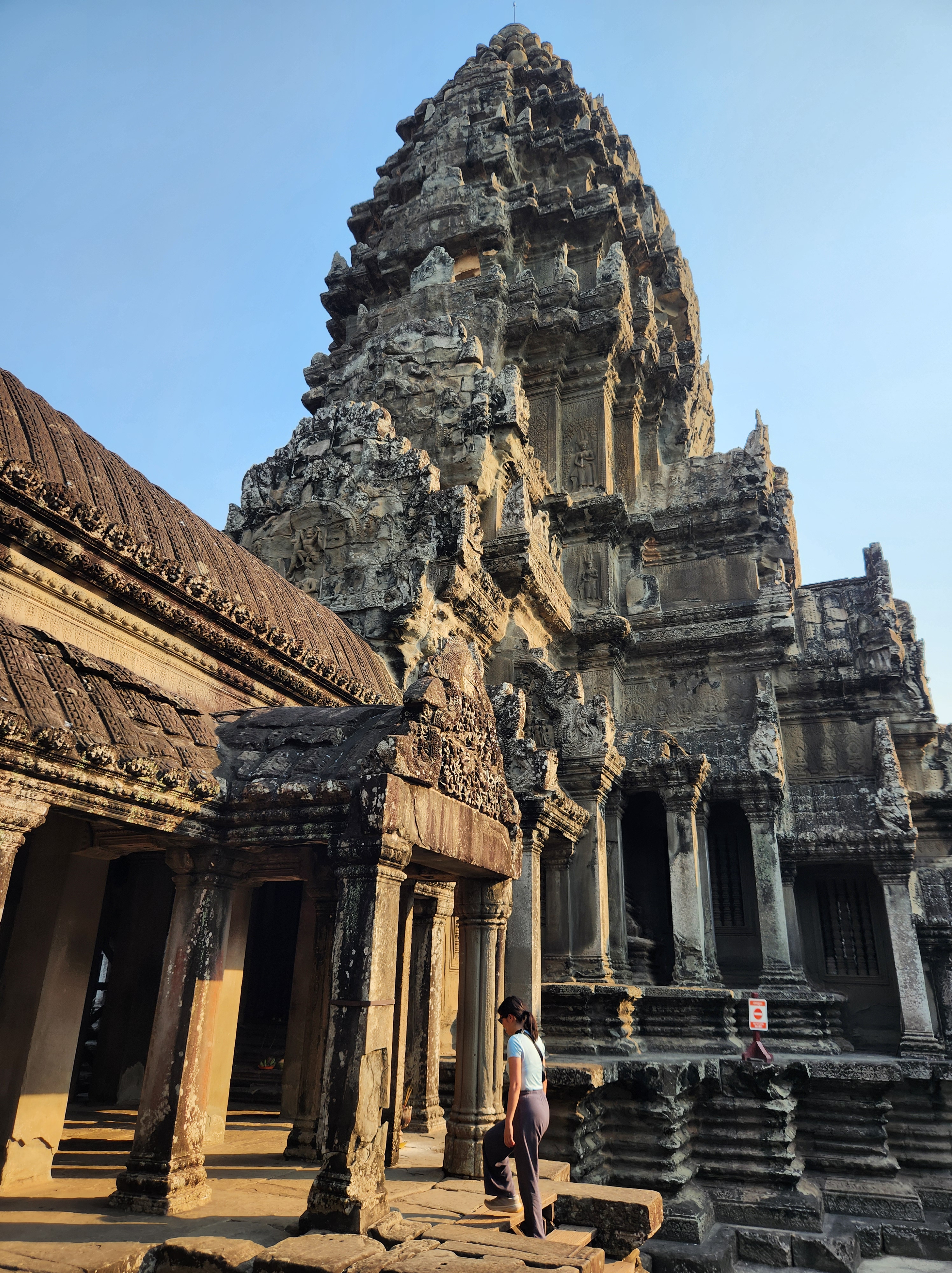
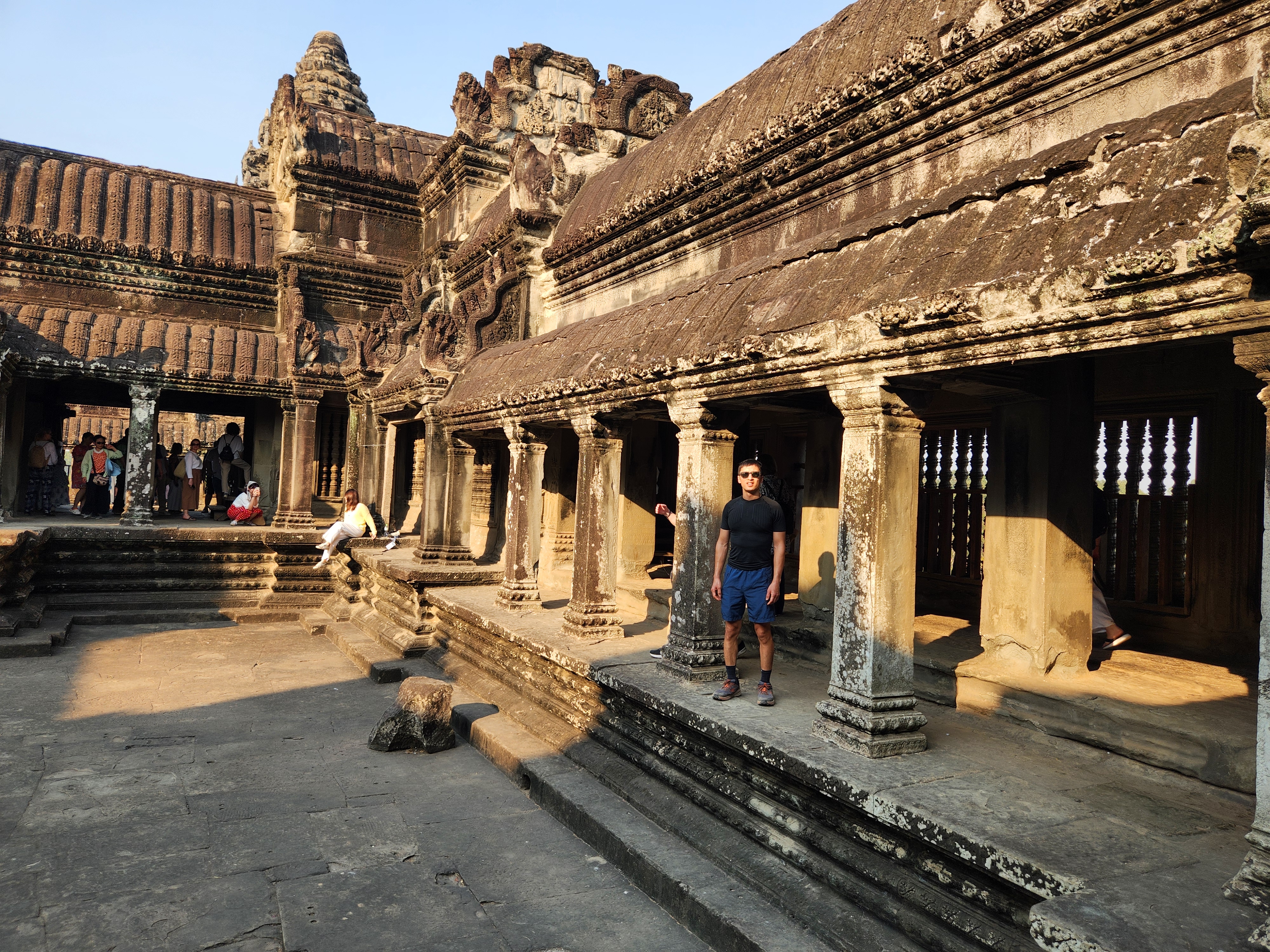
But like most tourists, our primary goal for visiting Cambodia was to see Angkor Wat. We booked a tuk-tuk to take us around Angkor Wat for a day. This was probably the boys’ favorite part of the trip. 😅

We skipped the sunrise this time (because I just cannot wake up at 4am anymore 😂) but still arrived early enough to avoid the crowds.

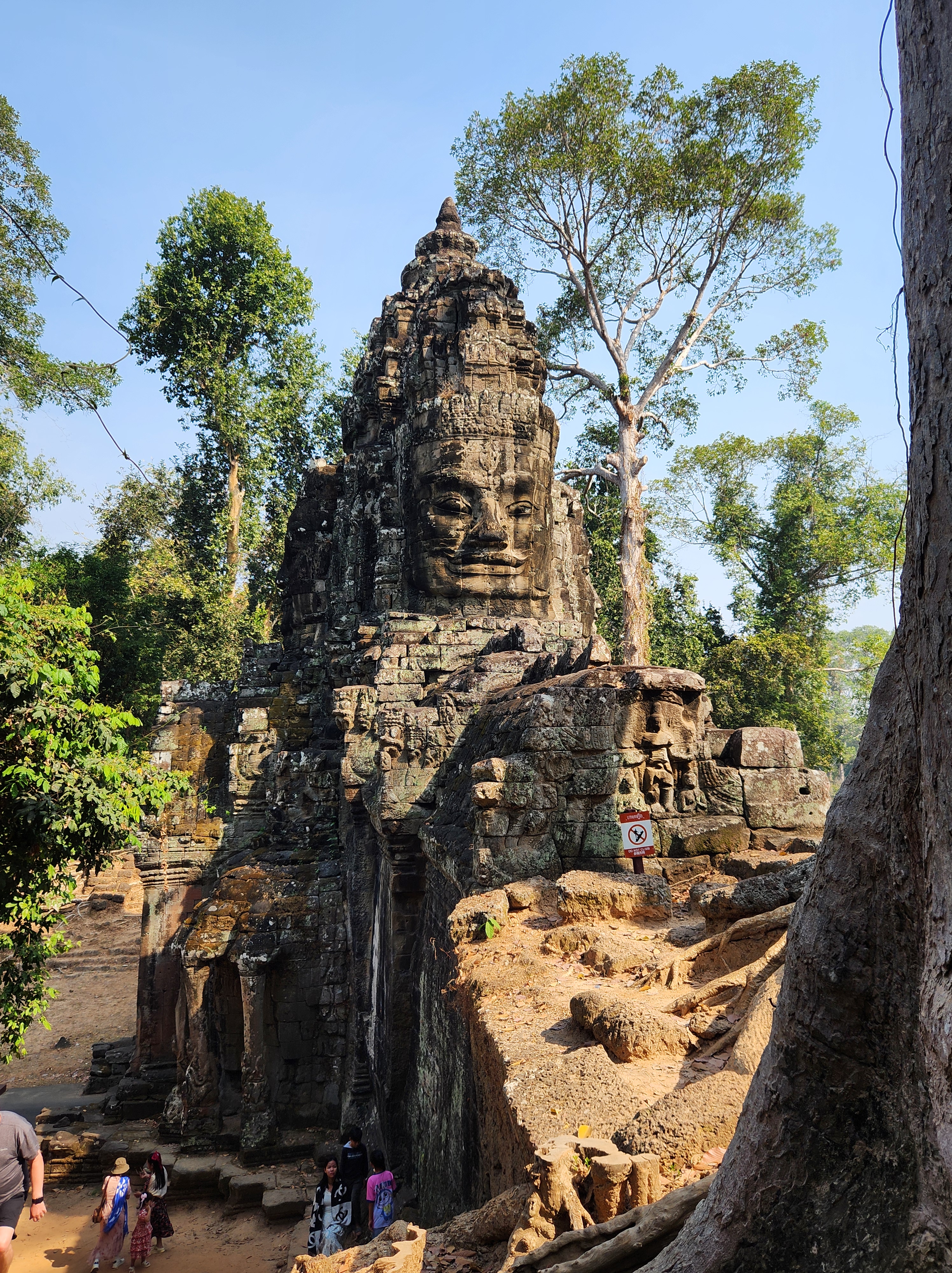
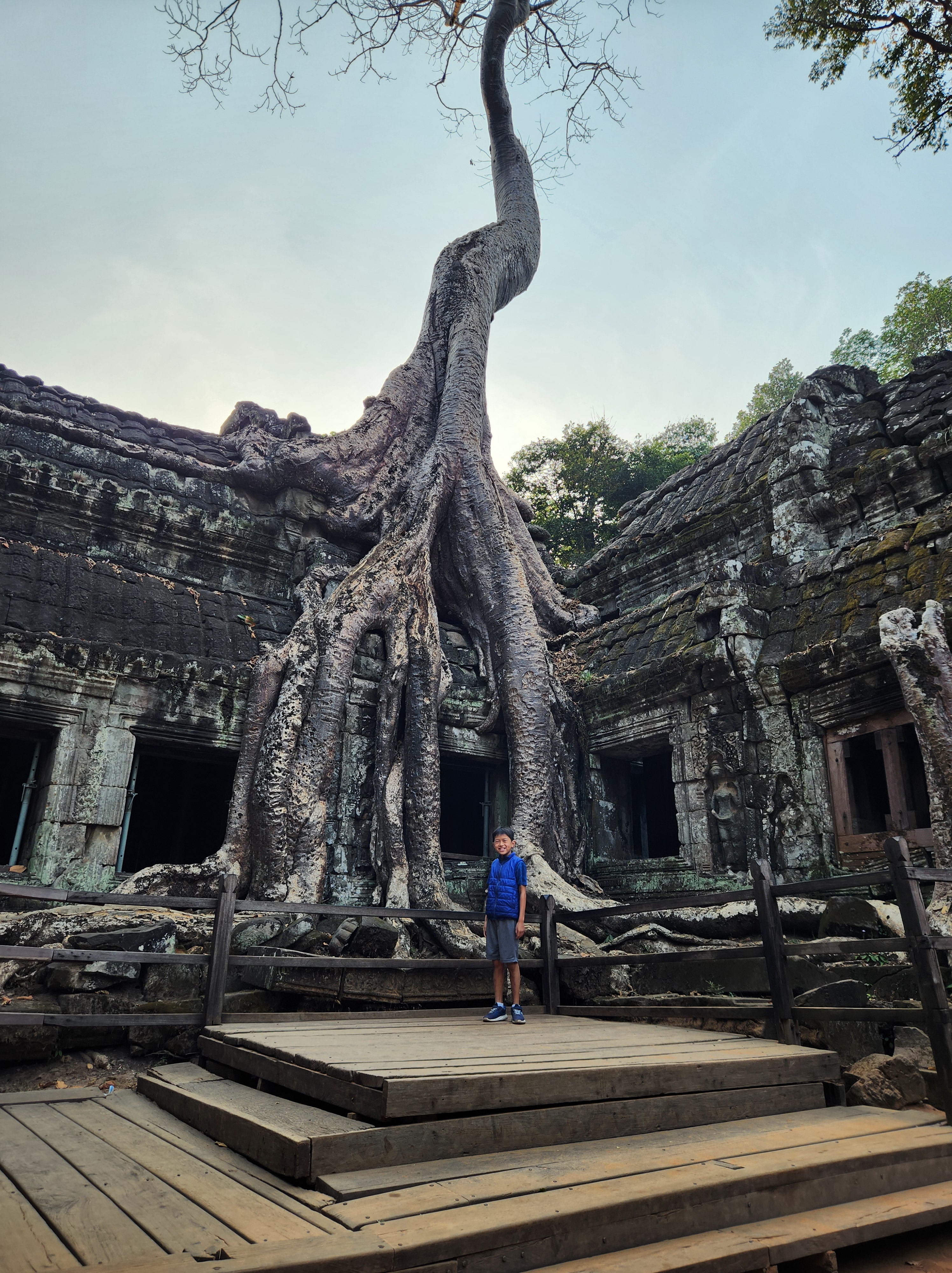
Angkor Wat will never not be amazing to me. Built in the 12th century, it’s the largest religious monument in the world, showcasing the incredible skill of the Khmer people. Walking through Angkor Wat feels like stepping back in time – its beauty and history leave you in awe.

Still, after visiting the main temples, you kind of get temple fatigue. There is absolutely no shade at Angkor Wat so we were burning up for most of the day, even though we went in the winter!

We left Cambodia after 7 days. Baba and I sometimes wonder how much the kids will remember from this adventure. But at least for Baba and me – we take with us memories of stunning temples, new experiences, and the joy of seeing it all through our kids’ eyes.

Ramblings

Vietnam

Hello, it’s been awhile!

But I have an excuse. We had been traveling around SE Asia over the boys’ winter break, visiting 3 countries and 8 cities in 4 weeks. We had such an amazing time there, and surprisingly didn’t find the trip exhausting at all. SE Asia is one of my favorite regions in the world.

I’ve been wanting to visit Vietnam for some time. Baba and I both have connections there, with his parents and siblings being born in Vietnam and my family having lived there for many years. I’ve also been enticed by pictures on social media of the beautiful nature and landscapes around the country. But most of all, we absolutely love Vietnamese food and have been missing it since we moved to Taiwan (the Vietnamese food here is lackluster).

We visited Vietnam from north to south – first Hanoi, then Ha Long Bay, Hoi An, Da Nang and finally Ho Chi Minh City.

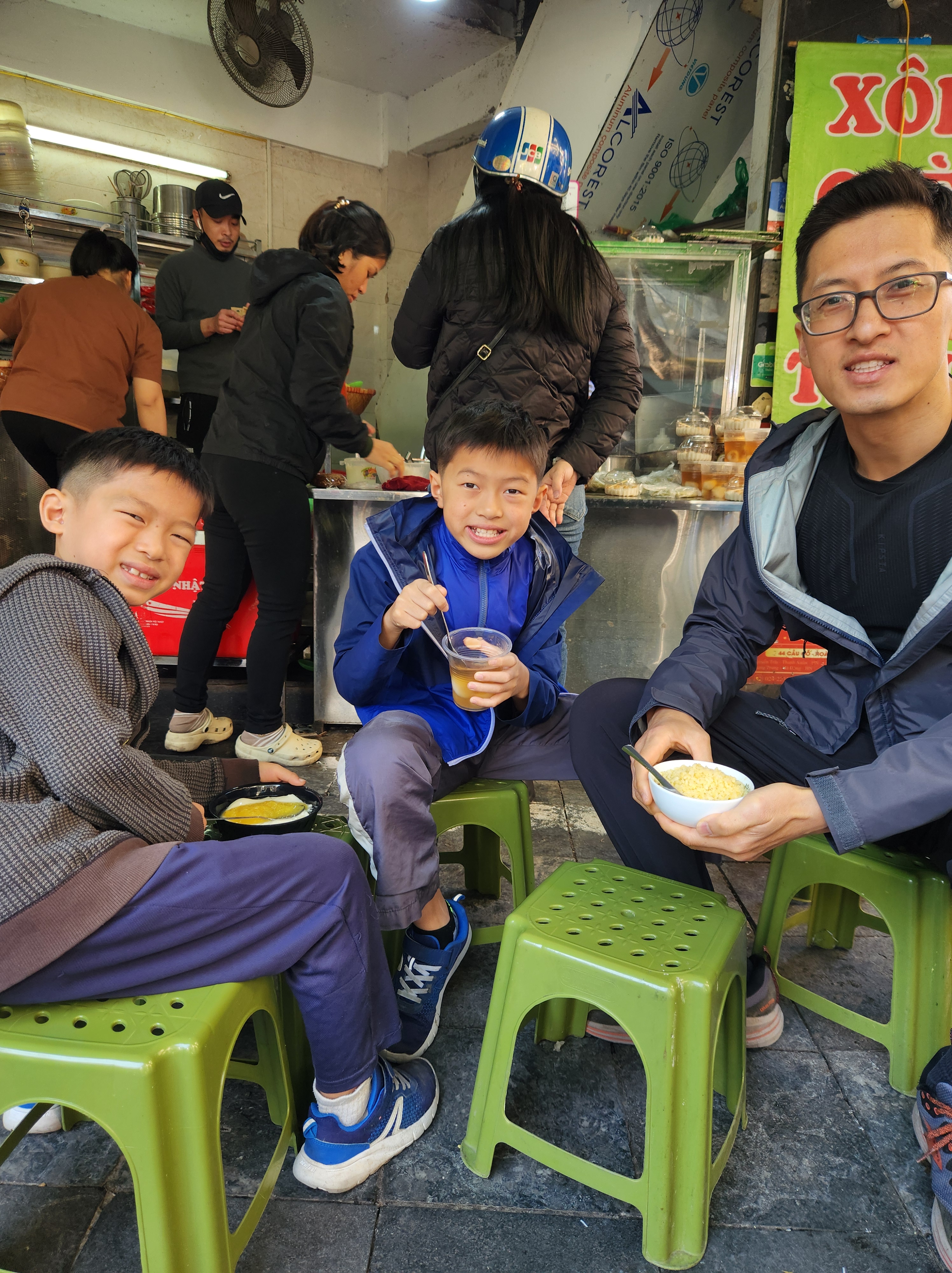
Hanoi. Despite the terrible air pollution and nonsensical traffic, we loved Hanoi! I don’t know if it’s because Hanoi was the first place we visited, but the city has that old-world charm that makes you feel like you’ve stepped back in time, with its narrow streets, cozy cafes and roadside restaurants complete with the quintessential small, plastic stools. We stayed in the Old Quarter; most things were within walking distance and every corner had something to be discovered.

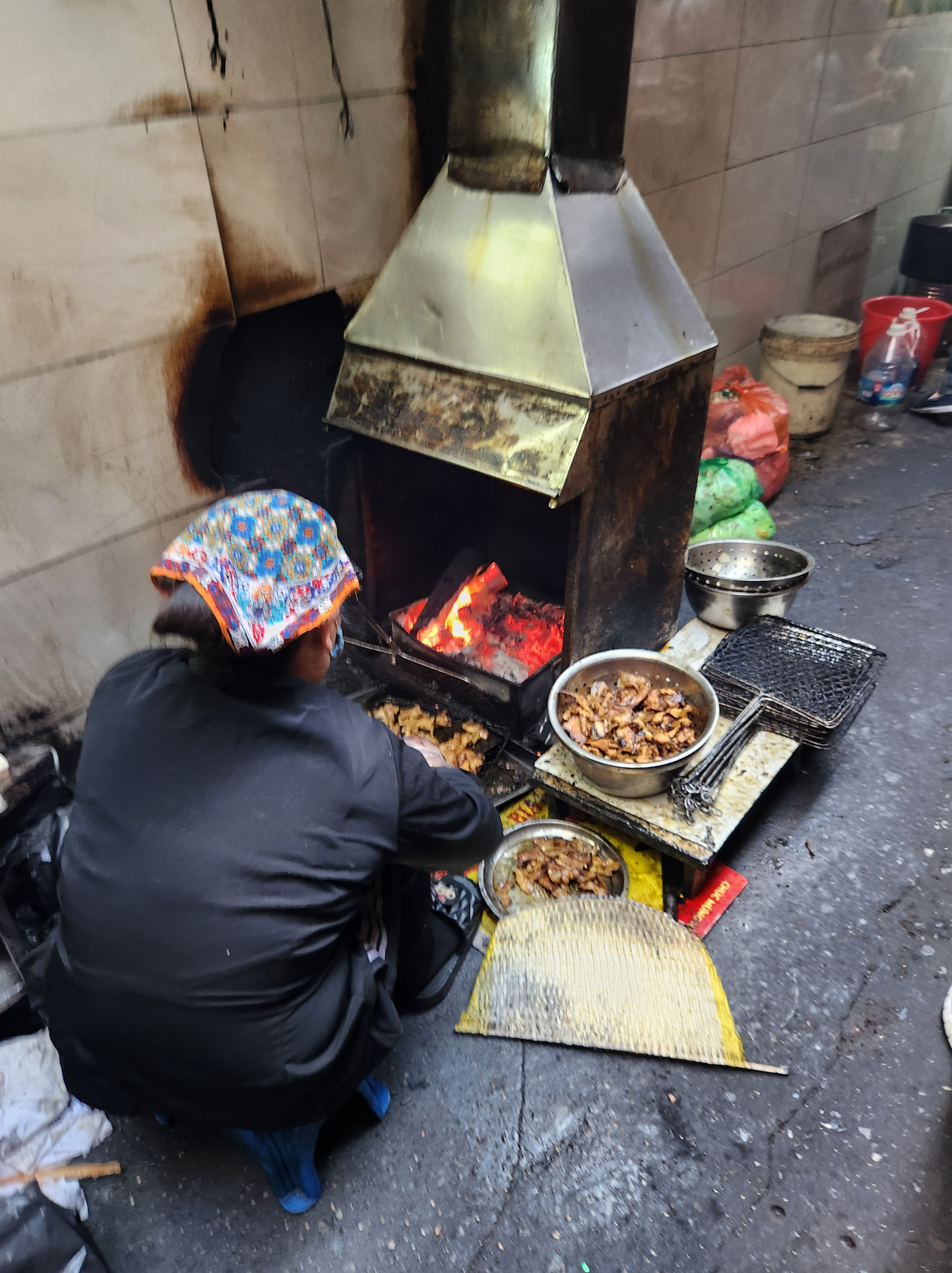
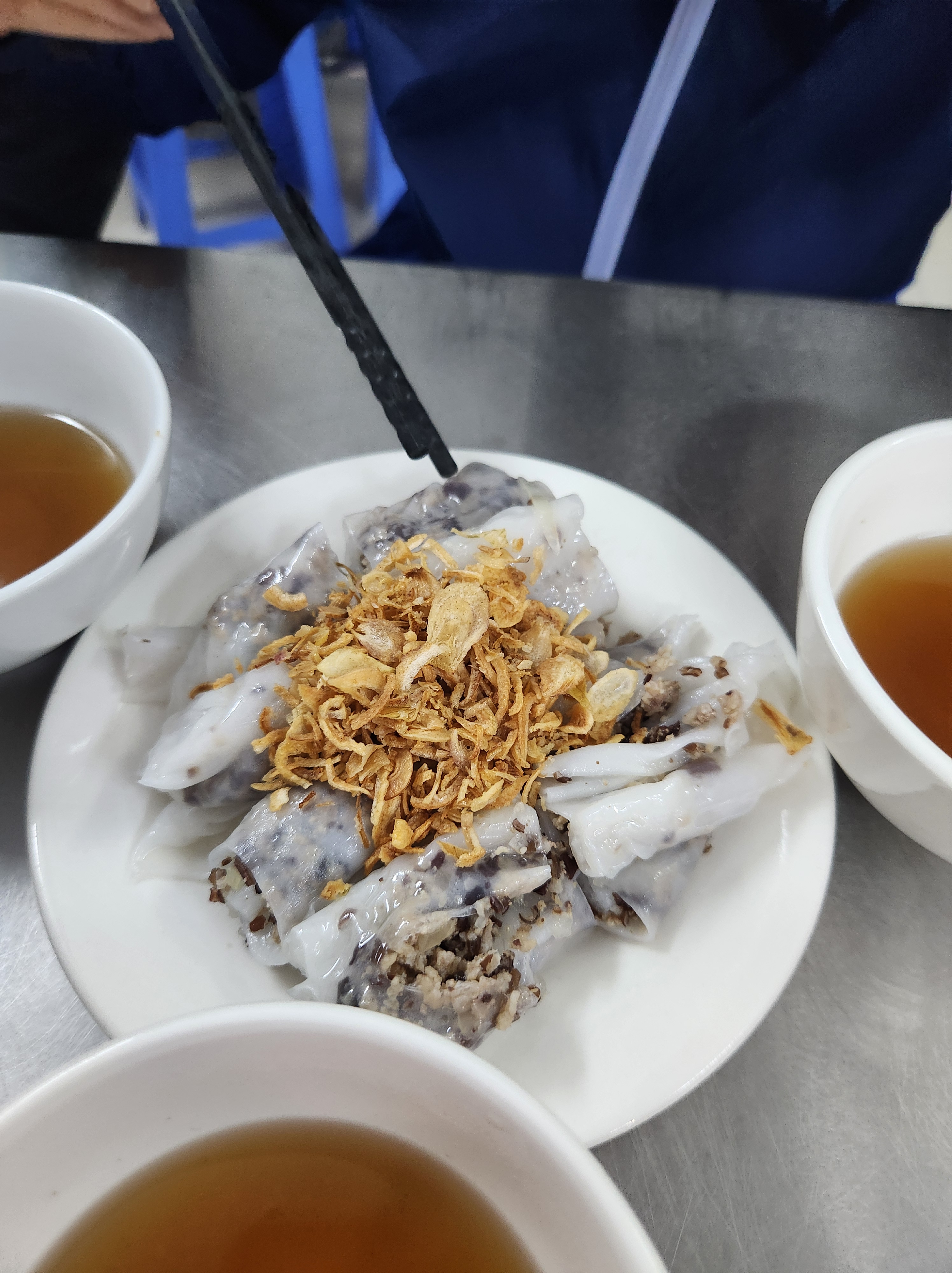
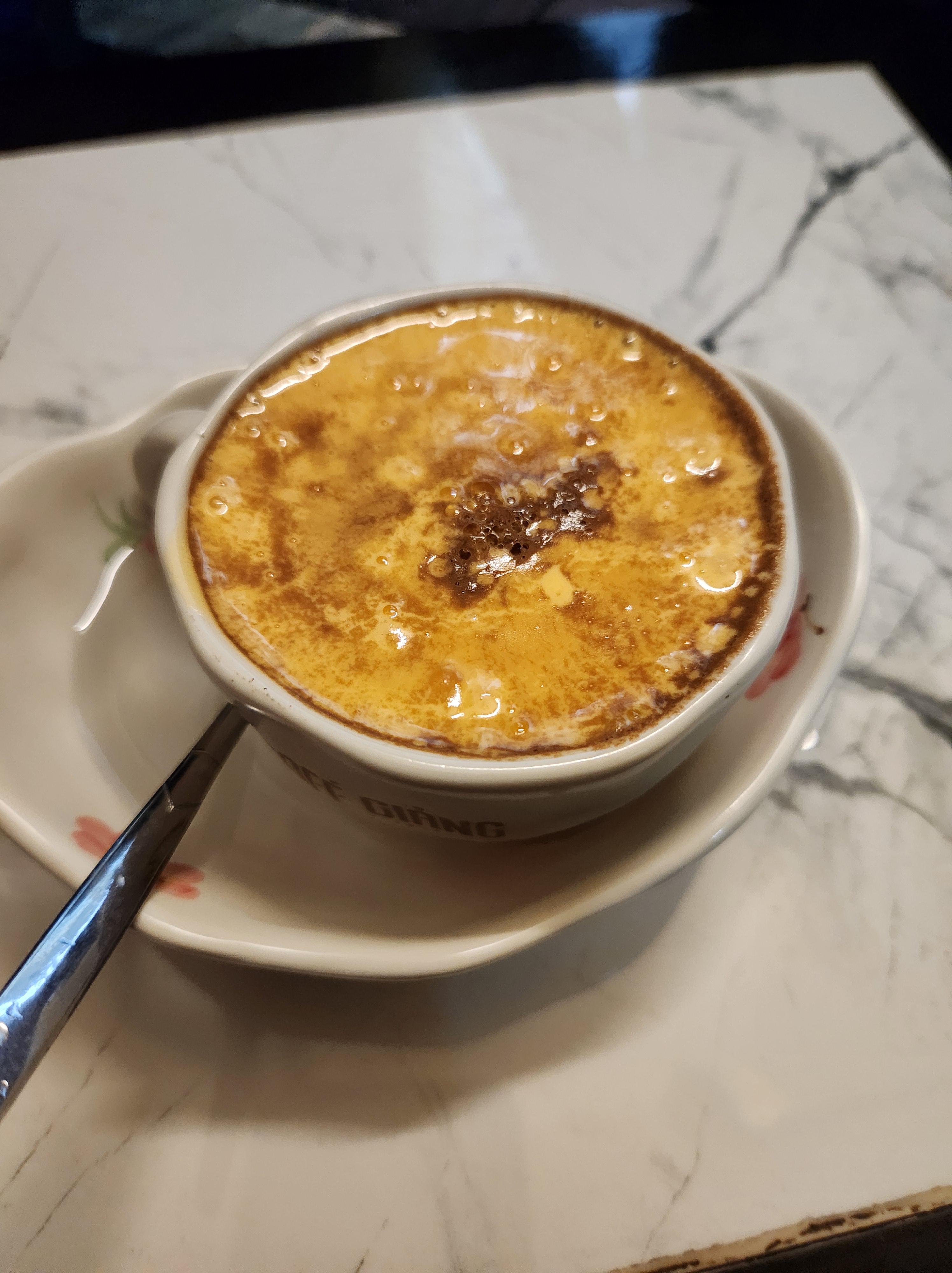
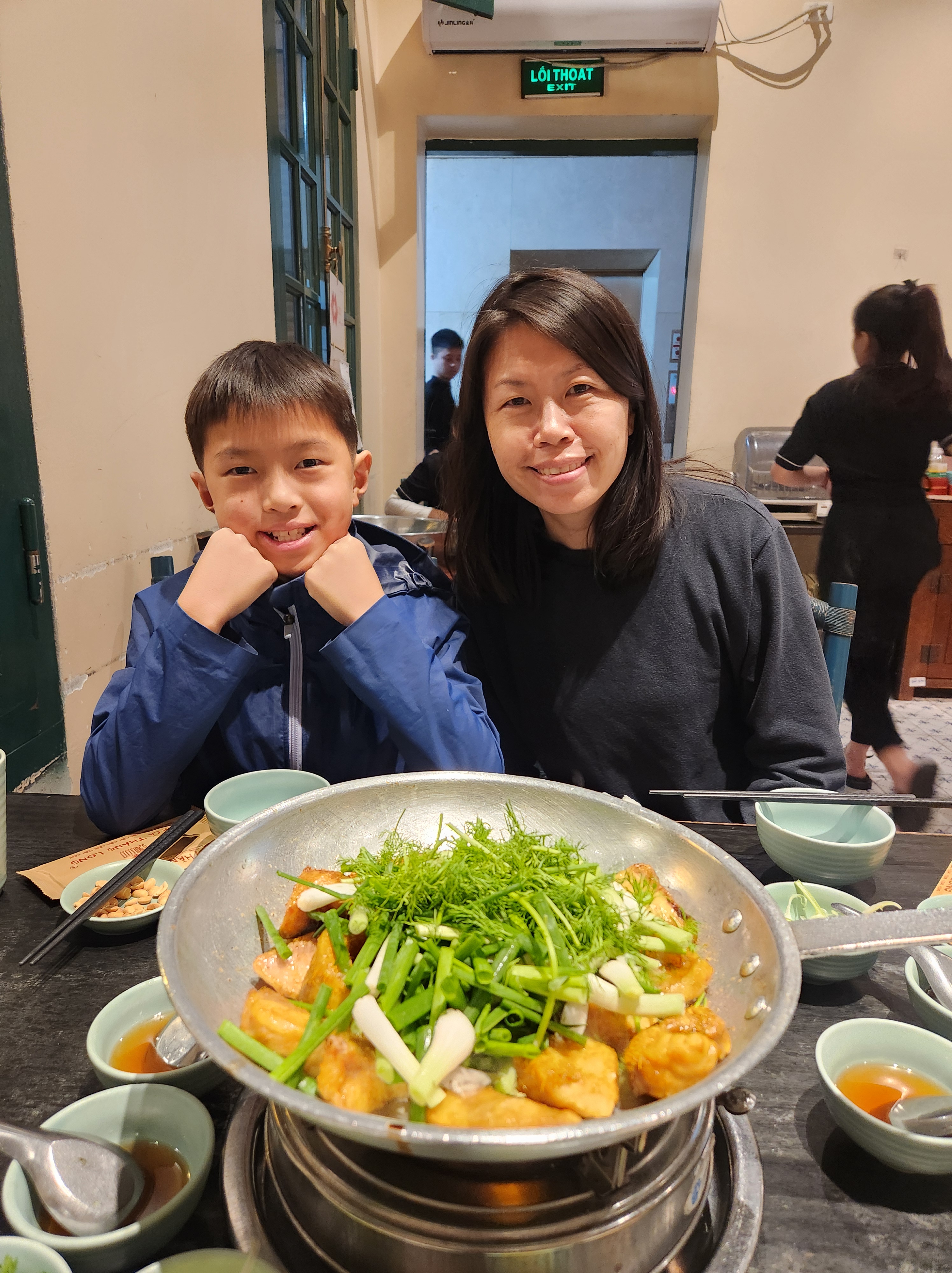
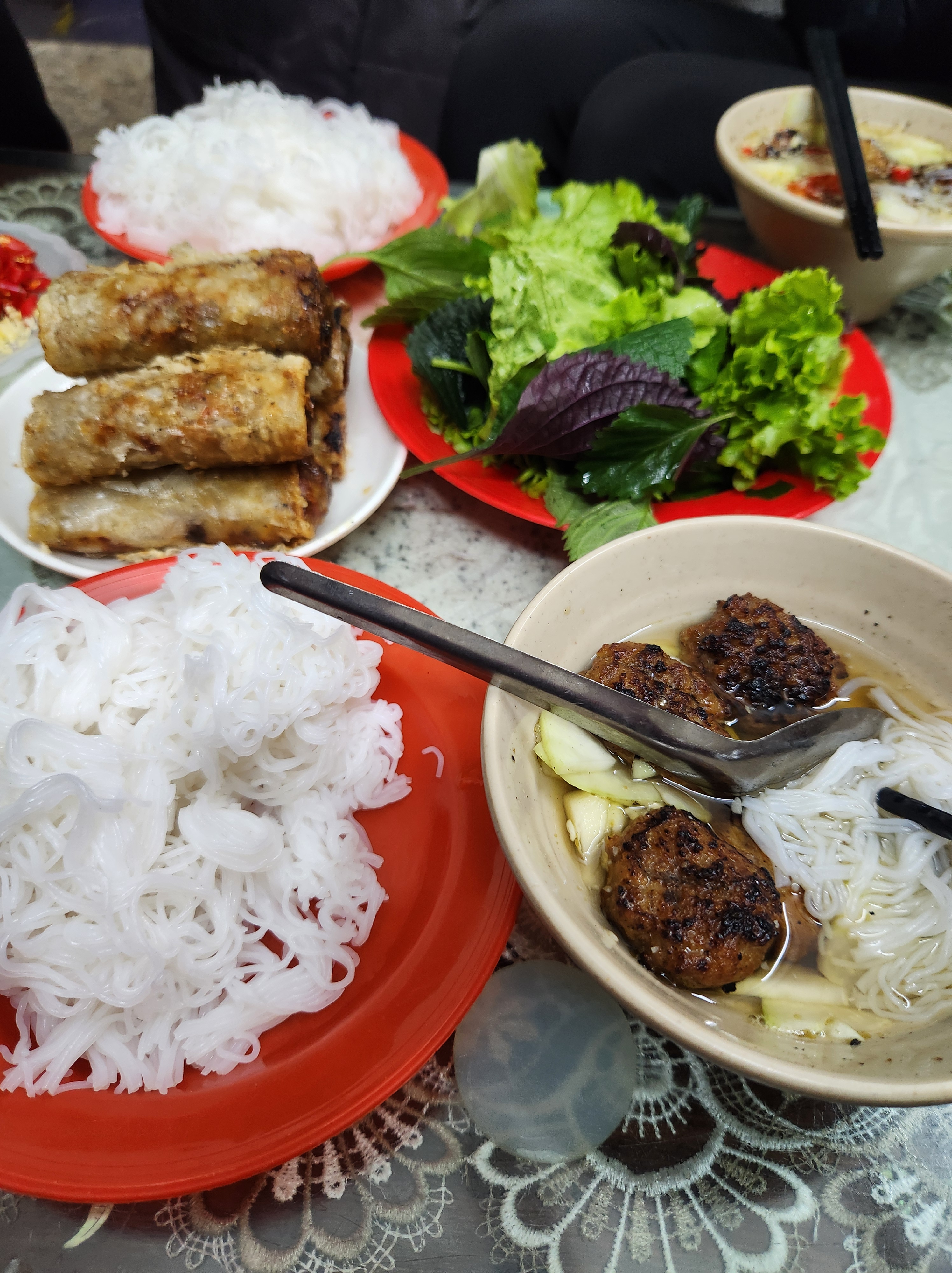
The food in Hanoi was also amazing. People have told me northern Vietnamese food is pretty bland but we didn’t think that at all. I don’t think we had one bad meal there, and of course everything is so, so affordable. Our meals were usually around $8-$10 for a family of four. 😱

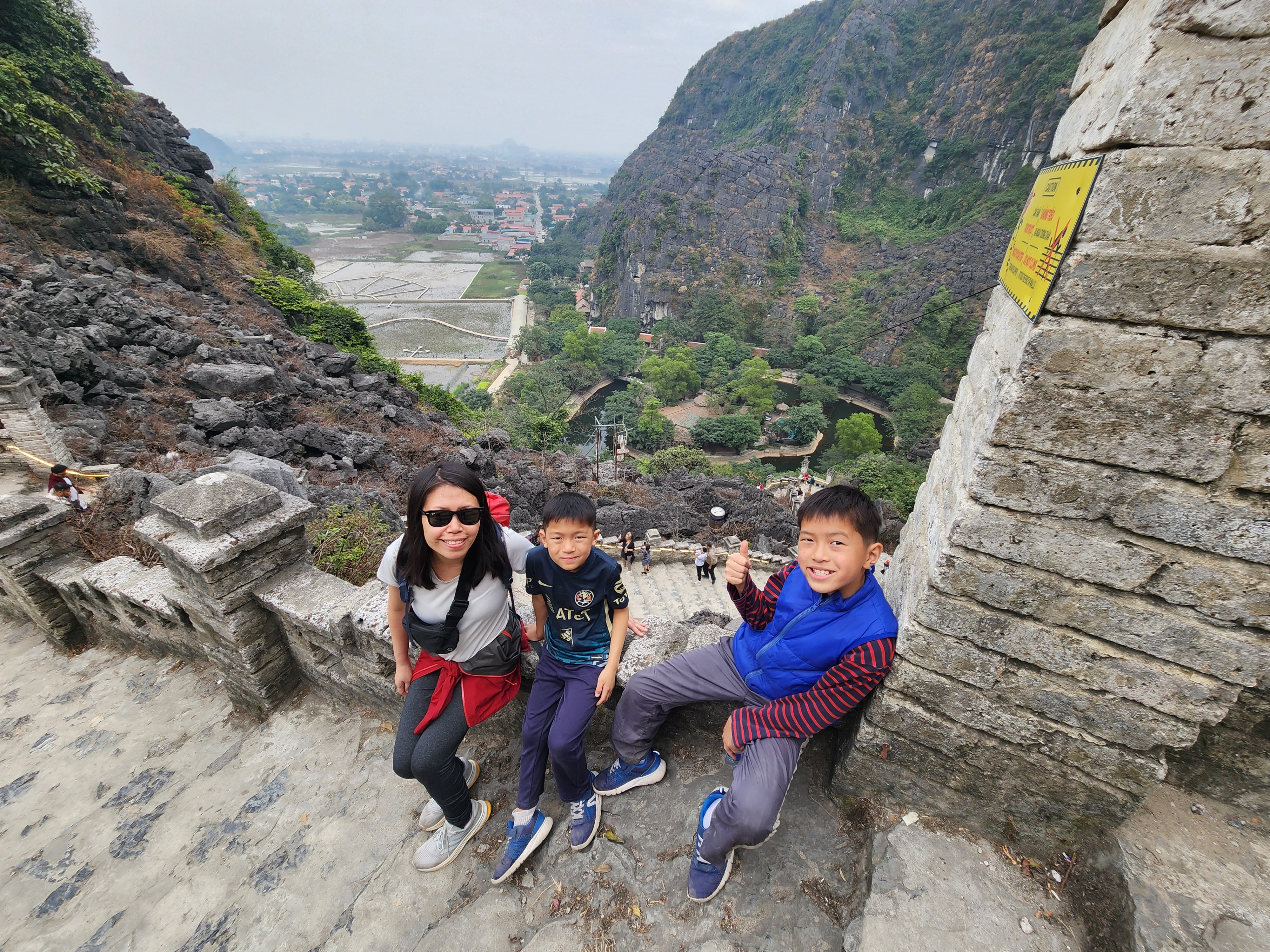
During our stay in Hanoi, we also booked a day trip to Ninh Binh, a city in the countryside with calm rivers flanked by stunning limestone mountains and caves. It was so scenic! After the boat tour, we hiked to Hang Mua Cave and climbed up the Ngoa Long (Lying Dragon Mountain). The hike was all stairs so it was definitely a work out!

Ha Long Bay. We left Hanoi and took a 2 hour bus ride to Cat Ba Island, a gateway to Ha Long Bay. Originally, we wanted to go on a 2-night cruise to Ha Long Bay but the atrocious prices and lukewarm reviews turned us off. So, Baba found a more economical alternative: stay in Cat Ba Island for 2 nights and book a day cruise to the bay. 🙂

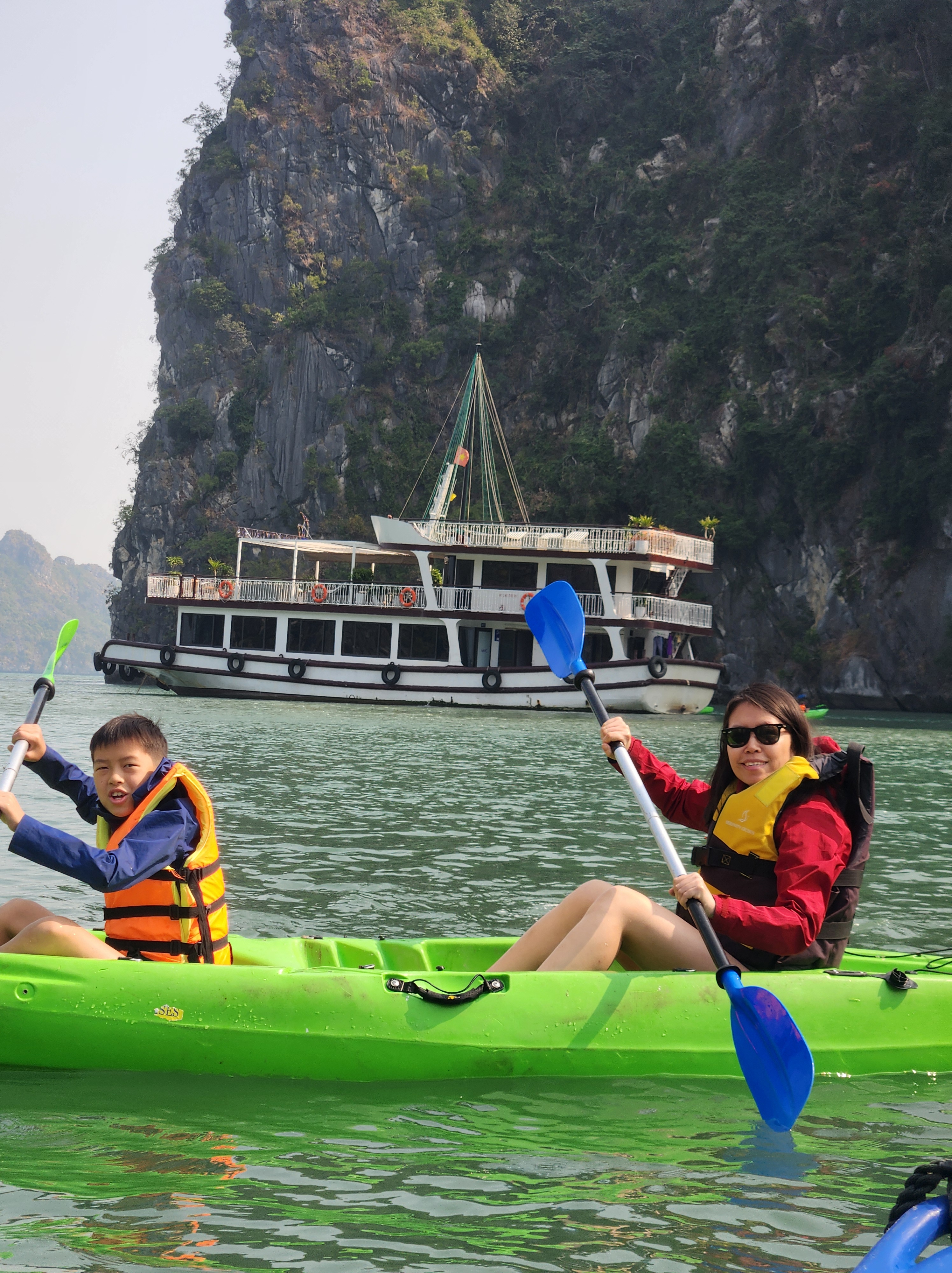
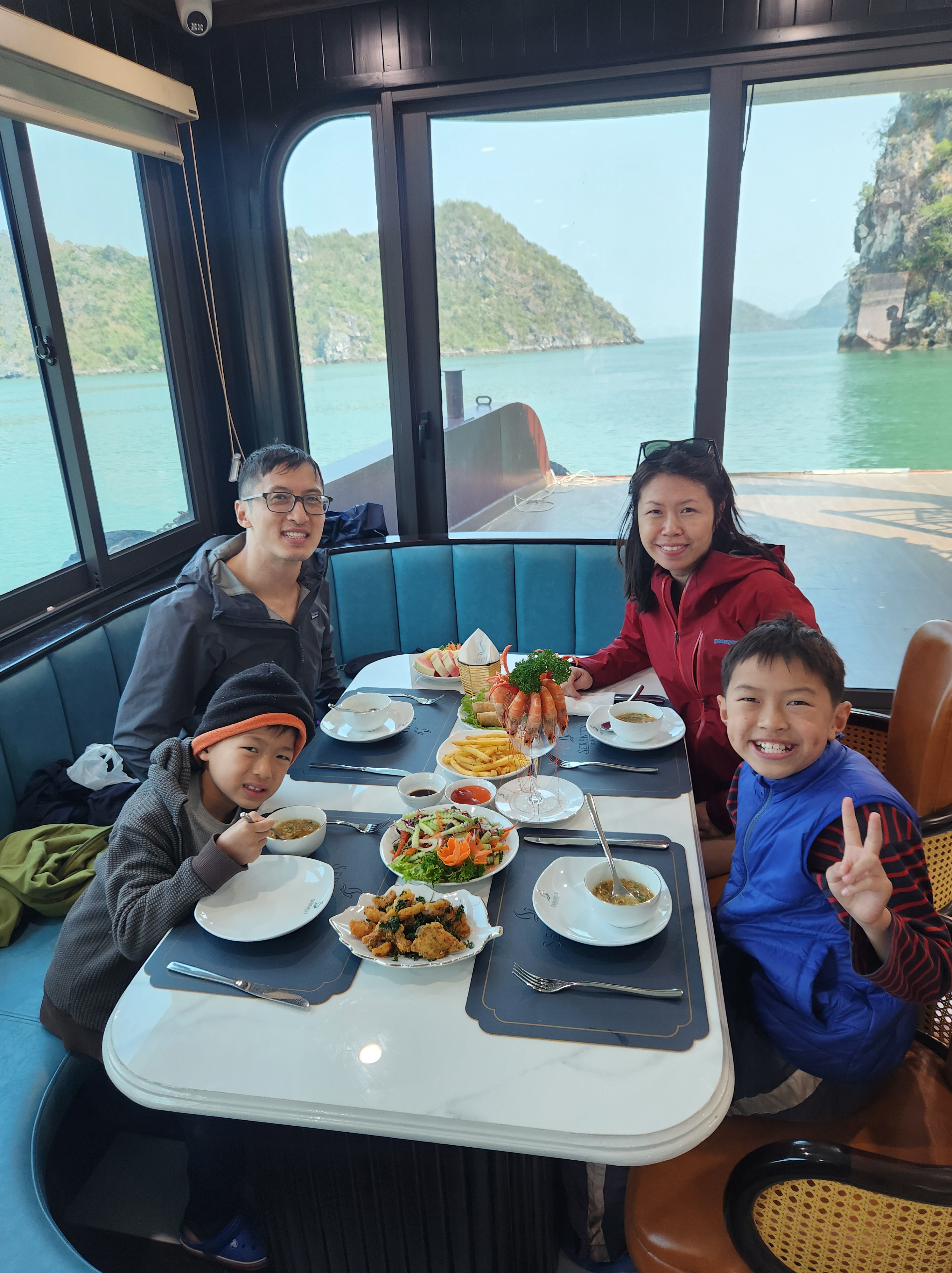
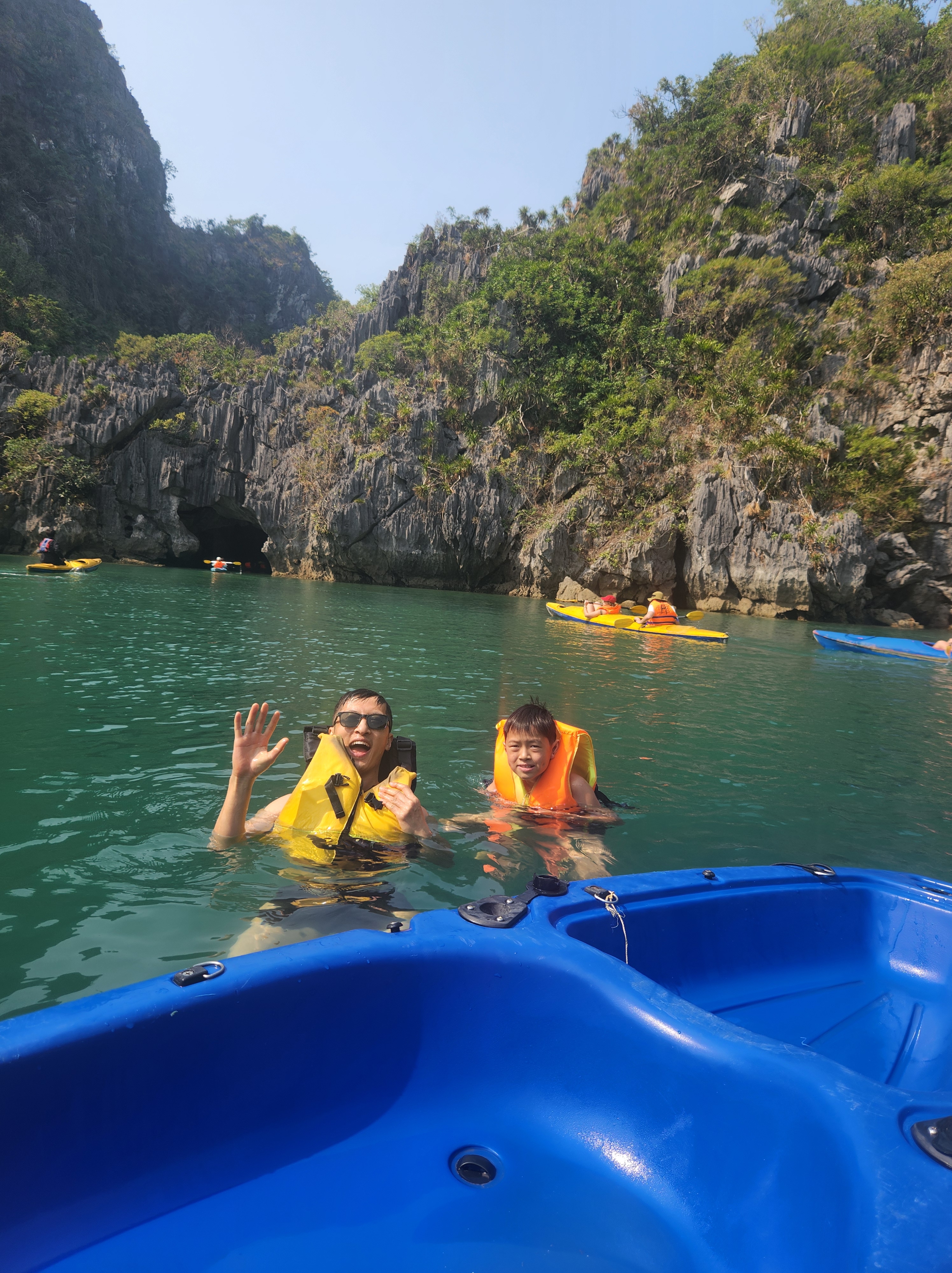
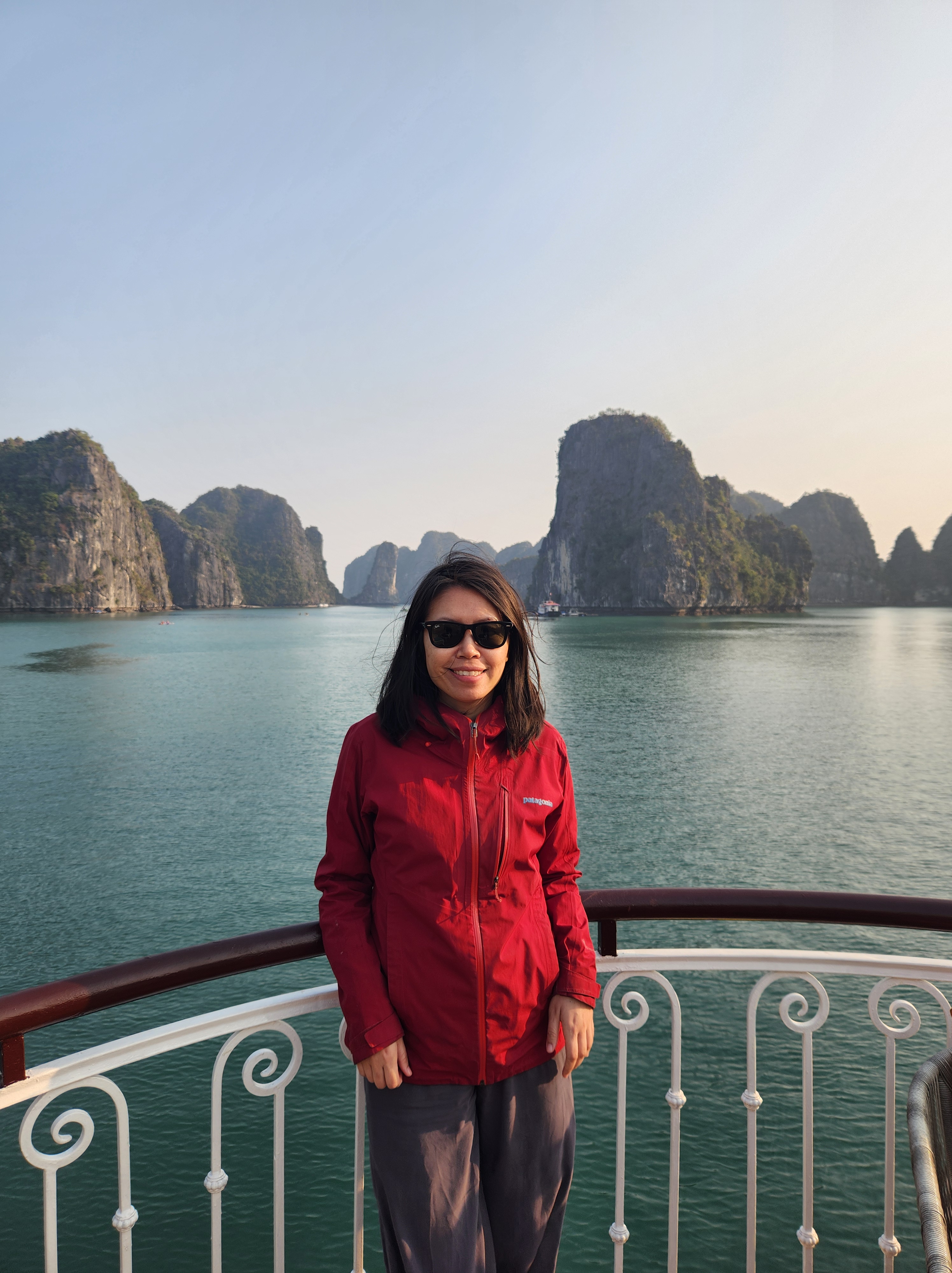
There wasn’t much to do on Cat Ba Island (although the tourism department is trying to build it into a resort town) and the food was mediocre. But we had a wonderful day cruise around Ha Long Bay – the views were beautiful and we got a chance to do some water activities even though the water was freezing. Our tour operator was Cat Ba Express and they were great. They seamlessly organized the cruise and transportation to/from Hanoi.

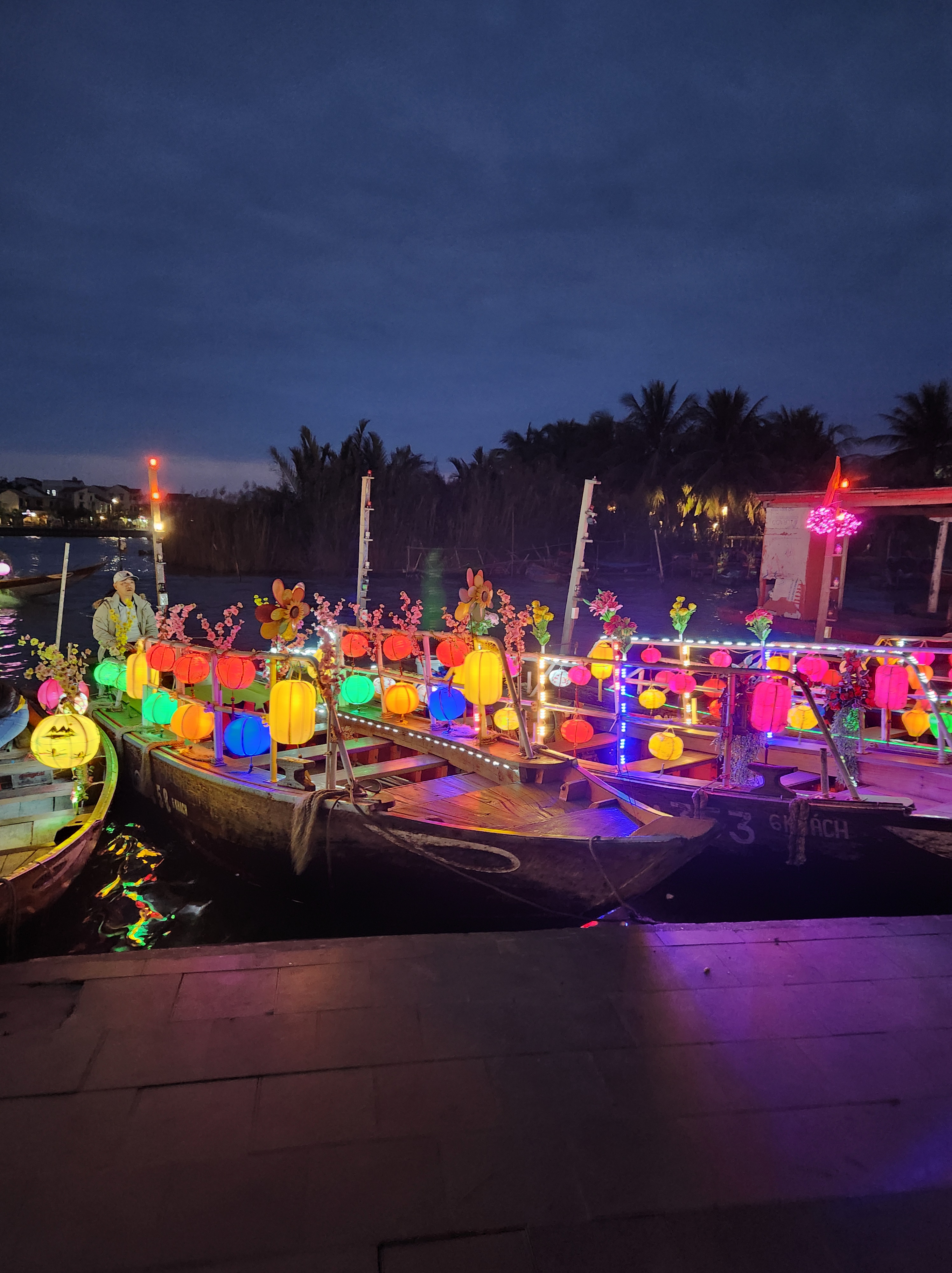
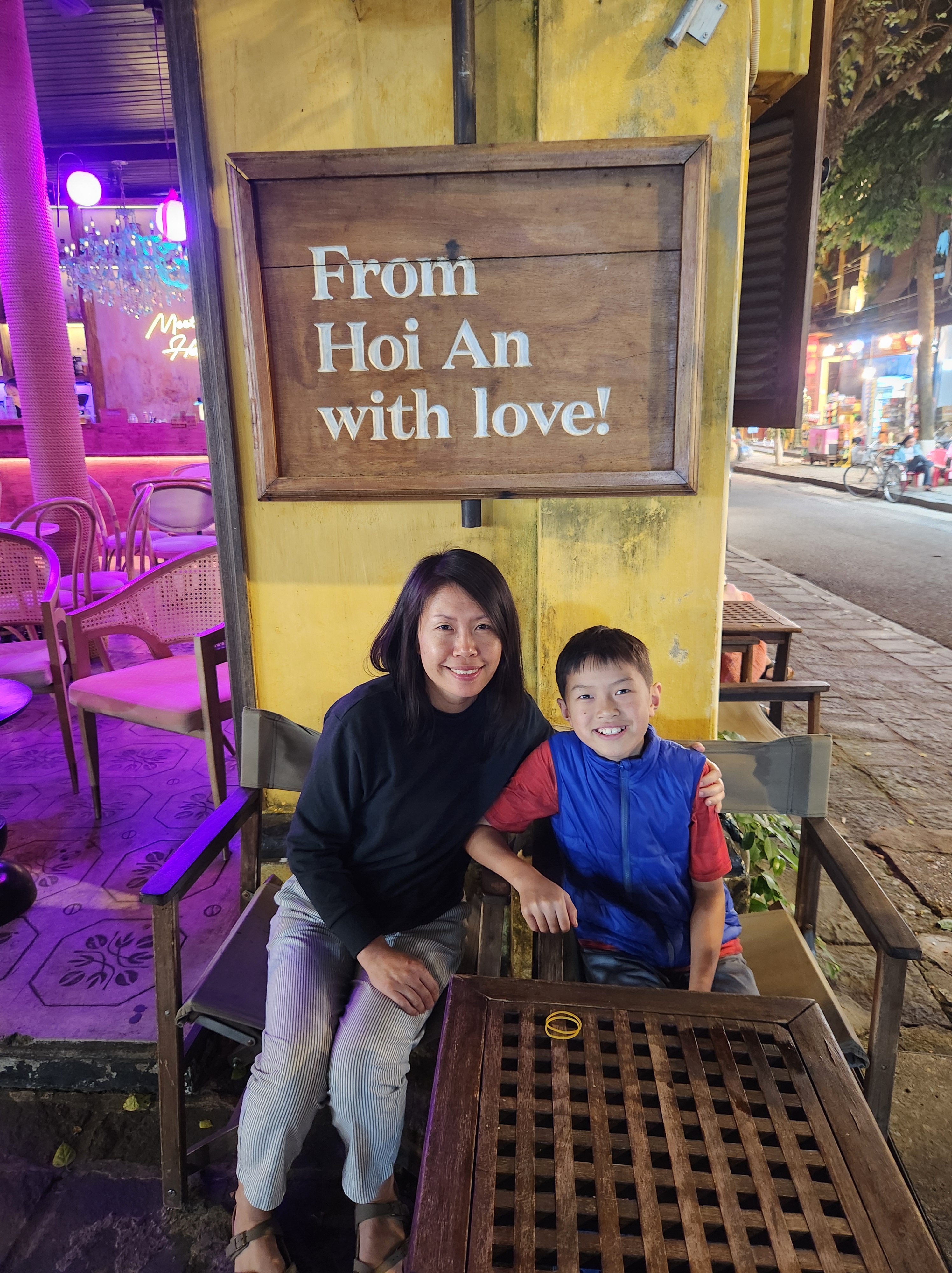
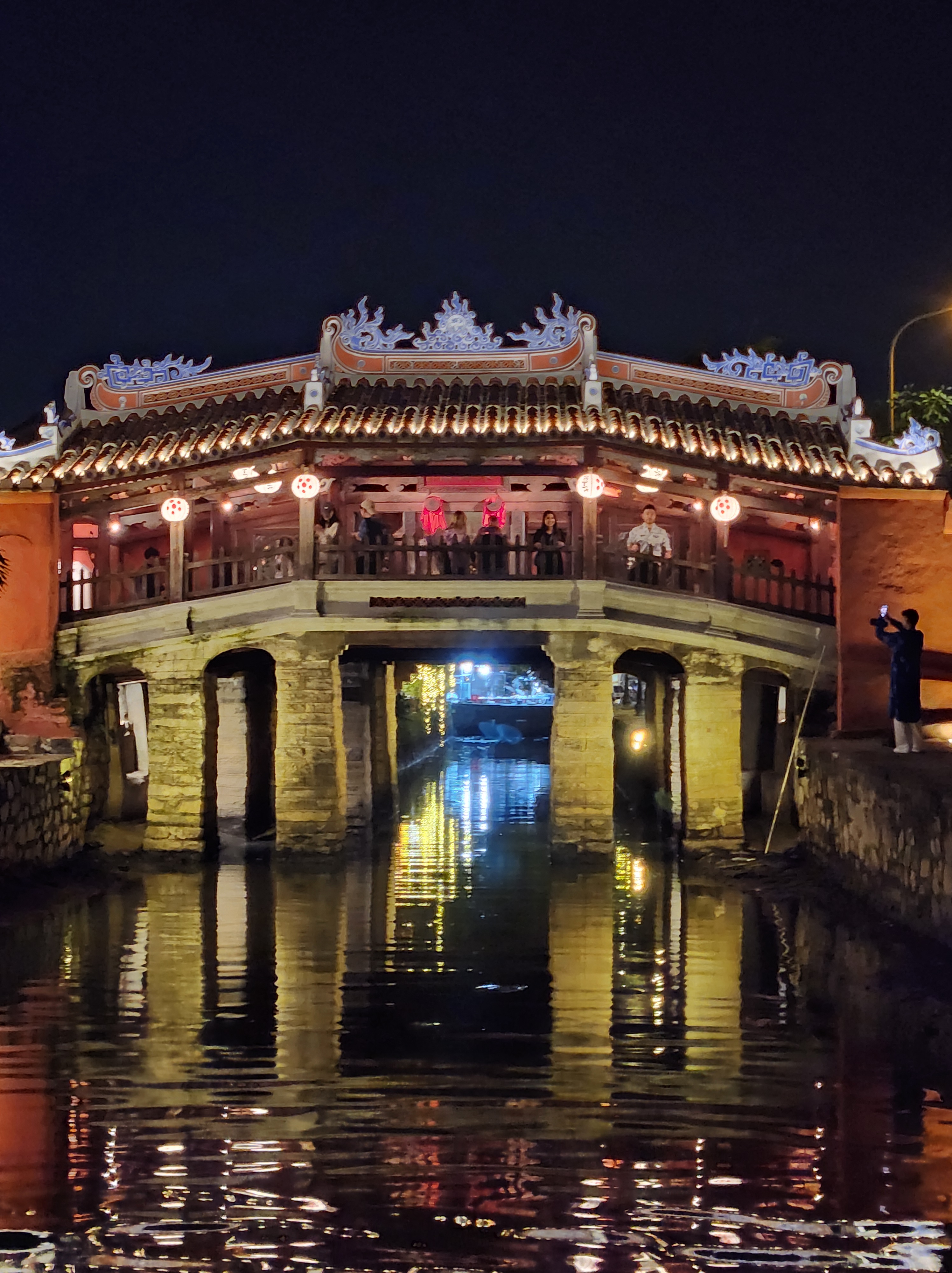
Hoi An. After Ha Long Bay, we flew to central Vietnam which included Hoi An. Hoi An is an incredibly picturesque city and has become one of Vietnam’s most Instagram-able place.

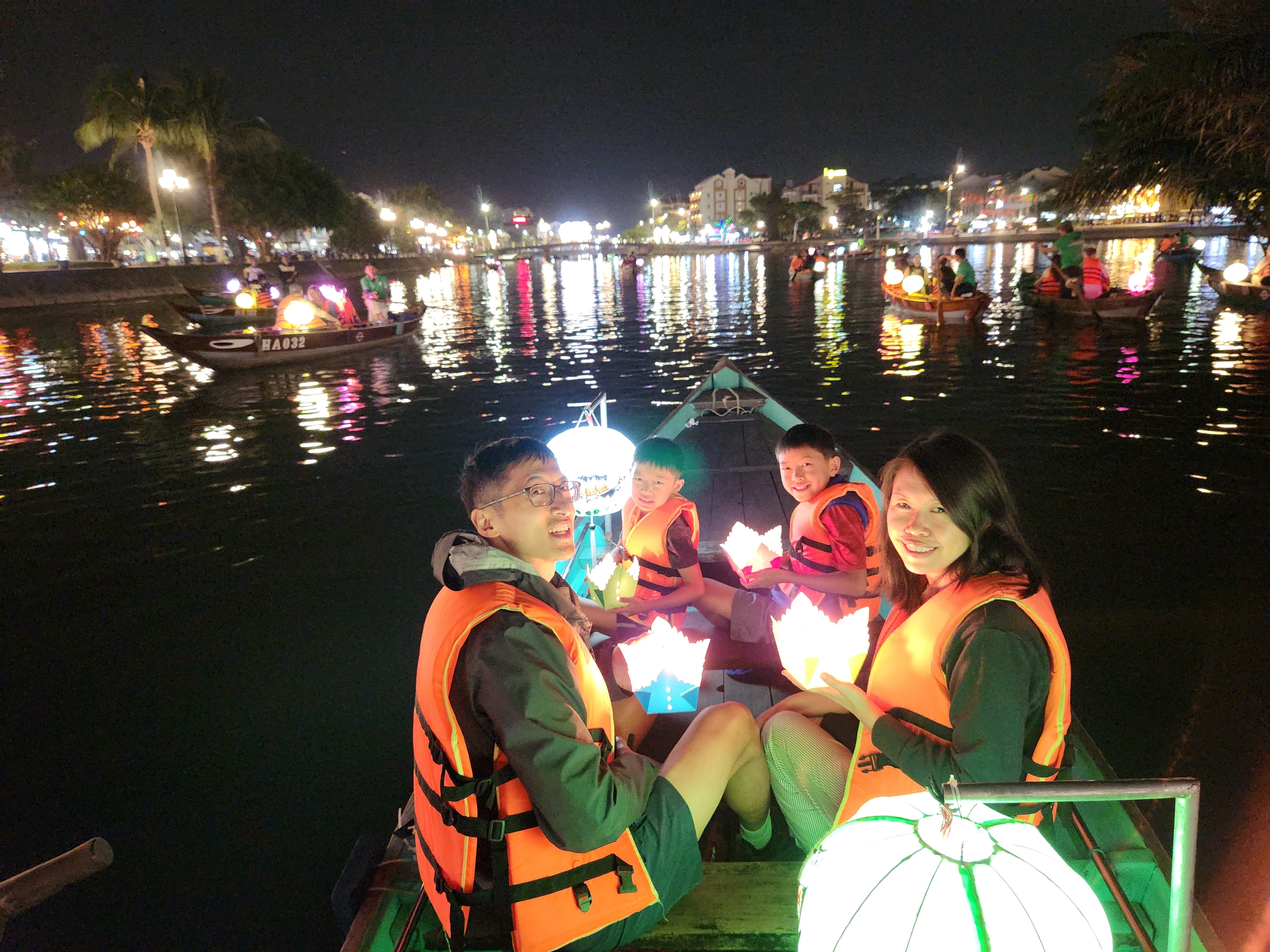
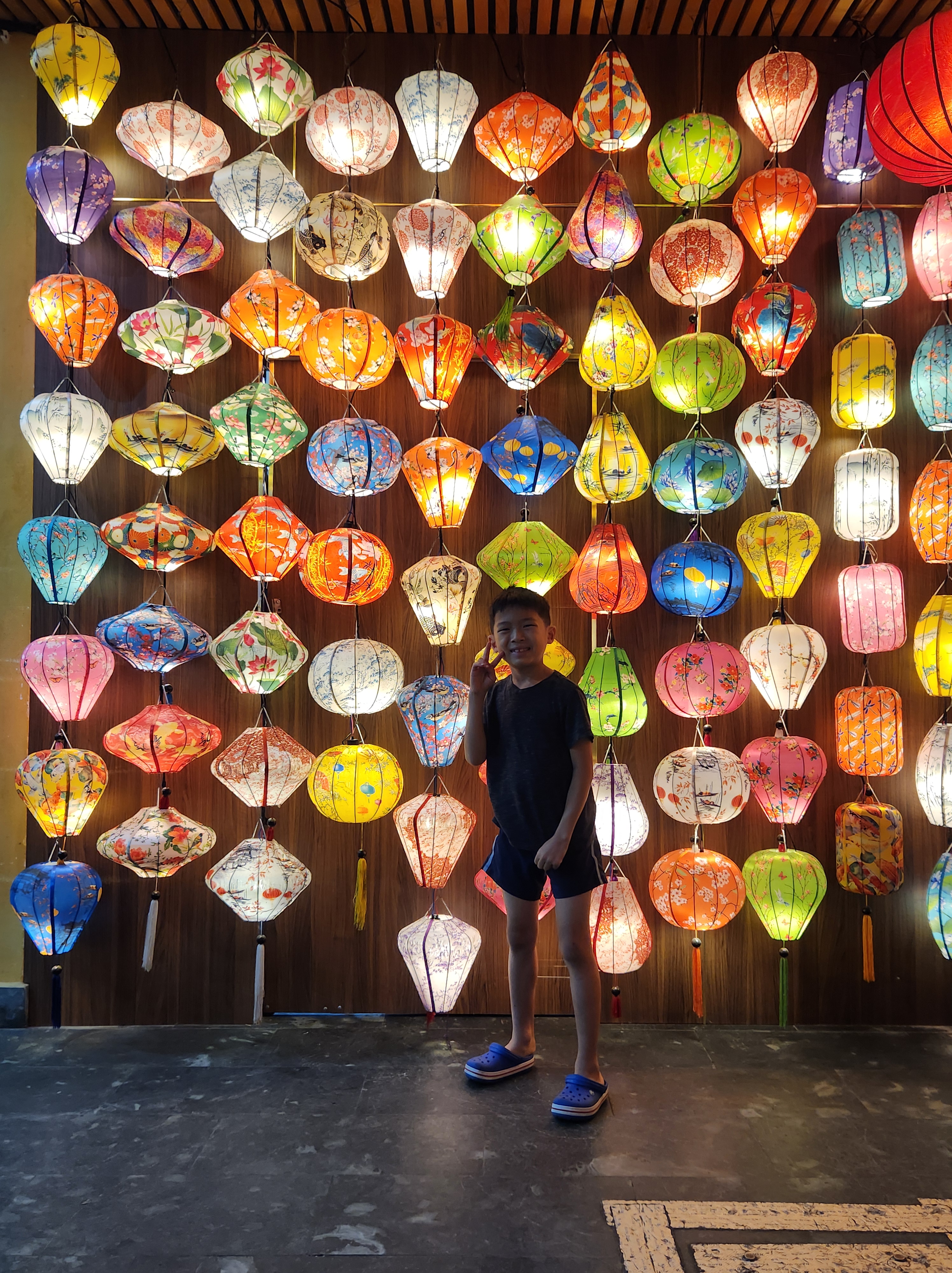
Hoi An is a very small city so after one day of sightseeing, we were pretty much done. There were so many tourists in the main part of Hoi An that at times it felt like a commercialized tourist trap. The streets were lined with shops selling souvenirs or tourist “experiences” like the lantern release on the river (which we ended up doing anyway 😅).

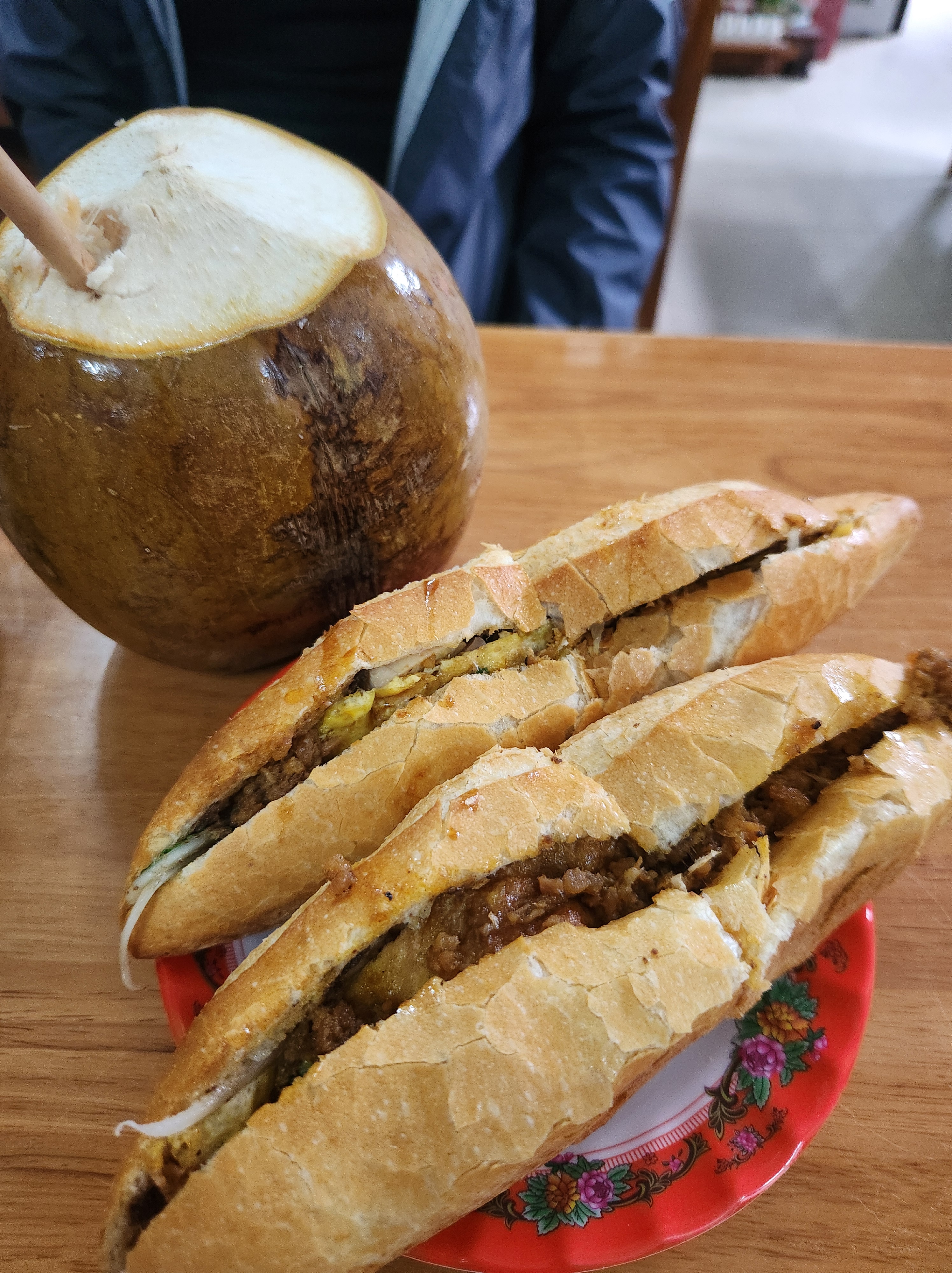
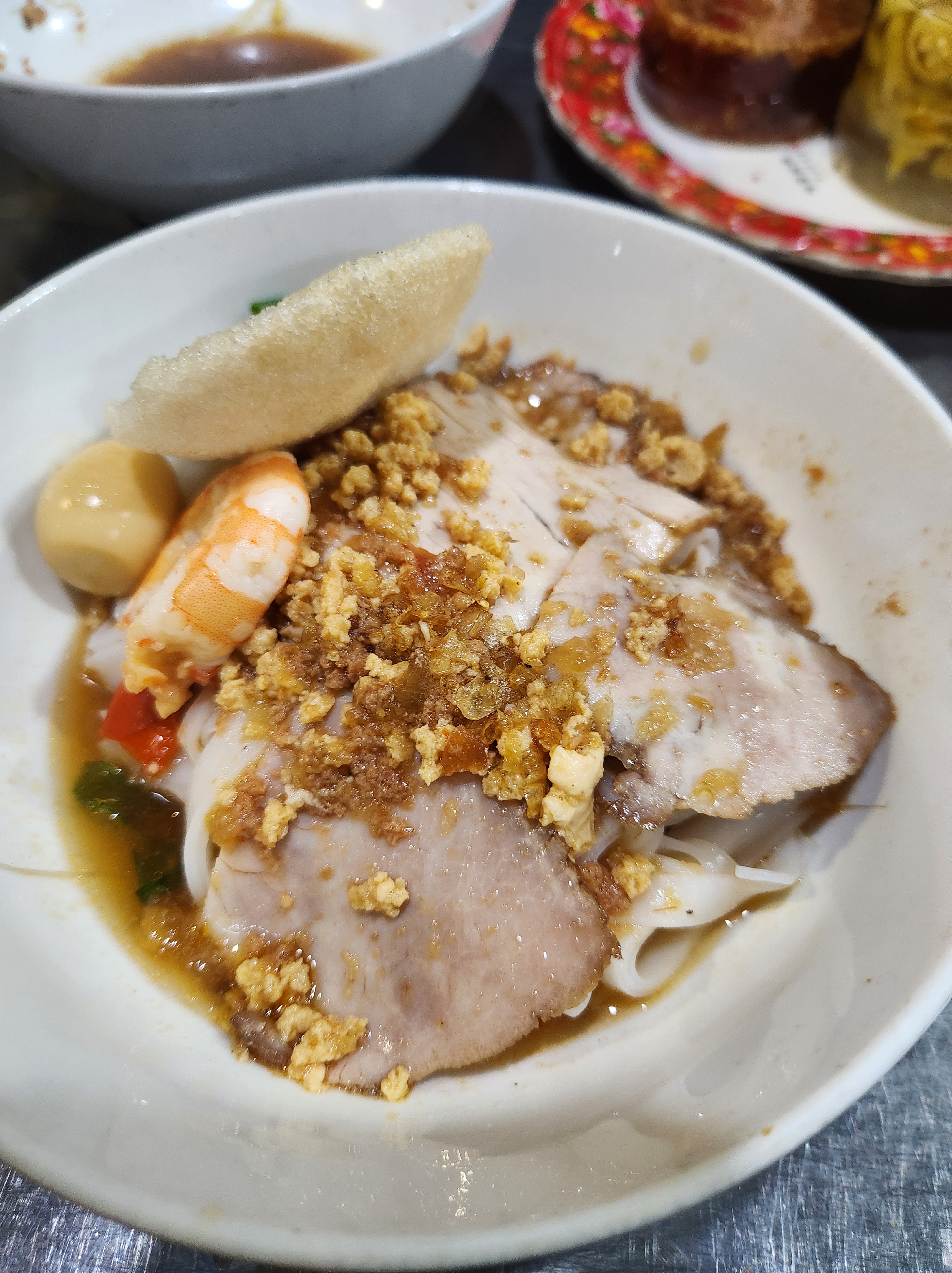
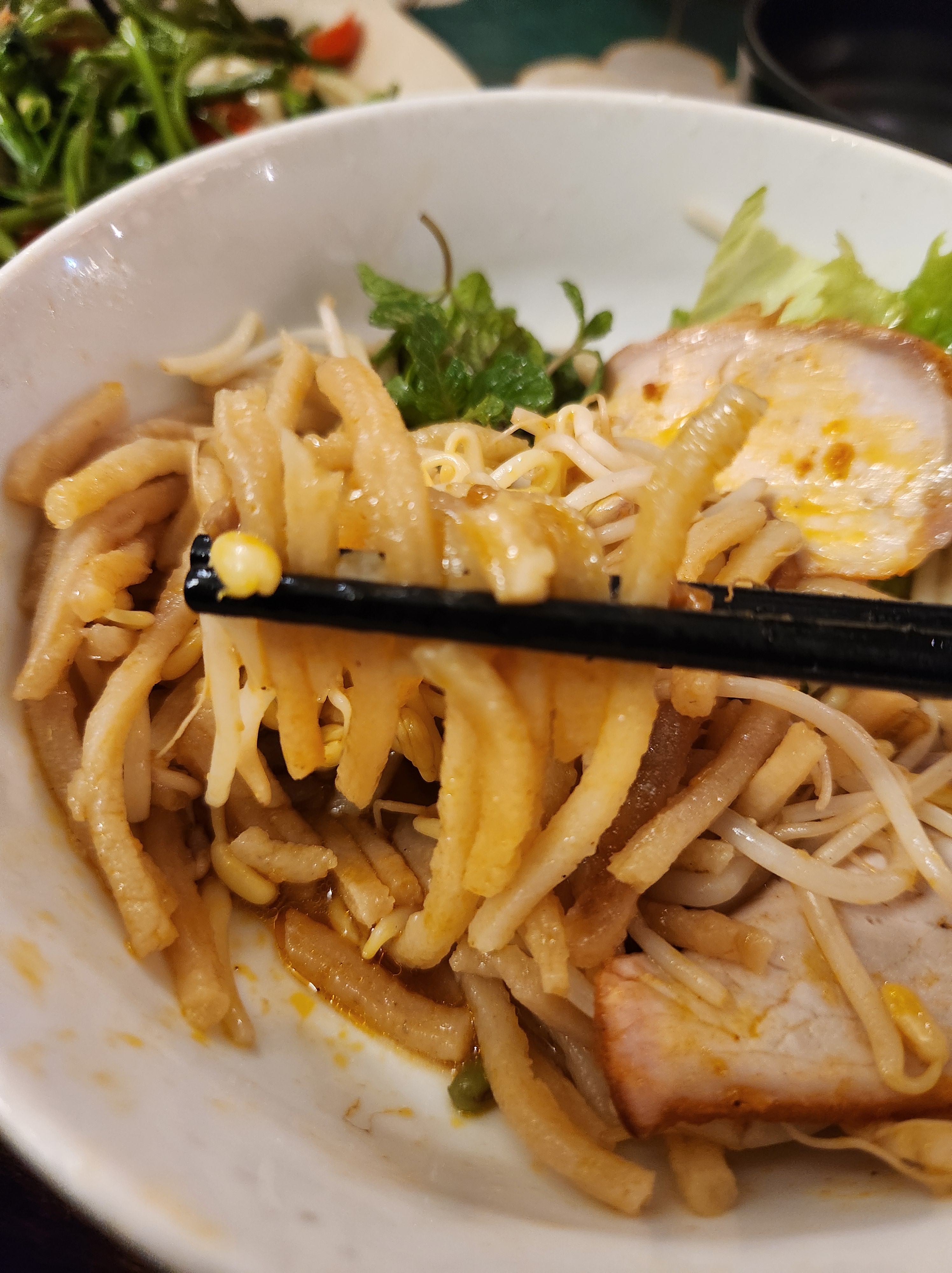
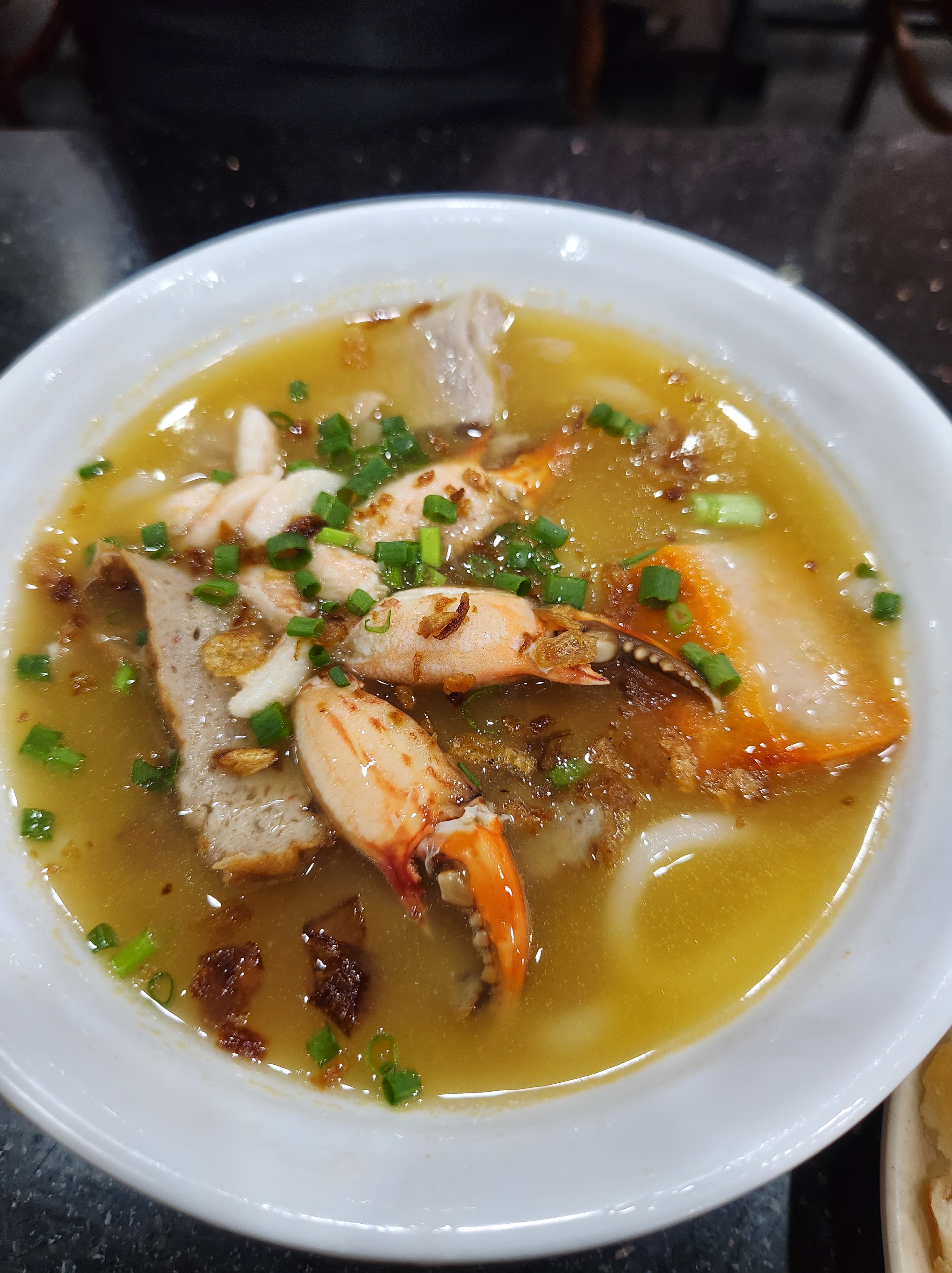
Nonetheless, we ate some good comfort food in Hoi An like bánh mì (including the shop that Anthony Bourdain visited!), and dishes native to central Vietnam that we’ve never had before, like mì quảng and cao lầu.

Da Nang. Da Nang is just a one hour drive from Hoi An. We only stayed here for 2 nights, but wished we stayed longer because it turned out to be one of our favorite places in Vietnam.

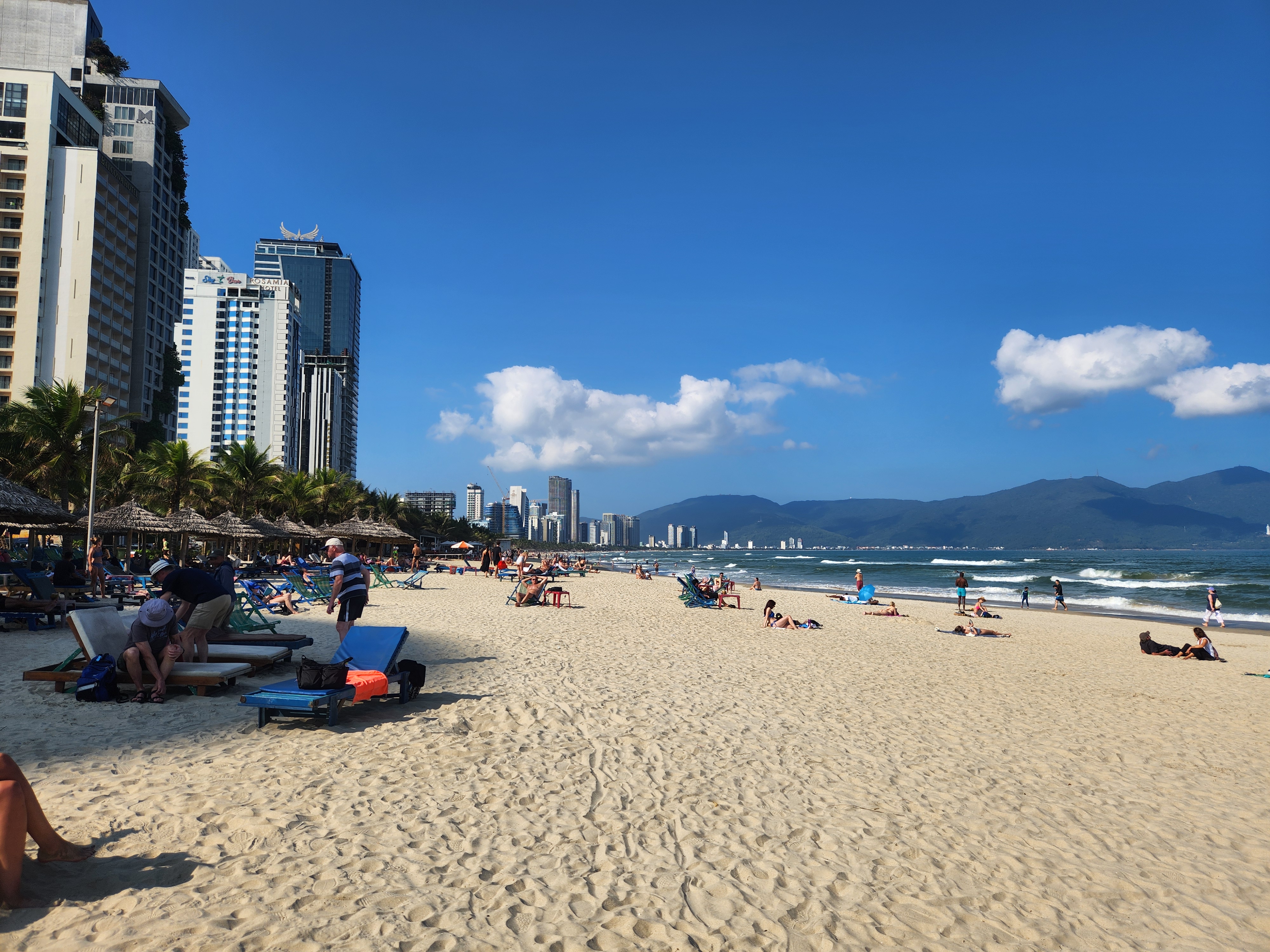
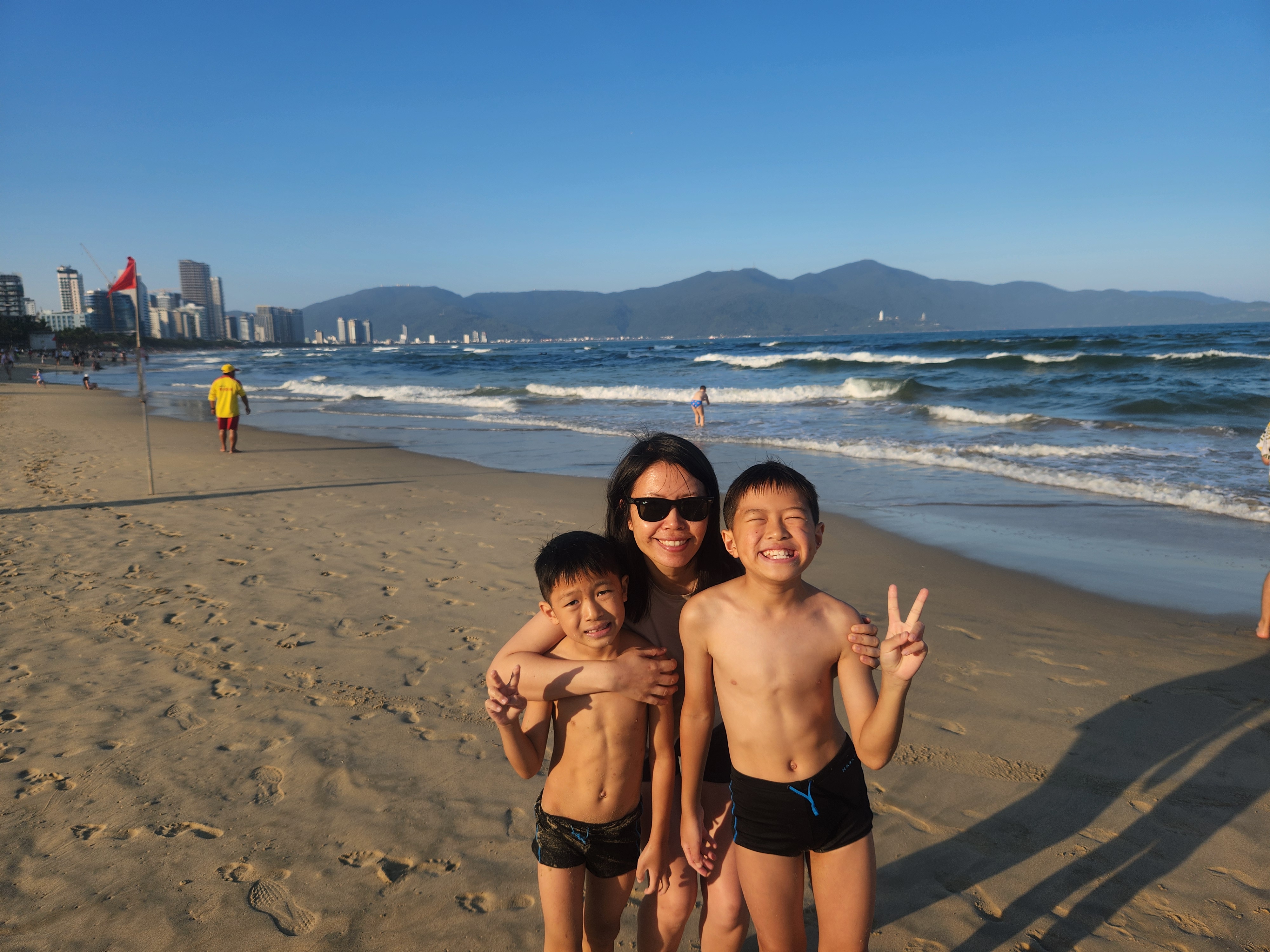
There are two sides to Da Nang. We stayed at the “resort” side, which was next to a really nice beach and tourist-friendly shops and restaurants. The boys loved the beach here and kept wanting to stay. (Taipei has no nearby beaches so the boys miss it immensely.)

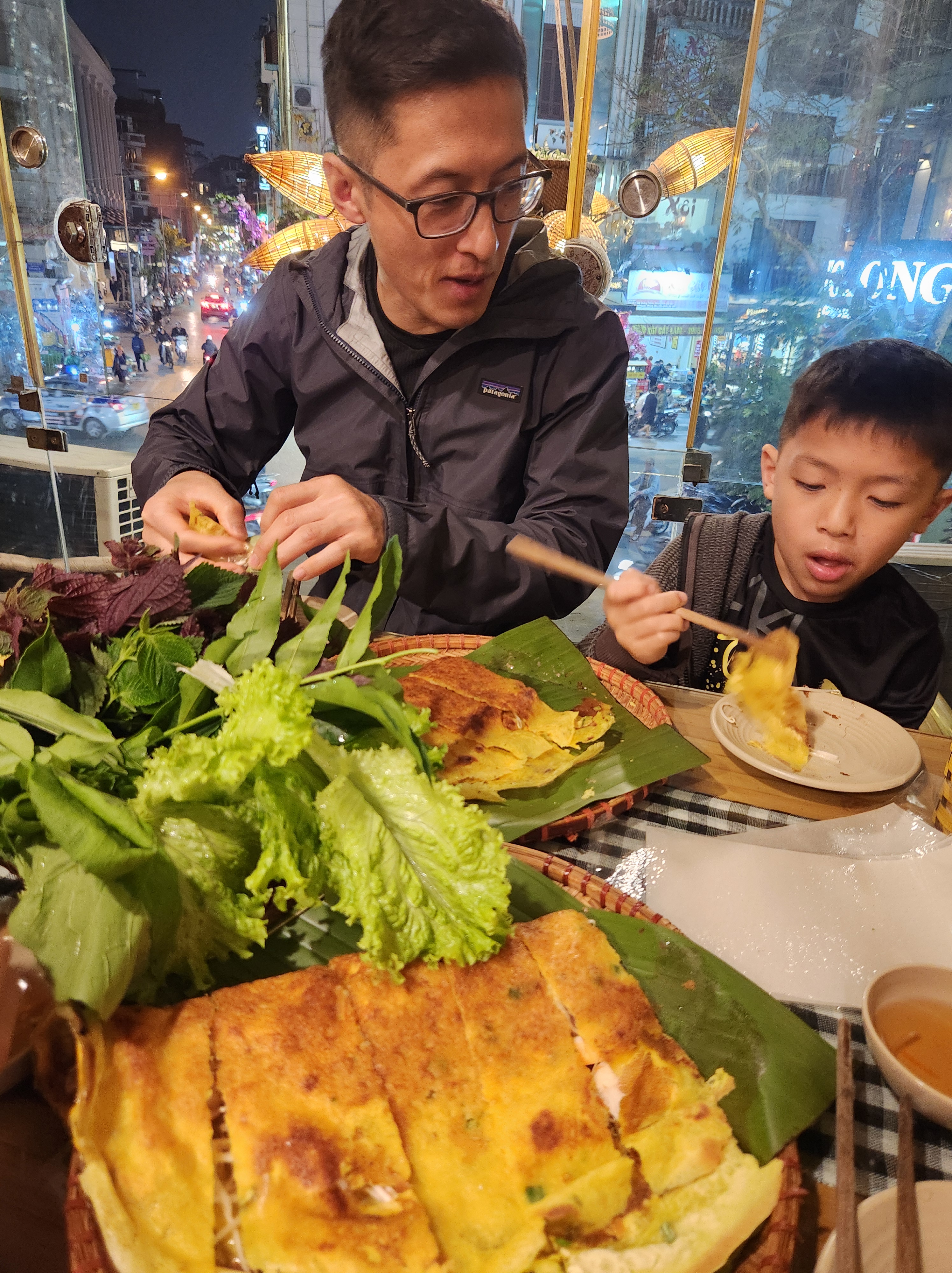
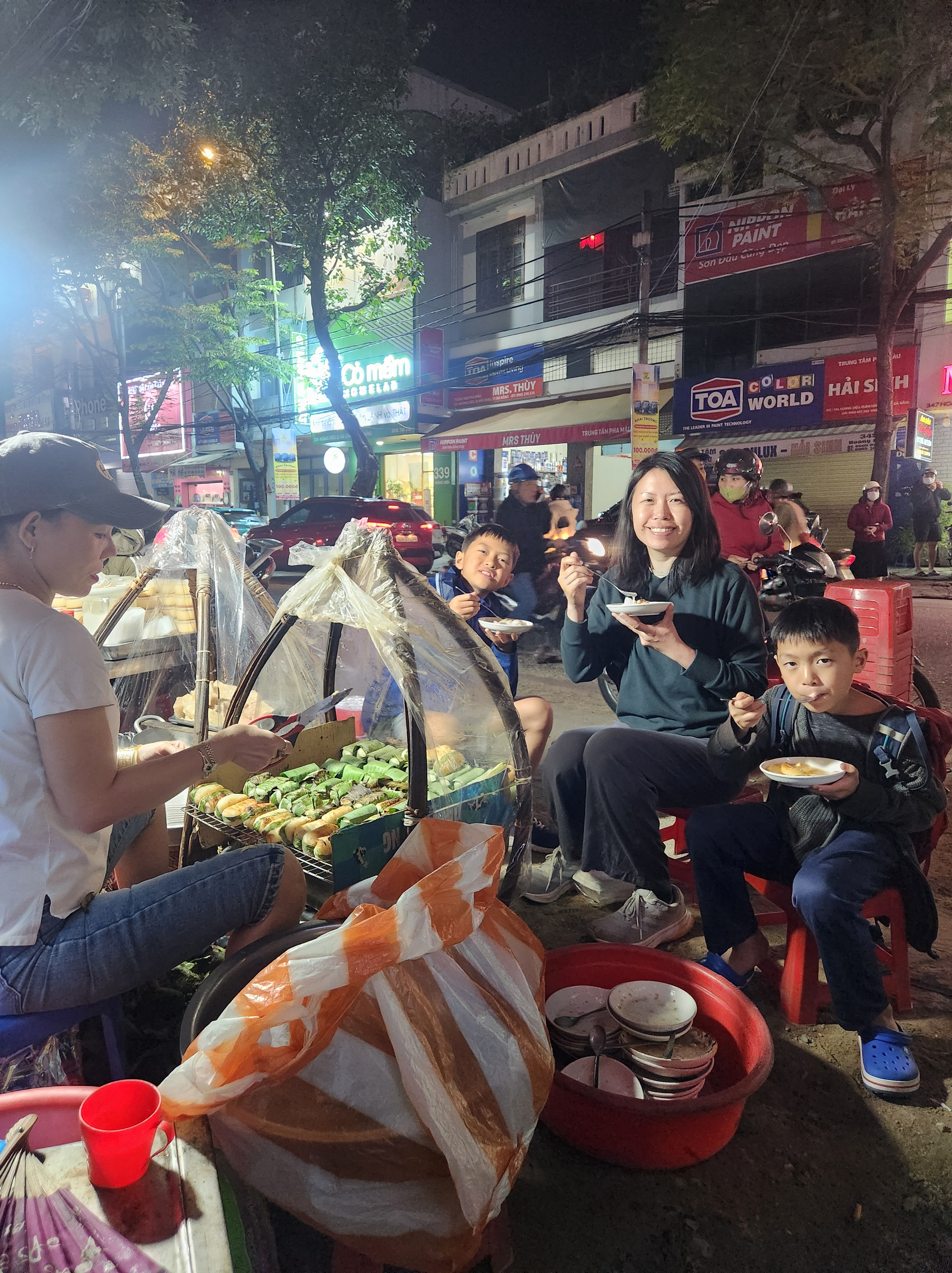
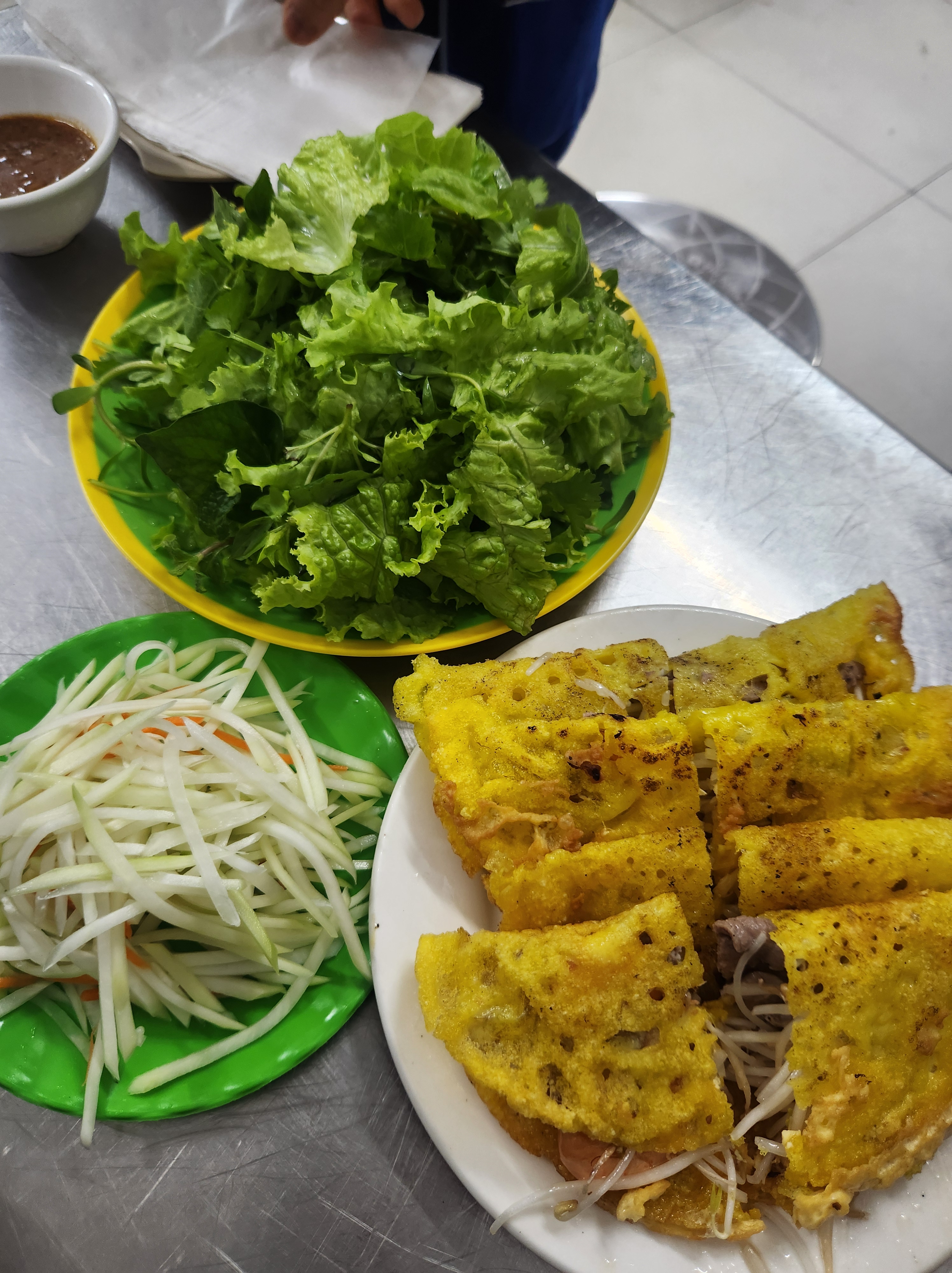
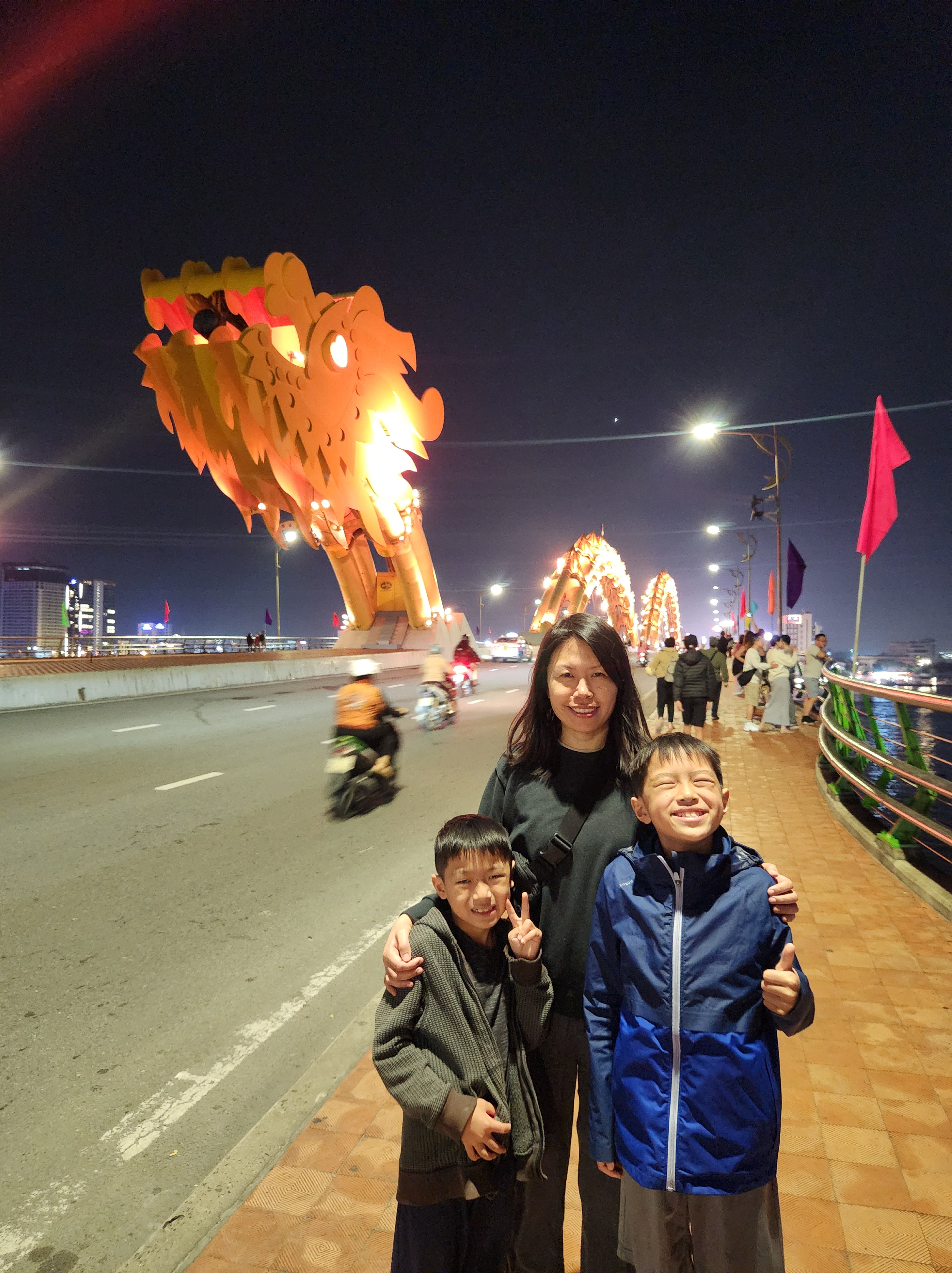
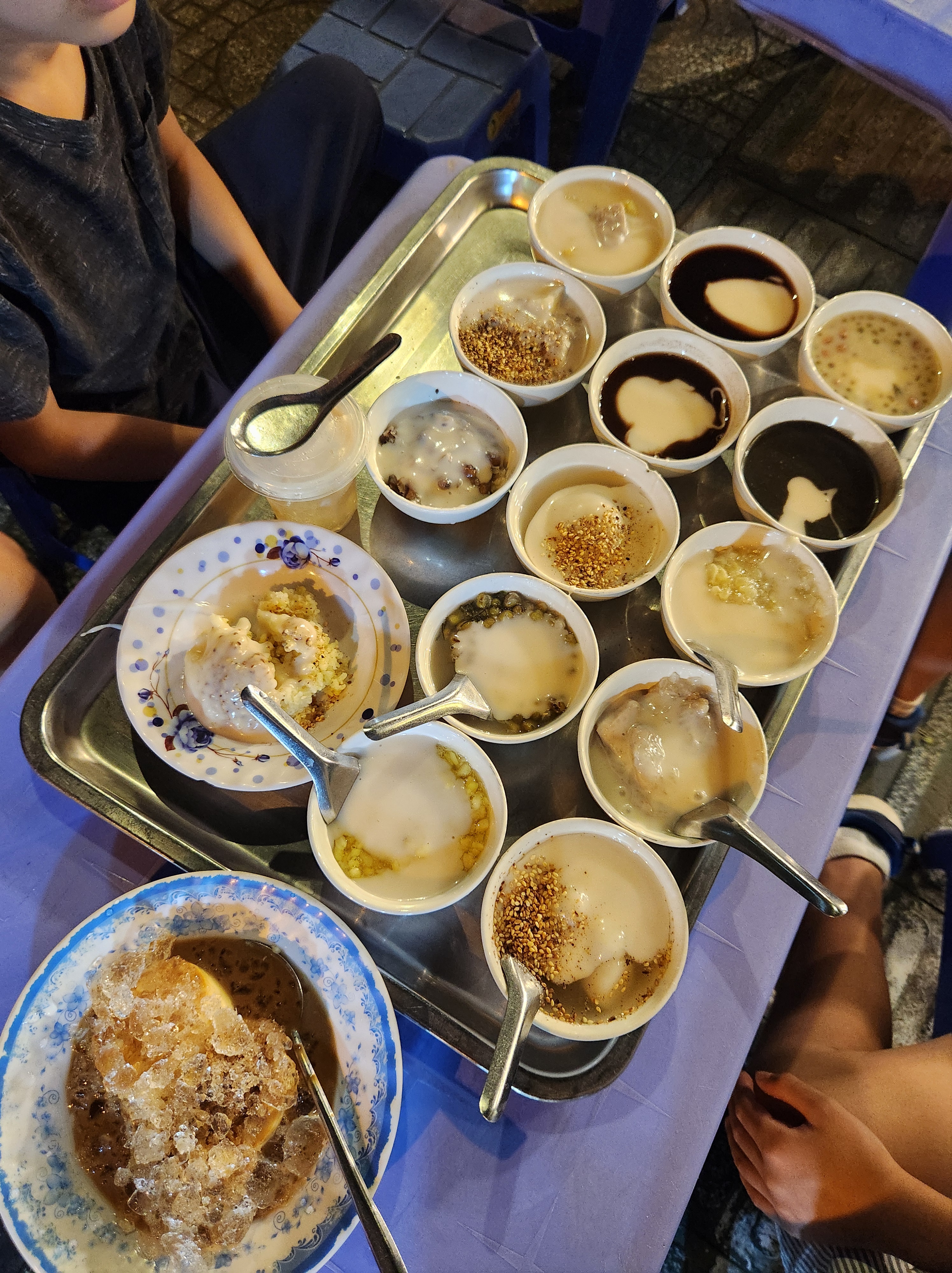
We thought that was all of Da Nang until we did a Google search and realized there’s another part to the city over the bridge. A part that is a bit grittier and more frenzied, but with much more authentic, delicious food and interesting sites. We loved this part of Da Nang the best and had some of the best bánh xèo of our lives here!

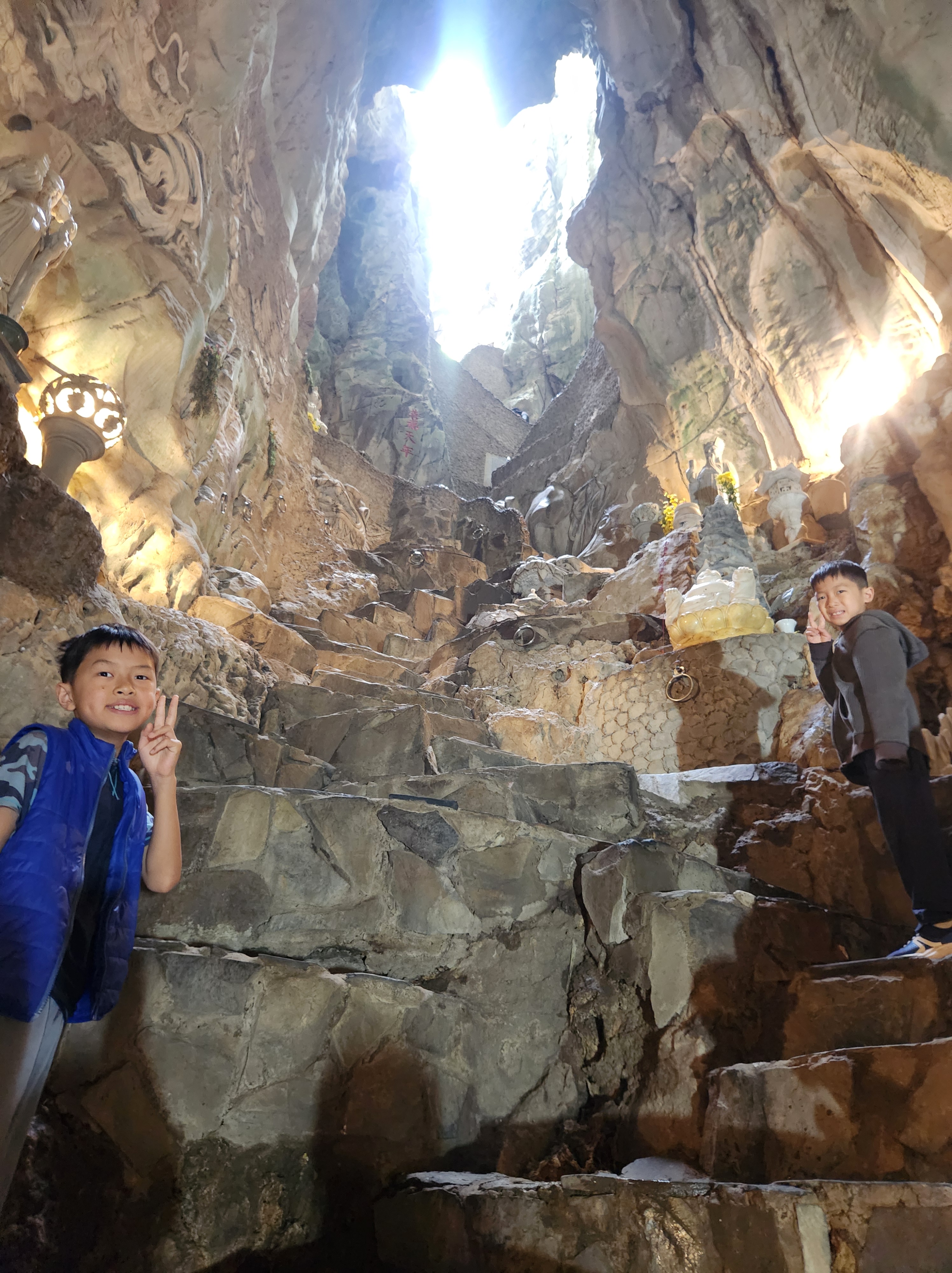
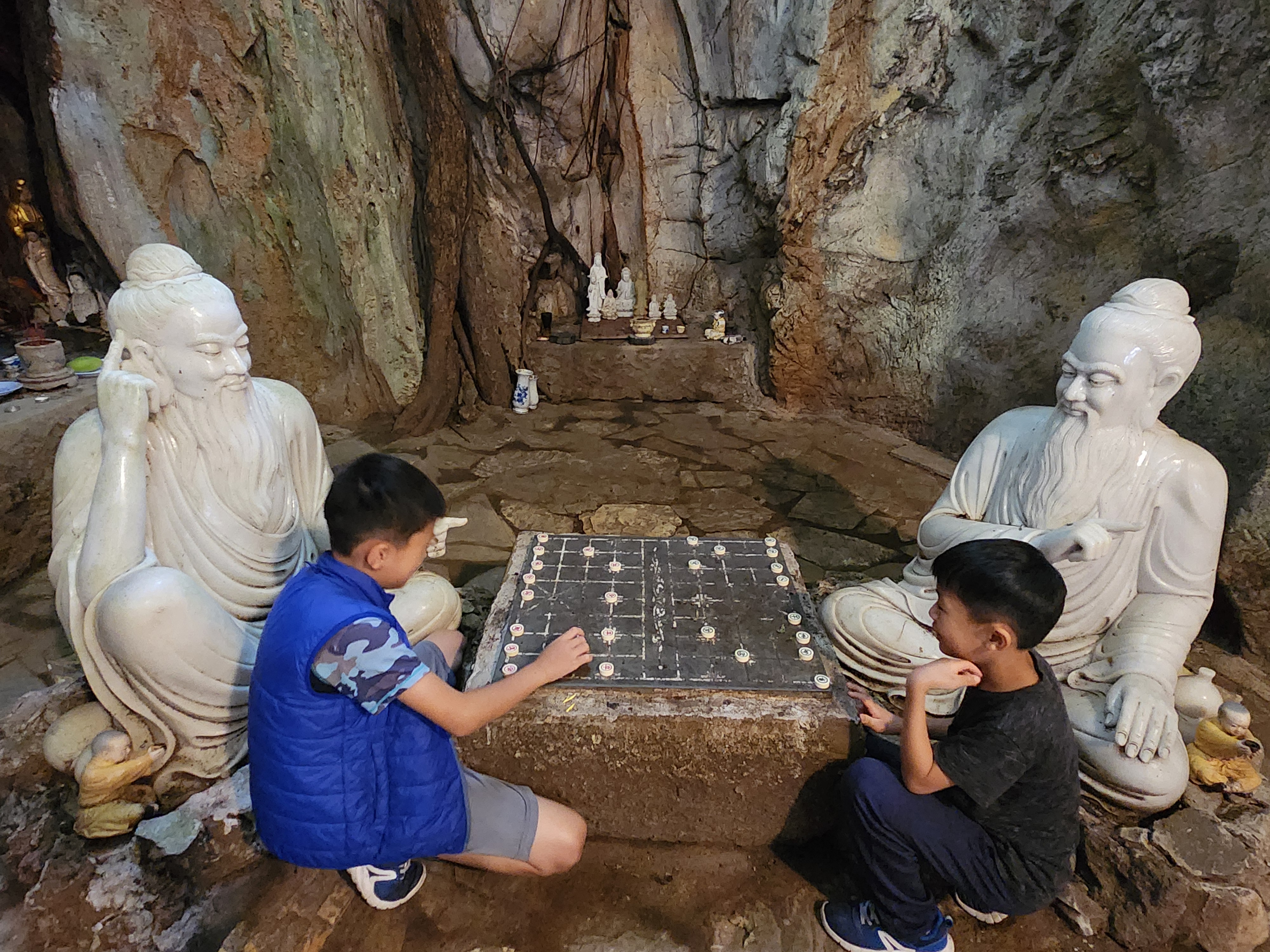
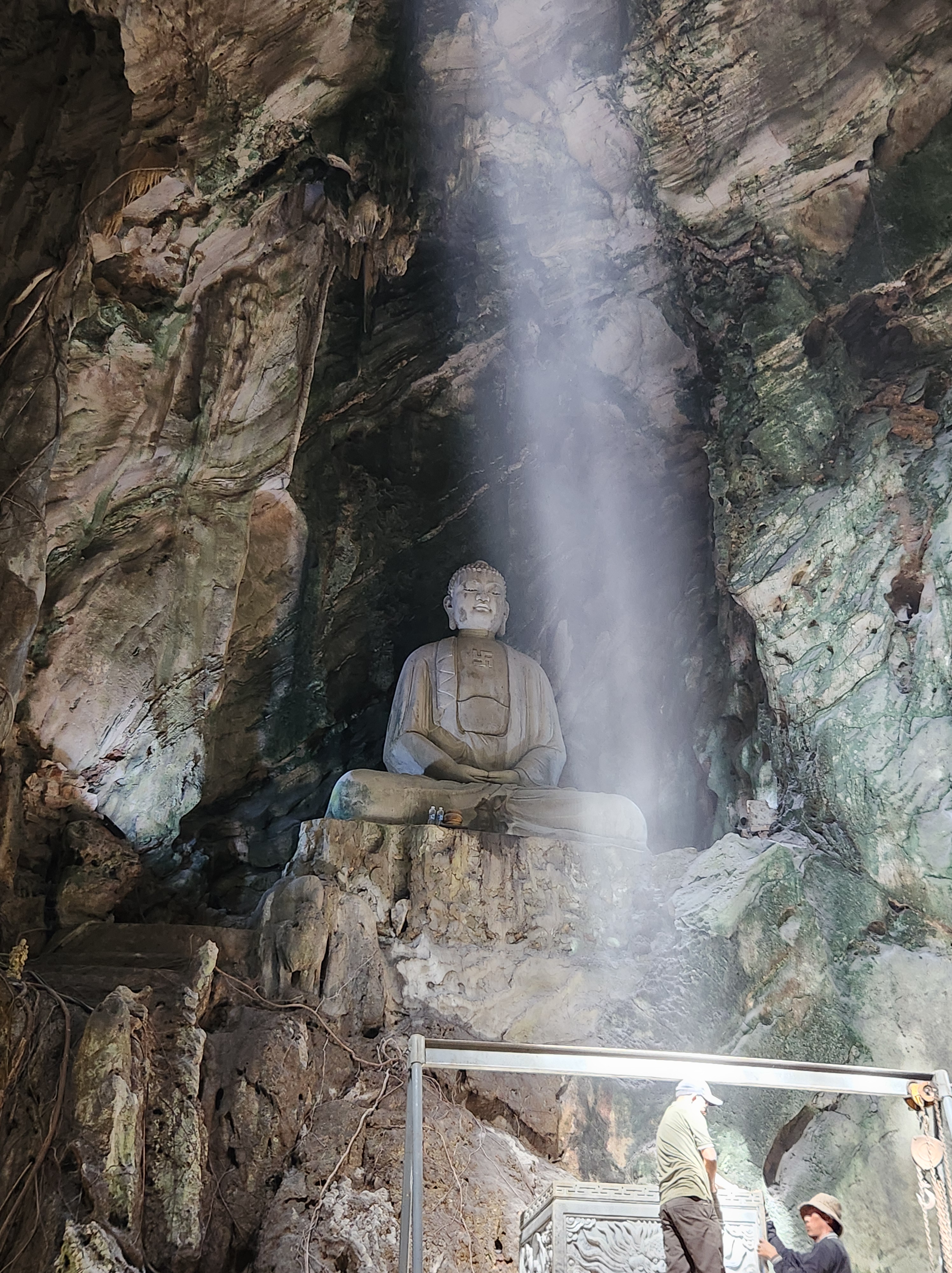
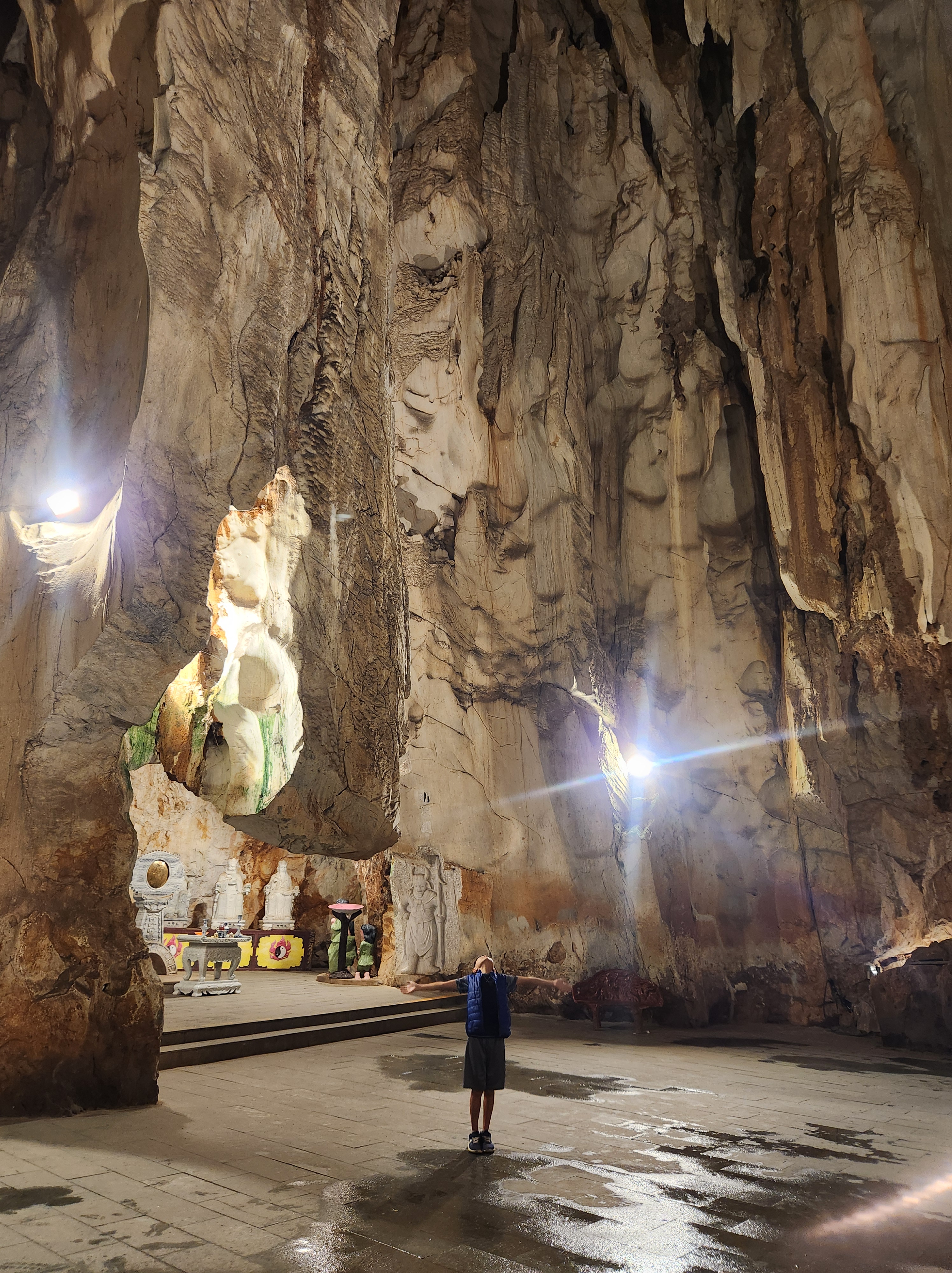
Before leaving Da Nang, we also spent a few hours visiting Marble Mountain, a cluster of five limestone and marble hills/caves. It was a nice break from the usual cityscape.

Ho Chi Minh City. Ho Chi Minh City is the most modern city in Vietnam, with wide boulevards, upscale shopping, and international cuisine. But HCMC is also incredibly vast and scattered. Even though we stayed in District 1 (where most tourists stay), it took us a long time to walk to places or we’d have to take a taxi, and many of the restaurants we wanted to visit were a 20-30 minute car ride away.

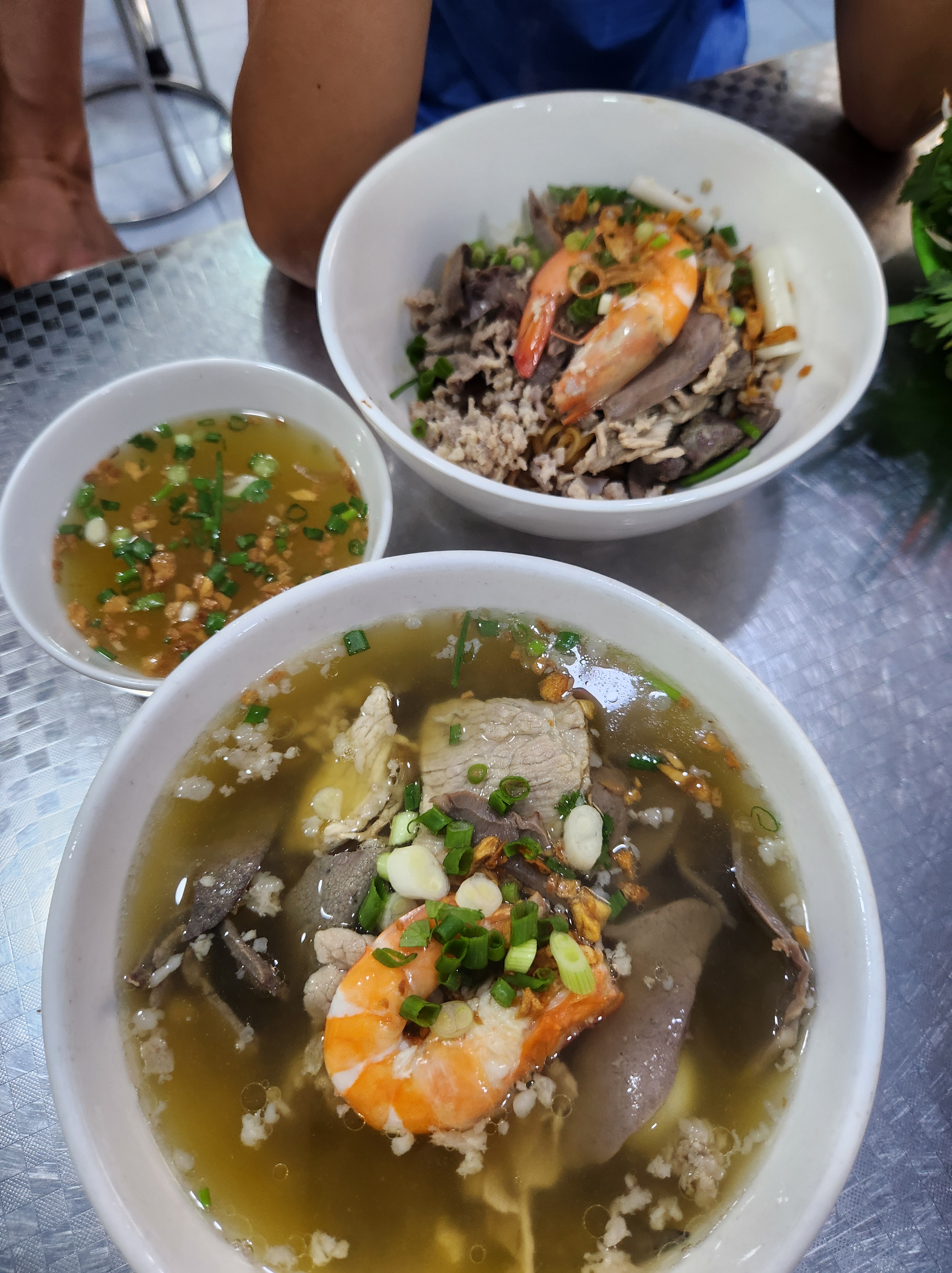
We heard that HCMC has the best food in Vietnam but thought the food was average (except for 1 or two dishes), at least compared to what we had in Hanoi and Da Nang. Maybe we went to the wrong places?

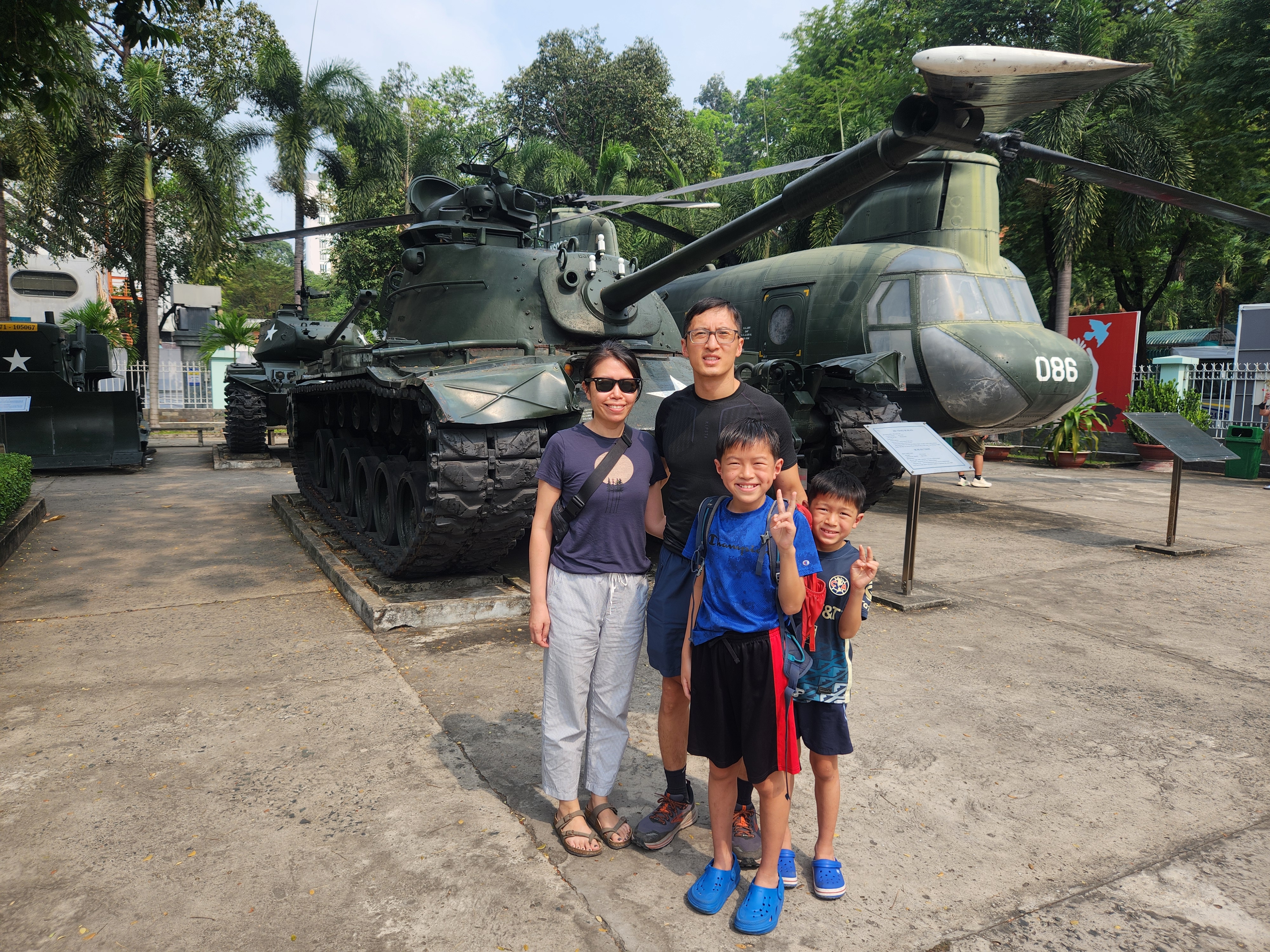
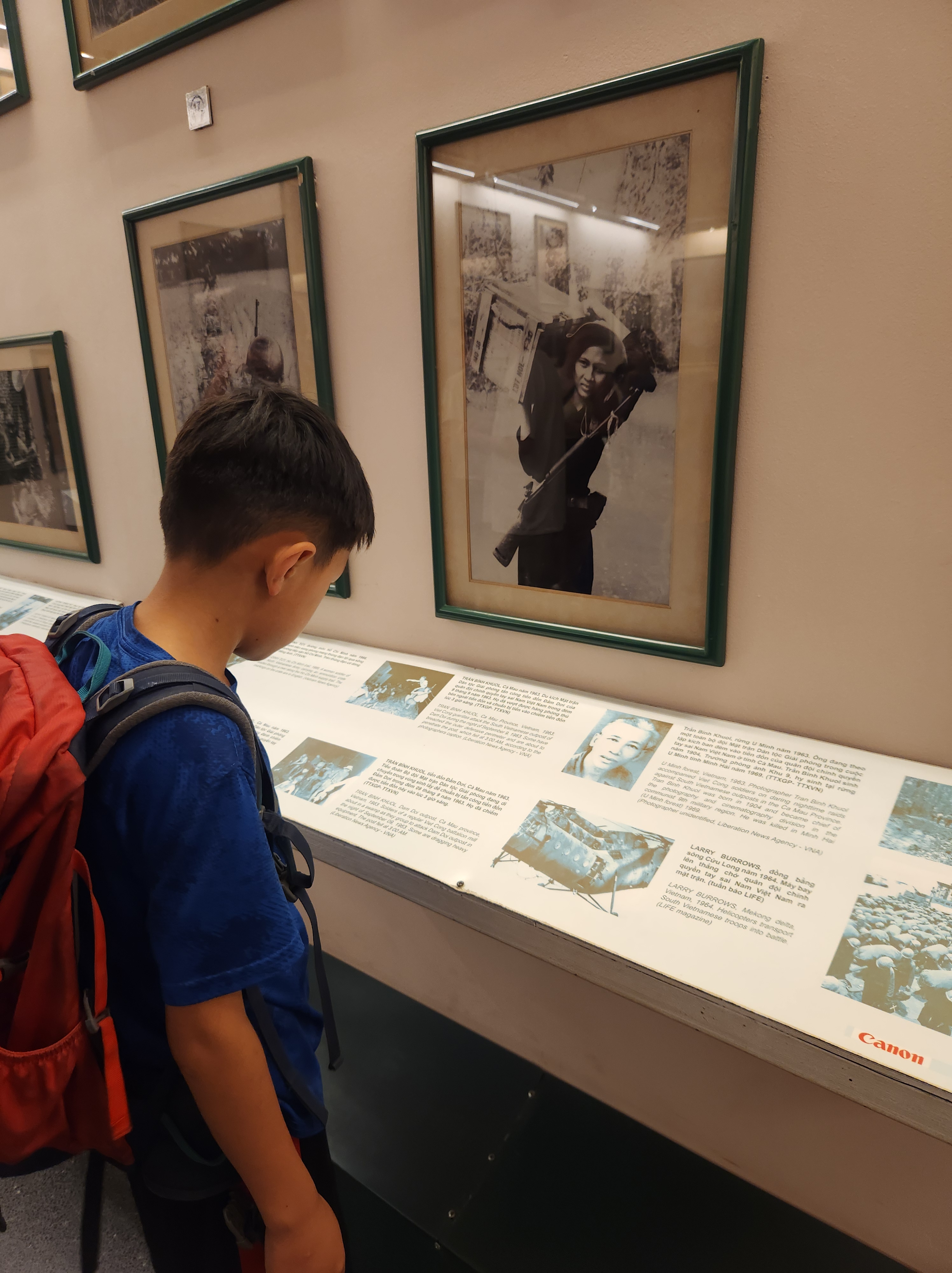
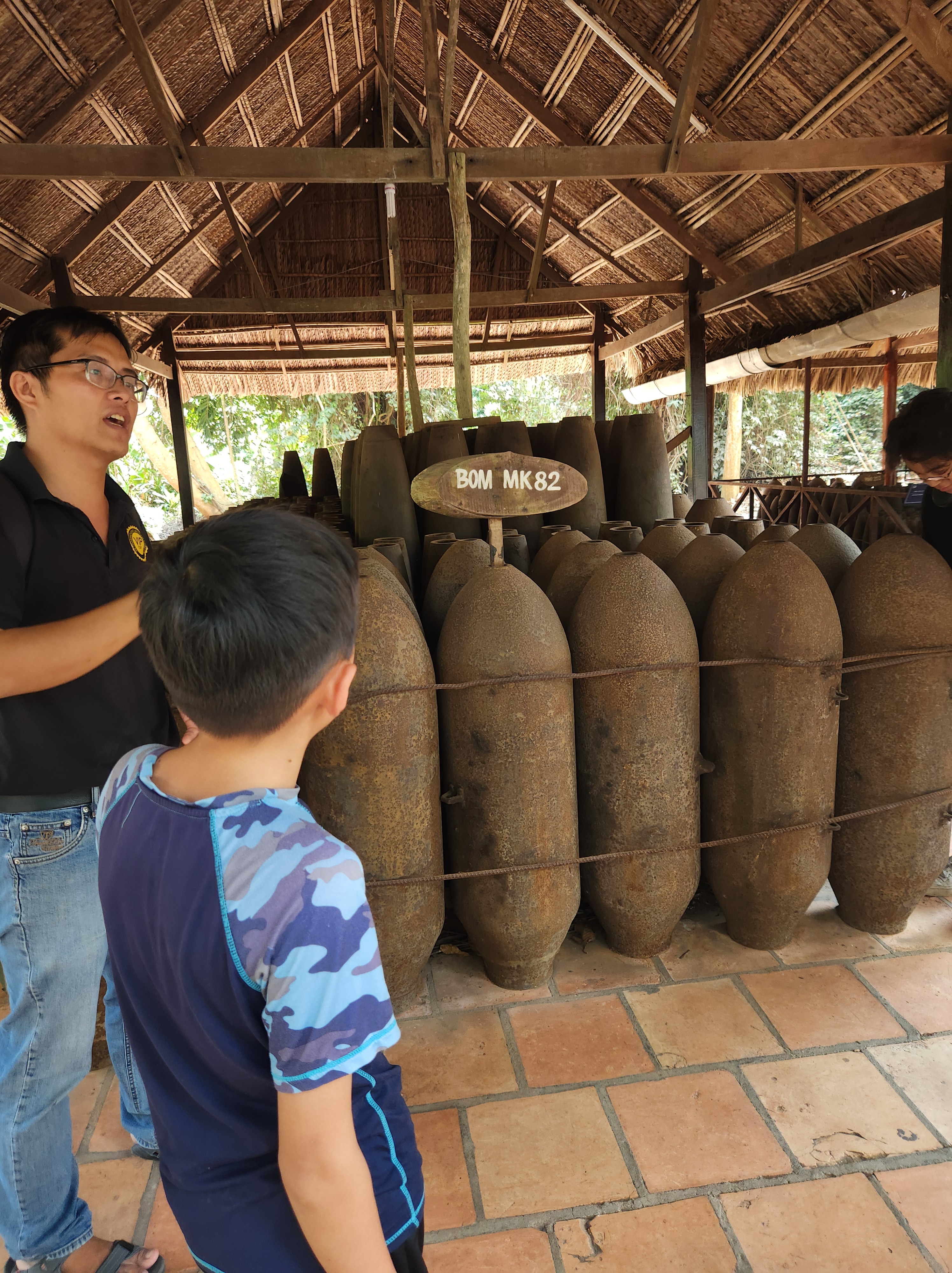
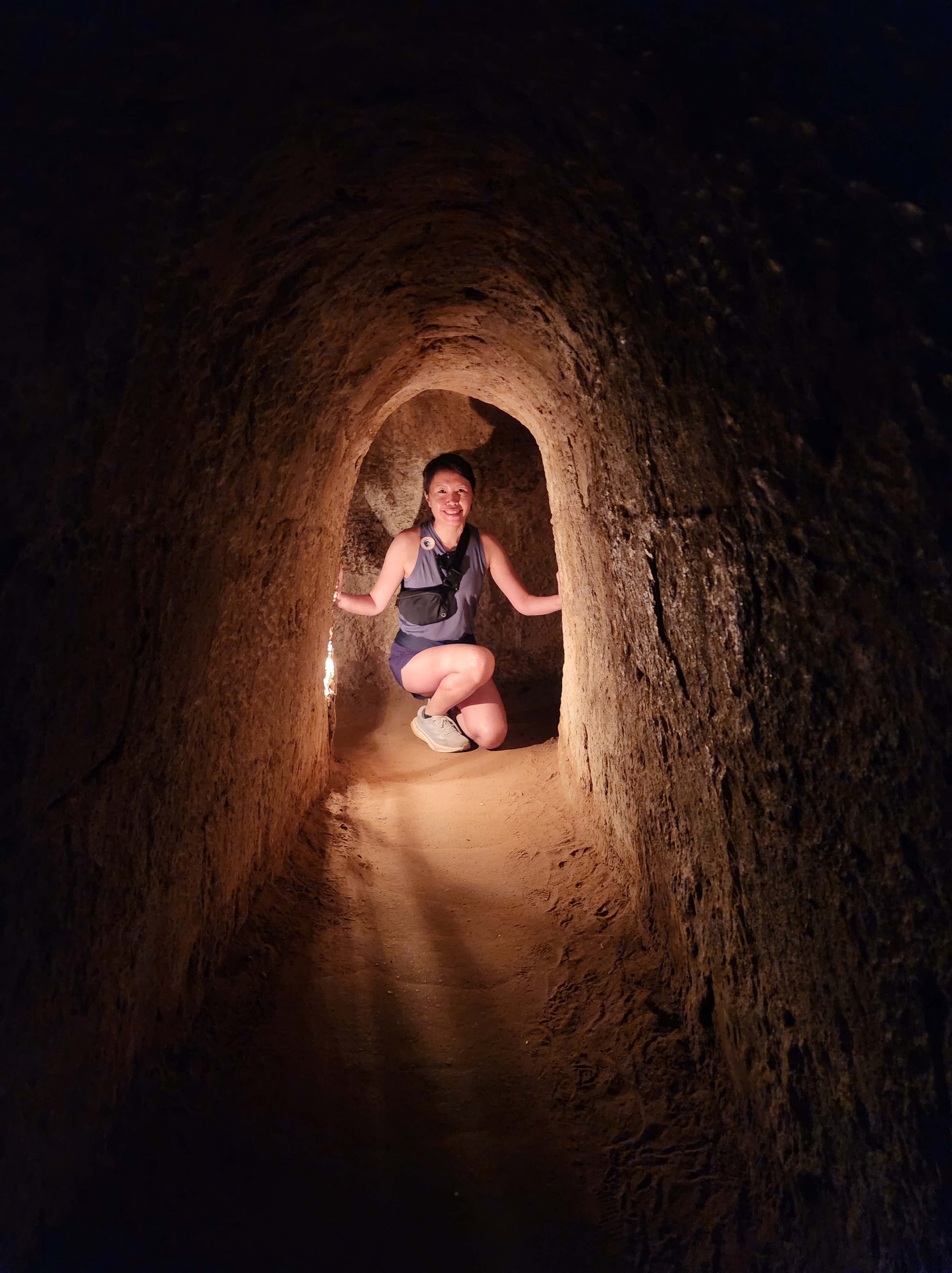
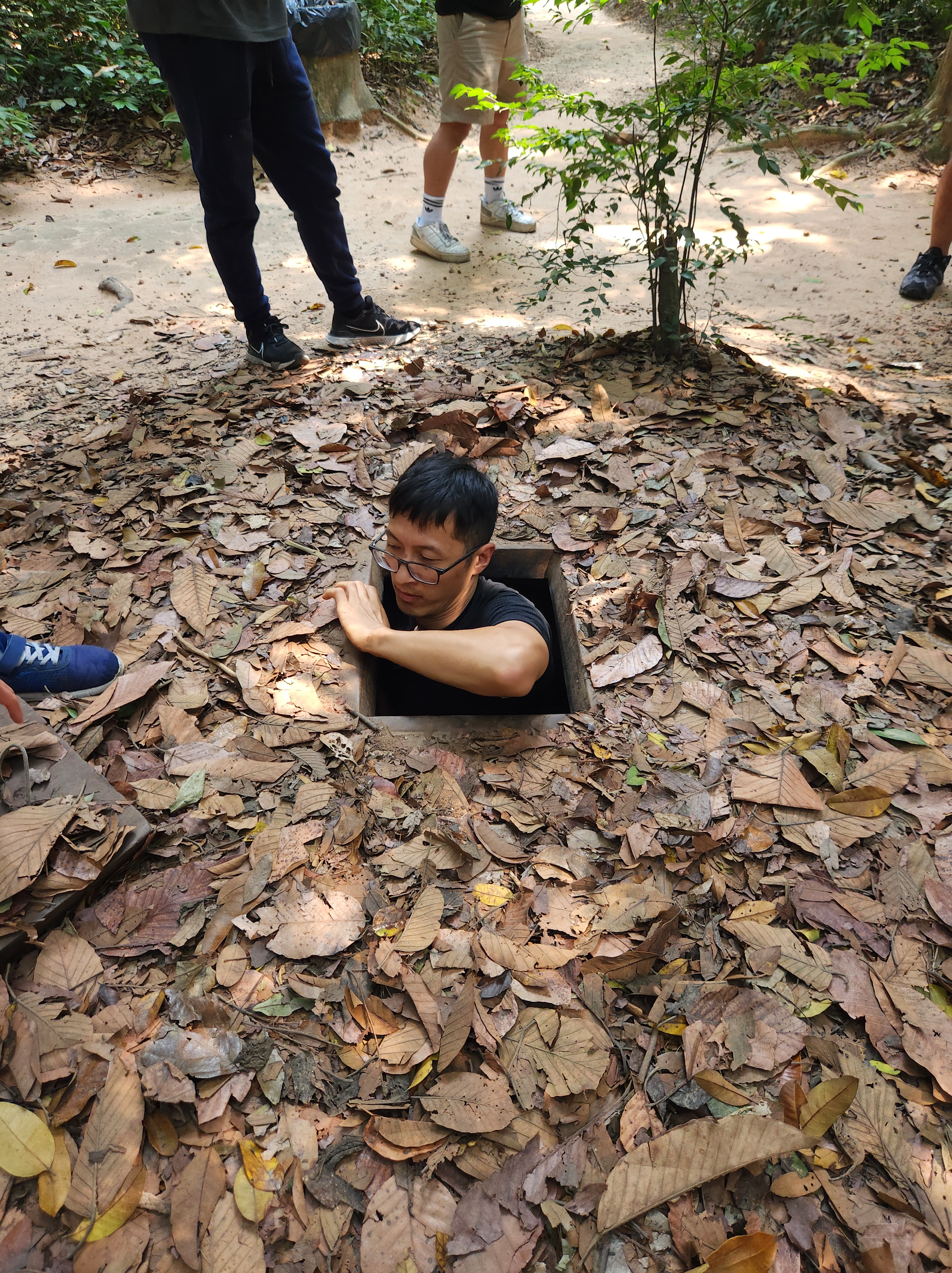
The highlight of our visit to HCMC was going to Cu Chi Tunnels and War Remnants Museum. We visited the museum one day, then booked a day tour to Cu Chi Tunnels the day after. They were the perfect complement for learning all about the Vietnam War. The Cu Chi Tunnels were a vast network of secret tunnels that the Vietcong soldiers used to combat the Americans. The living conditions for Vietcong soldiers during that time were terrible; many had to eat rats and snakes while in hiding, and had to live alongside dead bodies in the tunnels.

To accommodate tourists, the tunnels today are built three times larger than the original and equipped with lighting and air conditioning. This is crazy to me because I was already feeling hot and tired after a short trip through the tunnels. 😅 It was incredibly humbling to experience what people’s lives were like only 50 years ago. We discussed the war and Cu Chi Tunnels for days after – so much better than just learning about it in school!

We spent a total of 18 days in Vietnam. This was my first time there, but I strangely felt connected to the place. Perhaps it was the familiar smells, tastes and sounds that reminded me of my upbringing, which was heavily influenced by my parents’ time in Vietnam. For the first time, I wondered what my parents’ life was like there, and what our lives would be like if they never left.

I loved the craziness, familiarity, and of course the food in Vietnam. I can only hope to go back one day.

Ramblings

A Weekend in Yilan 宜蘭

Since moving to Taiwan, we’ve heard a lot about Yilan, a county in the northeast part of the country. Apparently it’s a very popular weekend getaway for families.

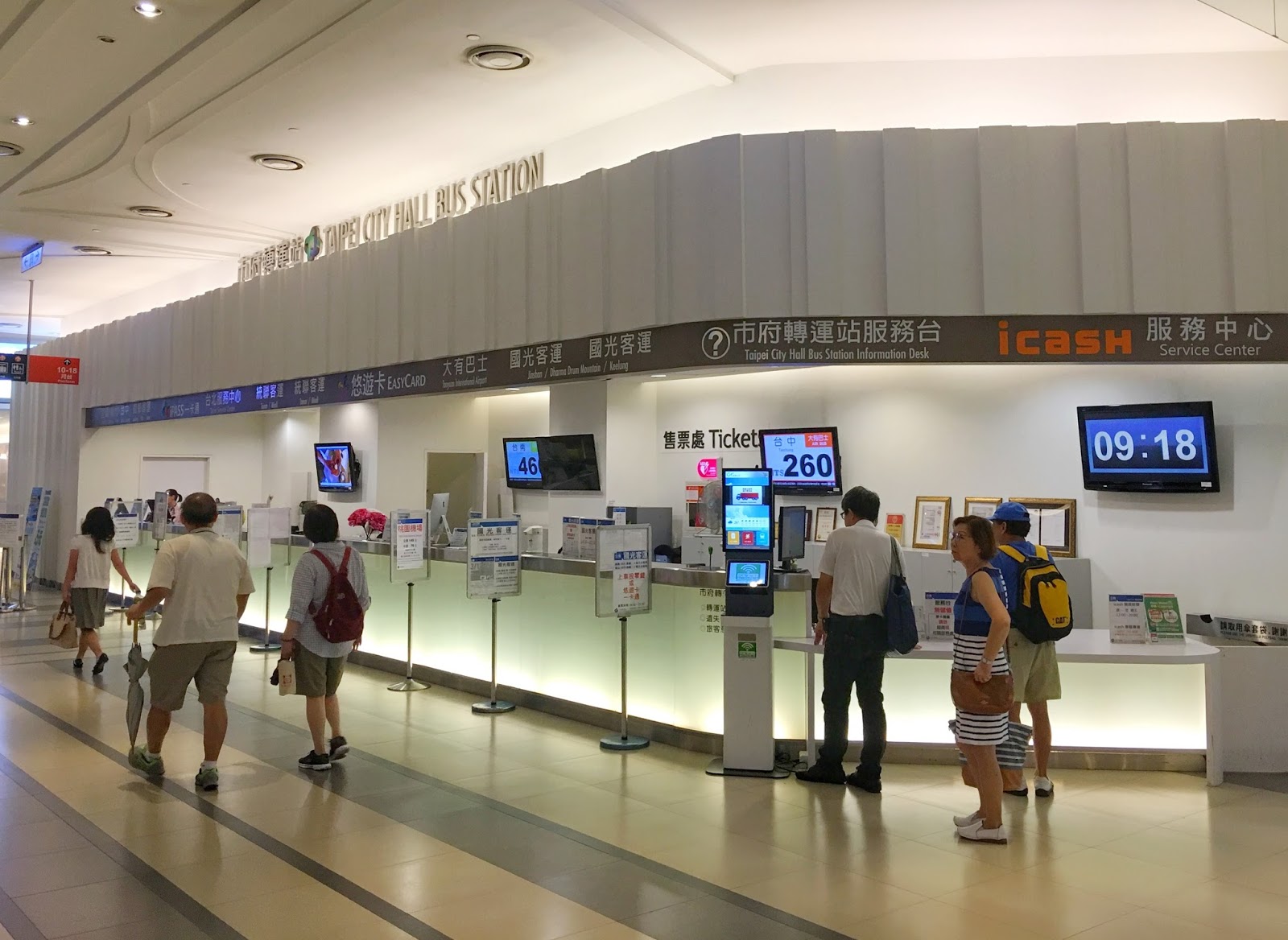
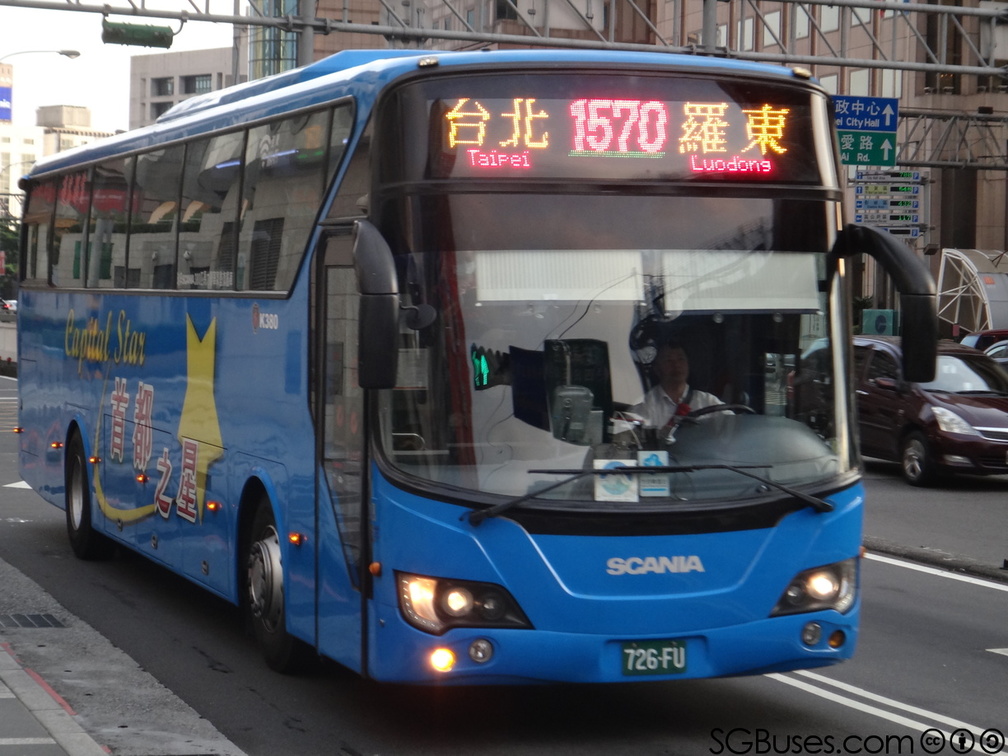
Earlier this month, we finally took a trip to Yilan for a weekend. It was so easy to get there! Friday after school, we walked 15 minutes from our place to the Taipei City Hall bus station, then boarded a bus to Luodong 羅東. The buses depart every 10-15 minutes and we simply paid the fare on board with our Easy Card. Within an hour, we arrived at Luodong – easy peasy!

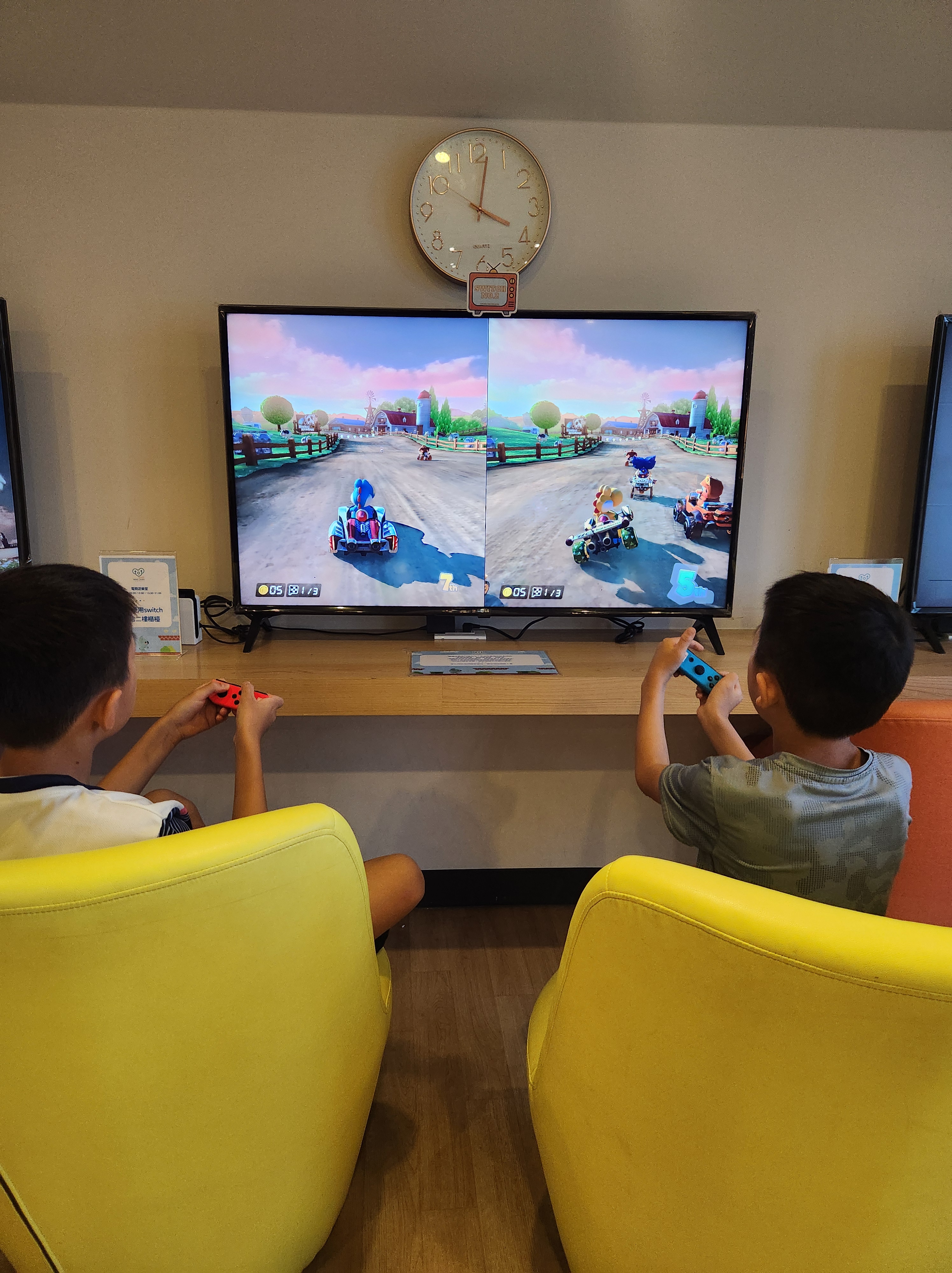
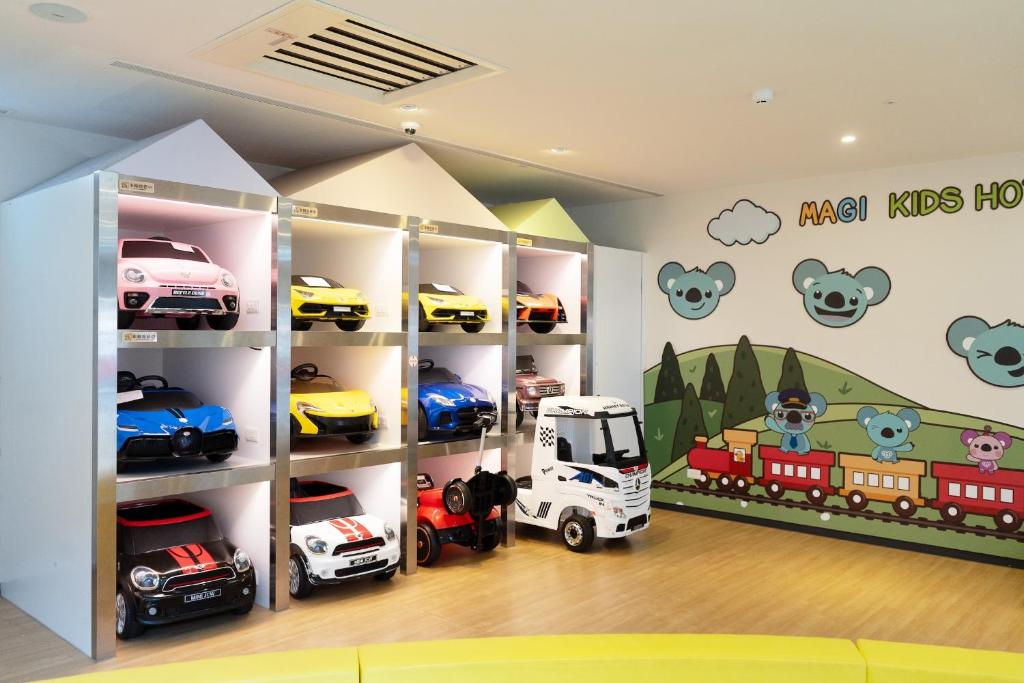
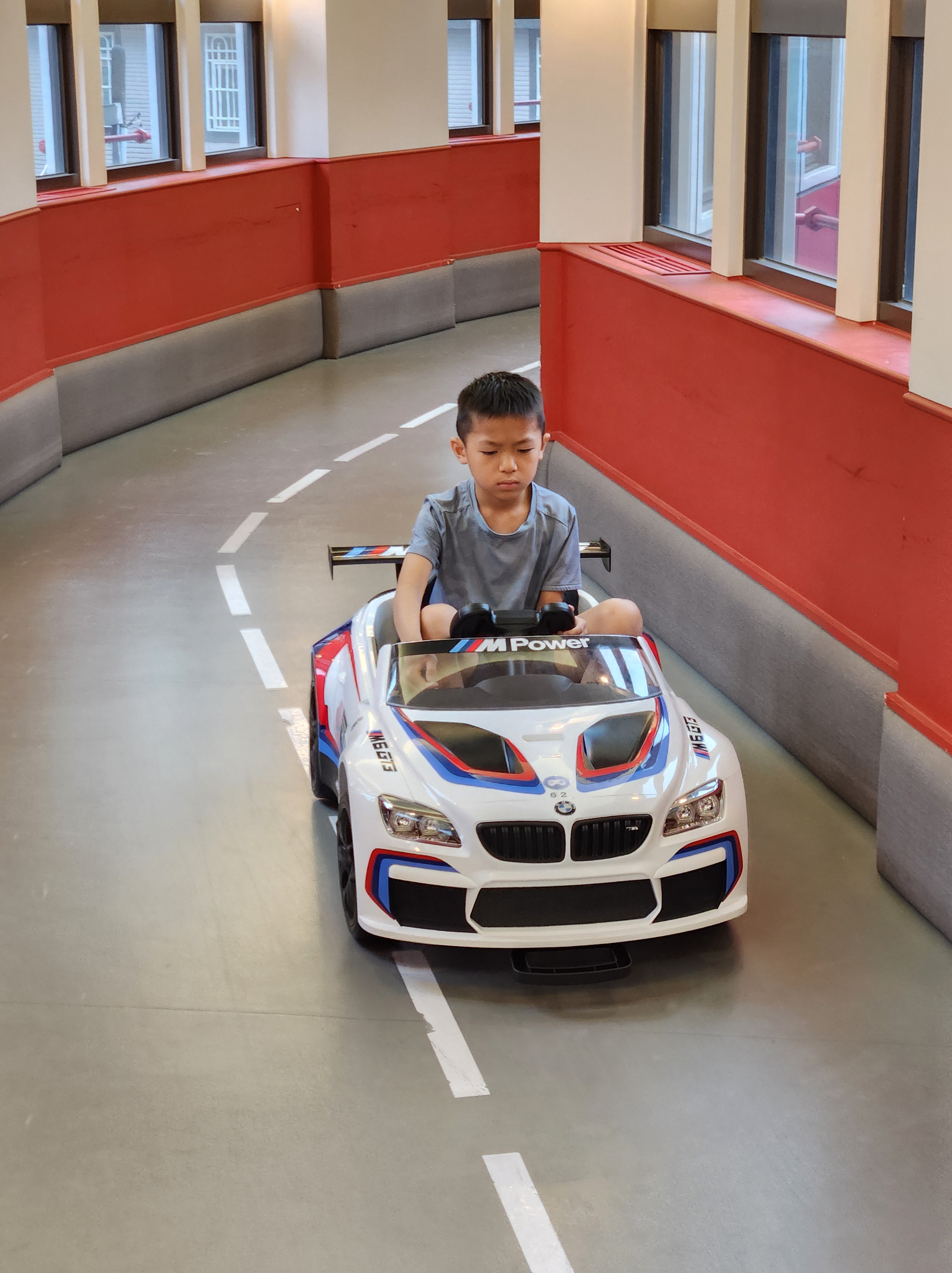
I decided to stay in the city of Luodong because it’s close to a few of the family farms Yilan is famous for. I booked a room at Check Inn Magi and it was a HUGE hit with the boys. It has video games, ball pit room, a large indoor slide and motorized toy cars. The boys seriously wanted to live there. 😂 The best part was that Baba and I could rest in our room while they played downstairs.

Our hotel was also close to the Luodong Night Market, which we visited on Friday night. It was a pretty big market but nothing stood out in particular, at least nothing that we tried.

On Saturday morning, we went to Zhang Mei Ama Farm 張美阿嬤農場, about a 20 minute taxi ride from Luodong. Buses don’t run very frequently in Yilan, so most people either drive, hire a driver, or take a taxi.

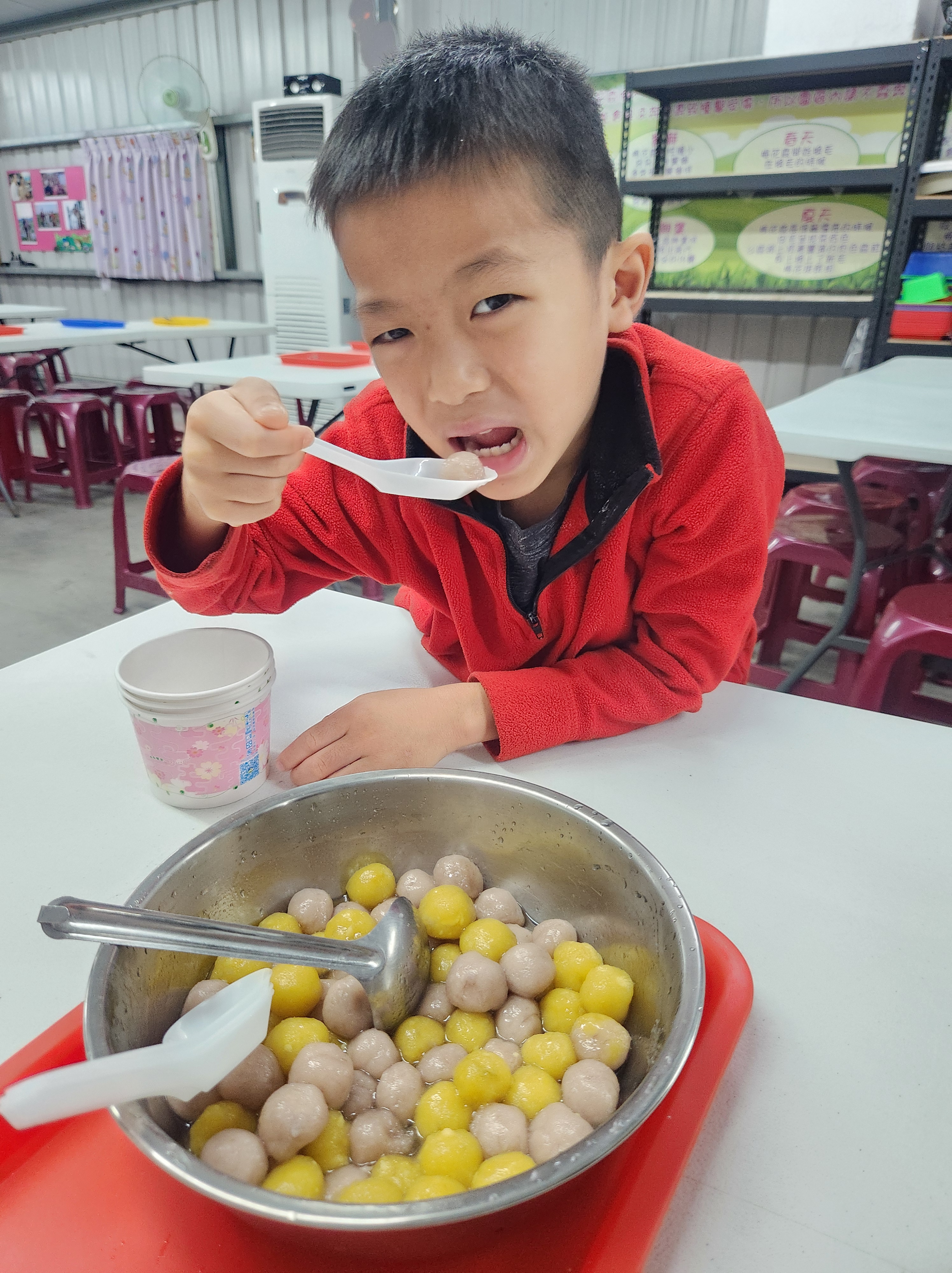
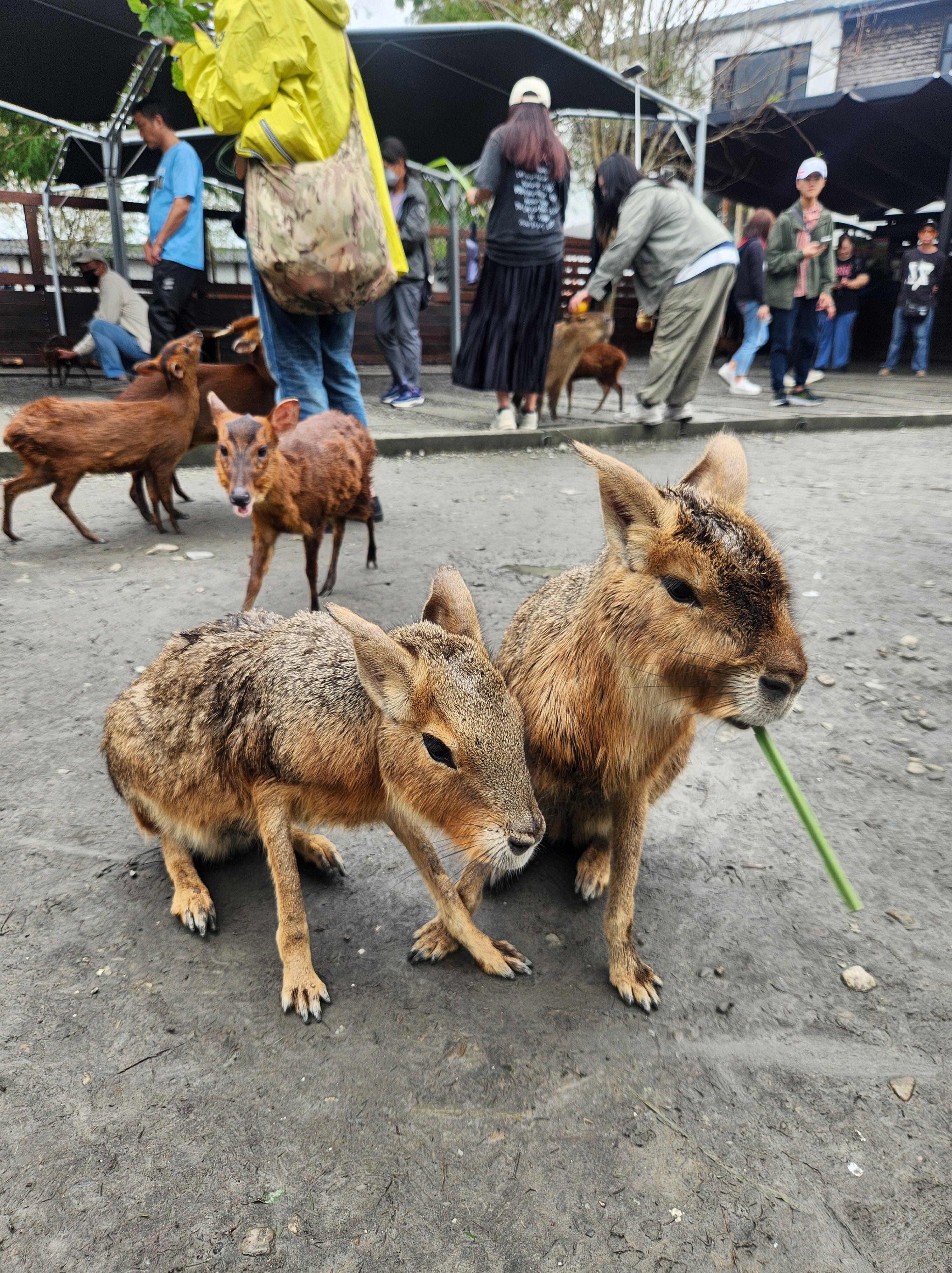
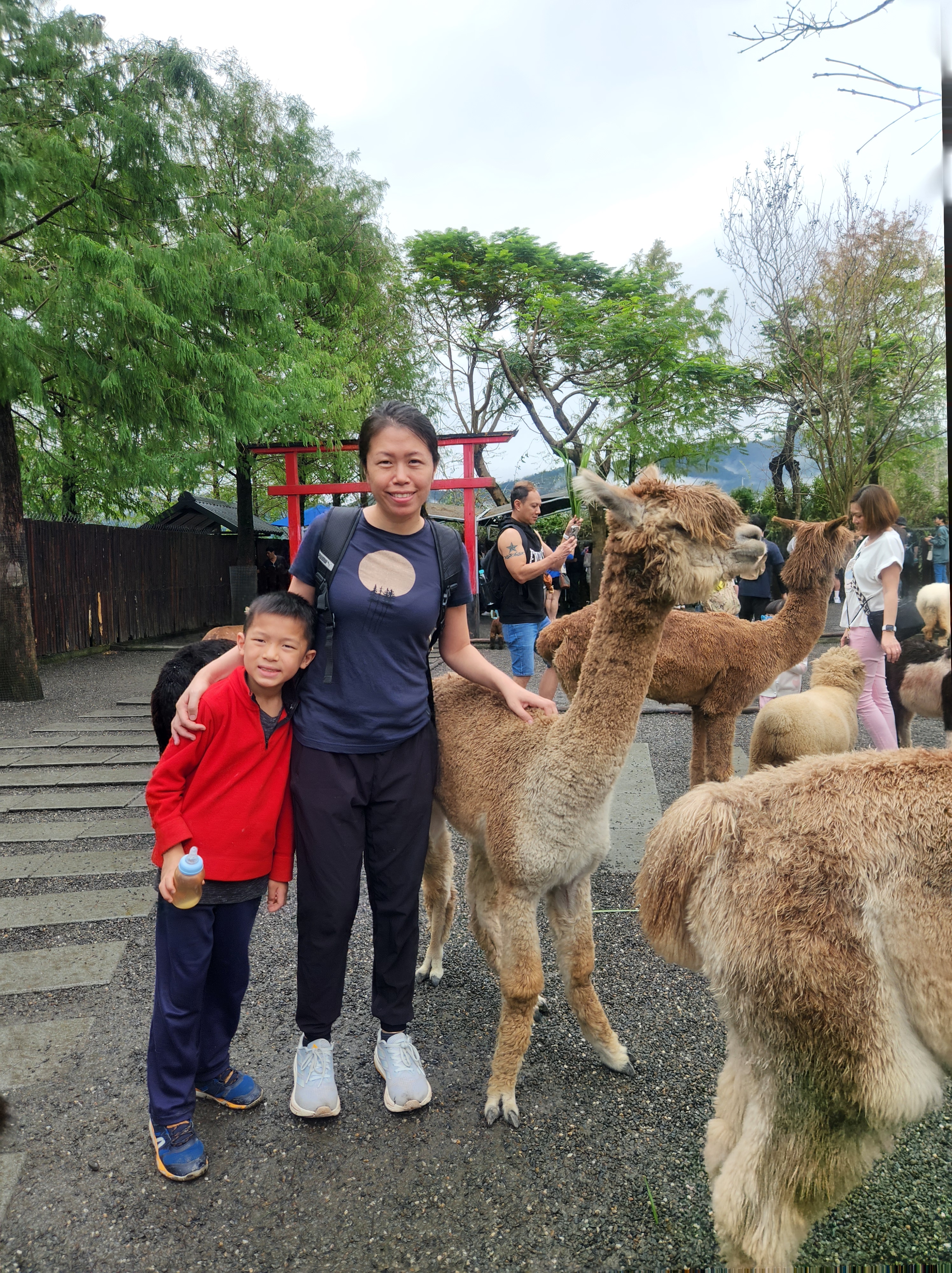
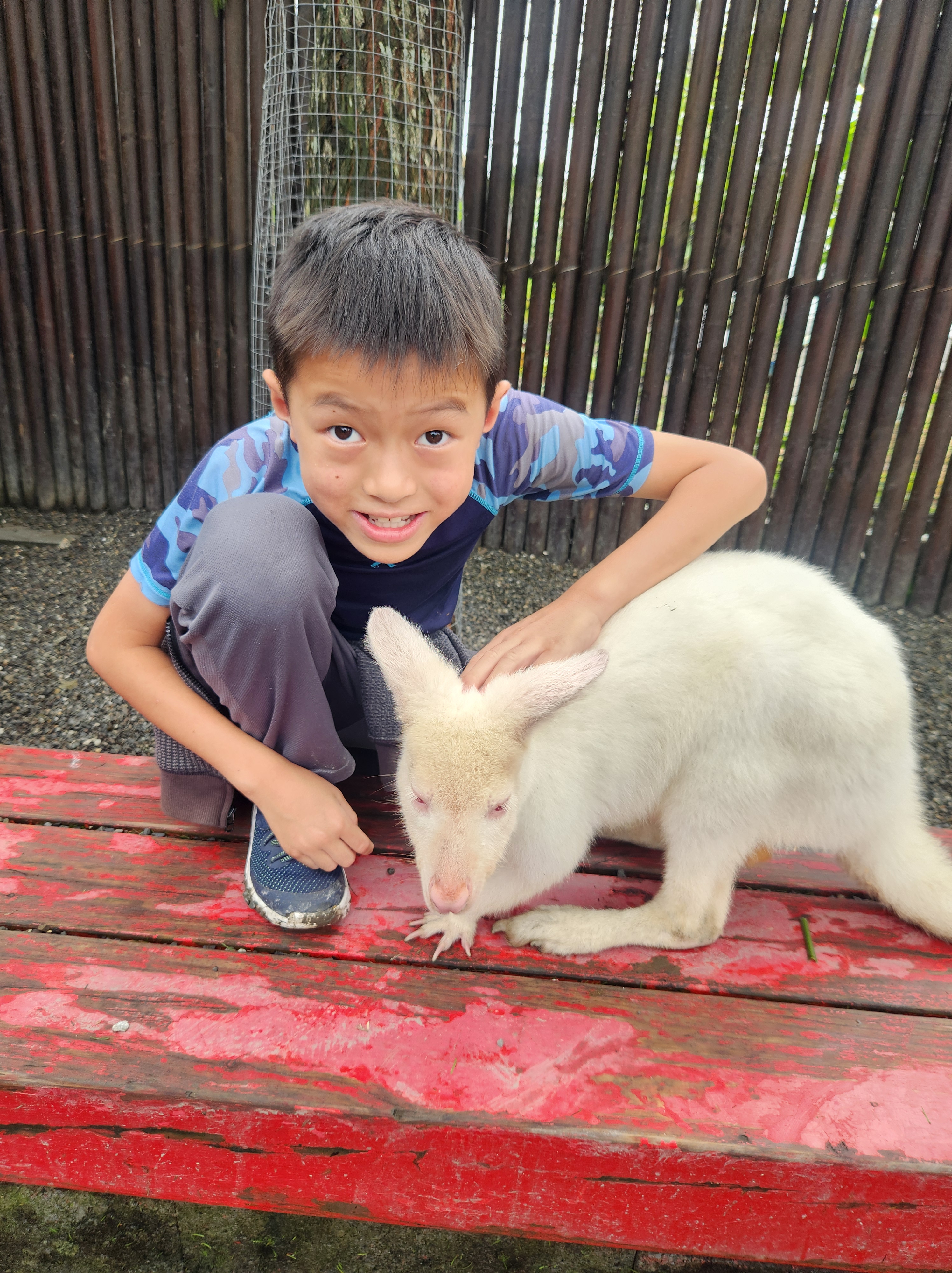
Zhang Mei Ama Farm is a popular petting farm located in Sanxing. Visitors can get up close and personal with animals like alpacas, capybaras, sheep, wallabies, etc. But first, we signed up for a short cooking class at the farm, where we got to make (and later eat) sweet potato and taro balls. The balls are fairly easy to make: just mash up soft taro and sweet potato with rice flour, then boil in water.

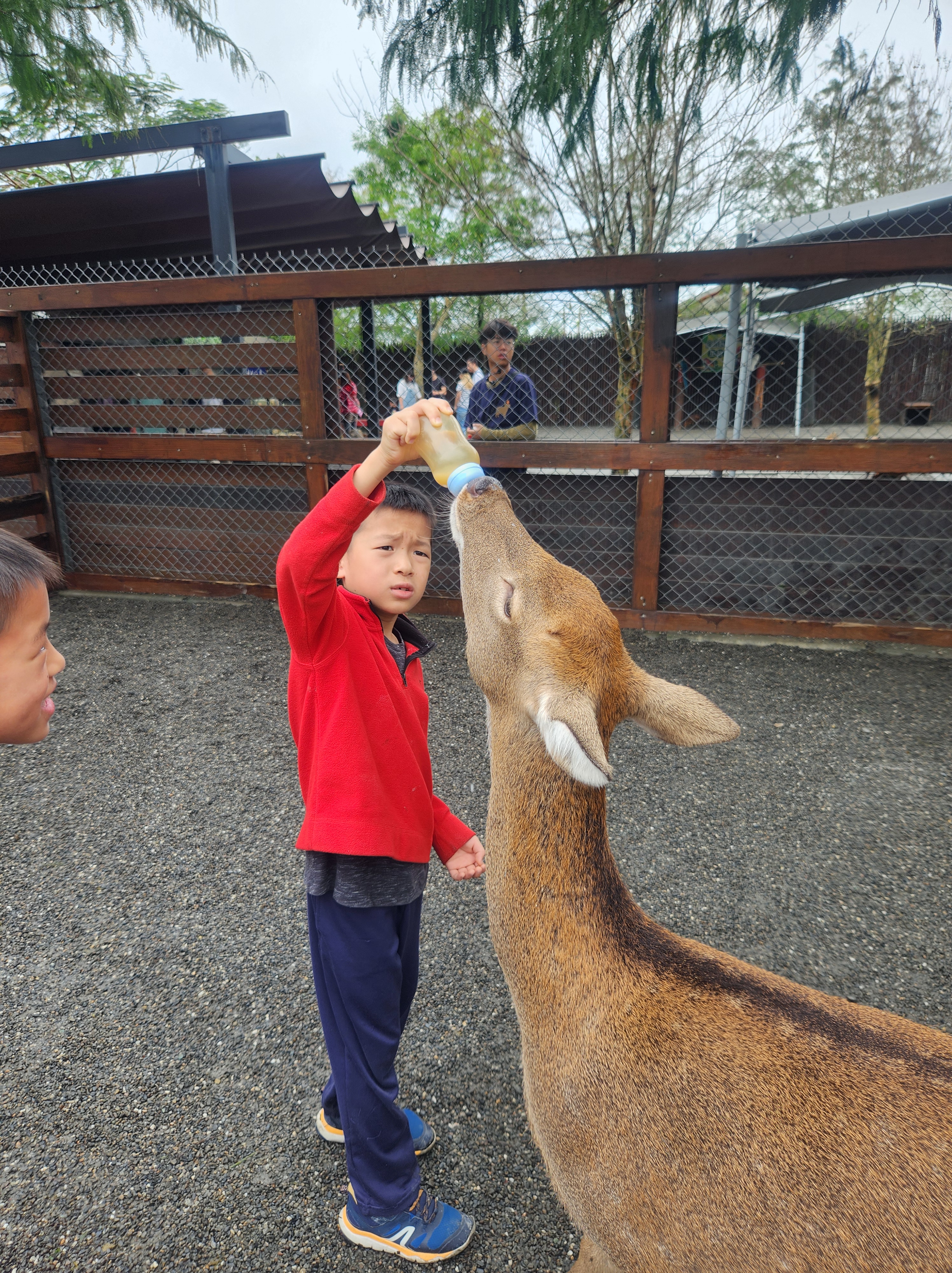
After the cooking class, we headed to the petting farm. The worker gave us a bunch of grass to feed the animals. It can be pretty overwhelming at first because the animals charged at anyone with food. The taller animals like alpacas and deer would grab the food right out of C and O’s hands, so Baba and I had to hold it with our arms held high. 😂 But aside from the animals being ravenous, they were generally very tame and seemed to be well taken care of. We all loved seeing the variety of animals here! We paid $10.75 per person for both the cooking class and farm experience, and booked our tickets here.

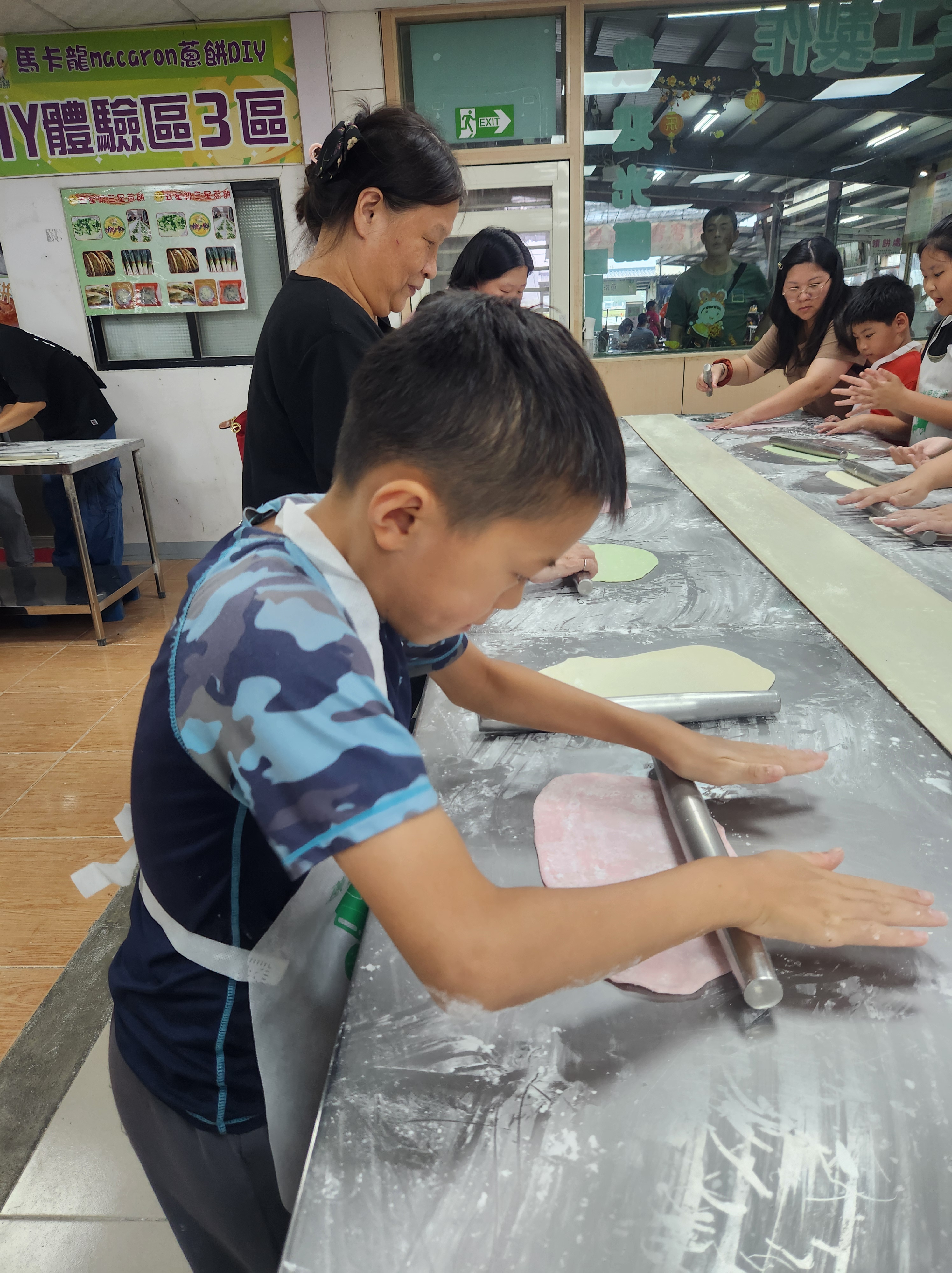
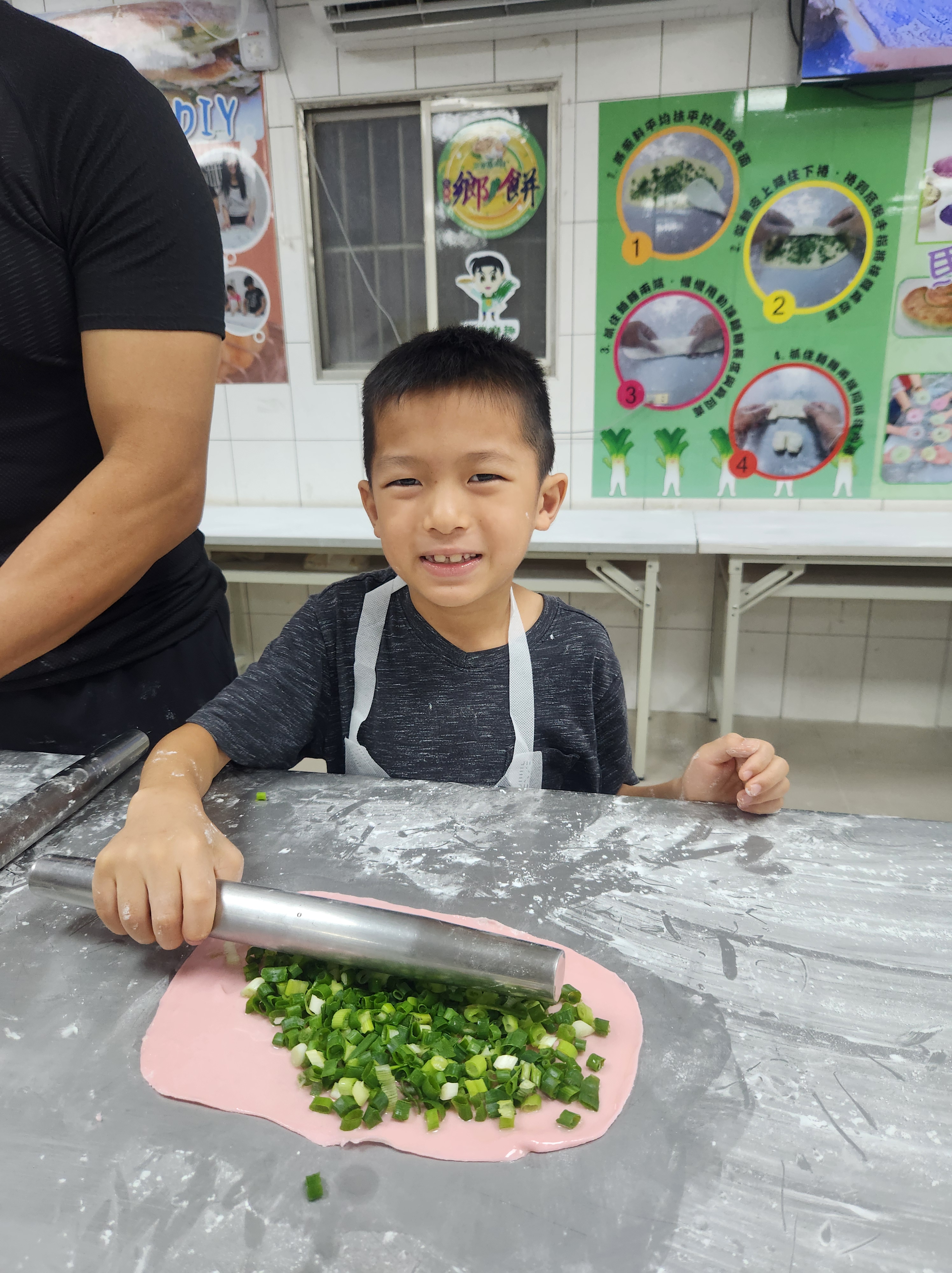
Nearby Zhang Mei Ama Farm are a couple of scallion farms. The one we went to is Cong Bao Bao 葱抱抱體驗農場. It was about a 30 minute walk from the farm. You could take a taxi there but since the weather was comfortable, we decided to walk.

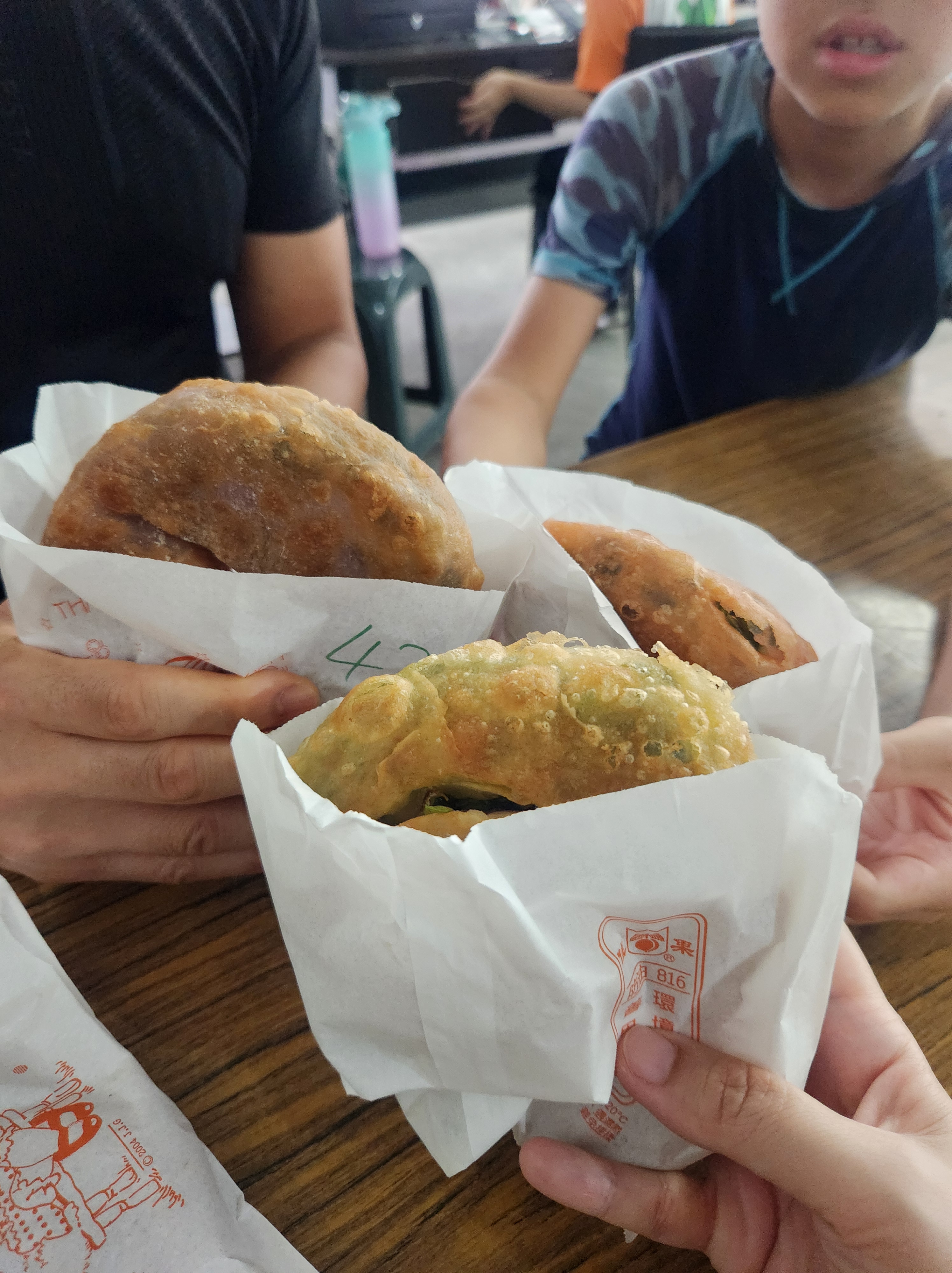
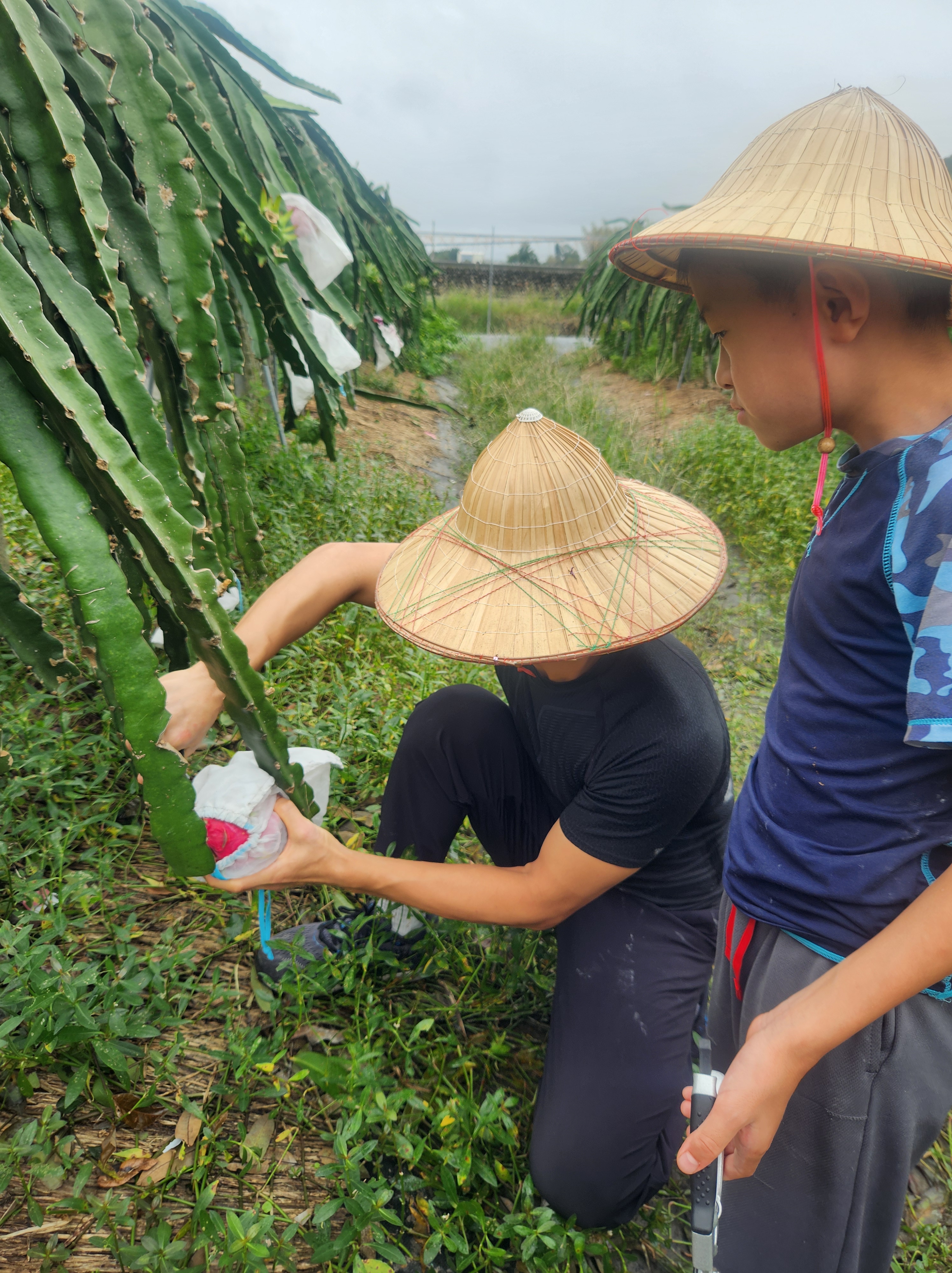
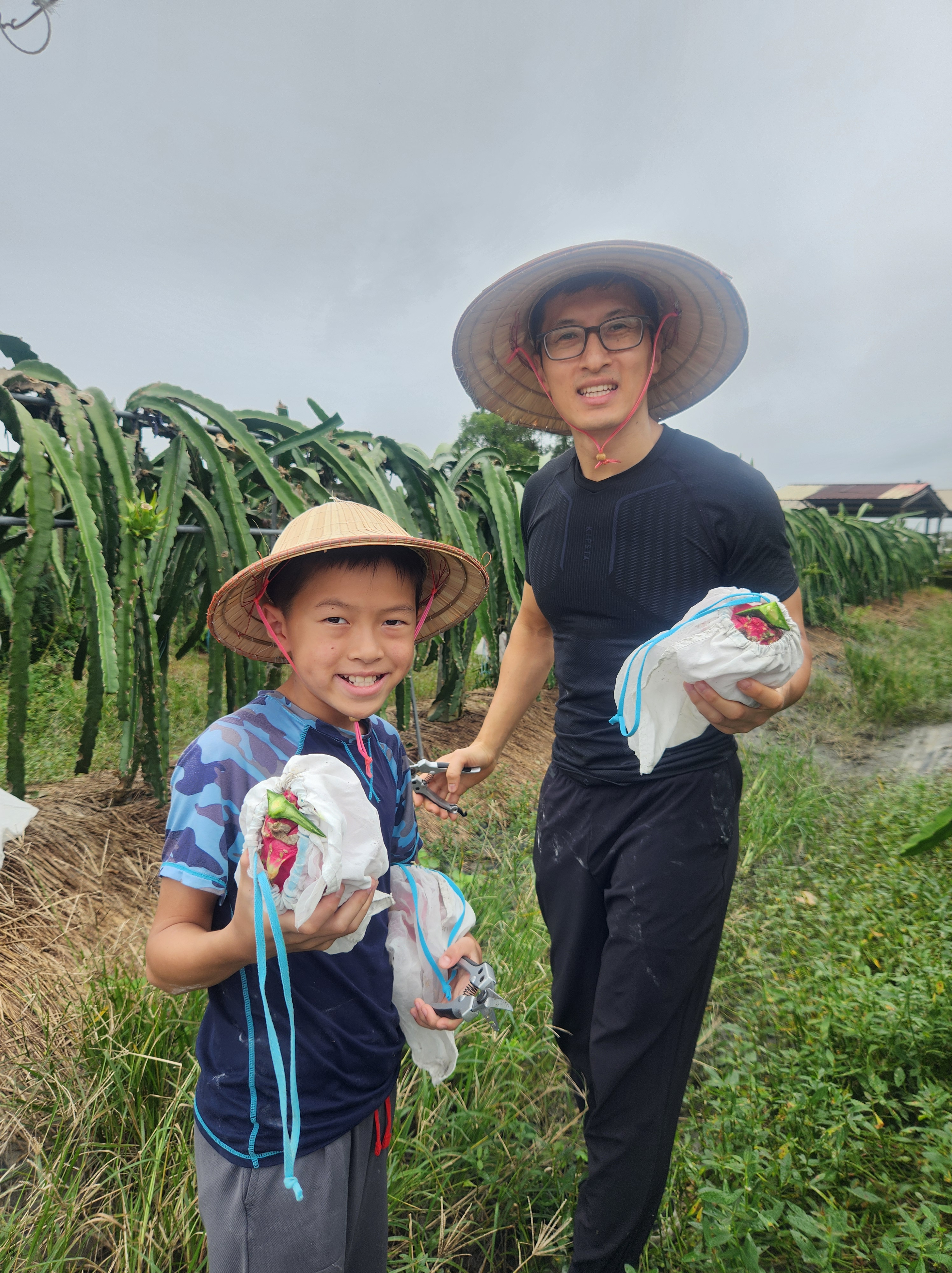
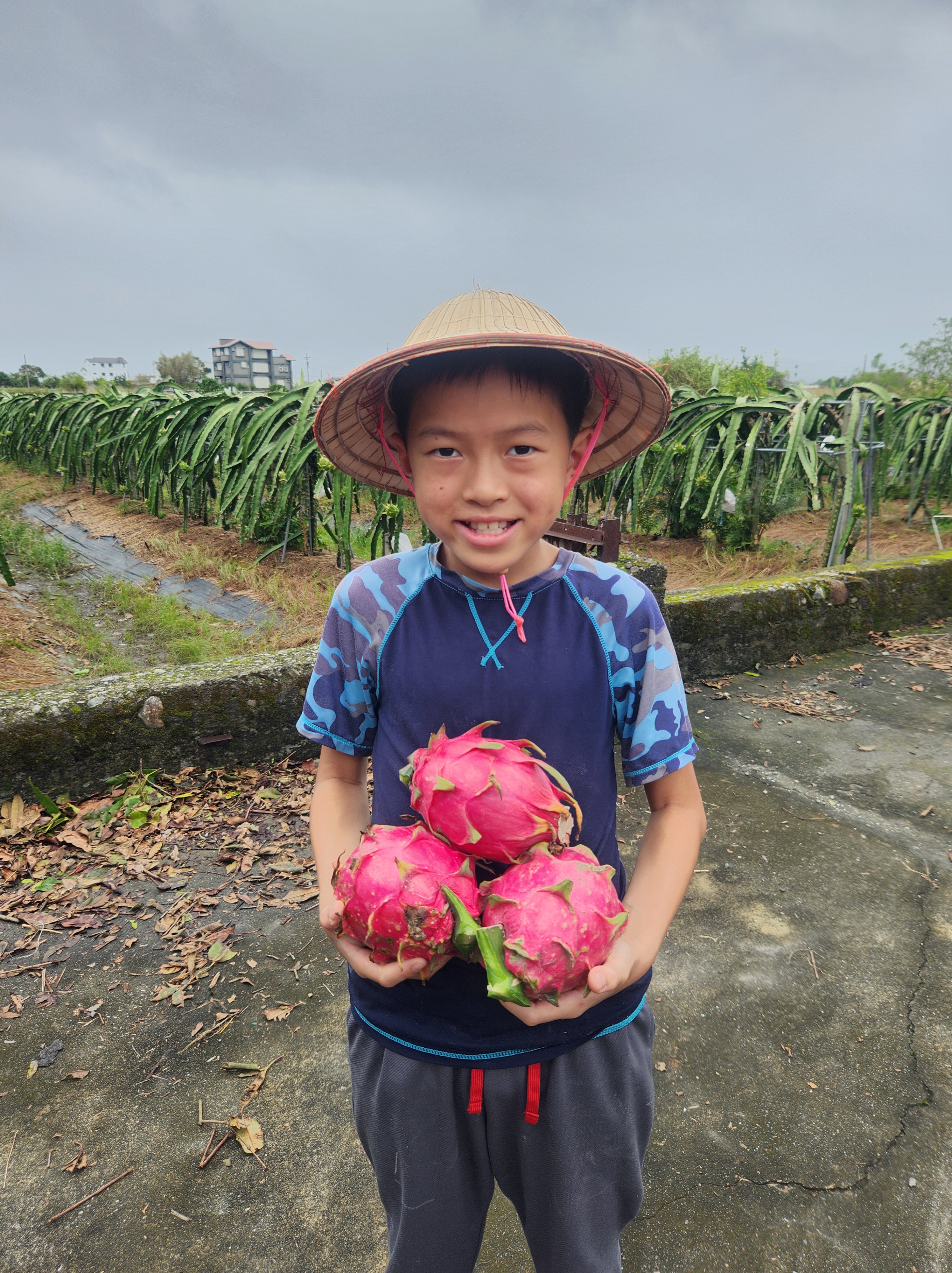
At Cong Bao Bao, you can make scallion pancakes and/or harvest scallions. Unfortunately, the scallion fields were destroyed by Typhoon Kong-rey the weekend prior. But all was not lost! The farm also grew dragon fruit so we were able to pick those.

Interestingly, dragon fruit grows on long prickly vines. The dragon fruits at the farm had pink flesh and were wrapped in bags to prevent bugs and animals from eating them. We each got to take one home.

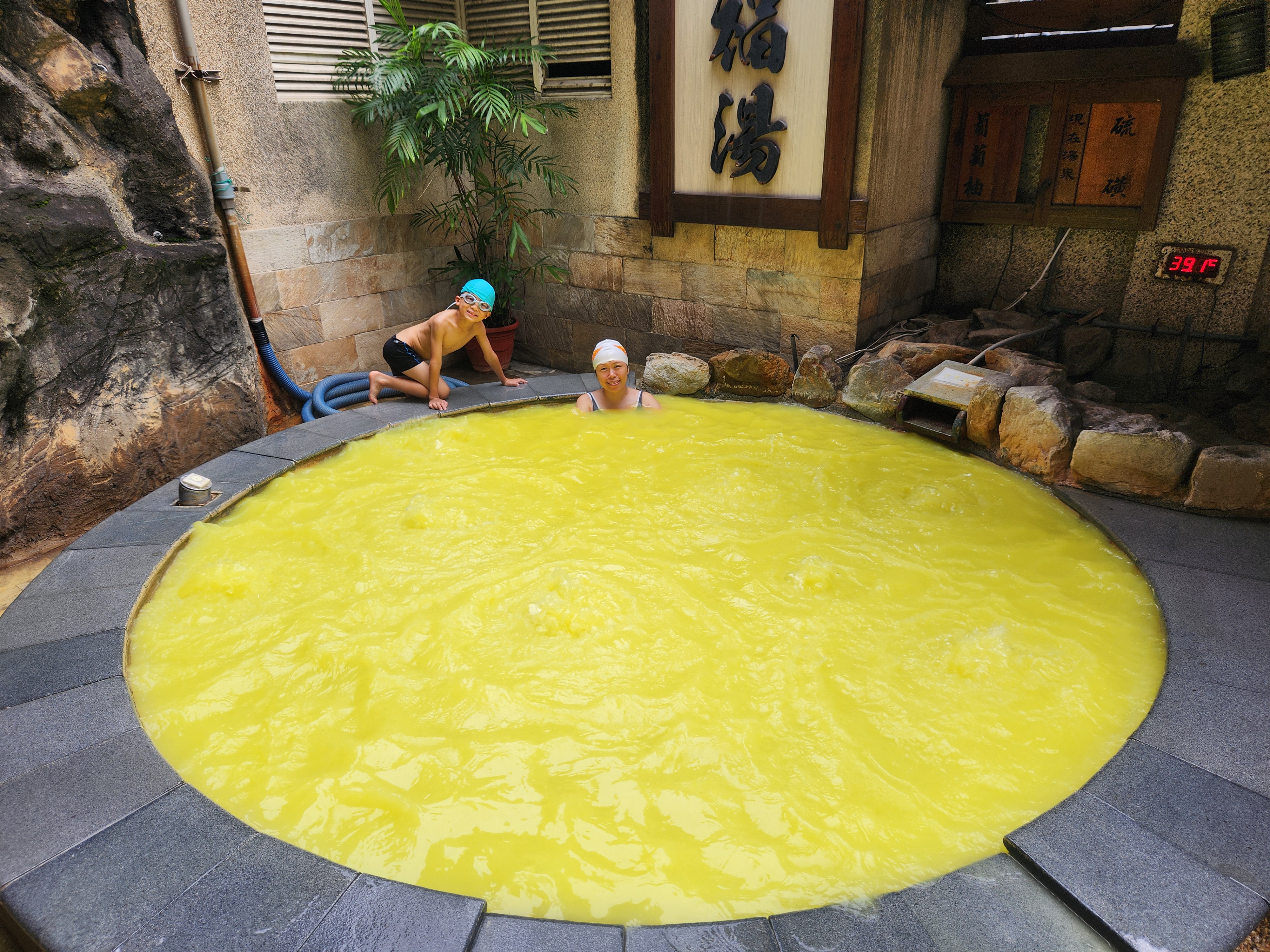
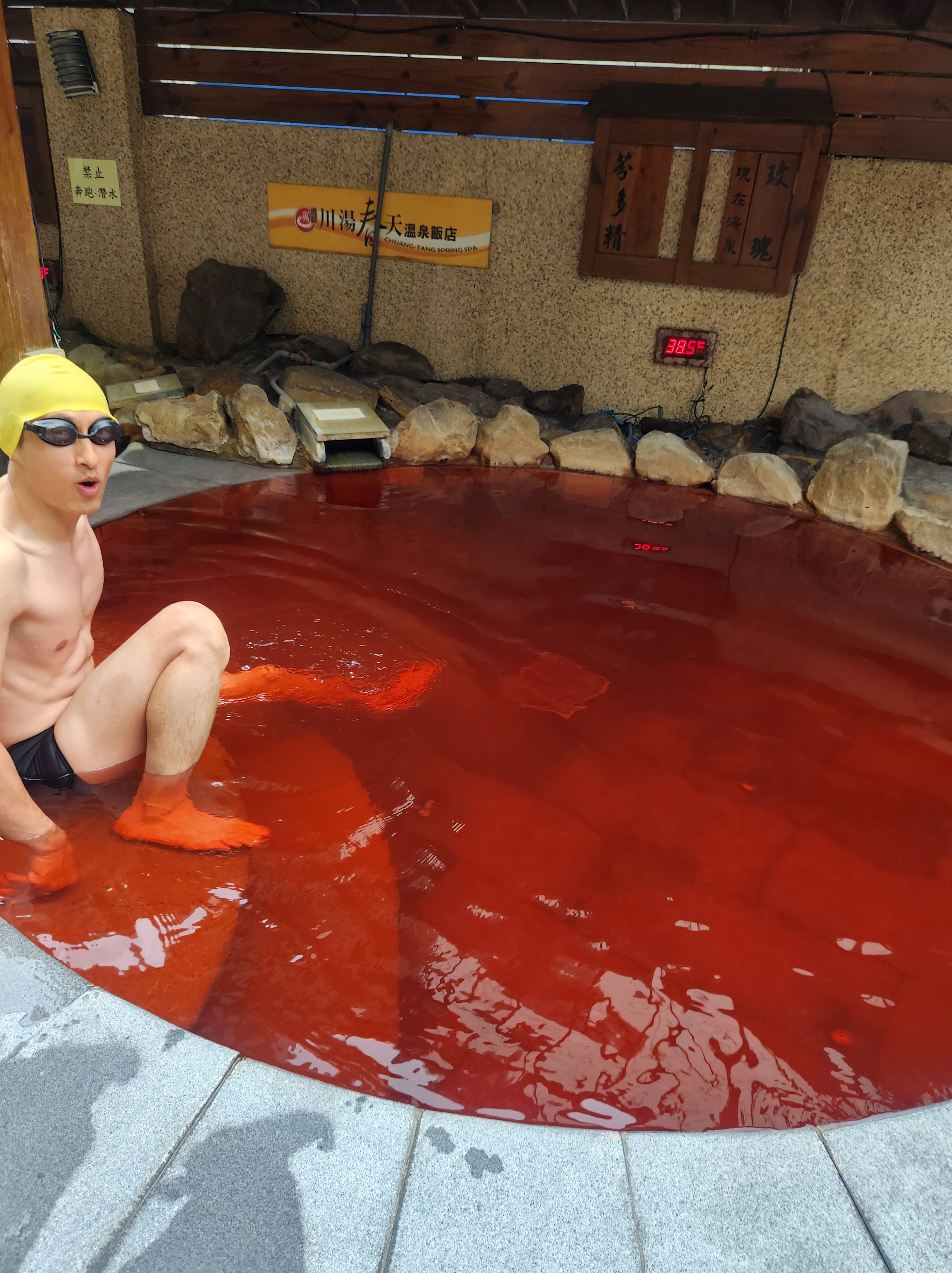
On our last day in Yilan, we took the local train to Jiaoxi 礁溪, another small town in Yilan famous for hot springs. Streets are literally lined with hot springs spas. We bought a day pass at Chuan Tang Spring Spa Hotel 川湯春天溫泉飯店 for about $10 per person. (On weekdays, it’s about $7 per person.)

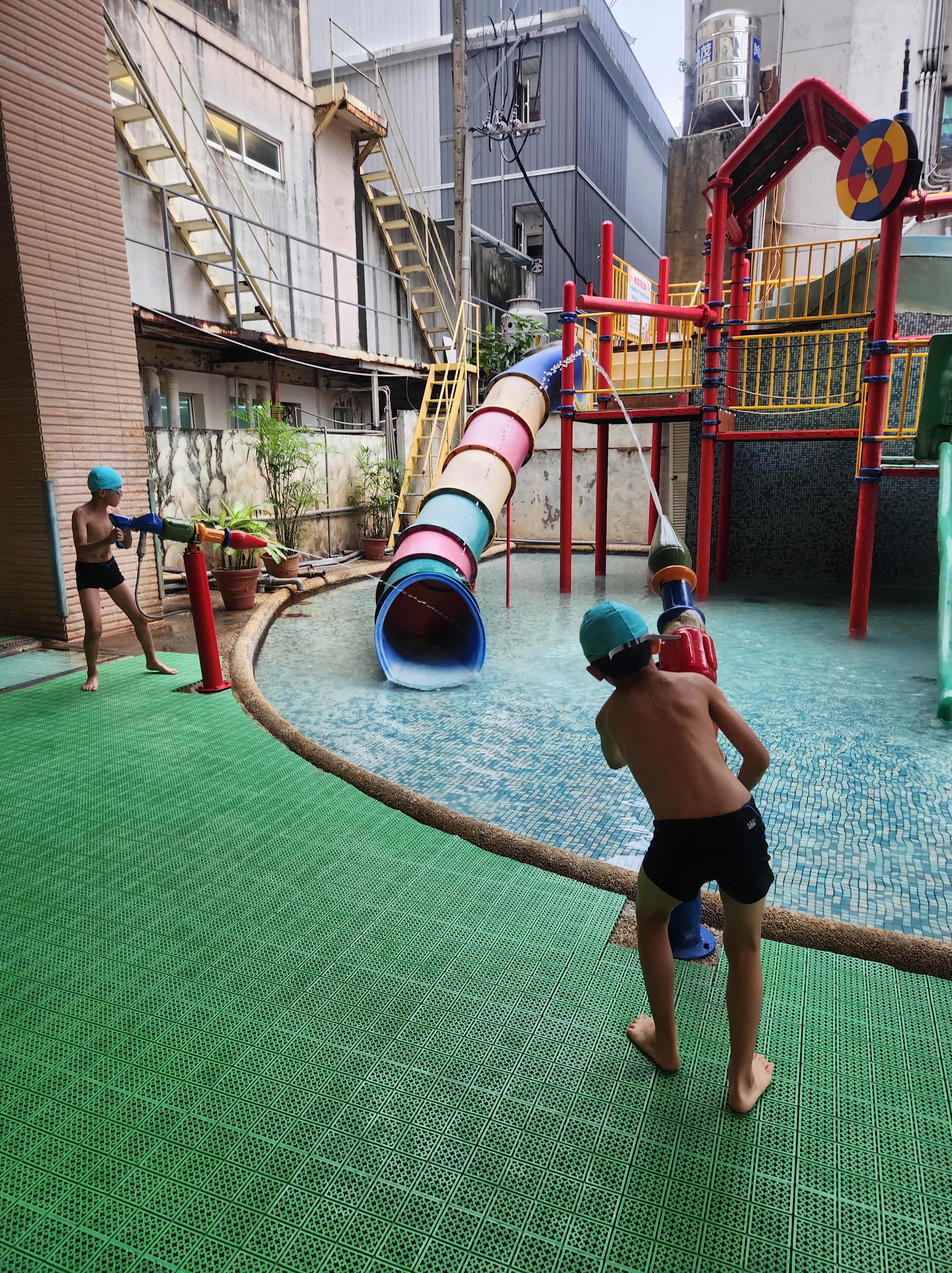
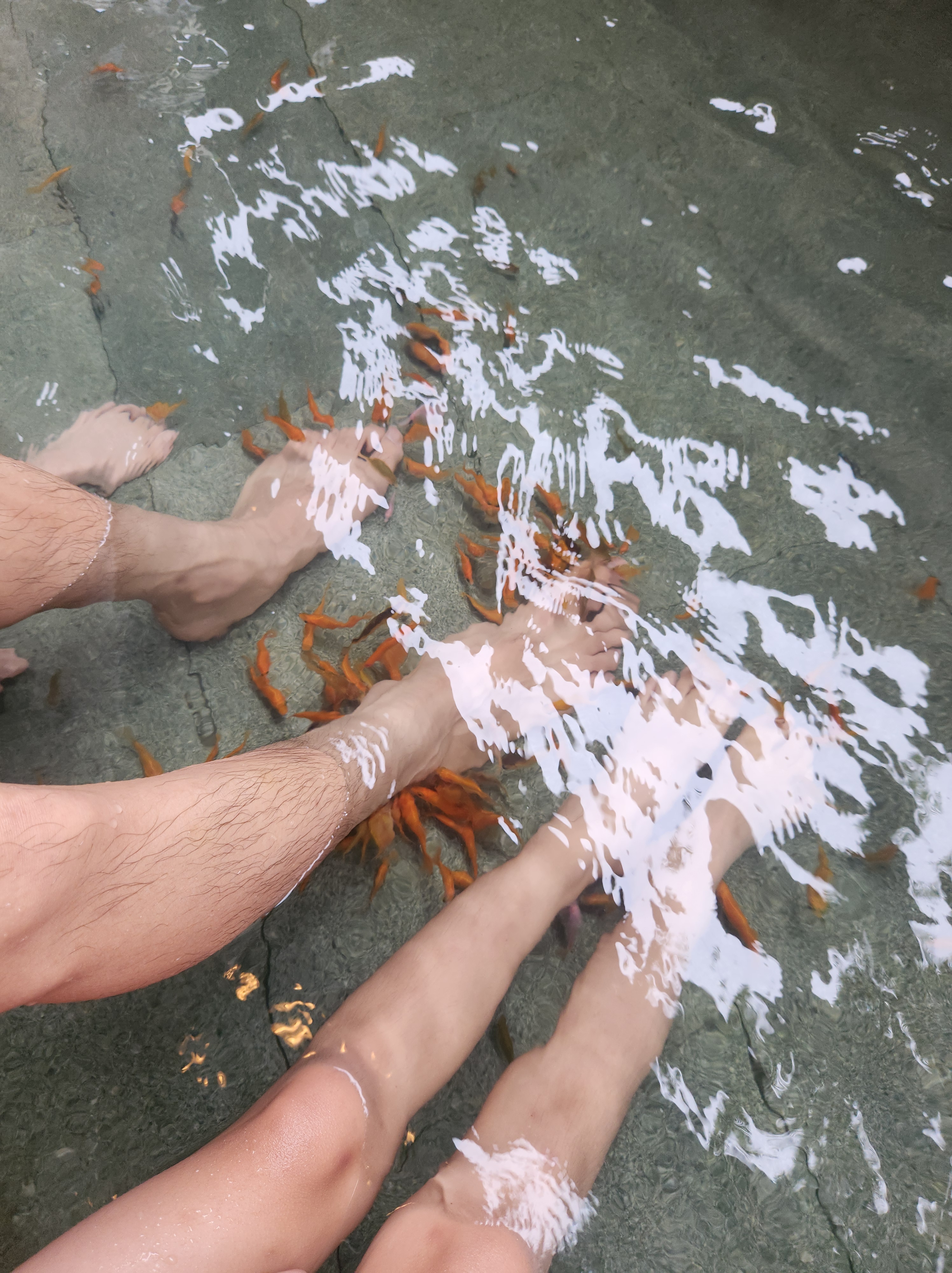
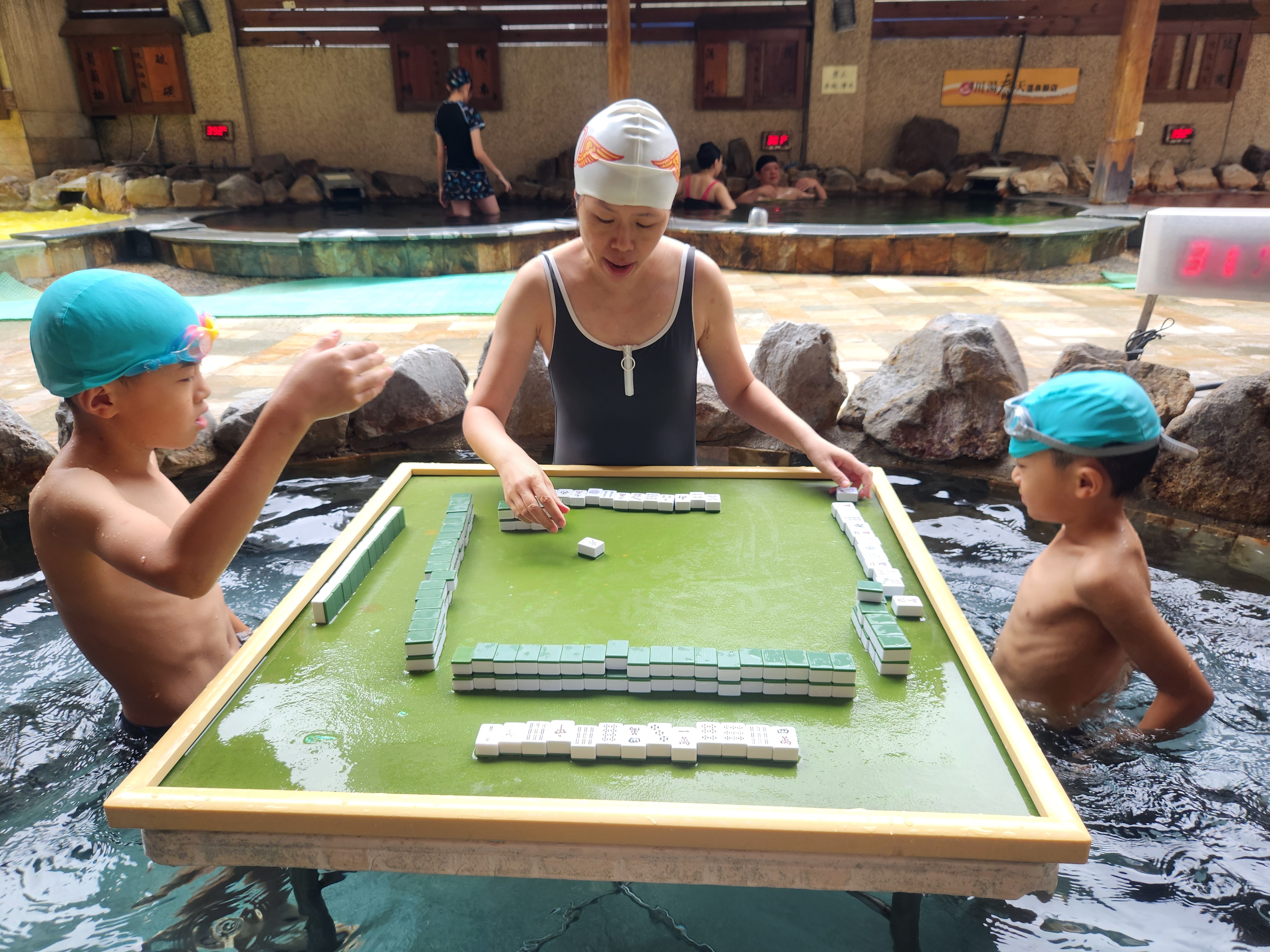
The resort is a little dated but we still had a lot of fun because of the variety of facilities. They had different scented and colored baths; a kids’ section with water slides; scented steam rooms; fish pedicure; and even a bath with a mahjong table! 😂 We stayed here for 4 hours – definitely got our money’s worth!

The trip from Jiaoxi back to Taipei was seamless as well. As with Luodong, there is a direct bus linking Jiaoxi and Taipei. We took the bus for about an hour and the first stop was just a 5 minute walk from our apartment. Can’t get any more convenient than that!

We had a great time in Yilan. It’s family-friendly, easy to get to, and has tons of fun, affordable activities. It really makes a perfect weekend getaway.

Ramblings

Field Trip to Penghu: Taiwan’s Offshore Islands

Written by C

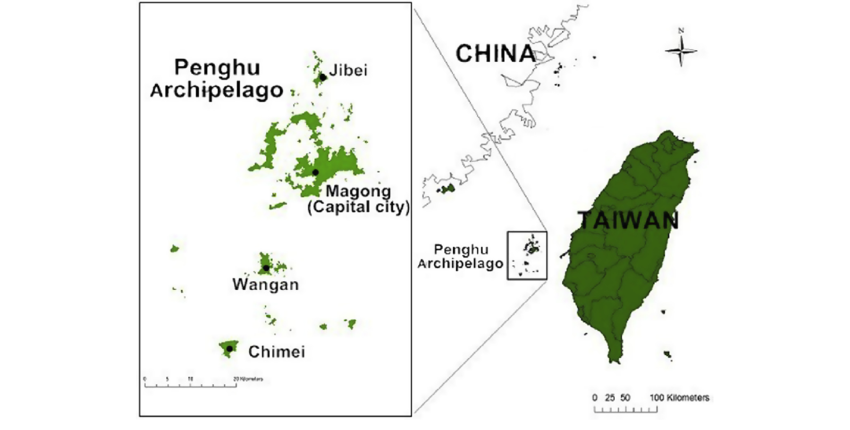
In September, I went on a 3 day, 2 night field trip with my school to a beautiful archipelago in the south of Taiwan called Penghu. We flew from Taipei’s Songshan Airport to Penghu, which took less than an hour.

Penghu was extremely hot! Luckily, whenever you are sweaty a gust of wind will cool you down. An interesting fact is that Penghu is made up of 90 islands and only 19 islands have people living on them. Also, Penghu doesn’t get that many tourists so it’s mostly locals who live here. Three popular islands are Qimei, Huxi, and Xiyu.

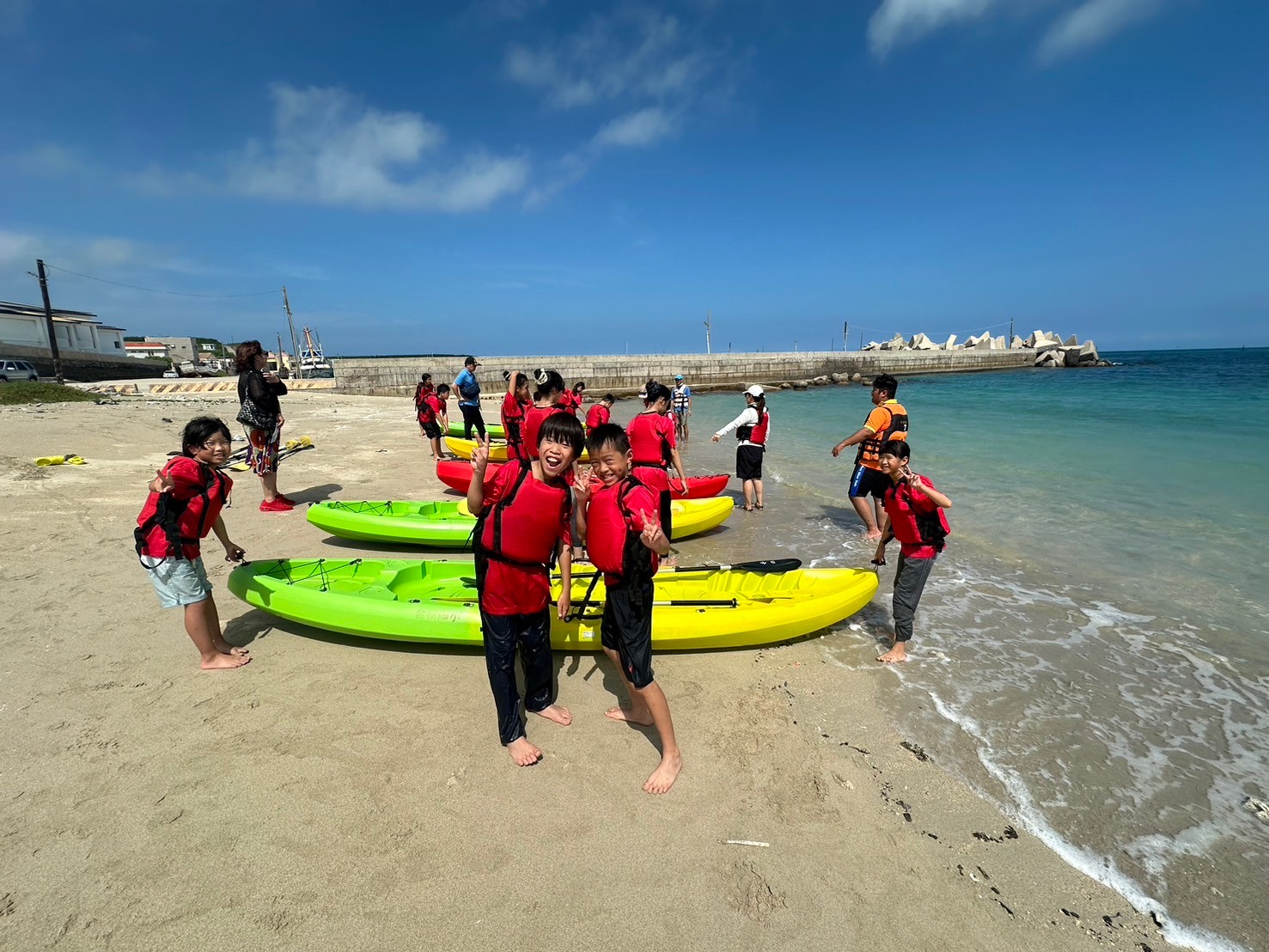
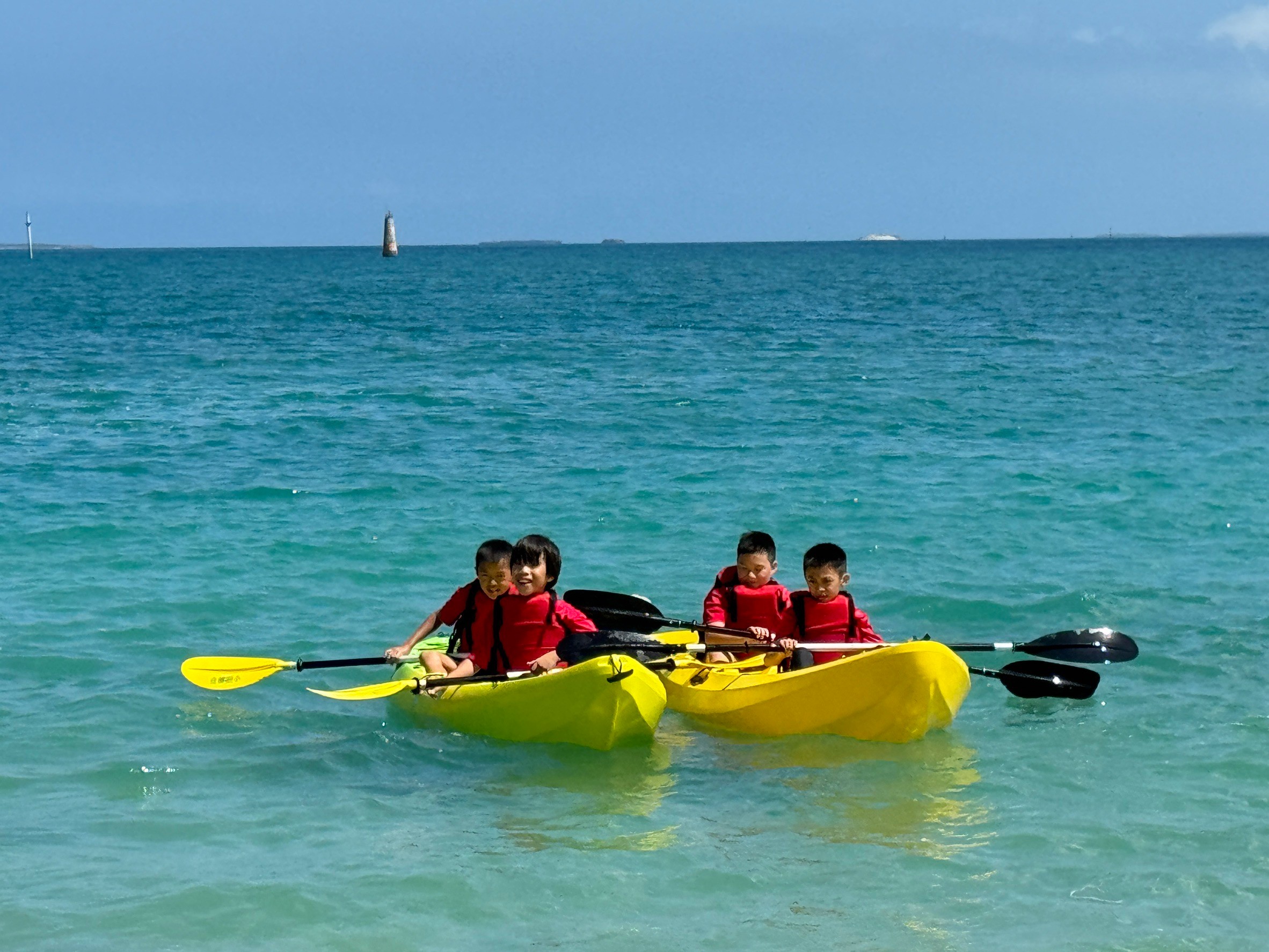
At Penghu, my classmates and I visited a local school, the old street, and we even went kayaking! This was my first time kayaking.

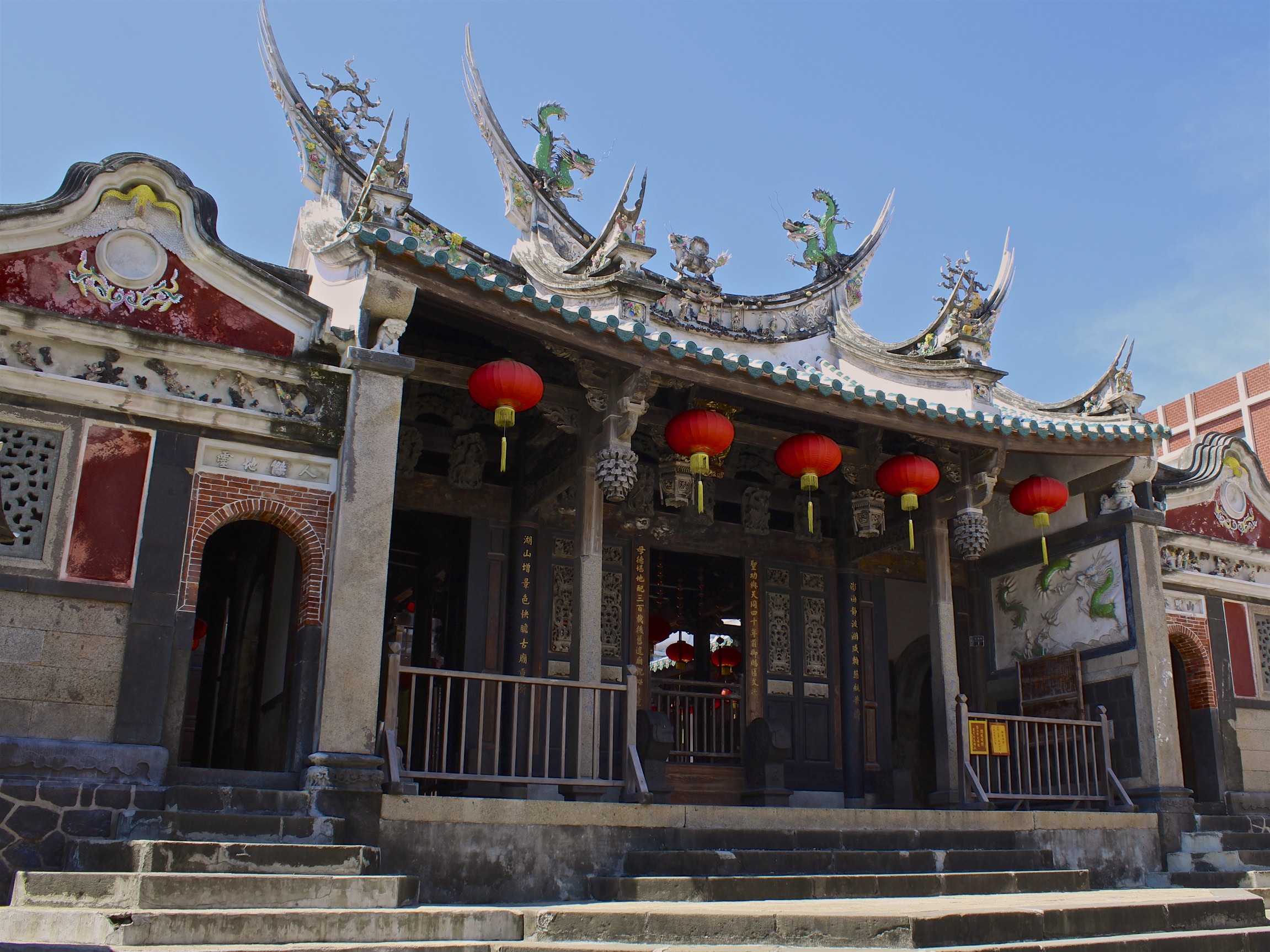
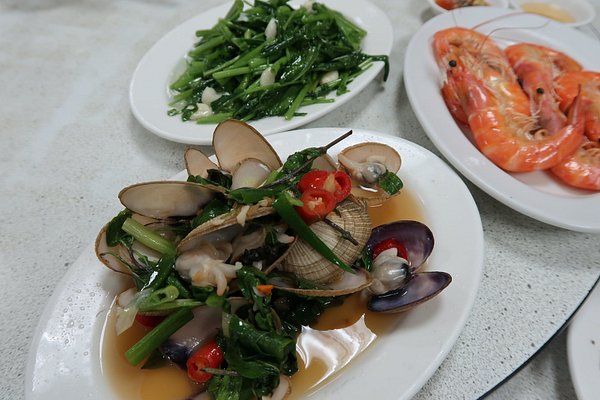
Penghu is famous for its salty seafood and its old temples. Most of their vegetables are imported from the main island. In Penghu, they grow a type cactus where it can be made into drinks, ice cream, and jelly. Penghu is the only place in Taiwan where they grow it. I liked it so much bought some for my family back home. I also brought home a peanut candy.

In conclusion, I think that this trip was a great experience for me to learn about Penghu traditions and its cultures. Maybe one day you can go there and check it out yourself. Remember to put on sunscreen though!