Ramblings

Hey Taipei

We have an ongoing list of things to see, do, and eat in Taipei. It keeps growing! Then, there are places that we’ve already been to but want to go back. But since we’re confined by the boys’ school schedules, we could only go on the weekends…which means more crowds.

So when the boys had a month off for winter break, we planned trips outside of Taipei (Malaysia and Taroko Gorge) but also outings in our backyard. Since many families travel outside of Taipei during Lunar New Year to visit family, we wanted to take advantage of the smaller crowds.

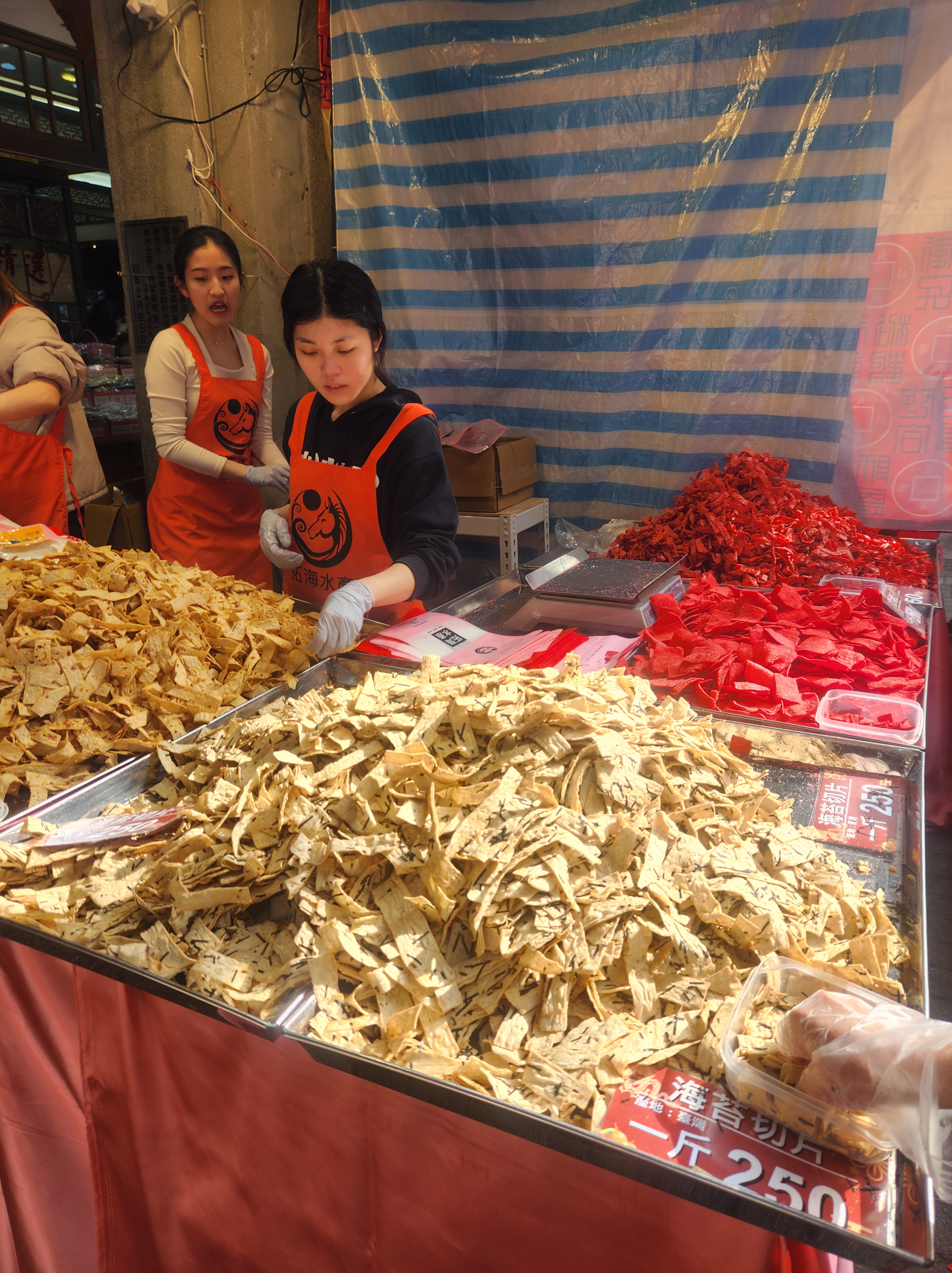
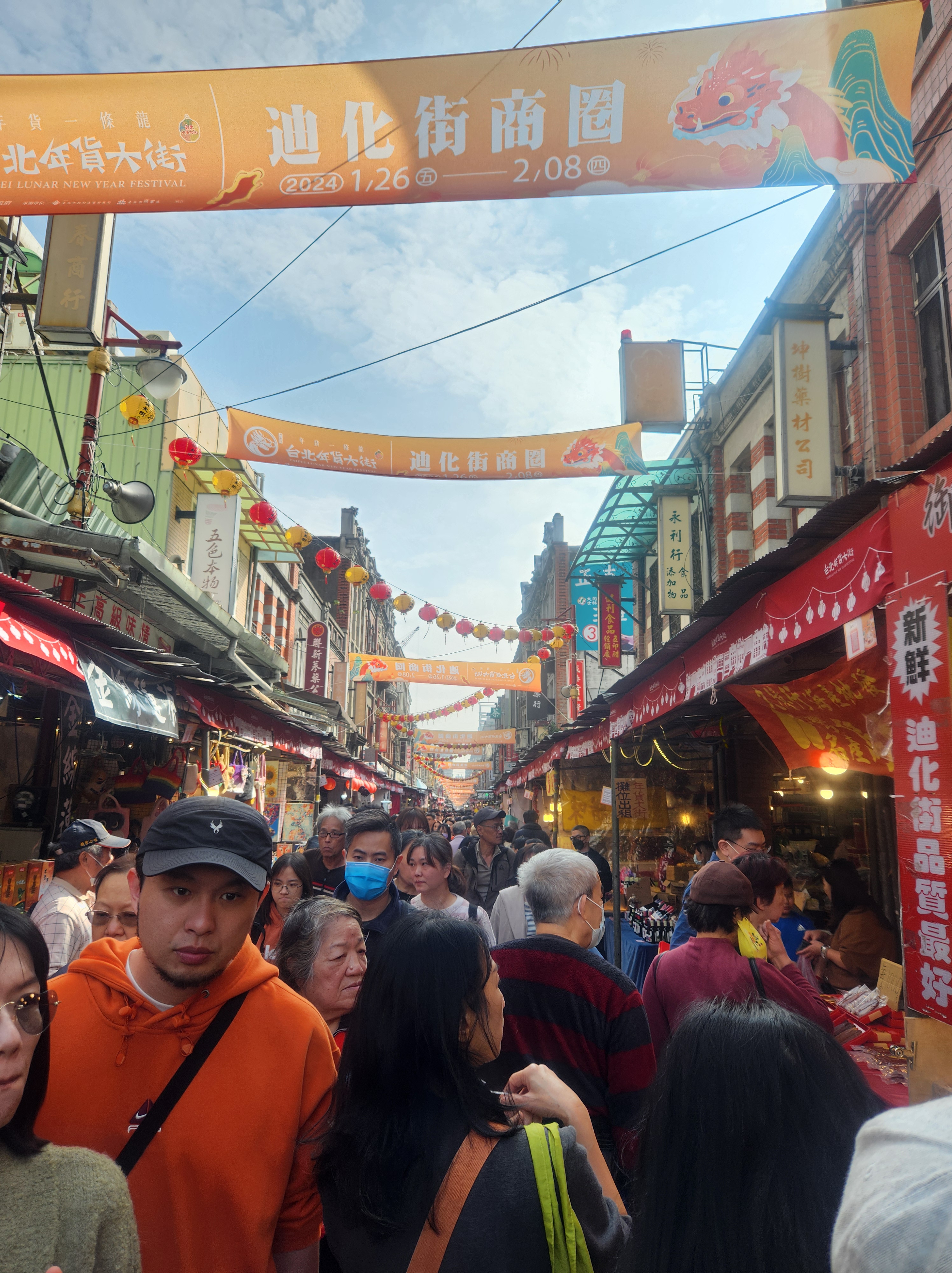
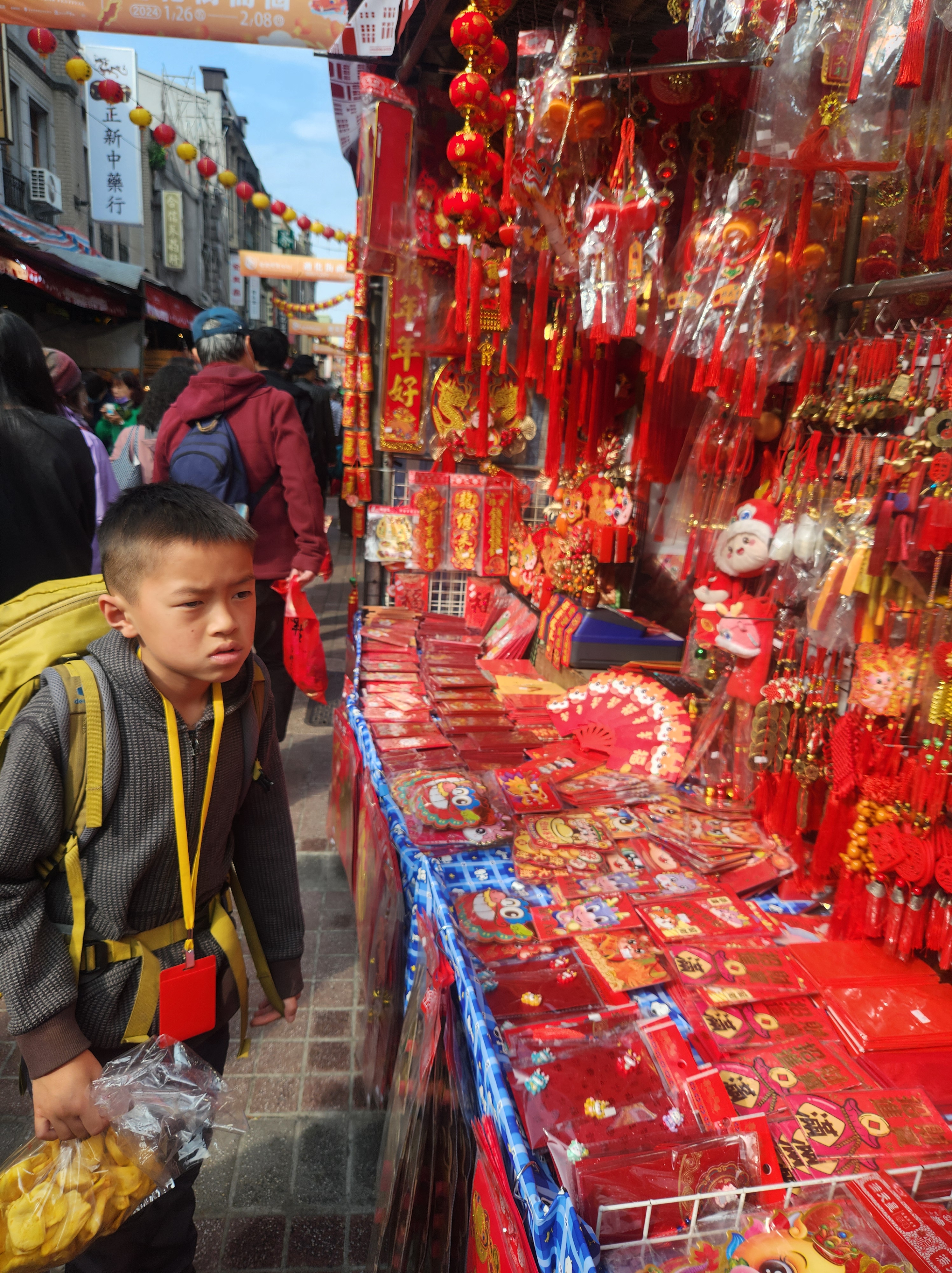
Dihua Street. Dihua is a historic street in the Datong District, lined with traditional shops selling Chinese herbs, tea, and snacks. We’ve been to Dihua before but this time we wanted to take part in the Lunar New Year market. Long blocks on Dihua were filled with vendors selling everything from LNY candies, decorations and food – so festive!

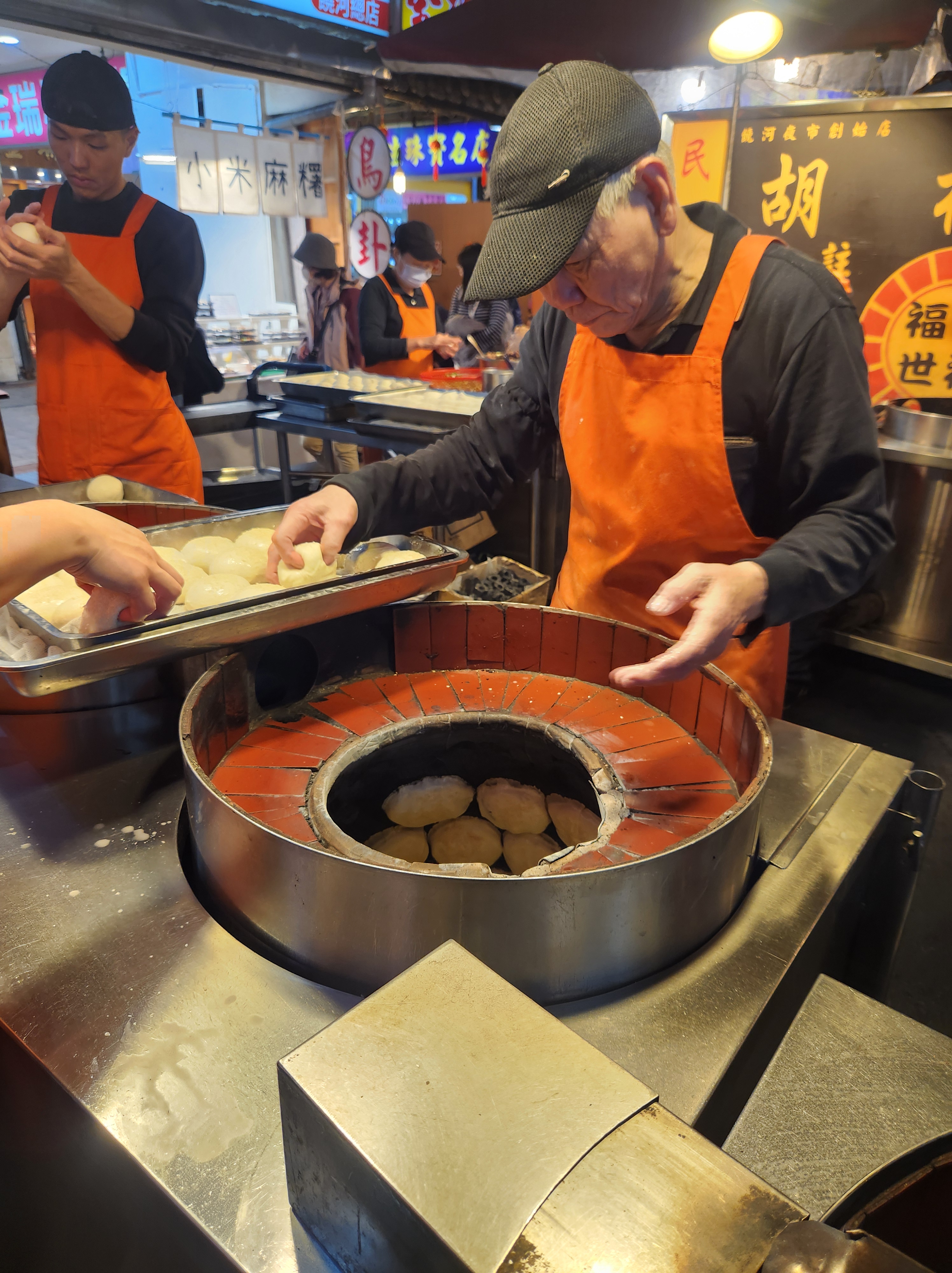
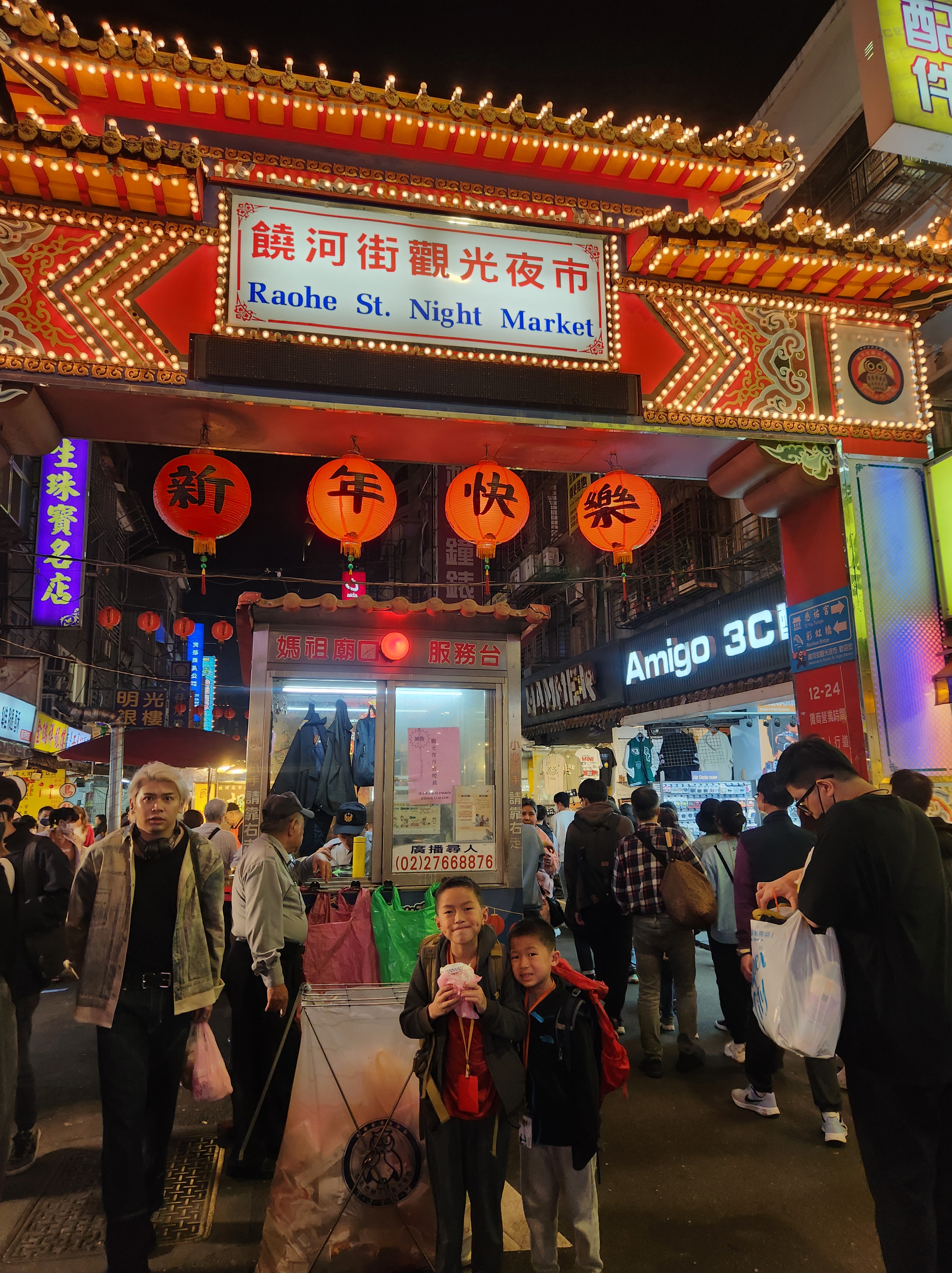
Raohe Night Market. We visited Raohe during our Taiwan trip back in 2019, then tried to go again recently around NYE. Boy, was that a mistake because it was so crowded we could barely get two steps in! This time, we came on a weekday during winter break. It was still busy but much more manageable.

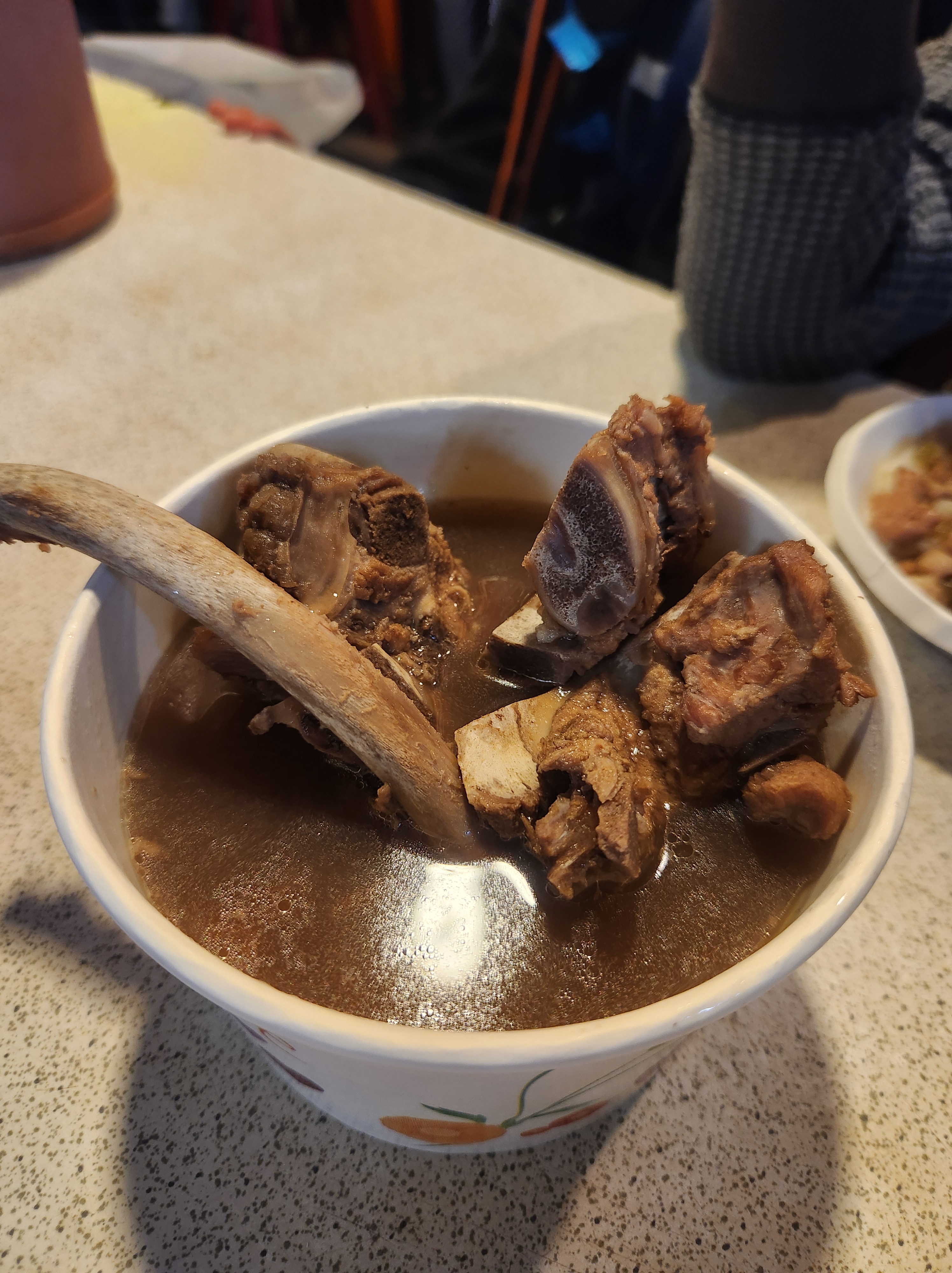
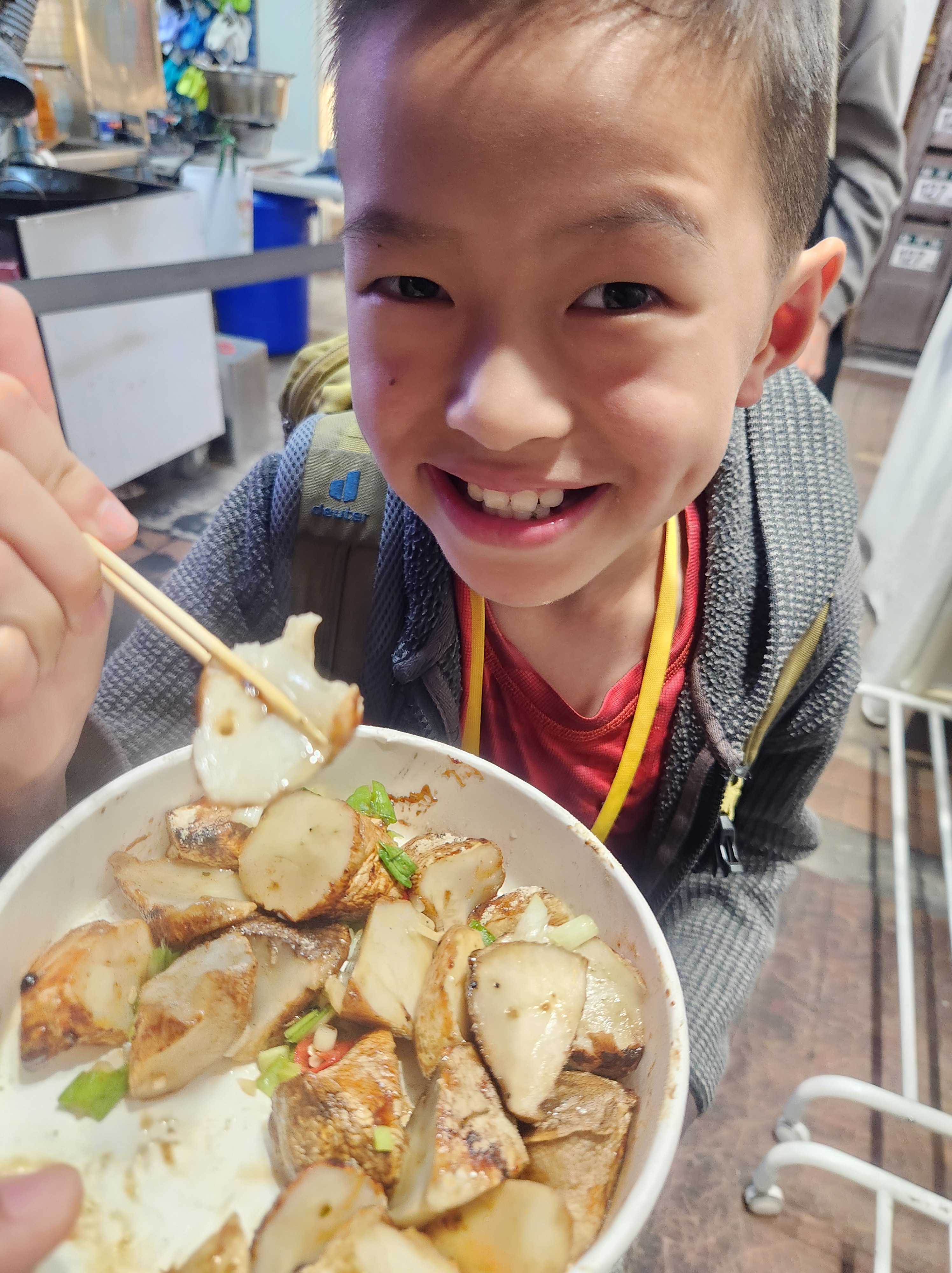
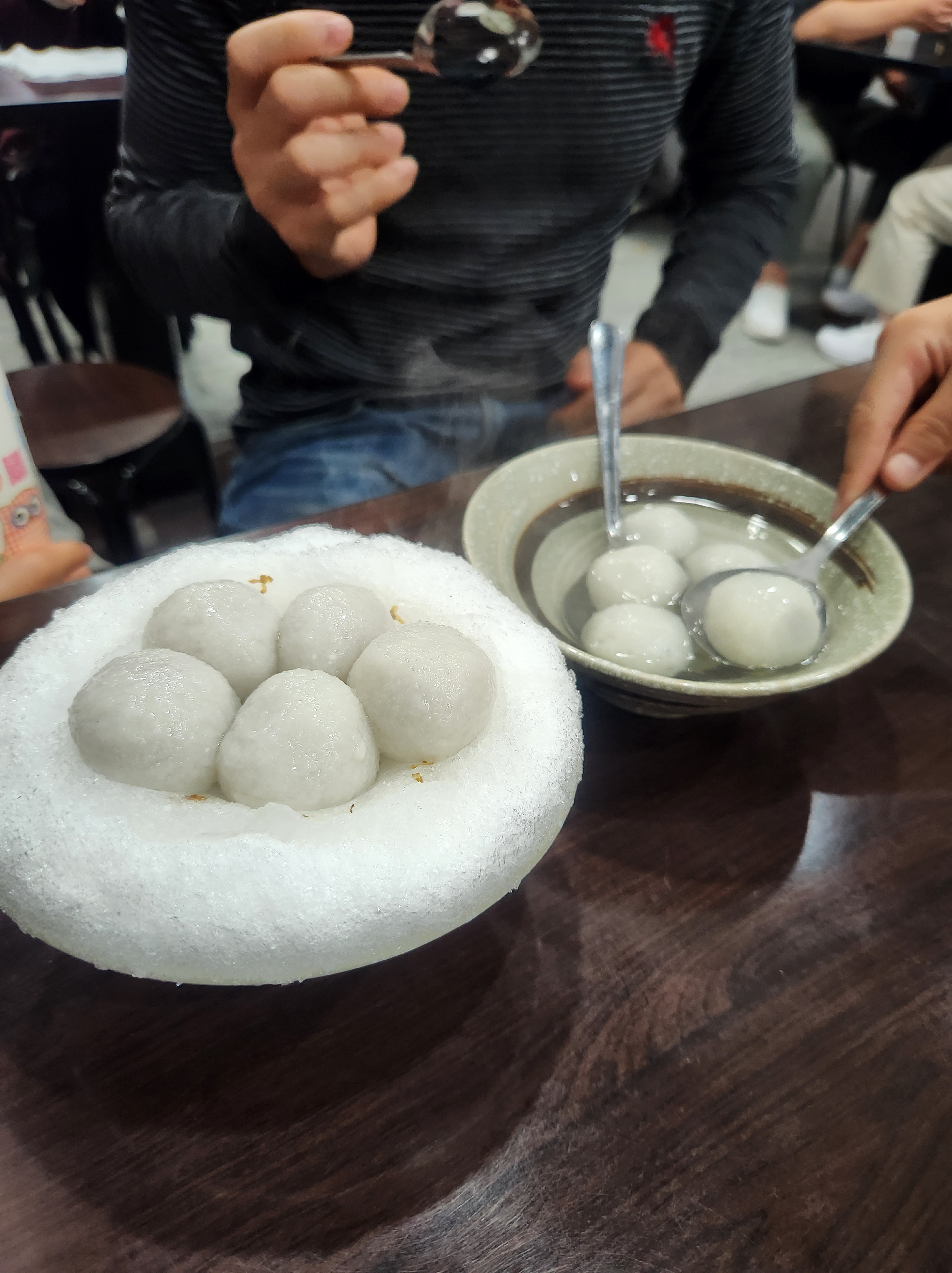
Raohe has a ton of fantastic food: black pepper buns, pork bone herbal soup, tang yuan (rice dumplings), grilled mushrooms, etc. No wonder it is one of the most popular night markets in Taipei!

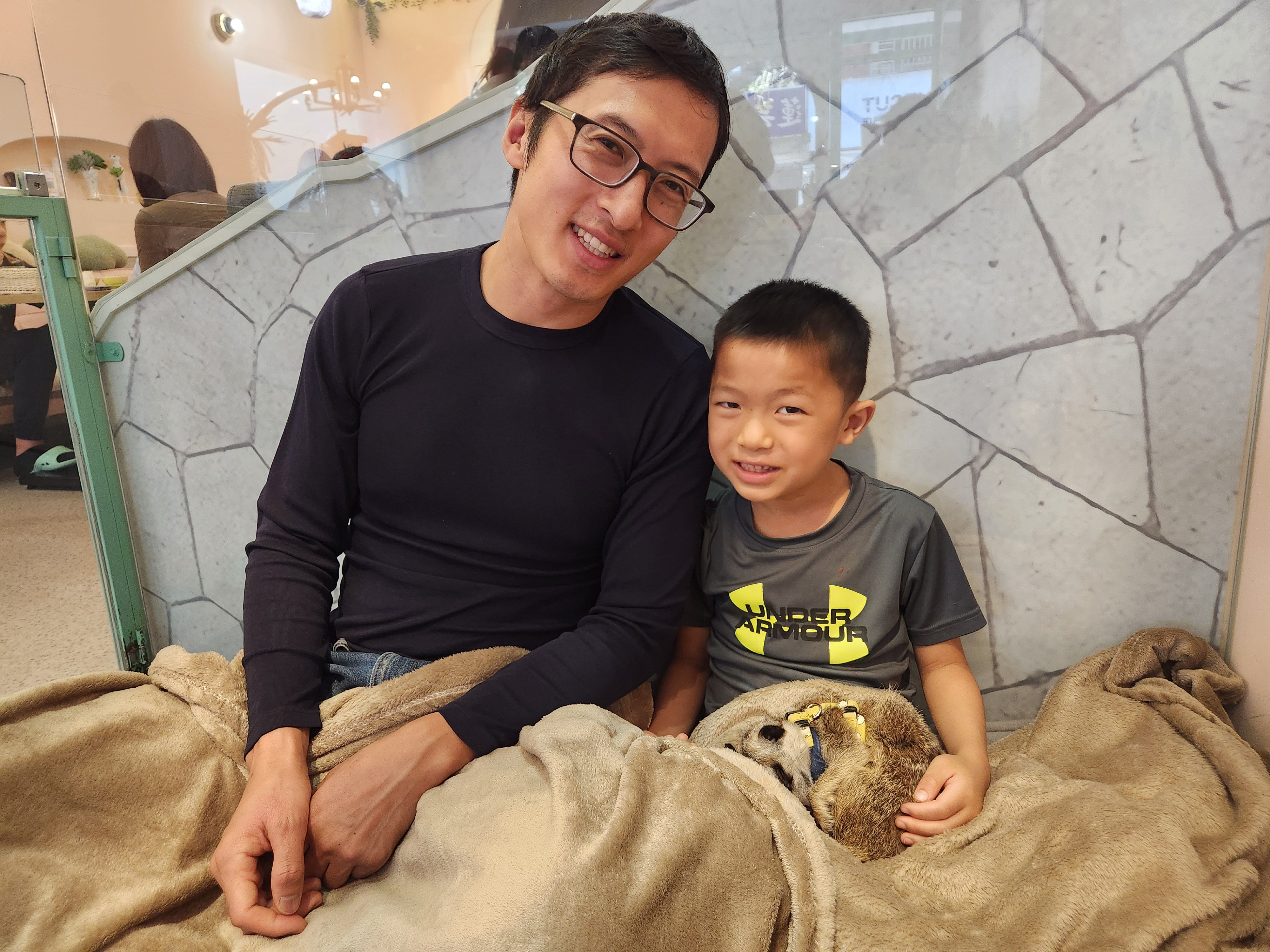
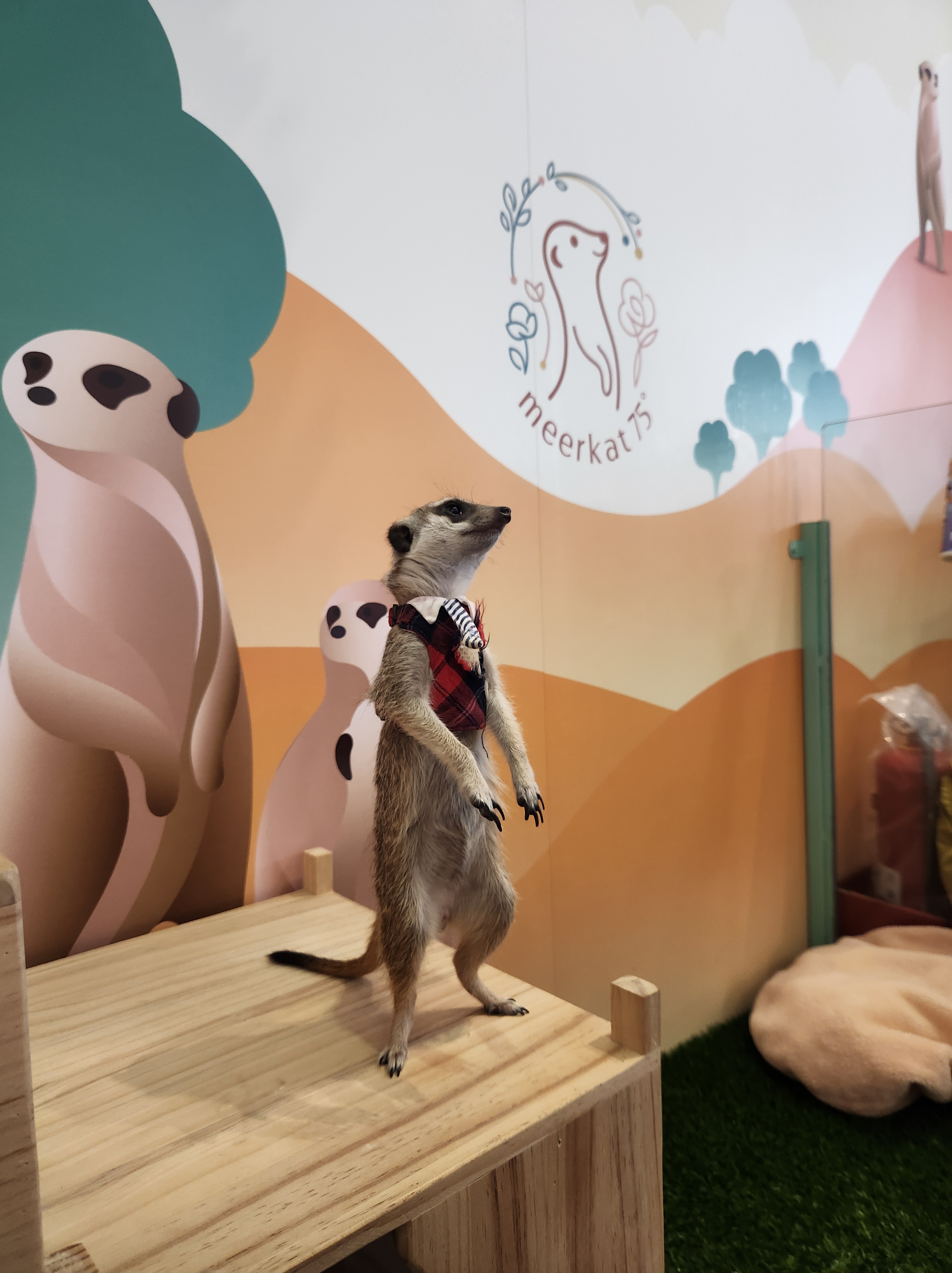
Meerkat 75 Café. I found this café on Instagram and immediately made a reservation. I tried taking the boys to a cat café before, but we were turned away because of the boys’ age. But Meerkat 75 Café allows kids!

There are a total of 5 meerkats at the café. Groups of 2 people take turns going into an enclosed viewing area where you can play and learn about the meerkats. So fun! Each person has to order a certain dollar amount of food – I think it’s about $8 USD per person, and less for children. The food was mostly pasta, salads and chicken tenders, but it was pretty decent!

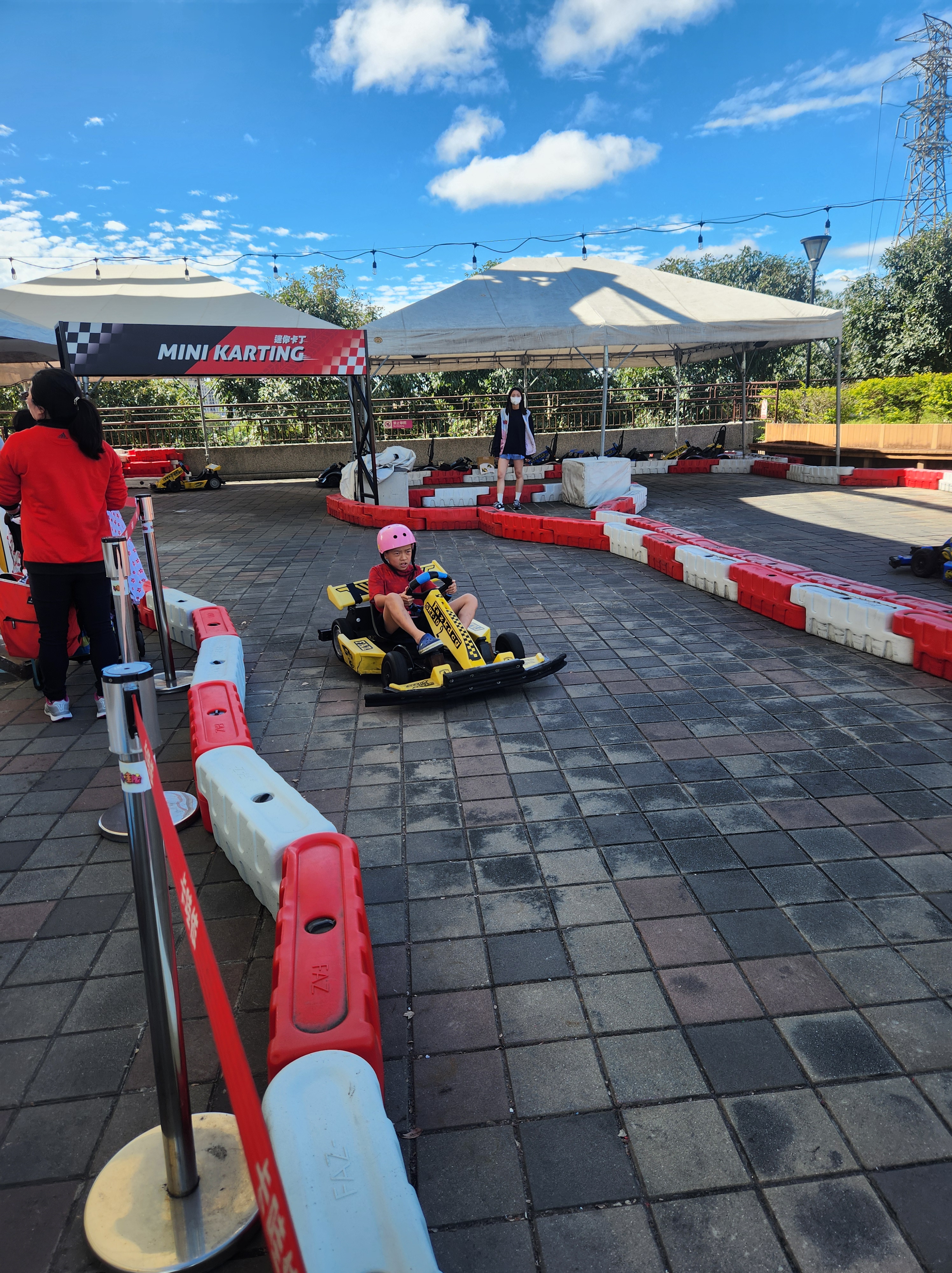
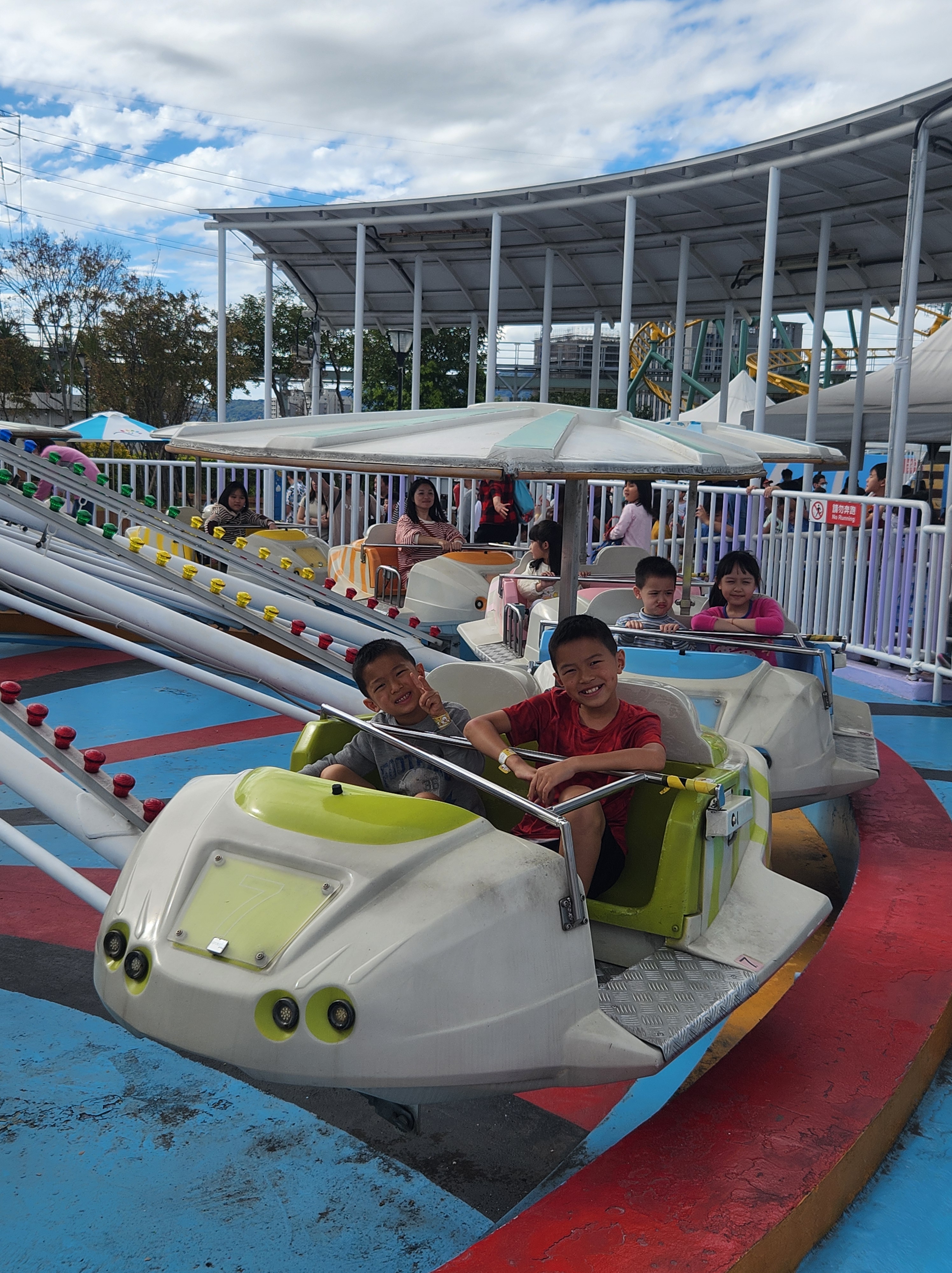
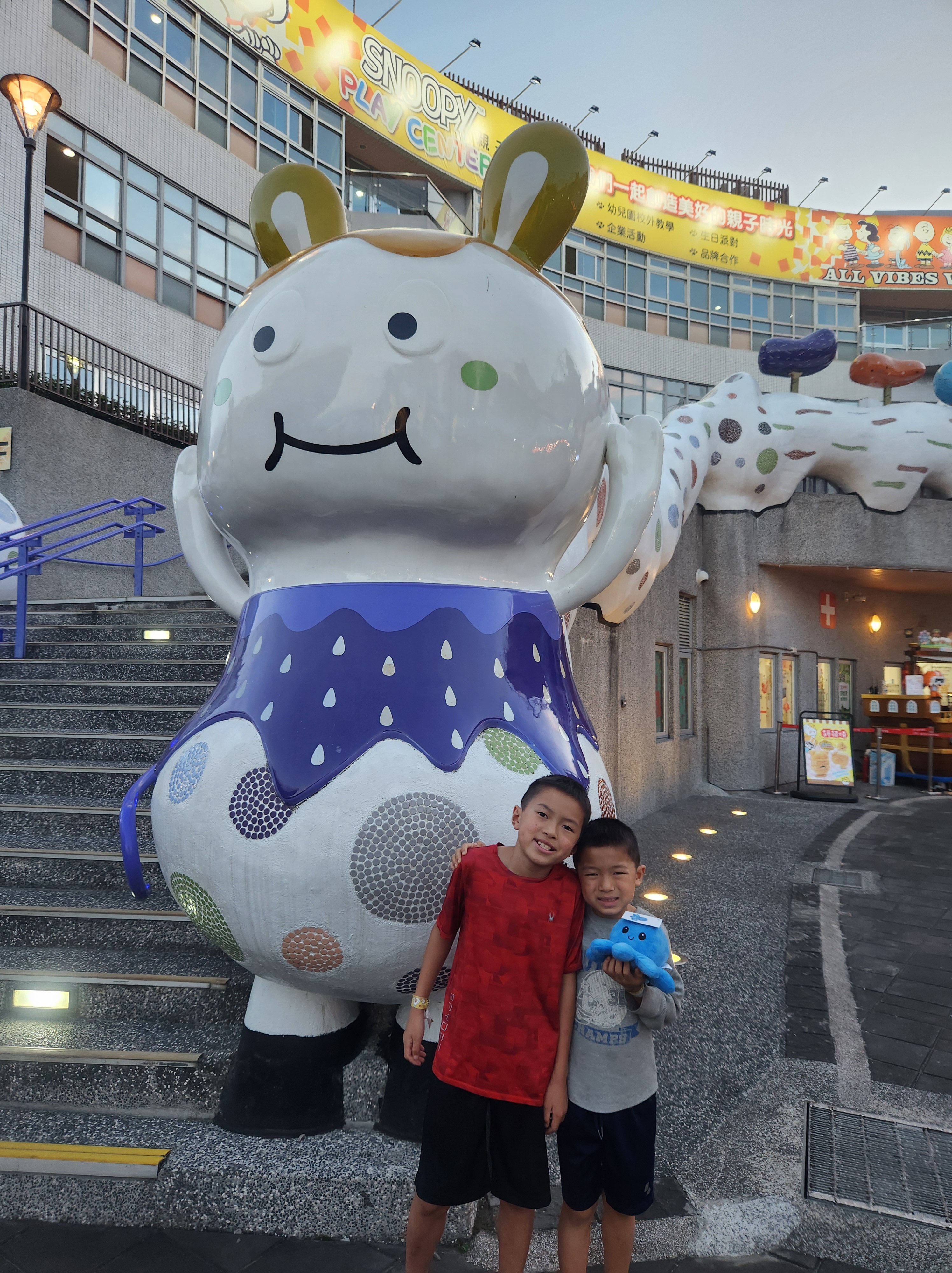
Children’s Amusement Park. An amusement park that you can spend the day at but isn’t overwhelmingly big, the Taipei Children’s Amusement Park is really fun for kids mainly 13 and under. Entry tickets are ridiculously cheap too – $1 USD for adults, and $.50 USD for kids – and then you pay as you ride, which ranges from $.50 to $3 USD each. You could also get day passes for about $6.50 USD, but it’s not all-inclusive. We spent the day here with friends and had a great time.

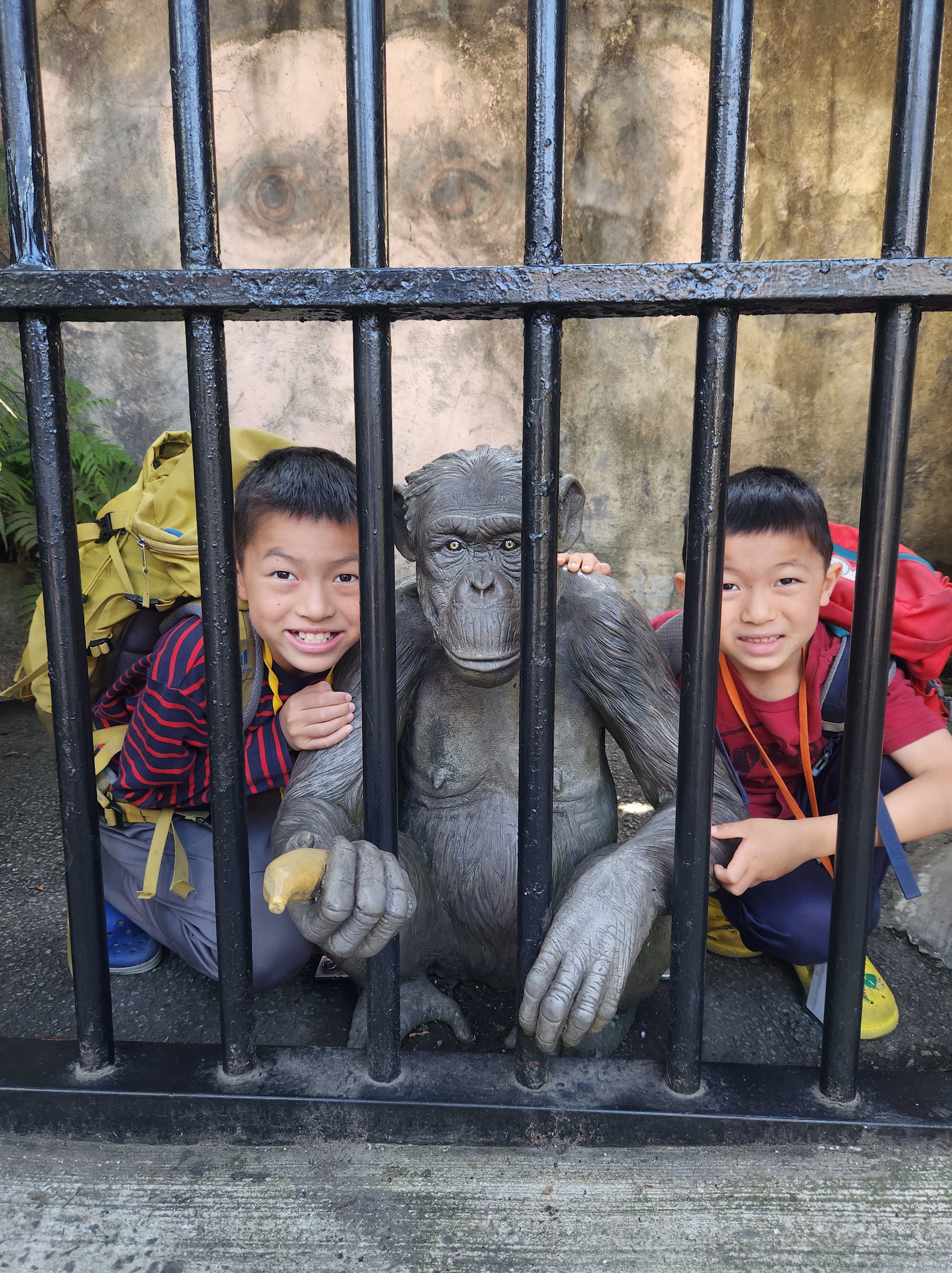
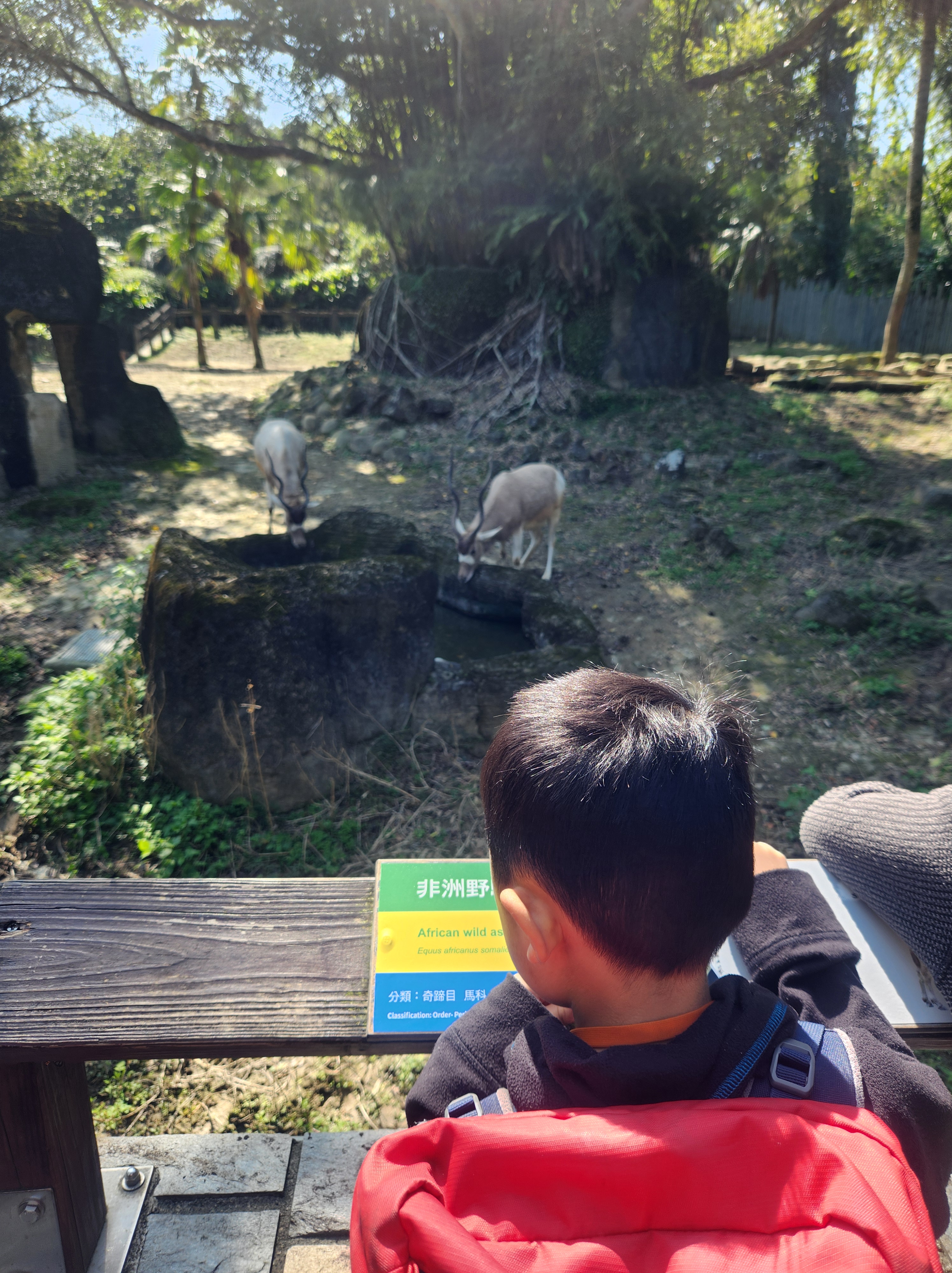
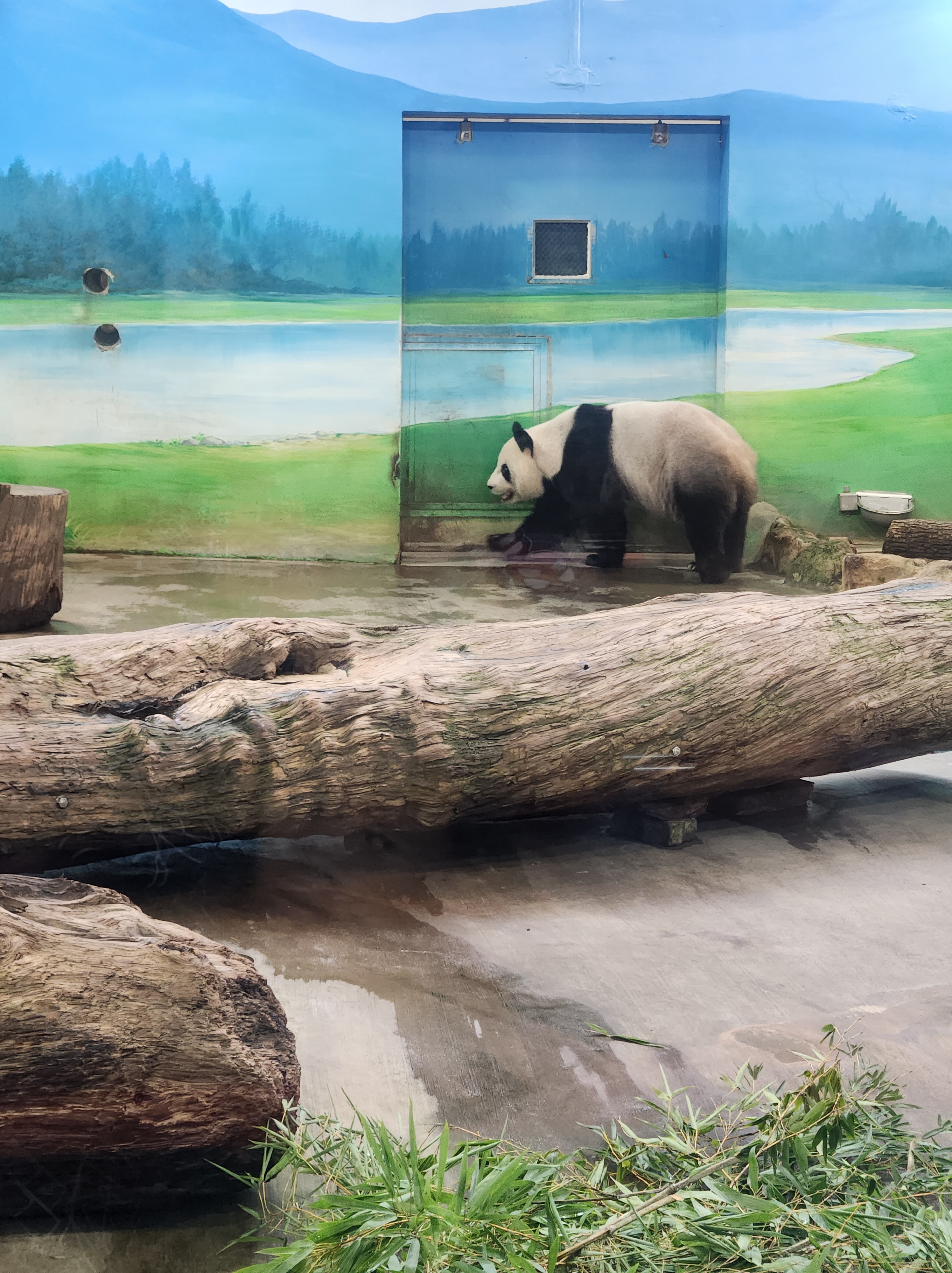
Taipei Zoo and Maokong. We went to the zoo at the end of last August, and the heat was so brutal that we had to leave before seeing everything. This time, the weather was absolutely perfect but the zoo was a bit crowded because it was one of the few places open during the week of LNY.

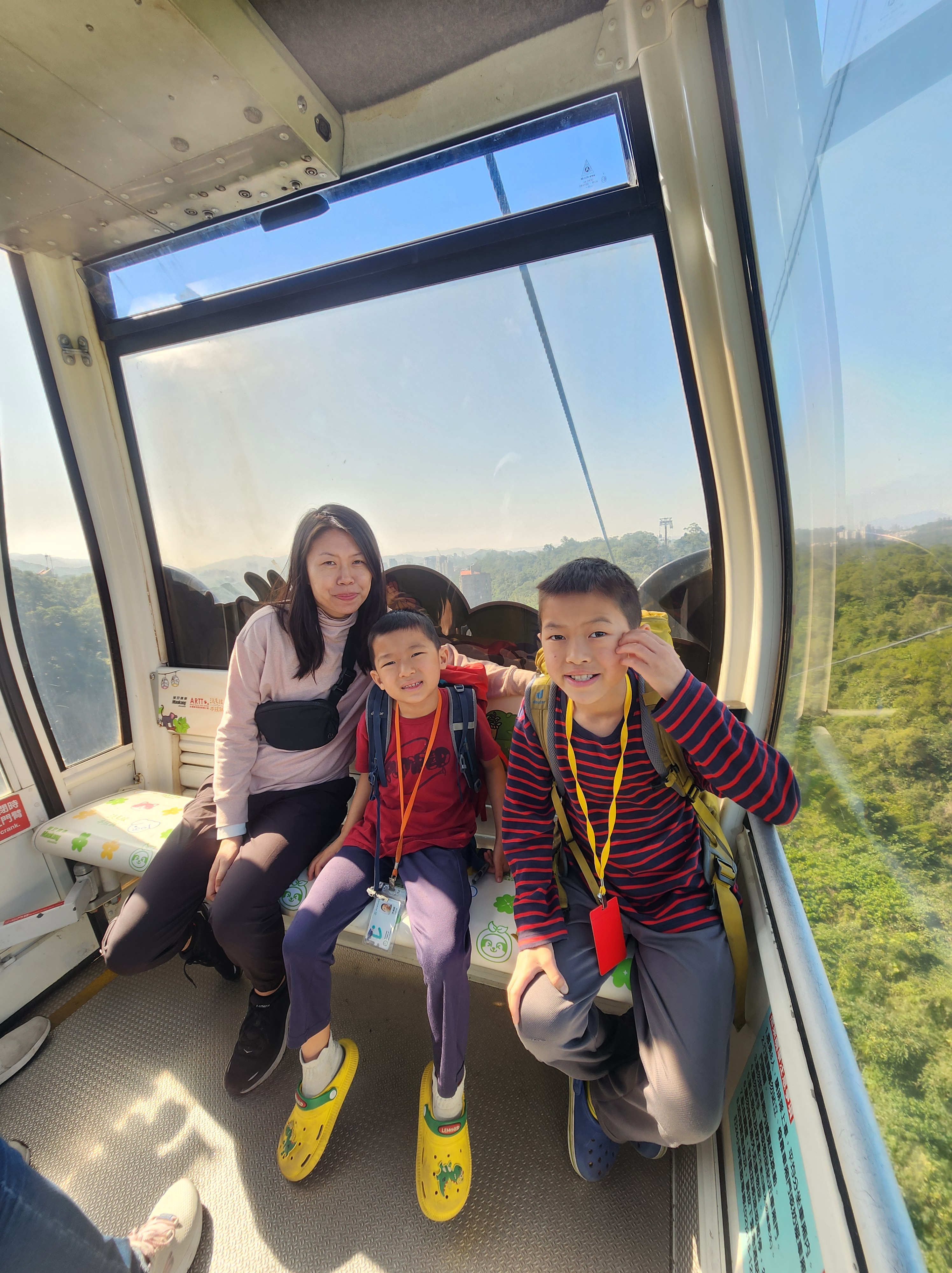
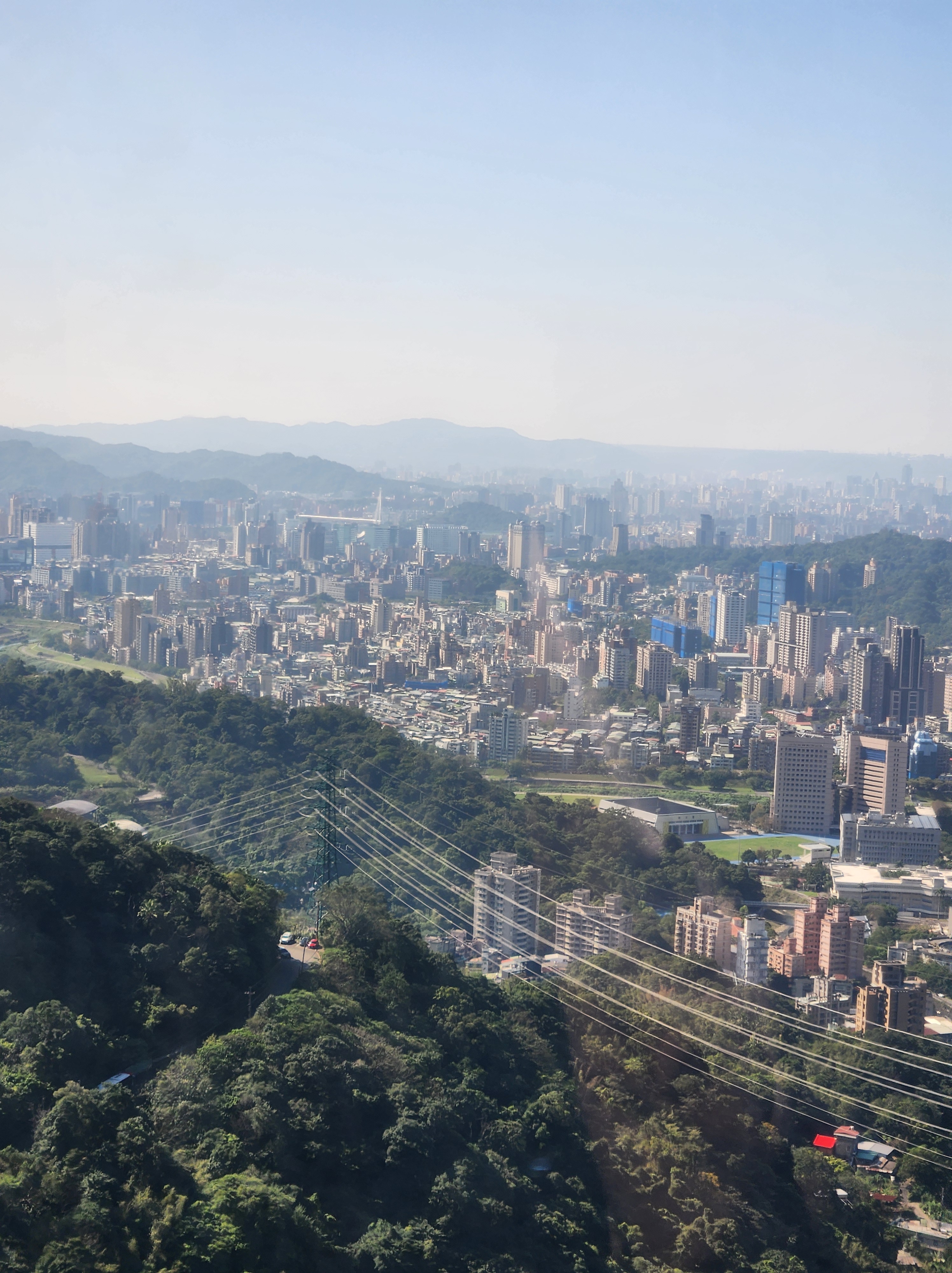
The zoo also has a gondola that connects to Maokong Mountain. Frankly, I never thought about going but the boys wanted to ride the gondola. The gondola ride was surprisingly long (about 20 minutes) and it went up so much higher than I expected! You can also ride in glass floor gondolas but since it was a busy day, we didn’t want to wait around for one to come by.

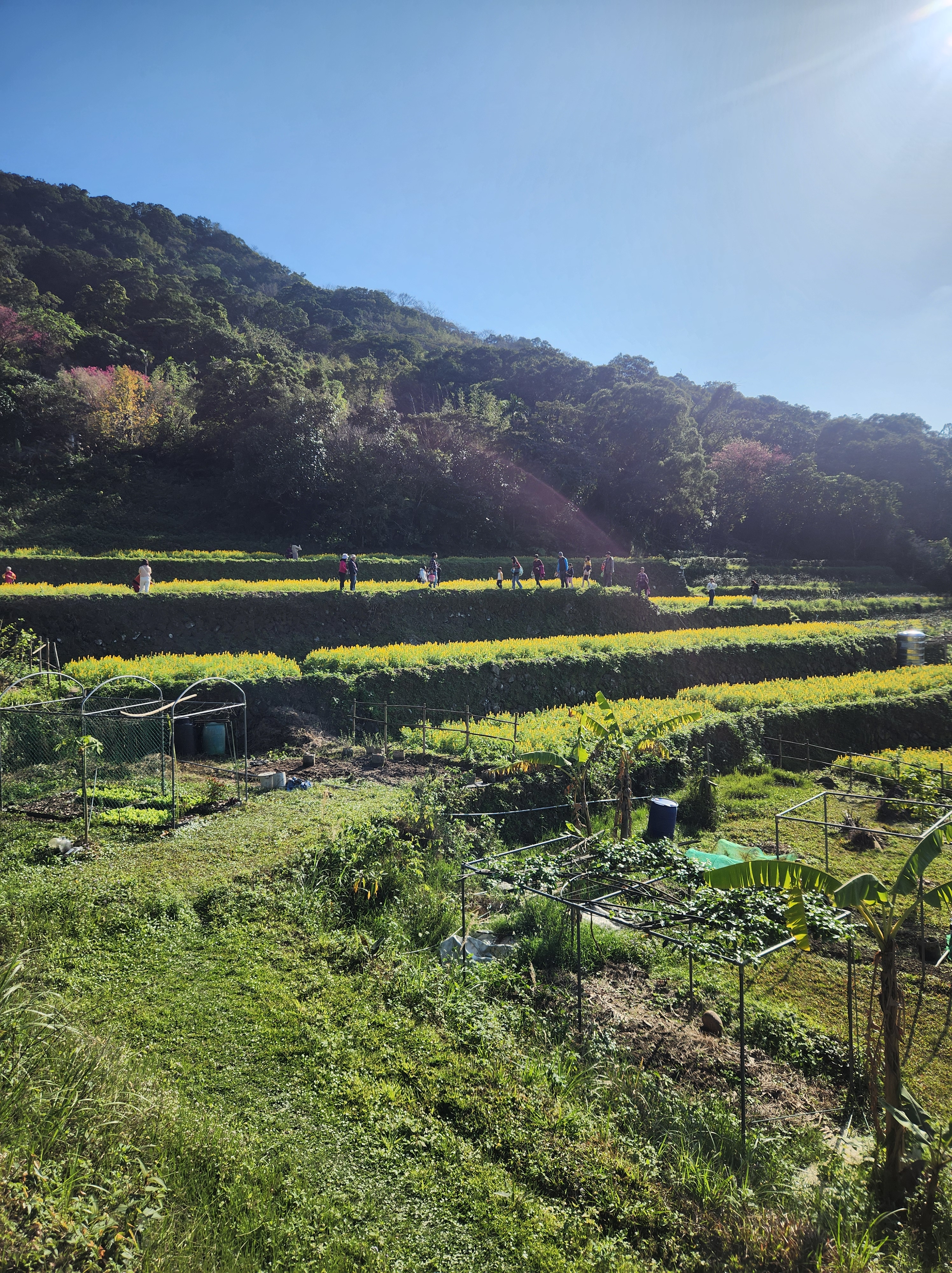
Maokong was a special surprise. I didn’t realize how charming this town is! Maokong has little eateries, family-owned farms, tea plantations and shops. We also visited a family living in Maokong that the boys had met on a previous trip. It makes me happy seeing C and O getting along so well with local kids.

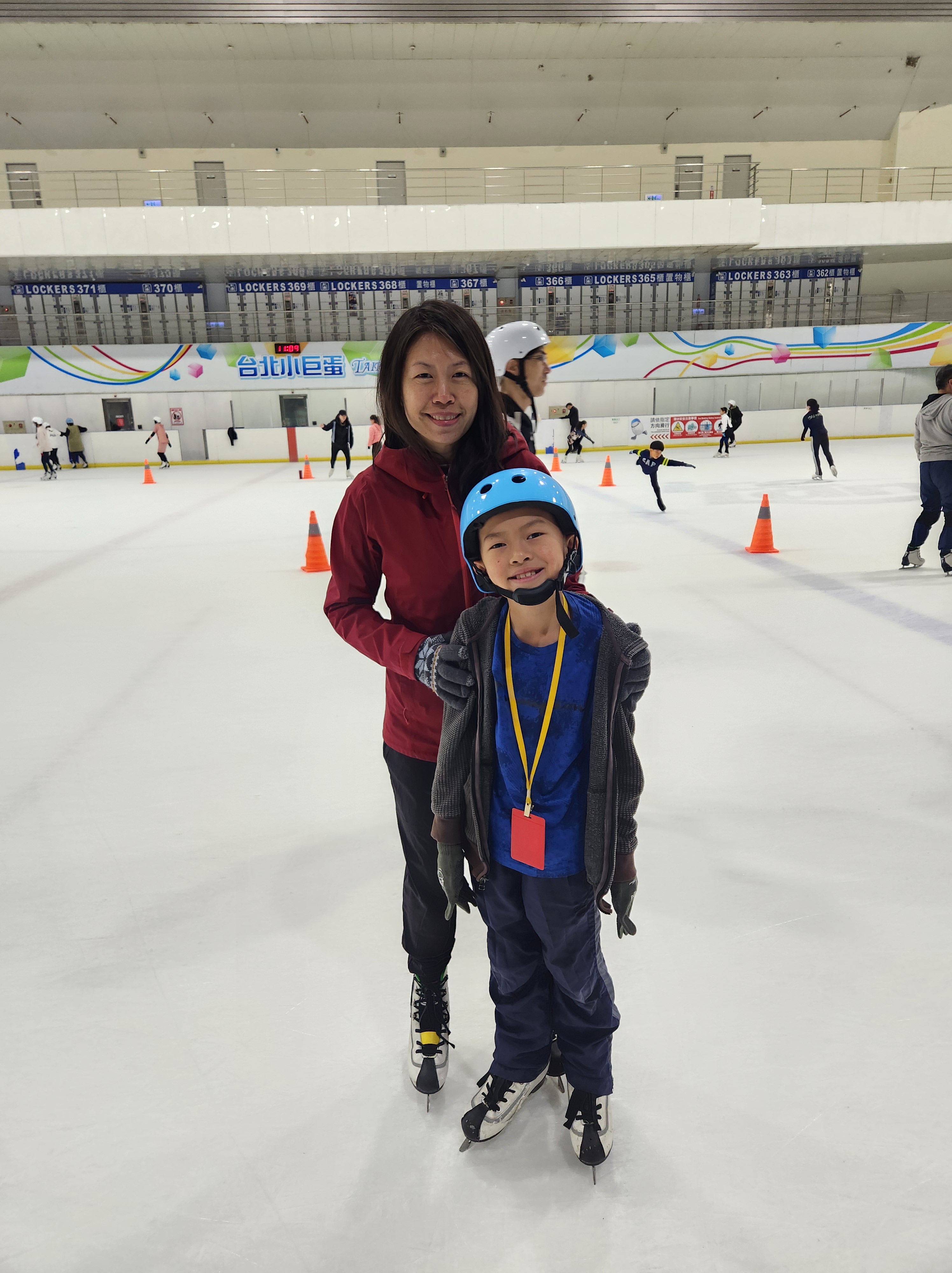
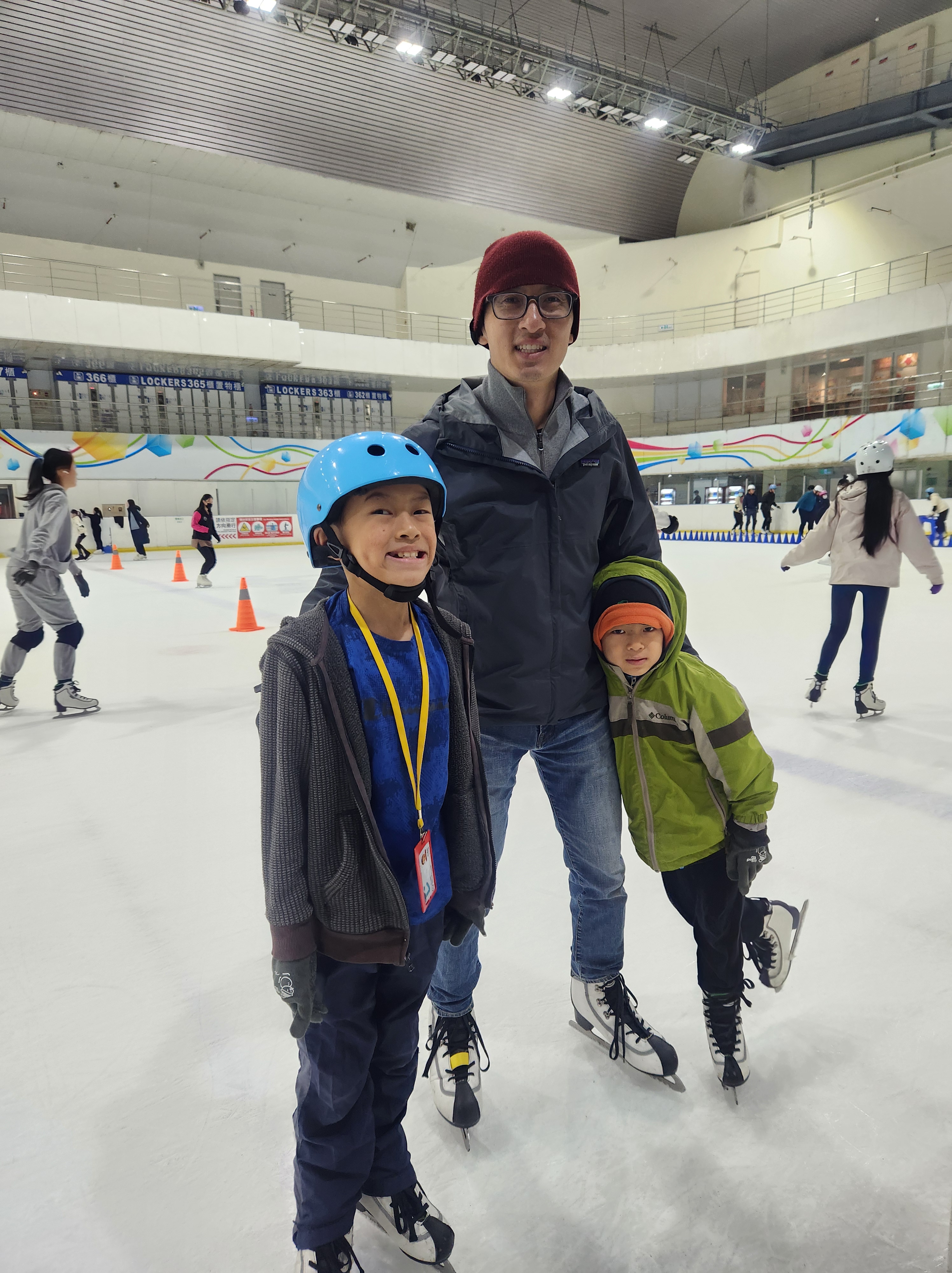
Ice Skating at Taipei Arena. This was actually the boys’ first time ice skating! They were a little nervous, but because they’ve been taking inline skating class at school they quickly got up to speed. The arena requires that all skaters wear gloves and if you opt out of wearing protective gear, then you have to sign a waiver. Our calves and ankles were tired from just skating for 1.5 hours!

For the next couple of days, Baba and I decided to split up the kids. We spend a lot of time together as a family, so we wanted to spend individual time with the boys and so they can pursue their own interests.

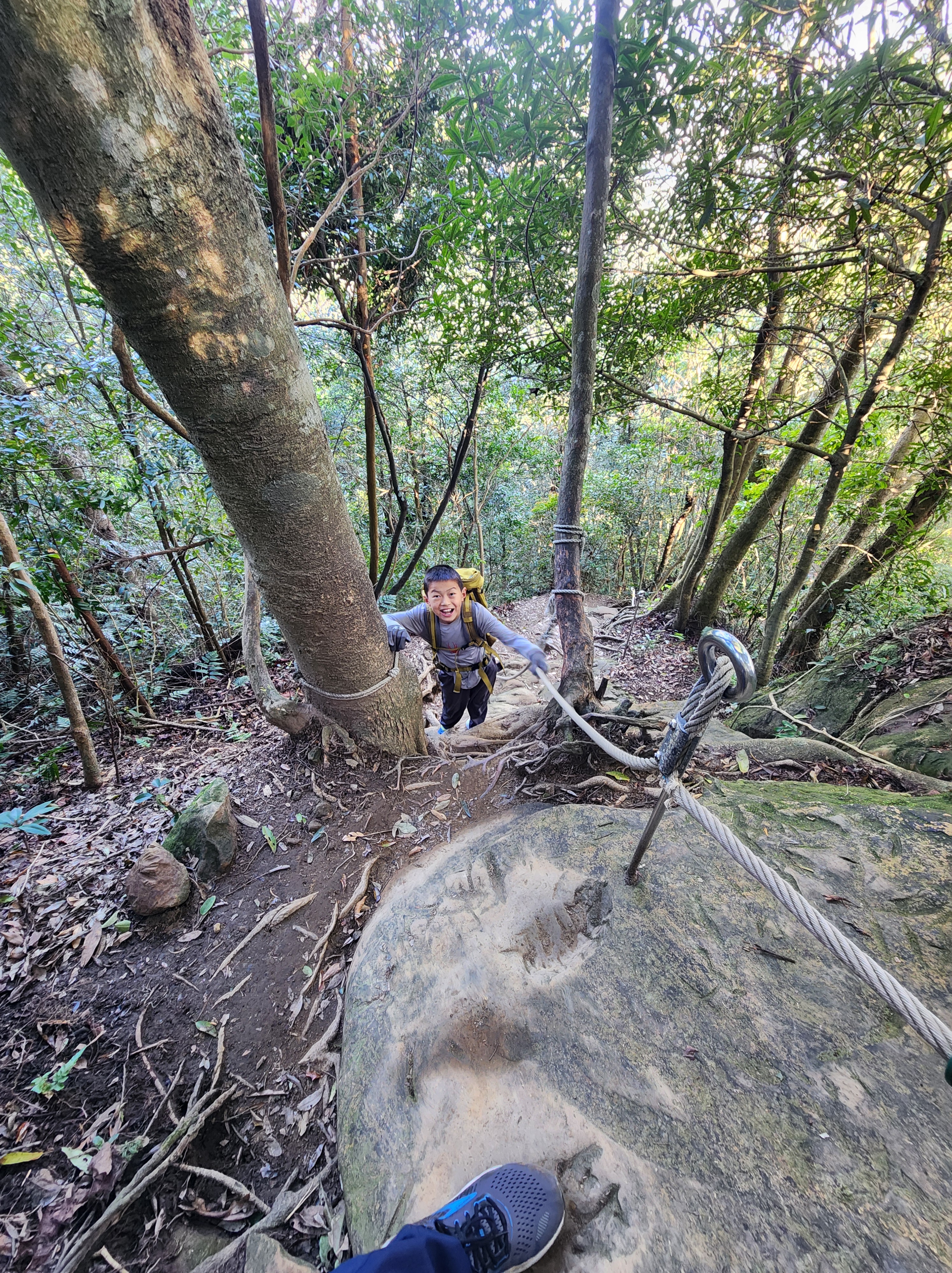
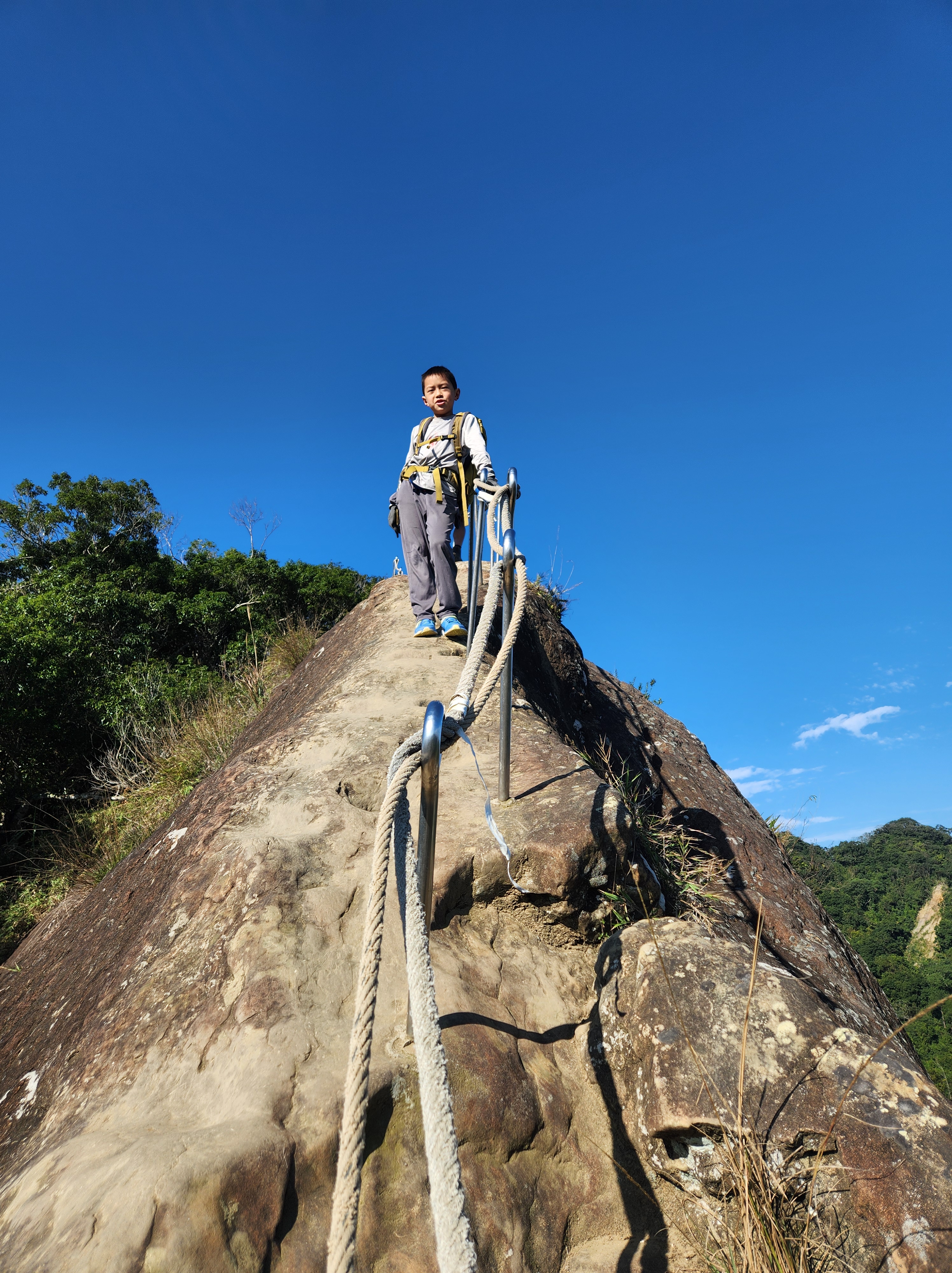
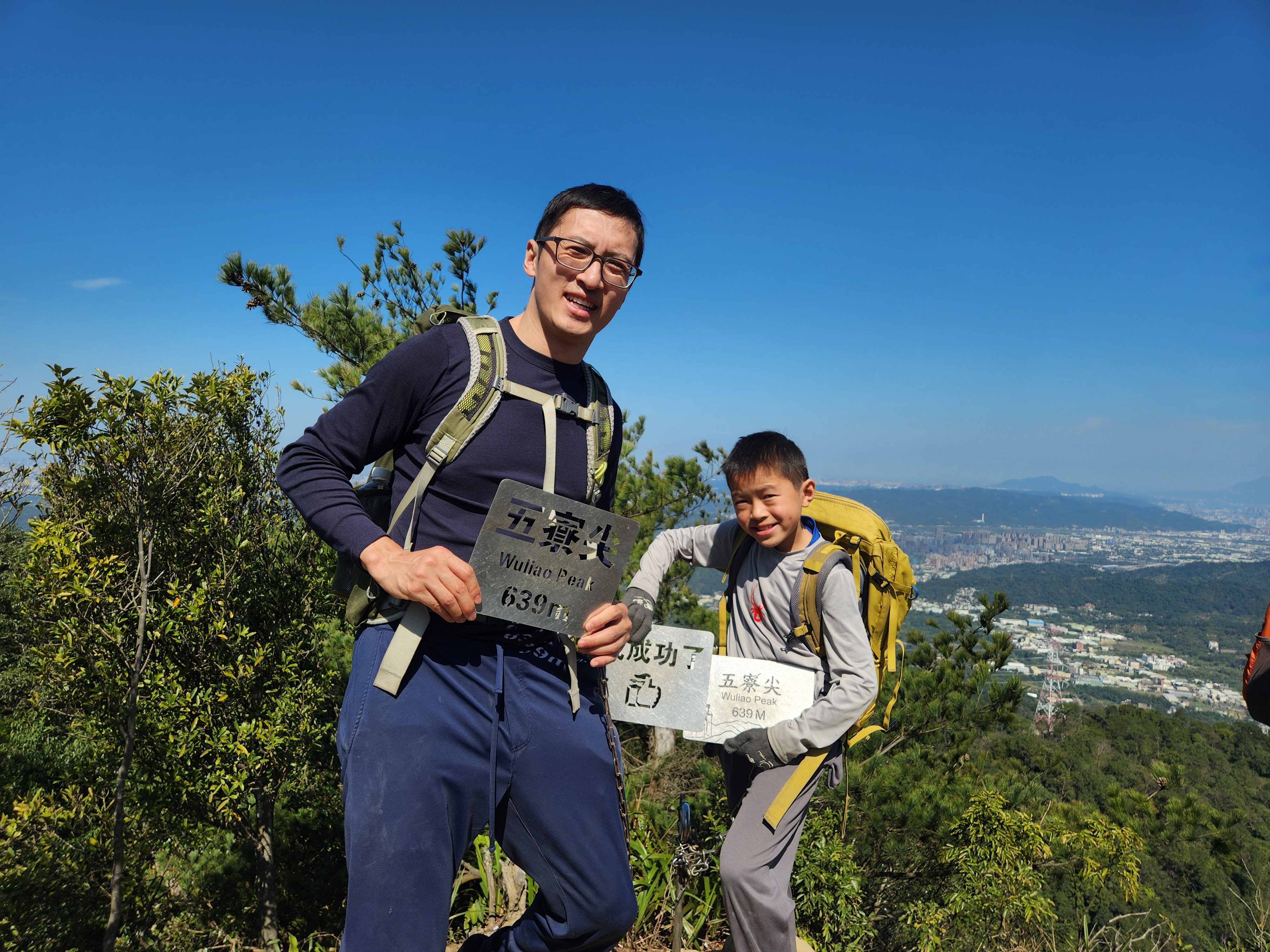
Wuliaojian Trailhead. C and Baba wanted to go on a very challenging hike called Wuliaojian in New Taipei. This trail is seriously no joke – requiring rock scrambling, rappelling down rocks, and climbing steep trails. It’s a trail known for experienced hikers, but Baba and C did so well. C was the youngest person on the trail that day!

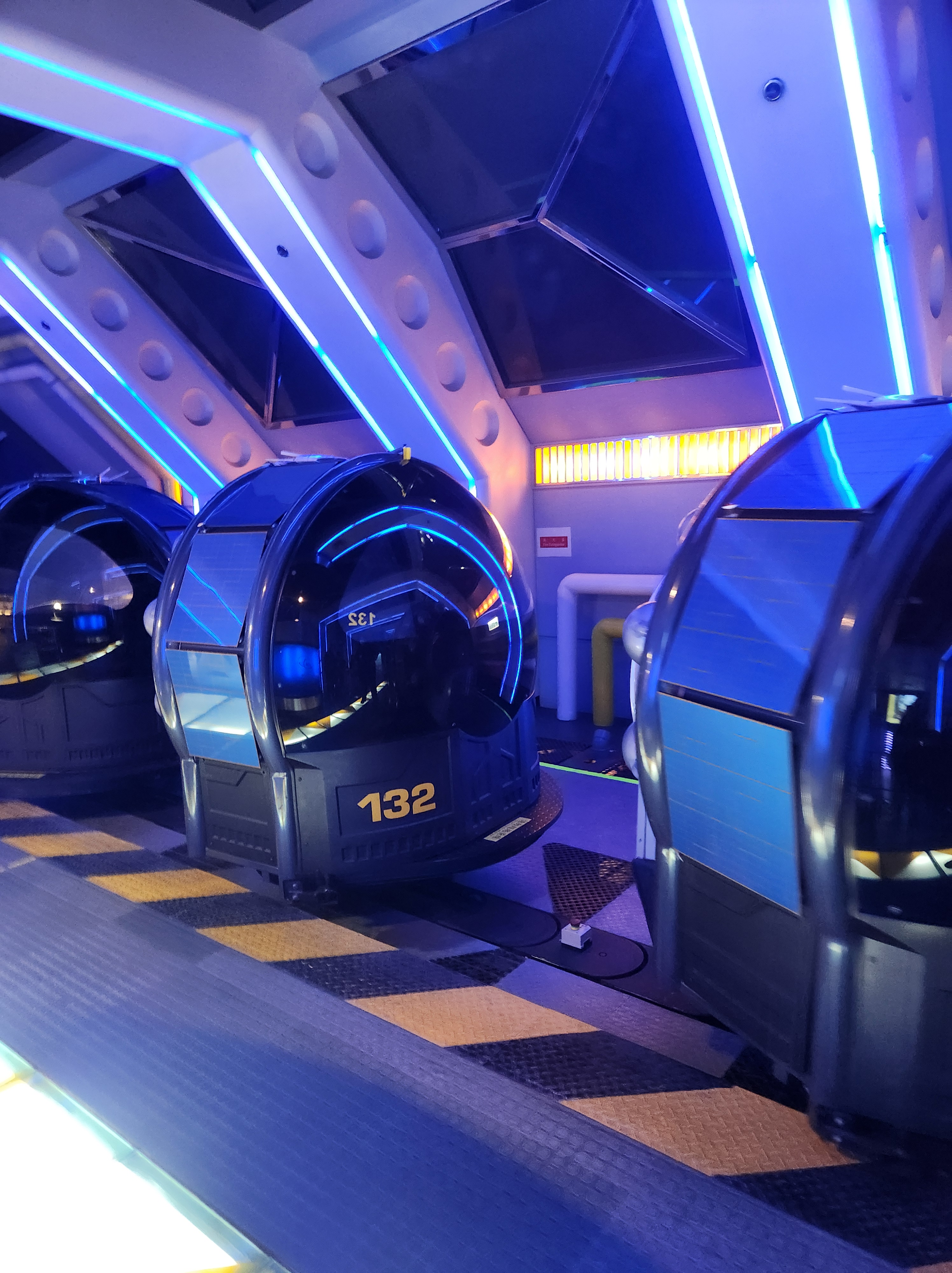
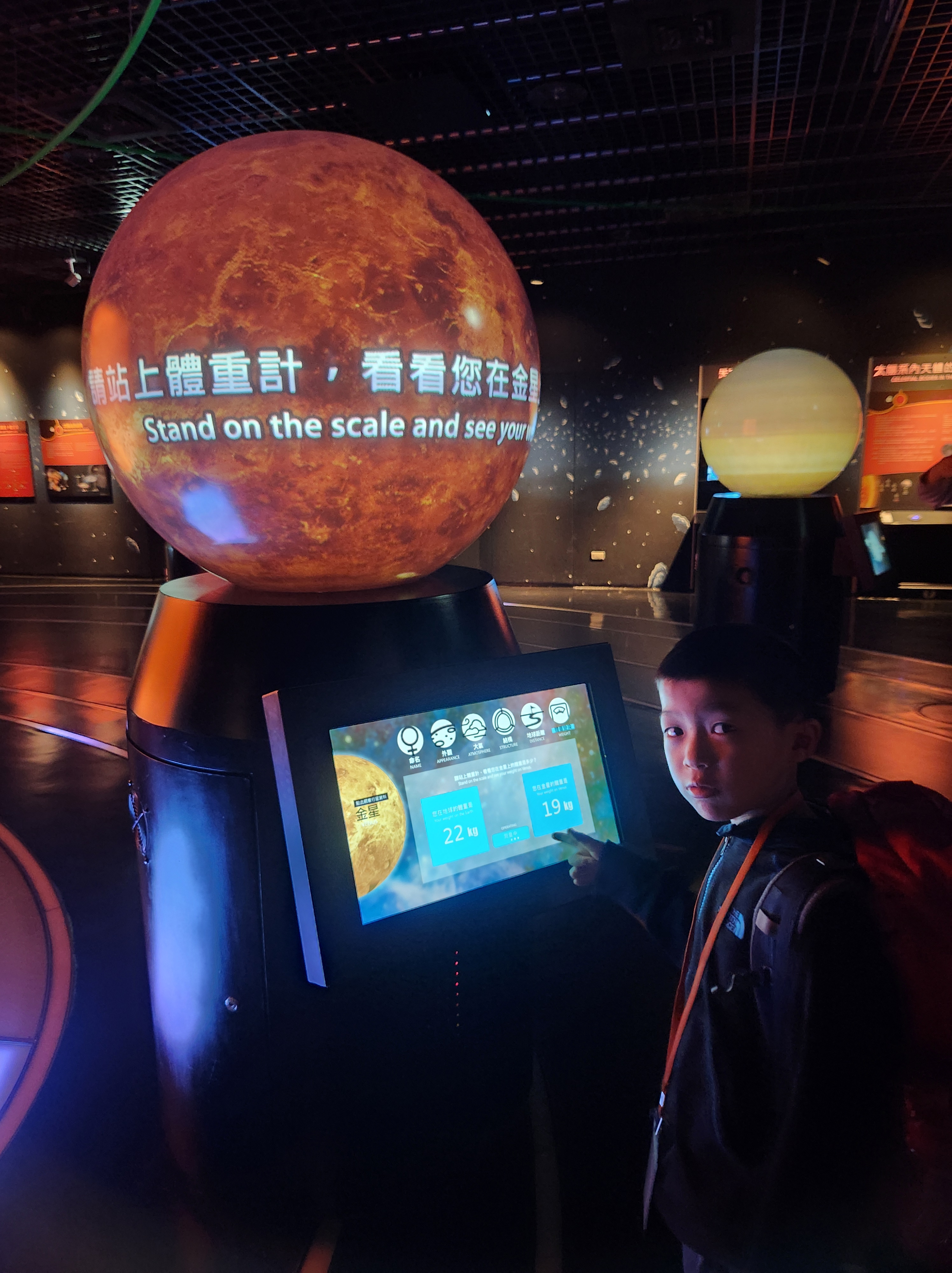
Taipei Astronomical Museum. Meanwhile, O and I went to the Taipei Astronomy Museum. The museum was cheap to get into and had many fun interactive exhibits. O’s favorite was the spaceship ride (and I have to say it was mine too).

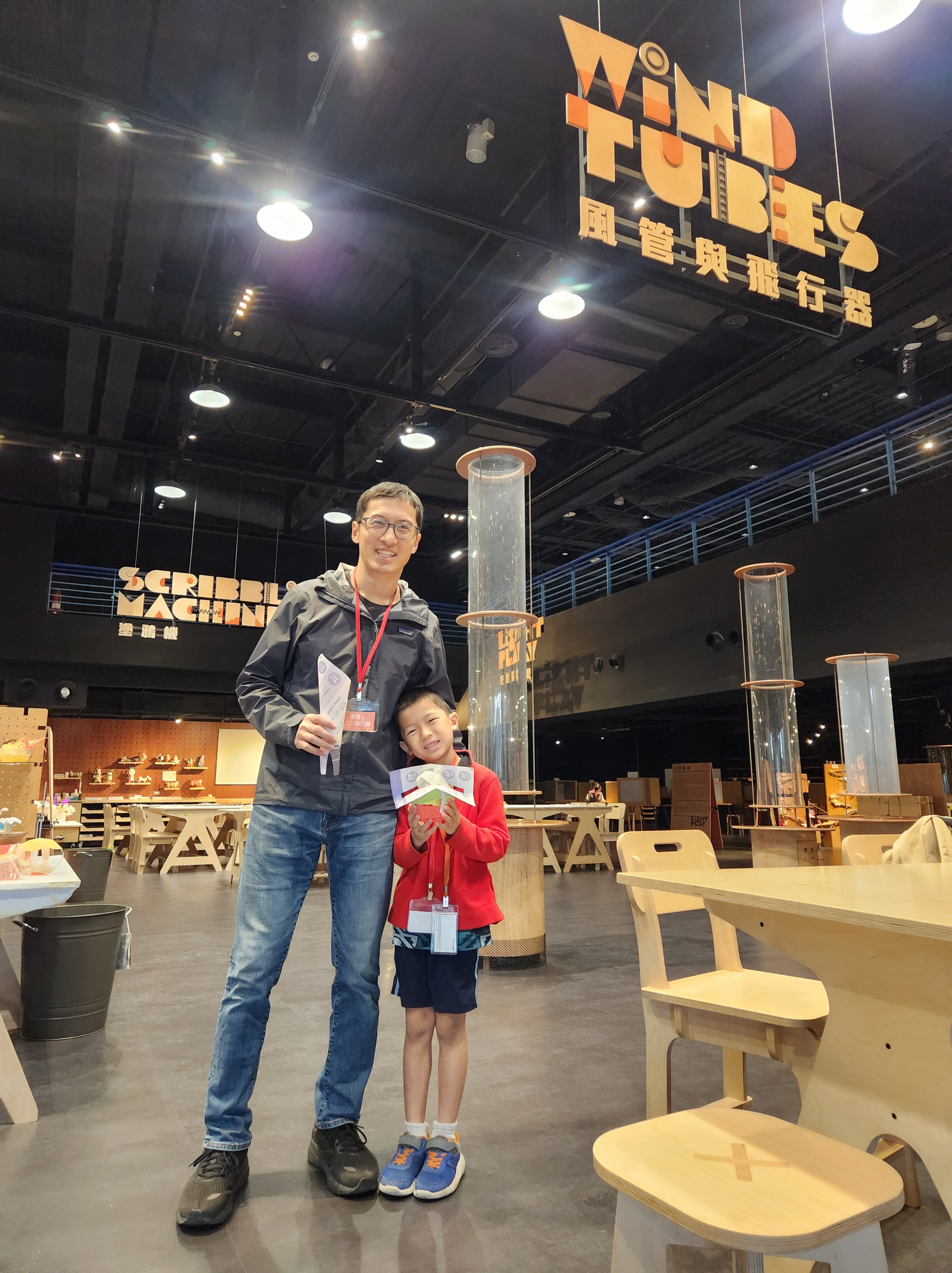
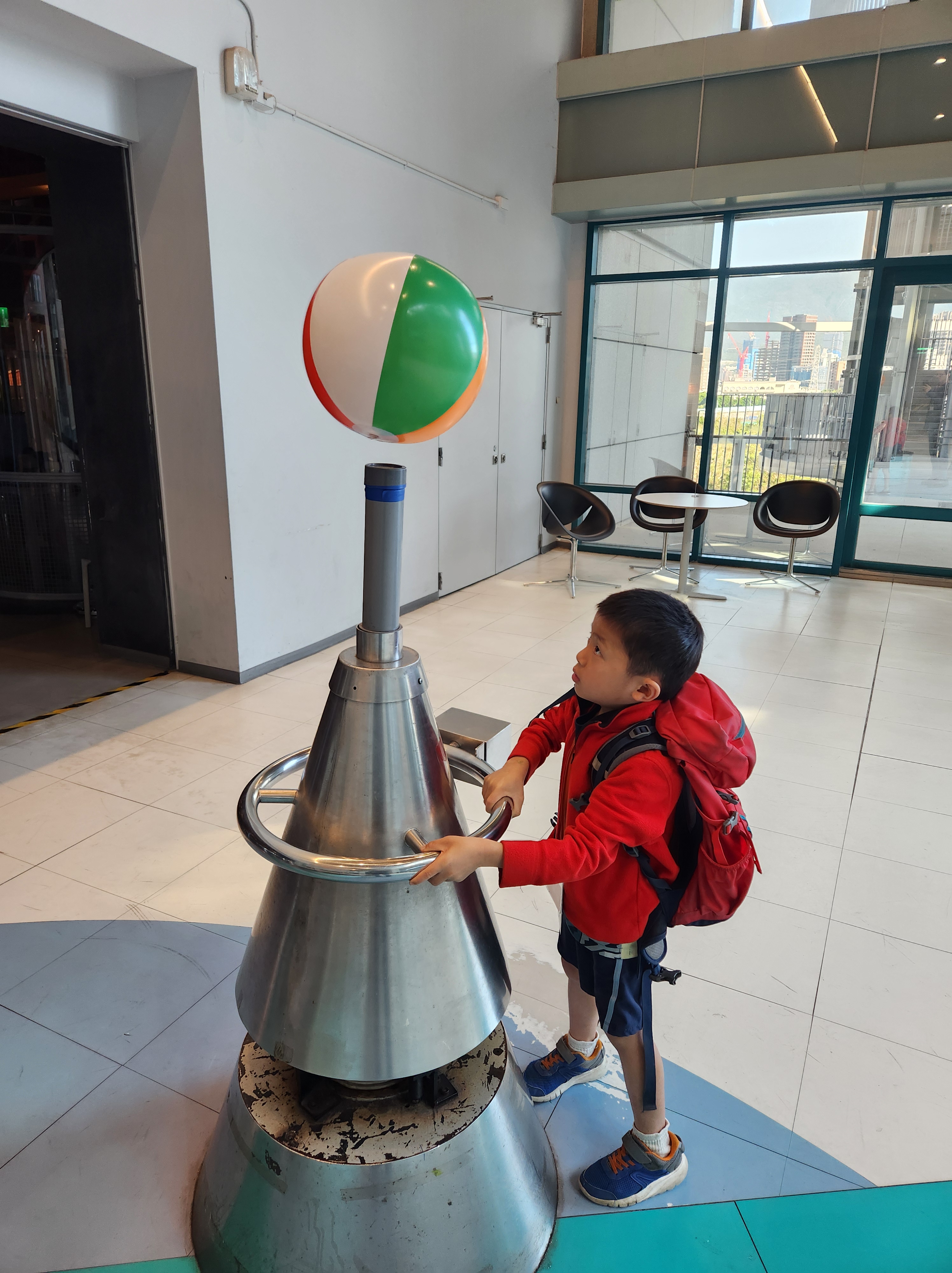
Taipei Science Museum. The next day, Baba and I switched kids. 😄 O wanted to go to the Taipei Science Museum, which funnily enough, is directly across from the Taipei Astronomical Museum that we visited the day before. I actually took the boys to the science museum back in November, but O wanted to go back. We didn’t know the little guy loved museums so much!

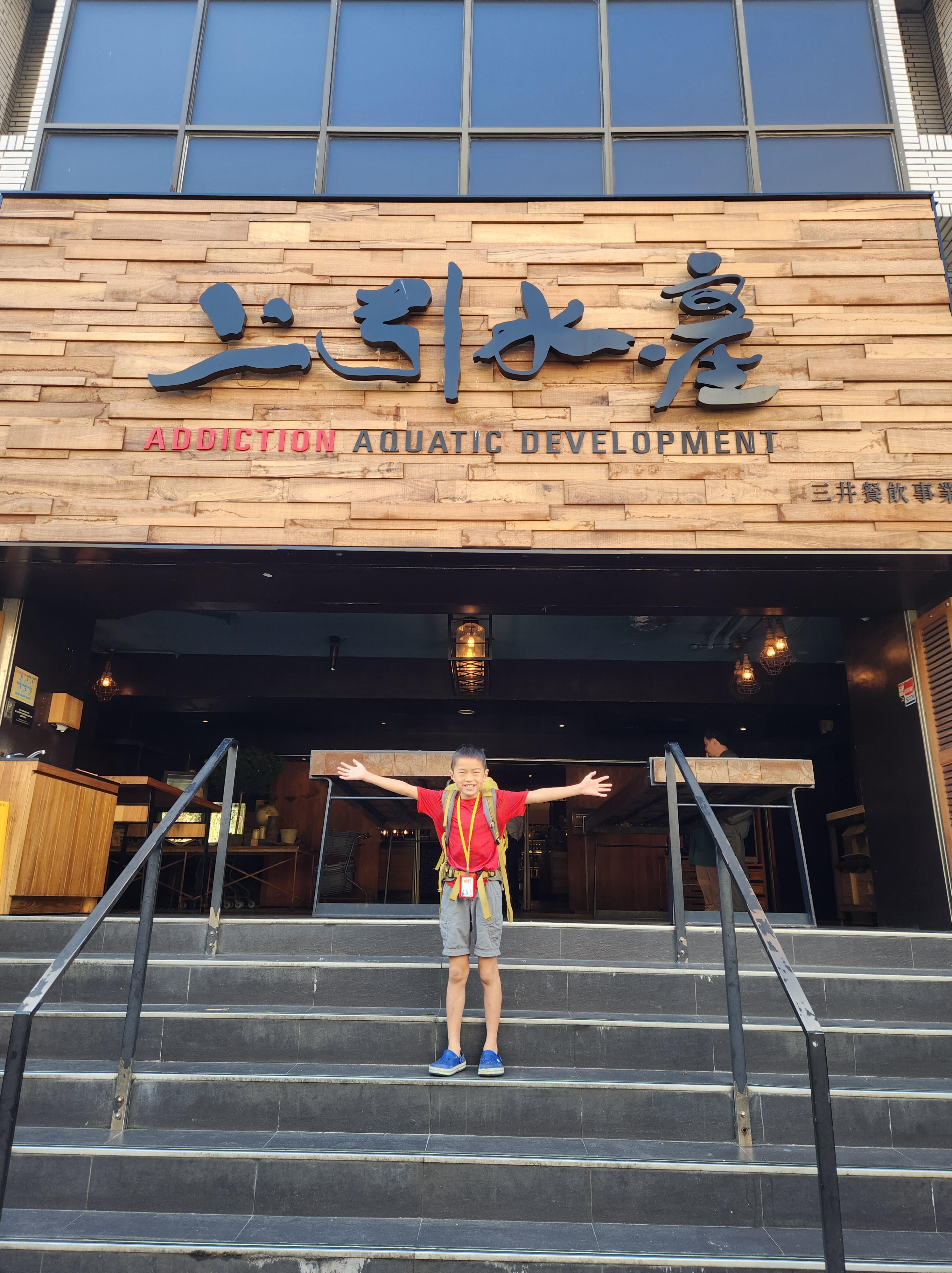
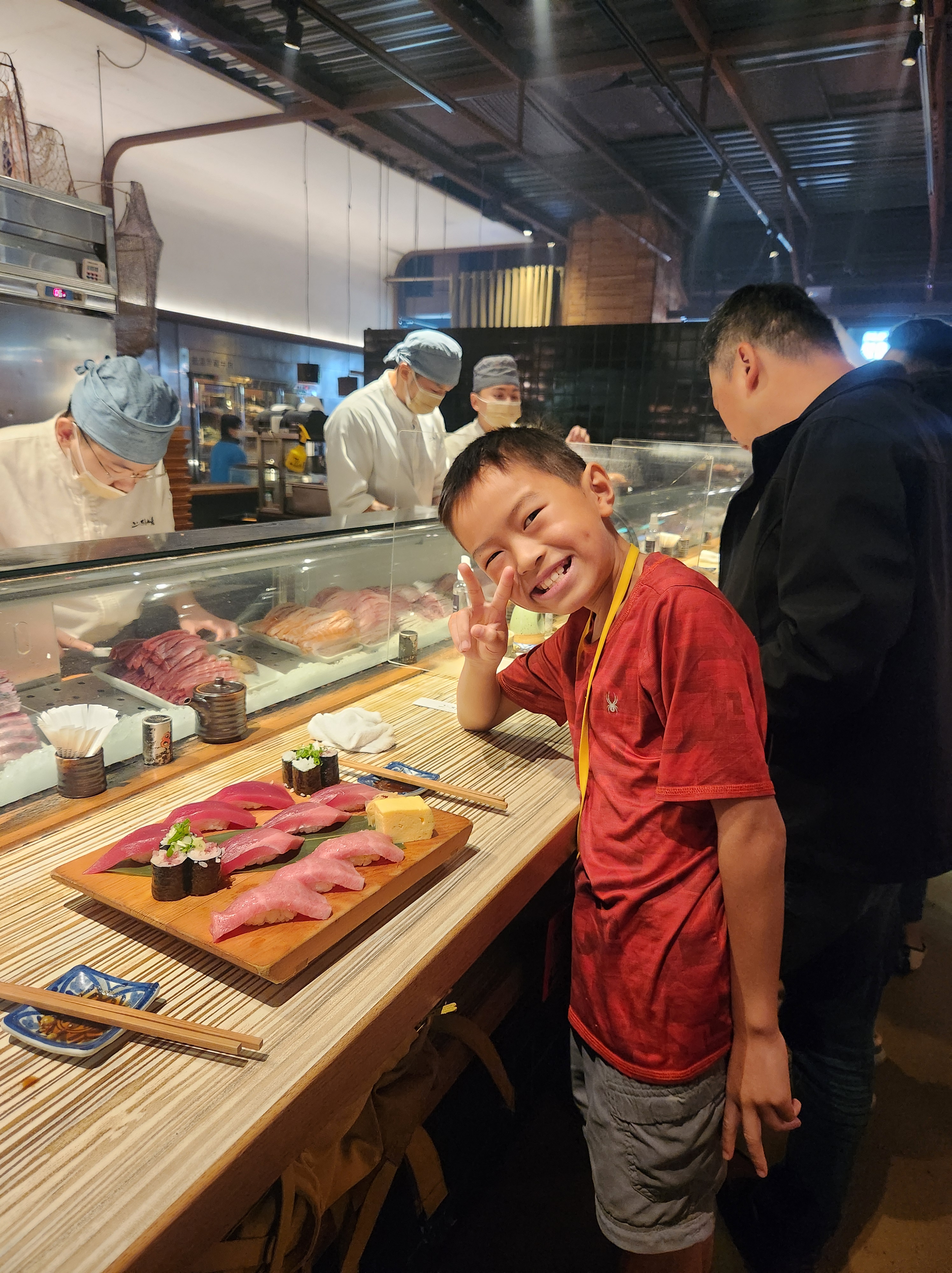
Addiction Aquatic Development. I took my foodie partner in crime to Addiction Aquatic Development, which is like a fabulous fusion of fish market/supermarket/sushi restaurant. C and I loved this place. The vibe is similar to European markets, with high quality produce, polished décor and delicious food.

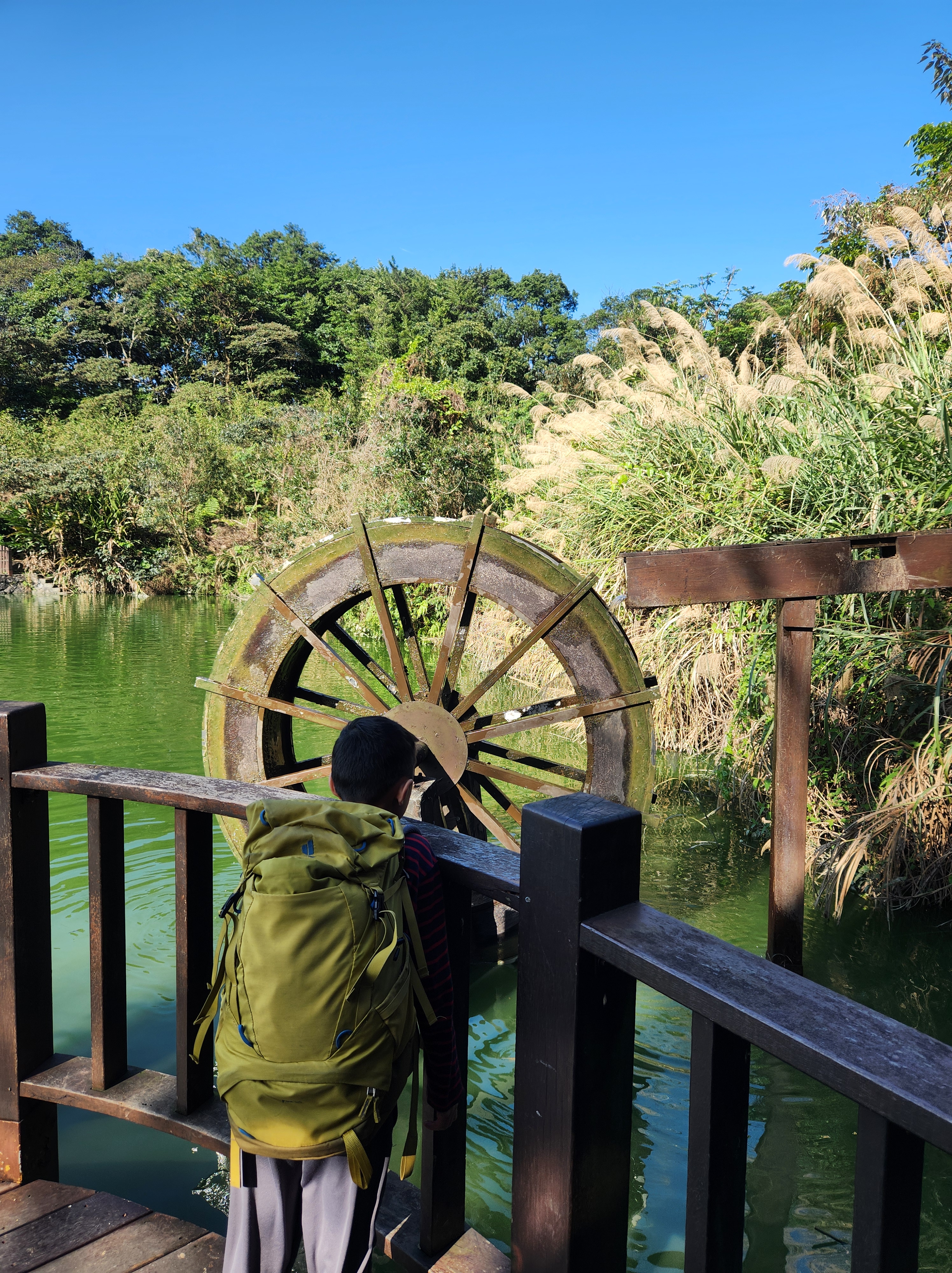
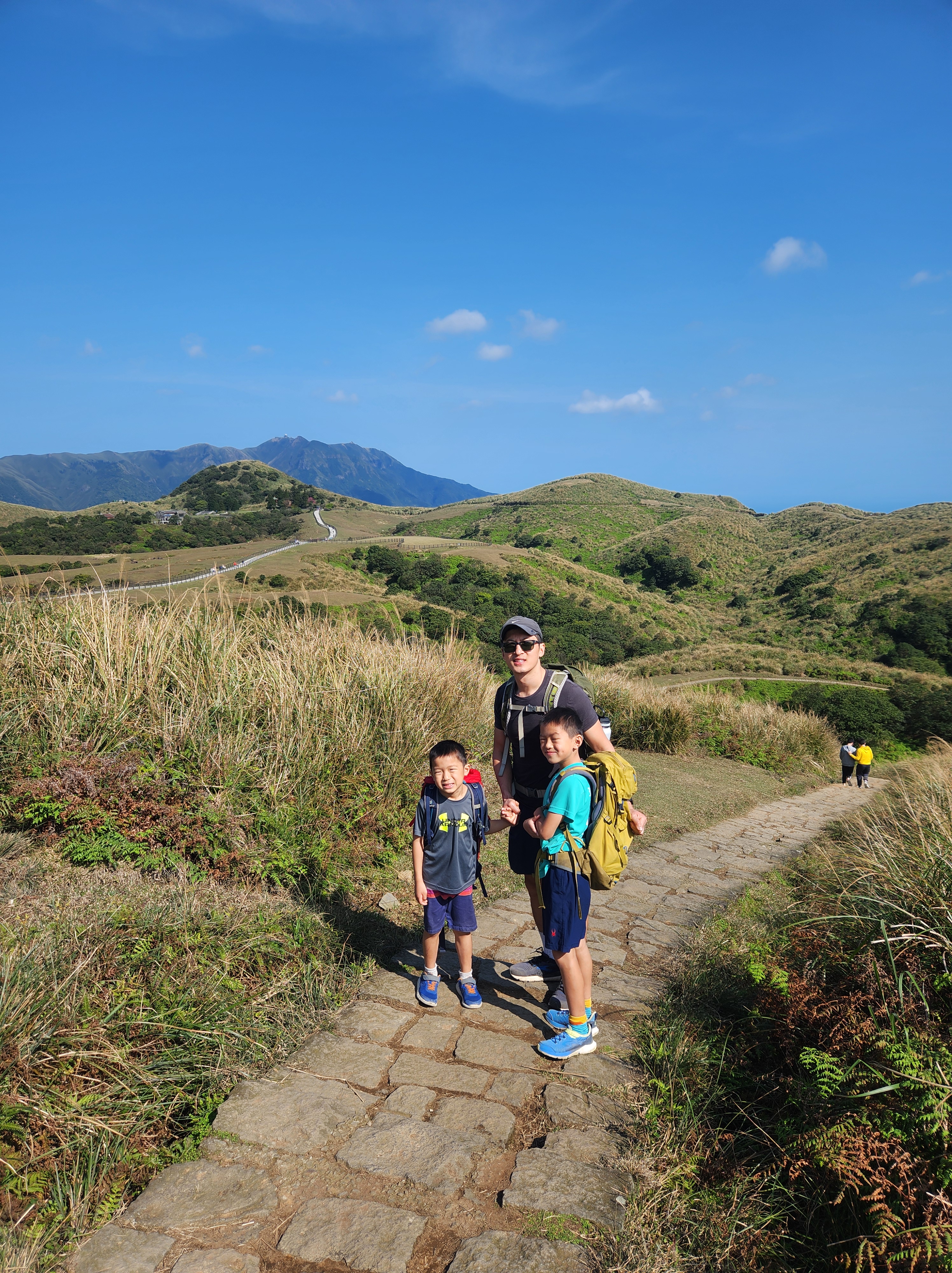
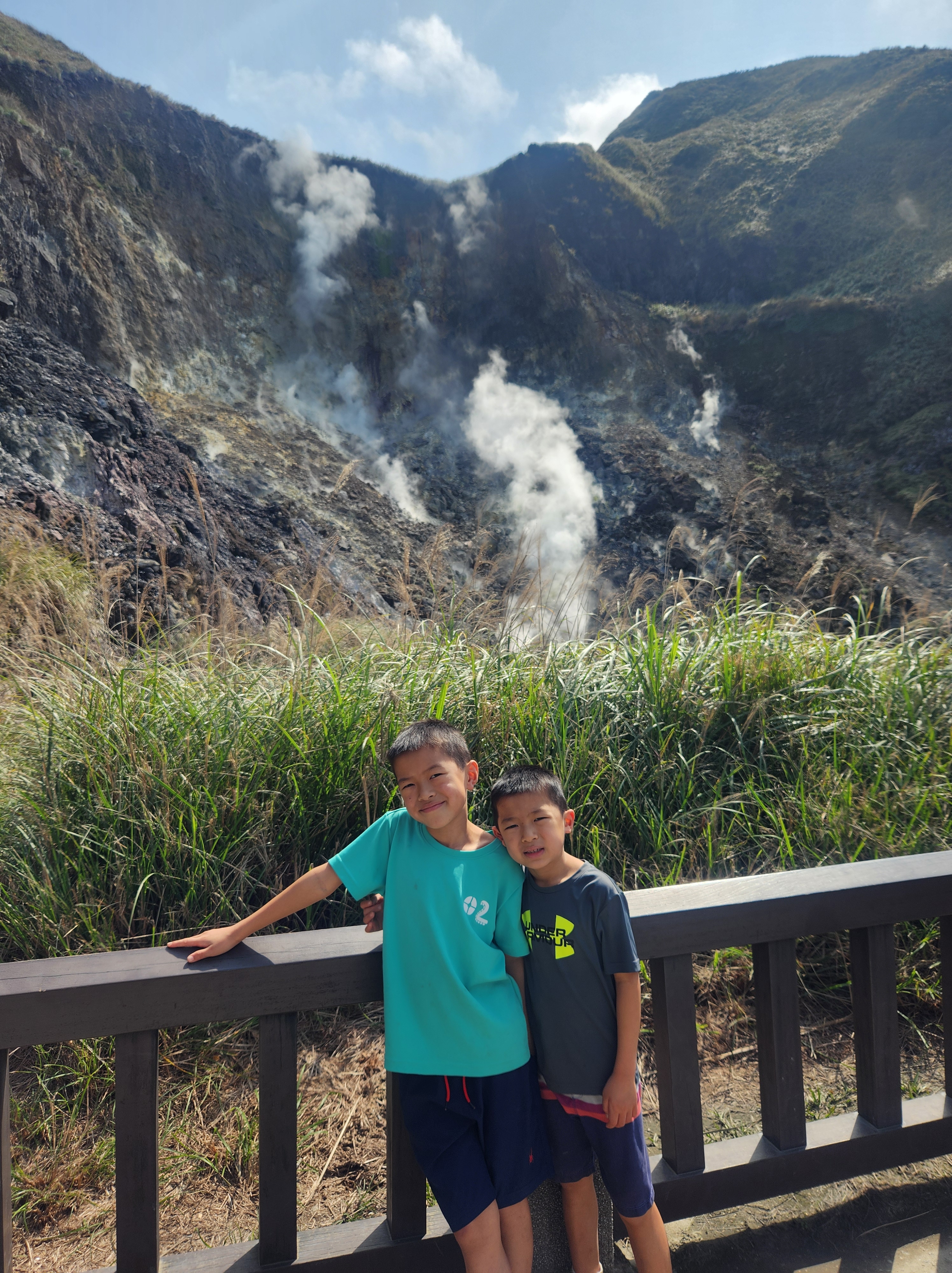
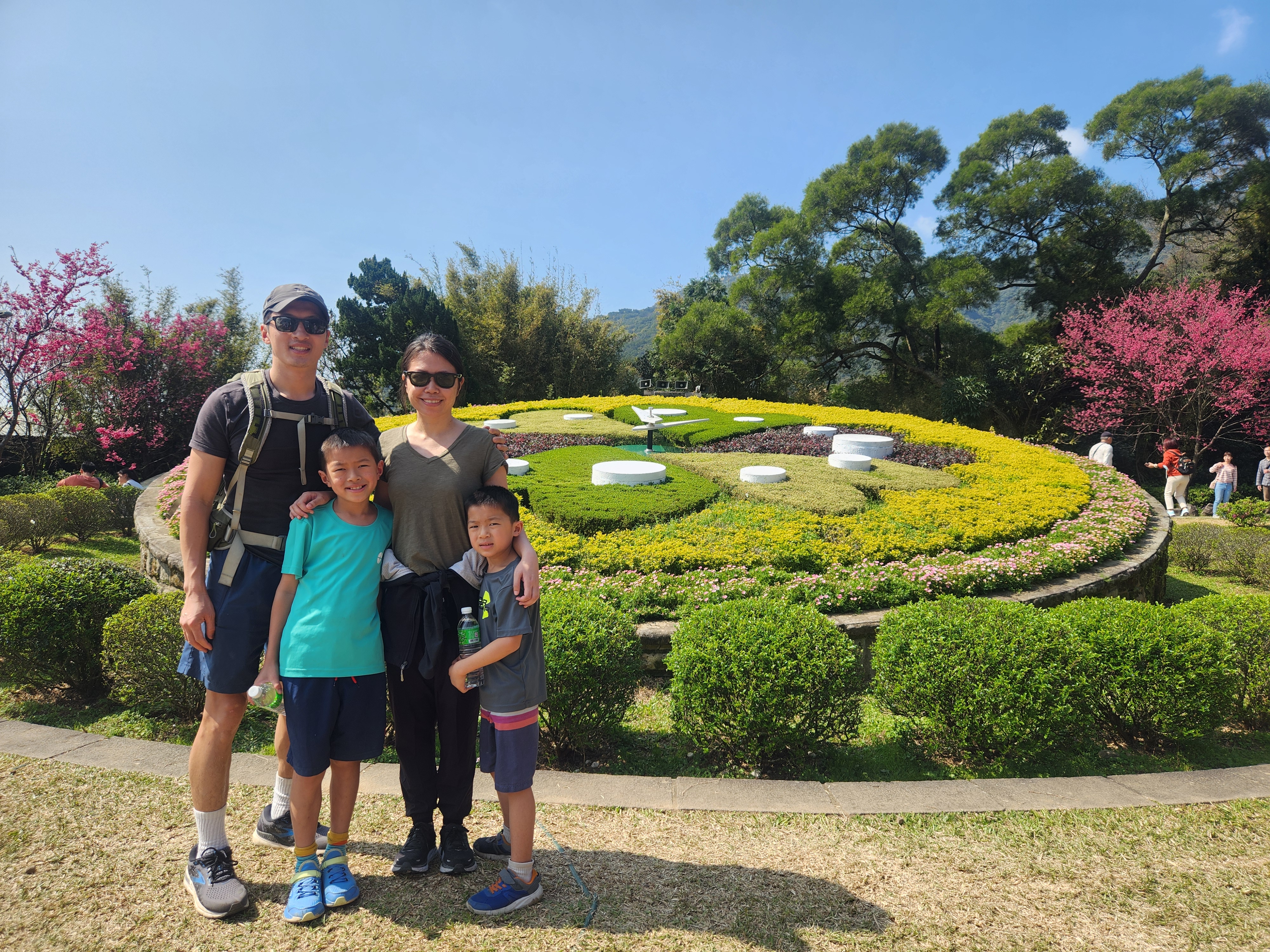
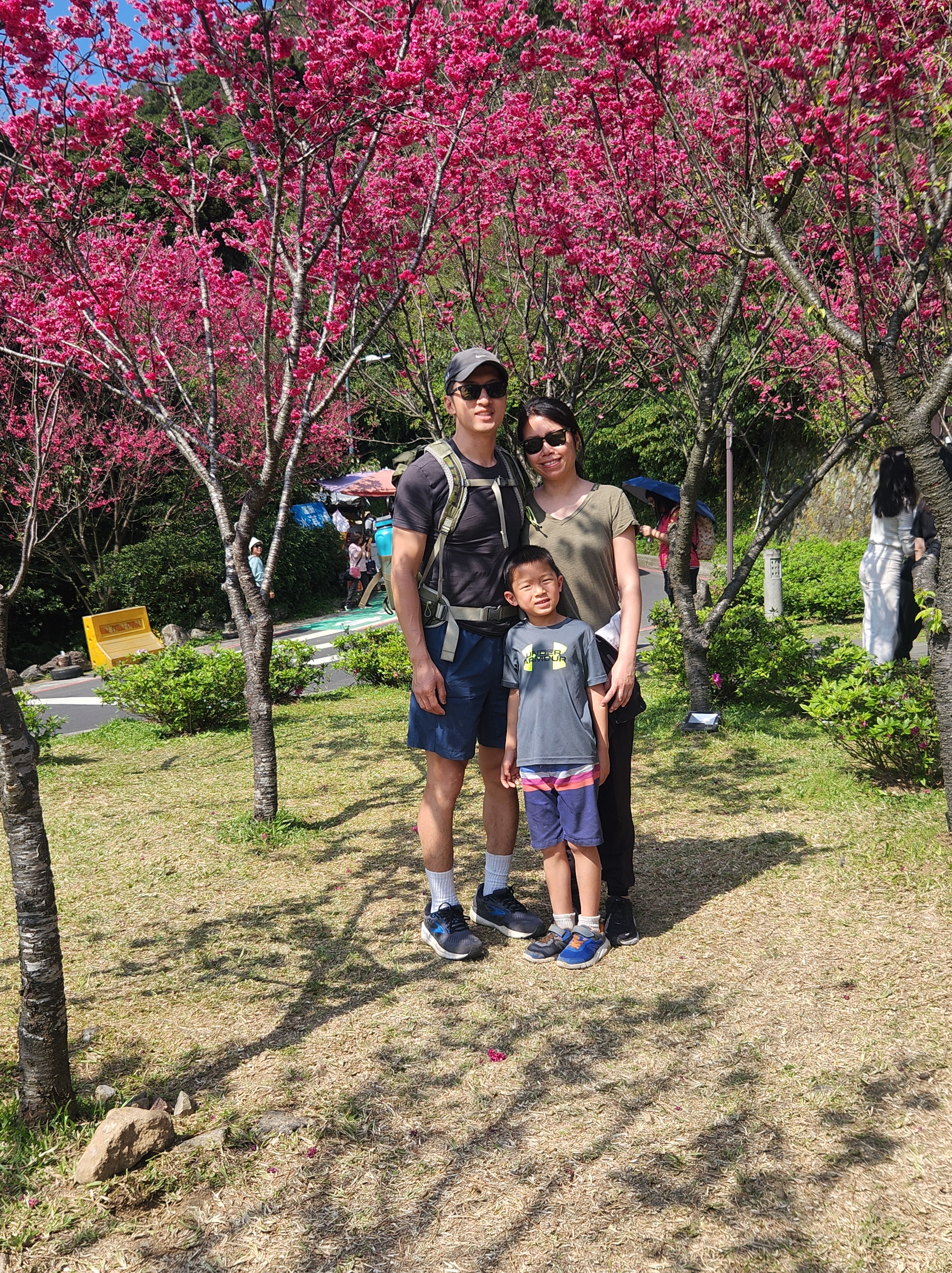
Yangmingshan National Park. The day before school resumed, we went to Yangmingshan. Yangmingshan is relatively close to Taipei (about a 45 minute drive), making it hugely popular for Taipei residents. It is a little tricky to get to by bus, so we hired a driver on Klook to take us there and drive us to the trails. The downside to hiring a driver of course, is there is a time limit.

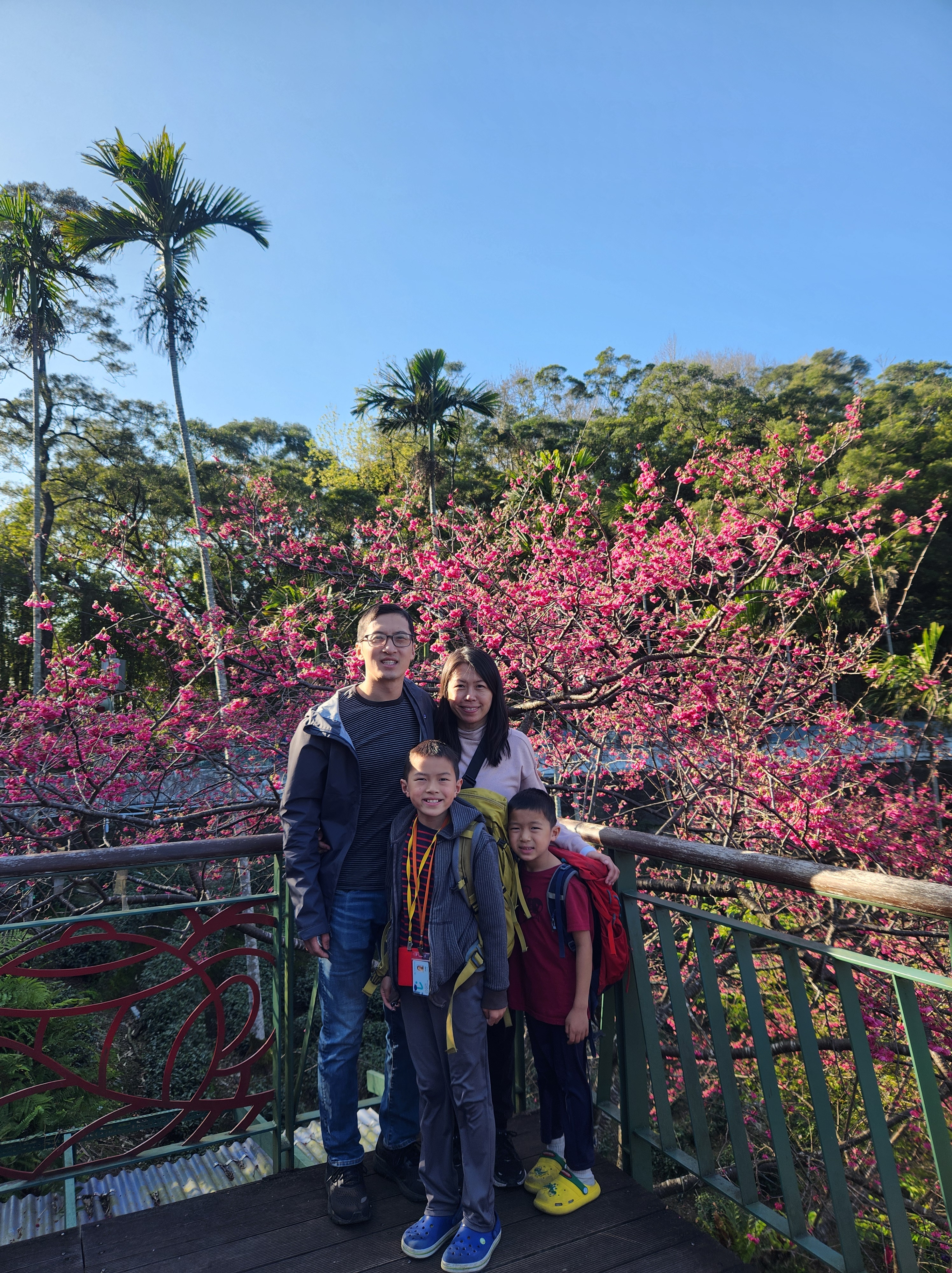
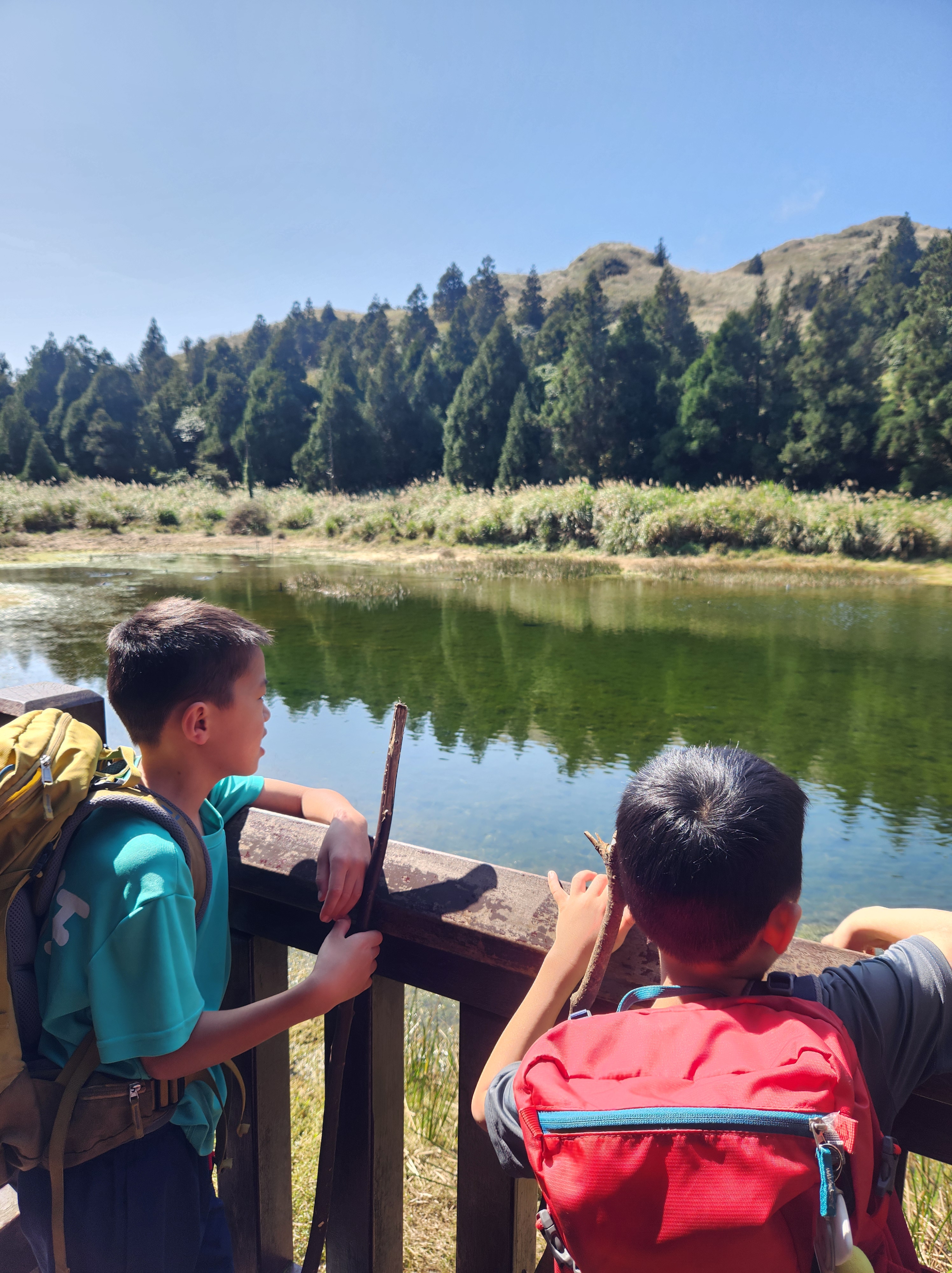
Yangmingshan is beautiful! The landscapes are varied too, with grasslands, lakes, fumaroles, and mountains. There are also flower festivals throughout the year. This time it’s cherry blossom season (though we went too early for that), in the spring it’s calla lilies, and so on. Most trails at Yangmingshan are fairly easy, so it’s perfect for hikers of all abilities. I’d love to go back.

Whew, we did a lot during winter break! I love spending time and exploring Taiwan with my family. Growing up, Baba and I never had these opportunities. My parents worked 7 days a week all year, so I was ecstatic whenever they could spend time with me, even if it was just going to the neighborhood park. I hope the boys are enjoying these adventures with us as we much as we are.
Ramblings

Malaysia

The boys made it through one semester of public school in Taiwan! I’ll post about our school experience at a later time, but for now I wanted to write about our trip to Malaysia during winter break or 寒假.

Some people asked if we have plans to go back to SF during our stay in Taiwan. Honestly, unless something urgent comes up we don’t plan to travel back home. Our time in Taiwan is limited and there is SO much to see and experience, not only in Taiwan but in Asia! We are also constrained by the boys’ school schedule and there aren’t many breaks during the school year aside from winter and summer vacation.

This winter break, we decided to travel to Malaysia. I went on a tour 20 years ago (!!!) and stayed in Malaysia for only 2-3 days. This time around, I wanted to experience it with Baba and the boys on our own terms. I was intrigued by Malaysia’s diversity and delicious street food. We went to two places in Malaysia: Penang and Kuala Lumpur, for a total of 9 days.

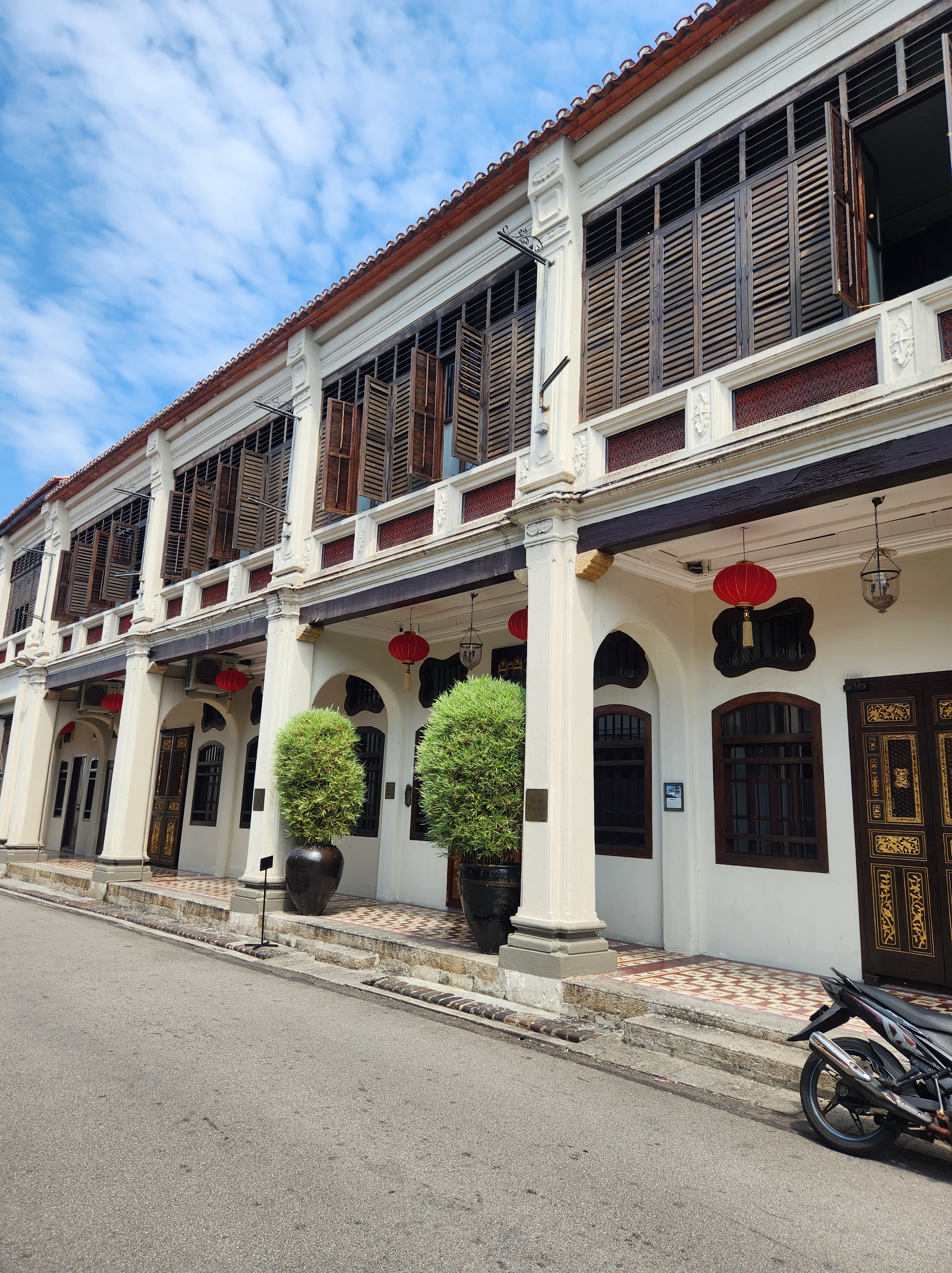
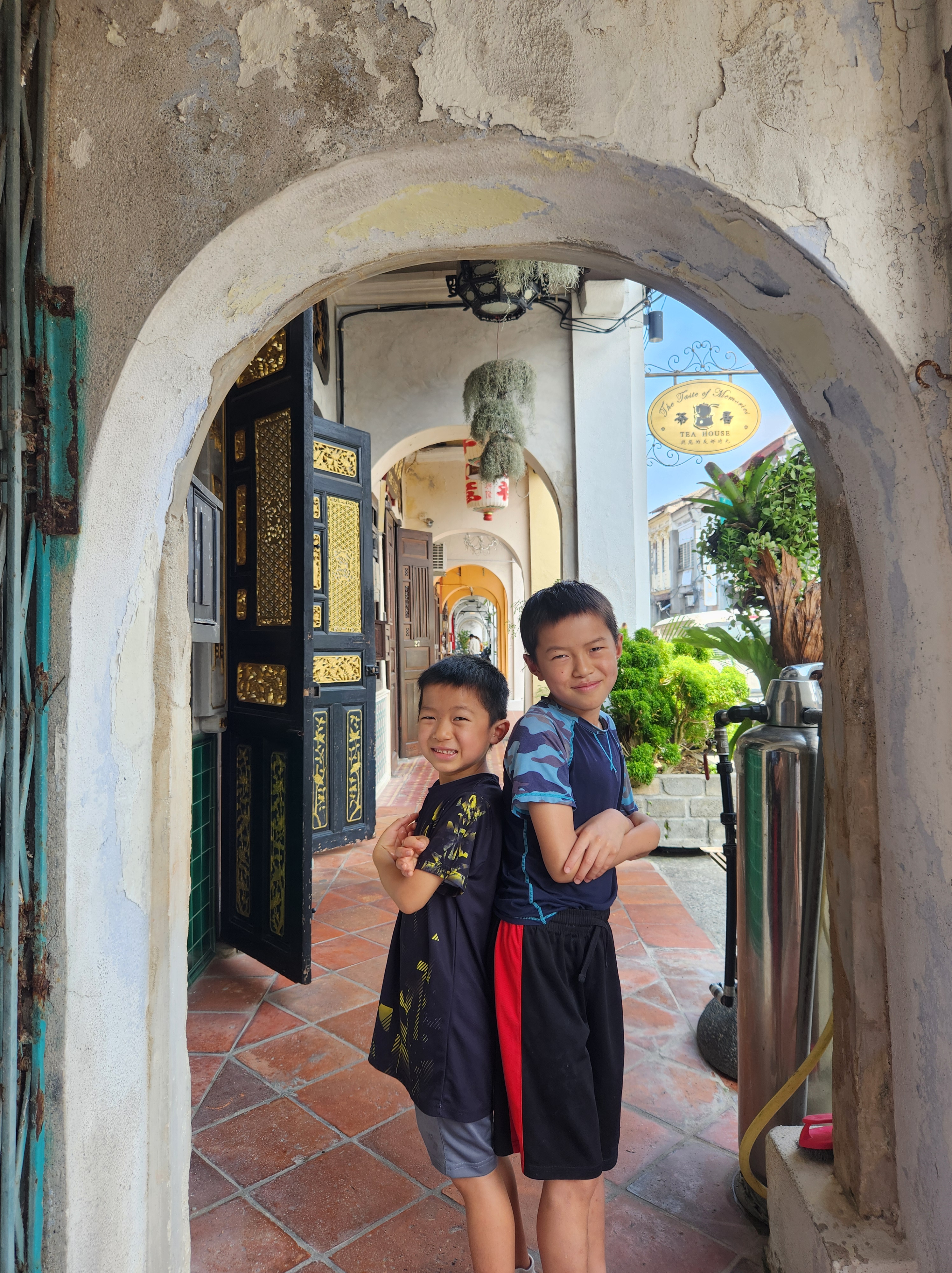
Penang. Penang is a state in Malaysia that consists of two parts. We stayed on Penang Island, specifically in Georgetown, the state capital. Georgetown is charming city known for its colonial style architecture, street art and street food. Our hotel was in the heart of Little India, which is an incredibly vibrant, colorful, and at times, super noisy neighborhood!

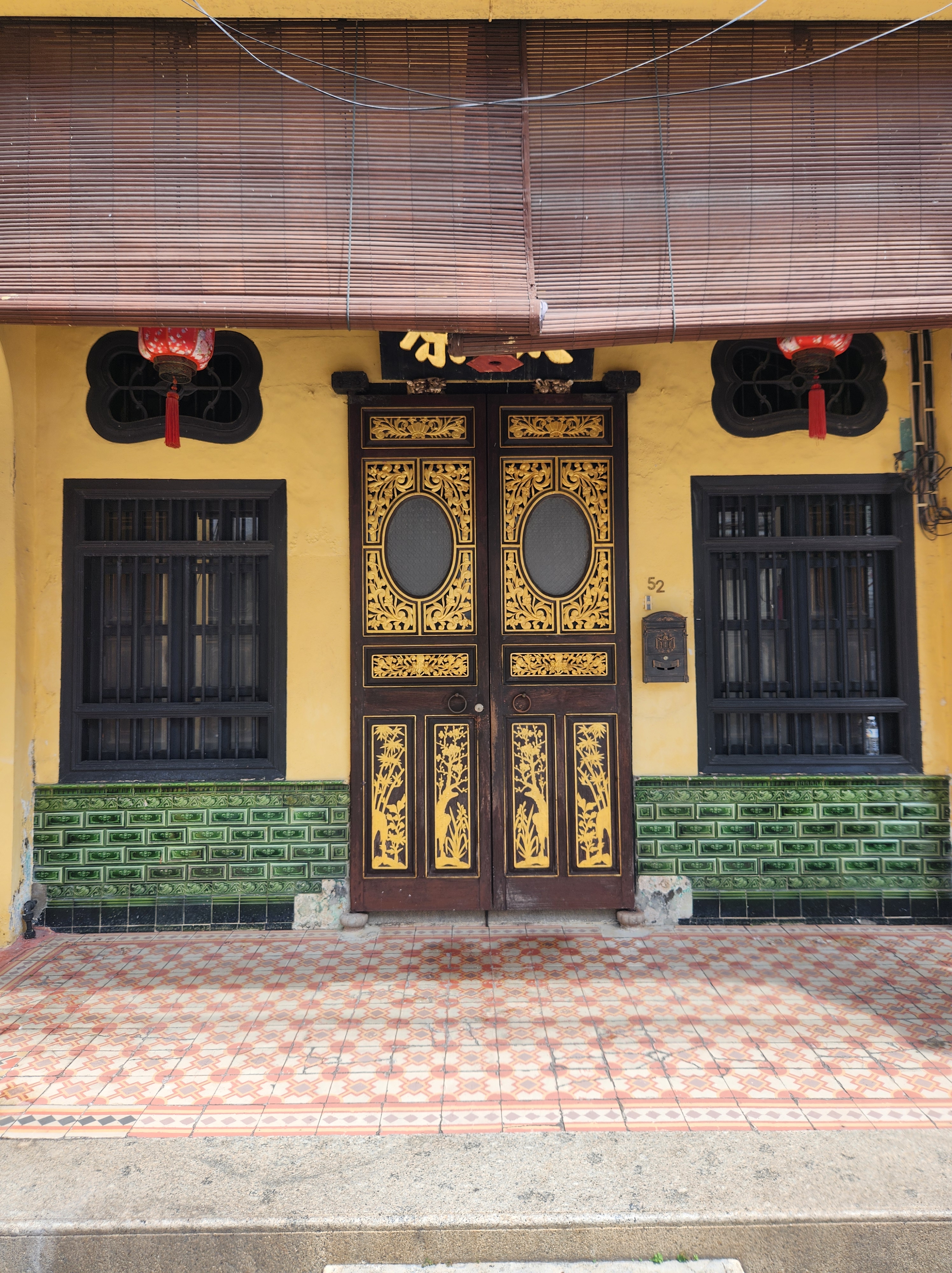
The quaint architecture of Georgetown.

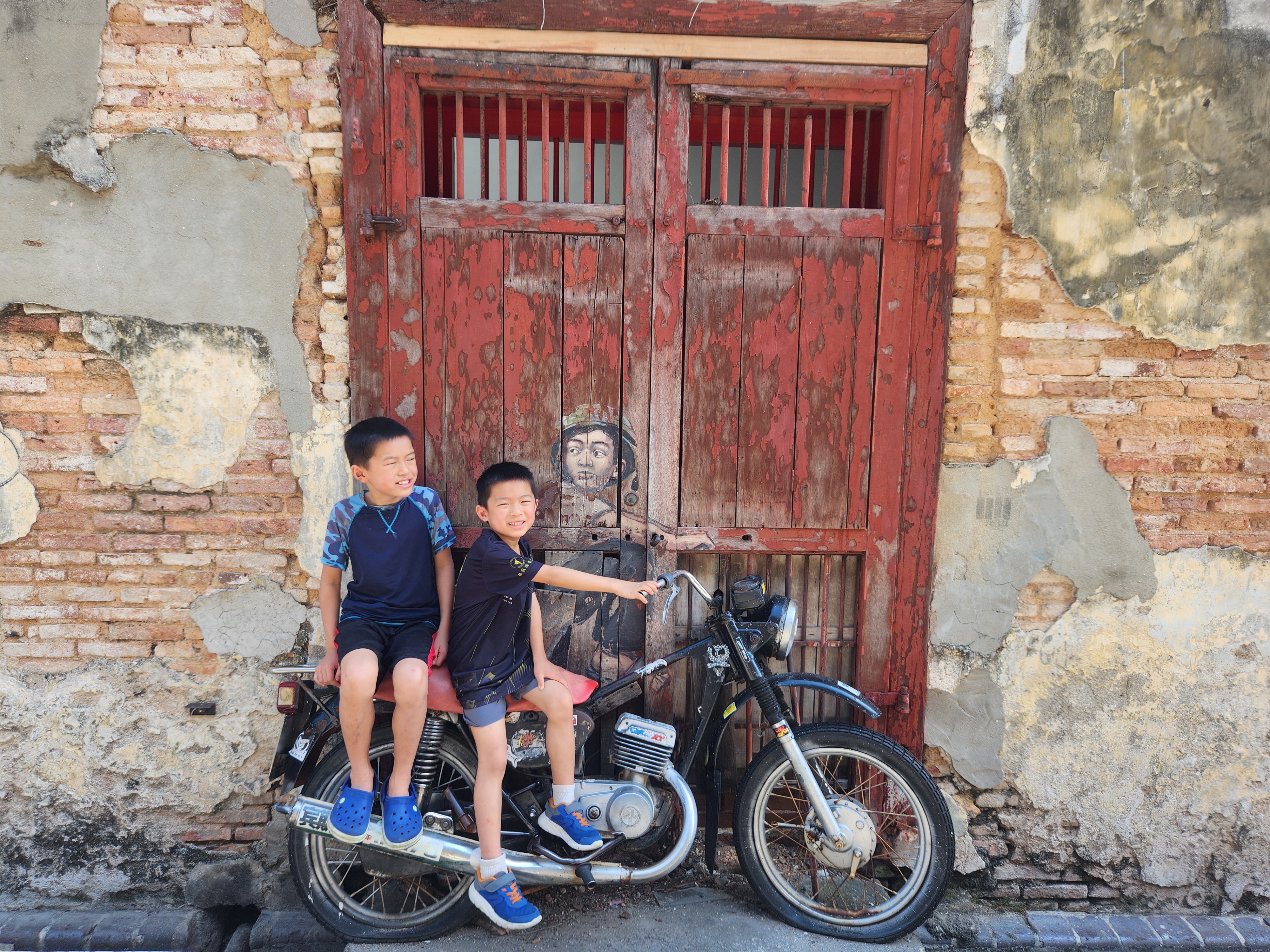
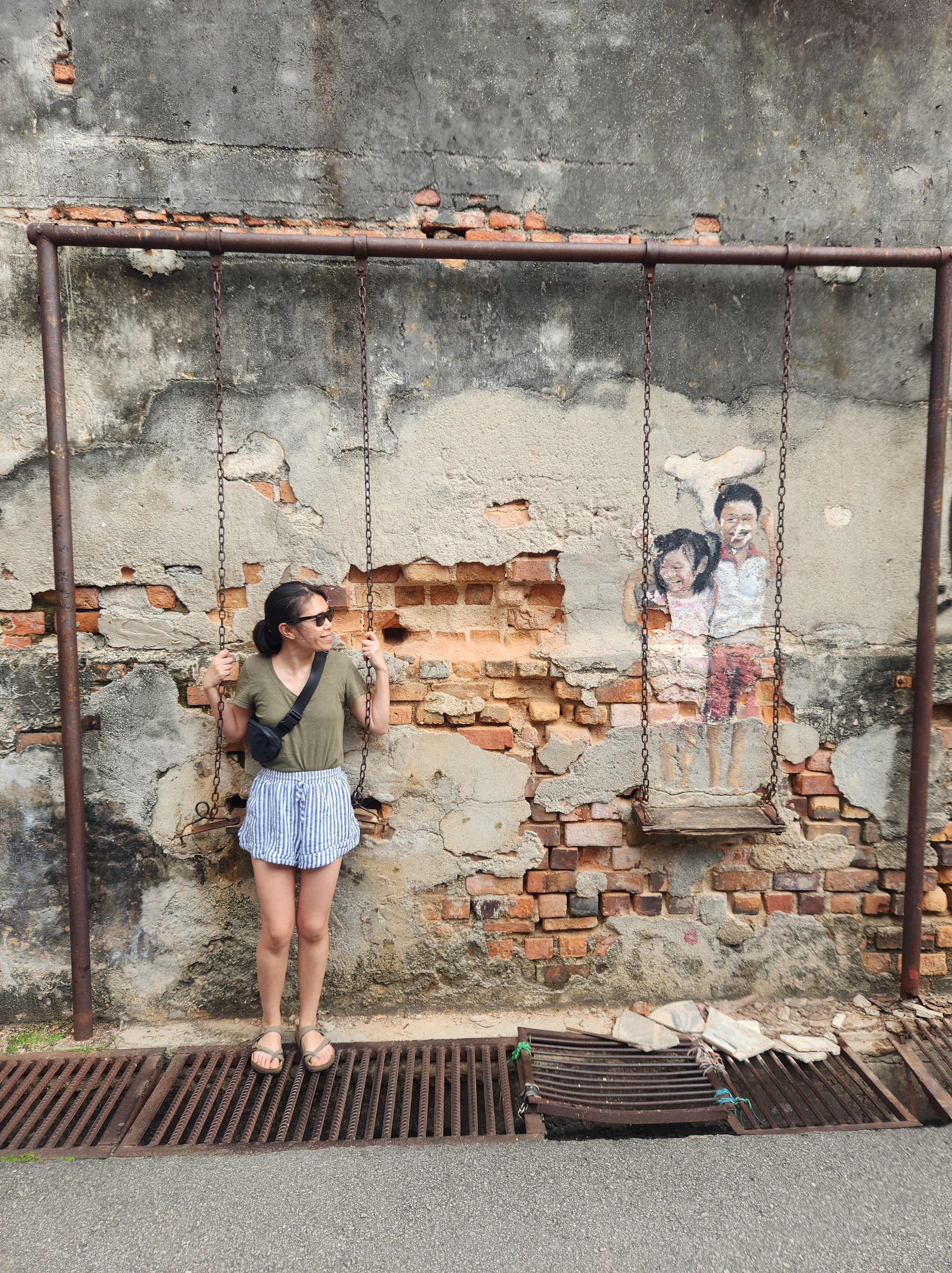
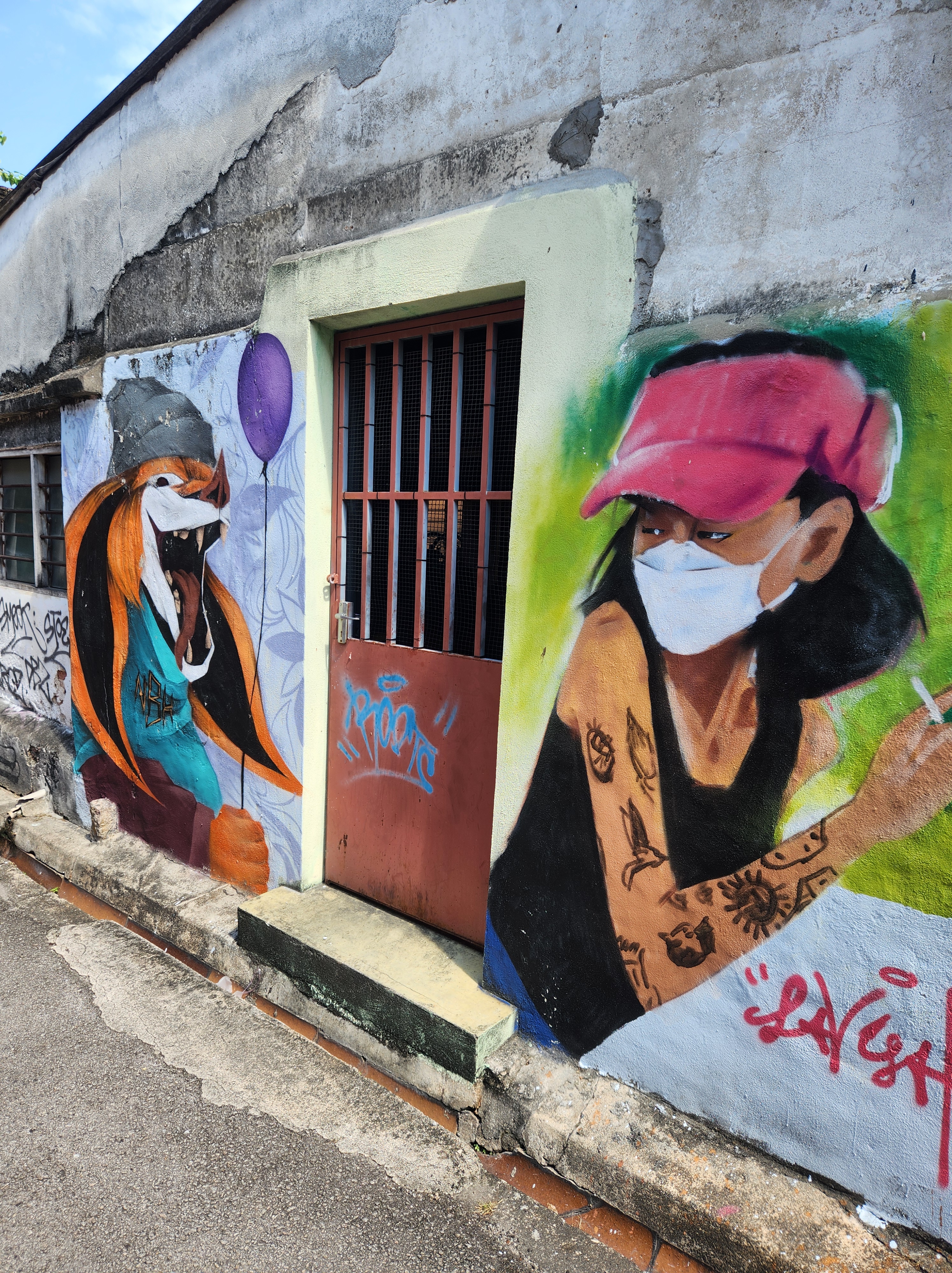
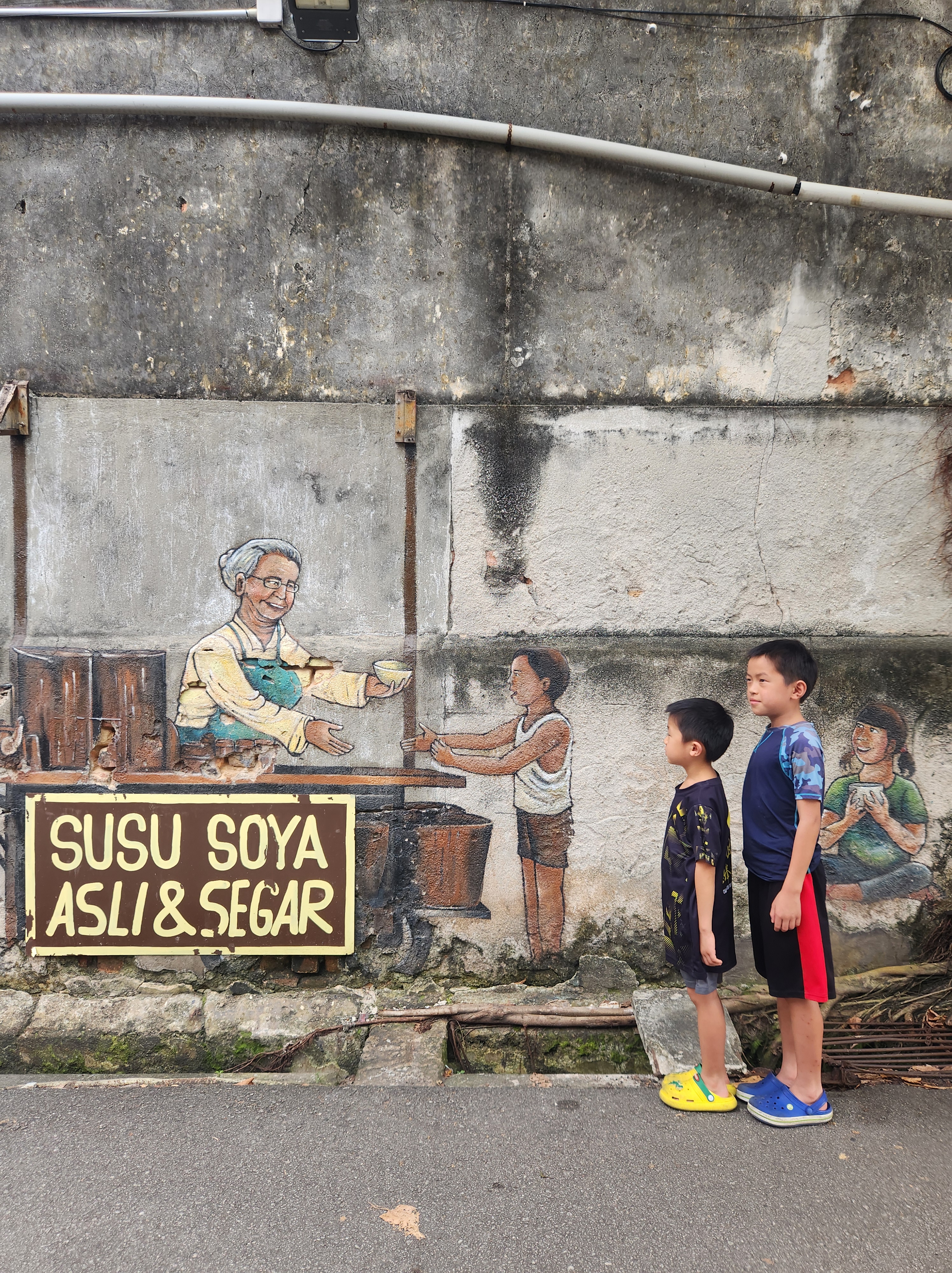
One of the highlights of Georgetown is the street art. The art is scattered around town, so we spent half a day trying to track them down. The most famous artwork is by a Lithuanian artist named Ernest Zacharevic, who incorporates 3D aspects to his art. We had a lot of fun thinking of ways to interact with them!

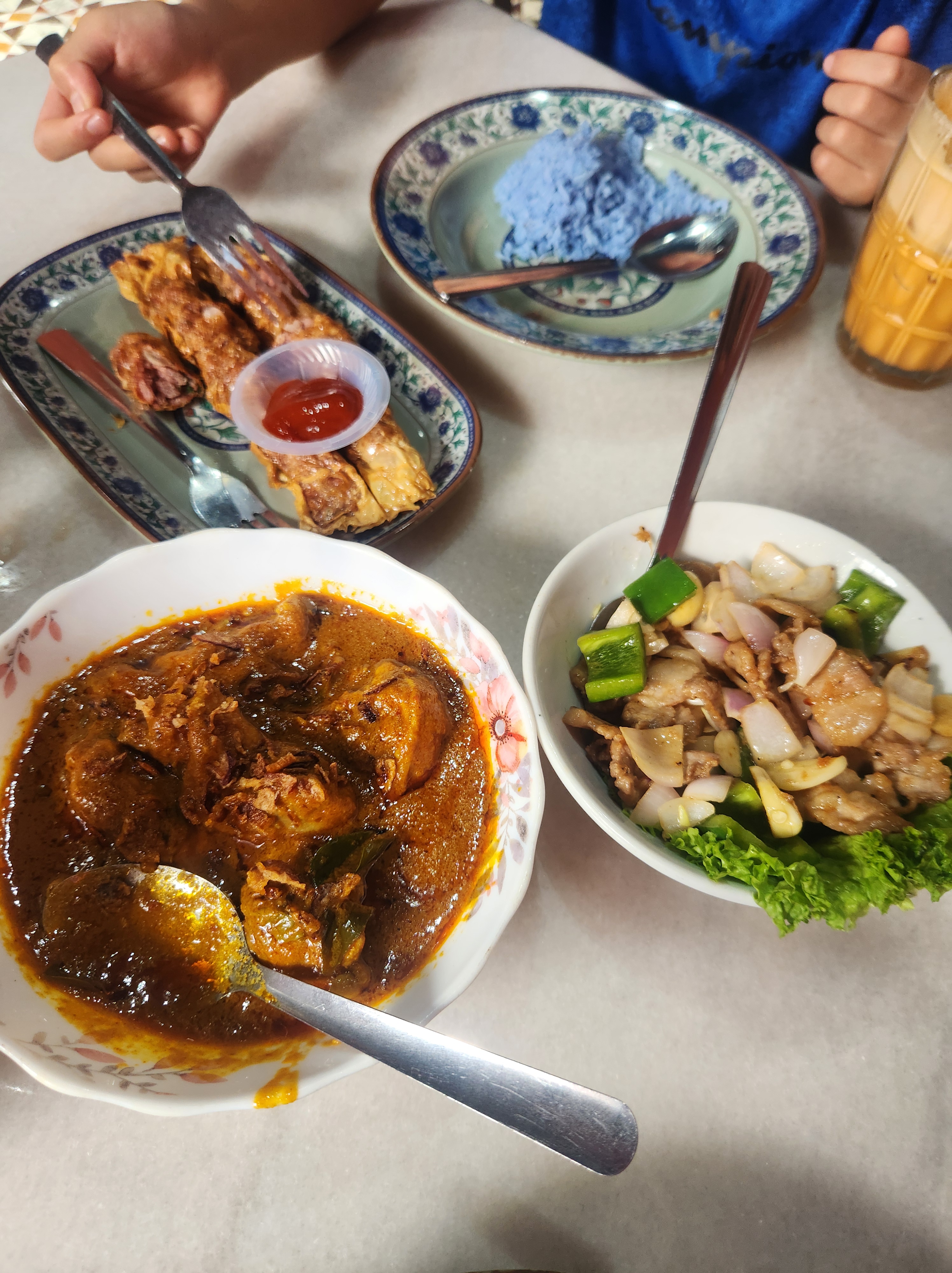
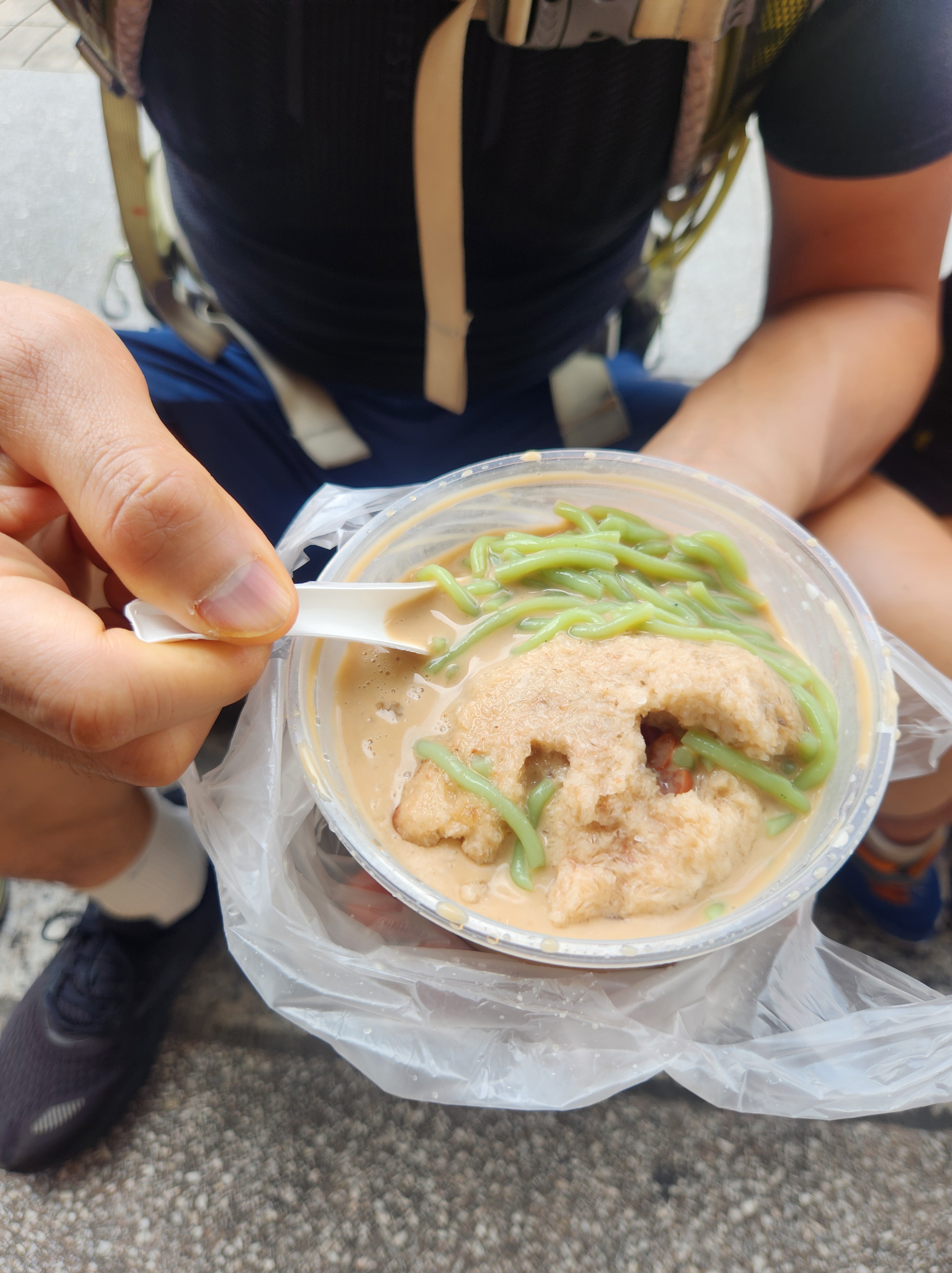
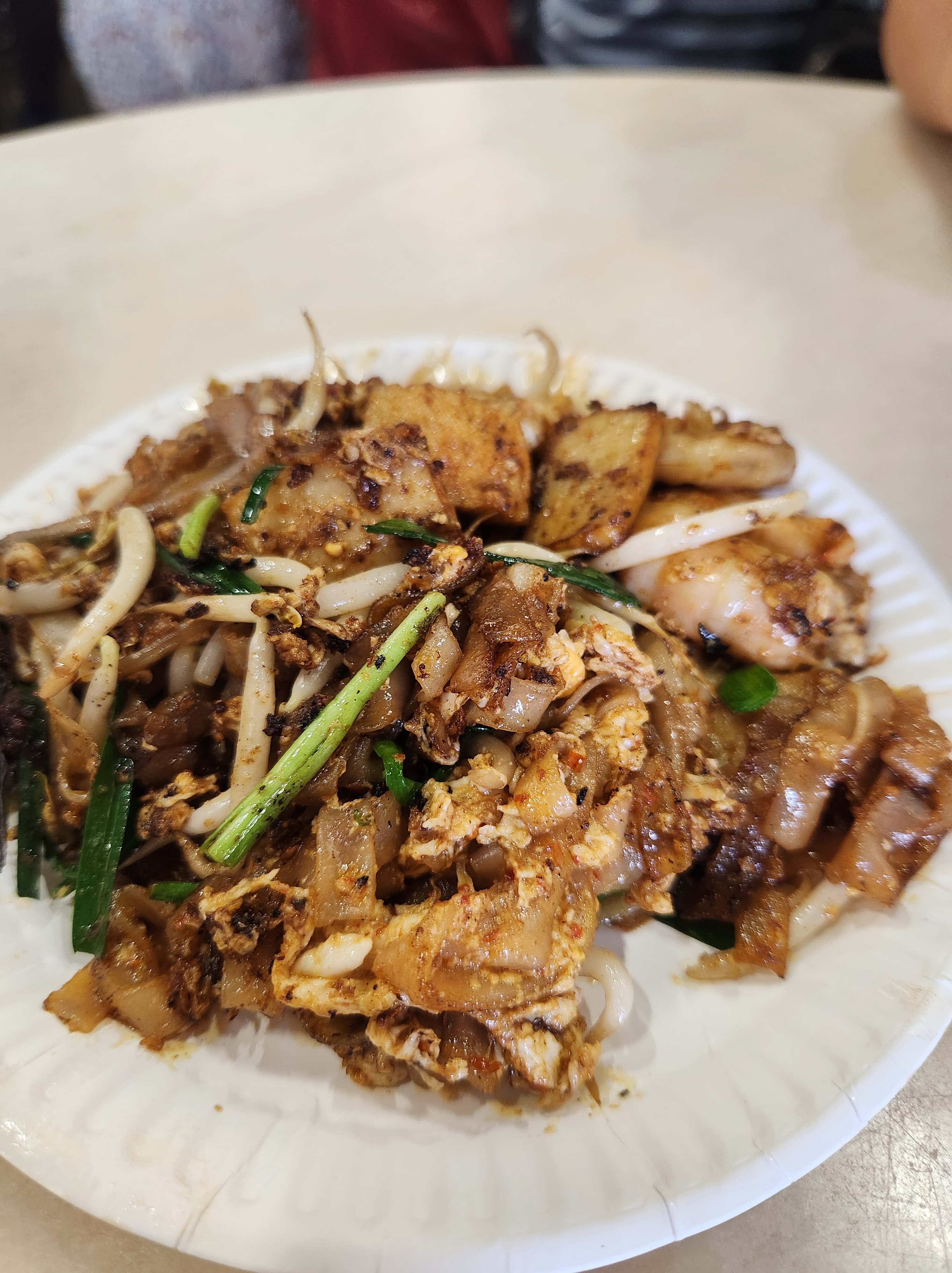
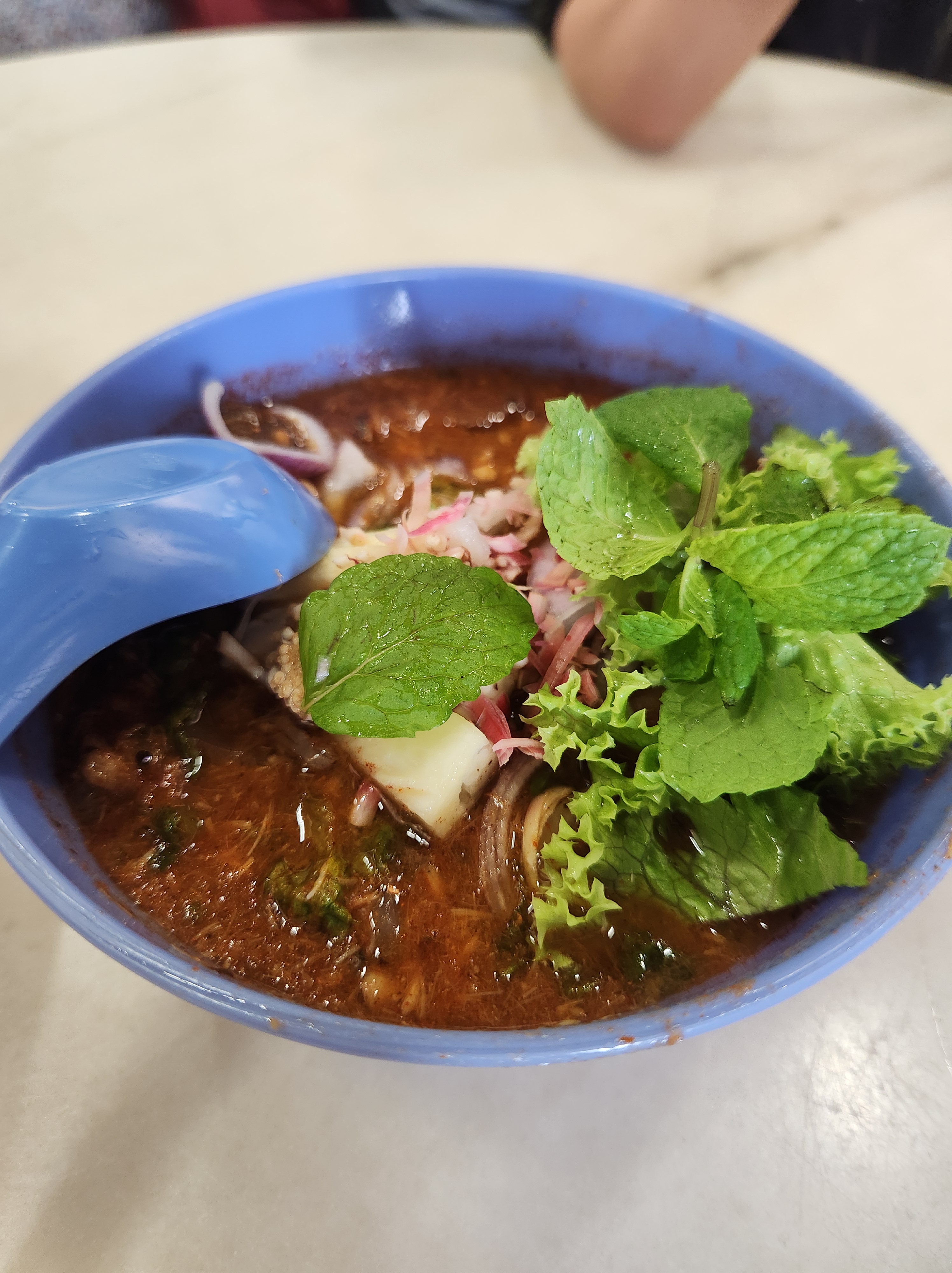
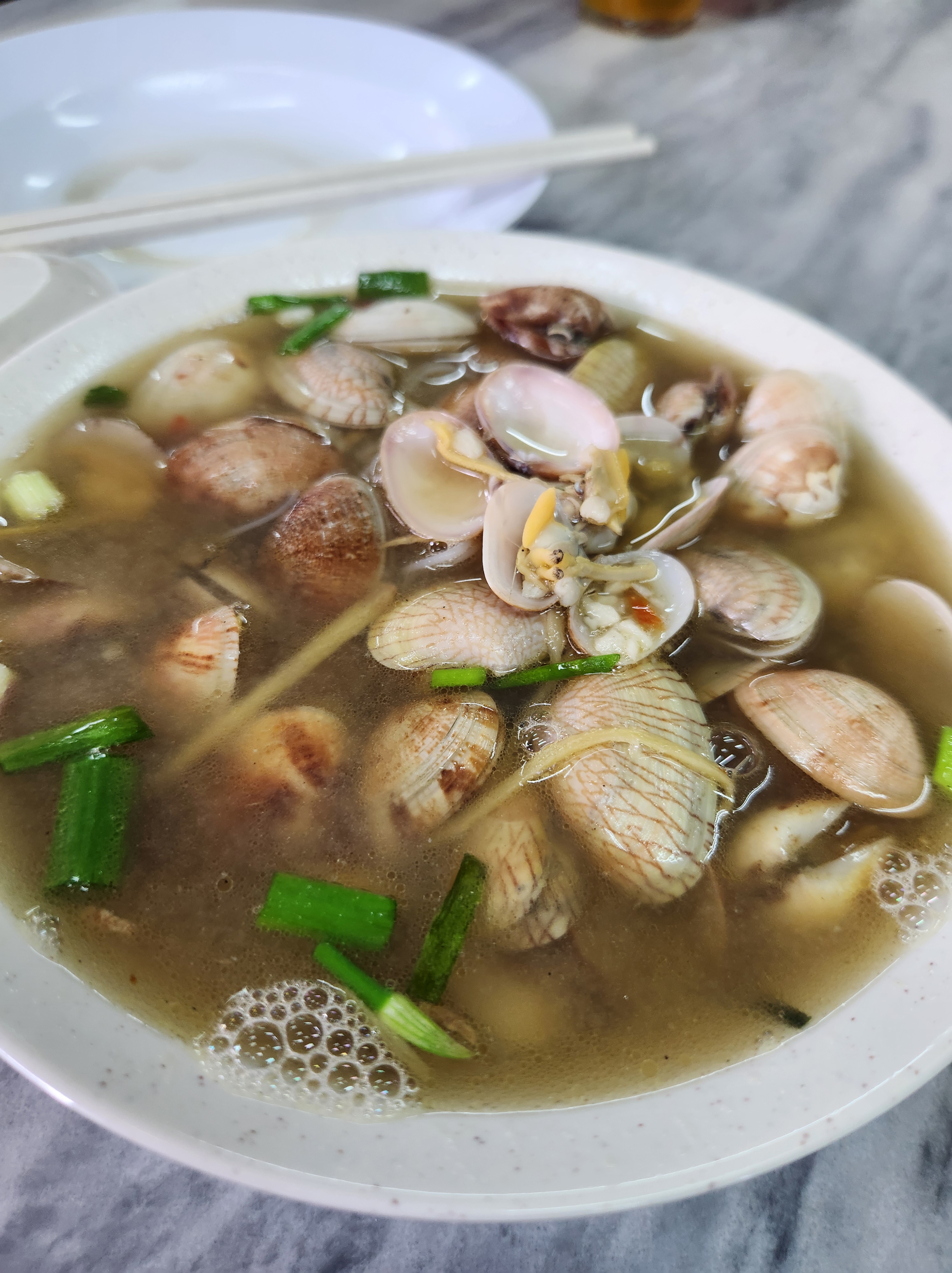
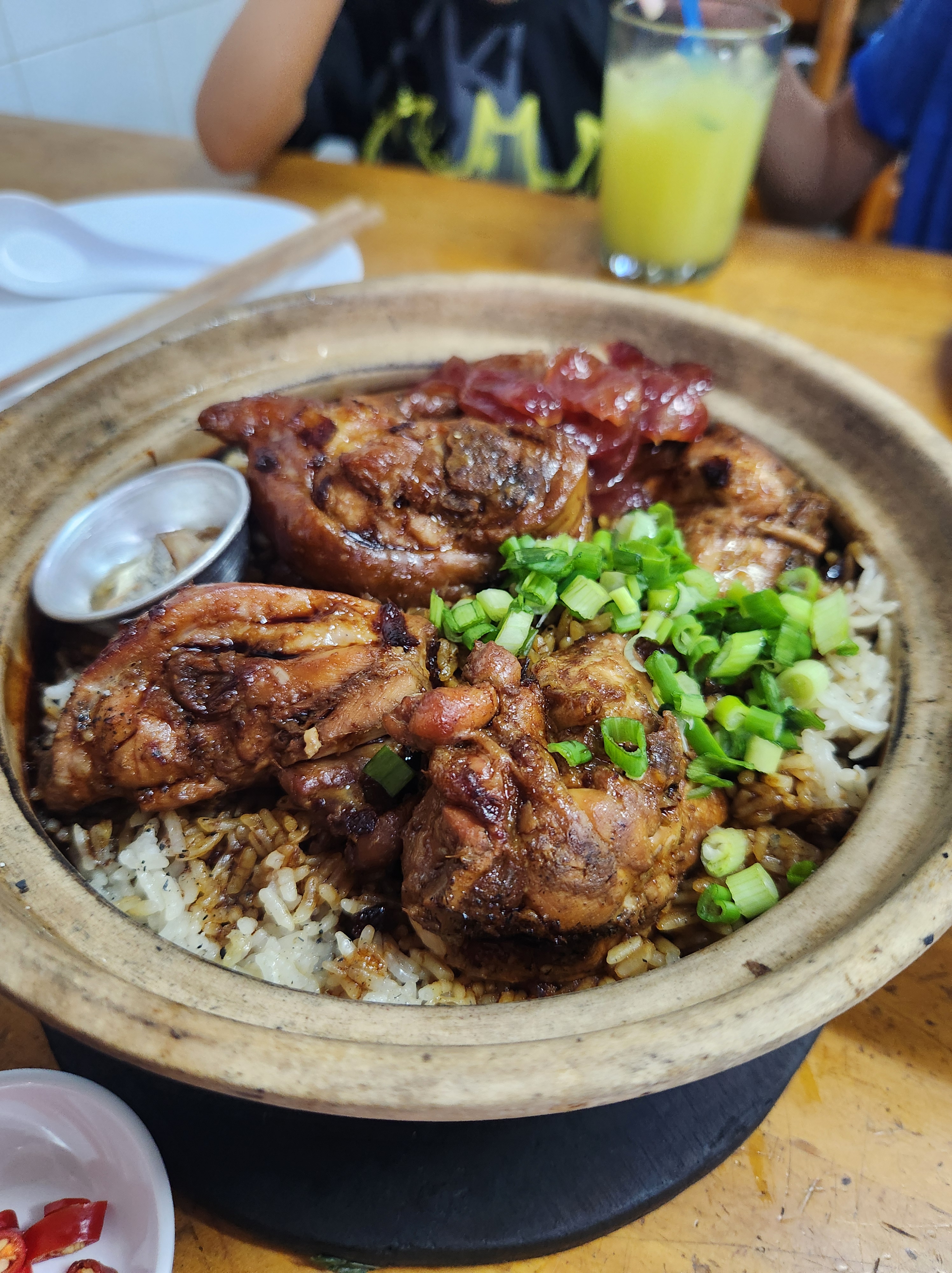
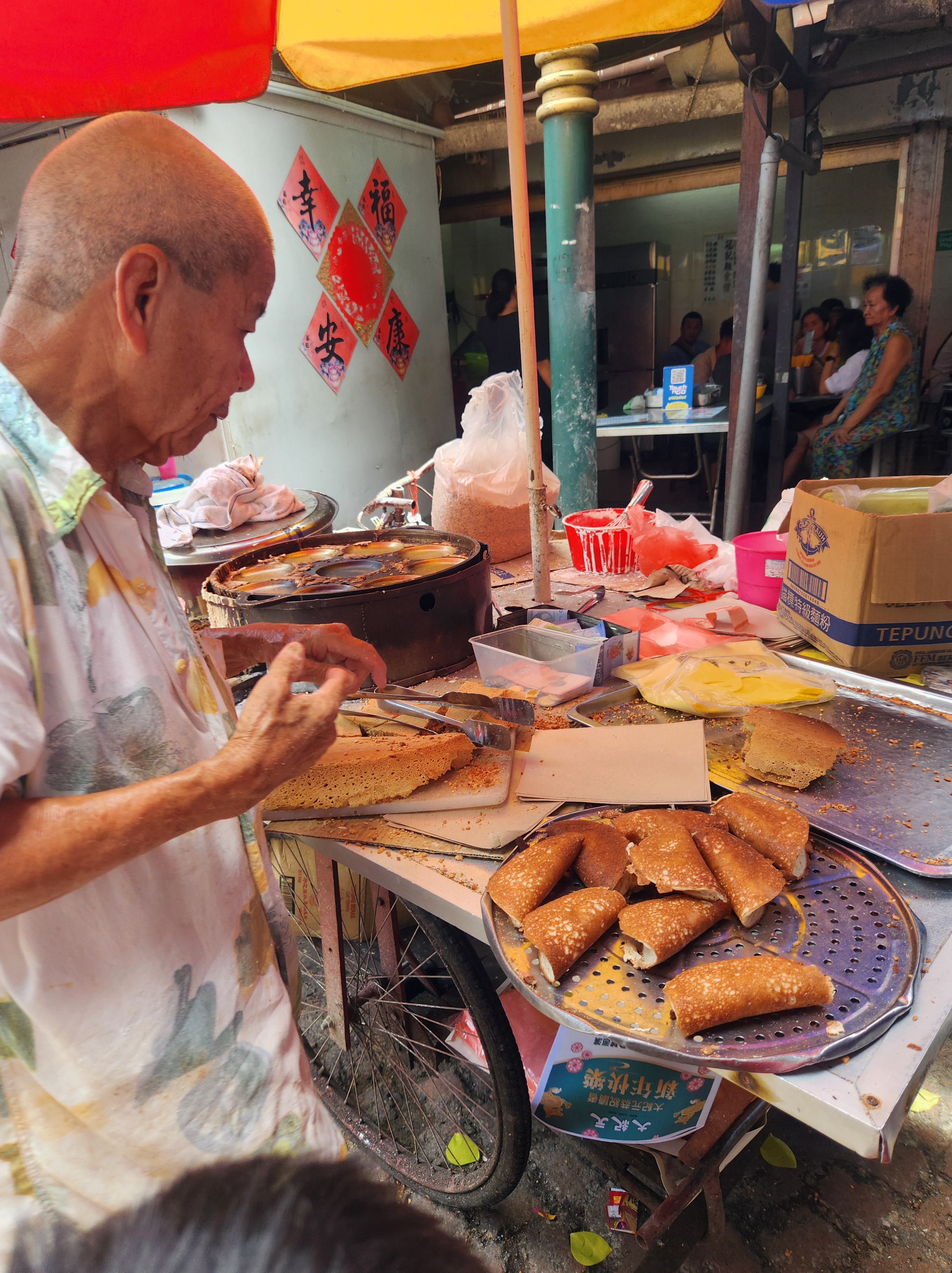
Penang is also known for its street food, and it did not disappoint! We loved the diversity, intensity of flavors, and of course the price. We already think food in Taiwan is cheap but you can’t beat the prices in Southeast Asia. Many dishes in Penang were about $2-$3, and there were times when we had a whole family dinner for less than $15.

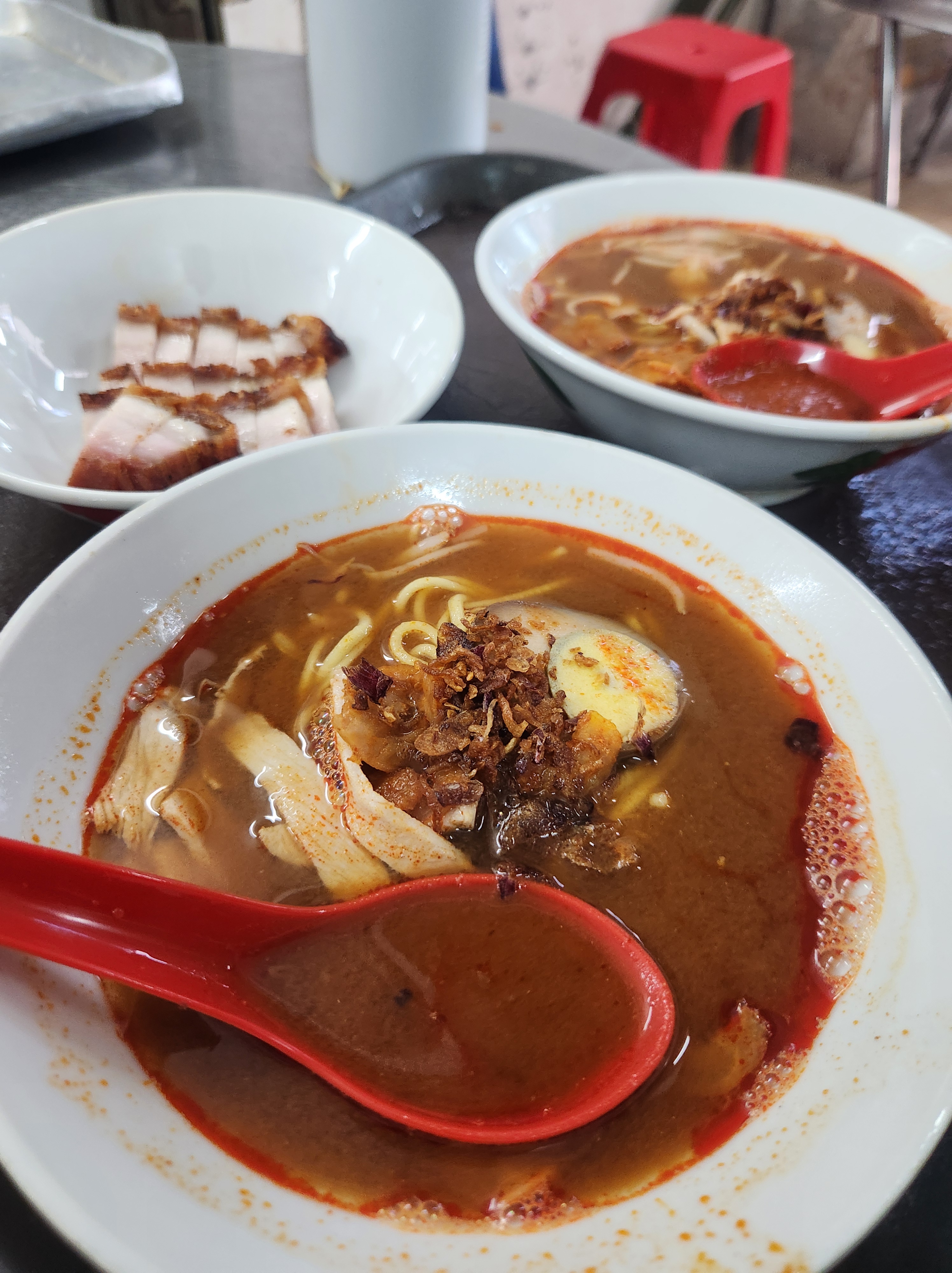
Food in Malaysia is influenced by so many cultures – Chinese, Malay, Singapore, Indian – and you can often taste the influences in each dish. Baba and I especially loved all the spice, something that we miss in Taiwan. (Taiwanese food tends to be on the milder side.) Our favorite dishes were Char Kuey Teow which is similar to Chinese fried rice noodles, and Asam Laksa, a tangy, spicy noodle soup. But seriously, even random food stalls we found had delicious food!

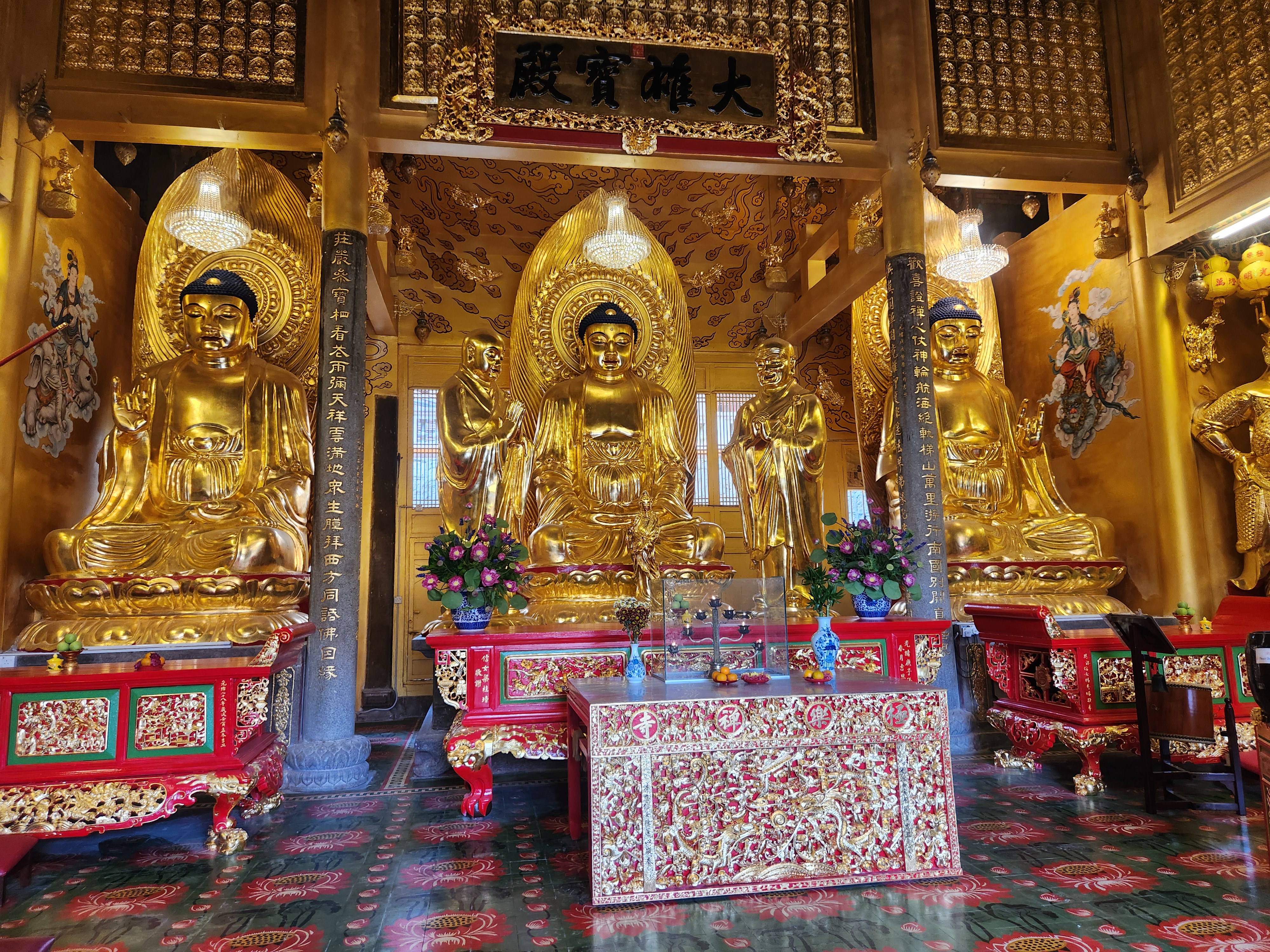
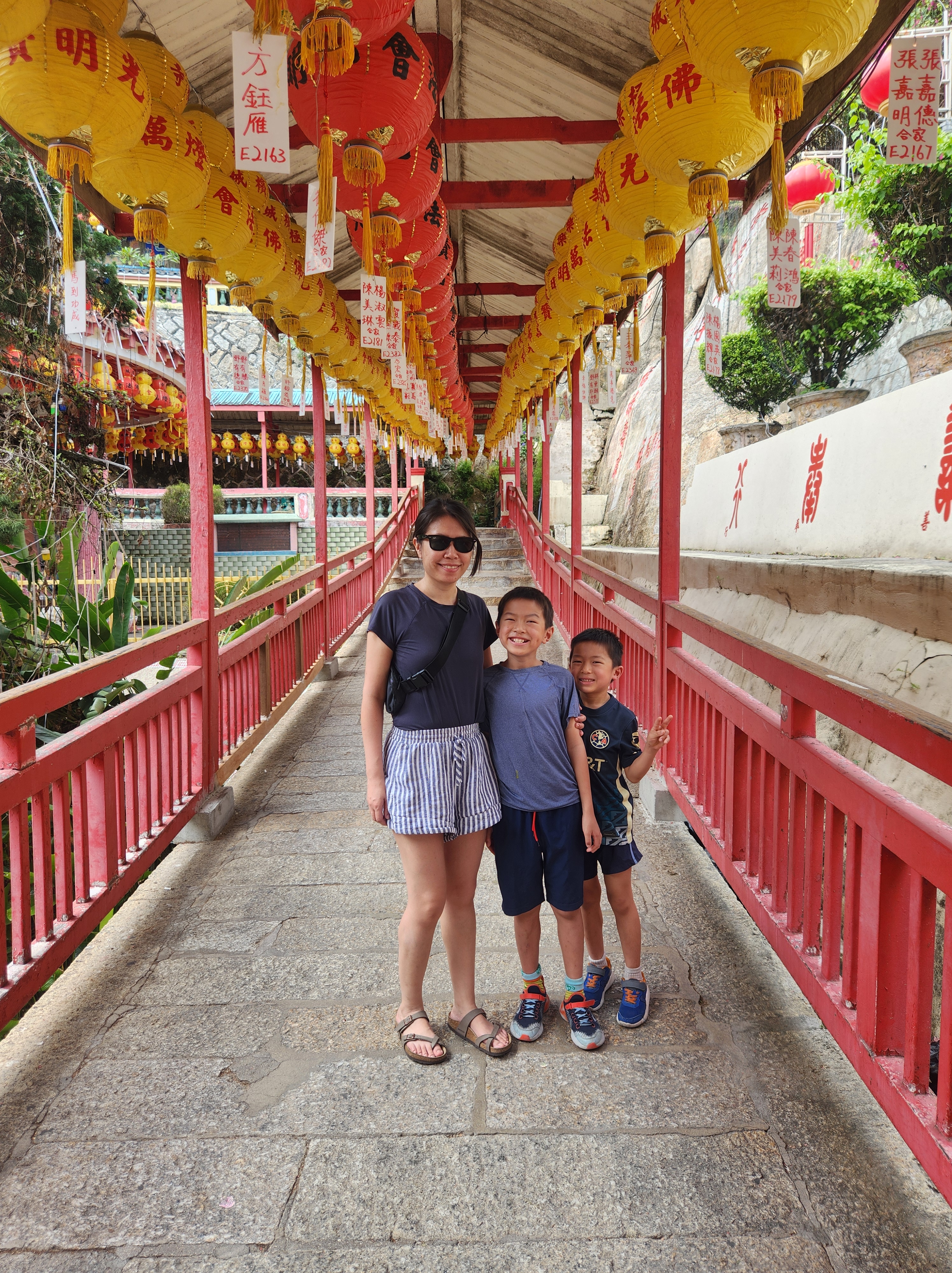
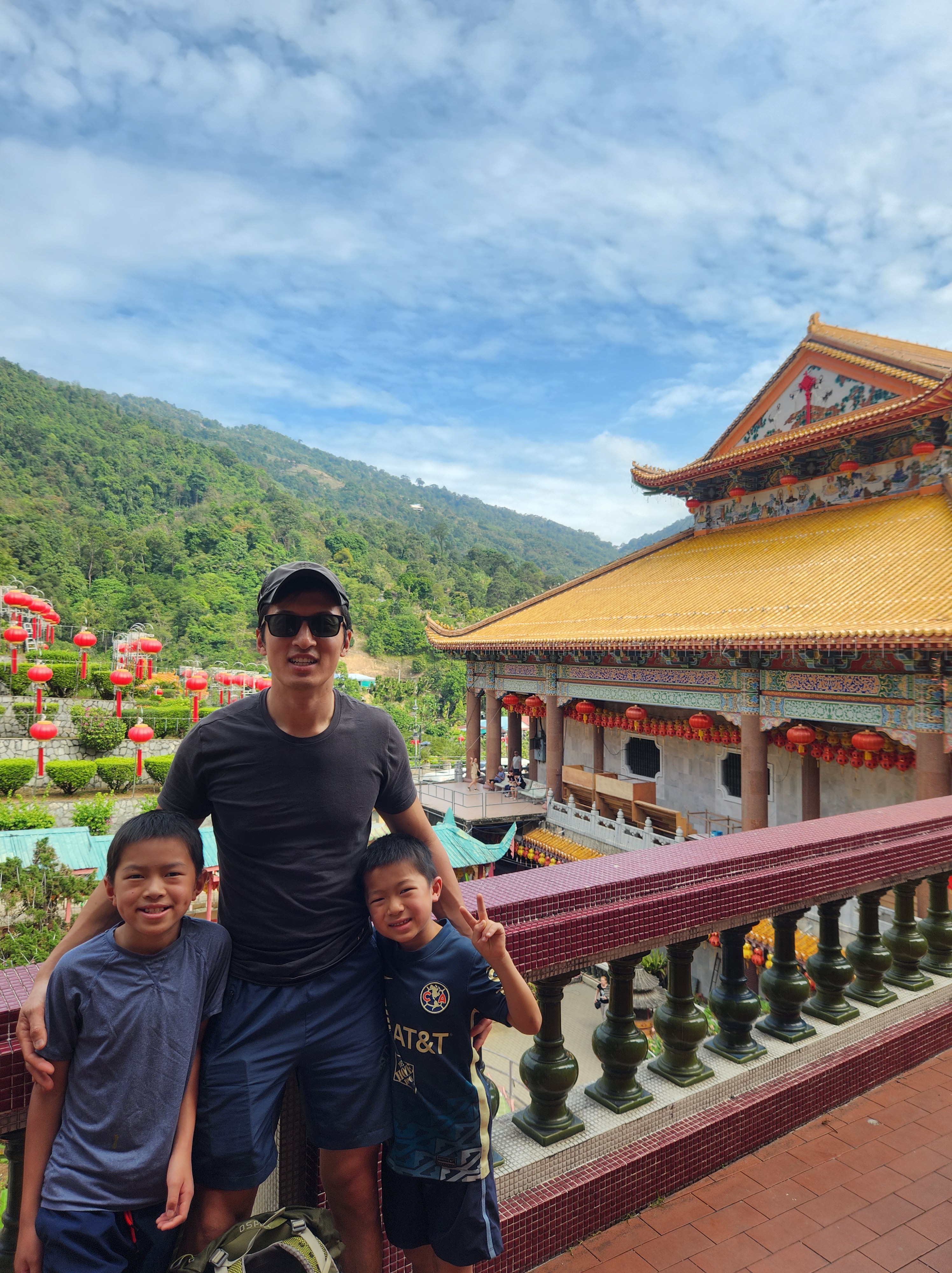
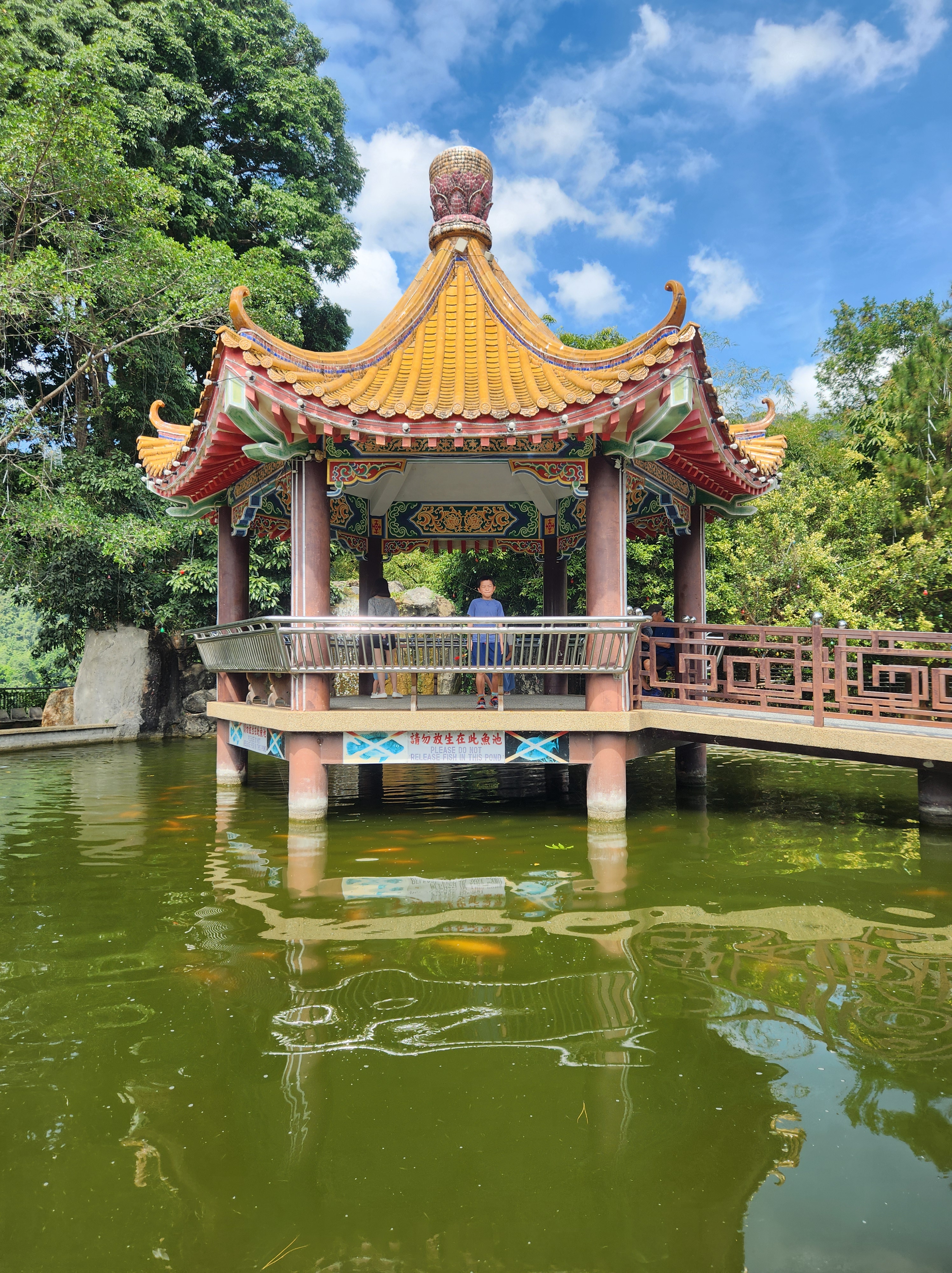
Admittedly, Penang doesn’t have a lot of “must-see” sites, but one place on our list was the Kek Lok Si Temple. It’s the largest Buddhist temple complex in Malaysia, filled with countless statues, pagodas, and pavilions. It’s so big that it’s impossible to capture the whole complex in one shot. Kek Lok Si sits on top of a hill, and seeing it from afar is even more awe-inspiring. The entire temple also lights up at night which we didn’t get to see; I can imagine it looking magical!

Kuala Lumpur. After 4 days in Penang, we took a ferry to Buttersworth, where we caught a train to Kuala Lumpur. The train ride took 4 hours.

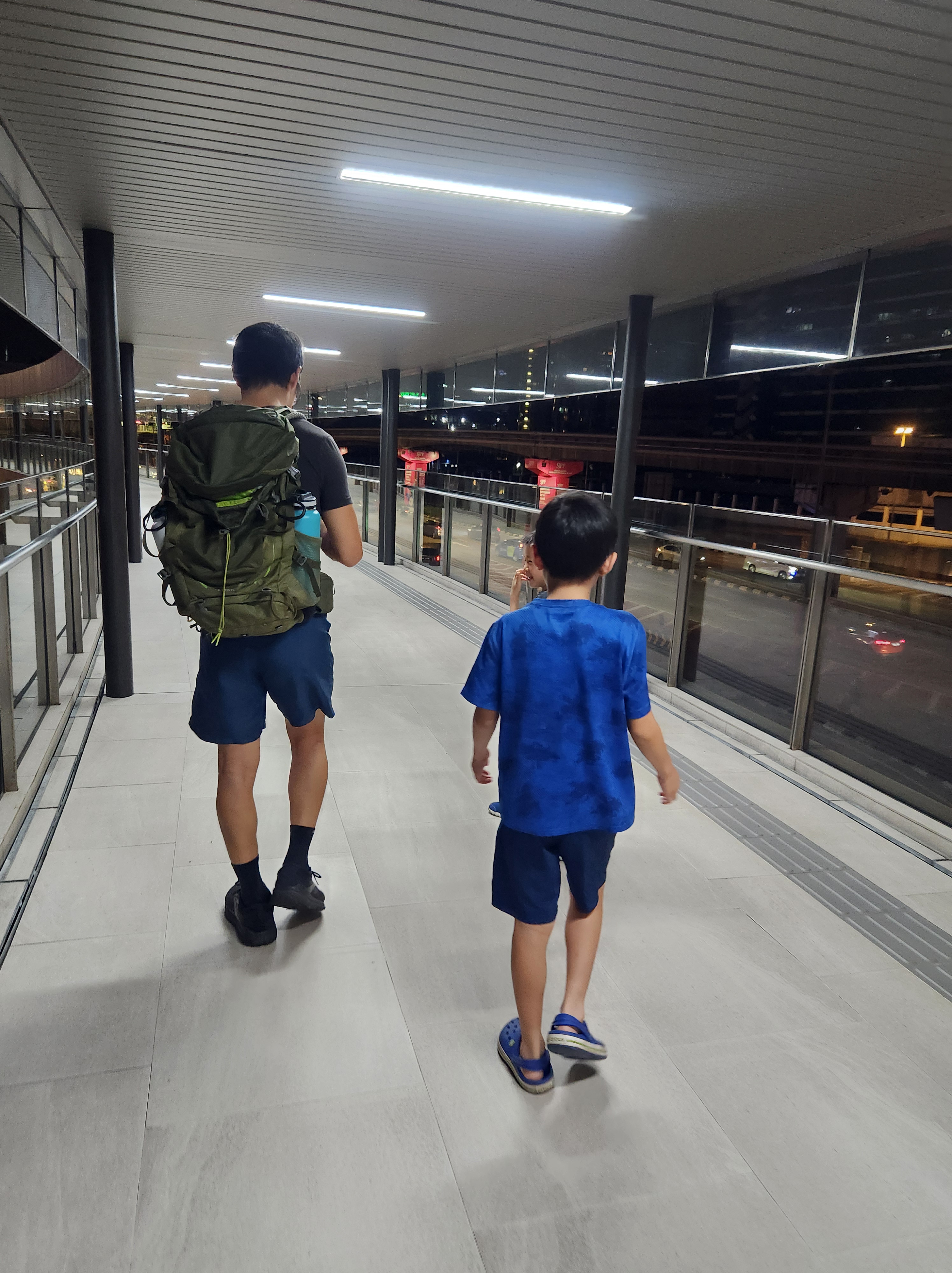
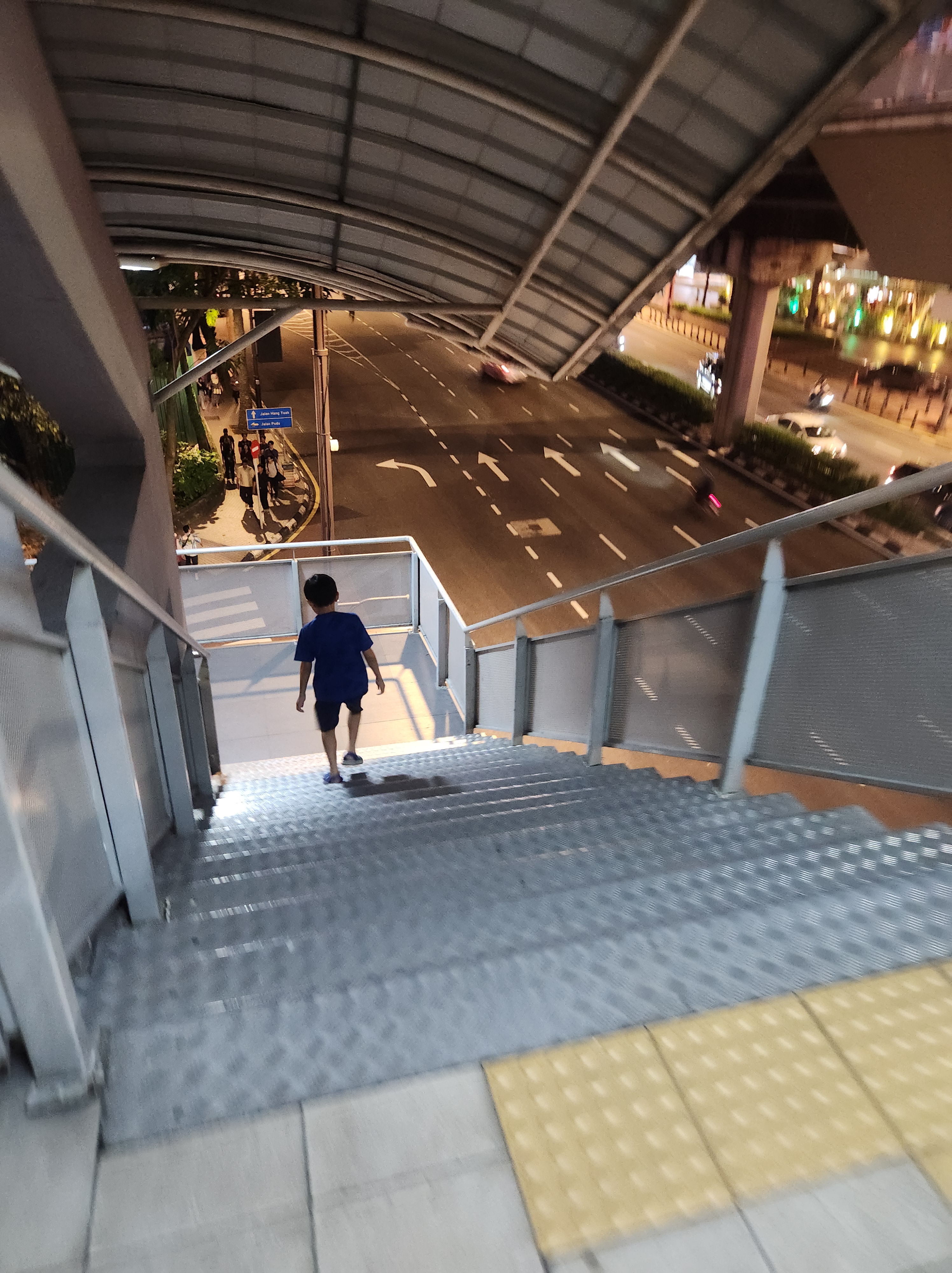
Kuala Lumpur (or KL as the locals call it) is a massive, chaotic city, making it challenging for pedestrians to navigate. Crossing the streets was an ordeal – you’d either have to scramble across the street because there are no street lights, or track down an overpass like the below. This would sometimes add 10-15 minutes to our commute, which wouldn’t be so bad if it weren’t for the heat.

The subway and bus system isn’t as comprehensive as Taipei’s either, so we would often walk or hail a ride through Grab, SE Asia’s version of Uber. Grab rides are super cheap – rides were typically $2-$3. Even a 45 minute ride to the airport was less than $20! I highly recommend downloading Grab if you’re traveling in SE Asia.

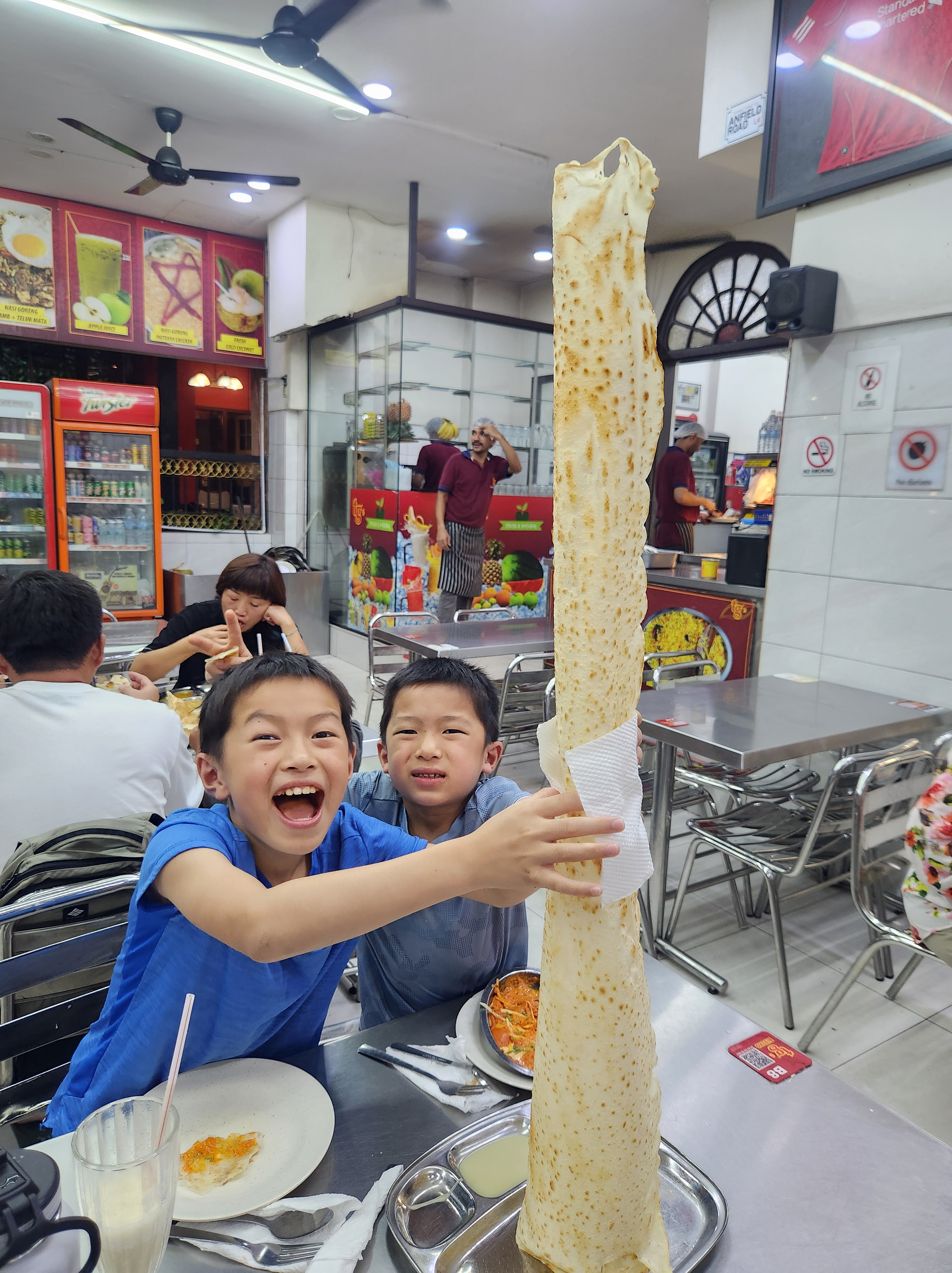
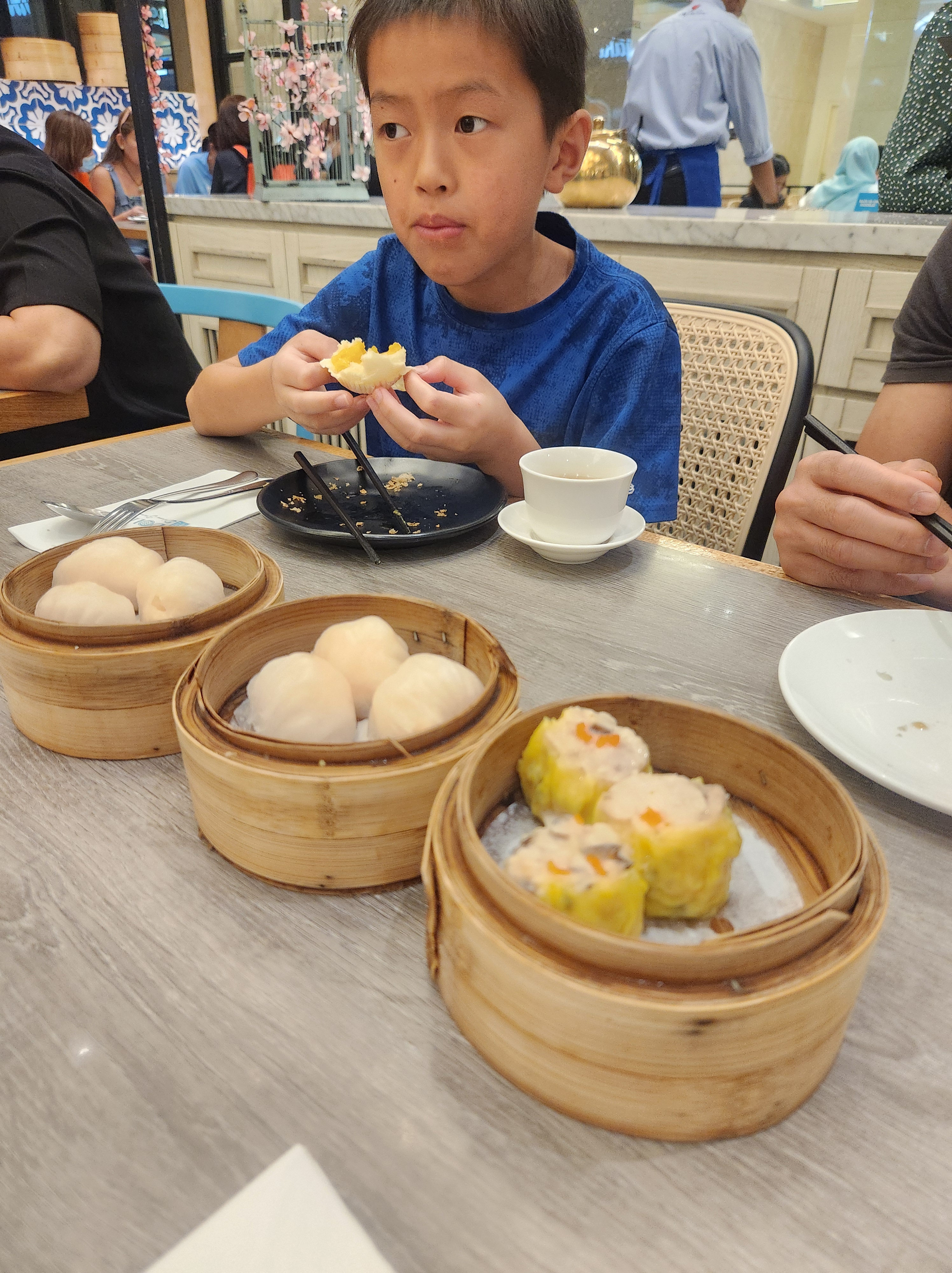
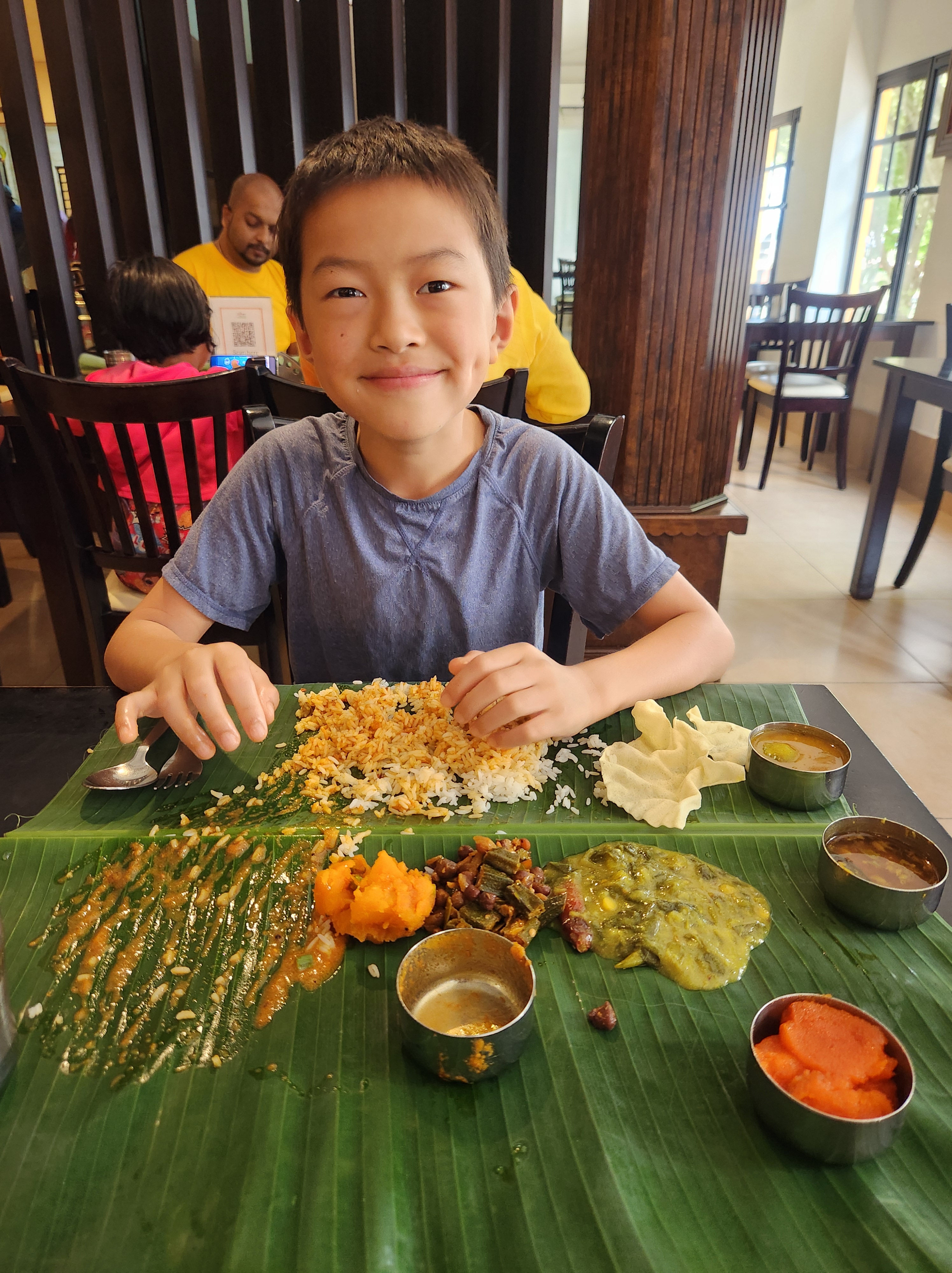
Now for the positives of KL. 😊 Like Penang, KL is super diverse and that’s reflected in its delicious food. There is a large Cantonese and Indian population so we ate all the dim sum and Indian food we sorely miss since moving to Taiwan. Our favorite restaurant in KL was probably Mollagaa, an South Indian restaurant serving everything from curries to banana leaf rice. It was so good we went back twice!

Overall, the food in KL was very good and cheap. You can eat like royalty here without breaking the bank.

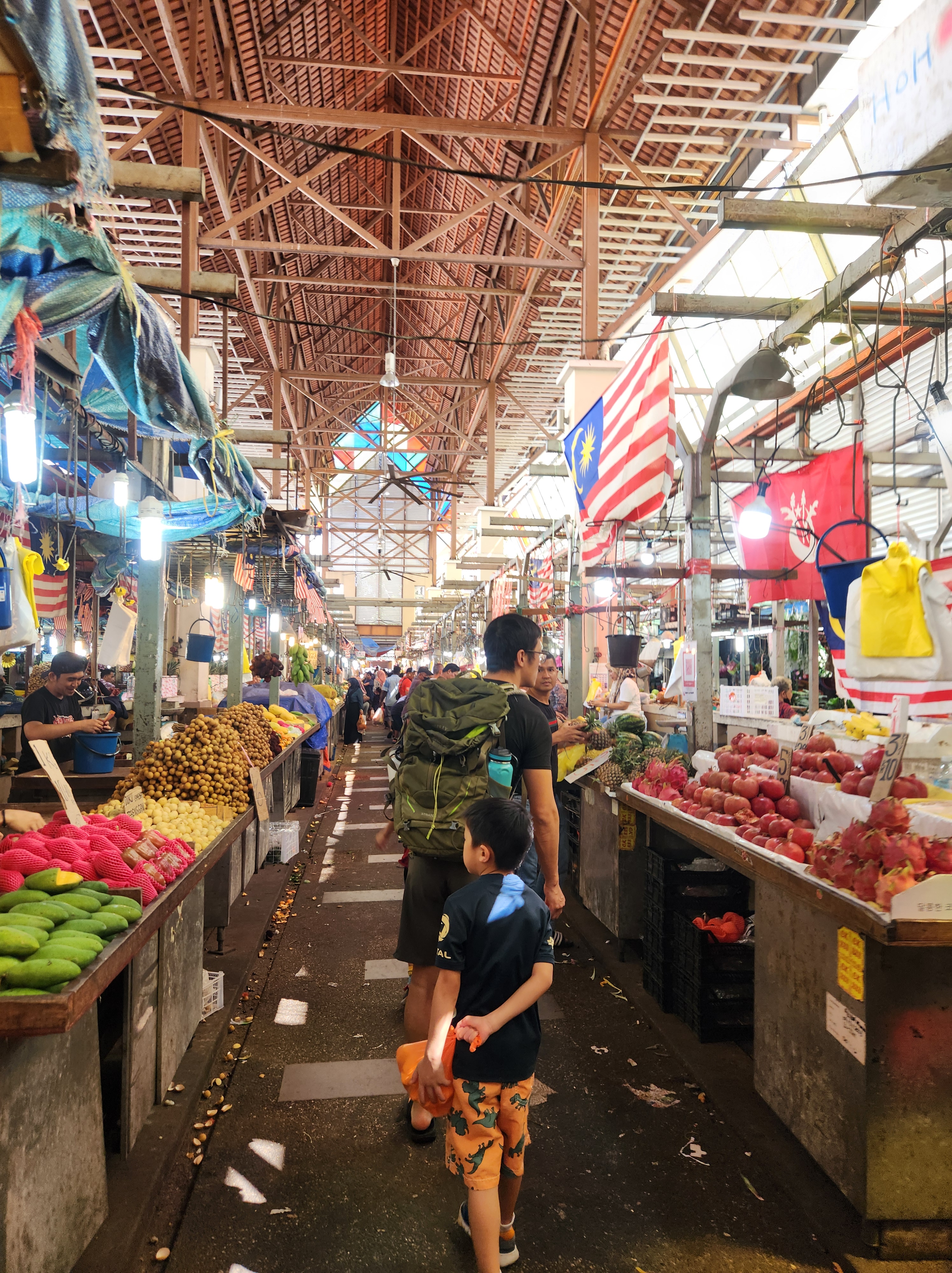
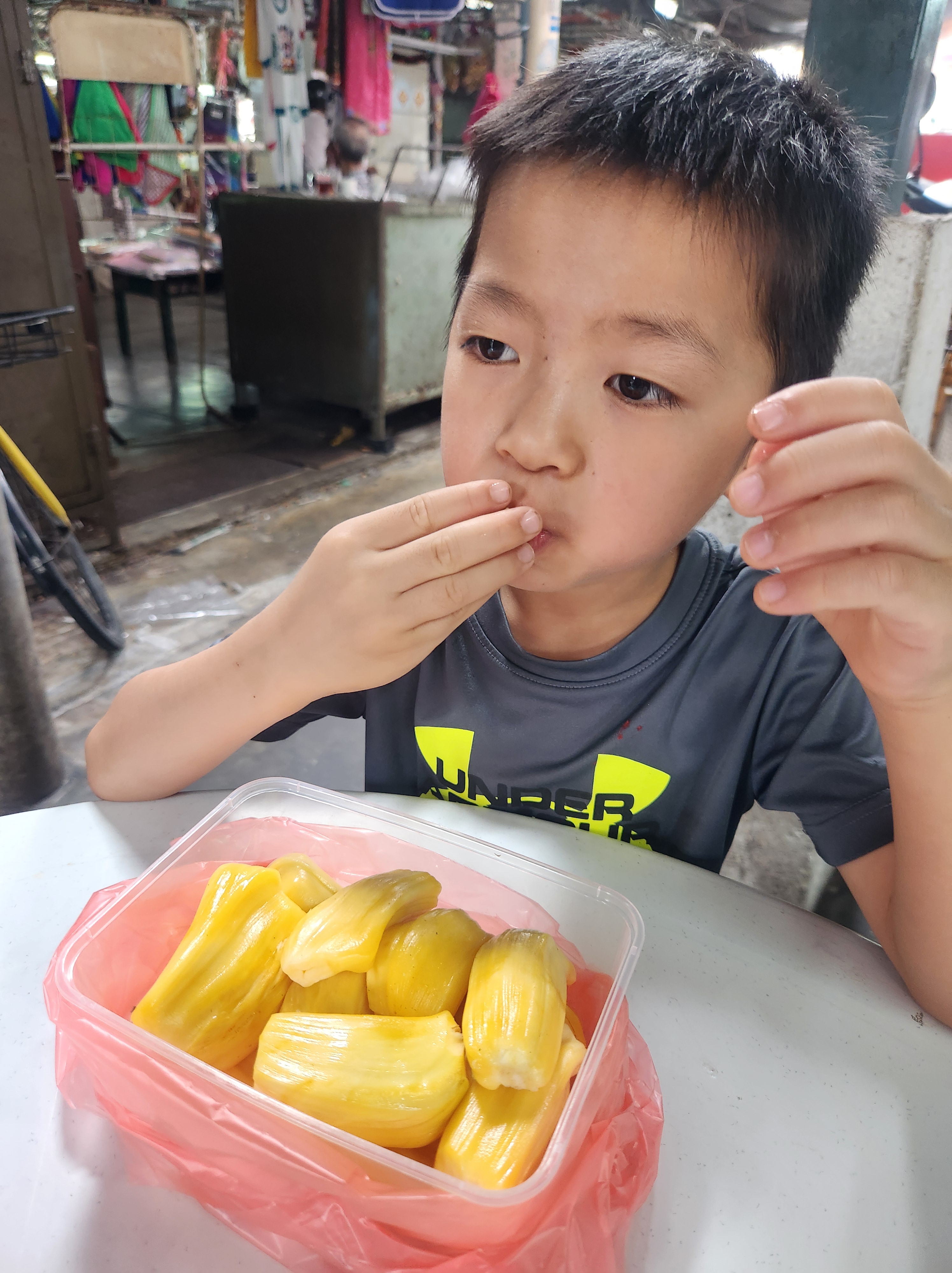
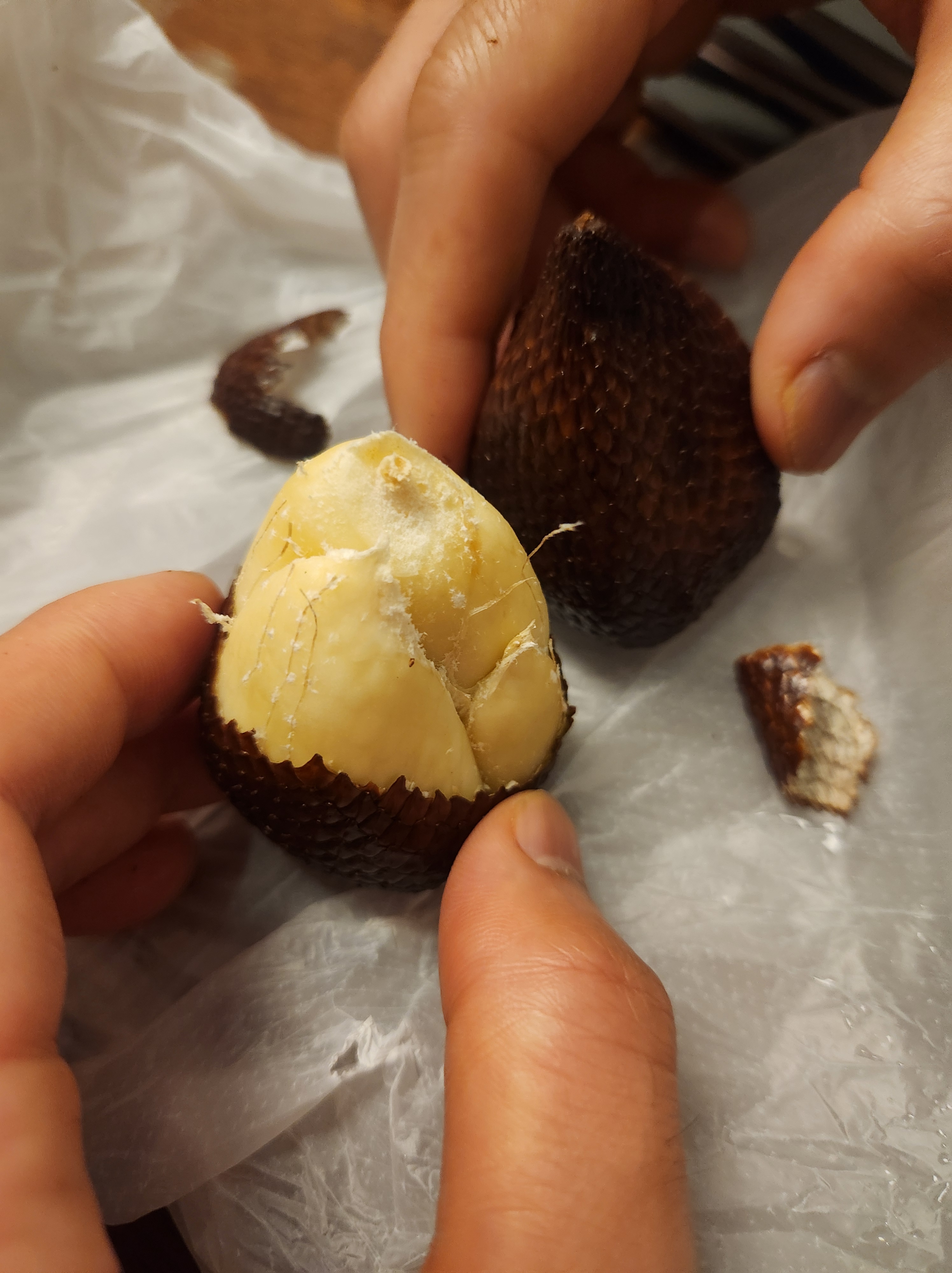
A favorite pastime of ours when traveling if visiting wet markets. The ones in SE Asia are the best because they have the most interesting and exotic fruits and vegetables. We ate so much mangosteen and jackfruit here (fruits that are relatively hard to find in Taiwan). We also discovered a new fruit: snake fruit, or salak. It’s native to Indonesia/Malaysia and has a mild sour taste with a crunchy texture. Not one of my personal favorites, but it’s always fun discovering new fruits.
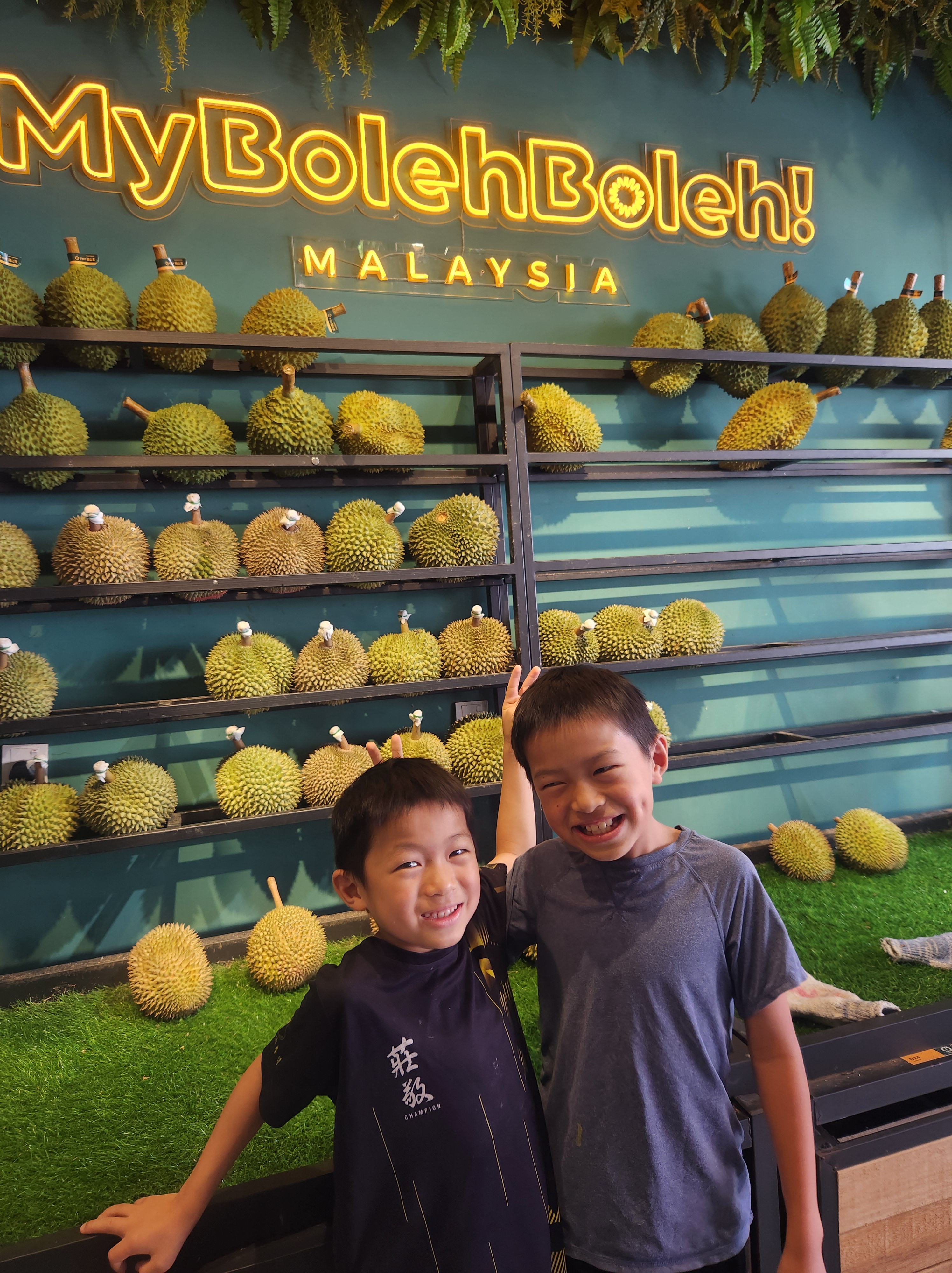
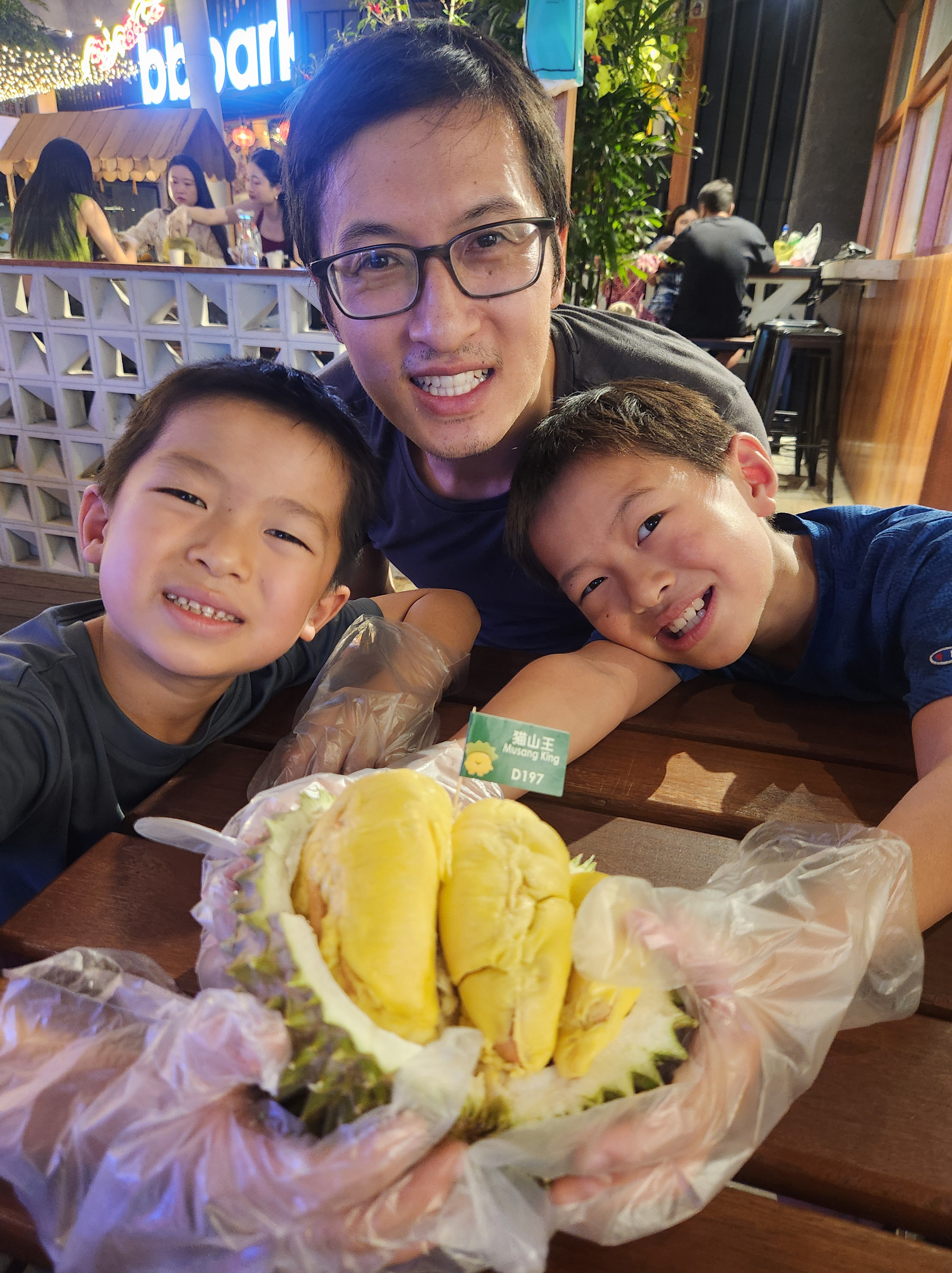
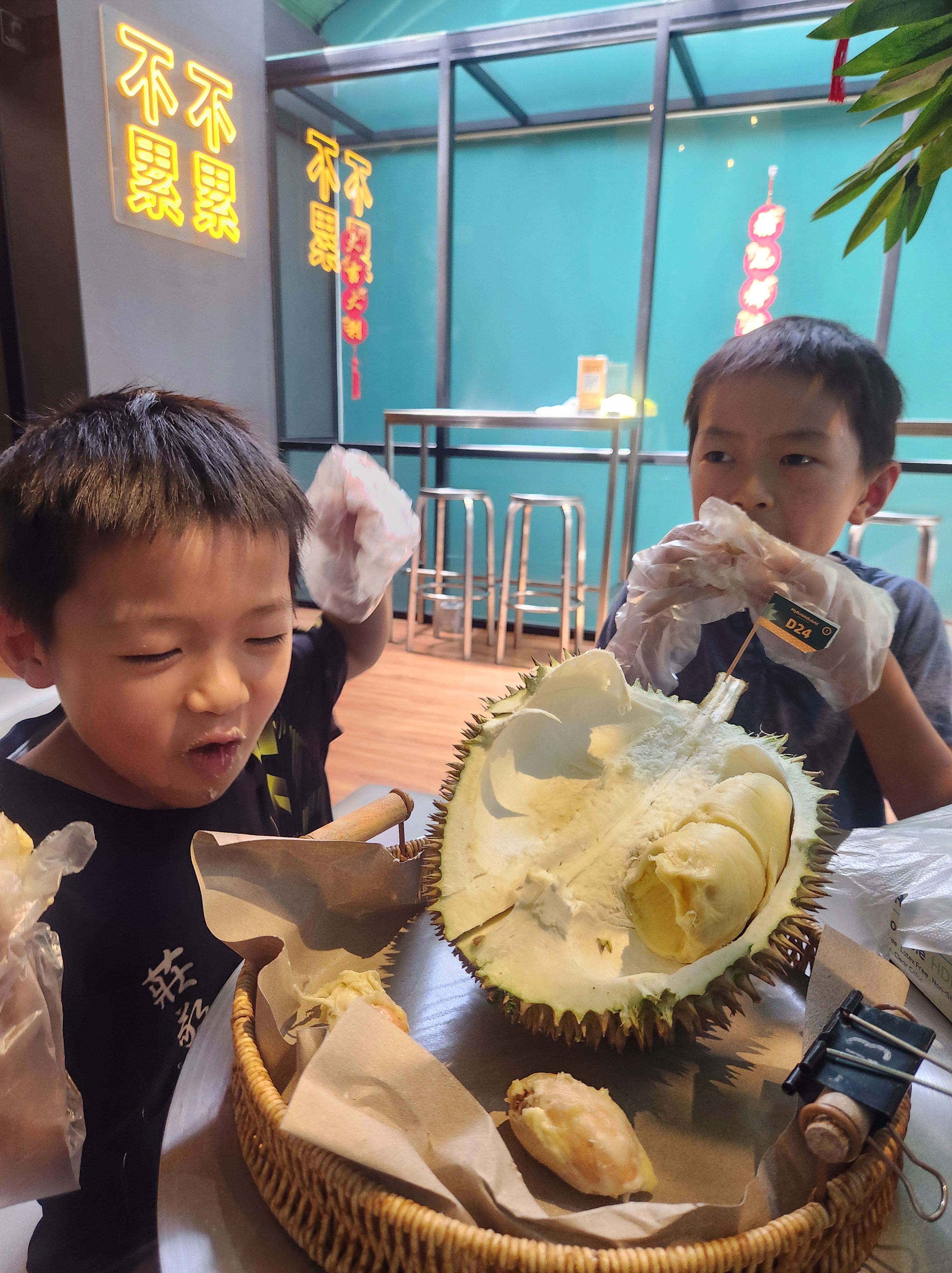
Speaking of exotic fruits, Malaysia is obsessed with durian (and so are we!). They have their own varieties of durian – 24 of them! – with the most popular being Musang King. Malaysia durian is creamy, sweet, with a slight bitter taste. Even though Thailand is the biggest exporter of durian, Malaysia is known to have the best tasting. There are cafes and restaurants throughout KL dedicated to just durian! I think we probably ate one a day. 😋
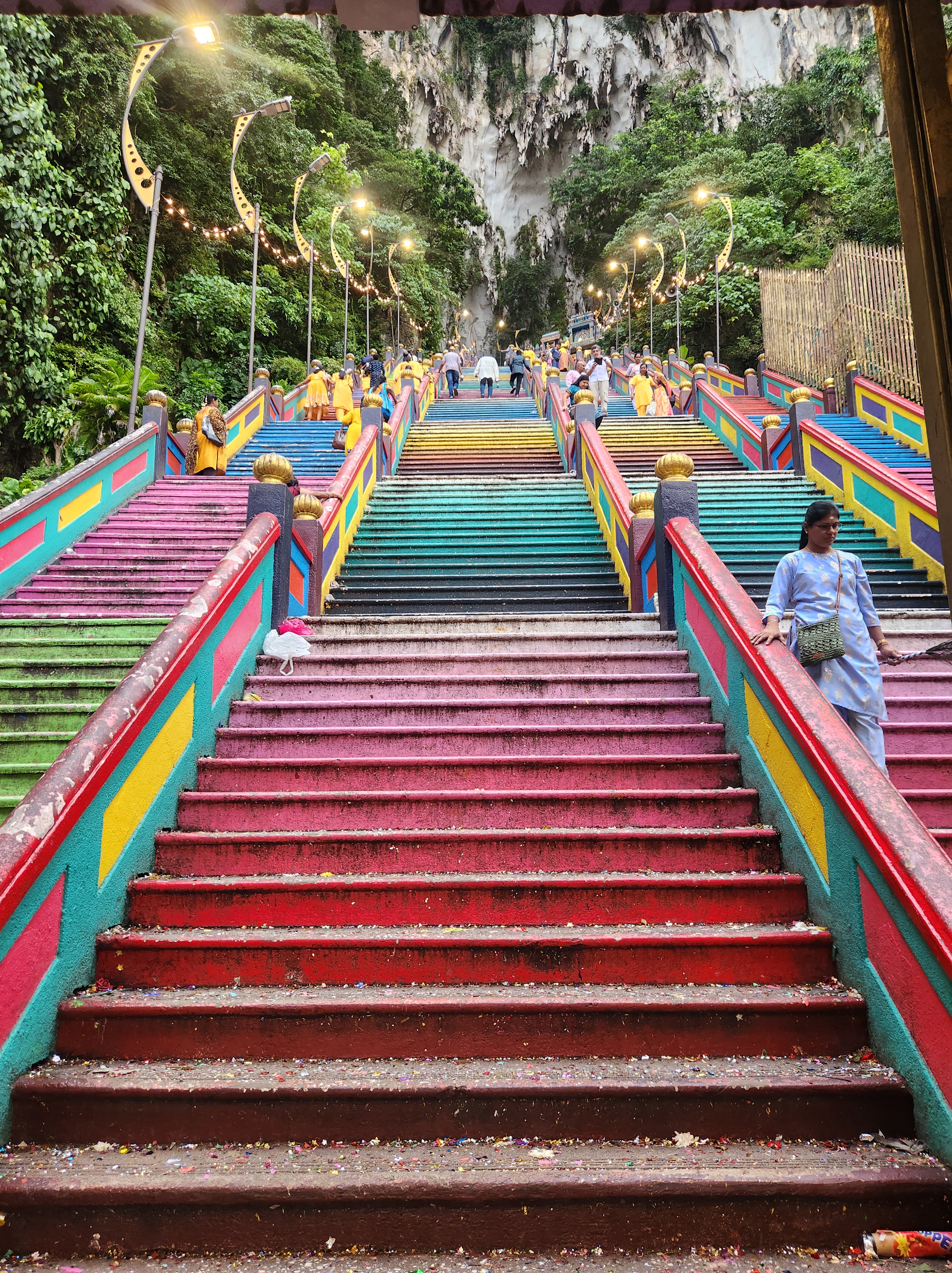
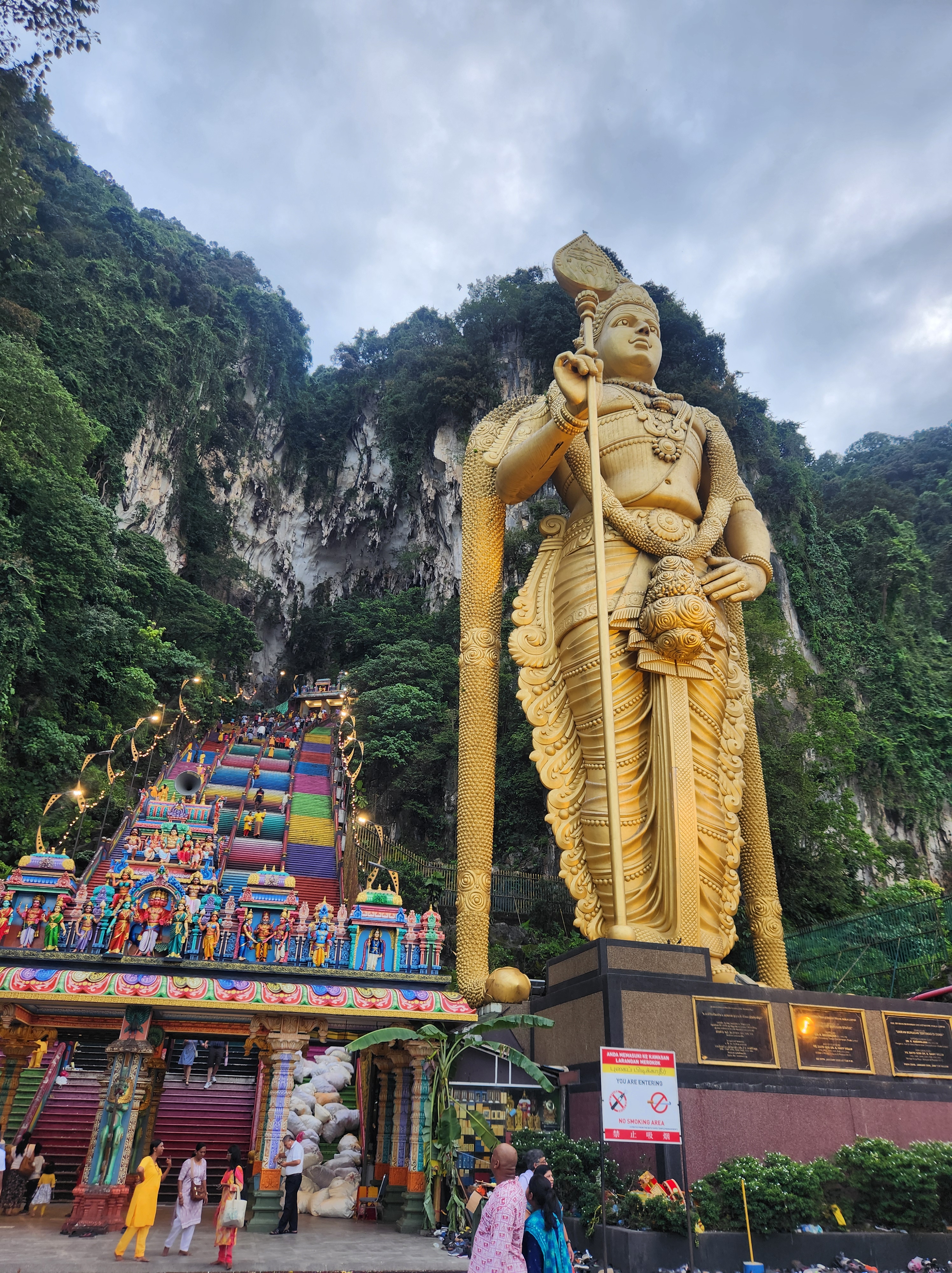
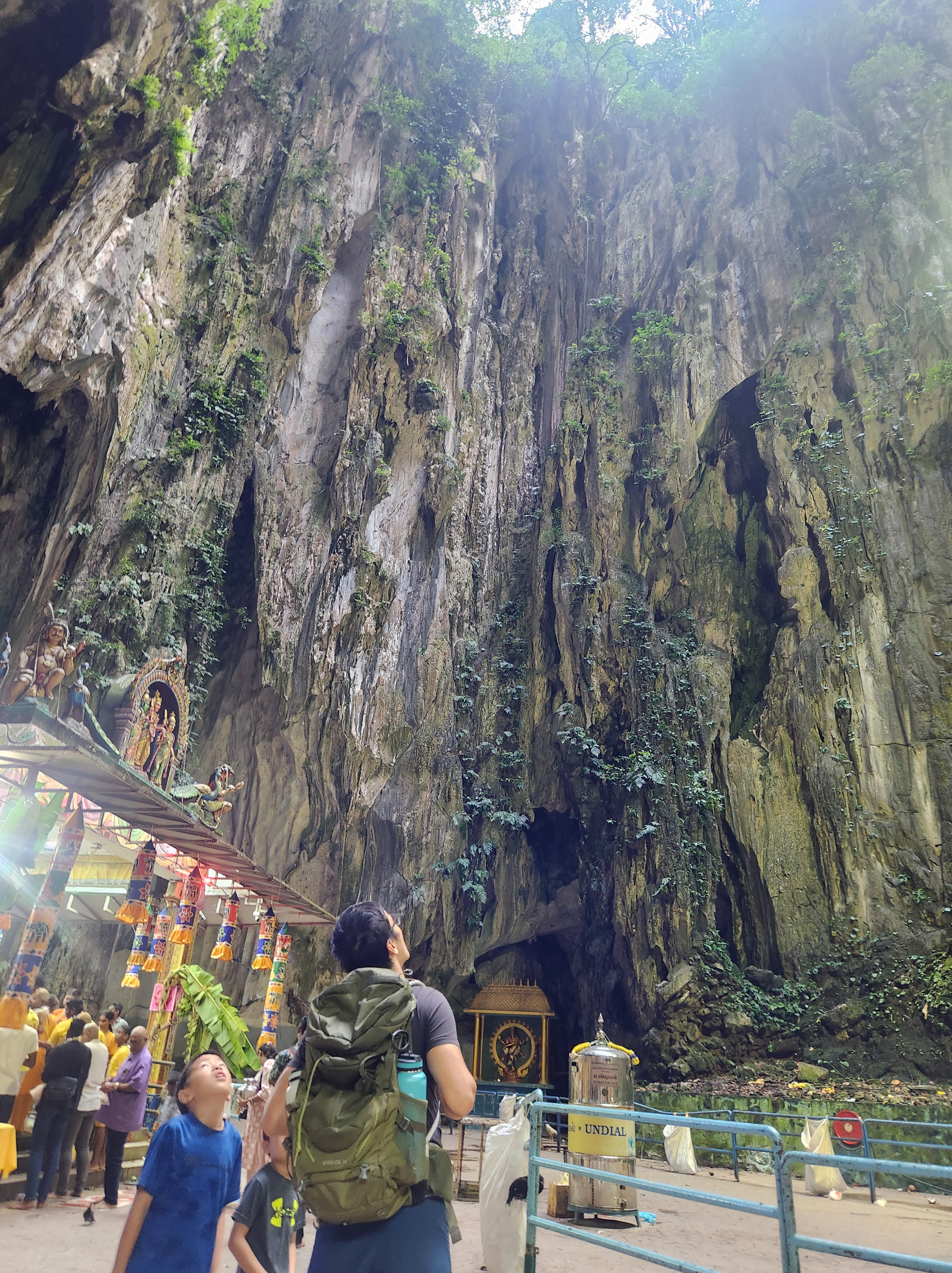
Although it may seem otherwise, our trip wasn’t just about eating. 😅 We did some sight-seeing too! One of the most stunning sites we visited was Batu Caves just outside KL. The Batu Caves is a large Hindu temple complex guarded by the monumental statue of Hindu god Lord Murugan. Next to the statue are 272 colorful steps leading to a limestone cave. Truly a site to behold, Batu Caves is not to missed when visiting KL!

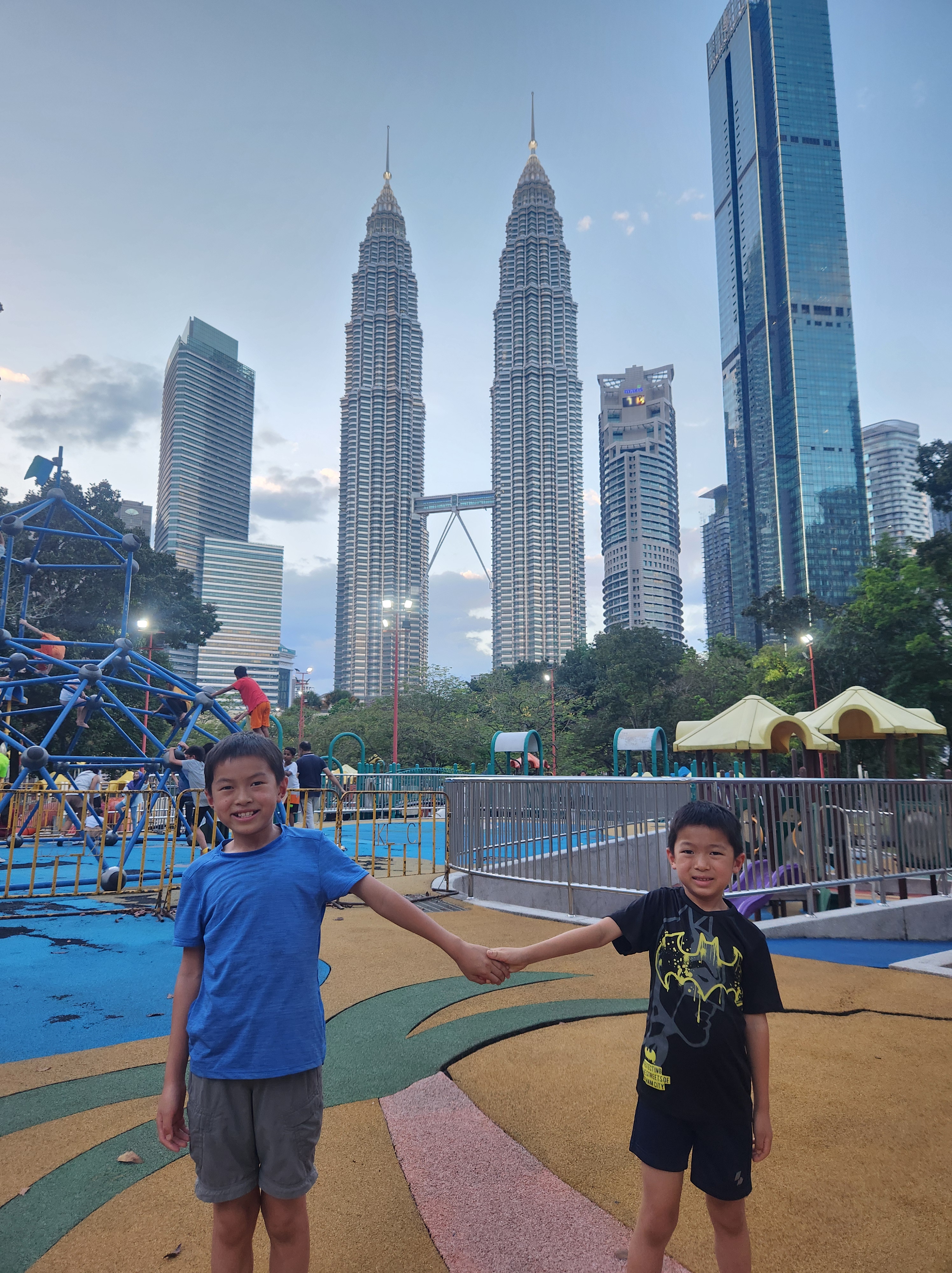
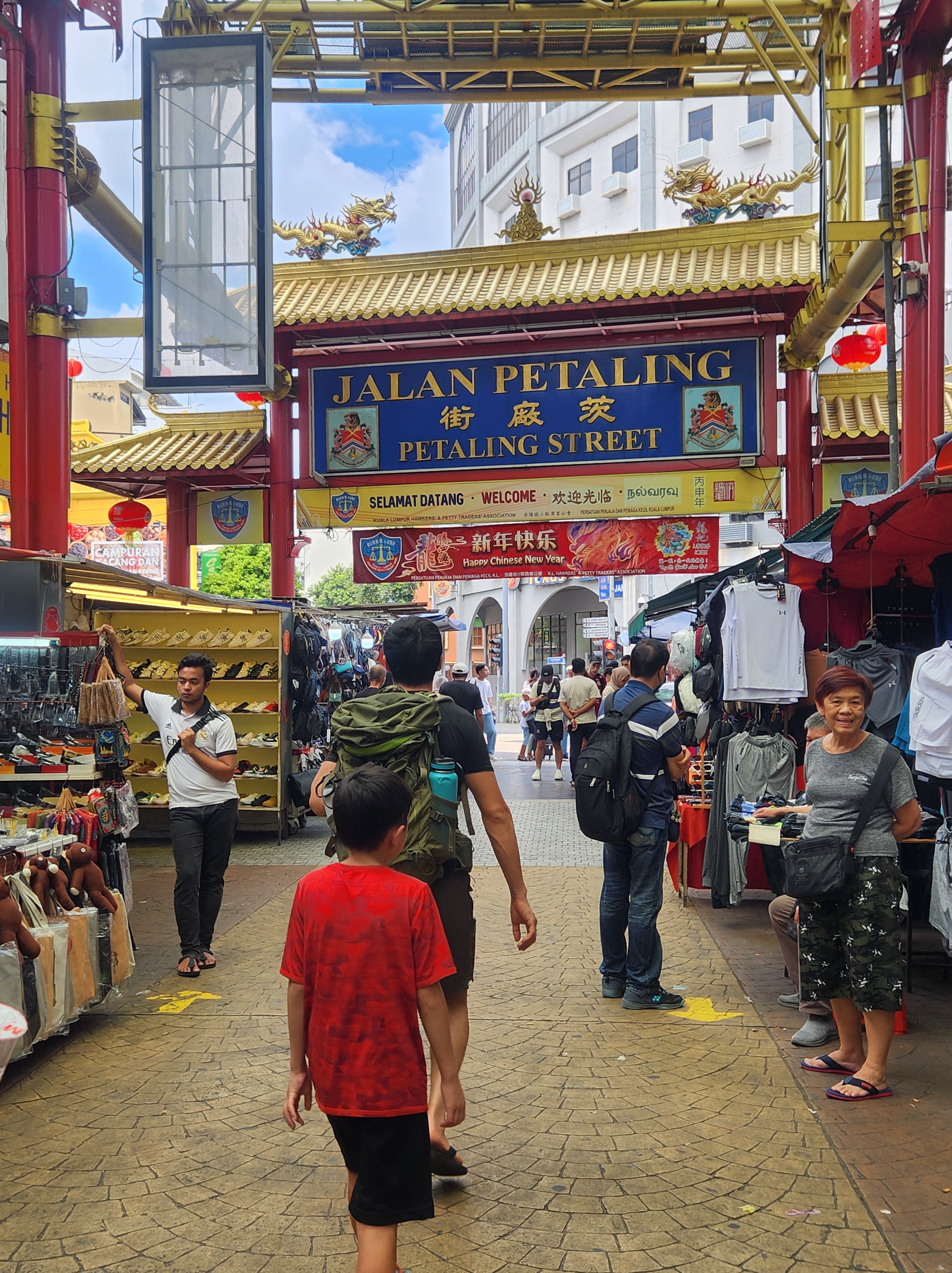
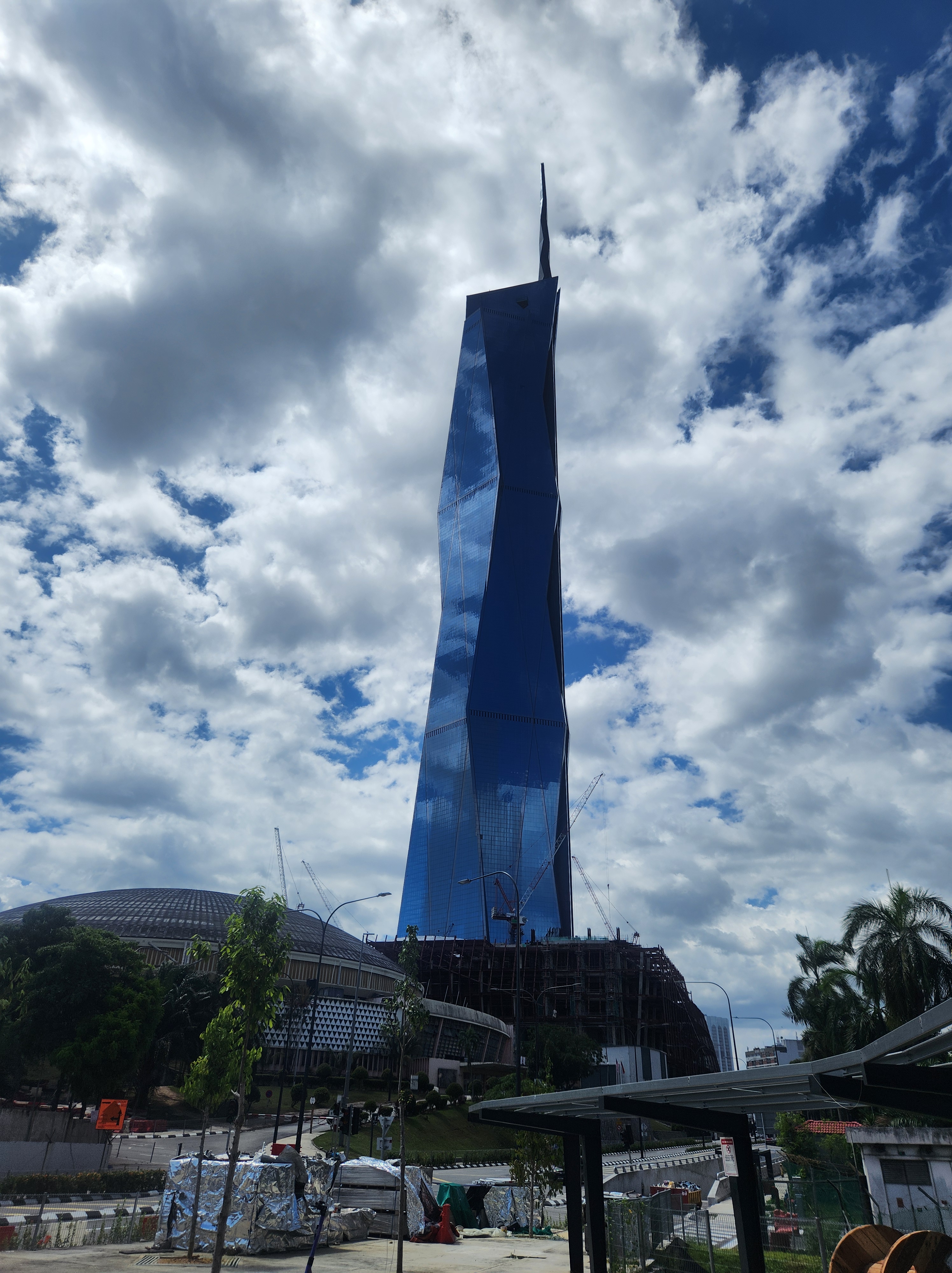
We also visited the Petronas Towers, which I have to say is one of the prettier skyscrapers! They look like shining jewels against the KL skyline. Next is Petaling Street, a bustling street of shops, stalls, and restaurants in the heart of Chinatown. Pictured on the right is the new Merdeka 118, which is currently the second tallest building in the world (after Burj Khalif in Dubai)! It’s sleek and modern, but even though Google says it’s been completed since November 2023 we didn’t see very much activity around it. Maybe it will be open to the public at a later time.

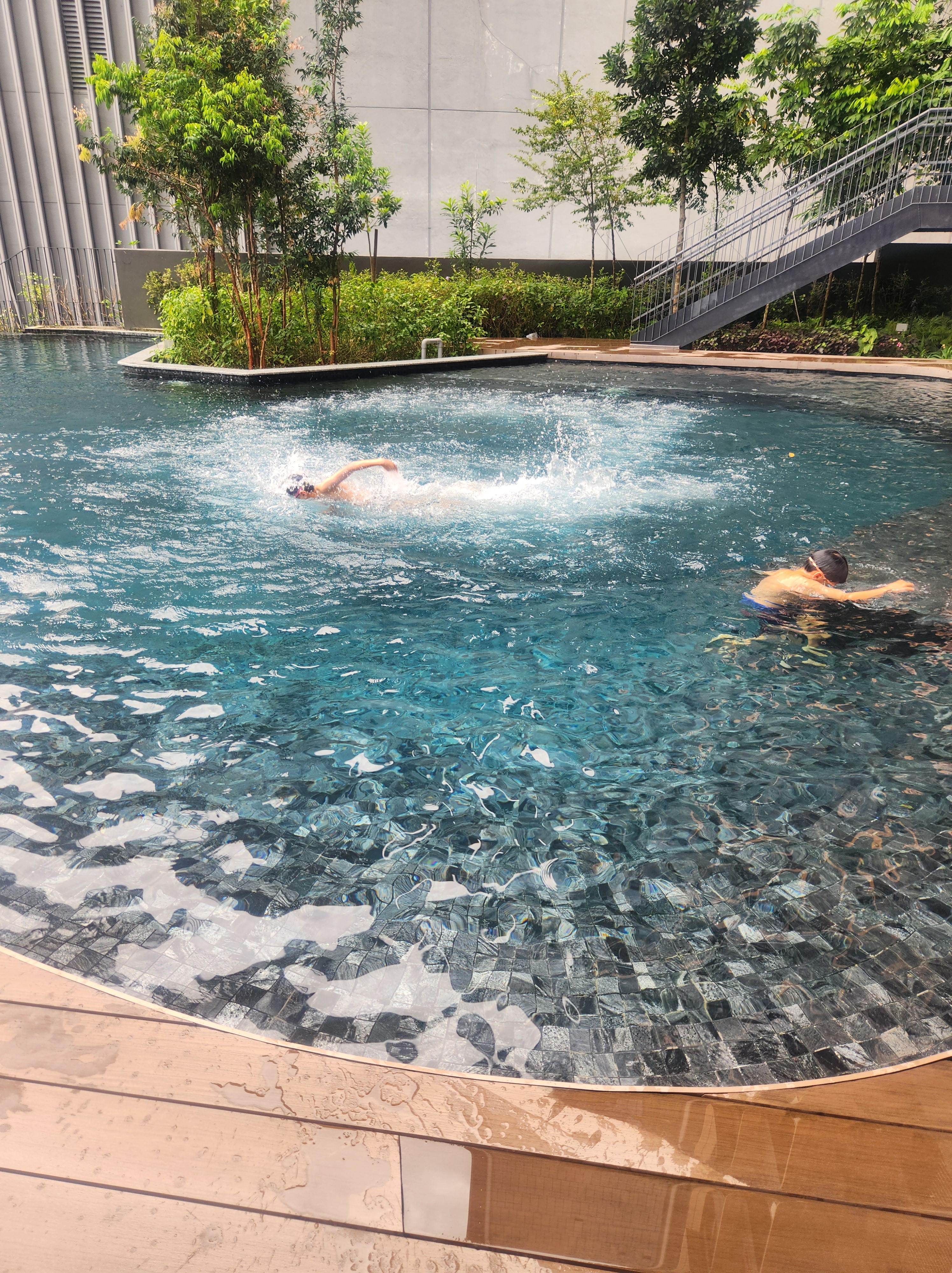
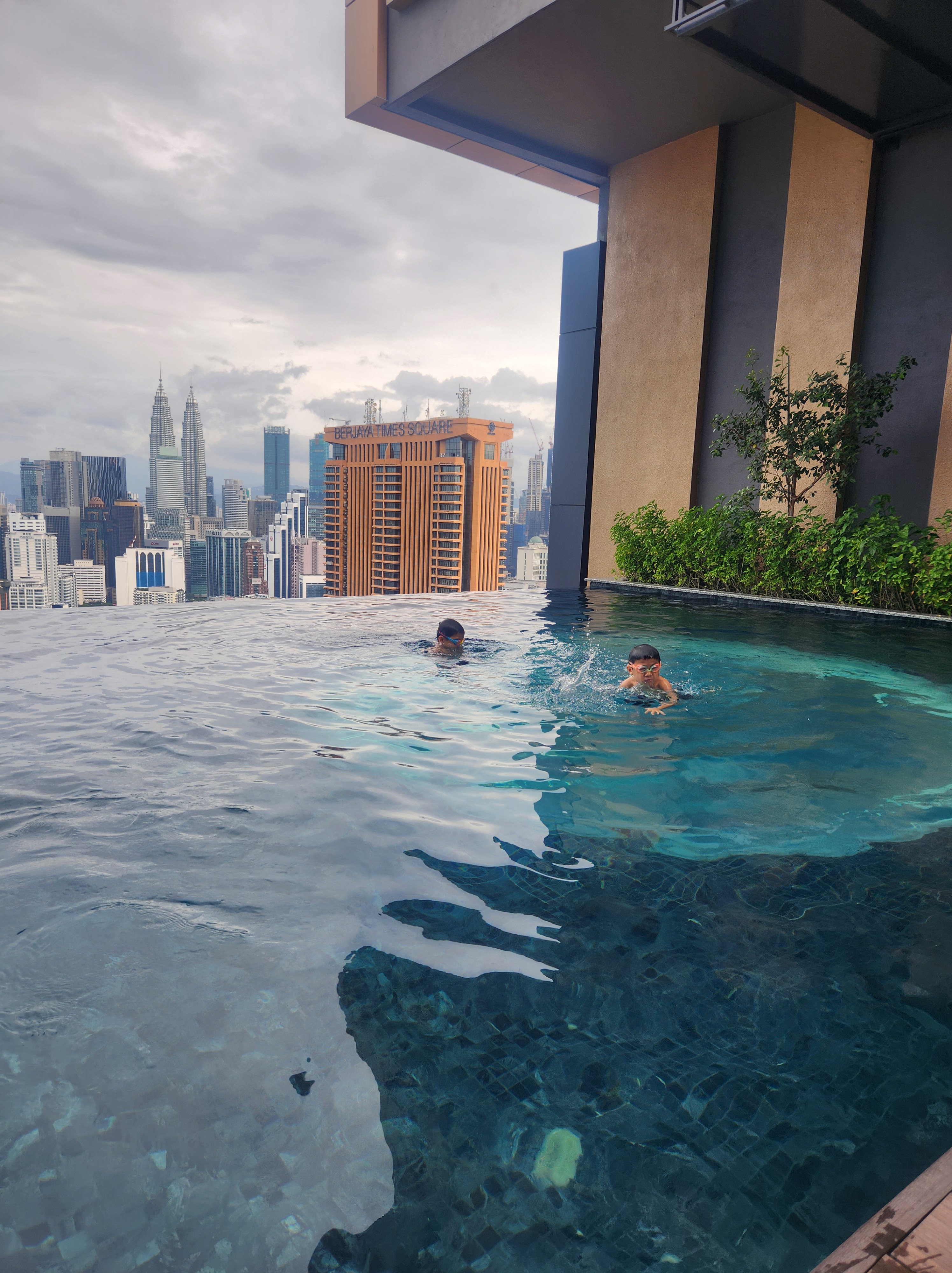
The rest of our time at KL was spent at our Airbnb’s pool and gym, which was probably the boys’ favorite part of the trip. 🙄 We also had access to the building’s infinity pool that had a glass floor looking 35 floors down. I didn’t dare to step on it but did swim over it, ha! This was our first time swimming in an infinity pool!

Malaysia is often overlooked in SE Asia, but if you’re a foodie and looking for a good bang for your buck, then Malaysia is a great place to pop by!

Ramblings

5 Things We Love About Taiwan

We shared what we don’t love about Taiwan in the last post, now here’s a list of things we do love!

Safety. Baba and I were born and raised in SF, so being alert of your surroundings, guarding your belongings, locking all doors and never leaving anything in the car – all seemed like a normal way of life.

It’s not until we started living in Taiwan that we realized, “Wow, this is how life should be.” We never have to worry about our safety. I walk on the streets at night alone wearing my AirPods. The boys go to the playground by themselves. I am almost always daydreaming on the MRT, never worrying if someone suspicious is sitting next to me. Baba has left his backpack in the park and it’s still there when we go back for it. Feeling safe is so liberating and we never realized how much stress we were under until we moved here.
People. The safety of a place is largely dependent on its people. Taiwanese people are incredibly respectful, kind and friendly. The most frequent phrase you’ll hear in Taiwan is “不好意思”, which means “excuse me” or “sorry to bother you”. Good manners is an important value here, emphasized in schools and at home. We’ve seen people pick up trash on the street that wasn’t theirs. People have gone out of their way to help us. One of the reasons the boys love school in Taiwan is because the kids are so nice and enjoy helping one another.
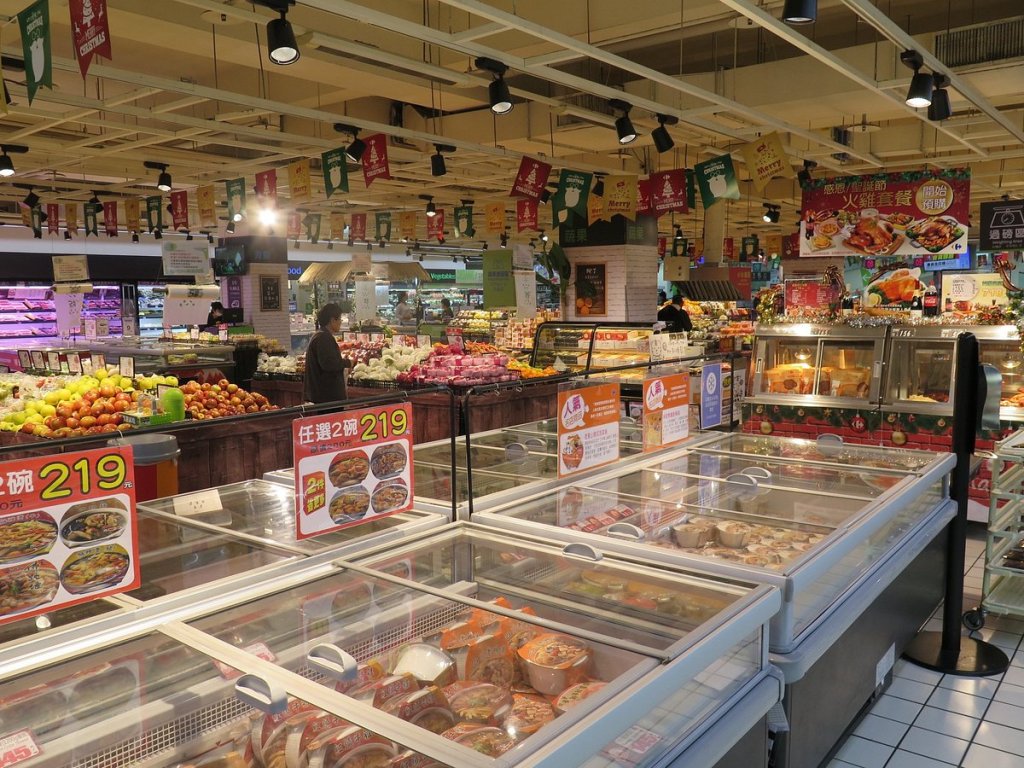
Convenience. Before moving to Taiwan, I was hesitant about giving up the convenience of living in SF, with its Amazon 2-day delivery, public transport and grocery stores nearby. But it turns out that Taipei is just as convenient, if not more.

1. The public transportation is amazing. The MRT is efficient, cheap, clean, and on time. There are also local trains and a high-speed rail that take you all around the island. Super easy to book tickets and navigate the train routes.

2. Online shopping is a breeze. Momo is Taiwan’s version of Amazon. Items get delivered within 1-3 days (no “prime membership” is required!), and for returns, Momo sends someone to your home to collect the item. 😮 Most major retailers like IKEA and Costco also deliver within a few days for a small fee.

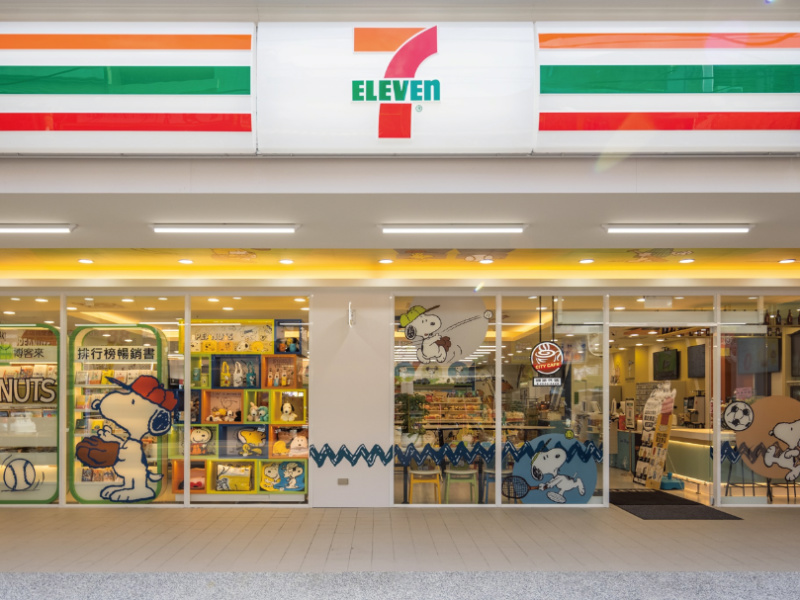
3. Convenience stores like 7-11, Family Mart, etc. here are truly convenient! There is at least one convenient store every 2-3 blocks. And unlike the 7-11’s in the US, the ones in Taiwan aren’t gross and sketchy. There are ATMs and copiers/printers available, where you can also print train or plane tickets. You can pay your bills there, and have packages delivered to your nearby 7-11 if you aren’t home. People can also grab a quick lunch there because there is hot water, microwaves and utensils.

Cost of Living. Generally, the cost of living in Taiwan about 20-30% less than SF. Some things like meat and seafood can be expensive but eating out, healthcare, transportation, and household goods are very cheap. For reference:

  • Casual meal for our family of four: $20-$30 (In SF, this amount would be per person. Before taxes. And before tips. 😂)
  • Boba tea drink: $1.50-$2
  • Dentist visit with cleaning: $45 (This is with no insurance)
  • One-way MRT ticket: $1
  • Thirty minute Uber ride: $8-$10
  • Rent for our 3 bedroom, 2 bathroom in a nice neighborhood: $2,200 (Though, many locals have told us we overpaid so it’s possible to find something cheaper!)

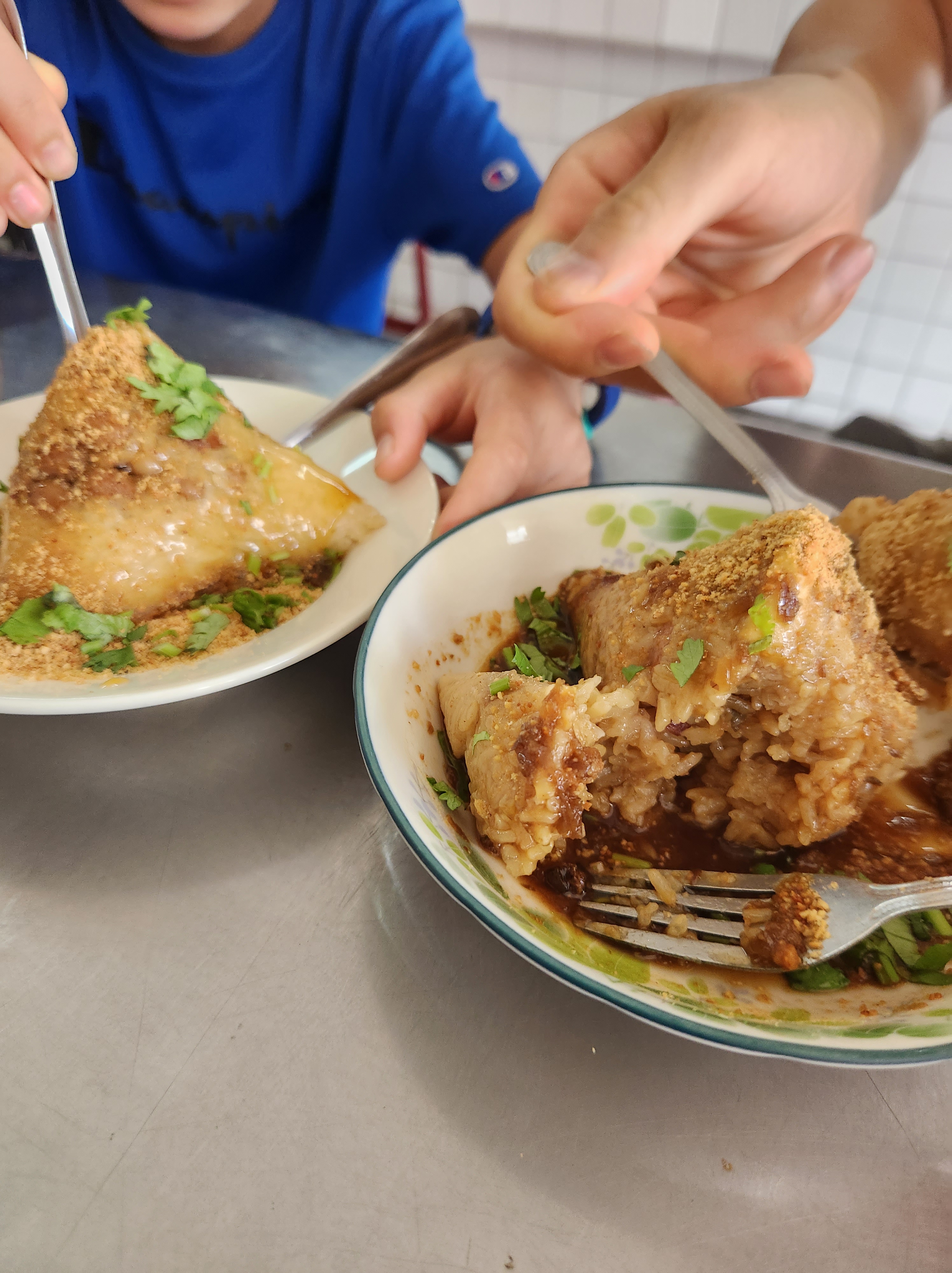
Food. Taiwan is absolutely food-obsessed….and we love it!! There are streets and alleys literally packed with so many restaurants and cafes I often wonder how they can all stay in business. Every time we venture to a new area, we find something delicious to try, whether it’s a food stall selling 粽子 (rice dumplings) or a cozy bakery selling fresh breads. It’s a good thing eating out is cheap here, because we want to eat EVERYTHING!

To us, the pros outweigh the cons of living in Taiwan. Taipei may not be as glamorous or famous as some of its neighbors, but it’s a remarkable place once you peel back the layers. It’s truly a privilege to call Taiwan our second home. ❤

Ramblings

5 Things We Don’t Love About Taiwan

We’ve only been living in Taiwan for 3.5 months so by no means are we experts about the Taiwanese way of life, but I thought it’d be fun to share what we love and don’t love about Taiwan so far. Let’s start with the not-so-good stuff.

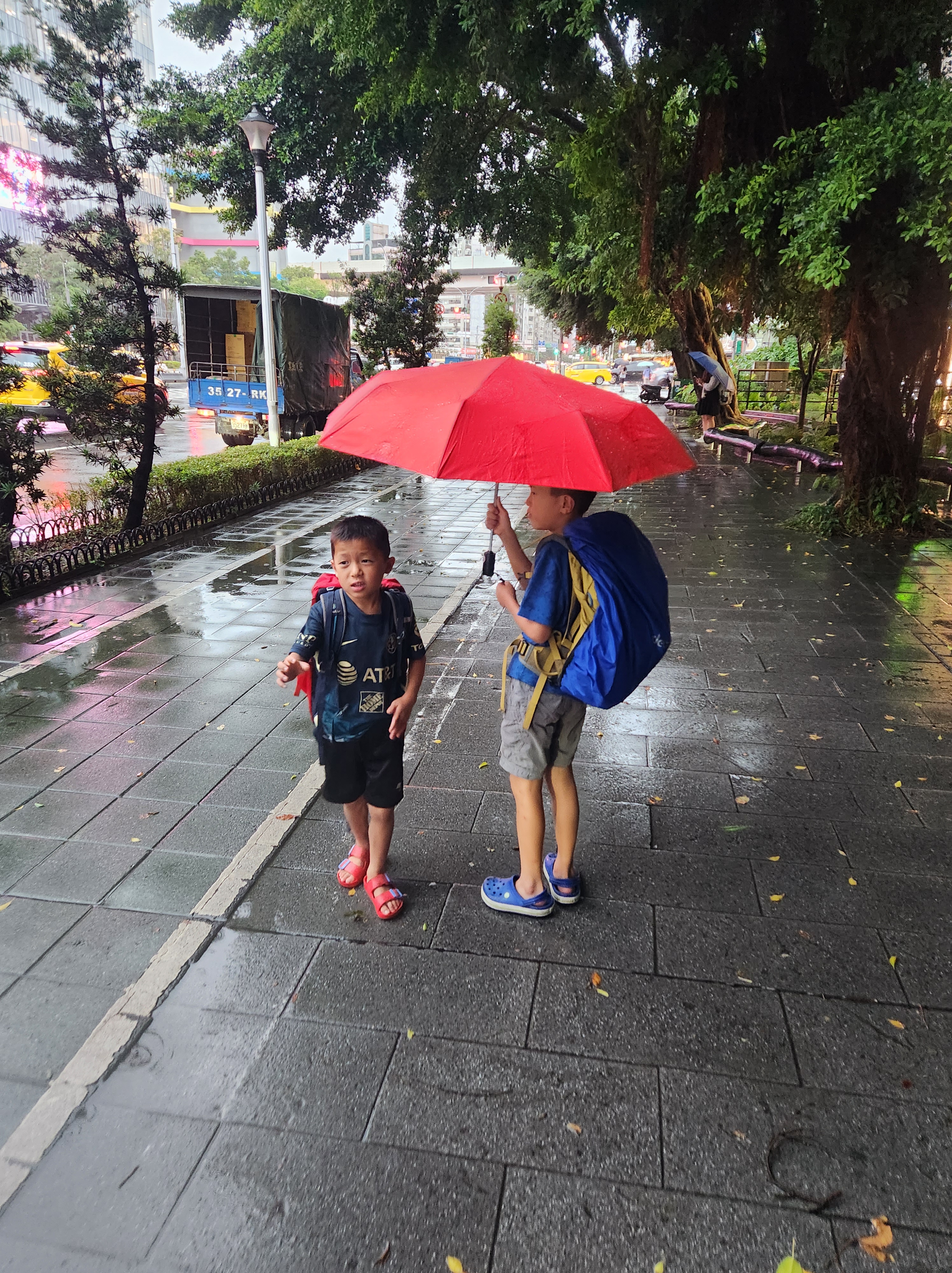
Weather. Before moving to Taiwan, we already knew the weather was going to be a drawback and unfortunately, this perception hasn’t changed. 😆 It gets very hot and humid during the summer – I’m talking at least 90°F plus humidity – and this year, it remained hot up until early November (!!!). It got so uncomfortable some days that we dreaded going out. And when it wasn’t brutally hot, there was pouring rain. It’s no wonder that Taiwanese people bring an umbrella with them everywhere – if it’s not to block the lethal sun, then it’s for the rain!

Now that we’re in mid-November, the weather has finally cooled down (most days are in the high 60s to mid 70s). We’re excited to do more outdoor activities, but we’ve also heard that it rains almost everyday during the winter season. 😑

Bugs. Because of the hot, humid weather, Taiwan has a lot of bugs. We probably lost a pint of blood to the vicious little mosquitoes here. They are relentless yet so tiny that you can’t see them (and squash them). What’s worse is that I have an allergic reaction to mosquito bites so my bites would turn into huge welts. But over time, the bites have dwindled and we found a great tool that relieves the itching and swelling. No cream or insect repellant has worked better than this little gadget!

We also get a fair share of annoying fruit flies and ants, but nothing we haven’t dealt with in SF.

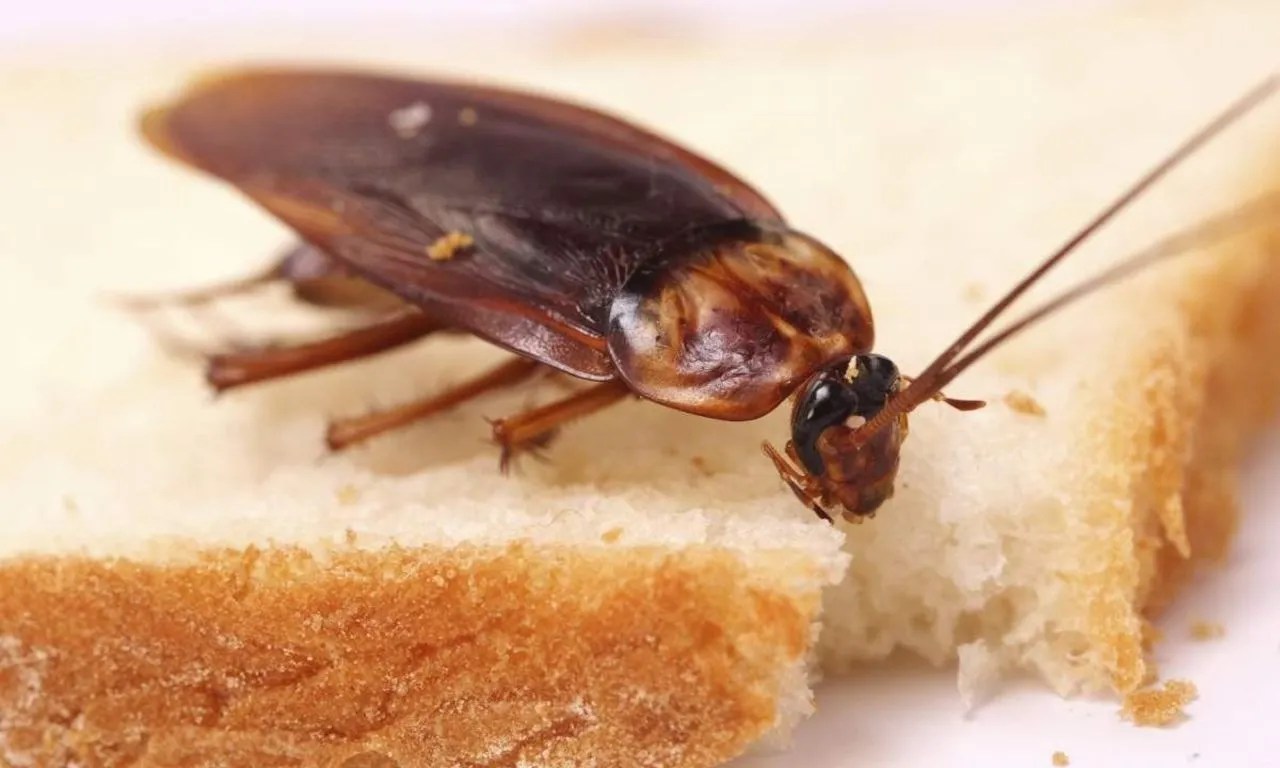
Cockroaches are massive here, but we’ve only found them on the streets (thank god!) and even then they are usually dead due to Taipei’s periodic pest control efforts. C is totally grossed out by the roaches, but I don’t mind them as long as they are out of the house!

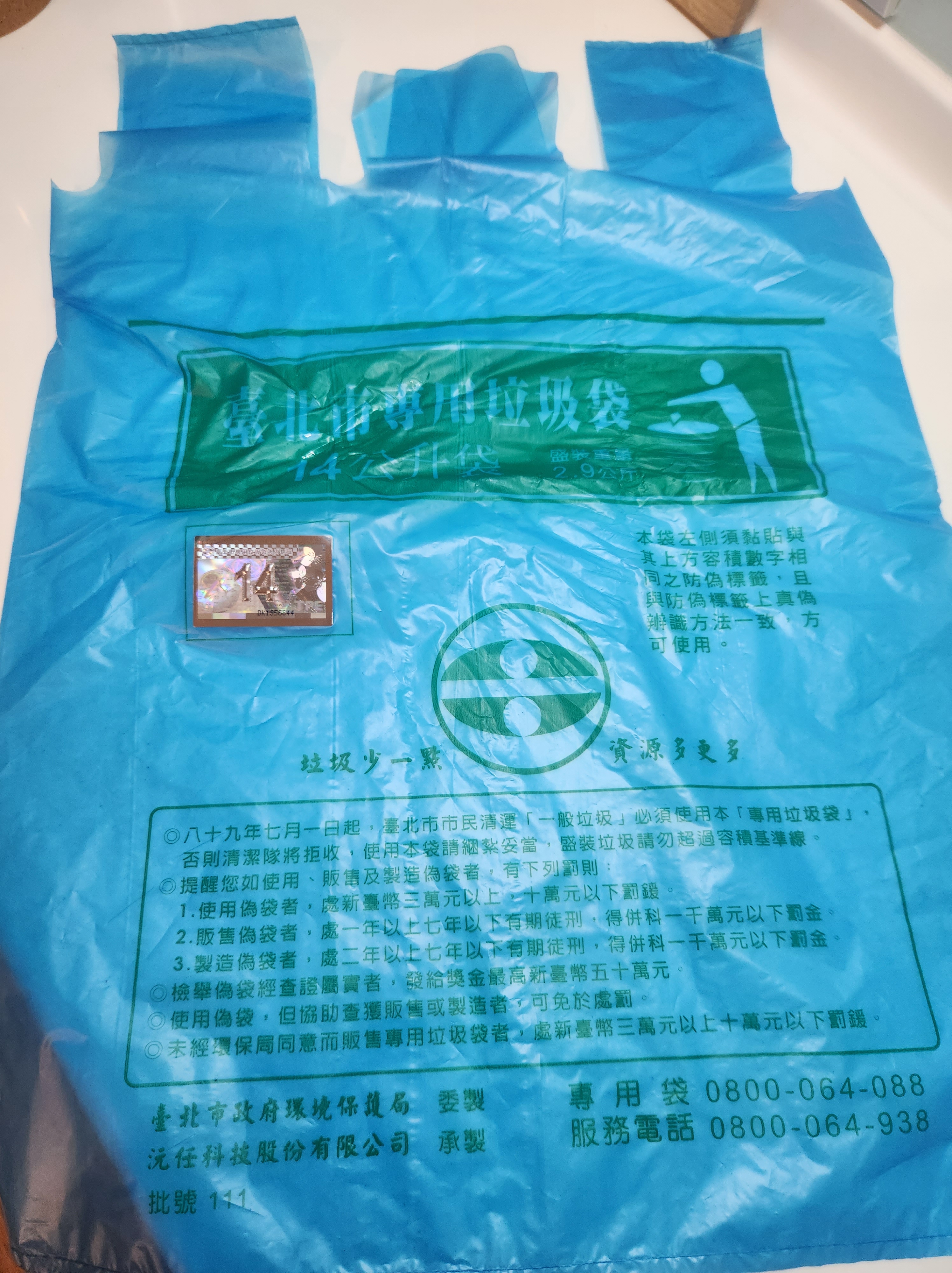
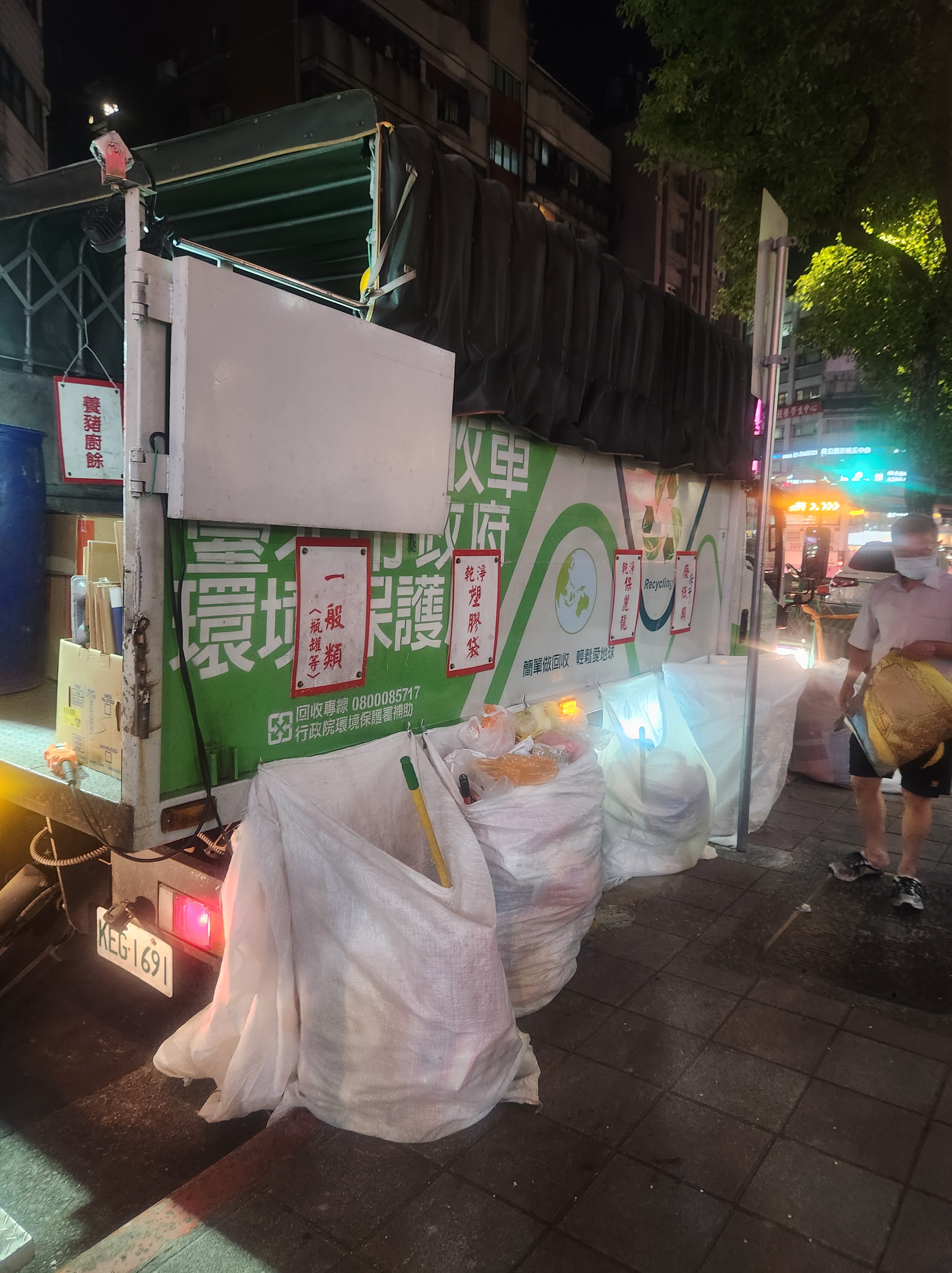
Garbage Collection. Look, we’re glad that Taiwan tries to be eco-friendly but the garbage/recycling system is a quite annoying and complicated. First, there are very few public garbage cans, which isn’t that big of a deal because we know people often abuse them. So you bring your trash home, but it has to be separated into multiple categories: general trash, soft plastics, hard plastics and metals, paper, and compost. You just bought a drink in a paper cup with a plastic lid? You have to separate the paper and plastic into two bins. But if the paper cup is dirty, you also have to rinse it before putting it with the rest of the recycling. 😫 Additionally, there are special “government-approved” trash bags you have to purchase (pictured below) or else your garage will be rejected.

In the US, apartment buildings and single family homes have large garbage and recycling bins that are usually stored in a garage and get collected once a week. In Taiwan, all garbage is kept within your home. The garbage trucks come through each neighborhood everyday except Wednesdays and Sundays at a predetermined time to collect everyone’s trash. But because there are 5 different categories, you’re running downstairs with 5 bags/bins to catch the trucks. (Side note: Some apartments include garbage collection or you can pay for this service out of pocket, so this doesn’t apply to everyone in Taiwan.)

The peculiar thing about all this though, is that many stores and restaurants still use a ton of plastic. Plastic bags, plastic utensils, utensils wrapped in plastic, plastic straws, and so on. So if the government is trying to reduce waste, why are they still allowing so much plastic? 🤔

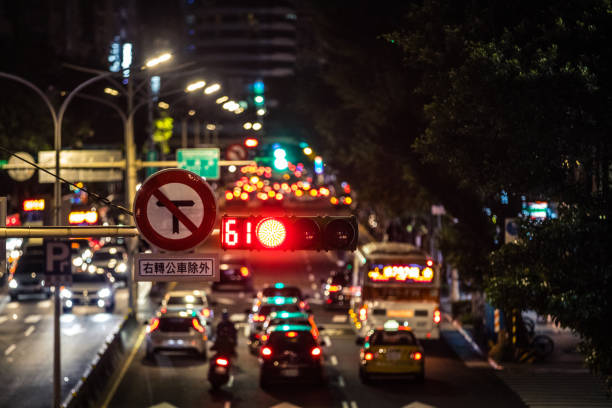
Traffic Lights. Taipei isn’t exactly a pedestrian friendly place. The sidewalks are uneven, and some of the smaller streets don’t even have a proper sidewalk.

But our biggest issue is with the traffic lights. If you miss a light for example, it’s possible you’d have to wait up to 90 seconds. And on scorching hot days, it’s not fun at all. Sometimes, we’ve found that it was faster to go downstairs to an MRT station and back upstairs on the other side of the street. The traffic lights make walking feel like an eternity sometimes.

Food Diversity. One thing we miss about living in SF is the diversity of food (and people!) living there. You can easily find good Mexican, Thai, Indian or pizza in one neighborhood. It’s not easy to find that variety in Taipei. So far, we’ve found 2 good pizza joints and 1 decent Indian place, but still out of luck on the others. I miss a good burrito!

Finding ingredients from other cuisines is challenging too. I still haven’t found fresh dill or Cajun seasoning in stores. Either that, or the ingredients are very expensive. For example, a small bag of lentils is close to $10 and a can of diced tomatoes is $2.50. Meats and seafood are also quite pricey. We’ve found that buying groceries is often more expensive than eating out, but I still cook on weekdays because of the boys’ school schedule.

Enough complaining though – I’ll share what we love about living in Taiwan next!

Ramblings

Learning Chinese

This shit’s hard.

One of the reasons we chose to live in Taiwan is because its national language is something other than English. Moreover, we wanted to learn a language that is going to be interesting and useful to us, and Mandarin Chinese was perfect.

Baba and I are ethnically Chinese, though I grew up speaking Cantonese and learned Mandarin in high school and college. Baba grew up speaking Chiu Chou, and also studied Mandarin in high school. But that was ~20 years ago and most of what we learned has been forgotten.

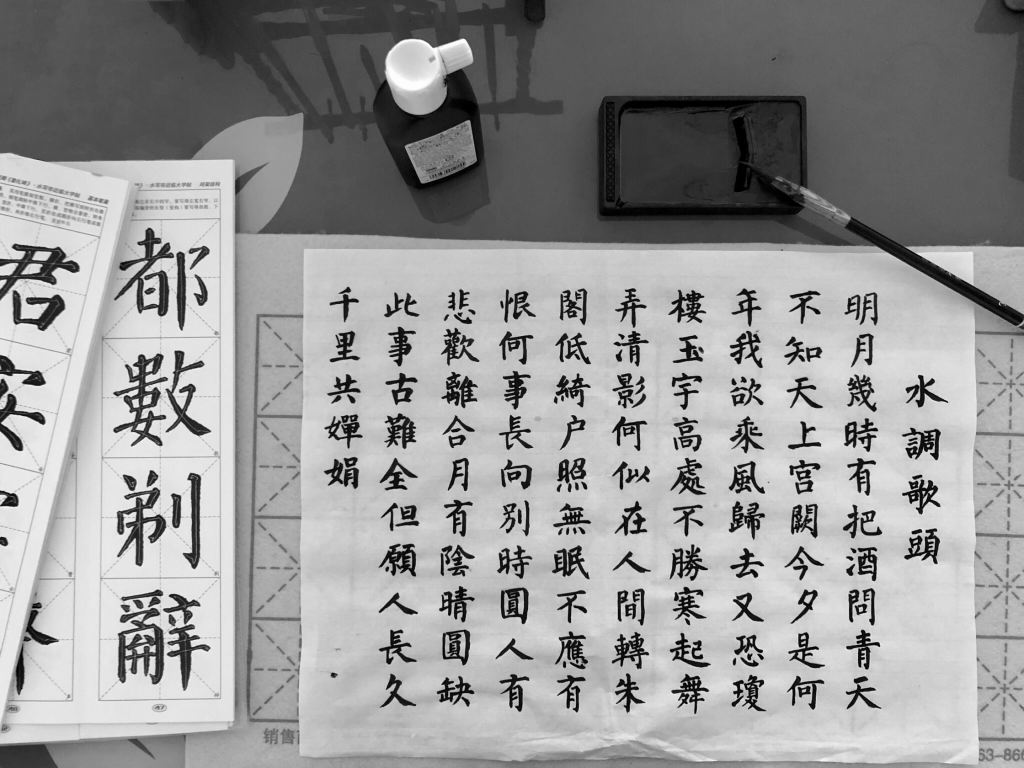
So there’s really no better way to re-learn Mandarin than to live in Taiwan, right?! Except compared to ~20 years ago, our middle-aged brains can’t learn fast enough. I go to Chinese class twice a week for 4 hours at a place called LingoLab in Da’an. I come out of each class thinking my Mandarin is pretty decent, but then I get a reality check when a 7-11 clerk asks me a question other than “do you want a receipt?”. Ugh.

Classes at LingoLab are small (there is only 1 other student in my class), focus mostly on spoken Chinese, and cater to busy foreigners. Tuition is also reasonable. National Taiwan Normal University is actually the gold standard for foreigners learning Chinese in Taipei, but the courses are like 15-hours a week on top of many written exams. I just didn’t want to make that commitment.

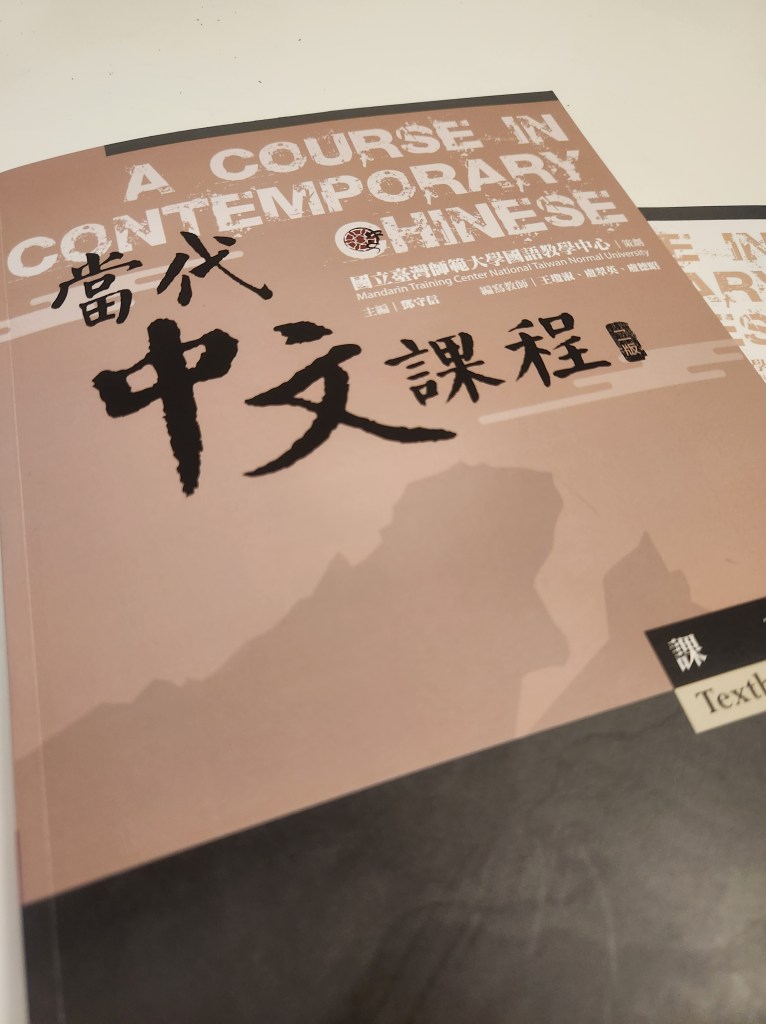
The textbook I use for class, published by the NTNU. It teaches Taiwanese Mandarin, and the lessons are really useful for daily life. There are also accompanying audio recordings on YouTube.

Because I have a foundation in Cantonese, I can understand quite a bit of Mandarin. My biggest obstacle is my limited vocabulary and due to that, a lack of confidence when speaking. It can be frustrating sometimes because I actually have a lot to say! 😆 But I don’t know how to express myself and so I slink away feeling defeated and embarrassed.

Baba self-studies at home for about 3 hours a day through a site called huayuworld.org. The site includes a lot of great resources to learn Chinese. Baba never kept up with any Chinese back home so he has to start from scratch. But to his advantage, he isn’t afraid to strike up a conversation with anyone, even in his broken Chinese (which is similar to C’s personality).

There are days when we feel like we’re making progress, and other days when we feel like we’re still so, so far behind. Despite all this, I still find learning Chinese interesting and enjoy the challenge. So, I’m setting small goals for myself: maybe it’s to confidently order a meal at a restaurant (which I think I’ve gotten 80% of it down now) or maybe it’s to ask more questions when shopping. But however slowly, I believe we’ll all get there one day!

Other useful Chinese online resources: