Ramblings

Taiwan Road Trip

After China, we returned to Taipei for one day, then went off on another adventure: a road trip around Taiwan. Locals call this experience 環島.
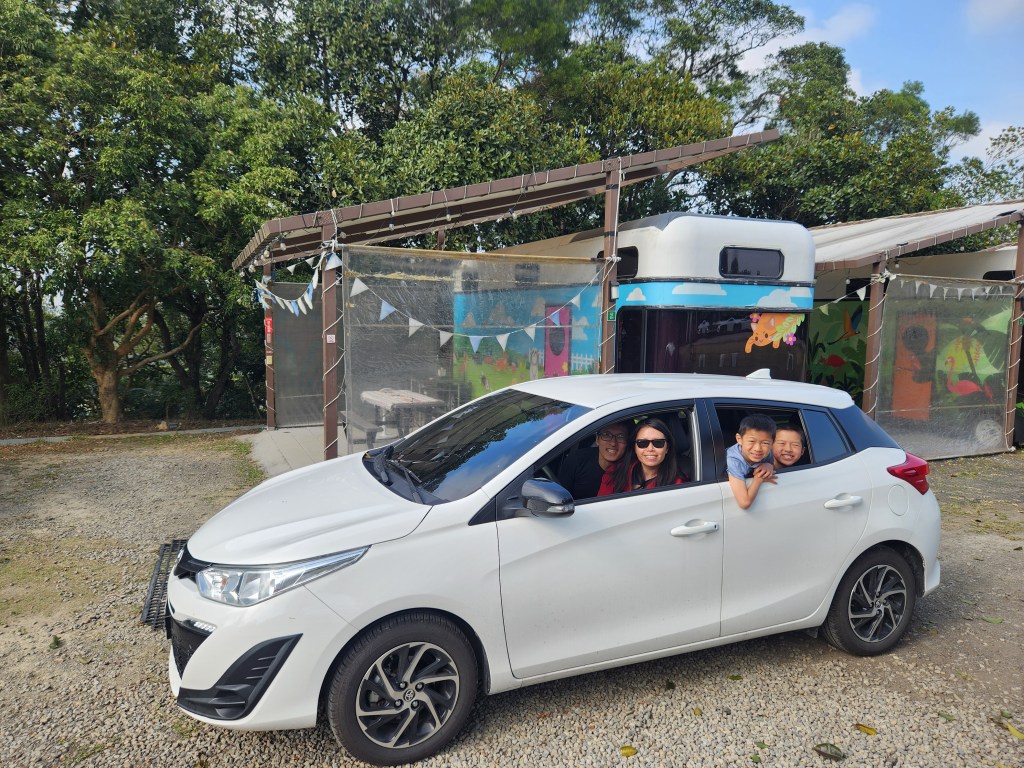
Since we plan to move back to the US soon (more on that later), we figured this would be a good opportunity to see more of the island. We rented a car from New Taipei City and drove from east to south to west.

To be honest, I was not mentally or physically prepared to go on this trip so soon after China. China was not exactly a relaxing trip, and I was exhausted coming back. But we already had everything booked so I trudged along.

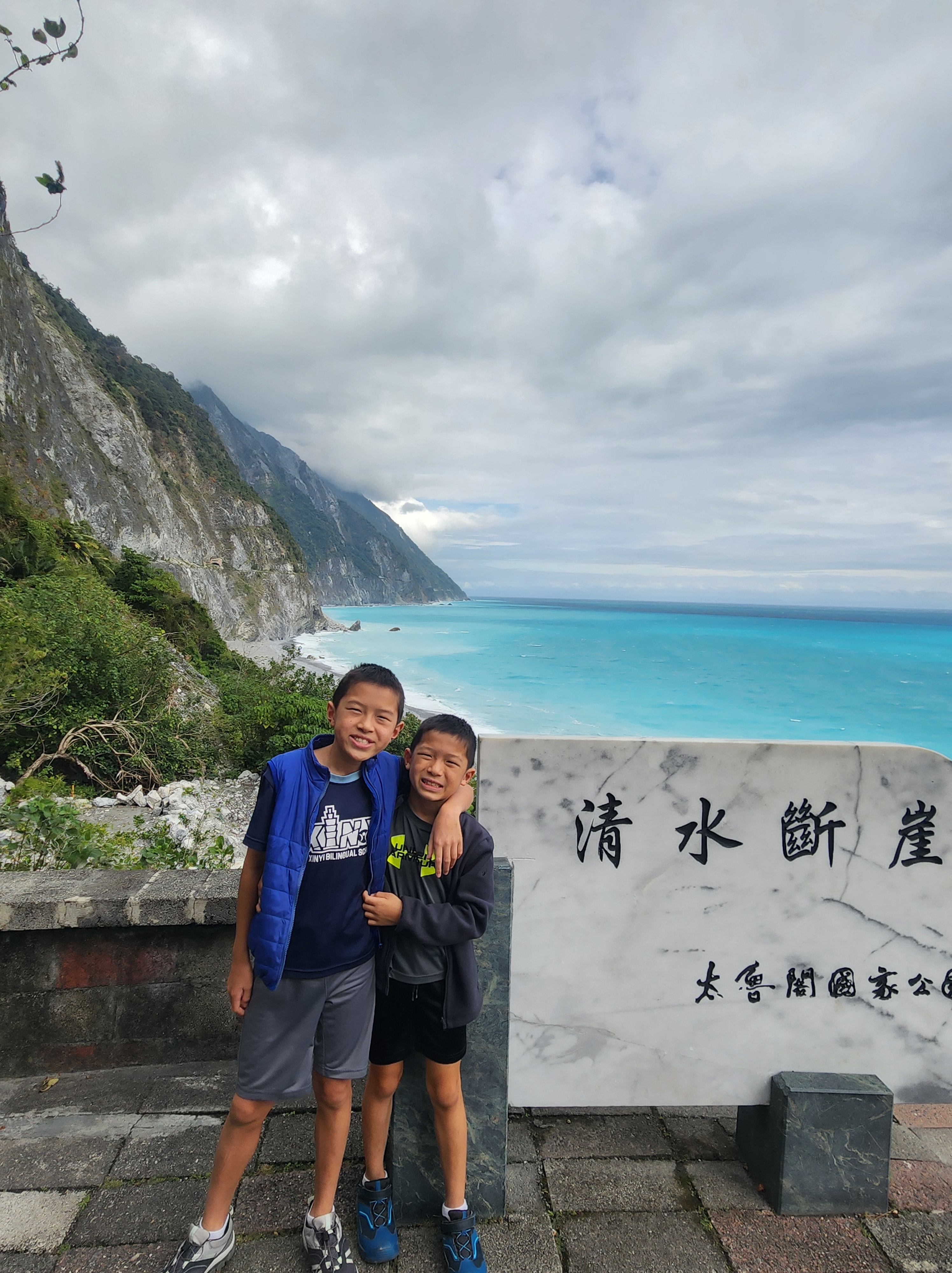
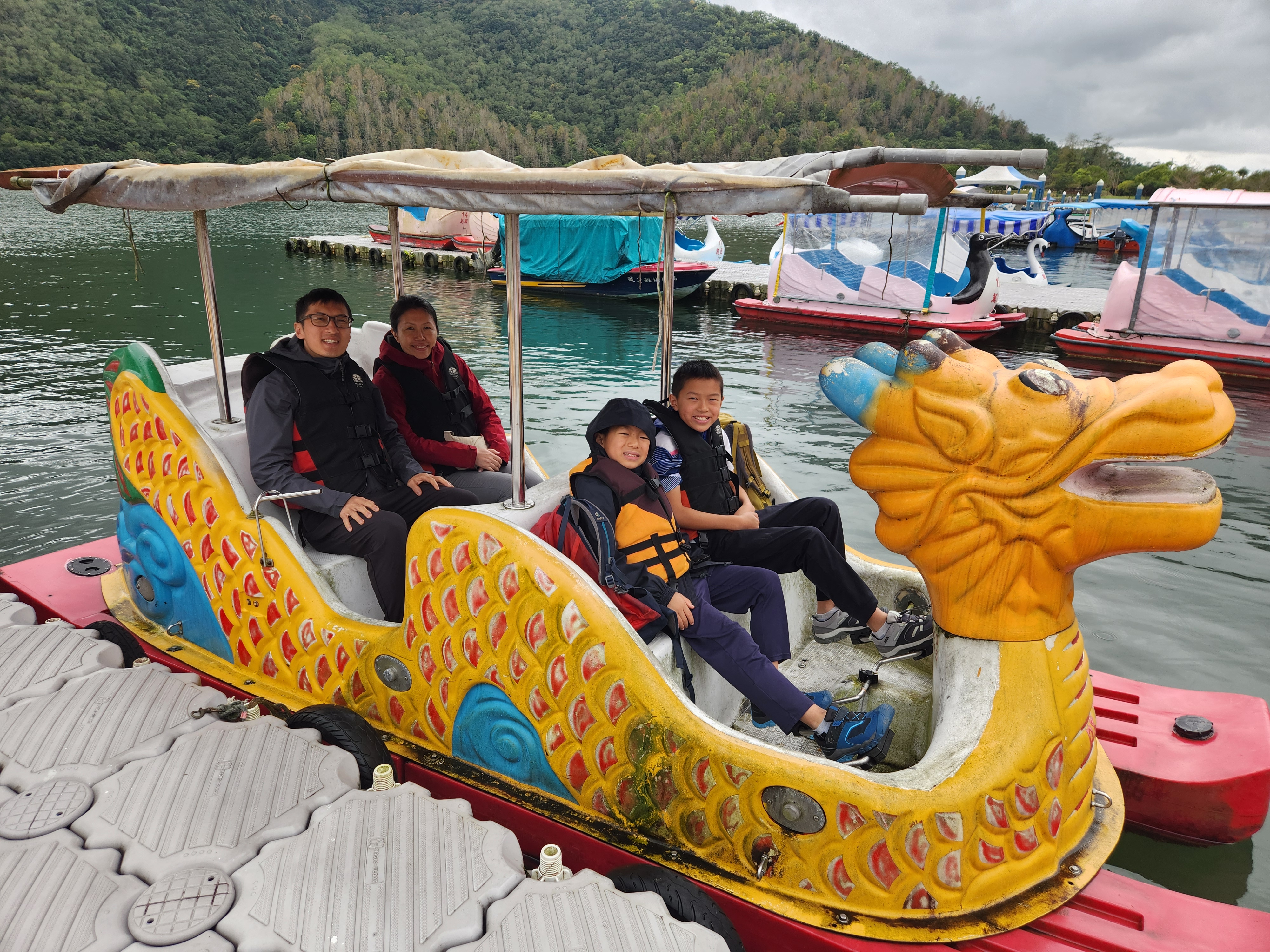
Hualien. Our first stop was Hualien, a beautiful county by the coast. Hualien is also home to Taroko National Park, which we visited back in 2024. But due to the 2024 earthquake, Taroko was ravaged and still isn’t completely open yet. For this reason, plus more recent earthquakes in the area, tourism in Hualien has plummeted, and many businesses have had to shut down. Locals aren’t sure if the county will ever recover. 😔 It’s such a shame, because Hualien is very scenic and peaceful, and still worth a visit if you’re in Taiwan.
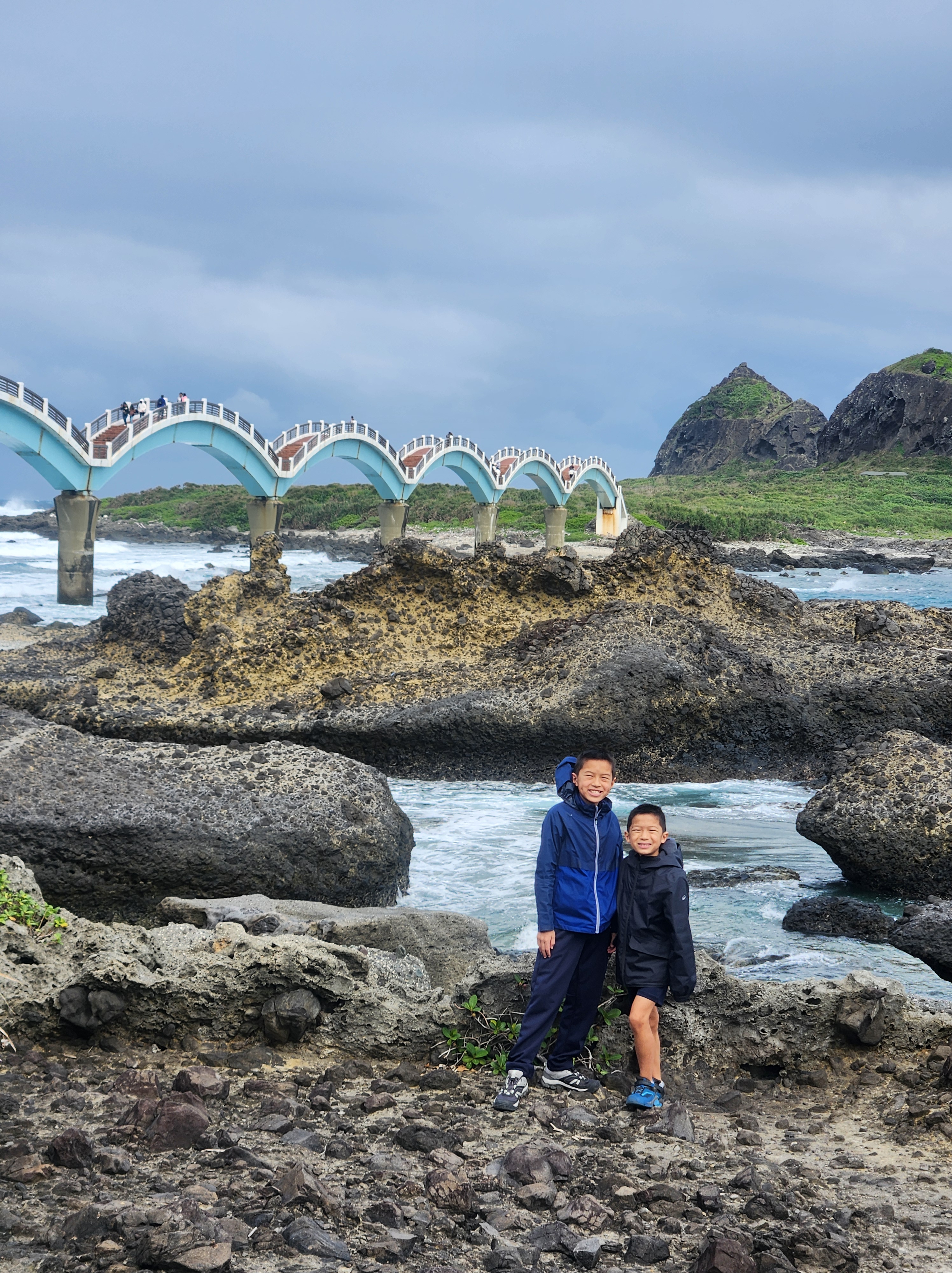
Taitung. Next, we made the long 3-hour drive to Taitung, a city known for its nature, clean air and slow travel. The city center looks very much like a tamer version of Taipei.
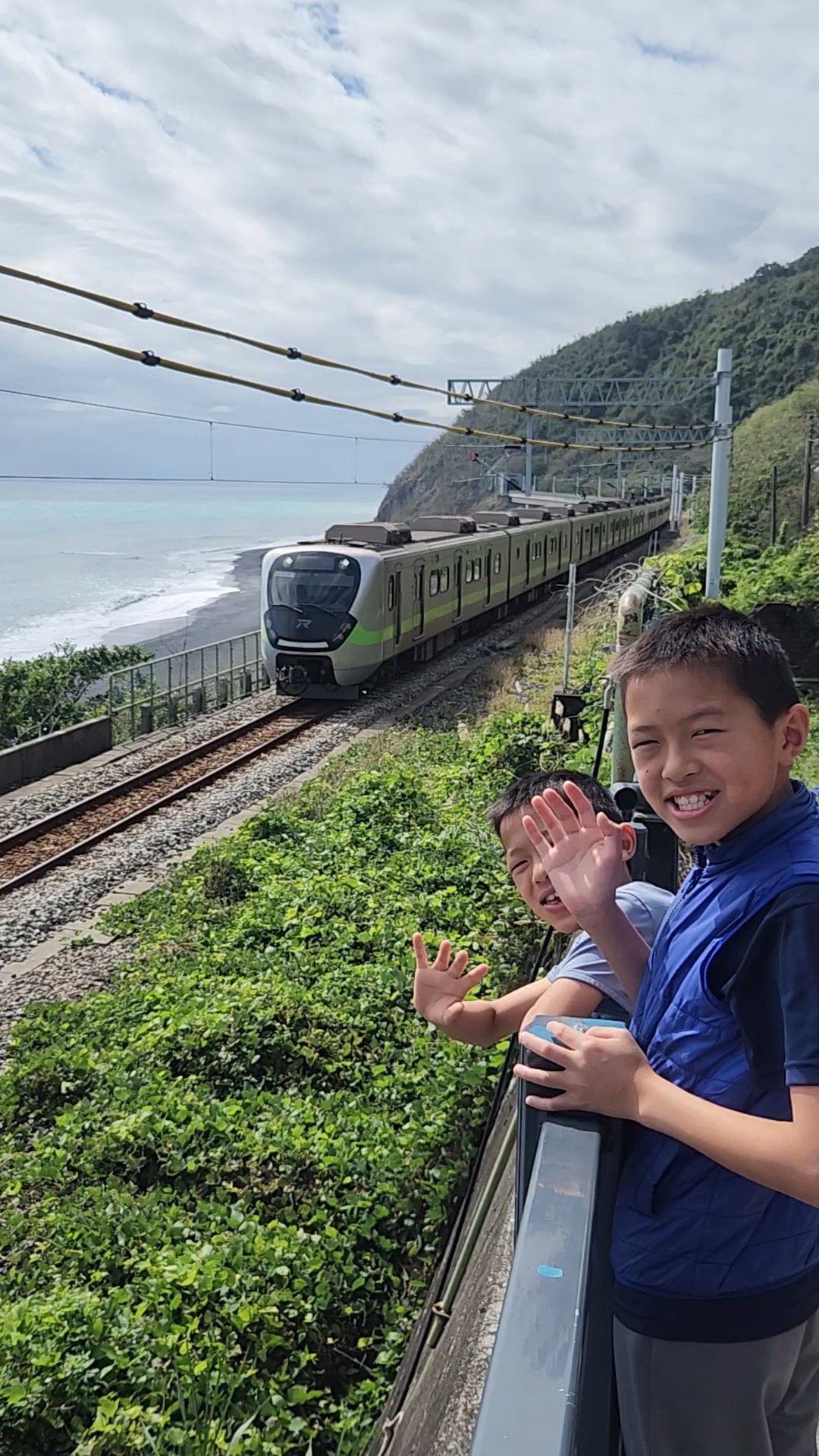
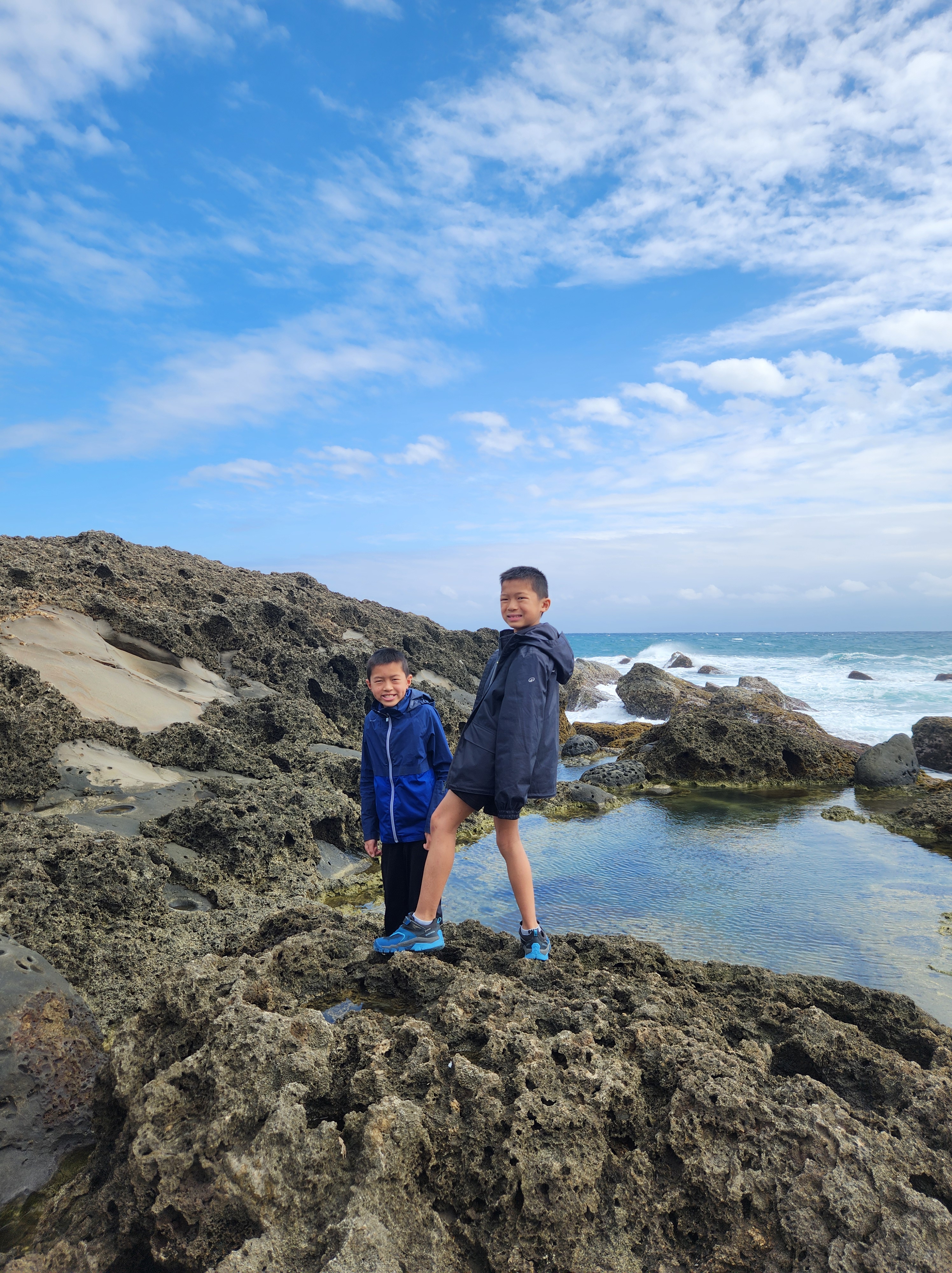
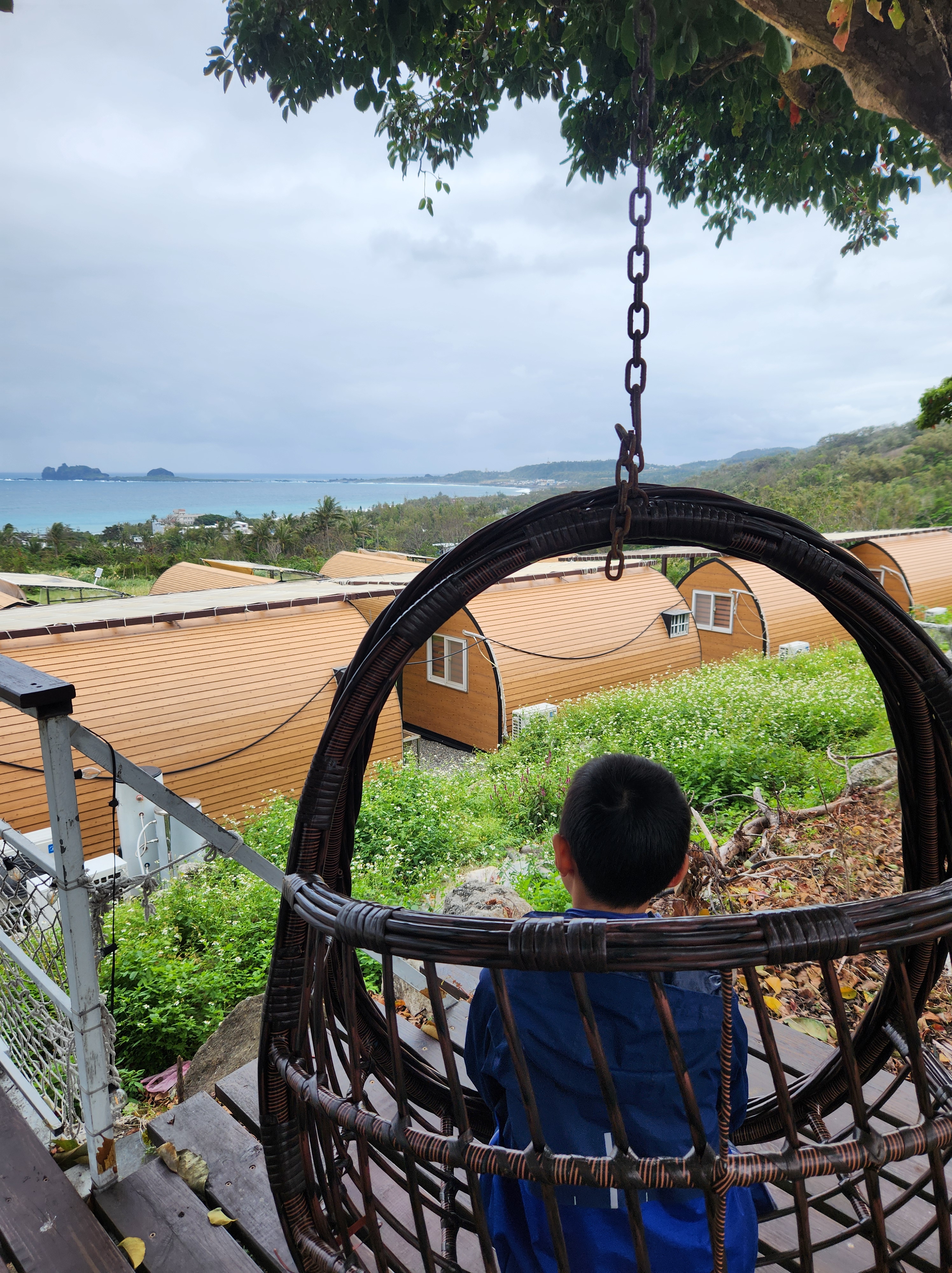
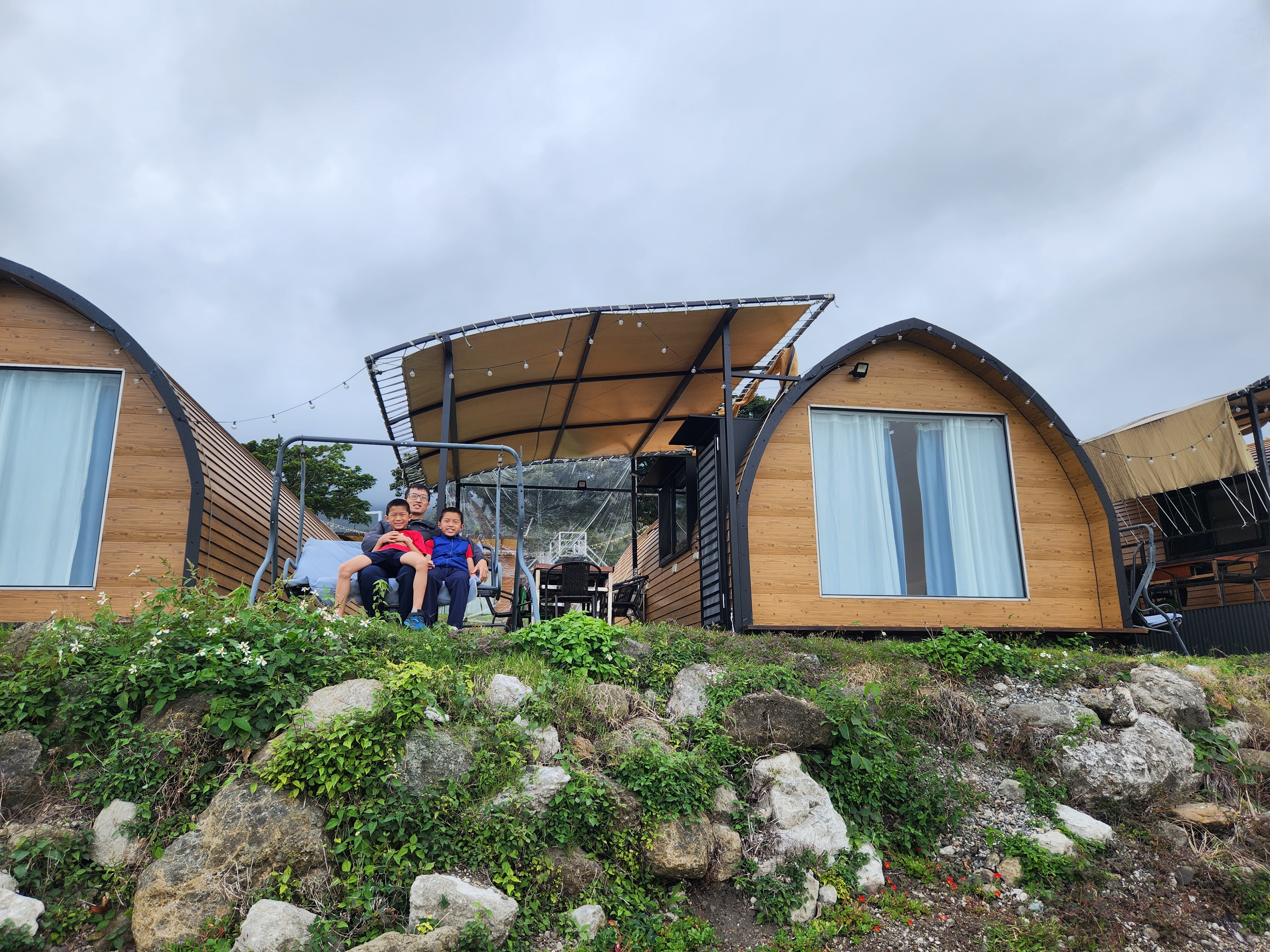
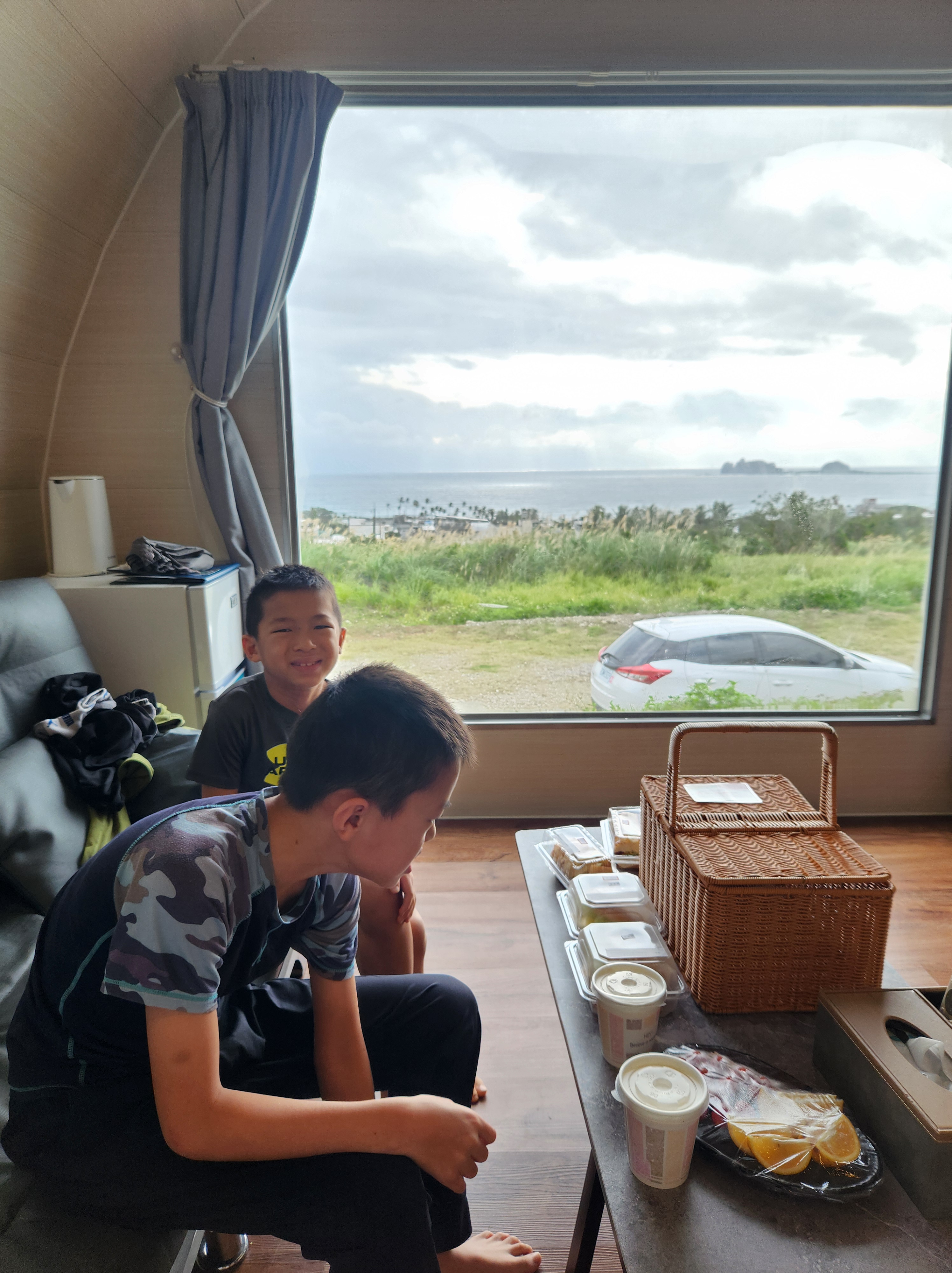
We stayed at a glamping site in Taitung. Taiwanese people love nature but they also love convenience, so there are many all-inclusive glamping sites in Taiwan. These sites include real beds, a full bath, TV, wifi – some even have food delivered to your door! Now this is my kind of camping. 😎
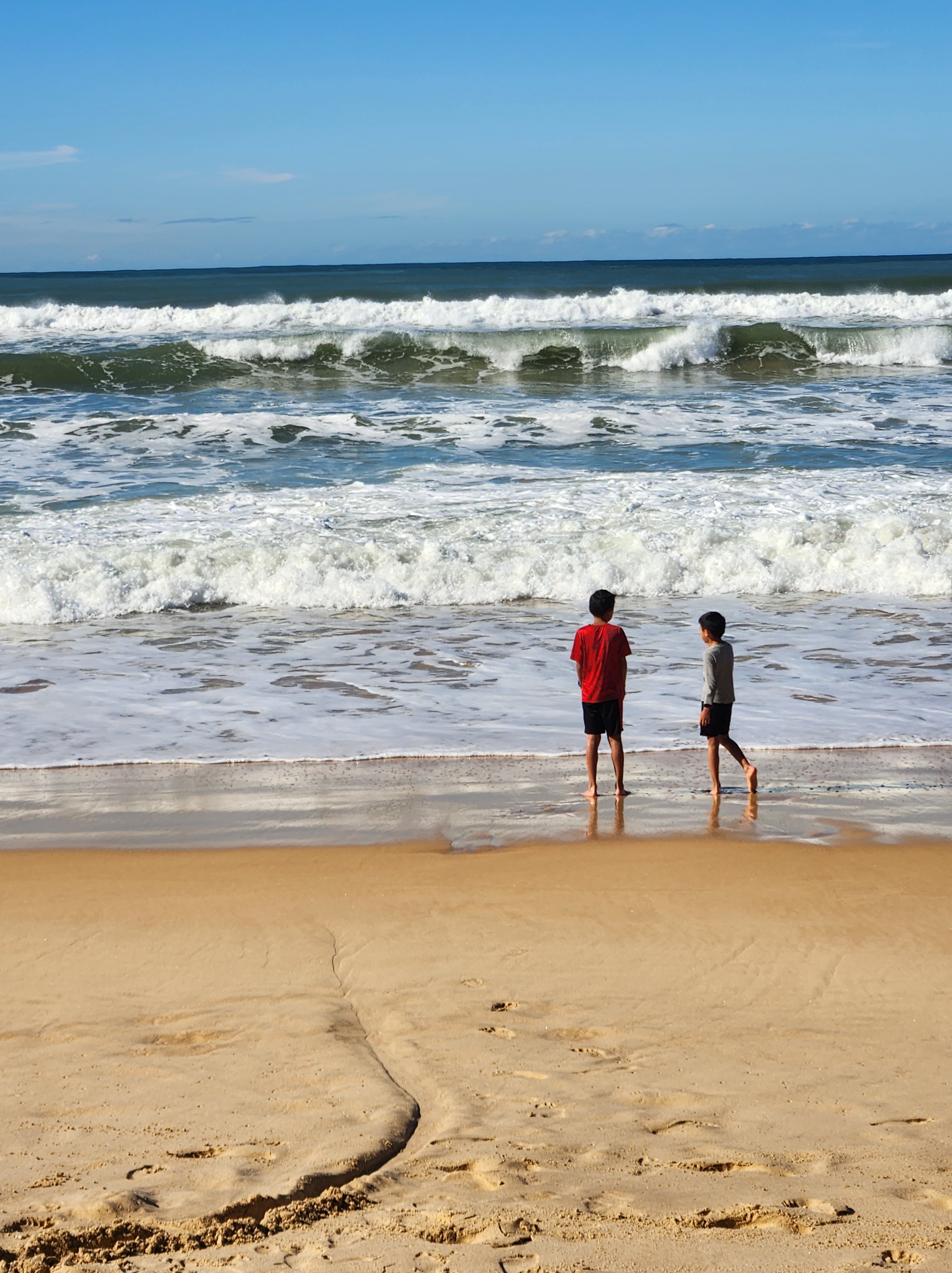
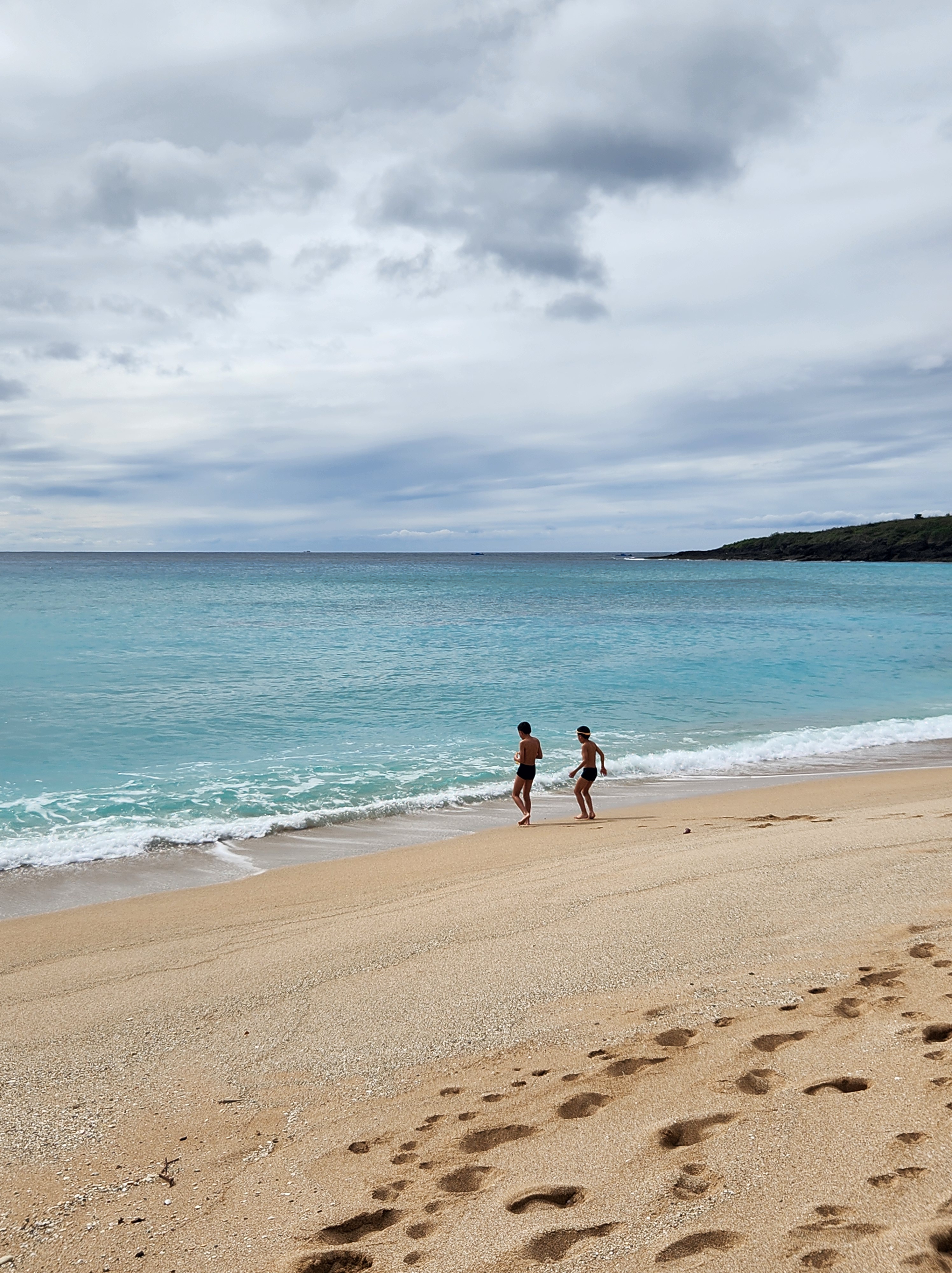
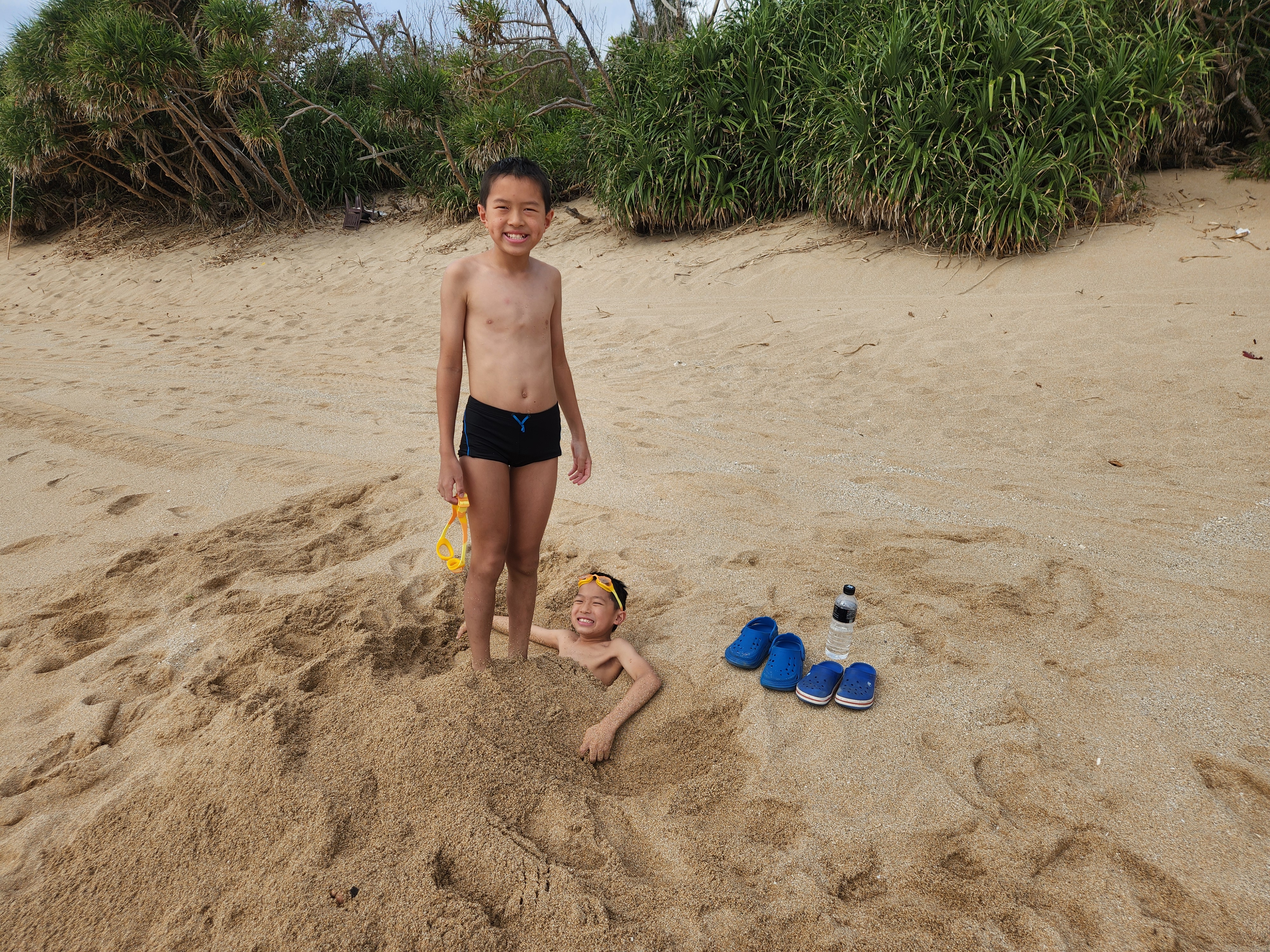
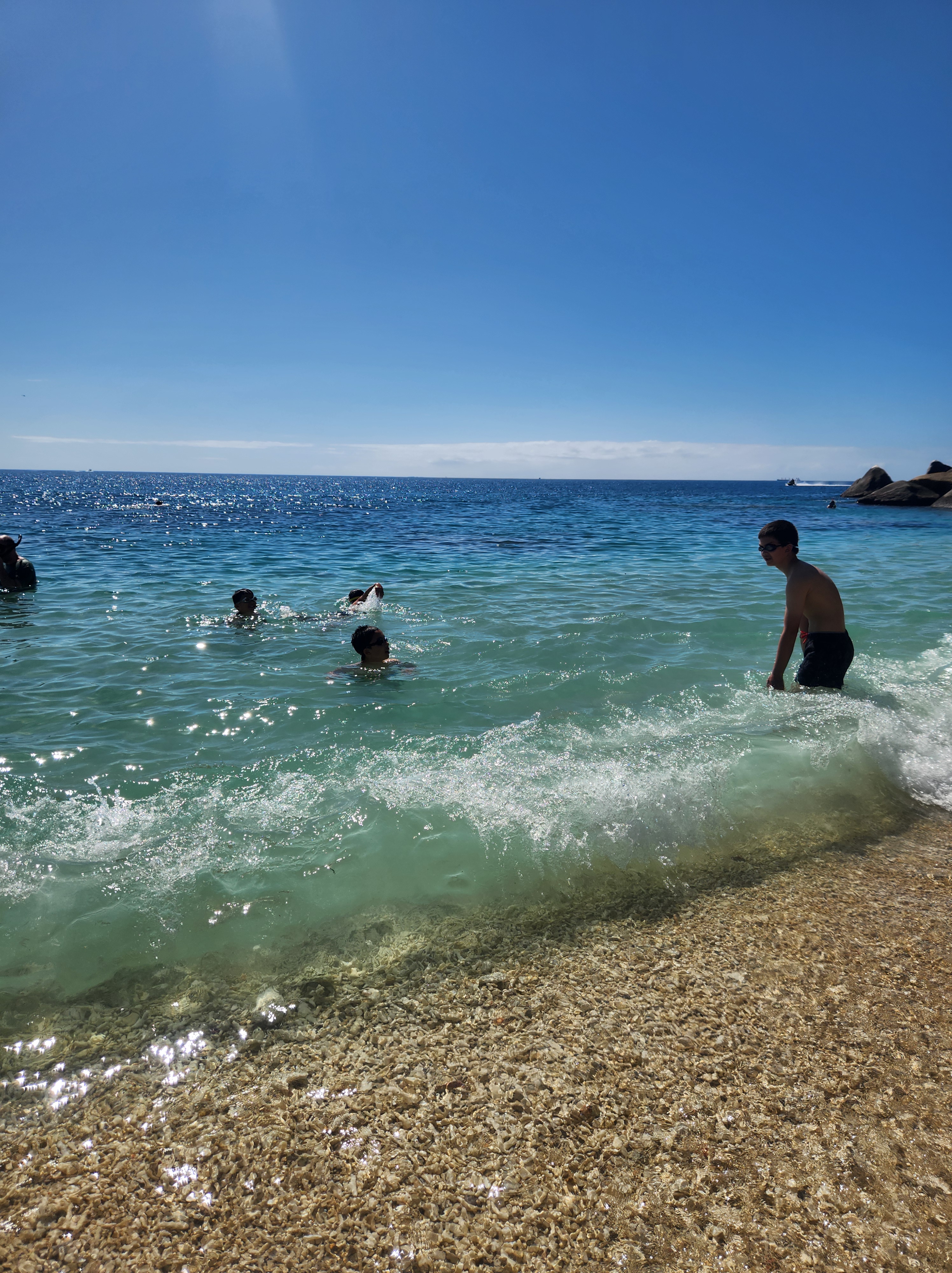
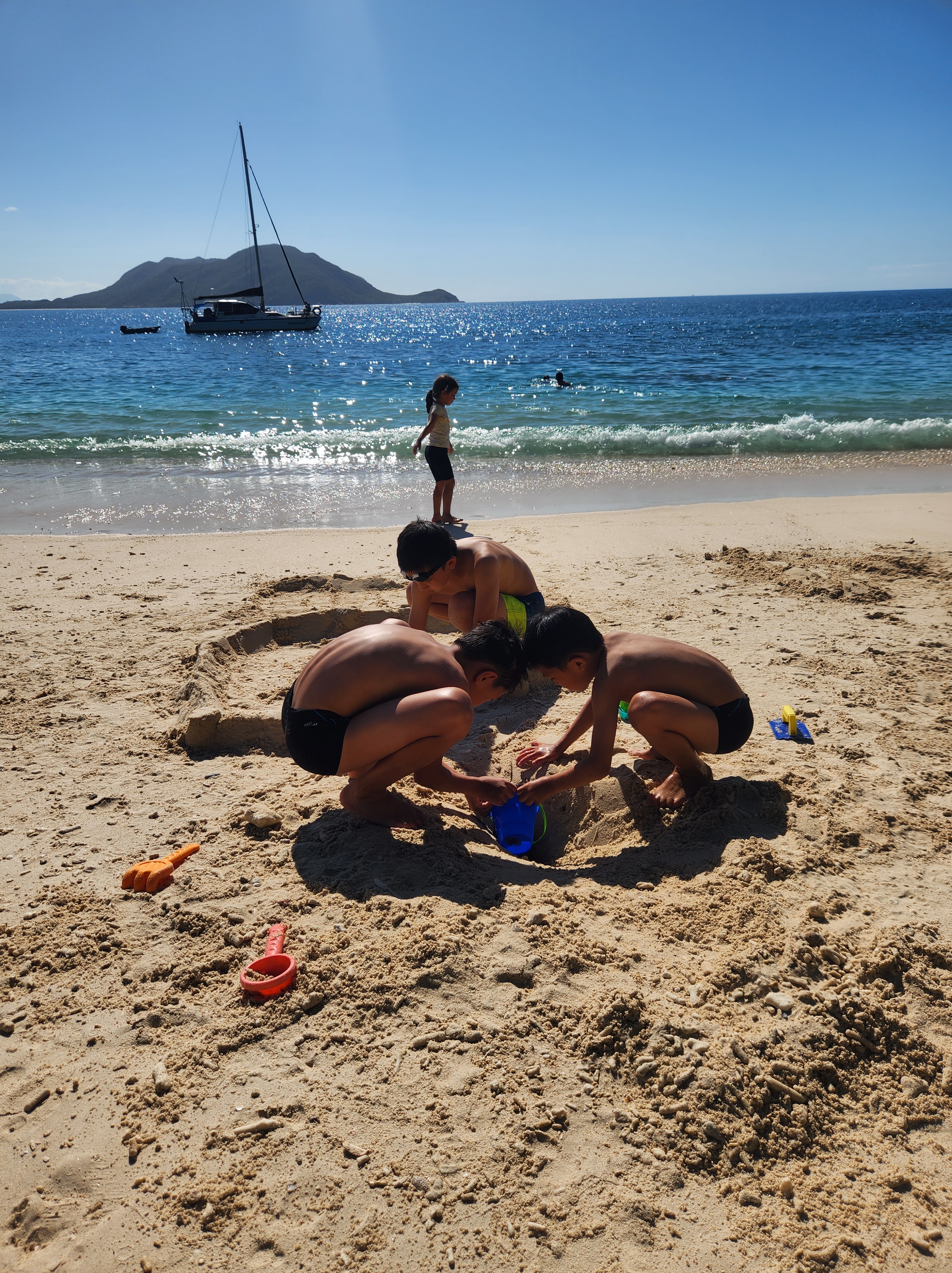
Kenting. After a couple of nights in Taitung, we drove 2 hours to the city of Kenting. It’s located at the southern tip of Taiwan, and is the country’s closest thing to a beach town. Now that we live so far away from the beach, the boys miss it and want to head to the beach every time we get. The beaches at Kenting were nice – soft, clean sand and calm waves.
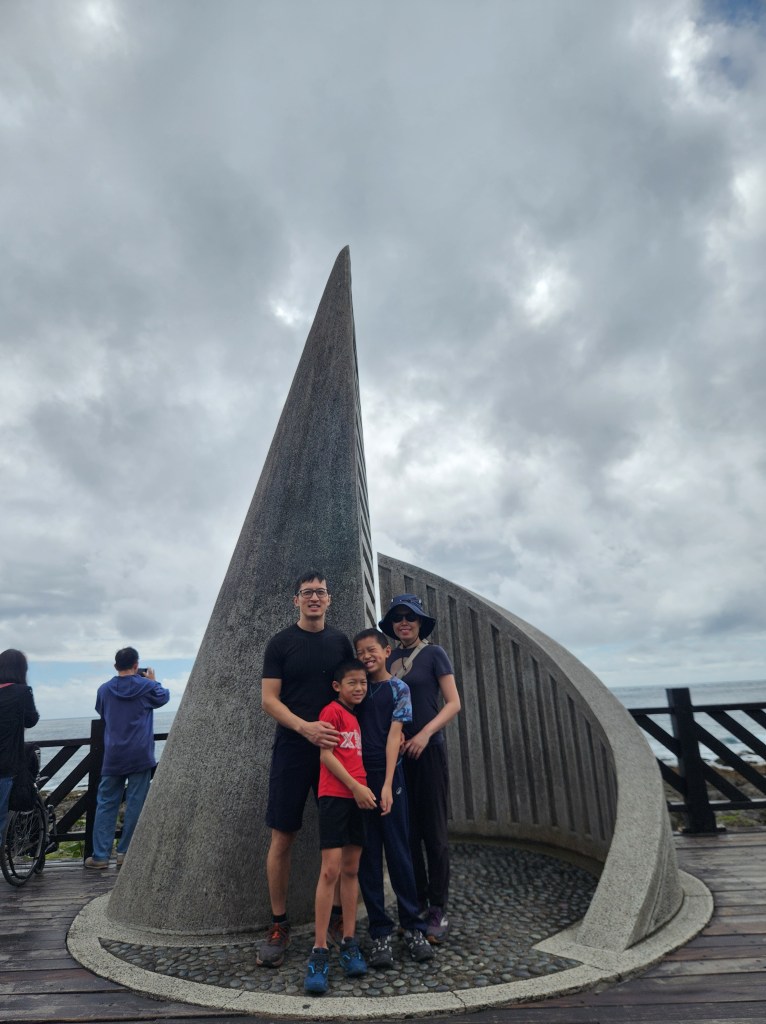
We also went to the most southern point of Taiwan, which is marked by a triangular pyramid-shaped monument. Nothing particularly special here, but just wanted to visit since we were nearby.
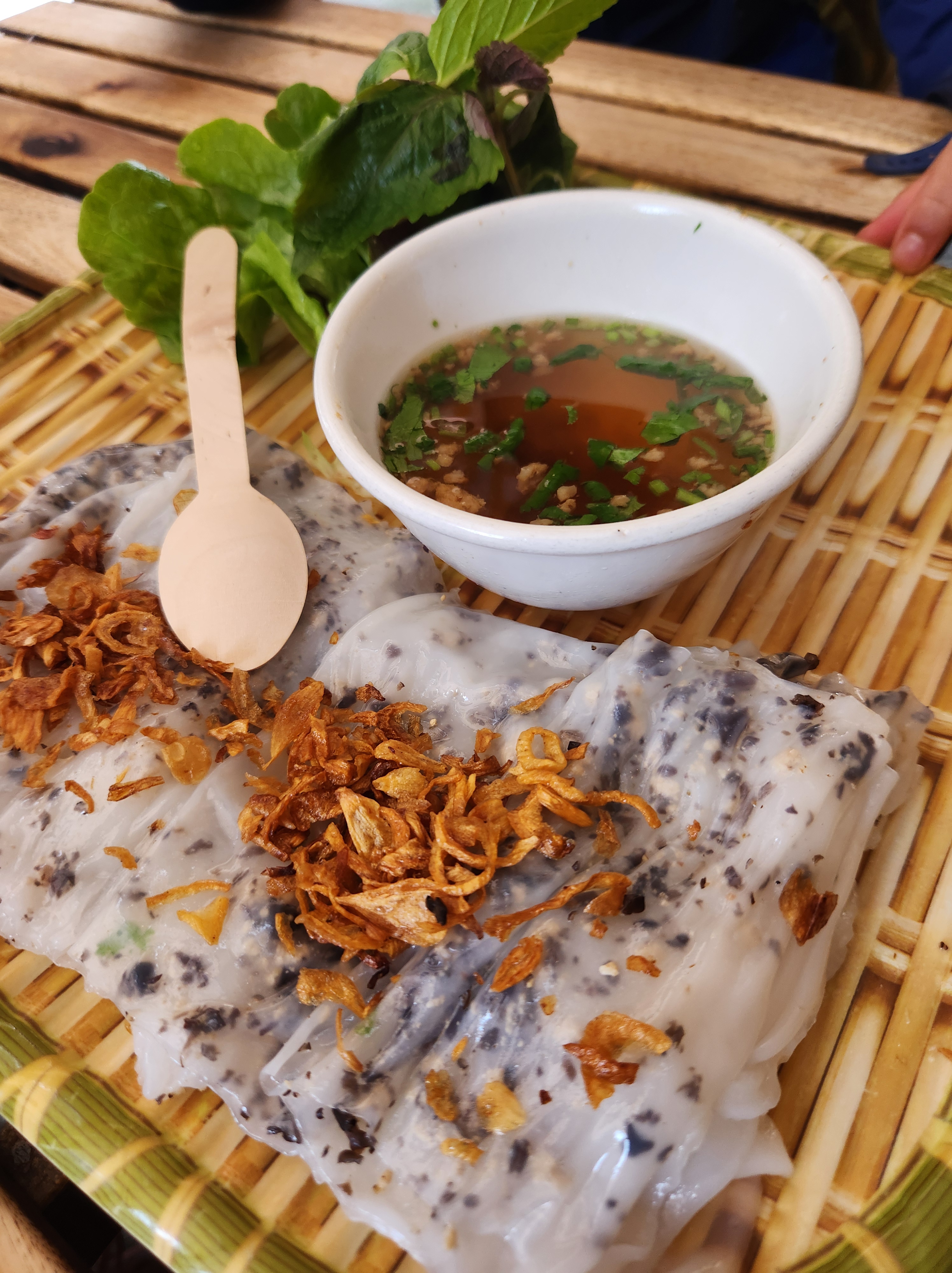
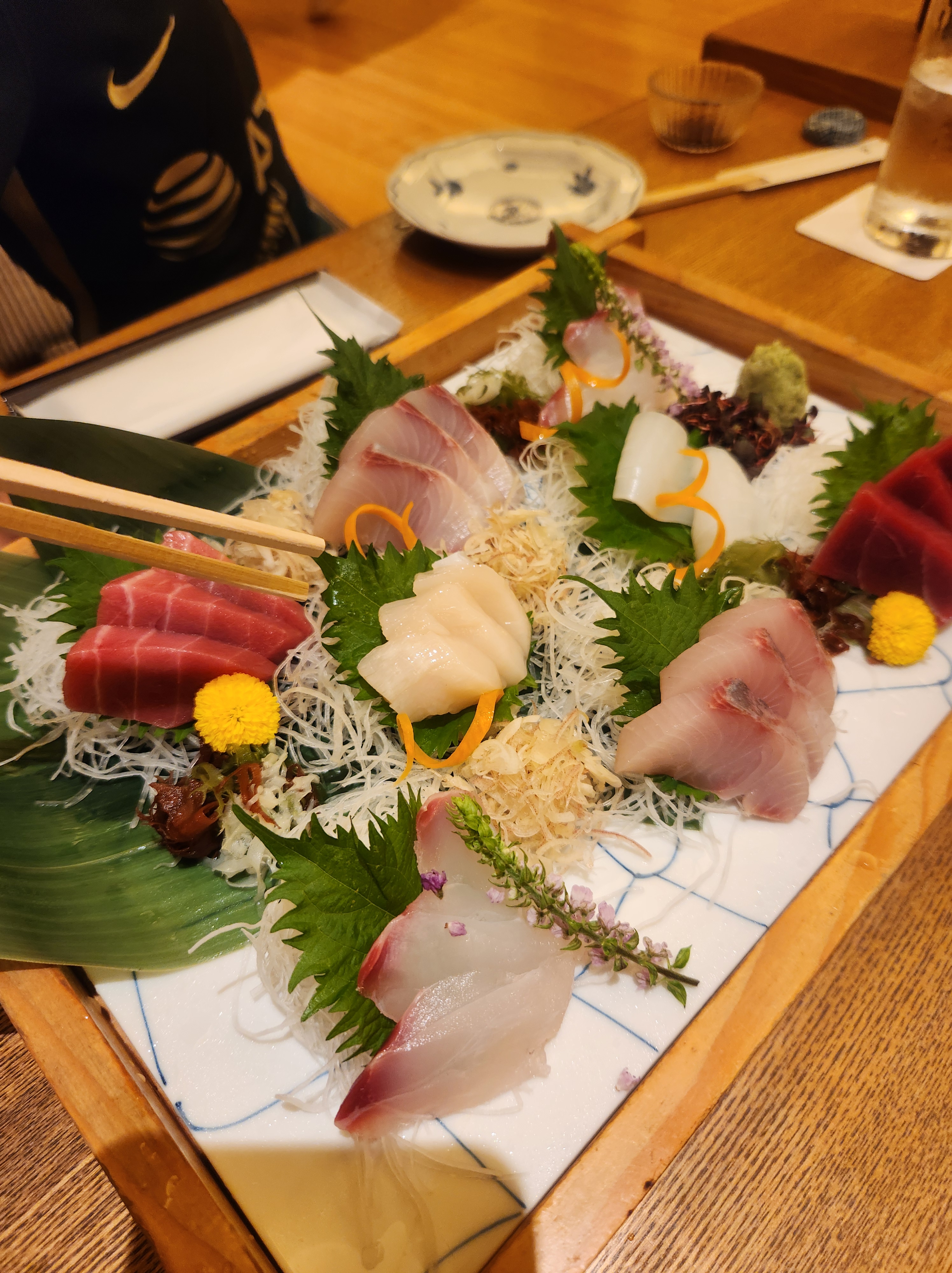
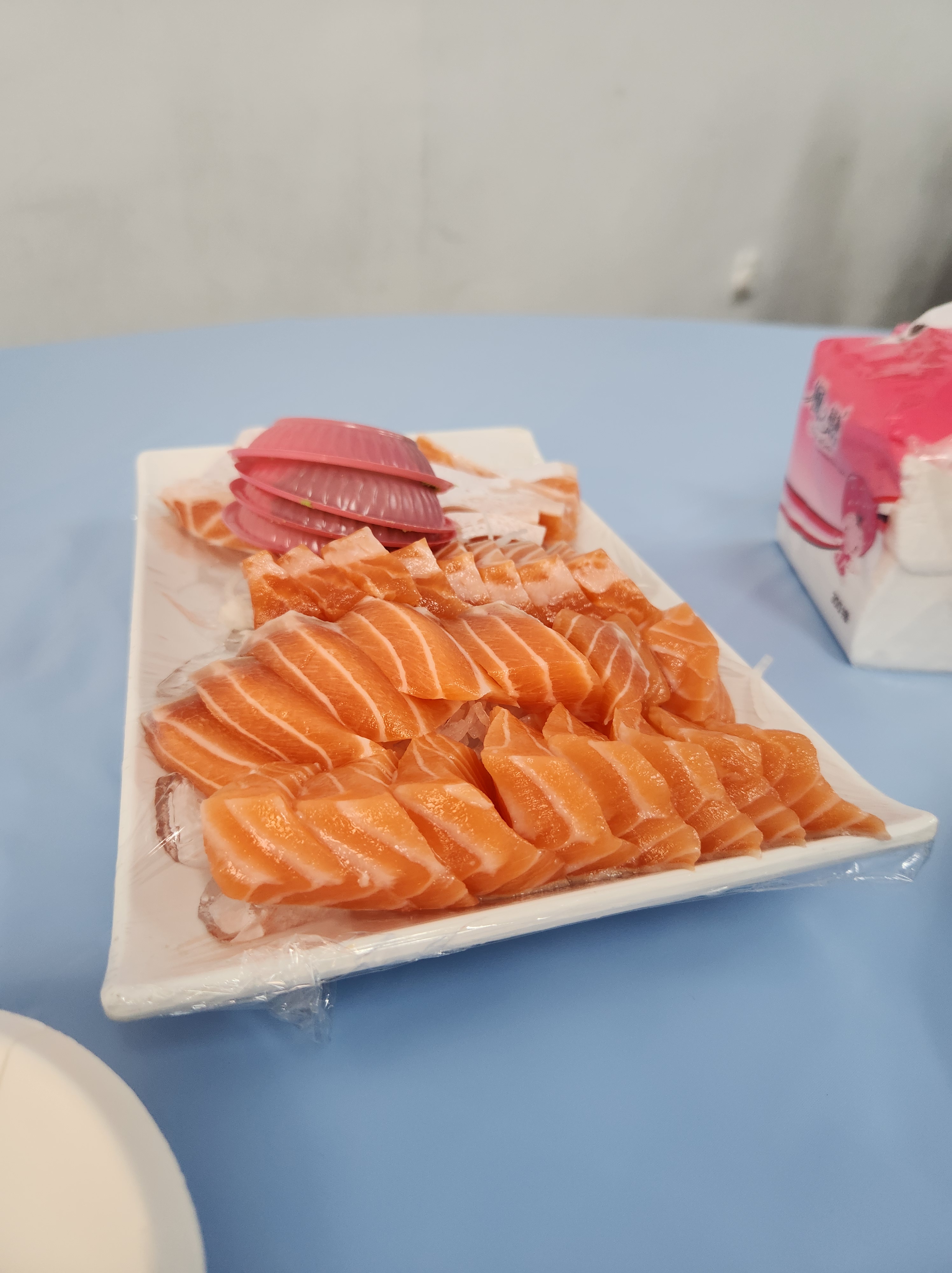
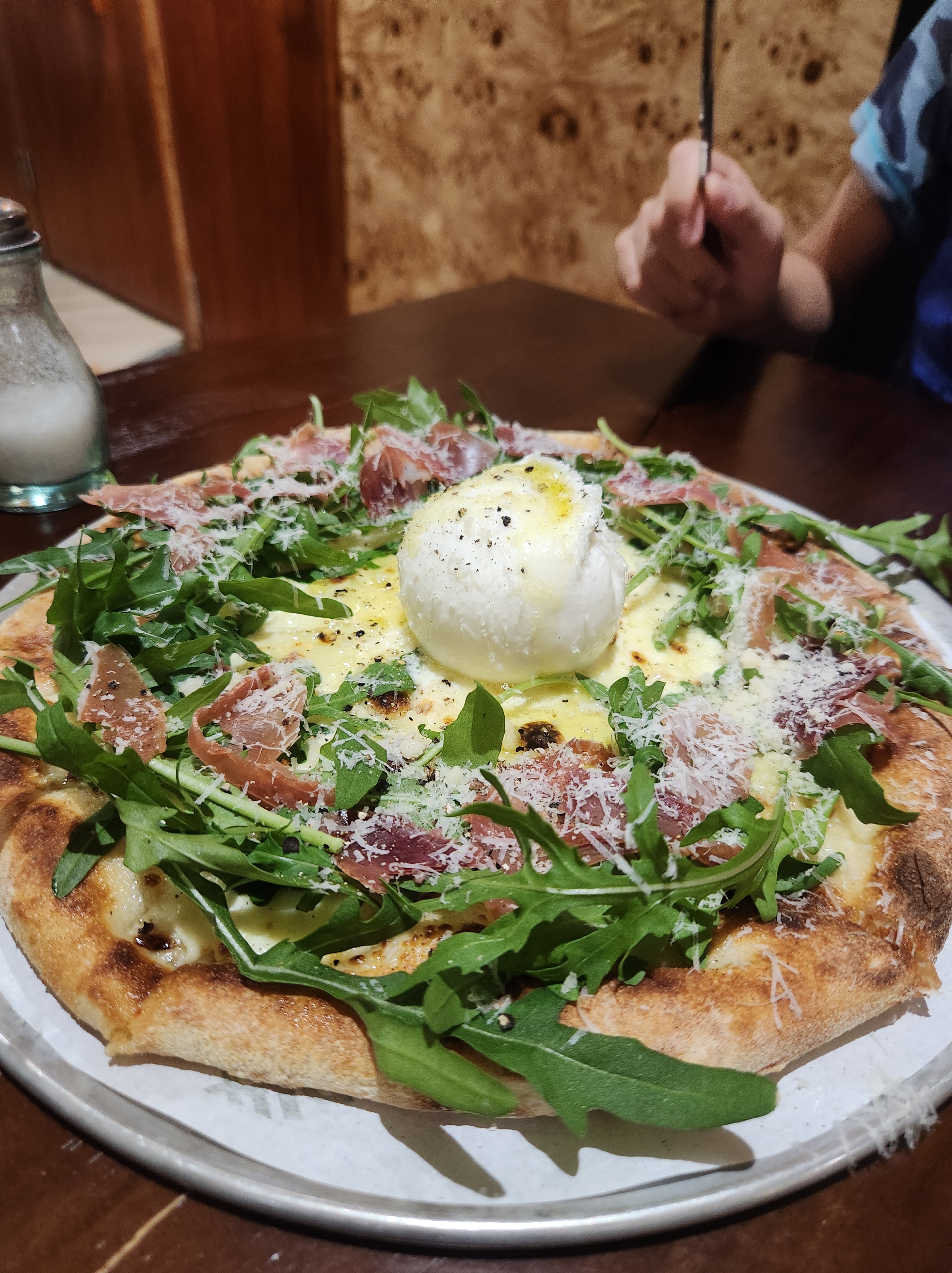
Since Kenting is near the ocean, there are a lot of restaurants selling sashimi for dirt cheap (i.e., about $6 for a huge plate)! It’s not the best quality of course, but too good of a deal to pass up. We ordered a plate of sashimi practically each time we ate out, and by the end of the trip I was so sick of it. 😐 Interestingly enough, Kenting is also where we had some amazing pizza.
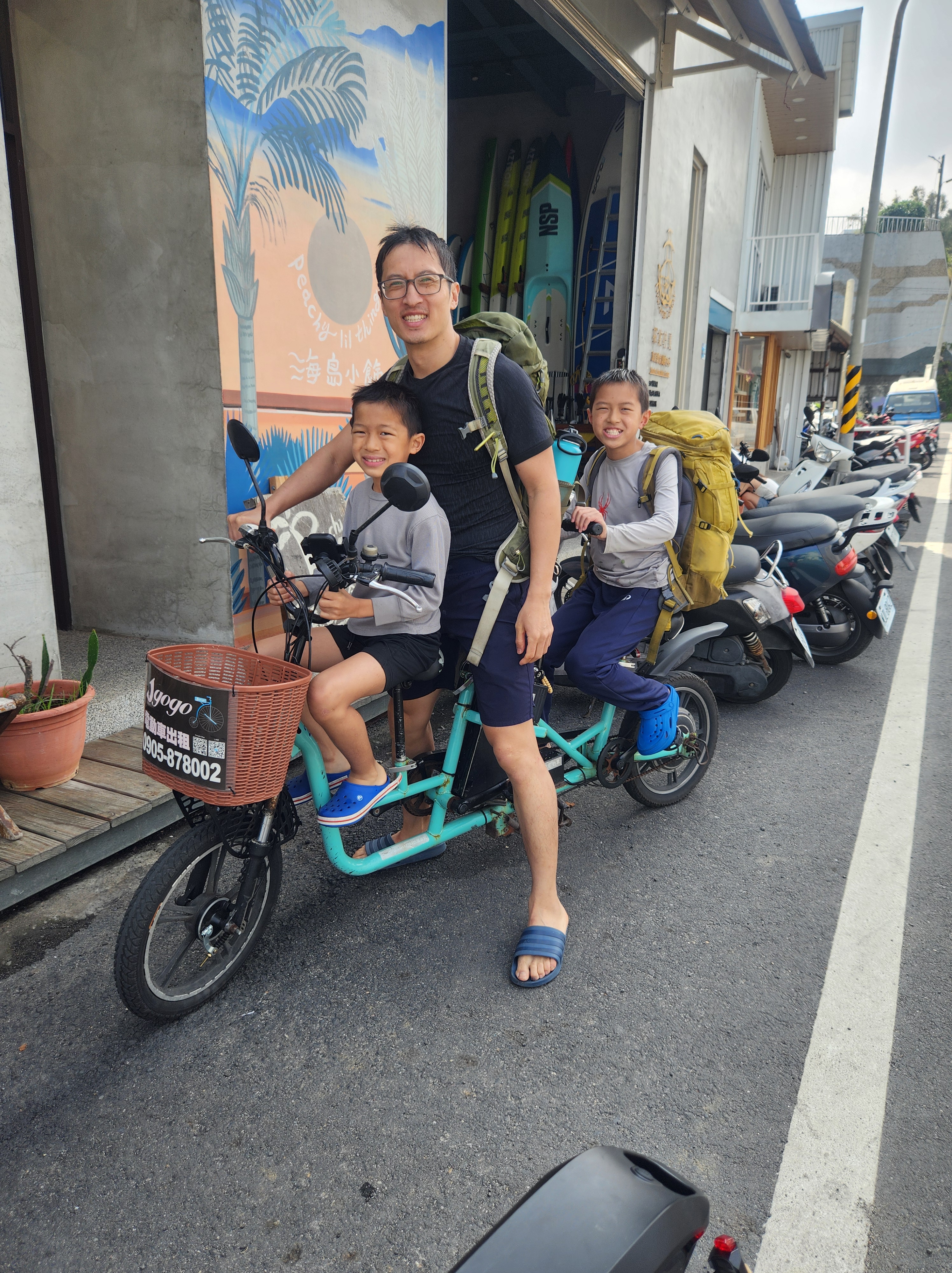
Xiaoliuqiu. Next, we drove to the Donggang port, parked our car there overnight, and caught a ferry to a small island called Xiaoliuqiu. Xiaoliuqiu’s main attraction is sea turtles! This place has been on my travel wish-list for some time. The warm waters, rich coral reefs, and abundant food attract many sea turtles and you can see them year-round. The island is also filled with turtle merchandise: turtle-shaped treats, turtle stuffies, turtle statues, you name it.

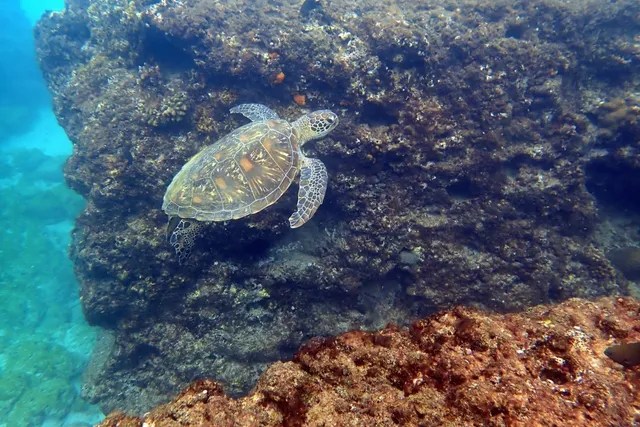
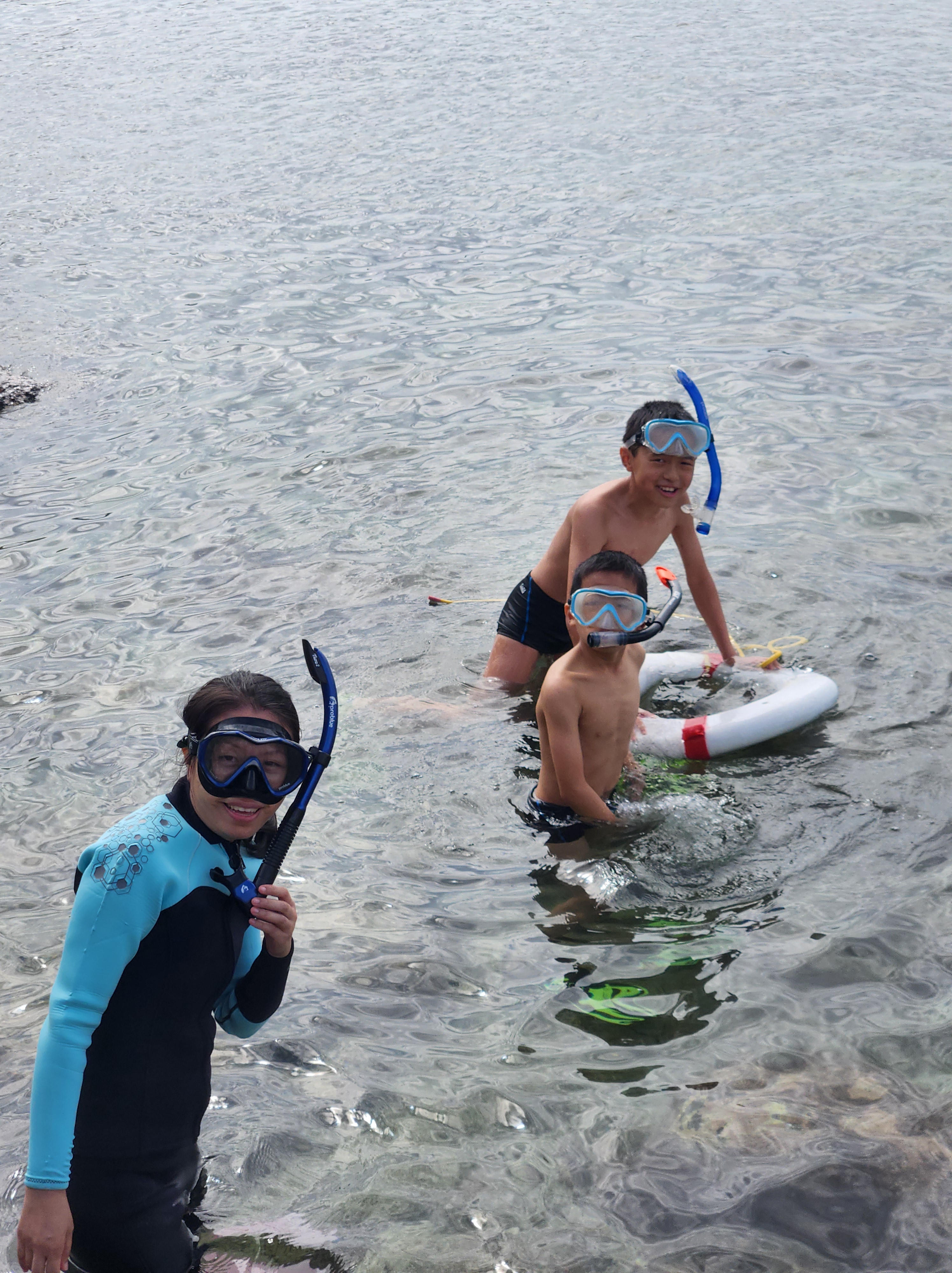
We rented e-bikes and biked around the island to different beaches to snorkel. At our second location, Beauty Beach, we spotted SO many sea turtles! The turtles must be used to seeing people, because we got very close several times and they seemed completely unbothered. Seeing sea turtles up close in the ocean felt so magical – what a special treat!
Unfortunately, Xiaoliuqiu was also where I got a stomach bug. 😫 I suspect it might it have been the sushi we ate for dinner (which is why I still haven’t had sushi since we got back, ha!).

Kaohsiung. We got back to the Donggang port and drove about 1.5 hours to Kaohsiung, a major port city and Taiwan’s second-largest city. Kaohsiung felt very vast, with wide boulevards and high rises, but with fewer people than Taipei. Yet, it was the hardest place for me to drive because the roads were so confusing and traffic was heavy all the time. Thankfully, Kaohsiung has its own MRT and while it’s not as comprehensive as Taipei’s, we used it to get around the city and avoid driving.

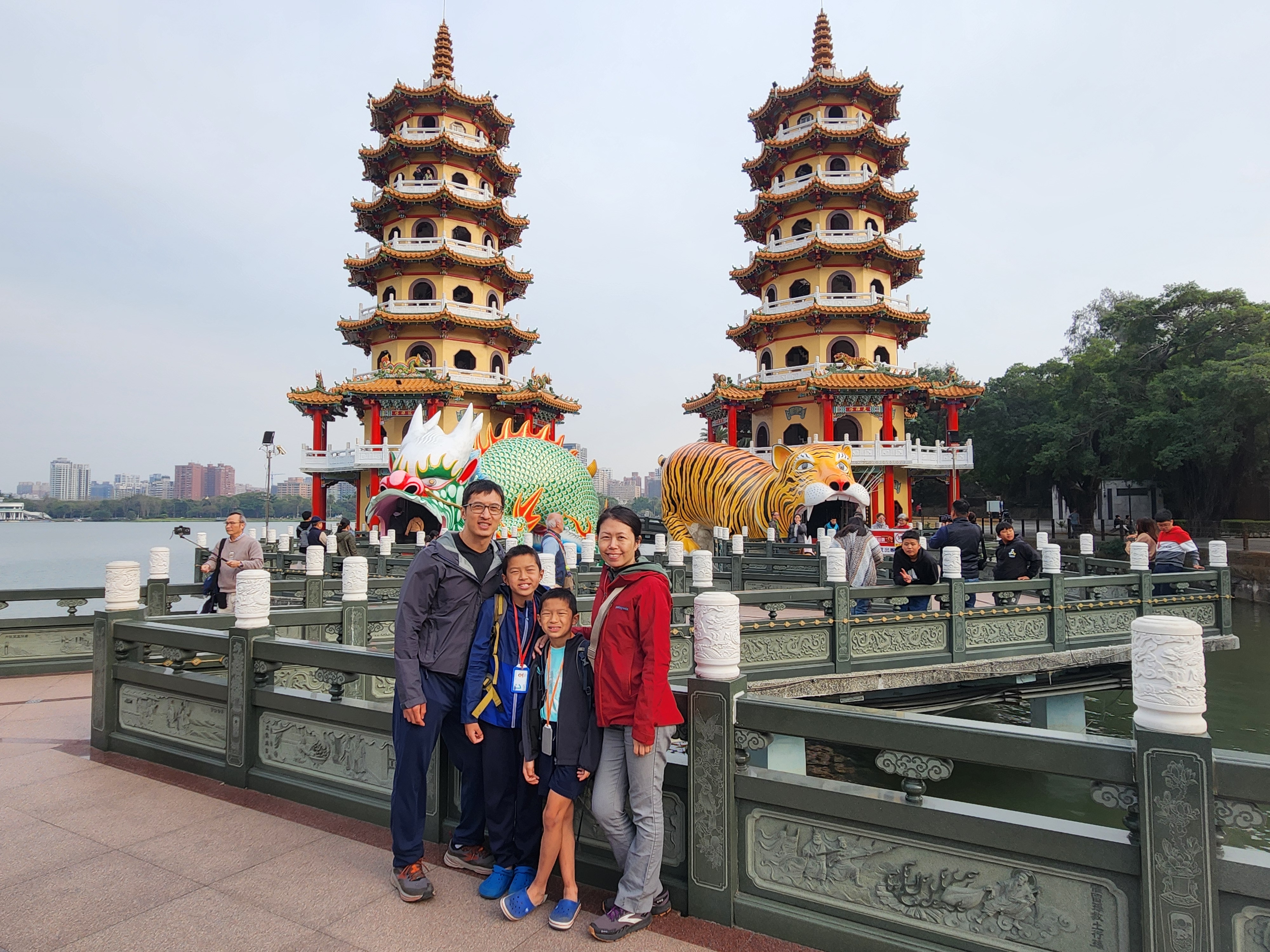
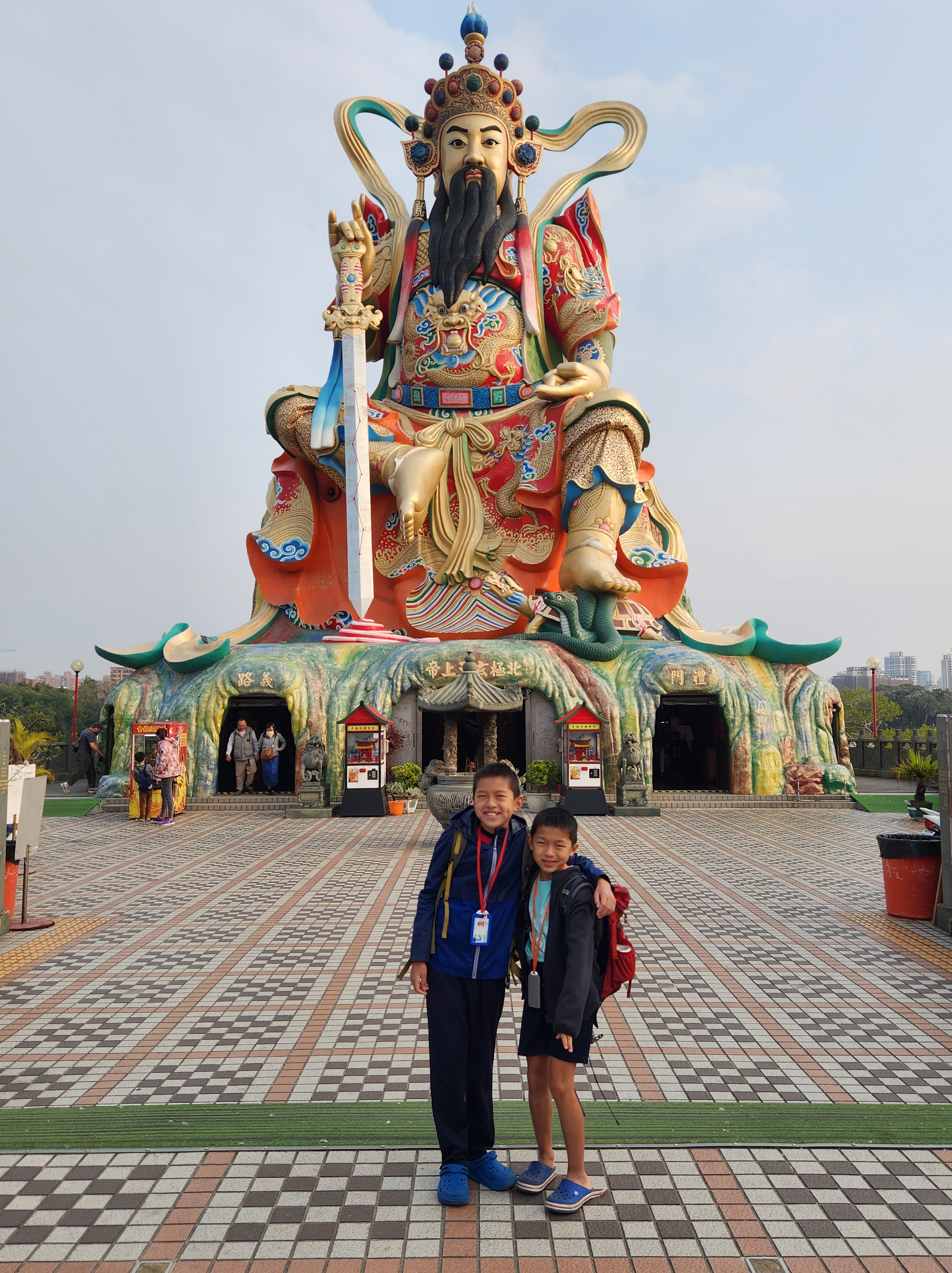
We visited the Lotus Pond and Temples. It was quite a lively area – a small bazaar, people exercising nearby, fishermen along the pond, and singing voices in the background.
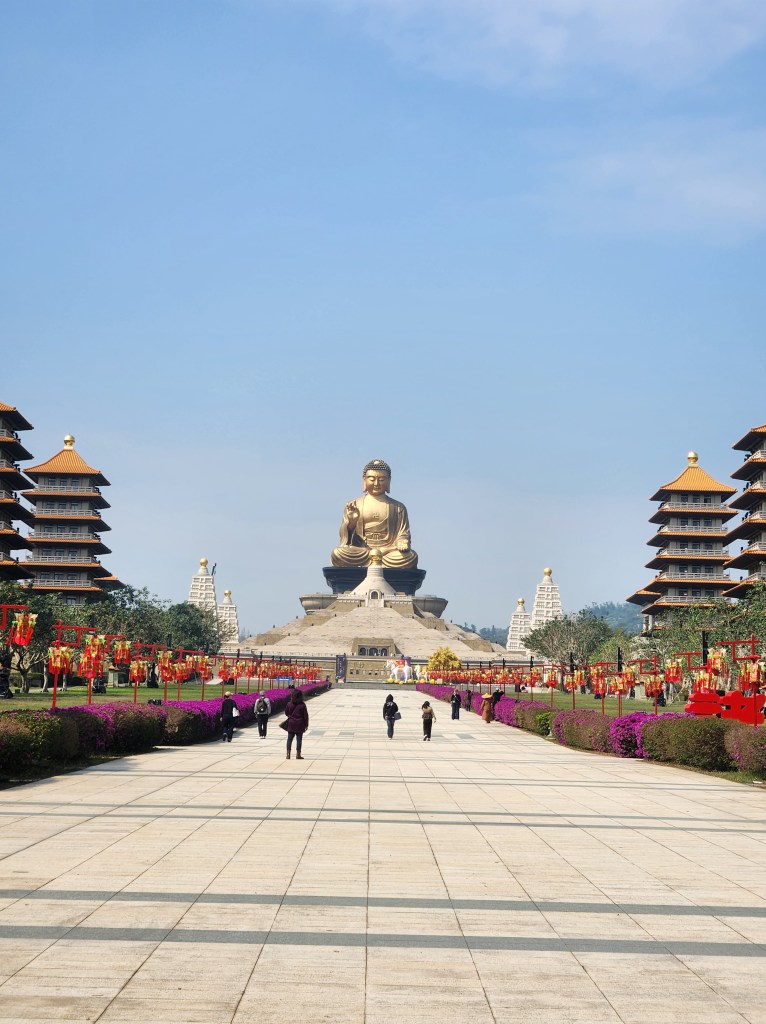
Before we left Kaohsiung, we visited Fo Guang Shan Buddha Museum. The place is massive. A 354′ Budda statue sits at the end of a long walkway flanked by 4 pagodas on each side. The museum contains Buddhist art and relics. The whole complex was impressive to see and exceptionally well-built.
Nantou. Nantou is a mountainous county located in the middle of Taiwan. We came here because I was interested in visiting the Xitou Nature Education Area, but I have to admit it was pretty disappointing.

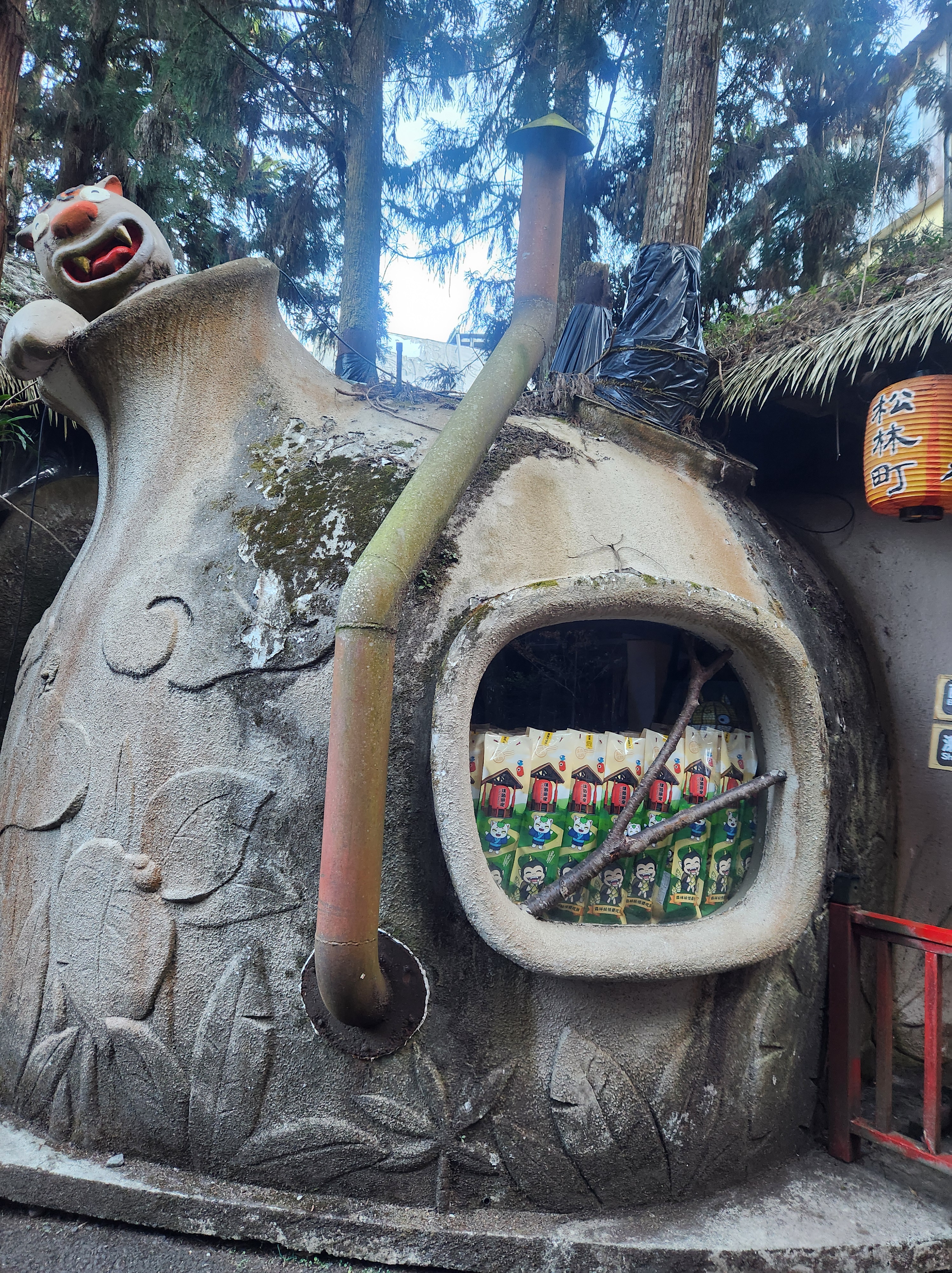
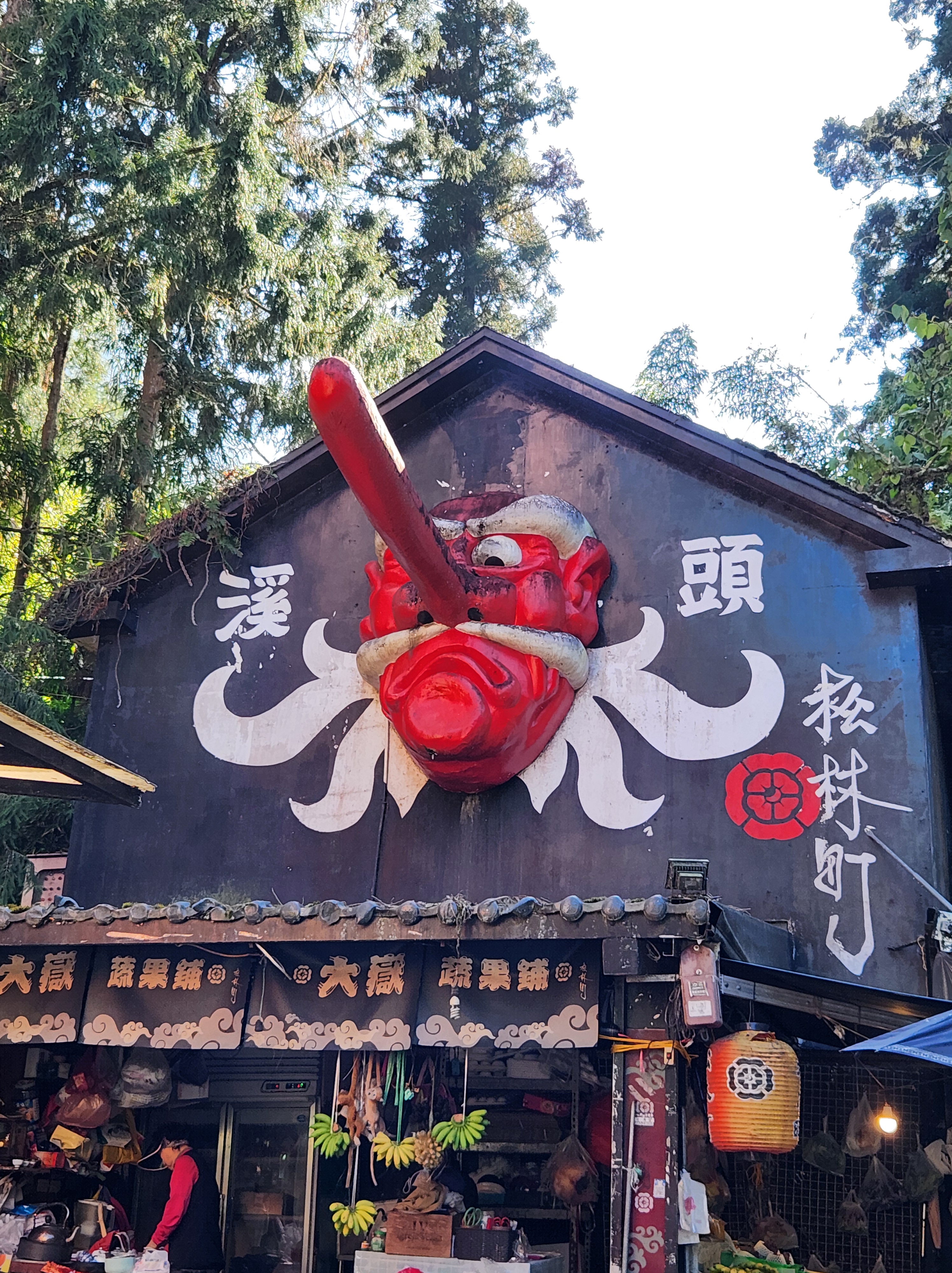
We stayed in Monster Village, a Japanese monster-themed “village”. It consists of a hotel and a few shops and restaurants. On social media, it looked really cute but in reality, it was much smaller than I thought, a bit run down and deserted.
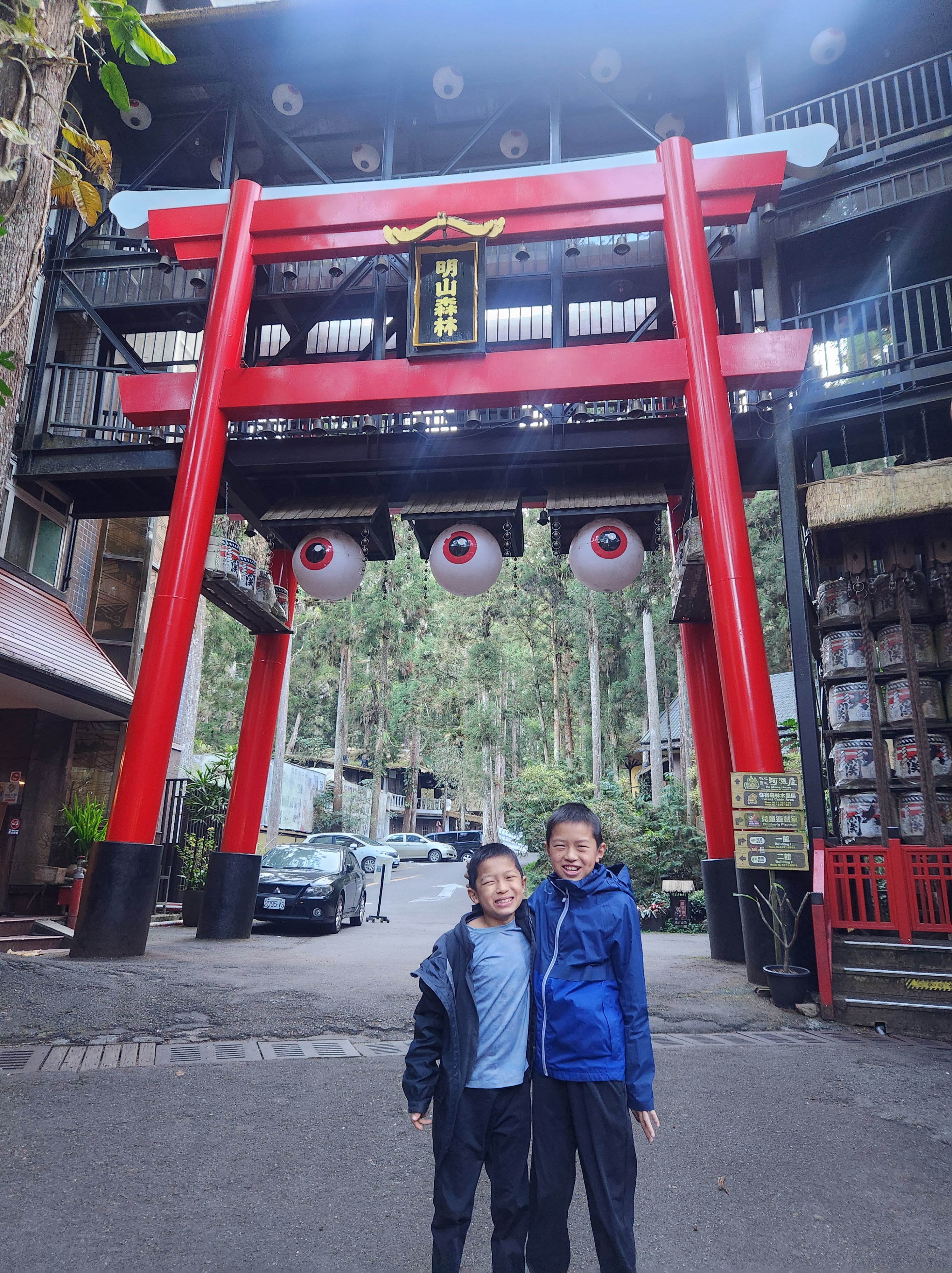
The Monster Village is located right next to the Xitou Nature Education Area. However, we didn’t enjoy that area much either. The trails were short and boring, and mostly filled with older people exercising, so it felt more like a park than a real hike. The boys quickly lost interest so we didn’t stay long.
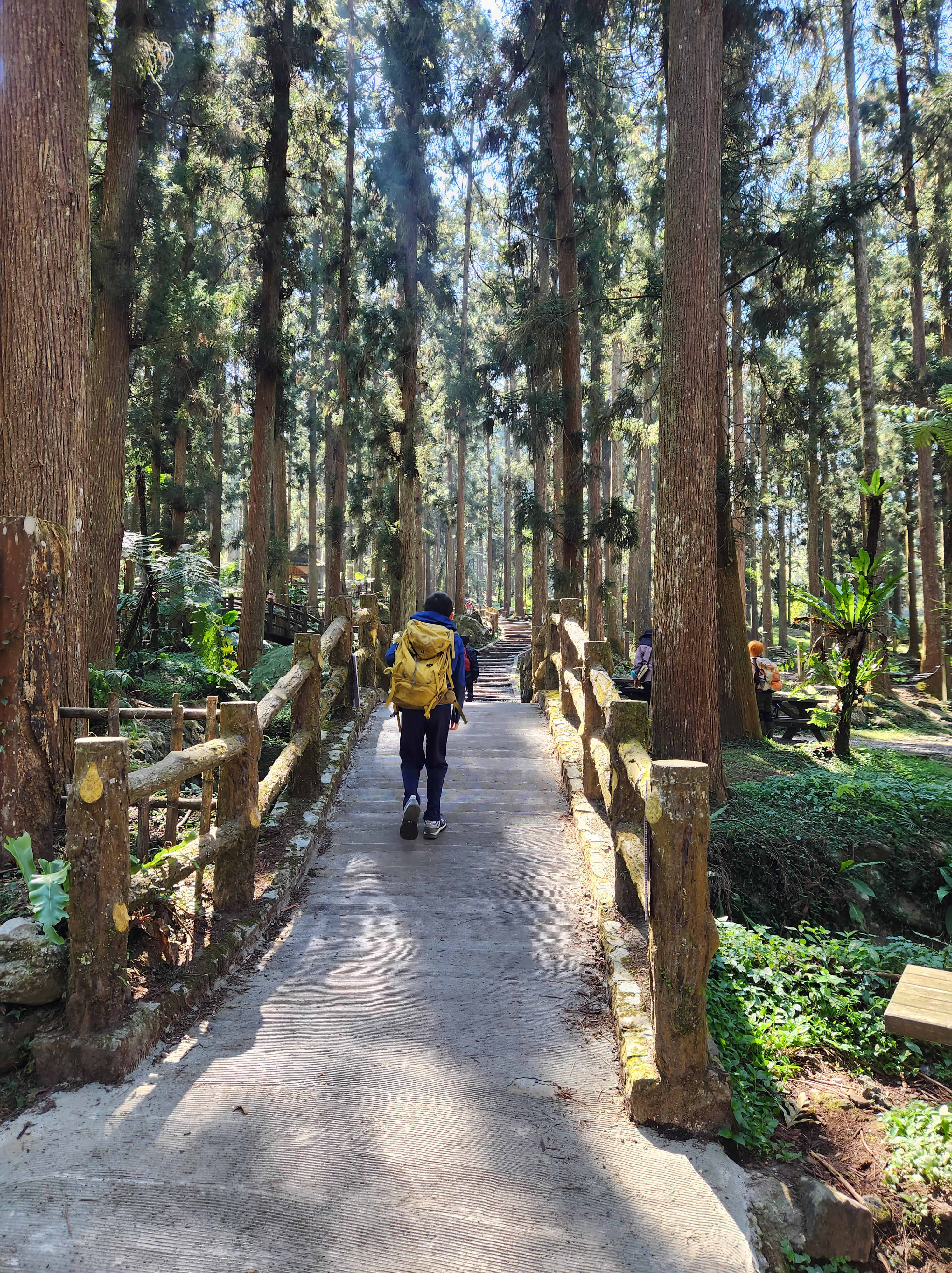
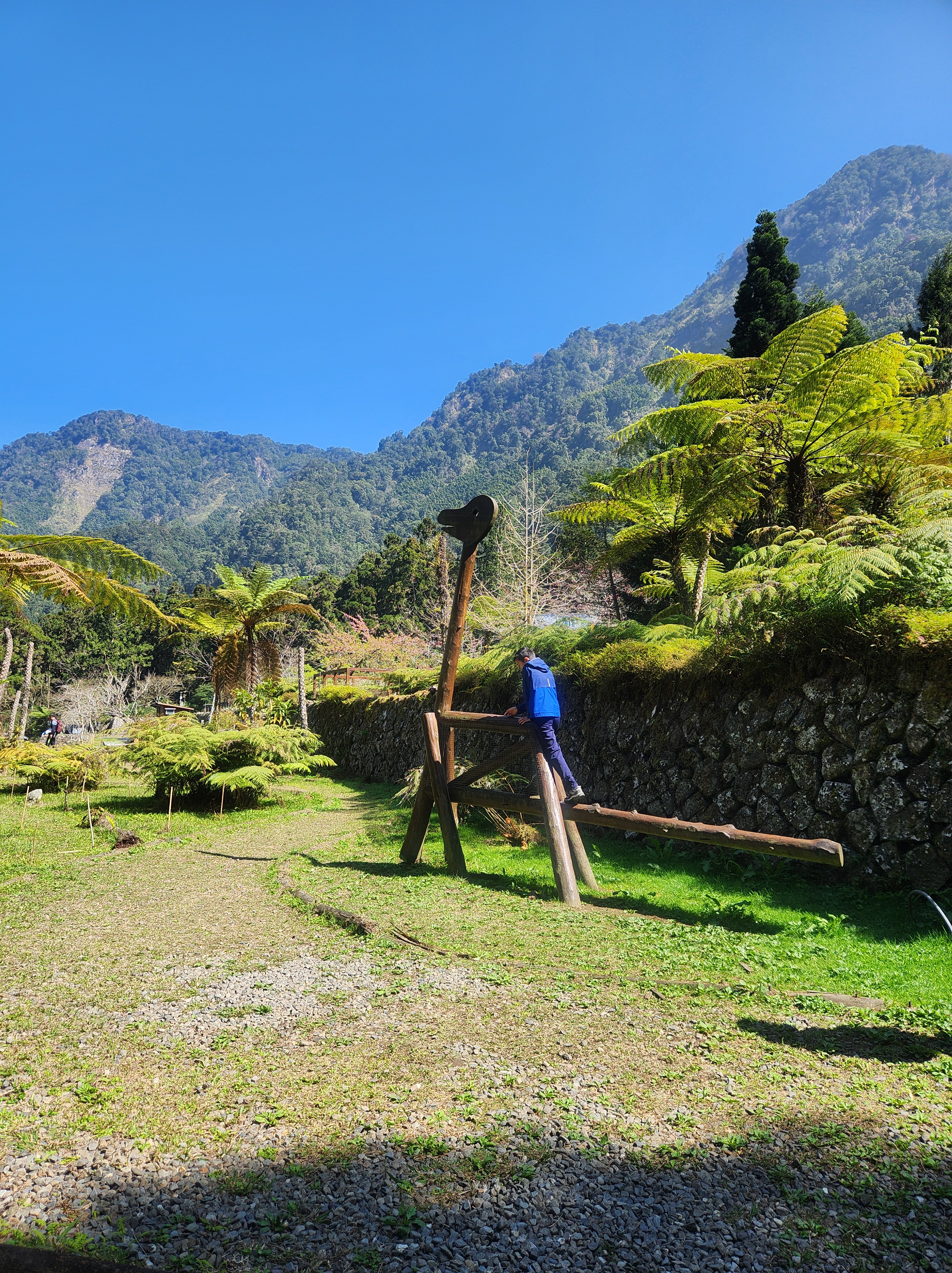
Miaoli. Last stop on our road trip was Miaoli, a county in the northwestern part of Taiwan and a 2 hour drive from Nantou. Miaoli has a huge Hakka population and a laid-back vibe.

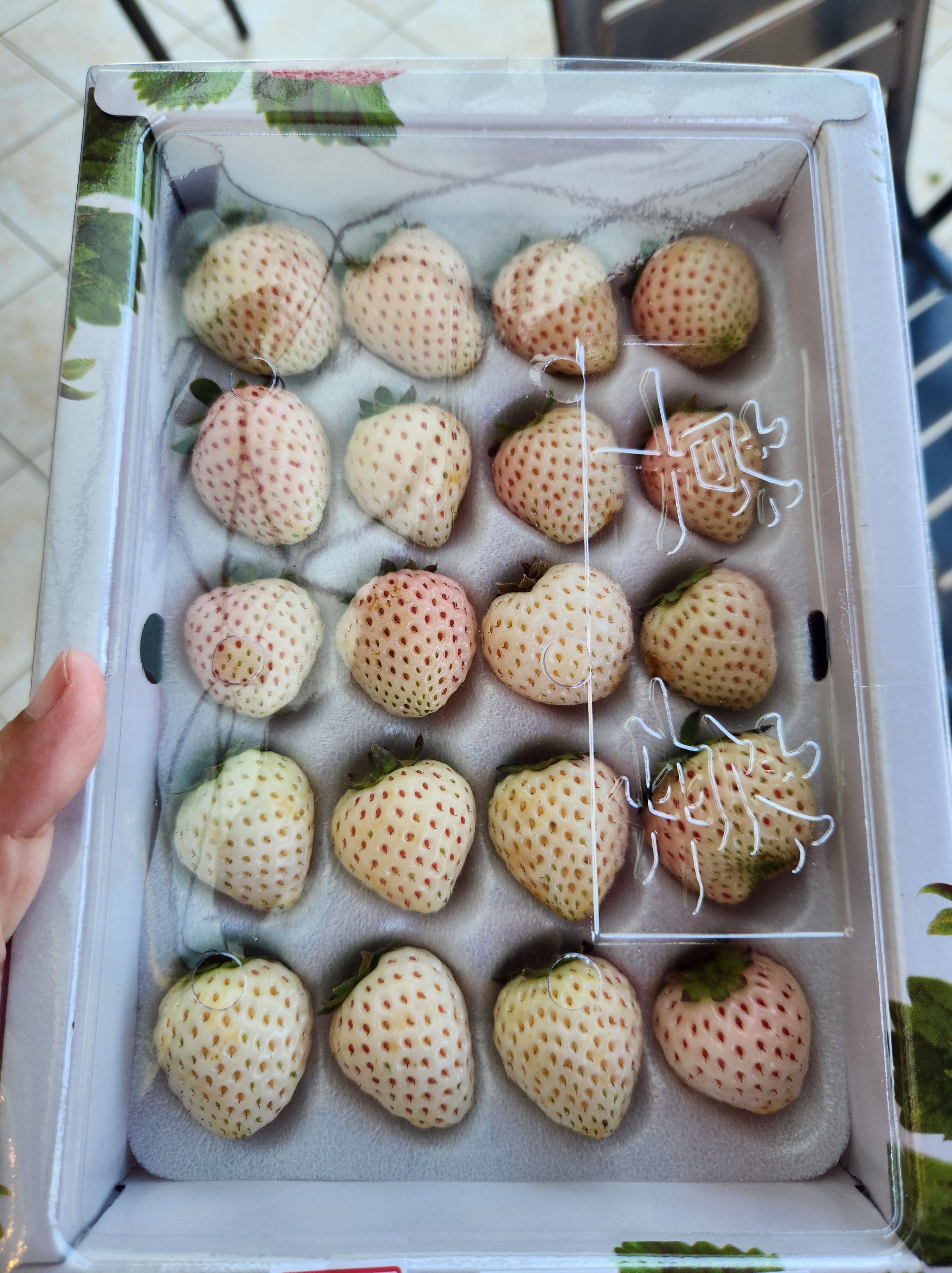
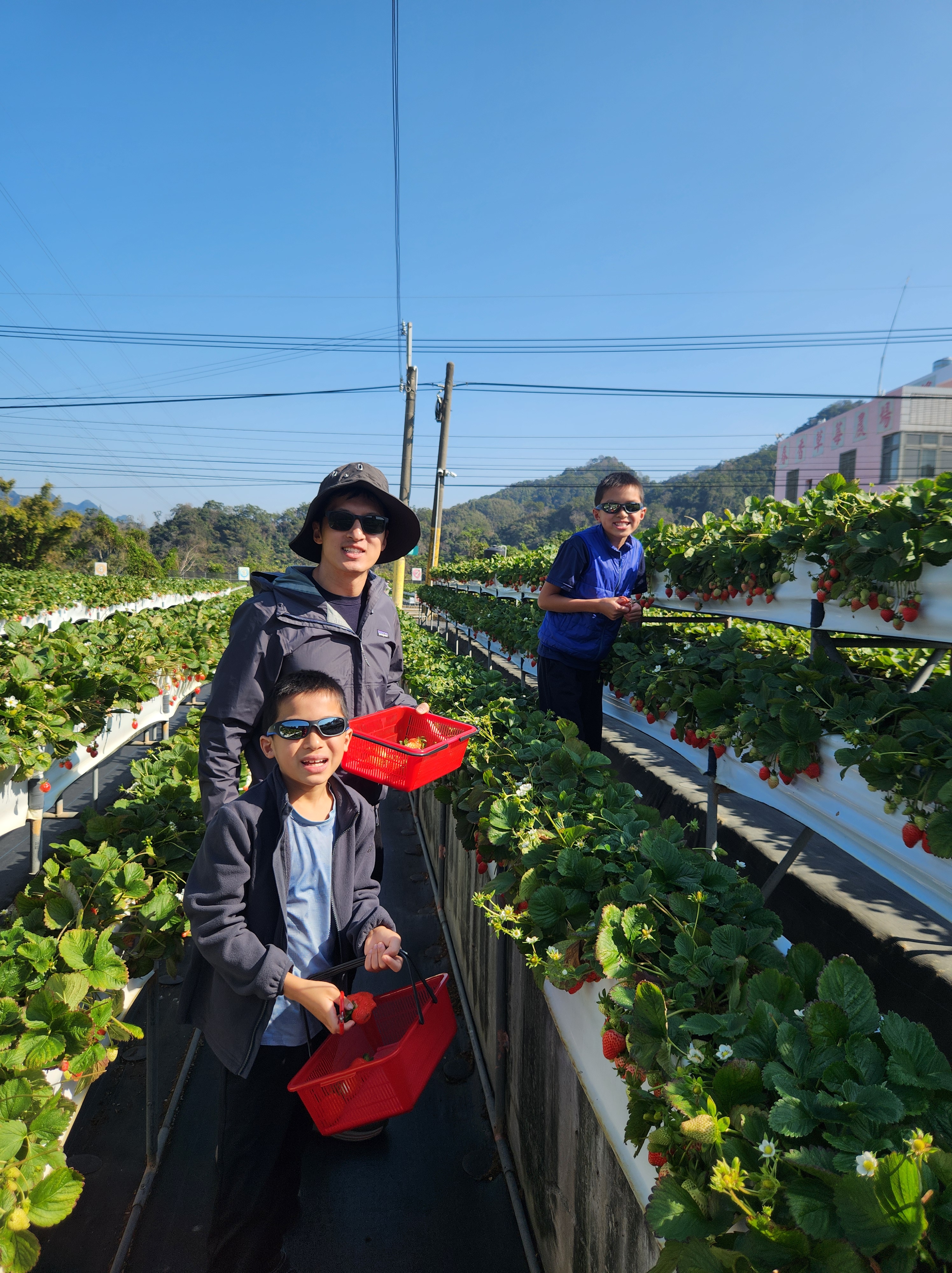
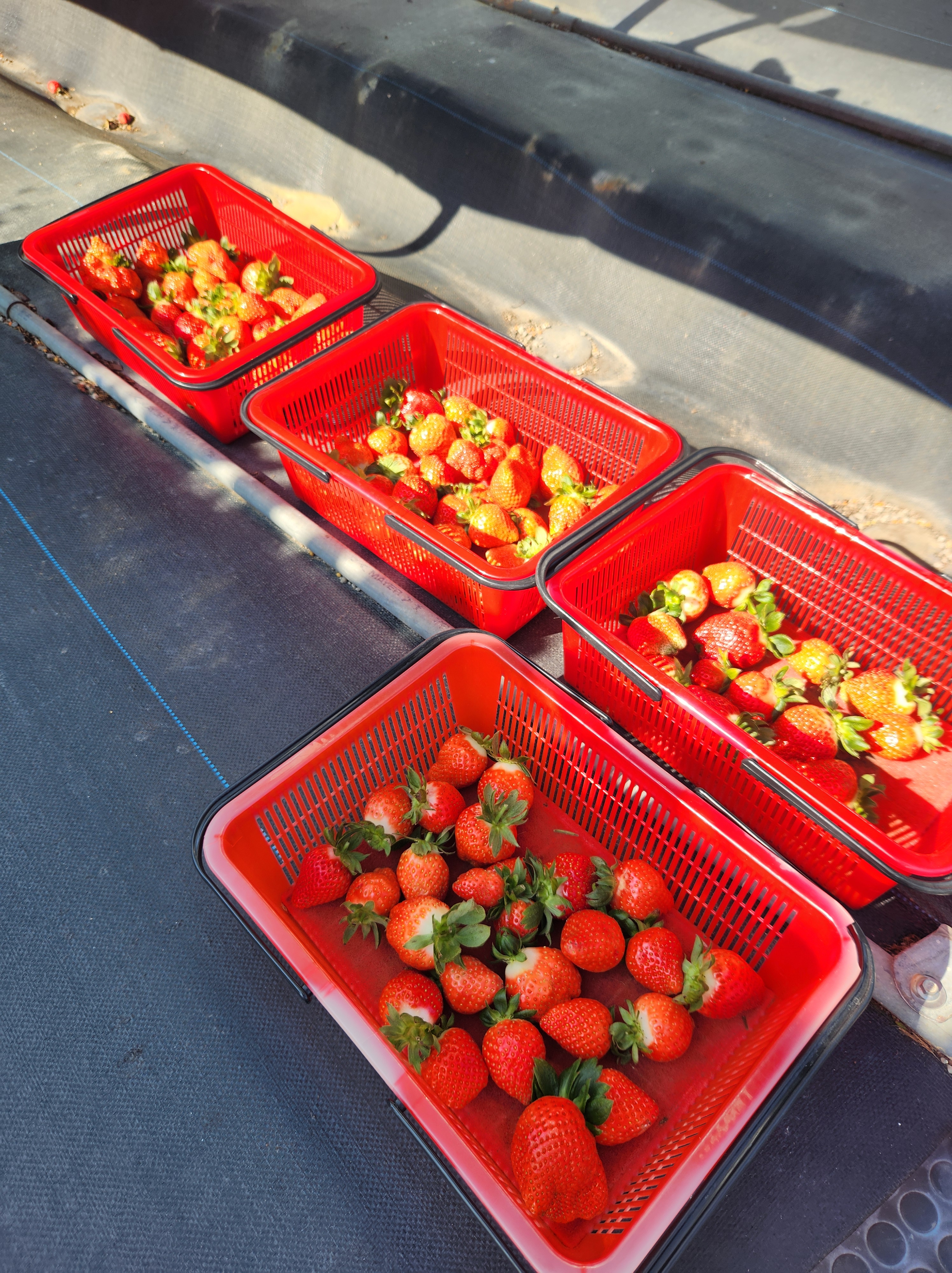
We stopped by the town of Dahu to pick strawberries as January/February is strawberry season in Taiwan. The strawberries were big, juicy and sweet (but expensive!). We also bought a unique variety of white strawberries called Snow Rabbit, which tasted slightly sweet and has a more delicate flavor simliar to a pear. We had a lot of fun picking strawberries.
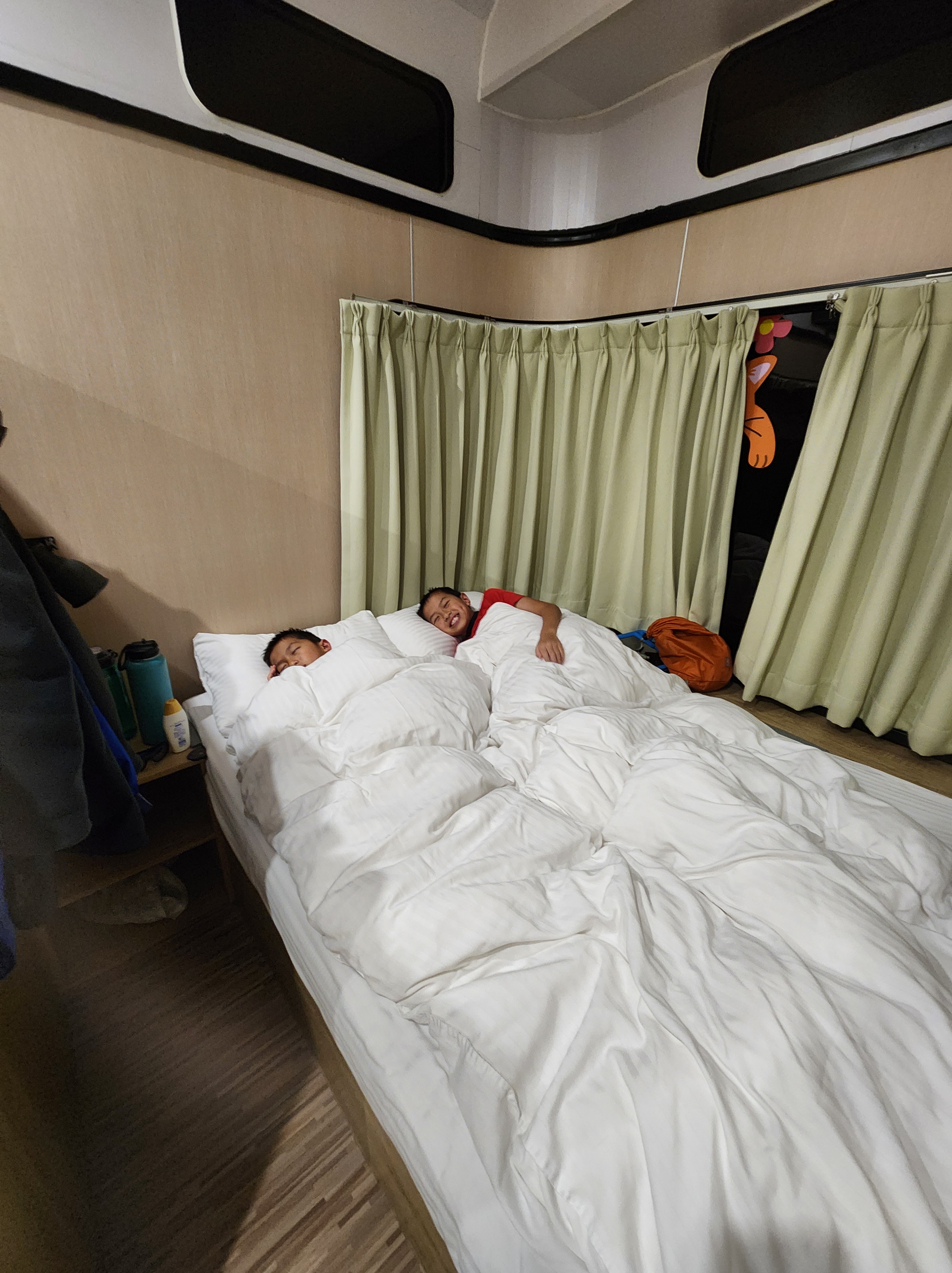
On our last night, we stayed at another glamping site. I booked this site specifically for their cute camper vans. It’s the boys’ dream to own a camper van one day. 😂 As with most glamping sites in Taiwan, the inside of the cabin was really nice and clean.
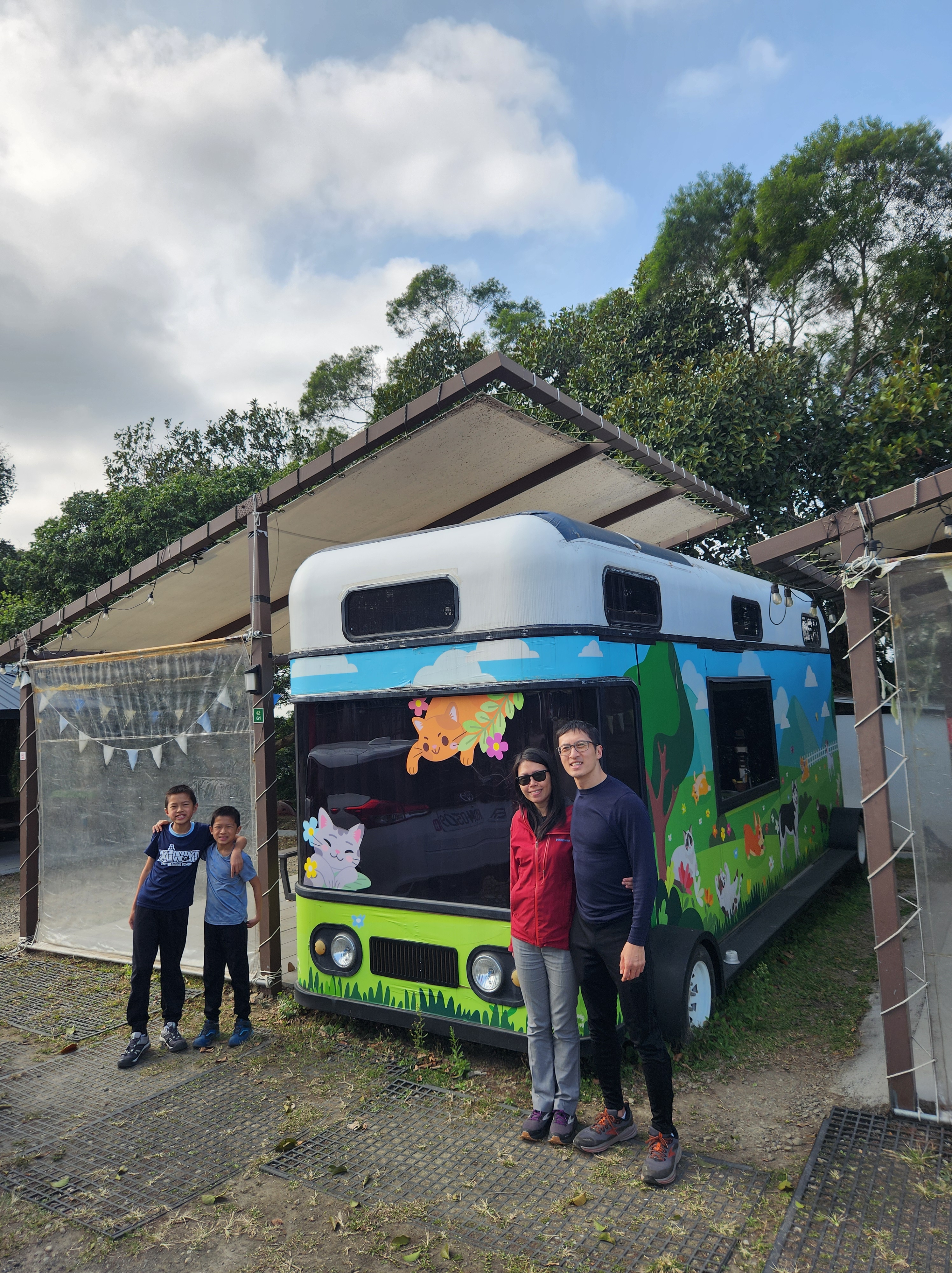
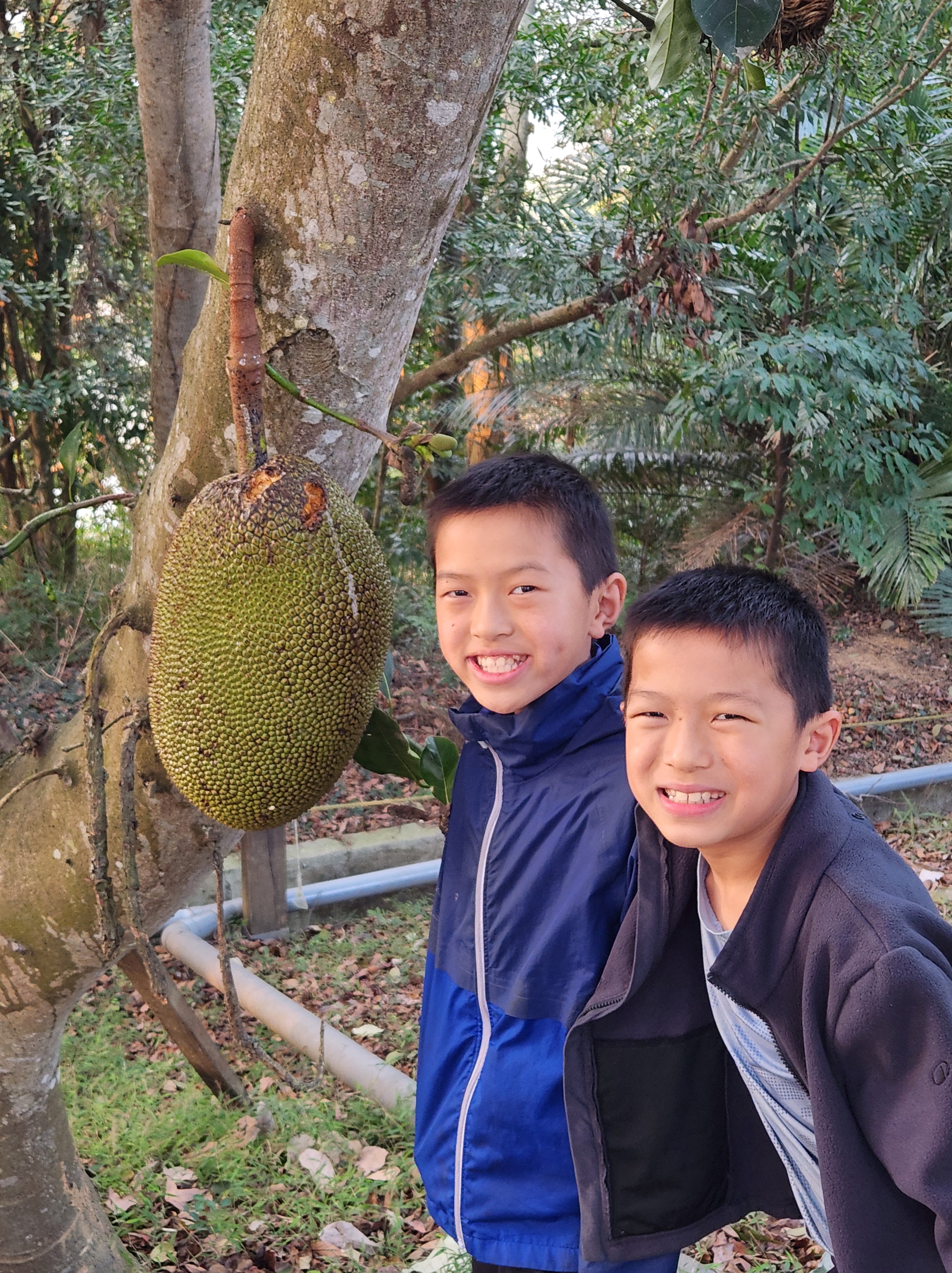
We were surprised to find the campsite was practically a jackfruit orchard! There were jackfruit growing everywhere. The owner kindly offered us one but mentioned they weren’t quite ripe yet. Knowing how much work it takes to open a jackfruit, we didn’t want to go through the hassle for something that wasn’t sweet yet, so we passed. Still, it was so cool to see them growing in the wild for the first time!

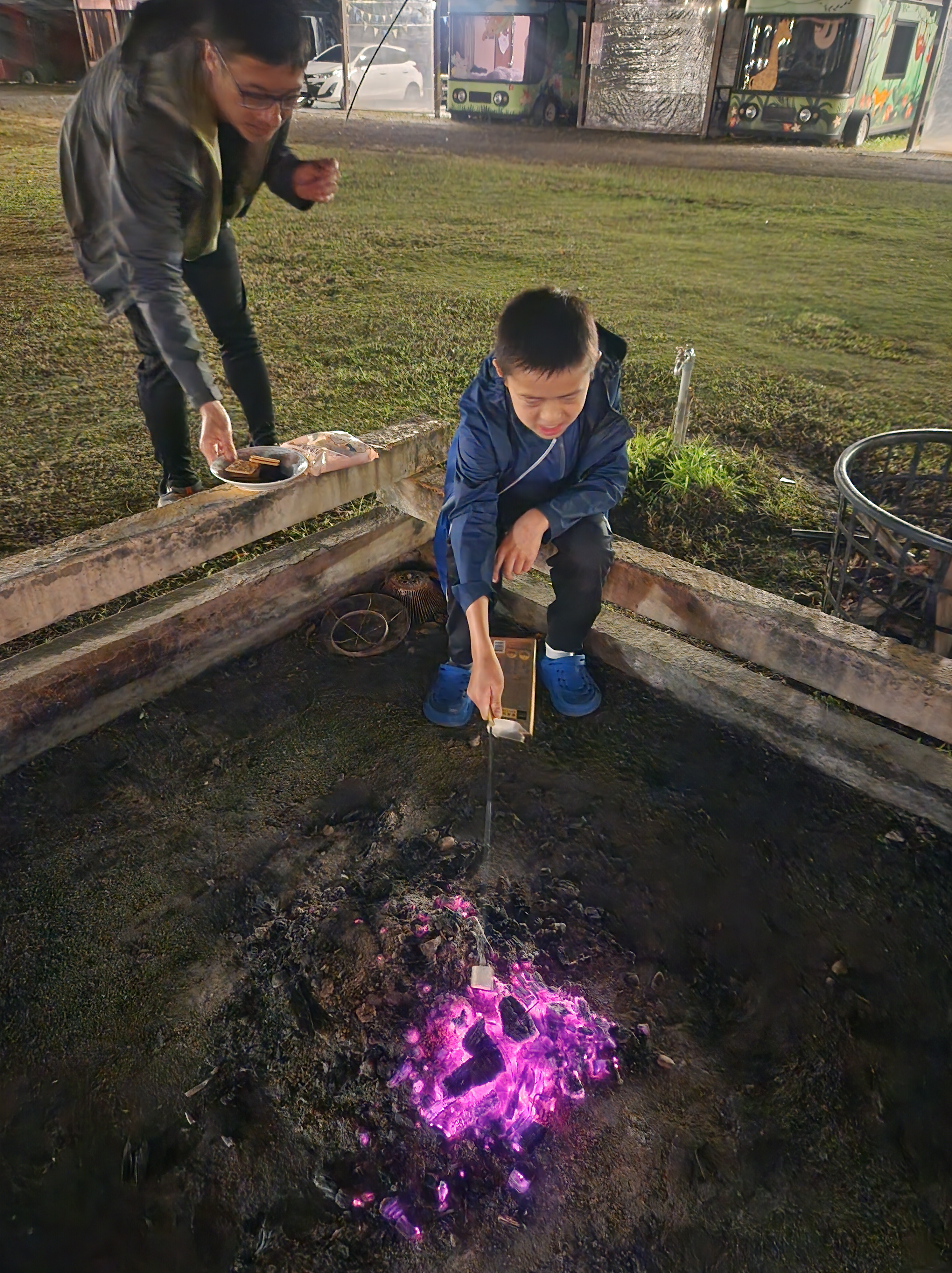
The campsite also had a fire pit, so we stopped by the nearest grocery store to pick up ingredients for s’mores. They didn’t turn out to be what we’re used to; for instance, graham crackers were replaced with saltines, but it was still fun to relive a little slice of American culture.
That night, Baba and O were hit with the stomach bug. 🤢 We suspect it may have been the strawberries they ate (C and I didn’t have any). I don’t know if they ate too many or if the strawberries weren’t washed properly. Either way, it was a rough night with very little sleep, and we were all exhausted for the drive home the next morning.

Still, I was glad to finally be back home in Taipei. The three of us who came down with stomach bugs spent the next few days recovering. I felt completely drained, both physically and mentally. I was the sole driver on the entire trip (Baba’s license had expired and he’s better at helping me navigate anyway). I was driving anywhere from 2-3 hours every other day, and Taiwan is not an easy place to drive. This was also a packed trip; we stayed in hotels for only 1 or 2 nights. This was fine when Baba and I were in our 20s, but now we much prefer slow travel.

I was in a funk for some time afterwards, and didn’t want to do anything or go anywhere for awhile. After eating out for 5 weeks straight, I was so ready for home-cooked meals. I know this sounds a little spoiled but after weeks on the road, just being back in a normal routine felt like a luxury.
Ramblings

China: Part 2

Read Part 1 here.

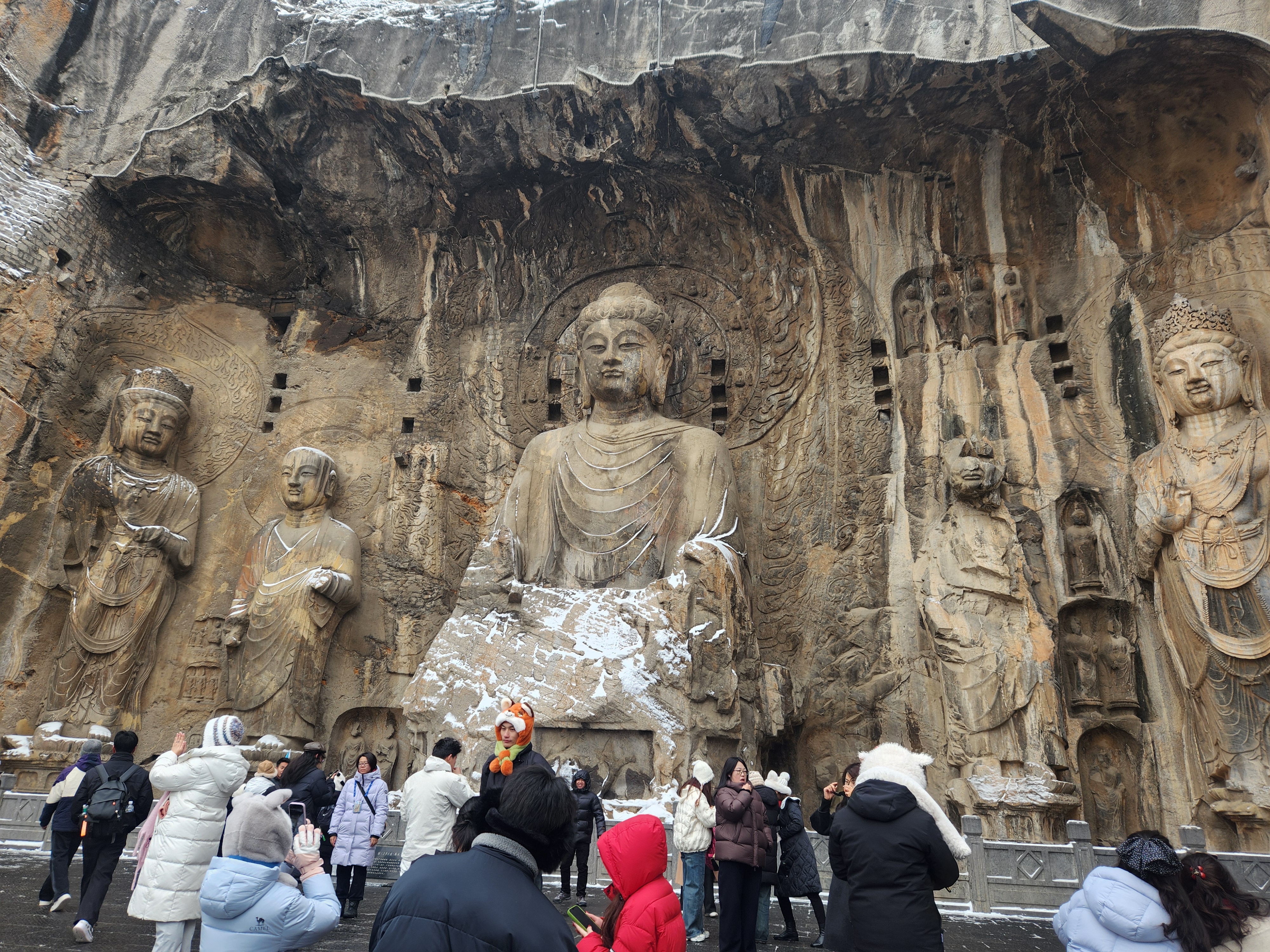
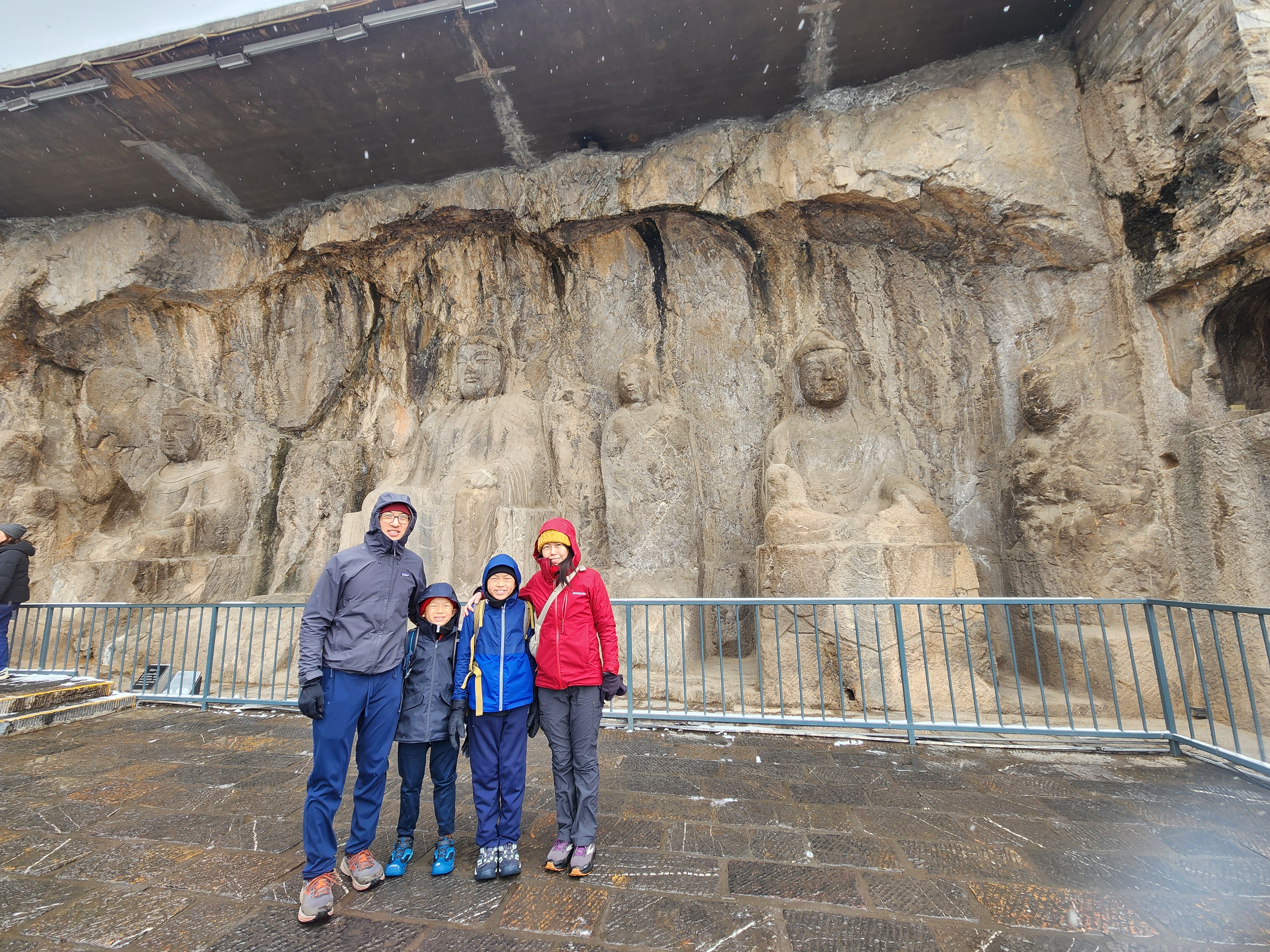
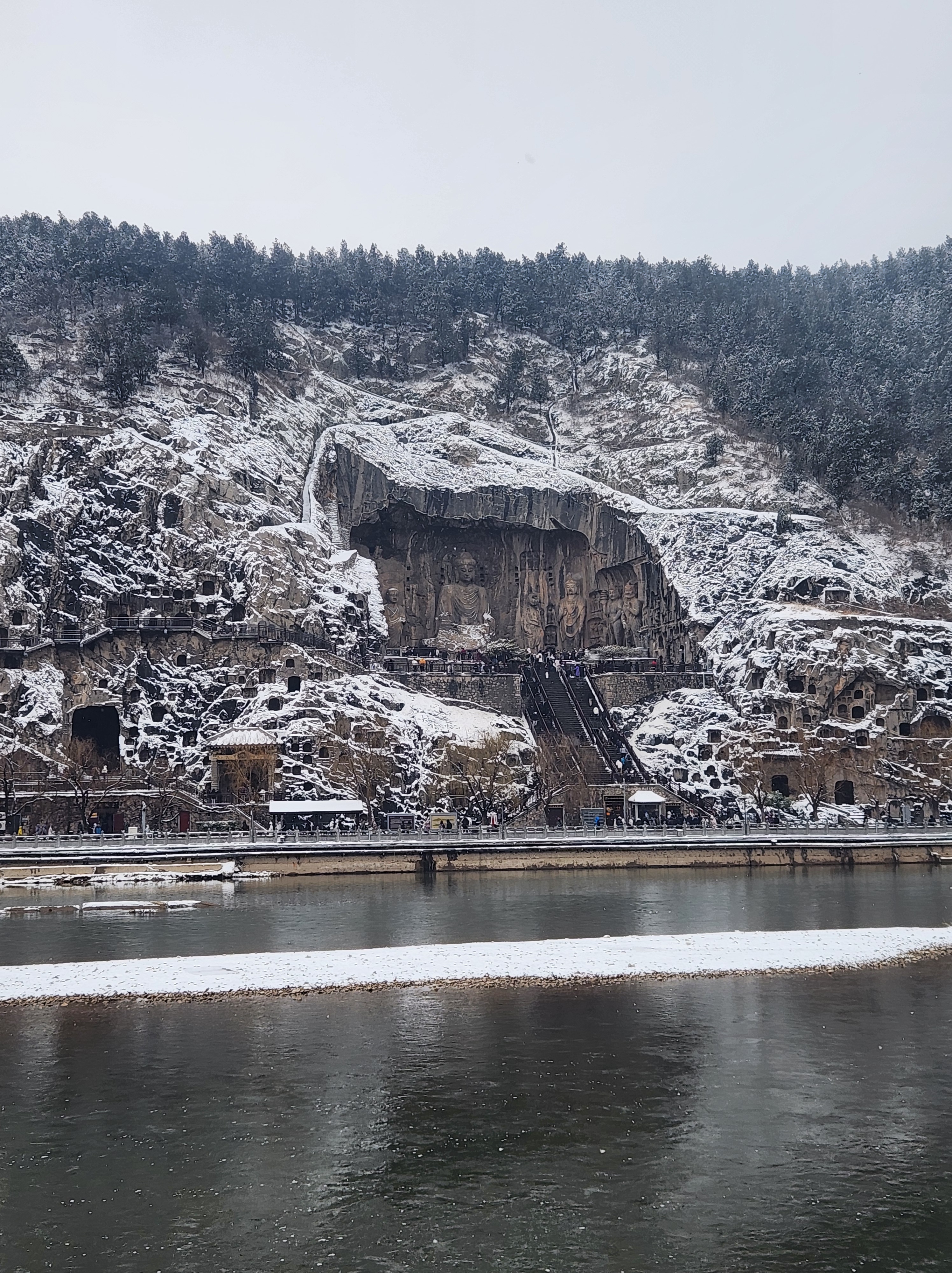
Luoyang. From Xian, we went on a day trip to Luoyang, one of China’s ancient capitals. The main attraction is the Longmen Grottoes, 龍門石窟, a set of Buddhist statues carved into the cliffs, many of which were completed during the Tang Dynasty. The site was about a 1.5 hour train ride from Xian.

Longmen Grottoes are absolutely worth a day trip. Each of the small caves you see in the photo below contains intricately carved Buddha statues…so incredible! A light dusting of snow that day blanketed the mountains, making the place even more beautiful.

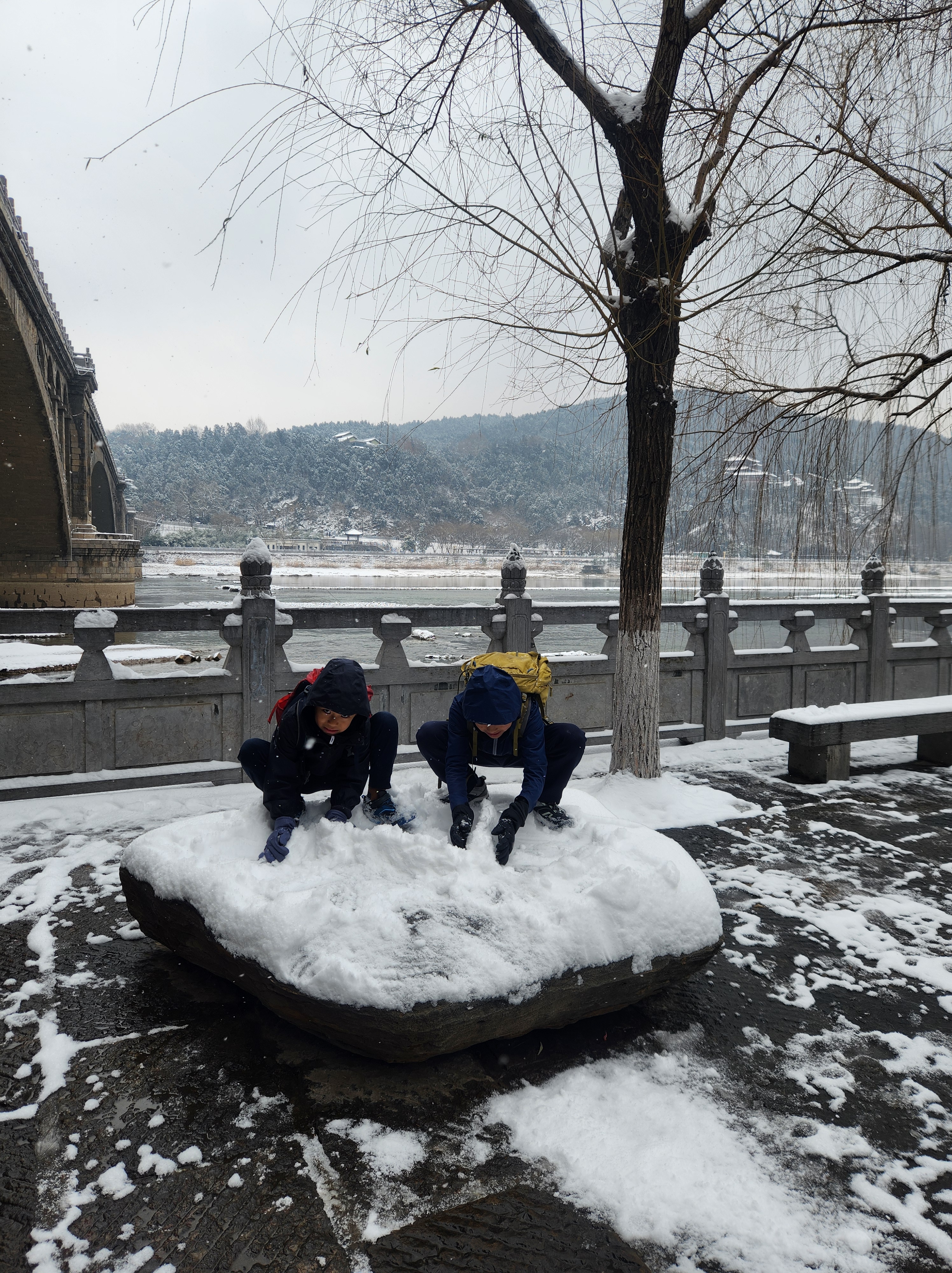
The main attraction at Longmen Grottoes is the Fengxian Temple, featuring a 57′ tall Buddha surrounded by smaller guardians and disciples on both sides. I remember climbing the long staircase with my head down, completely unprepared for the moment I looked up and found myself face to face with this amazing sight. The boys of course, were more amused by the snow. 😏

Our day trip to Luoyang was perfect, other than the fact our train back to Xian was delayed by over 2 hours because of the snow. 😣

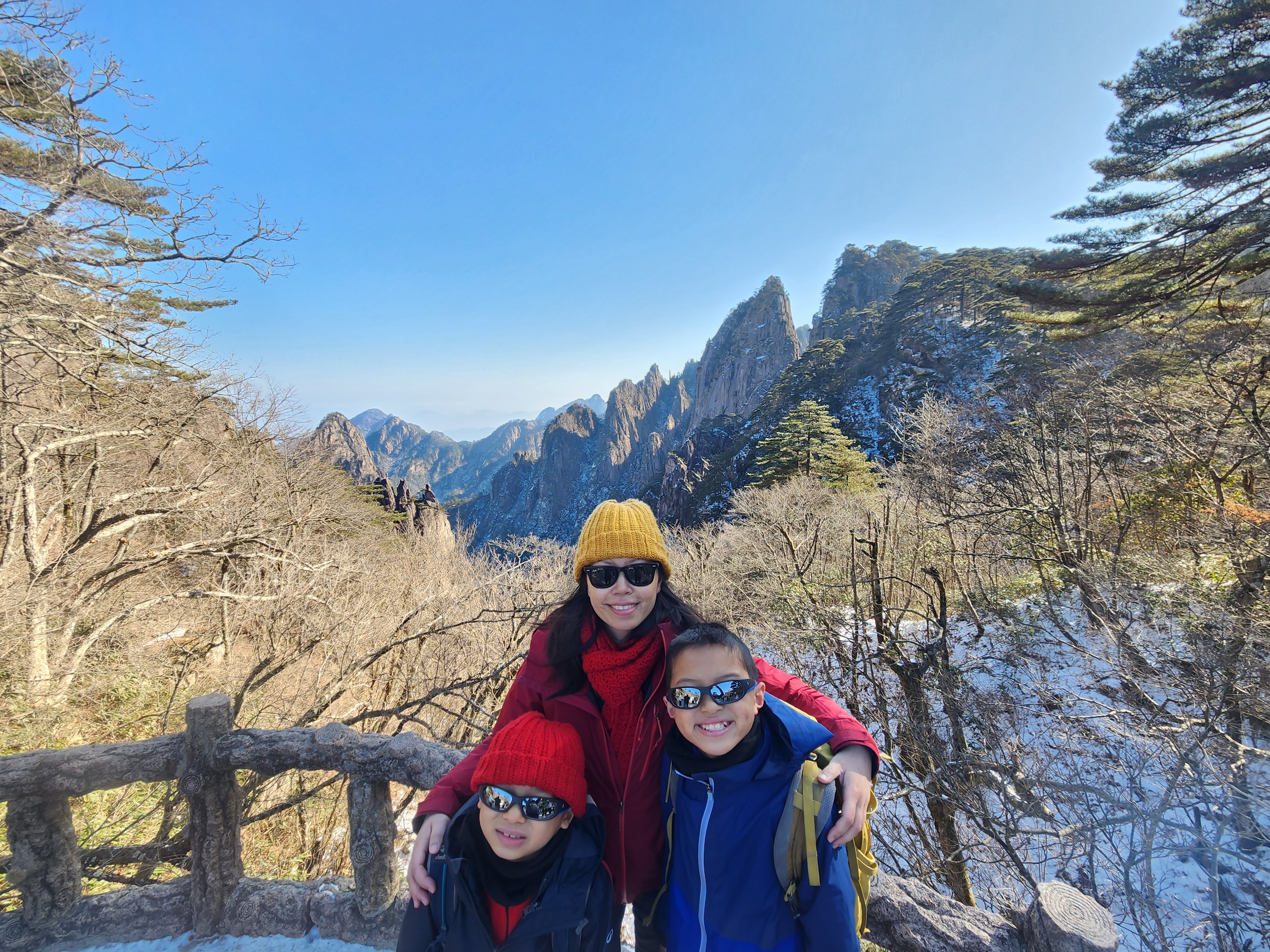
Huangshan. Even though I’m mostly a city girl, I like to incorporate some nature experiences on our trips. I originally wanted to go to Zhangjiajie National Park, but was afraid winter wouldn’t be a good time to go and it’s a bit out of the way. So, we decided to go to Huangshan National Park, though that wasn’t exactly easy to get to either. The high speed rail took 7 hours to get from Xian to Huangshan!

We stayed at Tangkou, a town at the base of Huangshan, for 2 nights. Friday morning, we took a shuttle bus from the town which took us to the cable car up the mountain. This was our first glimpse of what awaited us at Huangshan. Swarms of people ran around the steel barricades, racing to catch the buses – it honestly felt like Disneyland! We stood there stunned for a moment…then did what everyone else was doing and joined the flow. Do as the Romans do, right?

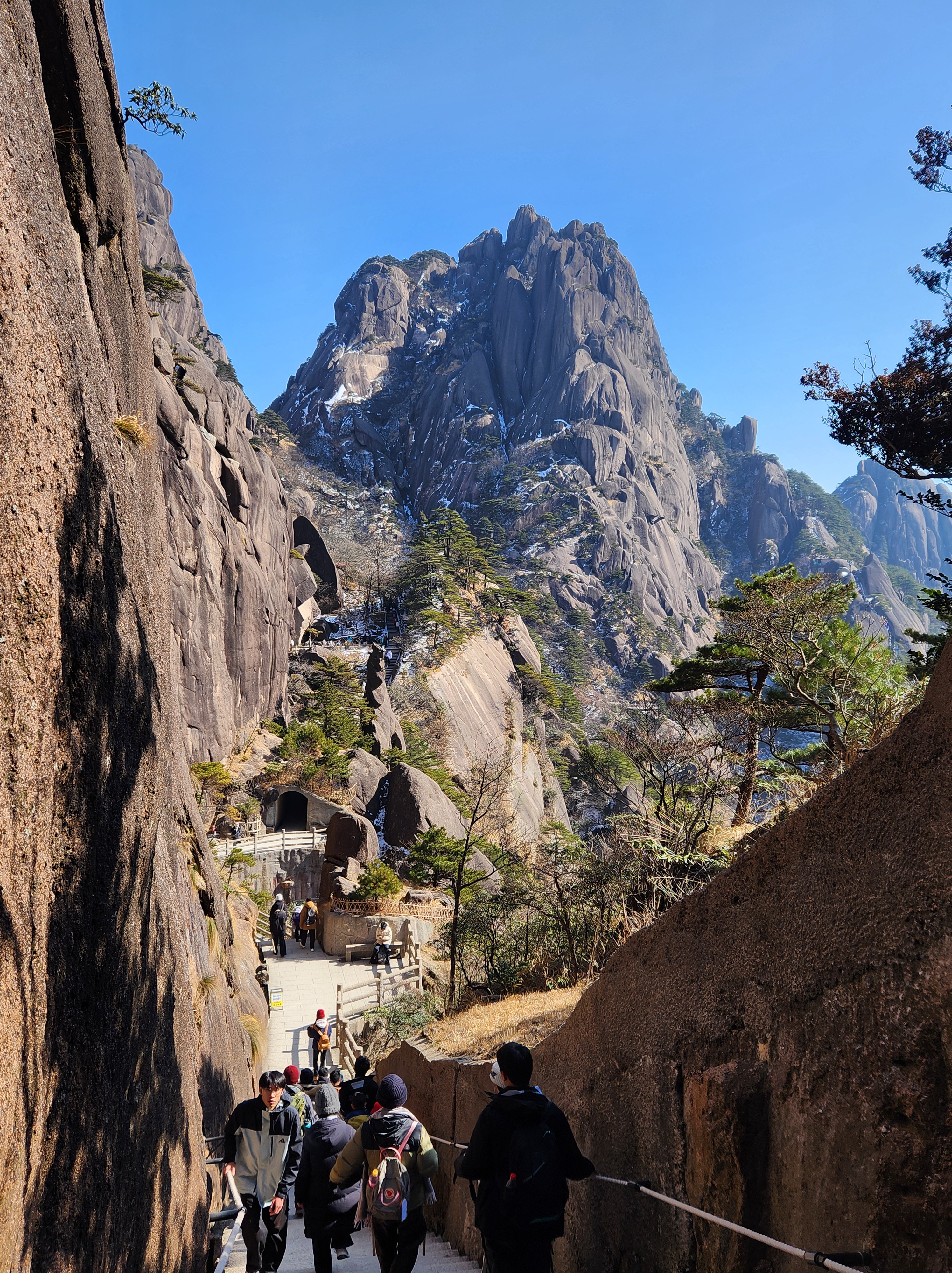
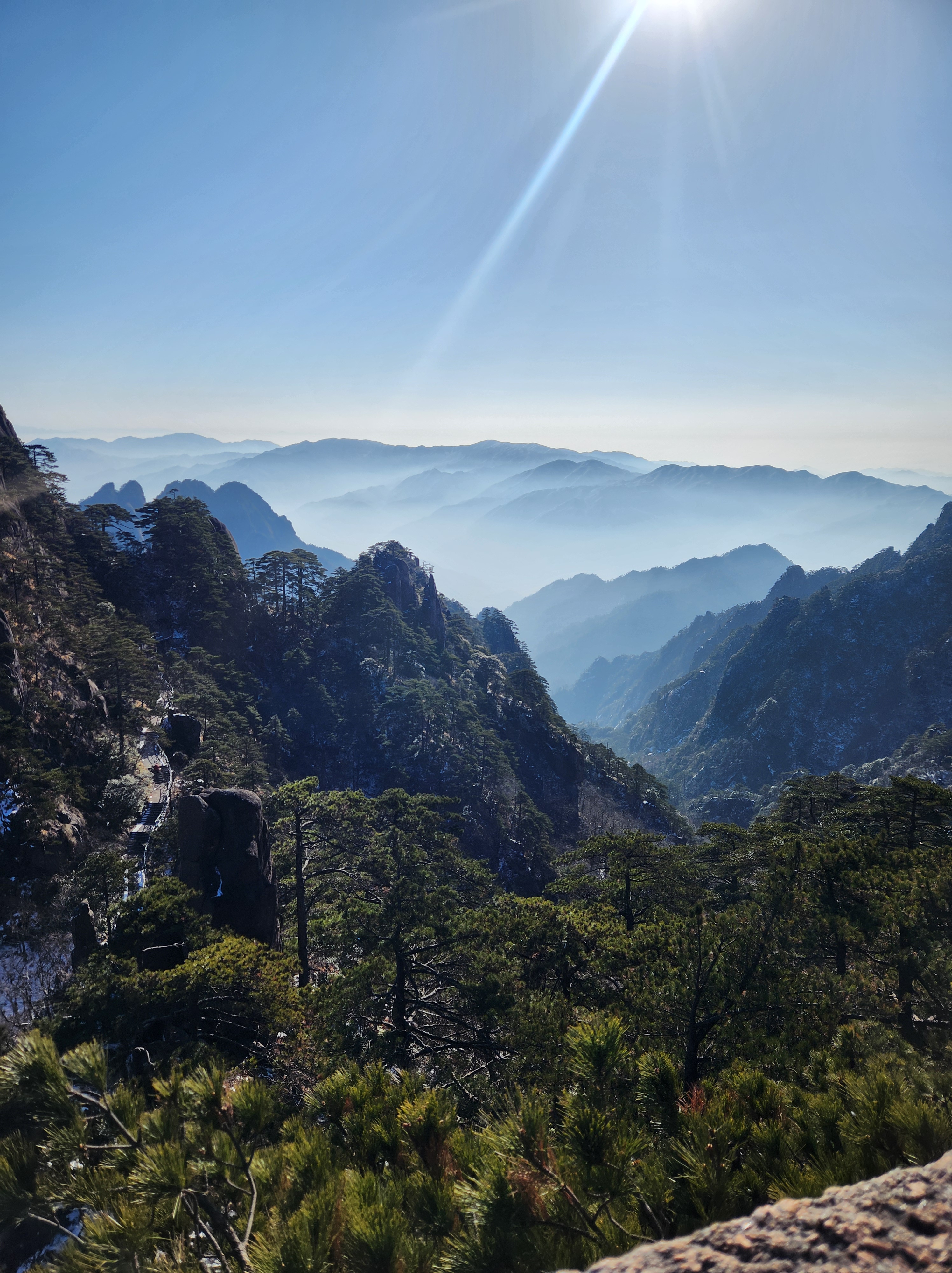
Huangshan is often known as the most beautiful mountain in China, and had inspired many of the famous ancient landscape paintings. We didn’t see the famous “sea of clouds” grazing the tops of the mountains as it was a clear day, but they were still extremely beautiful. The trails were all paved and fairly easy so hiking in Huangshan is suitable for anyone of decent fitness.

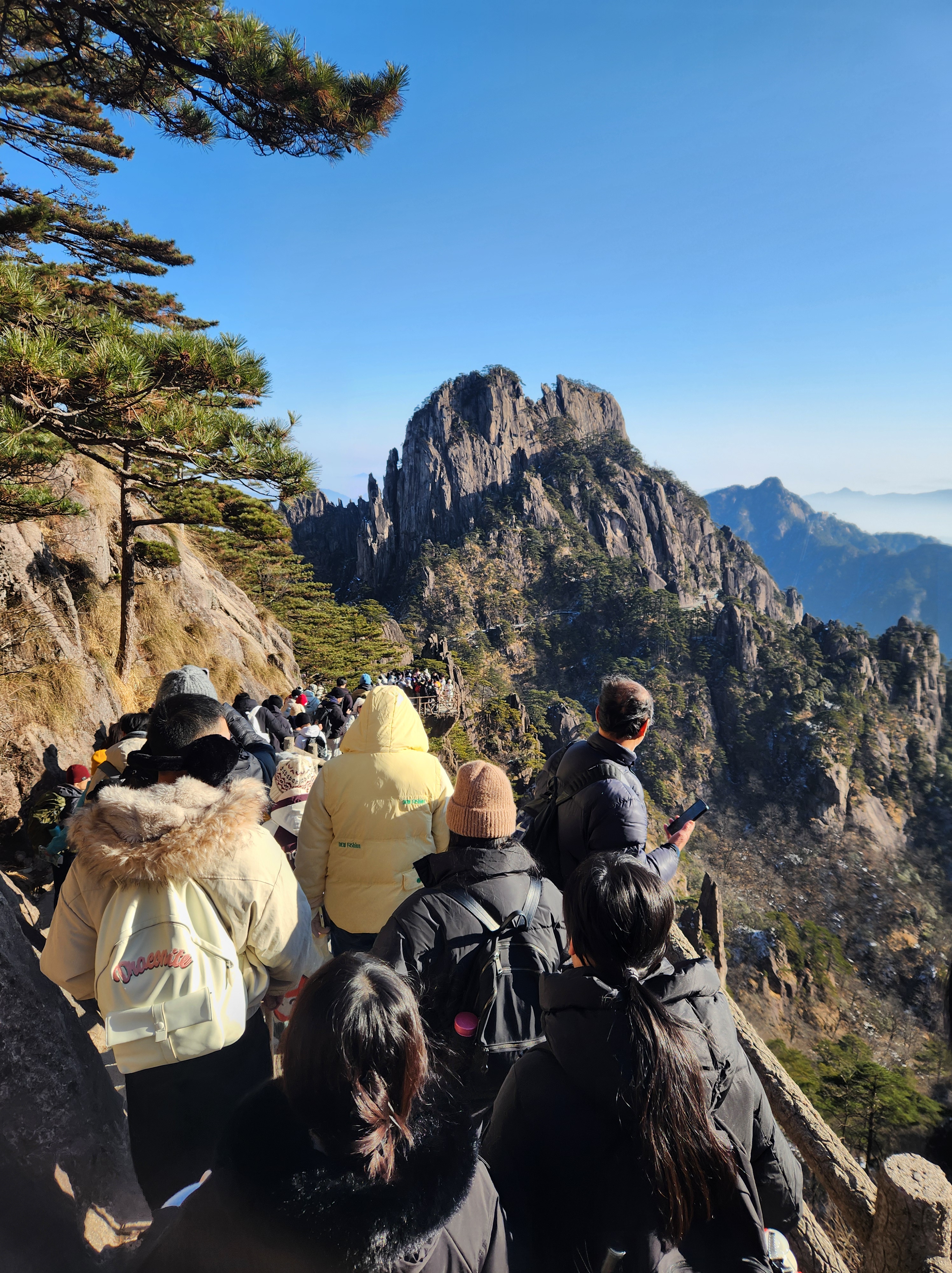
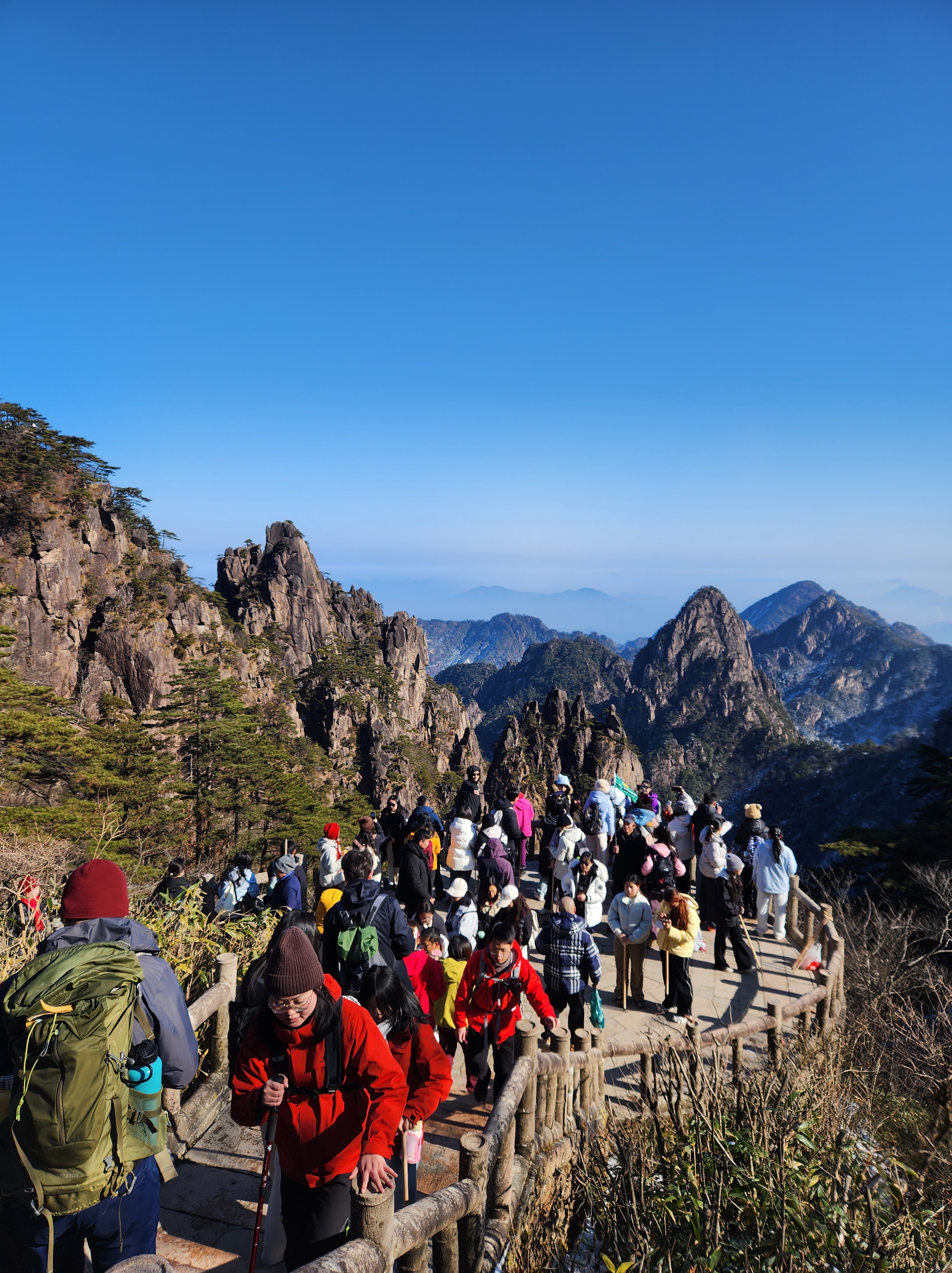
But oh, the crowds. If the chaos at the bus station was already overwhelming, stepping inside the park was like being swept into a human river. Baba and I had experienced Yosemite at its busiest, but even that felt tame compared to this. We were bumping into people at every viewpoint and on every trail. There were lines of people waiting to get up to a viewpoint or to take a picture. It was hard to get a picture without someone in the way, and I was disappointed I couldn’t take as many photos as I’d hoped. The constant jostling really took away from the quiet, peaceful experience of being in nature.

Shanghai. We were honestly happy to leave Huangshan and head to Shanghai. We took the high speed rail for 2.5 hours, and stayed in Shanghai for 4 nights.

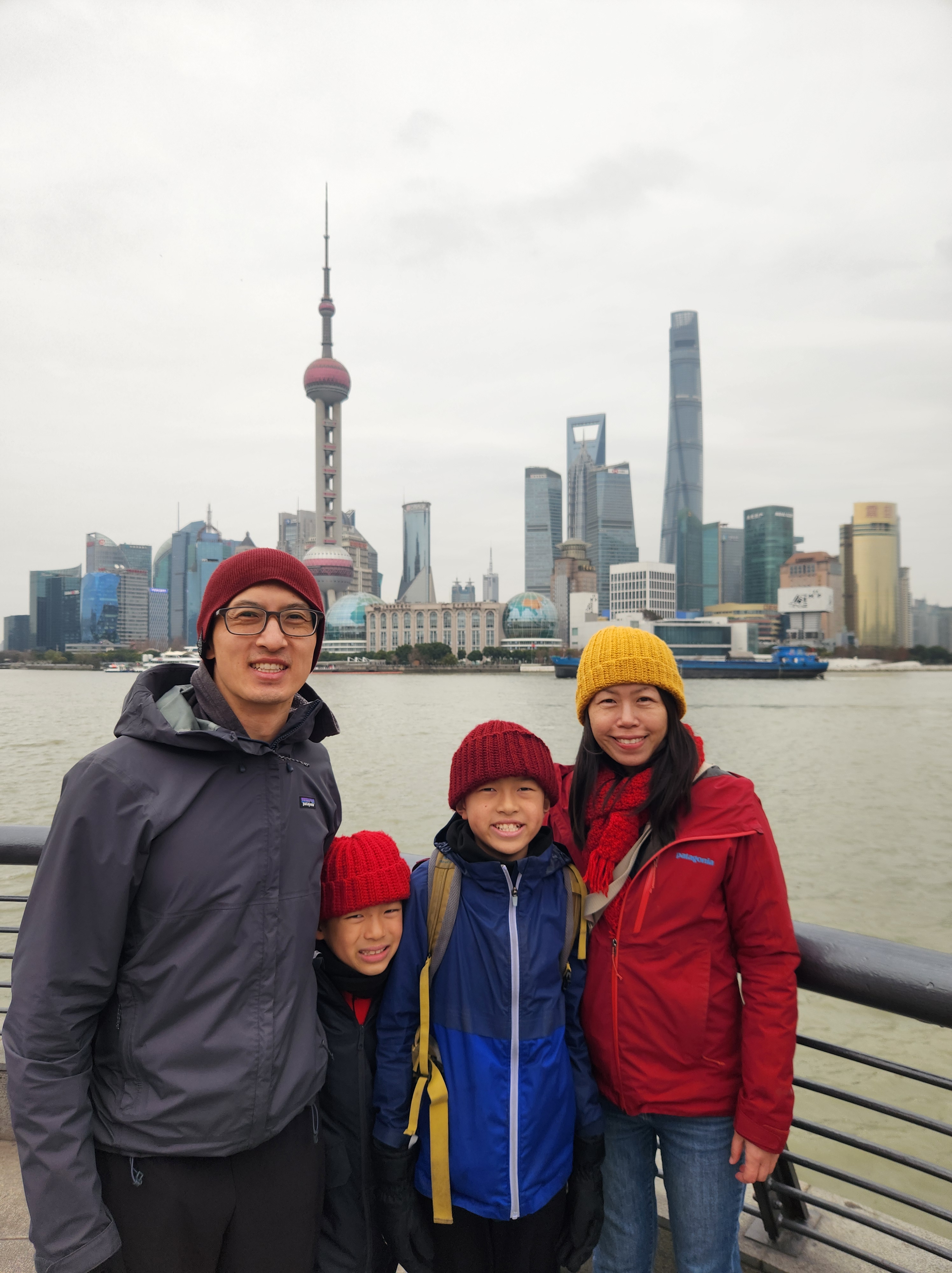
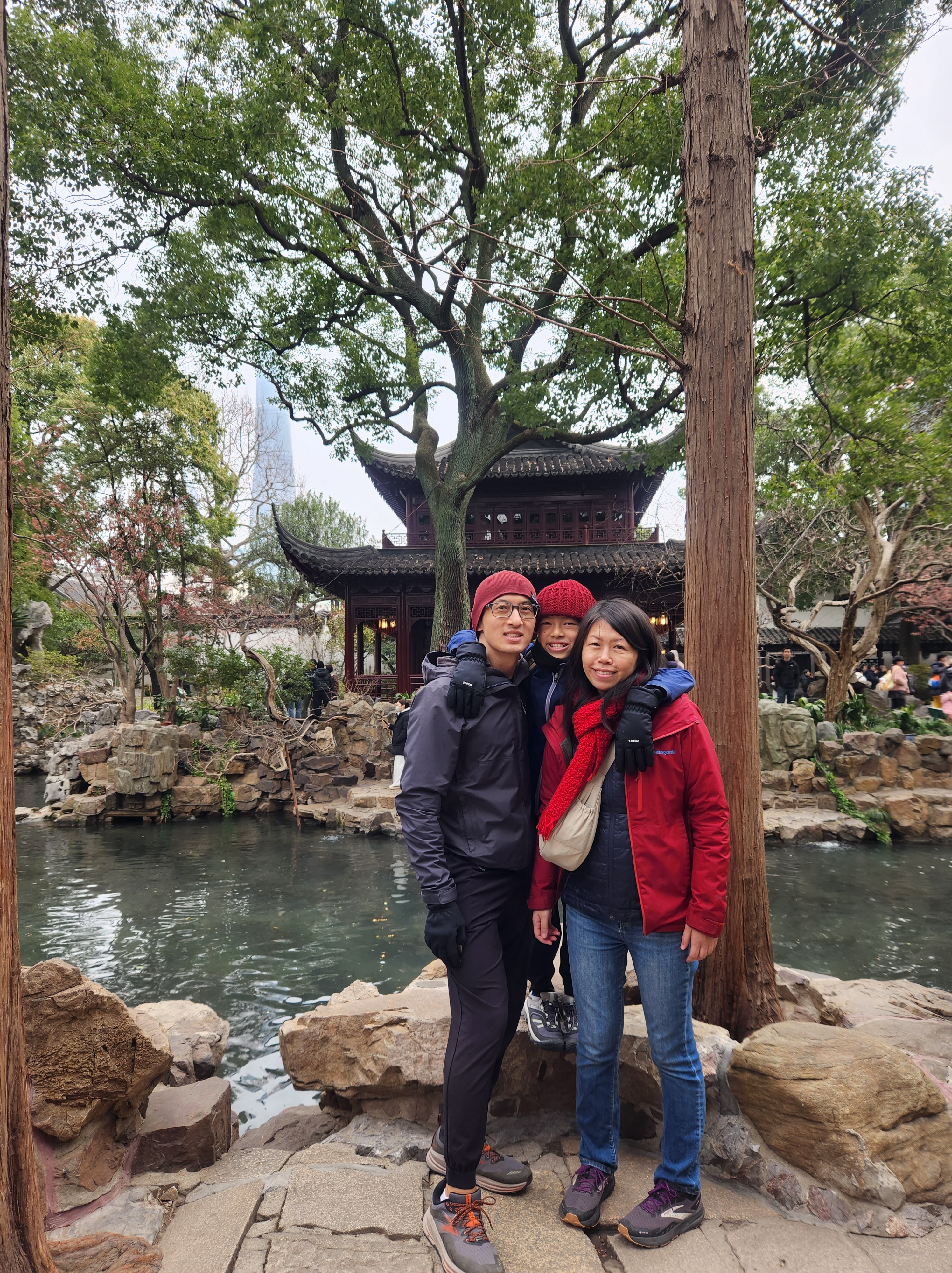
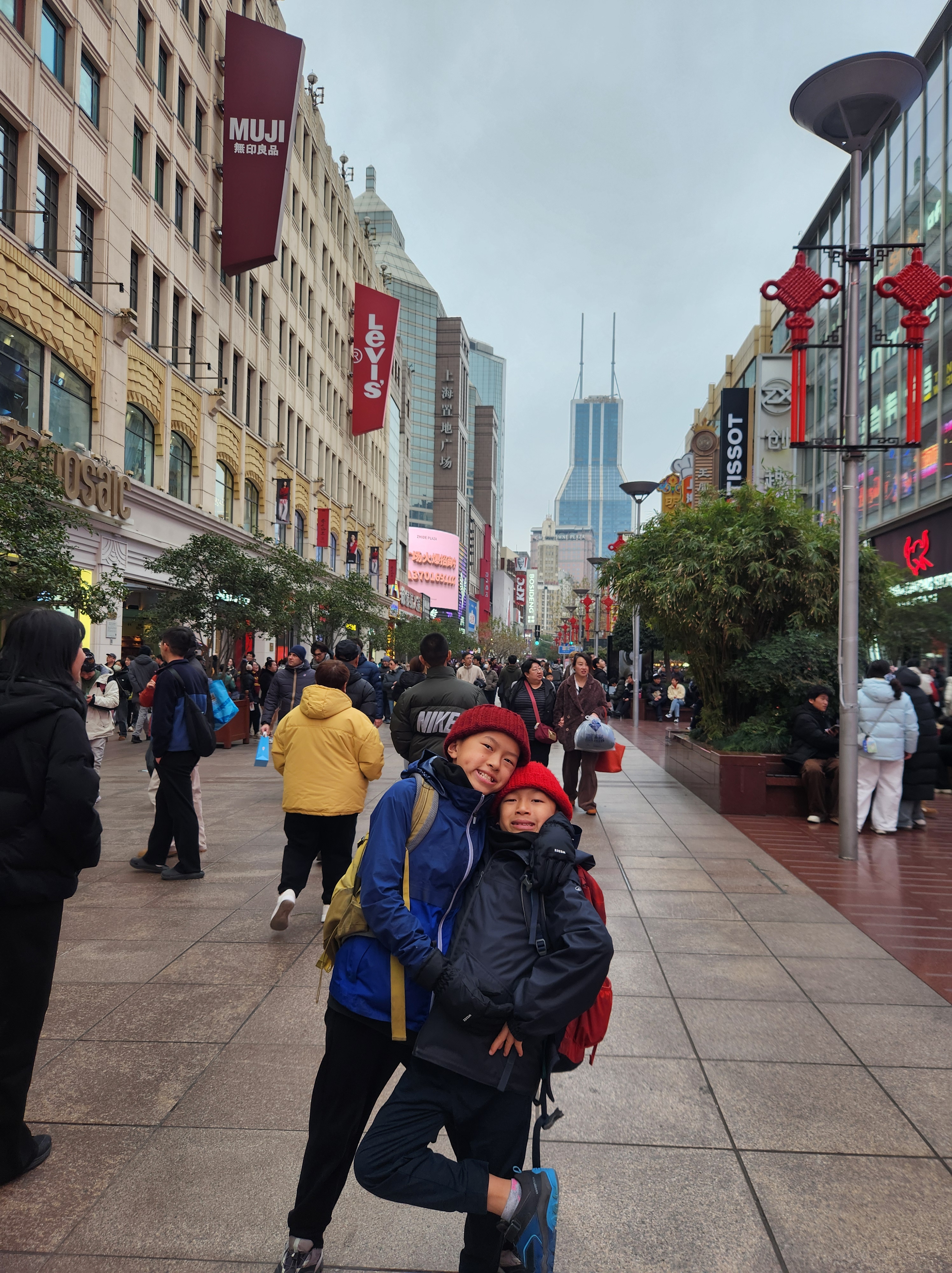
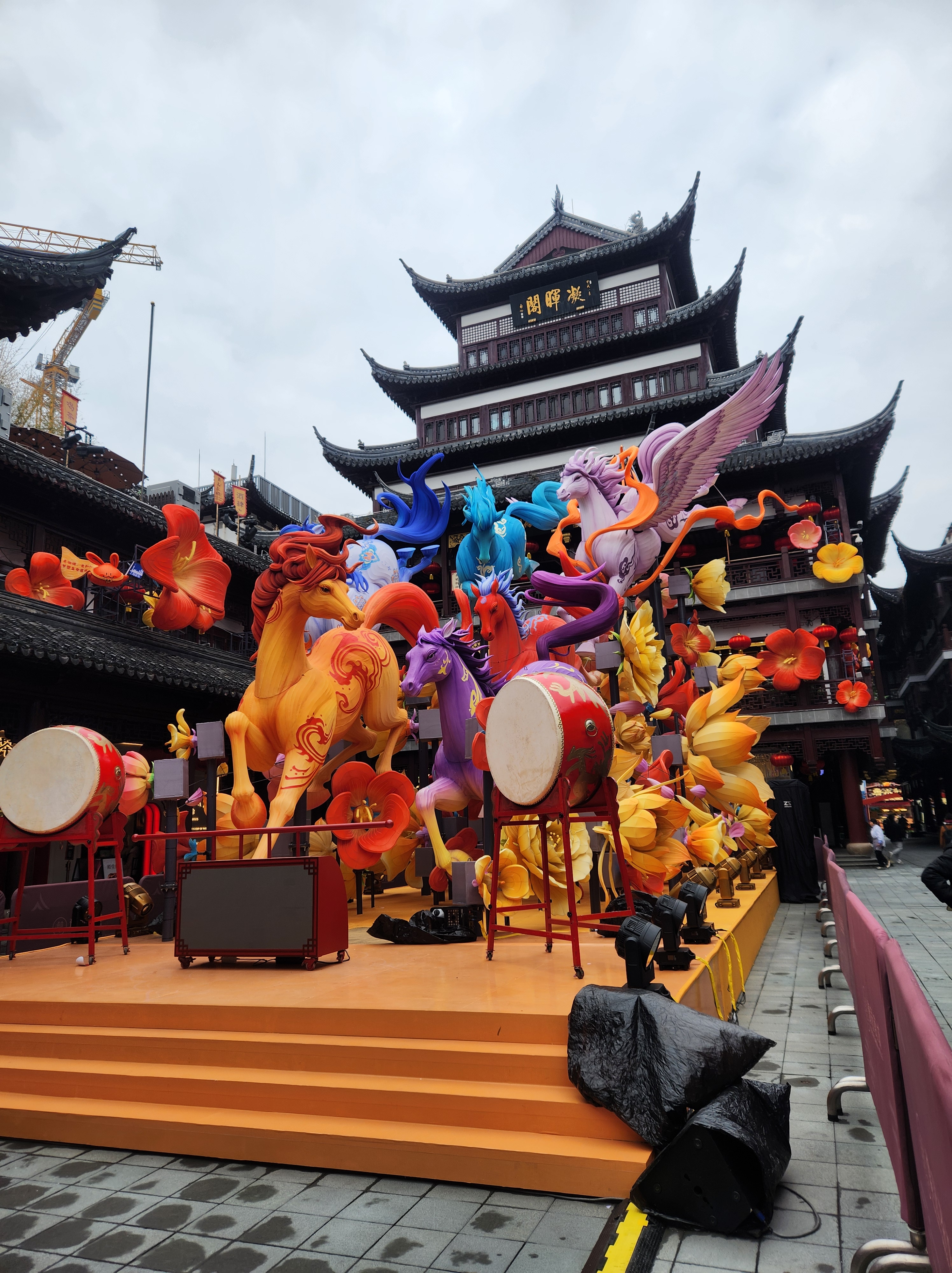
In terms of attractions and famous landmarks, Shanghai doesn’t compare to other cities in China. However, I also liked Shanghai the most. I loved its stylish, modern vibes, great food, and controlled chaos. Shanghai is a mega city with 30 million residents but it never felt like it. We hit up all the tourist spots: the Bund, Yu Garden, and Nanjing Road.

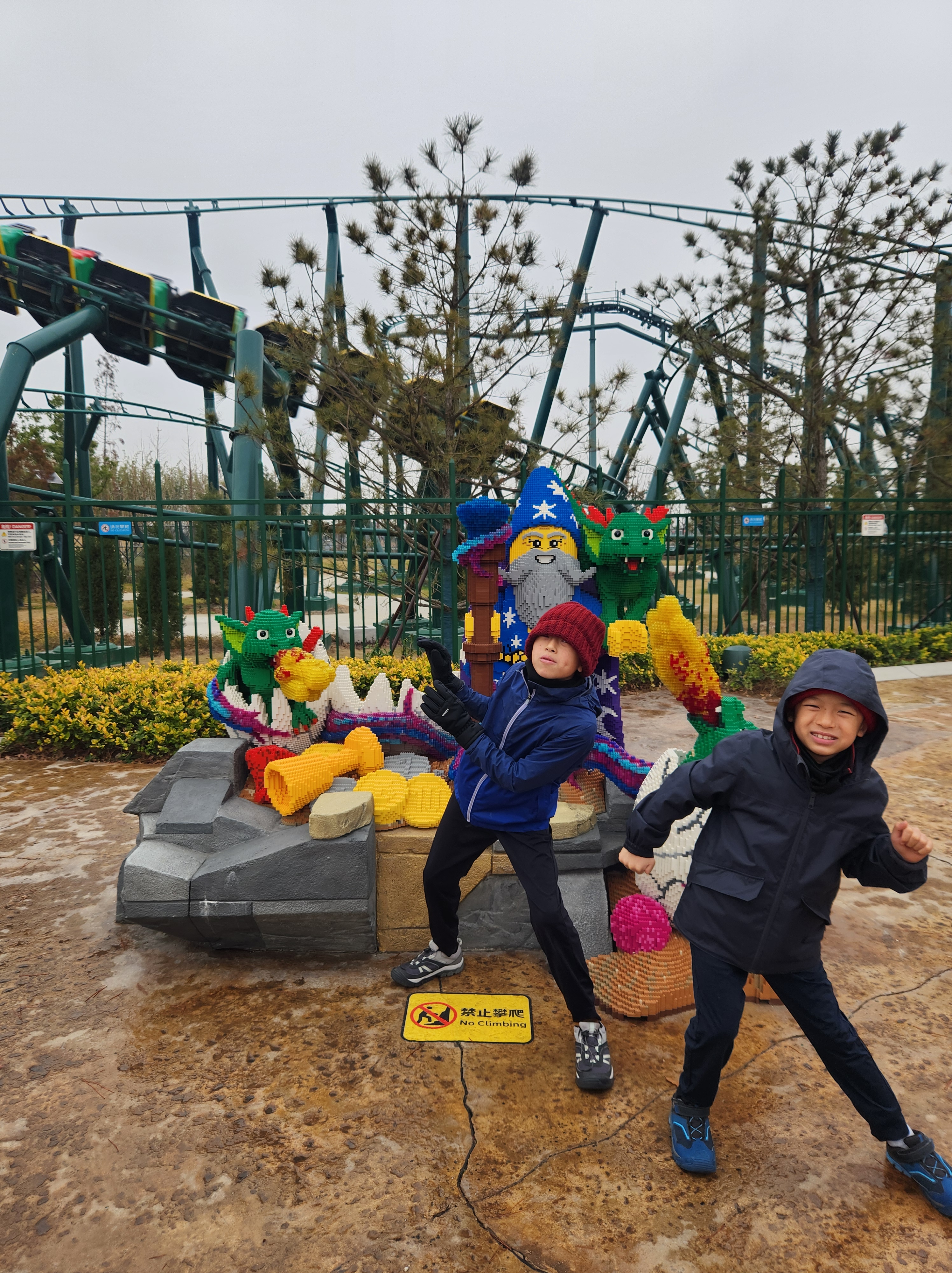
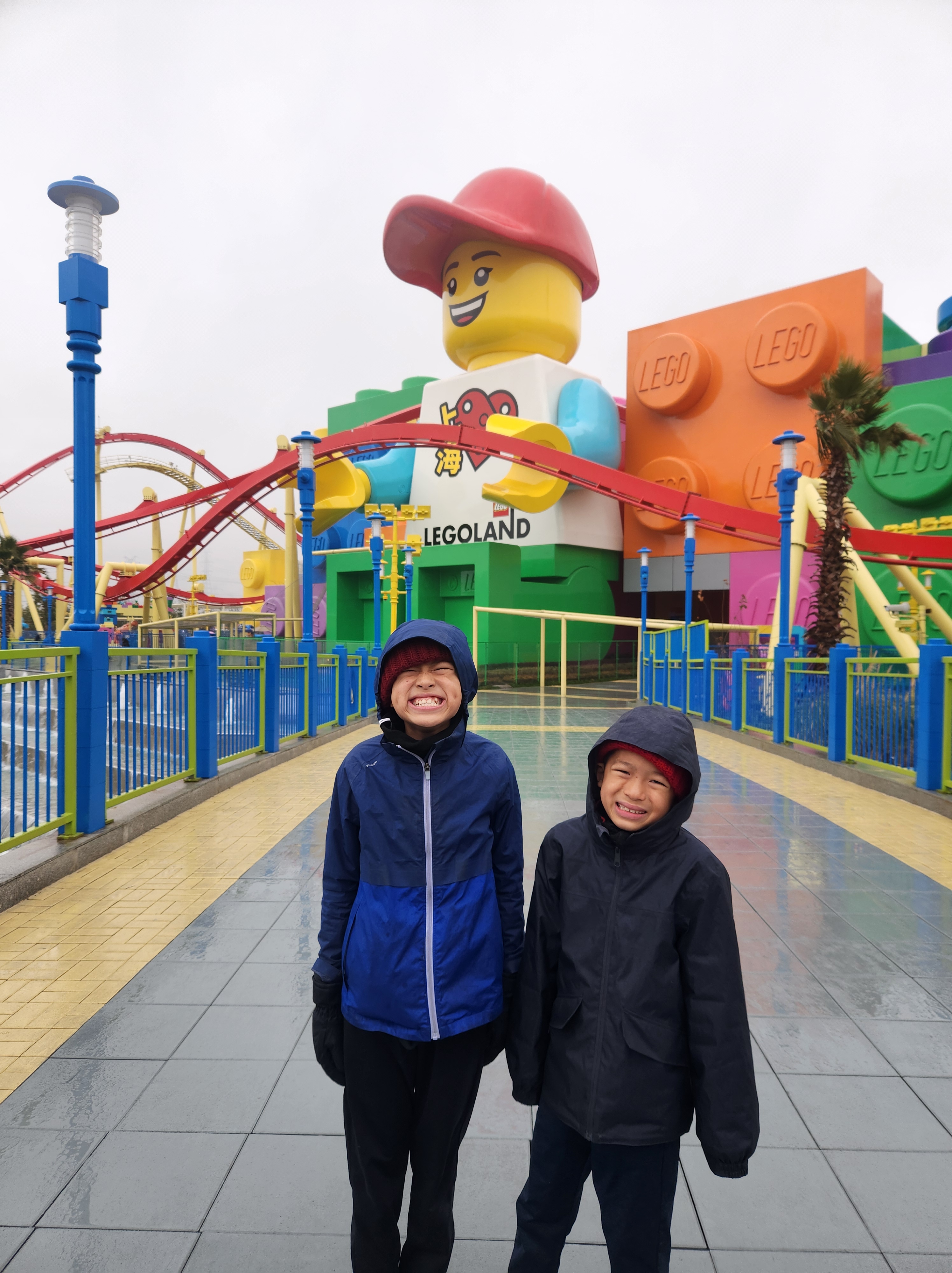
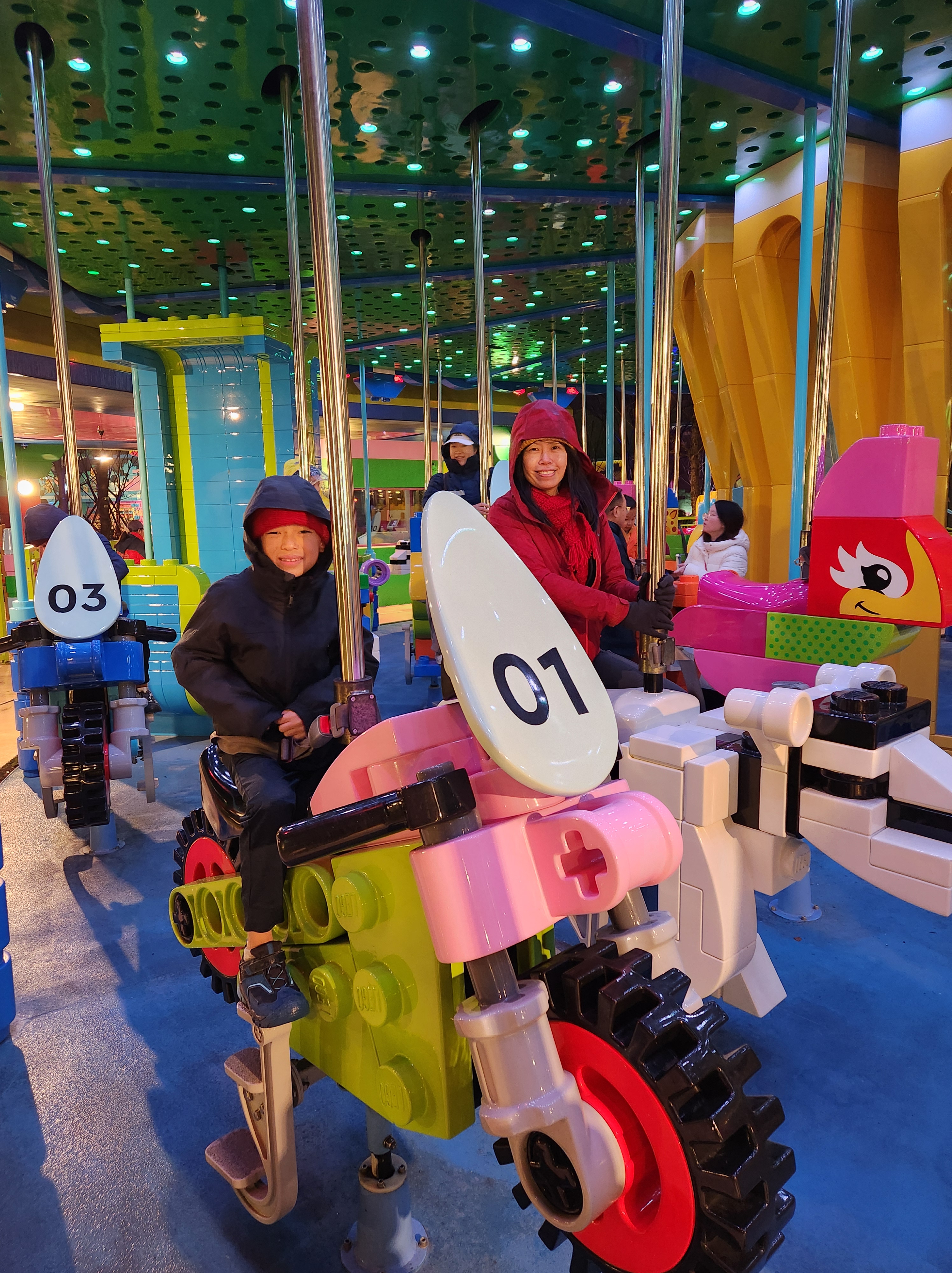
We also visited Shanghai’s newly opened Legoland, since our last attempt in Japan was a failure. 😅 It’s currently the biggest Legoland in the world, but it felt manageable and none of the lines were ever too long (though we also went on a rainy weekday). I’m glad we brought the kids to Legoland at least once, because I think C might outgrow it in about a year. The park seems most appropriate for younger kids.

My friends from business school live in Shanghai, so we took this opportunity to meet up! Traveling to a foreign place is so much more fun when you have local friends taking you around. I originally wanted to do a day trip to Suzhou, but my friends offered to drive us to Wuzhen, a small water town about 1.5 hours outside of Shanghai.

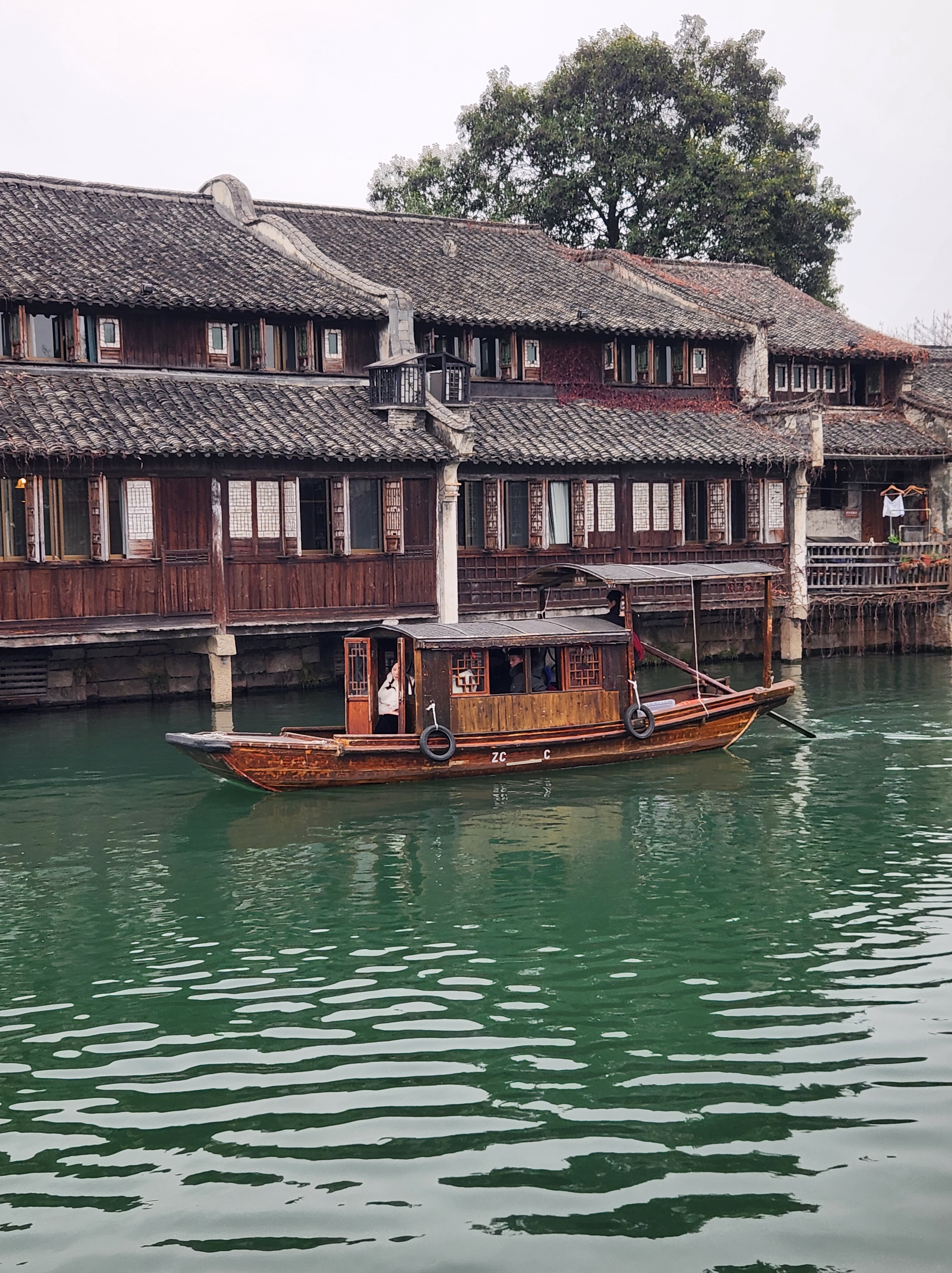
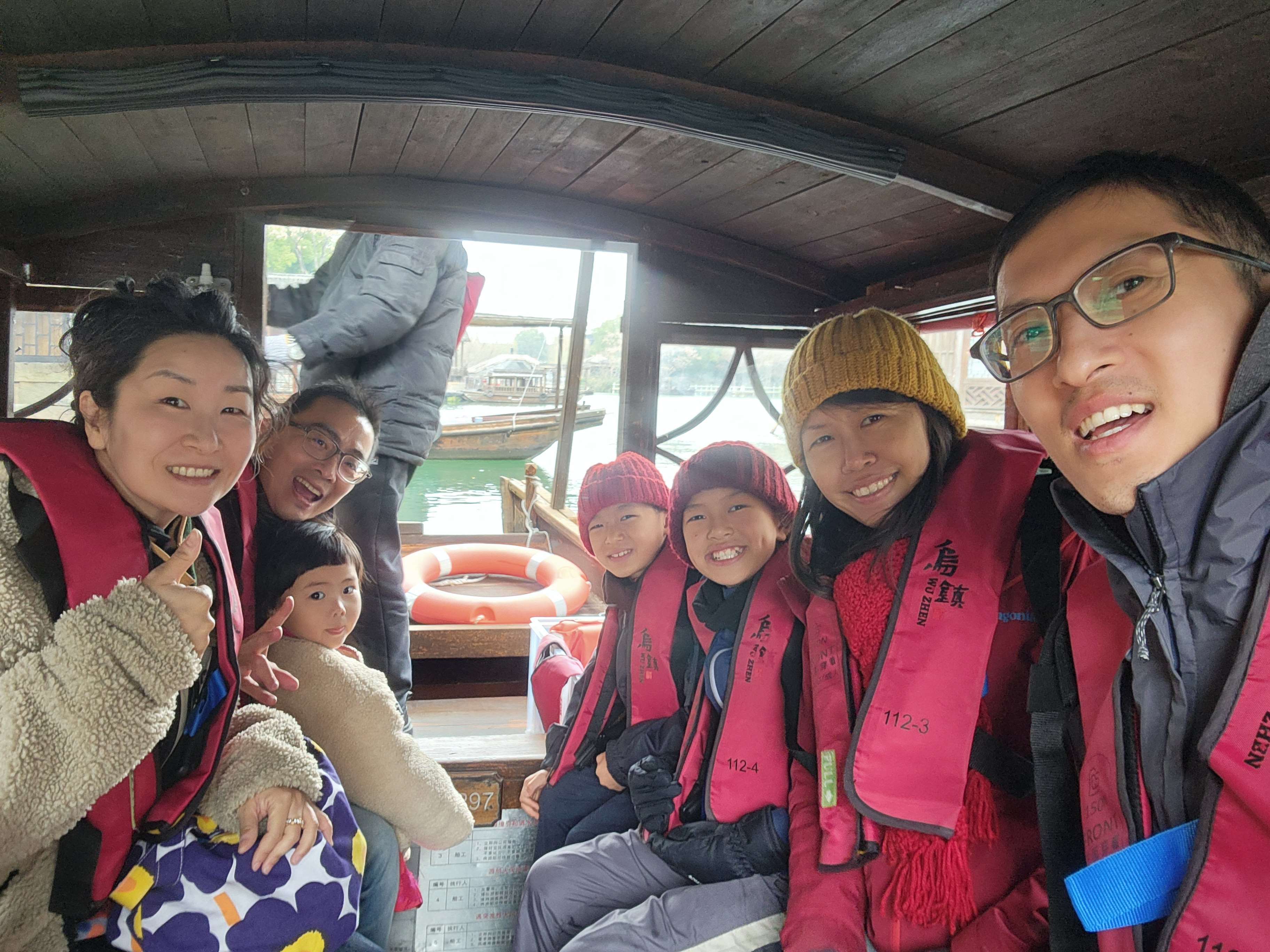
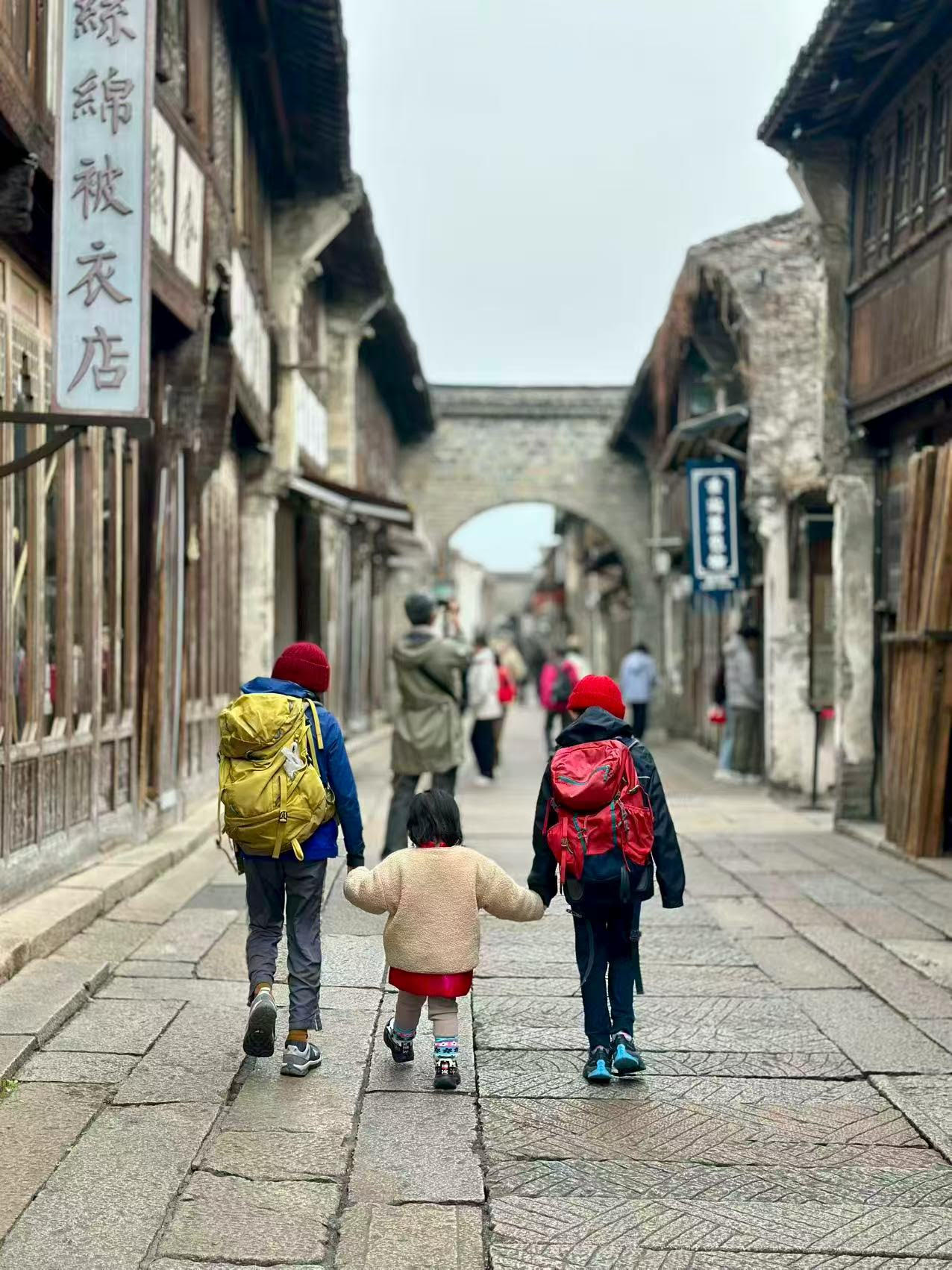
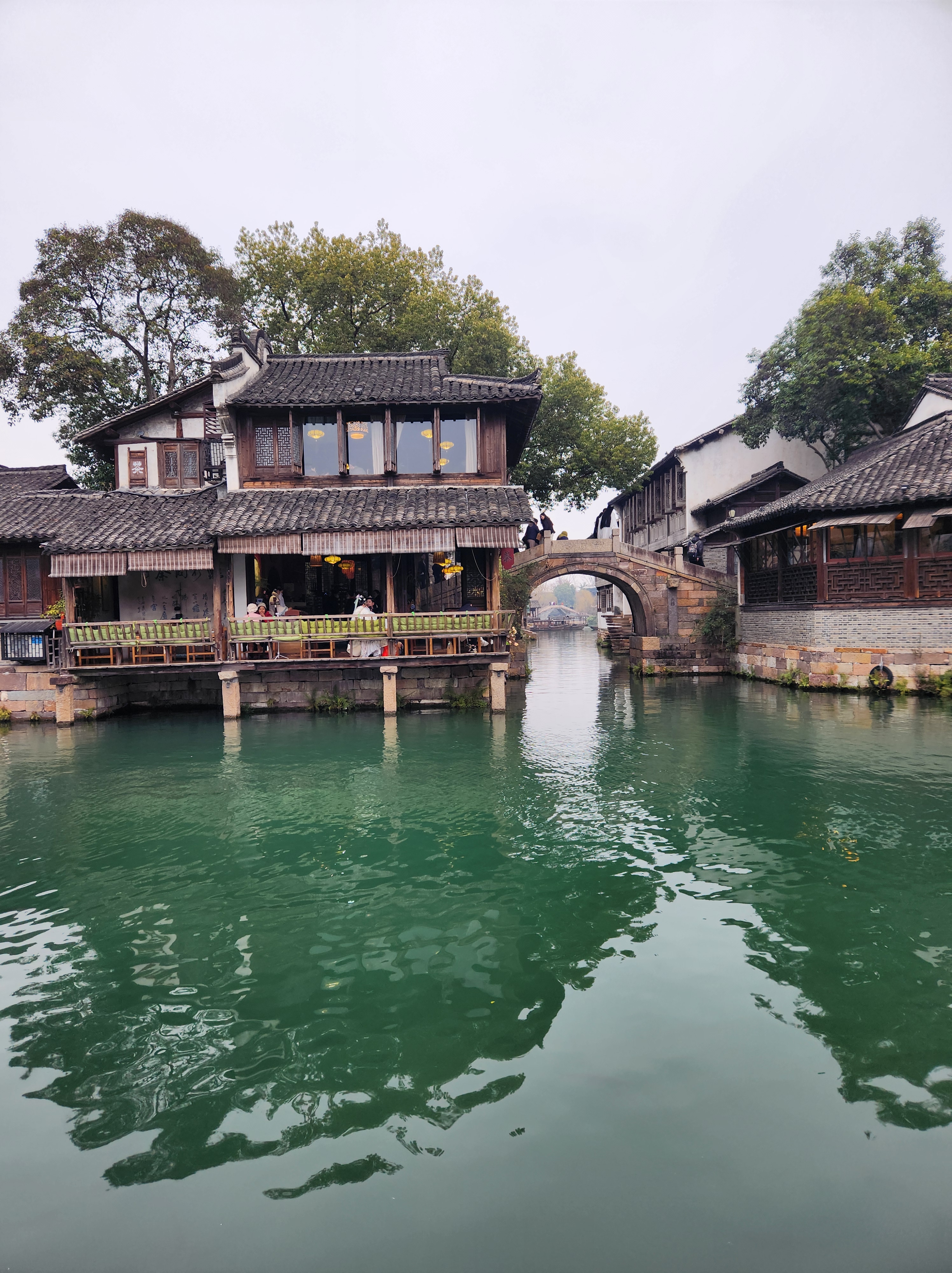
Wuzhen was a lovely little town. It’s like the Venice of the east, with waterfront houses and stone bridges built over quiet canals. We all took a ride in one of the old wooden boats. My friends also brought along their 2 year old daughter, whom my boys absolutely adored. 💓 Wuzhen, though well developed for tourism, still felt wonderfully quiet and unhurried. I’m so grateful our friends introduced us to this hidden gem! It’s the kind of place we probably wouldn’t have discovered on our own.

This pretty much wraps up our 3 week trip in China. It wasn’t exactly a relaxing trip – we were challenged, overwhelmed but also amazed. Would we return? Absolutely! For all its imperfections, China has too many iconic destinations, too much good food, and far too much depth of culture for us not to keep exploring.

Tips for visiting China:

  • China has their own set of apps for everyday activities. It’s recommended to download and set up these apps before entering China.
    • WeChat: Probably the most important app to download. It’s used for payment, messaging, and has a built-in Didi app, which is used for ride hailing.
    • Alipay: Another payment app. It’s good to have both WeChat and Alipay in case one doesn’t work (which happened to us more than once). You can link your credit card in both WeChat and Alipay.
    • Didi: A ride hailing app like Uber, but if you already have WeChat, there’s no need to download the separate Didi app.
    • Amap: Similar to Google maps, but not as accurate. We got lost many times using this app. Baidu is another navigation app, but it’s entirely in Chinese.
    • Dianping: Chinese people use this app to find and book restaurants. I downloaded it, but found it confusing to use. Instead, we mainly looked on social media for restaurant recommendations.
  • The language barrier is real. Almost no English is spoken in China. Even staff at the hotels we stayed at did not speak English, nor did the staff at popular tourist attractions. Luckily, since we’ve been living in Taiwan for awhile, we could get by with our mediocre Chinese. But I can see it being really frustrating for other travelers. So if your Chinese is not up to par, use a translator app!
  • Bring your passports with you everywhere. Not only does it serve as your ID, your passport is also your ticket to many attractions. For instance, when you book tickets for Forbidden City, it’ll link your ticket to your passport number. When you enter the site, they’ll only need to scan your passport. There are no separate tickets.
  • Some tickets (such as Temple of Heaven and Summer Palace) were difficult to book as they require downloading a “mini-app” in WeChat, then inputting a Chinese phone number, which we didn’t have. I ended up booking some tickets through Klook or GetYourGuide and paid a little extra to have someone else book for us.
  • Bring your own toilet paper when going out! Squat toilets are still the norm. You’ll find some Western toilets in modern shopping areas and hotels, but majority of toilets are squat style. Thankfully, most of them are clean, but toilet paper is usually not provided.
  • Be prepared for crowds and chaos. I used to think Taipei, a city with 2.5 million people, was huge. But crowds take on a whole new meaning in China. 😆 You will likely get nudged, pushed or someone may cut you in line. I would get annoyed, but later understood that it’s nothing personal – it’s just part of having to live with 1.4 billion other people.

Ramblings

China: Part 1

China. Where do I even begin? It’s a place I’ve always wanted to visit with the boys (especially given our proximity to it), but it’s a strange dichotomy. On one hand, the sights, landscapes and history are amazing. There’s no place in the world quite like it. But on the other, the culture, crowds and massiveness of the country can be shocking.

Beijing. Our first stop was Beijing, where we stayed for 6 nights. We knew it was going to be cold in January, but you can’t get a sense of how cold until you feel it. And boy, it was brutal. Temperatures were in high 20s to low 30s, plus wind chill. Coming from Taiwan, we didn’t have a lot of cold-weather clothing so we tried to layer up, but I still felt freezing all the time. It’s no fun putting on 10 layers every time we had to go out either.

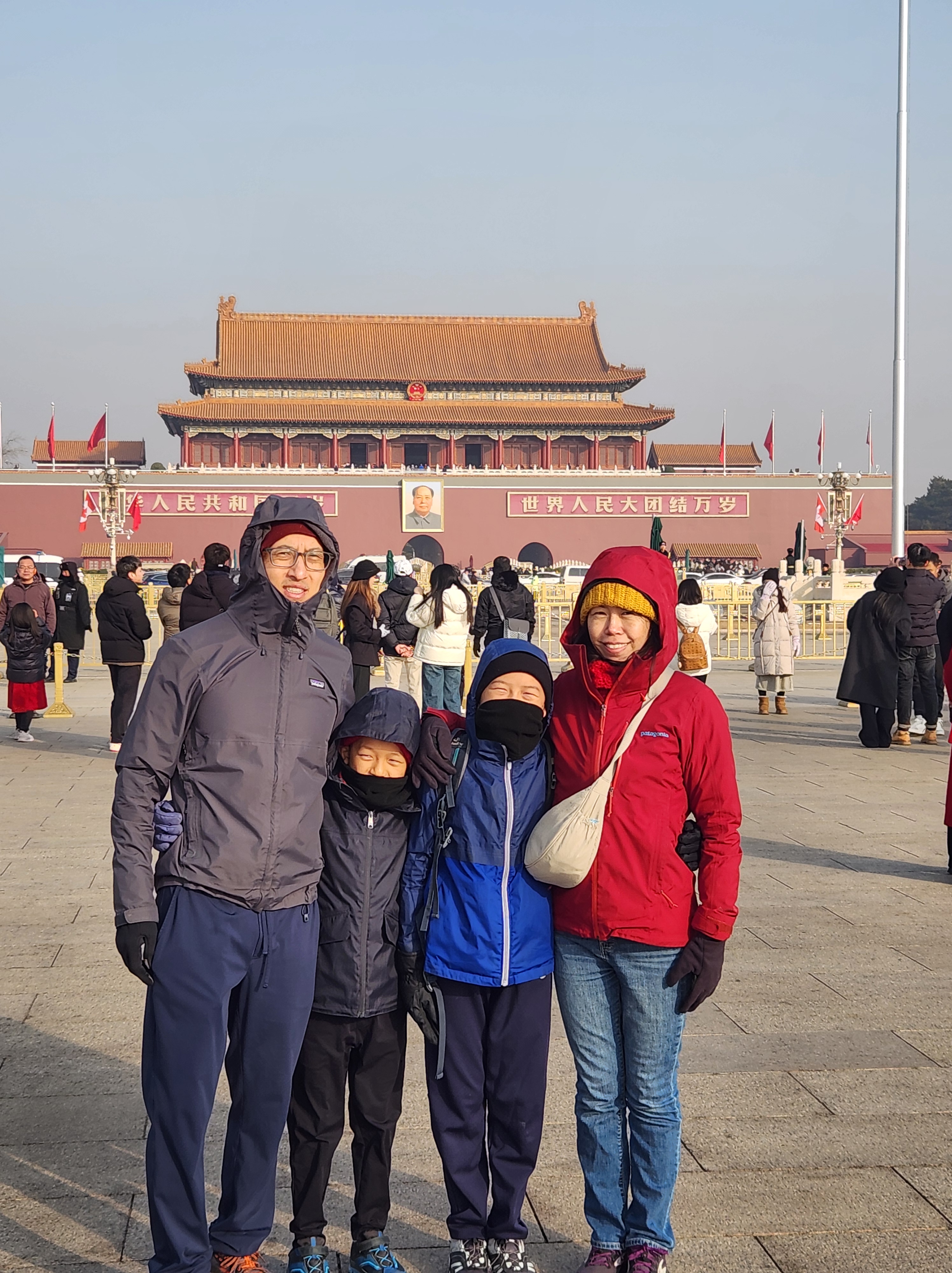
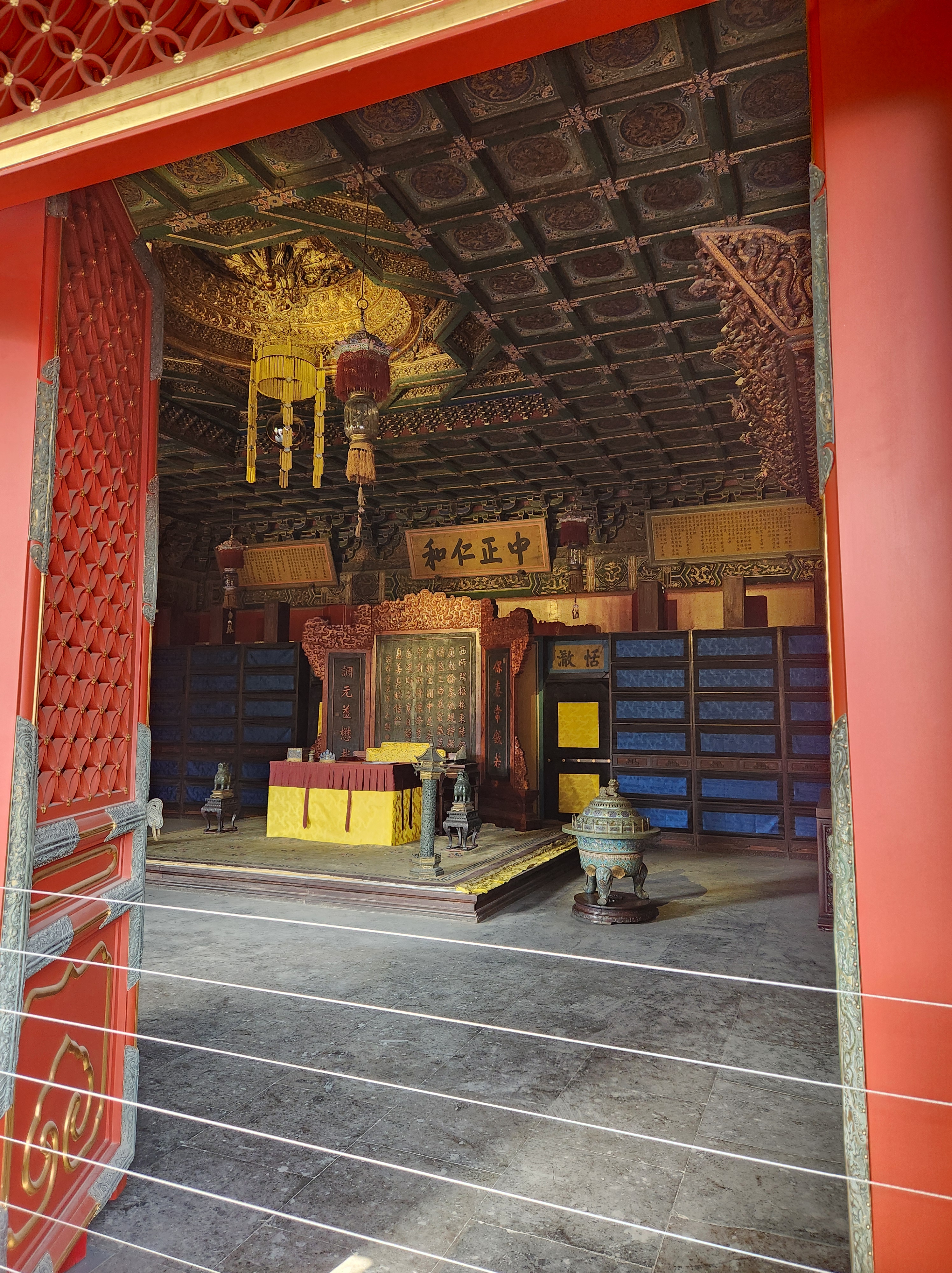
We visited all the major sites in the Beijing area: Summer Palace, Temple of Heaven, Forbidden City, Tiananmen Square and of course the Great Wall. I won’t go into too many details of each place or else this post will never end, but here are some highlights.

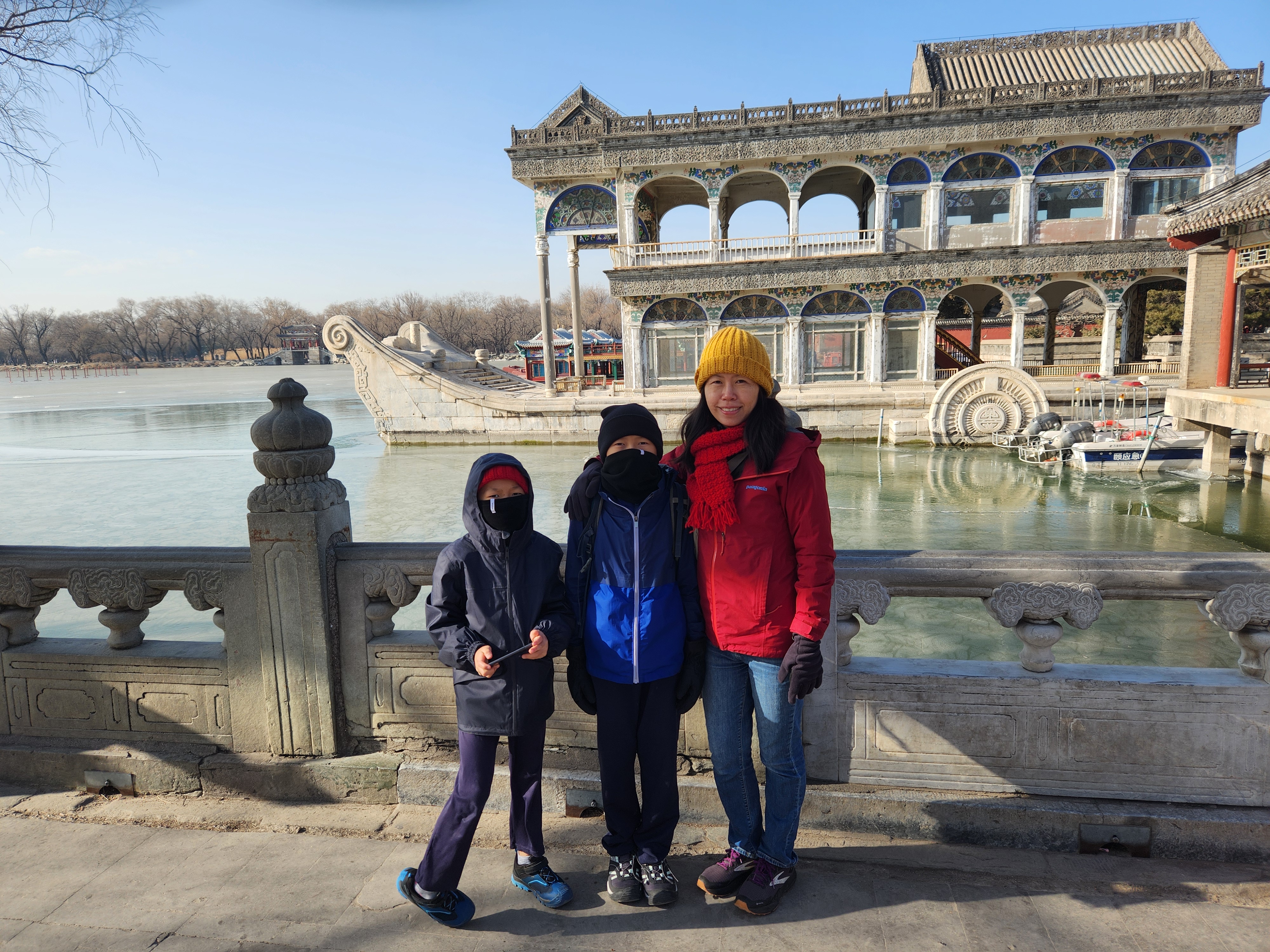
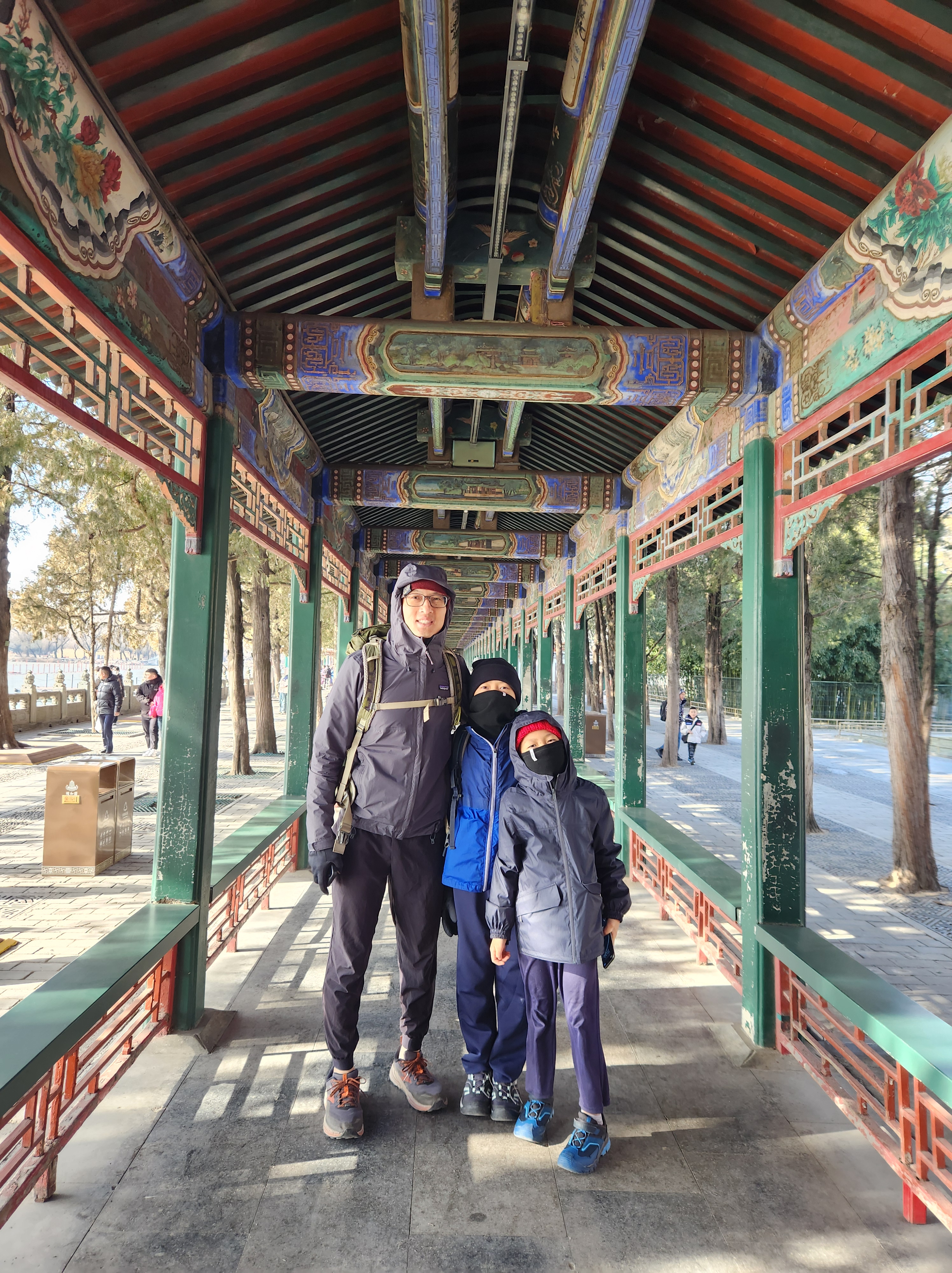
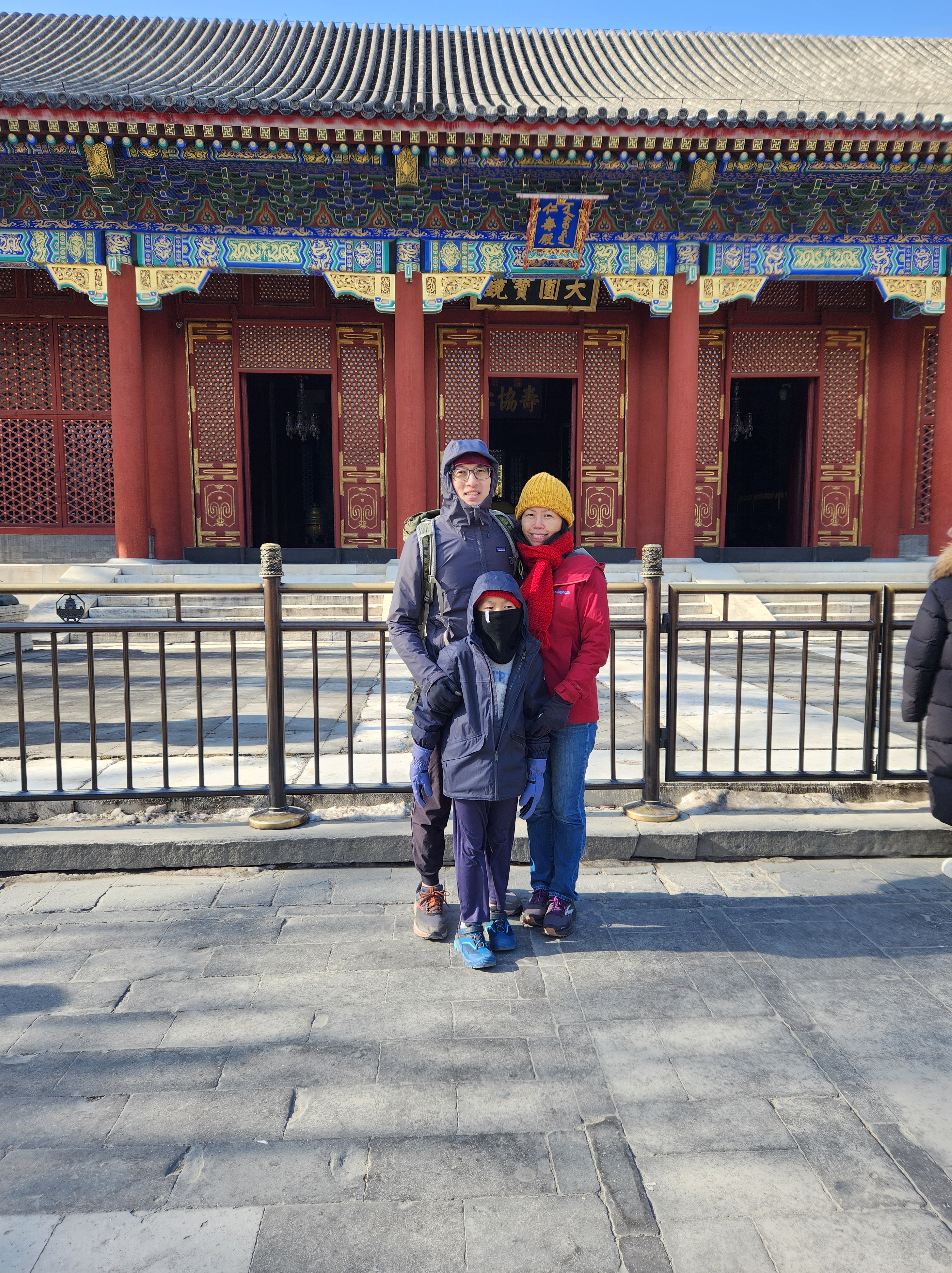
Summer Palace: A summer garden retreat built for Empress Cixi and the royal family, it is unsurprisingly vast and beautiful. But it was so, so cold and windy we didn’t spend too much time here.

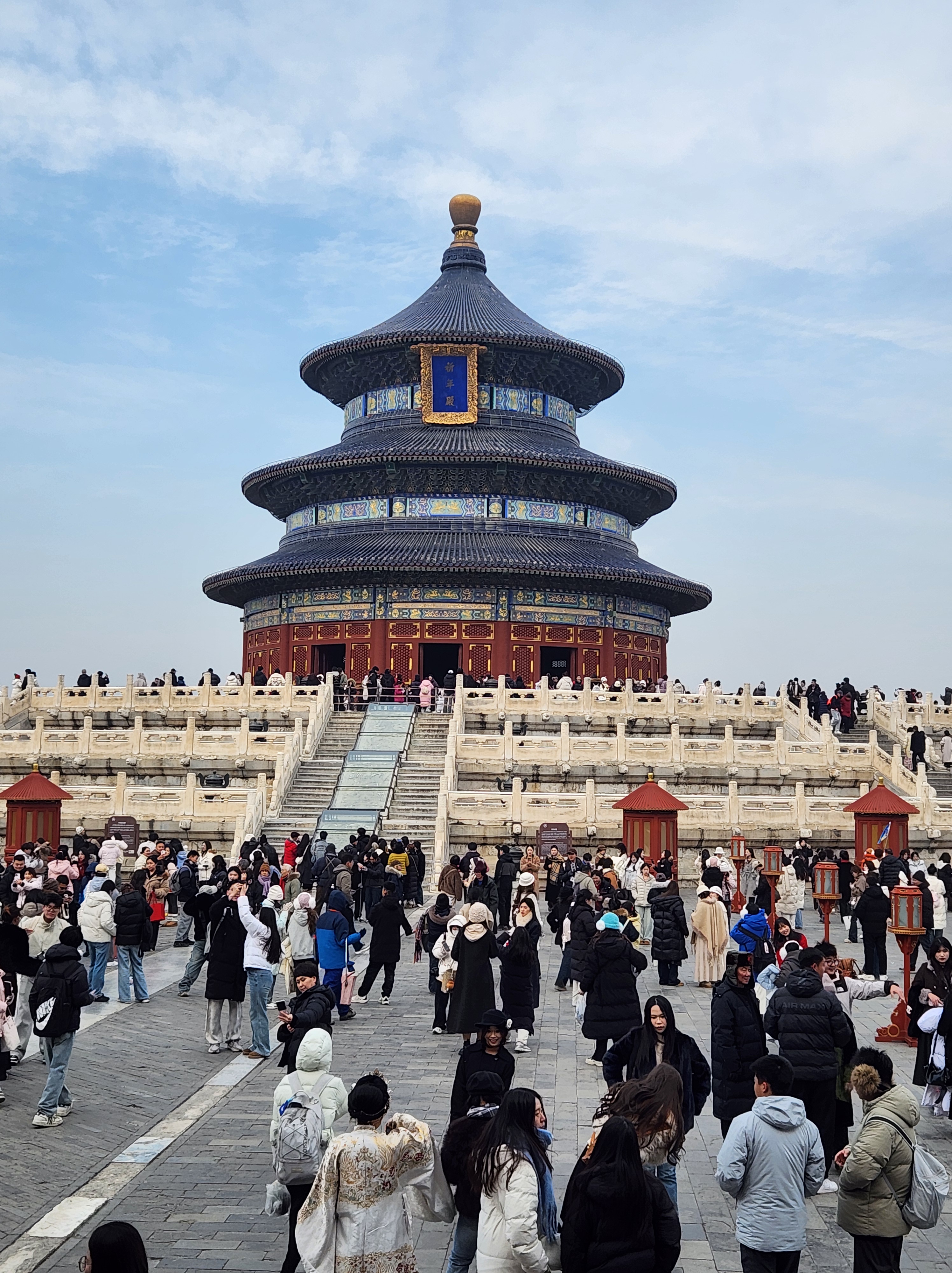
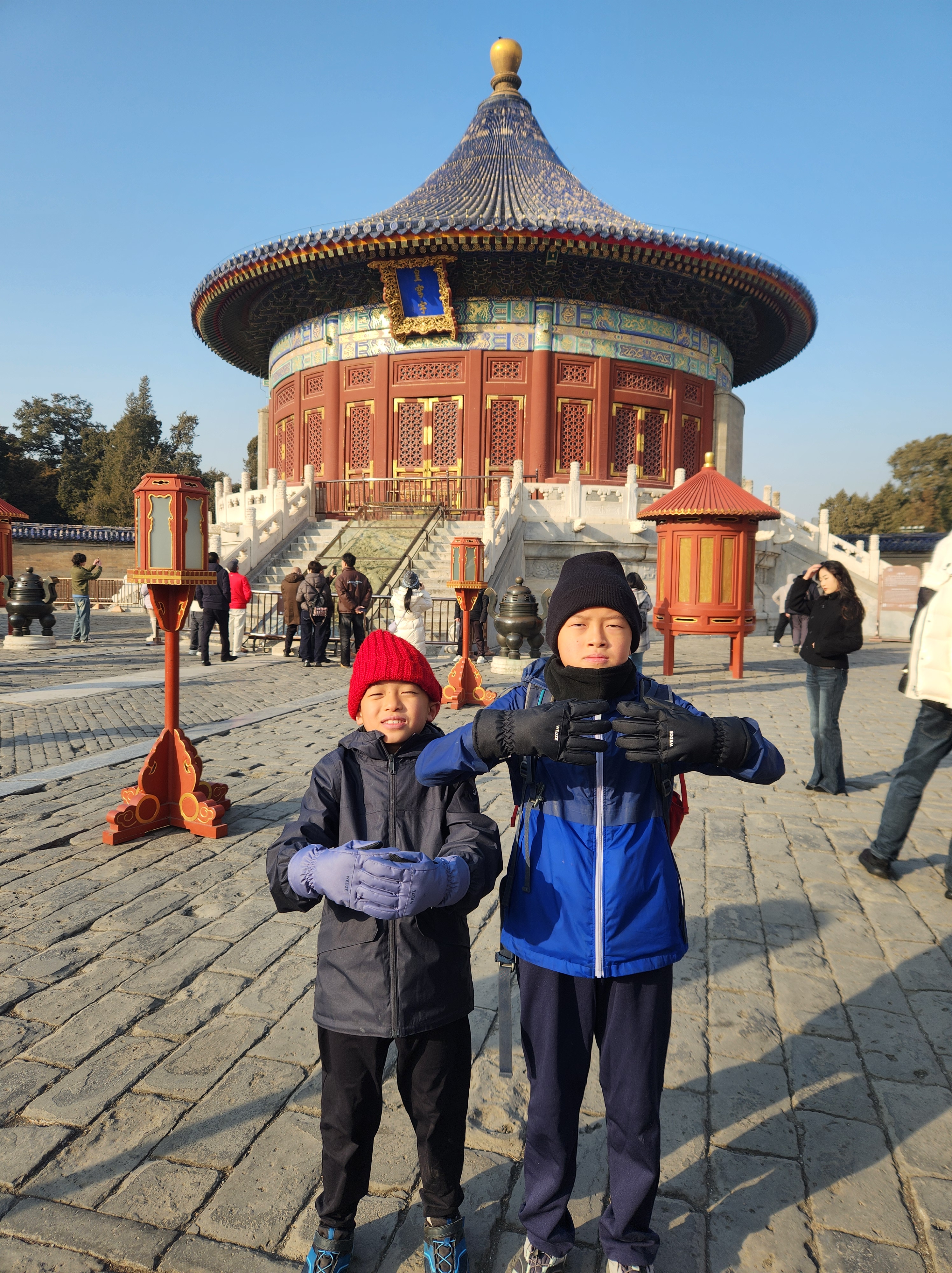
Temple of Heaven: The circular architecture of the temple is stunning. It’s massive, so it’s even more impressive in person. The main temple was very crowded, which as I realized, would be a recurring theme throughout our time in China. 😬

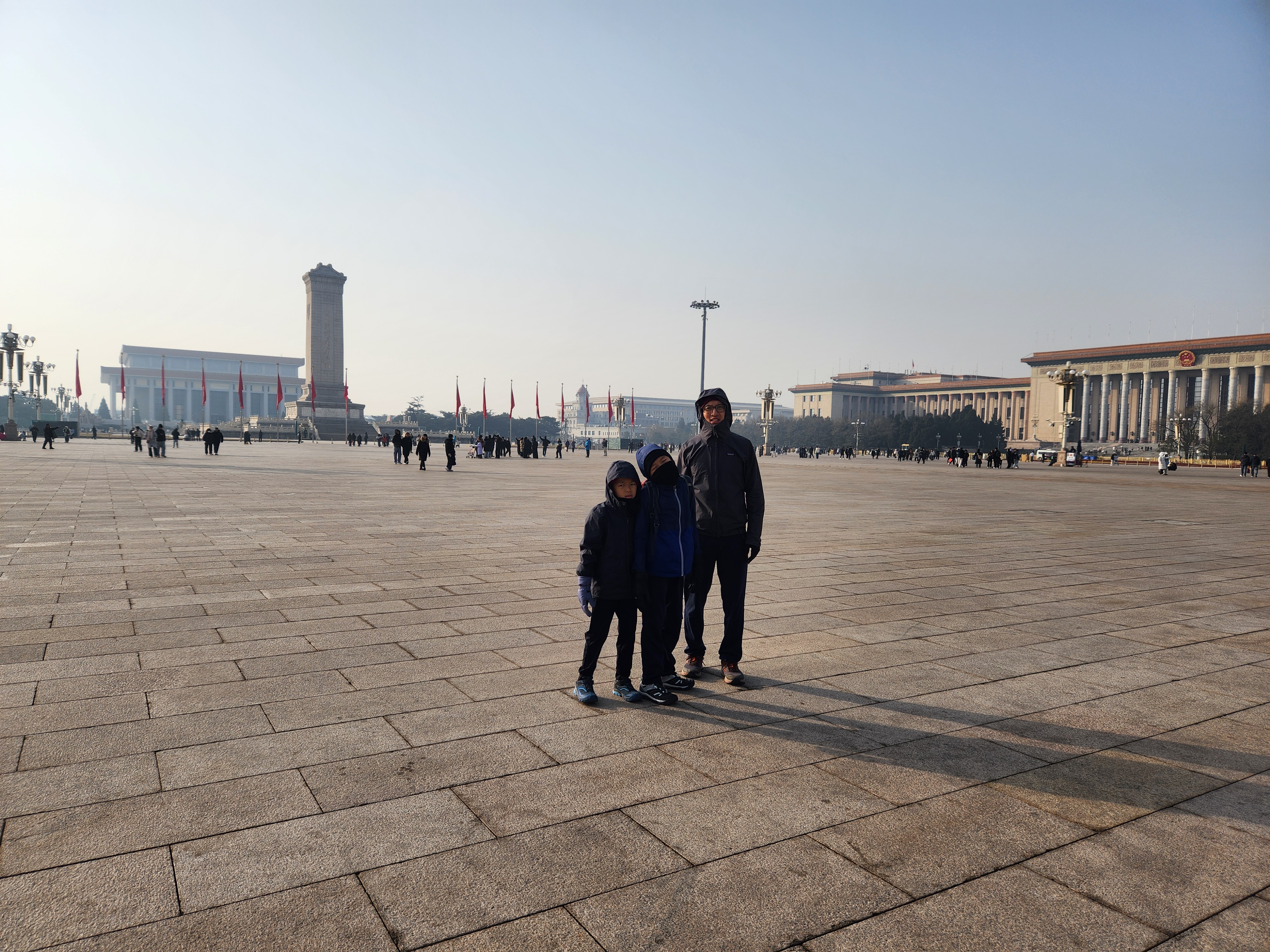
Tiananmen Square: We had watched an intriguing documentary about Tiananmen Square before coming to China, and to be honest, if it weren’t for giving the boys a glimpse into its history, we would have skipped it. For one thing, the security to enter was intense. Our passports were checked three times, and we had to wait in a security line (in the cold!) for 45 minutes. Word of advice: if you visit Tiananmen Square, do NOT bring bags, backpacks or anything! There was virtually no line for visitors without bags.

Another reason why we would’ve skipped Tiananmen Square had it not been for the boys? It’s literally just a square. 😅There was nothing interesting to see there, other than knowing the history. Also, the air quality that day was so horrendously bad we couldn’t wait to leave.
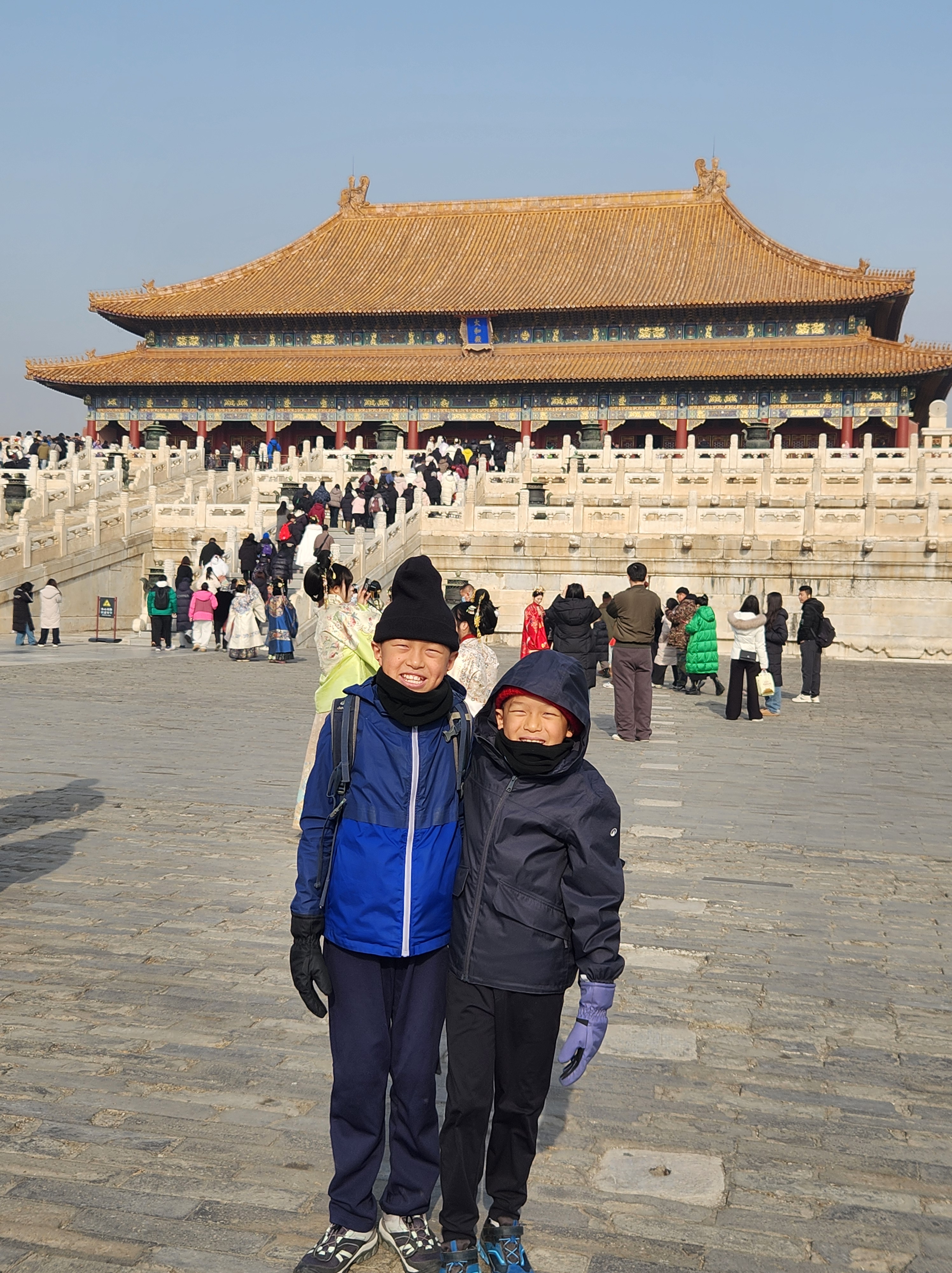
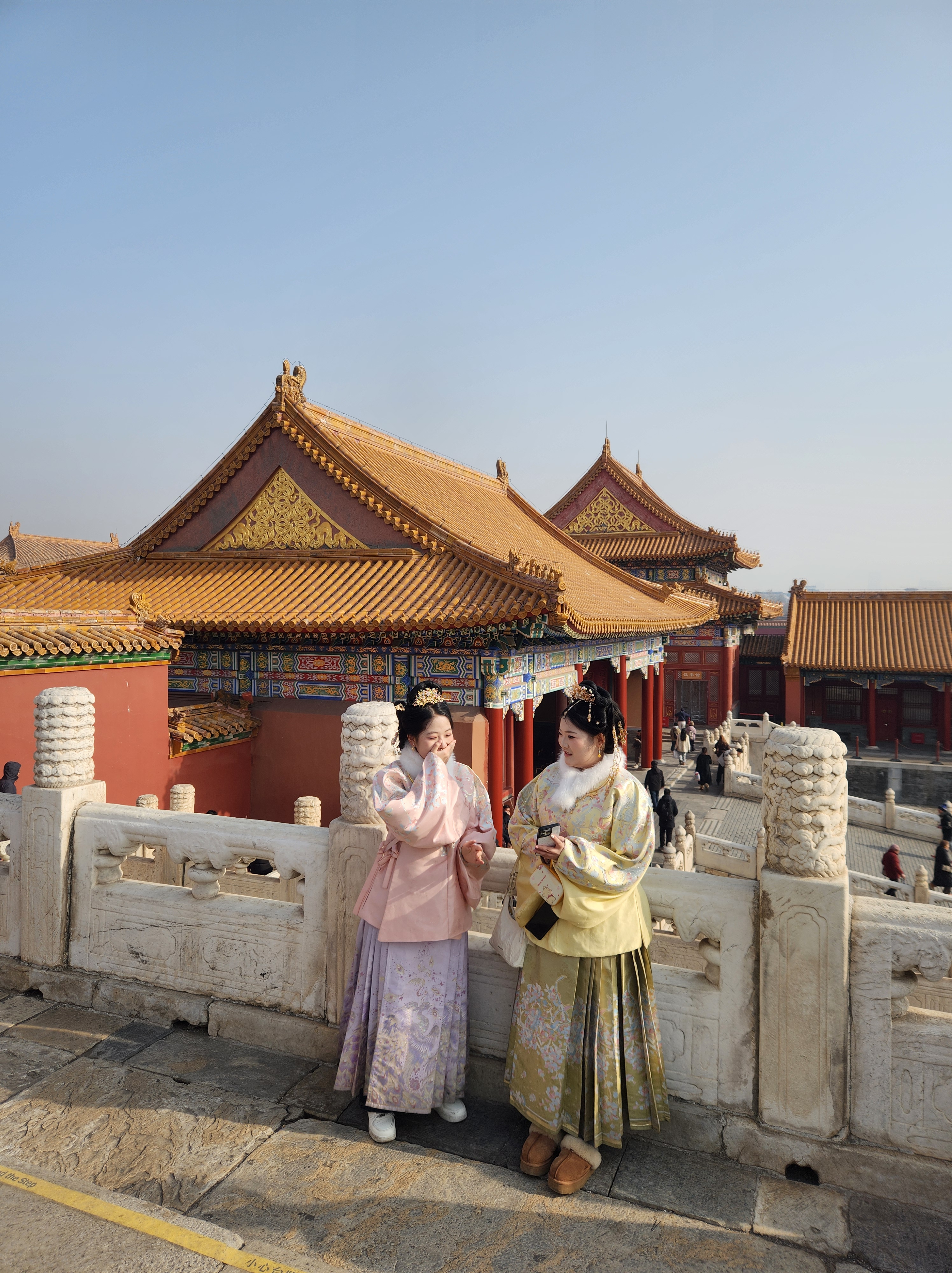
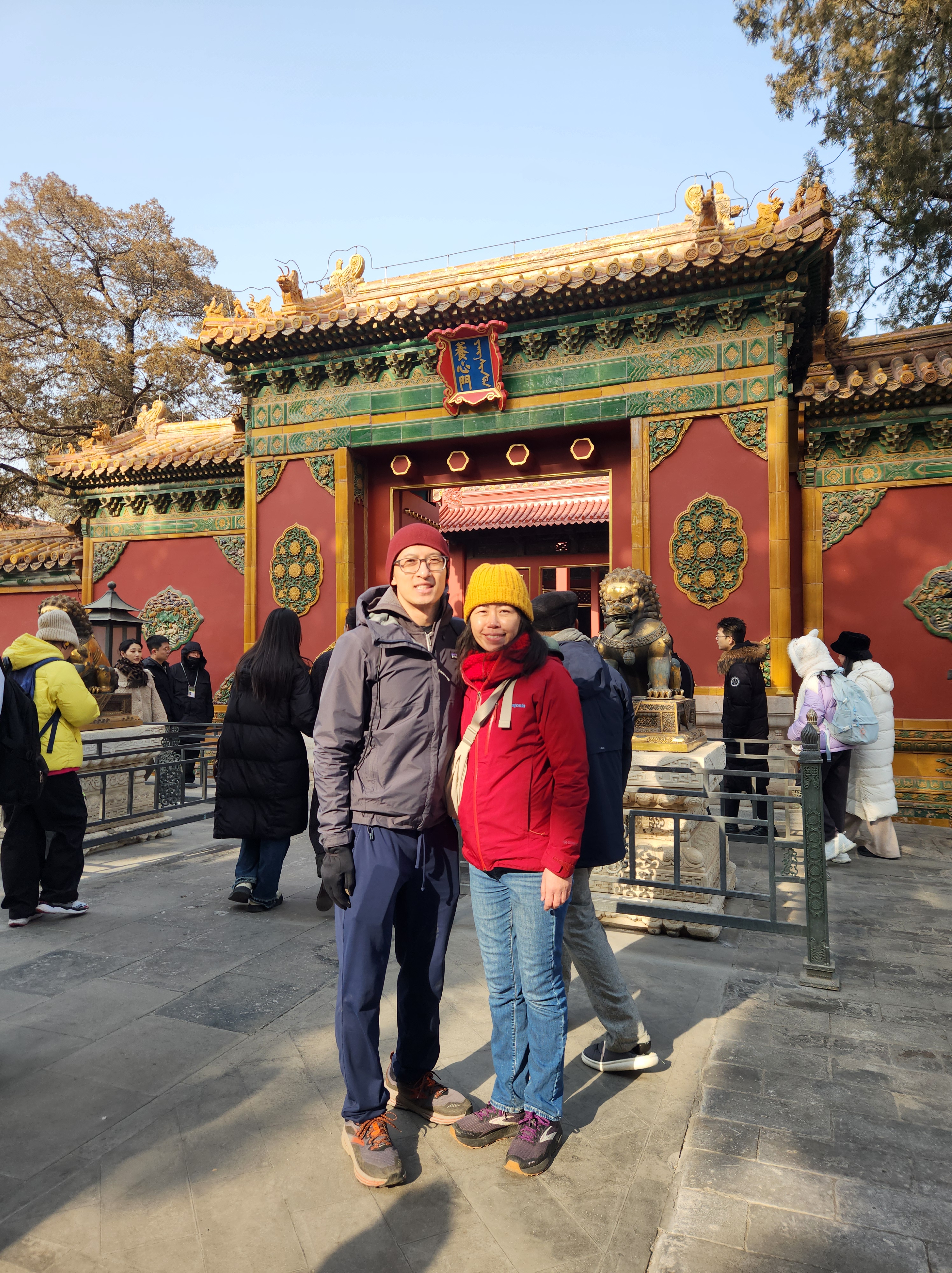
Forbidden City: Visiting the Forbidden City is a must though, and luckily it’s across from Tiananmen Square. (When I say across, I mean we still had to walk 30-40 minutes because Beijing is just humungous.) I’ve watched a lot of Chinese historical dramas that take place here, so I’m always fascinated by the Forbidden City’s legacy and mystery.
The palace was another site that felt incredibly crowded. While walking around felt fine, any relatively famous sites such as the Hall of Supreme Harmony 太和殿 or Hall of Mental Cultivation 養心殿 would be packed. To take a photo, you’d either have to wait for a spot to open up and try to squeeze in, or hold your camera above your head and hope for the best.
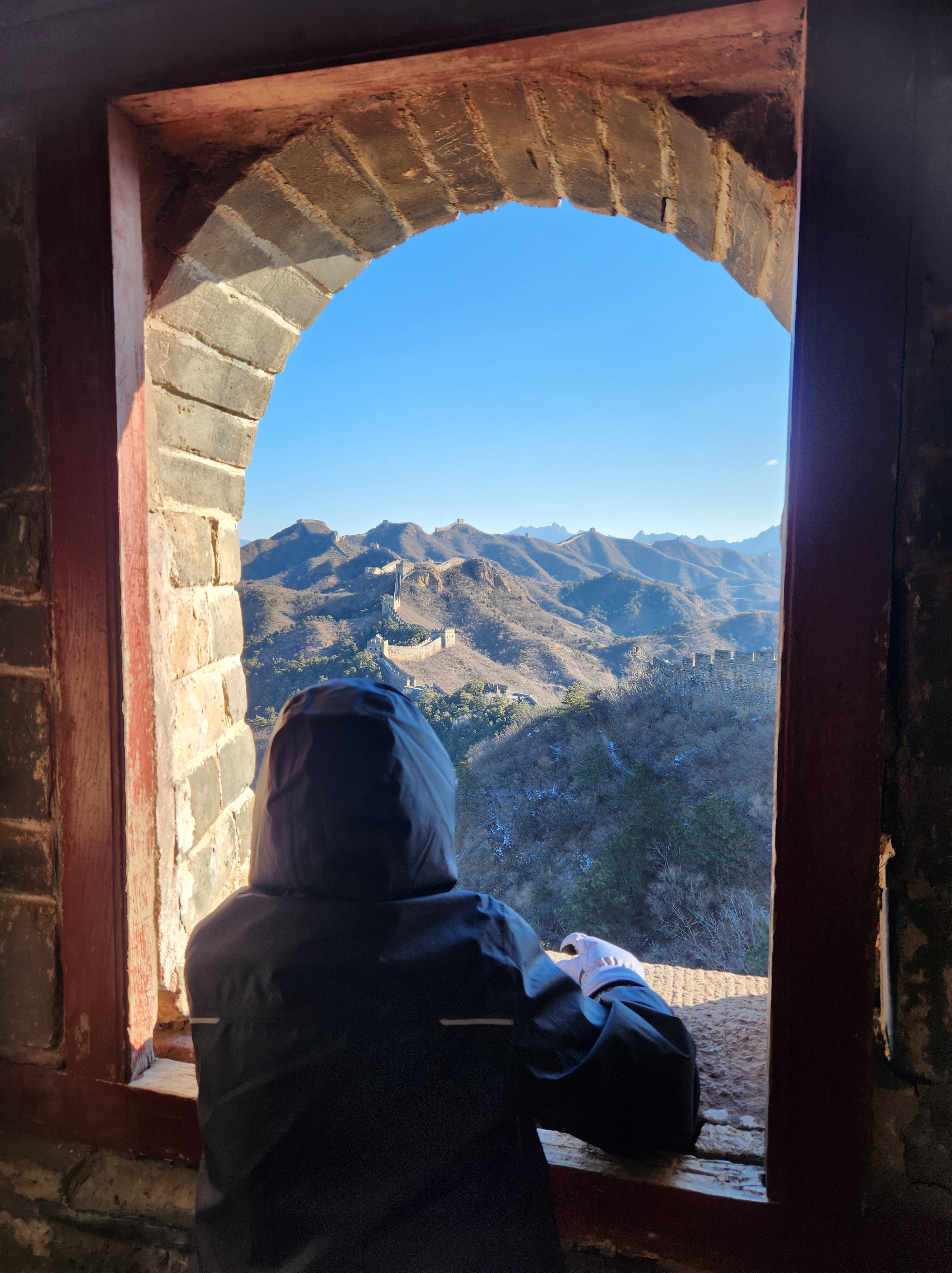
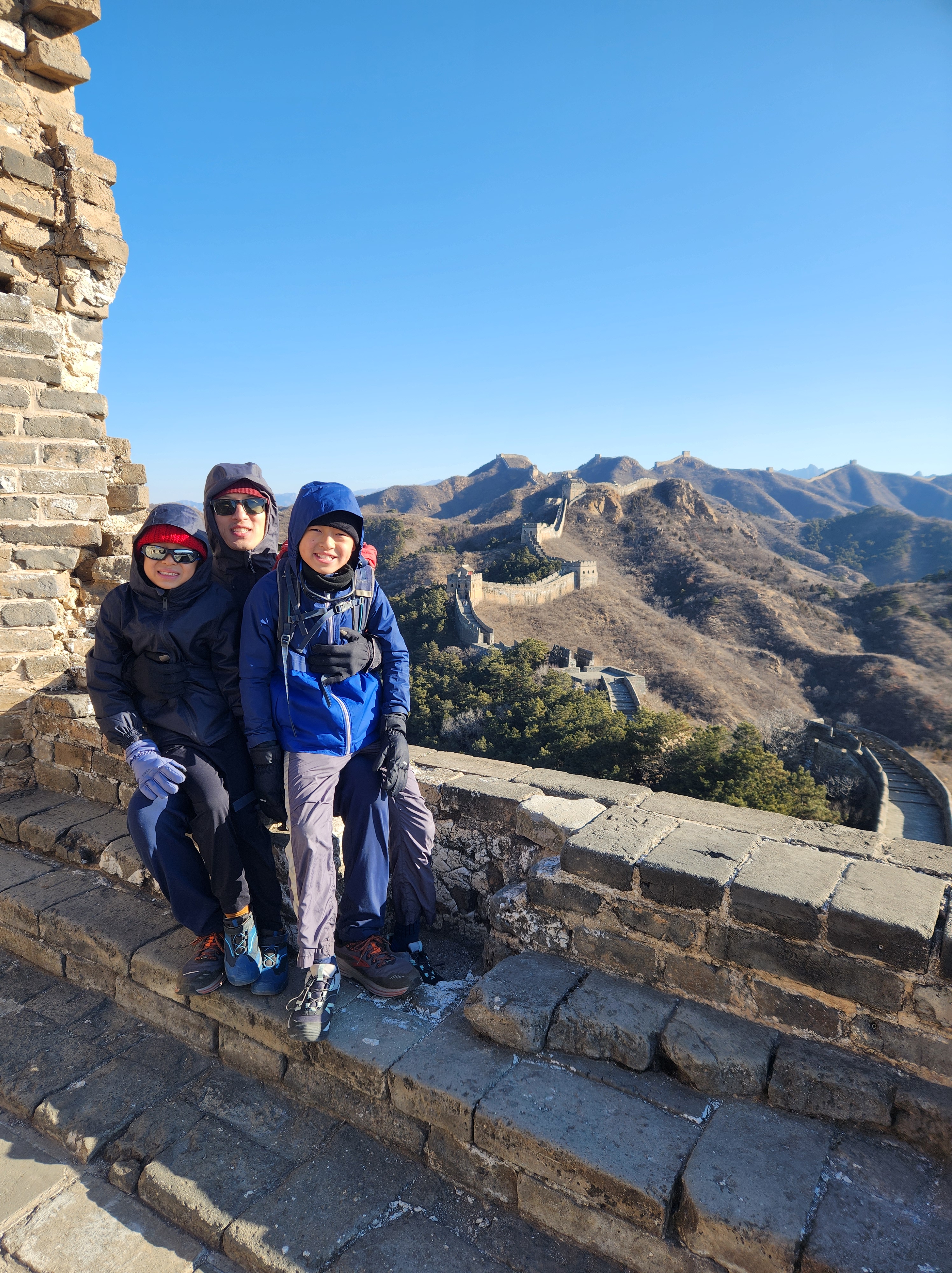
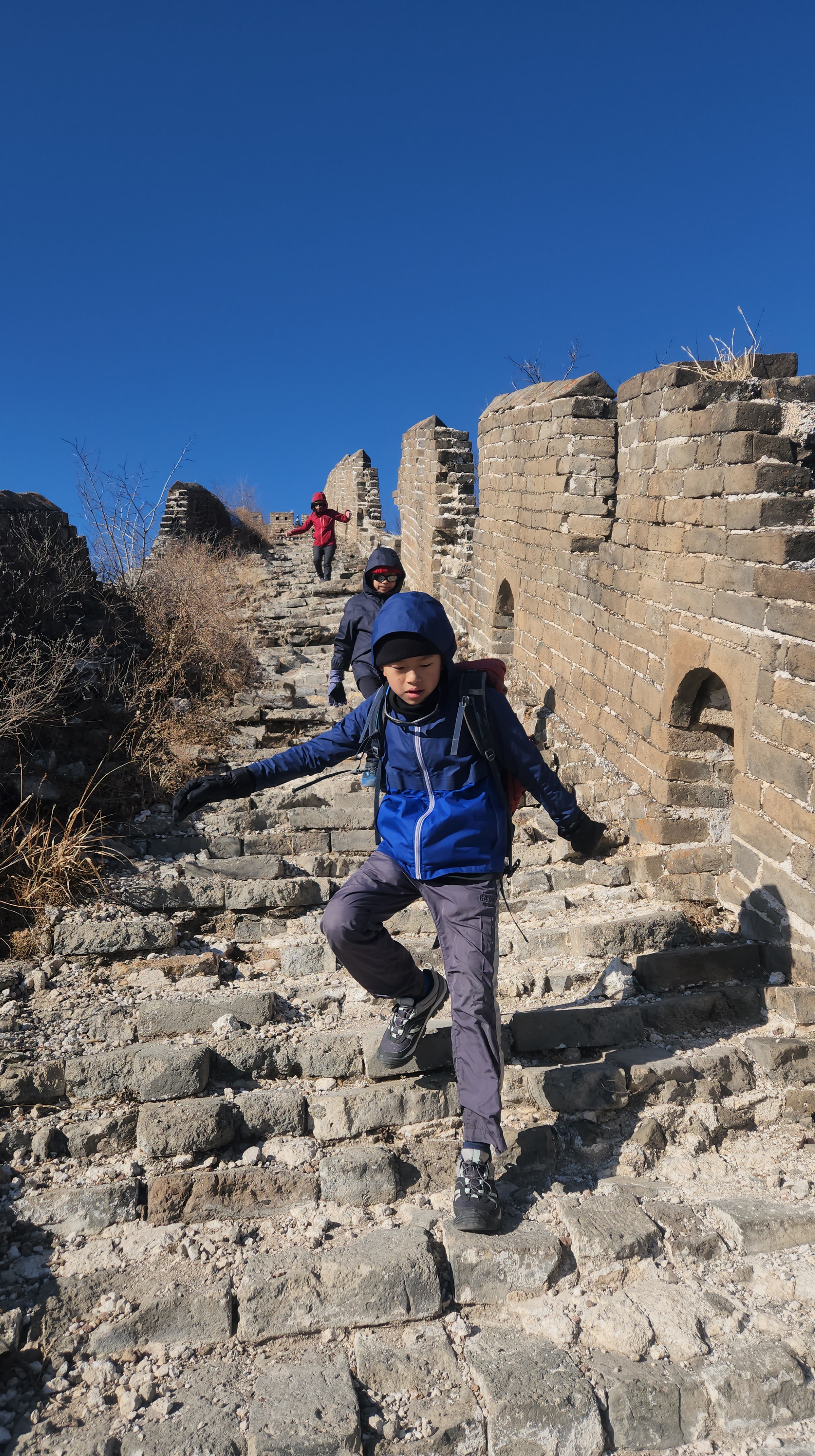
Great Wall. This was probably the highlight of our Beijing visit, if not our entire China trip. The last time Baba and I visited the Great Wall, we felt rushed and the wall was jam-packed with tourists. This time, we hired a private driver to take us to Jinshanling 金山嶺, a more remote part of the wall about 2.5 hours outside of Beijing.

It was so, so worth it. We hiked about 8 miles, and had the wall mostly to ourselves! We also explored an original section of the wall, which was very cool to see as the majority of the wall that is open to tourists have been restored. Every chance I got, I would remind myself to stop and admire the magnificence of this man-made wonder. And every time, I was wowed.

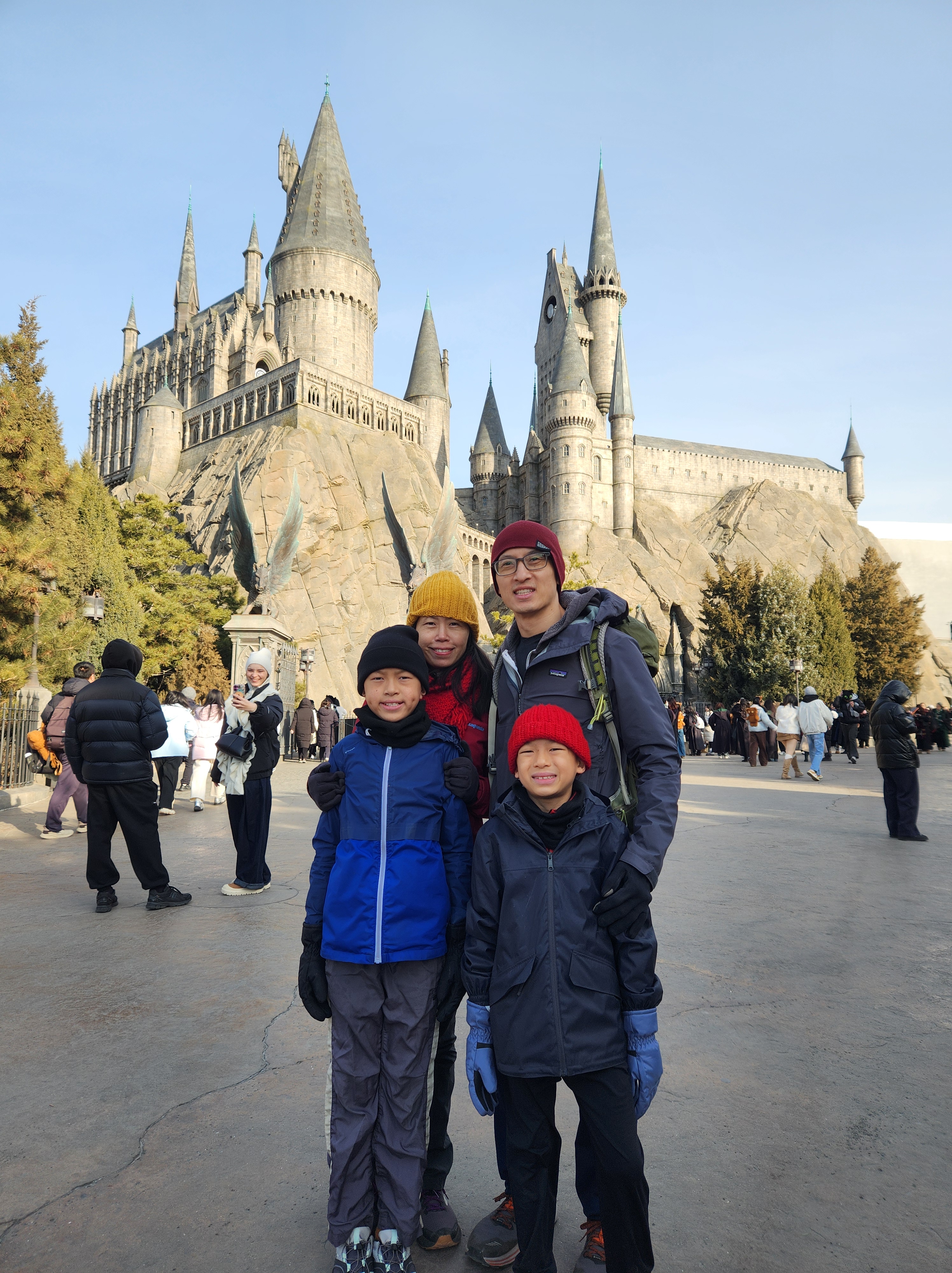
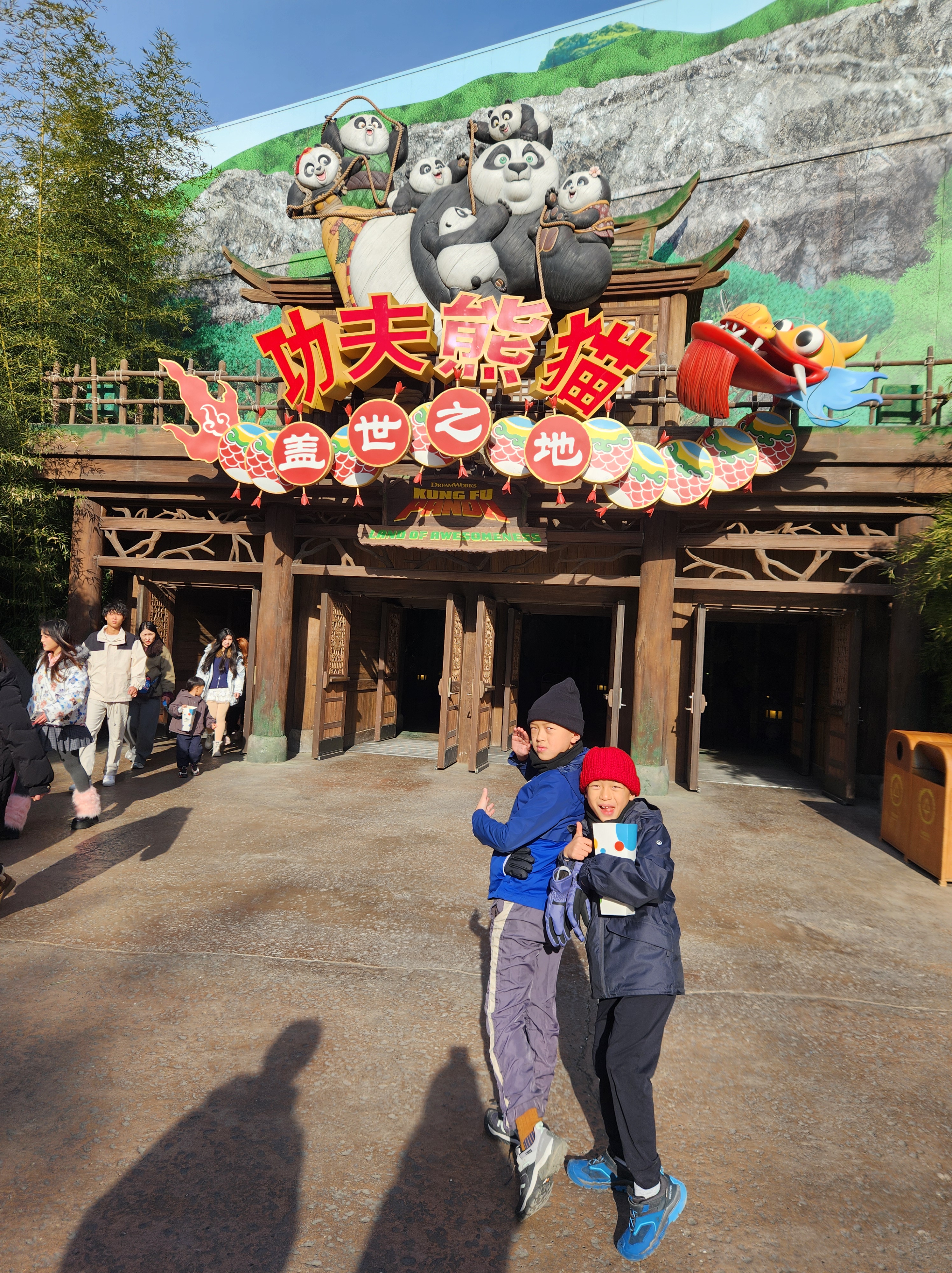
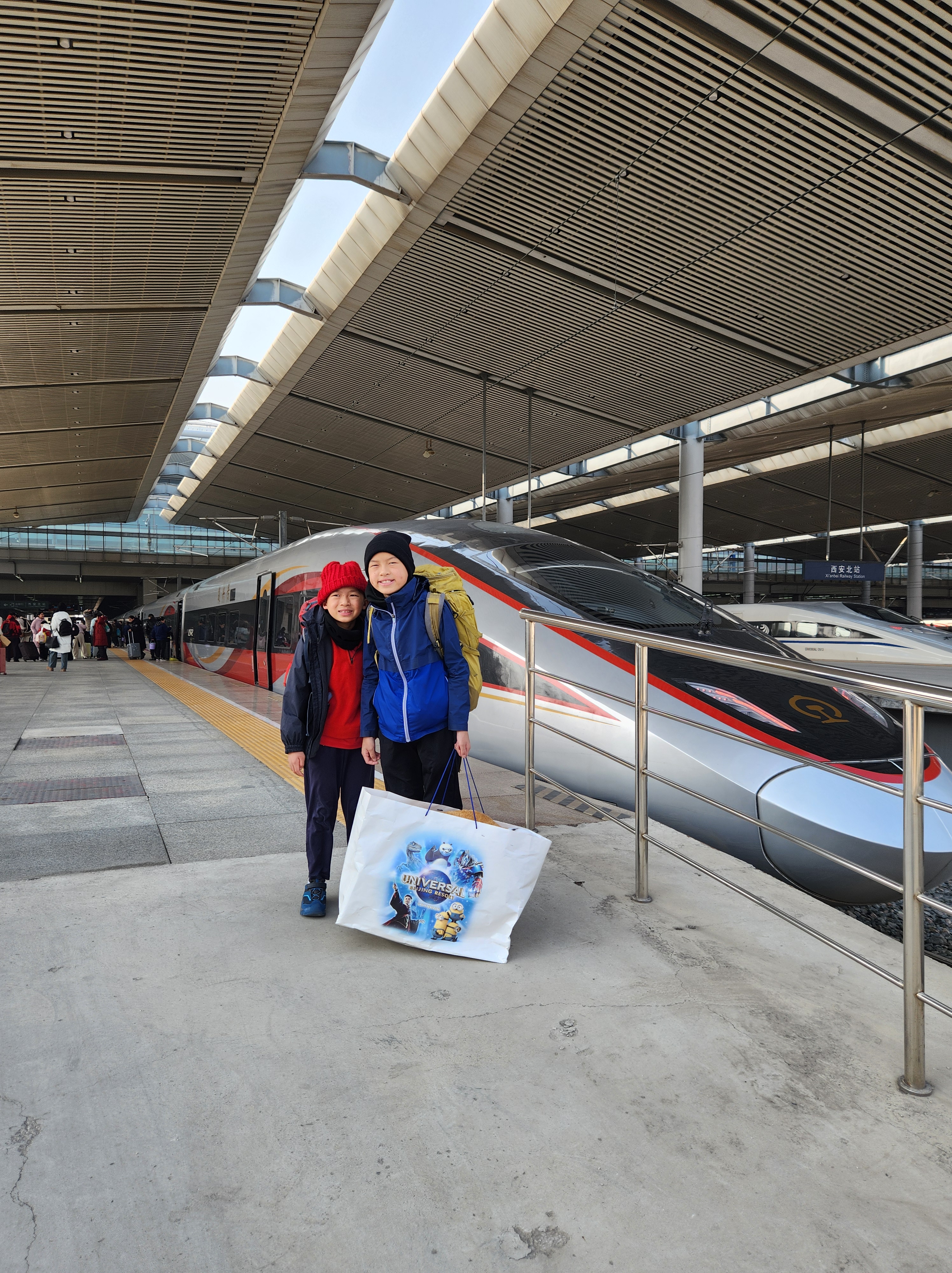
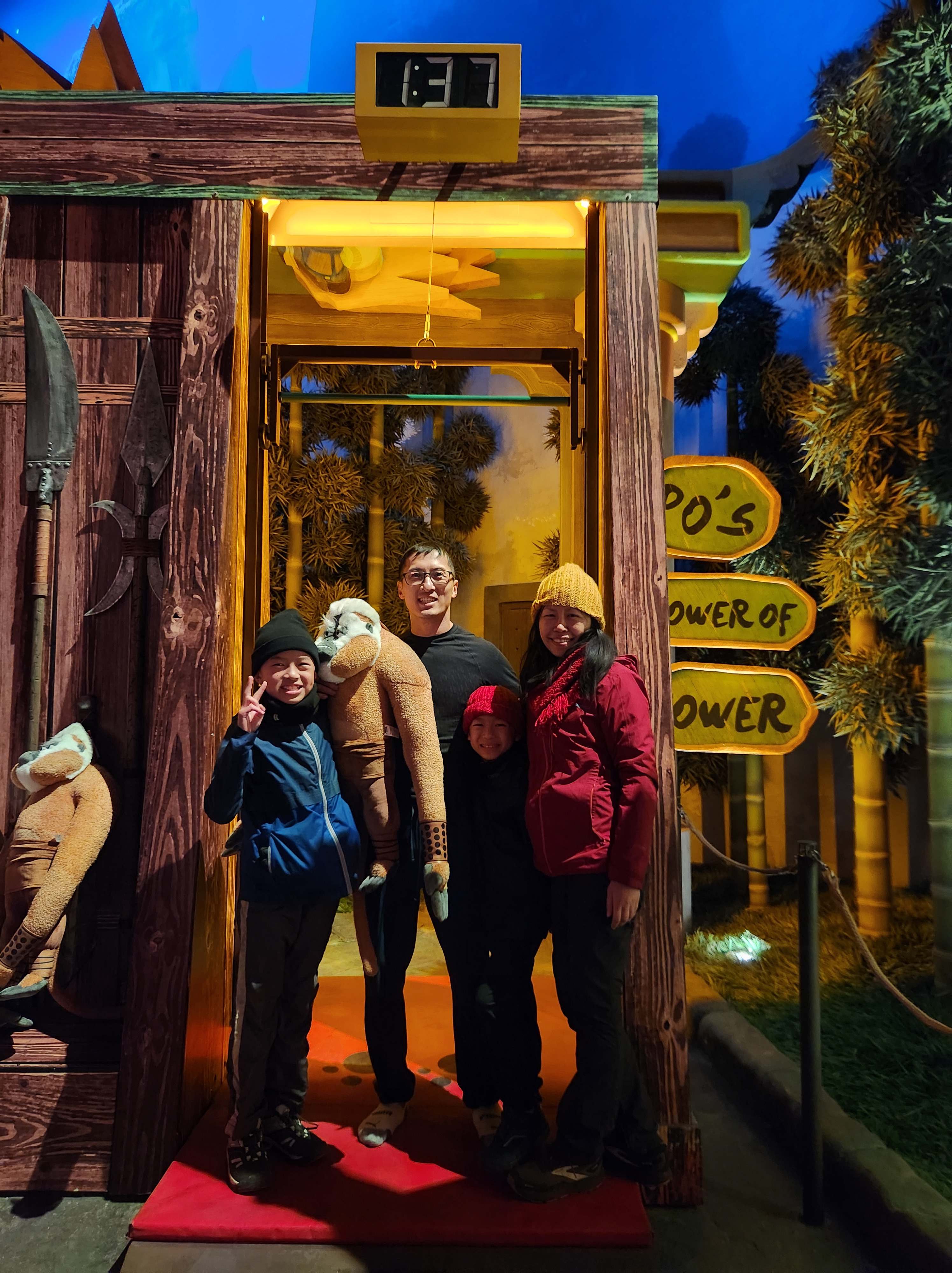
Other notable experiences: We also visited Universal Studios in Beijing, which opened in 2021. We decided to go only because the Wizarding World of Harry Potter was there, and O in particular is a big fan of HP. It’s a nice park – not too big but still had many fun attractions. The highlight was Baba winning a dead hang contest at Kung Fu Panda Land, and our prize was a ginormous monkey that we had to lug around China. 😆

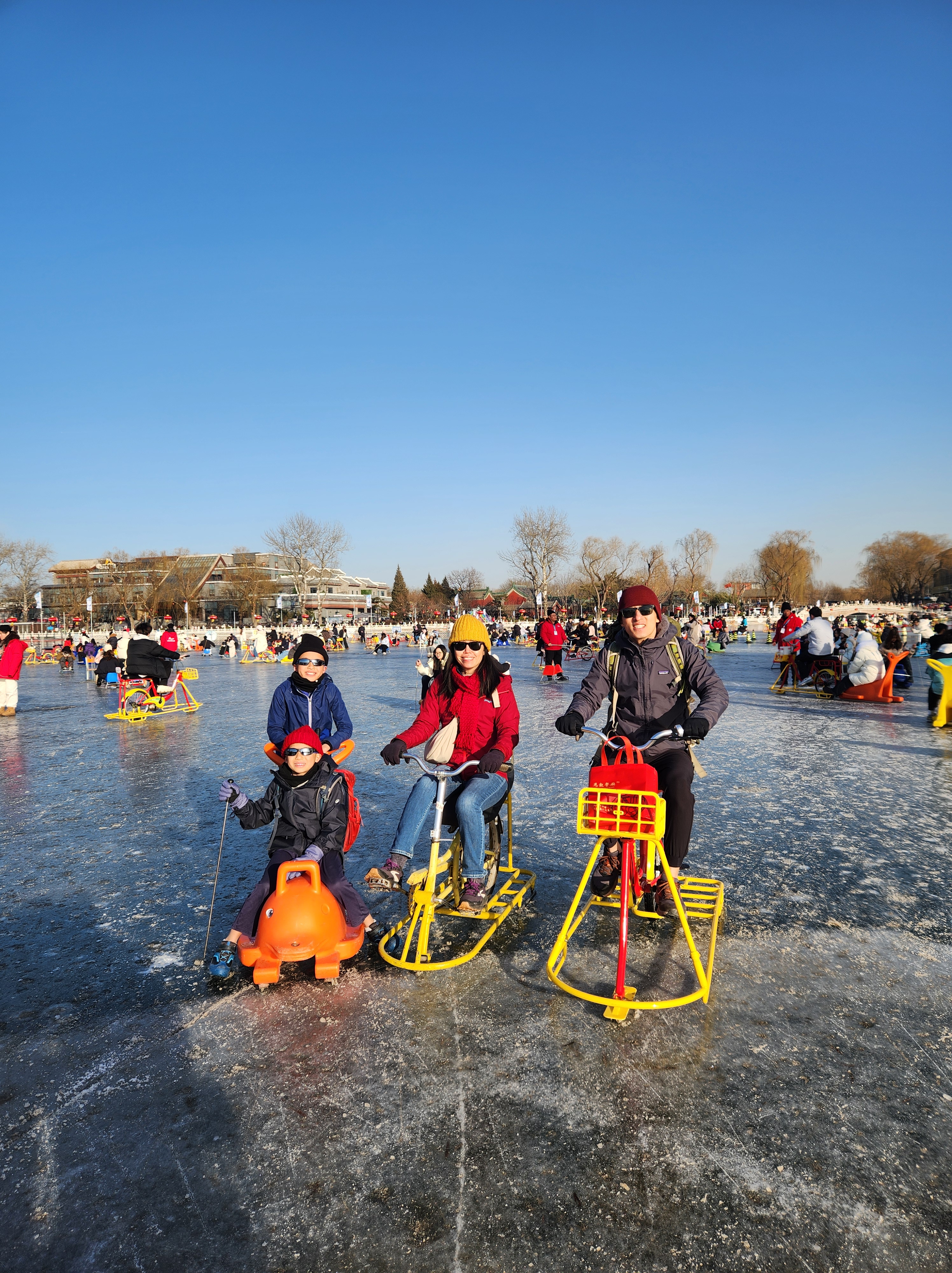
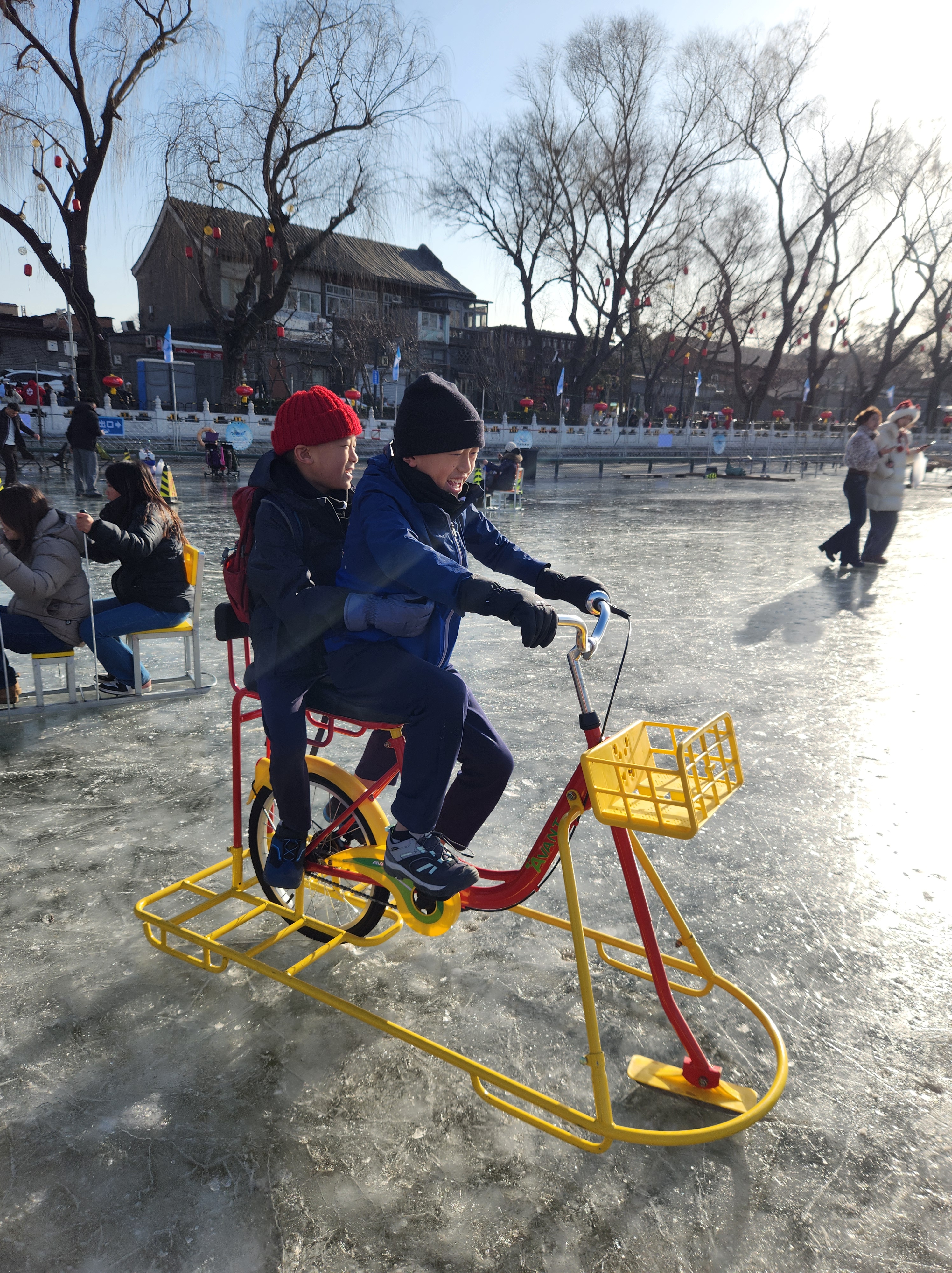
Another unique experience was biking on a frozen lake! Every winter, Houhai 後海 lake freezes over and people can bike or sled across it. We discovered new levels of faith while biking on this ice 😅.

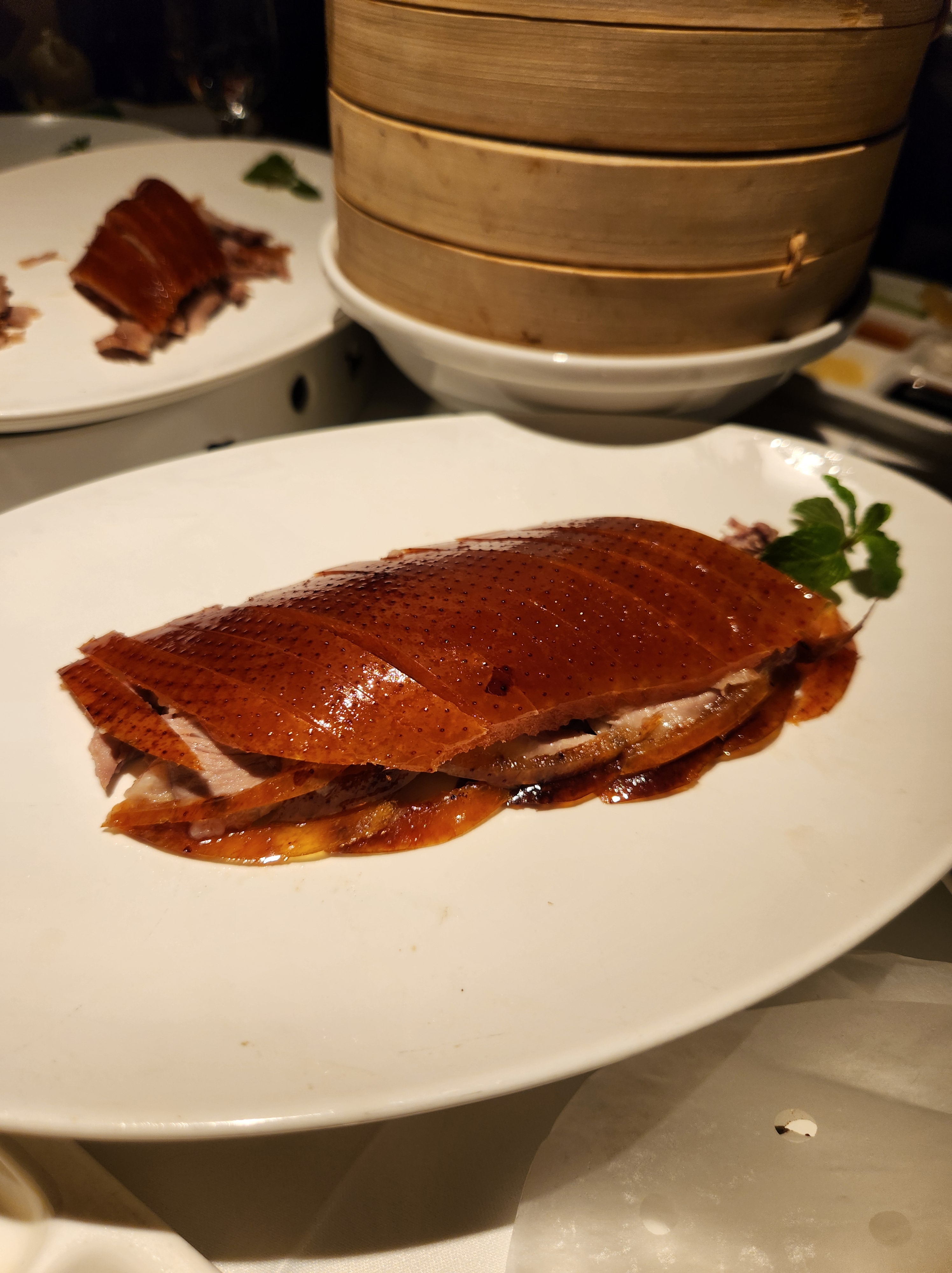
When in Beijing, you have to eat Peking duck. We went to probably the most famous Peking duck restaurant called Siji Minfu 四季民福. I normally don’t eat a lot of duck, but this place was just heavenly. Thin, crispy skin wrapped over tender, juicy meat – it’s no wonder this place is so popular! Luckily, our hotel was literally right next to the restaurant and the concierge could help us get a queue number while we did other things. Otherwise, the wait could be 2-3 hours long!

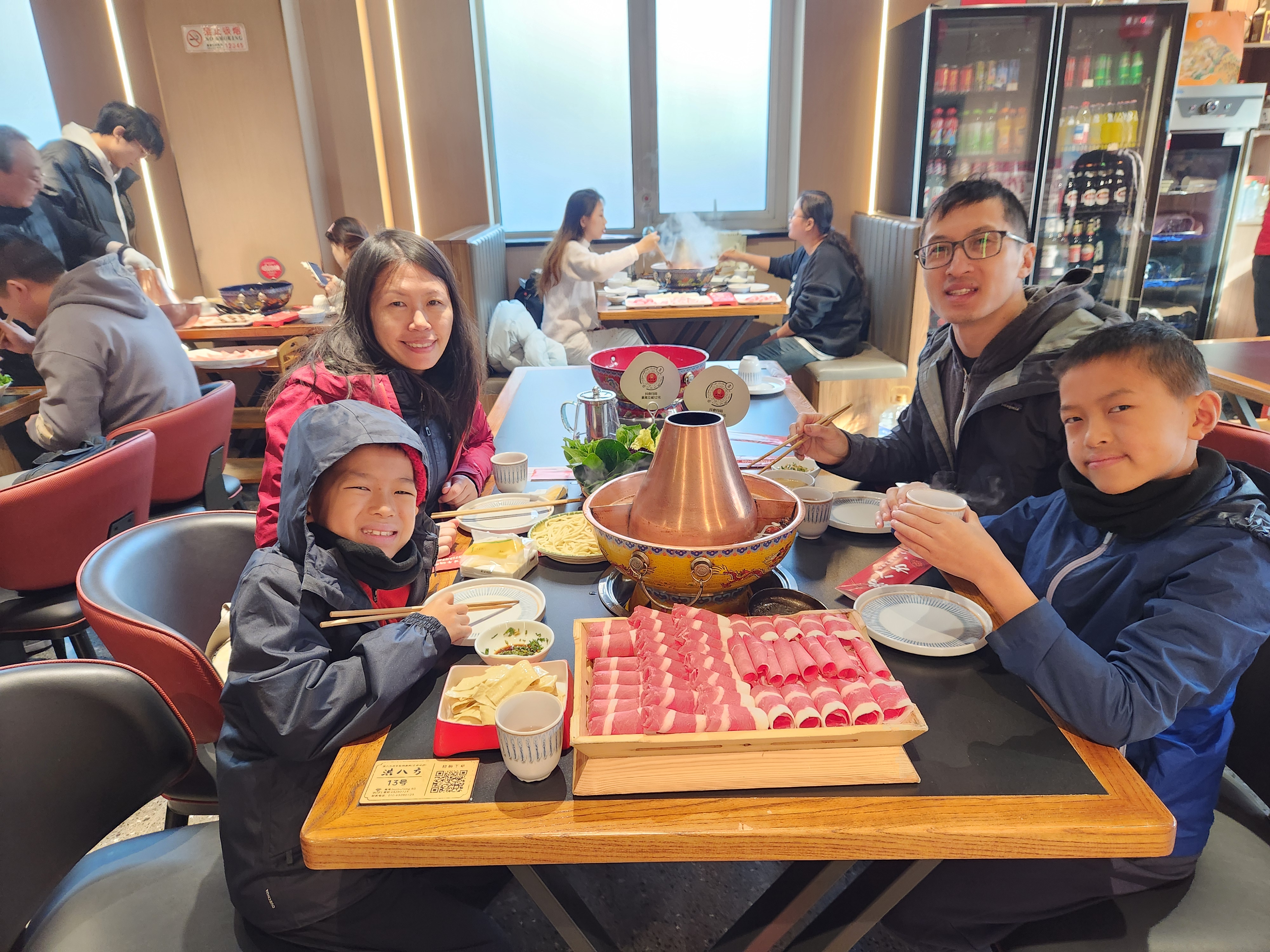
Because it was so cold, we often ate a lot of hot pot (not complaining, because I’m hot pot’s #1 fan). Beijing’s famous for their chimney copper pot filled with mild broth. Always hit the spot on a cold day.

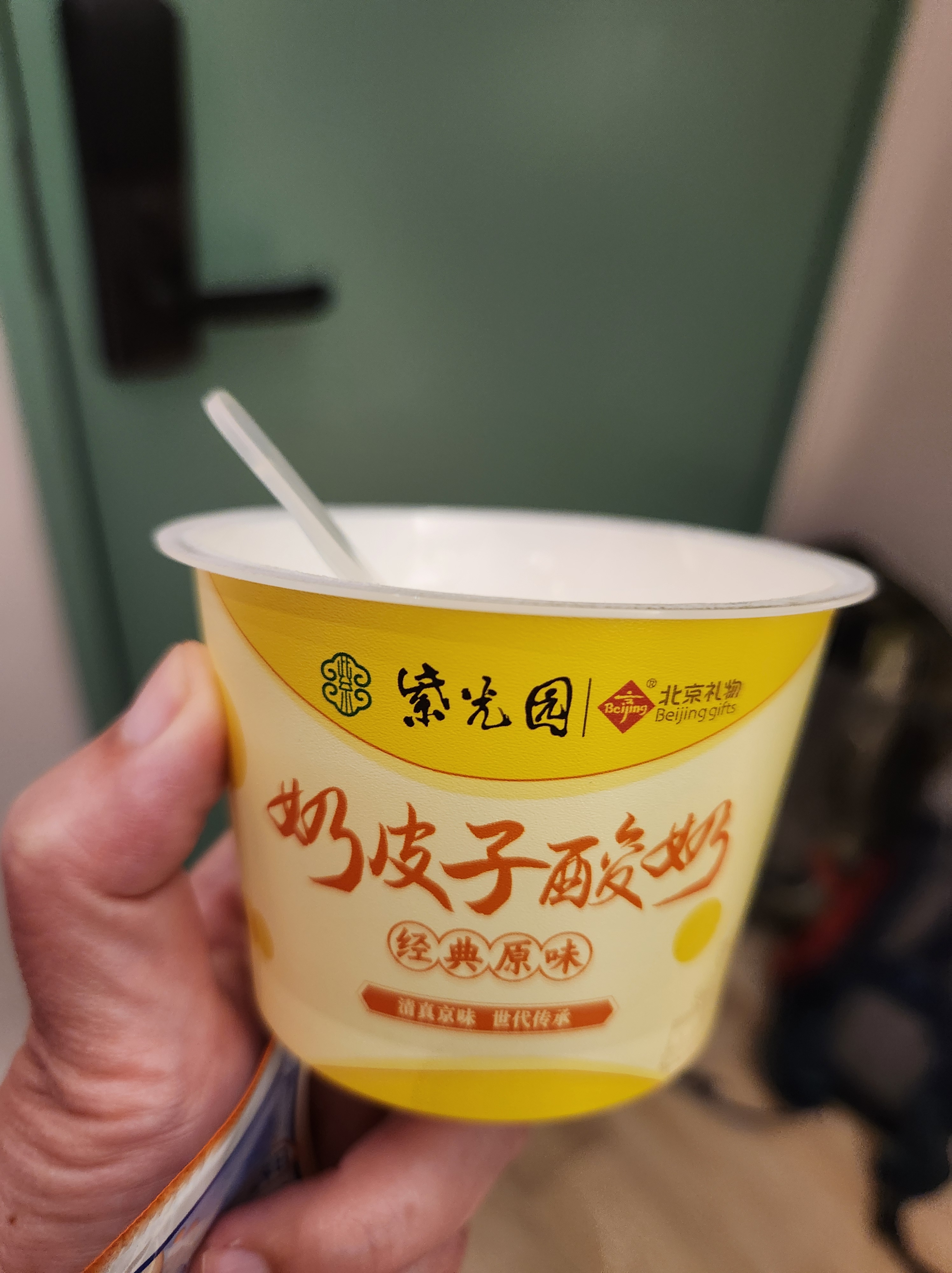
Last but not least, we fell in love with Beijing style yogurt! There were many shops selling these, but the most popular variation is 奶皮子酸奶, or milk skin yogurt. It’s creamy, rich and smooth with just the right amount of sweetness. We often ate these for breakfast.

While Beijing is a must-visit on any China itinerary, admittedly it is not one of my favorite cities. It is too vast and sprawling, which made it feel impersonal. I also don’t know if it was because of the frigid weather, but Beijing looked bleak in a lot of areas, possibly due to the large number of grey brick walls surrounding old houses.

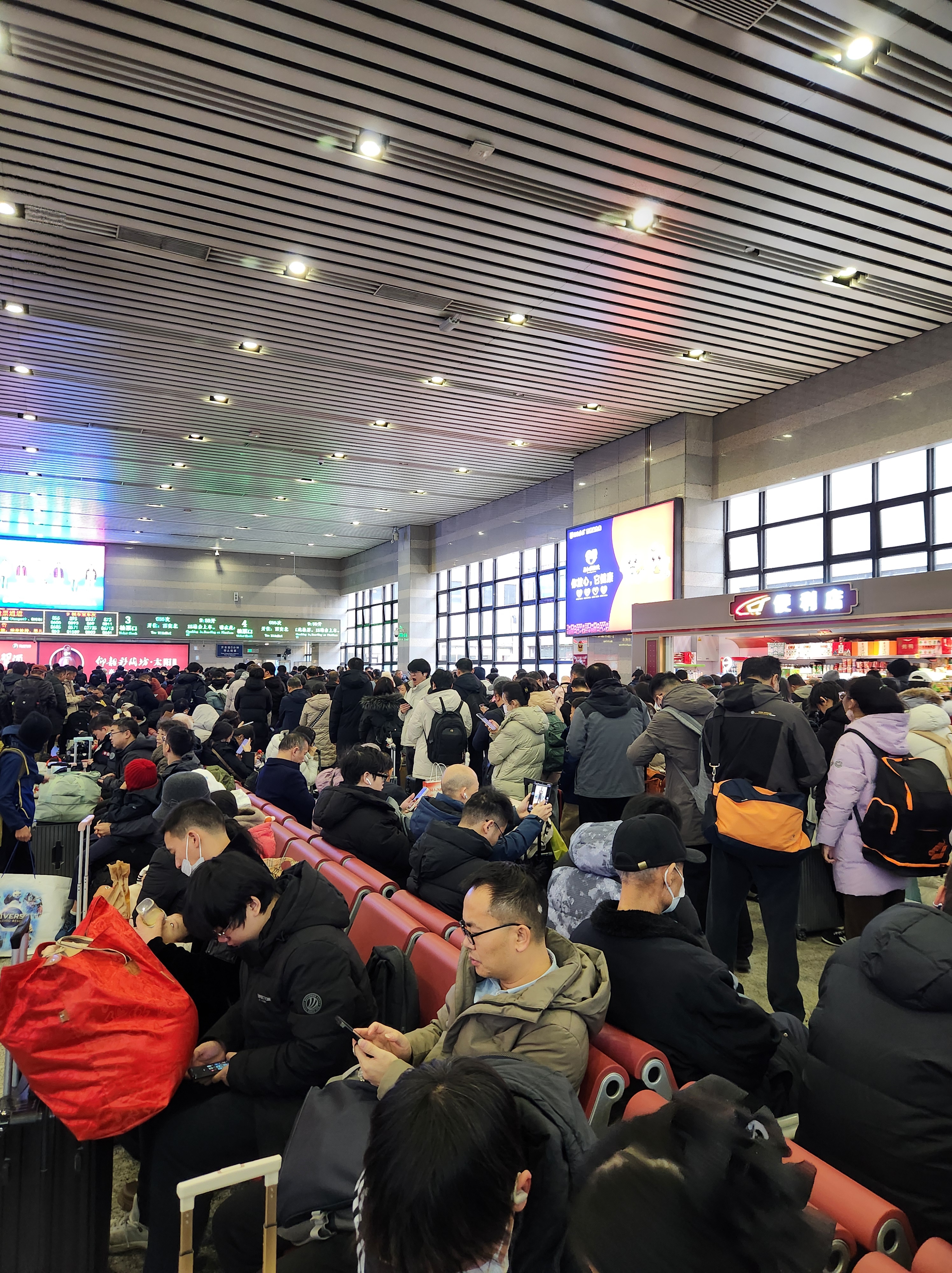
Xian. After Beijing, we took a high speed train to Xian and stayed there for 4 nights. I am incredibly impressed with China’s rail network. Within a decade, the country built an extensive rail system to support 1.4 billion people. The trains are clean, on time and fast too. We traveled about 683 miles from Beijing to Xian in 4.5 hours! (For reference, that’s almost the same distance between SF to LA.) Catering to massive numbers of travelers, the train stations were unsurprisingly crowded and chaotic. Some even looked like airports!

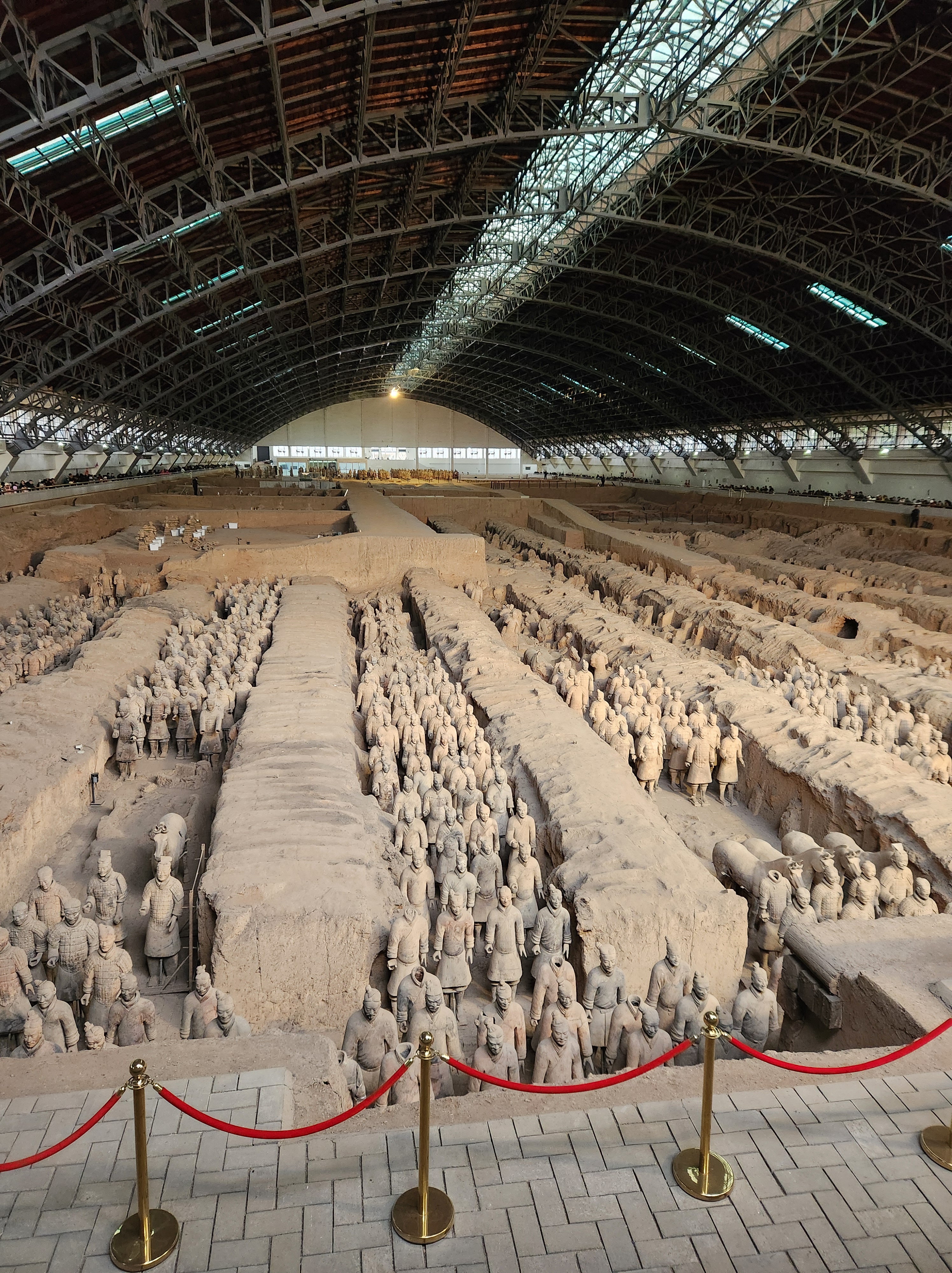
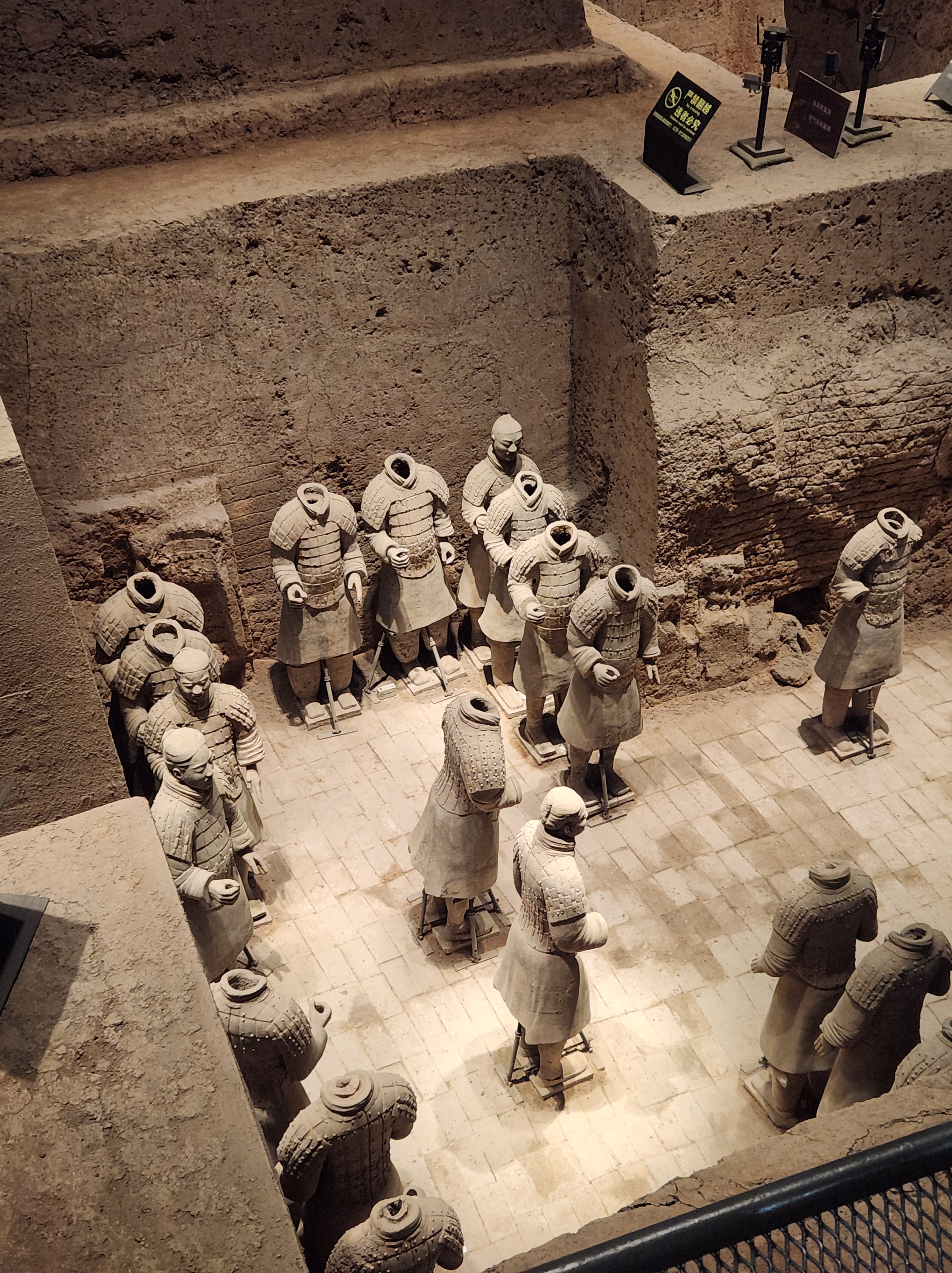
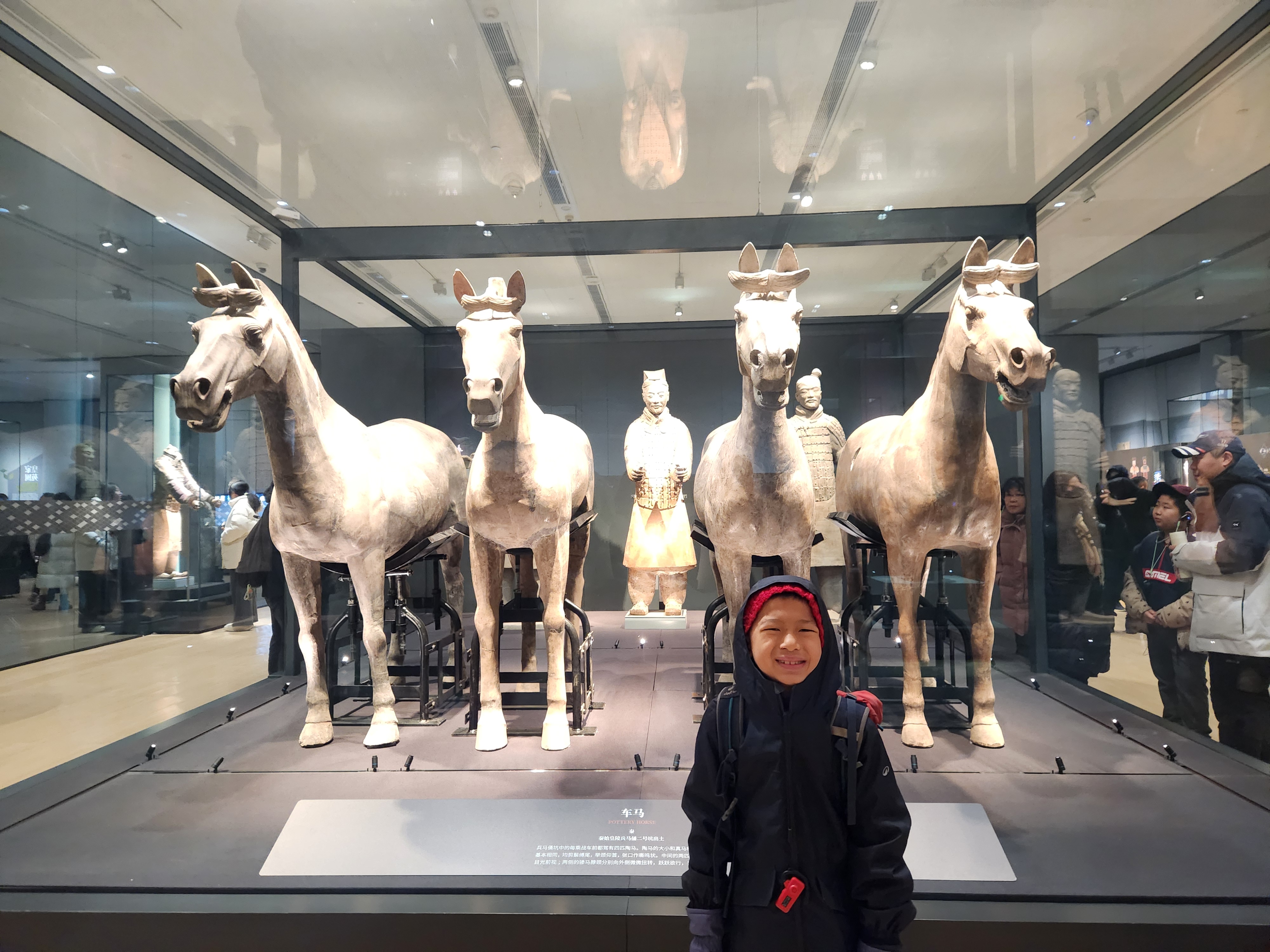
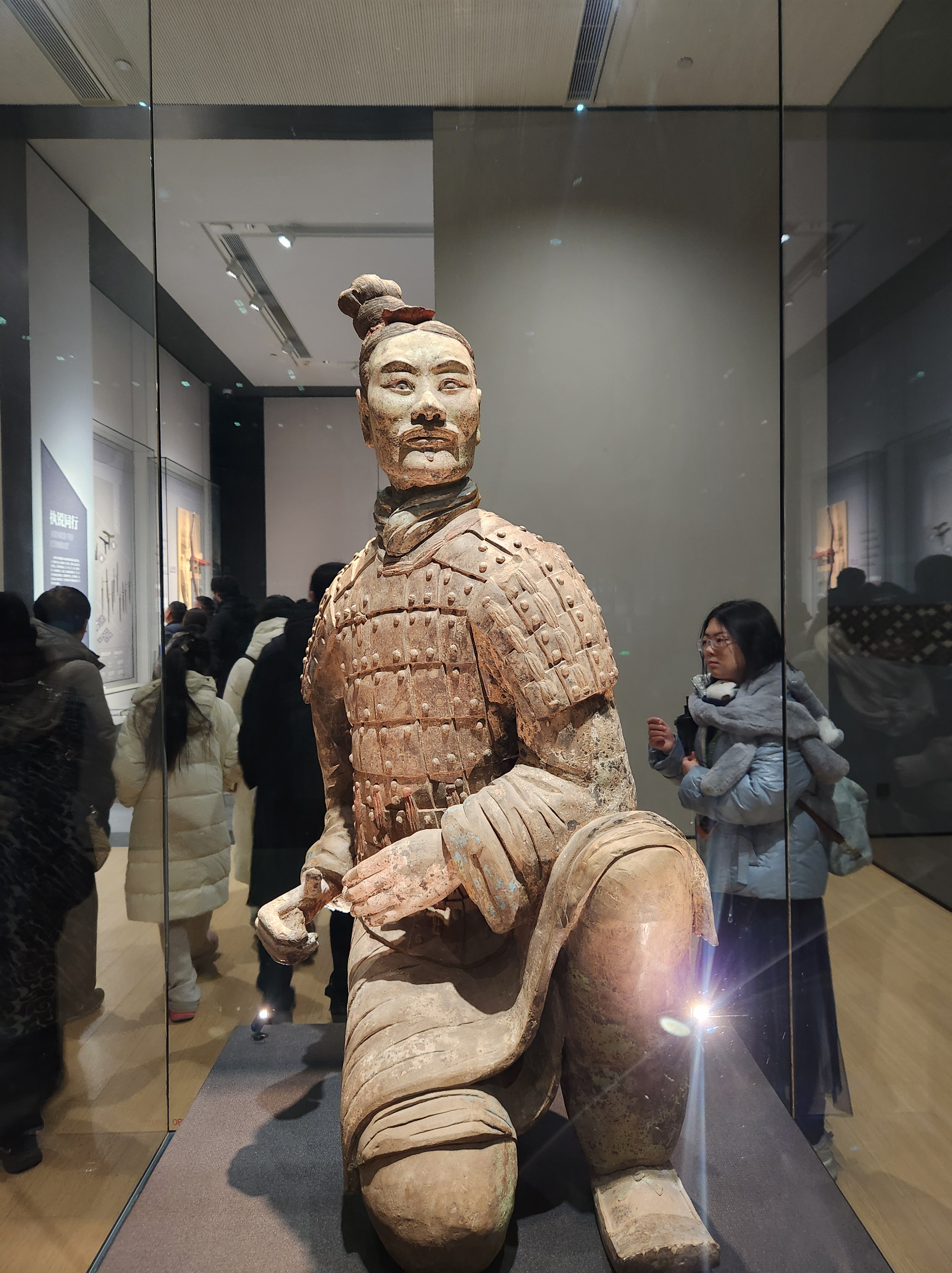
We came to Xian to see none other than the Terracotta Army. We booked a half day tour and while it was convenient, we probably could’ve visited on our own. A lot of the information the guide told us we already learned from watching a documentary and, the tour arrived at the museum around 10am, which is when all the other tours arrive. Needless to say, it was super crowded. Still, the history, art and scale of this place is mind-blowing. I still cannot comprehend how this was all made by hand over 2,000 years ago.

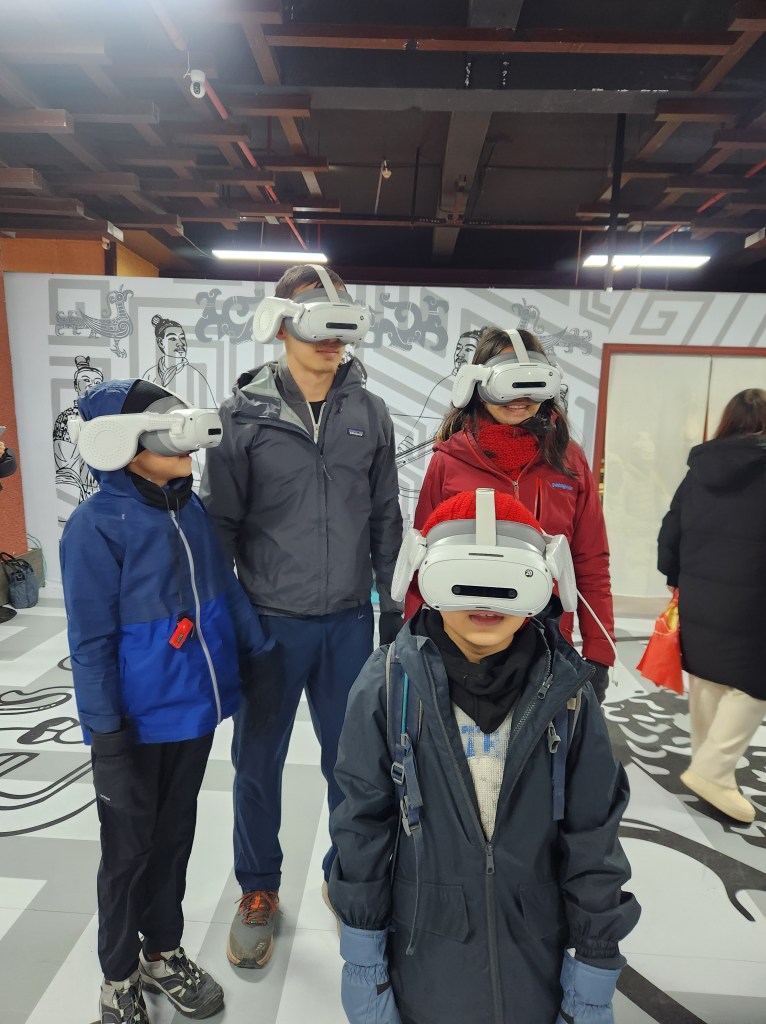
We also tried a VR experience that offered a glimpse of what Qin Shi Huang’s tomb might look like. His burial chamber has never been excavated, so everything we saw was just based on historical documents. It’s unlikely we’ll see the tomb opened in our lifetime, but if the army guarding him is any indication, I can only imagine how extraordinary his final resting place must be.

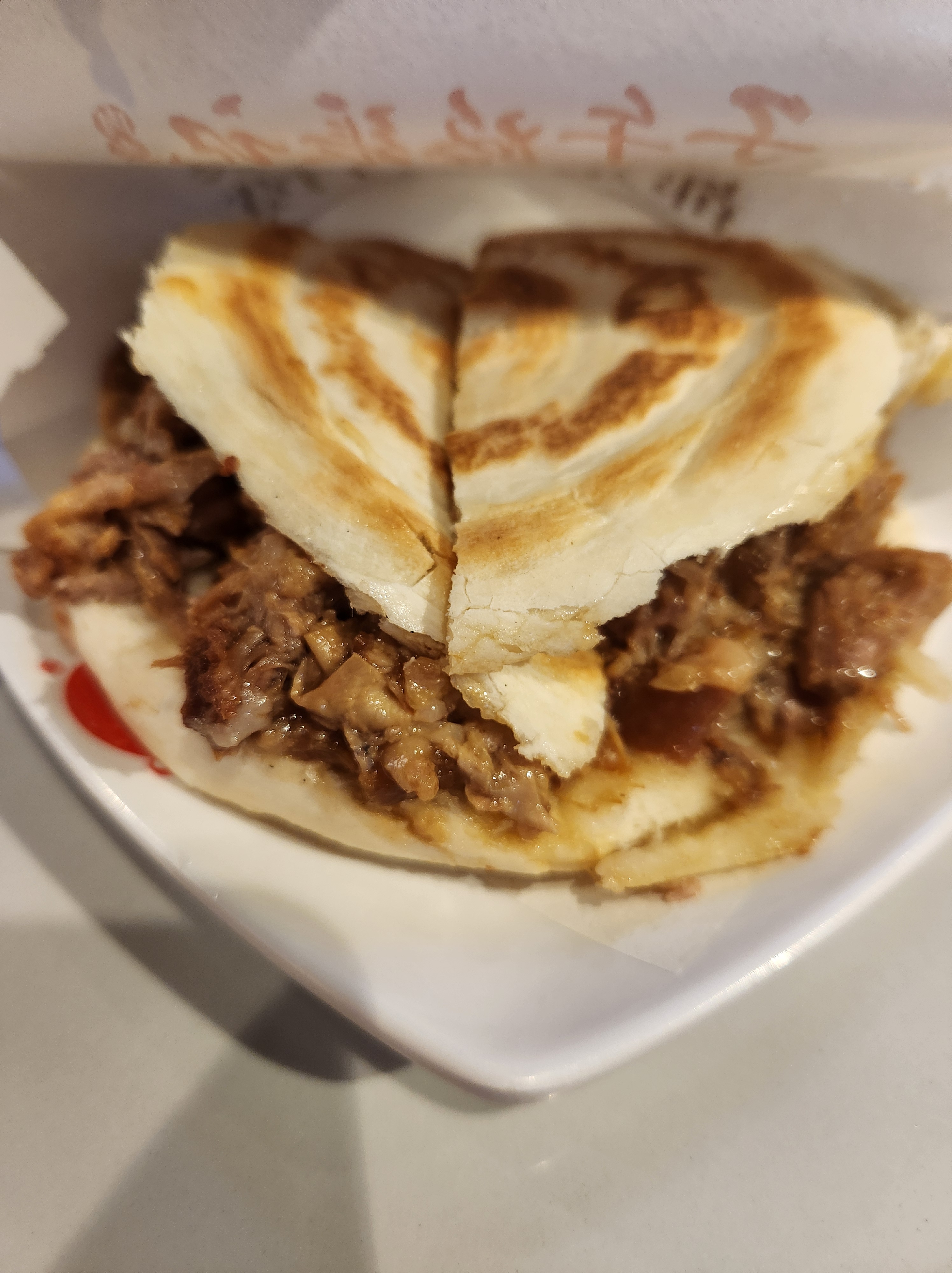
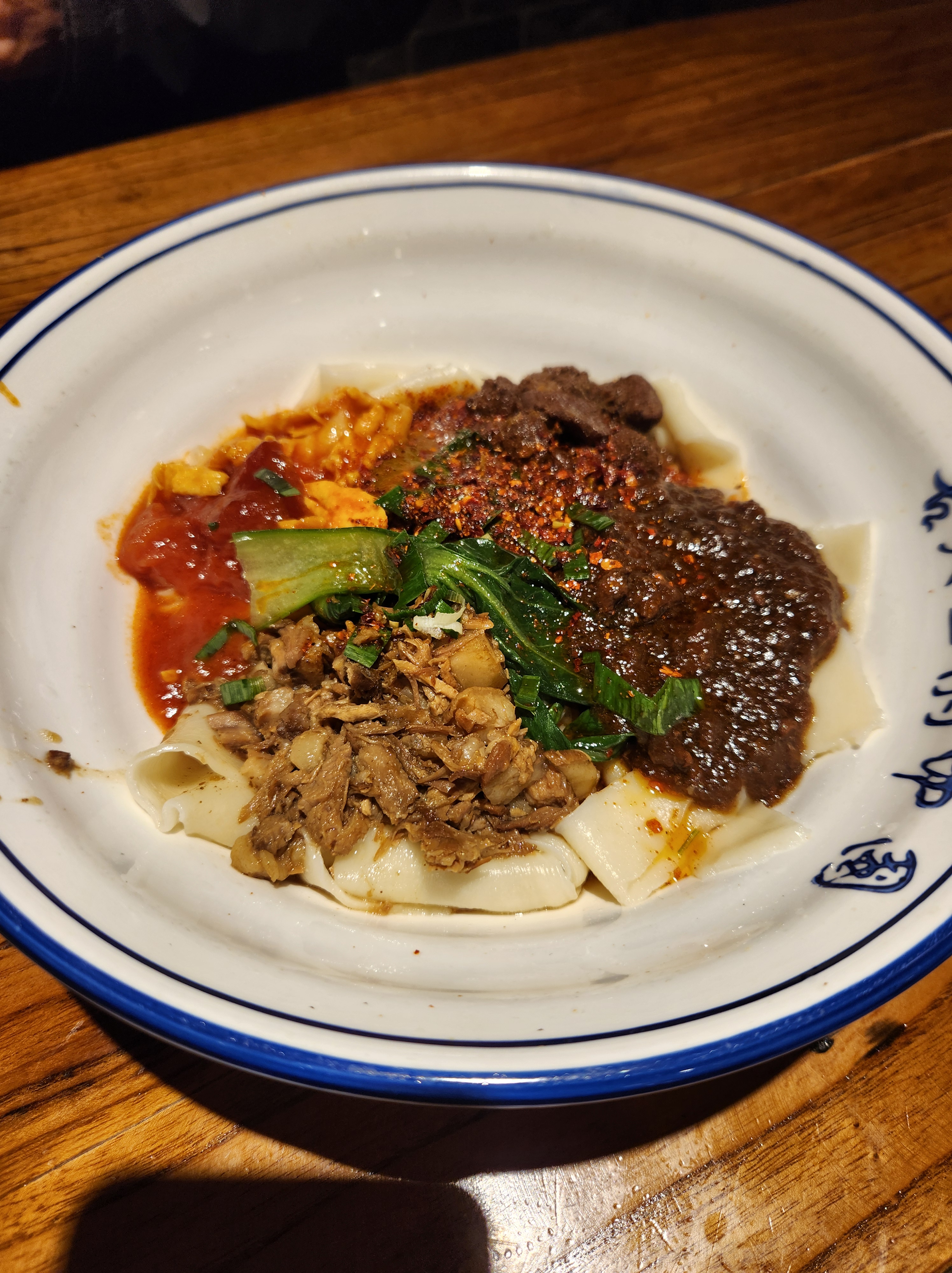
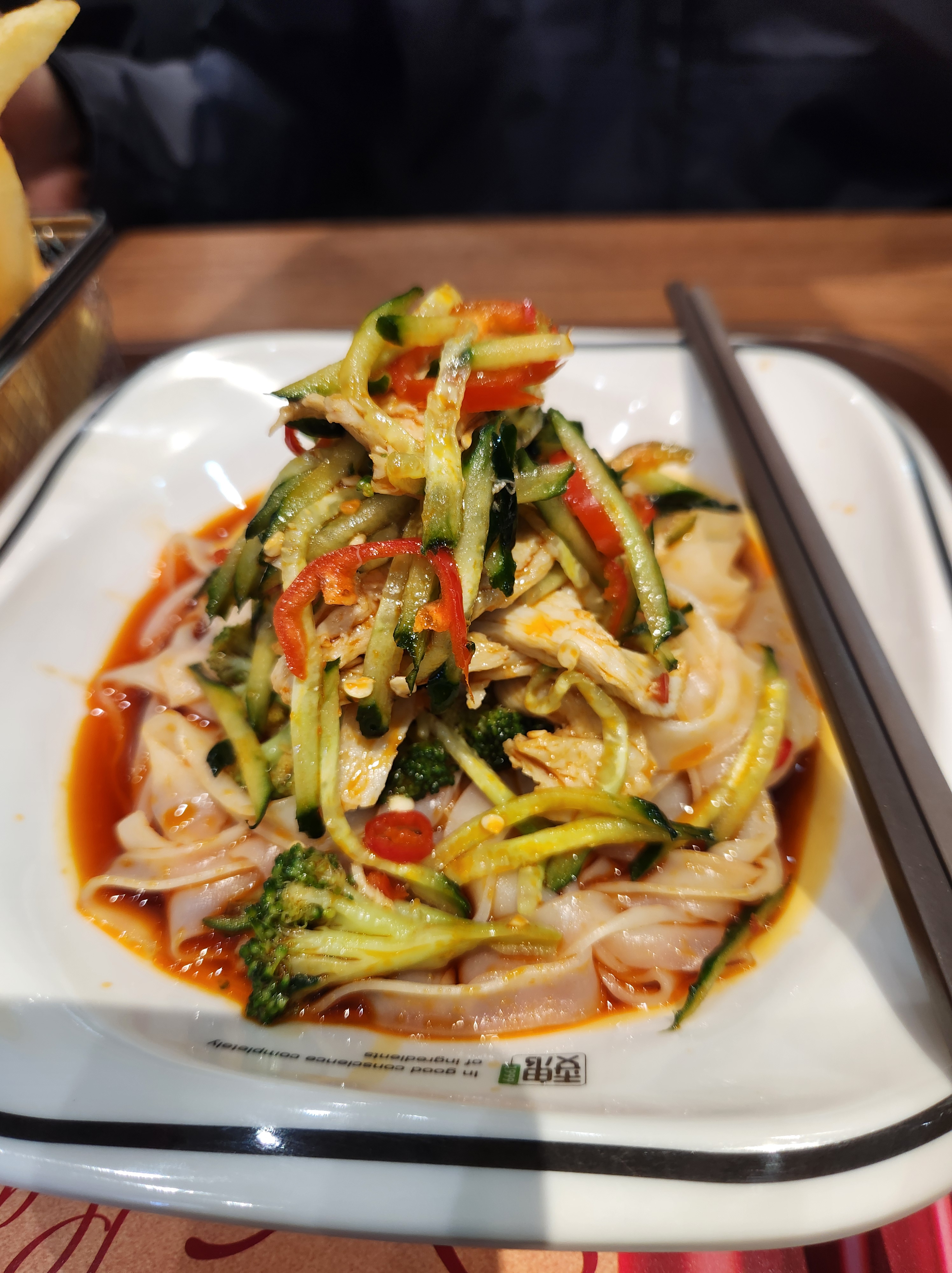
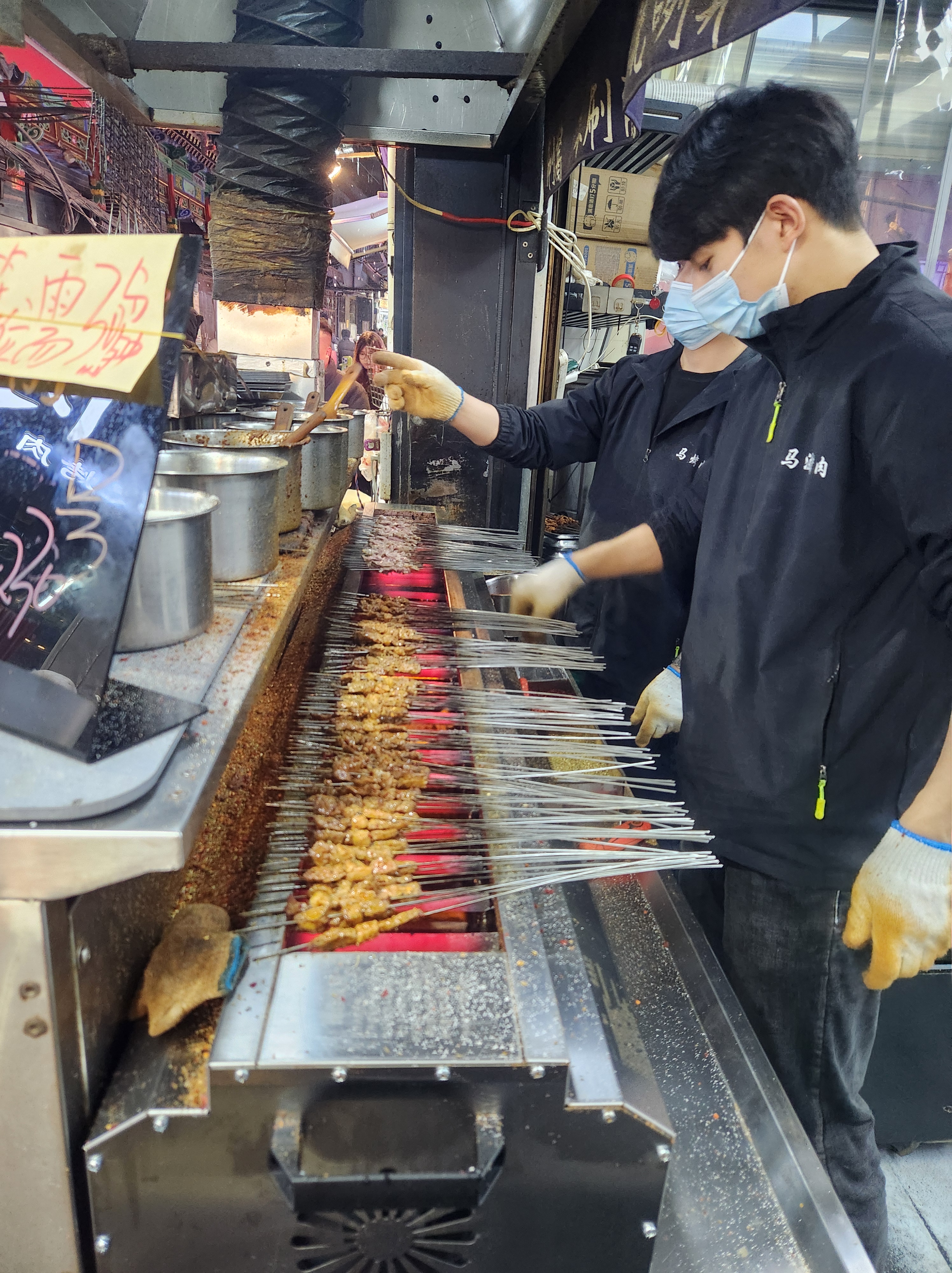
What surprised us most about Xian was the food! We had never heard about Xian food outside of China before, but it is DELICIOUS. From left to right:

  • 肉夾饃, or Chinese hamburger – It doesn’t look like much but the meat was so flavorful and juicy stuffed inside a crispy flatbread.
  • Biang biang noodles – The noodles were wide and soft, mixed in with a symphony of flavors – salty, spicy, and sour. We loved it so much we ate this dish twice and will be dreaming about it forever.
  • 涼皮, or cold noodles – This was so good! A cold noodle dish that’s spicy and vinegary.
  • Skewered meats – Super popular in Xian, these are influenced by the city’s large Muslim population. The meats are often grilled with cumin, chili and Sichuan peppercorn.

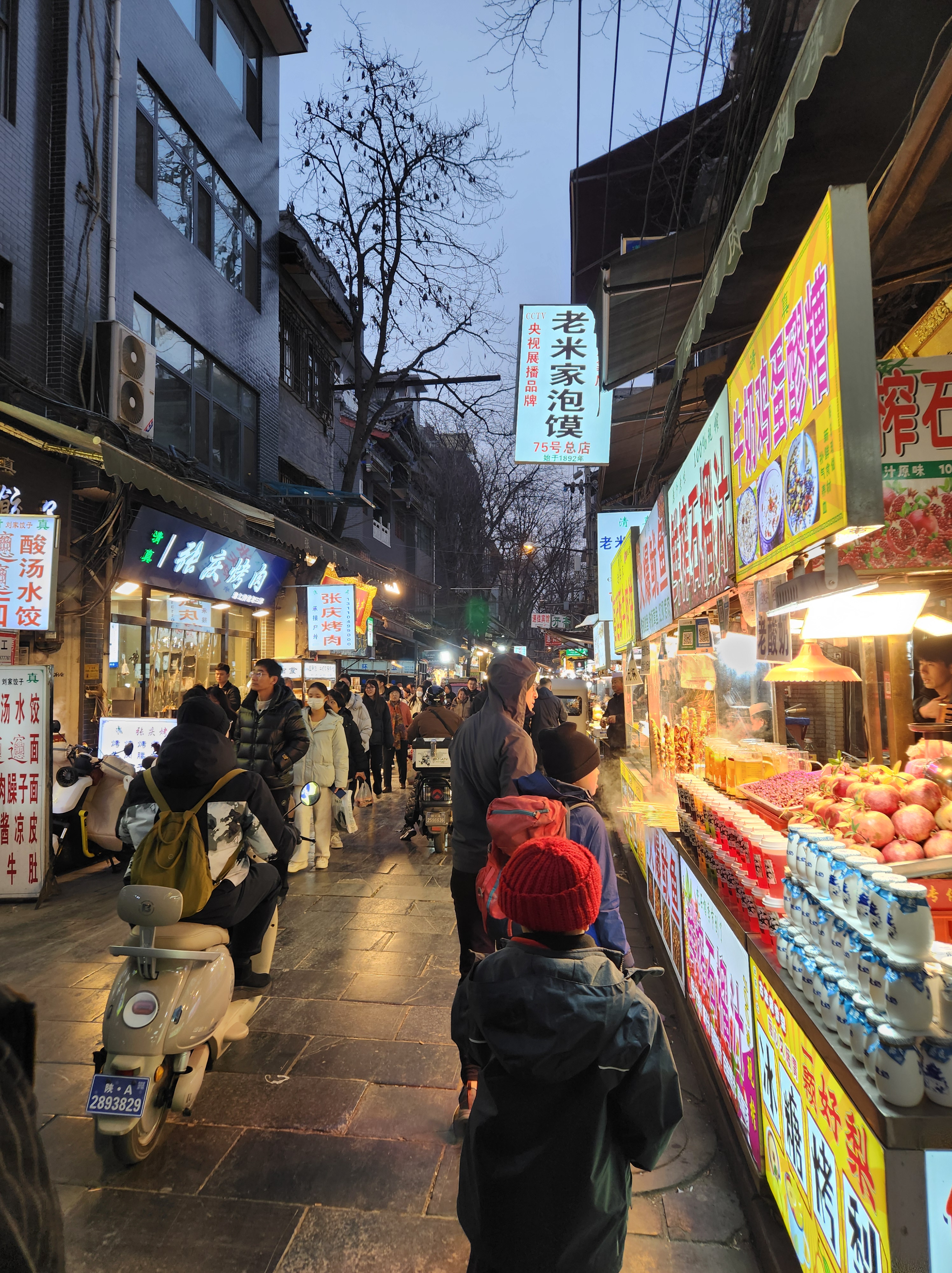
We really enjoyed Xian. Our hotel was right inside the Muslim Quarter, so delicious food and lively streets were literally steps away. That same energy seemed to ripple through the entire city – everywhere we went, the streets were filled with fascinating sights and tempting foods. ☺️
Ok this post has gotten long enough! I’ll end it here and save Luoyang, Huangshan, and Shanghai for part 2.

Ramblings

Familiar Faces from Home

Before we left SF, I read a book called The Invisible String by Patrice Karst to the boys. The book’s message is no one is ever alone – no matter how far you are from your loved ones, there is always an “invisible string” that connects us.

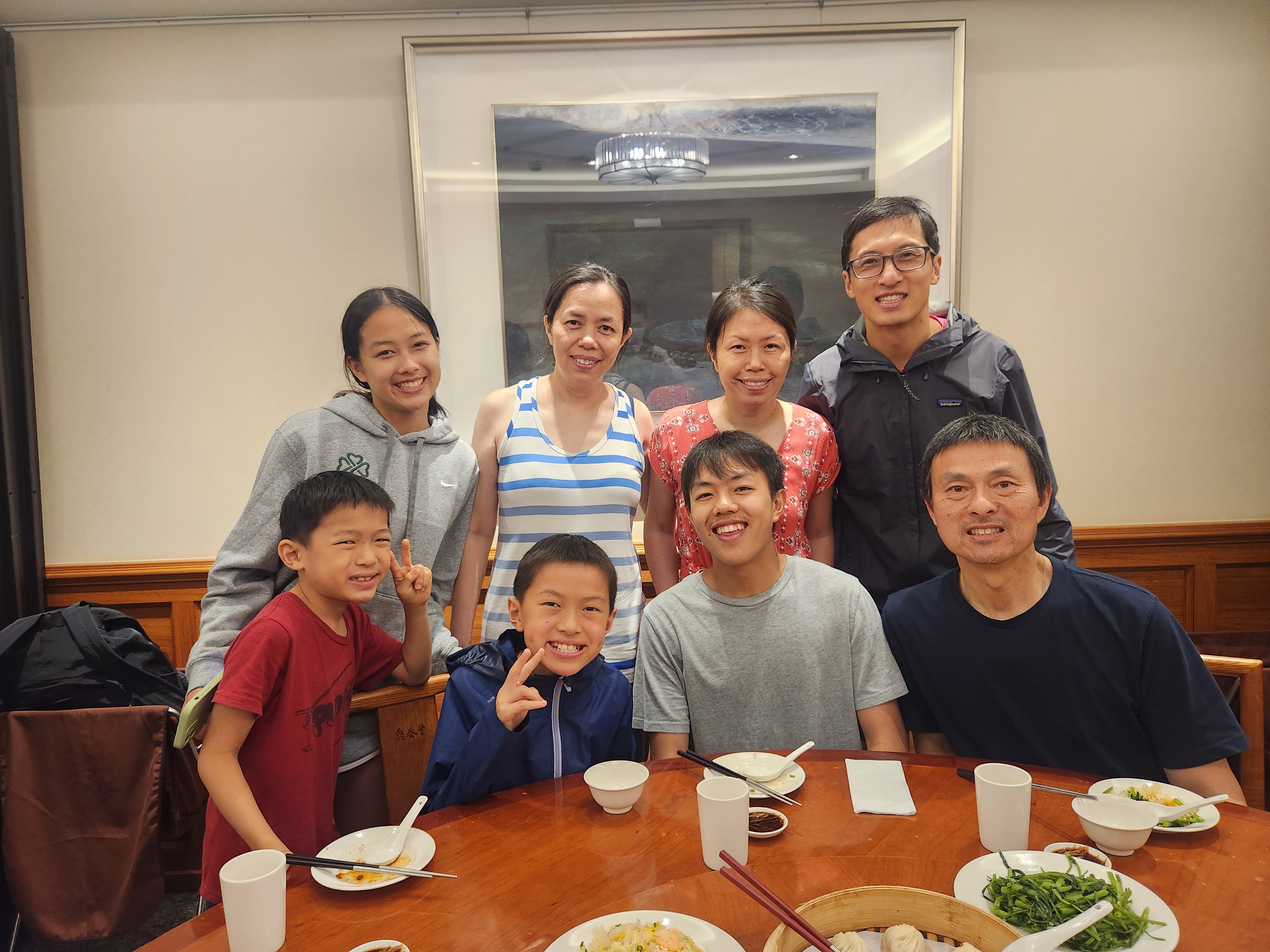
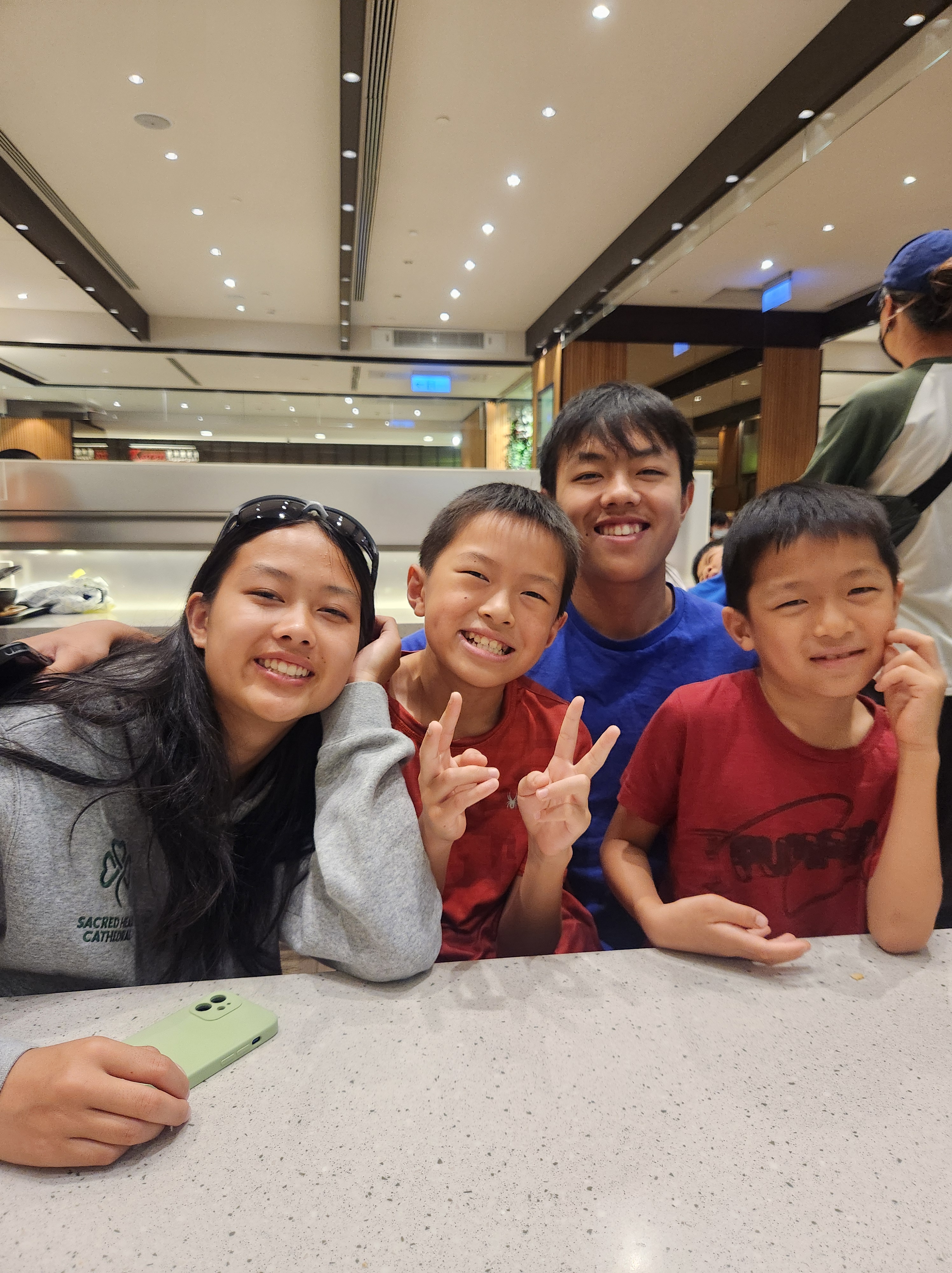
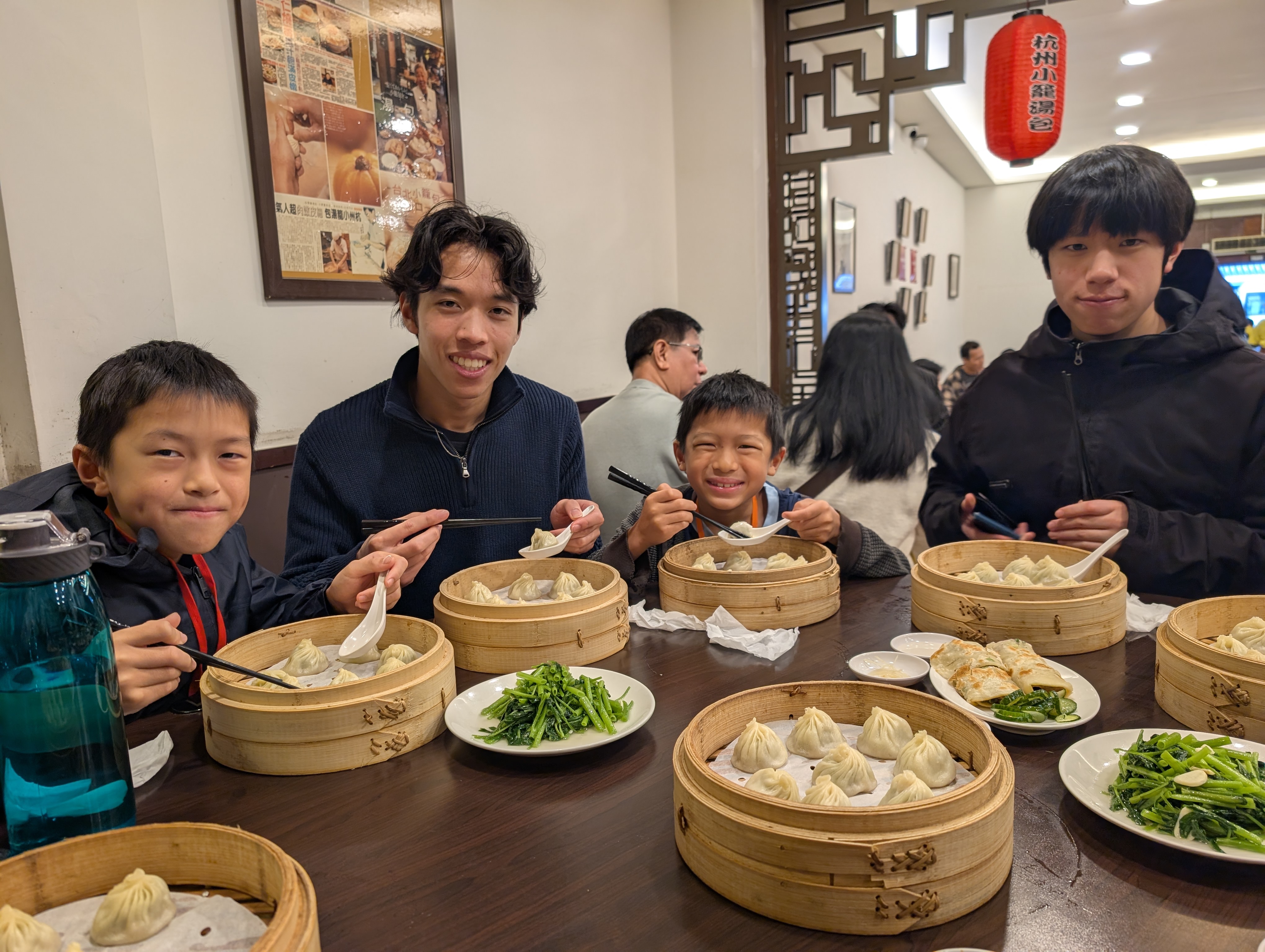
We witnessed the invisible string firsthand this past year. In June, my sister and her family came to Taiwan (I know, this is a long overdue update 😅). They didn’t have any solid plans other than to spend time with us, so we showed them around Taipei and did what we do best: EAT!

Then, we had more visitors in December! My other sister came, followed by Baba’s cousin, and then my SIL. They all came around the same time but luckily, there was no overlap so we could spend time with each family separately.

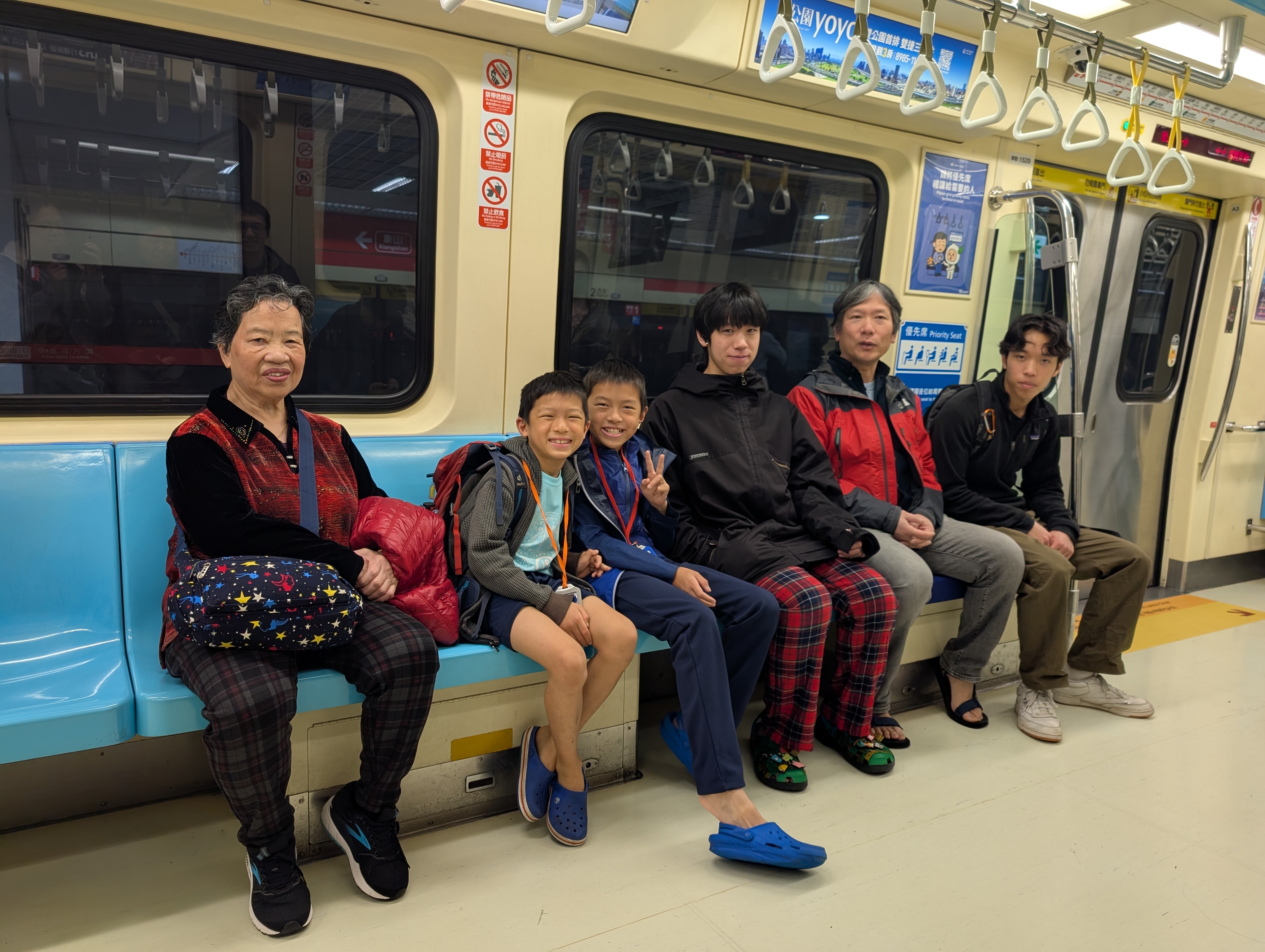
My sister came for a weekend only but we were able to pack in a lot of eating and walking. My BIL’s 84 year old mother also came along, and I was amazed at how she was able to keep up with us the whole time!

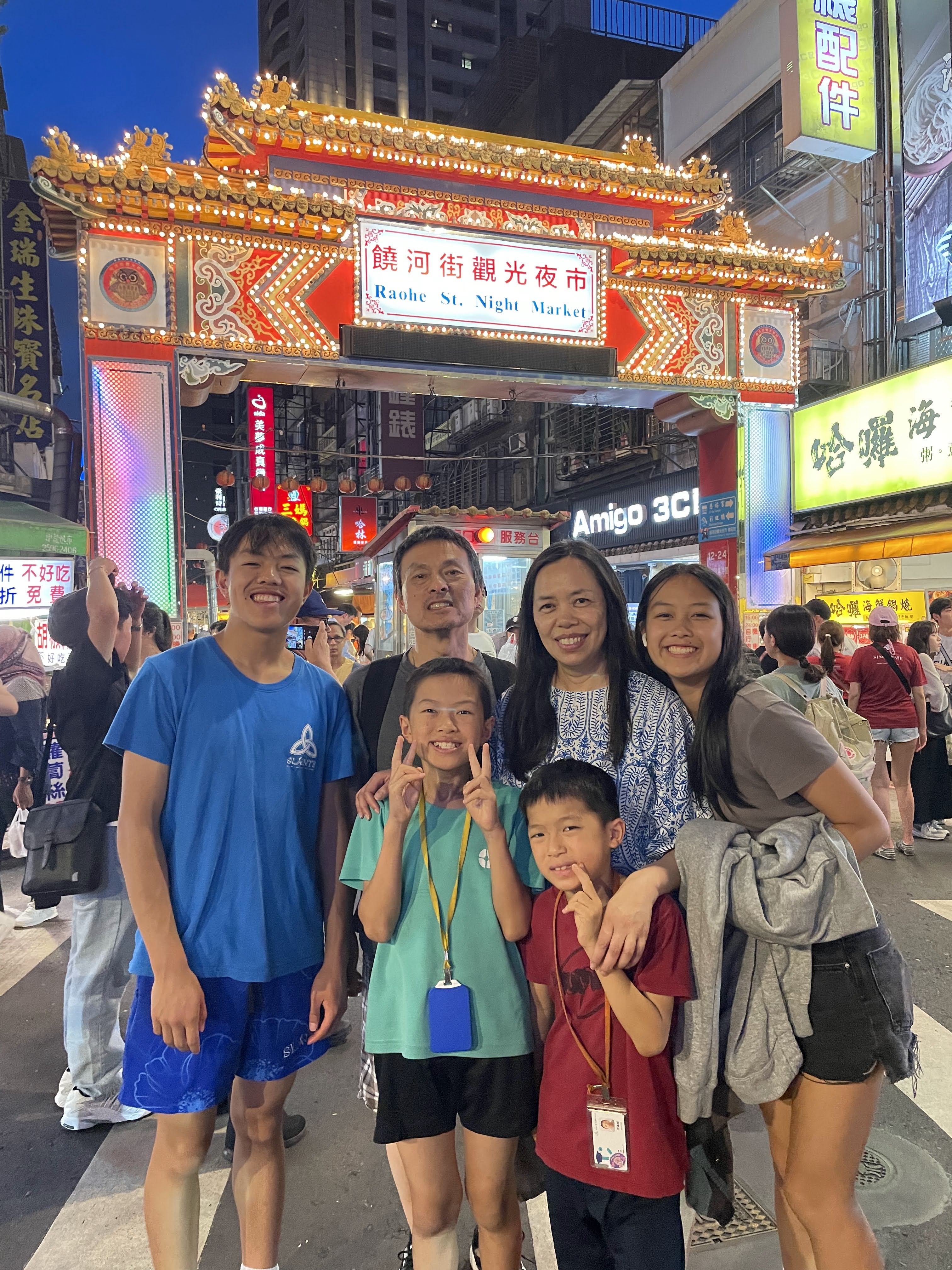
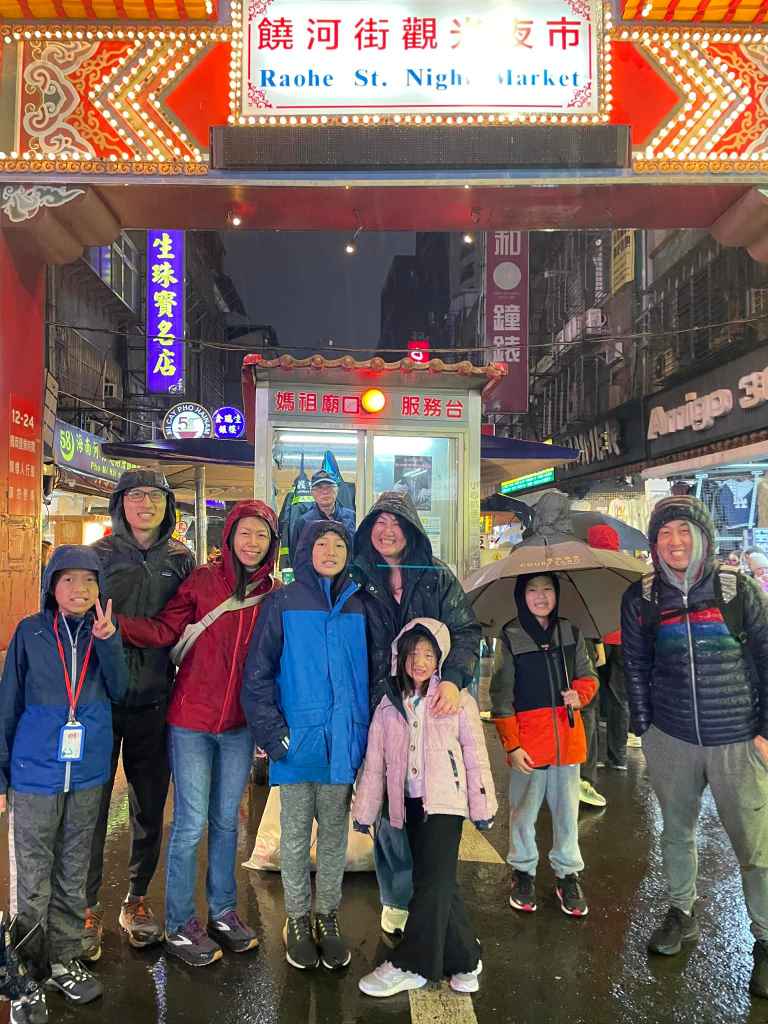
Afterwards, Baba’s cousin arrived and we spent an evening with her and her family at Raohe Night Market. Baba, his cousin and I actually all went to the same high school (same year too!) so we’ve been friends for awhile.

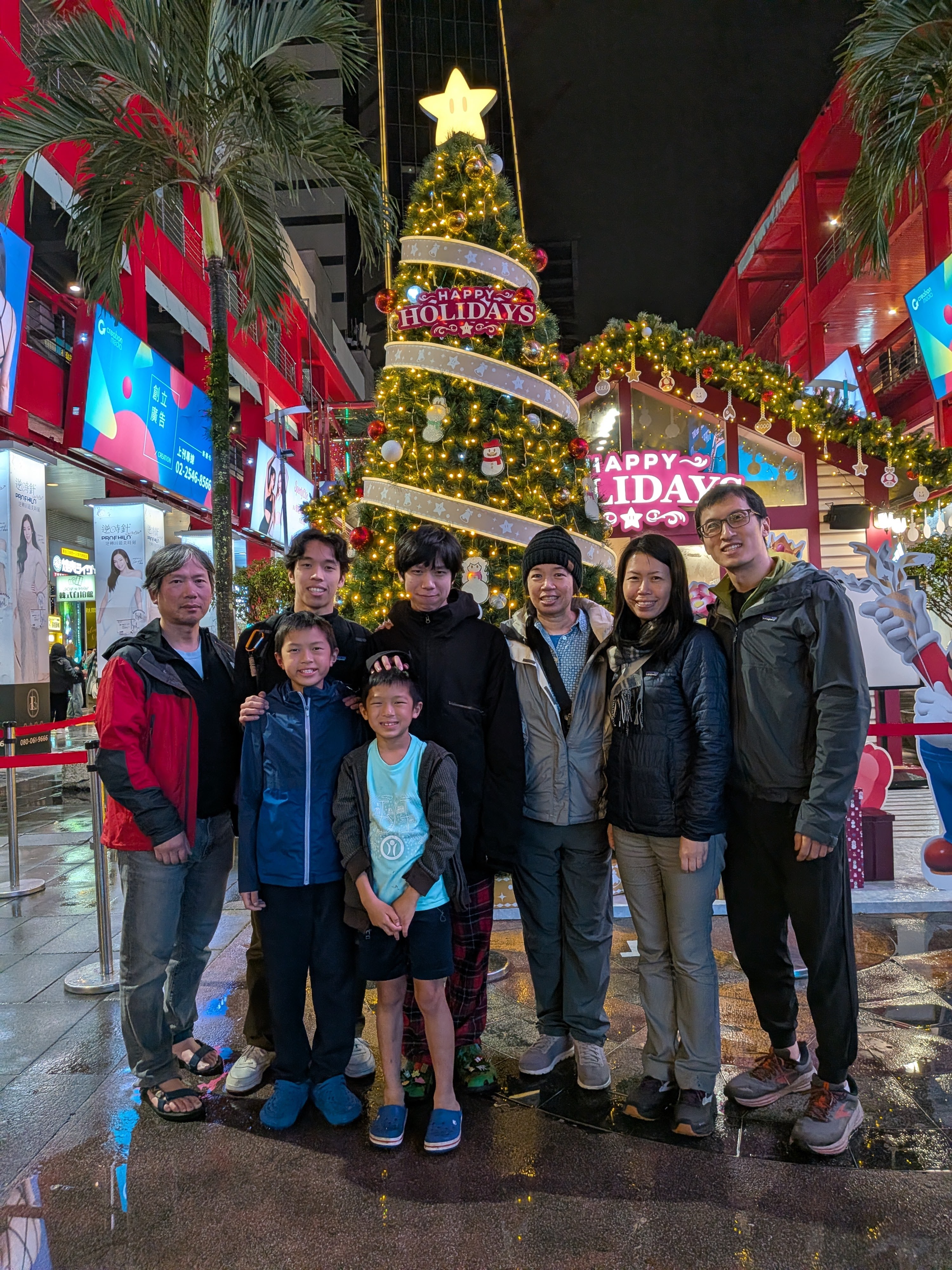
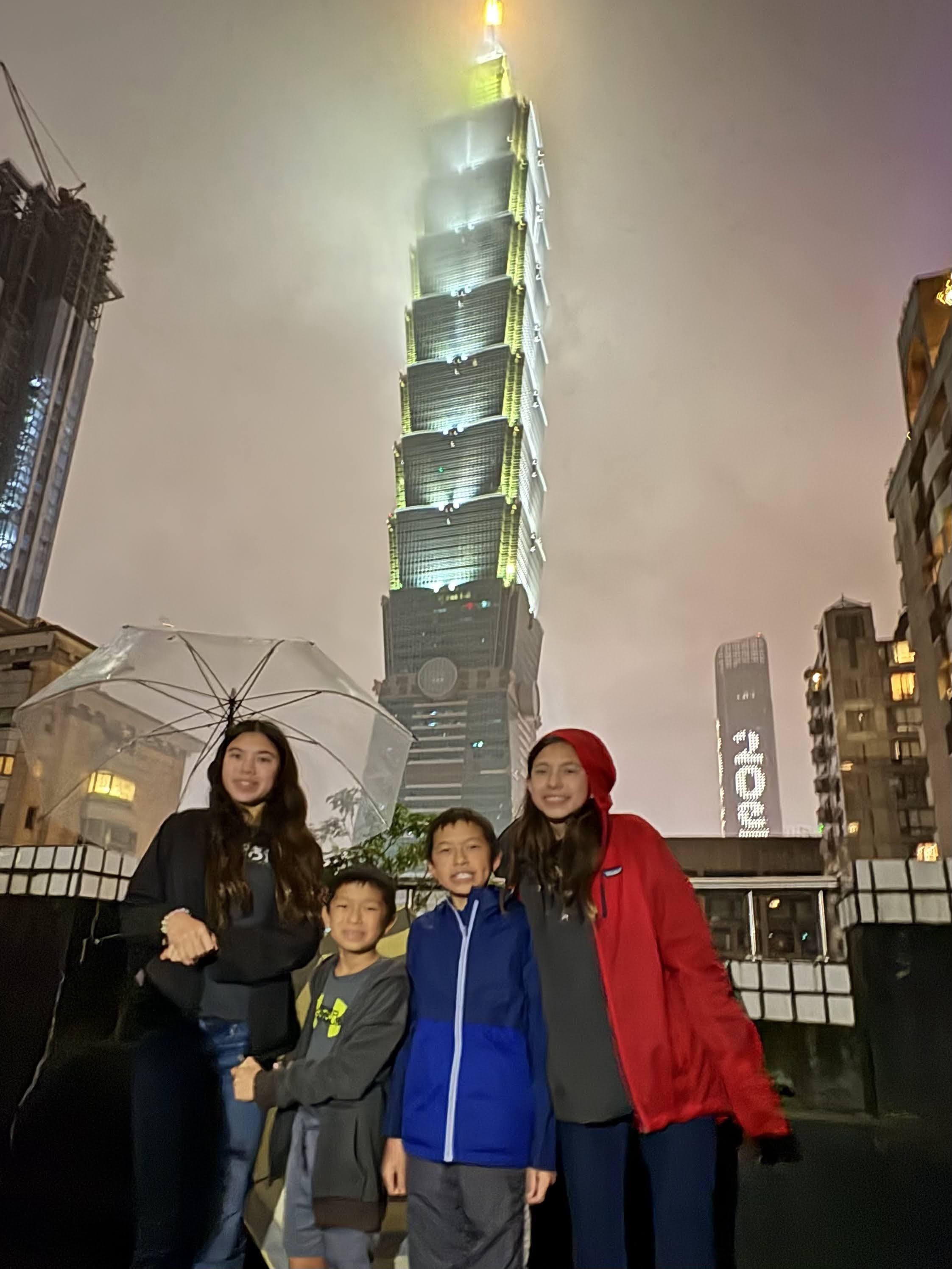
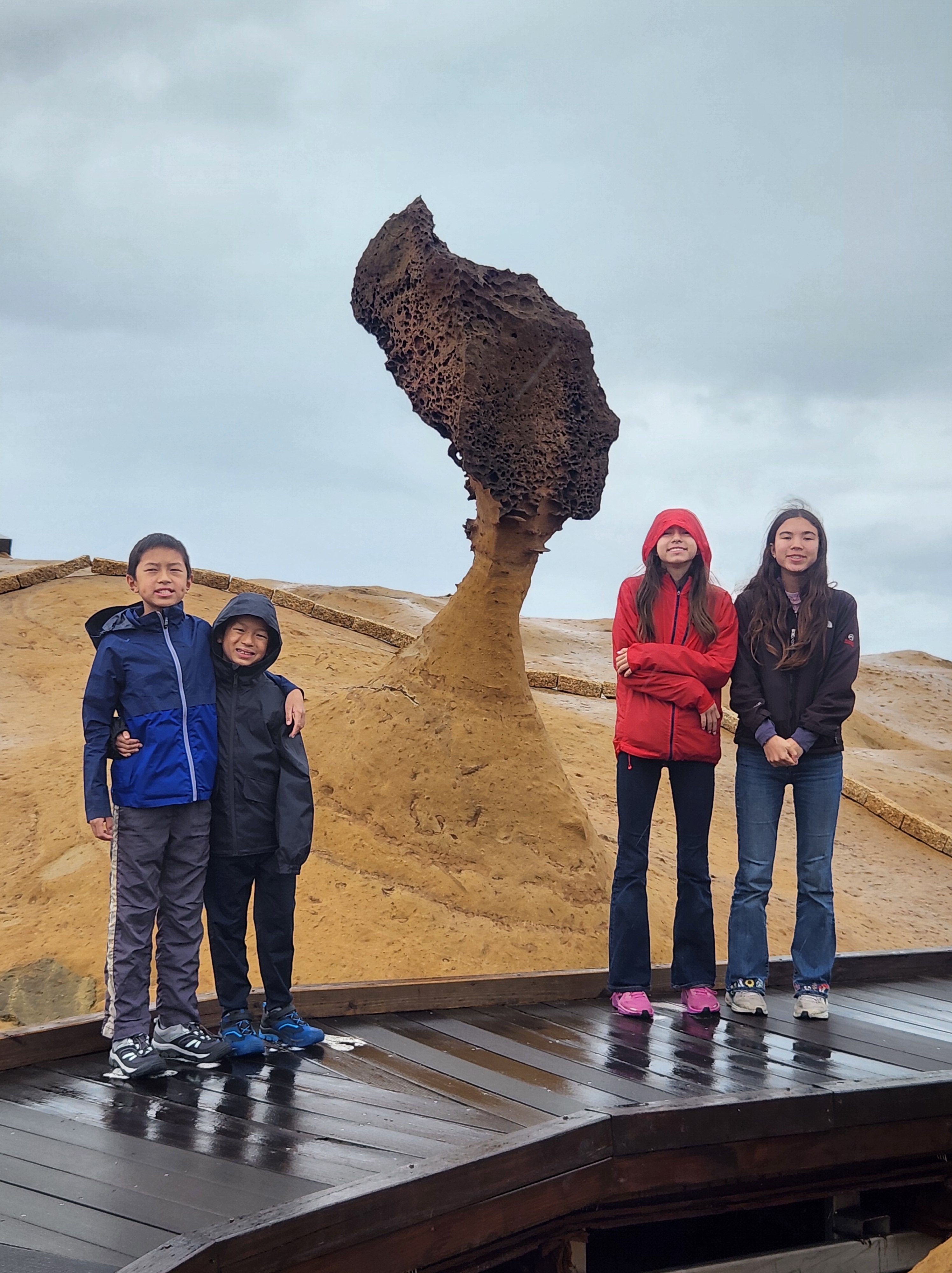
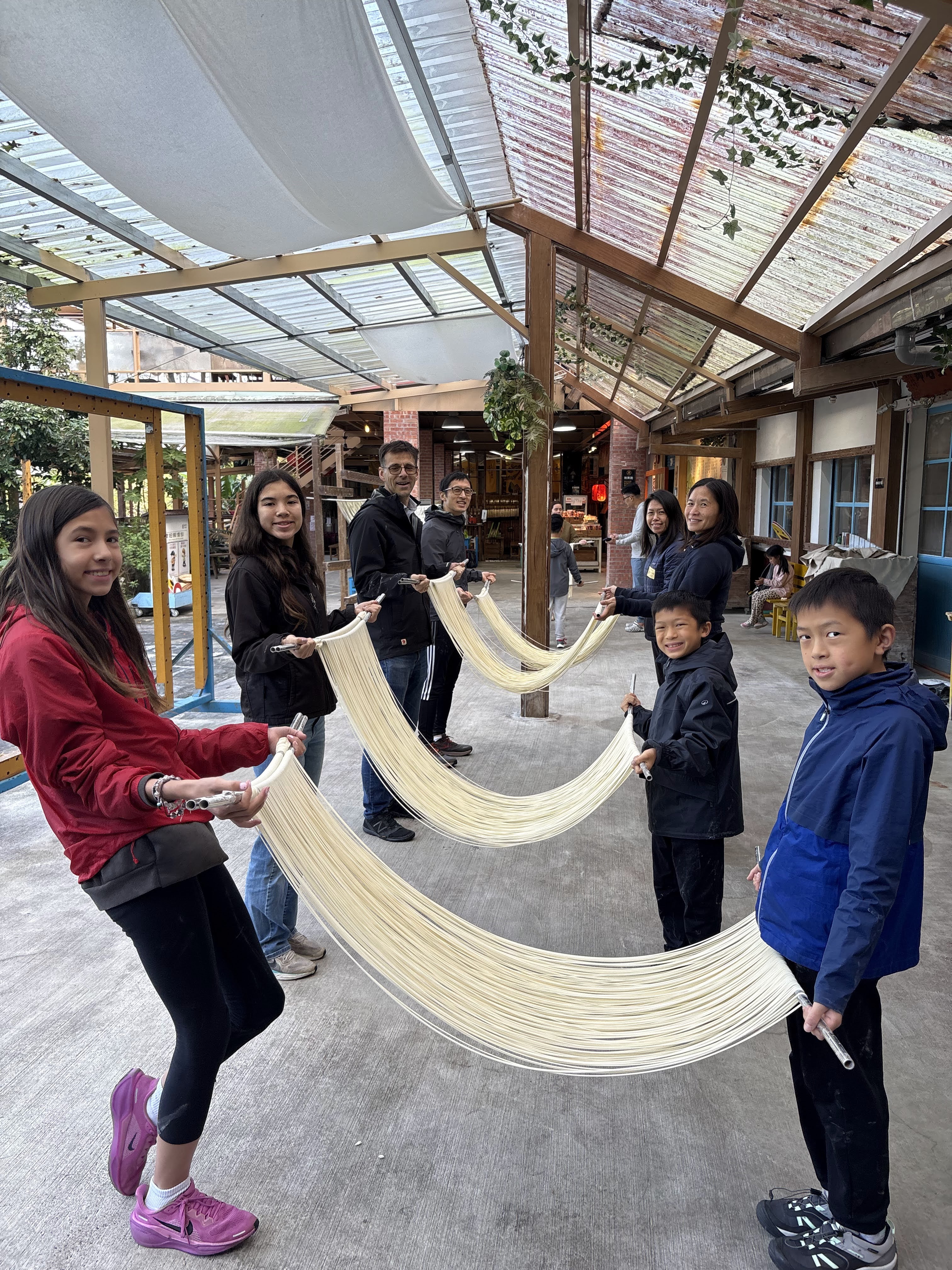
Finally, my SIL came and it was just in time for NYE. Unfortunately, it was rainy and foggy that night so the fireworks weren’t as spectacular as previous years’, but they still enjoyed it. We also accompanied them to Yehliu and Jiufen, and then to the Hsu’s Noodle for a fun noodle making experience.

Except for Baba’s cousin, the rest of our family had already visited Taiwan in the past. The fact that they came again just to see us made us feel very loved. 🥰 What’s remarkable is that despite not seeing their cousins for two years, the boys connected with them right away. It was really sweet watching them spend time together. When everyone left, O cried for days. We were all feeling a bit low. That’s one part of living abroad I’ll never get used to.

I still have so many posts to catch up on. I hope I’ll find the motivation soon!

Ramblings

A Weekend in Hong Kong

Early last month, we took a short trip to Hong Kong. Hong Kong had not been part of our original travel plans because we’ve already visited a couple of times, and we’ve always found the people a bit rude. 😓

But what has been in our travel plans is China. When we left the US, we naively assumed that we could get our visas in Taiwan. (Spoiler alert: we couldn’t.) Turns out there is no Chinese embassy in Taiwan, so we would either need to return to the US to get our visas, OR go to the China visa application center in Hong Kong. Since Hong Kong is only a 1.5 hour flight away, we decided to go that route and make a long weekend trip out of it.

The visa application process has two parts. First, you have to fill out an online application on their website. They ask for a lot of information, including your itinerary, previous travel to China, parents’ birth place, etc., so it can be tedious. After submitting your application, the visa office will review and possibly ask for additional information. It is only after your online application is approved that you can go into the office to submit your passport and get your visa. The online review/approval process was quick, about 2-3 business days between submission to approval.

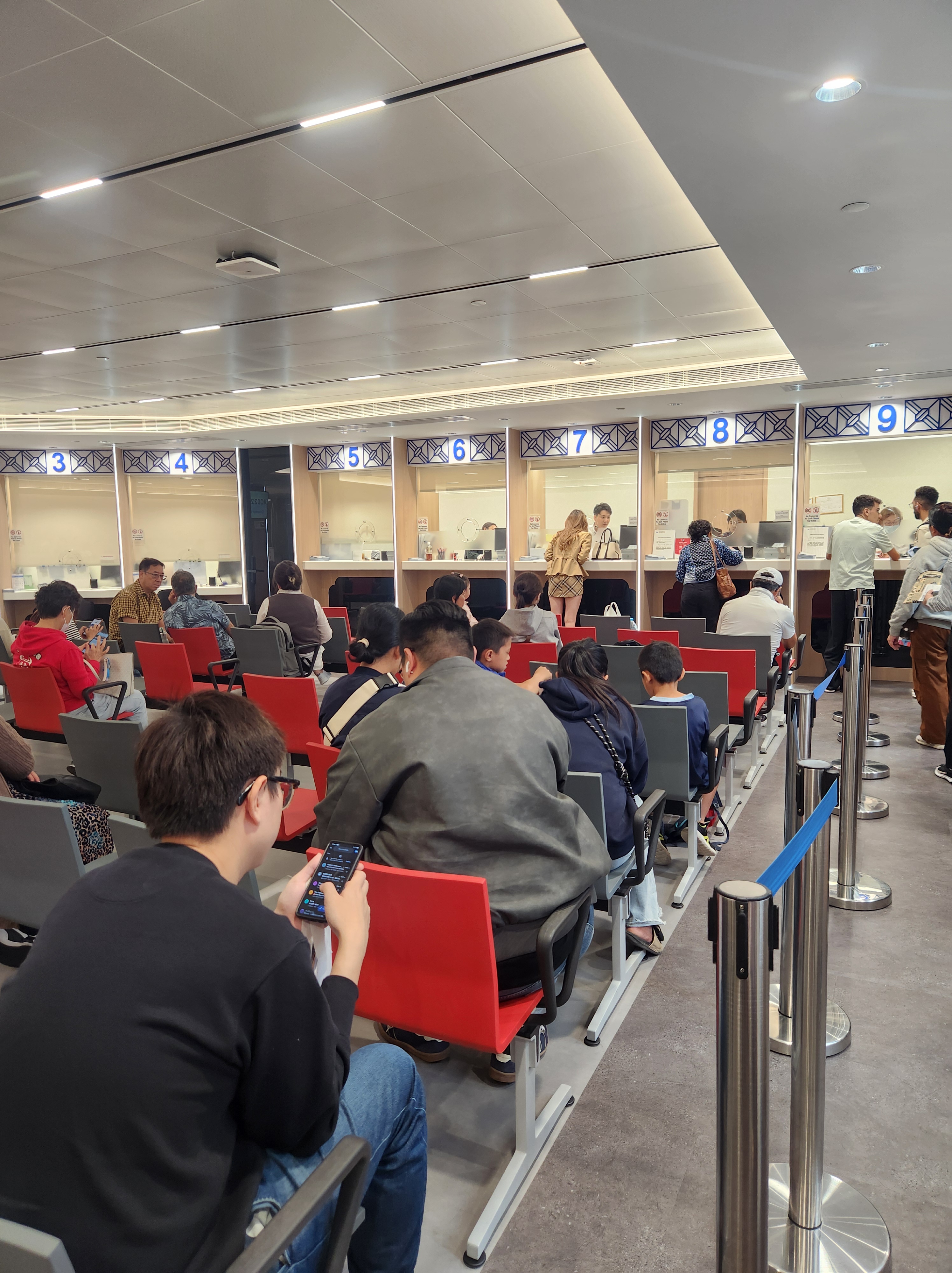
Early Monday morning, we arrived at the visa office only to find a ton of people already there. 😬Luckily, since we applied for urgent service (next-day turnaround), we were able to skip to the front of the line. Important tip: if you applied for urgent service, make sure to tell them when you check-in! They will give you a different queue number. Otherwise, you’d be waiting with the masses.

The whole process was fairly smooth. We handed in our online application confirmation, passports and payment, and left within 30 minutes. The fees were hefty for urgent service; we paid close to $1200 USD for the four of us. 😯 They advised us to pick up our passports and visas the next day at 5pm but we were able to get them by 3pm, which was perfect because we had a flight to catch!

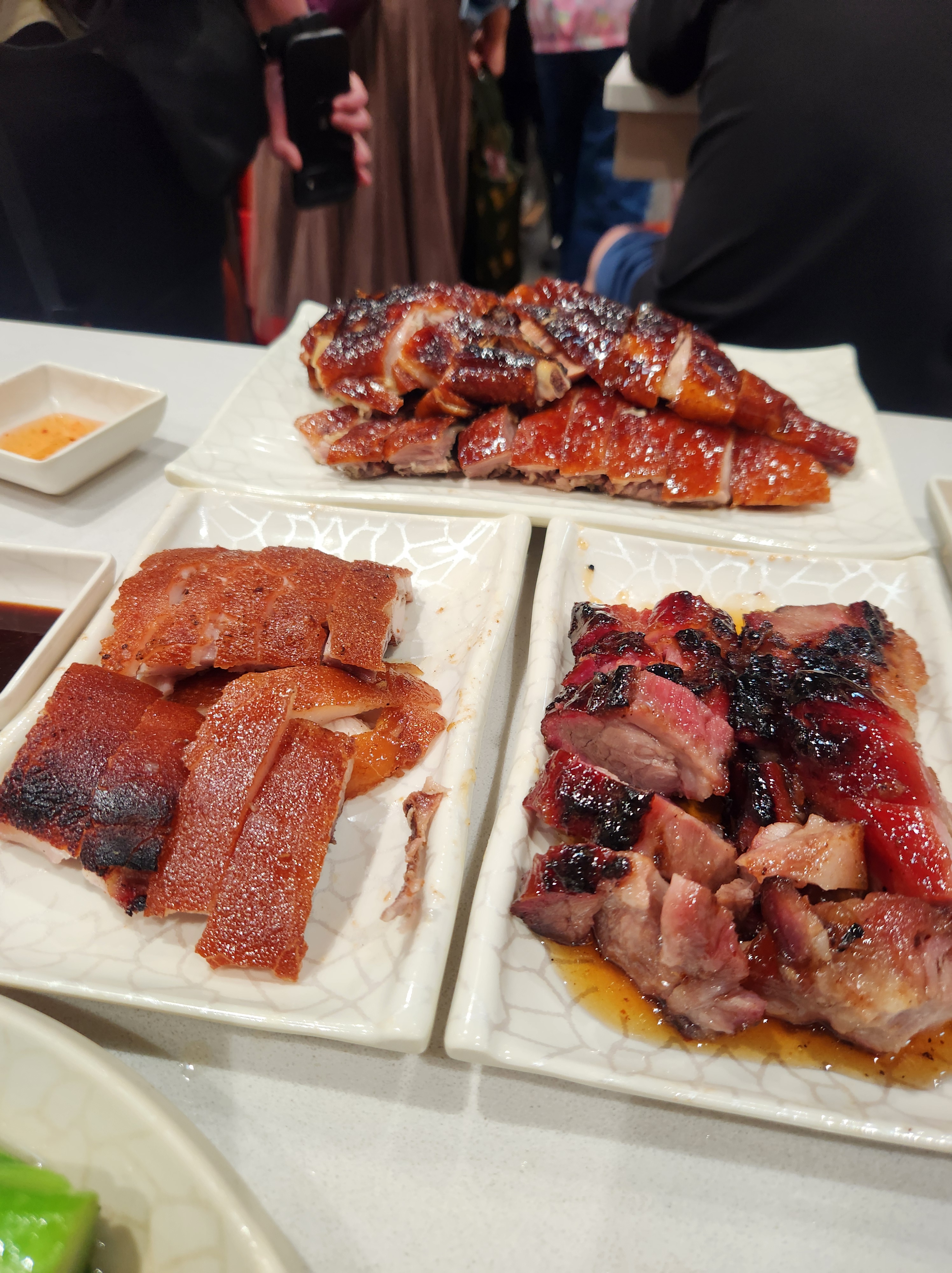
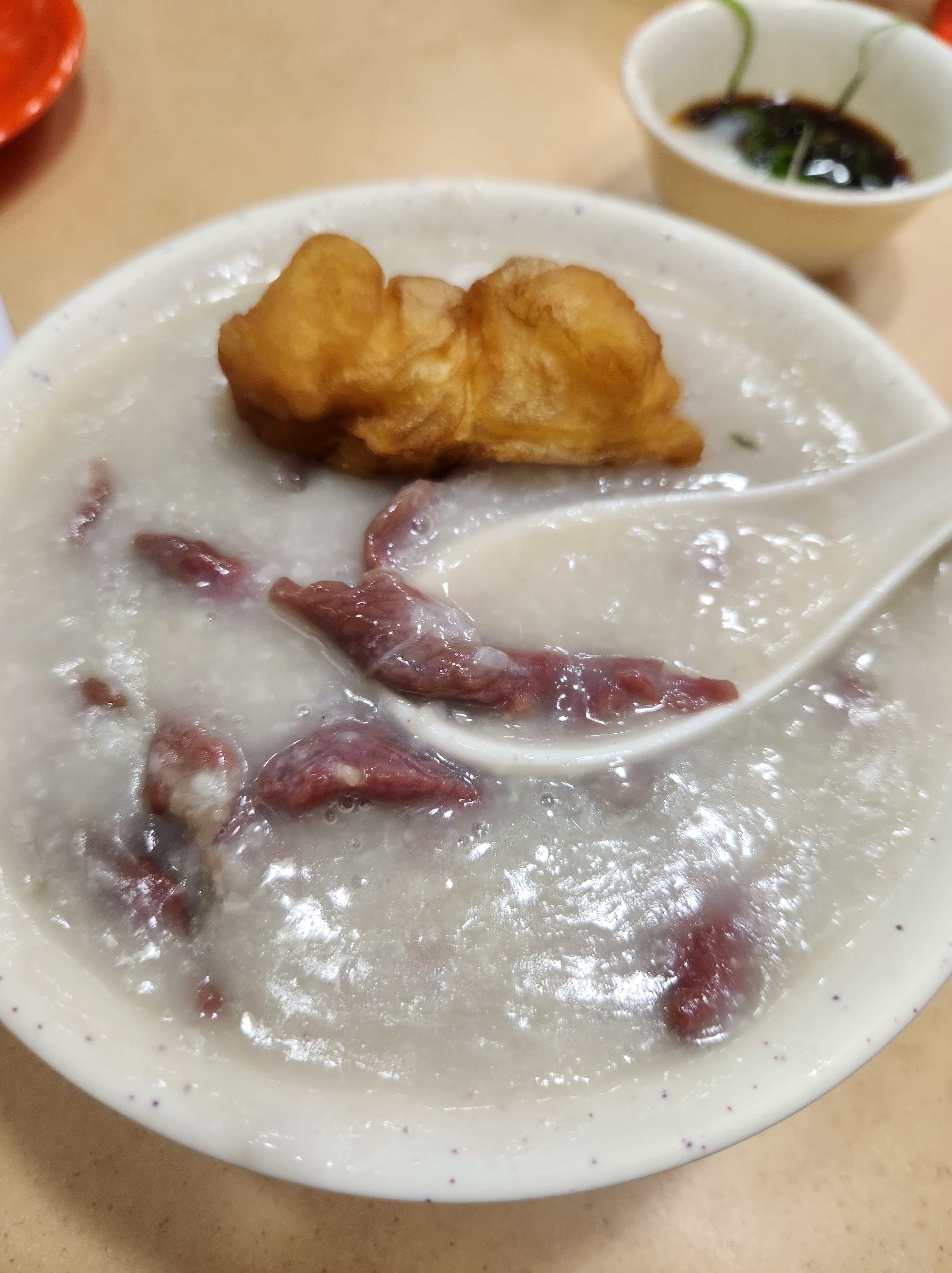
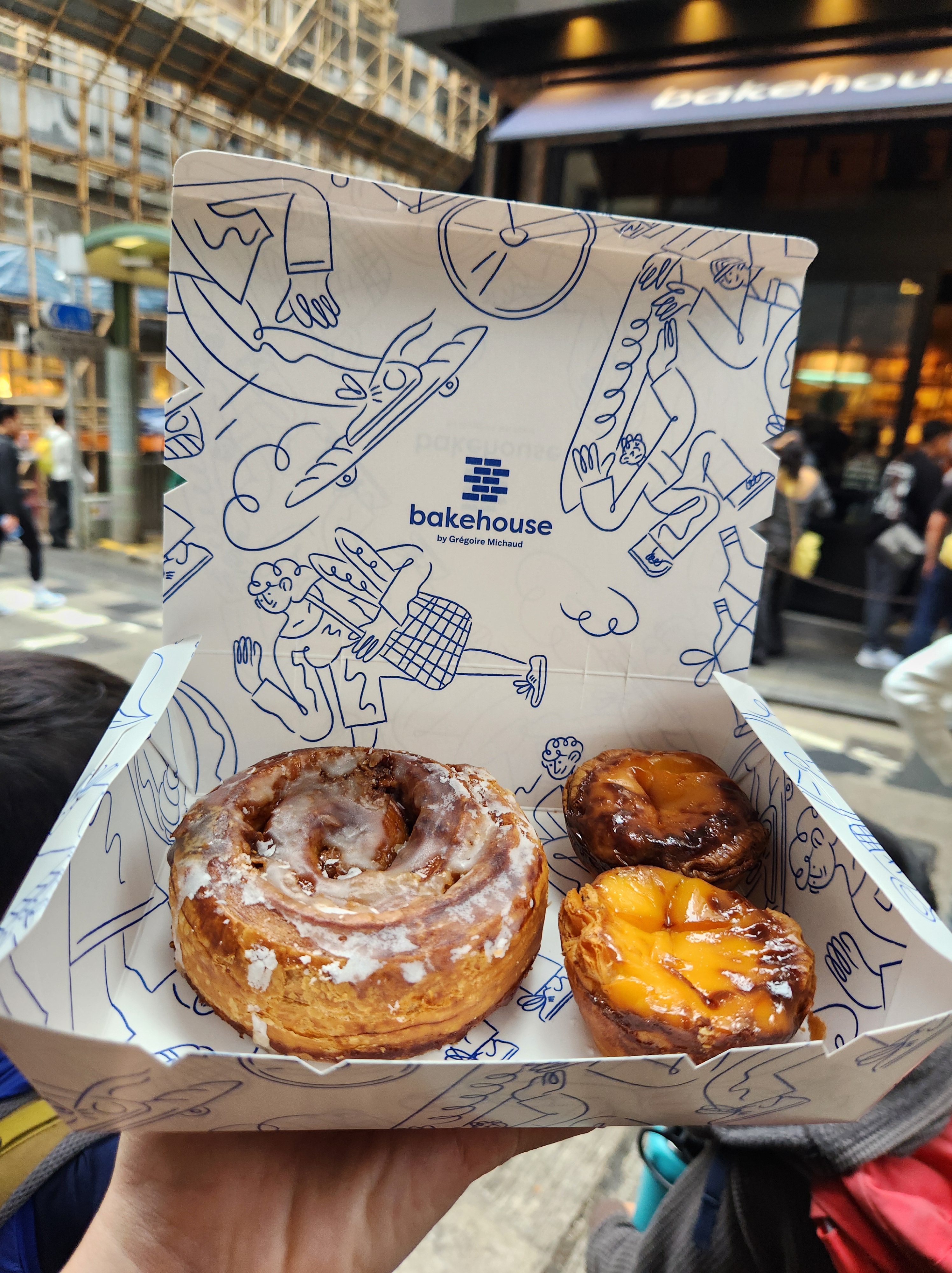
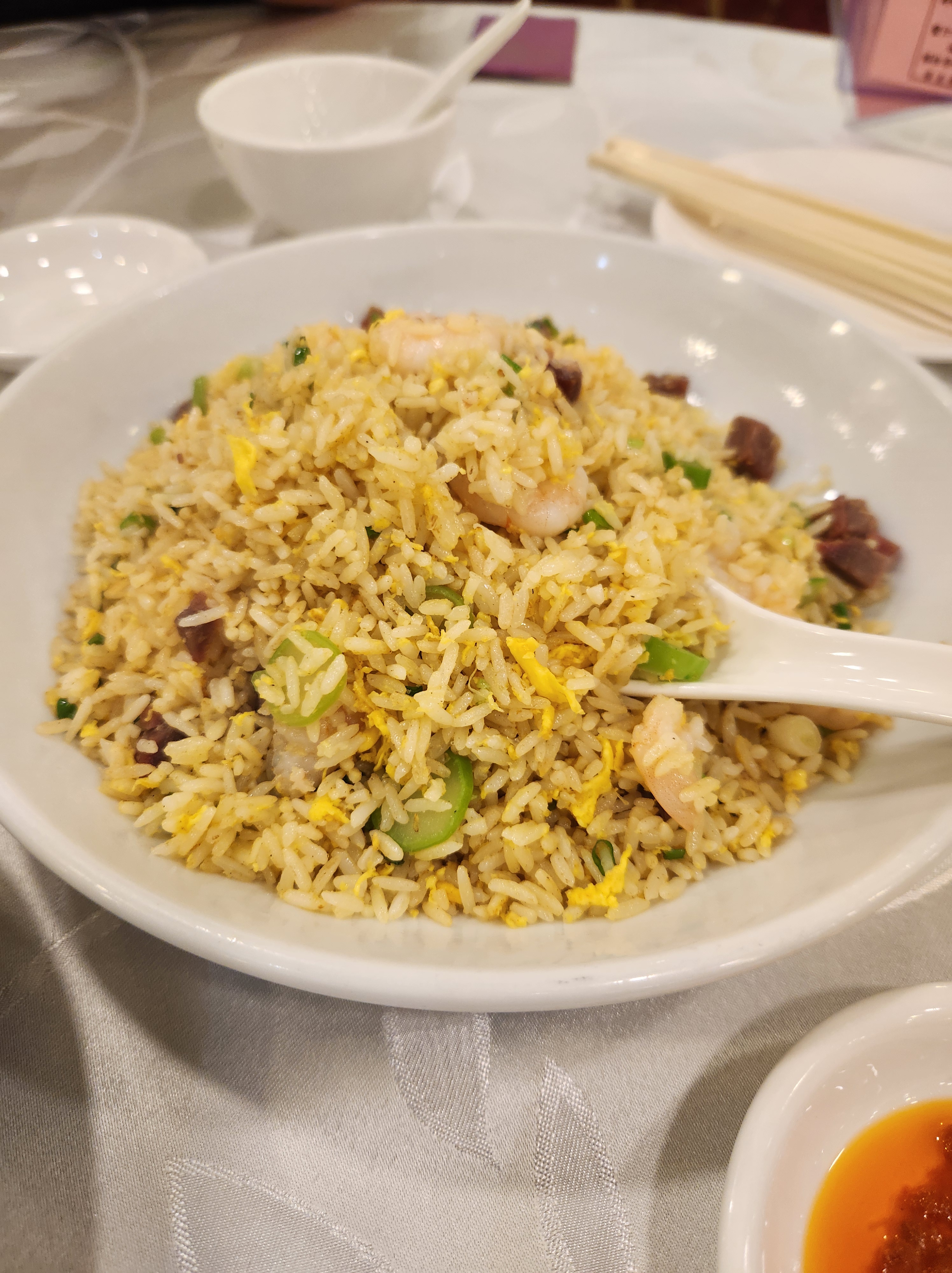
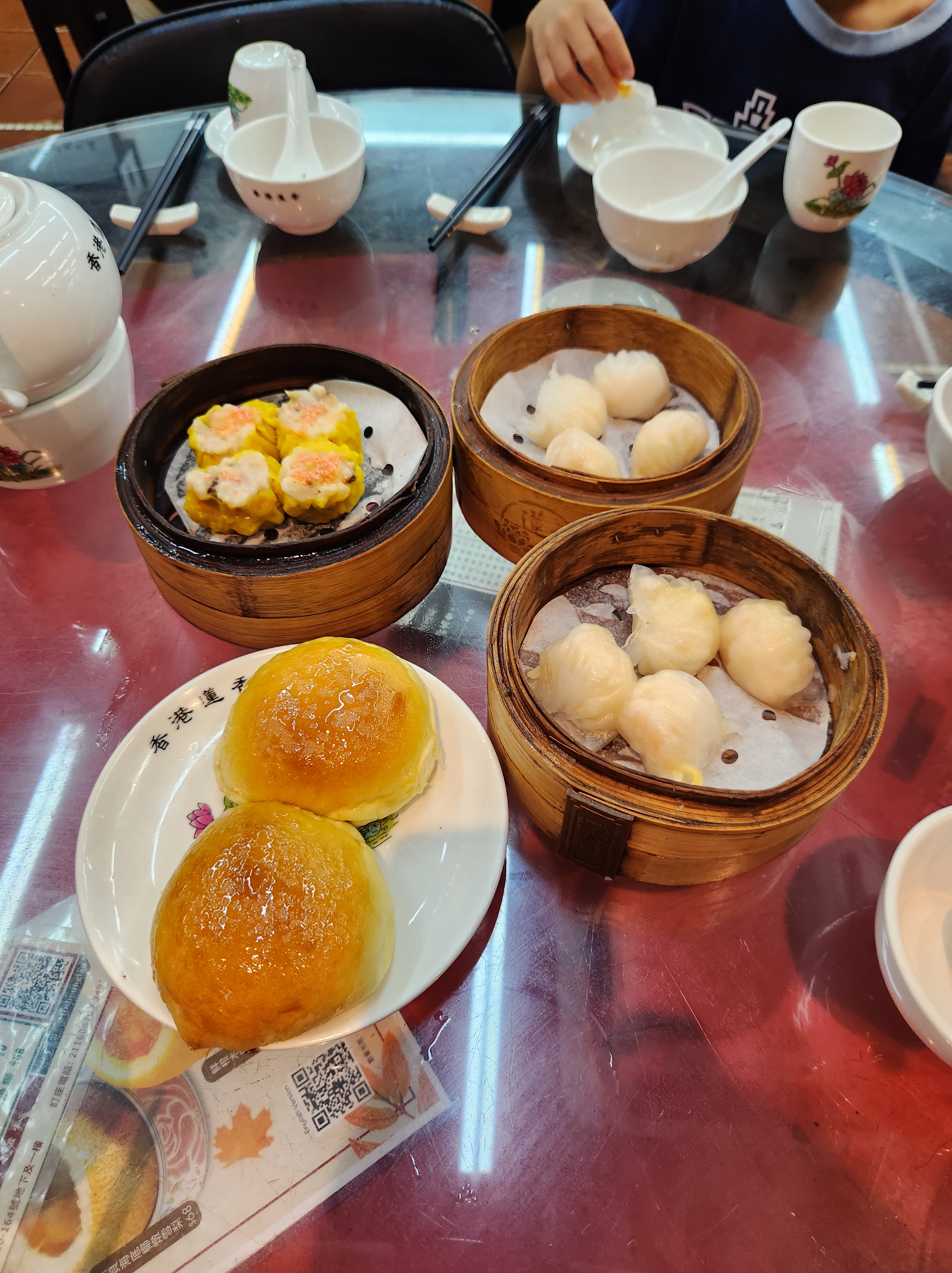
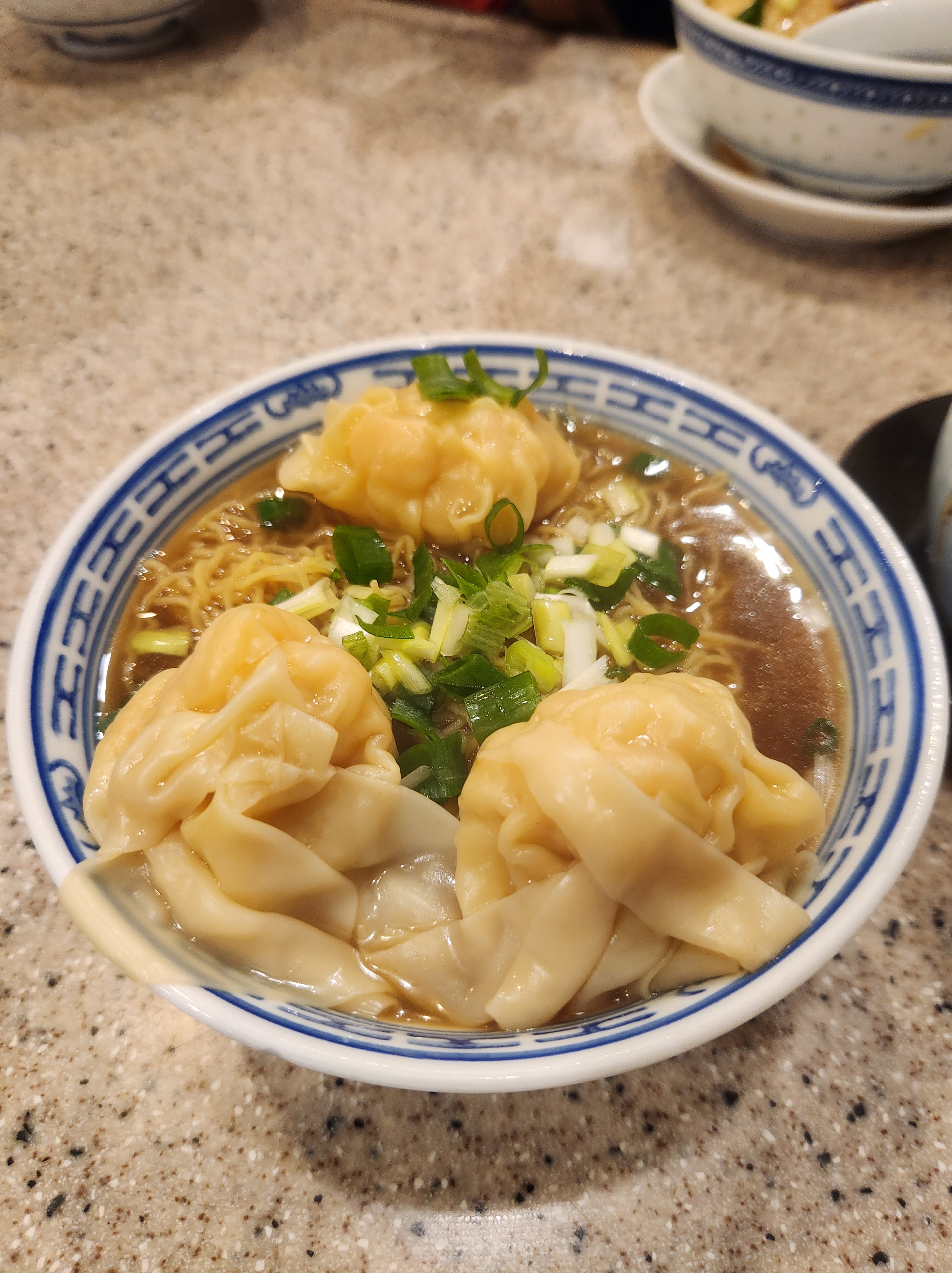
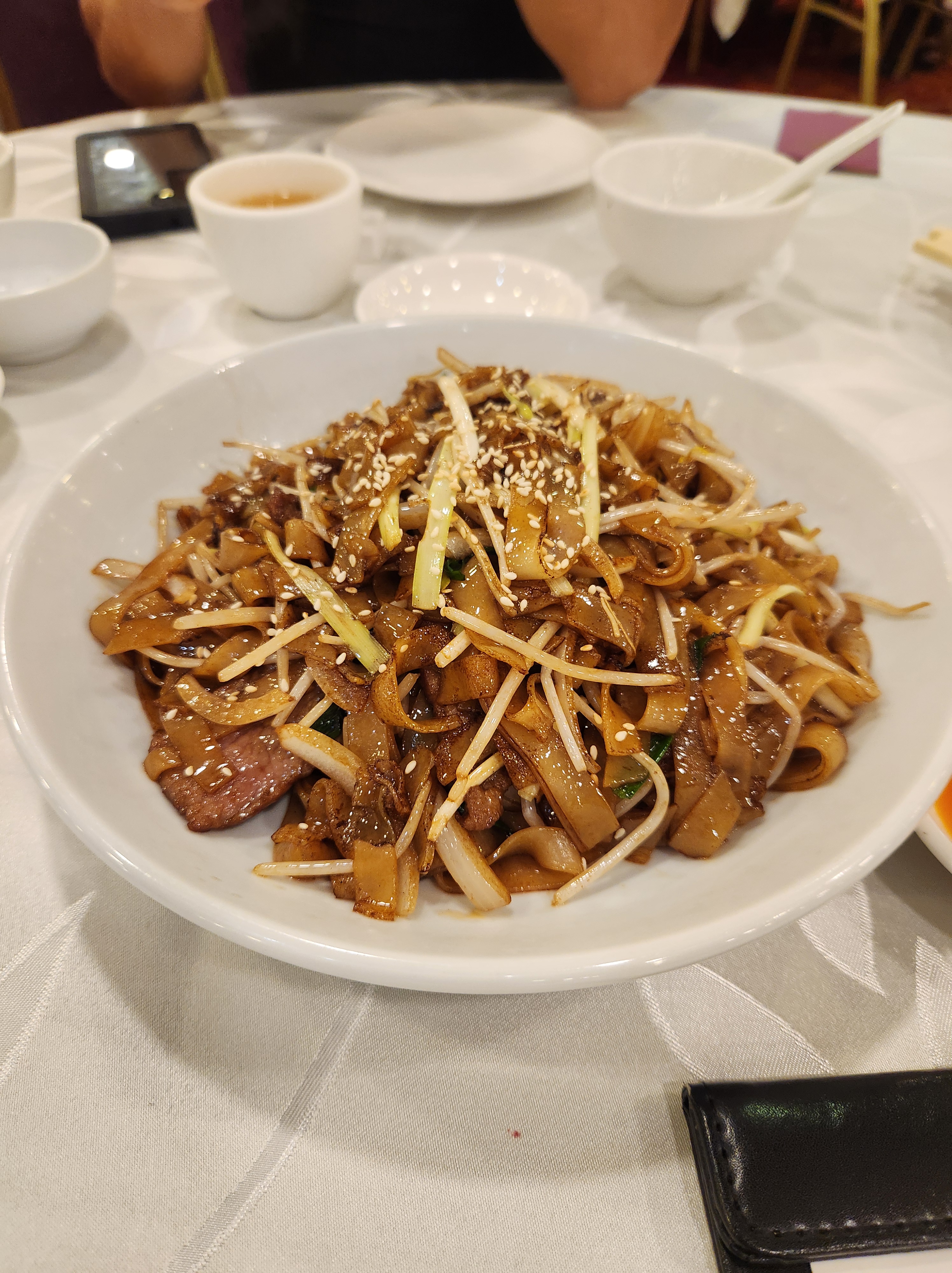
Ok, enough of the boring stuff. We spent only 2 full days in Hong Kong and ate to our hearts’ content. We miss Cantonese food terribly (there isn’t much of it in Taiwan) so we hunted down all our favorites. It hit the spot for sure!

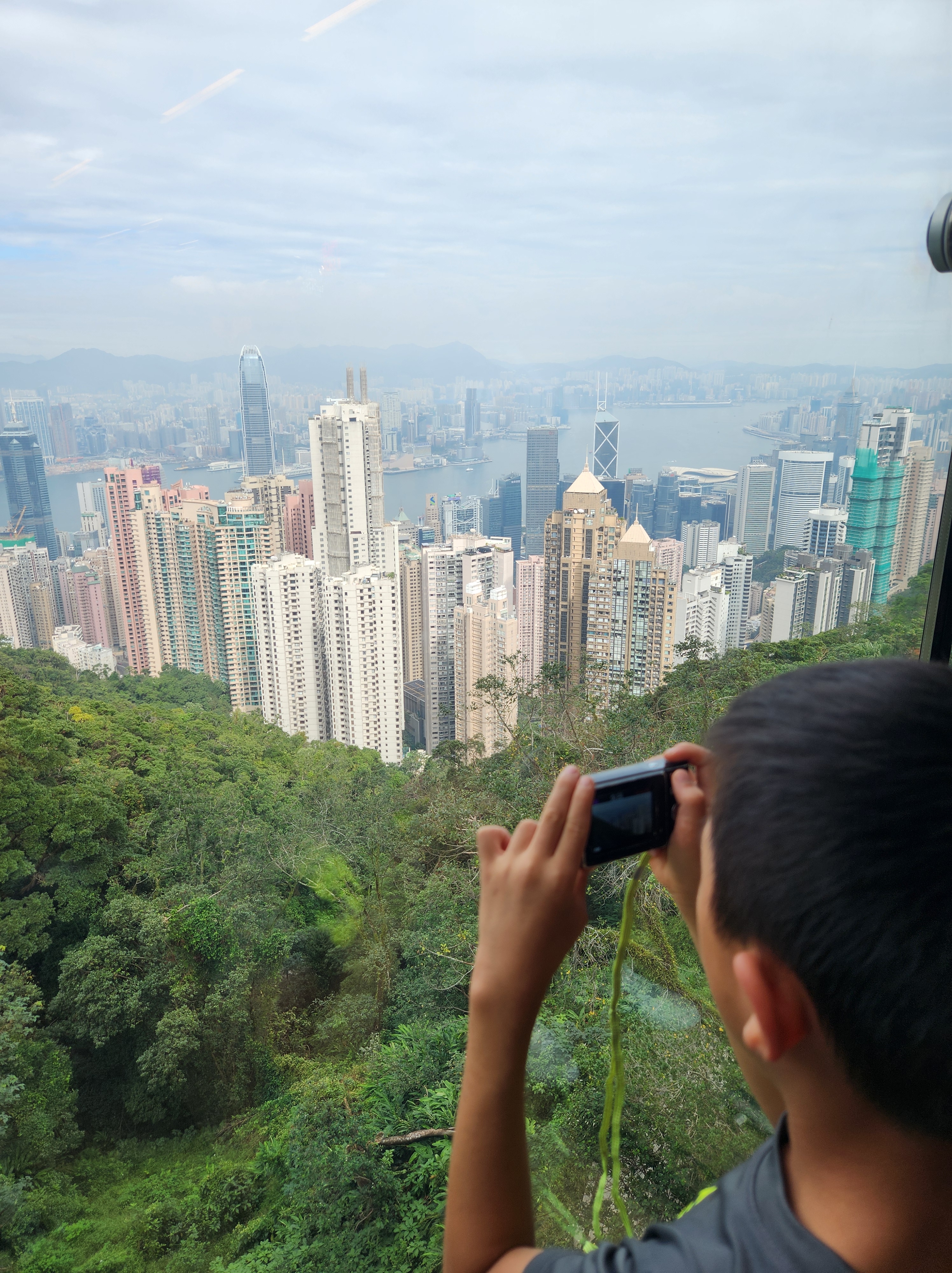
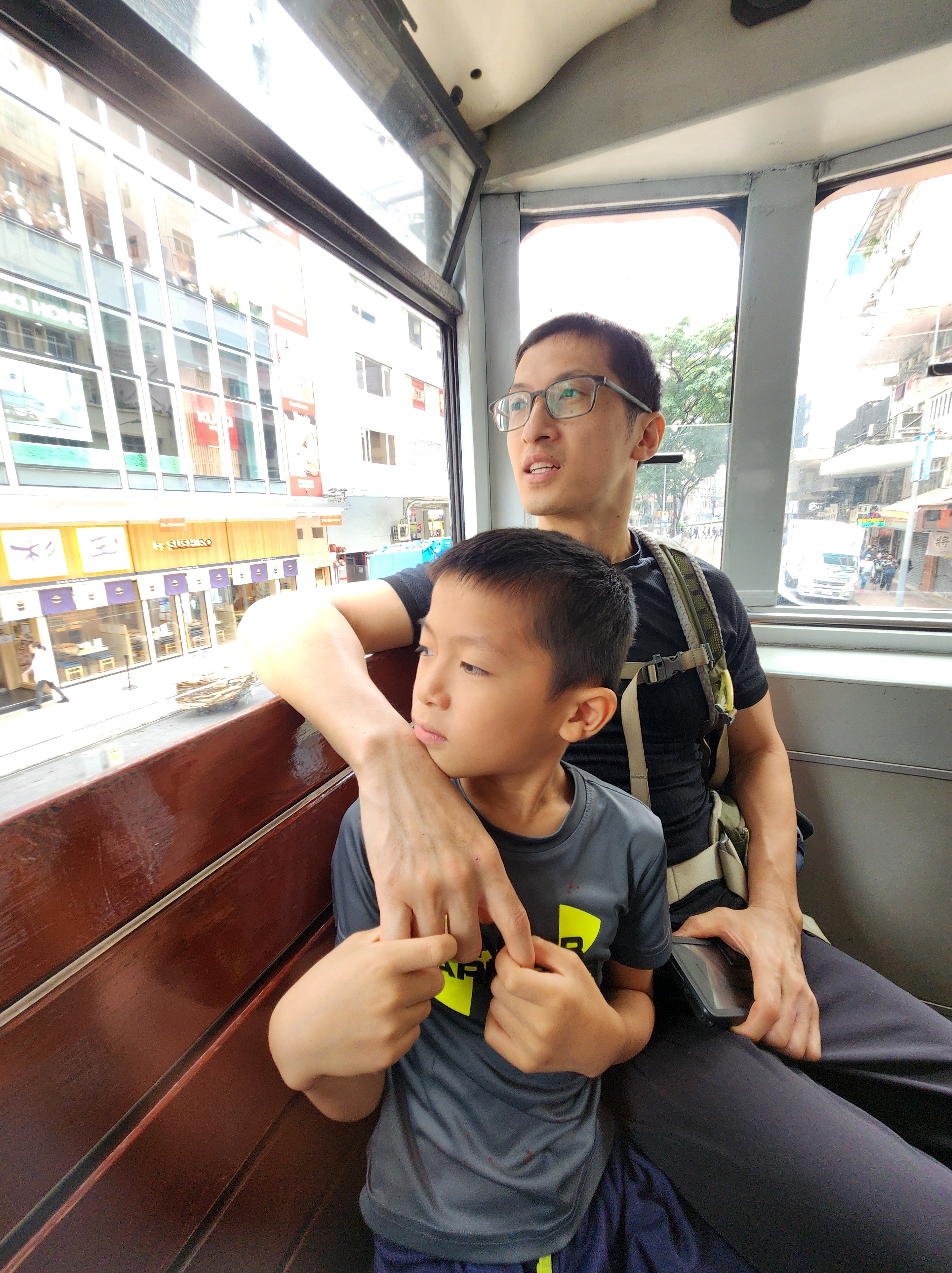
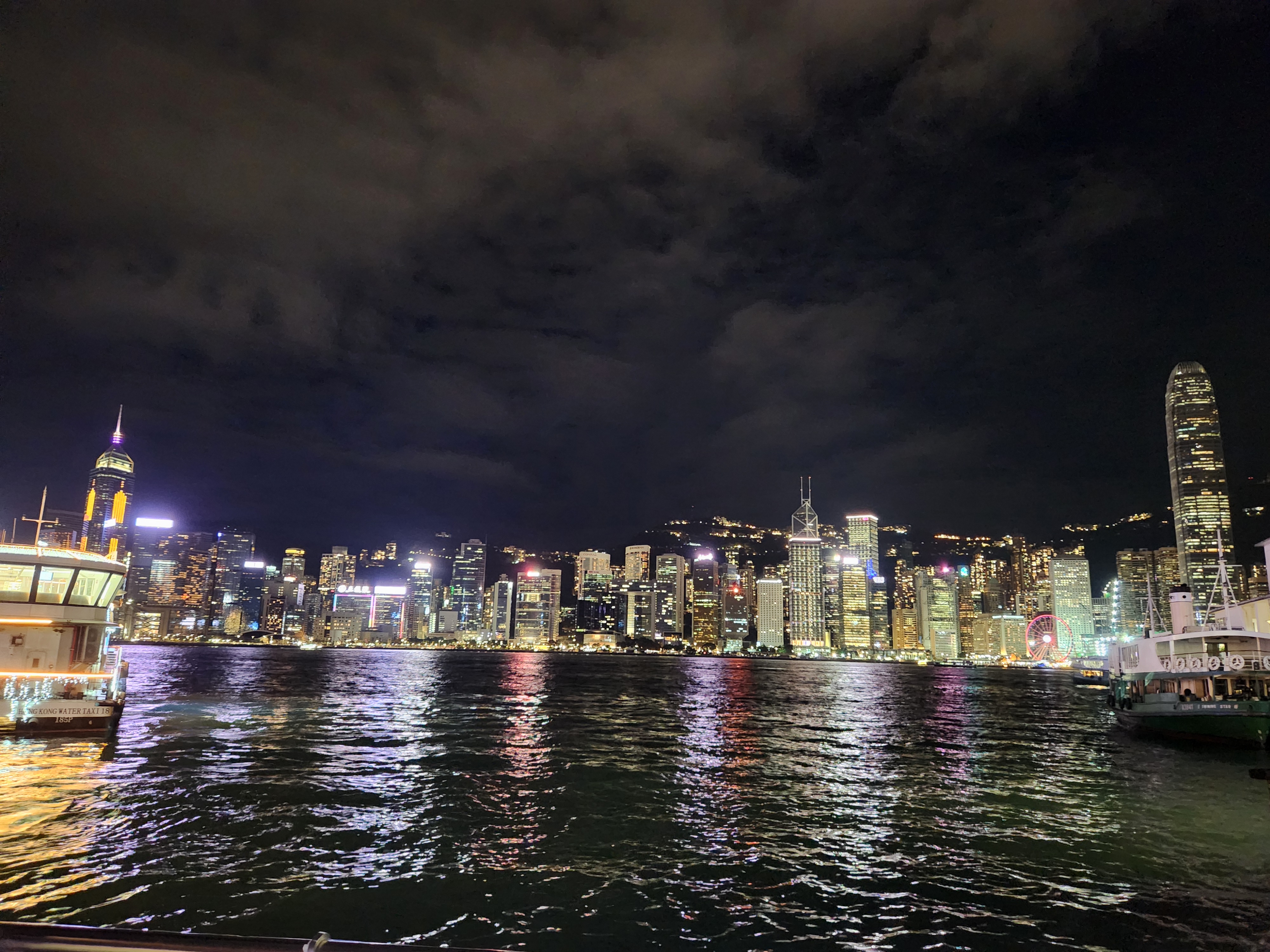
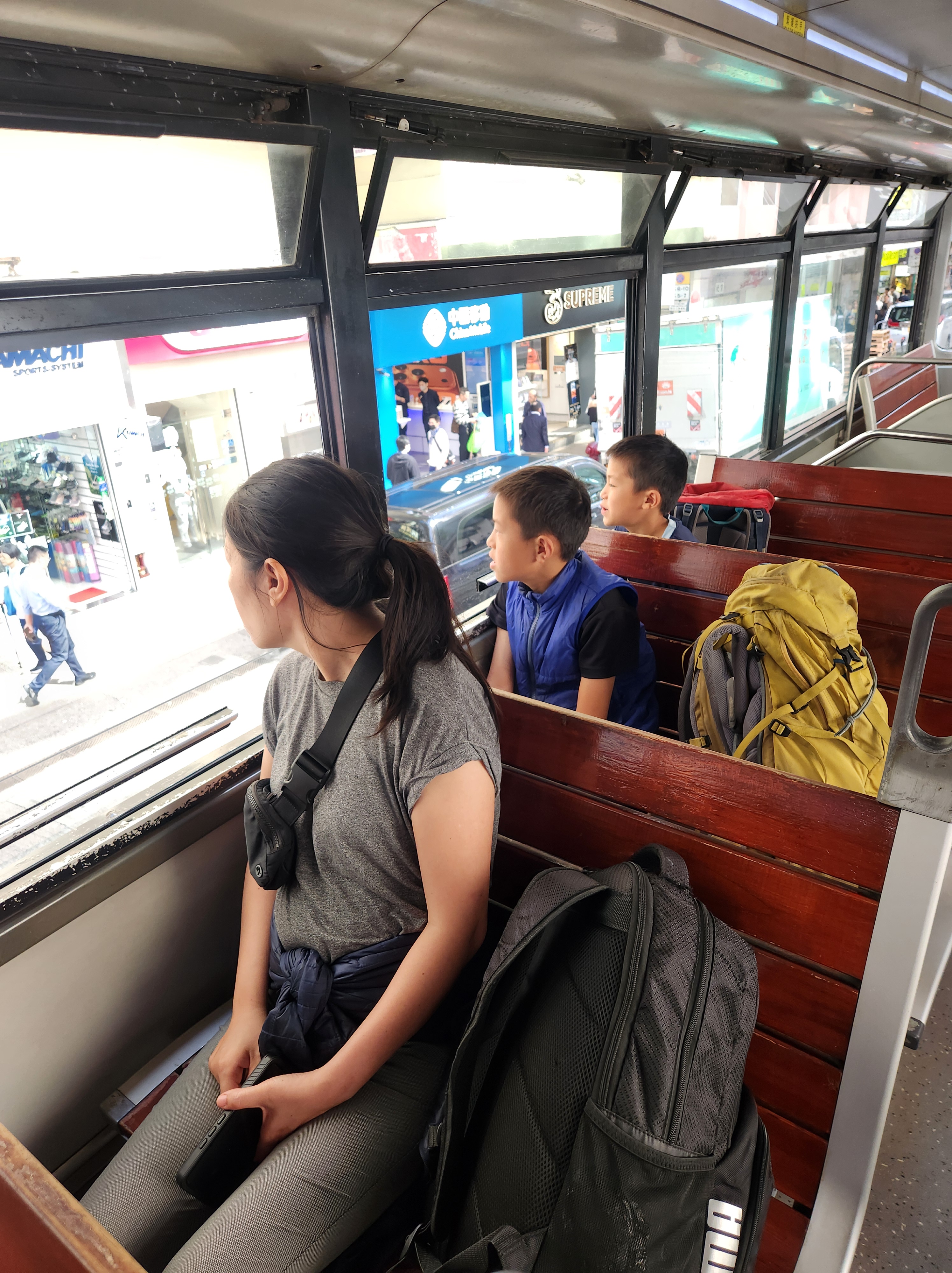
We also visited Victoria’s Peak, rode the ding ding train multiple times (per the kids’ request), and rode the Star Ferry across the harbor. The lights at the harbor were dimmed to mourn the victims of the recent Tai Po fire, but Hong Kong’s skyline will never not be beautiful to me. 💖

Our trip to Hong Kong was pleasant this time around. Our past experiences were tainted by locals scolding us but this time, we actually had some nice encounters so I call that a win. ✌️ This time, Hong Kong also felt strangely comforting. Maybe because we’ve been living in Taiwan for a while now, but the sights, sounds, and even the city’s unique “smell” barely registered. It was also nice to be able to use the language I grew up with, even though I often mixed it up with Mandarin. 😅

Ramblings

New School Year, New Adventures? 弟弟 Edition

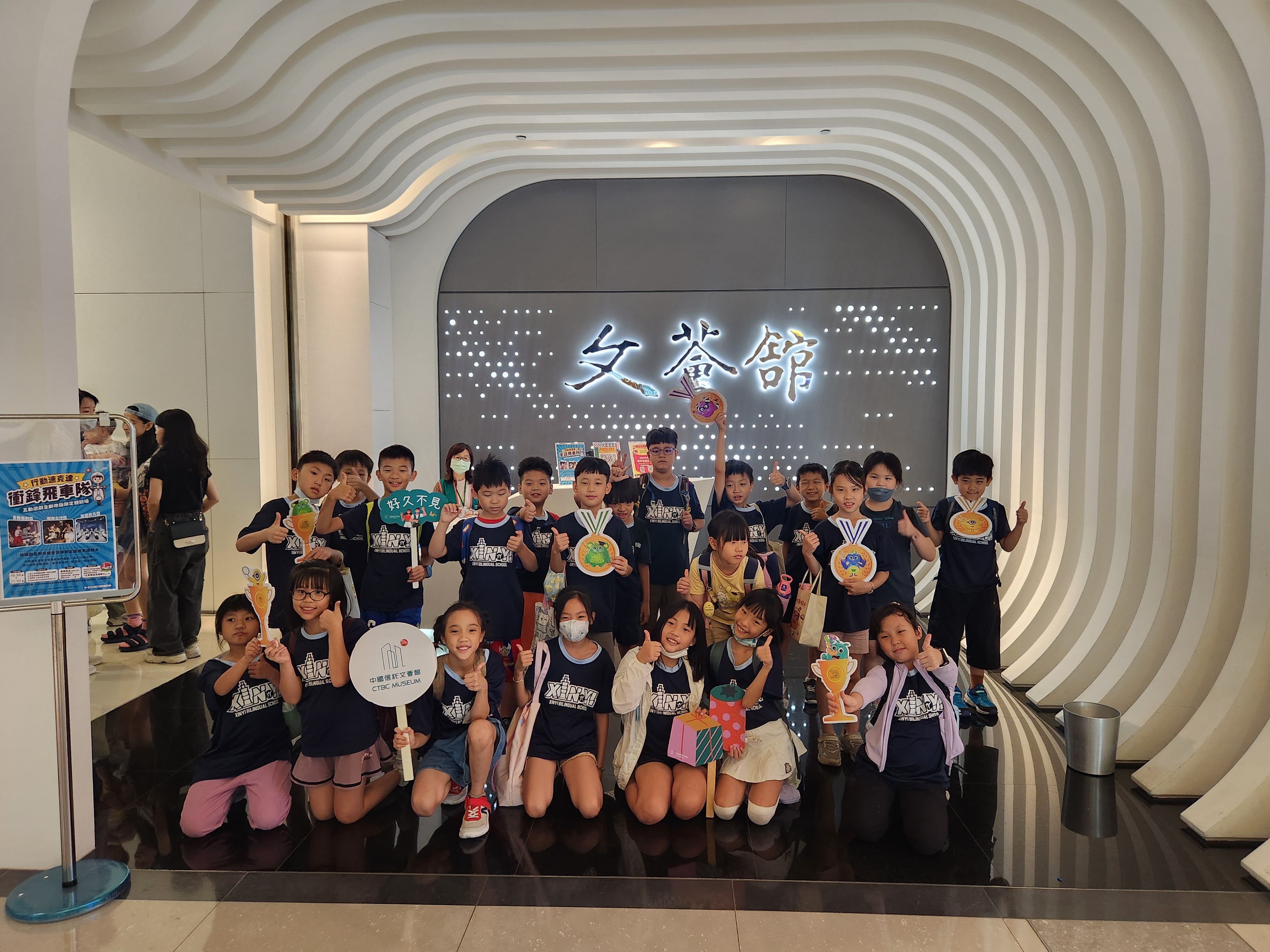
Little brother O (弟弟) started 3rd grade this year. We’re not too worried about O for a few reasons: 1) he’s been in Taiwan schools since 1st grade so he already has a solid foundation, 2) based on our experience with C, 3rd grade isn’t too stressful yet, and 3) thankfully, O was assigned a fairly relaxed teacher. He is known to organize a lot of field trips. Last week we went to a treasury/finance museum.

Homework is reasonable, on average 30-40 minutes a day. But O’s teacher has been giving more challenging homework than I remember C getting in 3rd grade — things like sentence composition and short essays. Thank goodness for ChatGPT! 😅

Starting this year, O has 3 long days of school a week, so I miss having the little guy around at home in the afternoons. For the last two years, he’d come home around noon, have lunch, finish his homework, and spend the rest of the afternoon on his hobbies. It felt so carefree. Now, on top of the longer school days, O has after-school activities everyday: Minecraft, swimming, and art — so we don’t see him until almost 6 pm on most days.

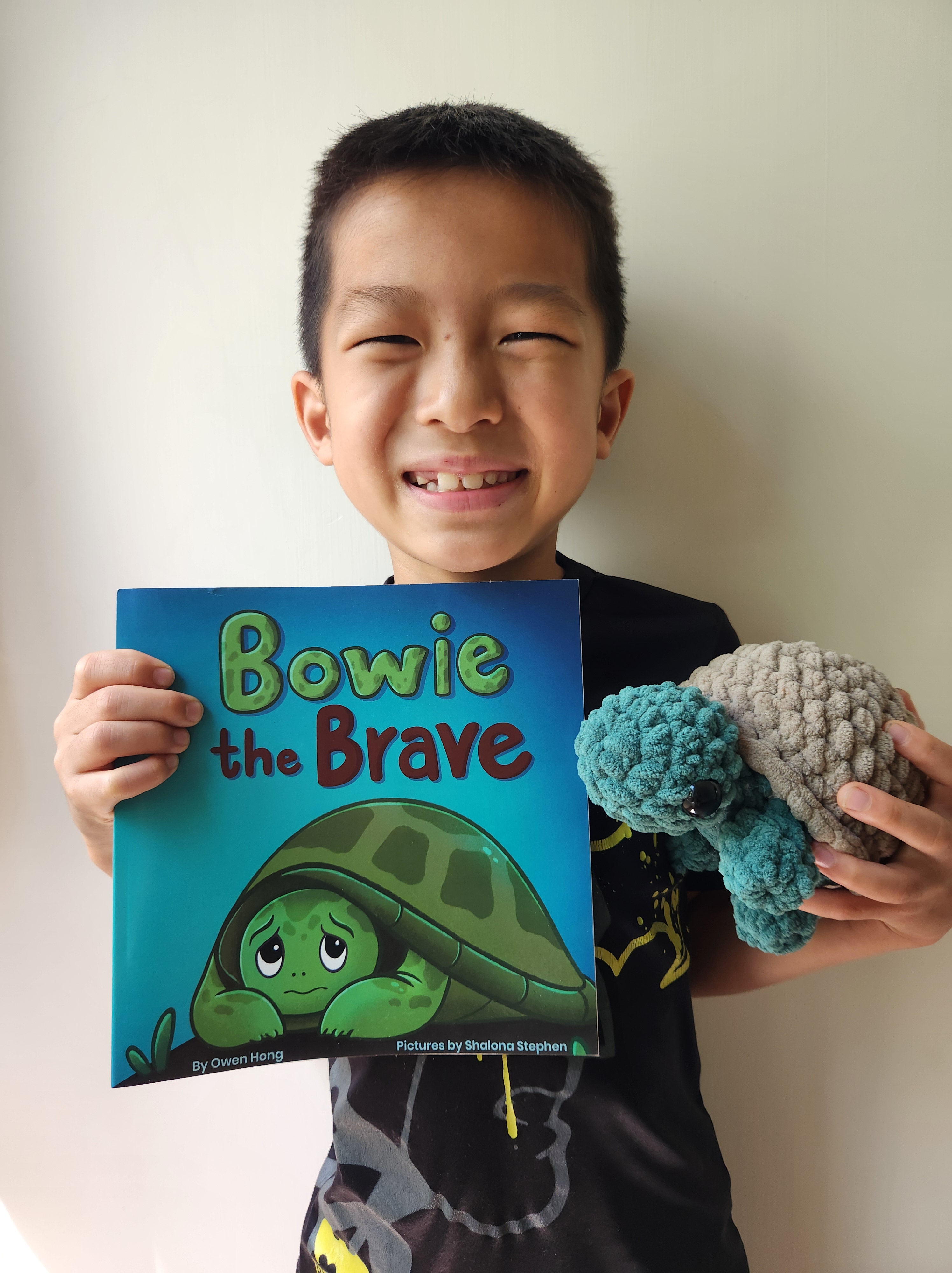
Outside of school, O practices Brazilian Jiu-Jitsu, plays Minecraft, and loves to read — especially fantasy novels. He’s become hooked on the Harry Potter and Percy Jackson series! Recently, I’ve noticed his writing becoming more expressive and imaginative, so over the summer, I encouraged him to write his own book (since I have a little experience in that area 😏). He decided to write a story about overcoming the fear of trying new things, something he is still personally working through. The result is a cute story called Bowie the Brave, now available on Amazon!

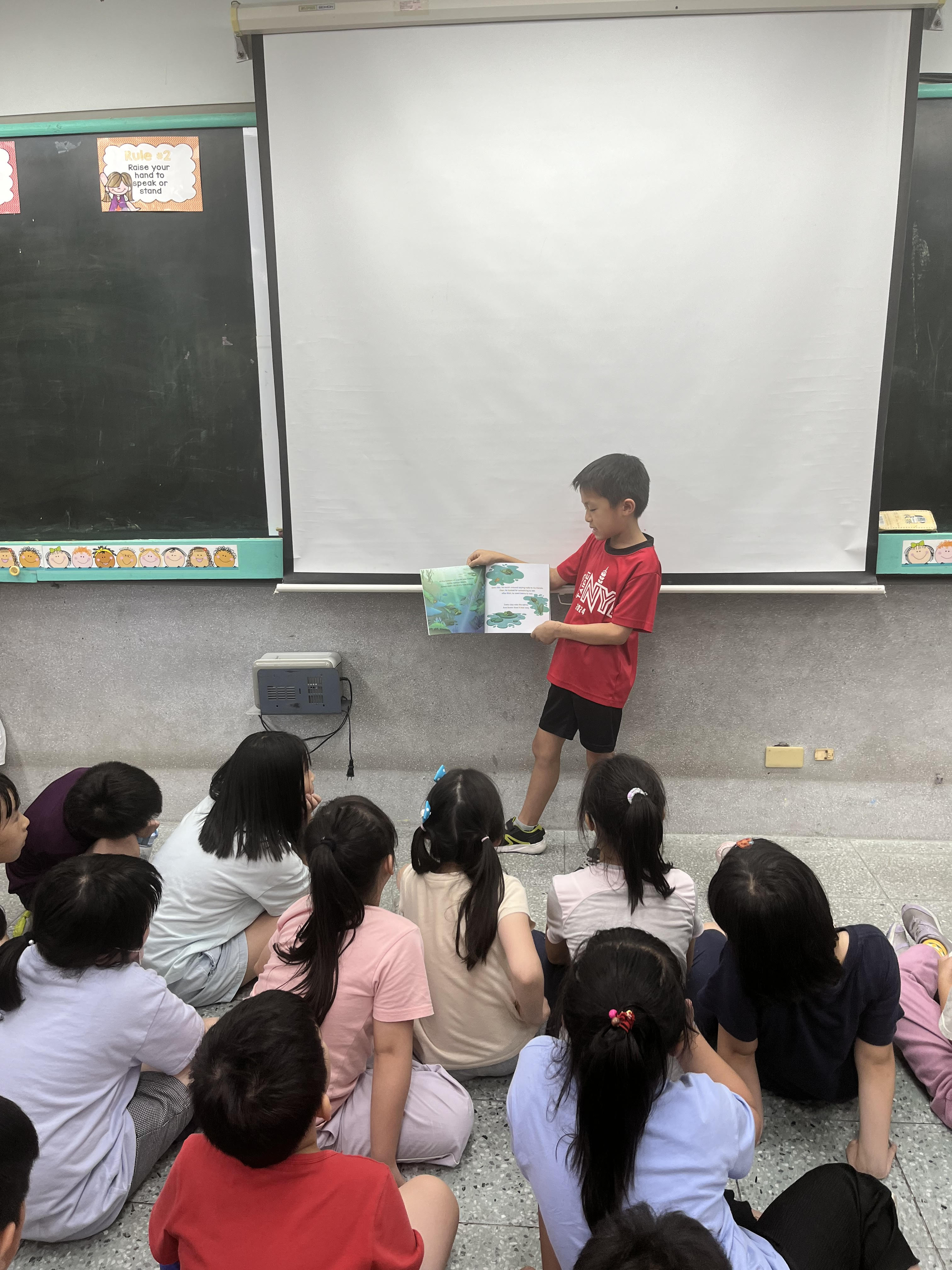
We couldn’t be prouder of O. He used to be really hesitant about trying new things, but we’ve seen how much his confidence has grown. Recently, he read his book in front of his class — something that would’ve seemed unlikely not long ago. Although he was nervous at first, we’re so glad he pushed through and did it anyway. My SIL also shared his book with her school principal, who then invited O to give a presentation about his book to a group of 2nd graders in December. It will another big challenge, but O is willing to take it on!

Sometimes I miss the summer, when Baba and I could take on projects like these with the kids. During that time, the boys seemed their most creative: building fun Lego and cardboard creations, C experimenting in the kitchen, and O working on his book. We had time to slow down, to wonder and create together. Now that school is in full swing and schedules are packed with homework, there’s little time left for personal projects like these, and I can’t help but wonder if their creativity gets stifled a bit. Still, I’m grateful that Baba and I get to spend so much valuable time with them. Not every parent gets that opportunity, and I don’t take it for granted.

Ramblings

New School Year, New Adventures? 哥哥 Edition

C and O have been back in school for over a month now, so I thought it’d be a good time to share a little recap. I’ll start with big brother C (哥哥) first.

In Taiwan, elementary students switch teachers and classmates every two years, a transition that can feel nerve-wracking for families. This year, both C and O had to change classes. Knowing this, Baba and I met with the Director of Academic Affairs to request a more “relaxed” teacher for C. Since he was already doing about 2 hours of homework in 4th grade everyday, we couldn’t imagine what it would be like for the next two years.

The Director assured us that teachers are randomly assigned (which we weren’t entirely convinced of but let go) and said we’d need to work directly with C’s teacher. In August, classroom assignments were released and C was placed with the most notoriously strict 5th-grade teacher 😆. And we knew she was strict because she mailed every family a 4-page letter outlining expectations and sent daily reminders all summer.

We reached out to the teacher share our situation. She asked if C could try completing all the homework for a month and then see if adjustments are needed. We replied that he will do the best he can within the time we allocated for him (~1 hour a day), with the condition that he wouldn’t have to stay in class during recess if he couldn’t finish (a common practice here).

I was nervous about how she’d respond. In Taiwan, homework and tests are the ultimate measures of success, and this teacher seemed stern and unyielding. But to my surprise, she’s been understanding. Even when C couldn’t finish his homework, she didn’t scold or embarrass him (though she still has to grade him fairly). Over time, C has grown to appreciate that she allows students to start homework in class, has a structured schedule, and even her humor while scolding students. I’m grateful he’s kept such a positive attitude through all these changes.

Left photo: C doing homework in class. Right photo: His nightly stack of homework books. 😯

This year has been a bit more challenging since we decided not to bring back our tutor. Combined with our limited schedule for C’s Chinese homework, it’s led to lower grades, which was something we expected. We keep reminding C that this choice is intentional: we want to prioritize his well-being and focus on what will benefit him in the long run. Of course, once we’re back in the US, homework can’t be left unfinished and grades matter more. I just hope he’s not going to think that skipping work or poor grades are acceptable… 😣

For extracurriculars, C is on the badminton team, Global Scholars Program, and an ambassador 小小外交 at school. He also had the opportunity to visit Kinmen 金門 (an outer island of Taiwan) for 3 days in September with classmates. Outside of school activities, C (and O) still practices Brazilian Jiu-Jitsu, has gotten really interested in Minecraft and making Lego stop motion videos. Baba has also been working with the boys on simple engineering projects, while I’ve been focusing on reading and writing. It’s been busy in a good way!

Ramblings

Australia

After Japan, we flew to Australia, a destination that had long been on our travel wish list. Since it’s only about a 7.5-hour direct flight from Tokyo with just a 3-hour time difference, we couldn’t pass up the chance to visit while living in Asia.

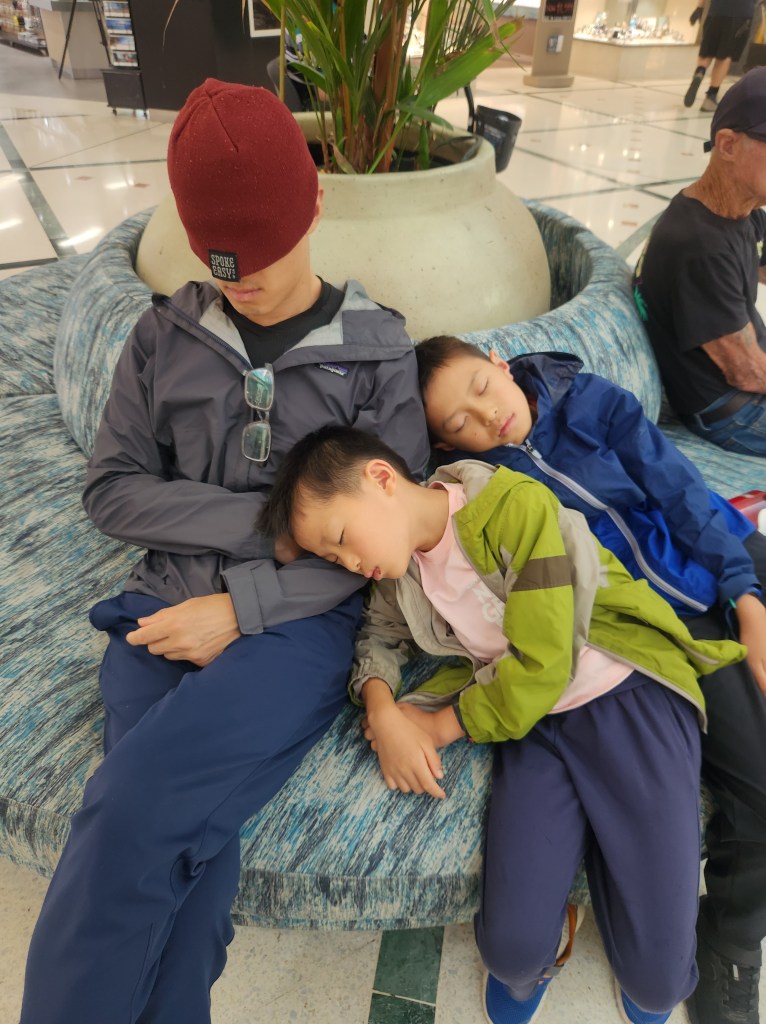
Cairns. We took a direct flight from Tokyo to Cairns, landing at 4:30 a.m. We were exhausted. Unfortunately, our hotel room wasn’t ready, so we wandered between cafes, and eventually fell asleep on a couch at a mall looking more than a little disheveled. It was not our best moment. 😂

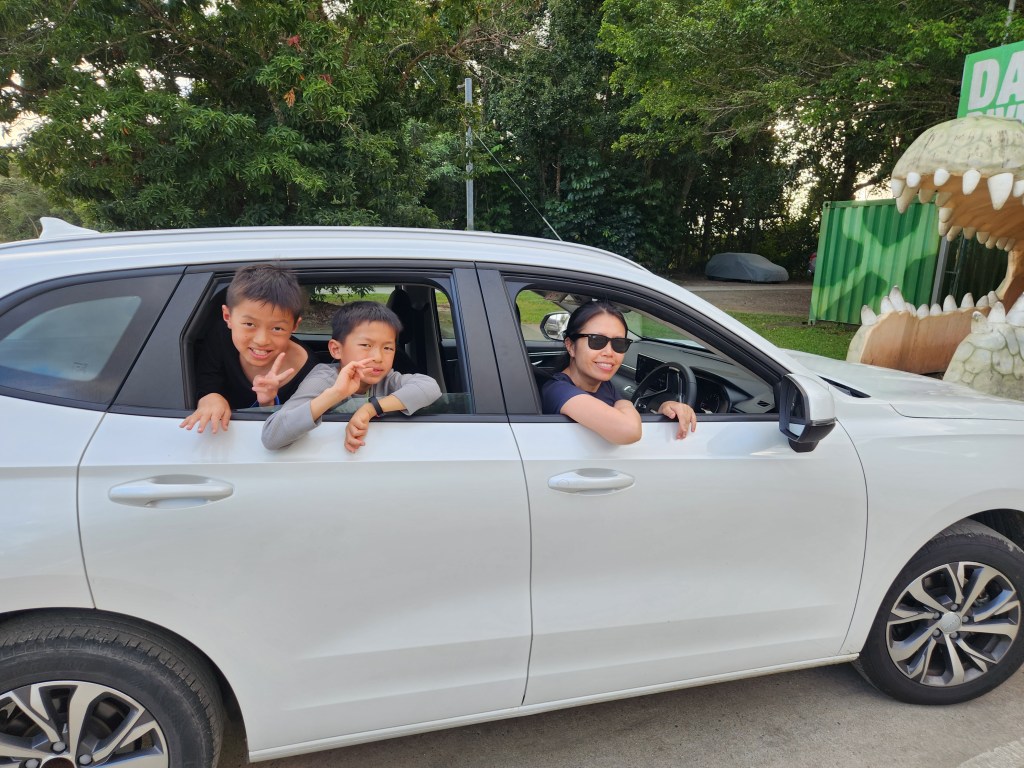
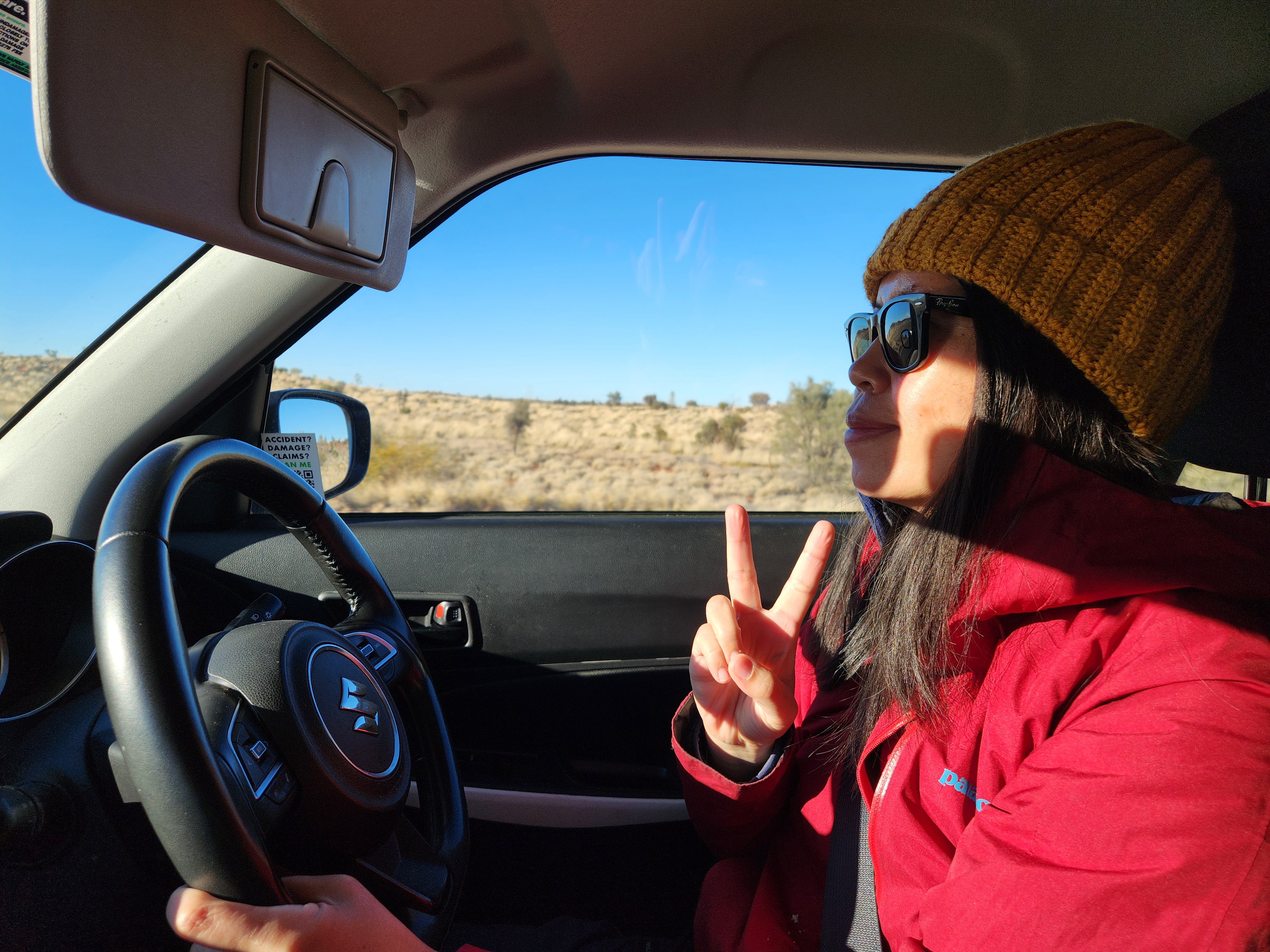
The next day, we rented a car to drive to Daintree Rainforest. I hadn’t driven in two years since moving to Taiwan, and now I had to do it on the opposite side of the road! 😬 I was white-knuckling the wheel for a good 10 minutes, but got so used to driving in Australia after awhile that I don’t even remember what it’s like driving on the right side anymore.

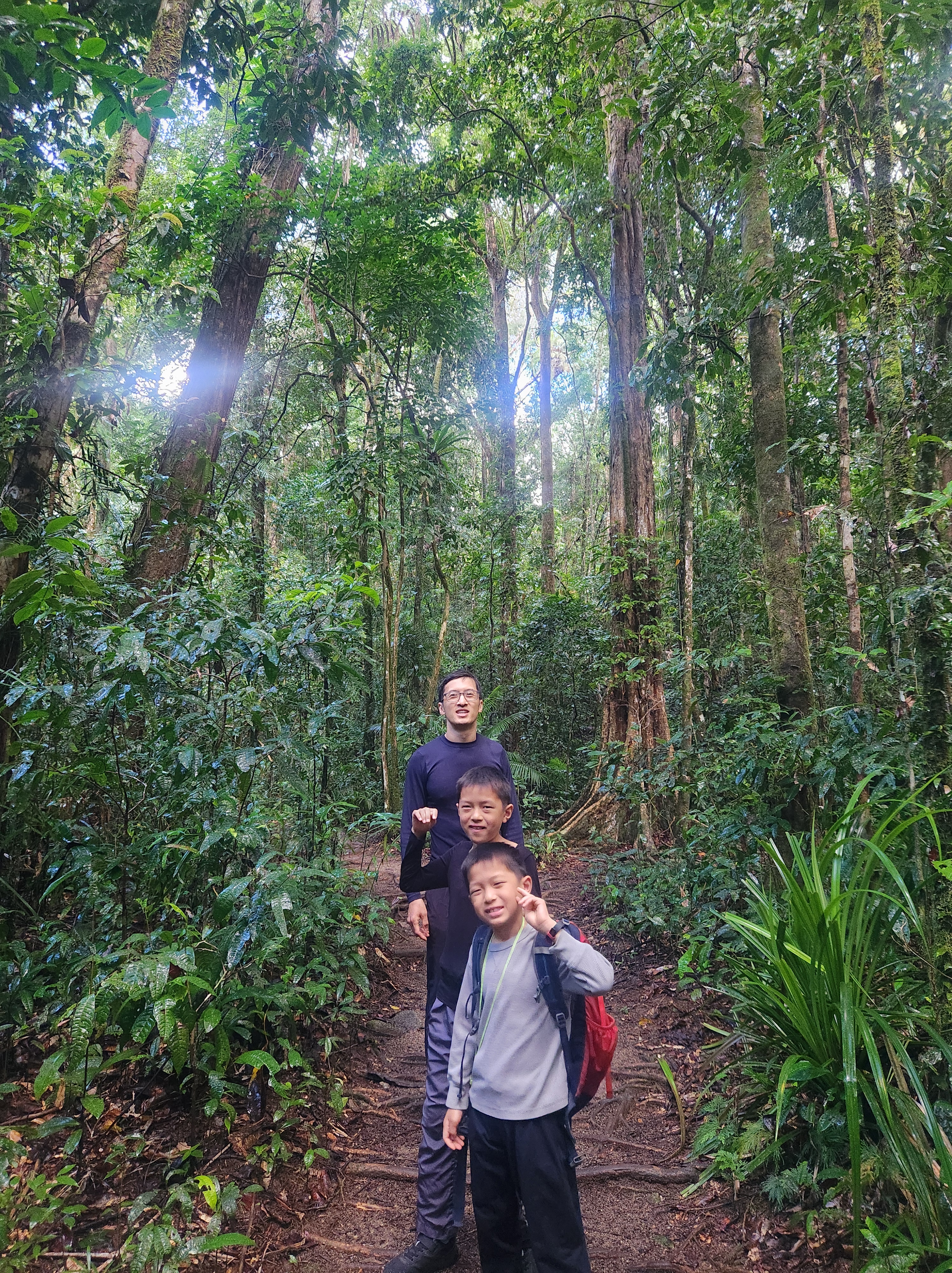
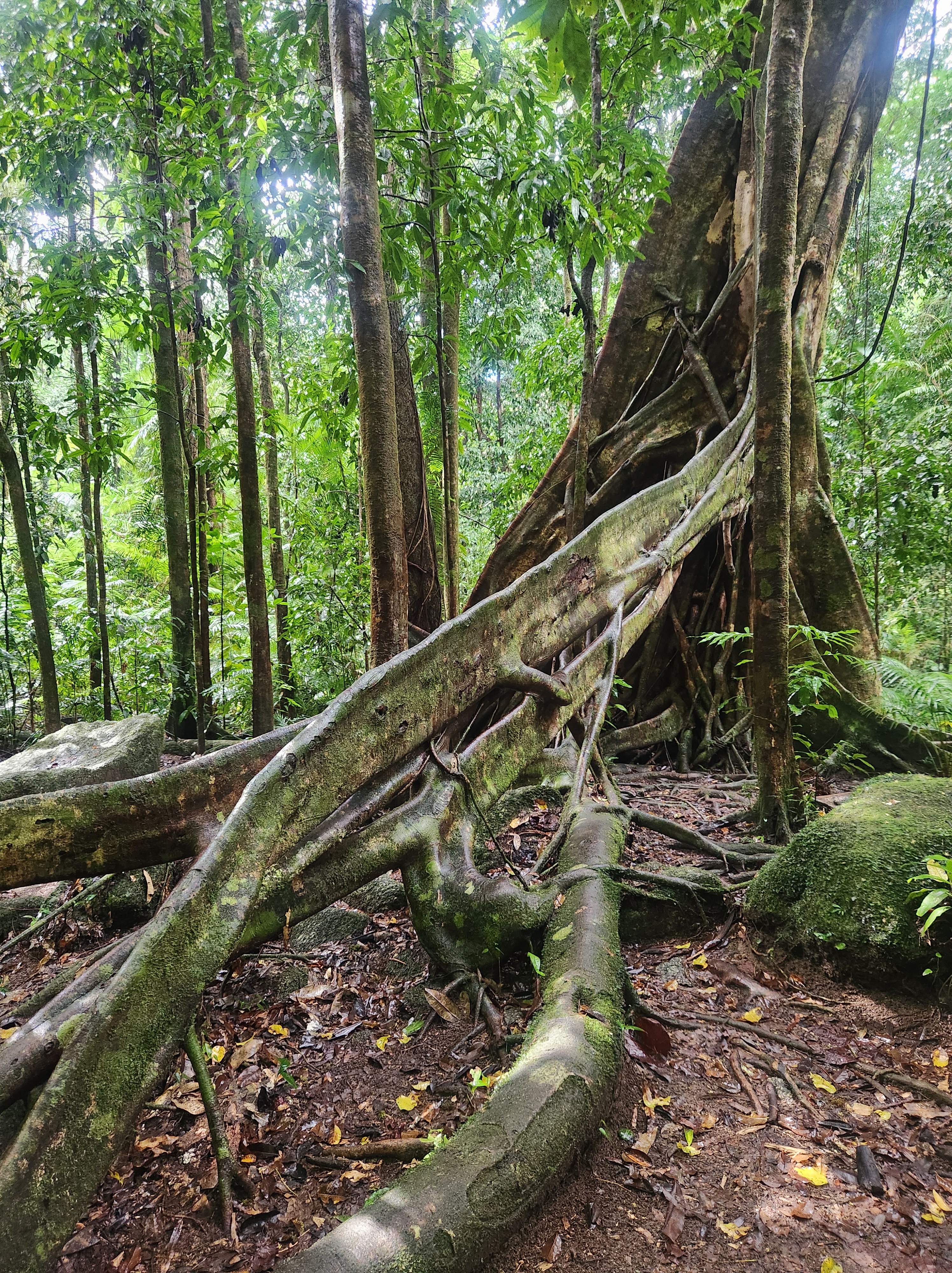
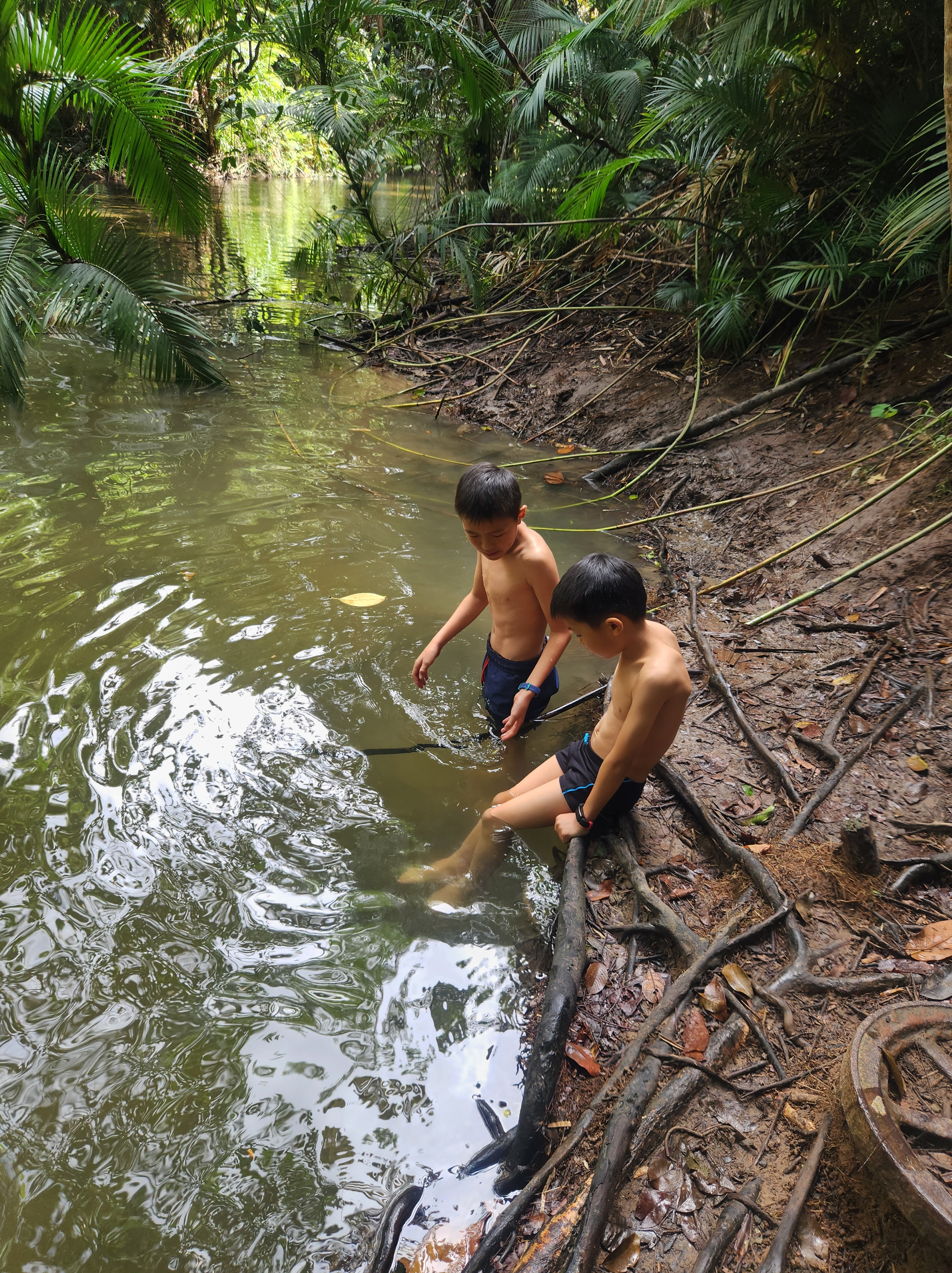
We hiked through the Daintree, spotted some wild turkeys (though the elusive cassowary remained out of sight!), and swam in a freezing cold water hole. Daintree is actually pretty huge and requires driving between different spots, but it was was a much appreciated peaceful break from our usual city life.

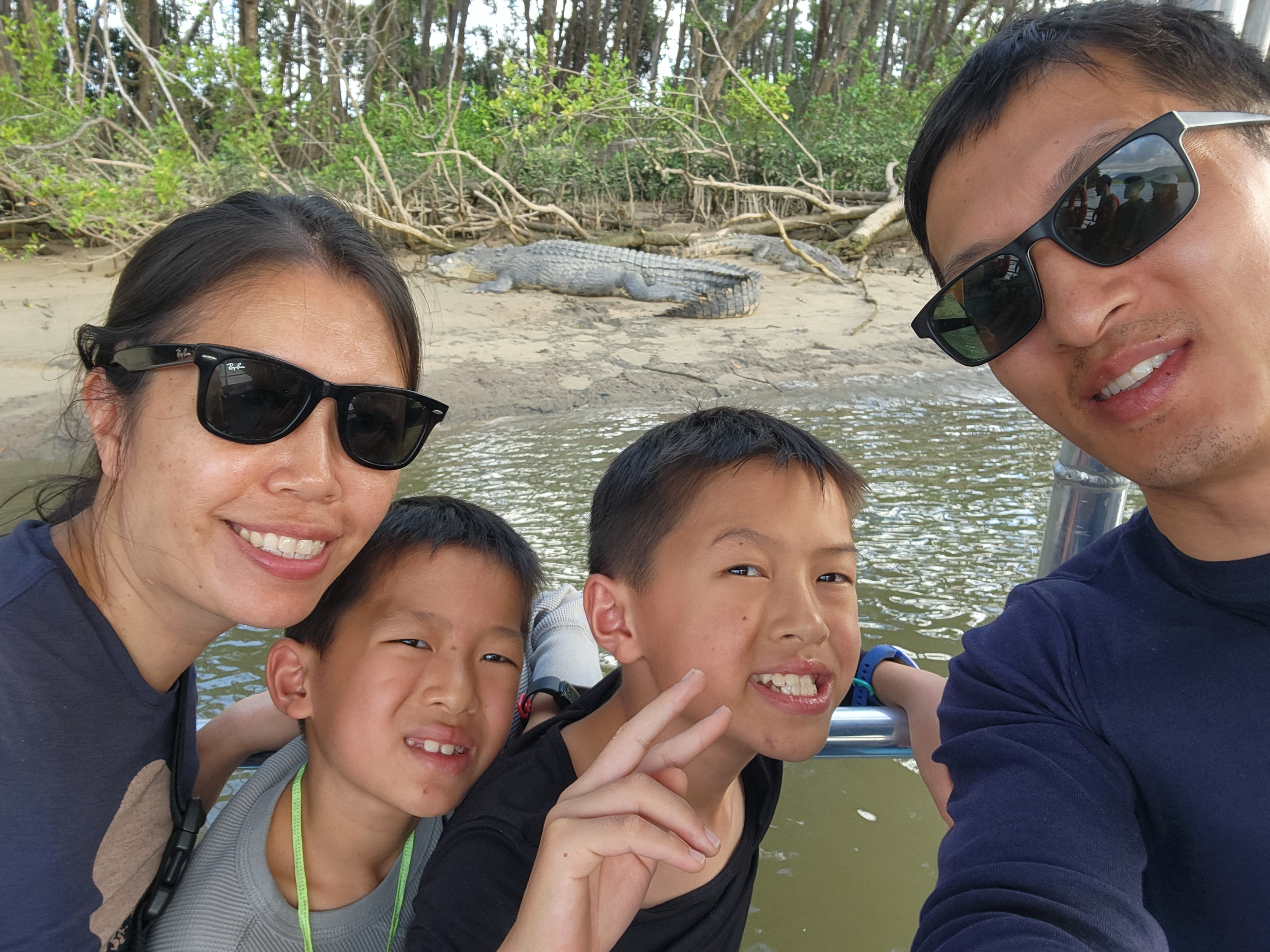
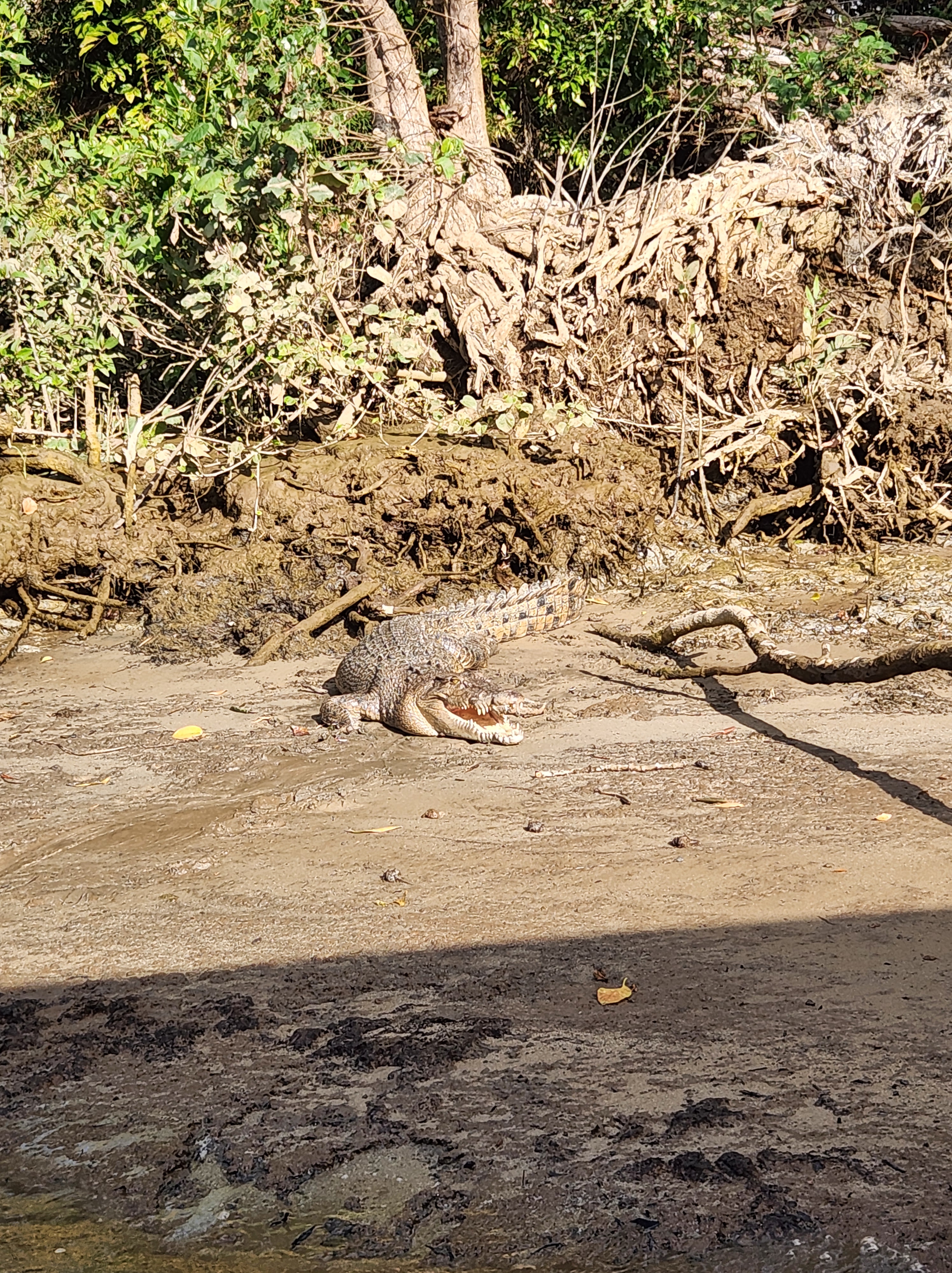
Later that day, we went on a boat ride to spot wild crocodiles at the Daintree River. We saw crocodiles of all sizes, from the massive dominant male to a 6-month-old baby.

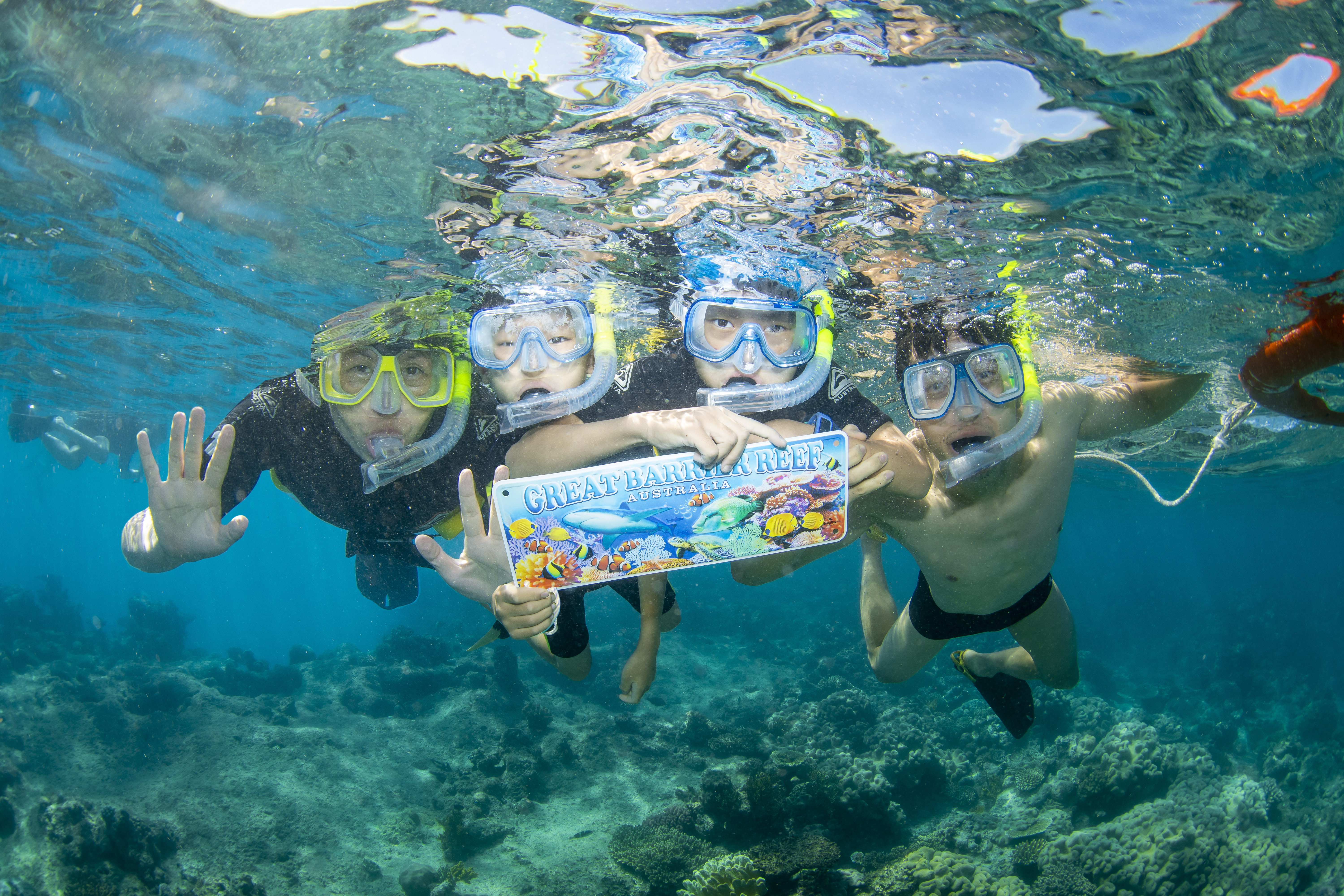
But the main attraction in Cairns is, of course, the Great Barrier Reef. We booked a snorkeling tour with Passions of Paradise, which first required a two-hour drive out to the outer reef. The boat ride there was incredibly rocky, and several people got seasick, including C.

The Great Barrier Reef was truly a dream. The coral was huge, and full of diverse colors, intricate shapes and beauty. It’s fascinating to me that this underwater wonder was built by billions of tiny polyps over thousands of years. We didn’t see any unusual sea creatures (sea turtles, sharks, etc.) but we were surrounded by schools of dazzling colorful fish, and even spotted a humpback whale on our way back! Despite it being winter, the water was surprisingly warm and comfortable.

On our last day in Cairns, we were able to meet up with friends that happened to be in Australia at the same time. We took a ferry to Fitzroy Island, where we hiked and snorkeled at the stunning beach. It was the perfect way to end our stay in Cairns: sharing it with familiar faces Down Under!

The Outback. After Cairns, we flew to the Outback. Baba and I had debated whether to go here because for one thing, it’s very remote, and secondly, it’s expensive. The Outback’s remoteness makes everything — flights, hotels, food, gas — much more expensive than almost anywhere in the country. But the Outback is quintessentially Australian, and we felt it would be a really unique experience so we decided to go after all.

We flew into Alice Springs in the late afternoon and began the four-hour drive to Kings Canyon, knowing we’d arrive well after sunset. That alone felt like an adventure because driving after dark is considered one of the riskiest things you can do in the Outback. Kangaroos and other wildlife frequently dart across the road, and a collision could leave your car badly damaged. Out here, there’s no quick call to AAA and a tow truck comes to the rescue. You’d be stranded. In summer, the danger is even greater, with extreme heat turning a breakdown into a life-threatening situation. (Thankfully, we were traveling during Australia’s winter, when the weather was cool.)

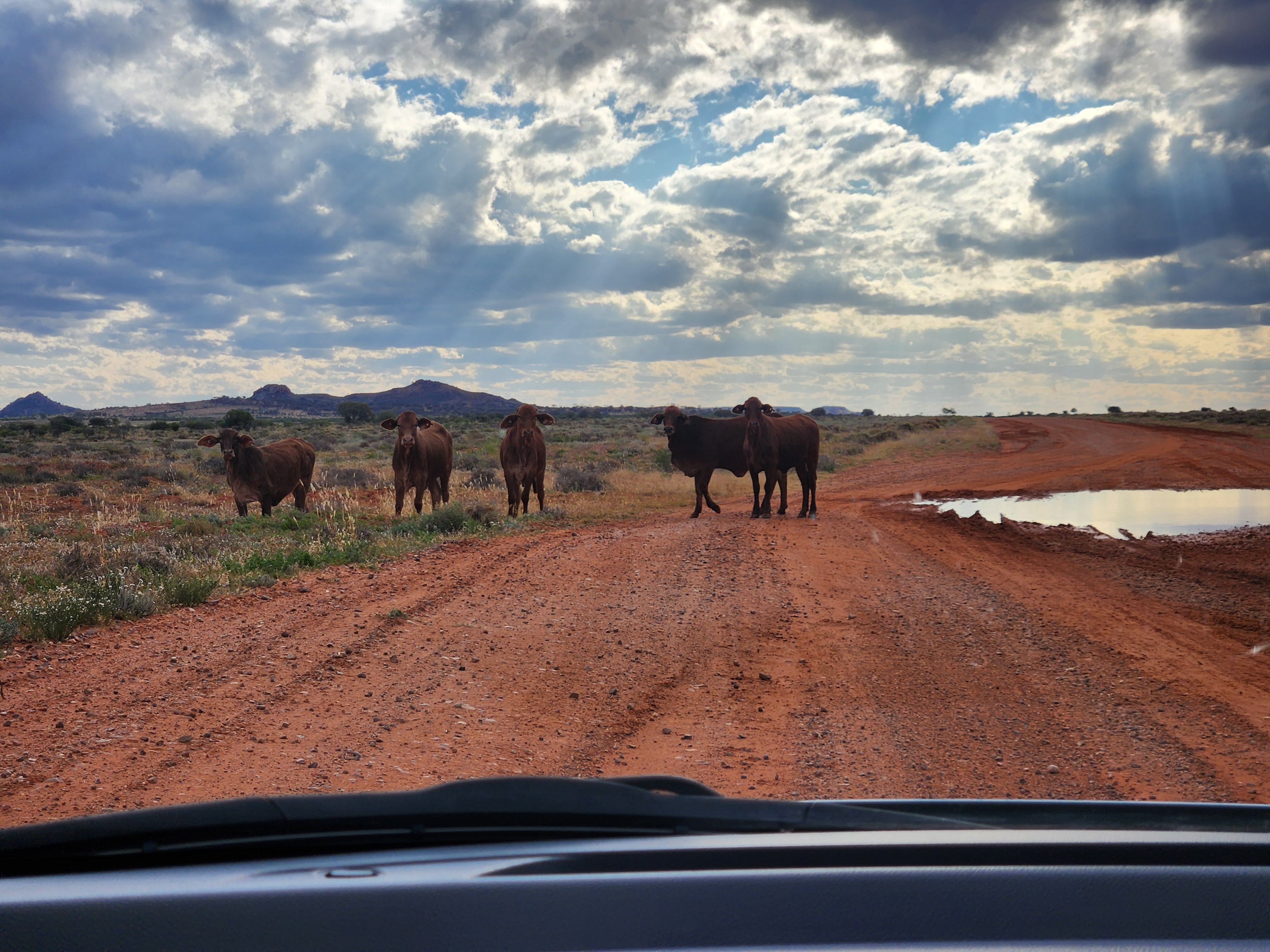
The road to Kings Canyon was rough and uneven, and for nearly two hours we were tossed around, swaying side to side like balls rattling inside a machine. To make matters worse, we had rented the tiniest, dinkiest car, so we felt every jolt along the way. 😅 The road was full of obstacles too — huge puddles and herds of camels and cows blocking our path. After an eternity, we made it to Kings Canyon safely and had a good night’s sleep.

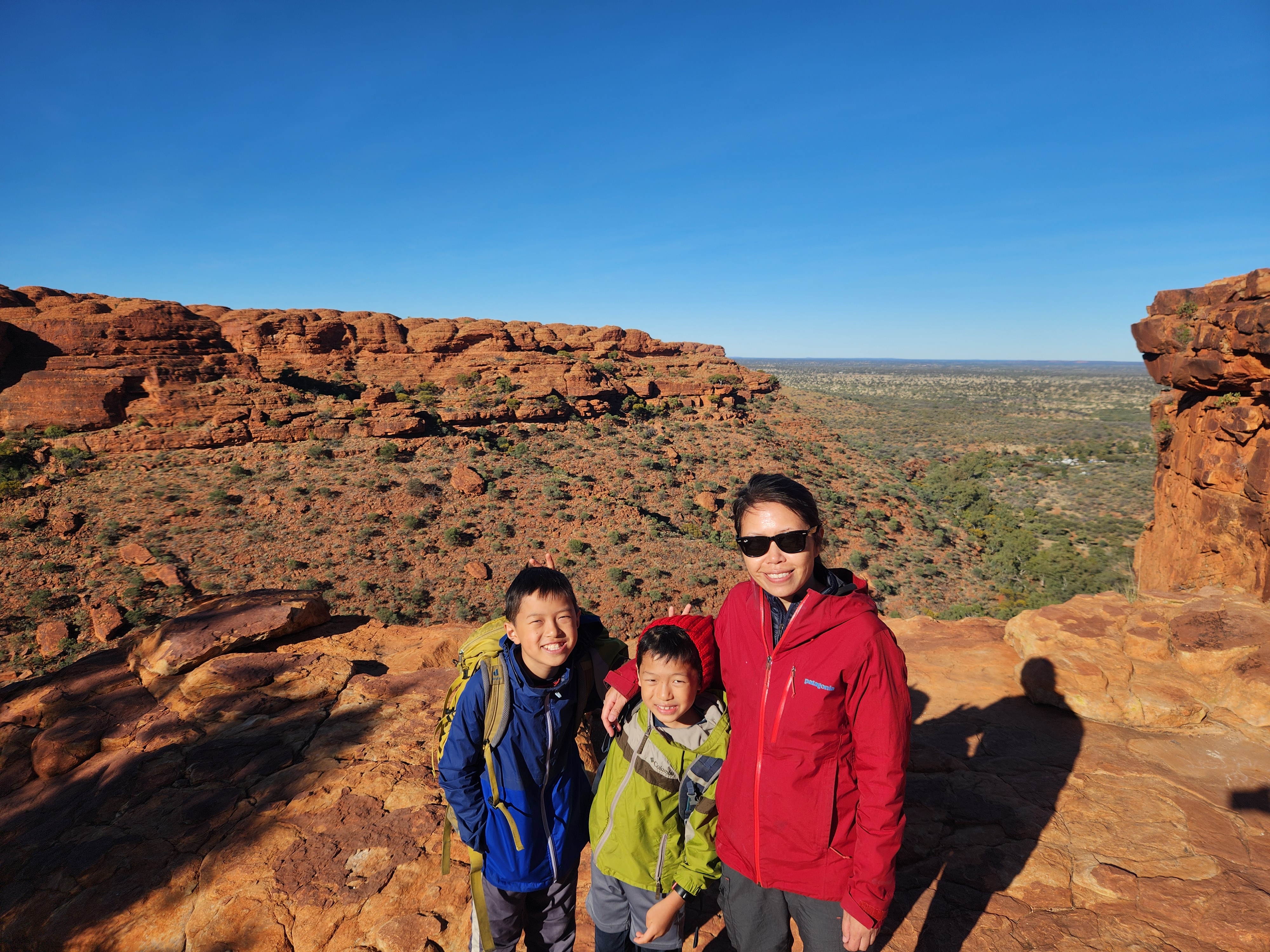
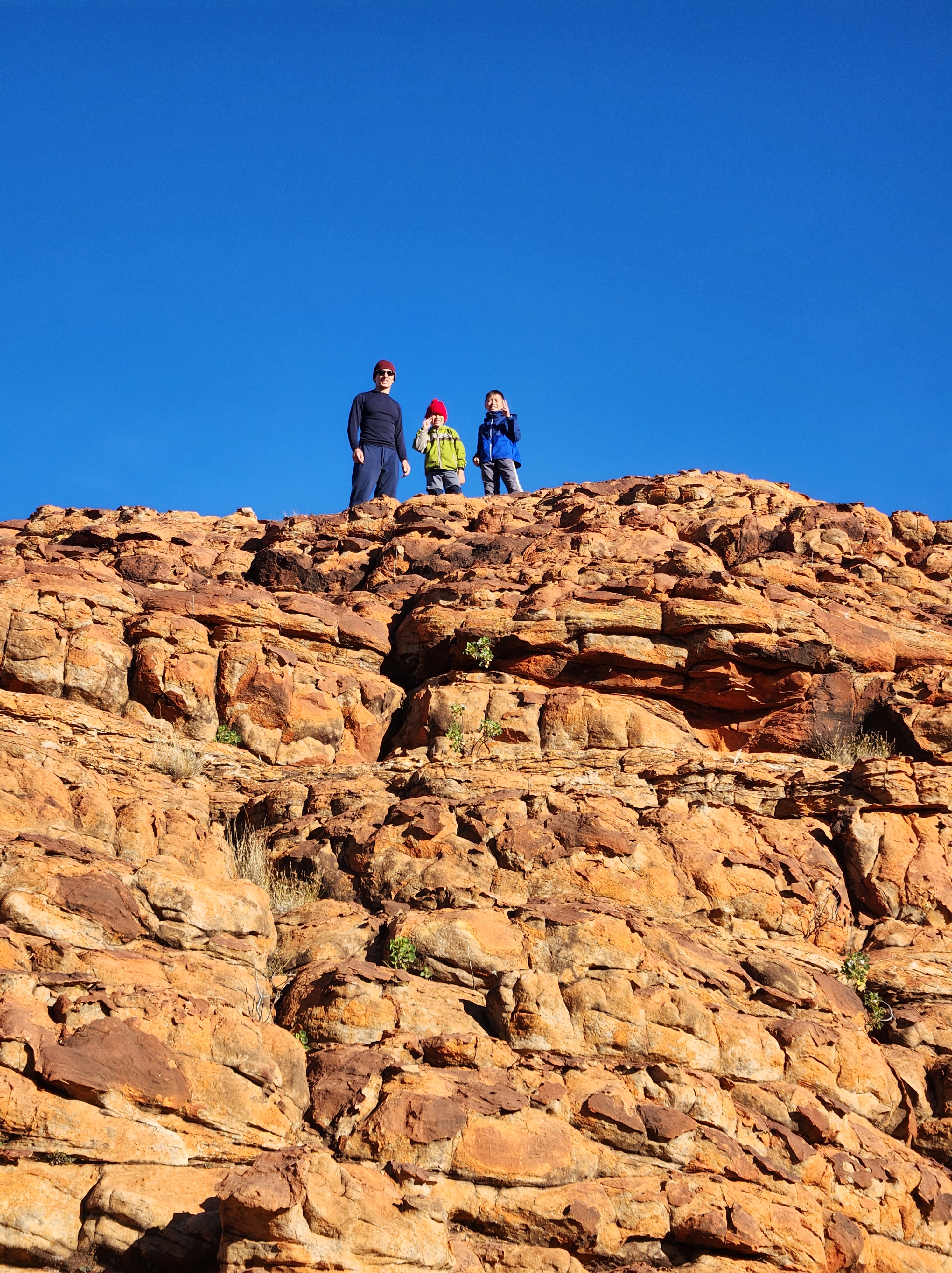
Kings Canyon is beautiful, with its bright red rock formations and dramatic, deep canyon. We hiked the popular Rim Trail, and the clear blue skies, crisp air, and breathtaking views made the trek enjoyable. Temperatures were chilly, ranging from the mid-30s to low 50s, and we quickly realized this would be the pattern throughout our Outback stay. No complaints, though…we actually prefer the cold!

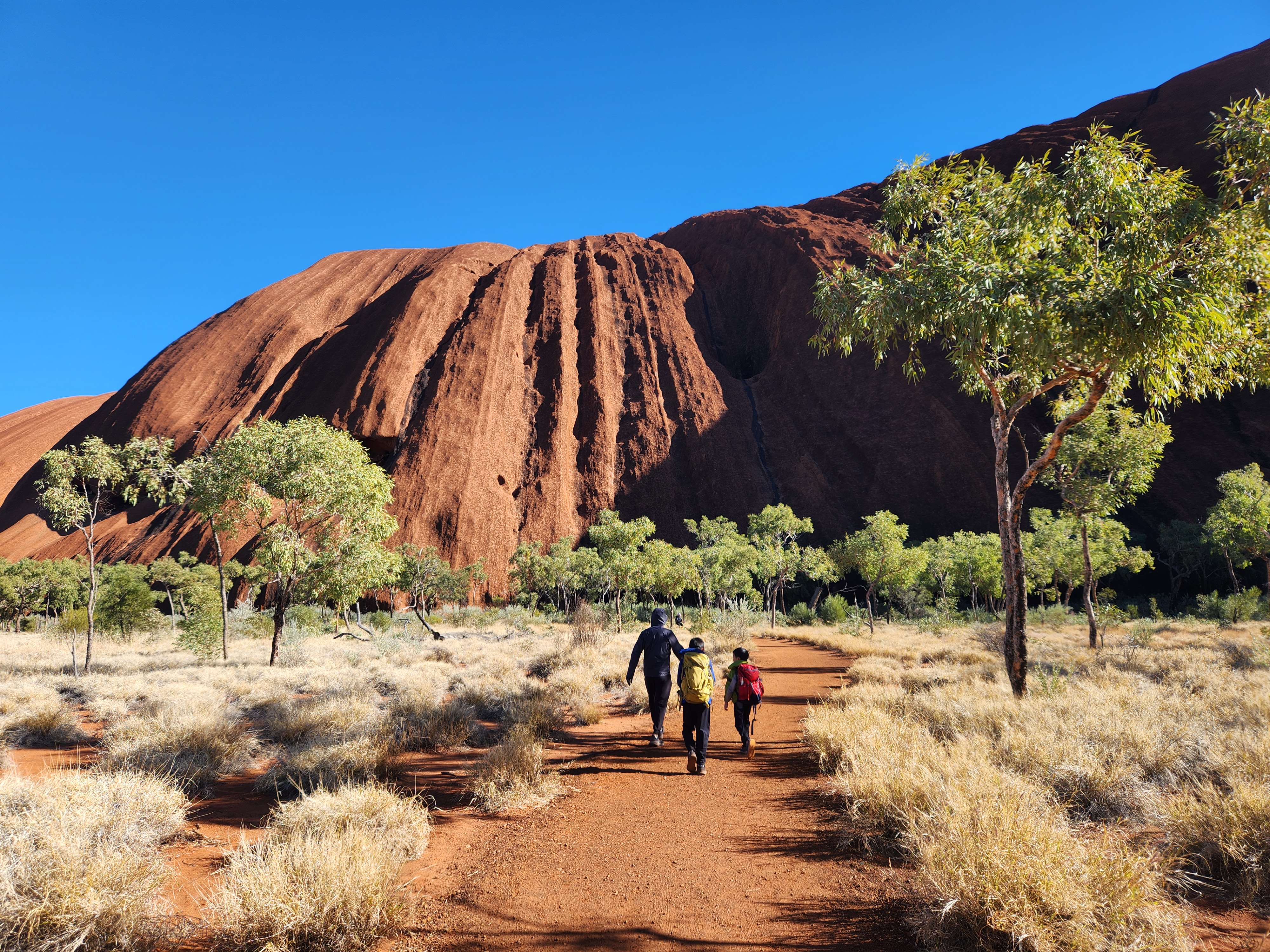
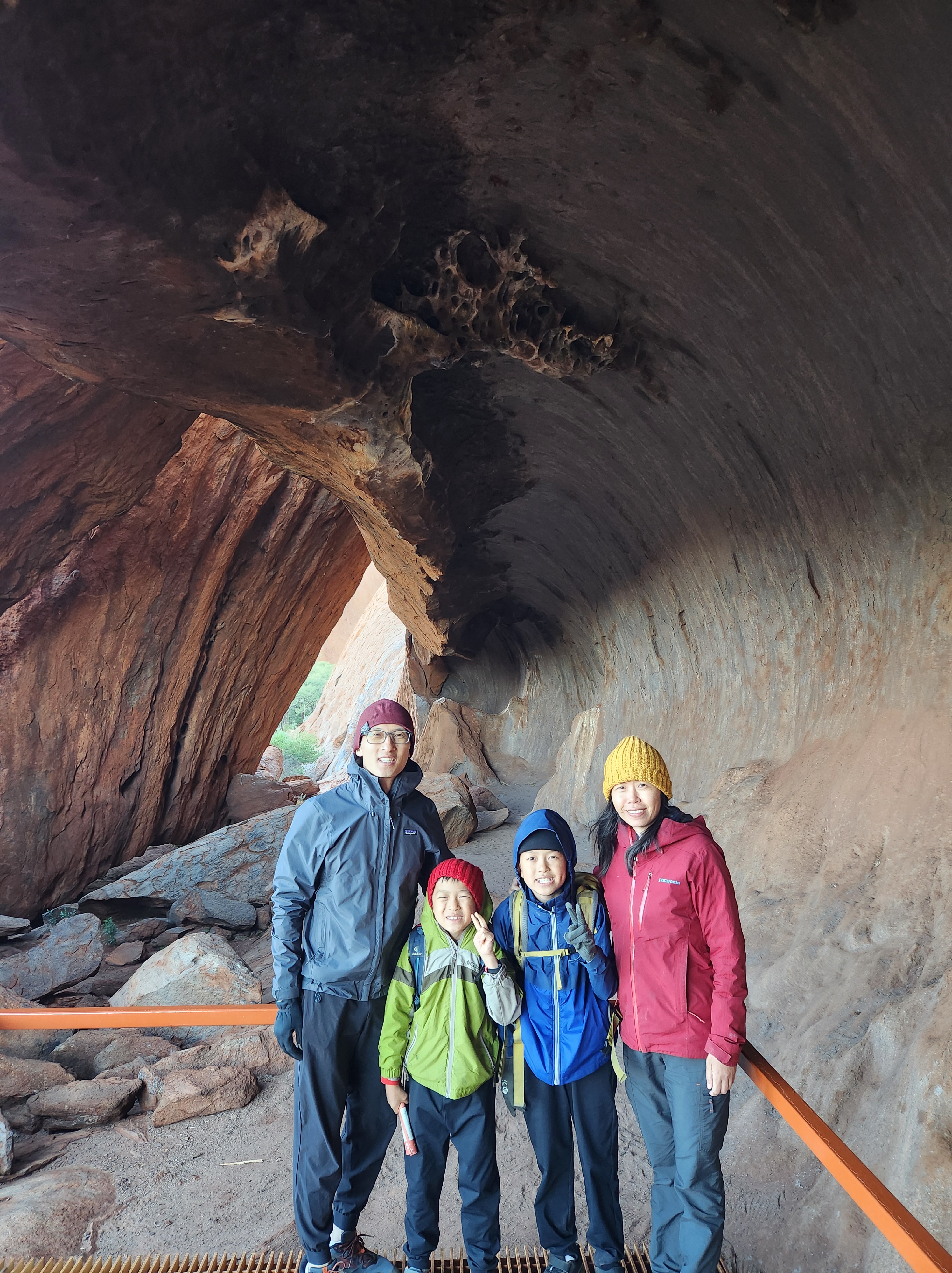
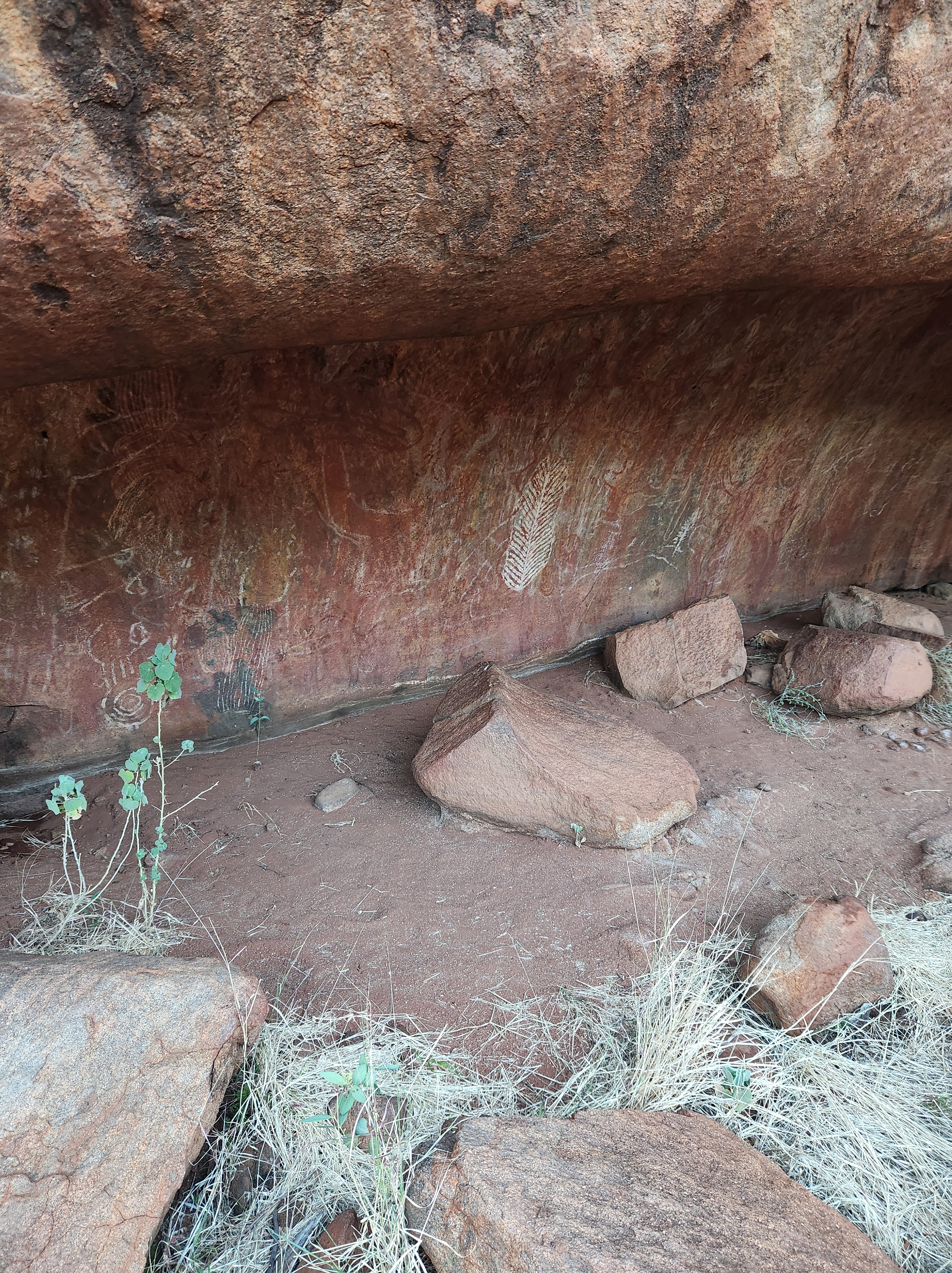
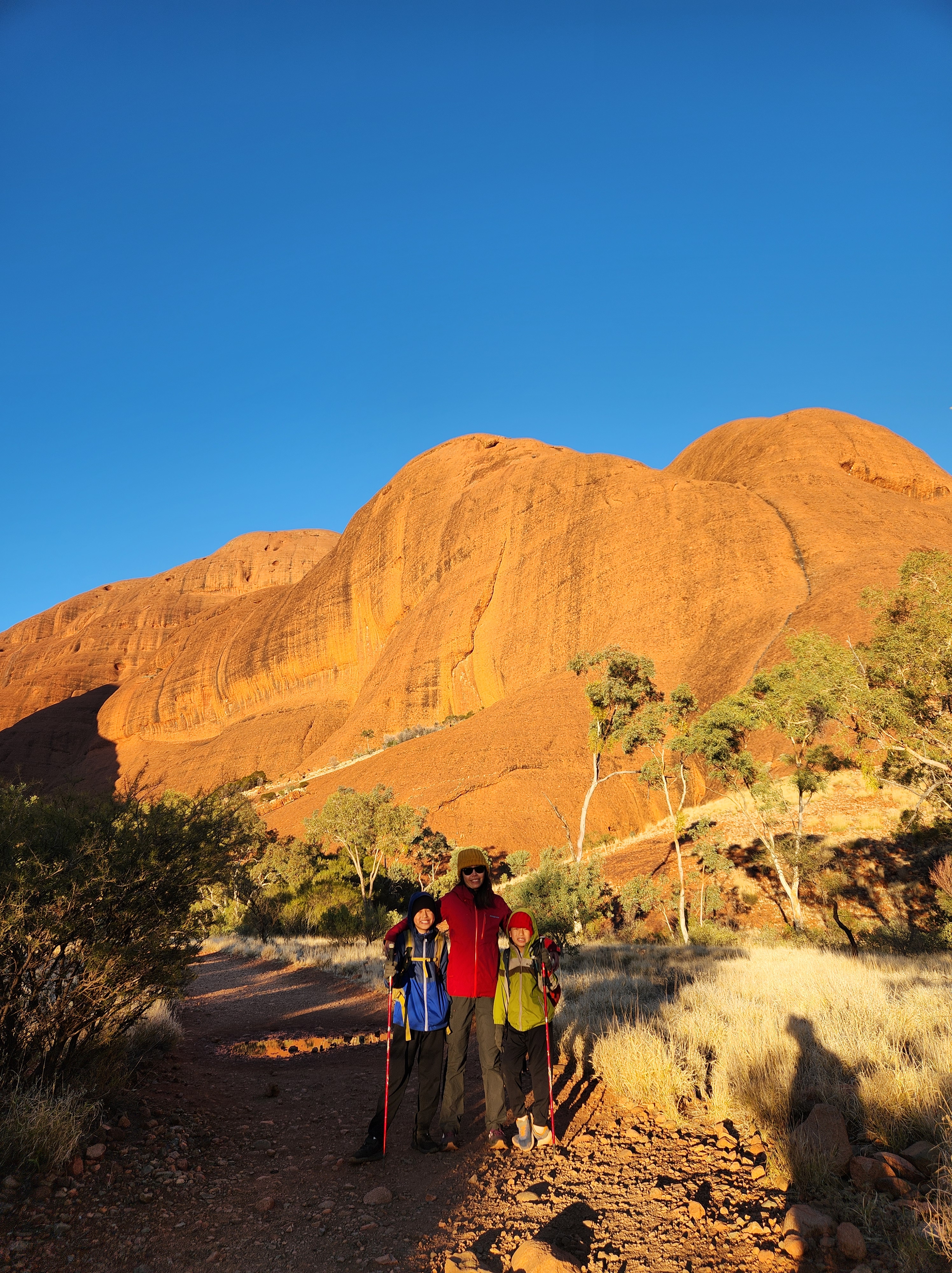
After Kings Canyon, we drove to Uluru, the icon of the Outback. The rock is estimated to be 550 million years old and formed from sandstone. We did the Uluru Base Walk, a flat 6-mile walk around the sacred rock. The Aboriginal people of Uluru belong to one of the oldest continuous cultures in the world, with a history that goes back more than 50,000 years, even longer than the ancient civilizations of Egypt!

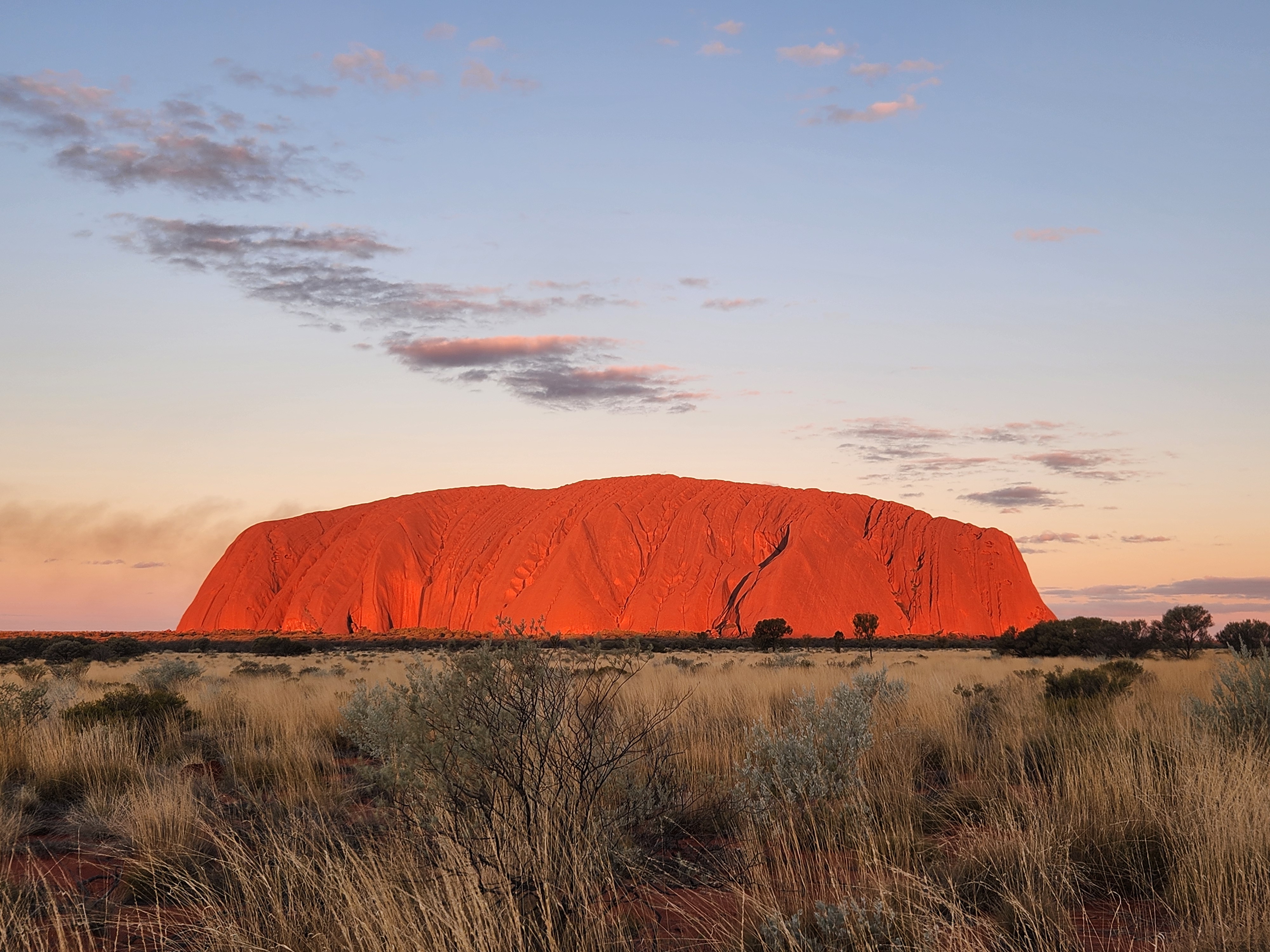
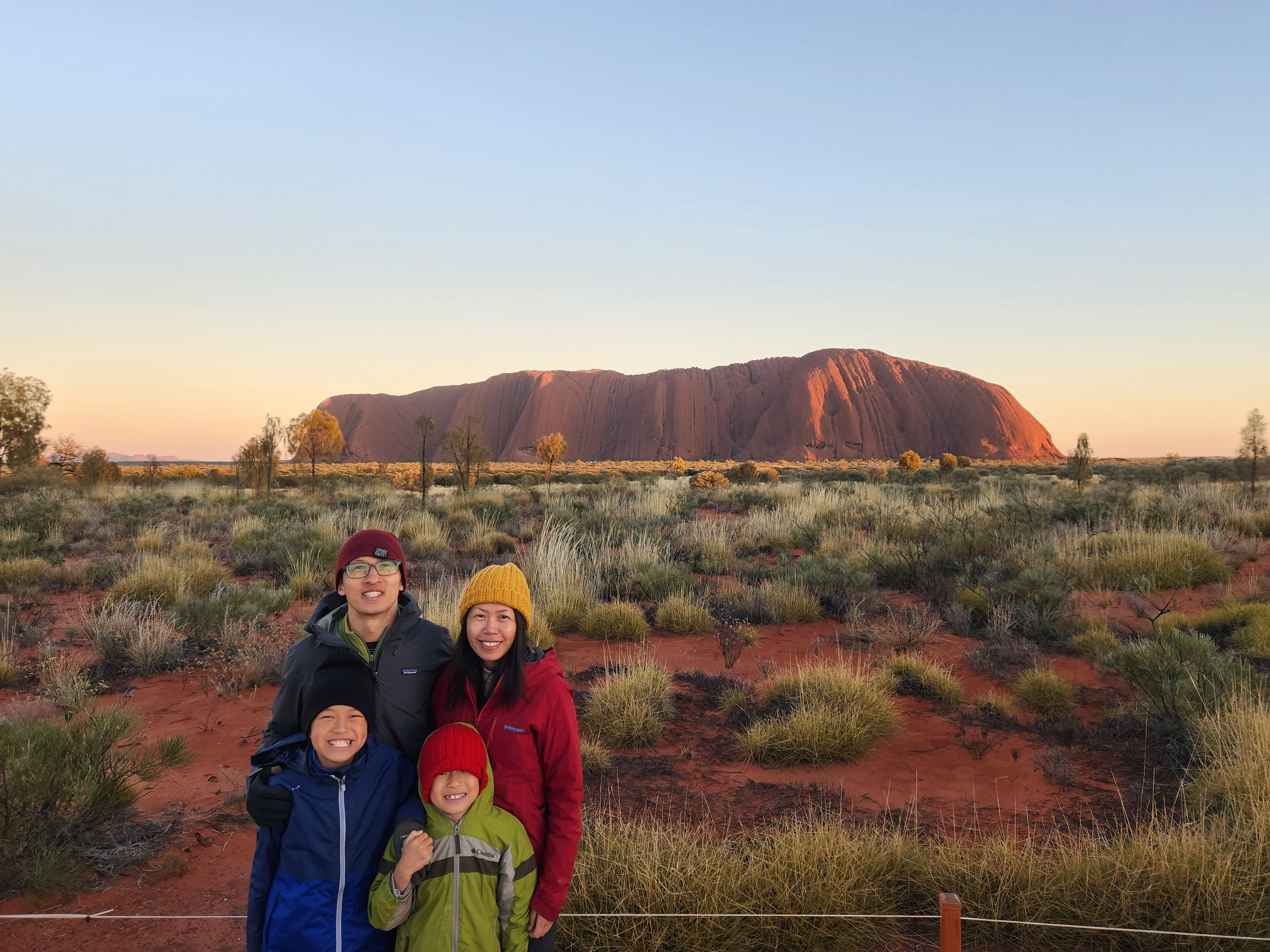
During our stay in Uluru, we saw the rock countless times. Honestly, at first I shrugged and thought, “Eh, it’s just a rock.” Despite knowing its deep cultural and historical significance, it didn’t strike me as particularly spectacular. But then we saw Uluru at sunset. As the sun sank lower, the dull brown surface changed into a fiery red, glowing as if lit from within. In that moment, it felt otherworldly. (Picture on the left is Uluru during sunset, and right is during sunrise.)

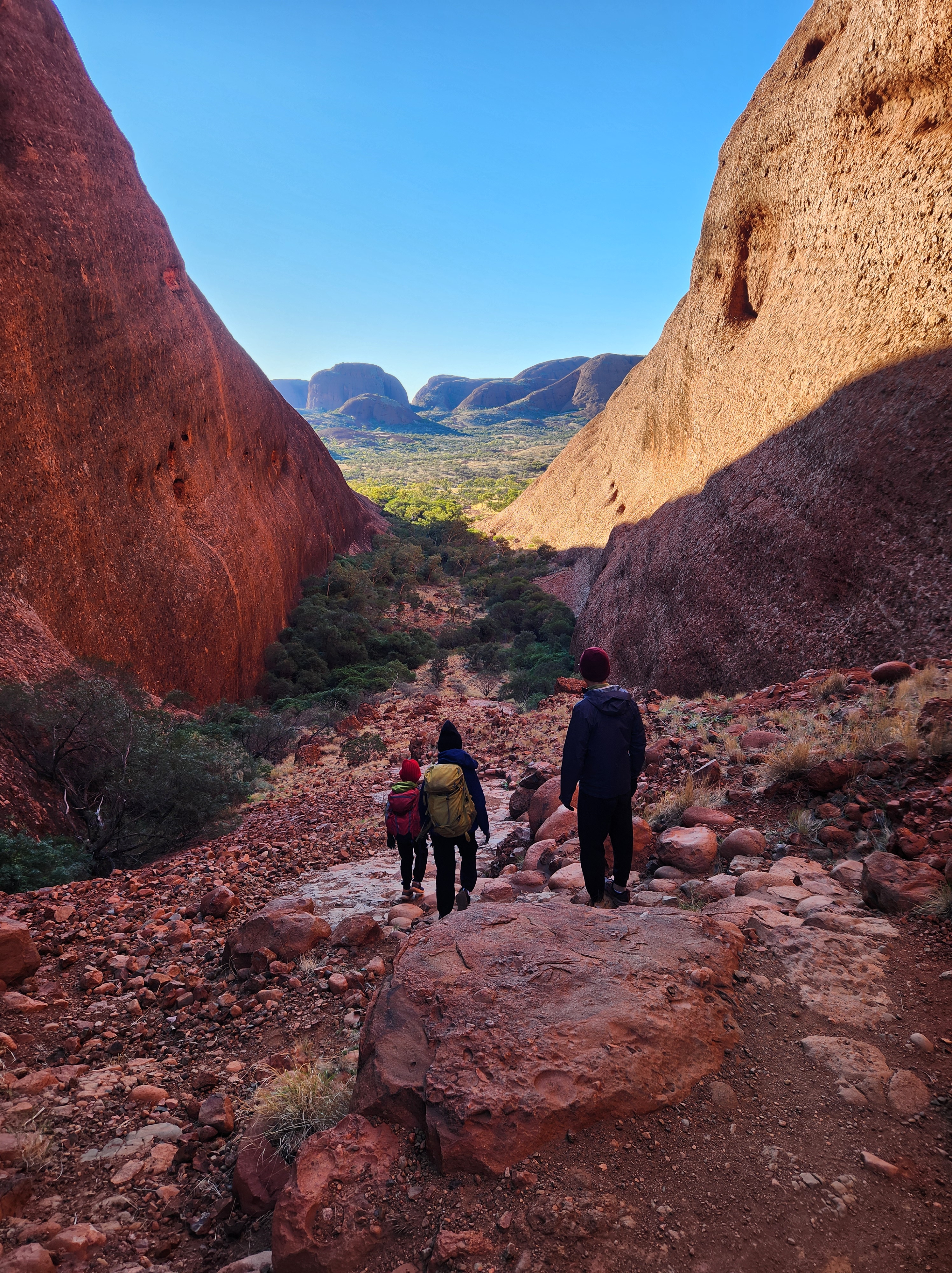
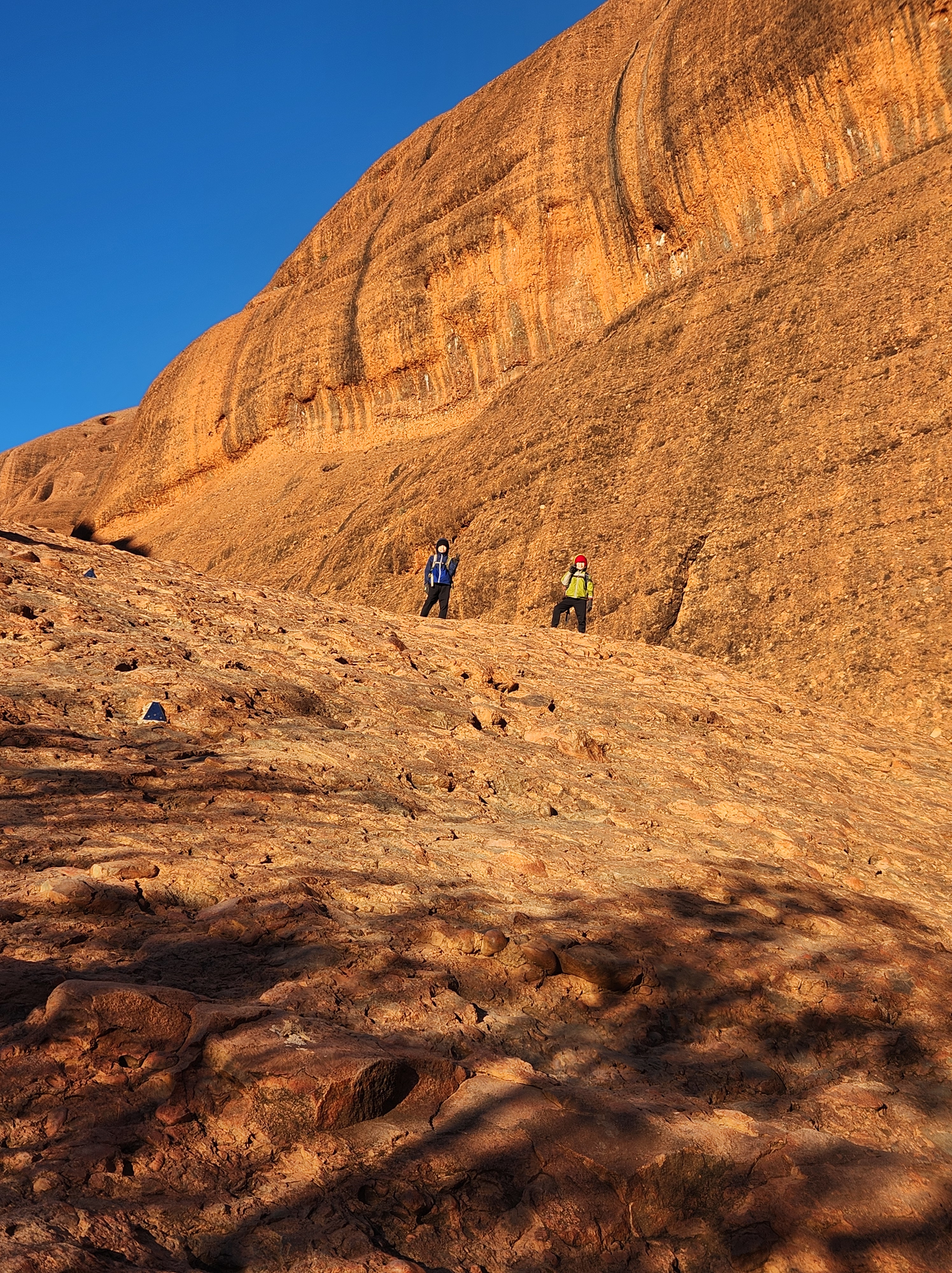
We also hiked the Valley of the Winds at Uluru, a beautiful trail that winds through towering red rock domes and offers sweeping views of the desert landscape. One of my favorite hikes in Australia!

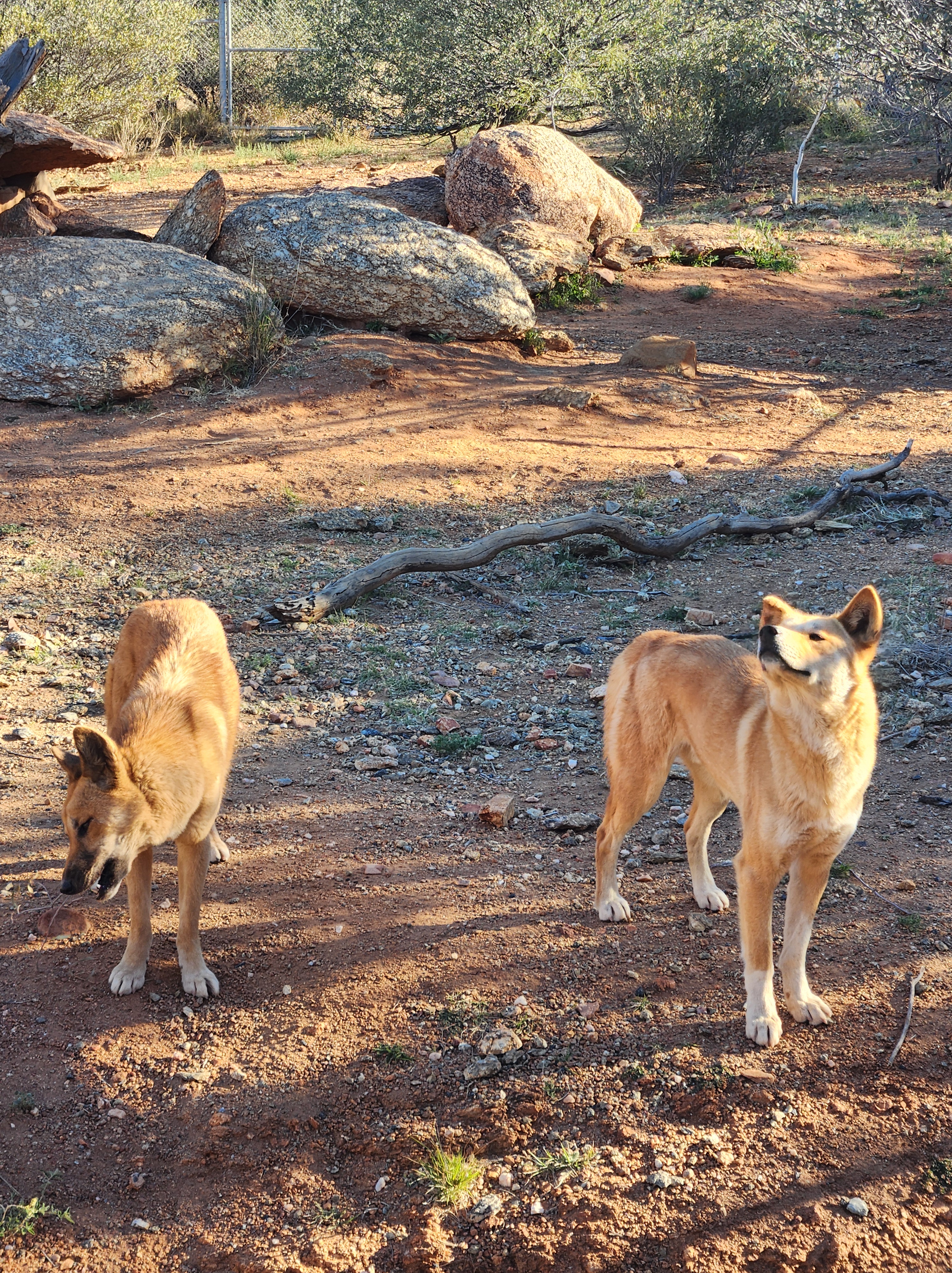
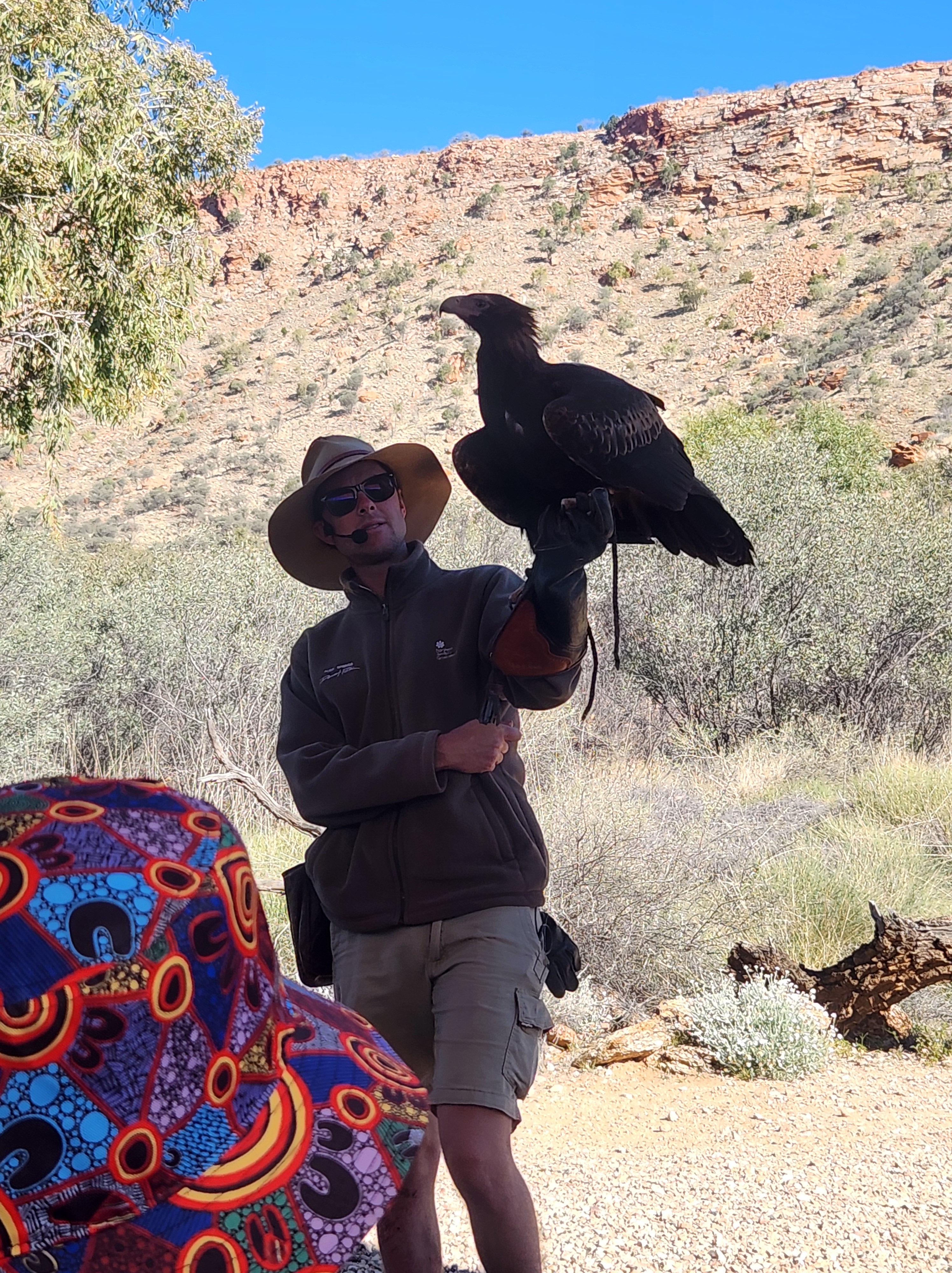
The next day, we drove 5 hours from Uluru back to Alice Springs. (Yes, there was A LOT of driving in the Outback.) In Alice Springs, we visited the Alice Springs Desert Park, filled with animals native to the Outback. Honestly, it was a little underwhelming — many exhibits were empty and we saw very few animals. Tickets weren’t cheap either, about $26 USD per adult and $13 USD per kid.

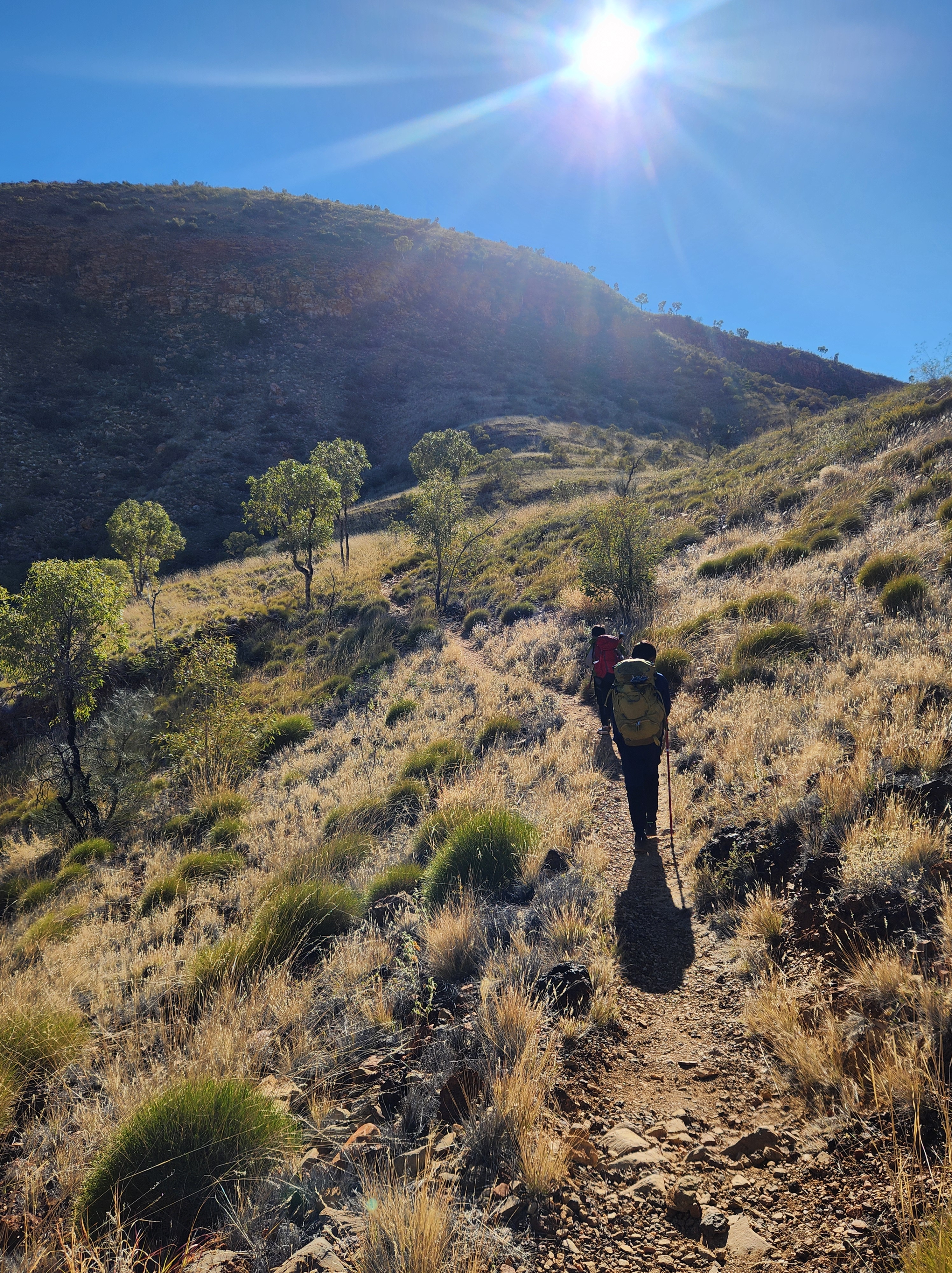
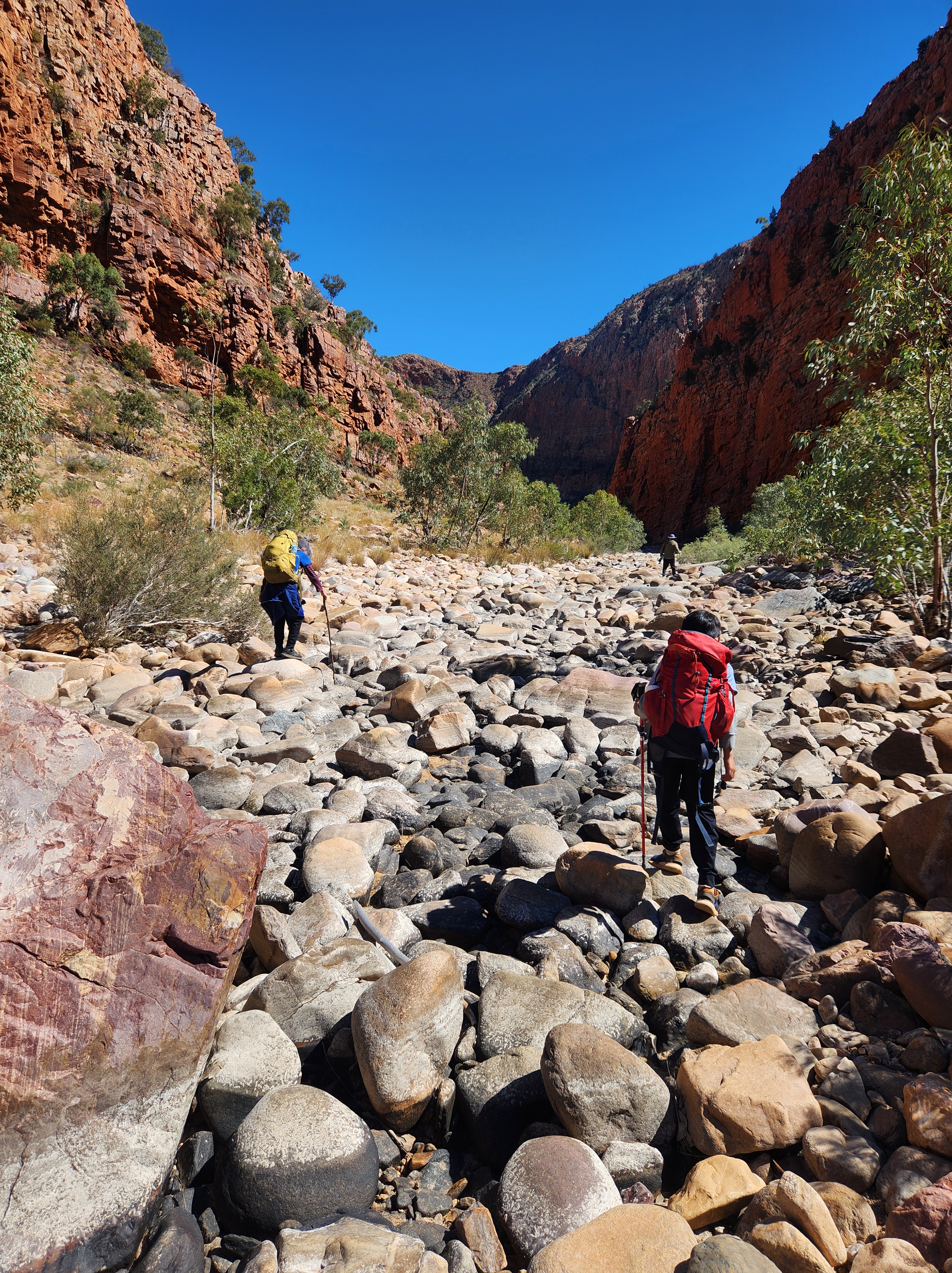
On our last day in the Outback, we drove to the West MacDonnell Ranges, which is a huge mountain range spanning over 400 miles. There are popular multi-day treks there but we picked a half-day hike at Ormiston Pound. The trail was wonderfully varied — we walked through grasslands, scrambled over huge boulders, and even waded across a small pond.

Would I go back to the Outback? Probably not. It’s difficult to reach, the food was mediocre at best, and as I mentioned, it’s expensive. With so few restaurants, we found ourselves eating way too many protein bars on our hikes. The boys and I agreed we never want to see another one again. 😆Still, the Outback has its own quiet charm. Its vast, empty stretches make you feel like you’re the only person out there on this strange, wild landscape.

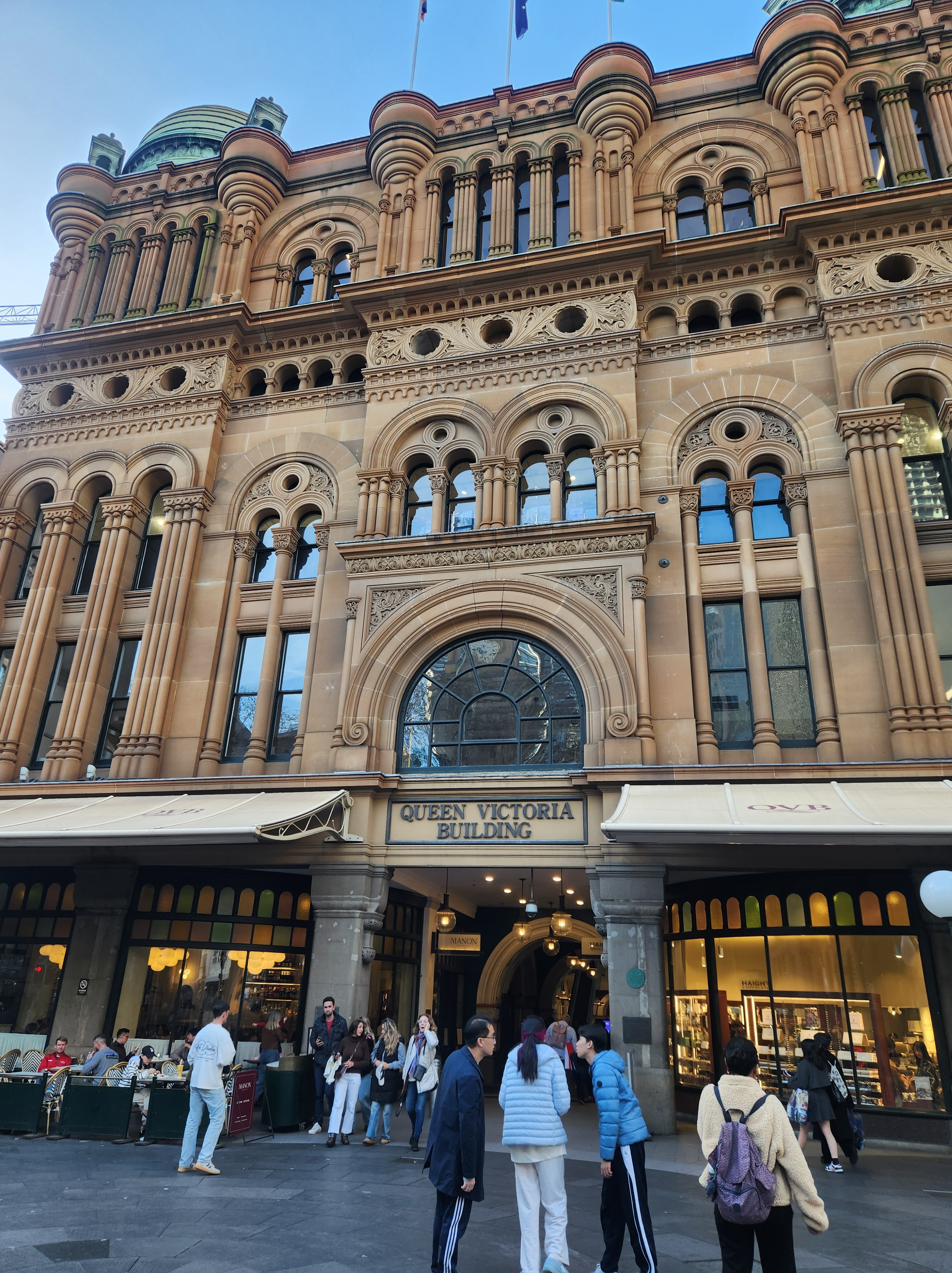
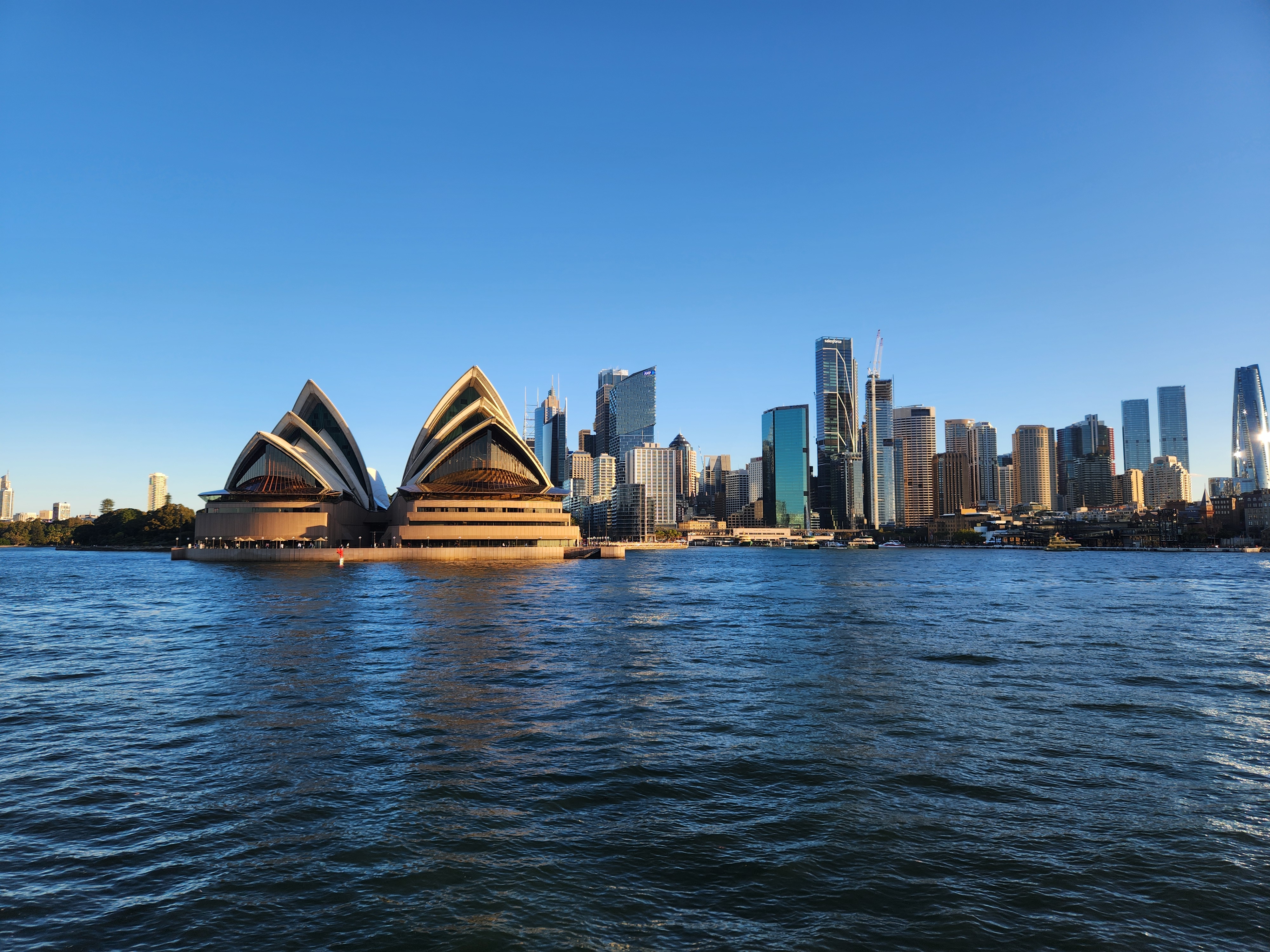
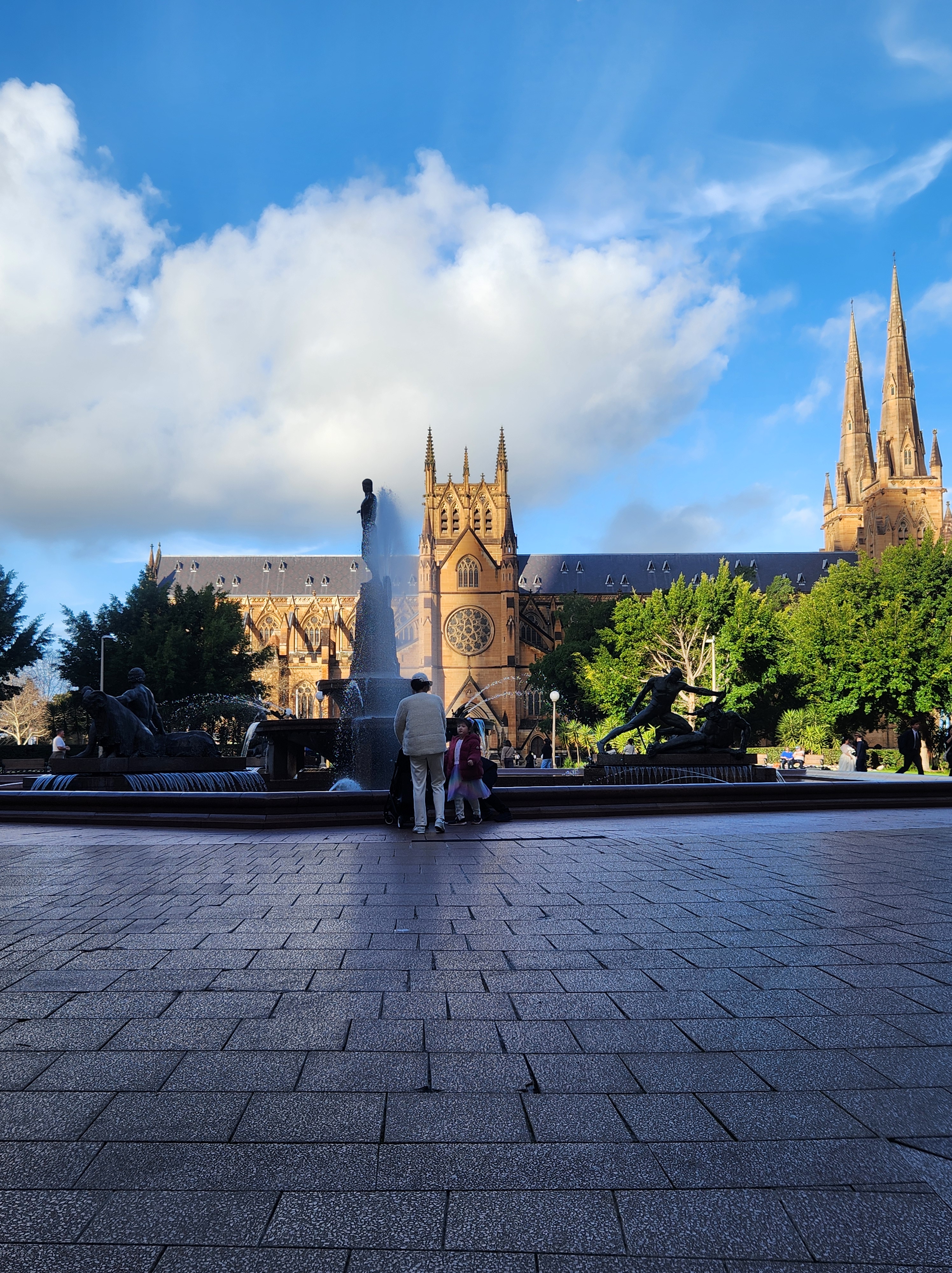
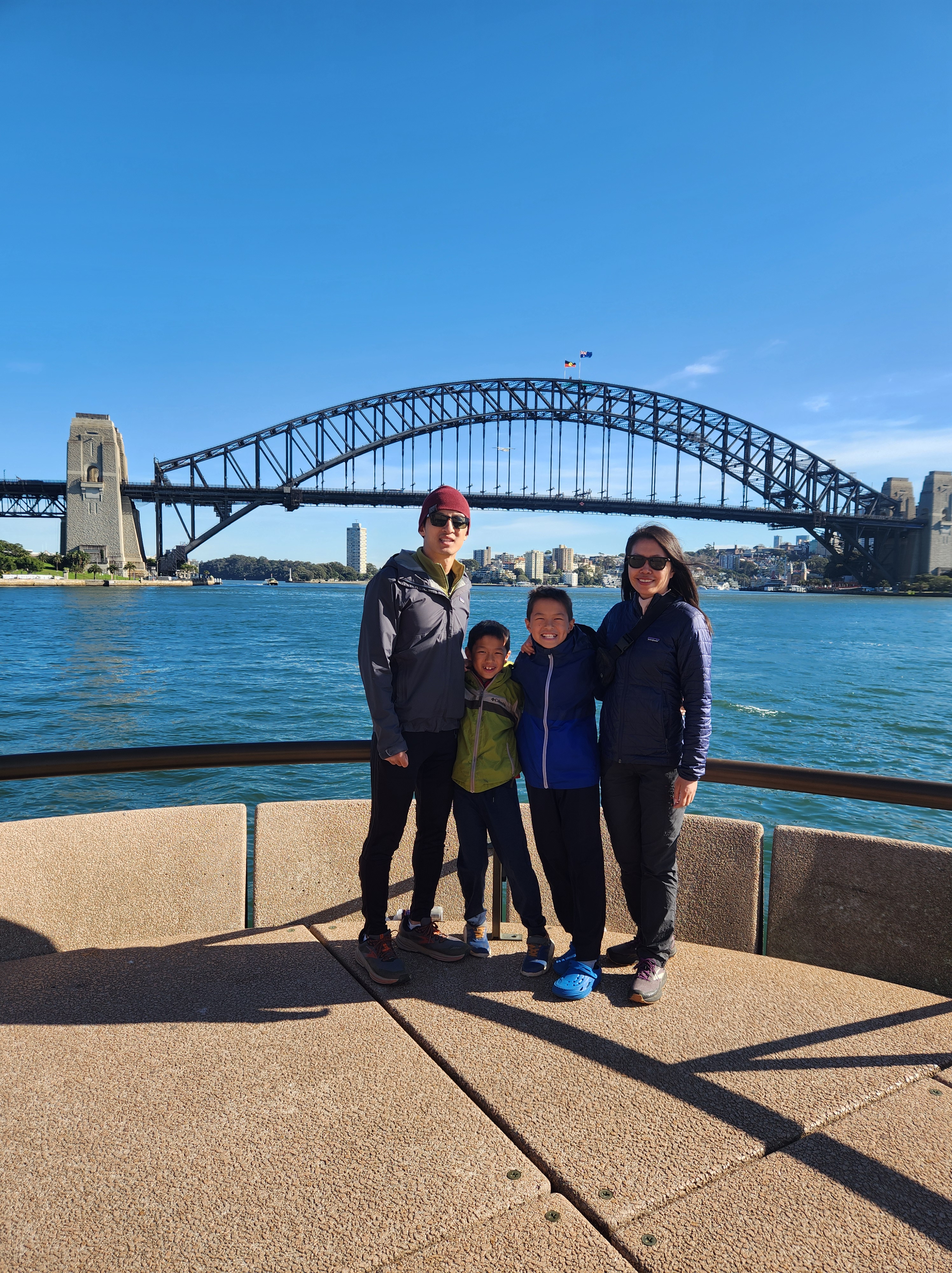
Sydney. After a week in the rugged, desolate Outback, we were more than ready to return to city life, and Sydney was the perfect contrast. With its blend of historic and modern architecture, diverse culture, lush parks, and waterfront setting, it reminded me of a mix between San Francisco and New York. Sydney is often rated as one of the most beautiful cities in the world and there’s no refuting that.

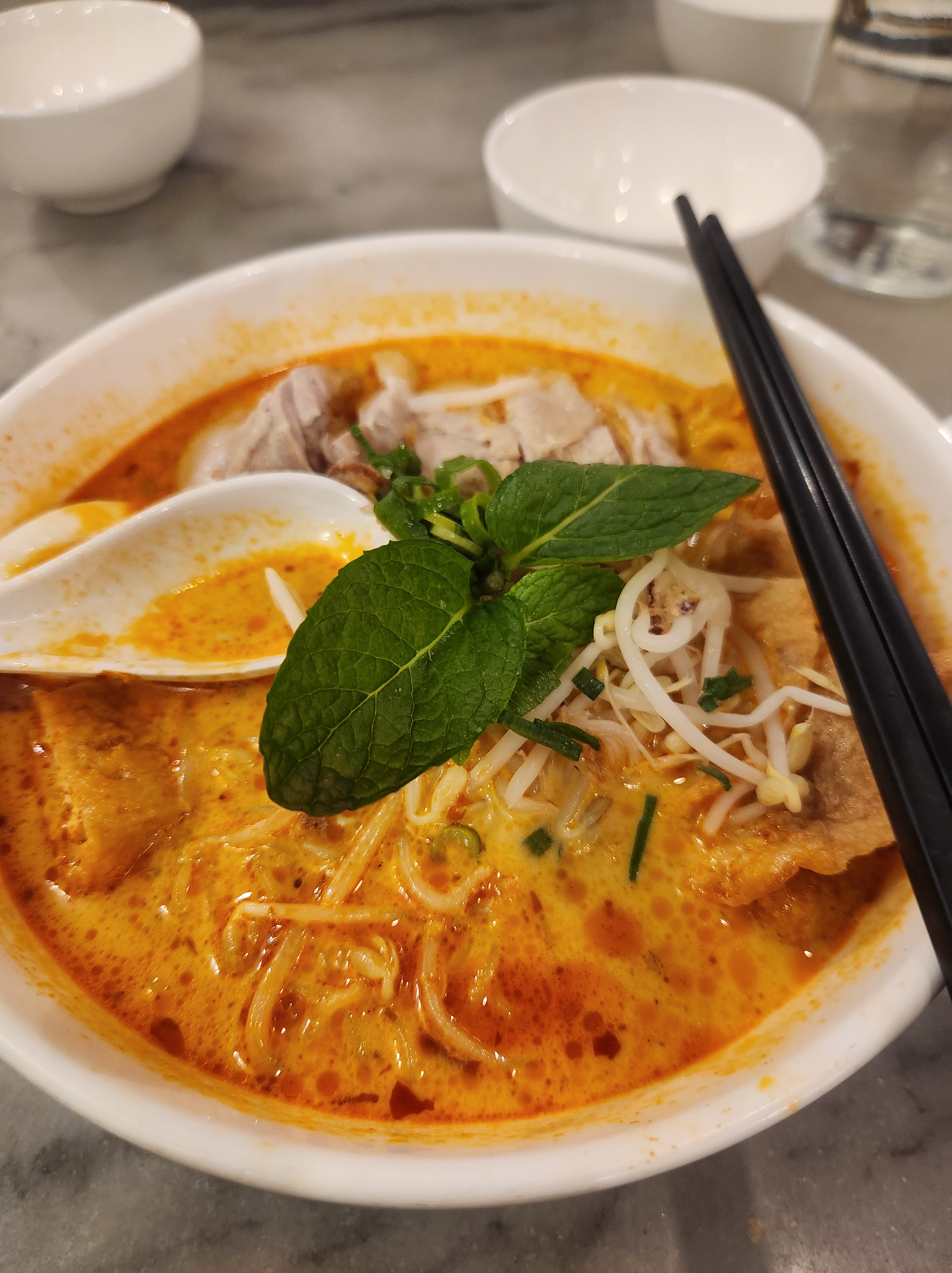
Sydney reminded me of why I sometimes miss living in the US. People were so friendly, not just in Sydney, but all across Australia. Taiwanese people are incredibly kind but reserved. Australians have this way of striking up a conversation as if you’ve been friends for years. Walking into a supermarket, I couldn’t help but linger over the ingredients I’ve long missed in Taiwan: all the cheese, beans, berries, and spices! Sydney is a very diverse city so of course we made sure to enjoy all the cuisines that are harder to find back in Taipei. (We thought the food in the Bay Area is slightly better, but still hit the spot!)

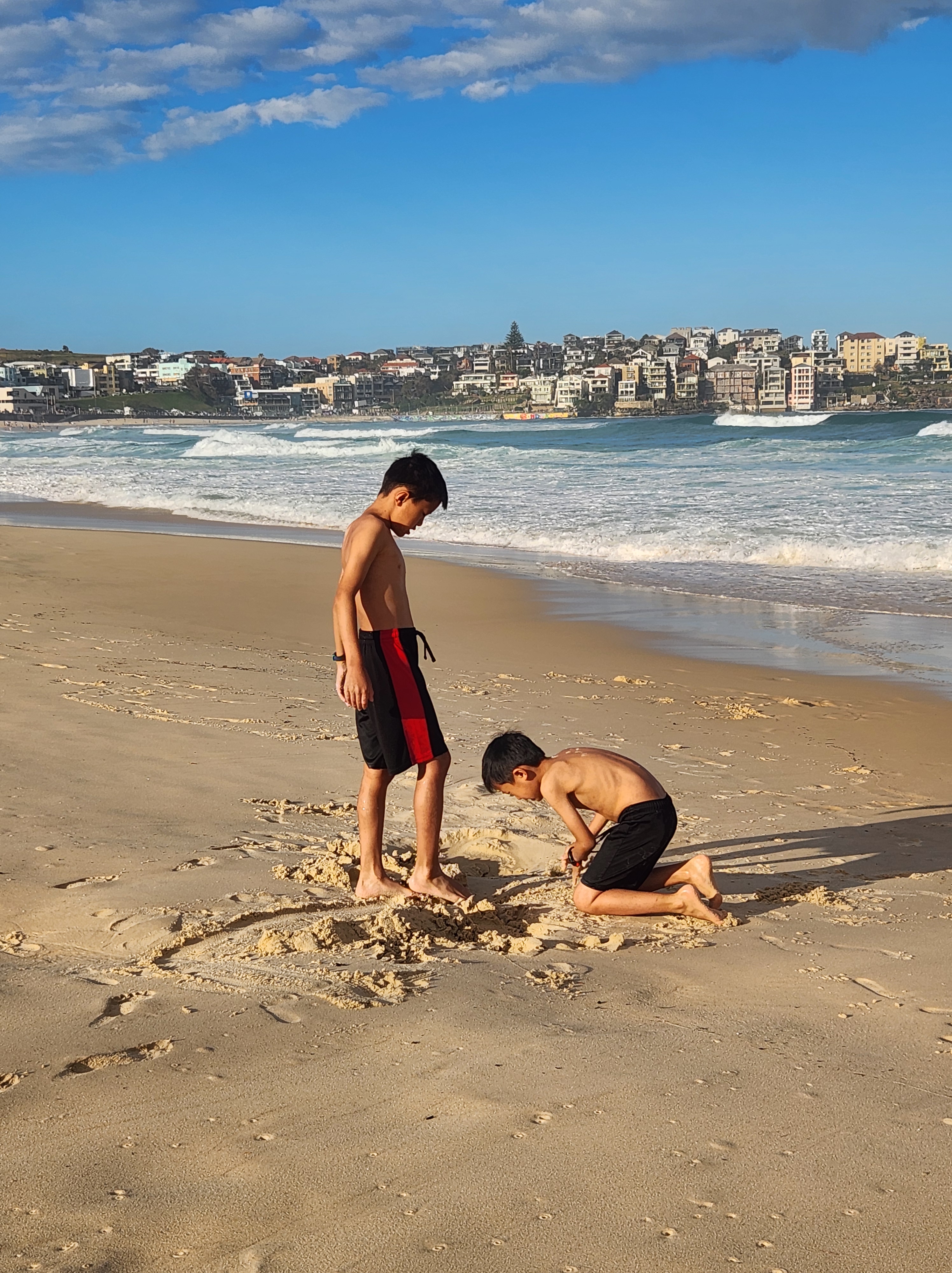
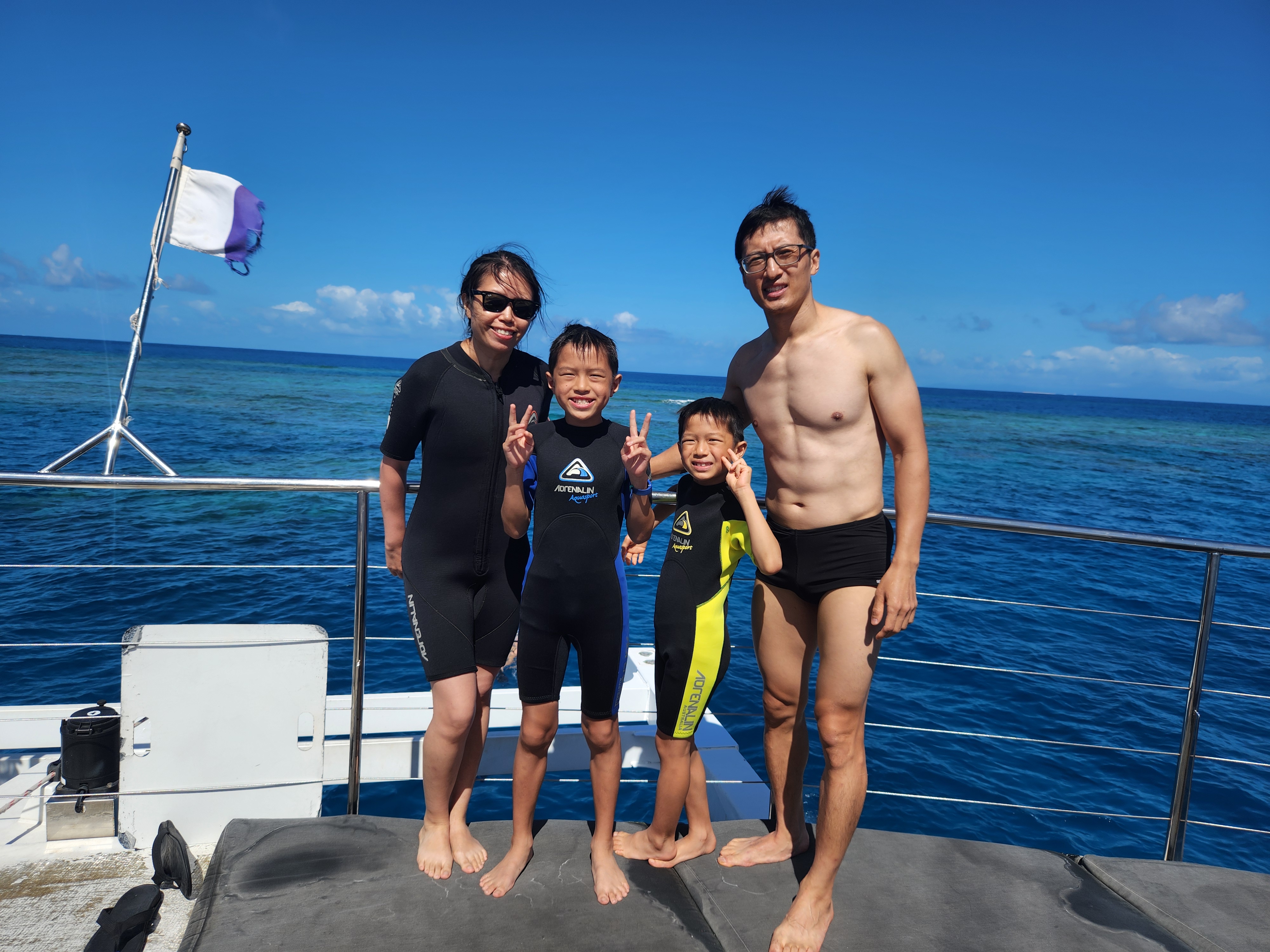
The kids absolutely love the beach, so we made our way to two of Sydney’s most famous ones: Bondi and Manly. Since it was winter, the water was cold and the waves were strong so wading in the water wasn’t an option. Still, the boys were perfectly happy spending hours playing in the sand. Living in Taipei, we don’t really have easy access to beaches, so I’m glad the boys had these special seaside moments.

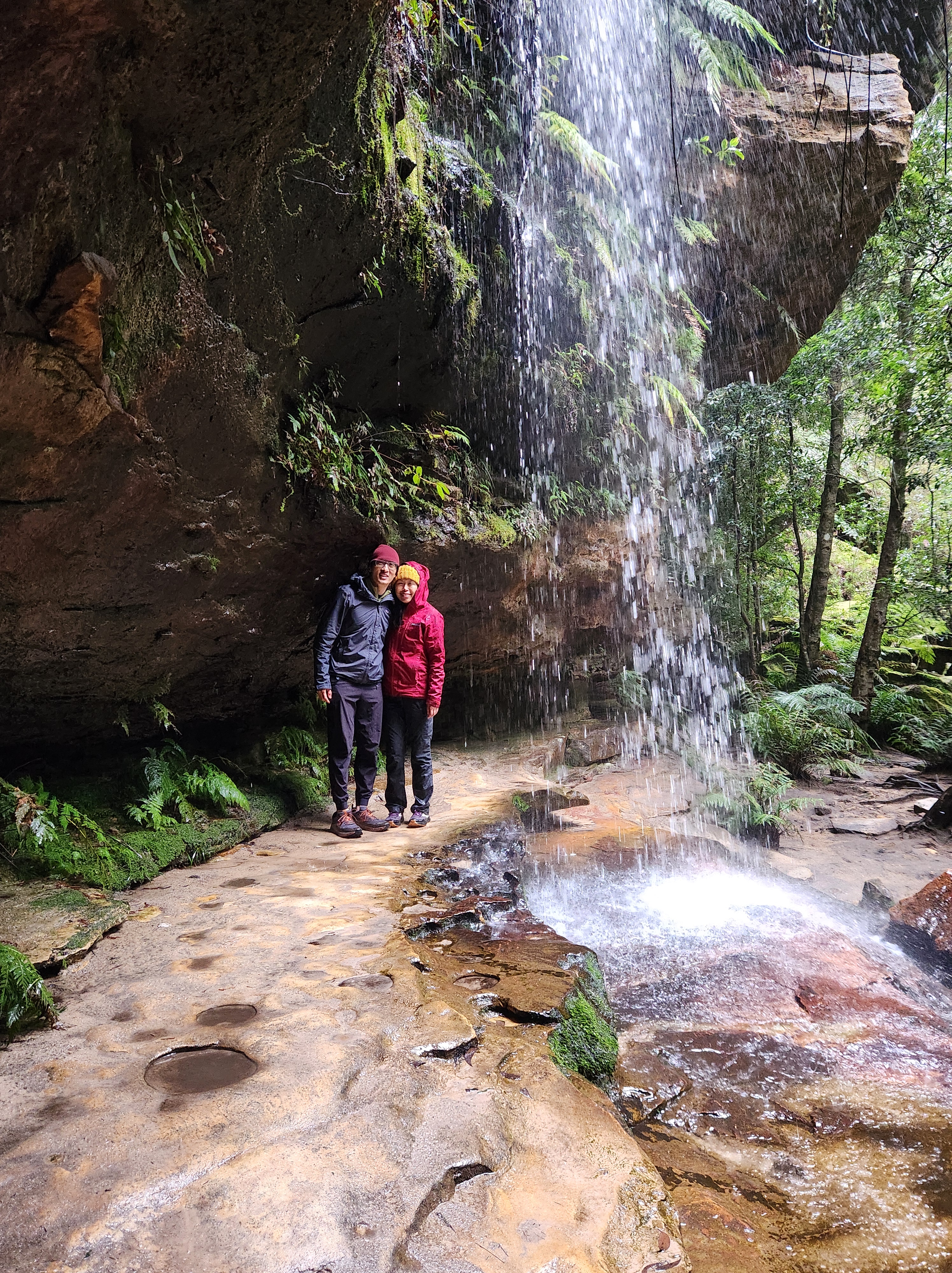
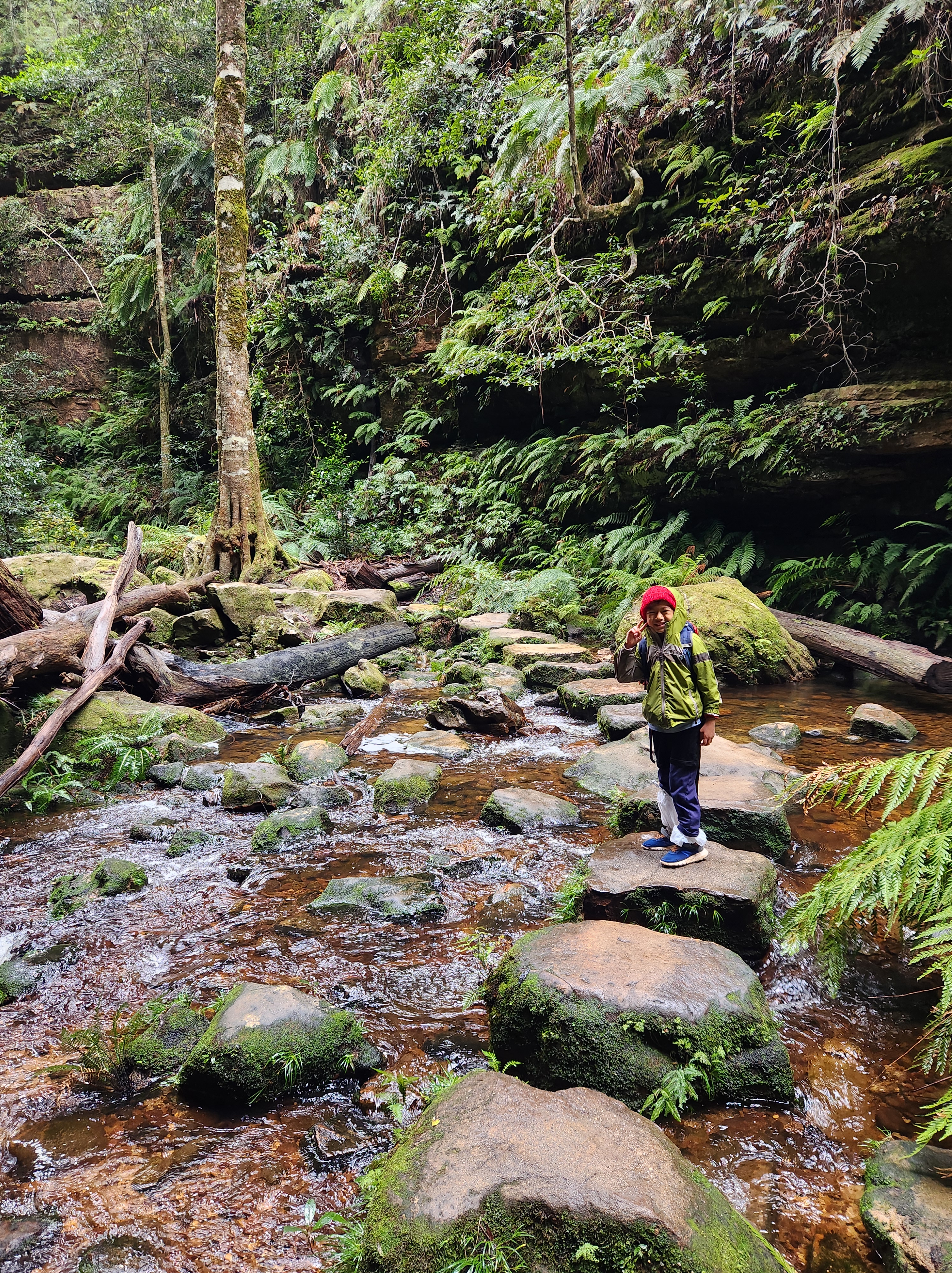
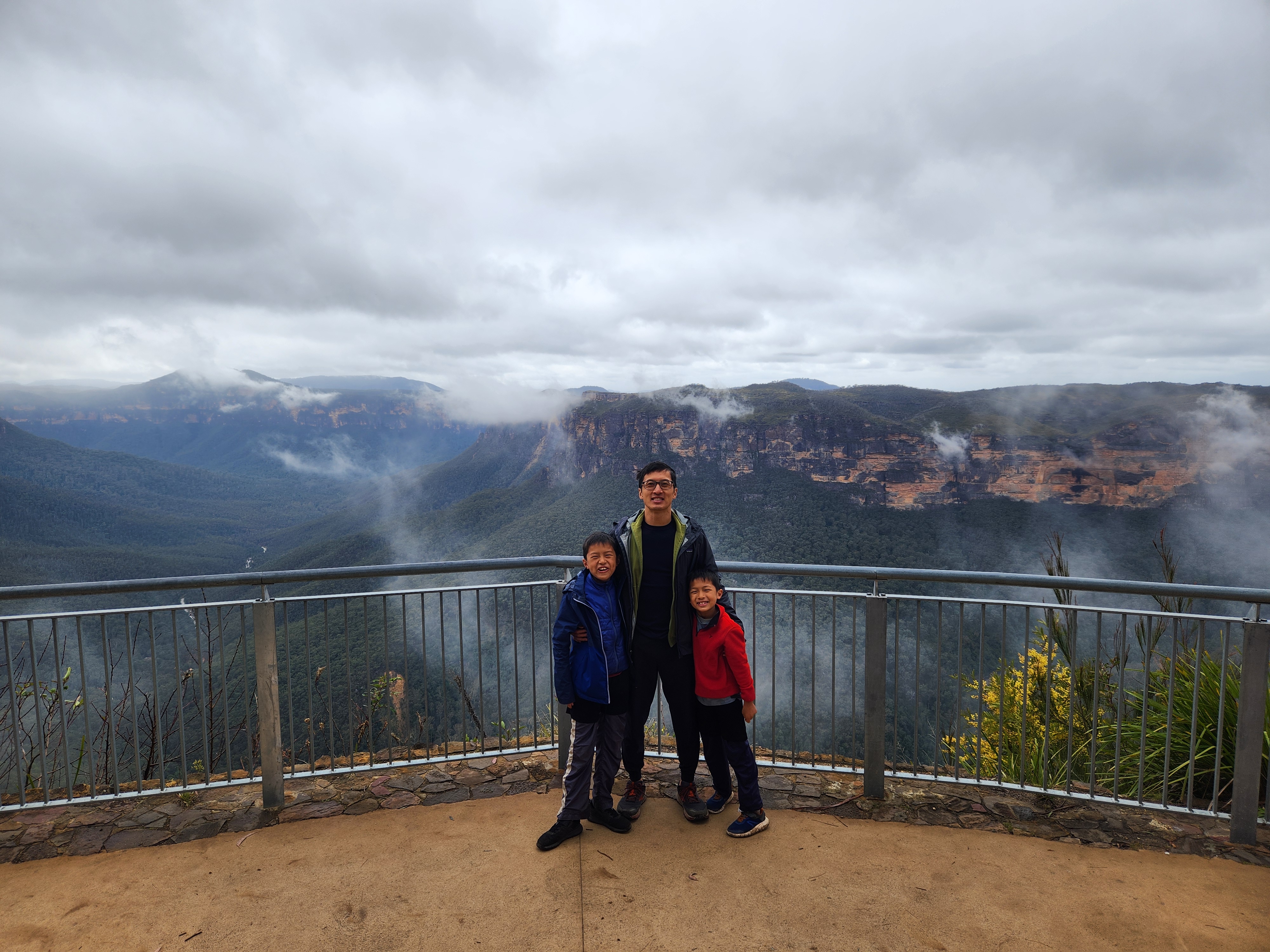
We also took a day trip to the Blue Mountains, a national park about a 1.5 hour drive outside of Sydney. There, we hiked the Grand Canyon trail, which turned out to be stunning, full of lush greenery, canyons, and river crossings. Although the fog kept us from seeing some of the Blue Mountains’ more iconic viewpoints, the hike itself was so beautiful that it felt entirely worth the trip.

We spent 2.5 weeks in Australia and had an amazing time. Sydney, in particular, was one of those places that made us wonder, “Should we move here?” 😏 The trip felt perfectly balanced: we visited tropical Cairns, the rugged Outback, and vibrant Sydney. It was the kind of vacation that made it really hard to pack up and go home!

Ramblings

Climbing Mt. Fuji

I honestly can’t remember what sparked the idea of climbing Fuji. What I do know is that when Baba and I started planning this trip, I wanted to go beyond the usual tourist stops. It wasn’t our first time in Japan after all. The boys love hiking – the more challenging, the better – and this felt like something unique our family can do together.

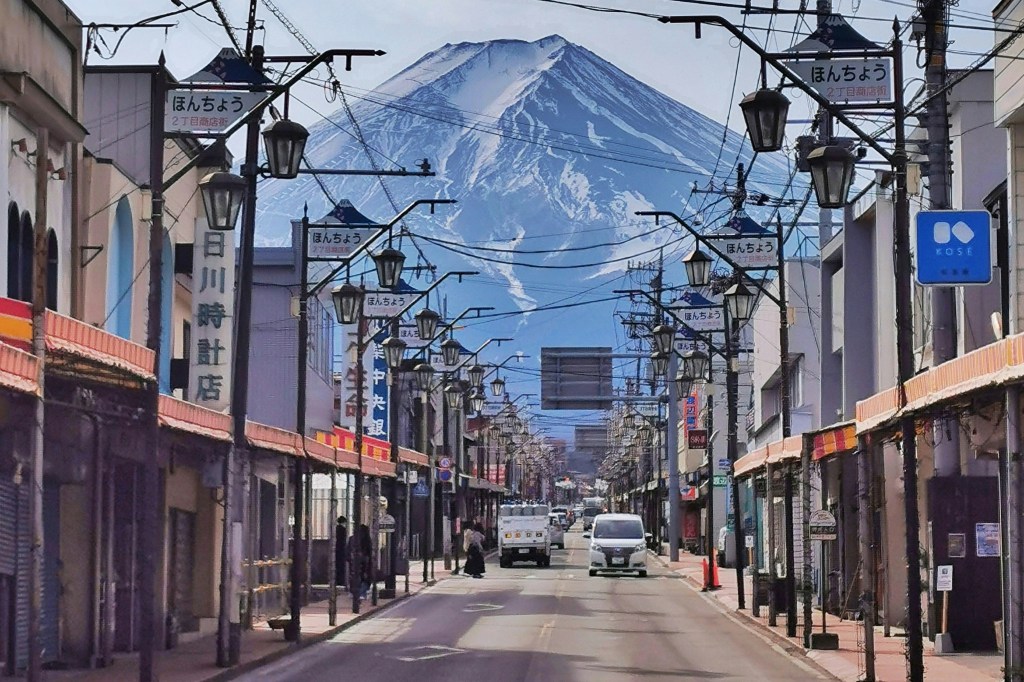
Source: Unsplash.com

Before you think I’d completely lost my mind, let me assure you: we weren’t the only ones with this idea. Kids as young as O’s age and hikers in their 70s-80s have made it to the top of Mt. Fuji. The mountain isn’t a stroll through the park, but it also isn’t a technical climb. With some determination and a decent level of fitness, even ordinary people like our family can do it!

The summer months are Mt. Fuji’s official climbing season. People can do the climb in one day (aka a “bullet climb”) but I wanted to stay overnight in a mountain hut to acclimate and rest. There are multiple huts at various parts of the mountain, the closer it is to the summit the more expensive and harder to reserve. I was able to snag a mountain hut at the 7.5th station at 3,200 meters high. (The highest hut you can book is at 8.5th station.) That would give us 2-3 hours to reach the summit the next day.

For reference, I booked the Miharashikan Hut on the Subashiri Trail. It cost about $340 USD for the four of us, which included a one night stay with basic facilities and two meals (dinner and breakfast).

We decided to hike Mt. Fuji on Friday, July 18, toward the end of our trip. In the days leading up to our climb, the mountain was hit with severe storms. The park even issued alerts prohibiting hiking and summiting, and many disappointed hikers shared online that their trips had been canceled. I kept checking the forecast for the 18th, which showed signs of clearing, but with mountain weather you can never be too sure…

But on July 18, the weather cleared. In fact, the weather was PERFECT. No rain, no wind, and not too hot or cold. We couldn’t have been any luckier with the weather. 🙏

For the hike, we packed plenty of snacks, water, and layers of clothing as the temperature changes rapidly as you ascend. We started out early in the morning, and traveled about 3 hours by train and shuttle bus to reach the 5th station of the Subashiri Trail.

Mt. Fuji has four main trails to the summit: Yoshida, Fujinomiya, Subashiri, and Gotemba. The Yoshida Trail is often considered the “easiest,” but it’s also the most crowded so we chose the Subashiri Trail instead. The other two routes were either too long and or had too much elevation gain.

Map of the Mt. Fuji trails

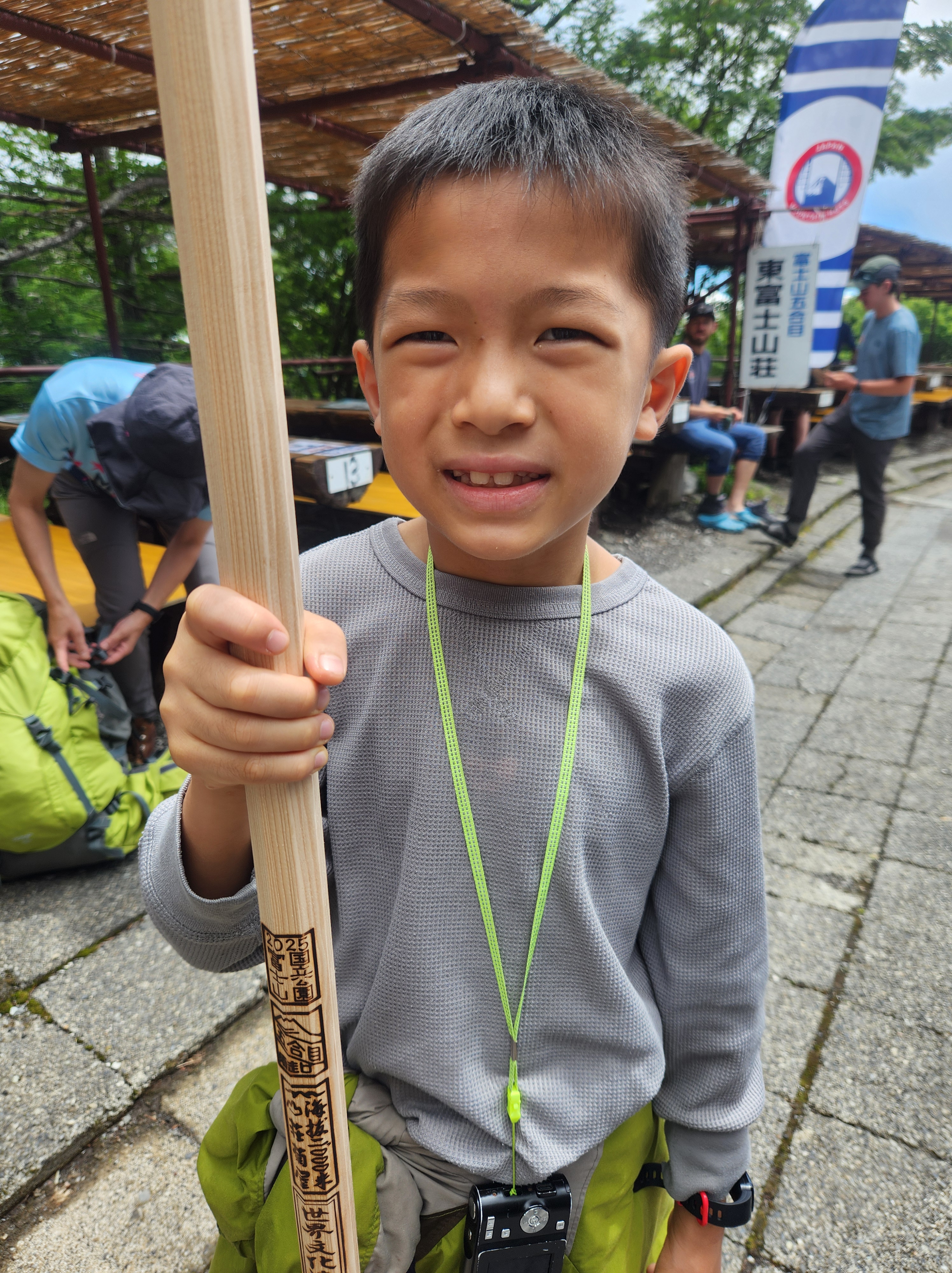
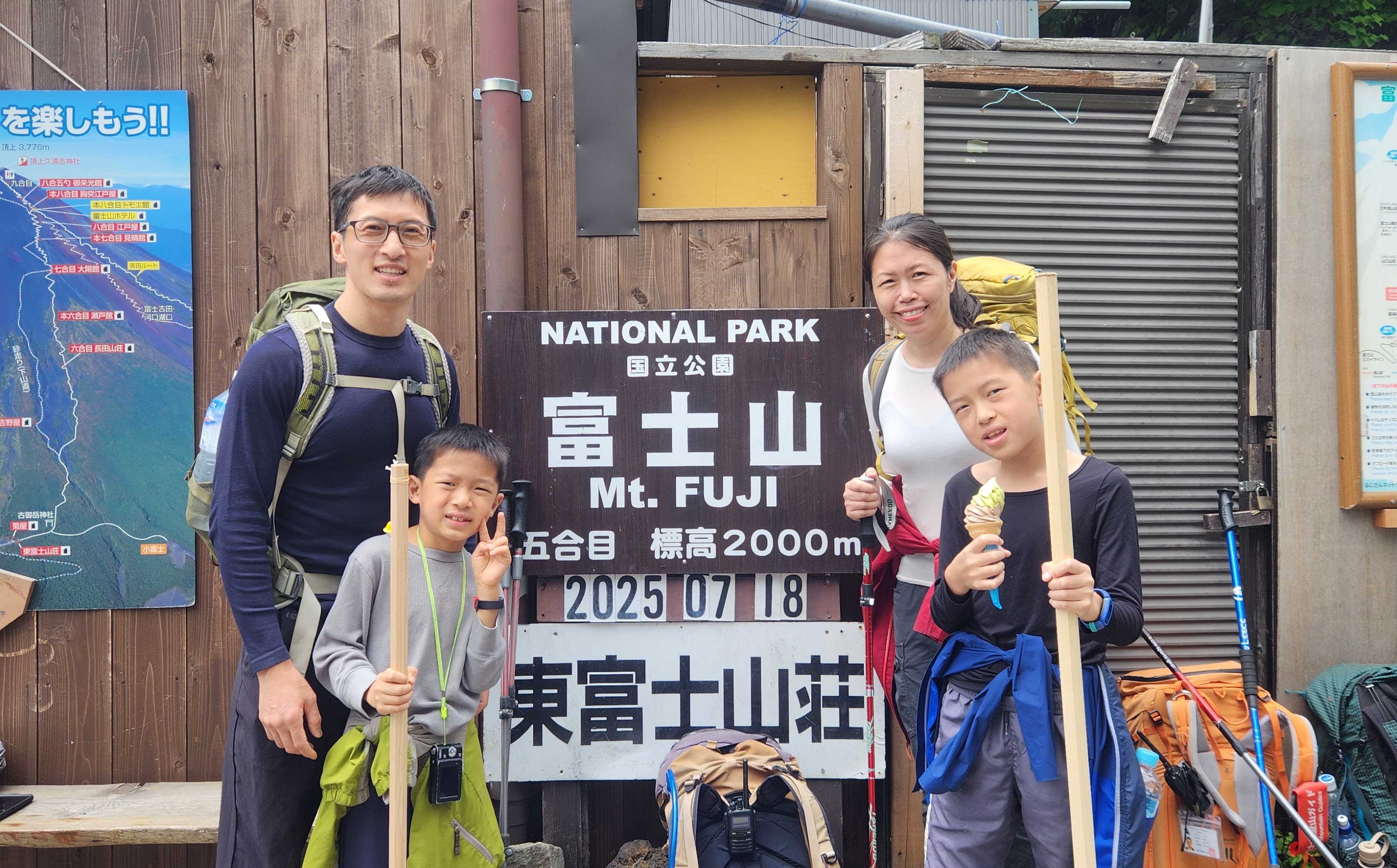
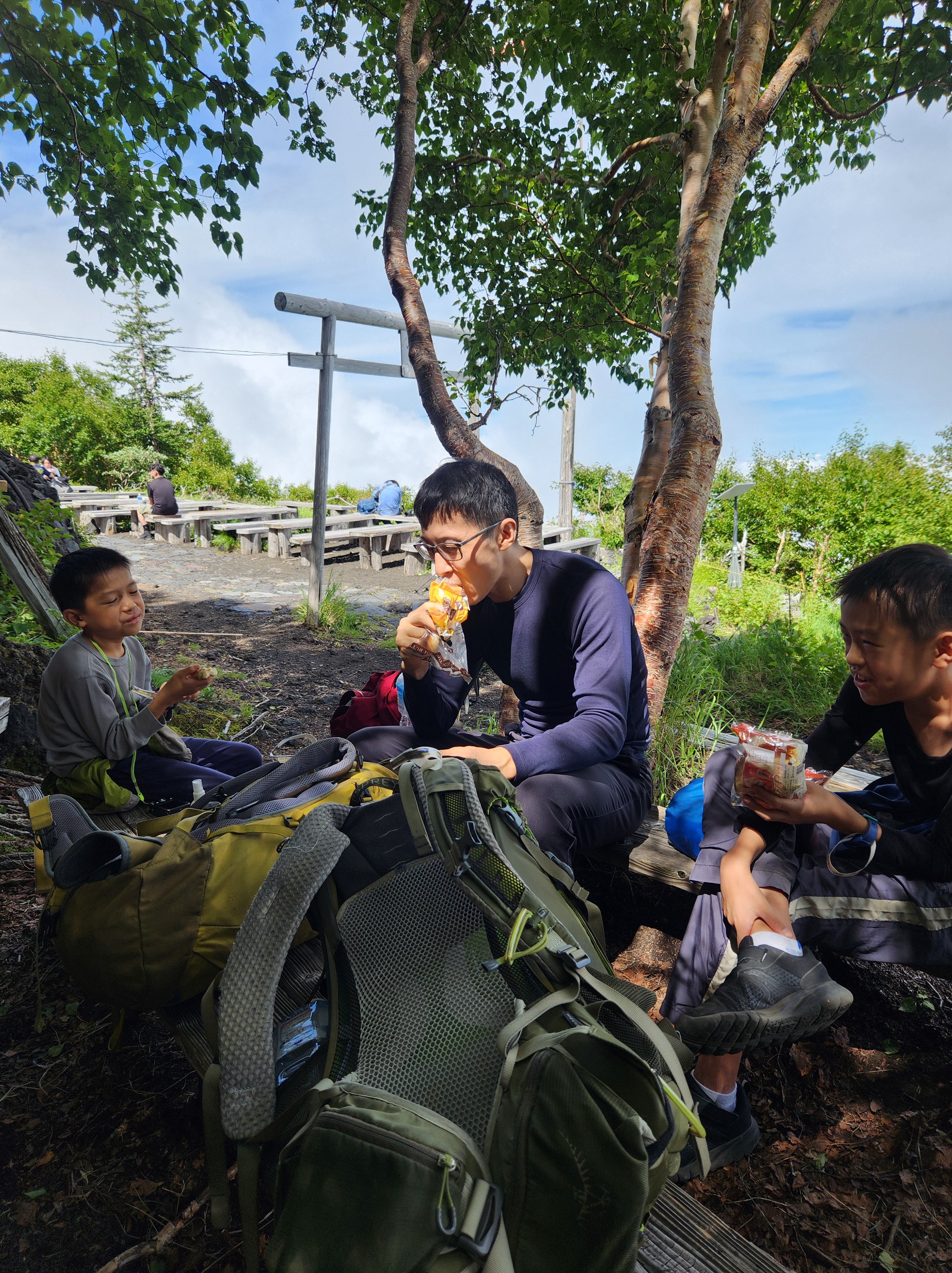
We arrived at the 5th station around 11am, about an hour later than planned since we missed the first shuttle bus. 😣 We spent the next hour there snacking, resting, and acclimating. Note: At 2,000 meters, the 5th station isn’t that high so most people really don’t need that much time to adjust, but we wanted to play it safe. We also bought matcha ice cream and a Fuji hiking stick while we were there.

Starting in 2025, all hikers on Mt. Fuji are required to purchase a $25 USD permit. The new system is designed to limit the number of climbers to about 4,000 per day, addressing the growing crowds. While booking a mountain hut was difficult, getting a permit was not.

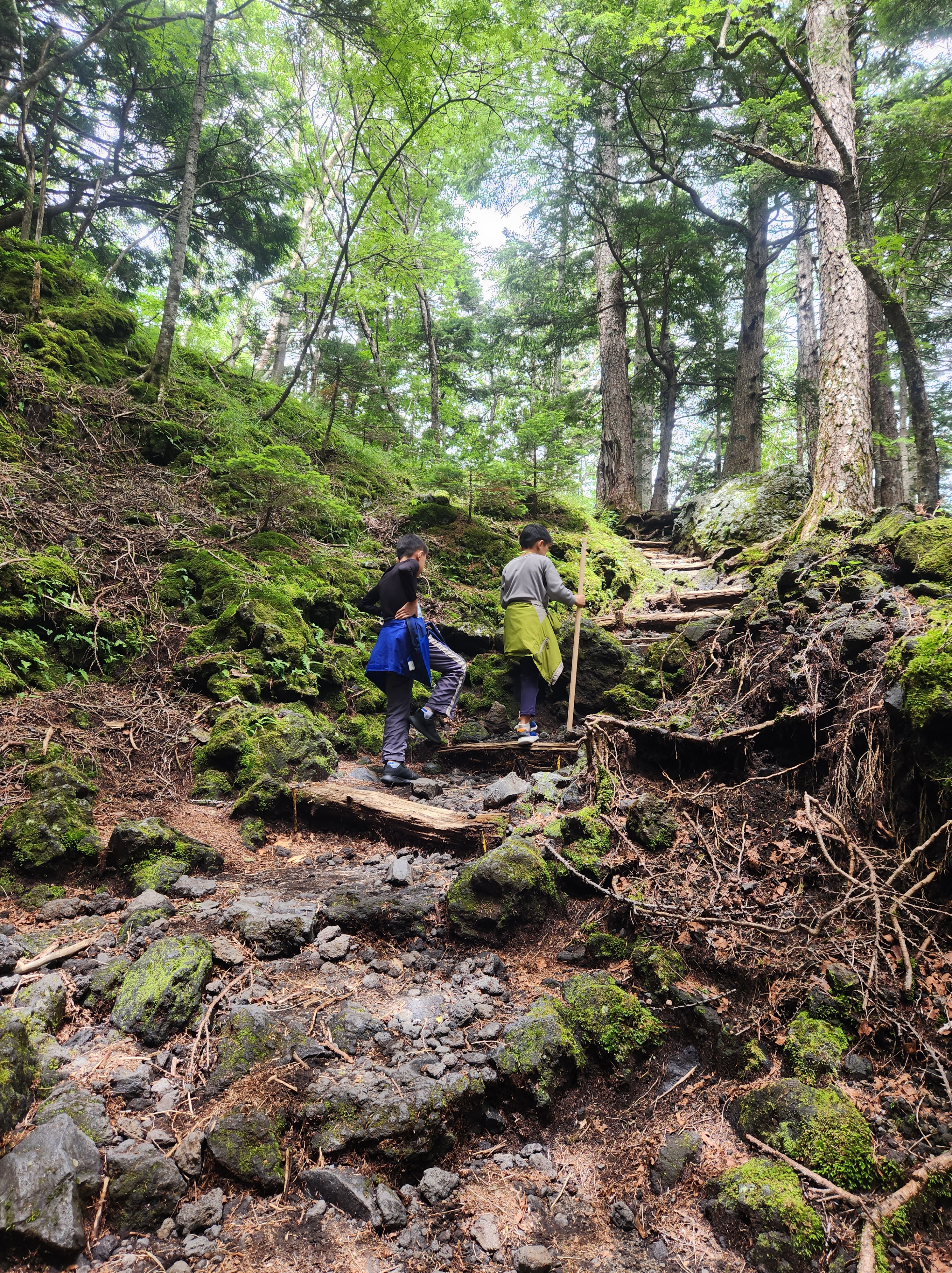
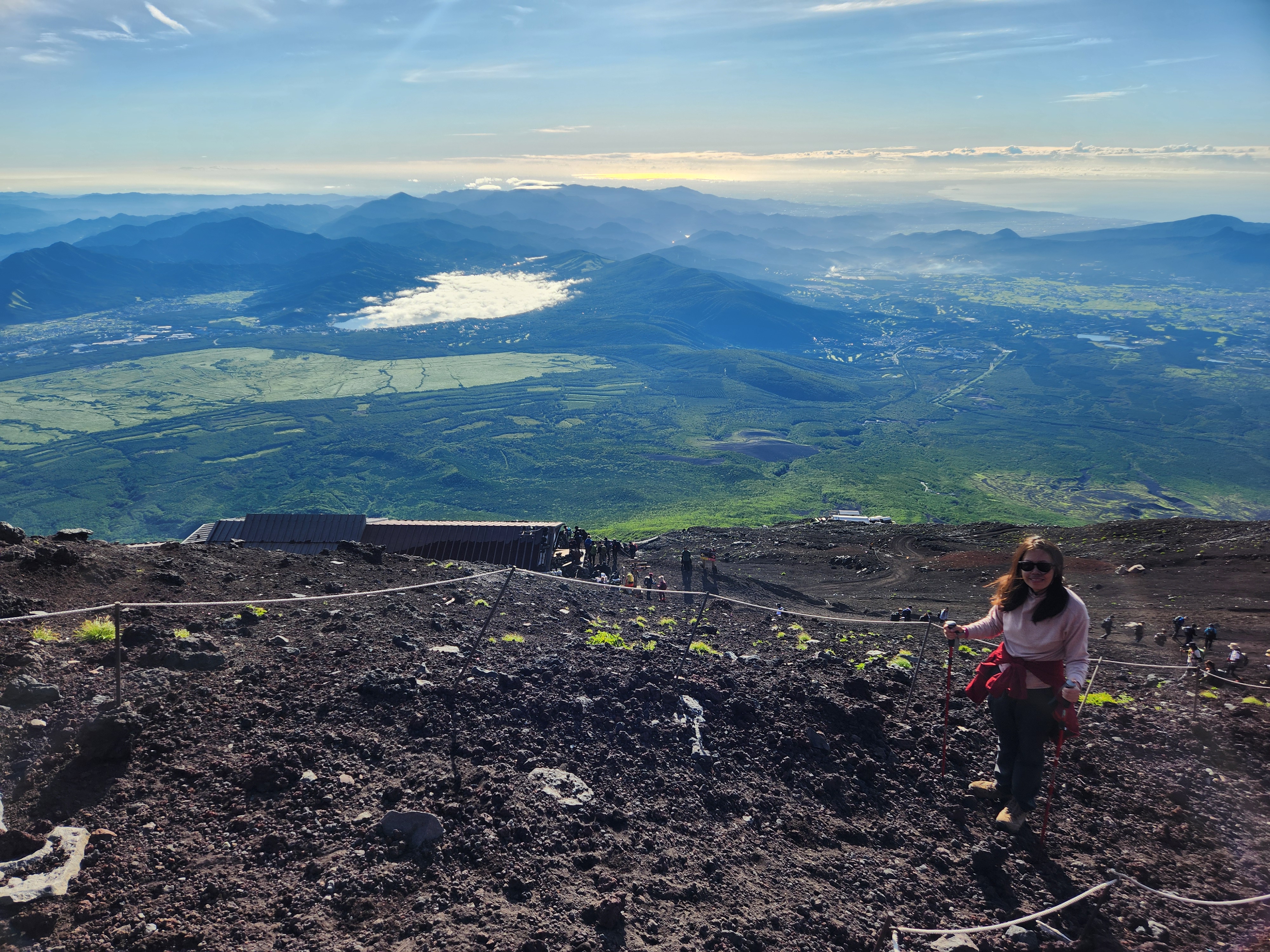
We started our hike on the Subashiri Trail around noon. Our destination for that day was our mountain hut at the 7.5th station where we would spend the night. The trail began like many wooded paths, lined with trees that provided shade, big stone steps and exposed roots that we had to climb over. Thankfully, about every mile there were mountain huts where hikers could rest, buy water, and use the restroom.

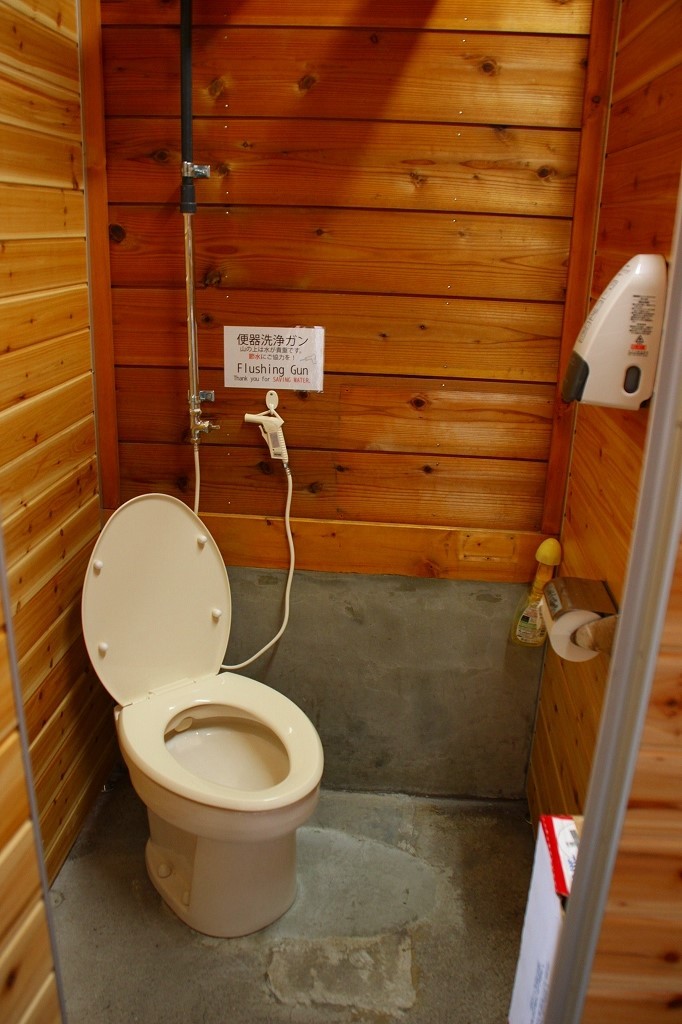
Snacks and water are available for purchase at every station, though prices increase with elevation. By the 7th and 8th stations, a 0.5L bottle of water can cost around $4 USD. Toilets are also available at every station and cost about $1.50 USD per use. To my relief, they were Western-style, generally pretty clean, stocked with toilet paper, and some even had flushing capability!, an impressive feat on a 3,776-meter-high mountain. Leave it to the Japanese to make flushing toilets possible at that altitude.

Forgot to take a picture of the toilets, but here’s one pulled from the internet!

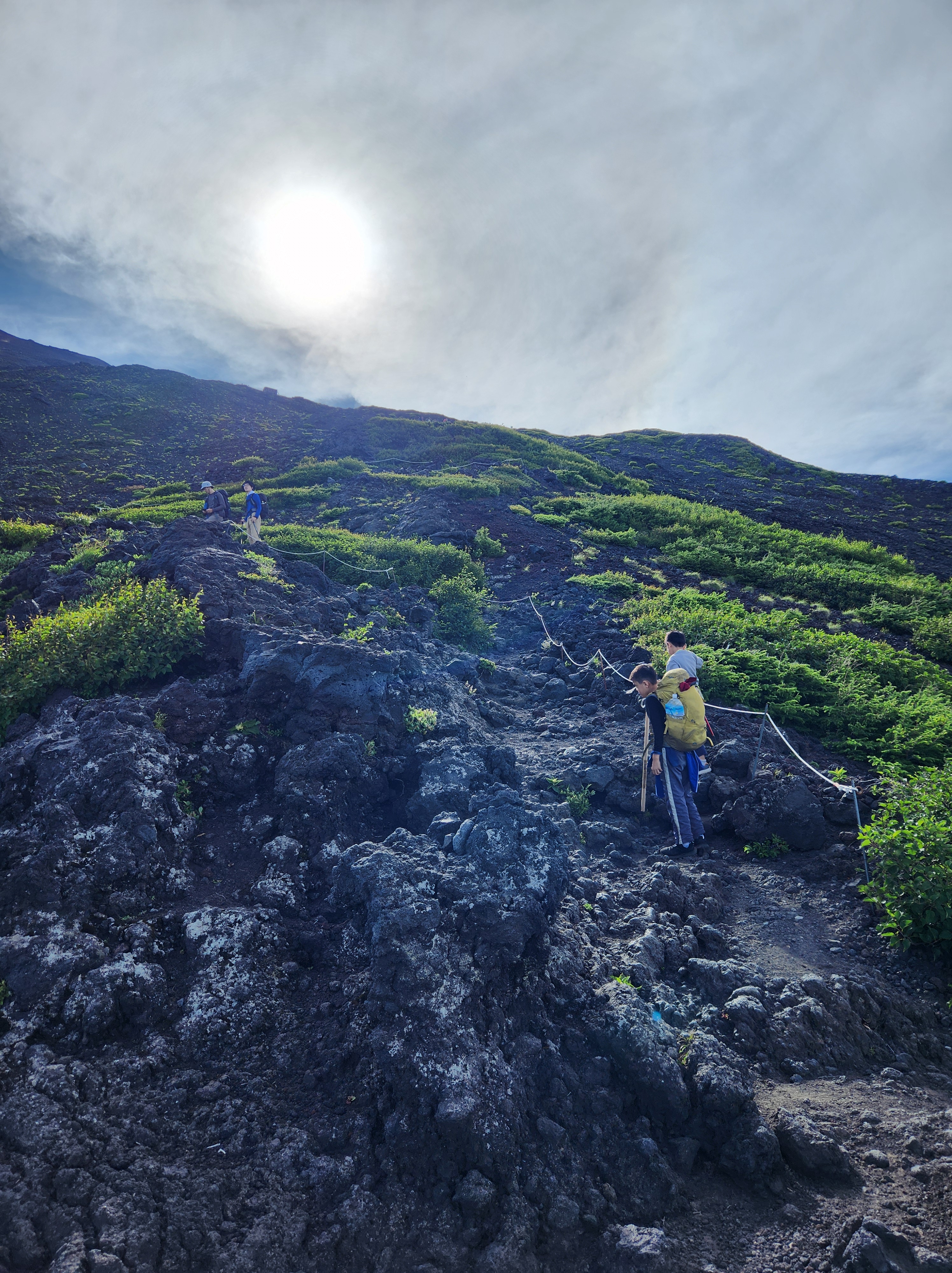
I’ll be honest, it was not easy for me to get up to our hut. 😅 Mt. Fuji is famous for its switchbacks, where the trails zigzag across the slopes instead of going straight up. While this makes the climb more manageable, it also made the uphill feel endless. I’ve hiked many steep trails before, but usually after a stretch of climbing you hit some flat ground to catch your breath. On Fuji, it’s steep the ENTIRE way, and the higher elevation makes every step even harder. I hiked up very slowly (probably a little too slowly) but thankfully Baba stayed with me for support.

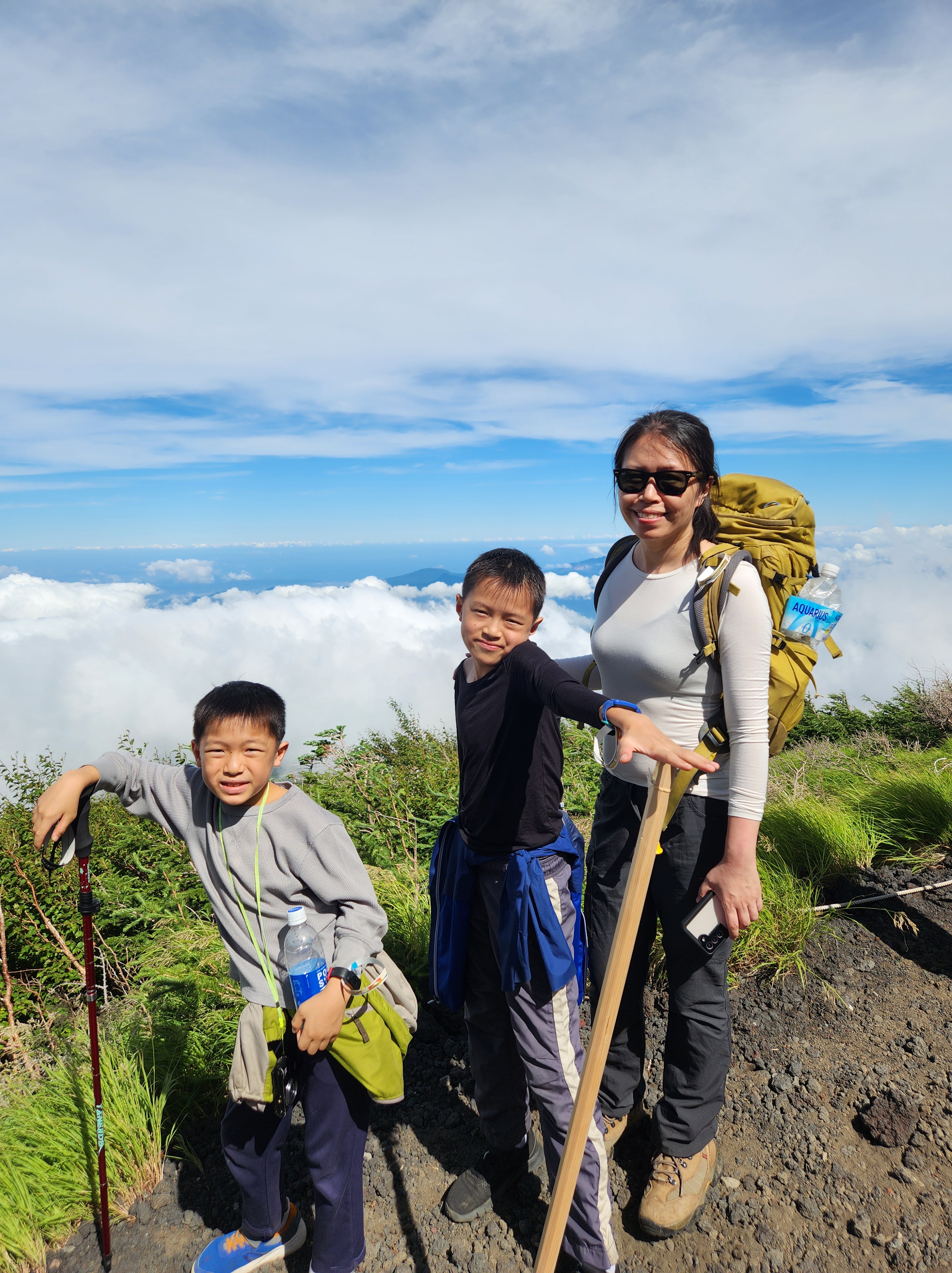
The boys, on the other hand, found the hike to be a walk in the park. 😆 They often hiked far ahead, leaving me and Baba in the dust. C and I had planned to take turns carrying the backpack, but at one point, he ended up carrying it the whole way himself. I’m so grateful that my boys are so strong and easy going.

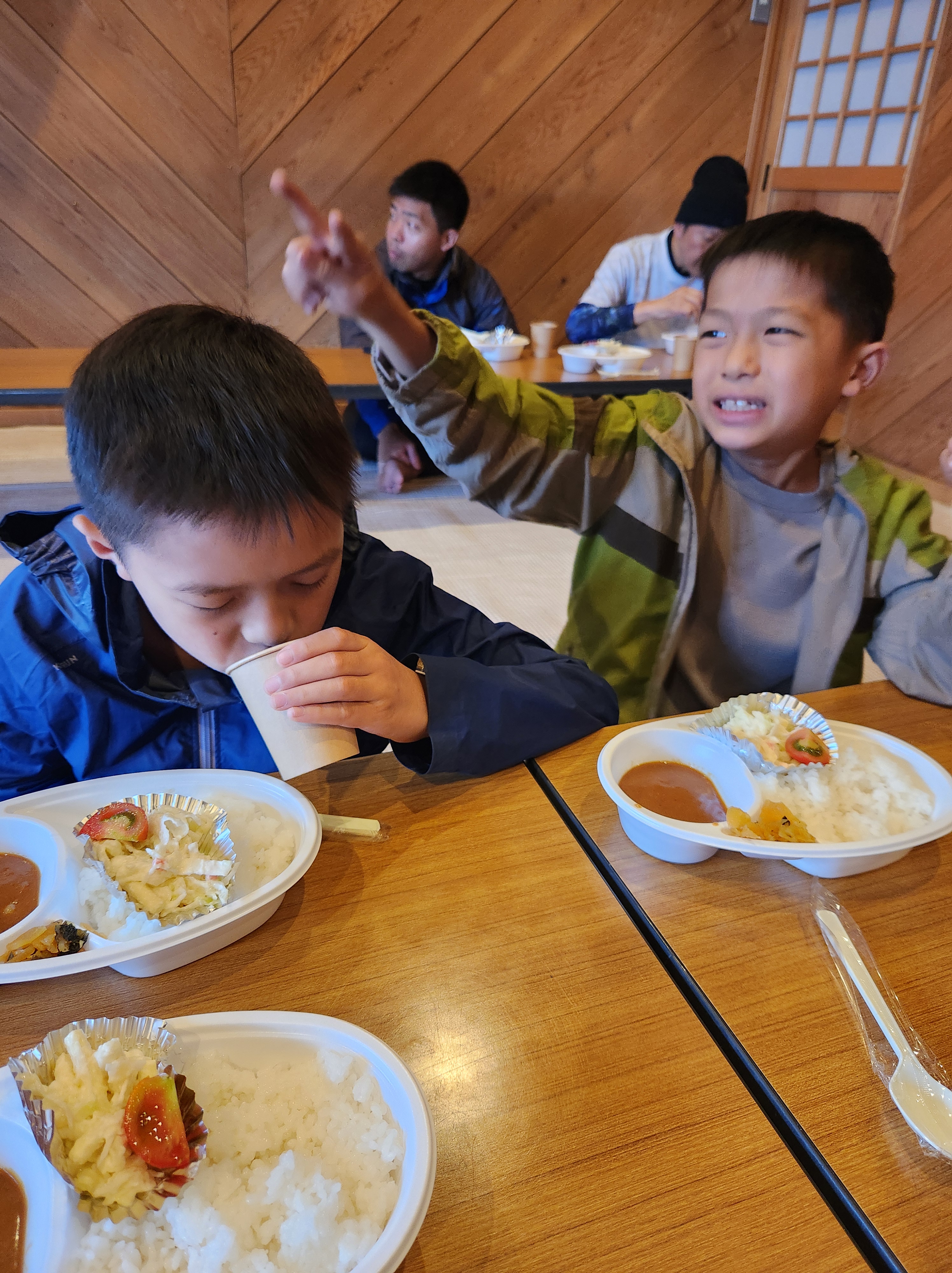
By around 6pm, we finally arrived at our mountain hut. It was extremely cold at this point. We were served a simple meal of curry with rice, vegetables and hot tea. I had a minor headache and no appetite (likely from the altitude) but Baba insisted we finish every bite, reminding us that our bodies needed the fuel. After taking an ibuprofen, I felt somewhat better.

Since most hikers wake up around 2am to catch the sunrise, the hut turns off the lights at 8pm. We slept in sleeping bags laid out in a large shared room, separated only by thin curtains for a bit of privacy. The space was clean, but you are literally sleeping shoulder-to-shoulder with strangers. Surprisingly, we all slept pretty well despite the cold and unfamiliar space.

We’ve seen many sunrises and never felt that it was worth getting up at 2-3am so we also skipped it on Fuji. While the other hikers in our hut left early, we got up at 5am and were the last to check out. Still, we were able to catch the sunrise from our hut and it was lovely. (Still not worth getting up early though. 😅)

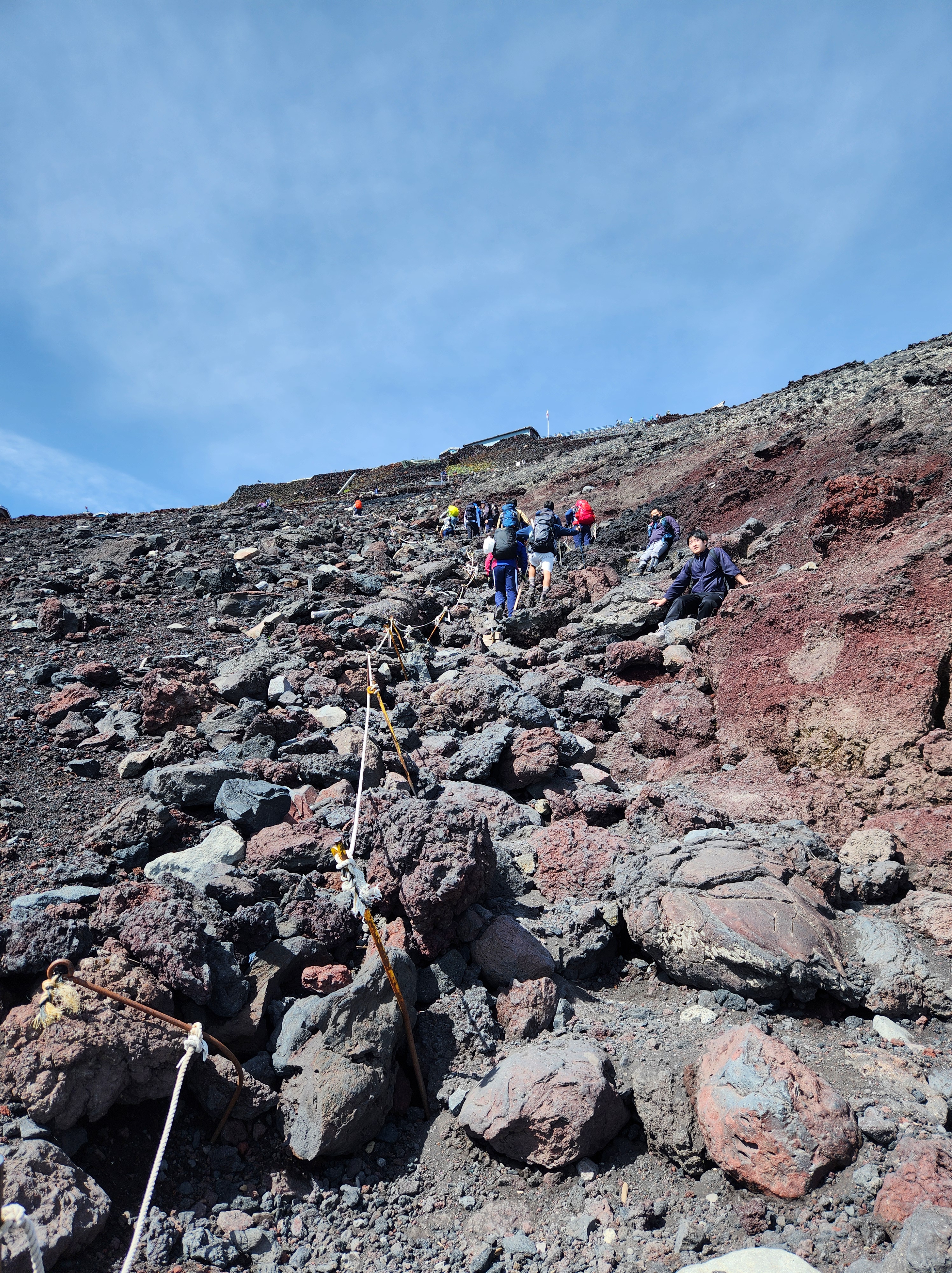
After a quick breakfast of bread and juice at our hut, we set out for the summit. From there, it was estimated to take 2–3 hours to reach the top. As we climbed higher, the trail grew steeper and more challenging. To make matters worse, the path alternated between large boulders to scramble over and loose, slippery gravel that made every step feel like you were sliding backward – ugh!

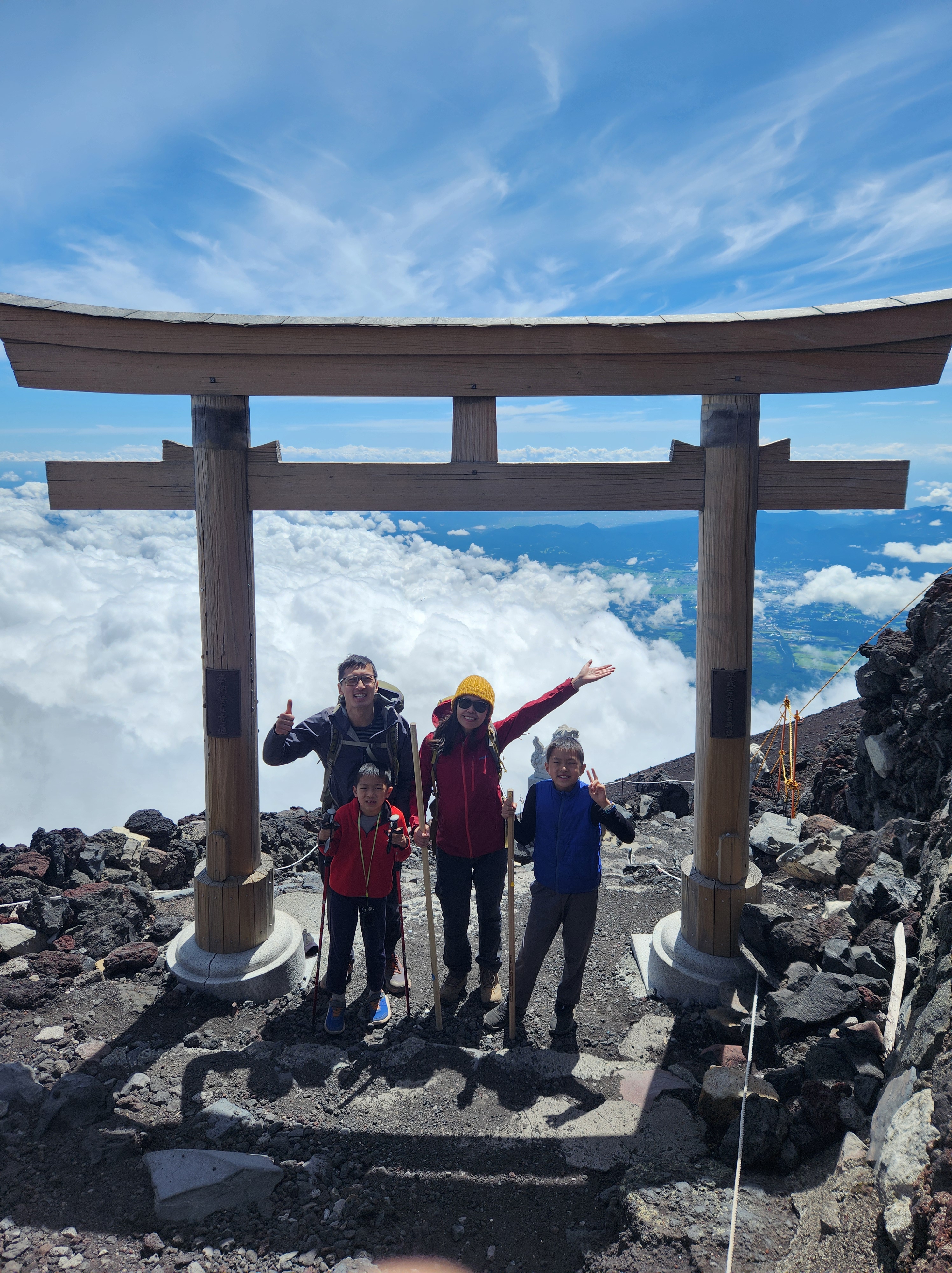
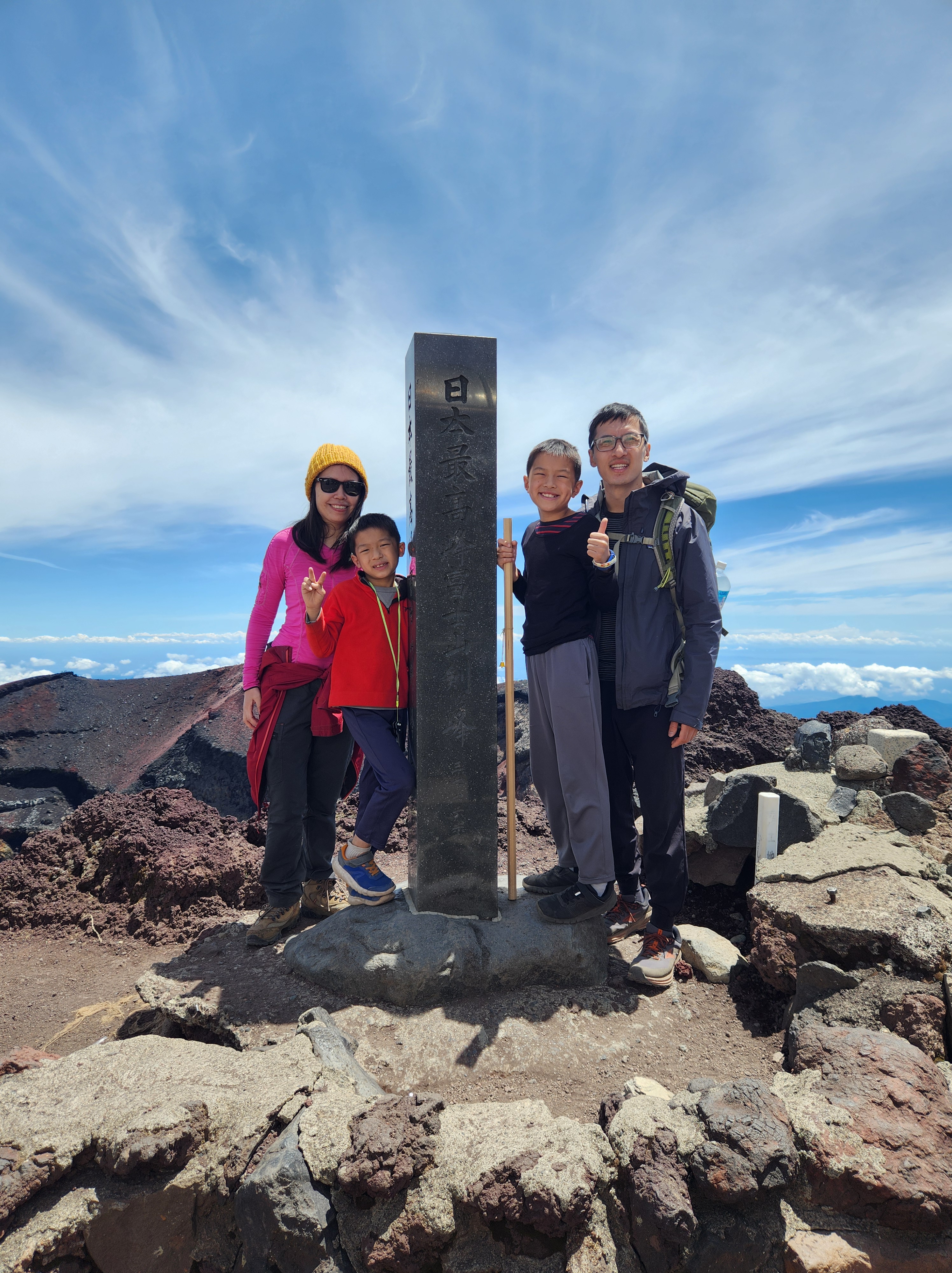
Baba made sure I drank plenty of water and took a rest at every opportunity. (The boys, meanwhile, zoomed ahead on their own.) I took far longer to reach the summit than necessary, but finally, after one last grueling push, we all made it to the peak!! 🎉

Being the worrywart that I am, I had worried we wouldn’t make it to the top, or that something would go wrong and our plans would be canceled. So finally passing through the last gate to Mt. Fuji’s summit felt utterly surreal. I am so proud of us!

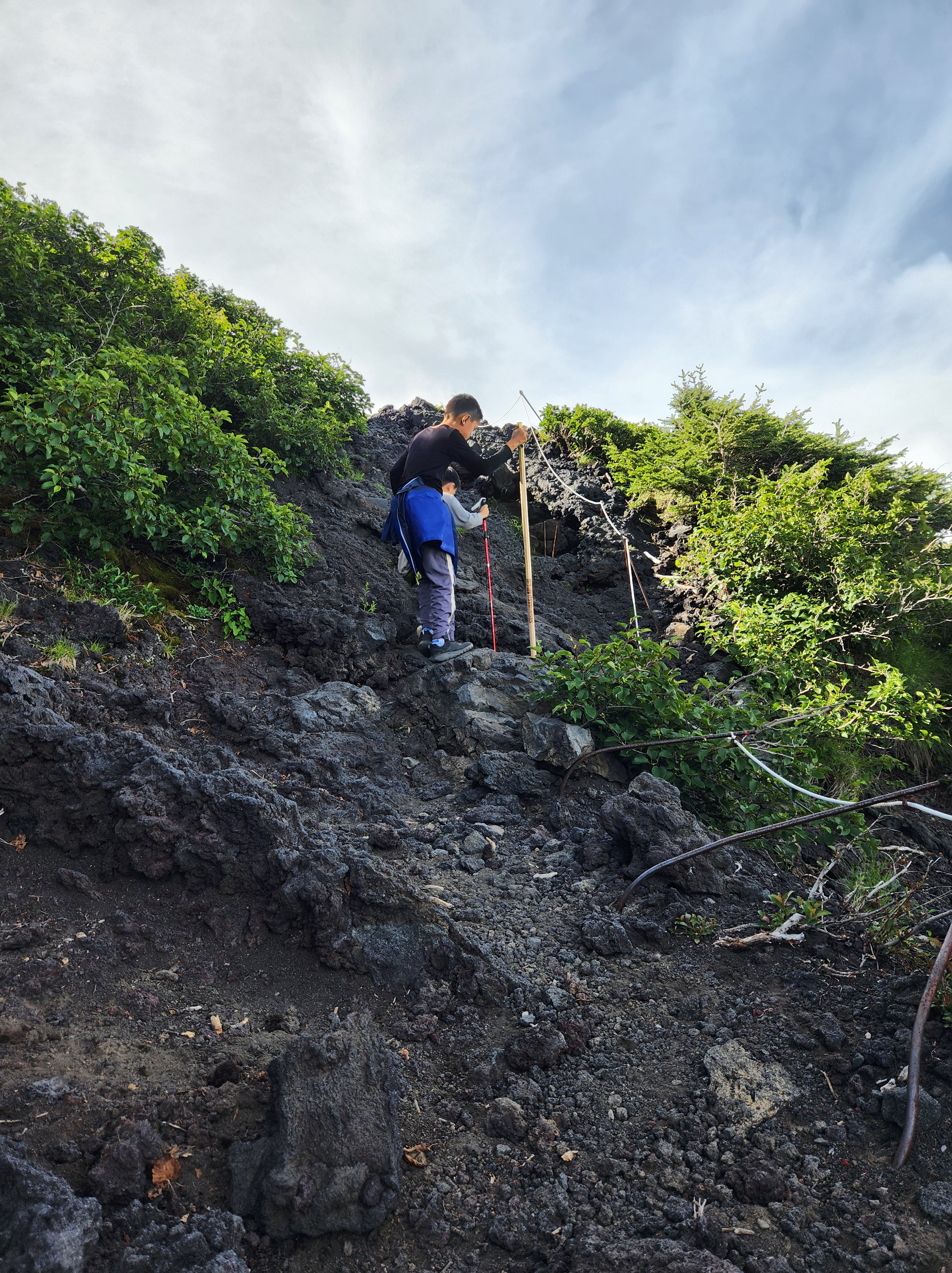
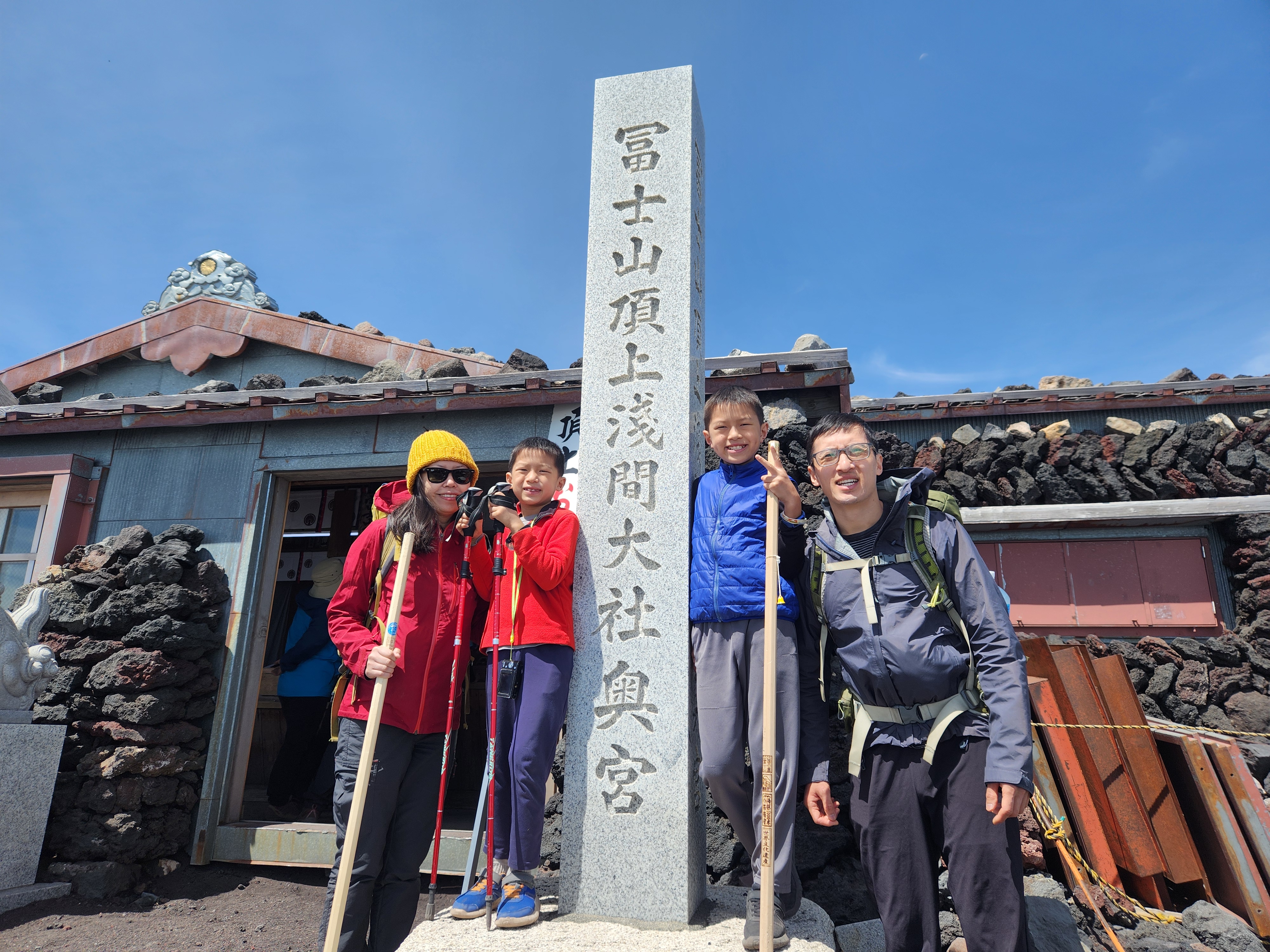
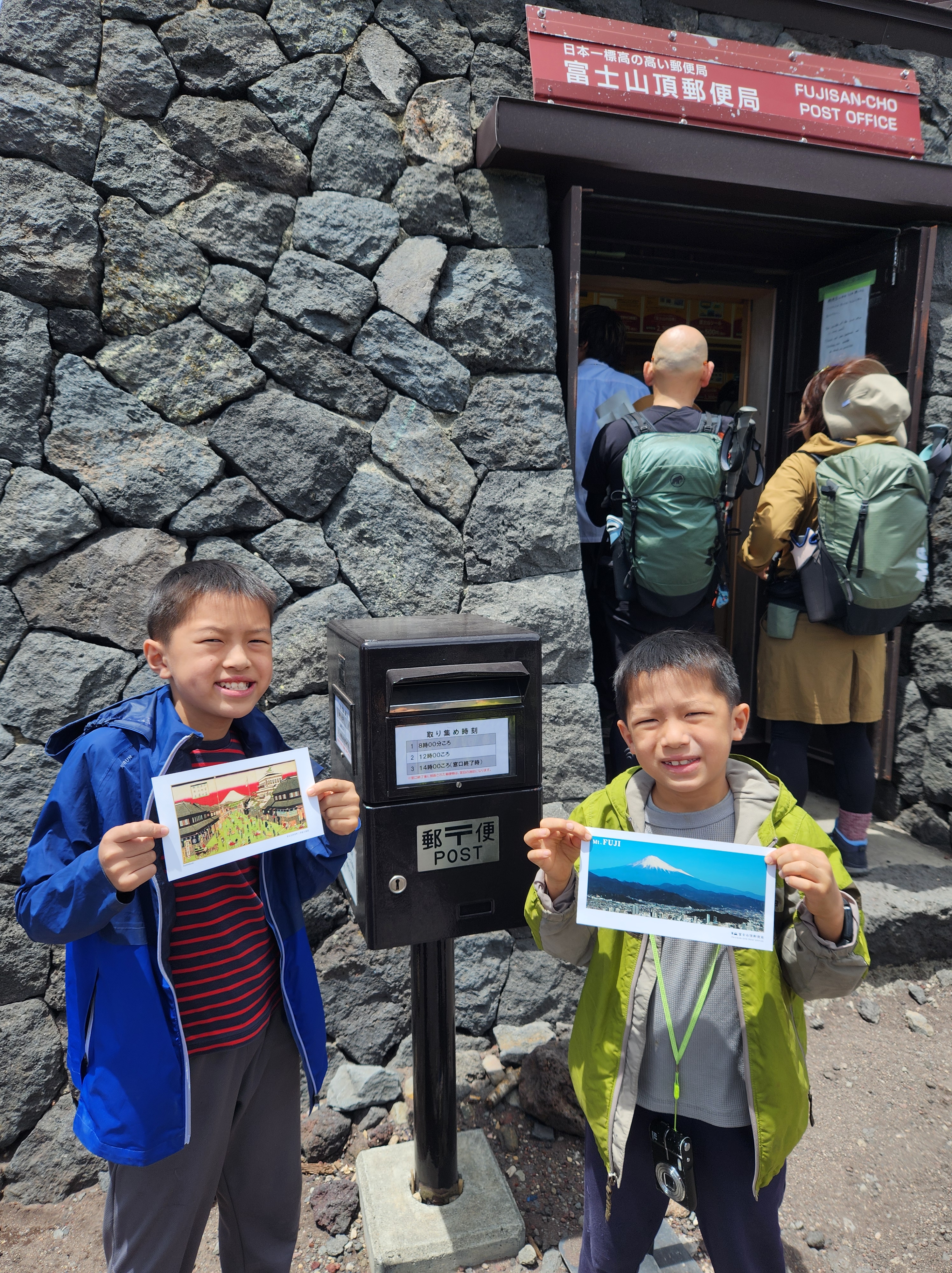
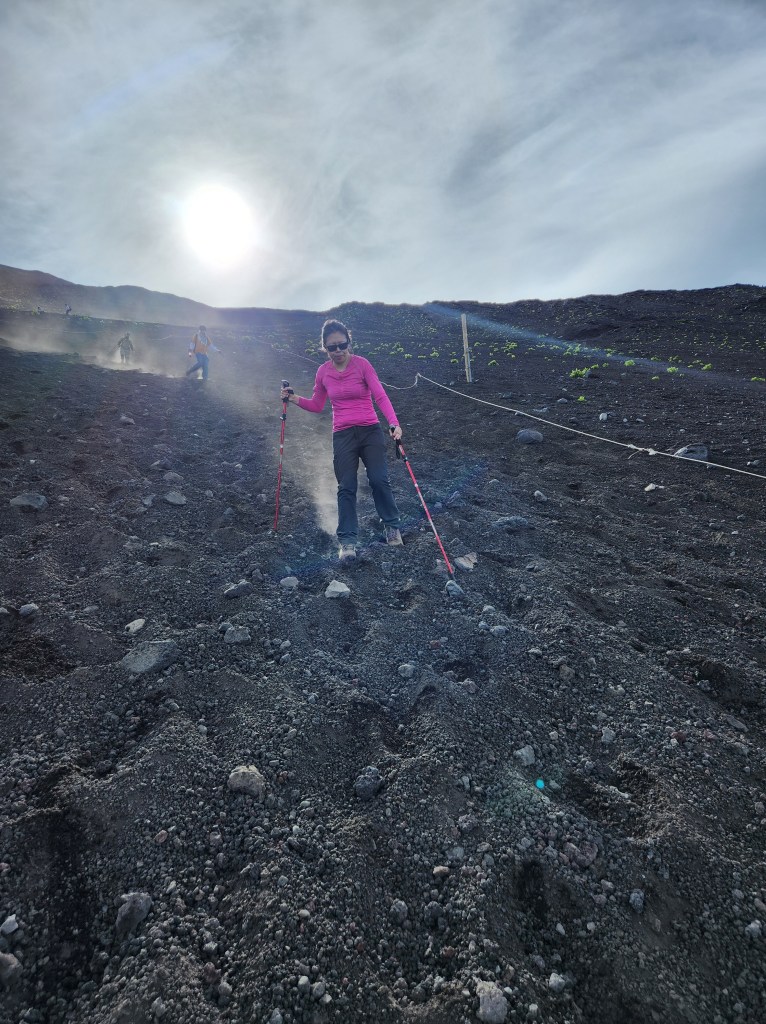
We spent about an hour at the summit, wandering around the crater. The boys mailed postcards – yes, there’s an actual post office on top of Mt. Fuji! Later, we discovered that there’s an even higher point along the crater called Kengamine, considered the true peak of Mt. Fuji. Descending from there was an adventure in itself. It was by far the steepest part of the hike. People were literally slipping and sliding down, and Baba and I had to cling to the side railing for dear life. The picture below doesn’t do it justice!

Around noon, we began our descent, which took much longer than expected. The trail down was super steep and covered in loose gravel, offering little grip and made me extremely nervous. The Subashiri Trail also has a “sand run” section, where people literally run or slide down. My boys found it fun, but I thought otherwise. It felt like skiing on volcanic sand!

Frankly, I found the descent even harder than the ascent. I was exhausted, drenched in sweat, and my ankles were painfully digging into my boots. I moved at a snail’s pace, my nerves only fueling my frustration. But we had to hurry back to the 5th station to catch the last shuttle and, luckily, we made it just in time!

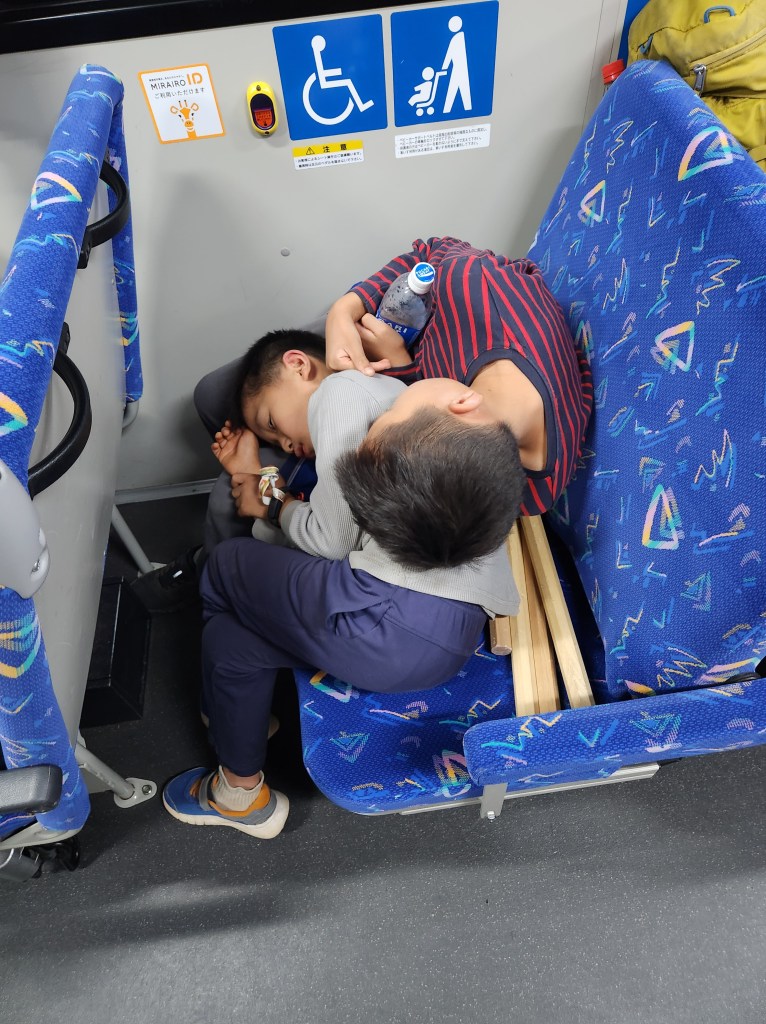
Passed out on the shuttle.

Unfortunately, we still had to endure the 3-hour trek back to Tokyo. 😅 Once at our Airbnb, we quickly ate instant ramen (because most restaurants were closed at that point), took a much-needed shower, and finally, FINALLY, collapsed into a deep, well-deserved sleep.

We didn’t wake up until almost 10am the next day. We were all a bit sore and tired, but ecstatic we’d made it. A strange side effect of the hike though? C and I both ended up with huge swollen, sunburned lips! We hadn’t thought to put on lip balm, and the sun at that high elevation was merciless. Lesson learned: never forget your lip balm!

Someone once said, “A wise man climbs Mt. Fuji once; only a fool climbs it twice.” I couldn’t agree more. I’m so glad we did it, and it will always be a core memory, but once was definitely enough. 😆 Thanks for an unforgettable time, Fuji-san!

Ramblings

Japan

Over the summer, we went to Tokyo, Japan for 10 days (followed by Australia but more on that later). This would be my third time in Japan, so I wasn’t too keen on visiting again except for a few reasons:

  1. We brought C to Japan when he was only a year old, and O has never been
  2. DisneySea is often called the best Disney park in the world, so we thought it was the perfect place to take the boys for their first Disney experience
  3. We wanted to climb Mt. Fuji
  4. Japan is only a three hour flight from Taiwan – plus, no jet lag!

Japan has always been a favorite destination for many, particularly in the last few years to the point that it’s suffering from overtourism. To be honest, I never understood it. Japan is nice enough – safe, clean and affordable – but I didn’t think it was any more special than other countries. I never got the hype…until this trip.

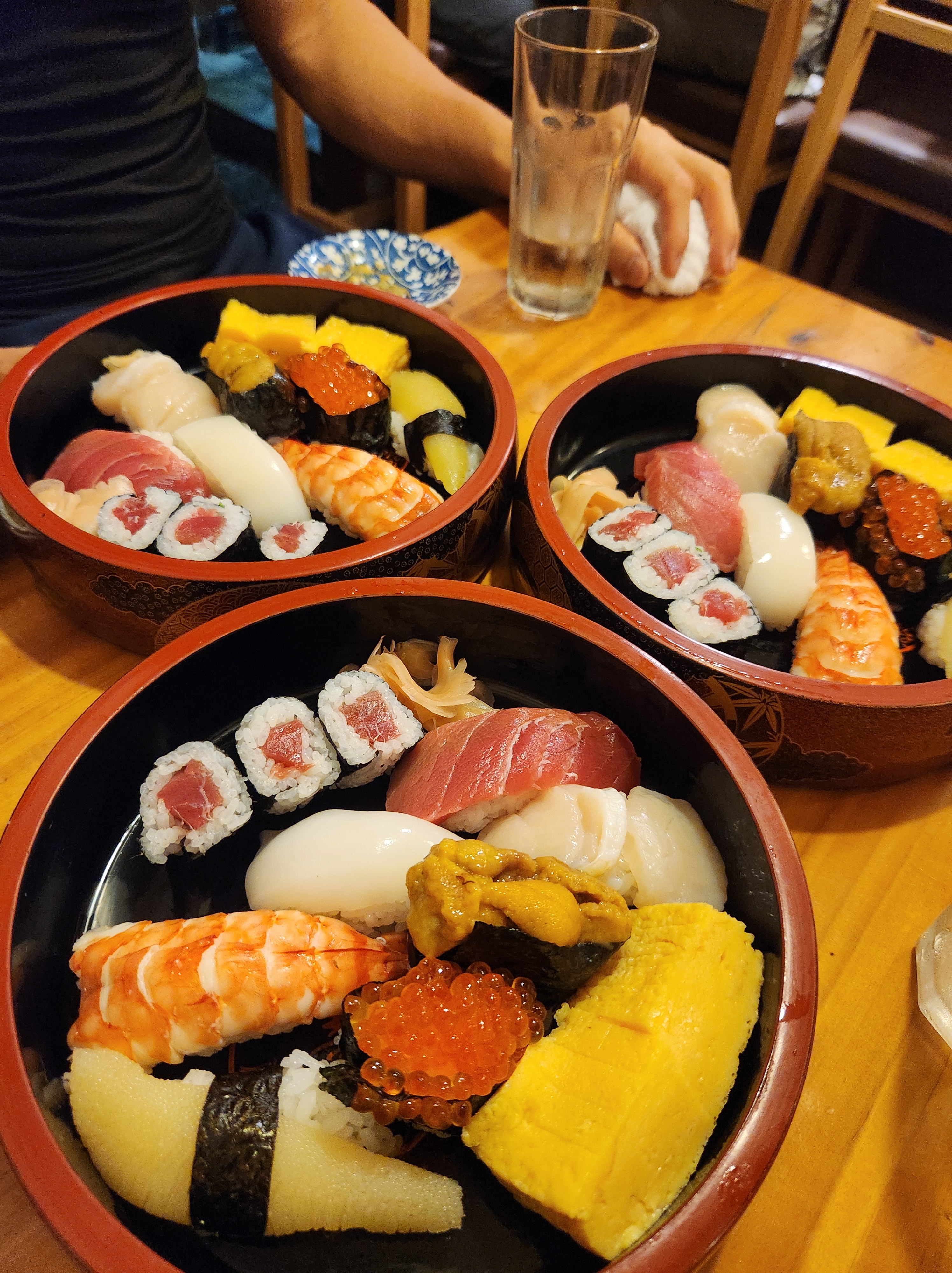
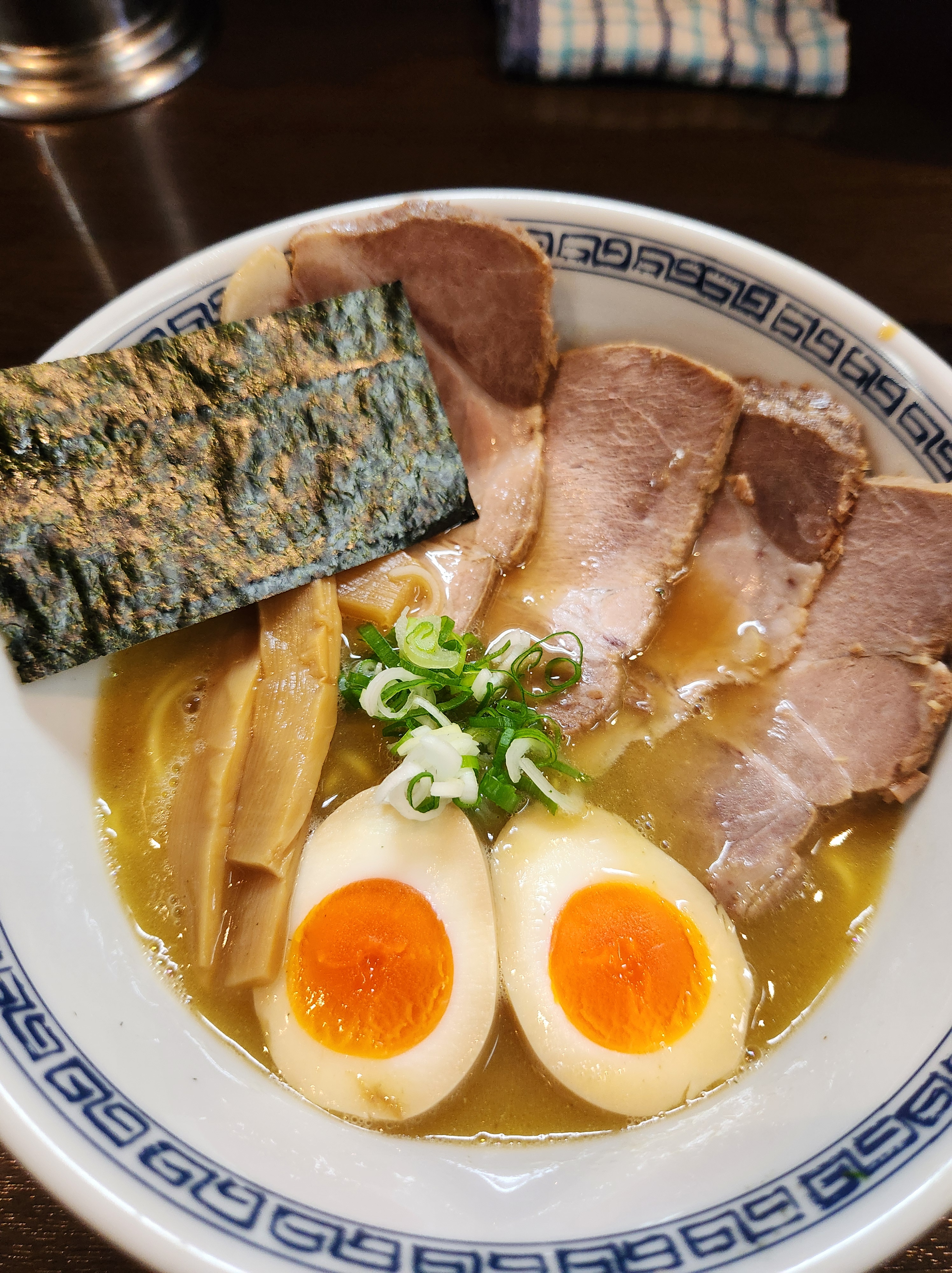
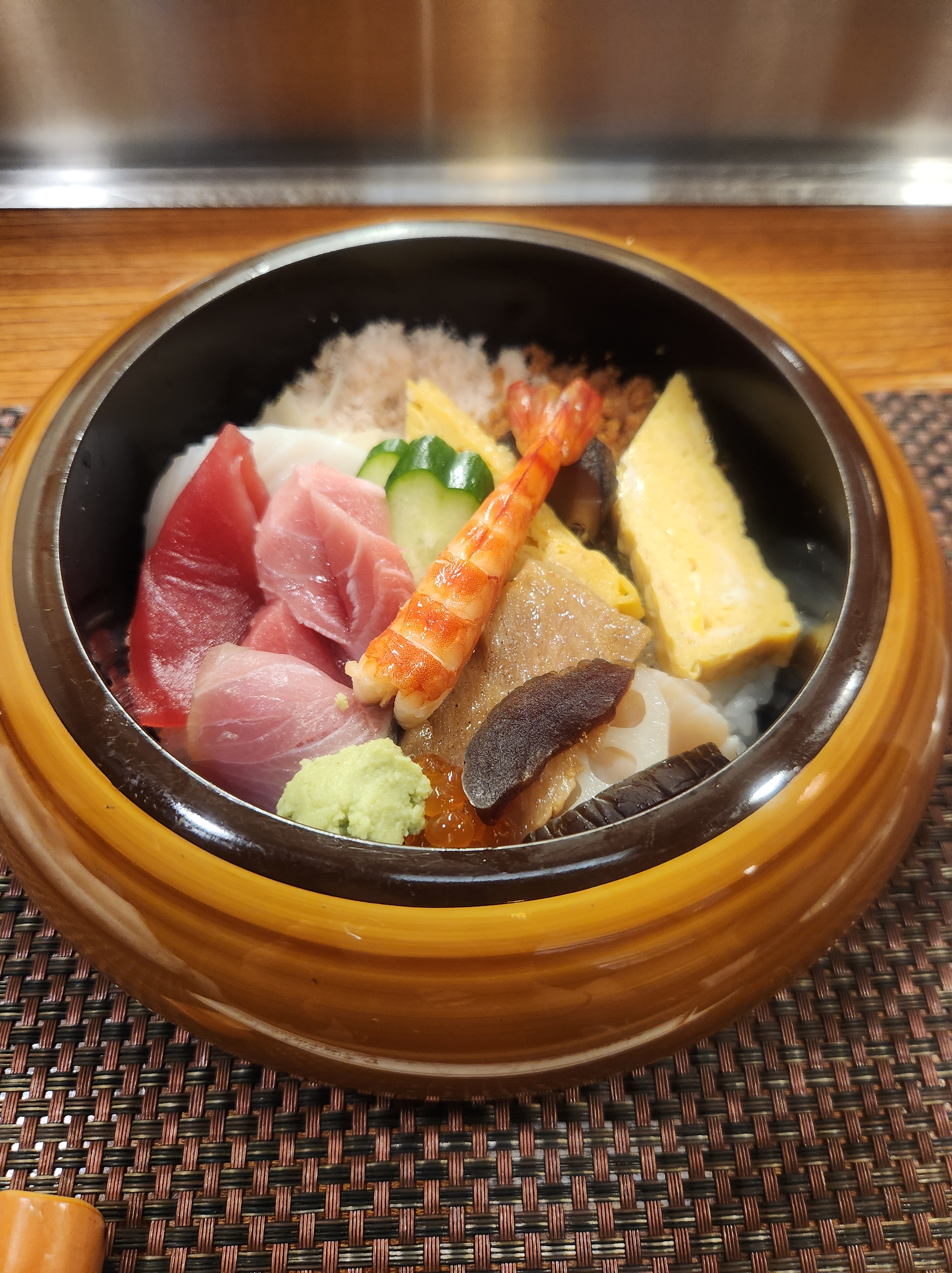
First, the food. We didn’t seek out the most popular spots, yet even the little restaurants down the street were amazing. I don’t think we ever had a bad meal there, and everything was so affordable! (As you can tell from the pictures below, we ate a LOT of sushi.)

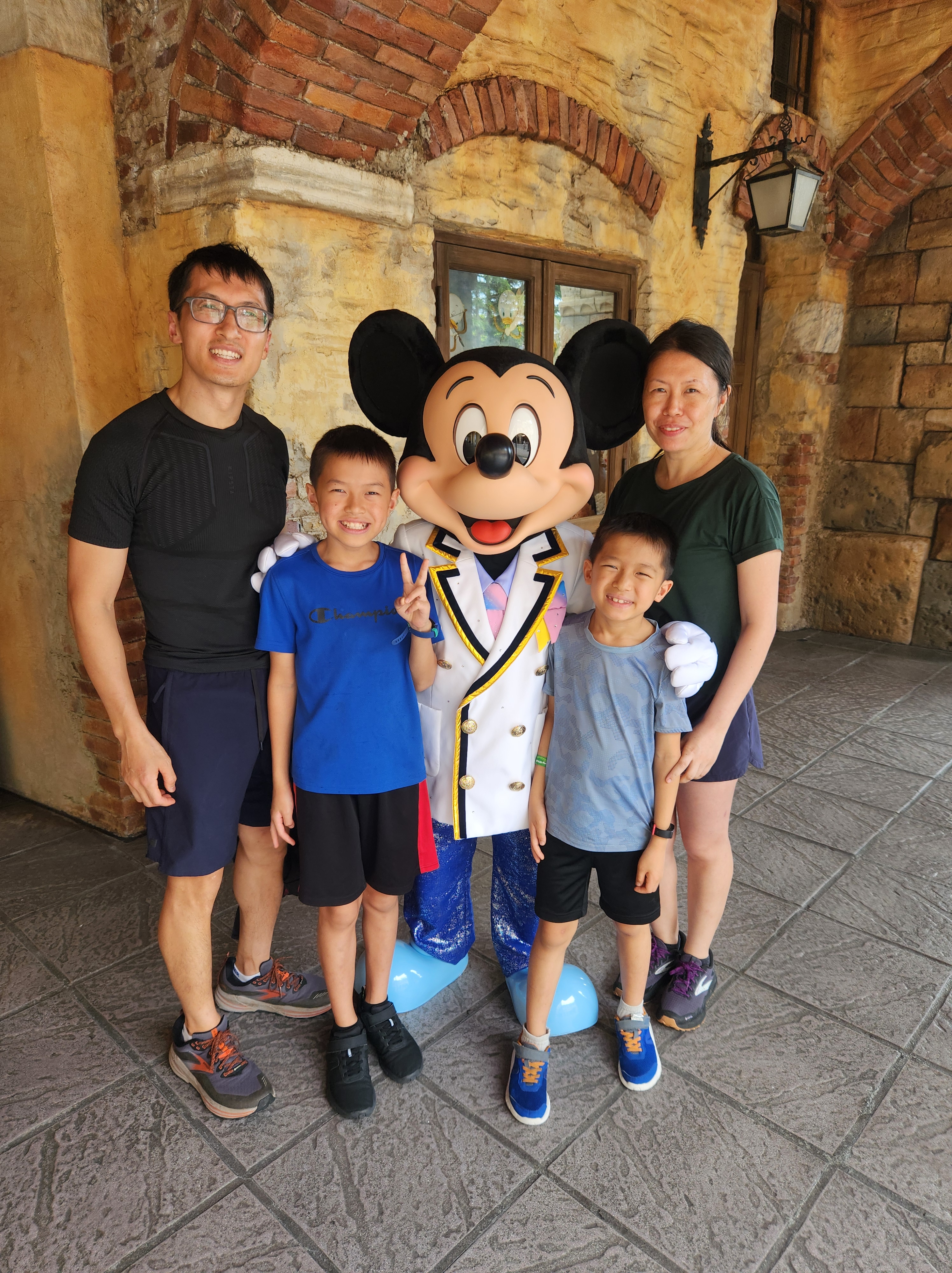
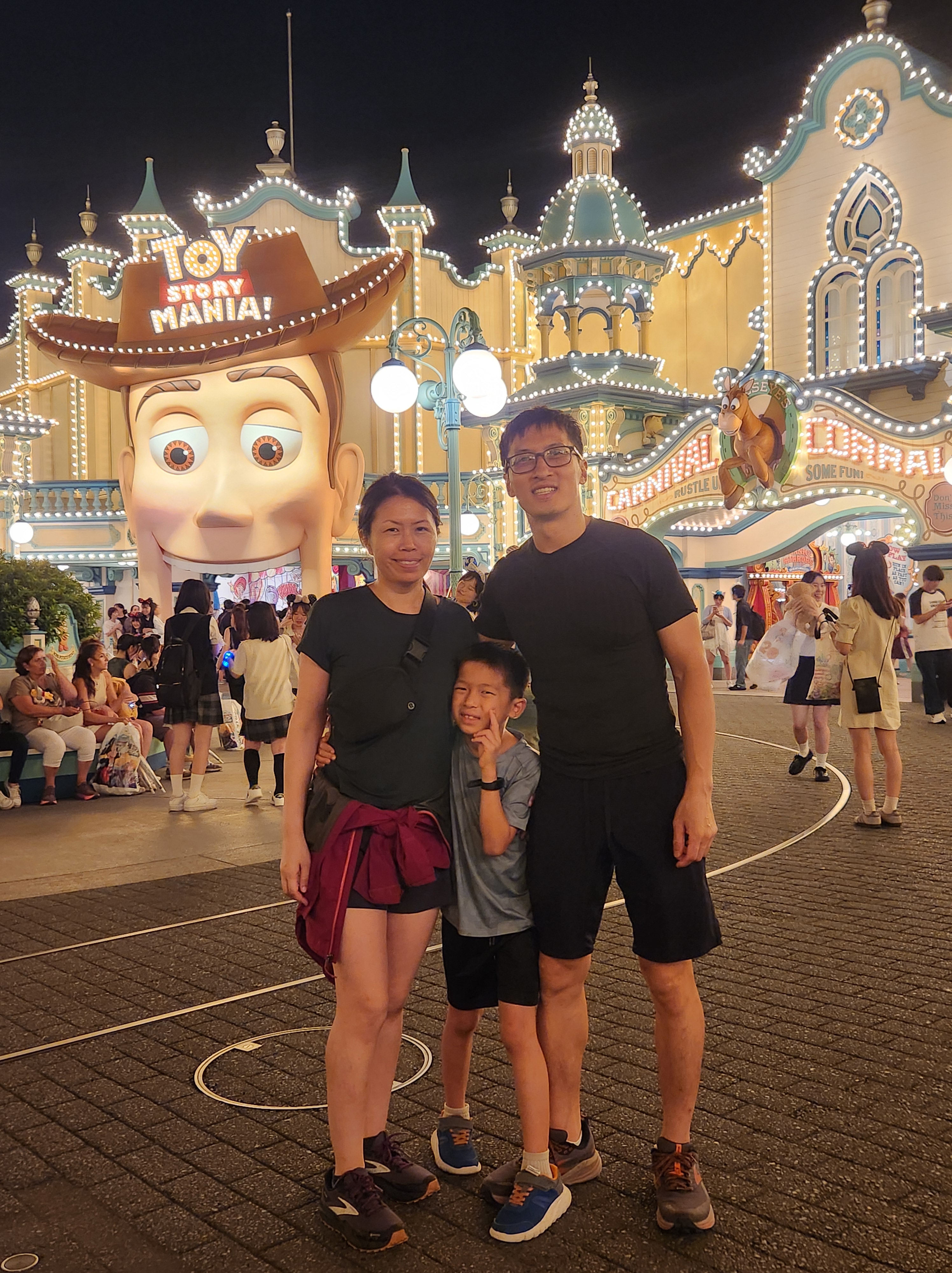
Next up: DisneySea. We’re not huge Disney fans, but could still appreciate their stunning visuals, immersive experiences, and attention to detail. DisneySea felt especially unique, with rides like Soaring Fantastic Flight and Journey to the Center of the Earth that we had never experienced before.

Tickets to DisneySea were about $70 USD for adults, and $60 USD for kids, which is a STEAL compared to the prices for Disneyland in Anaheim. We did splurge on fast passes for Soaring Fantastic Flight and Anna and Elsa’s Frozen Journey, at around $15 USD per person per ride. What would’ve been a 1.5 hour – 2 hour wait ended up being a 10-15 minute wait with the fast passes, so the splurge was worth it!

By the end of a full day at DisneySea, our feet were so sore and our wallets a little lighter, but we had an absolute blast. Disney sure knows how to make your experience there enjoyable!

On a less successful theme park note…

We had also planned to go to Legoland Japan for O’s birthday. We were careful to book tickets for Legoland Resort (the full theme park), not the Legoland Discovery Center (the smaller indoor version). The day before while checking the route, we realized it would take us THREE hours by train to get there. (Why we didn’t notice this earlier, I have no idea.) But since it was O’s birthday and we already had the tickets, we decided to make the trek anyway.

At the crack of dawn, we packed our bags and headed to the train station…only for Baba to discover that round-trip train tickets would cost us $700 USD!! 😱😱 We checked, re-checked, and triple-checked, but it was true. Since Legoland is in Nagoya, the only way to get there was the Shinkansen, and those tickets are pricey. (Planning ahead? Clearly not our strong suit.)

We had to cut our losses short. We gave up our Legoland tickets (about $150 USD) and faced the hardest part– telling the boys. Poor O burst into tears, heartbroken that his birthday trip to Legoland was canceled. My mama heart was crushed.

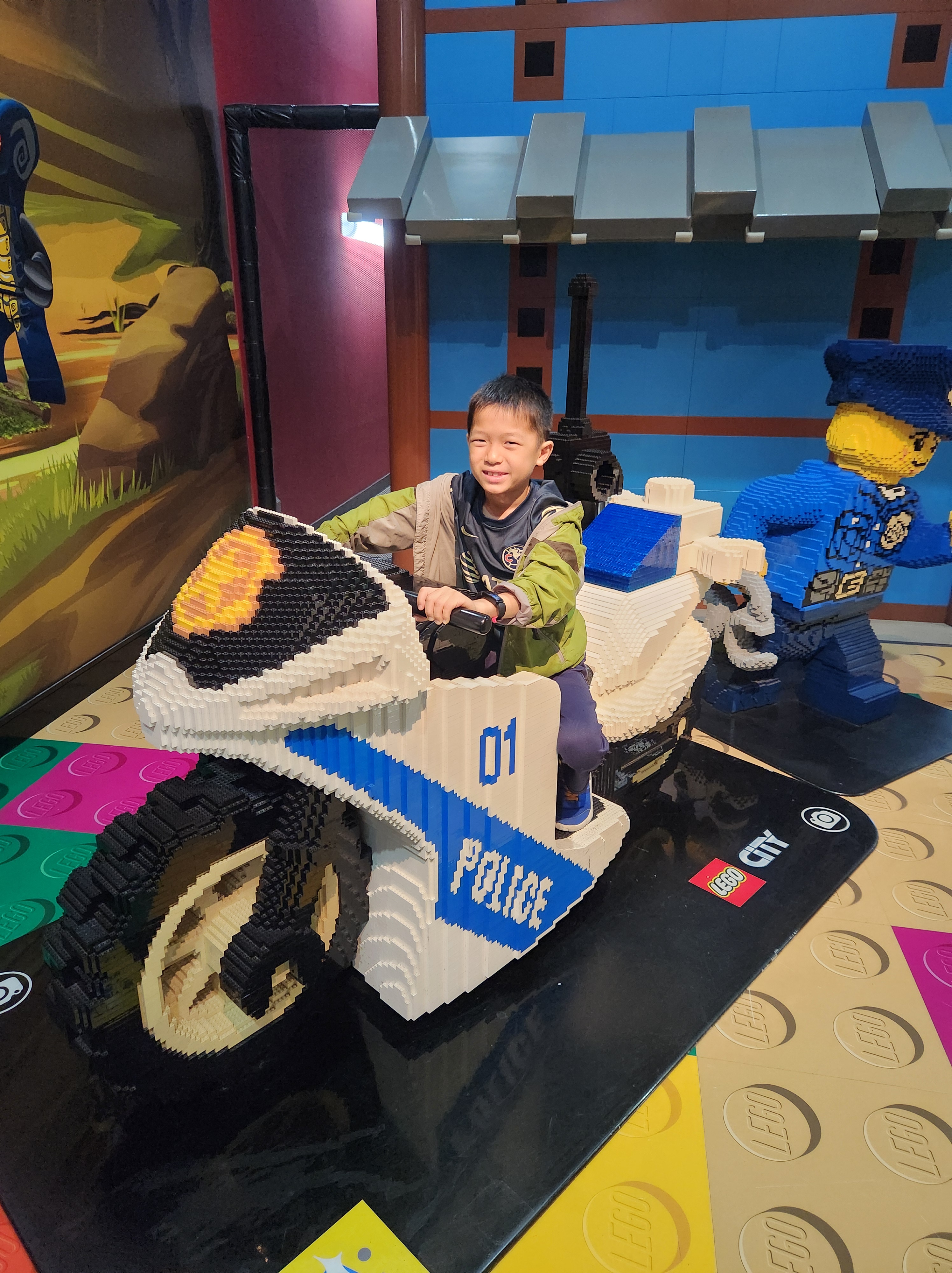
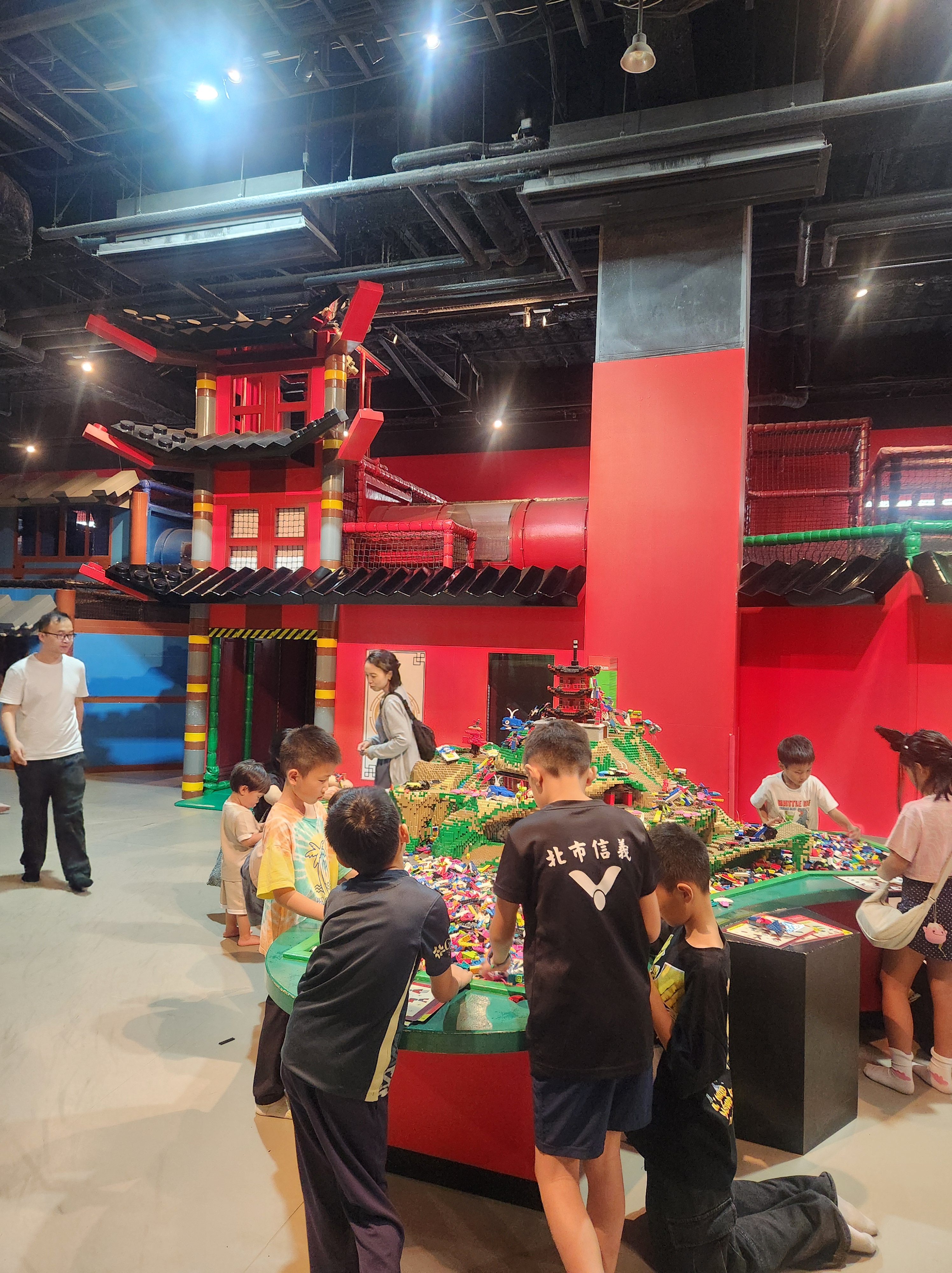
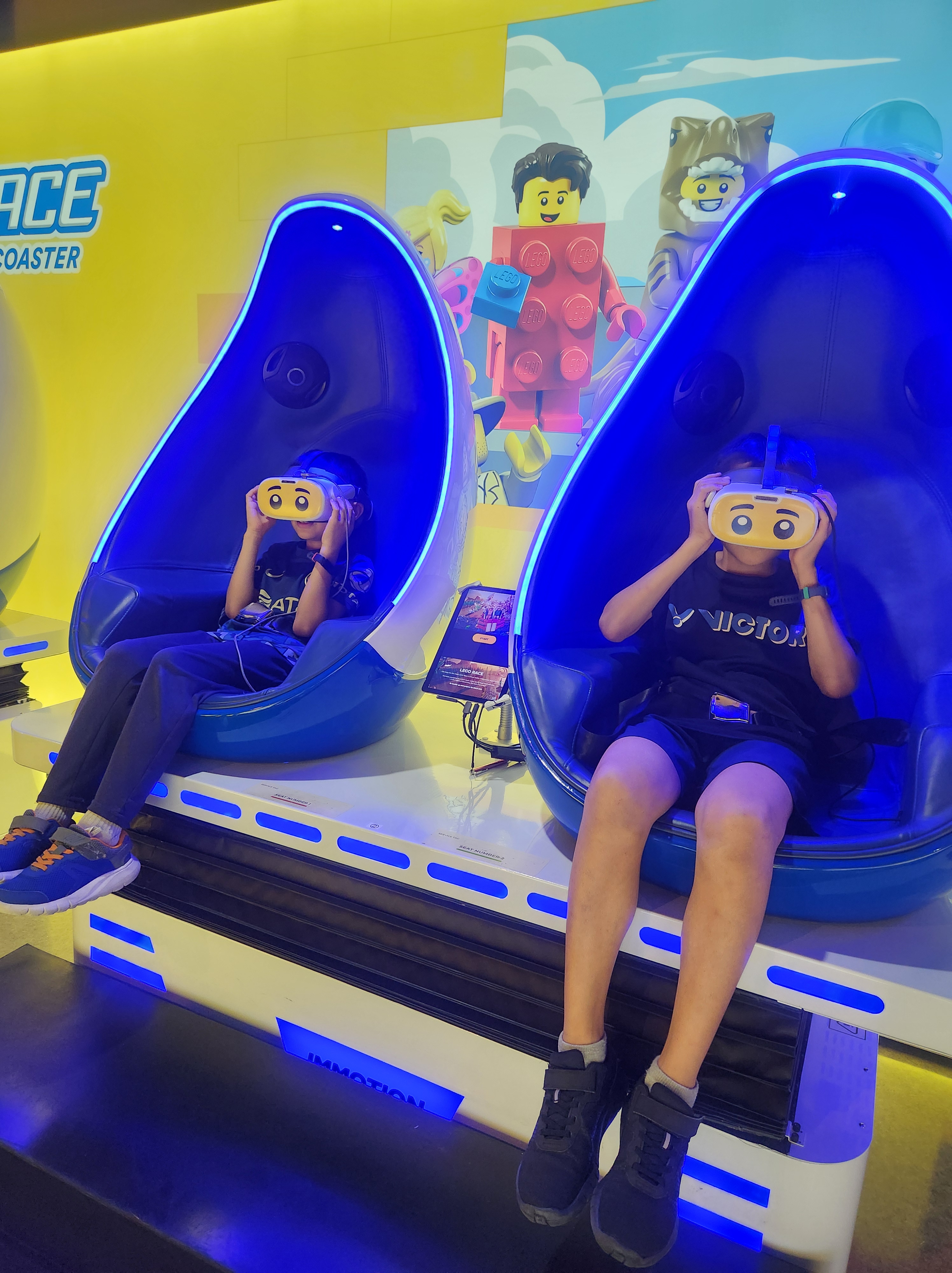
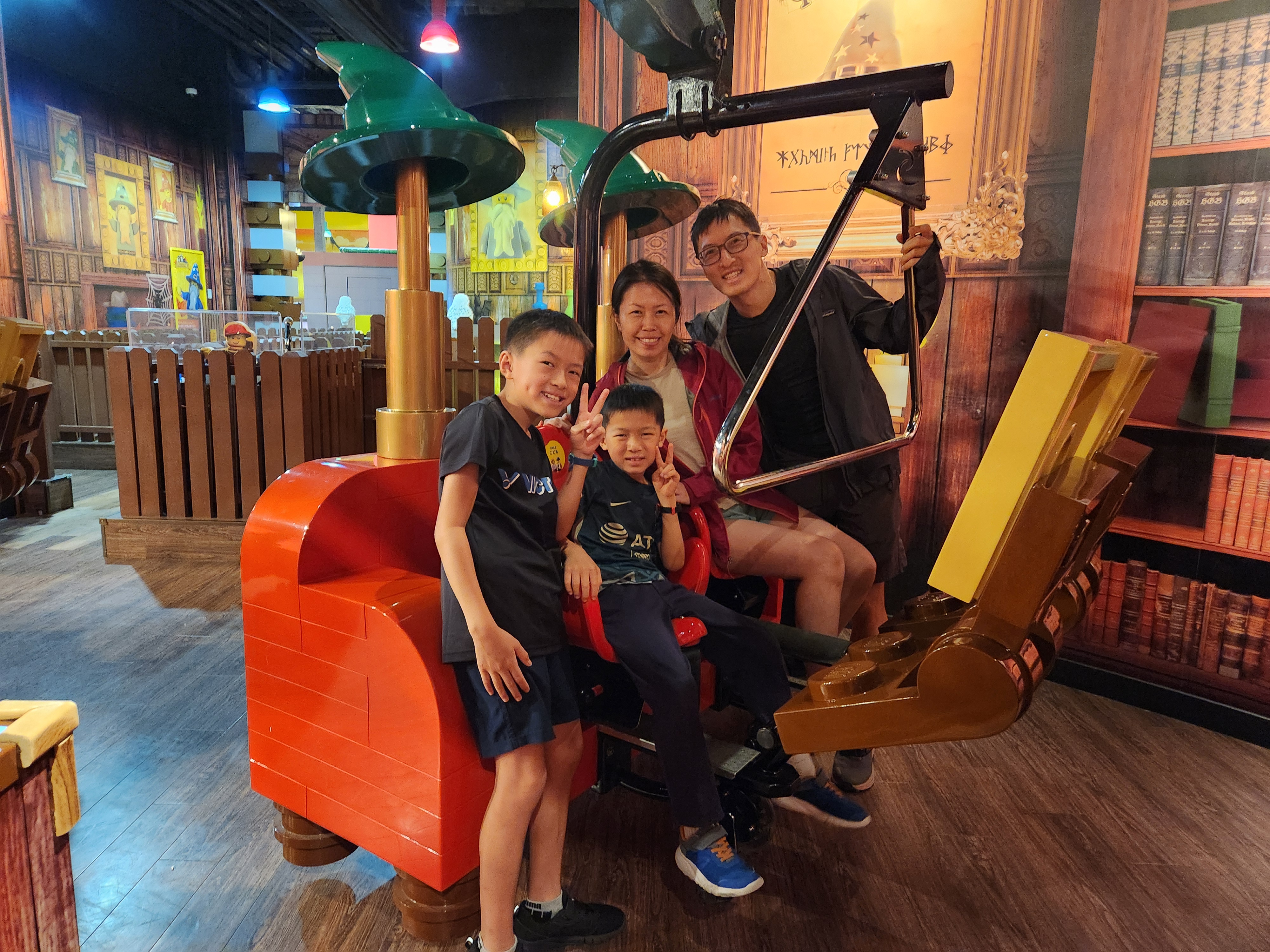
To soften the blow, we went to the Legoland Discovery Center instead (ironically, the very place we had been so careful not to book initially – ha!). Thankfully, it’s right in central Tokyo, and while it’s nowhere near as comprehensive as the full resort, it still had enough rides, games, and Lego builds to keep the boys entertained for most of the day.

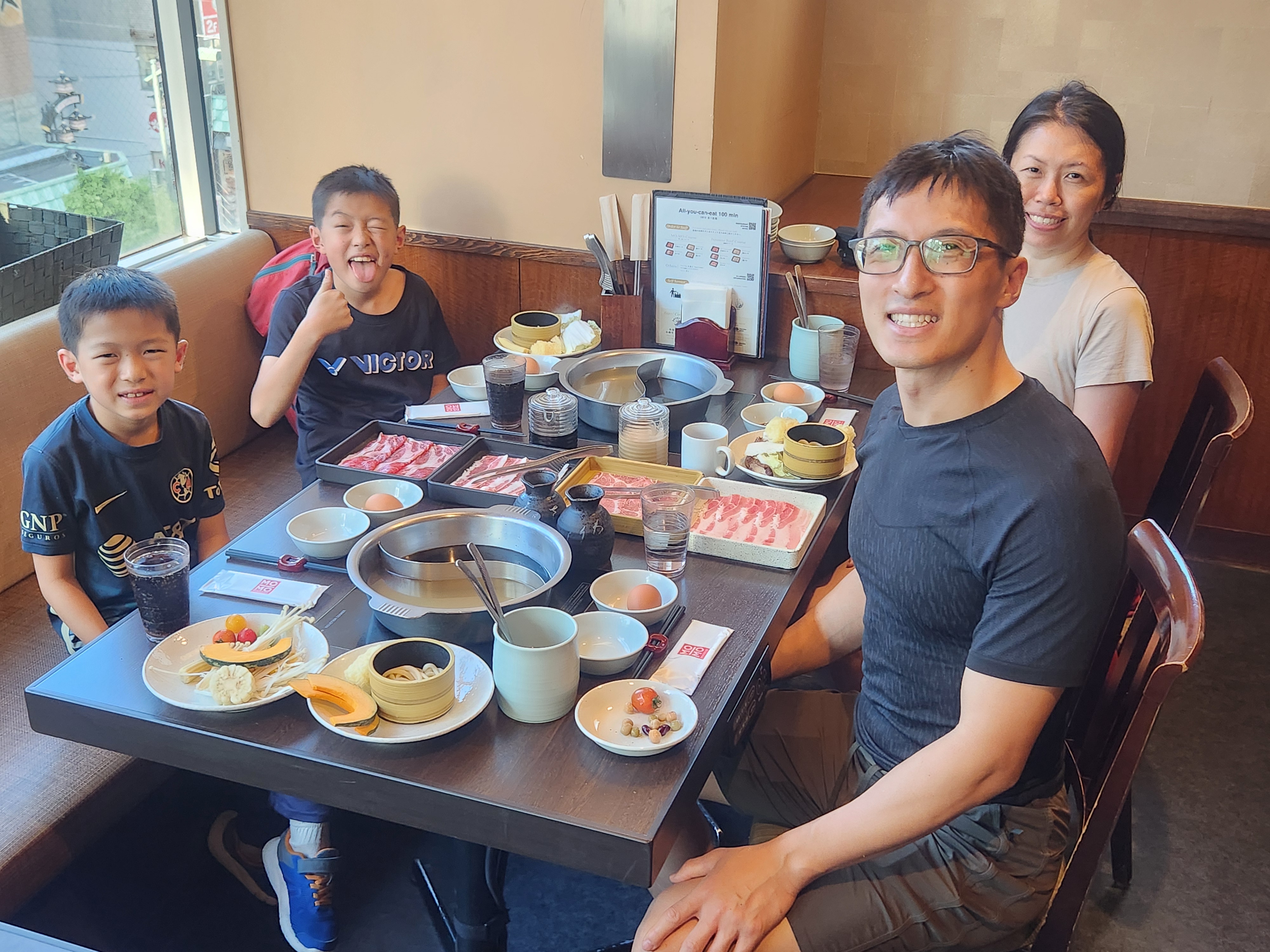
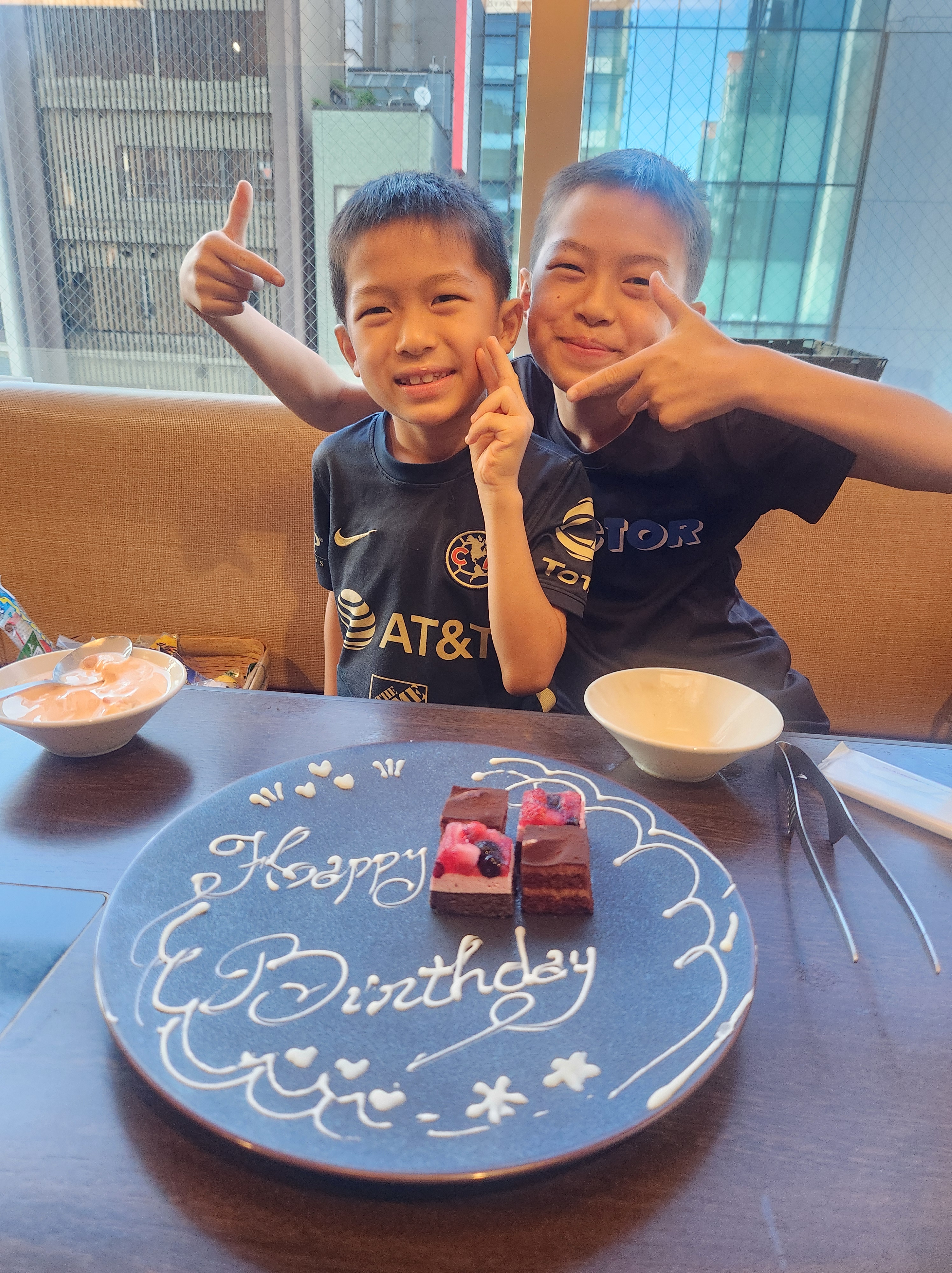
We wrapped up by letting the birthday boy choose dinner — AYCE shabu shabu, which helped turn a disappointing start to a day that was still memorable and fun. Happy birthday O, we love you! ❤️

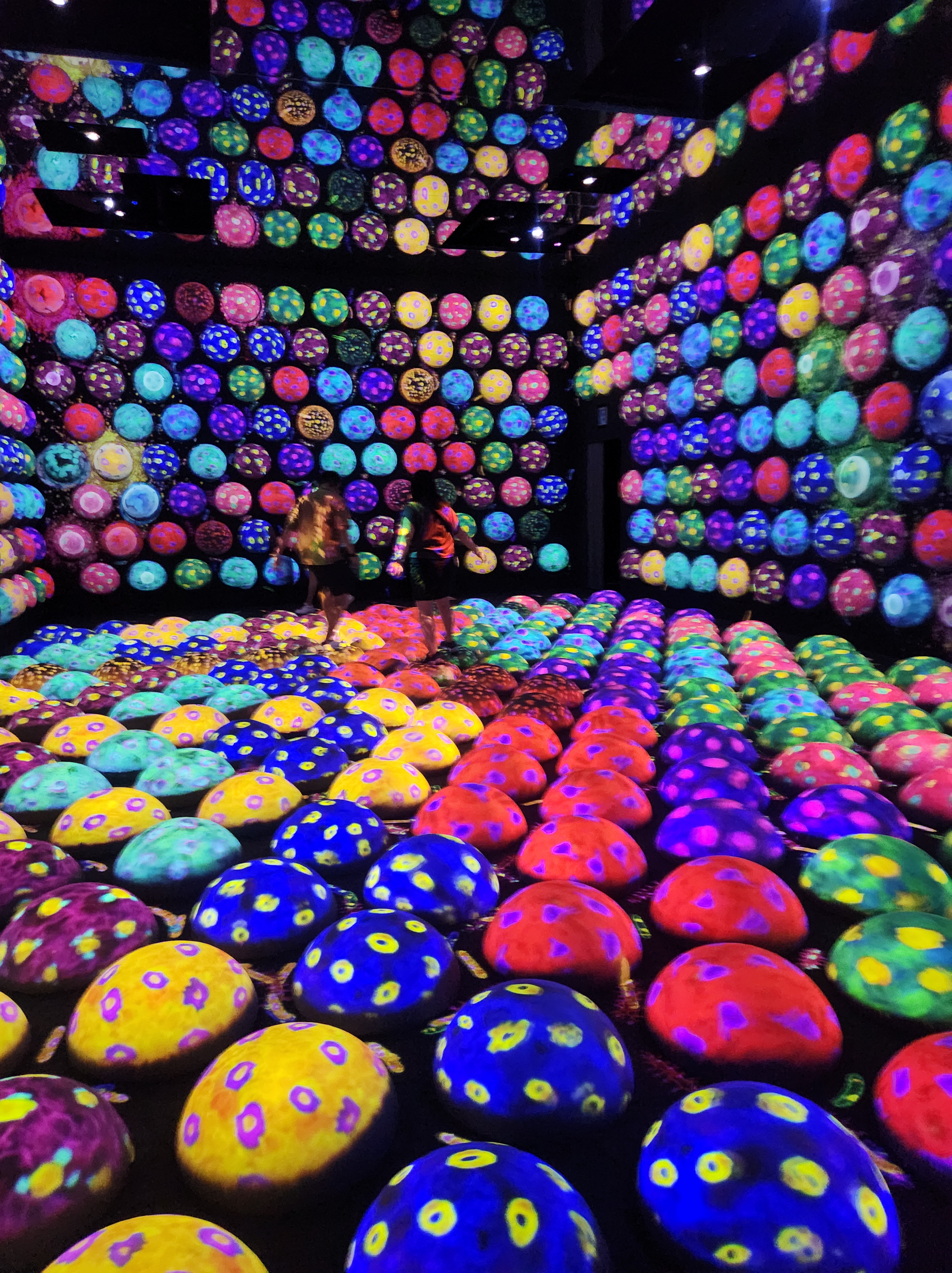
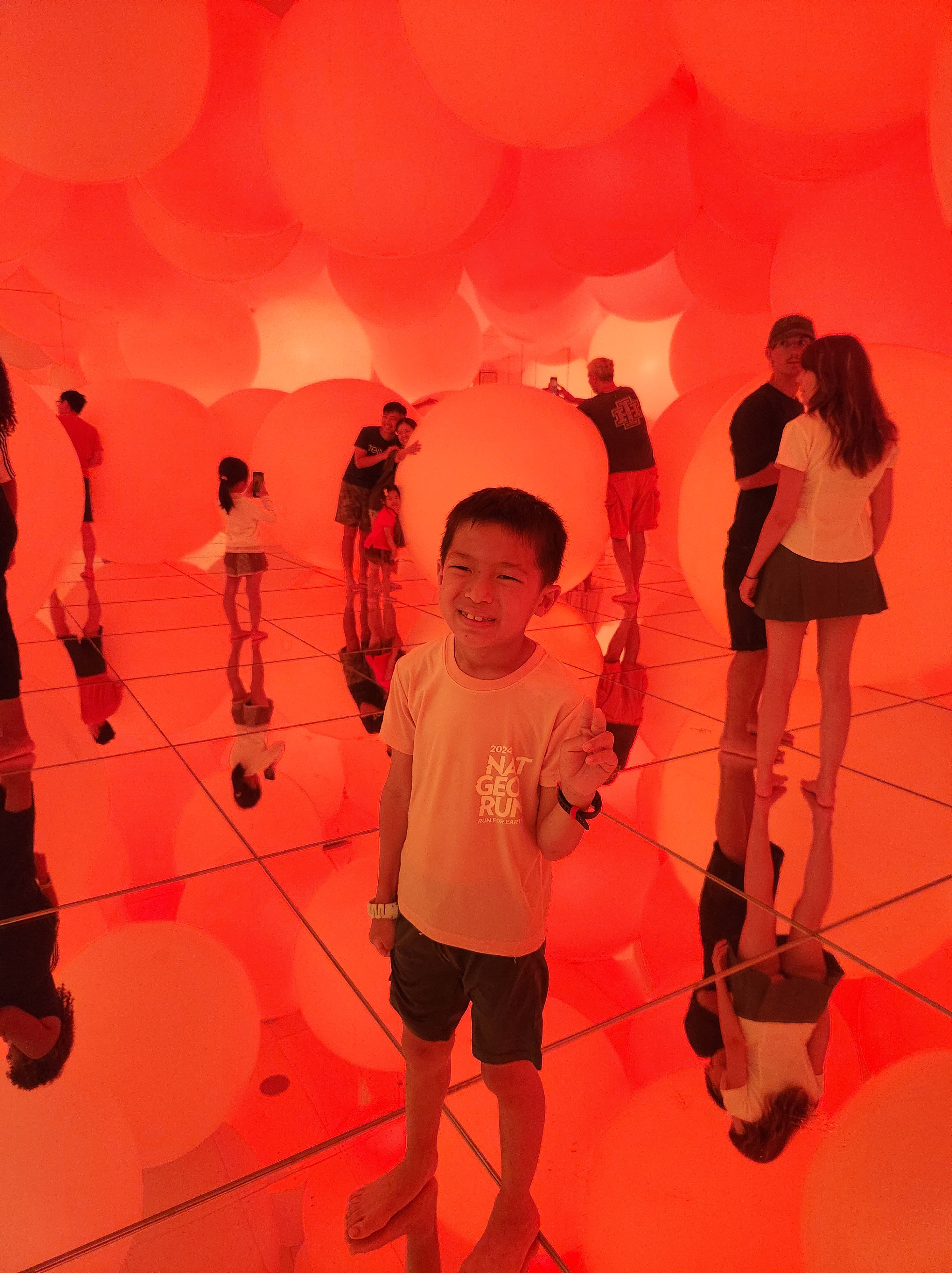
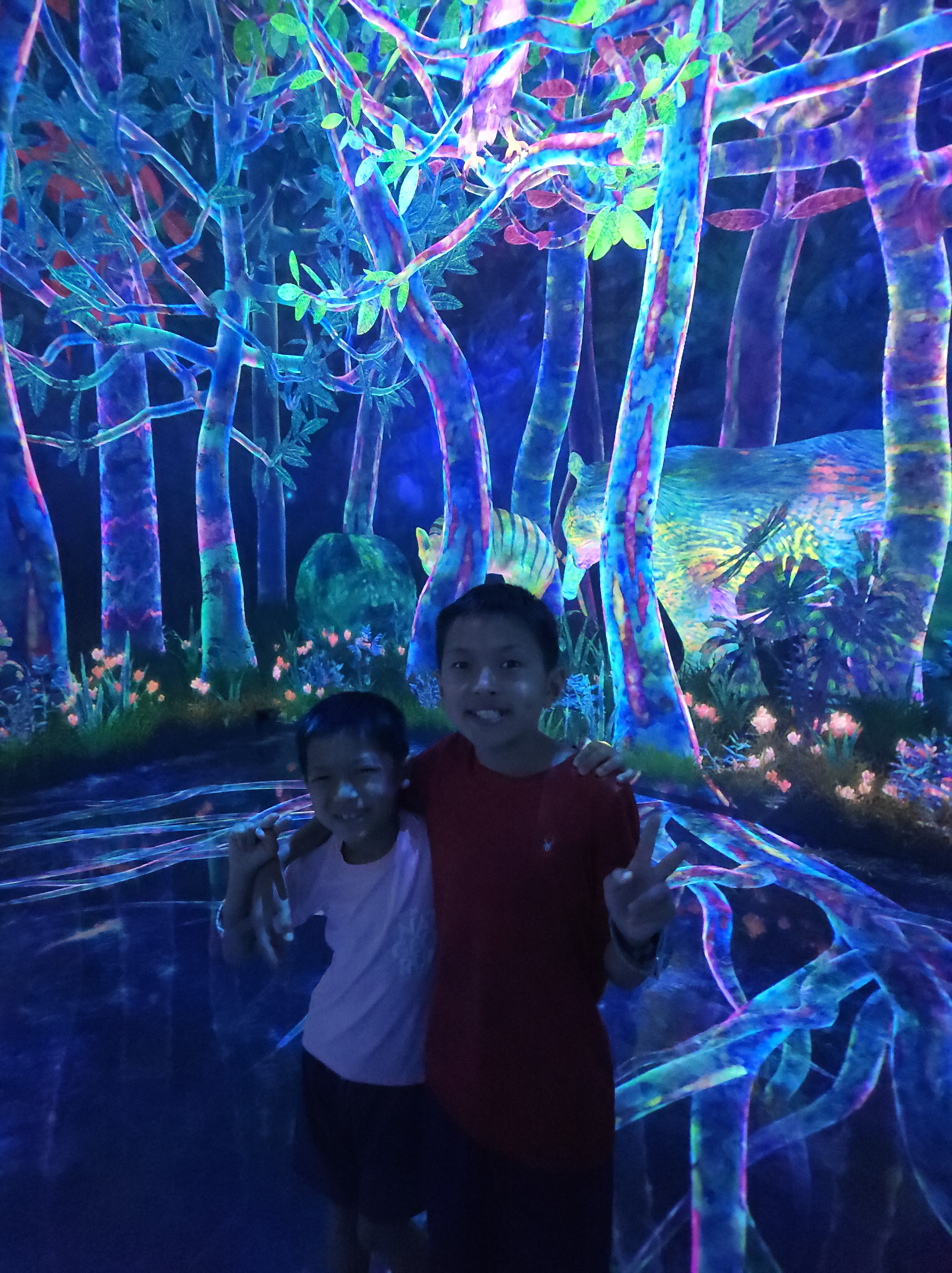
On our last day in Tokyo, we visited TeamLabs Planets, an immersive exhibit that combines art with technology. The boys and I had already been impressed by a TeamLabs exhibit in Taipei, but since Japan is where TeamLabs originated, we wanted to check it out.

The experience was nothing short of psychedelic and fully immersive, from bouncing among giant ceiling-to-floor spheres, to walking barefoot through water as digital fish swam around us! The “wow” factor never stopped. It was wildly creative, awe-inspiring from start to finish, and highly recommended for kids AND adults!

As you can tell, we didn’t exactly dive into Japan’s cultural side on this trip. 😏 Instead, it was mostly theme parks and art exhibits, but we still had a fantastic time.

As for our Mt. Fuji climb…this post is getting a bit long and I think that deserves a post all its own. So, stay tuned!