Ramblings

Australia

After Japan, we flew to Australia, a destination that had long been on our travel wish list. Since it’s only about a 7.5-hour direct flight from Tokyo with just a 3-hour time difference, we couldn’t pass up the chance to visit while living in Asia.

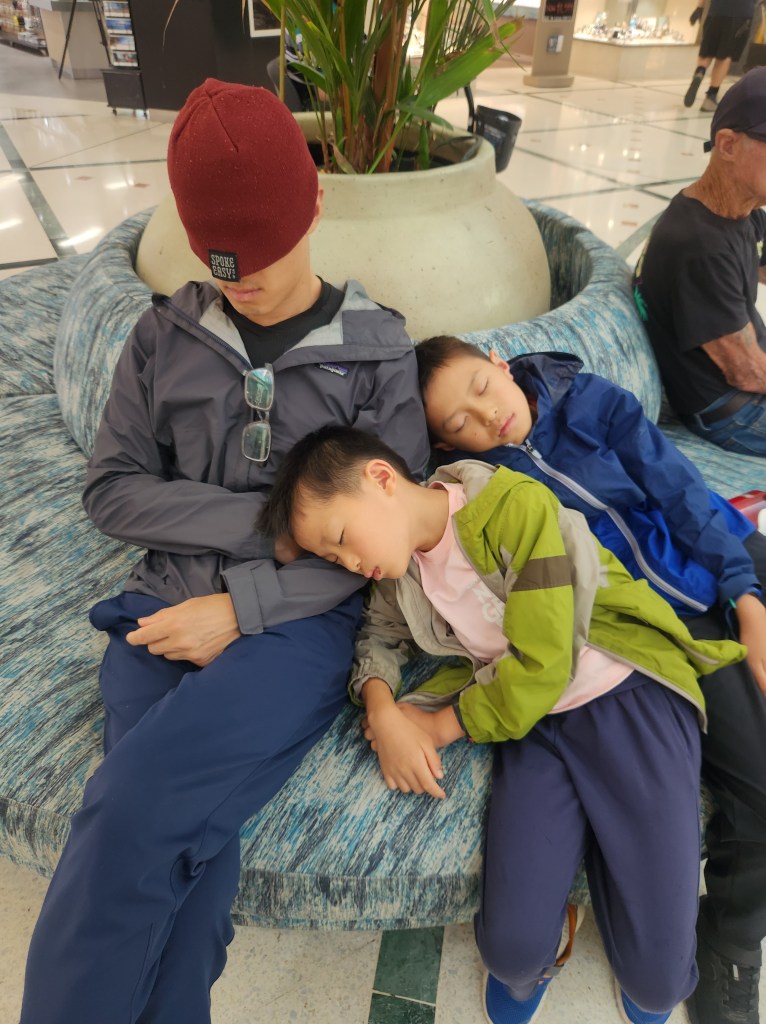
Cairns. We took a direct flight from Tokyo to Cairns, landing at 4:30 a.m. We were exhausted. Unfortunately, our hotel room wasn’t ready, so we wandered between cafes, and eventually fell asleep on a couch at a mall looking more than a little disheveled. It was not our best moment. 😂

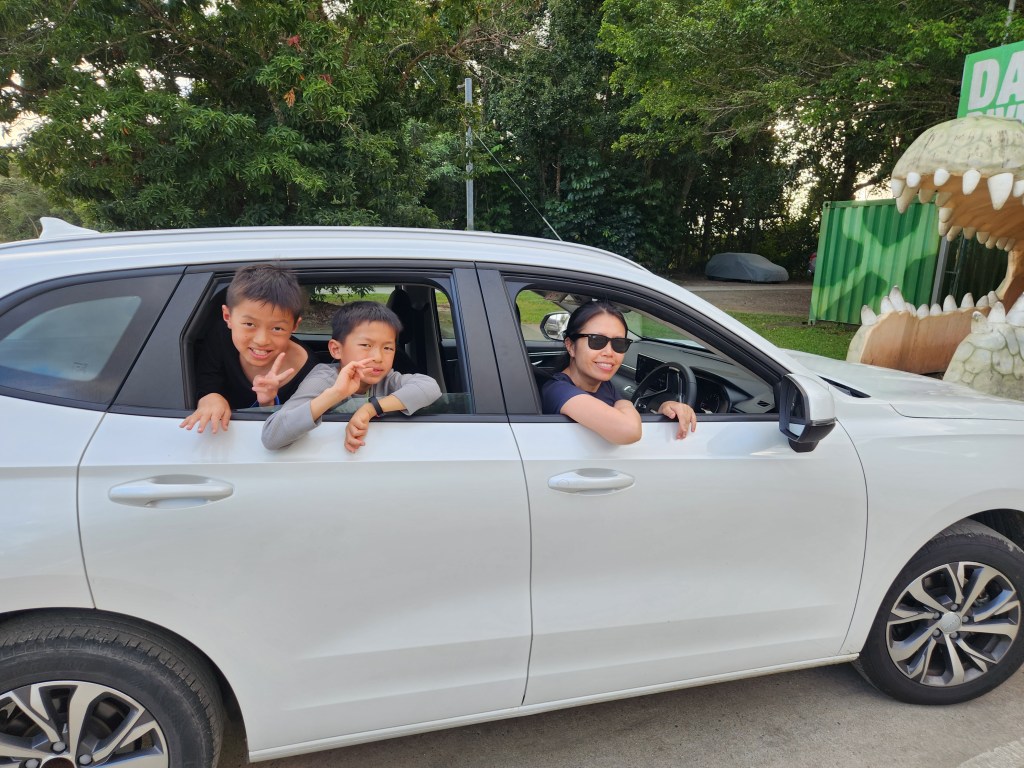
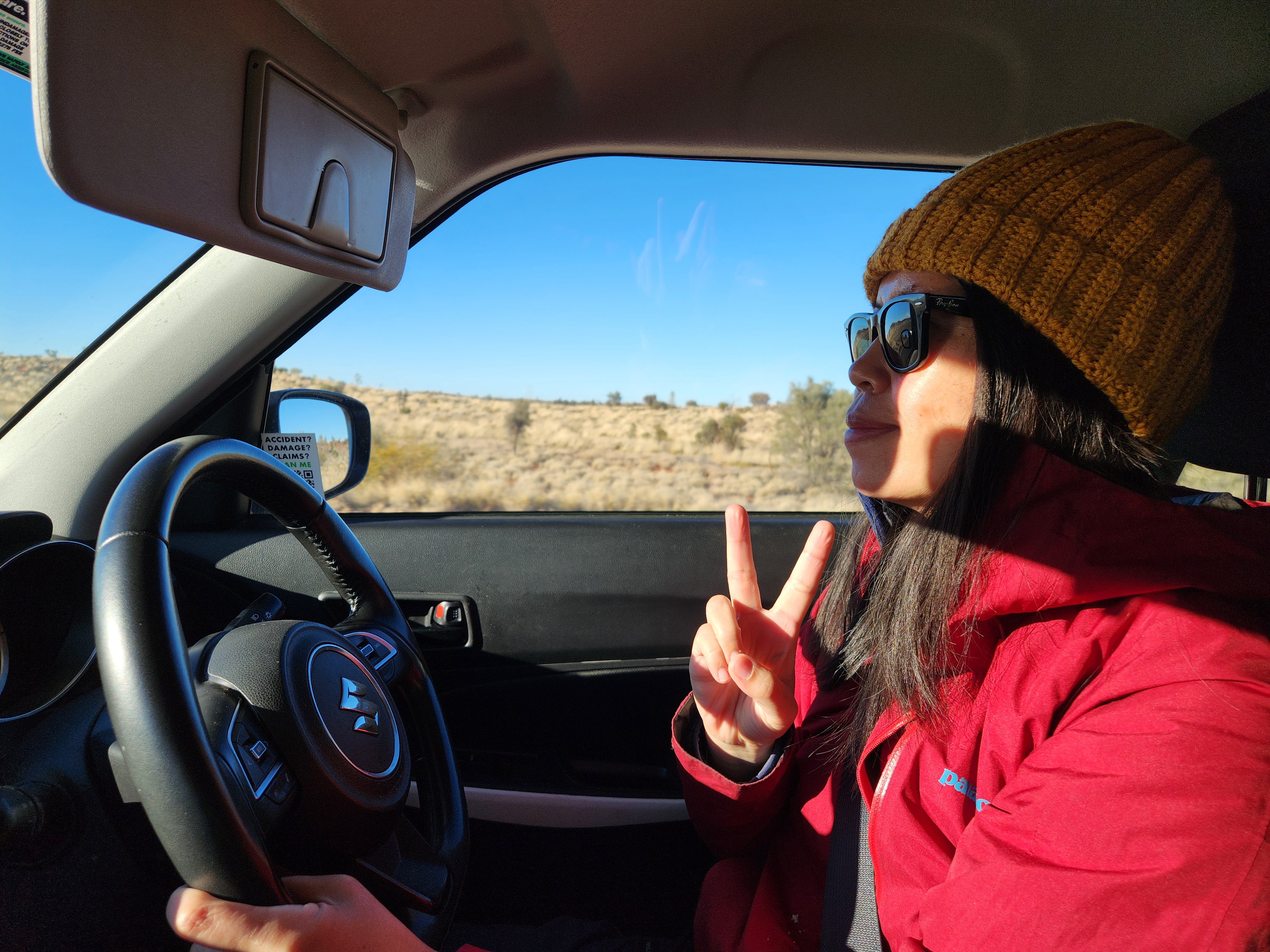
The next day, we rented a car to drive to Daintree Rainforest. I hadn’t driven in two years since moving to Taiwan, and now I had to do it on the opposite side of the road! 😬 I was white-knuckling the wheel for a good 10 minutes, but got so used to driving in Australia after awhile that I don’t even remember what it’s like driving on the right side anymore.

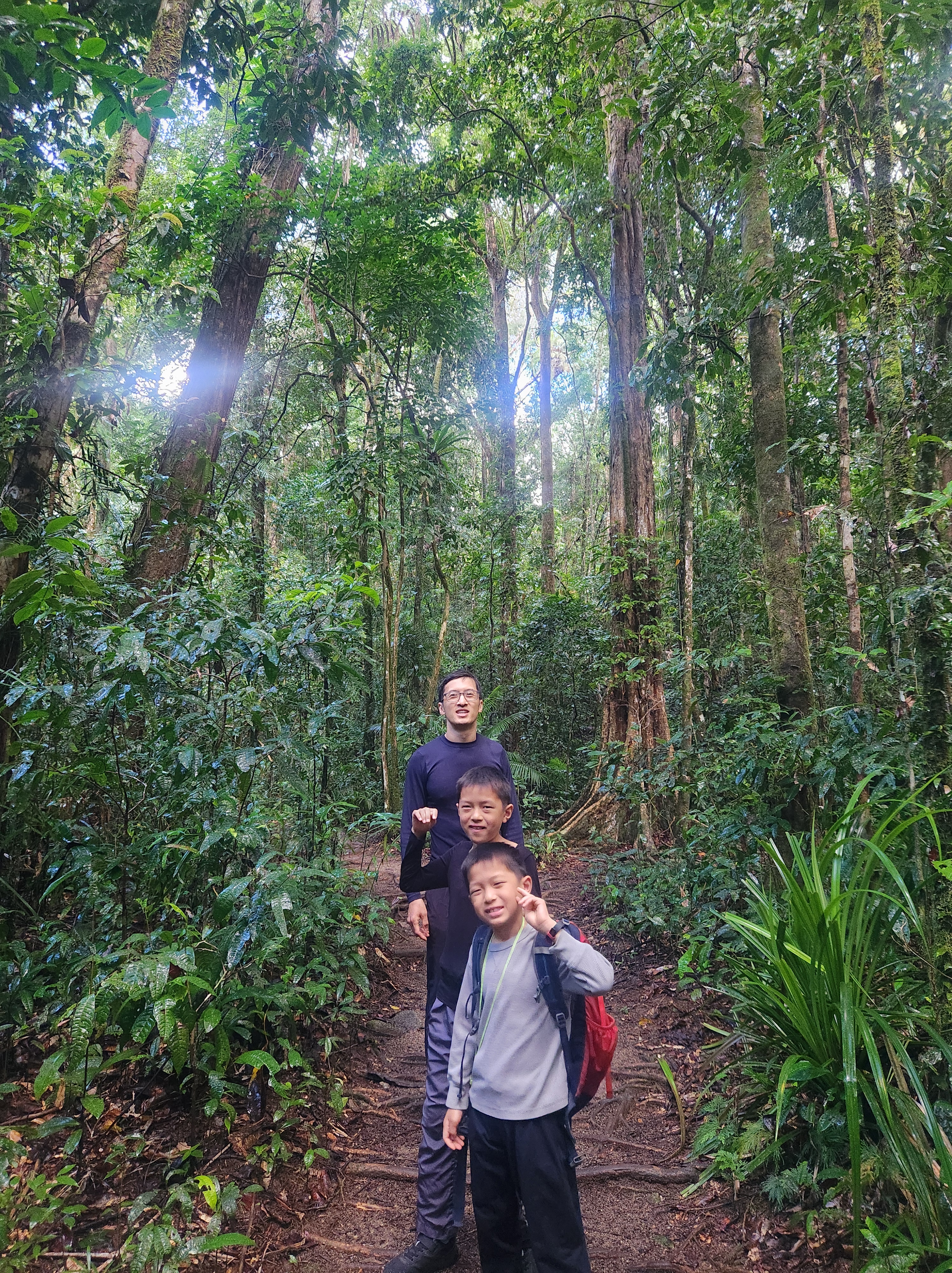
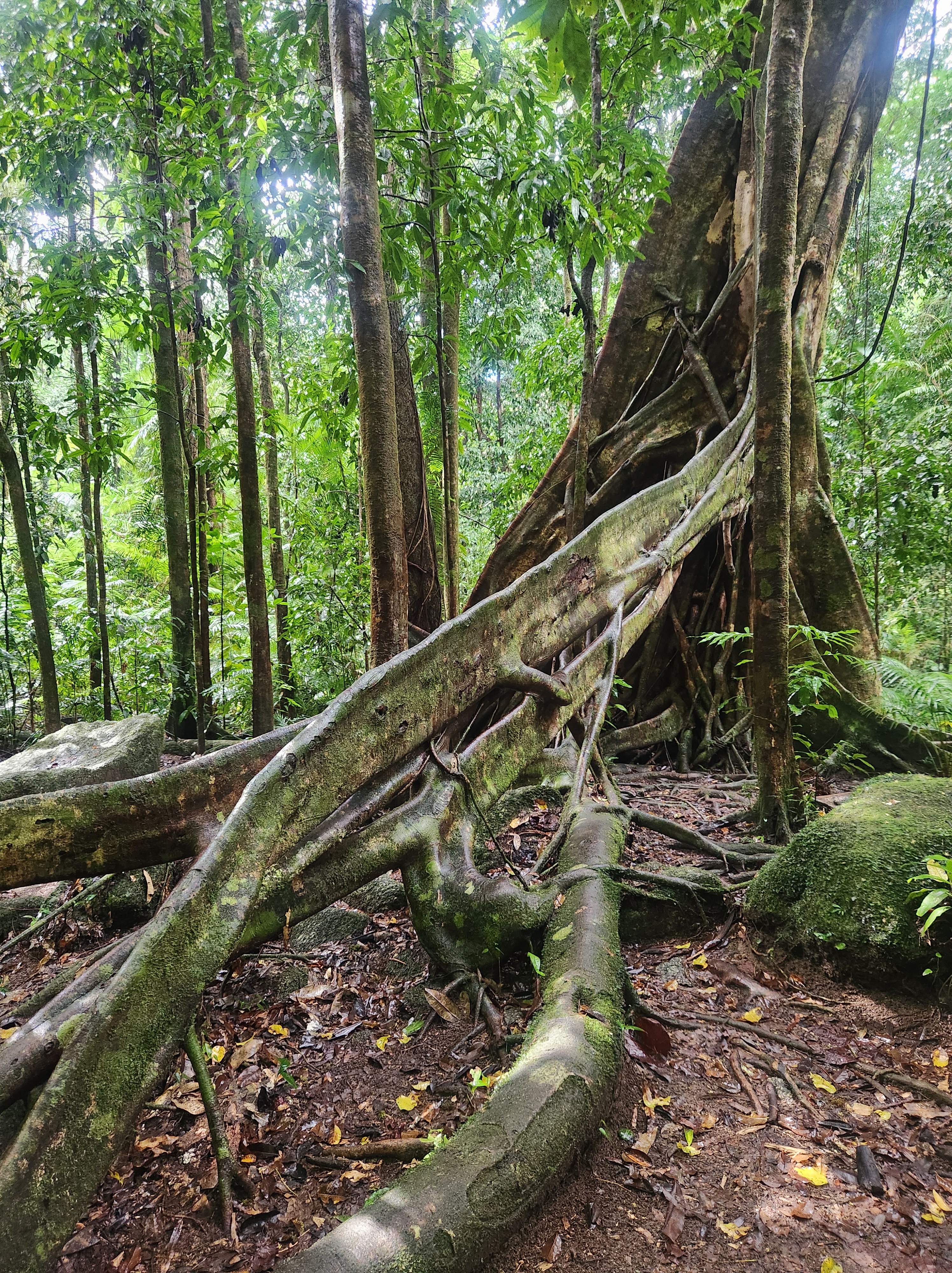
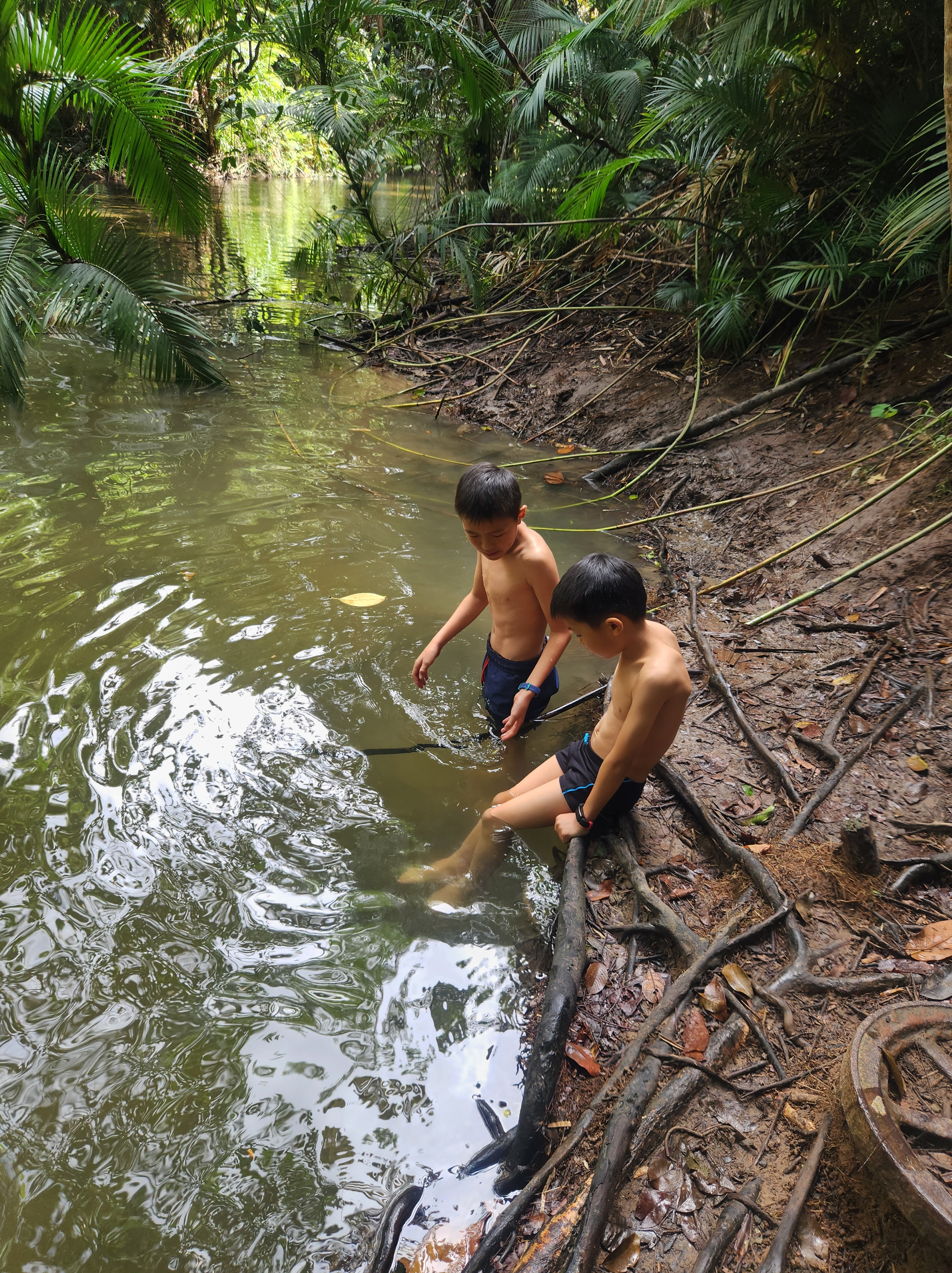
We hiked through the Daintree, spotted some wild turkeys (though the elusive cassowary remained out of sight!), and swam in a freezing cold water hole. Daintree is actually pretty huge and requires driving between different spots, but it was was a much appreciated peaceful break from our usual city life.

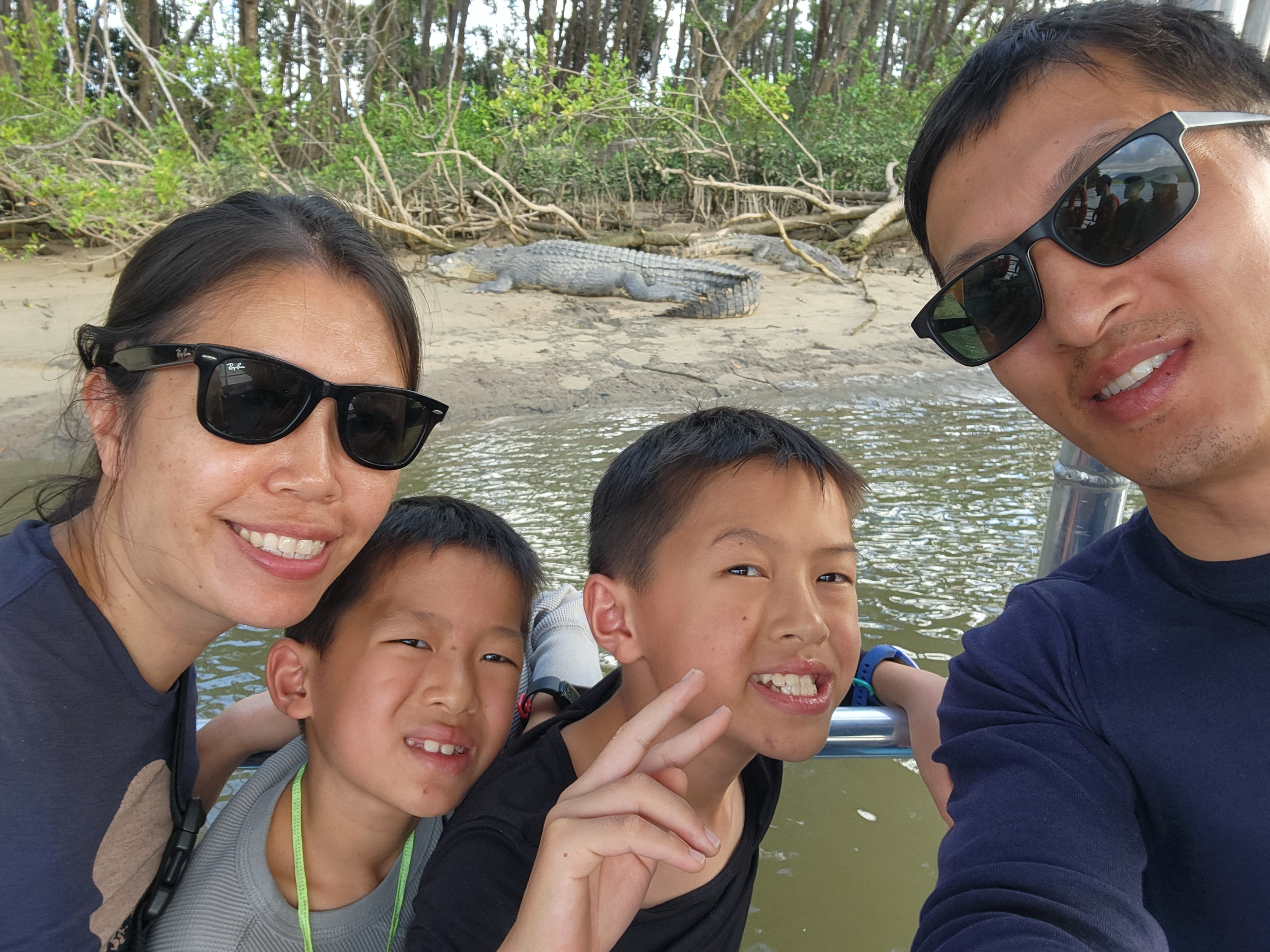
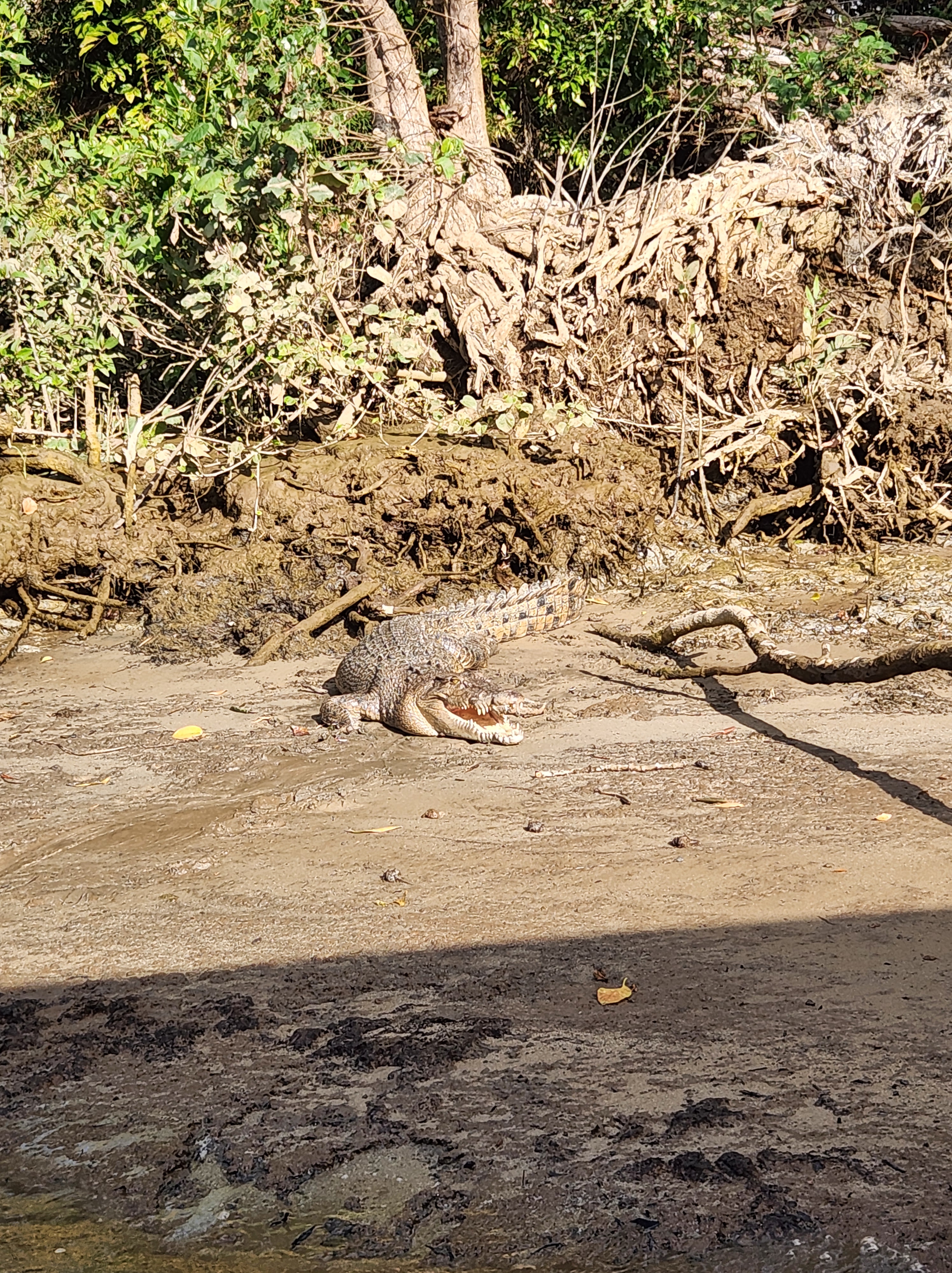
Later that day, we went on a boat ride to spot wild crocodiles at the Daintree River. We saw crocodiles of all sizes, from the massive dominant male to a 6-month-old baby.

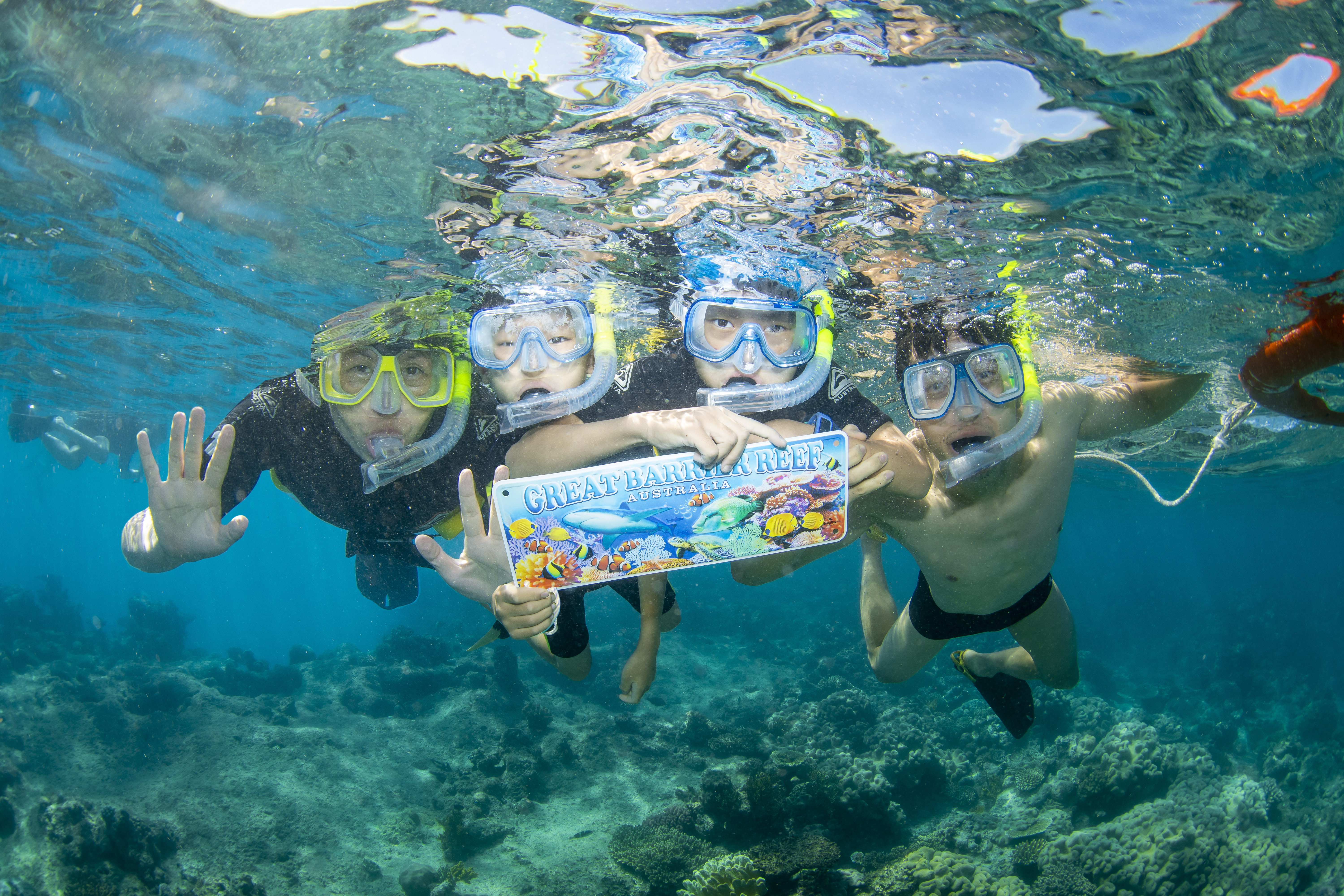
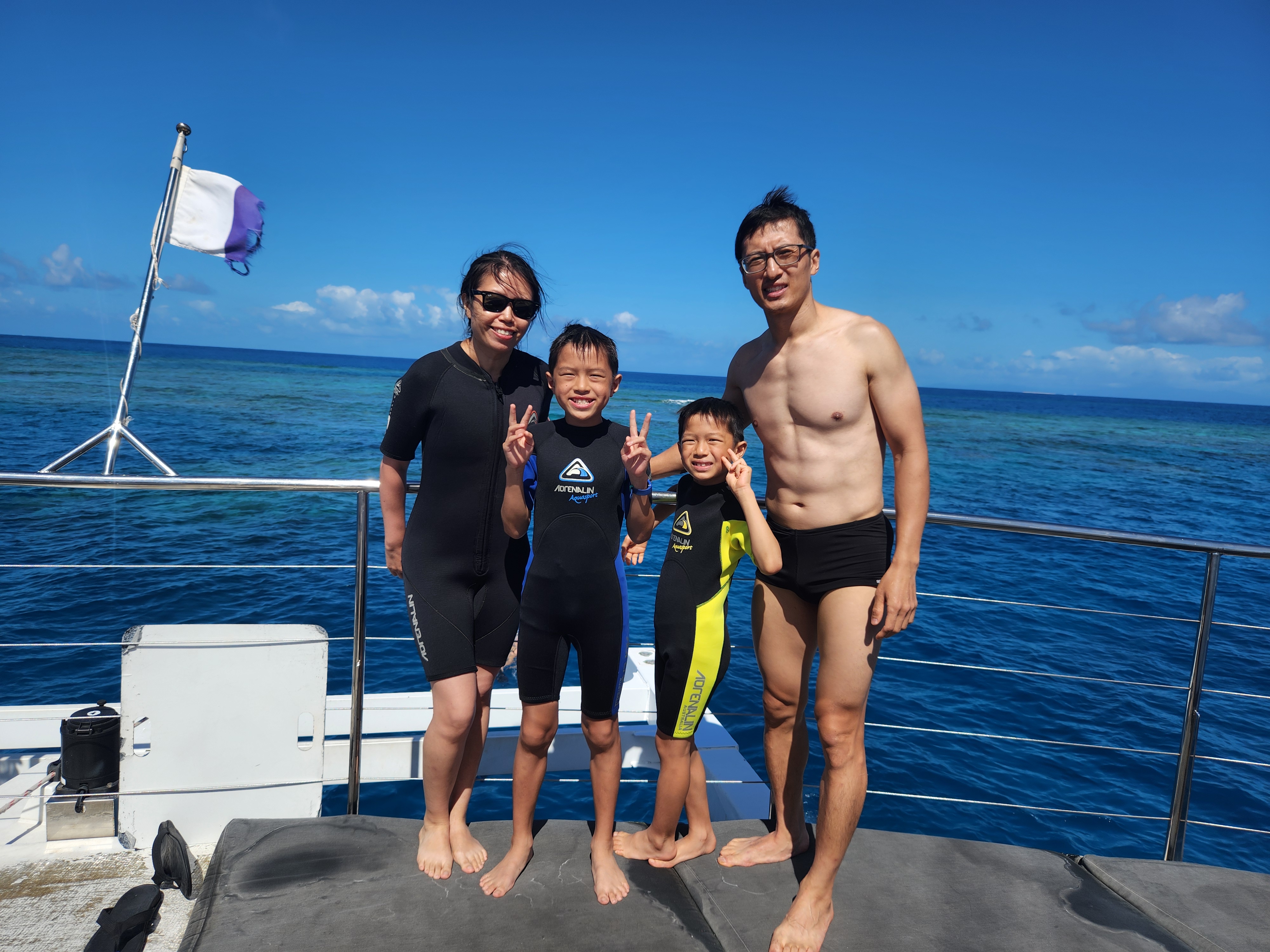
But the main attraction in Cairns is, of course, the Great Barrier Reef. We booked a snorkeling tour with Passions of Paradise, which first required a two-hour drive out to the outer reef. The boat ride there was incredibly rocky, and several people got seasick, including C.

The Great Barrier Reef was truly a dream. The coral was huge, and full of diverse colors, intricate shapes and beauty. It’s fascinating to me that this underwater wonder was built by billions of tiny polyps over thousands of years. We didn’t see any unusual sea creatures (sea turtles, sharks, etc.) but we were surrounded by schools of dazzling colorful fish, and even spotted a humpback whale on our way back! Despite it being winter, the water was surprisingly warm and comfortable.

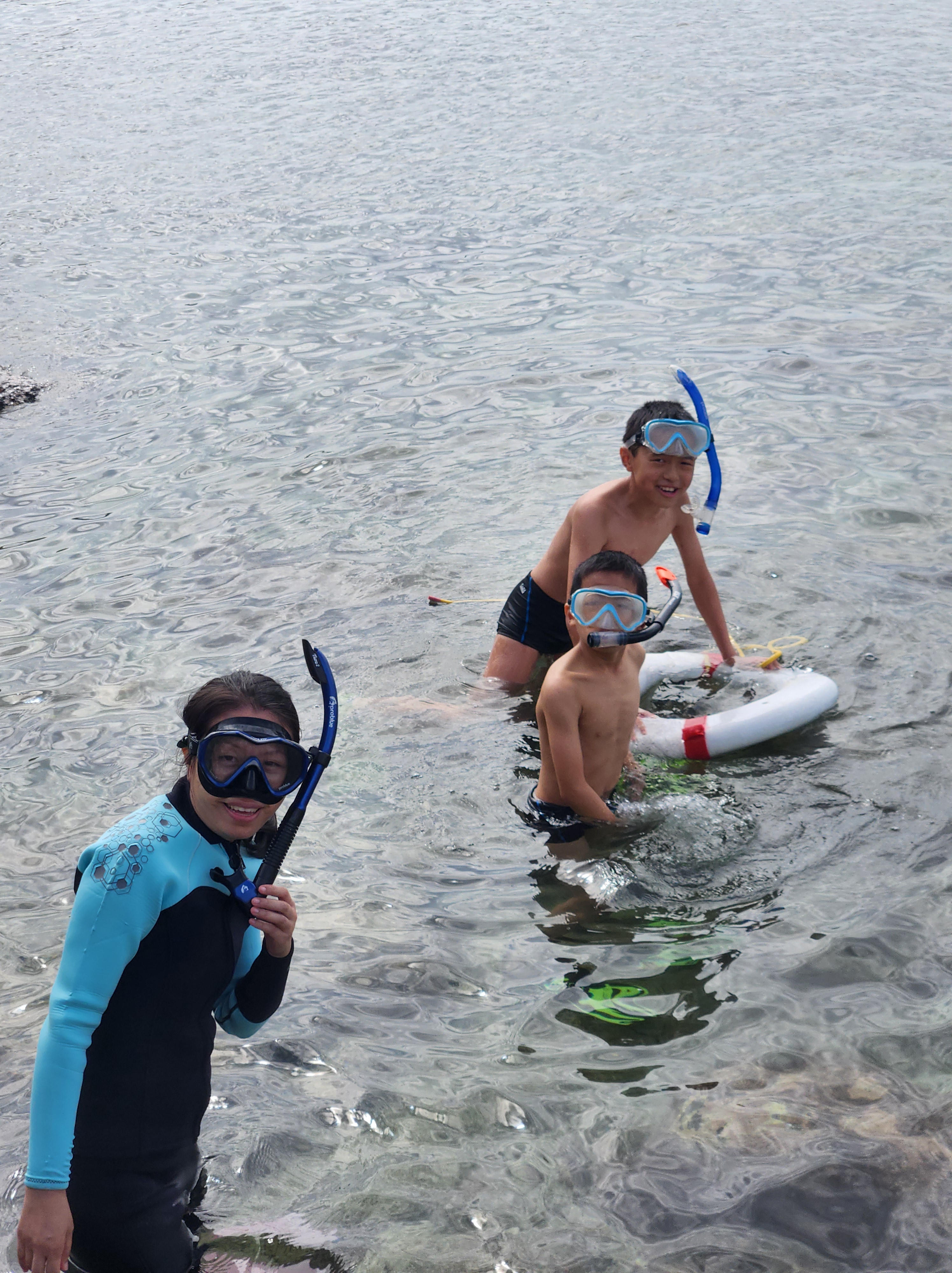
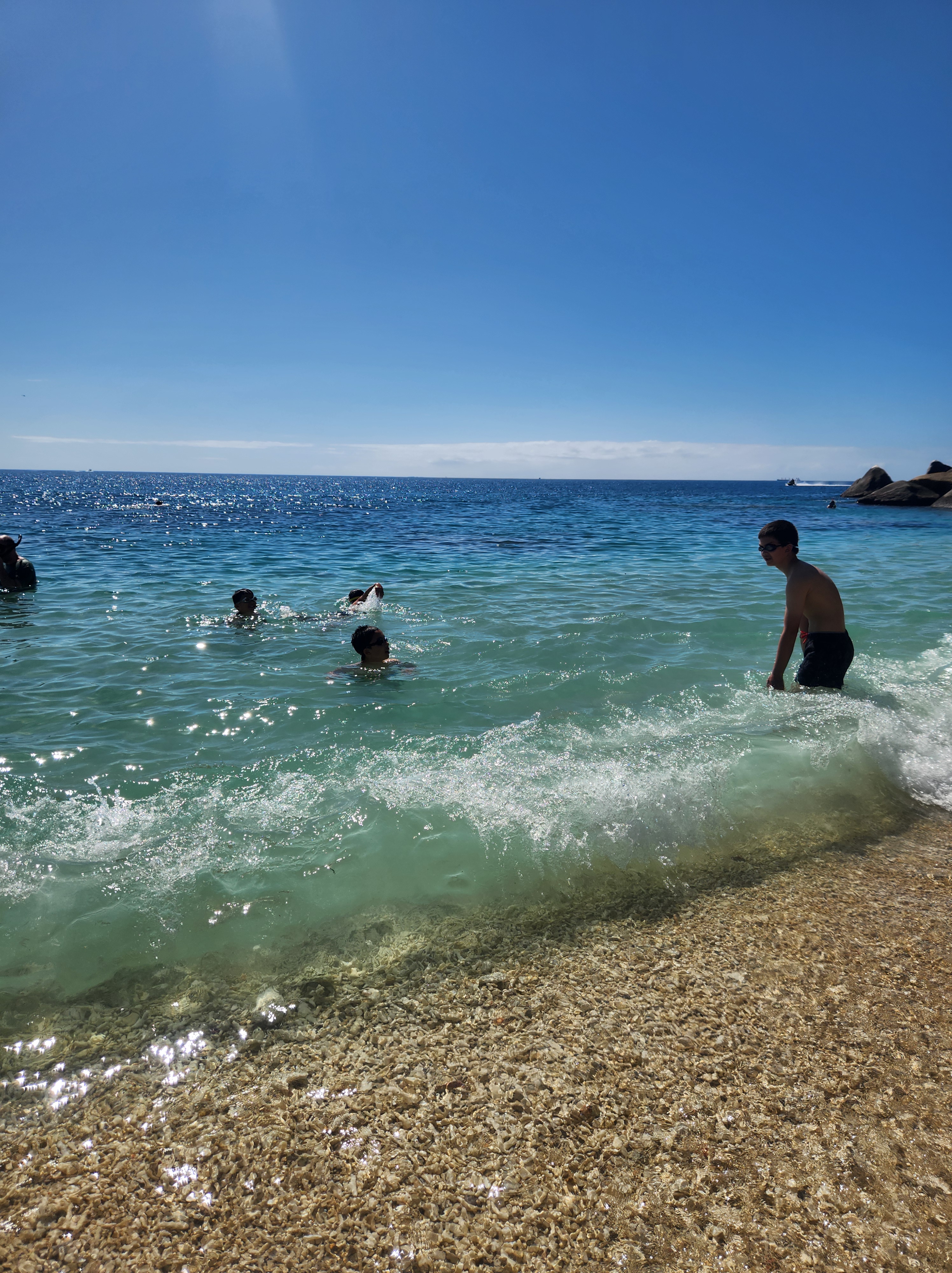
On our last day in Cairns, we were able to meet up with friends that happened to be in Australia at the same time. We took a ferry to Fitzroy Island, where we hiked and snorkeled at the stunning beach. It was the perfect way to end our stay in Cairns: sharing it with familiar faces Down Under!

The Outback. After Cairns, we flew to the Outback. Baba and I had debated whether to go here because for one thing, it’s very remote, and secondly, it’s expensive. The Outback’s remoteness makes everything — flights, hotels, food, gas — much more expensive than almost anywhere in the country. But the Outback is quintessentially Australian, and we felt it would be a really unique experience so we decided to go after all.
We flew into Alice Springs in the late afternoon and began the four-hour drive to Kings Canyon, knowing we’d arrive well after sunset. That alone felt like an adventure because driving after dark is considered one of the riskiest things you can do in the Outback. Kangaroos and other wildlife frequently dart across the road, and a collision could leave your car badly damaged. Out here, there’s no quick call to AAA and a tow truck comes to the rescue. You’d be stranded. In summer, the danger is even greater, with extreme heat turning a breakdown into a life-threatening situation. (Thankfully, we were traveling during Australia’s winter, when the weather was cool.)

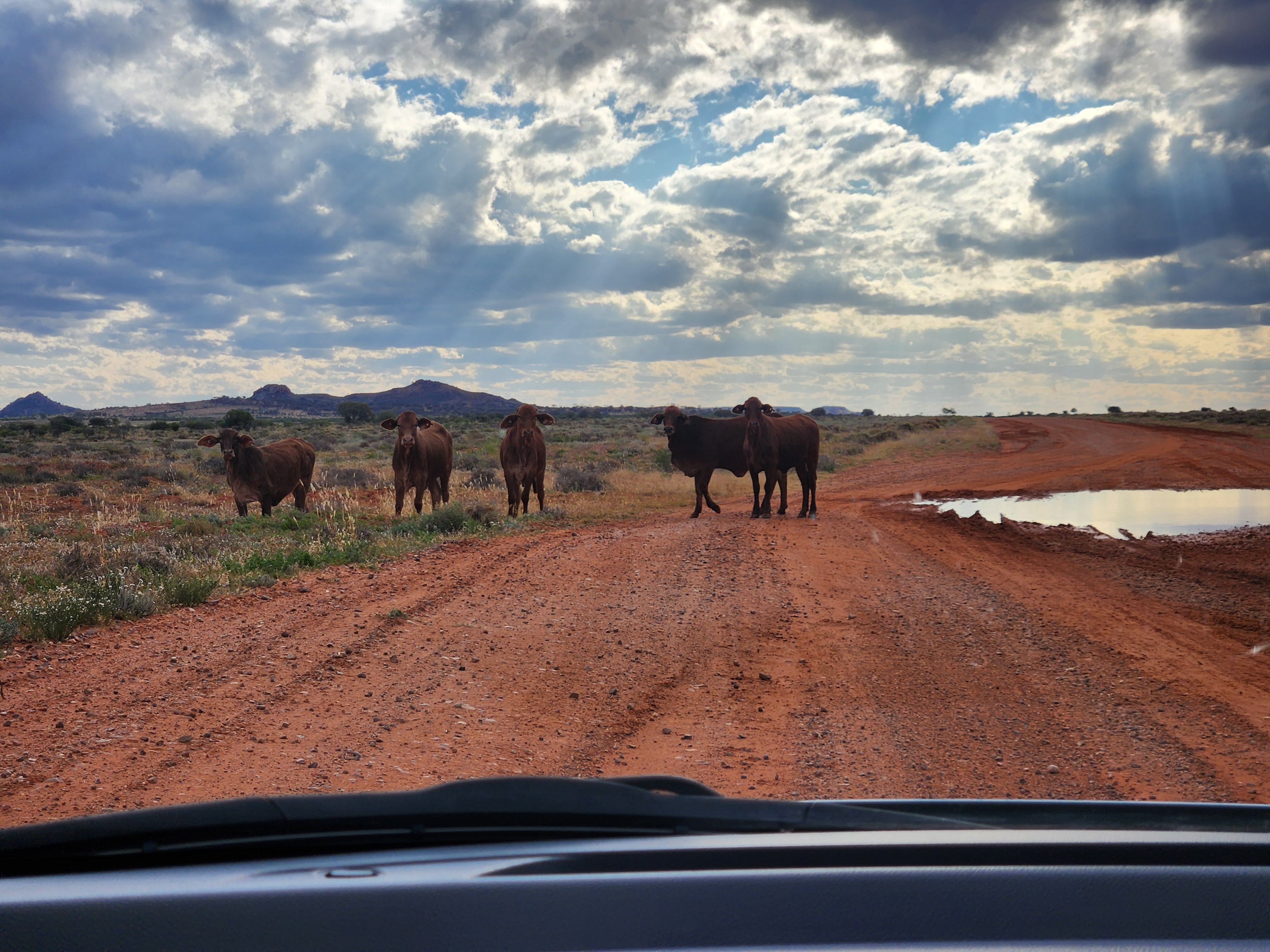
The road to Kings Canyon was rough and uneven, and for nearly two hours we were tossed around, swaying side to side like balls rattling inside a machine. To make matters worse, we had rented the tiniest, dinkiest car, so we felt every jolt along the way. 😅 The road was full of obstacles too — huge puddles and herds of camels and cows blocking our path. After an eternity, we made it to Kings Canyon safely and had a good night’s sleep.
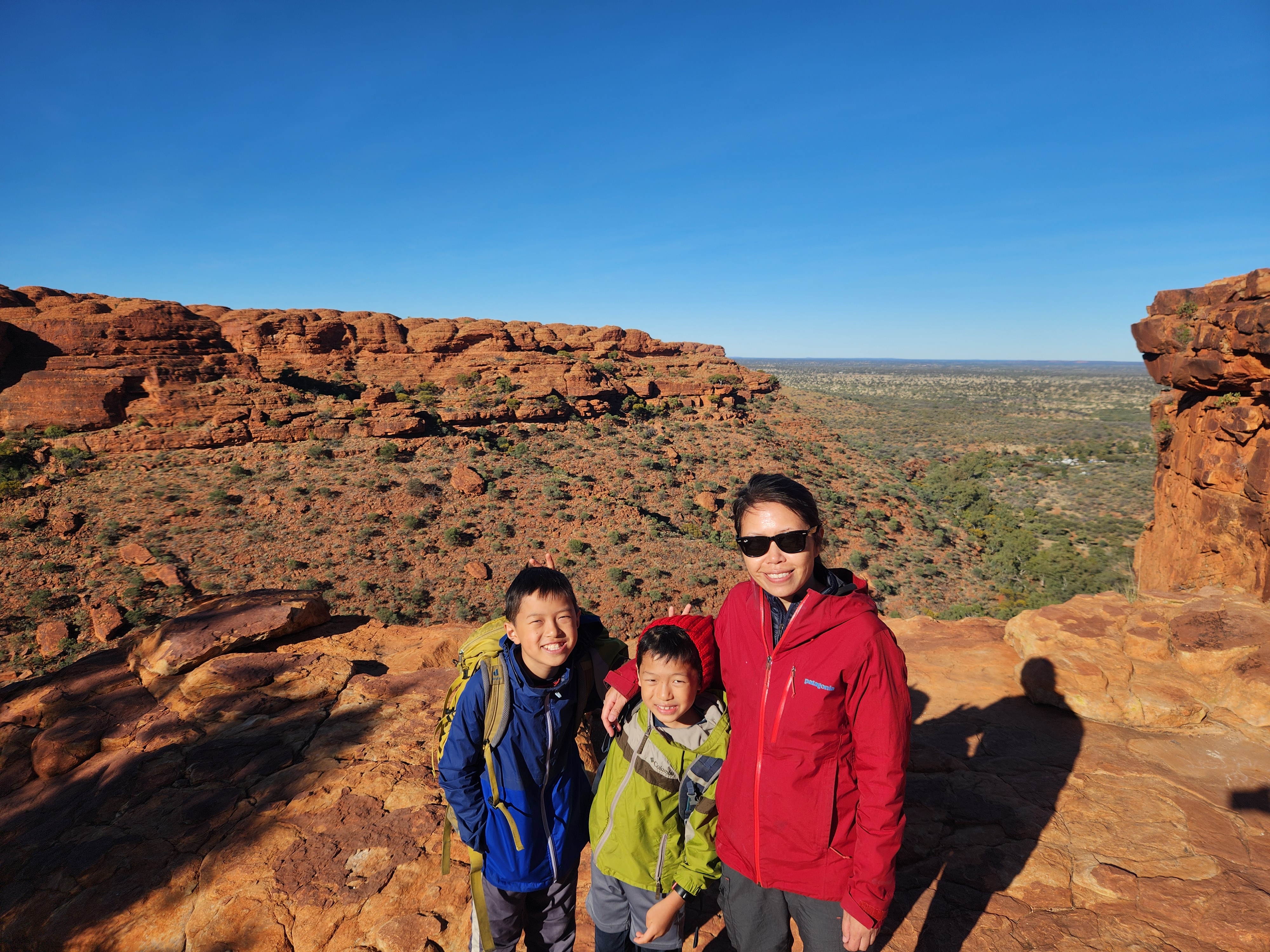
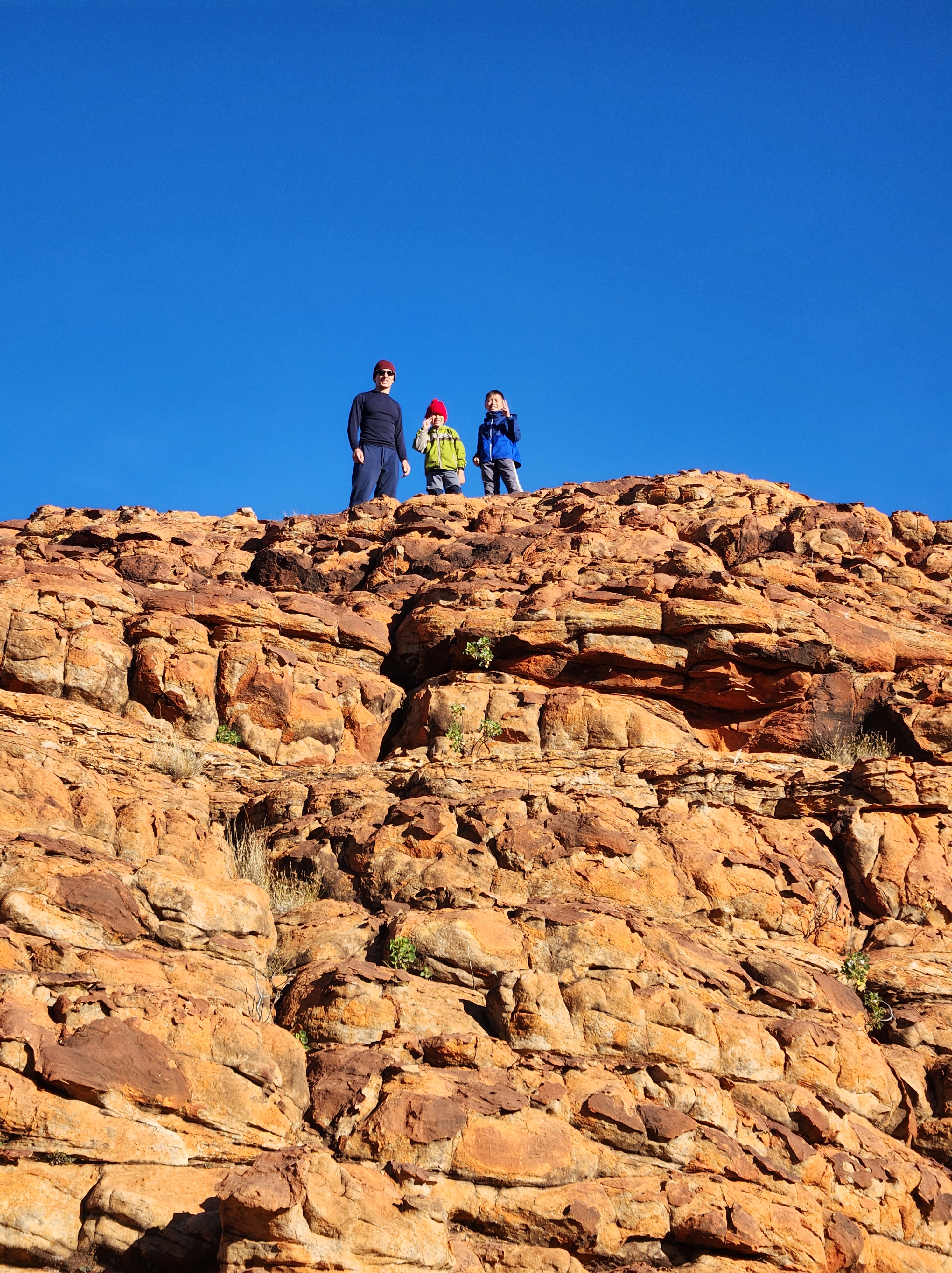
Kings Canyon is beautiful, with its bright red rock formations and dramatic, deep canyon. We hiked the popular Rim Trail, and the clear blue skies, crisp air, and breathtaking views made the trek enjoyable. Temperatures were chilly, ranging from the mid-30s to low 50s, and we quickly realized this would be the pattern throughout our Outback stay. No complaints, though…we actually prefer the cold!

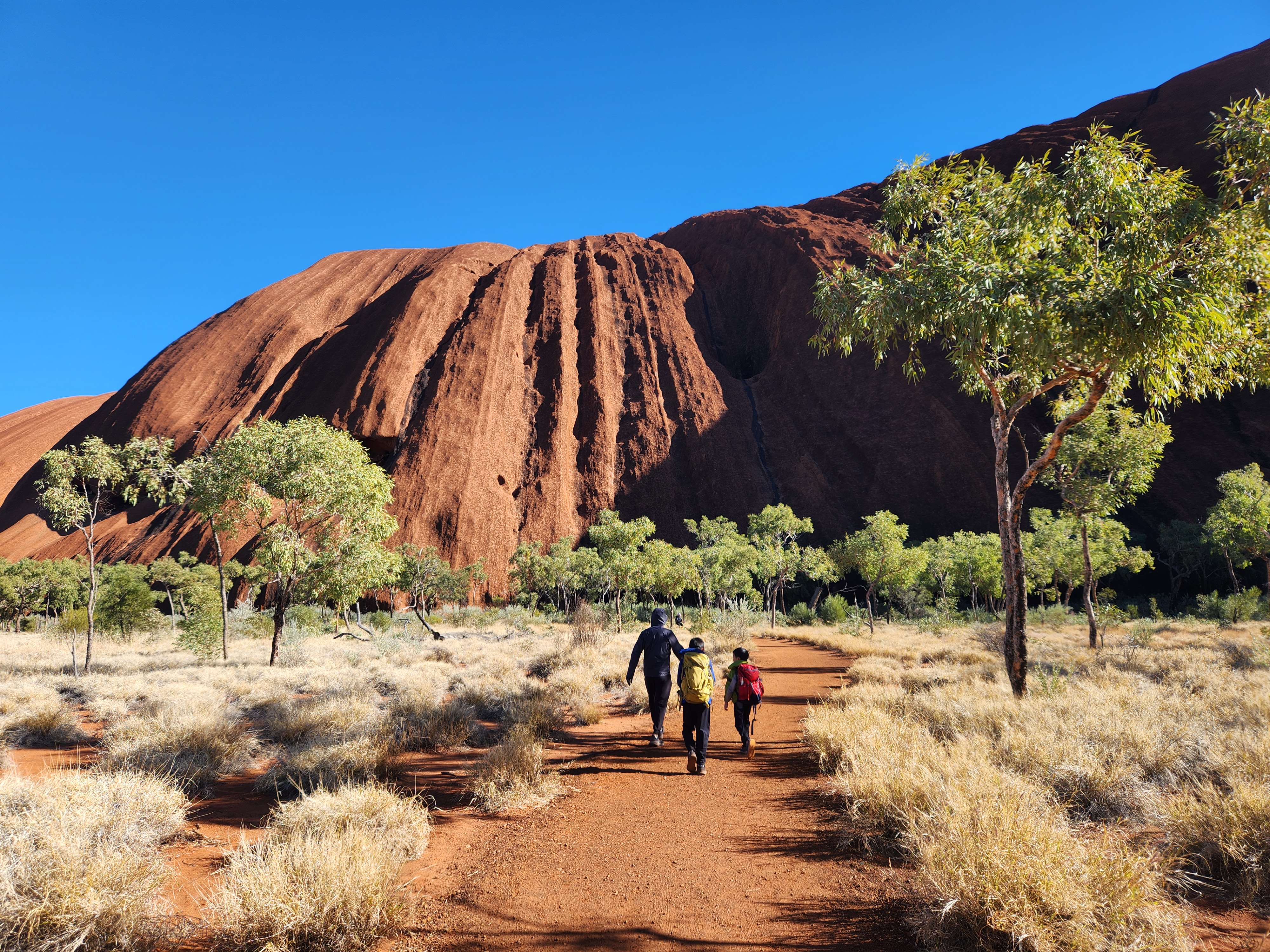
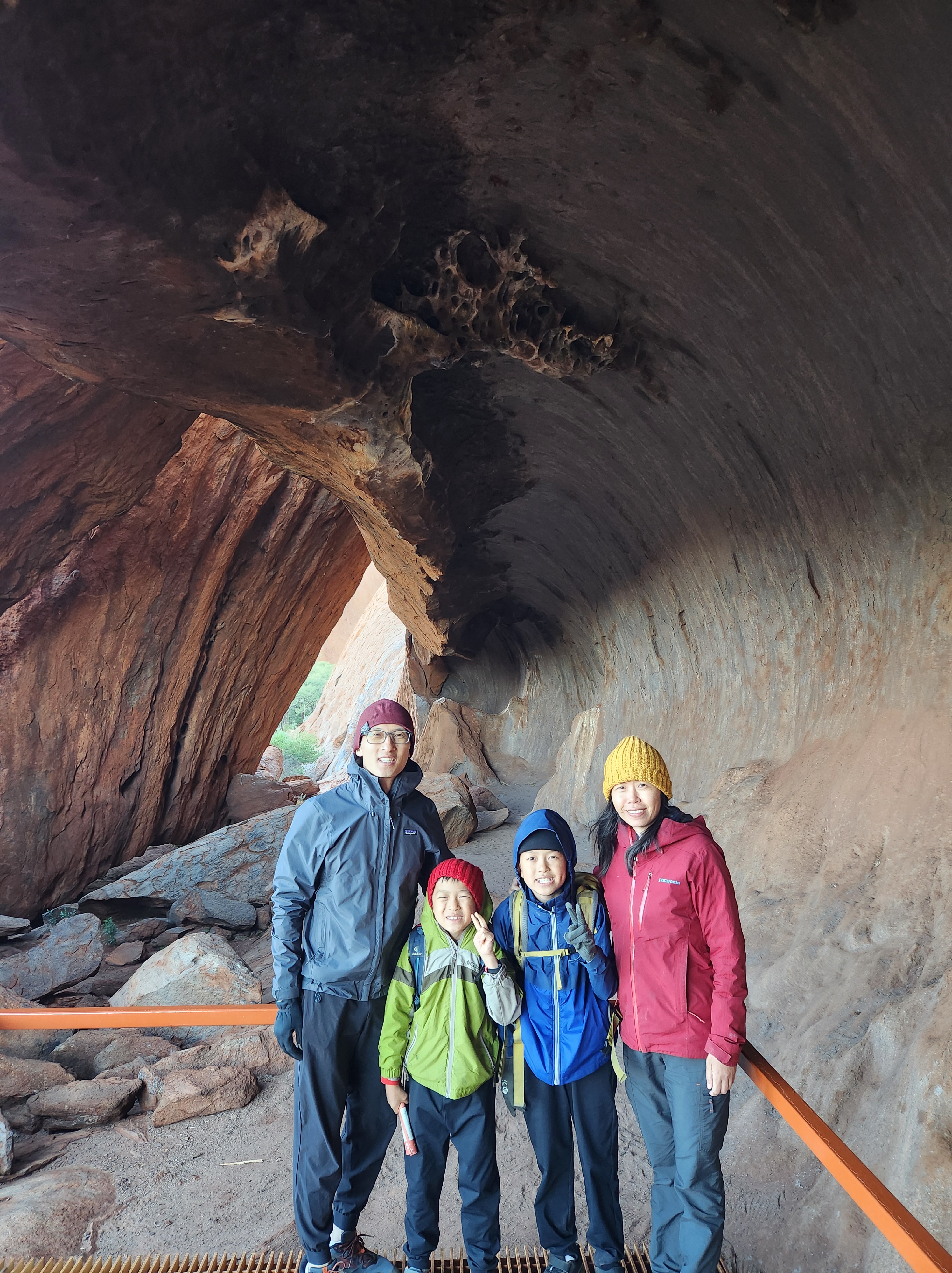
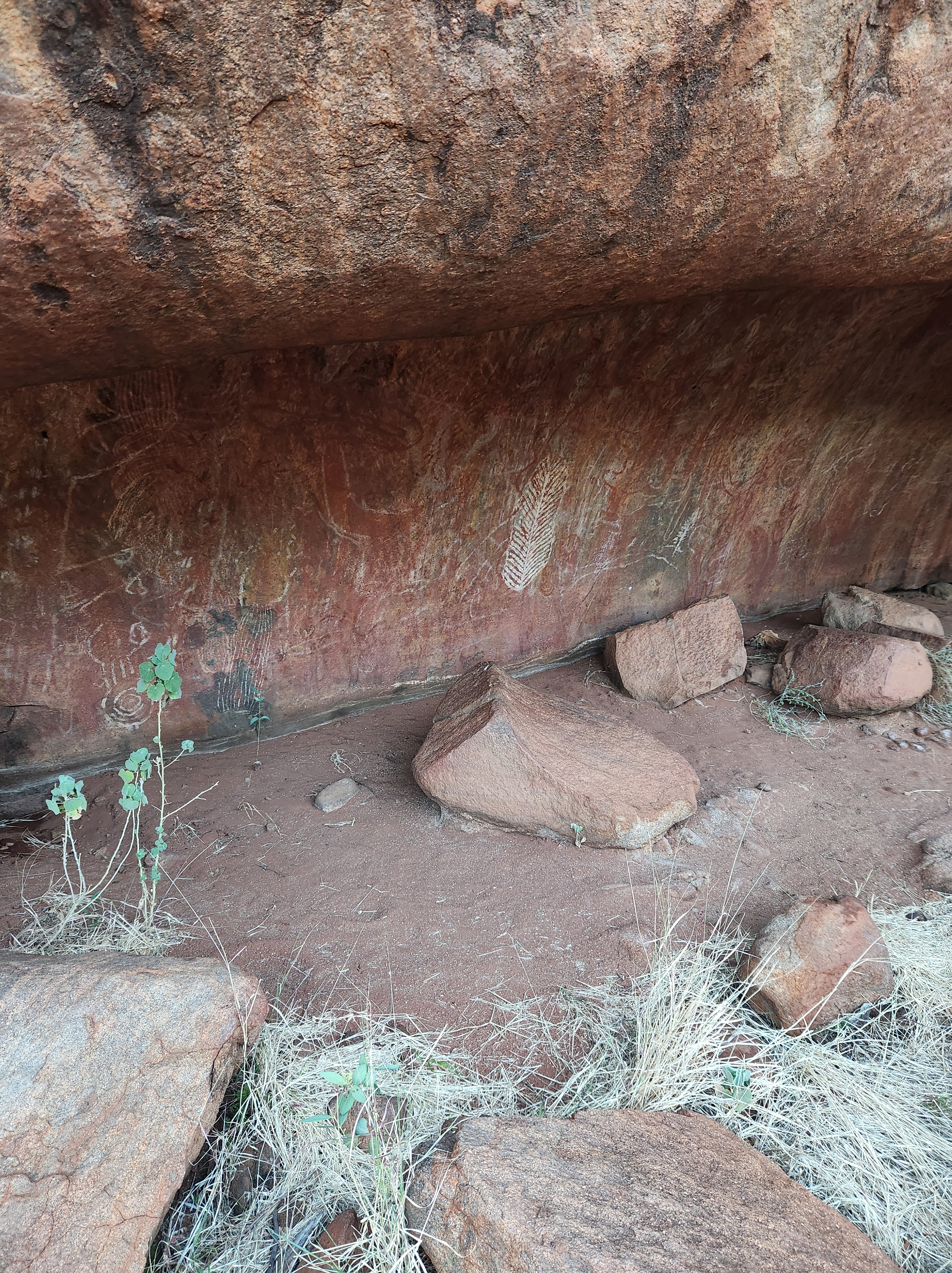
After Kings Canyon, we drove to Uluru, the icon of the Outback. The rock is estimated to be 550 million years old and formed from sandstone. We did the Uluru Base Walk, a flat 6-mile walk around the sacred rock. The Aboriginal people of Uluru belong to one of the oldest continuous cultures in the world, with a history that goes back more than 50,000 years, even longer than the ancient civilizations of Egypt!

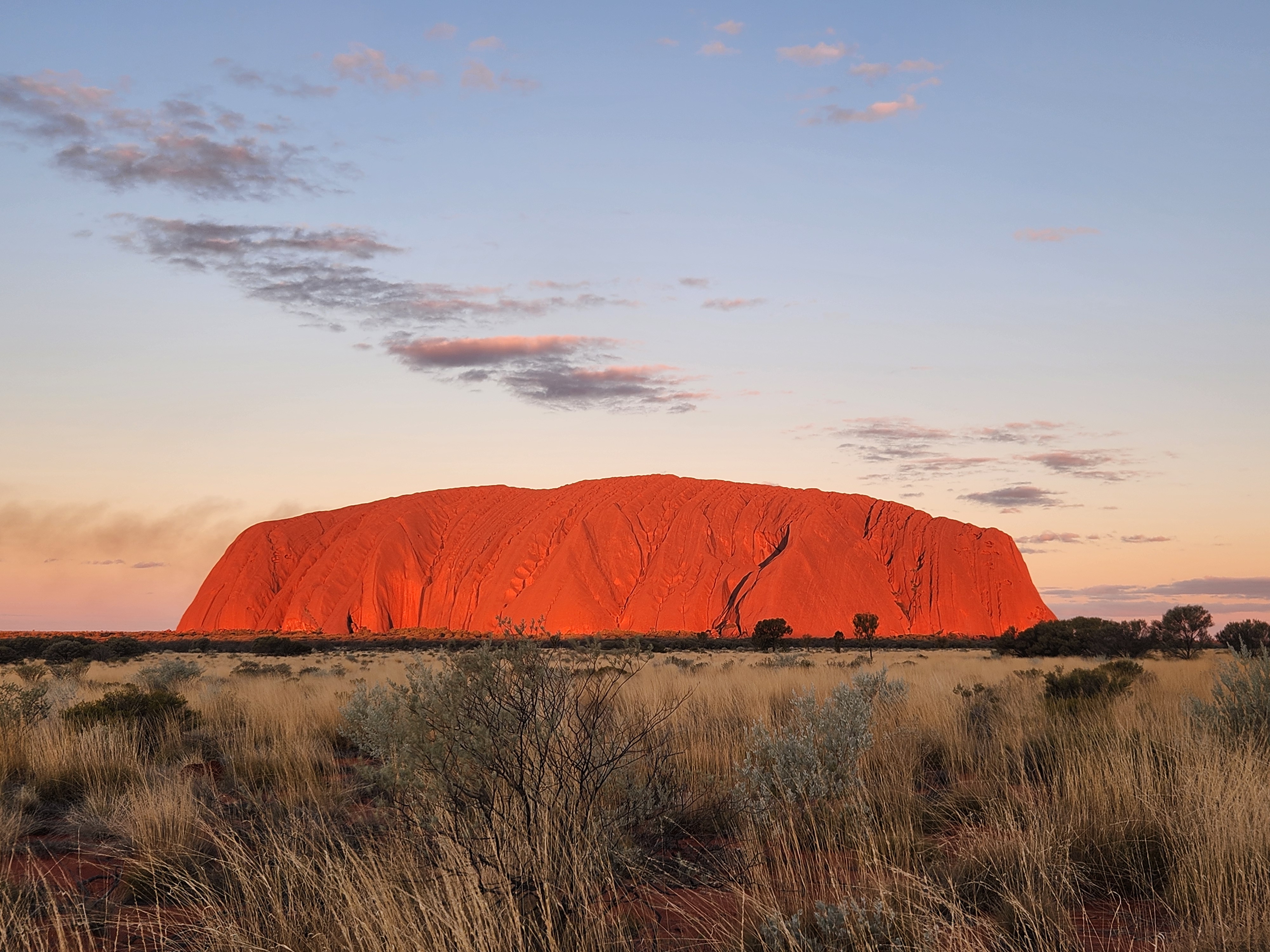
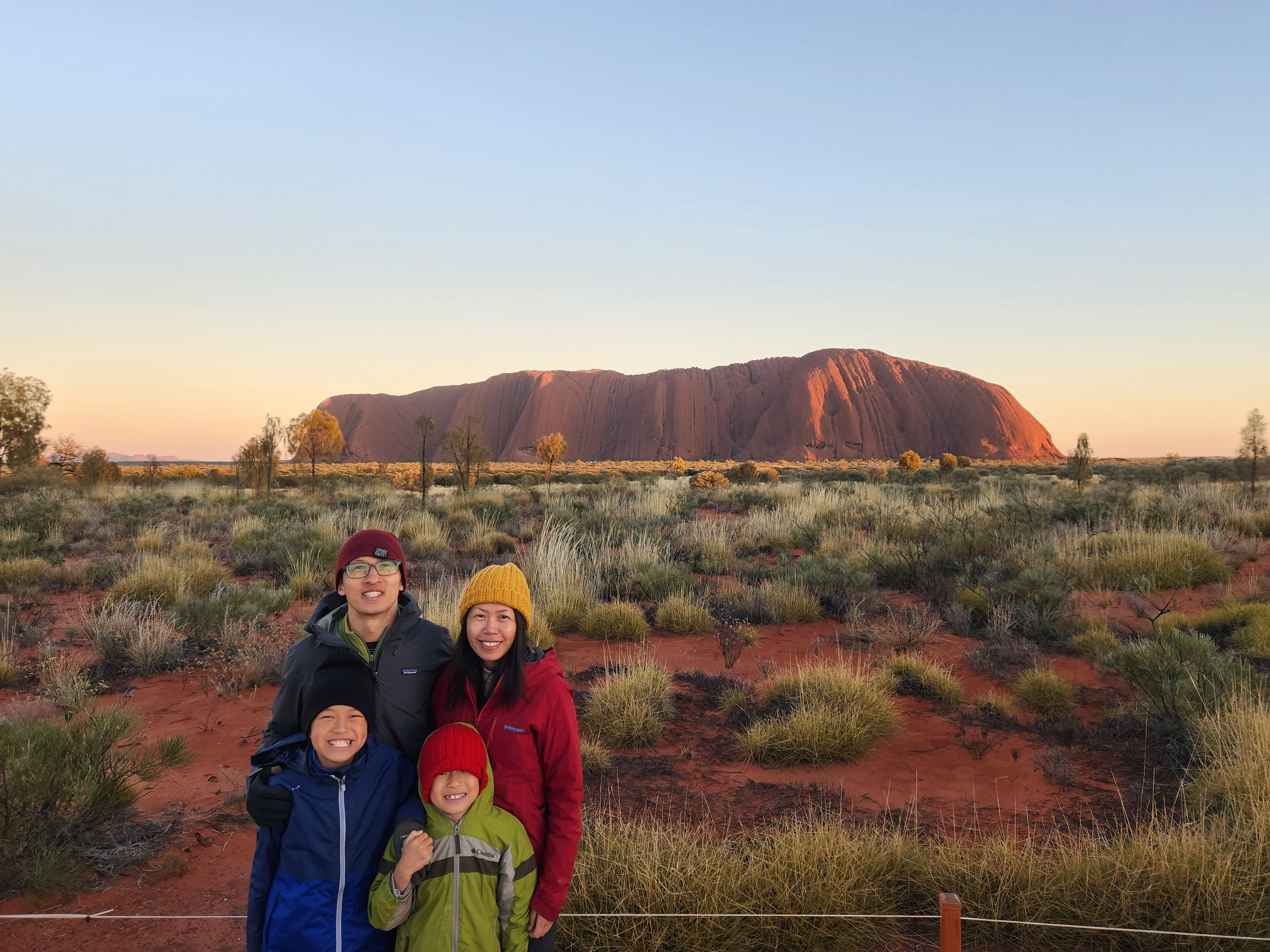
During our stay in Uluru, we saw the rock countless times. Honestly, at first I shrugged and thought, “Eh, it’s just a rock.” Despite knowing its deep cultural and historical significance, it didn’t strike me as particularly spectacular. But then we saw Uluru at sunset. As the sun sank lower, the dull brown surface changed into a fiery red, glowing as if lit from within. In that moment, it felt otherworldly. (Picture on the left is Uluru during sunset, and right is during sunrise.)

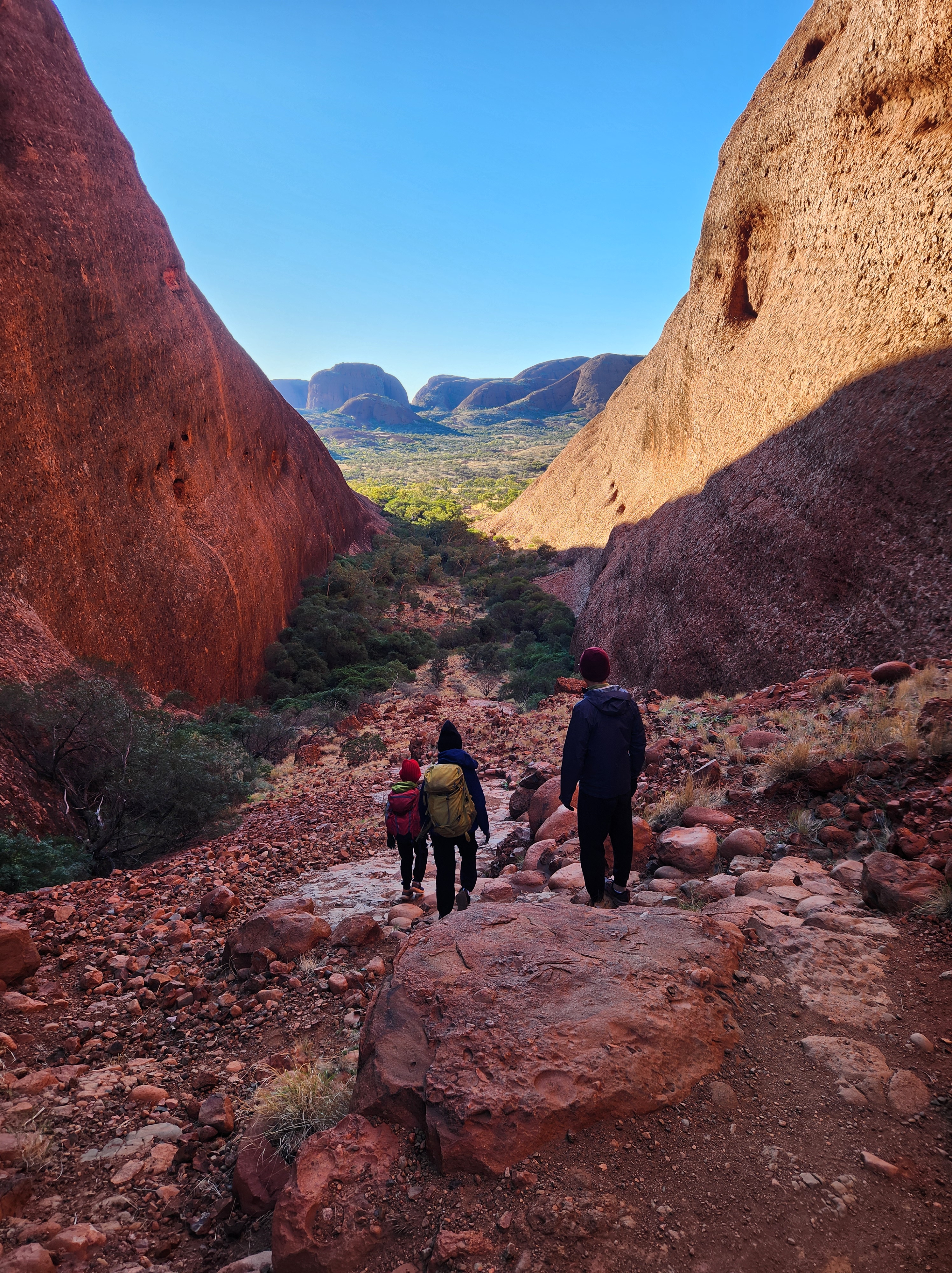
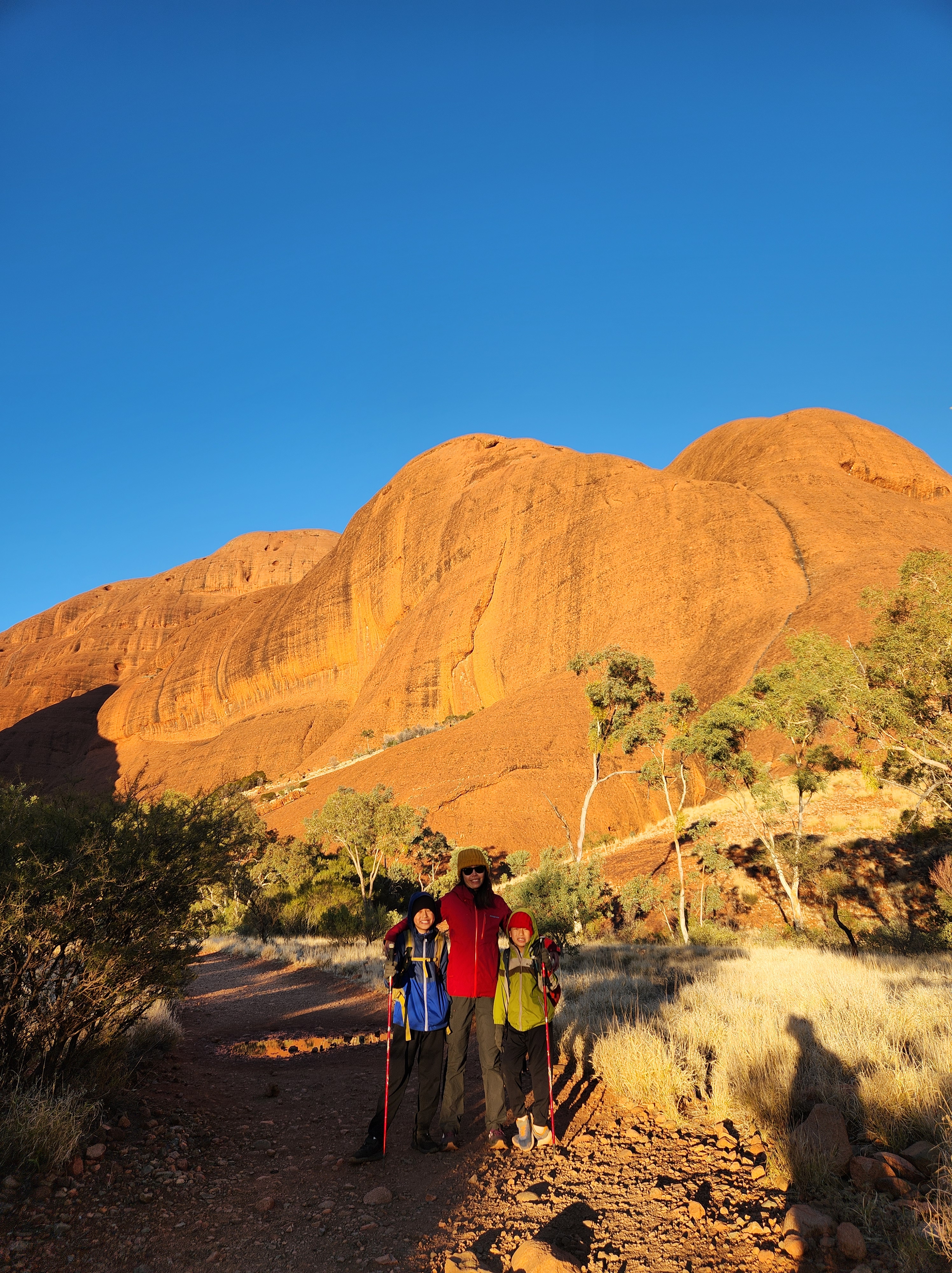
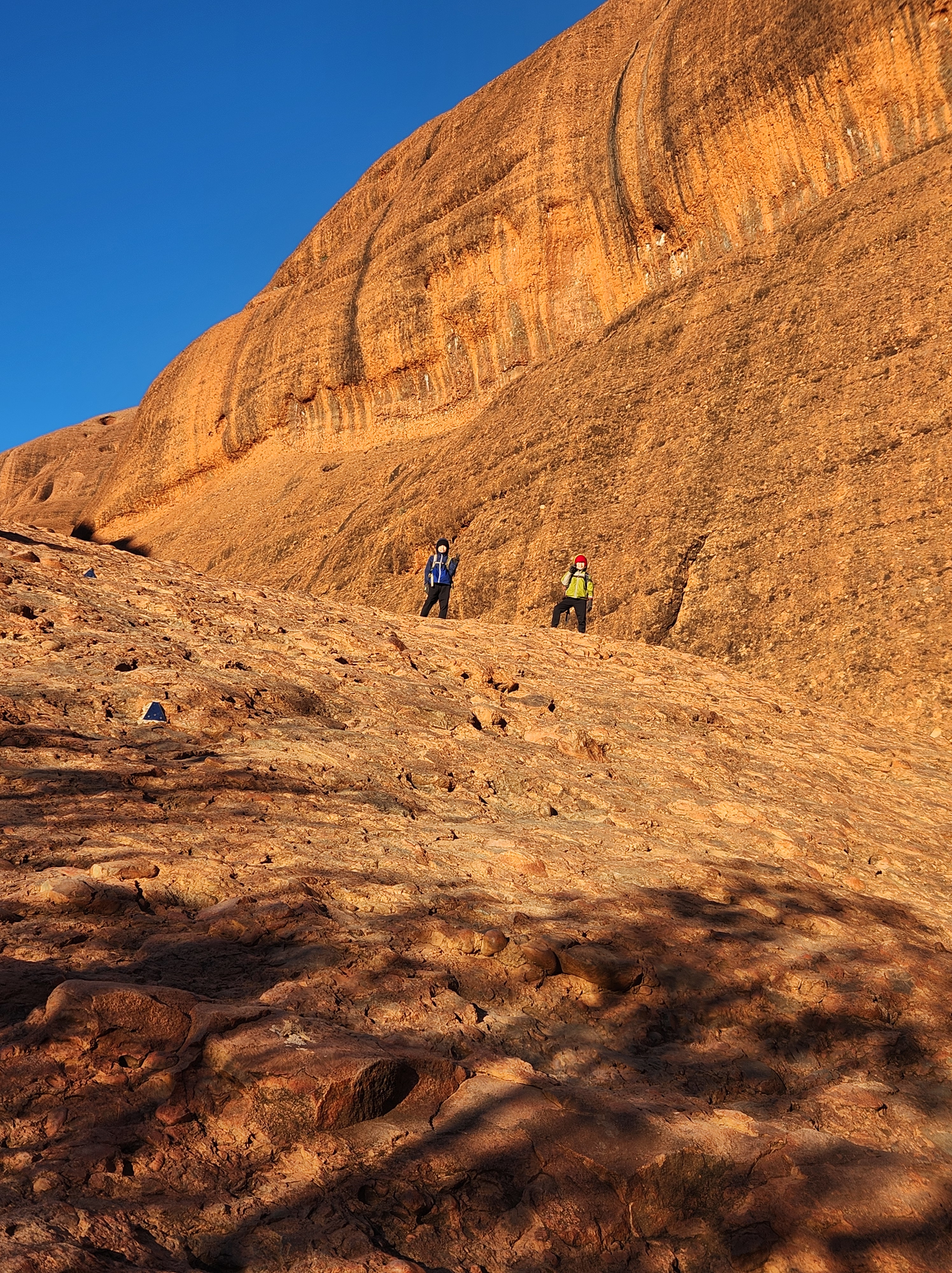
We also hiked the Valley of the Winds at Uluru, a beautiful trail that winds through towering red rock domes and offers sweeping views of the desert landscape. One of my favorite hikes in Australia!

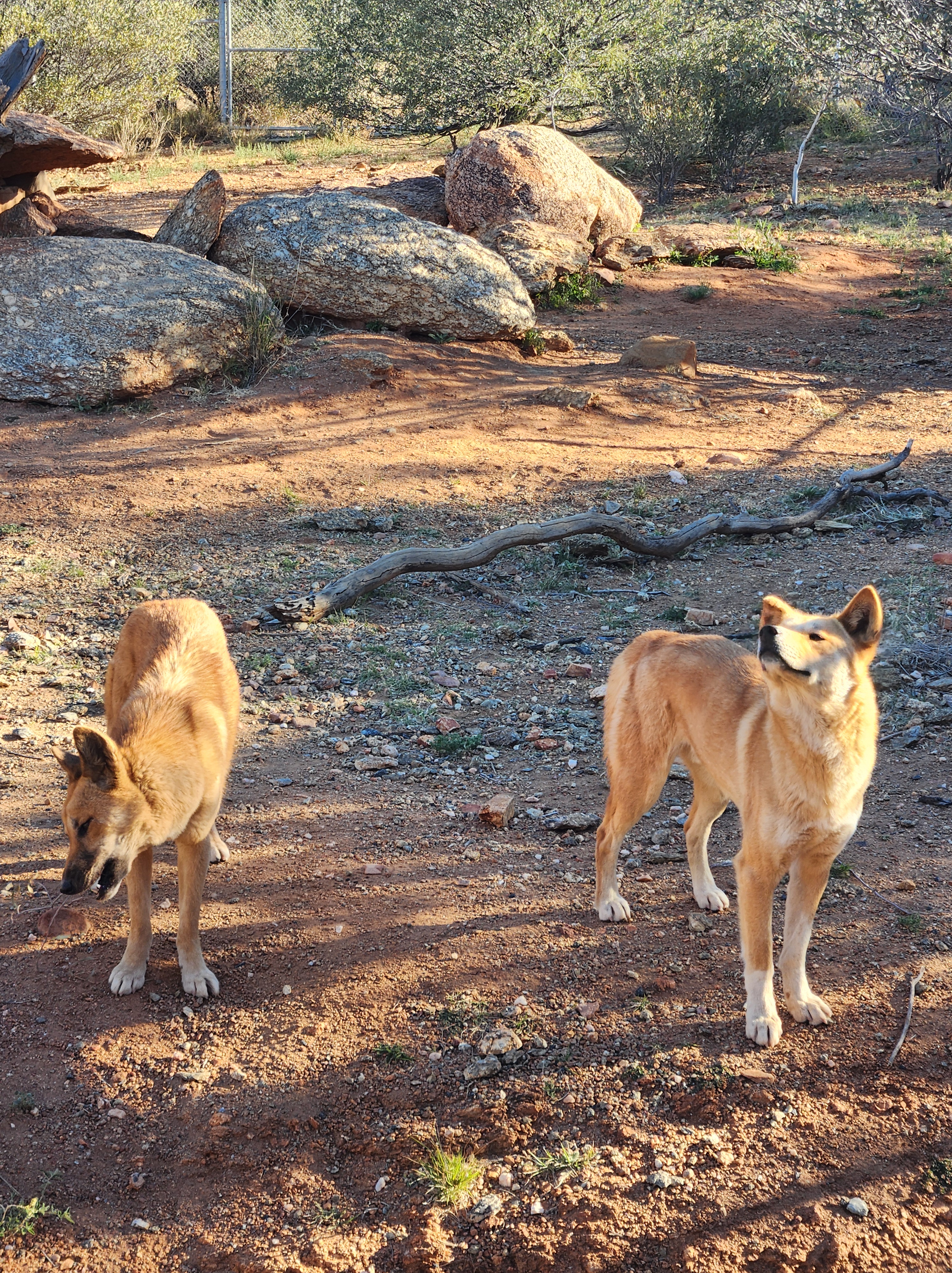
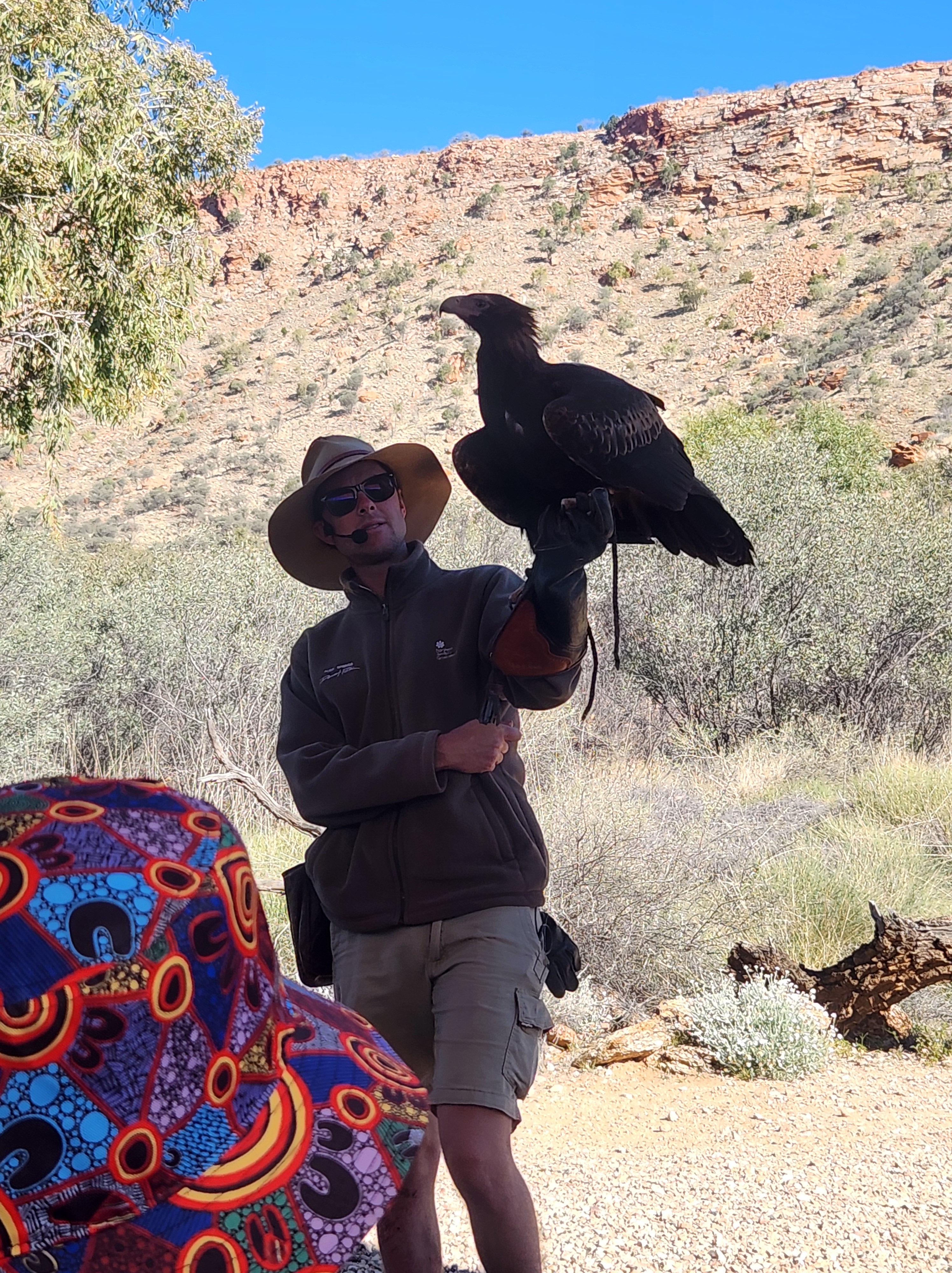
The next day, we drove 5 hours from Uluru back to Alice Springs. (Yes, there was A LOT of driving in the Outback.) In Alice Springs, we visited the Alice Springs Desert Park, filled with animals native to the Outback. Honestly, it was a little underwhelming — many exhibits were empty and we saw very few animals. Tickets weren’t cheap either, about $26 USD per adult and $13 USD per kid.

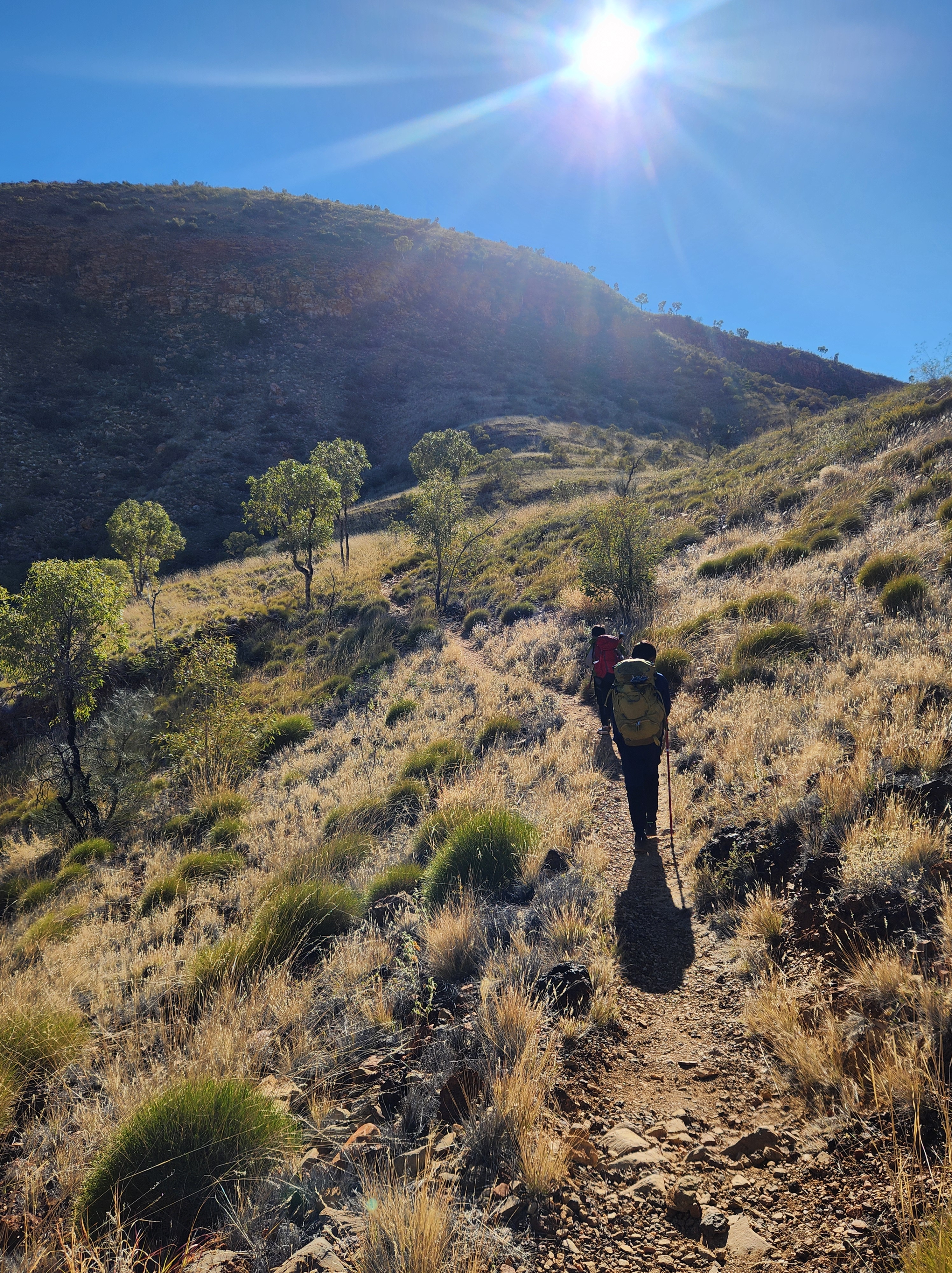
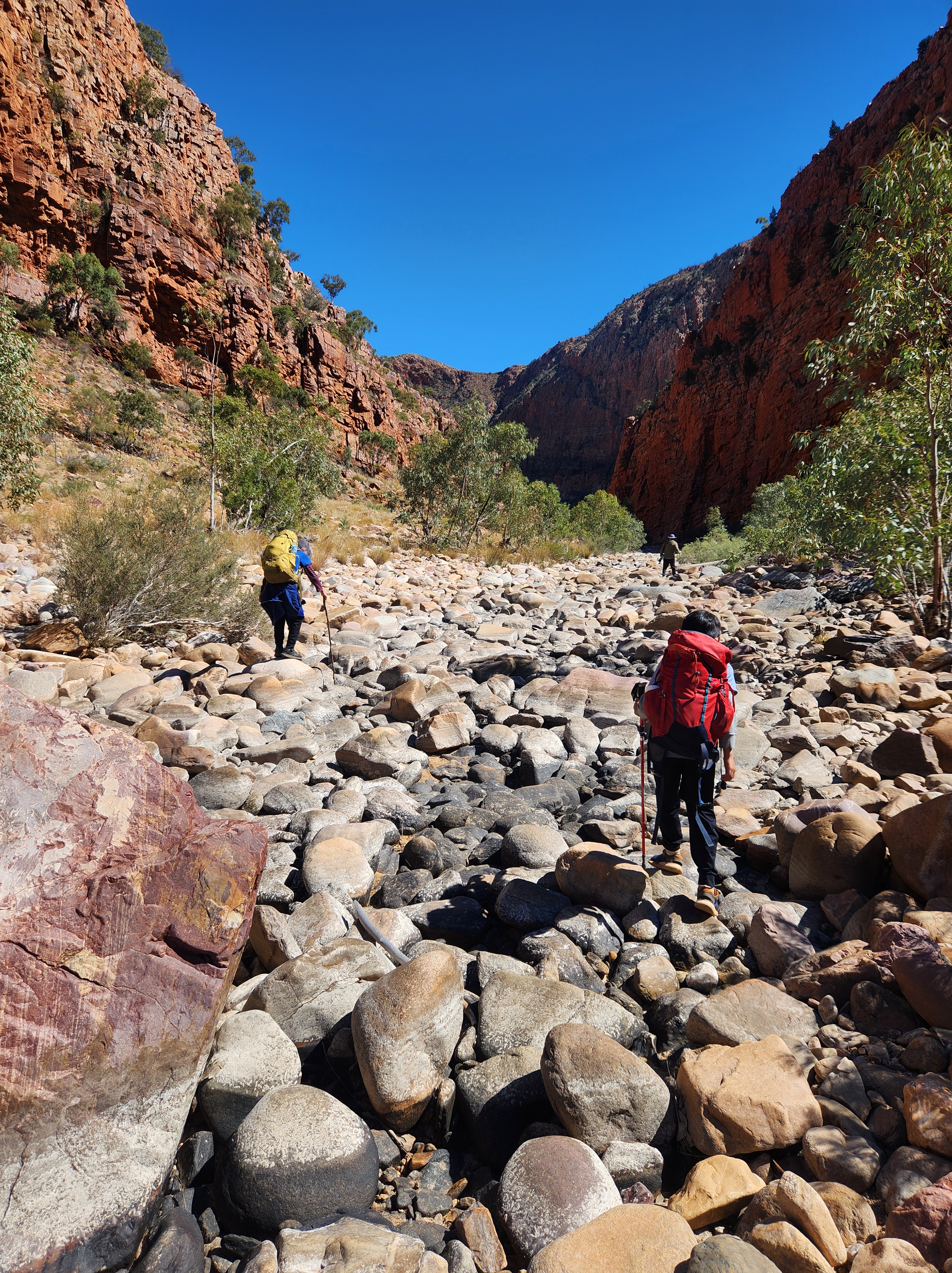
On our last day in the Outback, we drove to the West MacDonnell Ranges, which is a huge mountain range spanning over 400 miles. There are popular multi-day treks there but we picked a half-day hike at Ormiston Pound. The trail was wonderfully varied — we walked through grasslands, scrambled over huge boulders, and even waded across a small pond.

Would I go back to the Outback? Probably not. It’s difficult to reach, the food was mediocre at best, and as I mentioned, it’s expensive. With so few restaurants, we found ourselves eating way too many protein bars on our hikes. The boys and I agreed we never want to see another one again. 😆Still, the Outback has its own quiet charm. Its vast, empty stretches make you feel like you’re the only person out there on this strange, wild landscape.

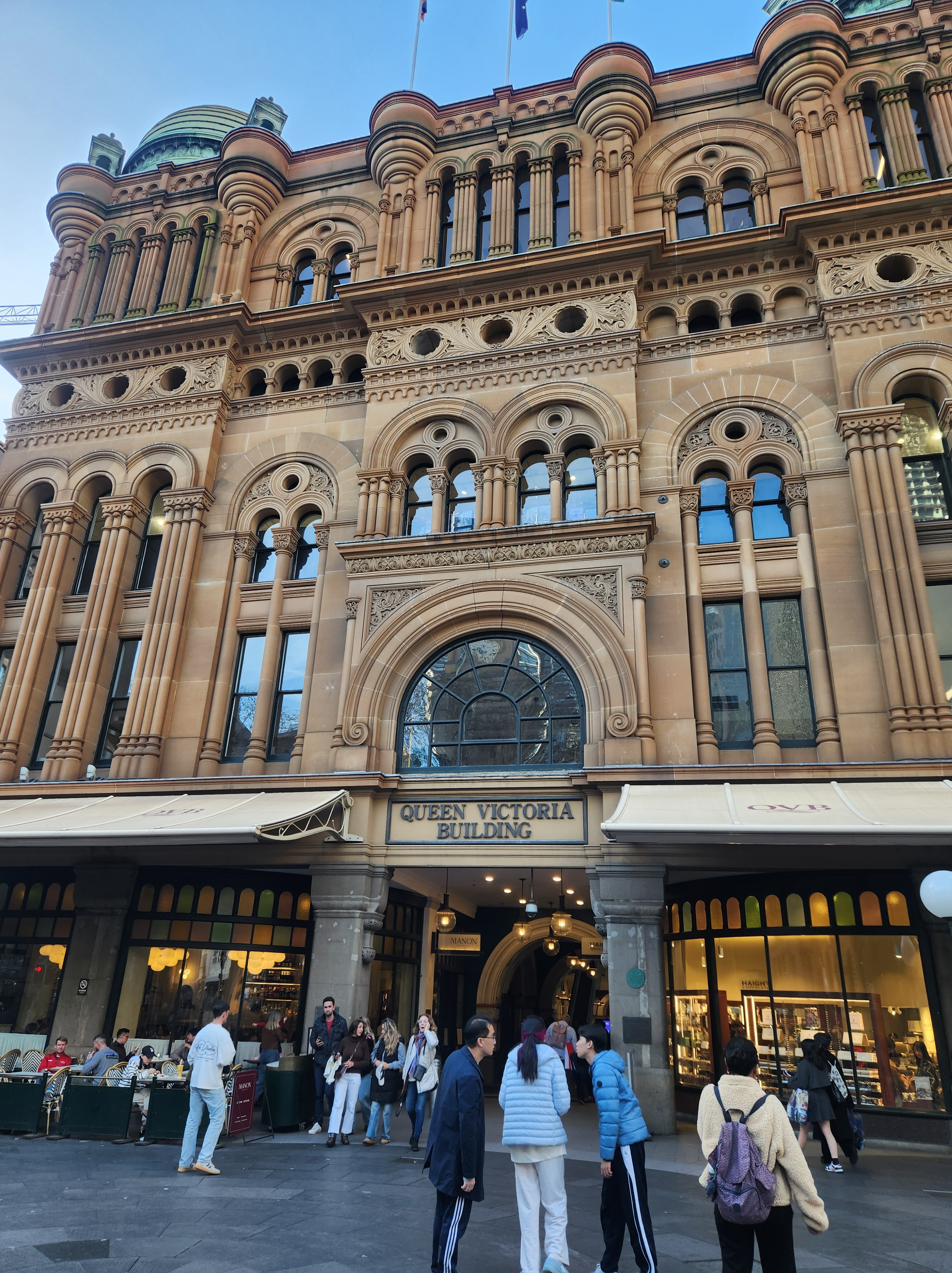
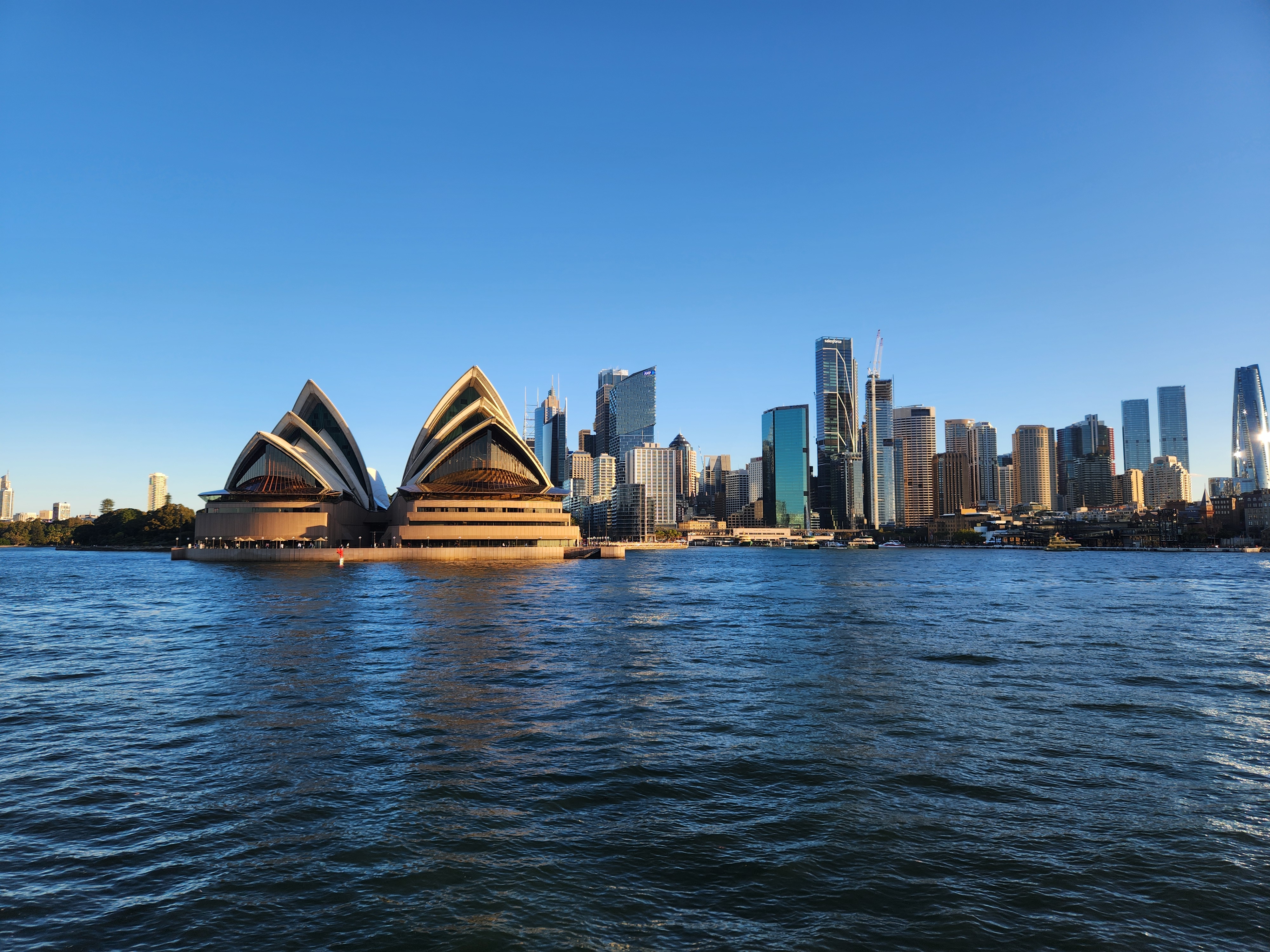
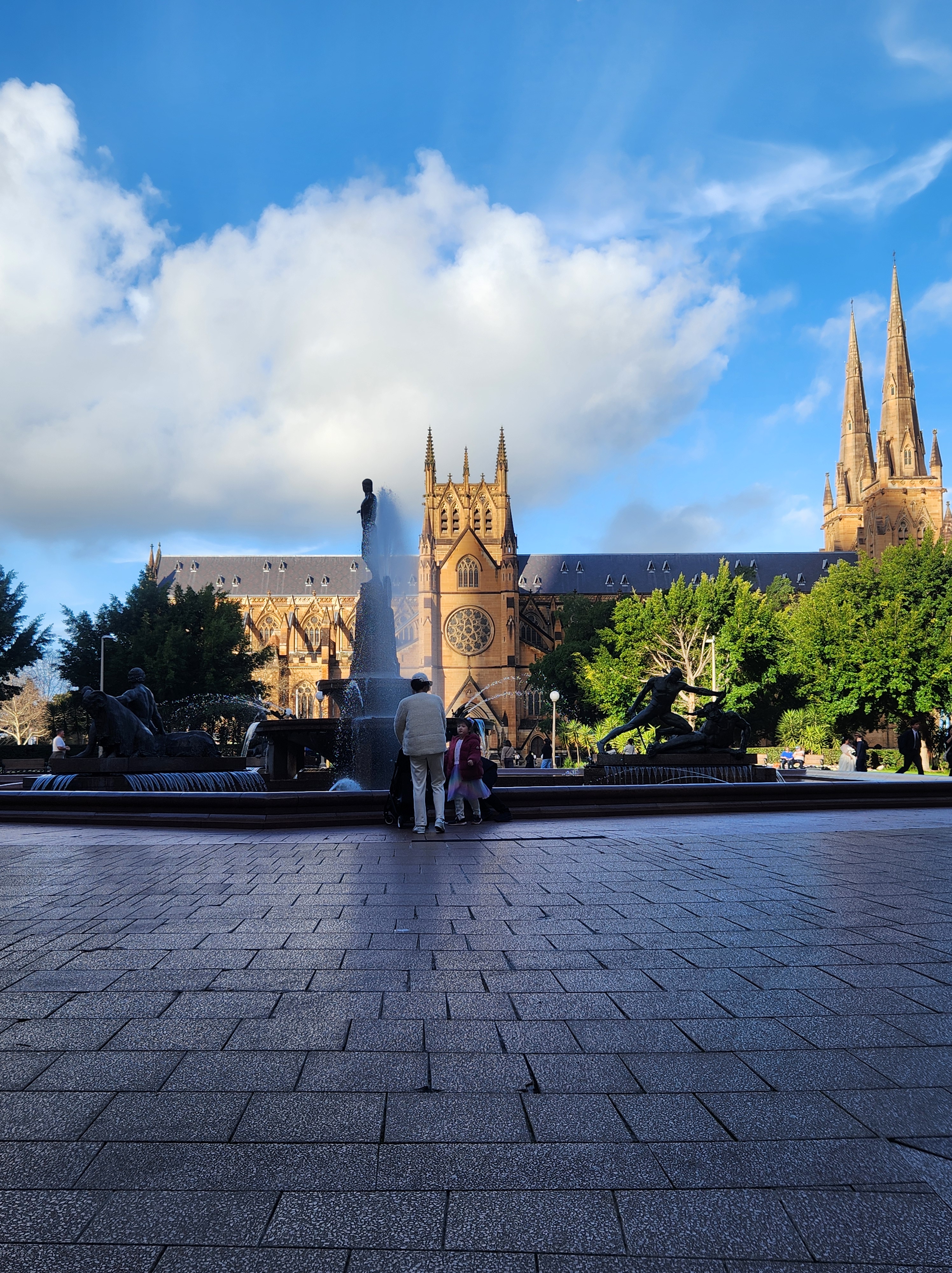
Sydney. After a week in the rugged, desolate Outback, we were more than ready to return to city life, and Sydney was the perfect contrast. With its blend of historic and modern architecture, diverse culture, lush parks, and waterfront setting, it reminded me of a mix between San Francisco and New York. Sydney is often rated as one of the most beautiful cities in the world and there’s no refuting that.

Sydney reminded me of why I sometimes miss living in the US. People were so friendly, not just in Sydney, but all across Australia. Taiwanese people are incredibly kind but reserved. Australians have this way of striking up a conversation as if you’ve been friends for years. Walking into a supermarket, I couldn’t help but linger over the ingredients I’ve long missed in Taiwan: all the cheese, beans, berries, and spices! Sydney is a very diverse city so of course we made sure to enjoy all the cuisines that are harder to find back in Taipei. (We thought the food in the Bay Area is slightly better, but still hit the spot!)

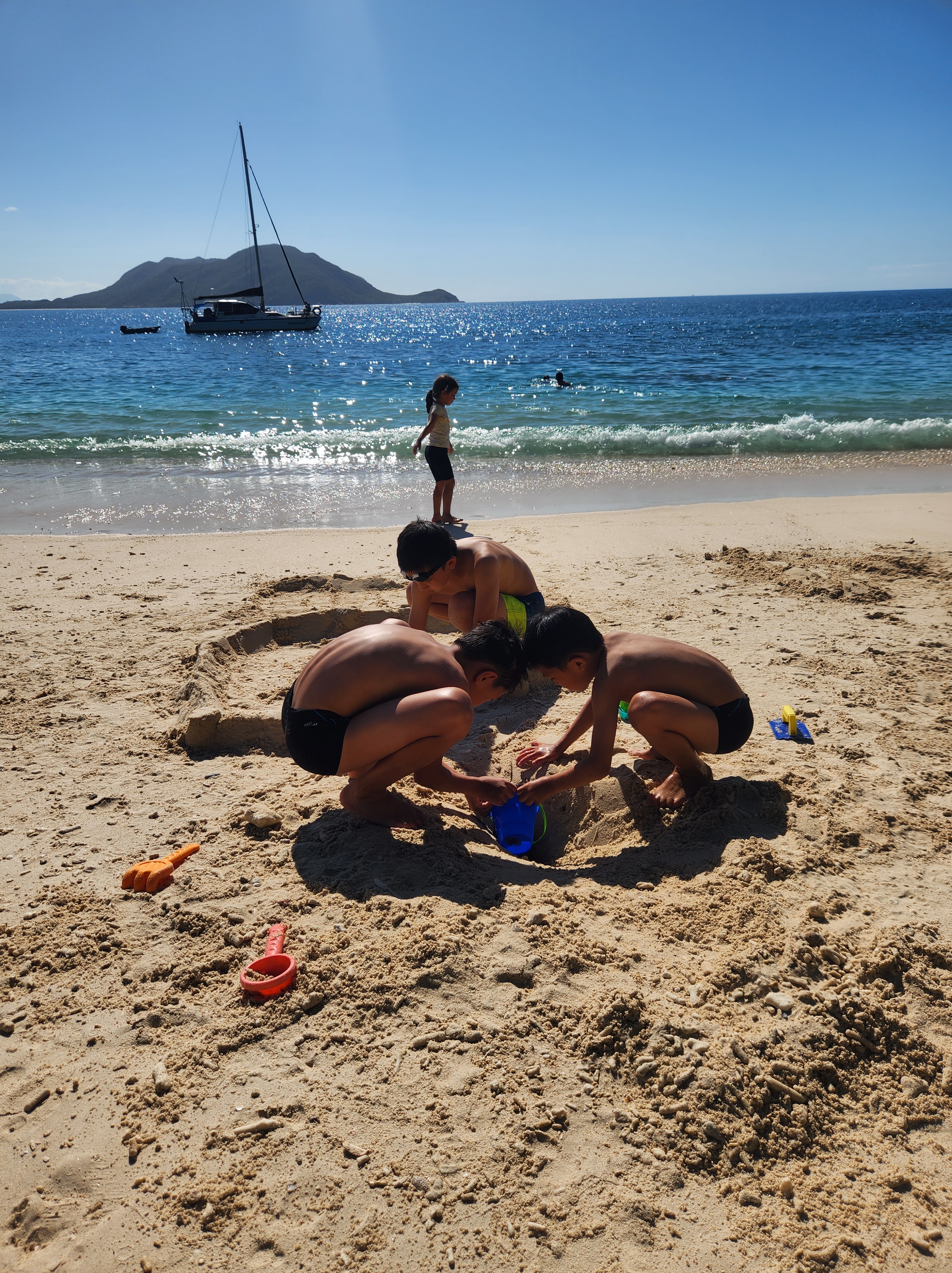
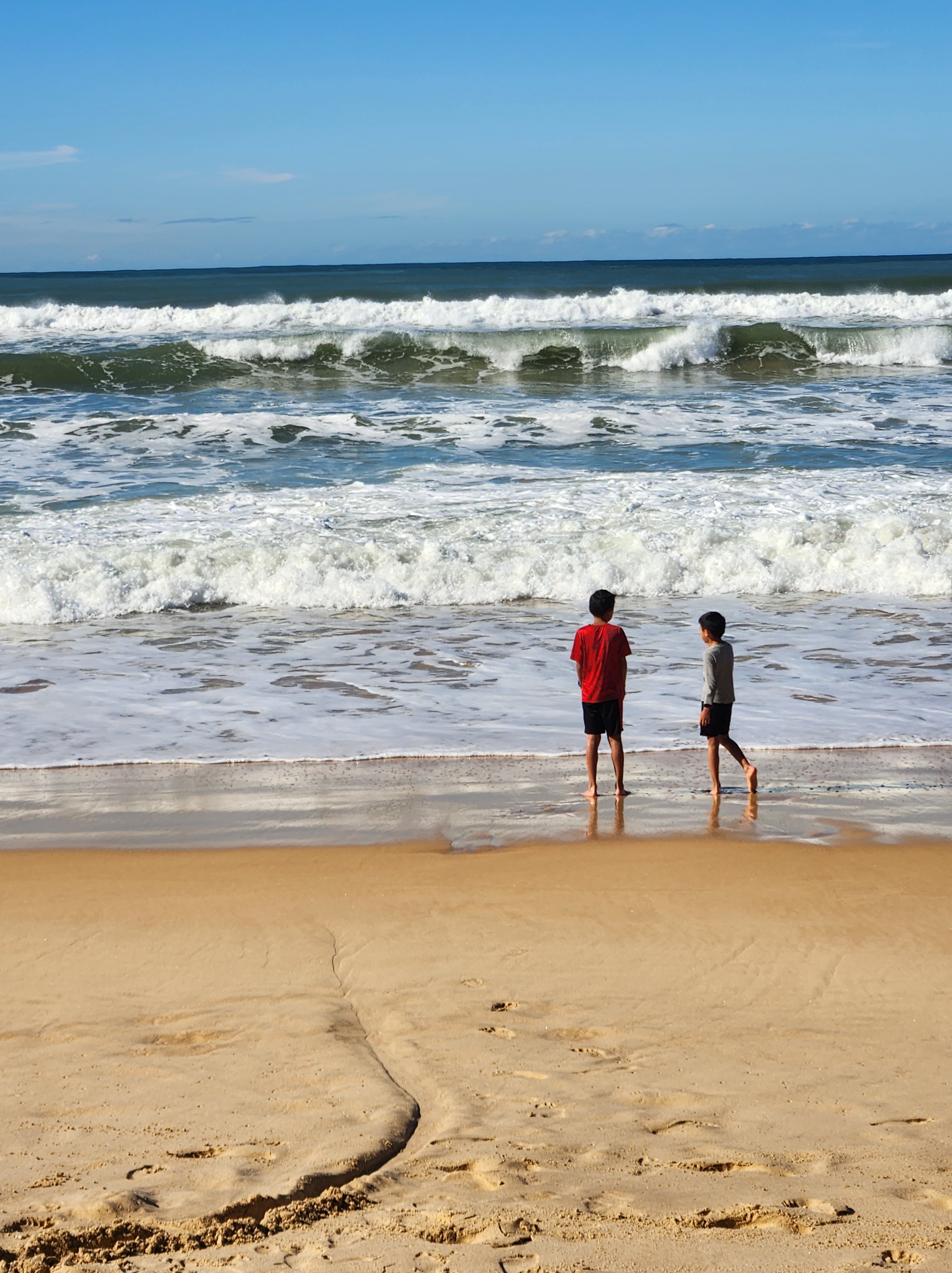
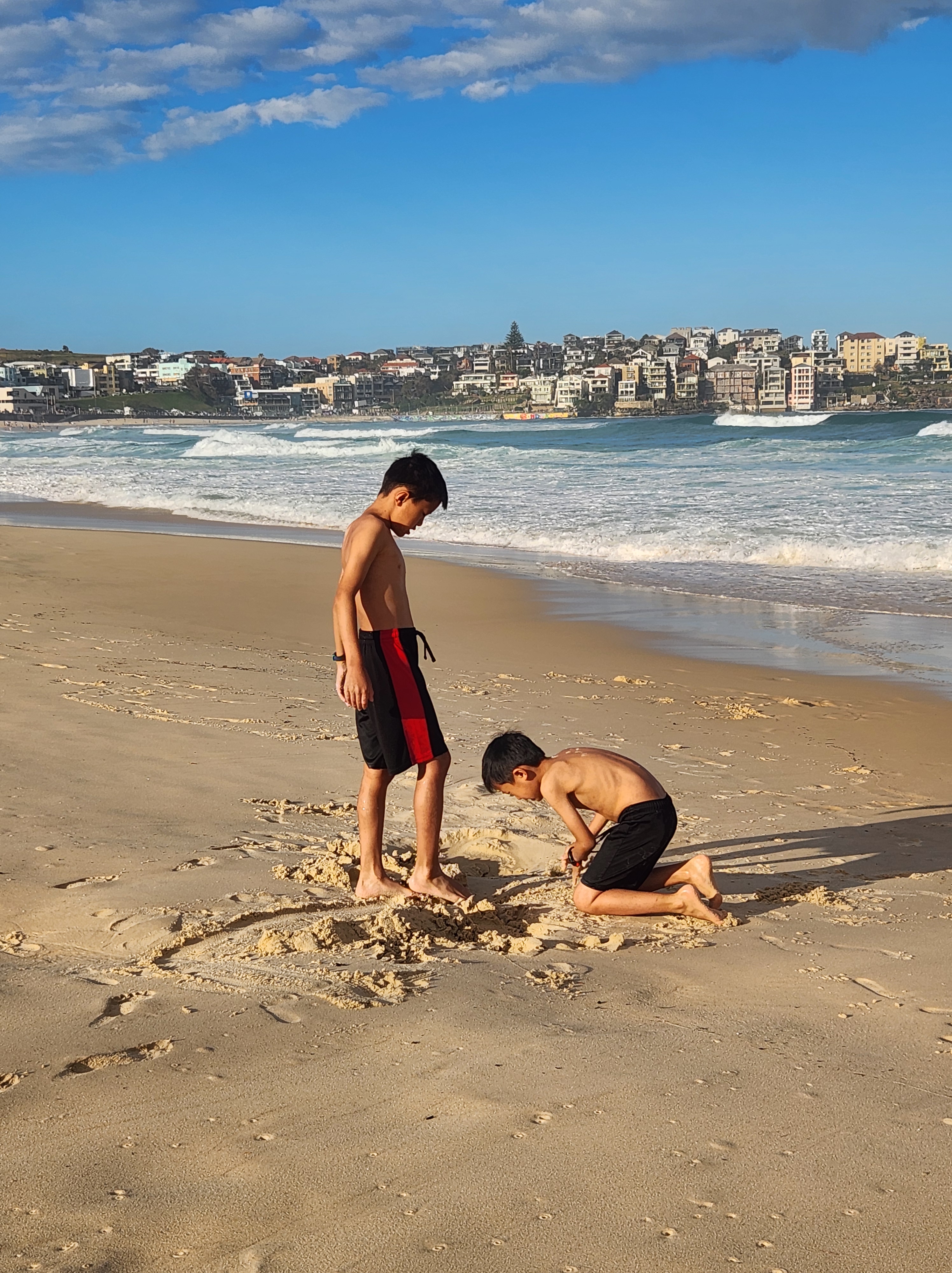
The kids absolutely love the beach, so we made our way to two of Sydney’s most famous ones: Bondi and Manly. Since it was winter, the water was cold and the waves were strong so wading in the water wasn’t an option. Still, the boys were perfectly happy spending hours playing in the sand. Living in Taipei, we don’t really have easy access to beaches, so I’m glad the boys had these special seaside moments.

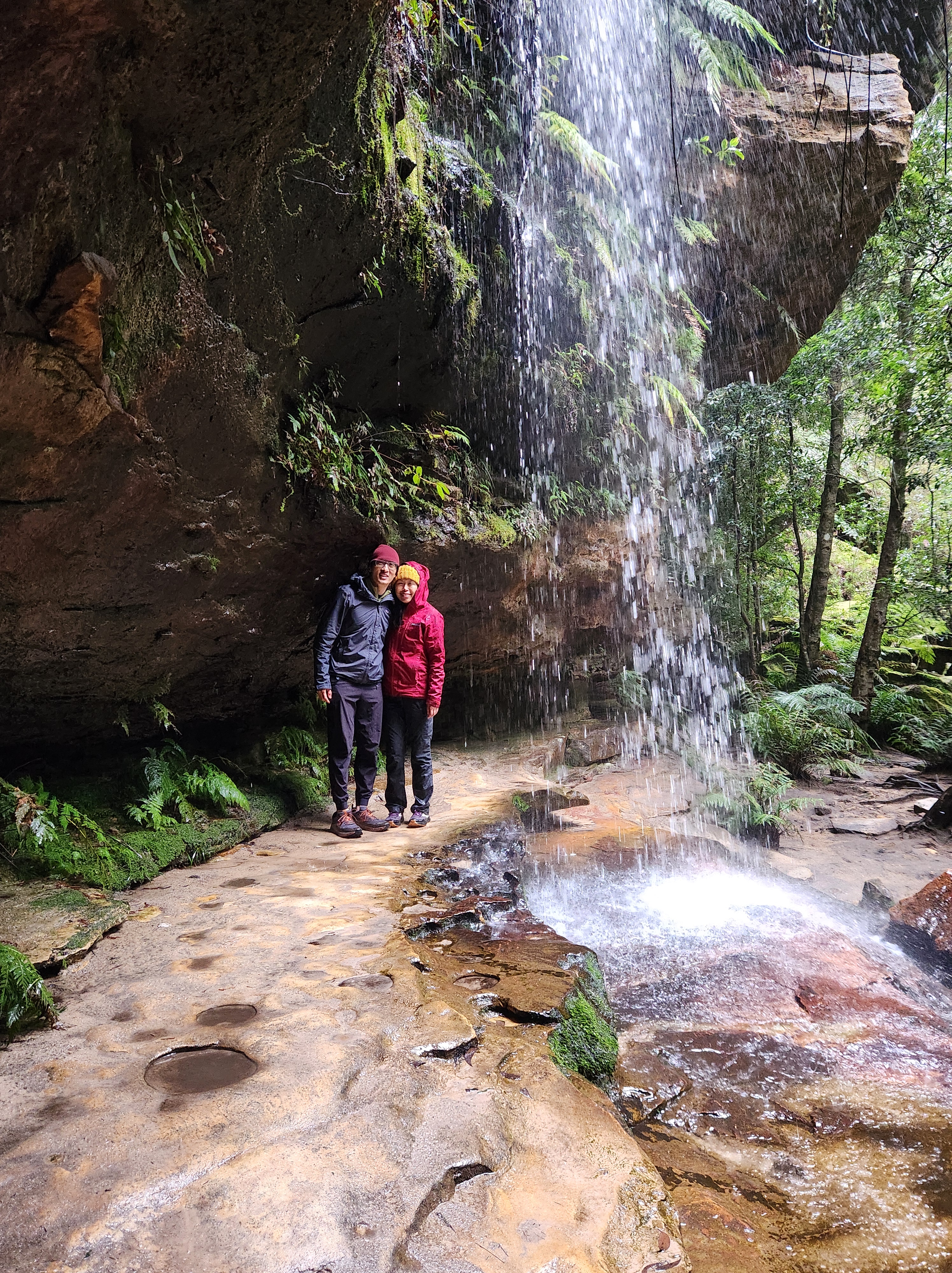
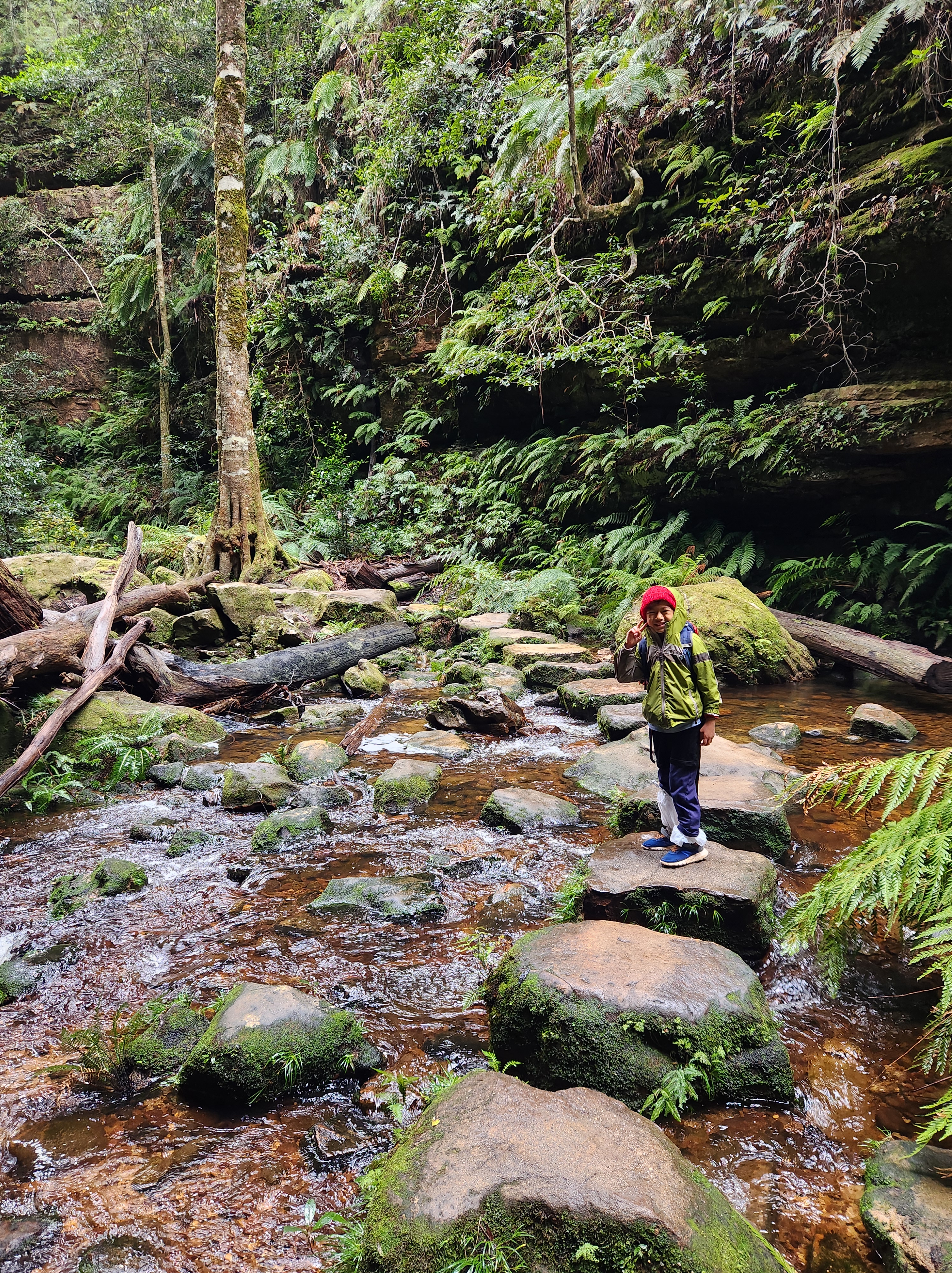
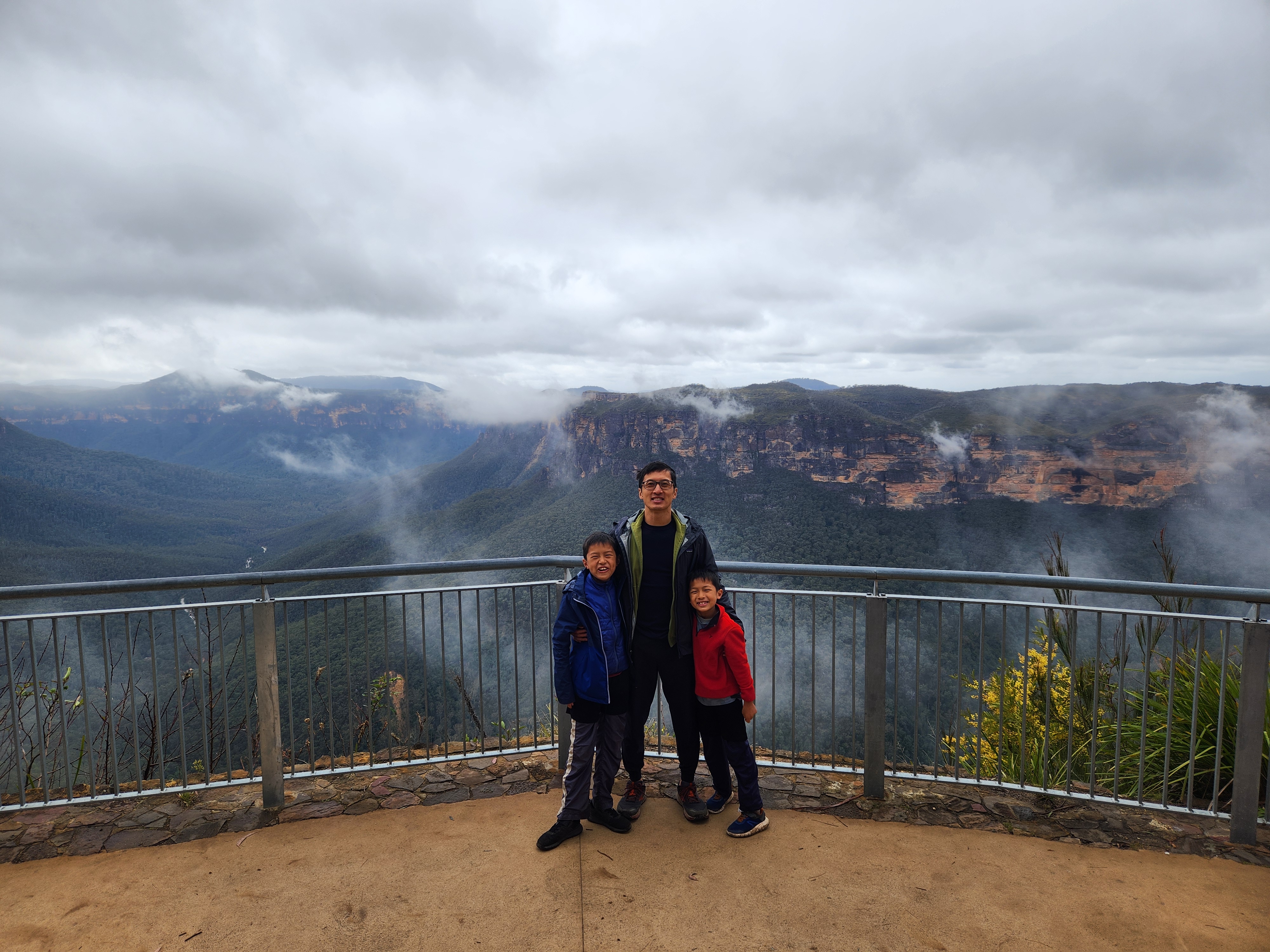
We also took a day trip to the Blue Mountains, a national park about a 1.5 hour drive outside of Sydney. There, we hiked the Grand Canyon trail, which turned out to be stunning, full of lush greenery, canyons, and river crossings. Although the fog kept us from seeing some of the Blue Mountains’ more iconic viewpoints, the hike itself was so beautiful that it felt entirely worth the trip.

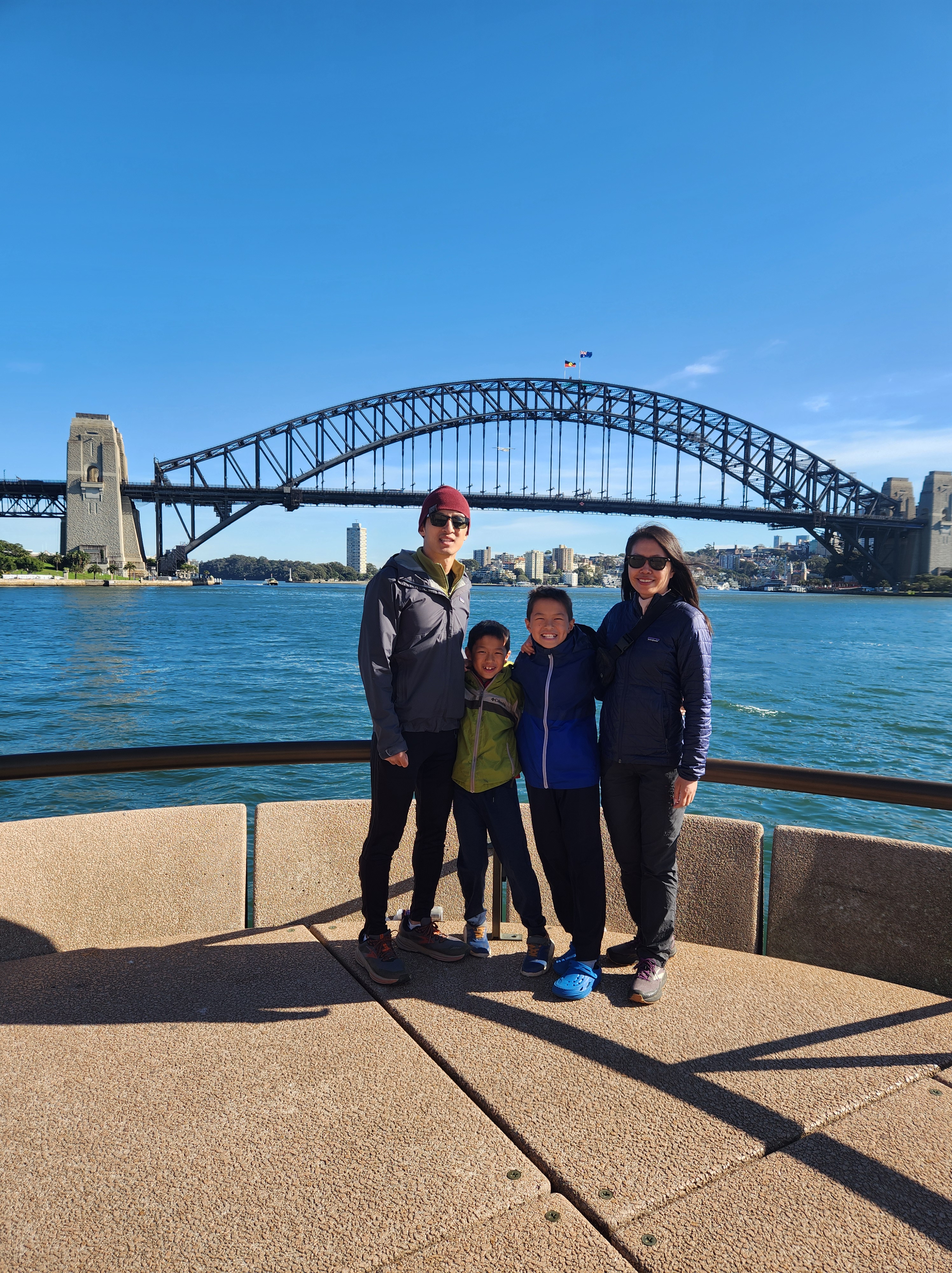
We spent 2.5 weeks in Australia and had an amazing time. Sydney, in particular, was one of those places that made us wonder, “Should we move here?” 😏 The trip felt perfectly balanced: we visited tropical Cairns, the rugged Outback, and vibrant Sydney. It was the kind of vacation that made it really hard to pack up and go home!

Ramblings

Japan

Over the summer, we went to Tokyo, Japan for 10 days (followed by Australia but more on that later). This would be my third time in Japan, so I wasn’t too keen on visiting again except for a few reasons:

  1. We brought C to Japan when he was only a year old, and O has never been
  2. DisneySea is often called the best Disney park in the world, so we thought it was the perfect place to take the boys for their first Disney experience
  3. We wanted to climb Mt. Fuji
  4. Japan is only a three hour flight from Taiwan – plus, no jet lag!

Japan has always been a favorite destination for many, particularly in the last few years to the point that it’s suffering from overtourism. To be honest, I never understood it. Japan is nice enough – safe, clean and affordable – but I didn’t think it was any more special than other countries. I never got the hype…until this trip.

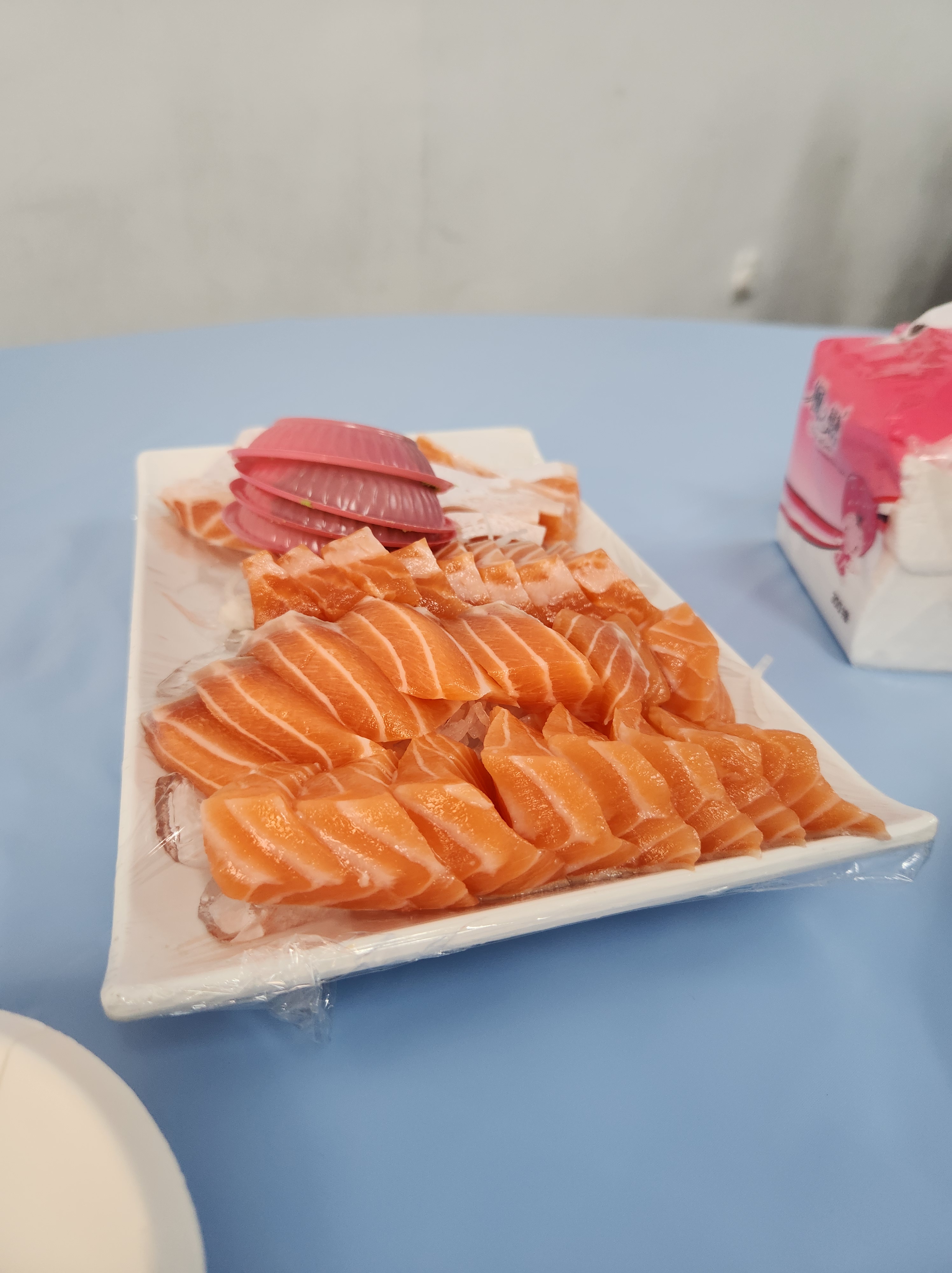
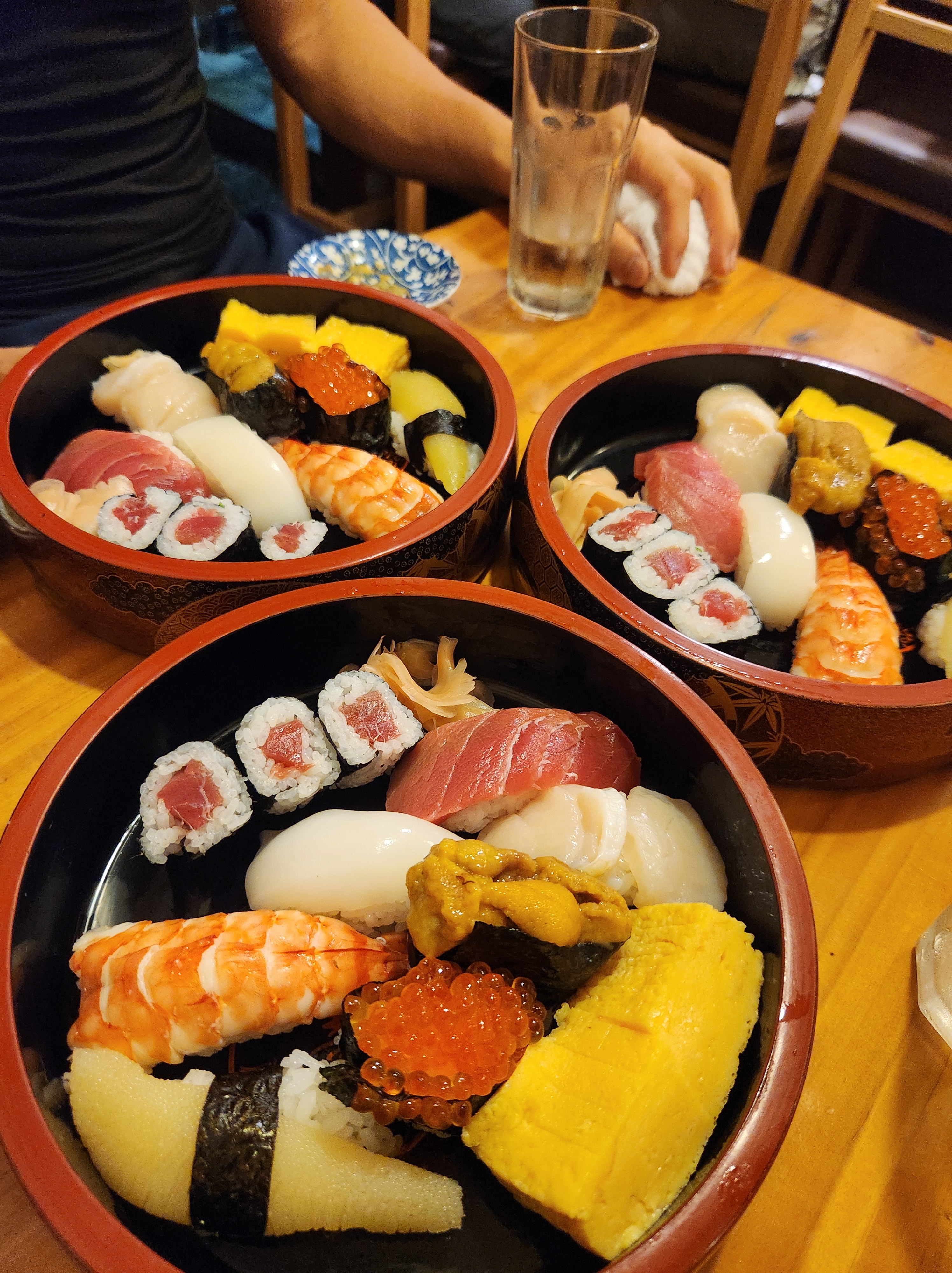
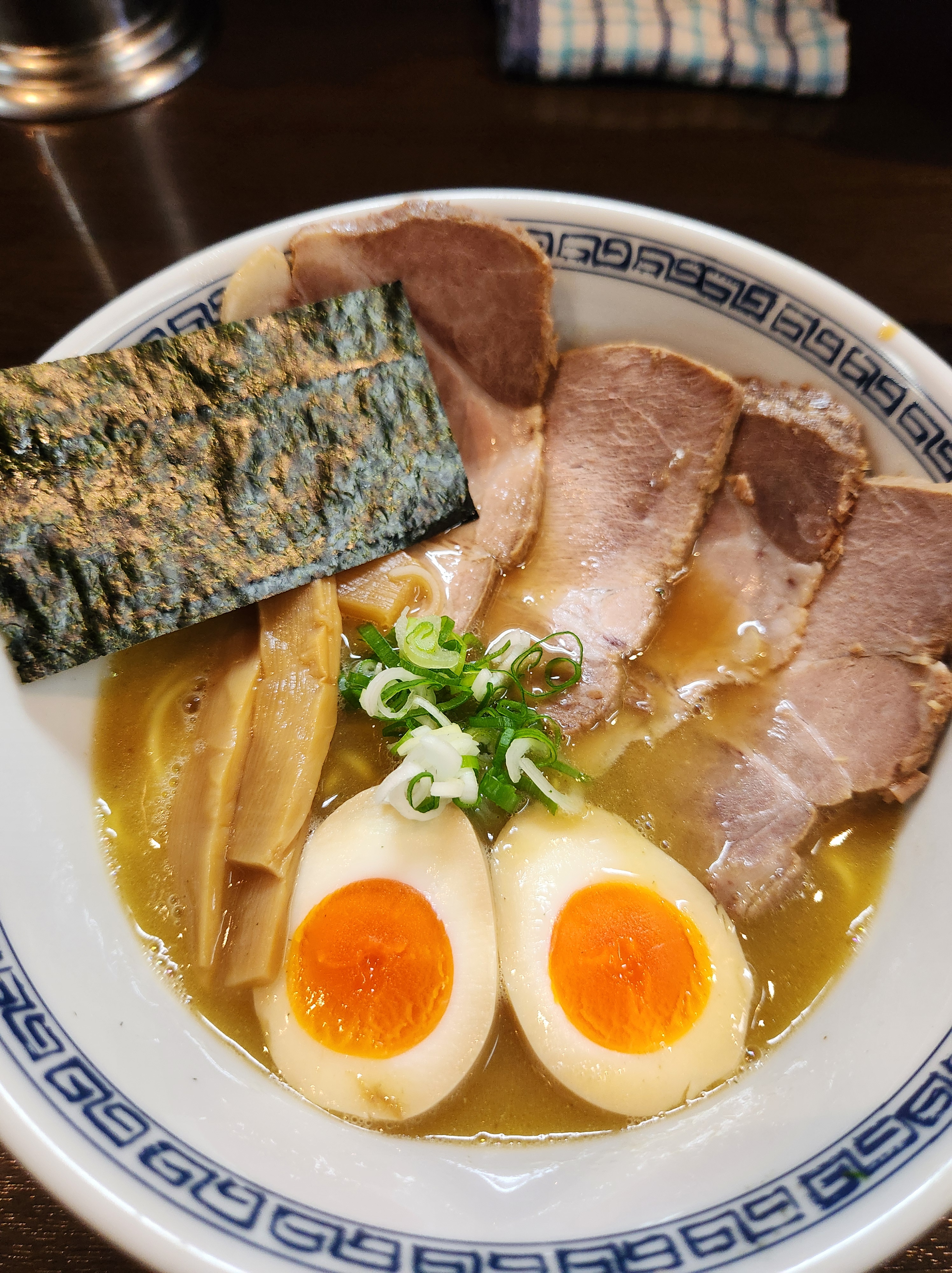
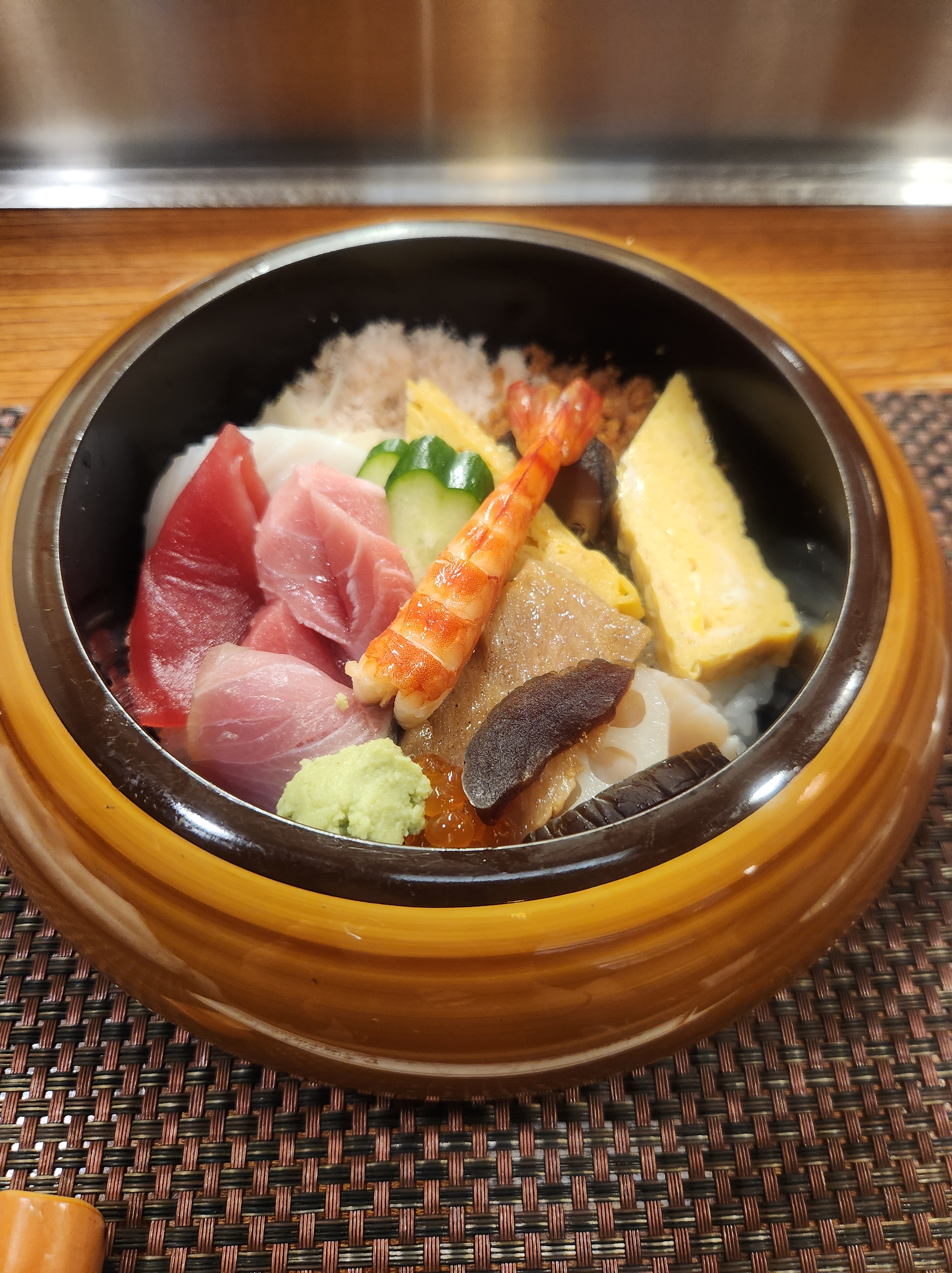
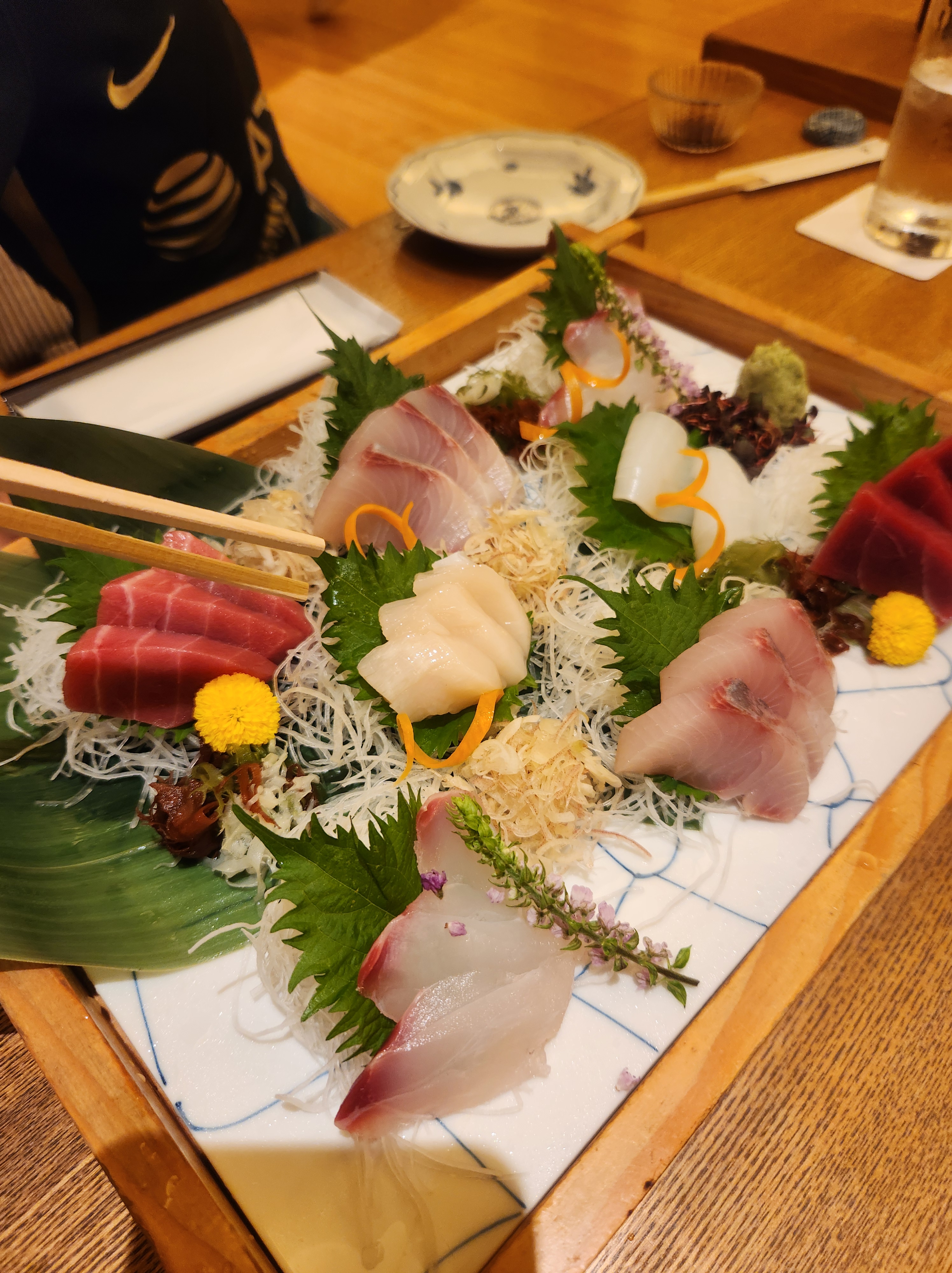
First, the food. We didn’t seek out the most popular spots, yet even the little restaurants down the street were amazing. I don’t think we ever had a bad meal there, and everything was so affordable! (As you can tell from the pictures below, we ate a LOT of sushi.)

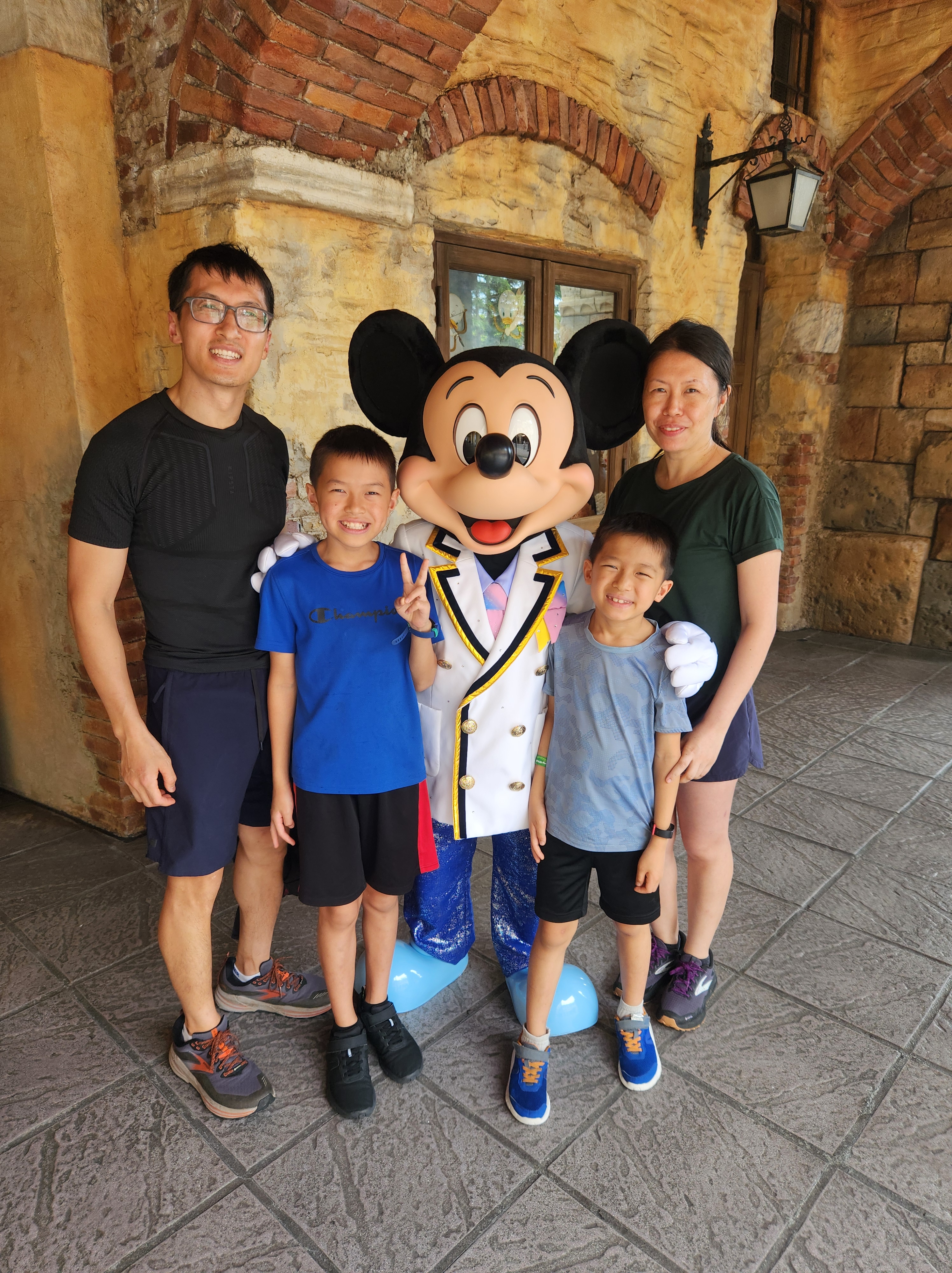
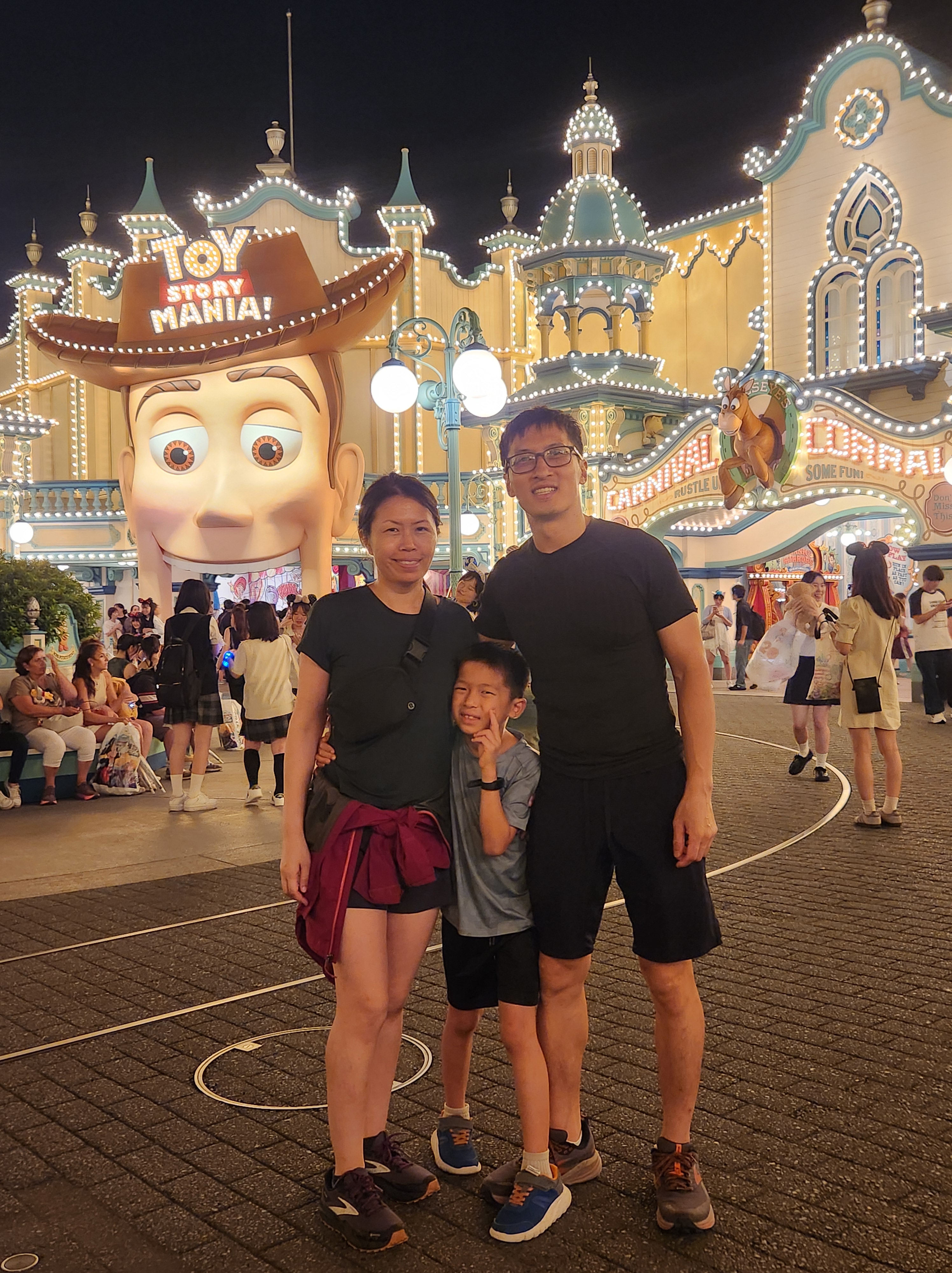
Next up: DisneySea. We’re not huge Disney fans, but could still appreciate their stunning visuals, immersive experiences, and attention to detail. DisneySea felt especially unique, with rides like Soaring Fantastic Flight and Journey to the Center of the Earth that we had never experienced before.

Tickets to DisneySea were about $70 USD for adults, and $60 USD for kids, which is a STEAL compared to the prices for Disneyland in Anaheim. We did splurge on fast passes for Soaring Fantastic Flight and Anna and Elsa’s Frozen Journey, at around $15 USD per person per ride. What would’ve been a 1.5 hour – 2 hour wait ended up being a 10-15 minute wait with the fast passes, so the splurge was worth it!

By the end of a full day at DisneySea, our feet were so sore and our wallets a little lighter, but we had an absolute blast. Disney sure knows how to make your experience there enjoyable!

On a less successful theme park note…

We had also planned to go to Legoland Japan for O’s birthday. We were careful to book tickets for Legoland Resort (the full theme park), not the Legoland Discovery Center (the smaller indoor version). The day before while checking the route, we realized it would take us THREE hours by train to get there. (Why we didn’t notice this earlier, I have no idea.) But since it was O’s birthday and we already had the tickets, we decided to make the trek anyway.

At the crack of dawn, we packed our bags and headed to the train station…only for Baba to discover that round-trip train tickets would cost us $700 USD!! 😱😱 We checked, re-checked, and triple-checked, but it was true. Since Legoland is in Nagoya, the only way to get there was the Shinkansen, and those tickets are pricey. (Planning ahead? Clearly not our strong suit.)

We had to cut our losses short. We gave up our Legoland tickets (about $150 USD) and faced the hardest part– telling the boys. Poor O burst into tears, heartbroken that his birthday trip to Legoland was canceled. My mama heart was crushed.

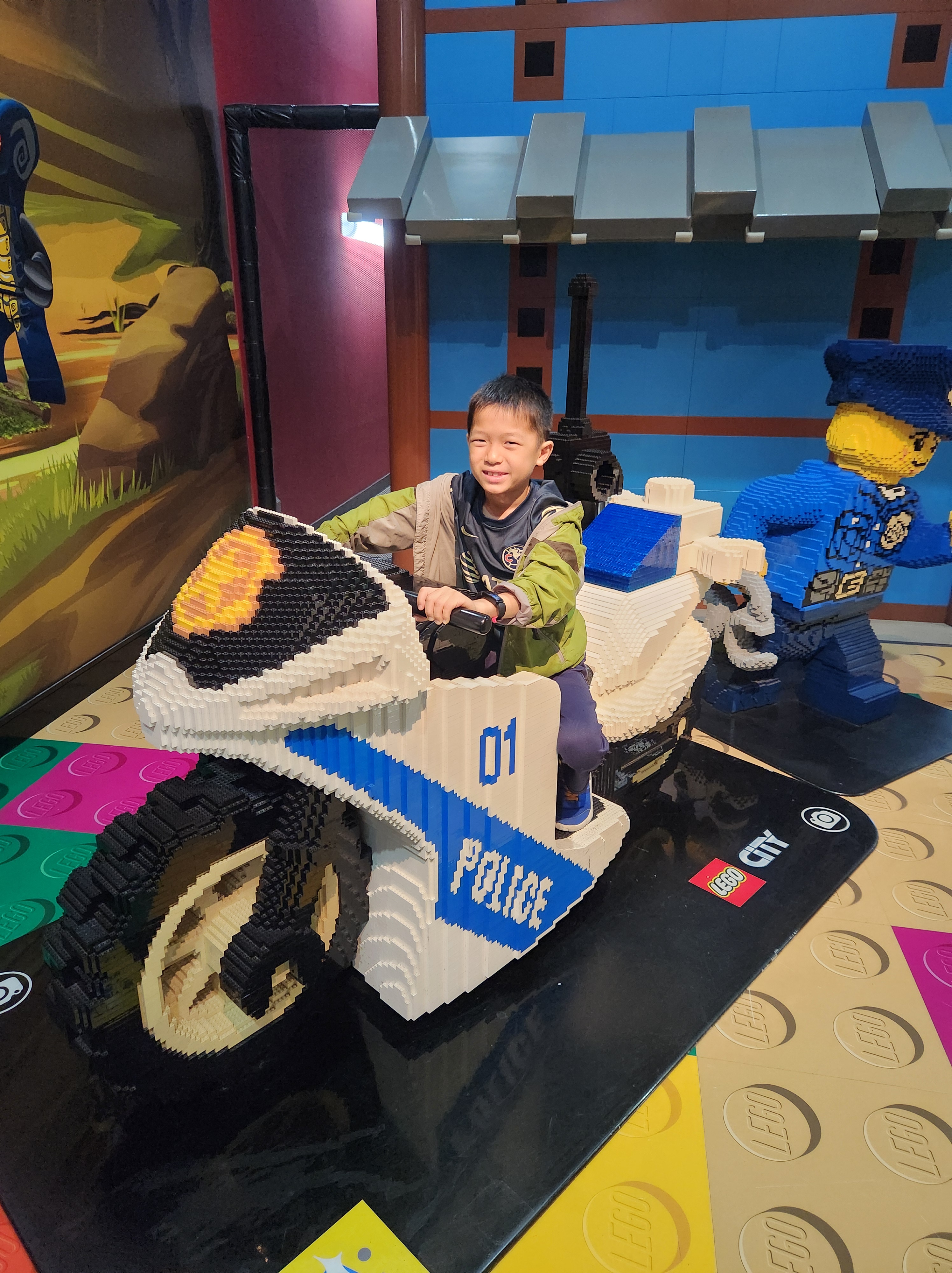
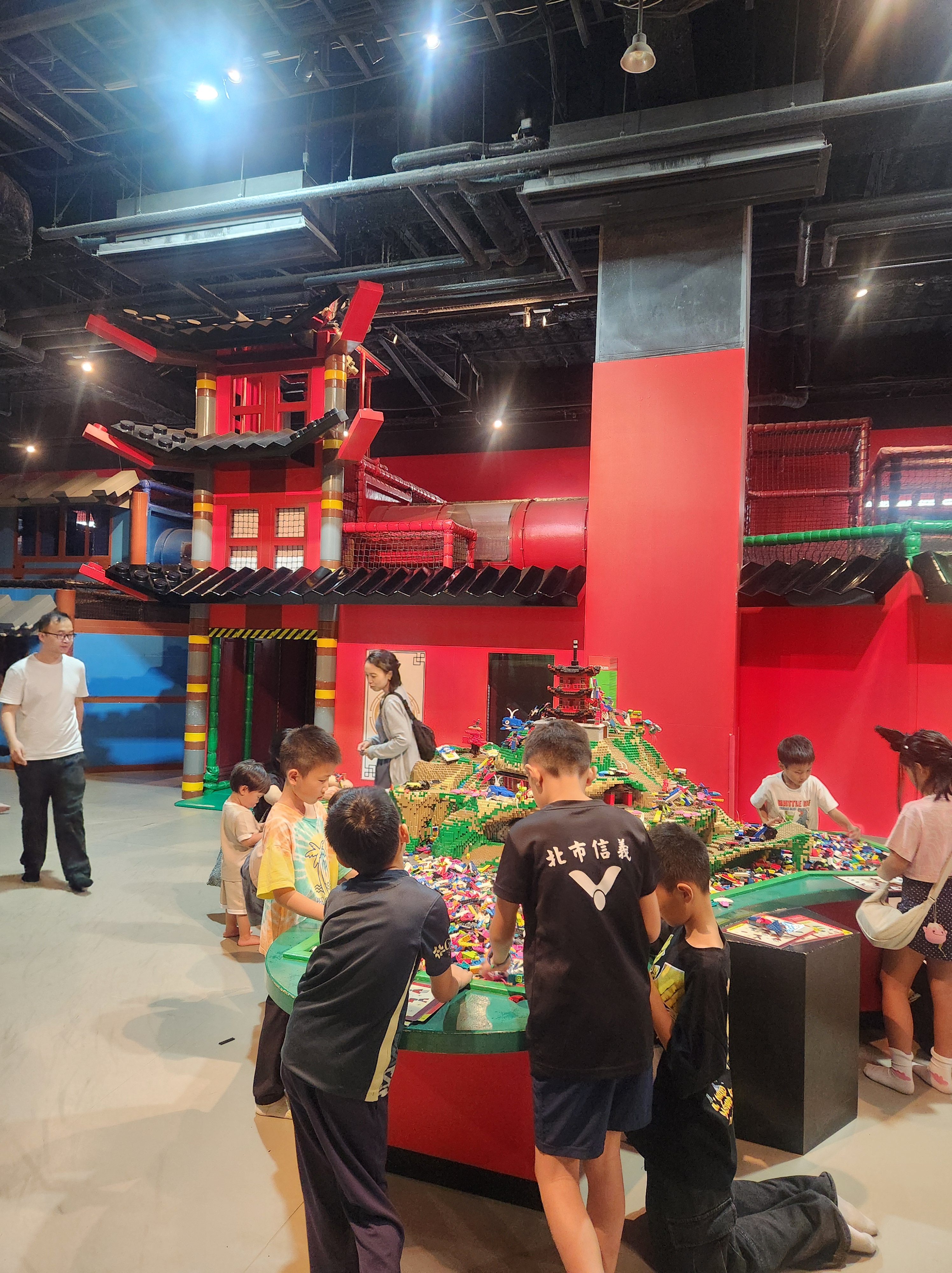
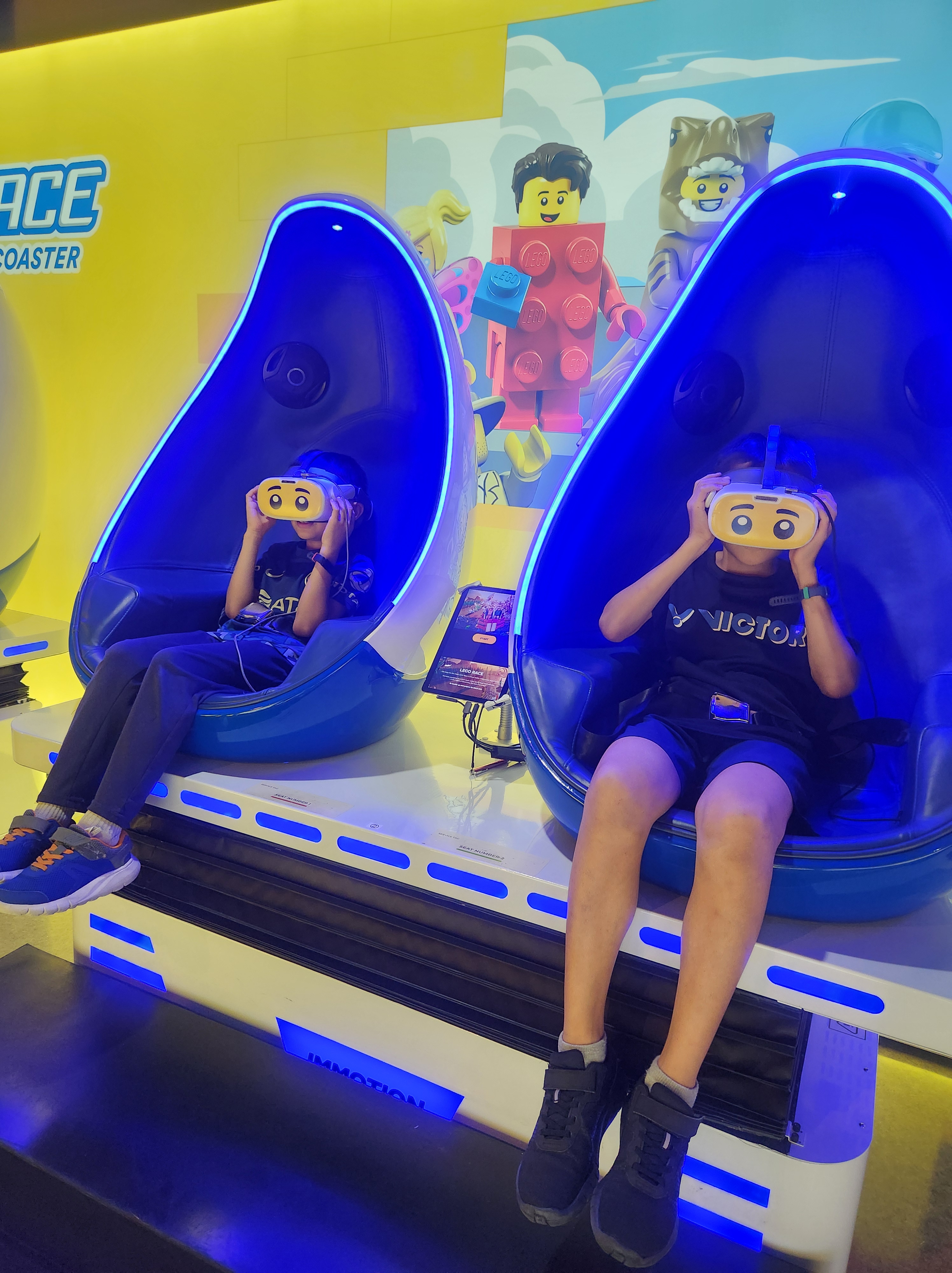
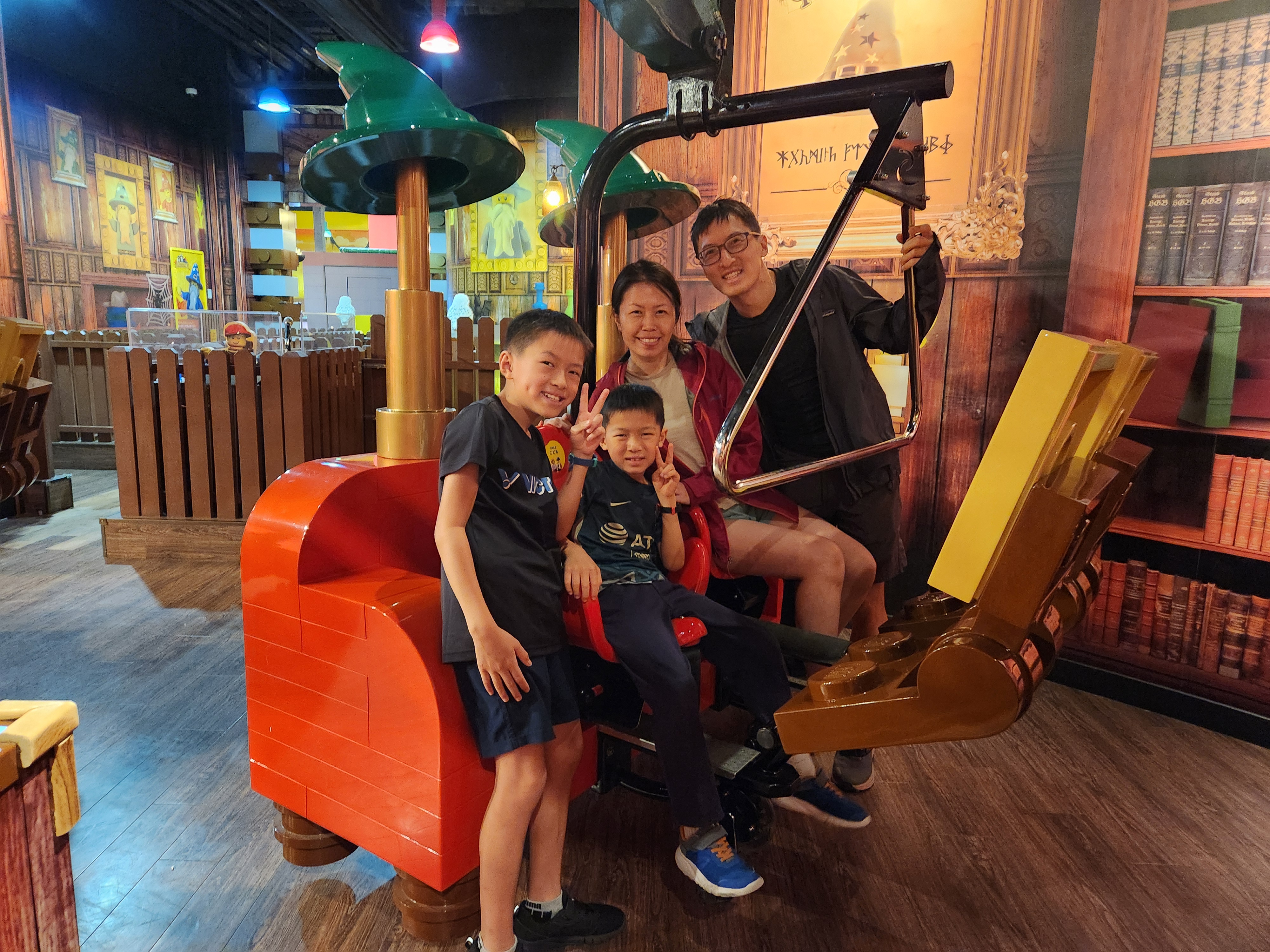
To soften the blow, we went to the Legoland Discovery Center instead (ironically, the very place we had been so careful not to book initially – ha!). Thankfully, it’s right in central Tokyo, and while it’s nowhere near as comprehensive as the full resort, it still had enough rides, games, and Lego builds to keep the boys entertained for most of the day.

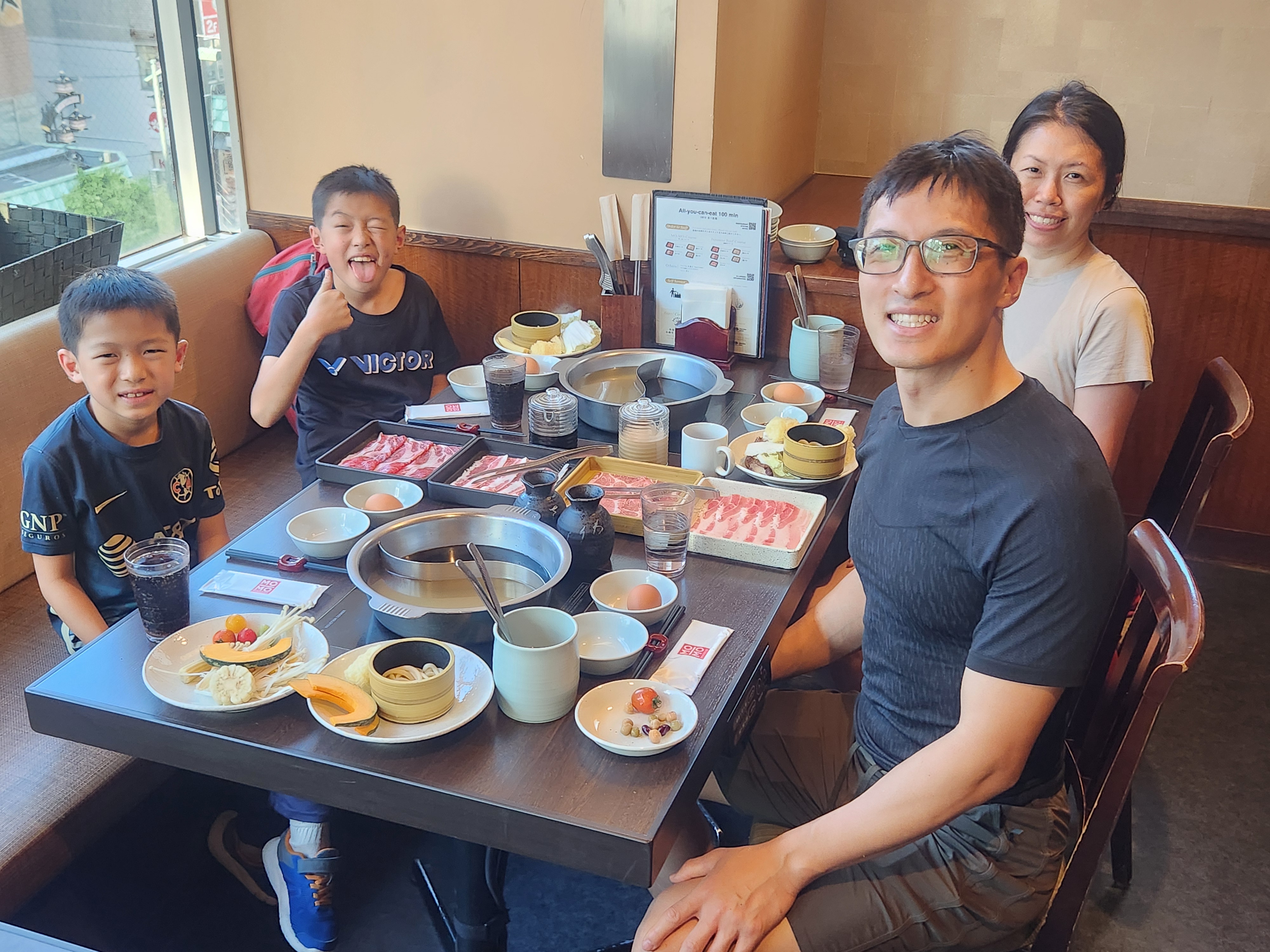
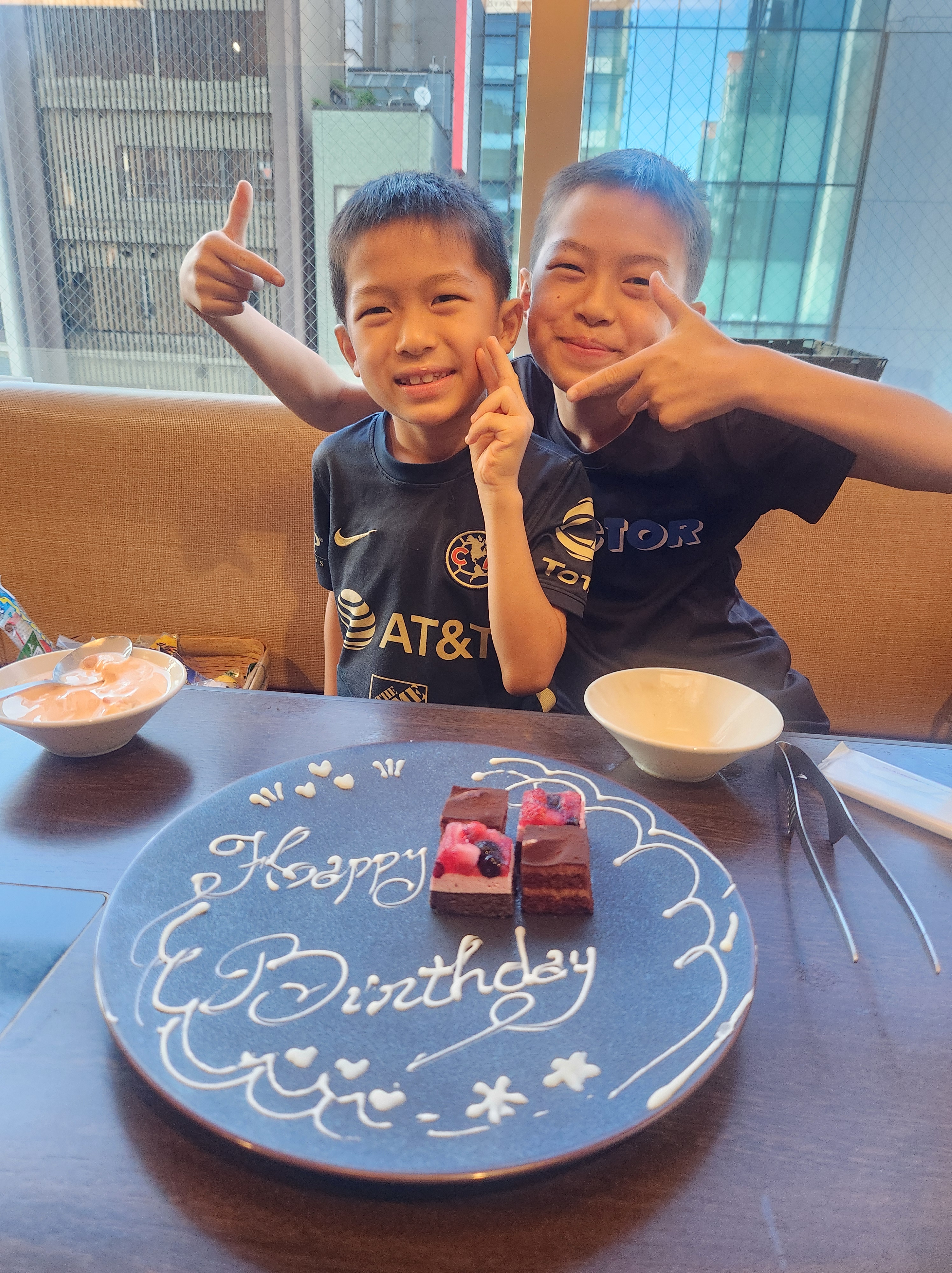
We wrapped up by letting the birthday boy choose dinner — AYCE shabu shabu, which helped turn a disappointing start to a day that was still memorable and fun. Happy birthday O, we love you! ❤️

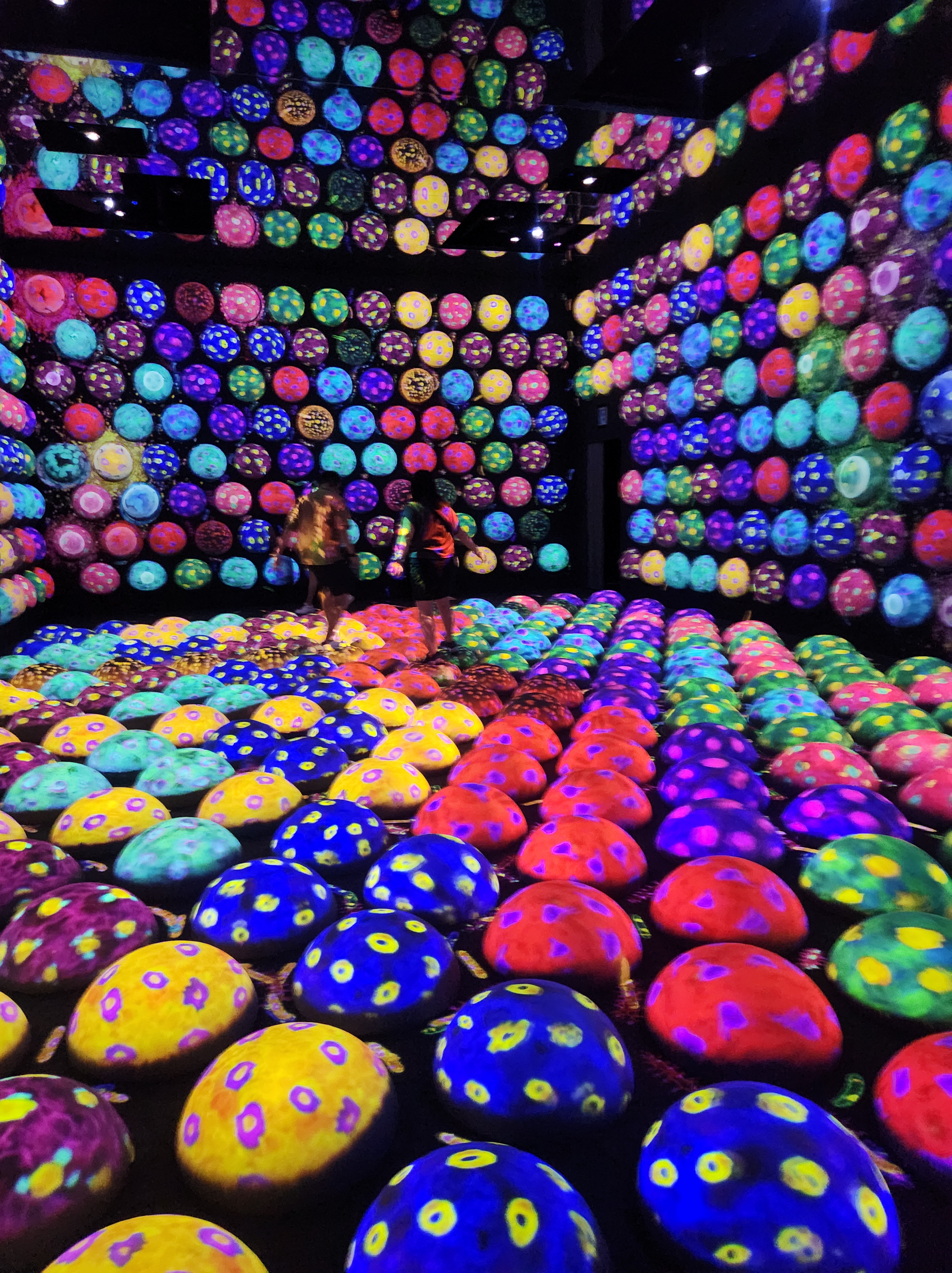
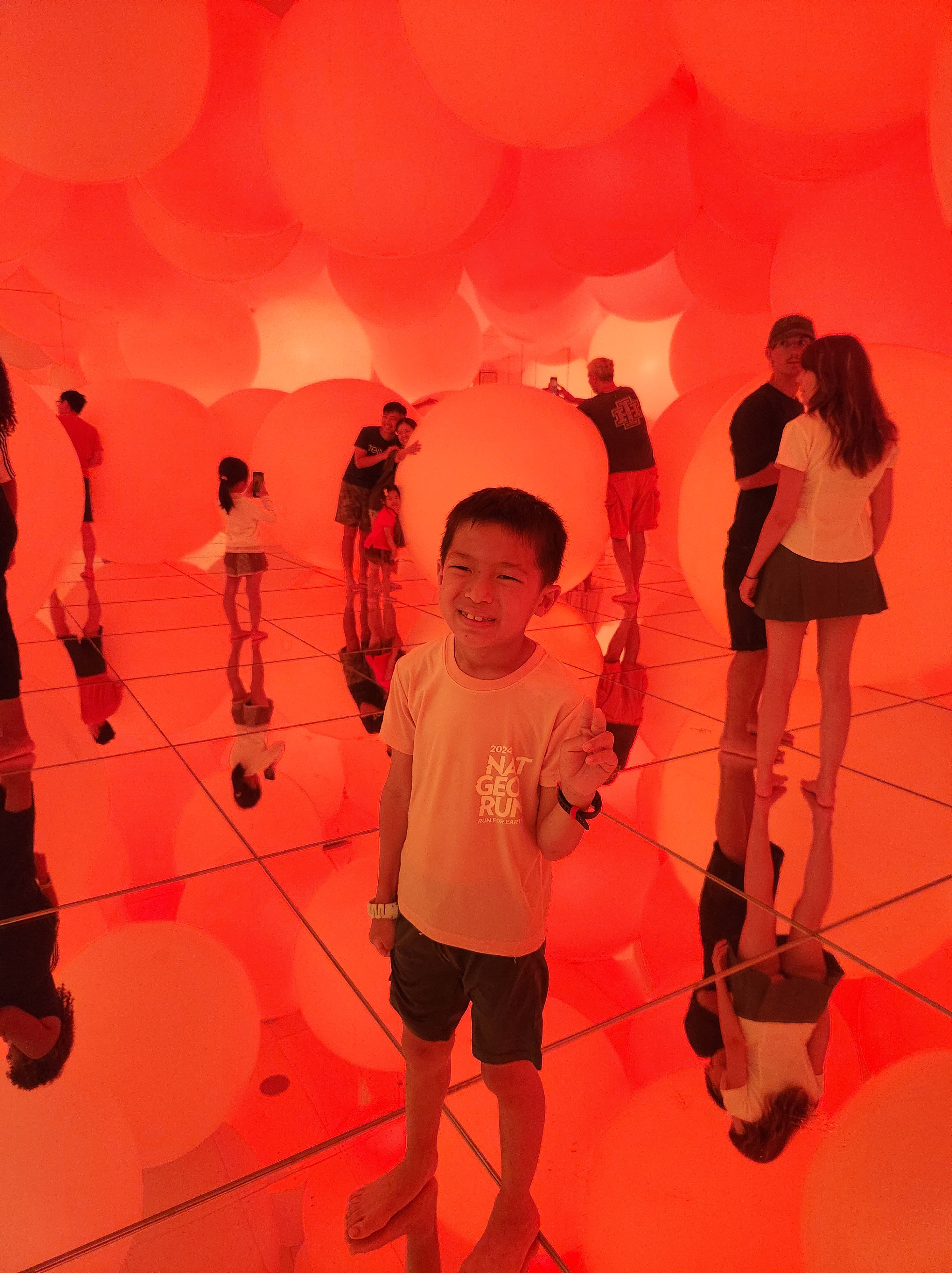
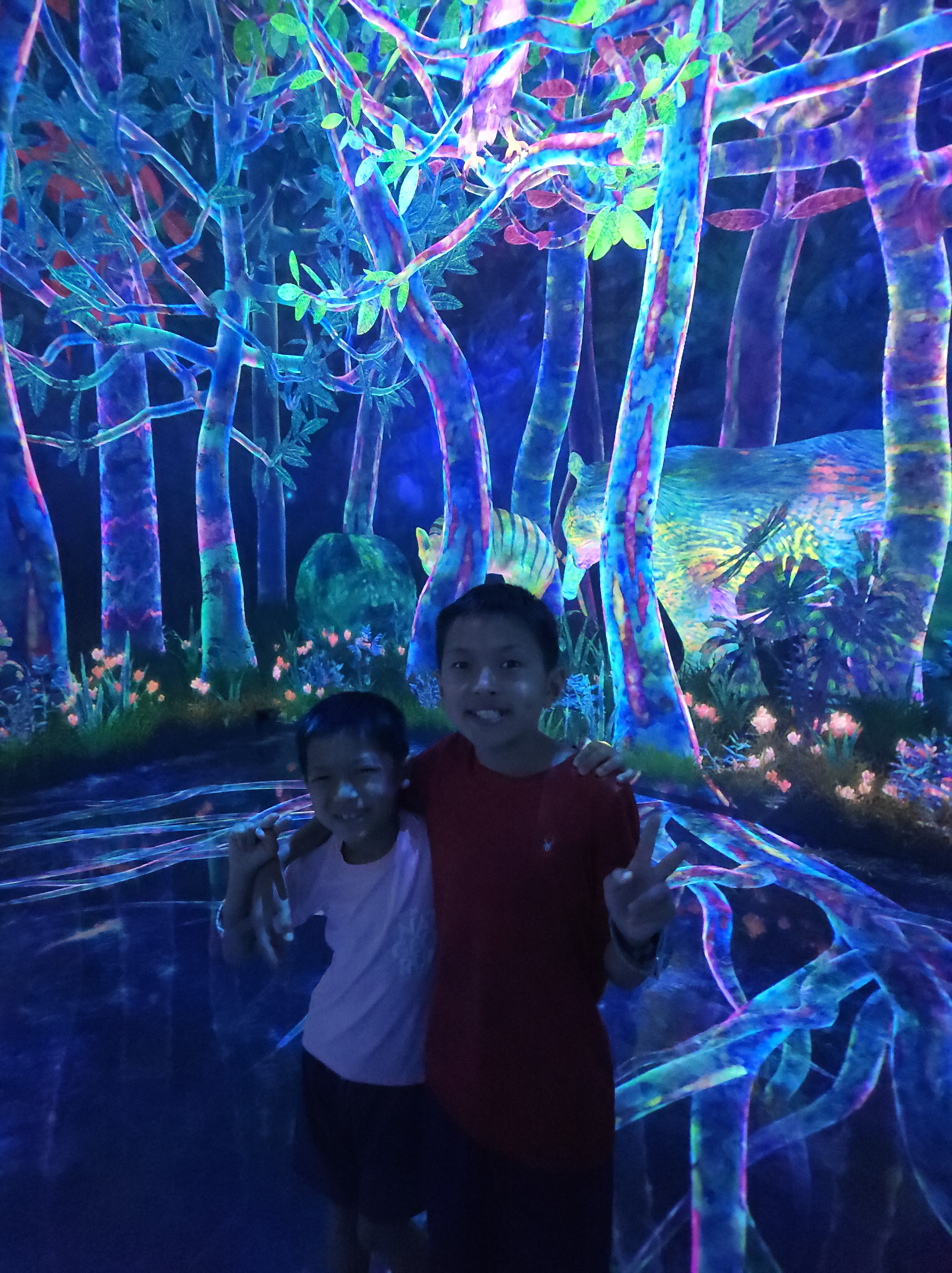
On our last day in Tokyo, we visited TeamLabs Planets, an immersive exhibit that combines art with technology. The boys and I had already been impressed by a TeamLabs exhibit in Taipei, but since Japan is where TeamLabs originated, we wanted to check it out.

The experience was nothing short of psychedelic and fully immersive, from bouncing among giant ceiling-to-floor spheres, to walking barefoot through water as digital fish swam around us! The “wow” factor never stopped. It was wildly creative, awe-inspiring from start to finish, and highly recommended for kids AND adults!

As you can tell, we didn’t exactly dive into Japan’s cultural side on this trip. 😏 Instead, it was mostly theme parks and art exhibits, but we still had a fantastic time.

As for our Mt. Fuji climb…this post is getting a bit long and I think that deserves a post all its own. So, stay tuned!

Ramblings

Cambodia

After Vietnam, we took a bus from Ho Chi Minh City to Phnom Penh. When Baba suggested taking a bus instead of flying, I was skeptical. The ride would take 8-9 hours long, although Baba reasoned that flying (driving ~1 hour to the airport, checking in, waiting around for ~2+ hours, etc.) was just as much of a nuisance.

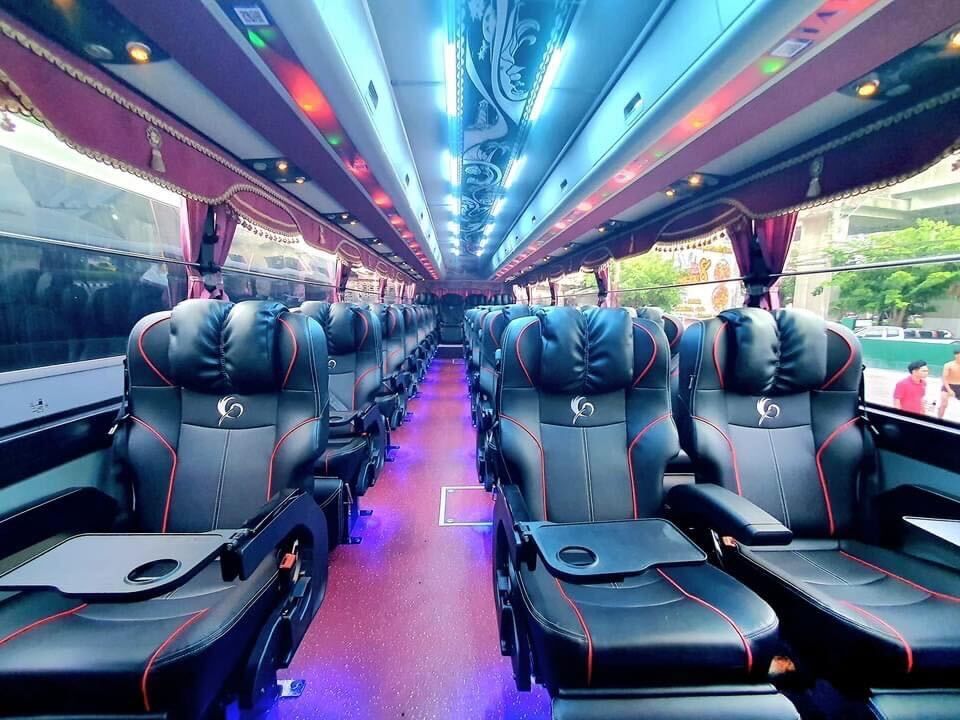
We took the Giant Ibis bus, a popular transportation company in SE Asia. And to my surprise, it was a great experience. The seats were large and comfortable, and the driver offered water and snacks. The bus stopped every 2 hours for restroom breaks so the ride didn’t feel long at all. C also caught a stomach bug that morning – vomiting a couple times before leaving HCMC 😓- so it was a relief that he could just rest on the bus. (Luckily his nausea stopped once we departed too.)

Pic taken from Google

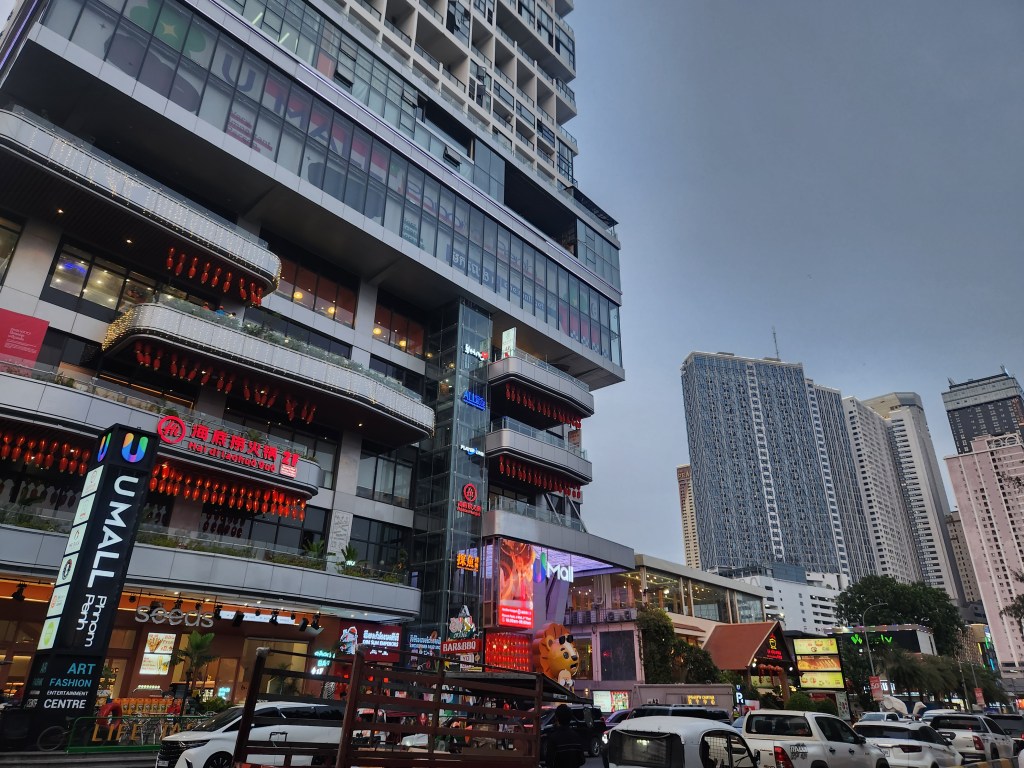
Phnom Penh. Baba and I visited Cambodia 15+ years ago but only went to Siem Reap/Angkor Wat. Therefore, our memories of the capital are vague, but we definitely did not remember Phnom Penh being so modern and full of mainland Chinese! We later learned that a lot of mainlanders immigrated to Cambodia to invest in high-rises and casinos.

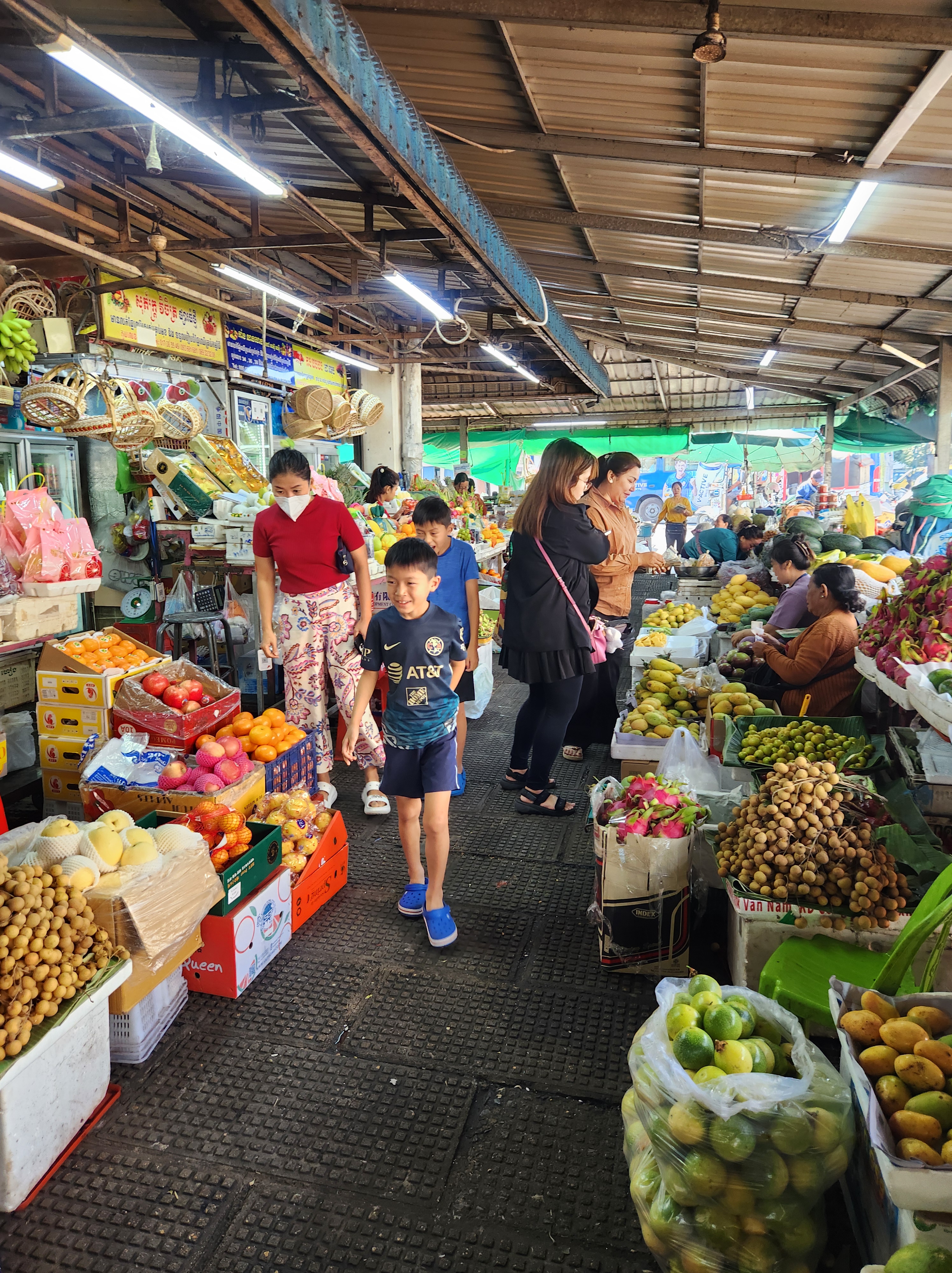
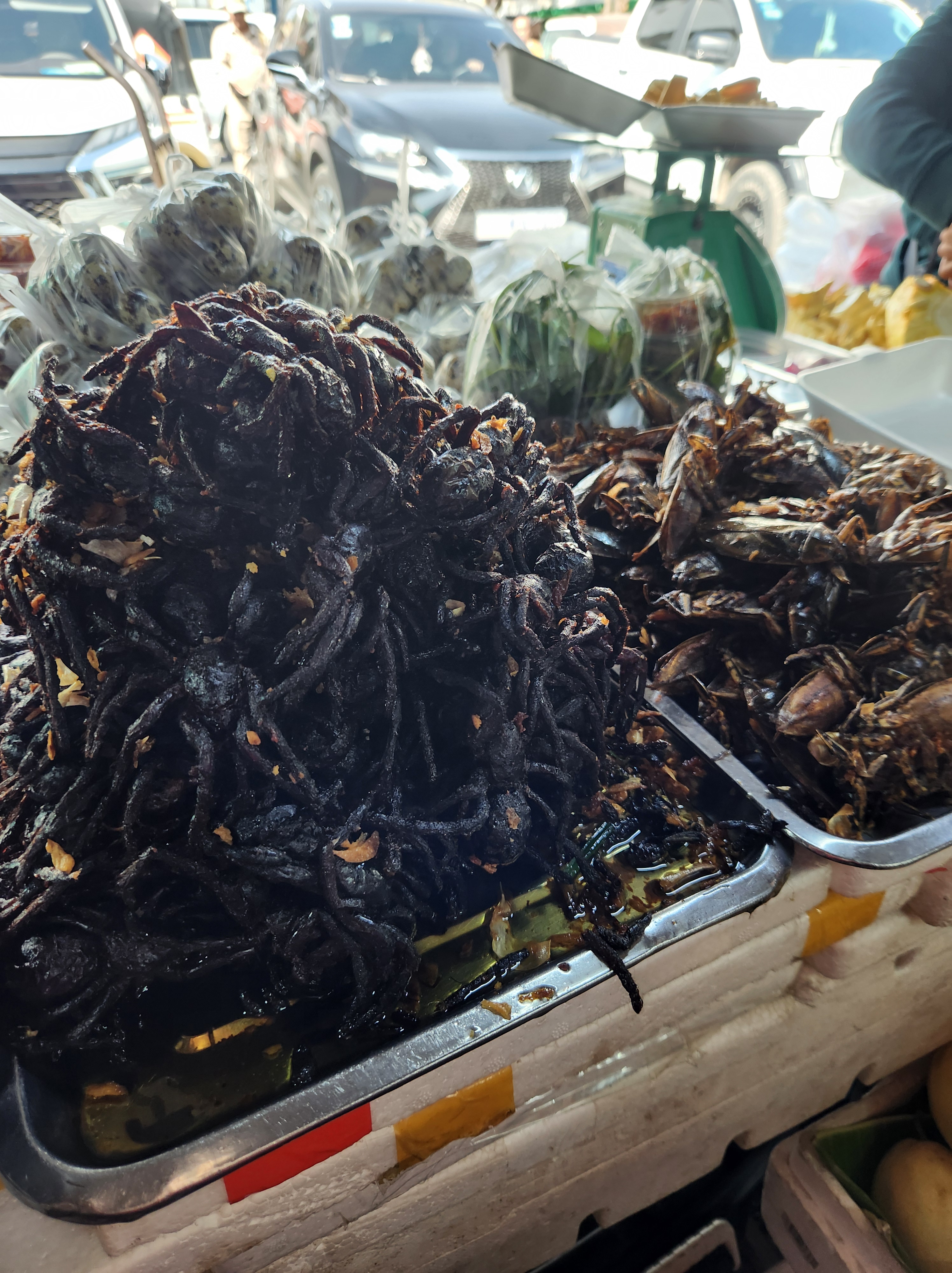
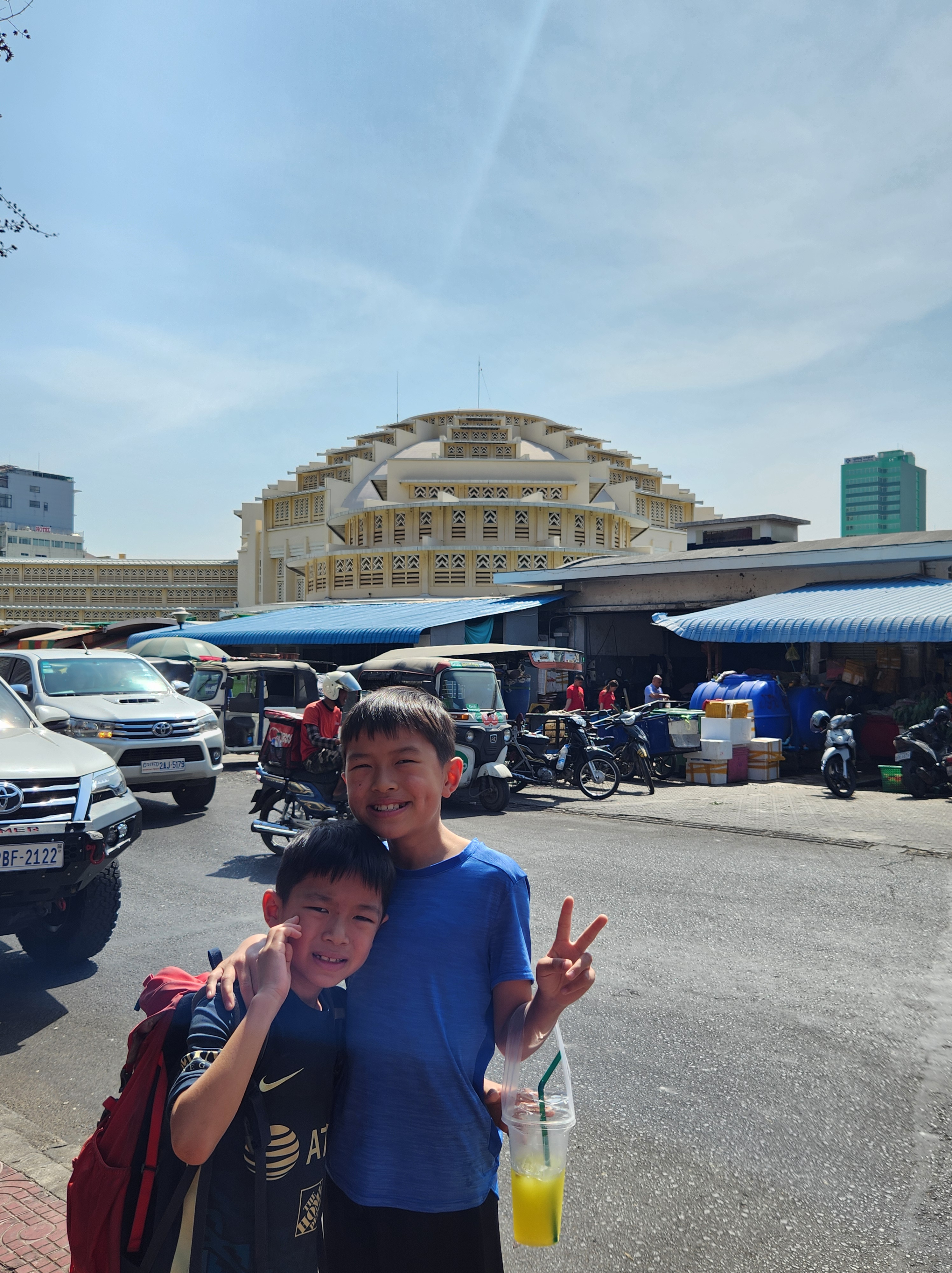
On our first day, we visited the Central Market, an art-deco market selling everything from fruits to seafood to fried tarantulas. A whirlwind of interesting sights, smells, and sounds, wet markets are one of our favorite things to see while traveling!

Two places I regrettably missed while visiting Cambodia many years ago were the Killing Fields and the Tuol Sleng Genocide Museum. From 1975-1979, the Khmer Rouge regime under Pol Pot committed a genocide that killed between 1.5 to 3 million Cambodians. Pol Pot’s goal was to create a completely agrarian, classless society. This led to forced labor, mass purges and executions. Yet, we never learned about the Cambodian Genocide in school and never heard much about it in the media. I always feel it’s important to learn about the history of the places we’re visiting, no matter how horrific it may be. Traveling is not only about luxury resorts and shopping malls.

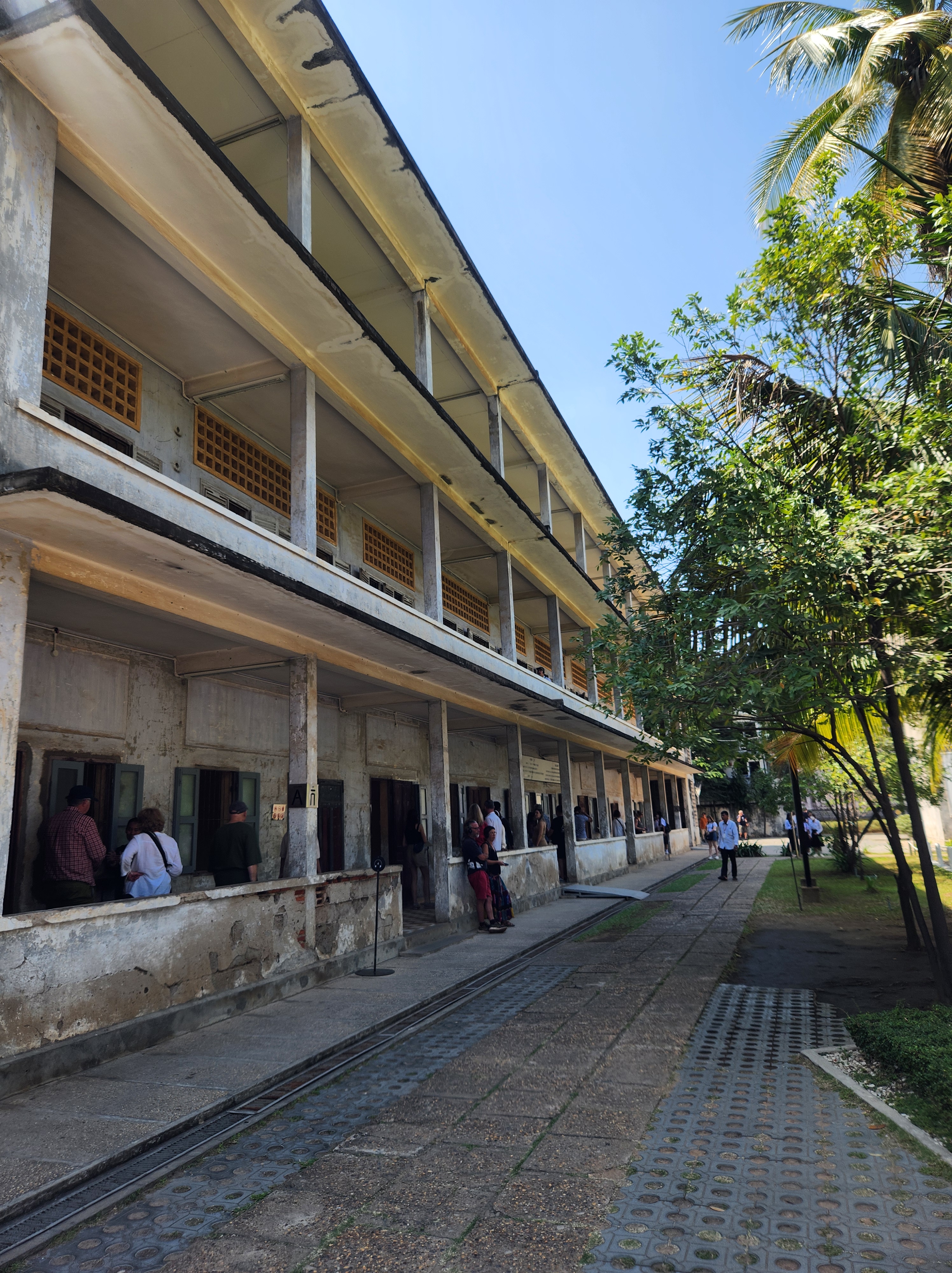
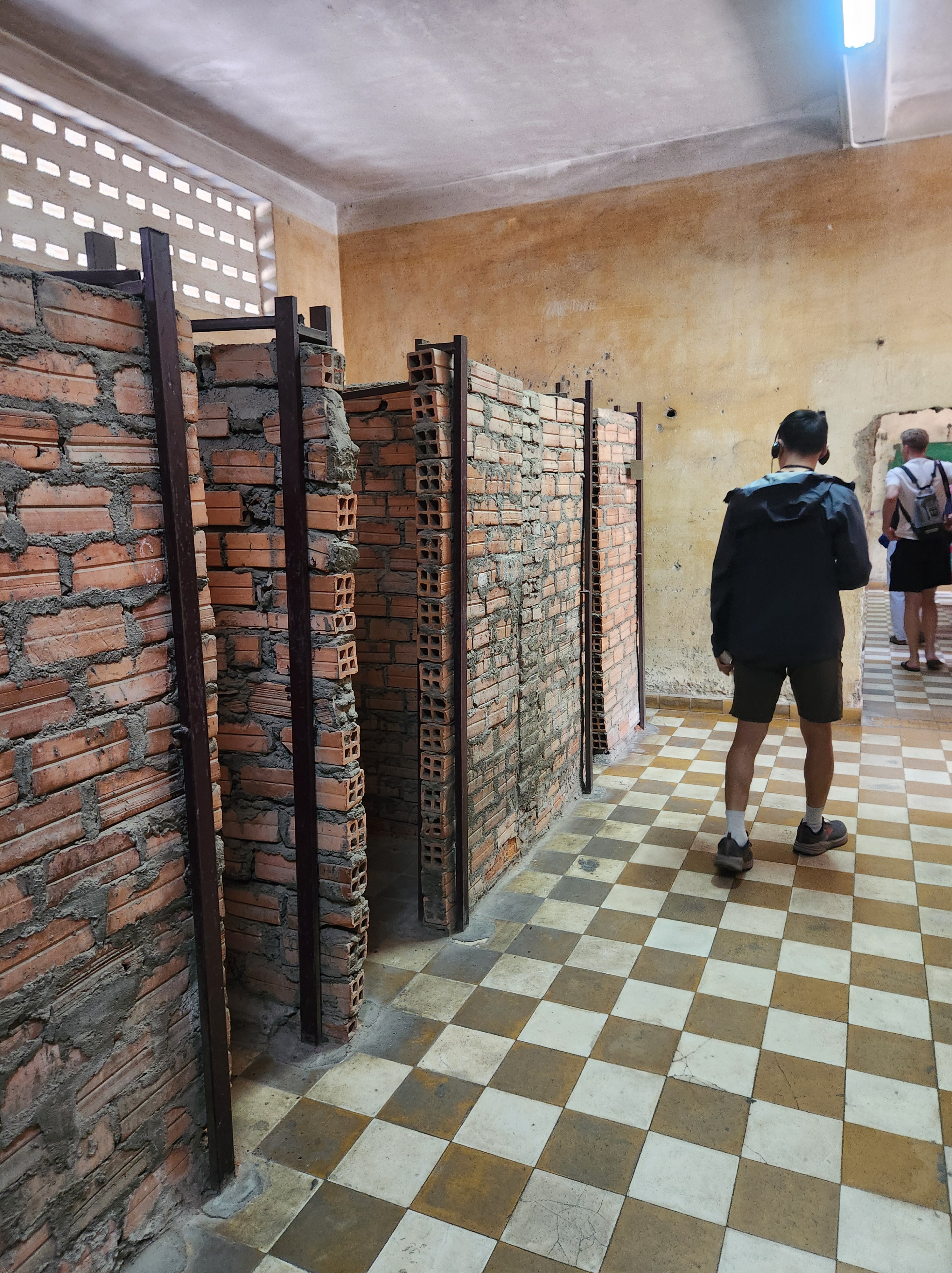
The Tuol Sleng Genocide Museum was once a high school in the middle of Phnom Penh but under the Khmer Rouge regime, it turned into a torture prison. Inside the prison, you’ll see actual devices and tools that were used to torture people. The rows and rows of black and white photos of prisoners were particularly haunting. Out of the estimated 14,000 to 20,000 people imprisoned there, only 12 known survivors made it out alive. Because of the graphic nature of the museum, we didn’t bring the boys inside but briefly shared with them what we saw.

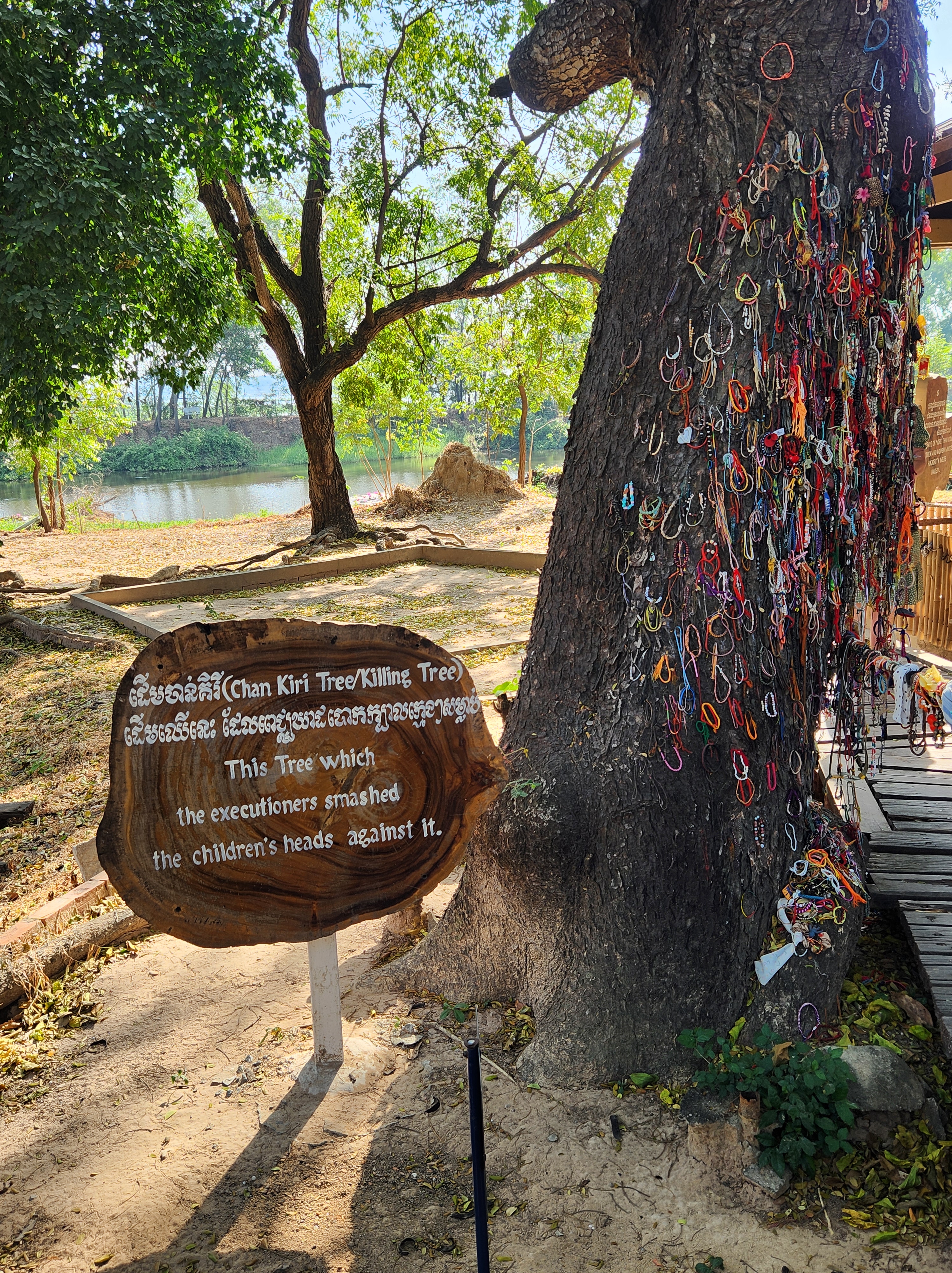
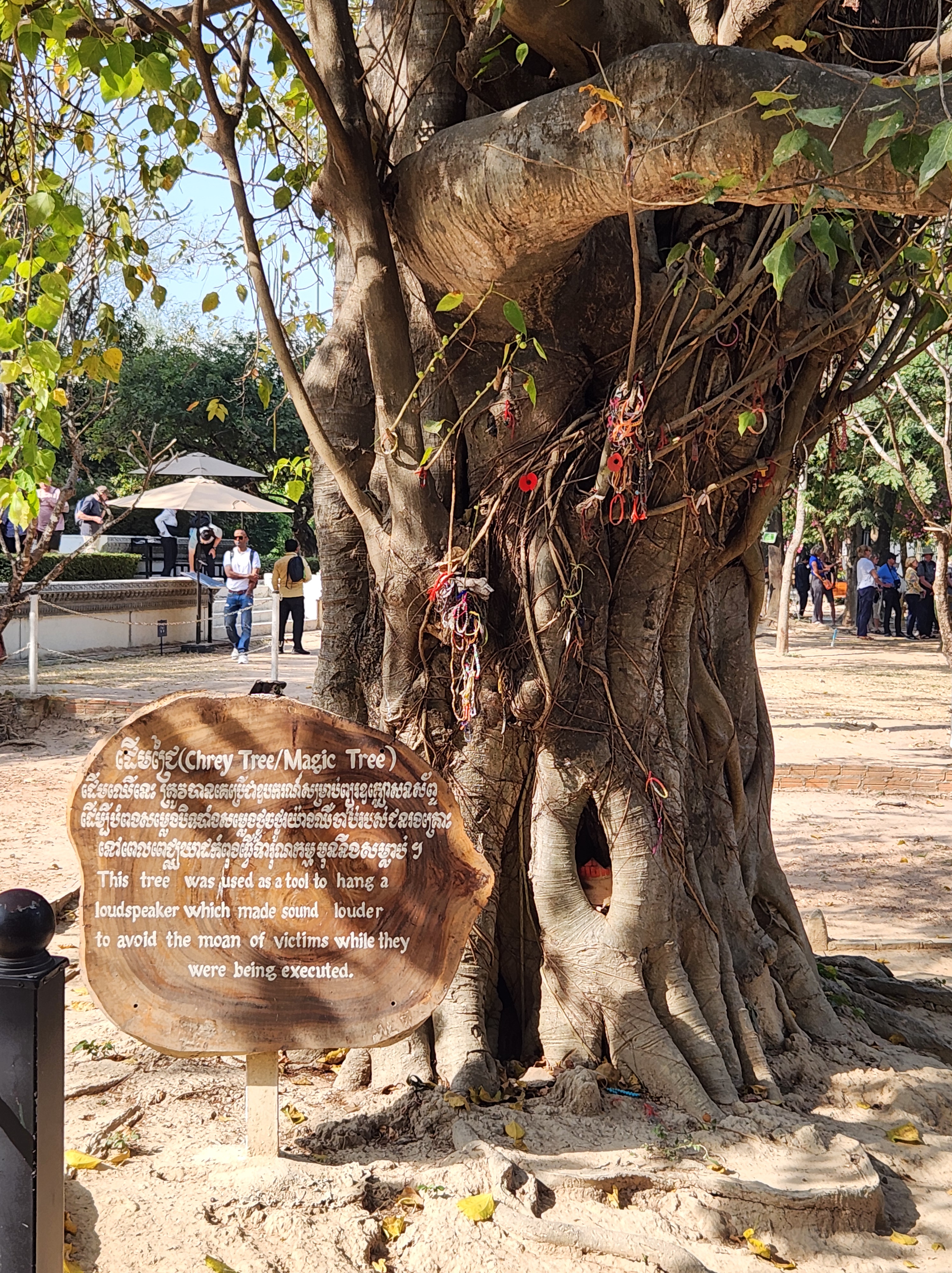
Many prisoners from torture prisons like Tuol Sleng were taken to the Killing Fields, where they were brutally executed. At a quick glance, the Killing Fields look like a nice, serene park but there, babies’ heads were smashed into trees (often in front of their mothers), and women and men were killed with blunt objects, slashed with knives, etc. in order to save bullets. We rented the audio guide, and it was absolutely gut-wrenching to hear what happened at the Killing Fields.

Many Cambodians today are still scarred by the genocide and you can see the pain in their eyes whenever Khmer Rouge is mentioned. Visiting both the Killing Fields and Tuol Sleng in one day left me heavy-hearted, but I’m grateful we got this opportunity to learn about this important piece of Cambodia’s history.
Siem Reap. We traveled by bus from Phnom Penh to Siem Reap, which took about 6 hours. Siem Reap was no longer the run-down little town we remember from 15+ years ago. Today, it’s a trendy resort town with cafes, pizza shops, and modern hotels.

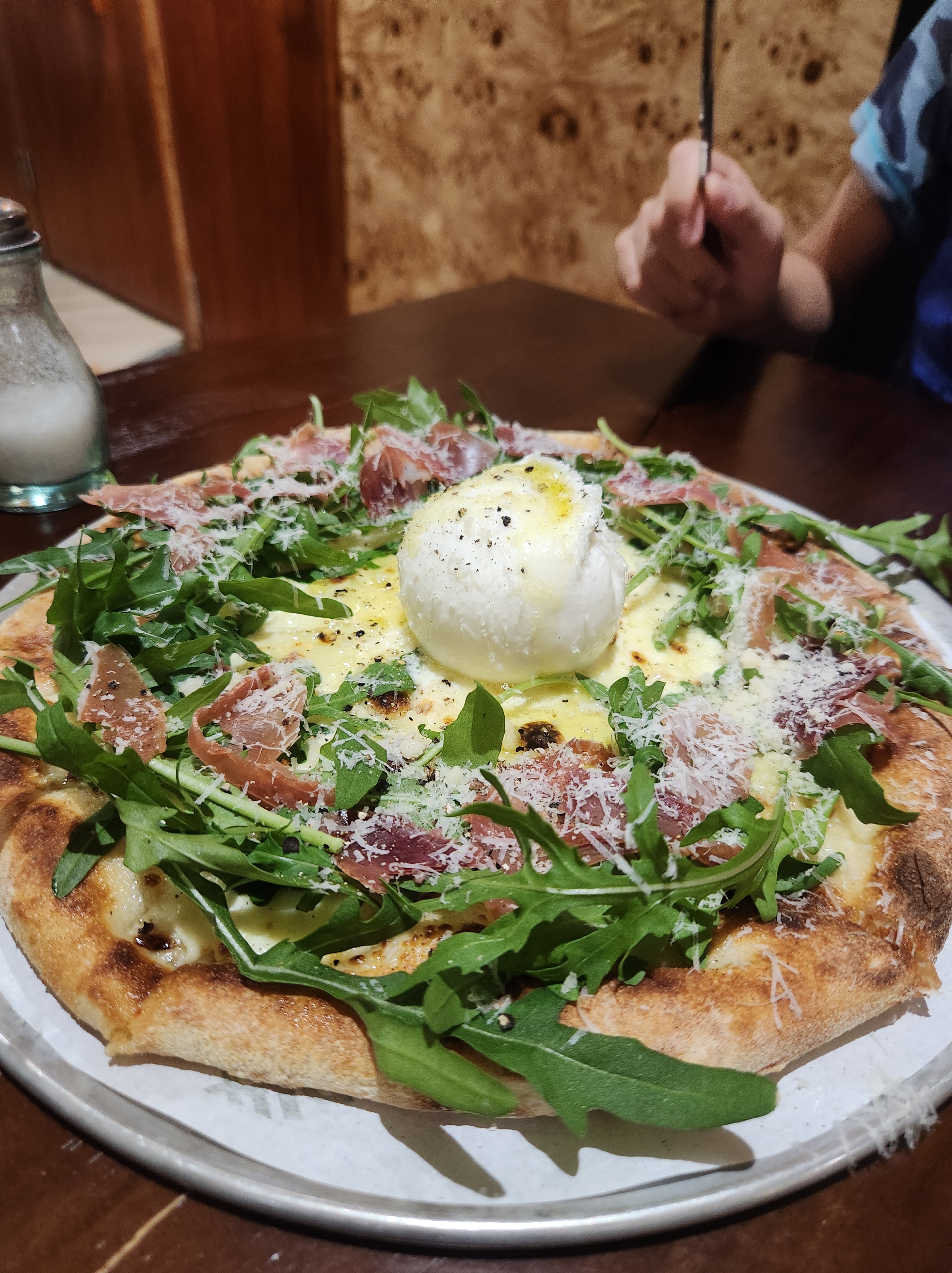
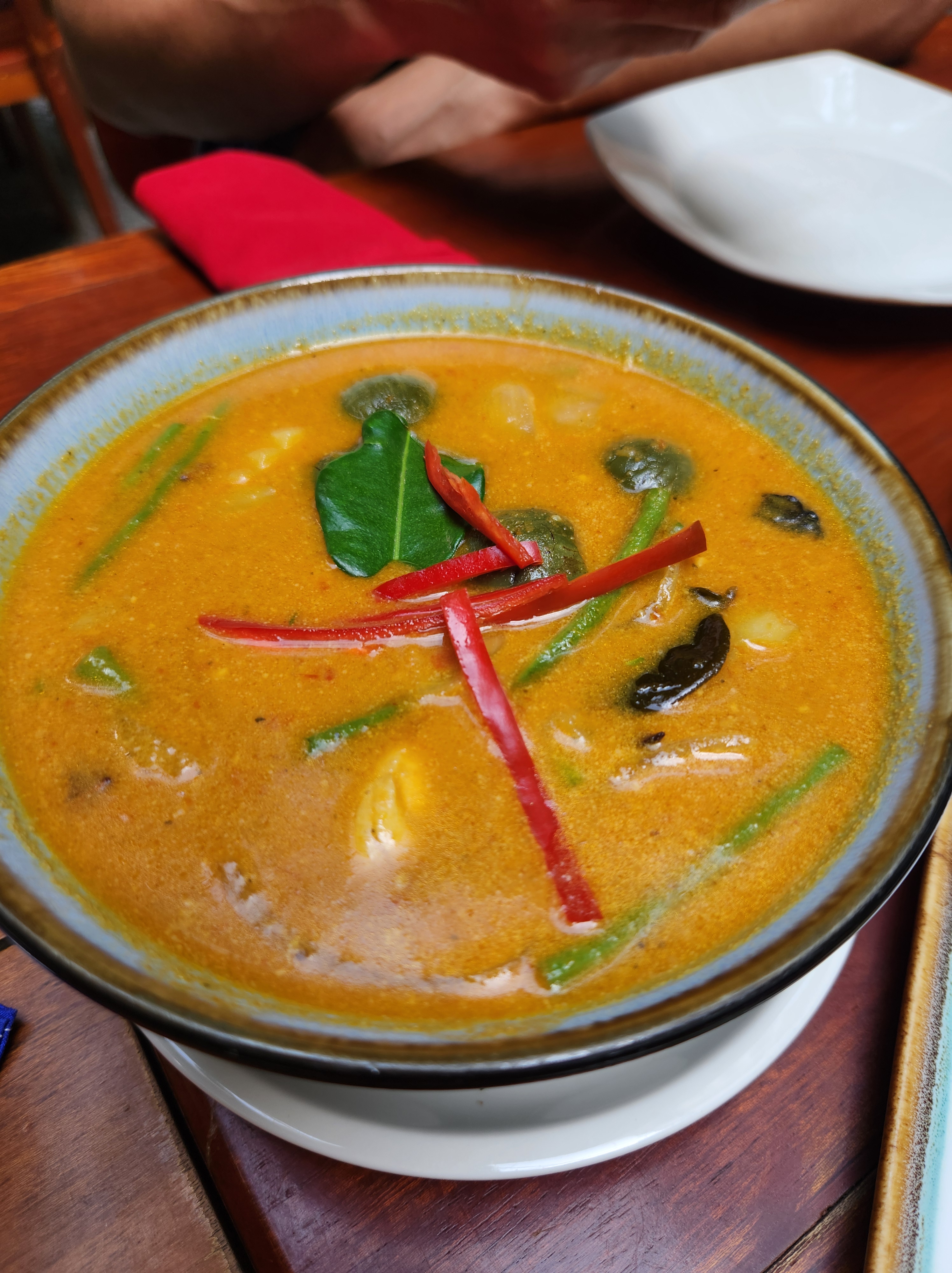
The food in Siem Reap (and Phnom Penh) was unfortunately not suited to our tastes. There wasn’t a ton of variety, and even the national dish – Fish Amok – was a hit and miss for us. We ended up mostly eating pizza in Siem Reap, which was surprisingly pretty good!

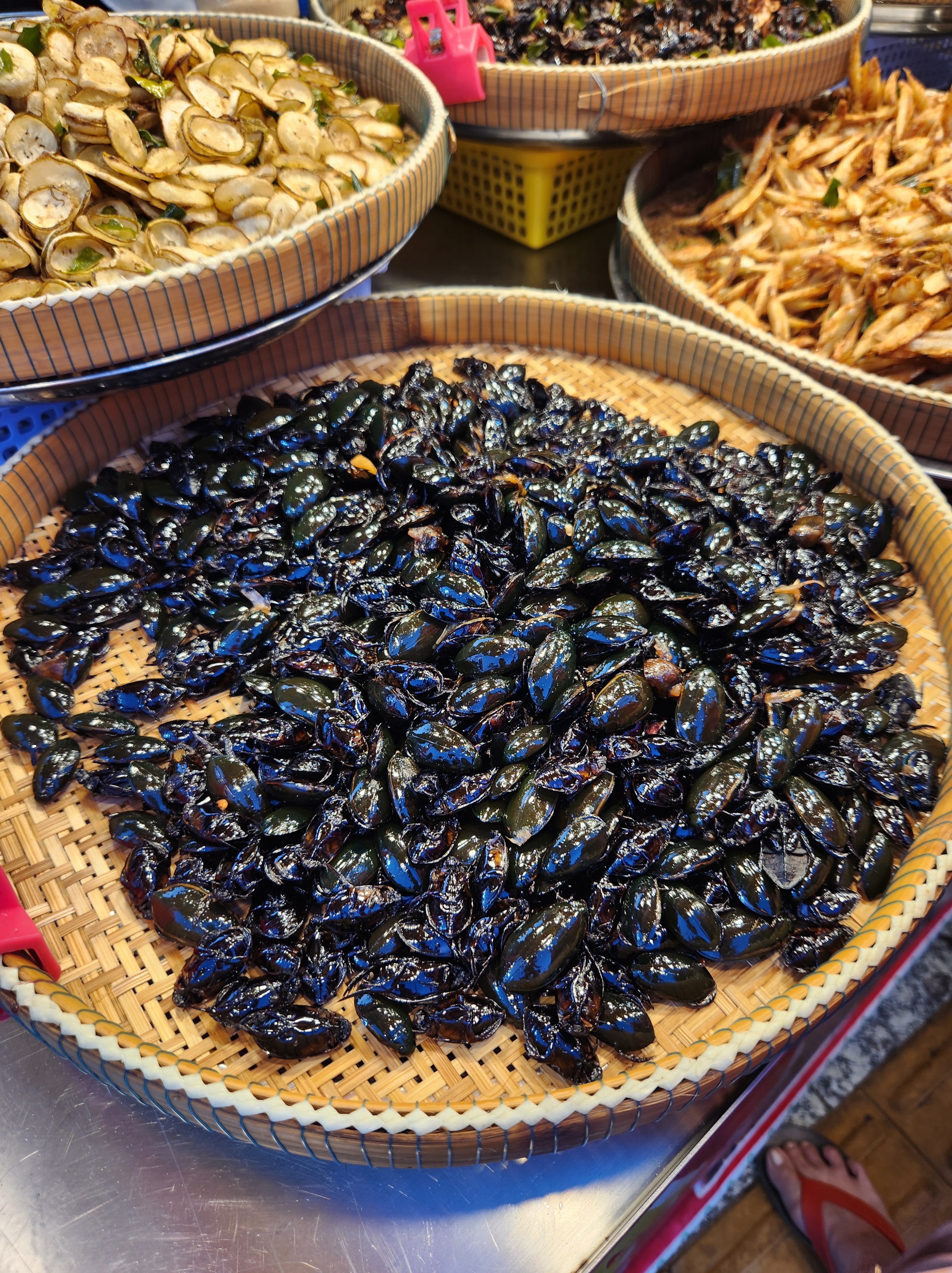
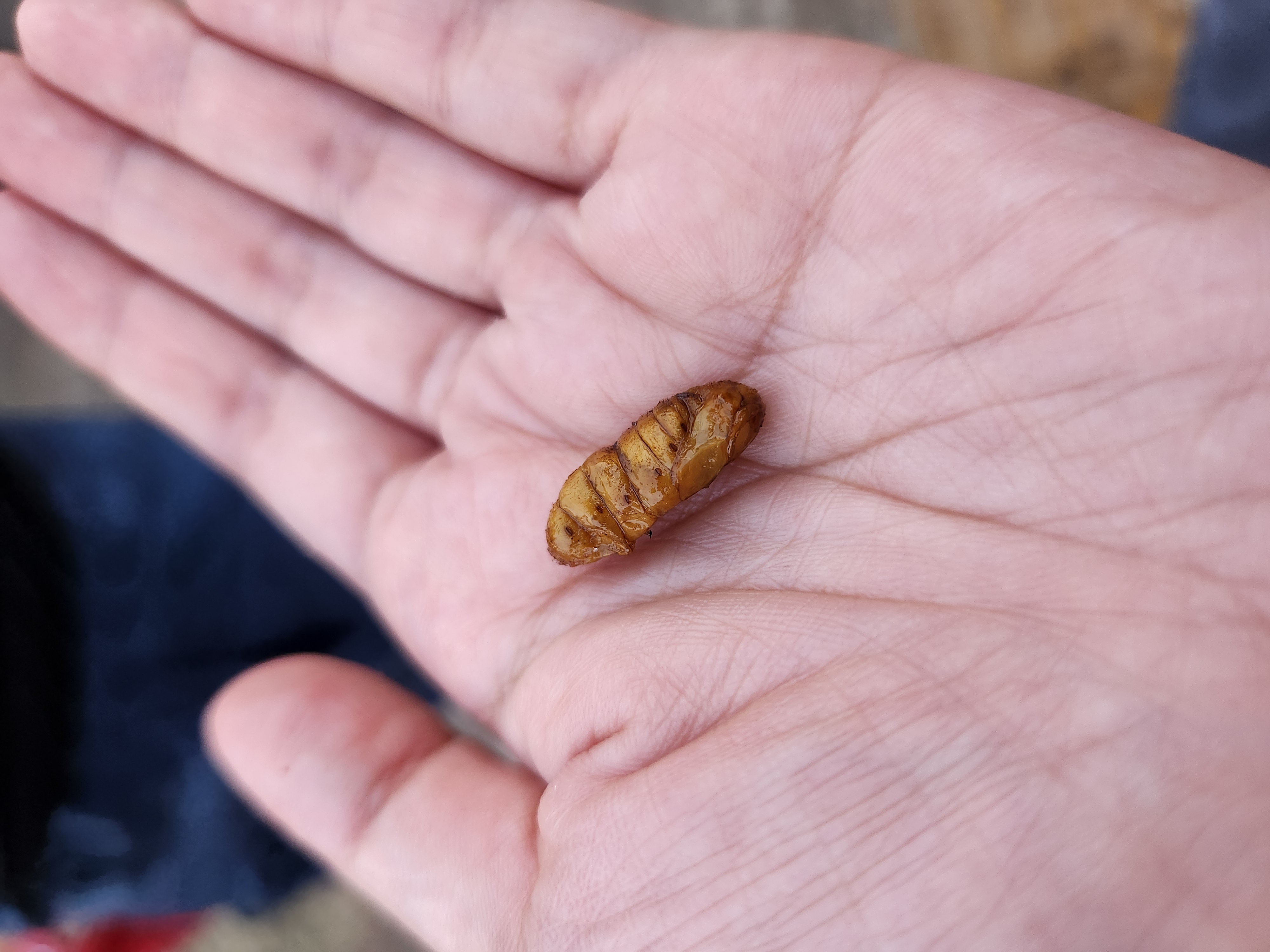
We did, however, stop by a local stall to try a popular local snack – BUGS!

There were beetles, grasshoppers, and worms. They were heavily spiced and deep fried so you won’t be able to taste the “natural” flavor of the bugs, but once I popped a worm into my mouth and felt its guts explode I was DONE. The boys and Baba enjoyed them though.

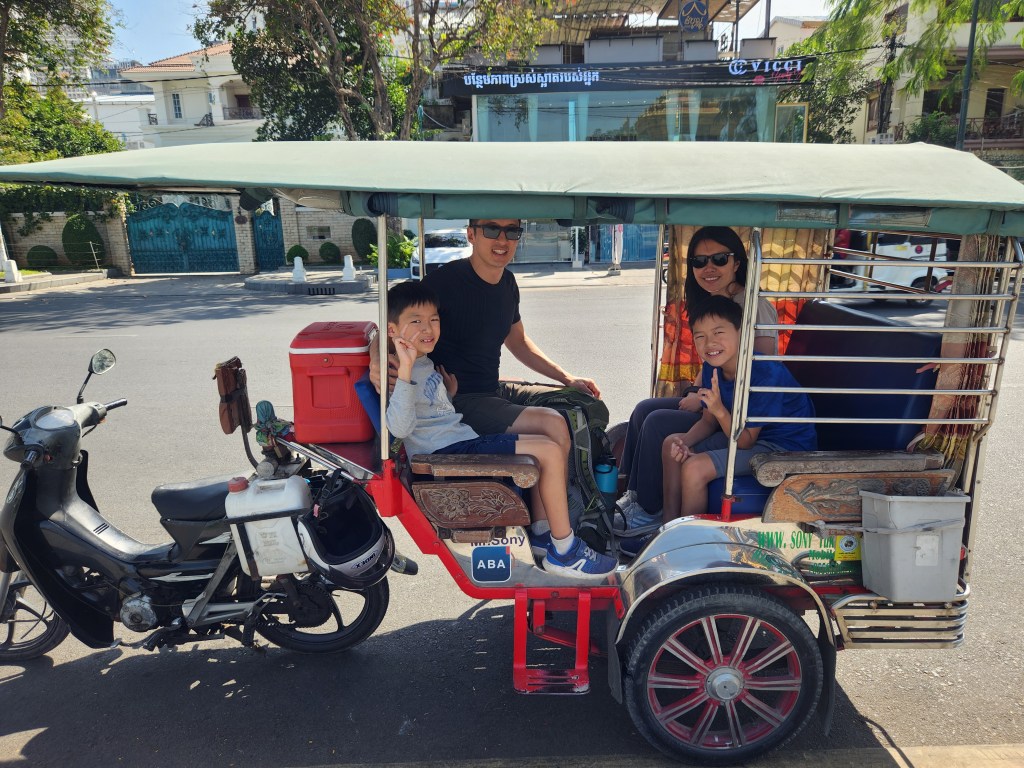
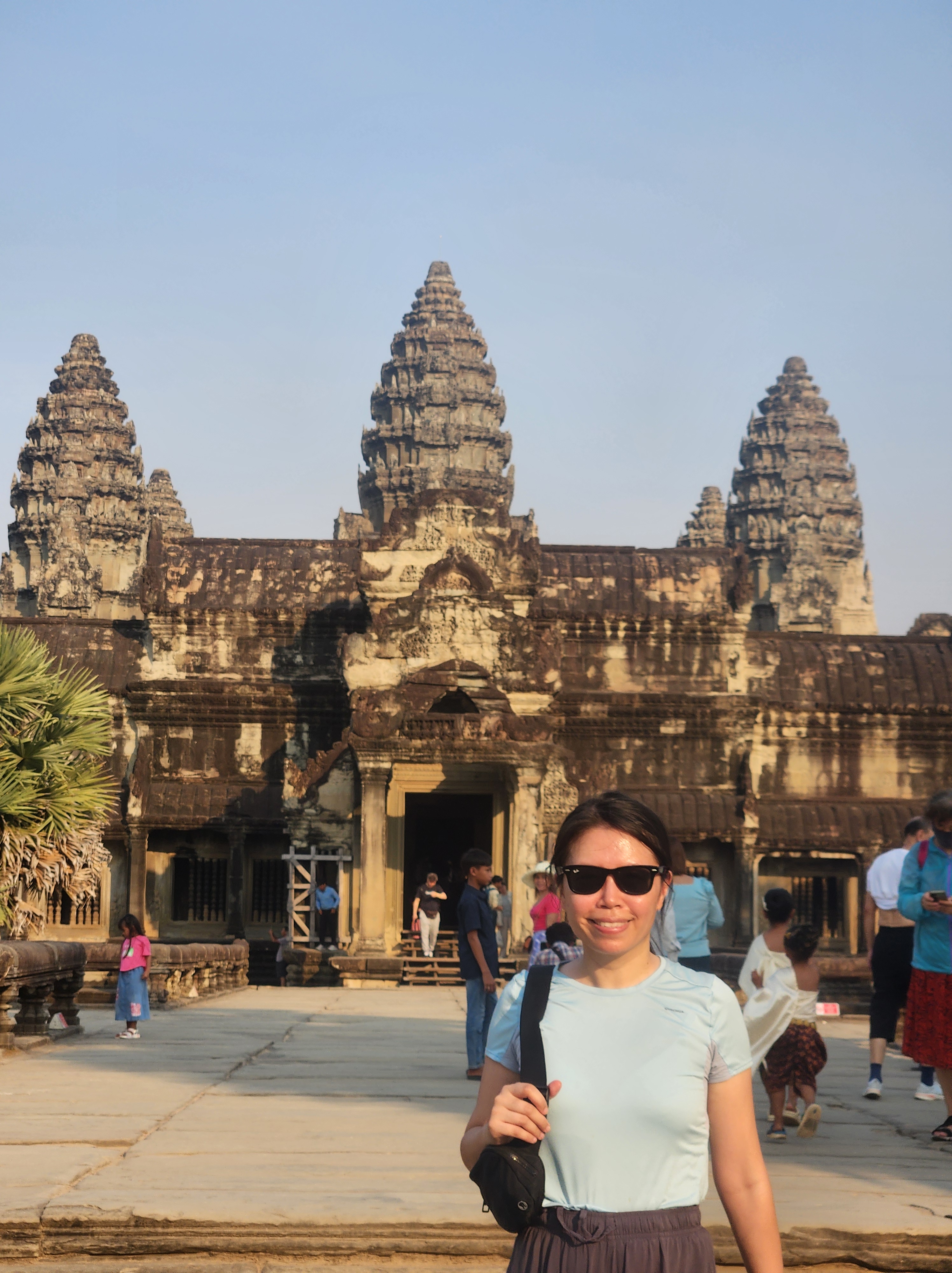
But like most tourists, our primary goal for visiting Cambodia was to see Angkor Wat. We booked a tuk-tuk to take us around Angkor Wat for a day. This was probably the boys’ favorite part of the trip. 😅
We skipped the sunrise this time (because I just cannot wake up at 4am anymore 😂) but still arrived early enough to avoid the crowds.

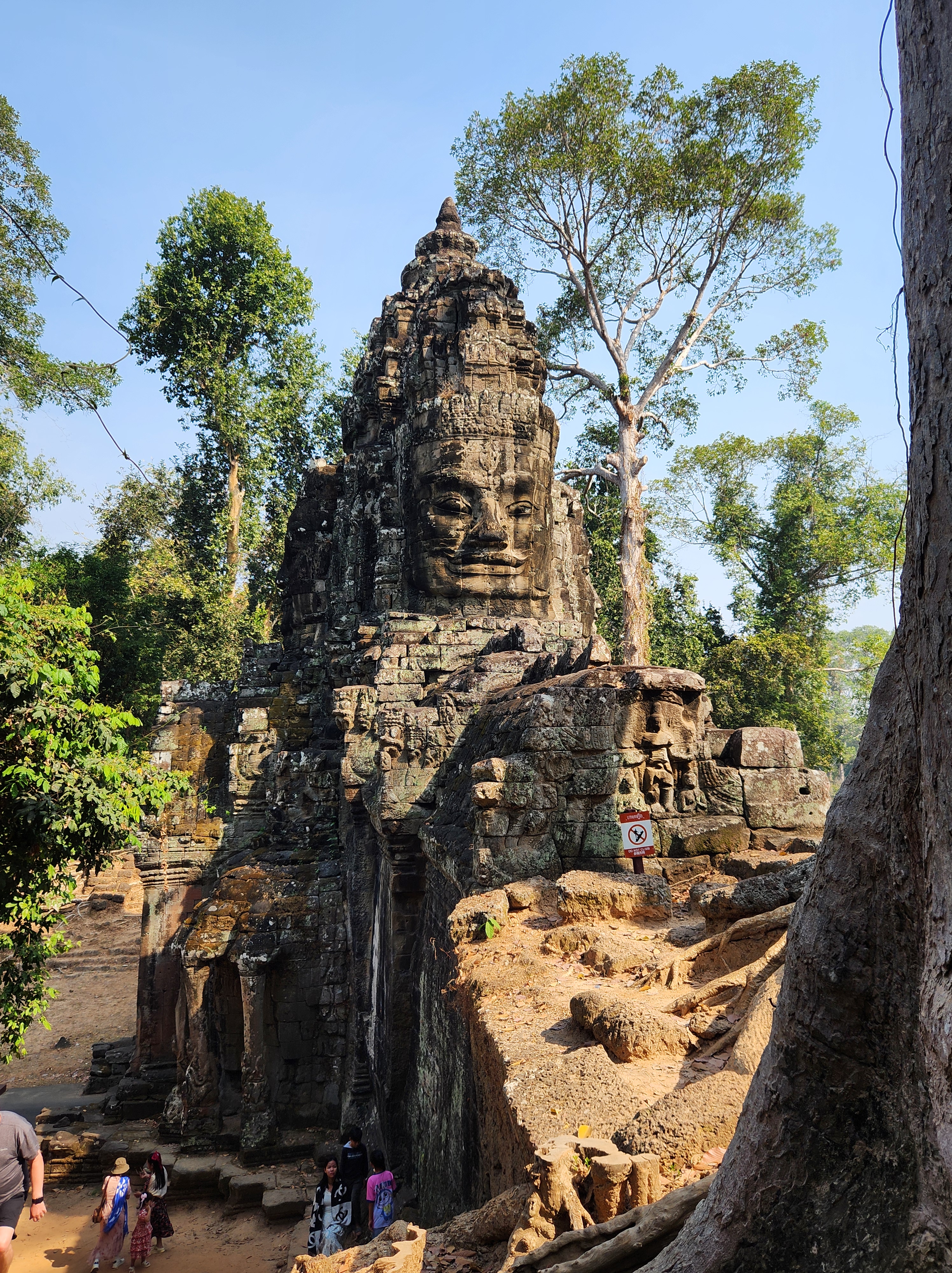
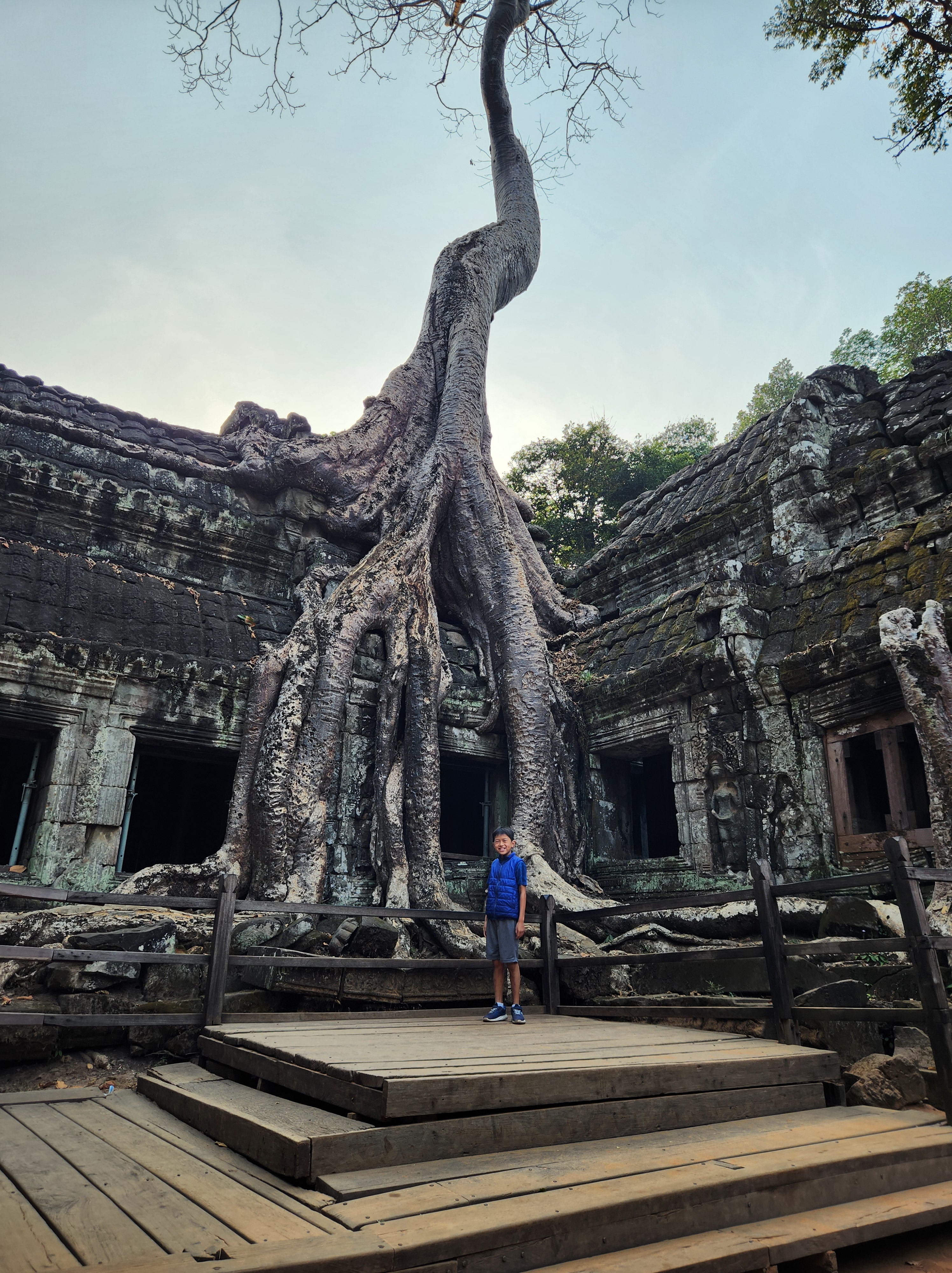
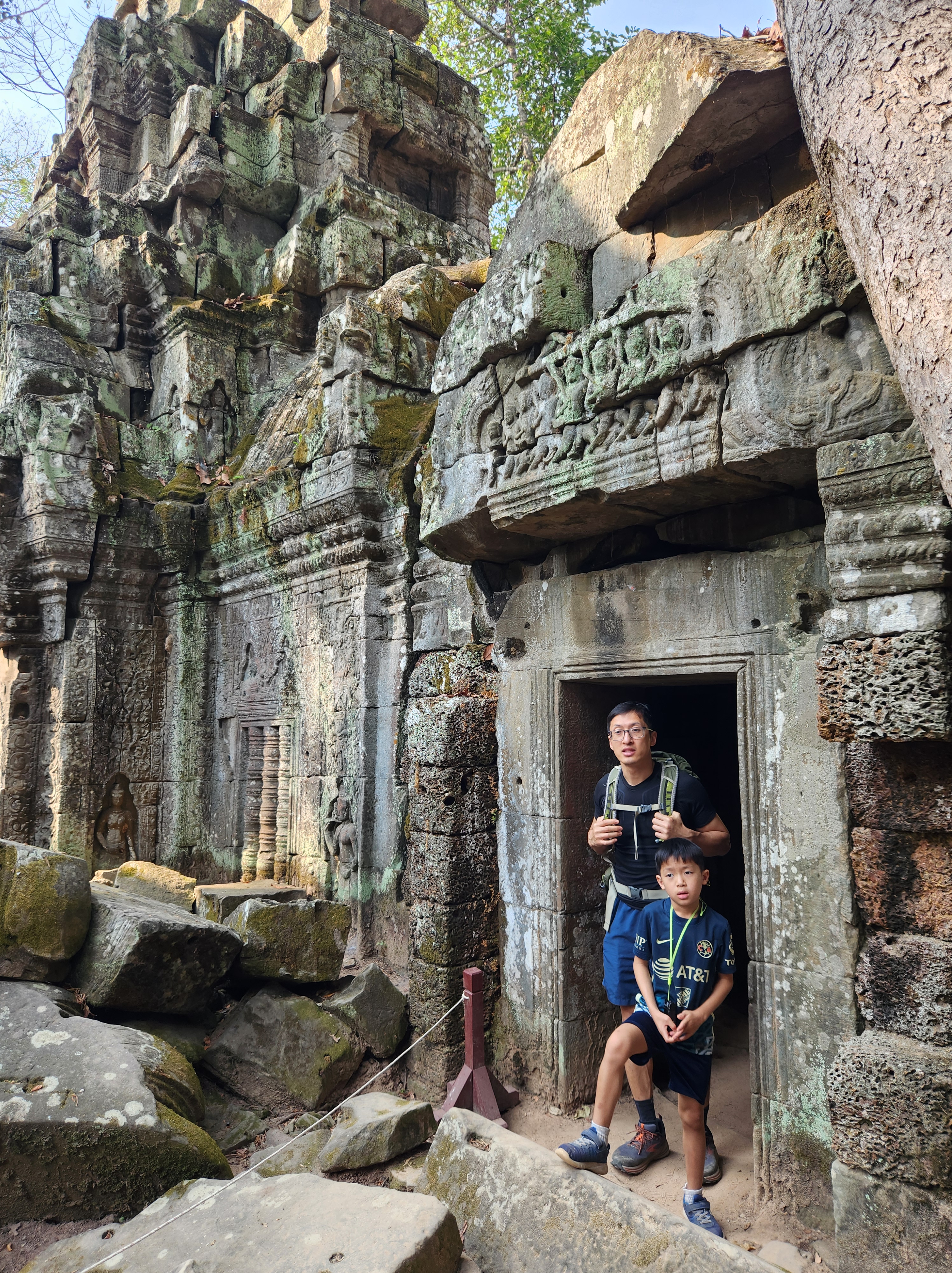
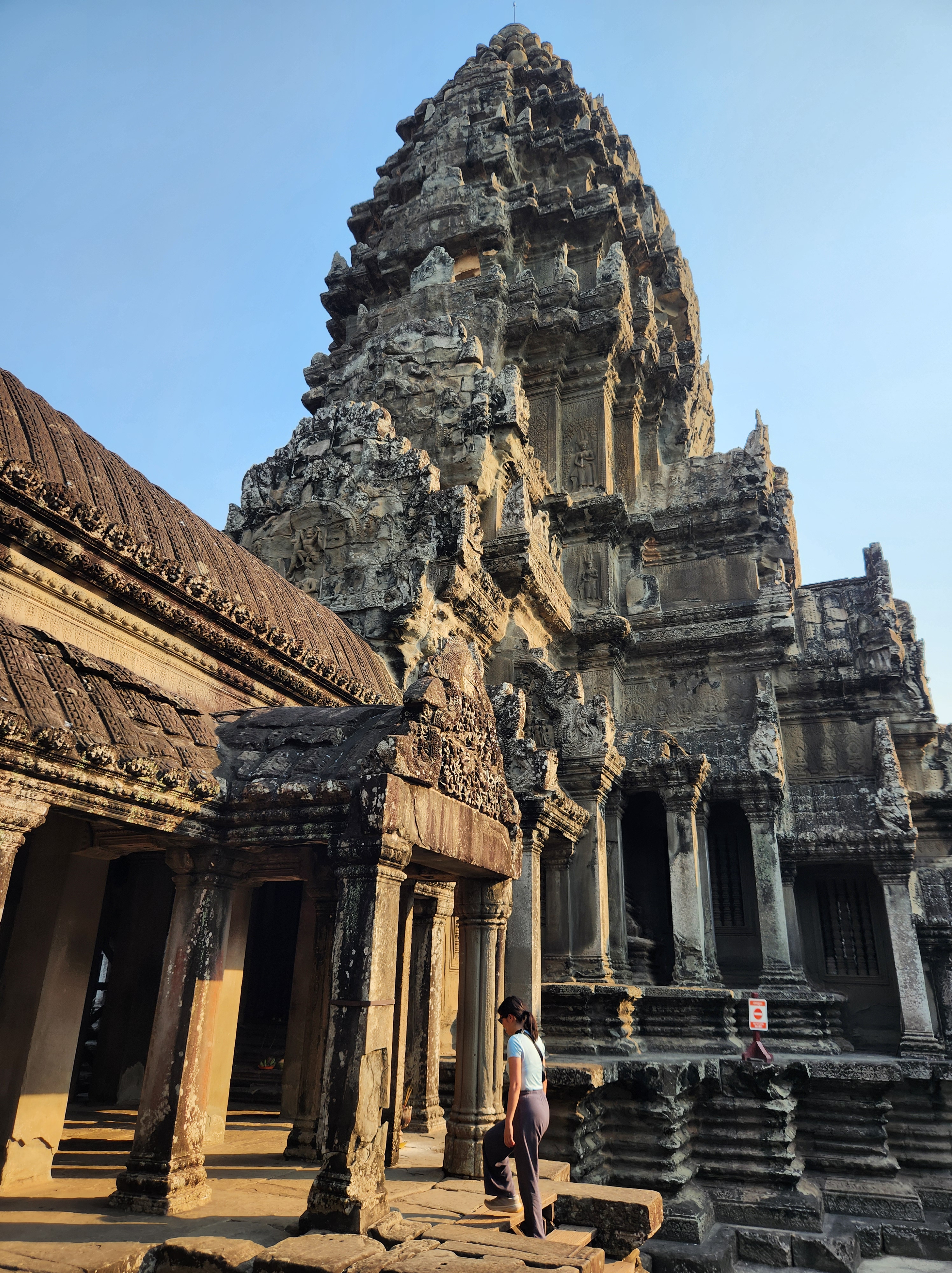
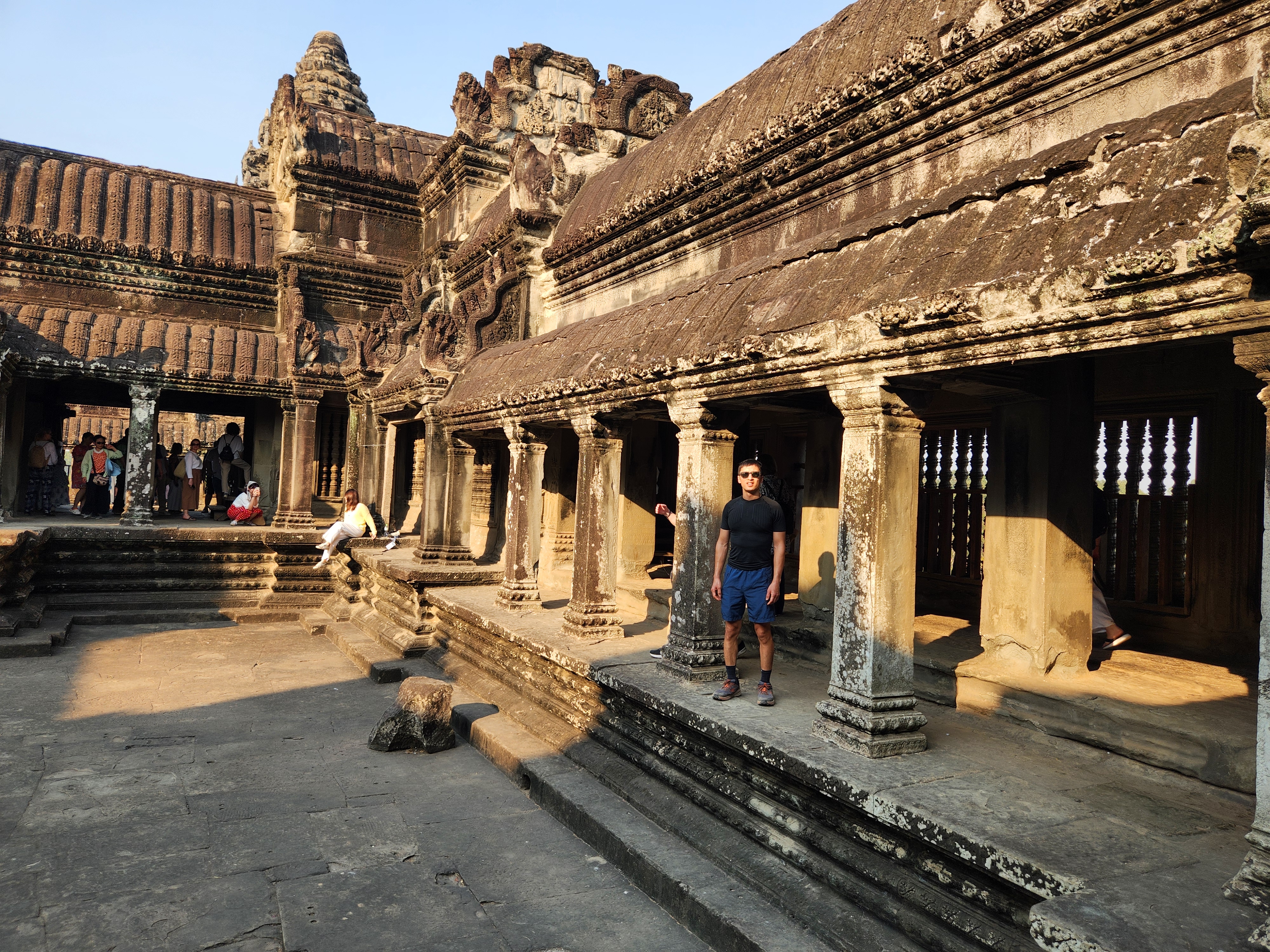
Angkor Wat will never not be amazing to me. Built in the 12th century, it’s the largest religious monument in the world, showcasing the incredible skill of the Khmer people. Walking through Angkor Wat feels like stepping back in time – its beauty and history leave you in awe.

Still, after visiting the main temples, you kind of get temple fatigue. There is absolutely no shade at Angkor Wat so we were burning up for most of the day, even though we went in the winter!

We left Cambodia after 7 days. Baba and I sometimes wonder how much the kids will remember from this adventure. But at least for Baba and me – we take with us memories of stunning temples, new experiences, and the joy of seeing it all through our kids’ eyes.

Ramblings

Vietnam

Hello, it’s been awhile!

But I have an excuse. We had been traveling around SE Asia over the boys’ winter break, visiting 3 countries and 8 cities in 4 weeks. We had such an amazing time there, and surprisingly didn’t find the trip exhausting at all. SE Asia is one of my favorite regions in the world.

I’ve been wanting to visit Vietnam for some time. Baba and I both have connections there, with his parents and siblings being born in Vietnam and my family having lived there for many years. I’ve also been enticed by pictures on social media of the beautiful nature and landscapes around the country. But most of all, we absolutely love Vietnamese food and have been missing it since we moved to Taiwan (the Vietnamese food here is lackluster).

We visited Vietnam from north to south – first Hanoi, then Ha Long Bay, Hoi An, Da Nang and finally Ho Chi Minh City.

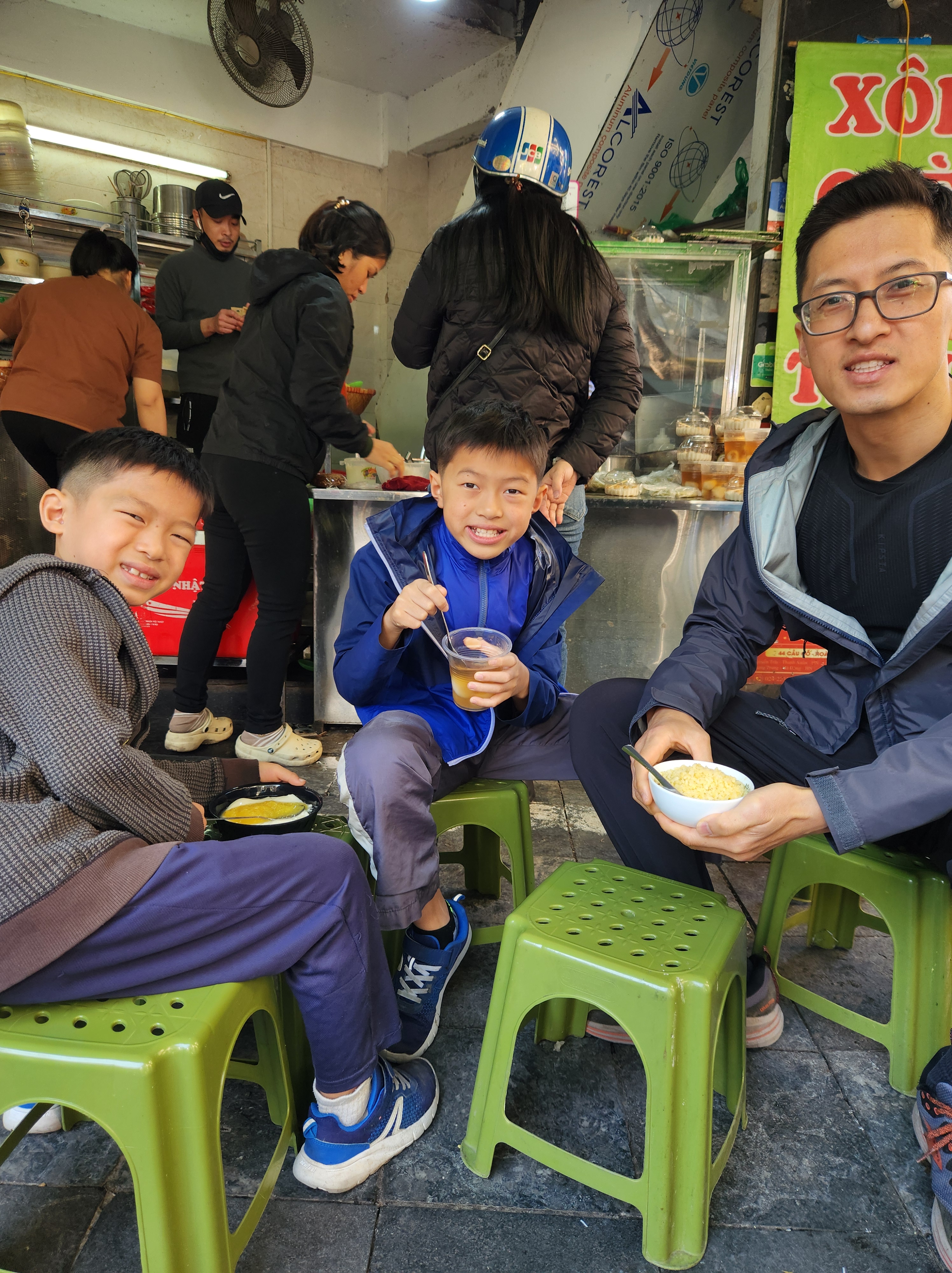
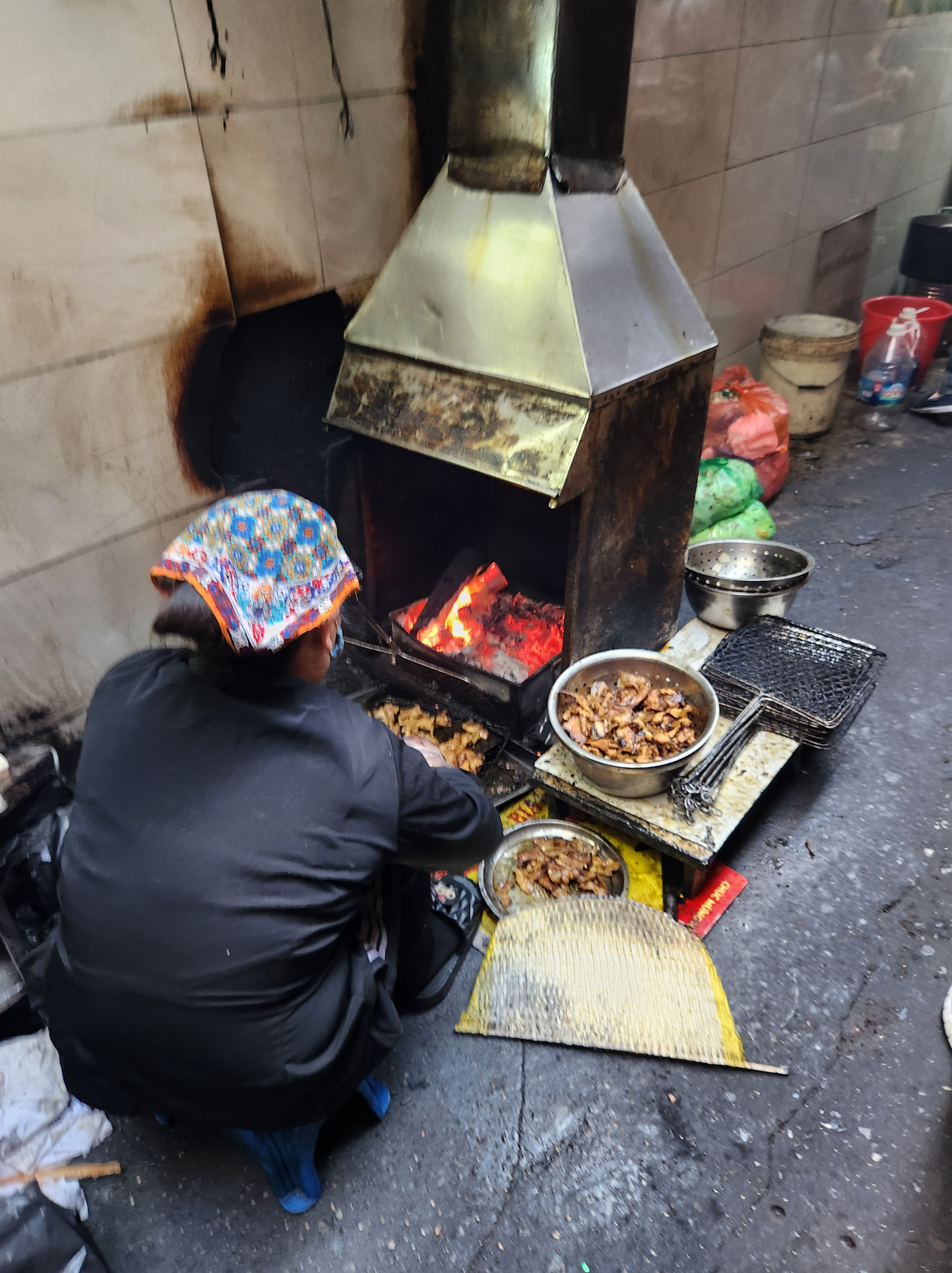
Hanoi. Despite the terrible air pollution and nonsensical traffic, we loved Hanoi! I don’t know if it’s because Hanoi was the first place we visited, but the city has that old-world charm that makes you feel like you’ve stepped back in time, with its narrow streets, cozy cafes and roadside restaurants complete with the quintessential small, plastic stools. We stayed in the Old Quarter; most things were within walking distance and every corner had something to be discovered.

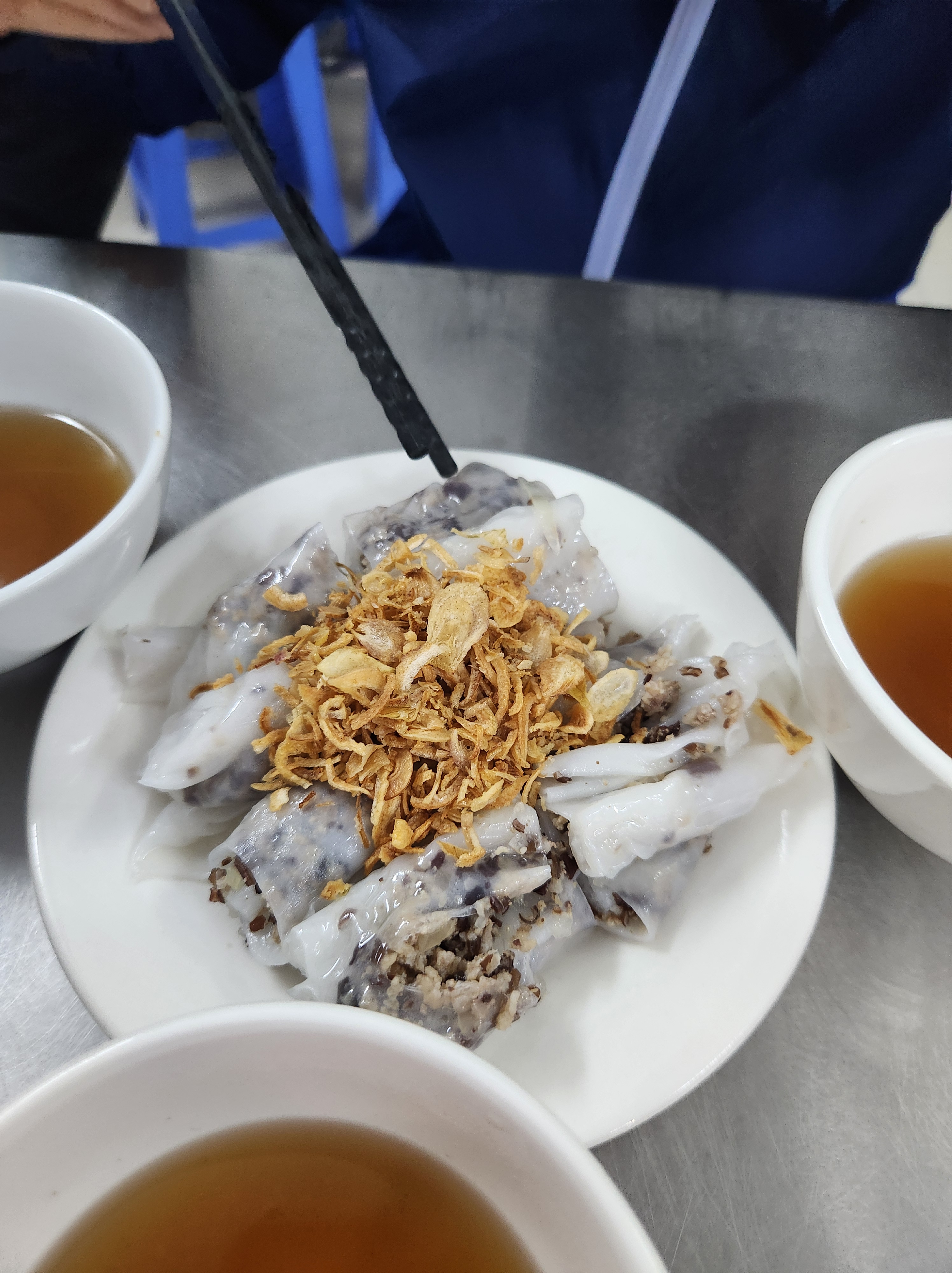
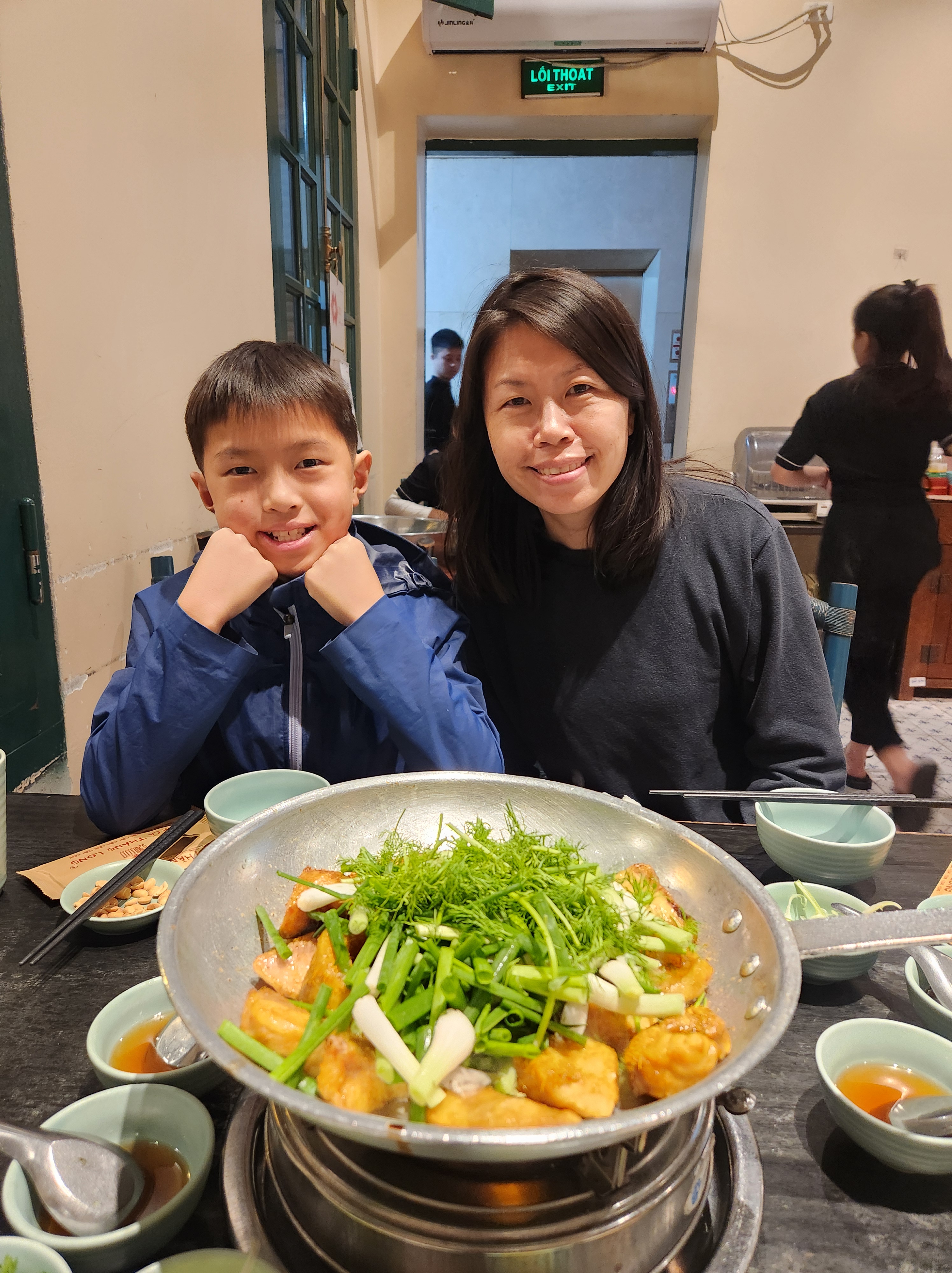
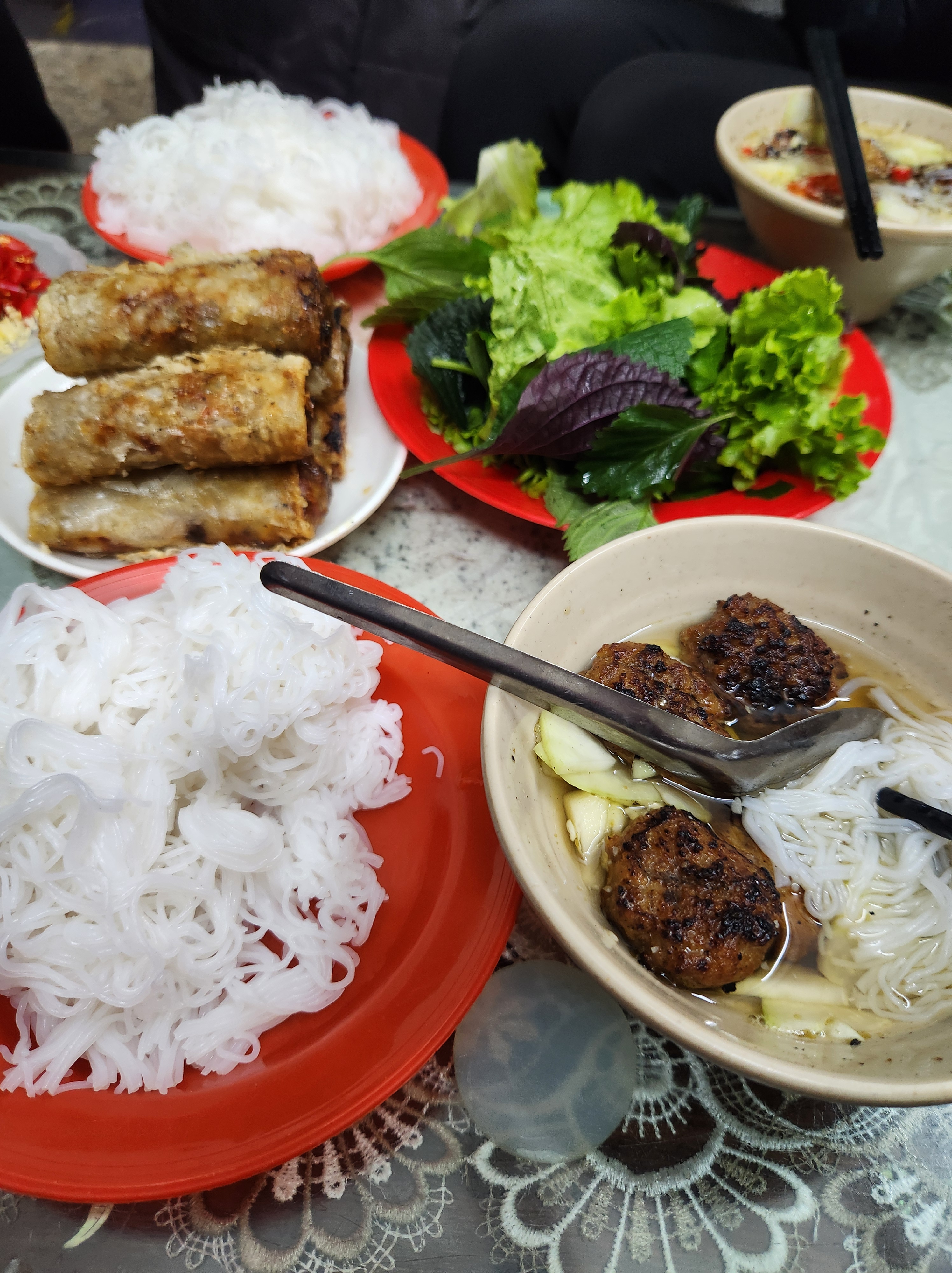
The food in Hanoi was also amazing. People have told me northern Vietnamese food is pretty bland but we didn’t think that at all. I don’t think we had one bad meal there, and of course everything is so, so affordable. Our meals were usually around $8-$10 for a family of four. 😱

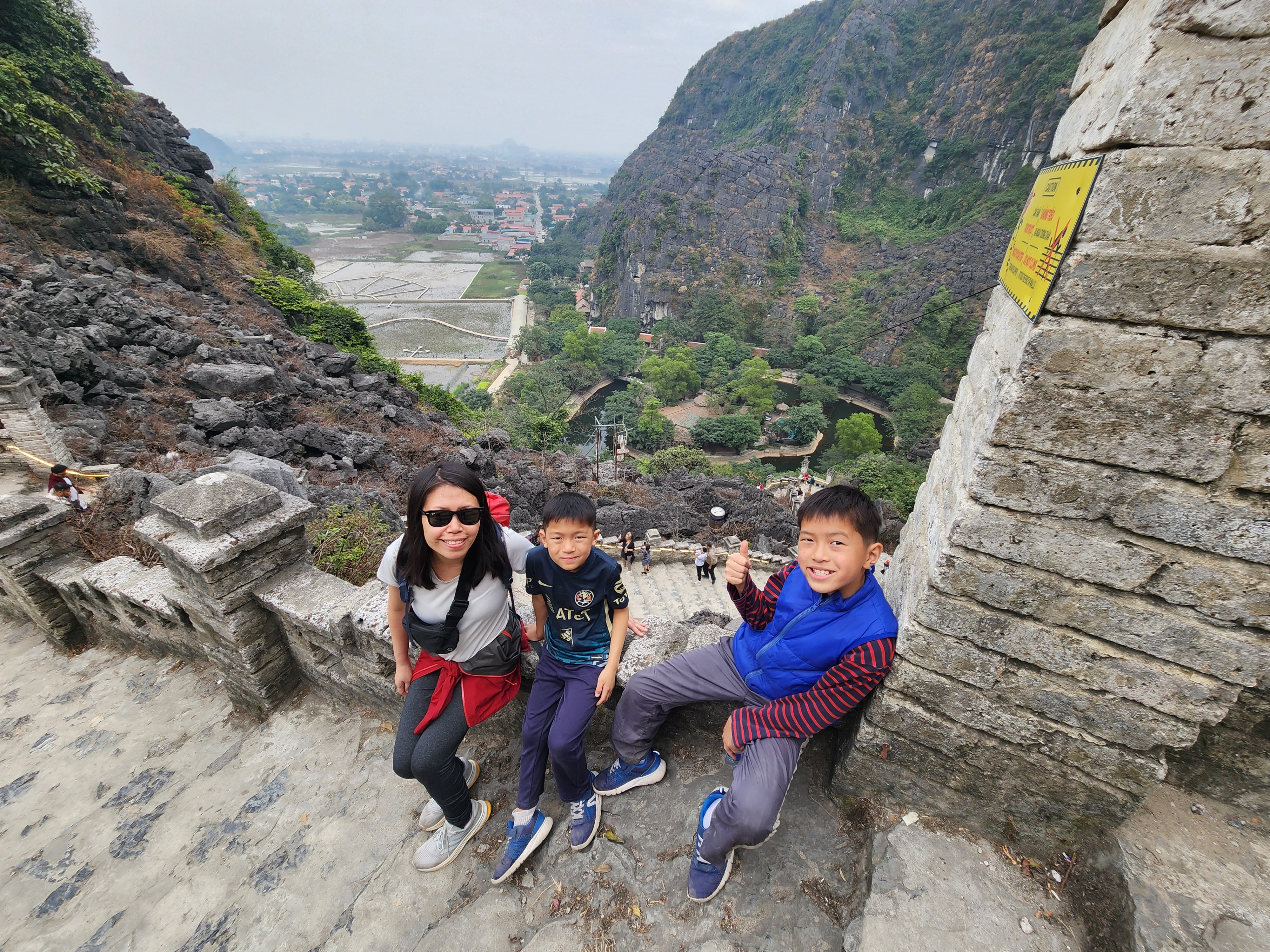
During our stay in Hanoi, we also booked a day trip to Ninh Binh, a city in the countryside with calm rivers flanked by stunning limestone mountains and caves. It was so scenic! After the boat tour, we hiked to Hang Mua Cave and climbed up the Ngoa Long (Lying Dragon Mountain). The hike was all stairs so it was definitely a work out!

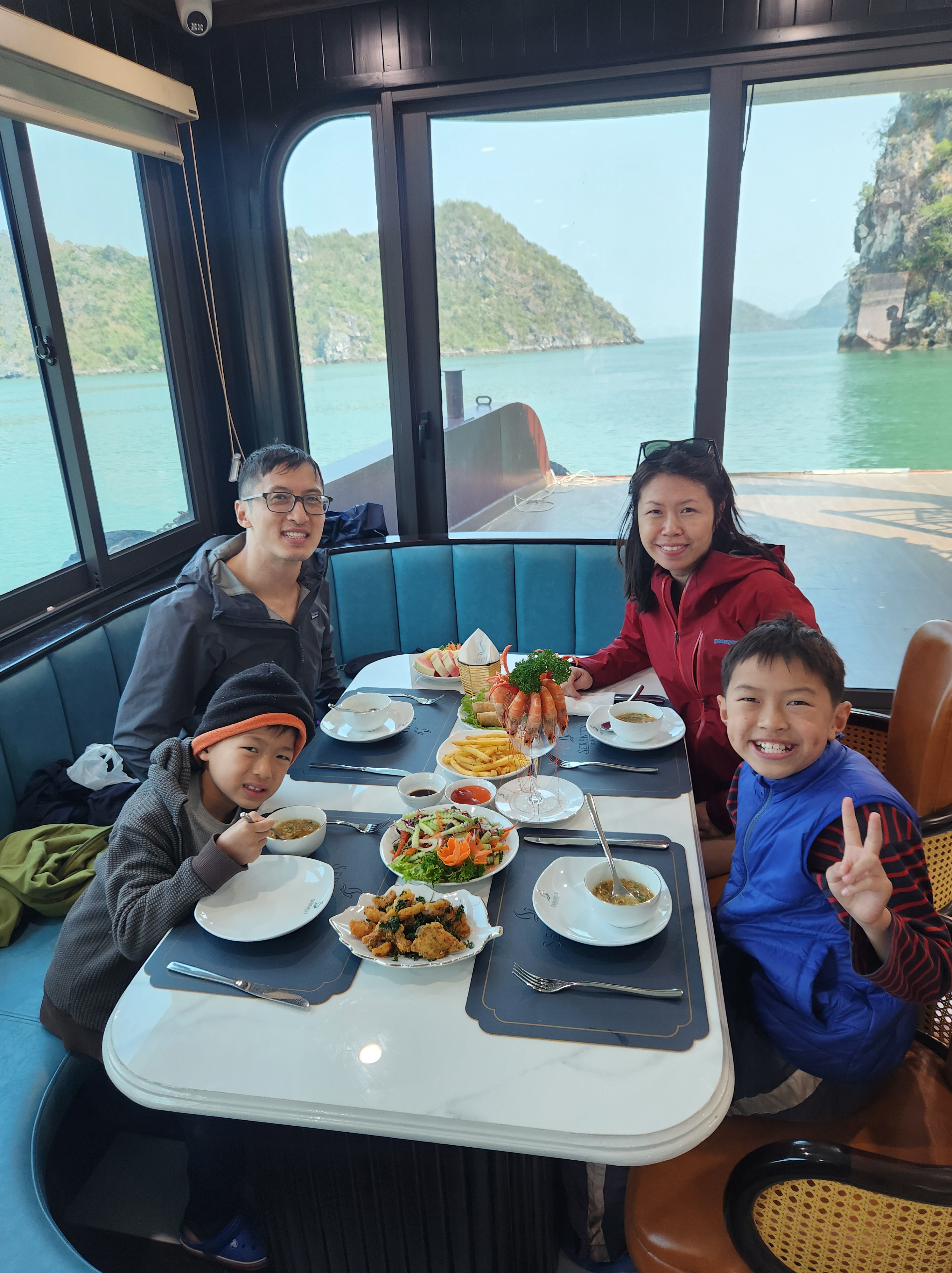
Ha Long Bay. We left Hanoi and took a 2 hour bus ride to Cat Ba Island, a gateway to Ha Long Bay. Originally, we wanted to go on a 2-night cruise to Ha Long Bay but the atrocious prices and lukewarm reviews turned us off. So, Baba found a more economical alternative: stay in Cat Ba Island for 2 nights and book a day cruise to the bay. 🙂

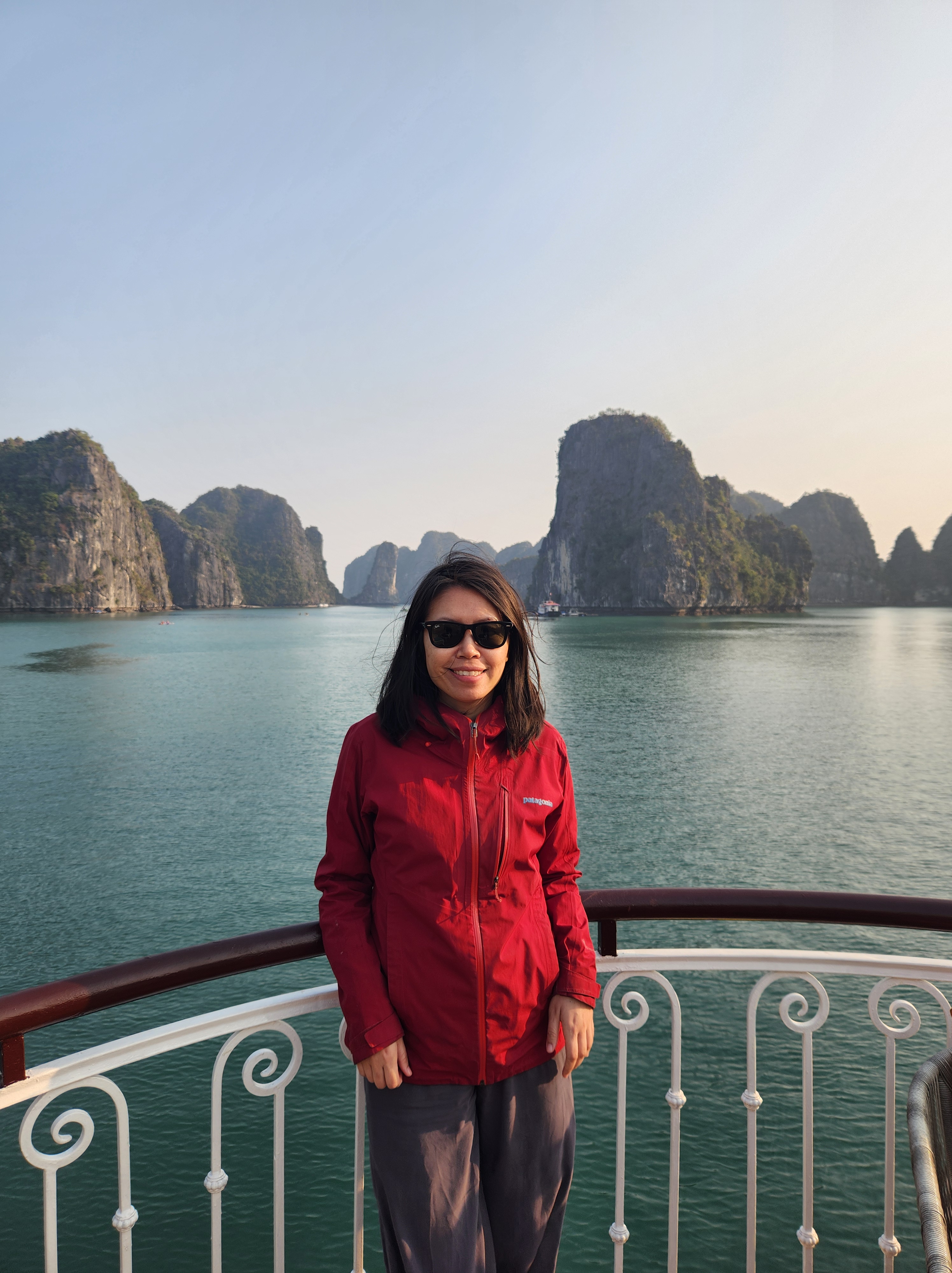
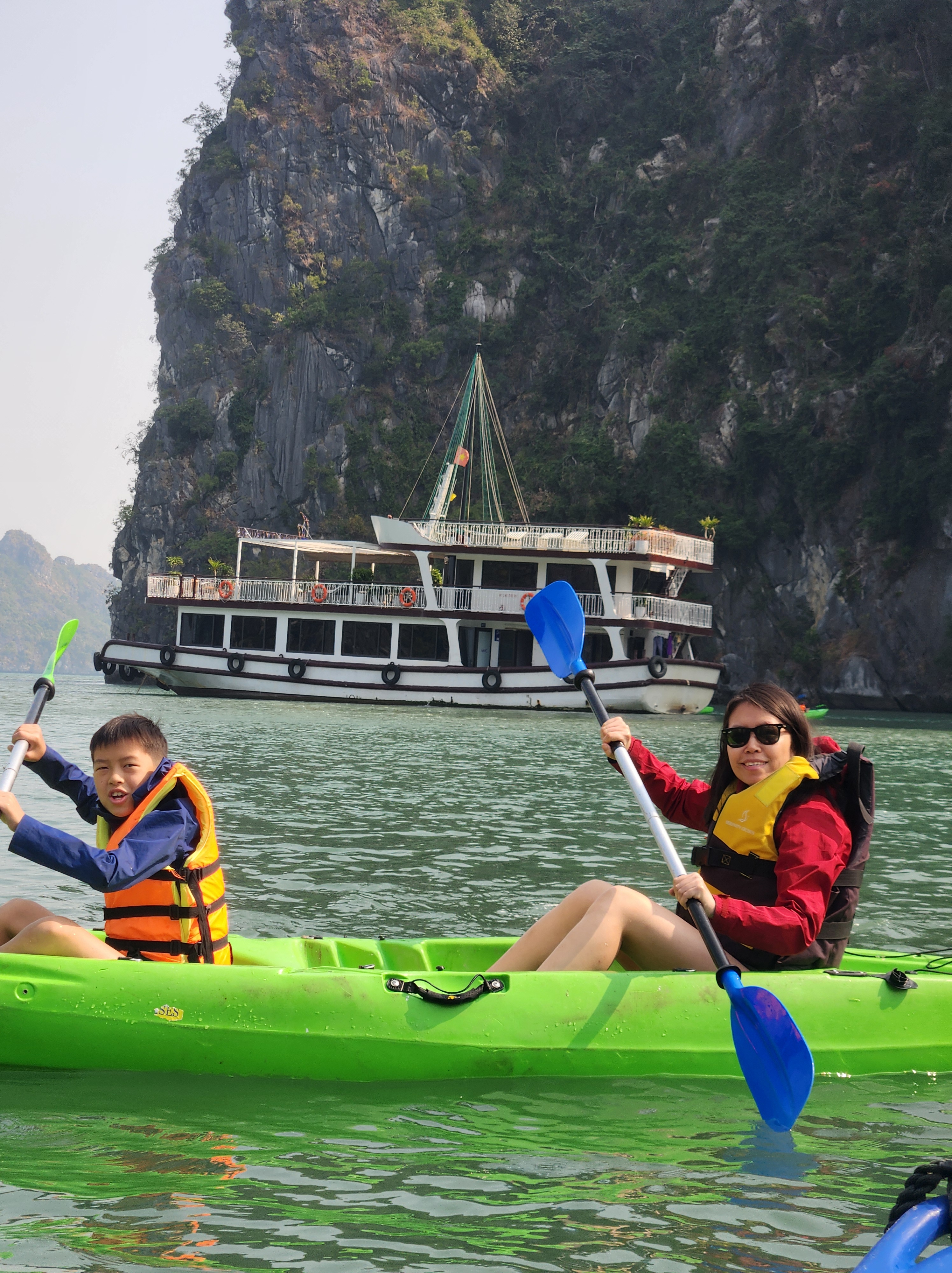
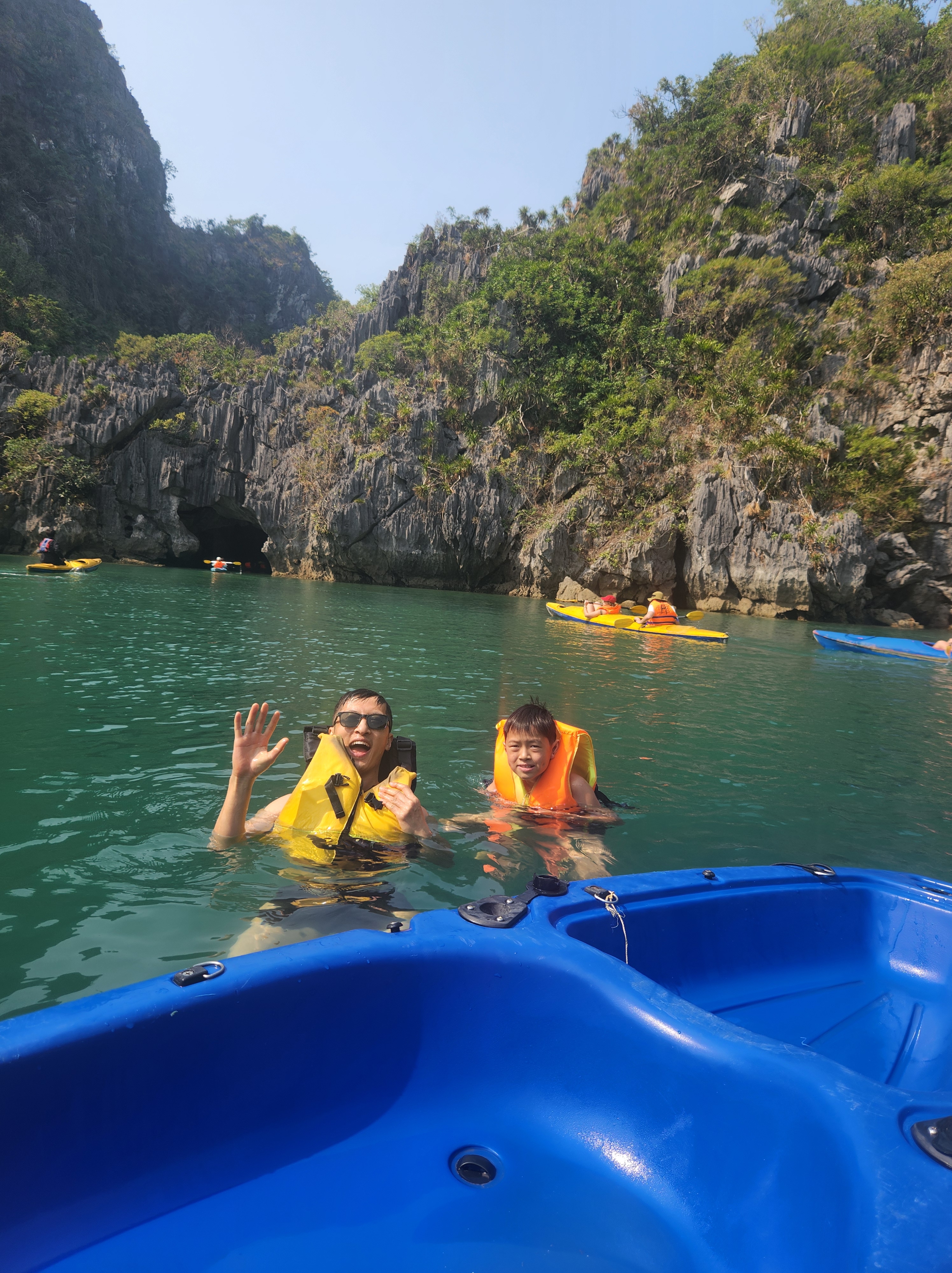
There wasn’t much to do on Cat Ba Island (although the tourism department is trying to build it into a resort town) and the food was mediocre. But we had a wonderful day cruise around Ha Long Bay – the views were beautiful and we got a chance to do some water activities even though the water was freezing. Our tour operator was Cat Ba Express and they were great. They seamlessly organized the cruise and transportation to/from Hanoi.

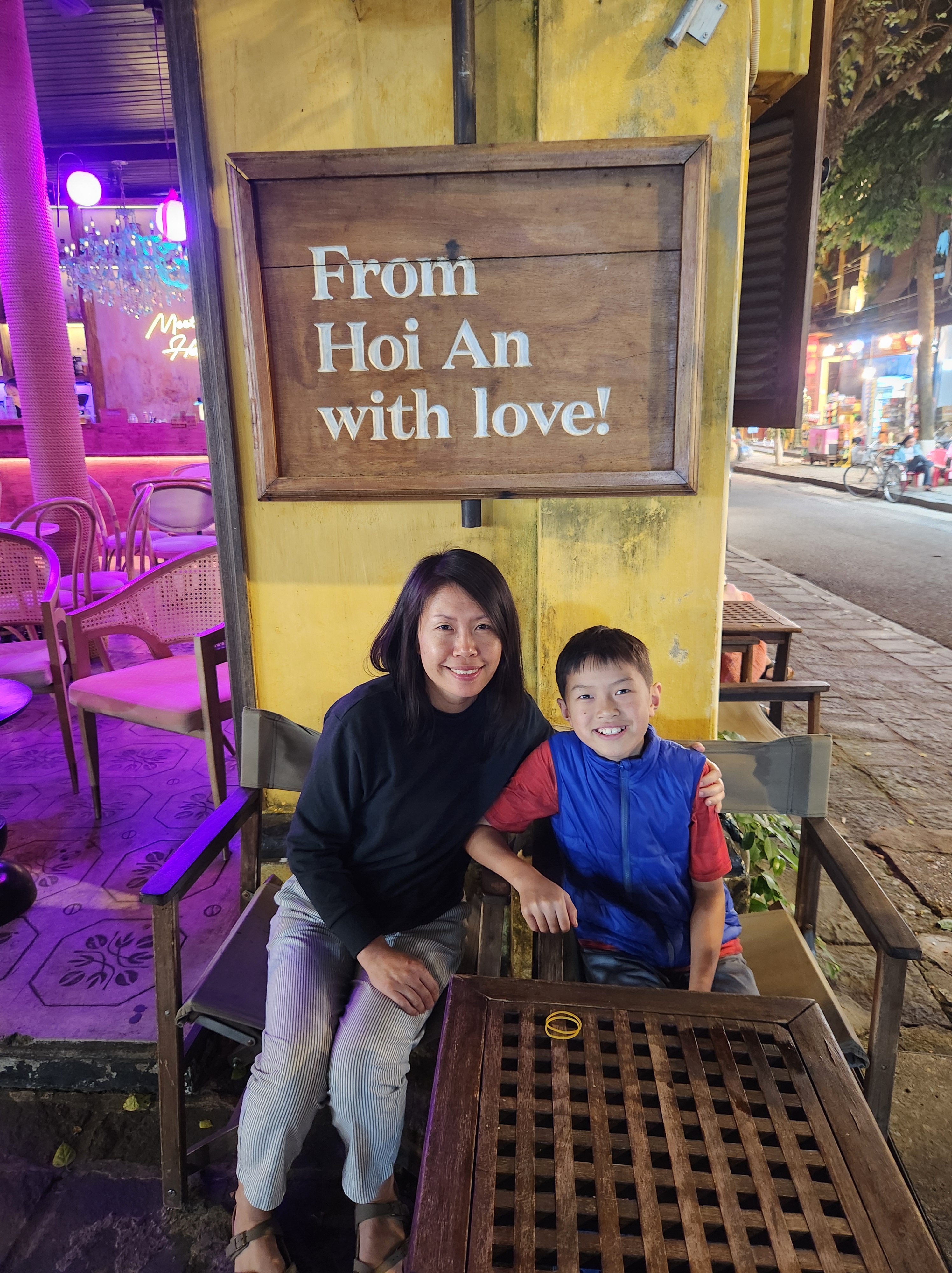
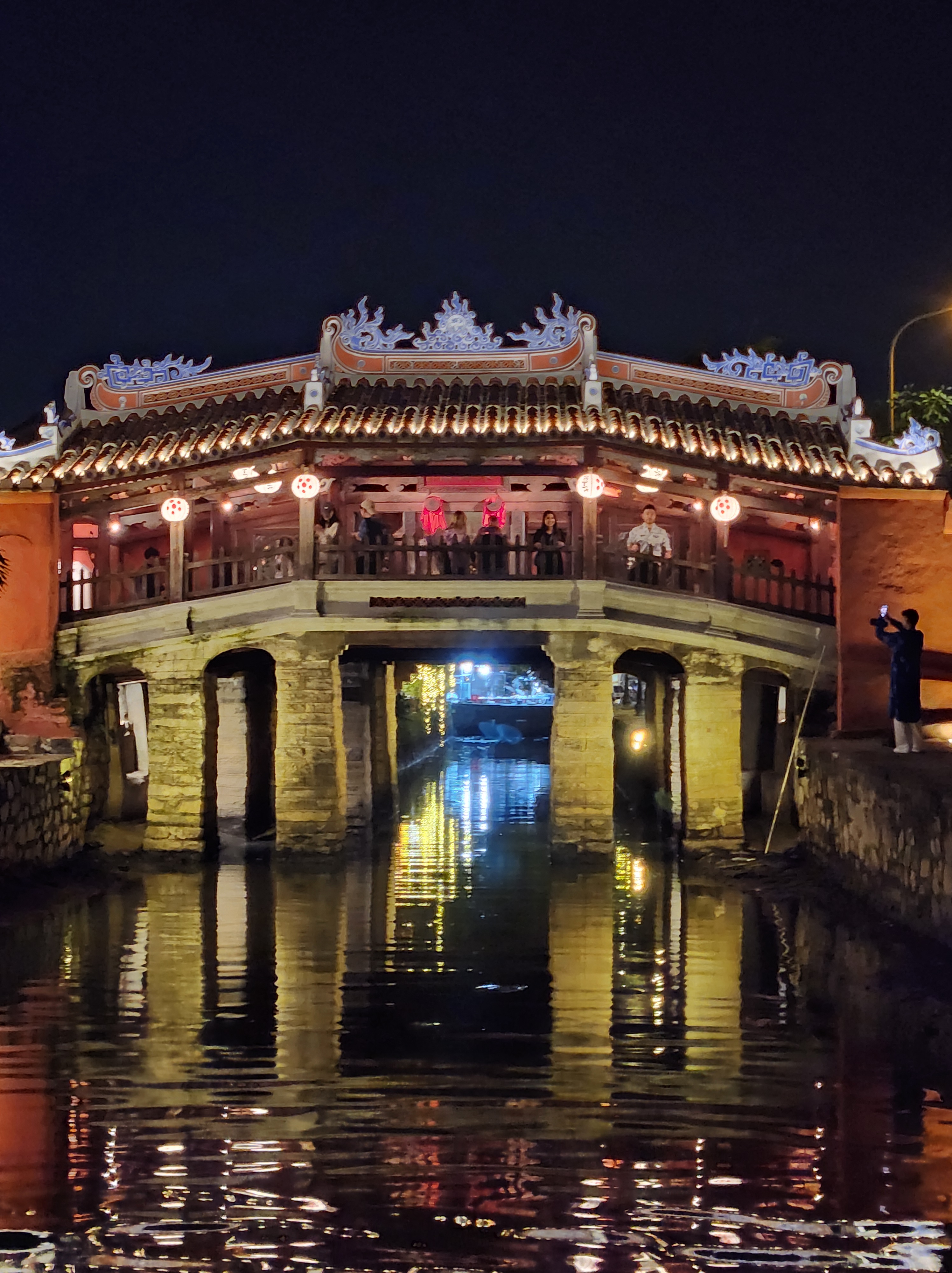
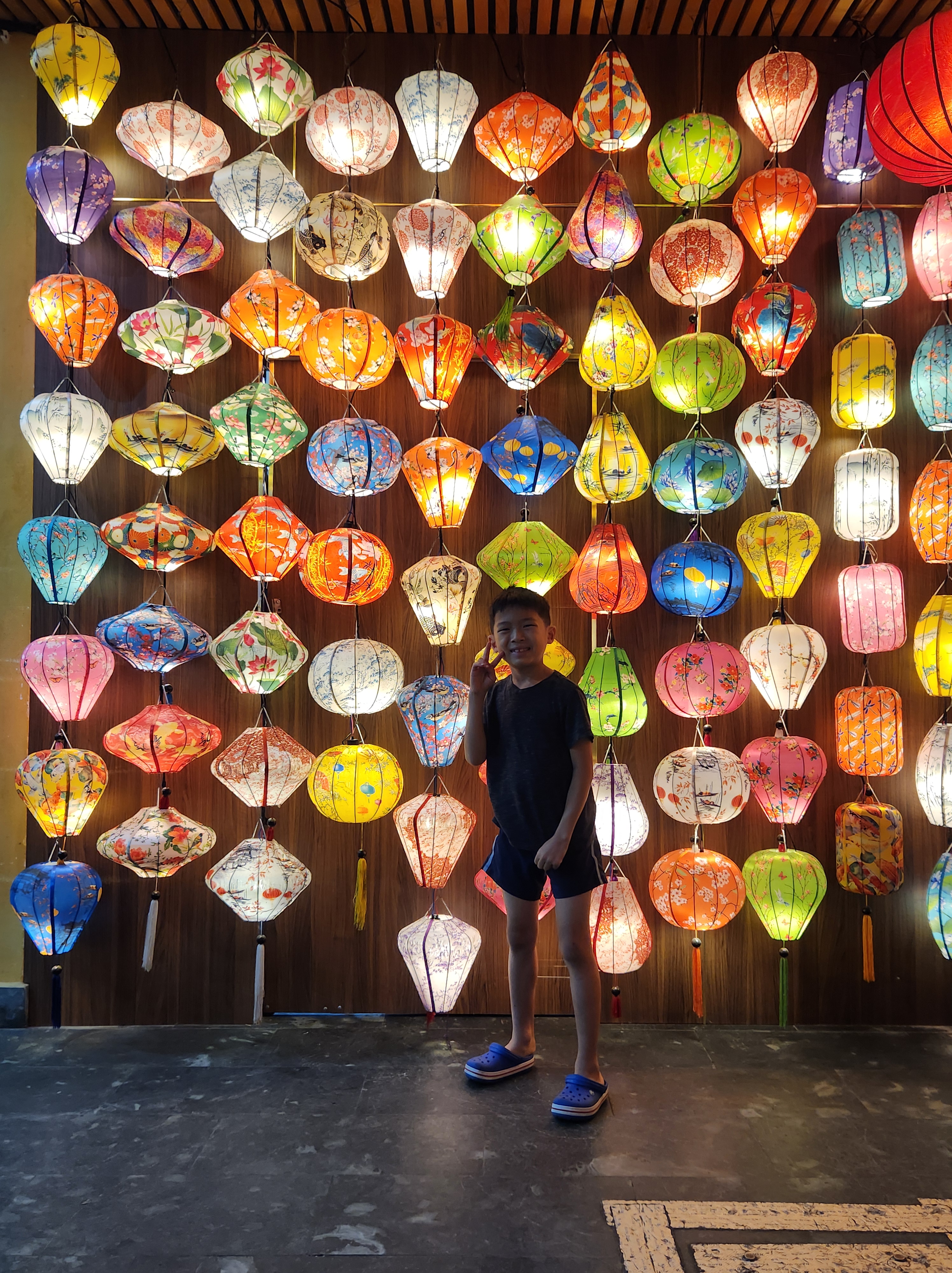
Hoi An. After Ha Long Bay, we flew to central Vietnam which included Hoi An. Hoi An is an incredibly picturesque city and has become one of Vietnam’s most Instagram-able place.

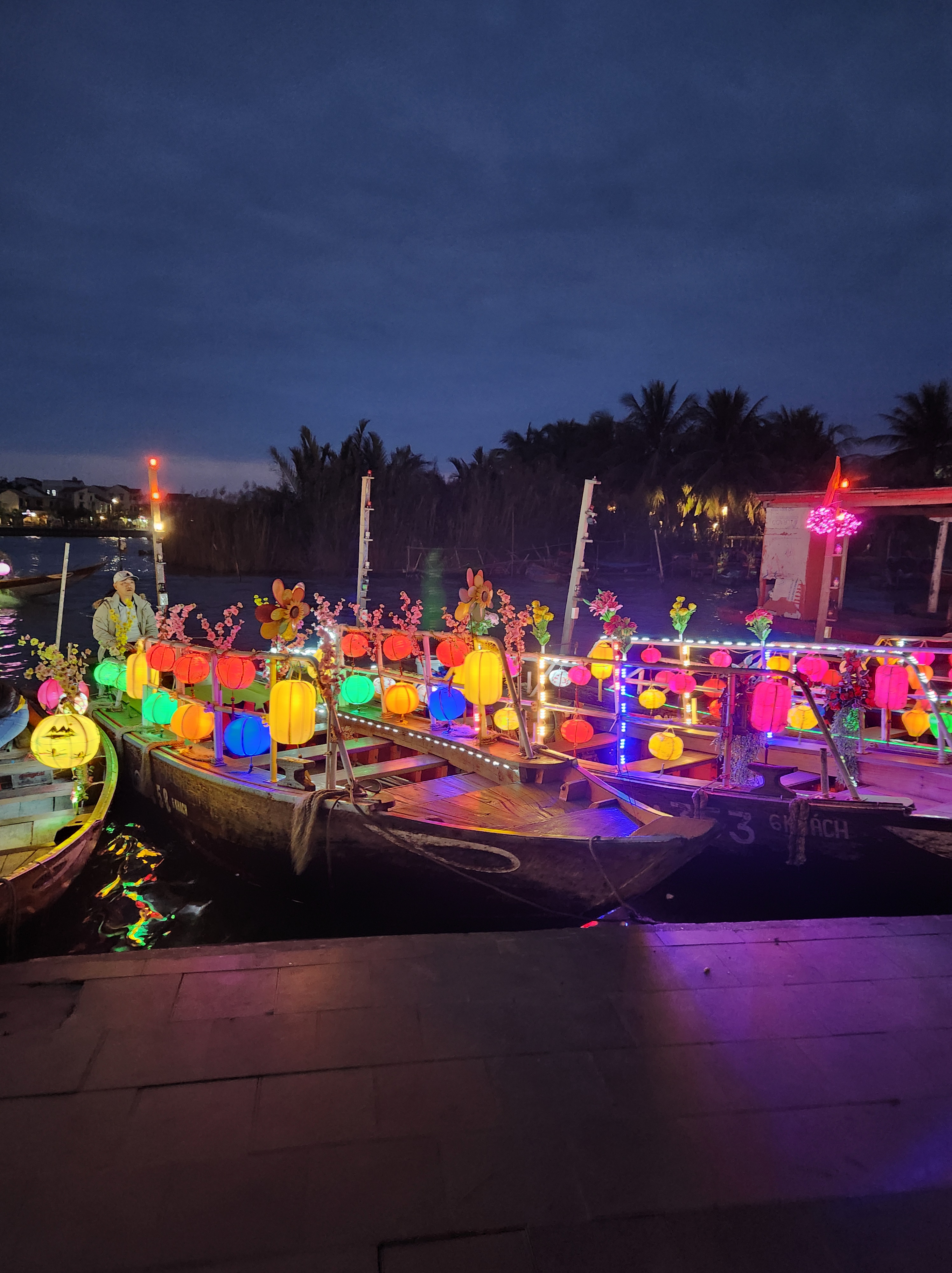
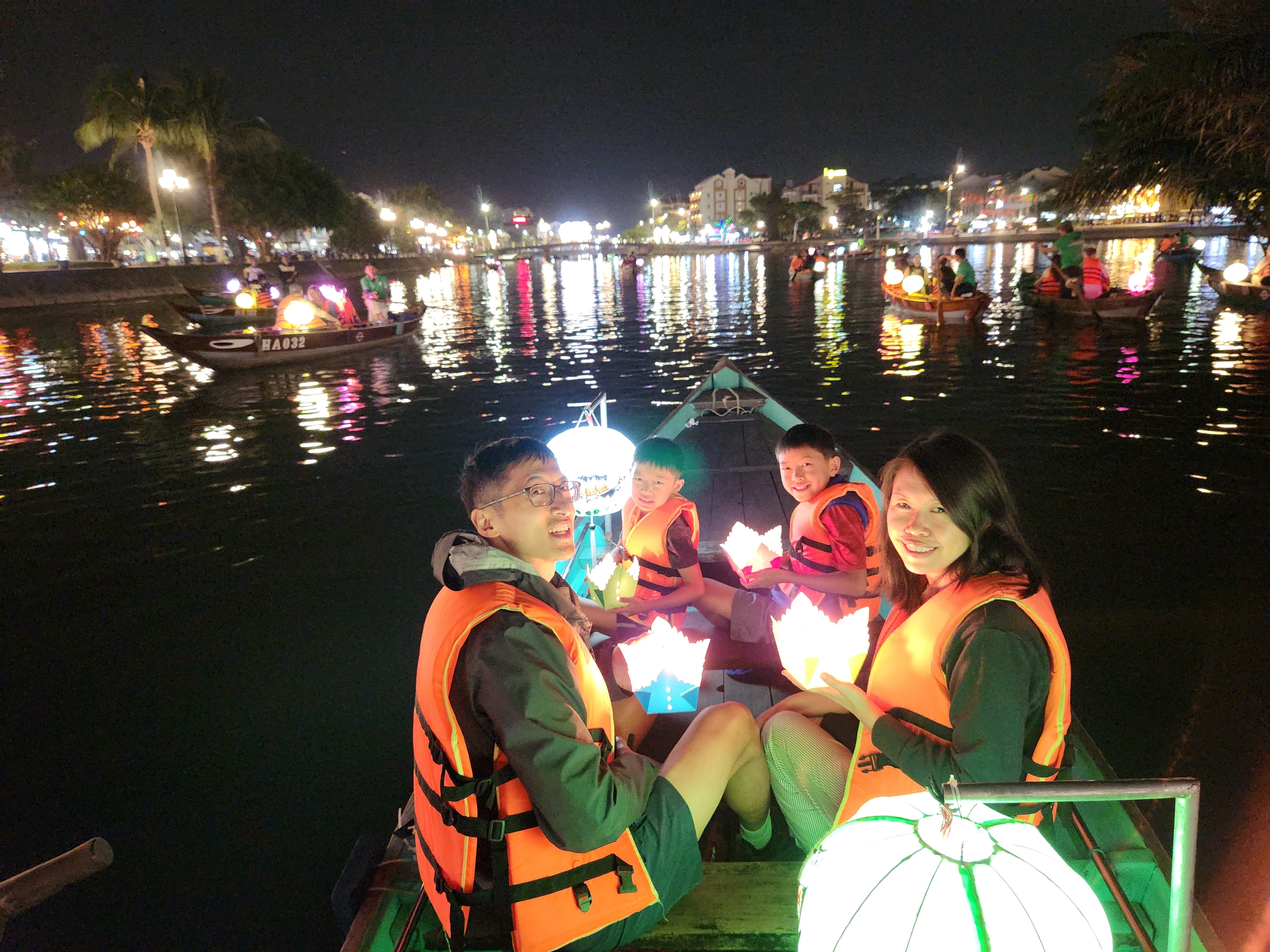
Hoi An is a very small city so after one day of sightseeing, we were pretty much done. There were so many tourists in the main part of Hoi An that at times it felt like a commercialized tourist trap. The streets were lined with shops selling souvenirs or tourist “experiences” like the lantern release on the river (which we ended up doing anyway 😅).

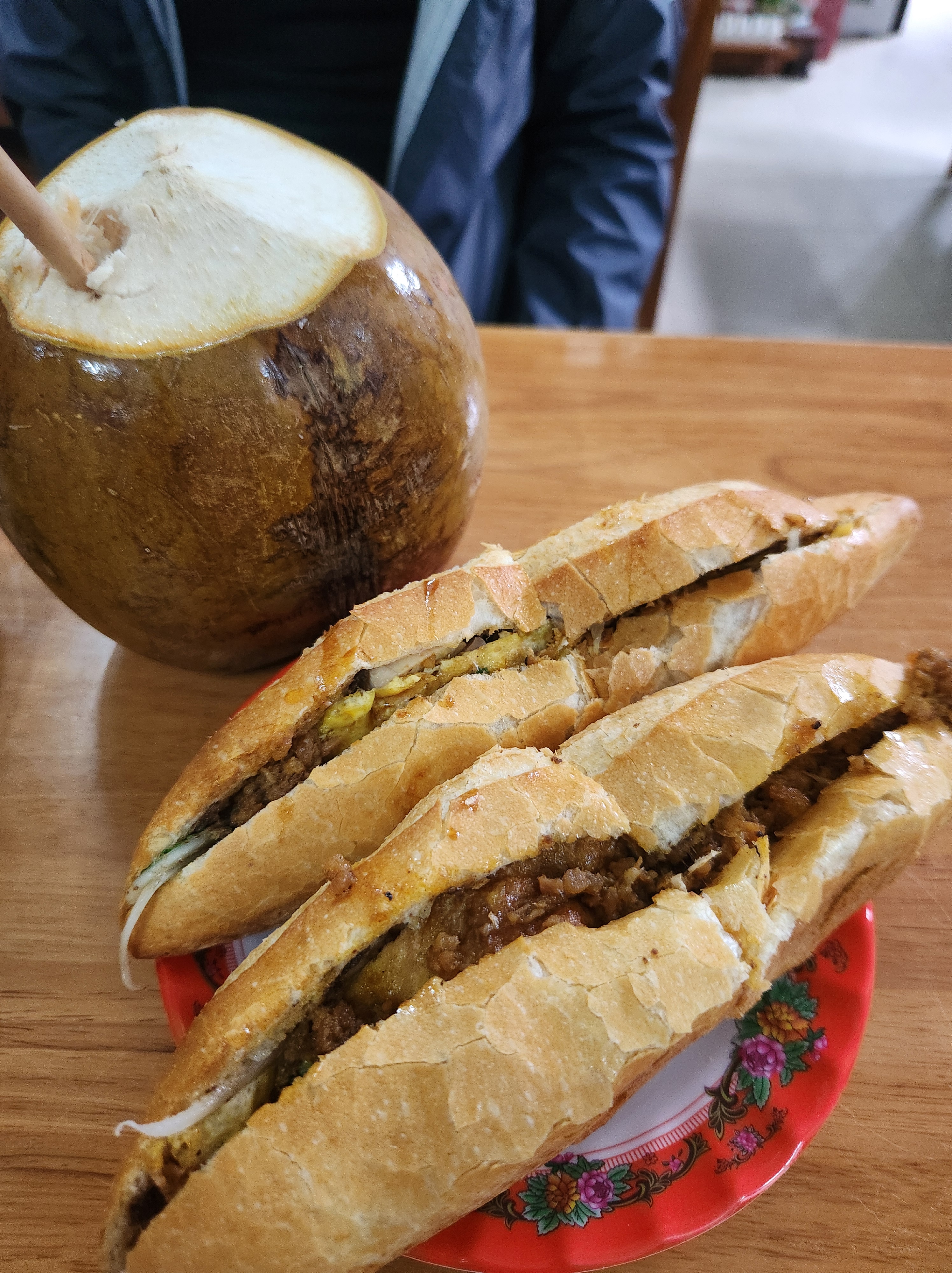
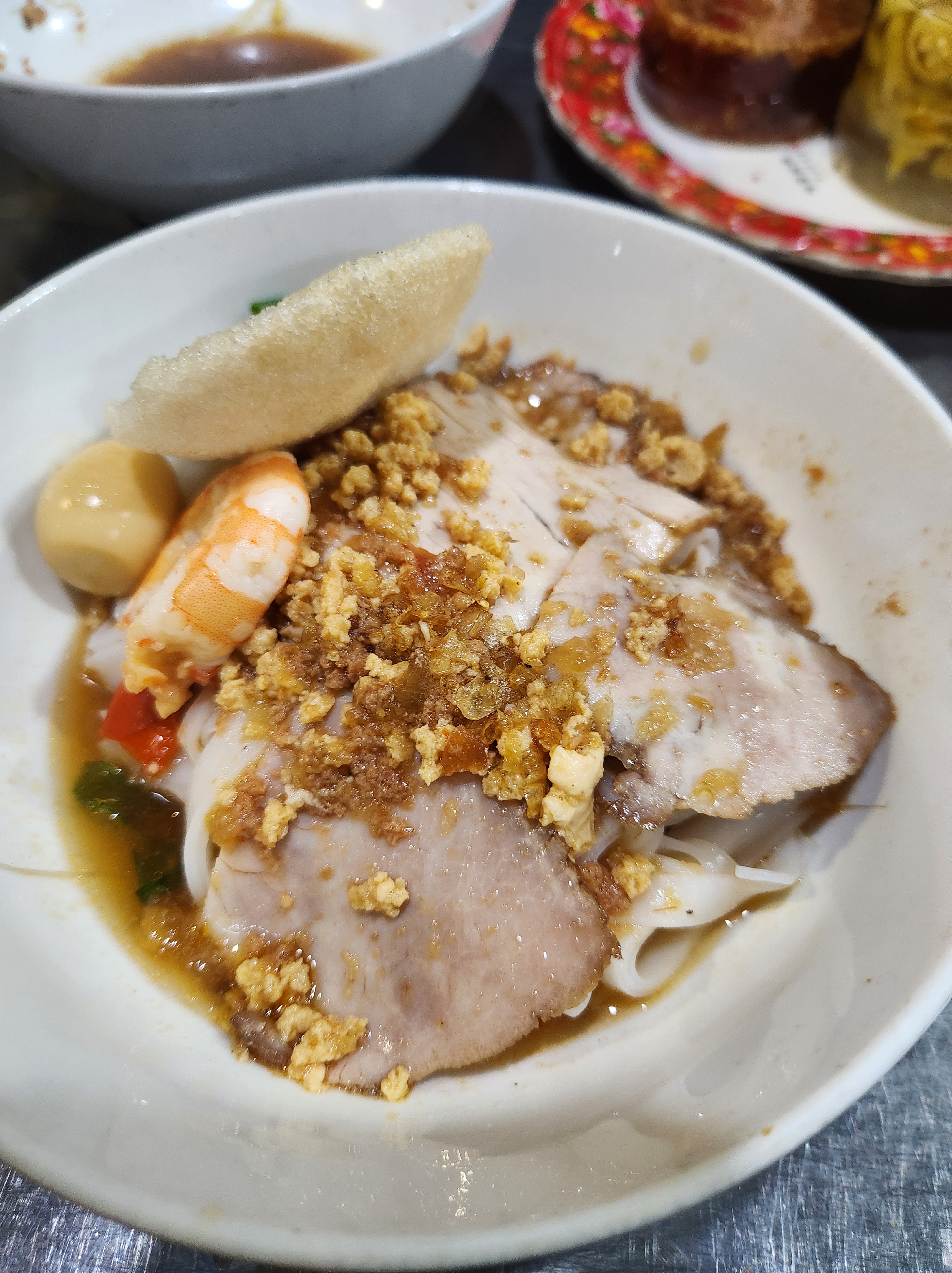
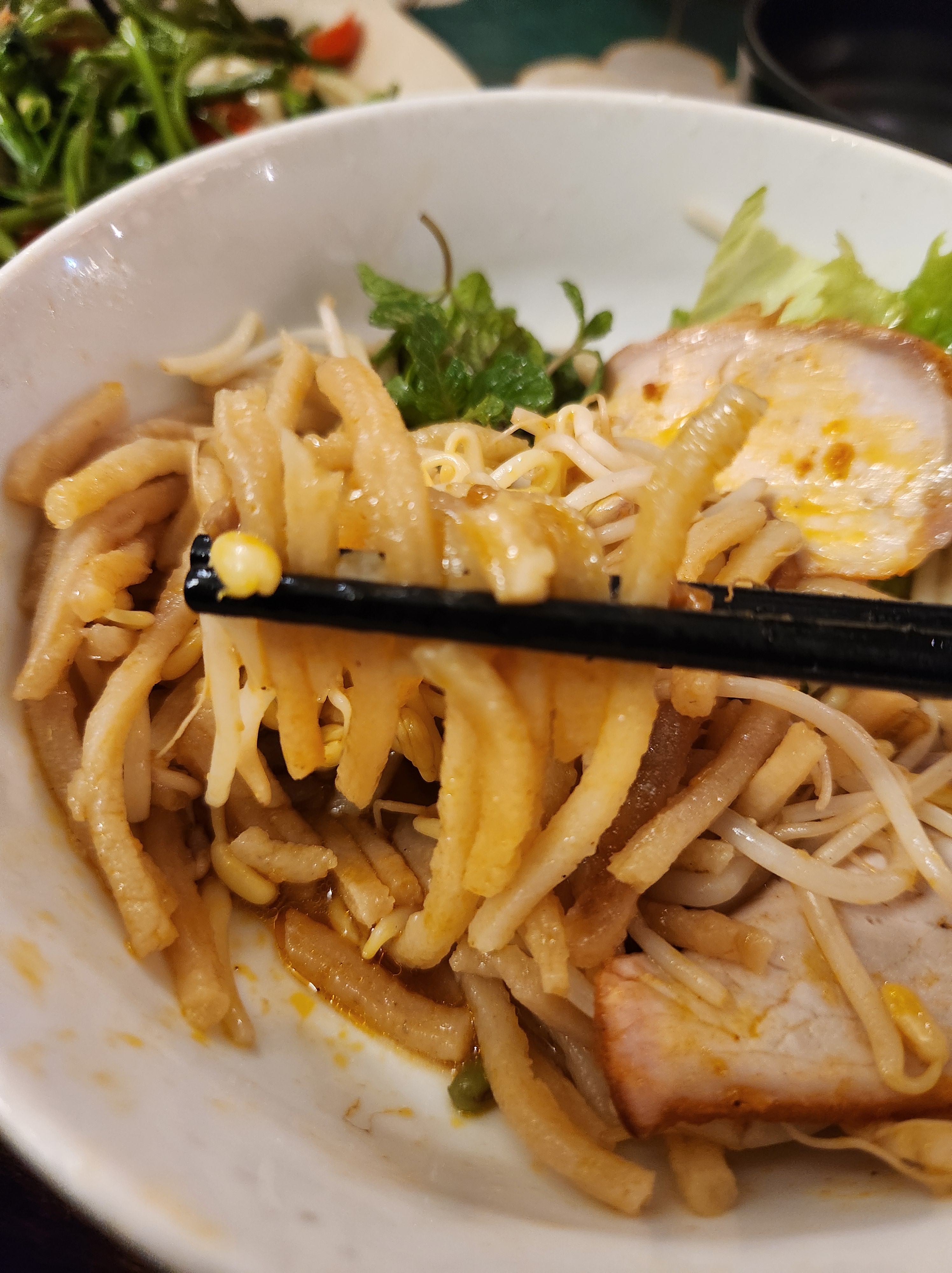
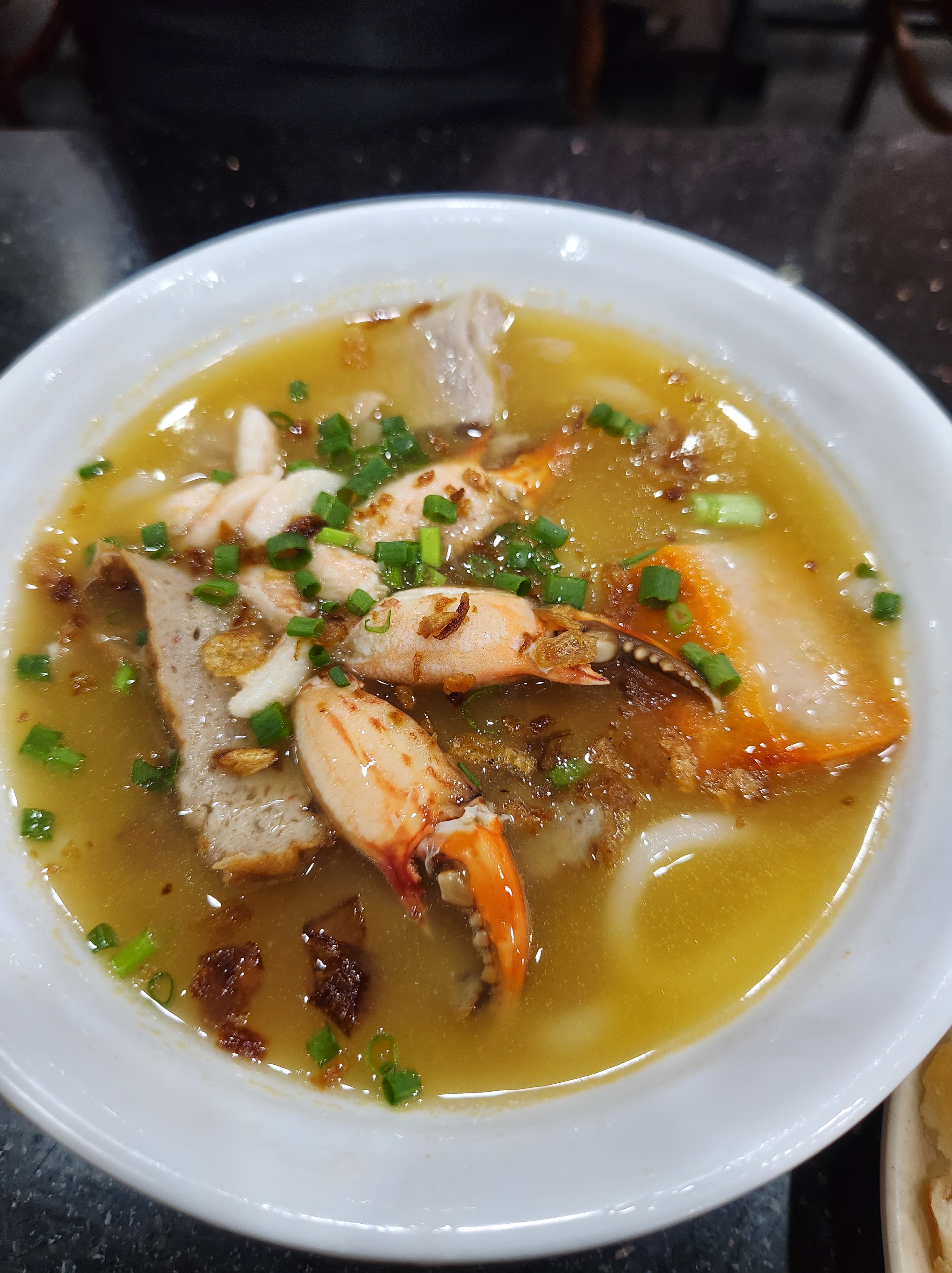
Nonetheless, we ate some good comfort food in Hoi An like bánh mì (including the shop that Anthony Bourdain visited!), and dishes native to central Vietnam that we’ve never had before, like mì quảng and cao lầu.

Da Nang. Da Nang is just a one hour drive from Hoi An. We only stayed here for 2 nights, but wished we stayed longer because it turned out to be one of our favorite places in Vietnam.

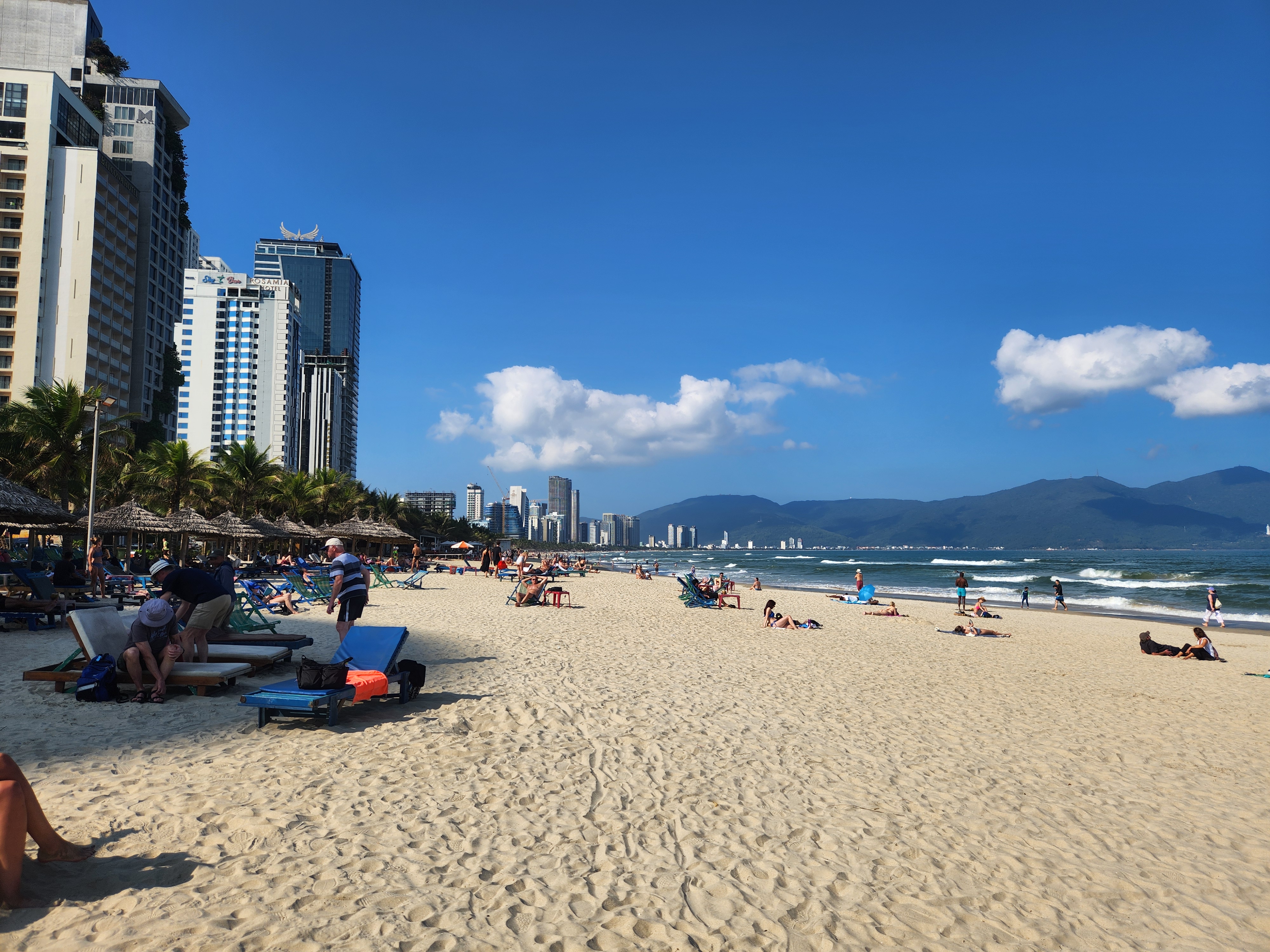
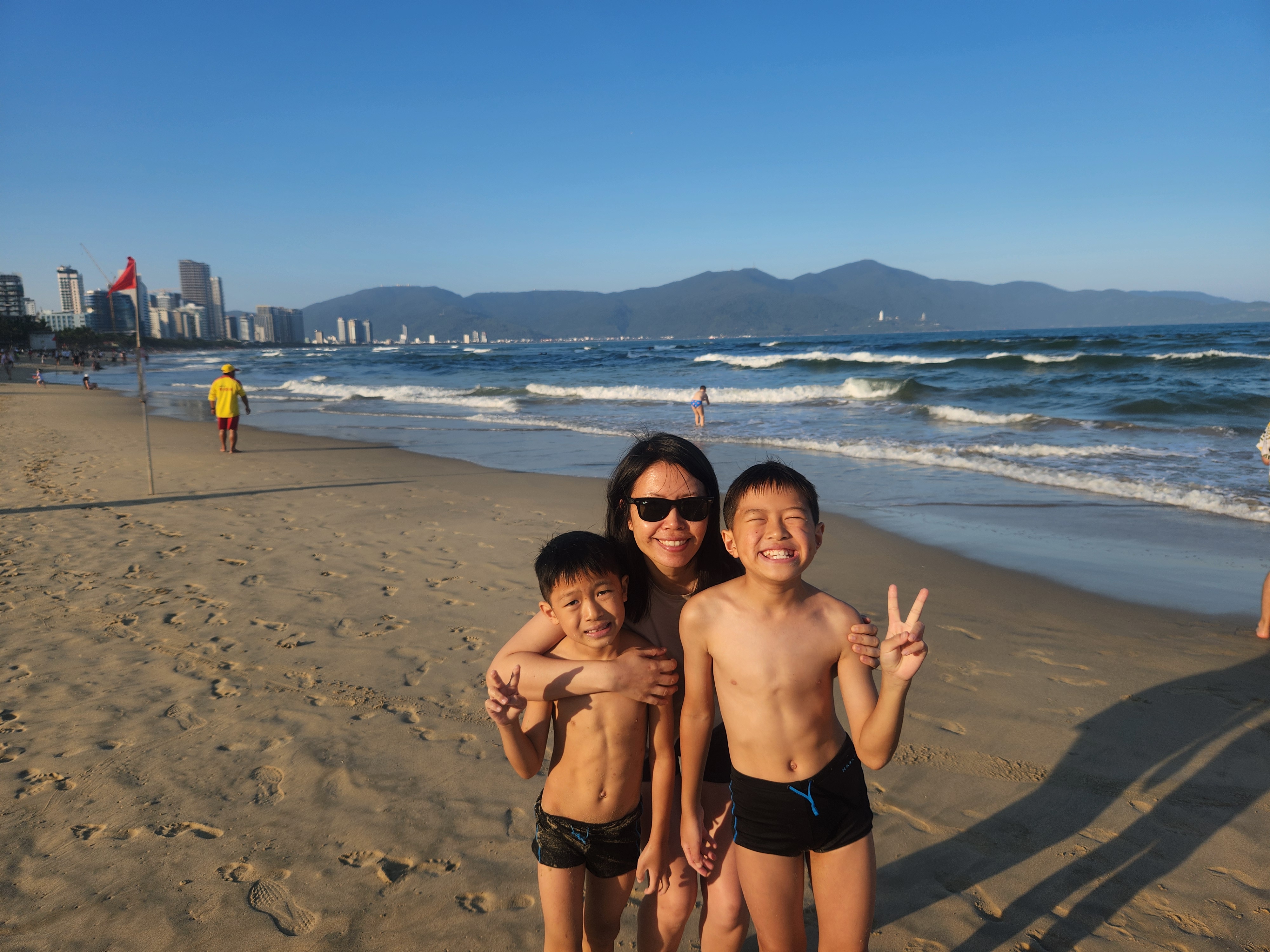
There are two sides to Da Nang. We stayed at the “resort” side, which was next to a really nice beach and tourist-friendly shops and restaurants. The boys loved the beach here and kept wanting to stay. (Taipei has no nearby beaches so the boys miss it immensely.)

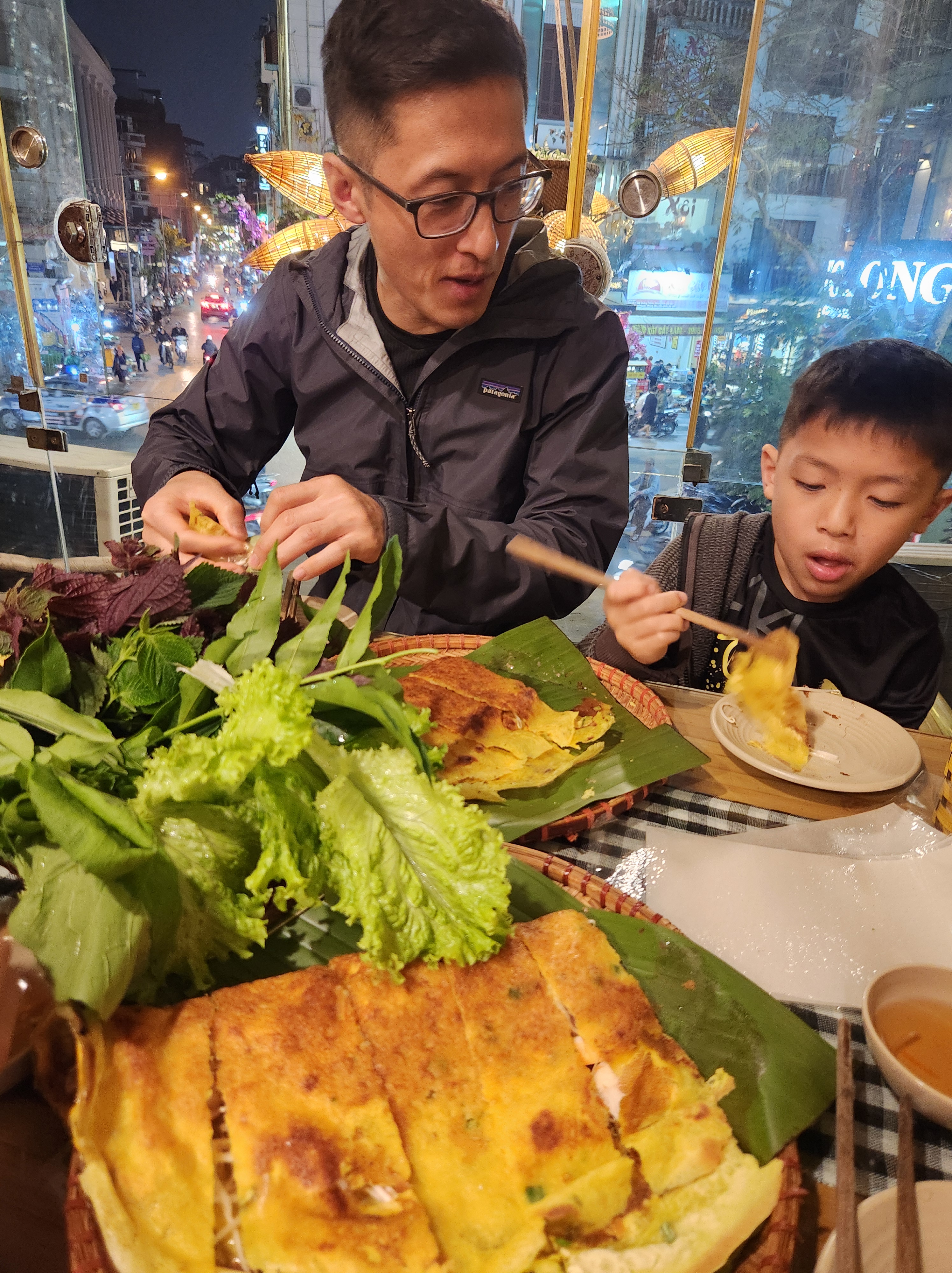
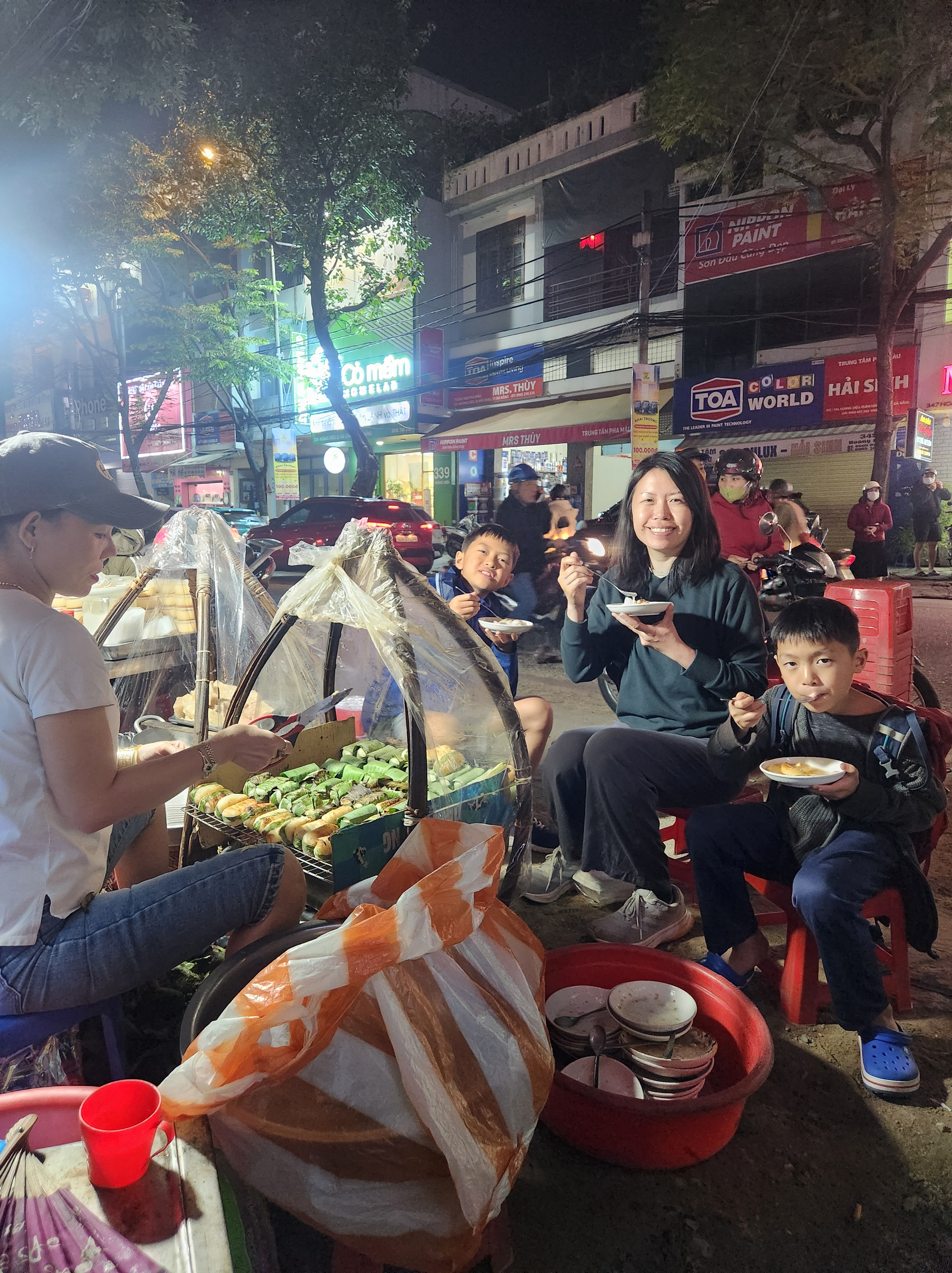
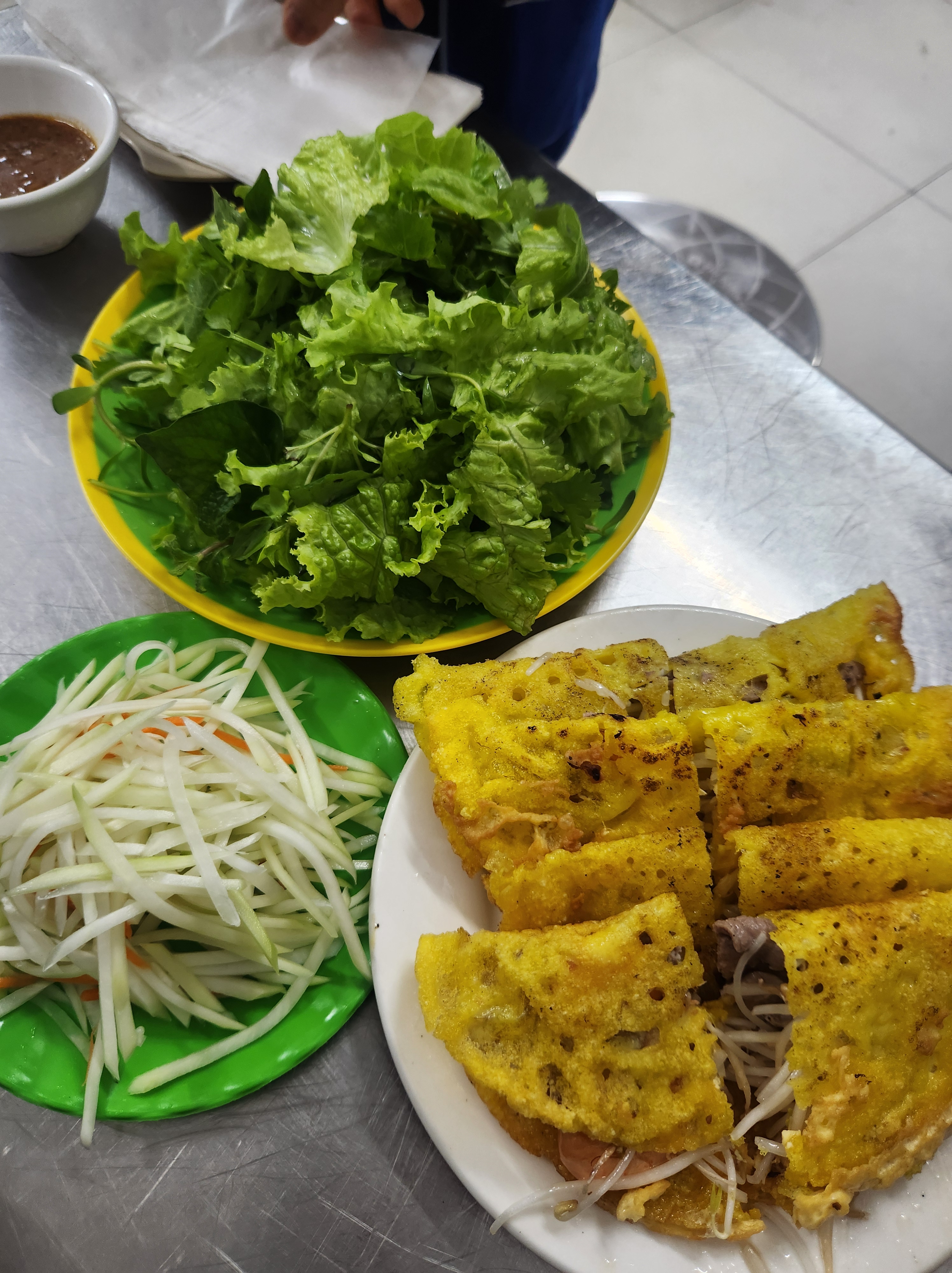
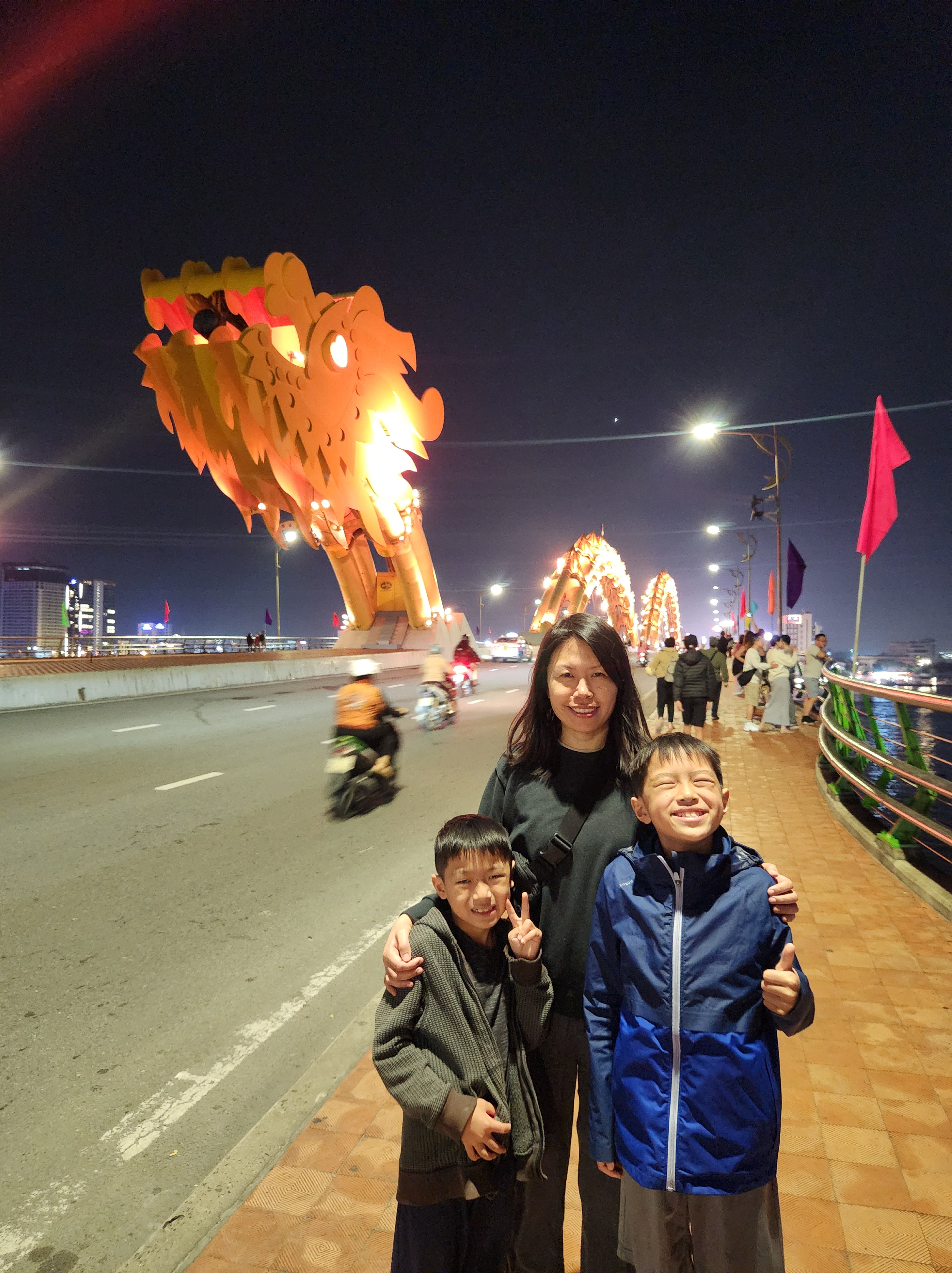
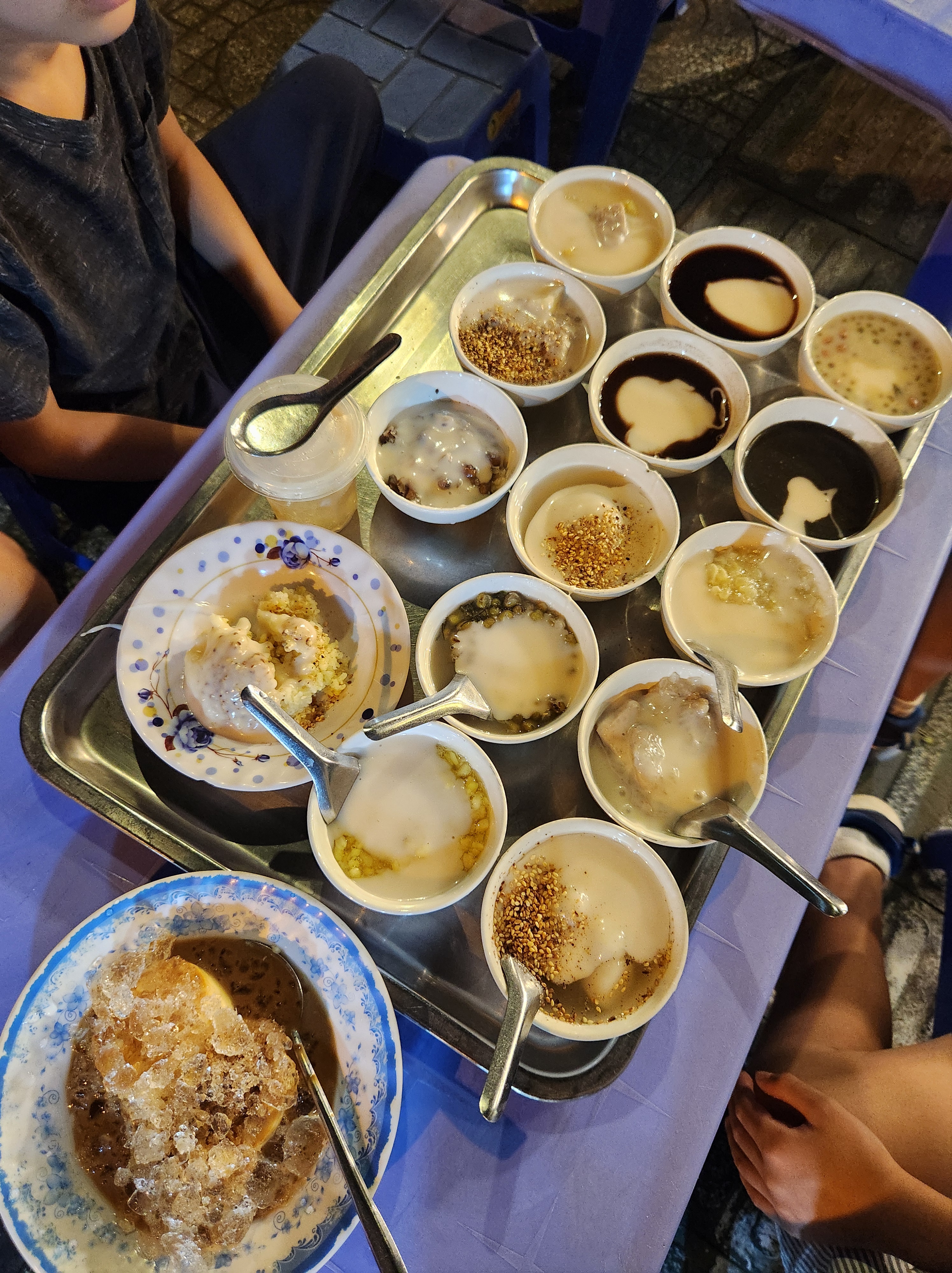
We thought that was all of Da Nang until we did a Google search and realized there’s another part to the city over the bridge. A part that is a bit grittier and more frenzied, but with much more authentic, delicious food and interesting sites. We loved this part of Da Nang the best and had some of the best bánh xèo of our lives here!

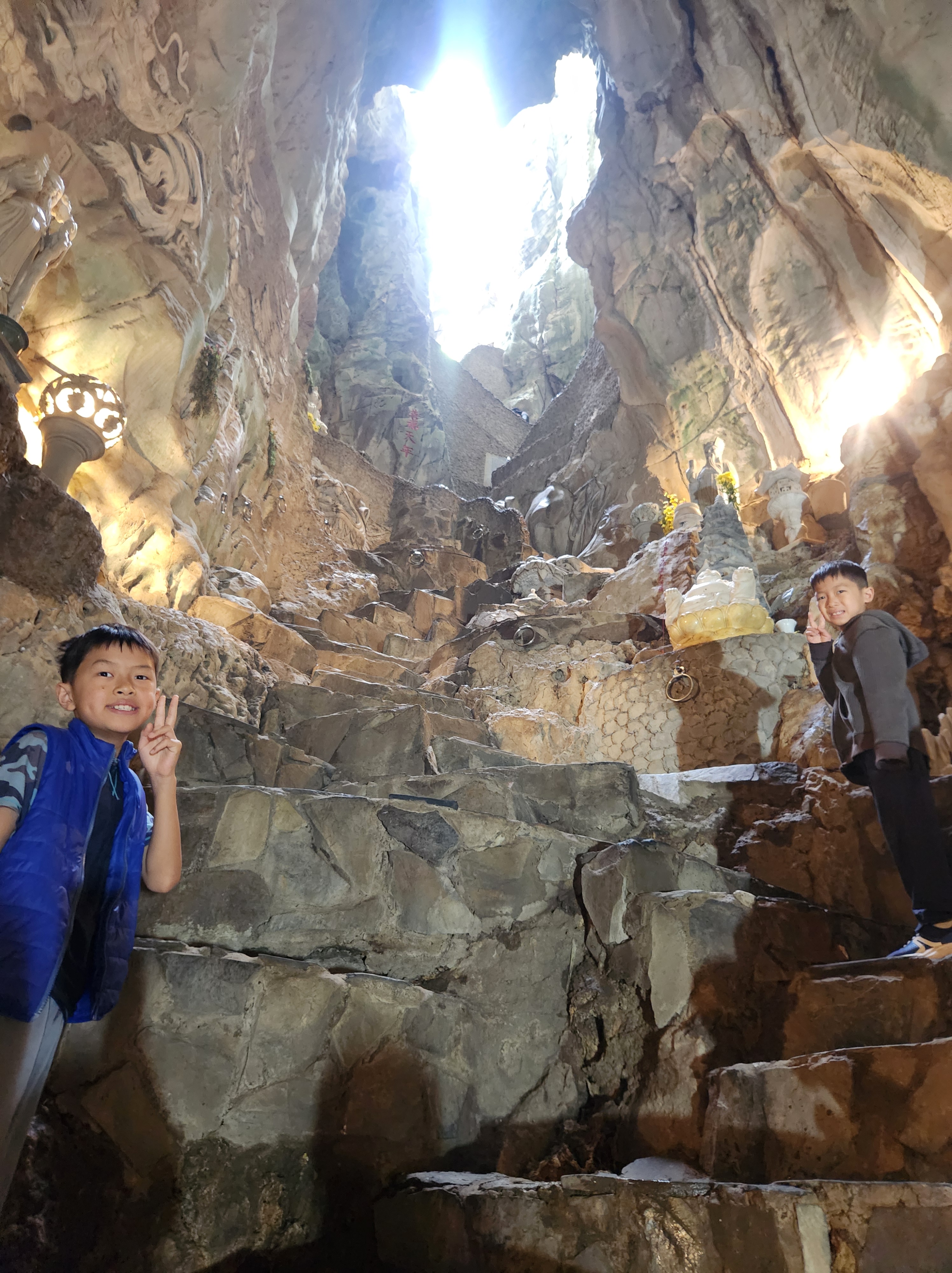
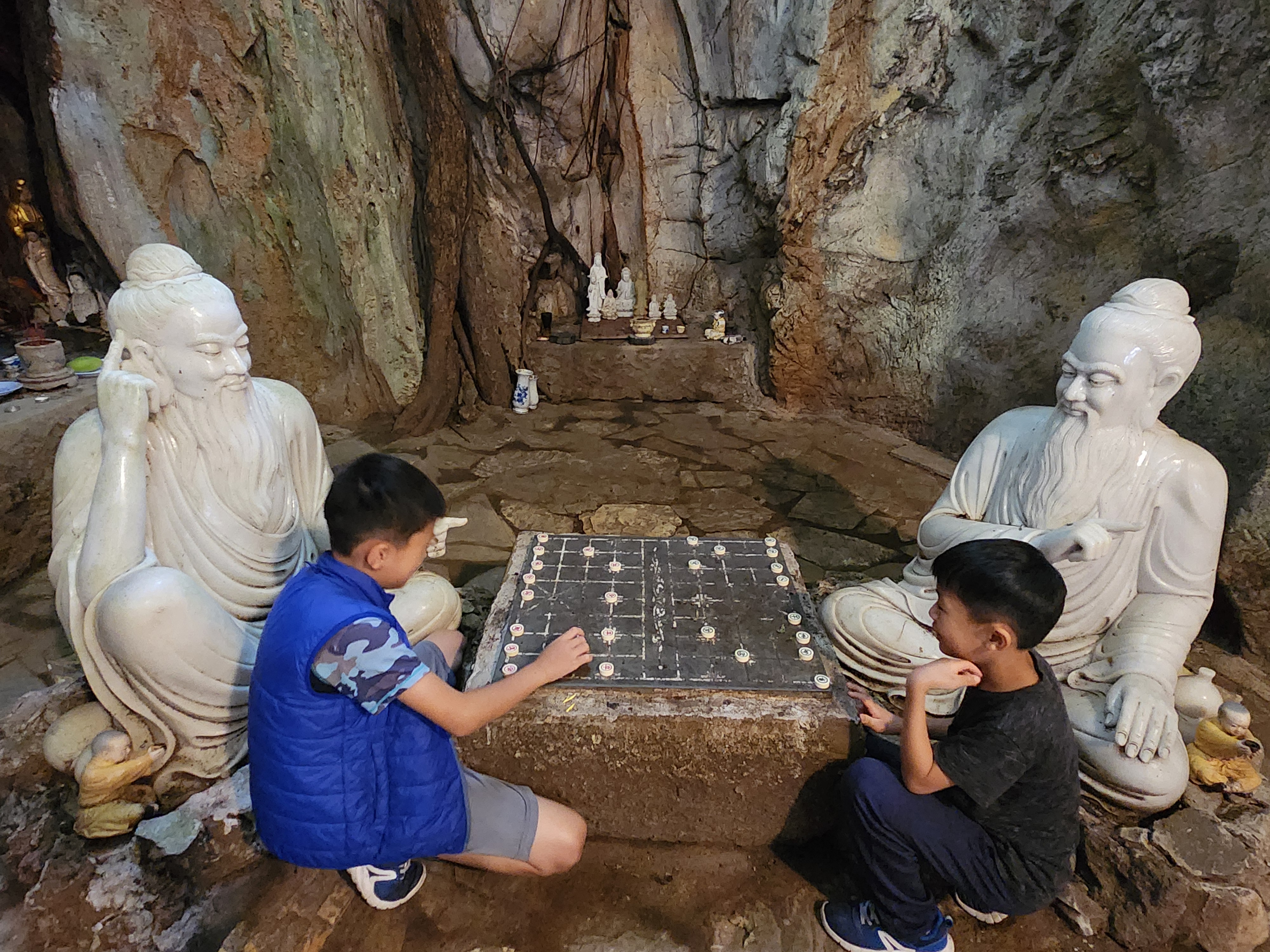
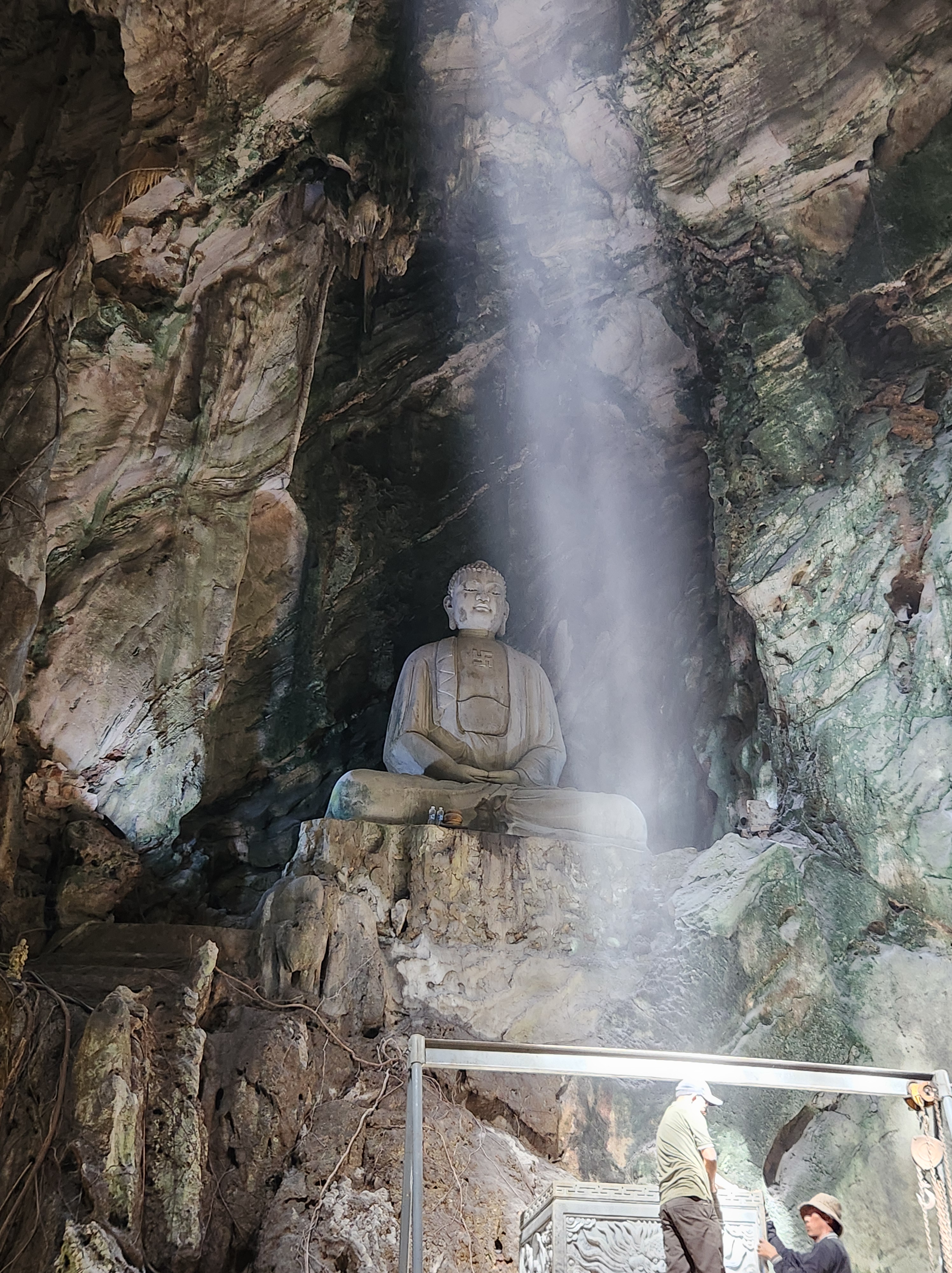
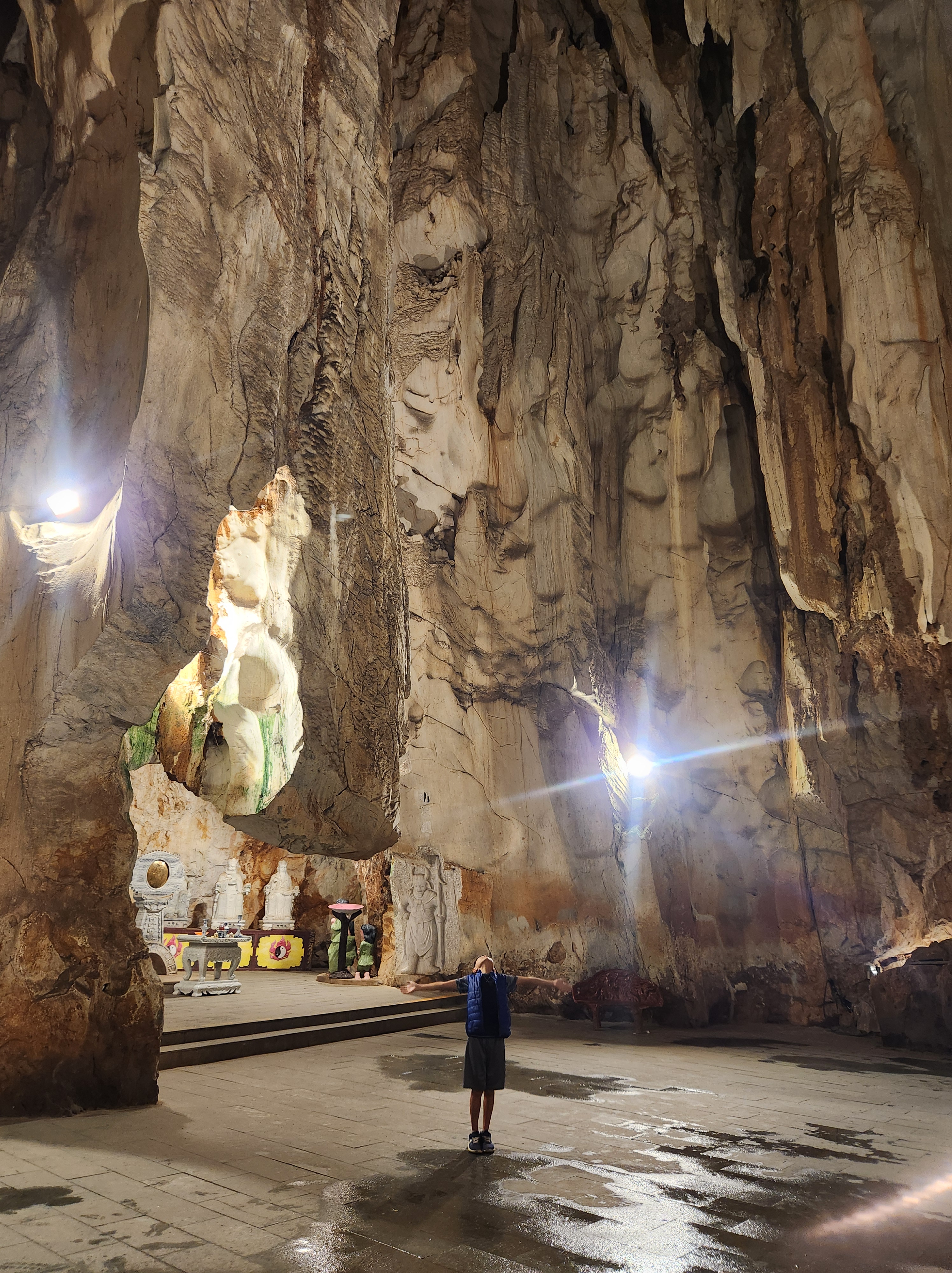
Before leaving Da Nang, we also spent a few hours visiting Marble Mountain, a cluster of five limestone and marble hills/caves. It was a nice break from the usual cityscape.

Ho Chi Minh City. Ho Chi Minh City is the most modern city in Vietnam, with wide boulevards, upscale shopping, and international cuisine. But HCMC is also incredibly vast and scattered. Even though we stayed in District 1 (where most tourists stay), it took us a long time to walk to places or we’d have to take a taxi, and many of the restaurants we wanted to visit were a 20-30 minute car ride away.

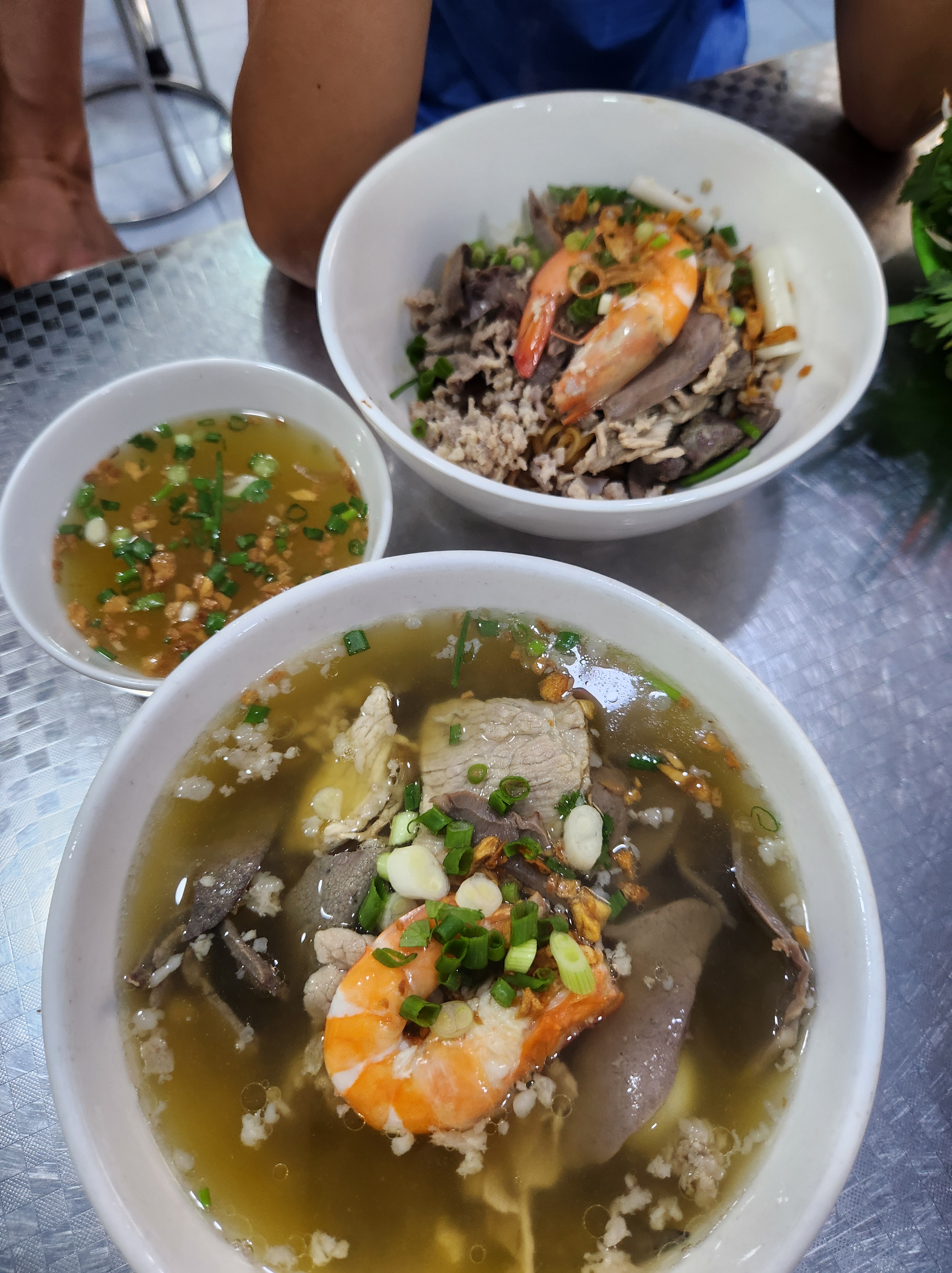
We heard that HCMC has the best food in Vietnam but thought the food was average (except for 1 or two dishes), at least compared to what we had in Hanoi and Da Nang. Maybe we went to the wrong places?

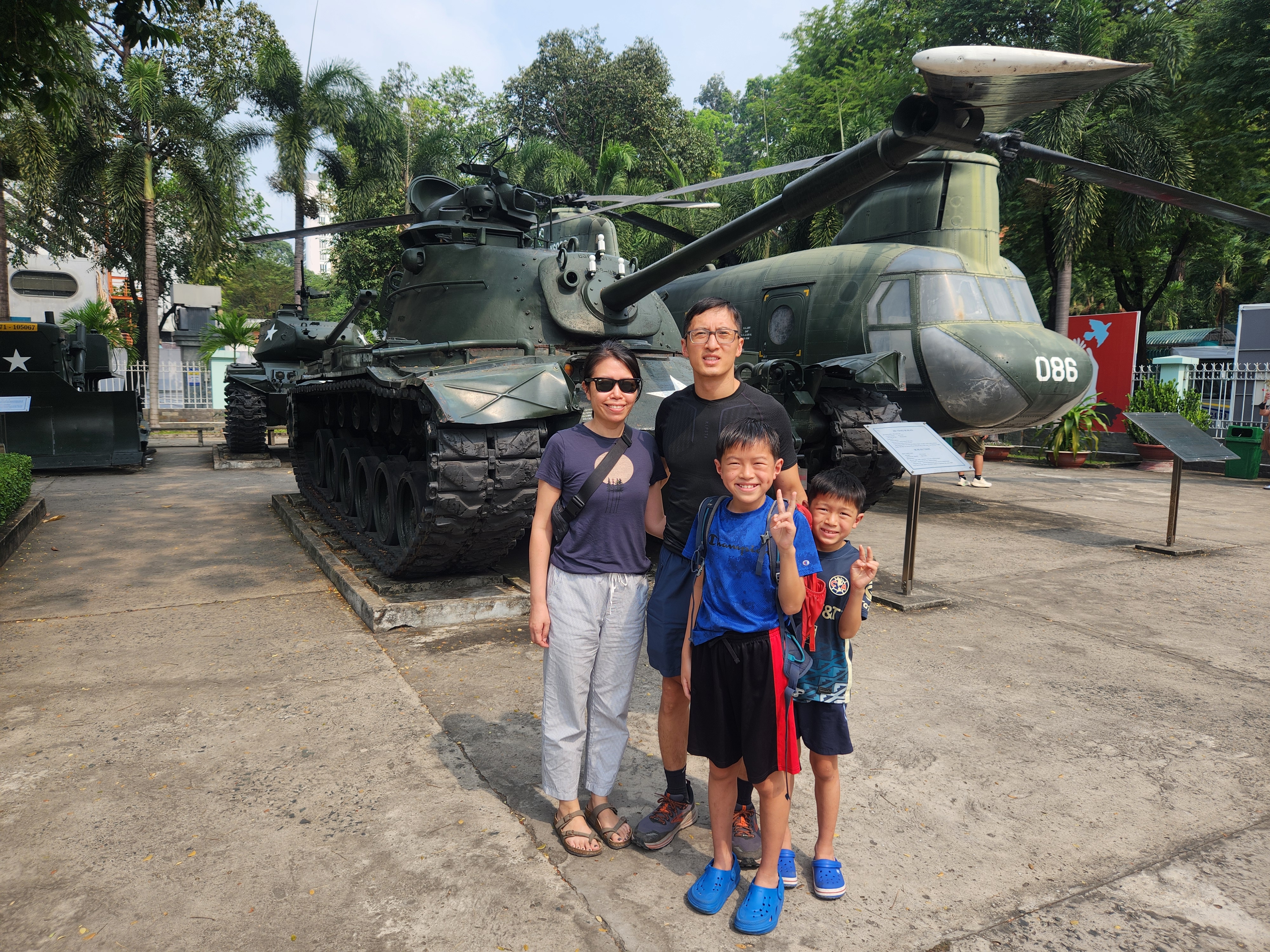
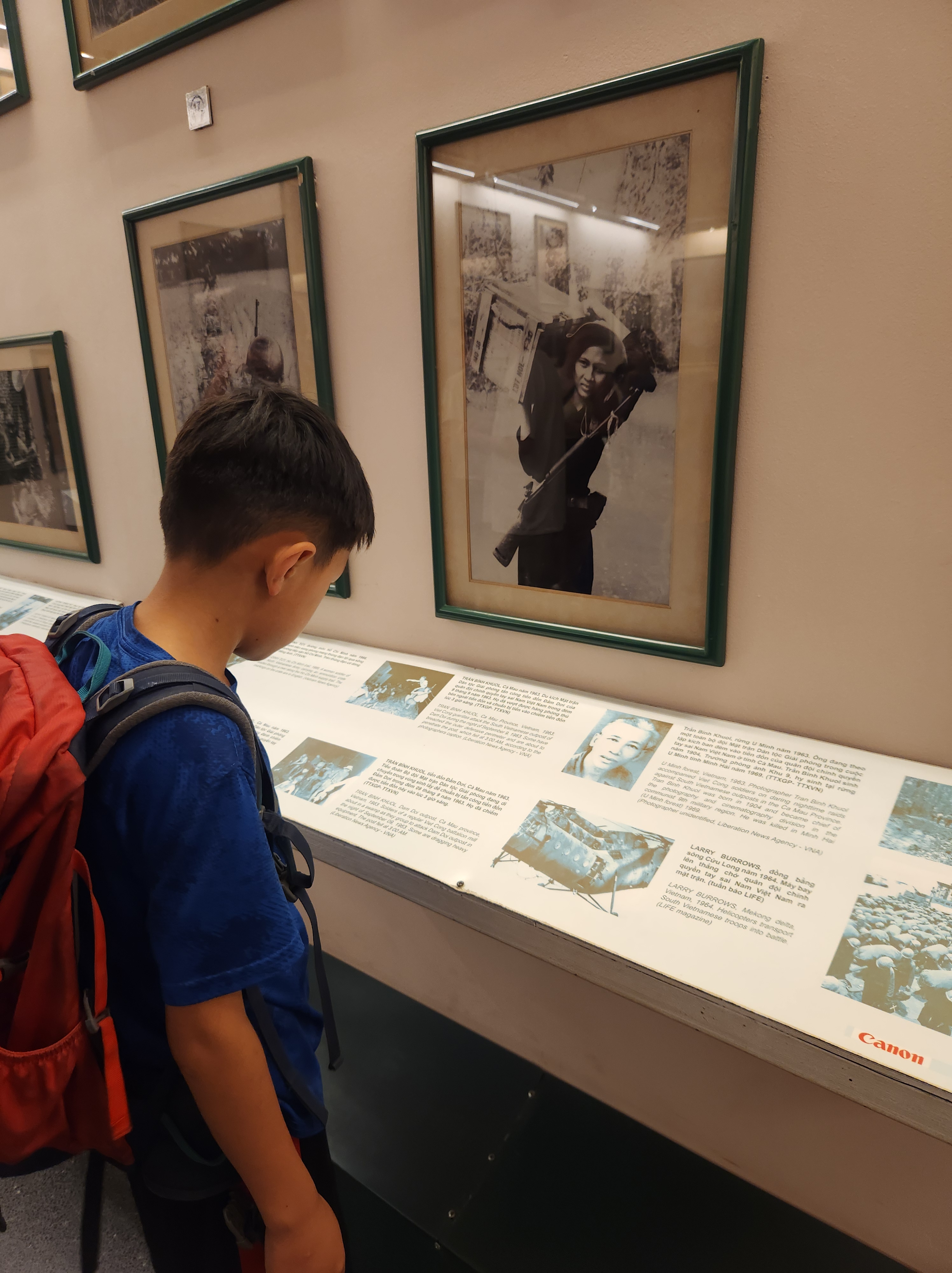
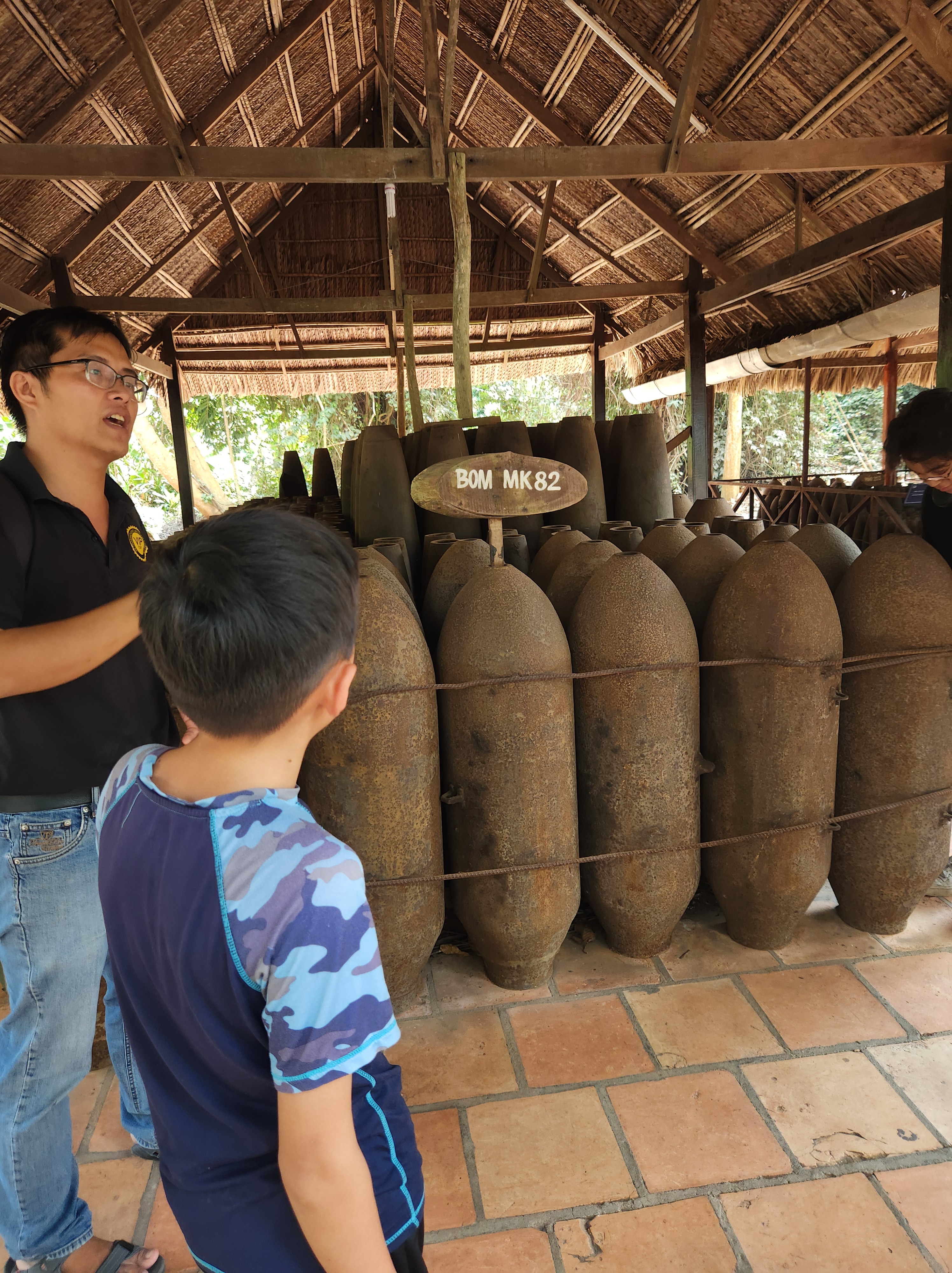
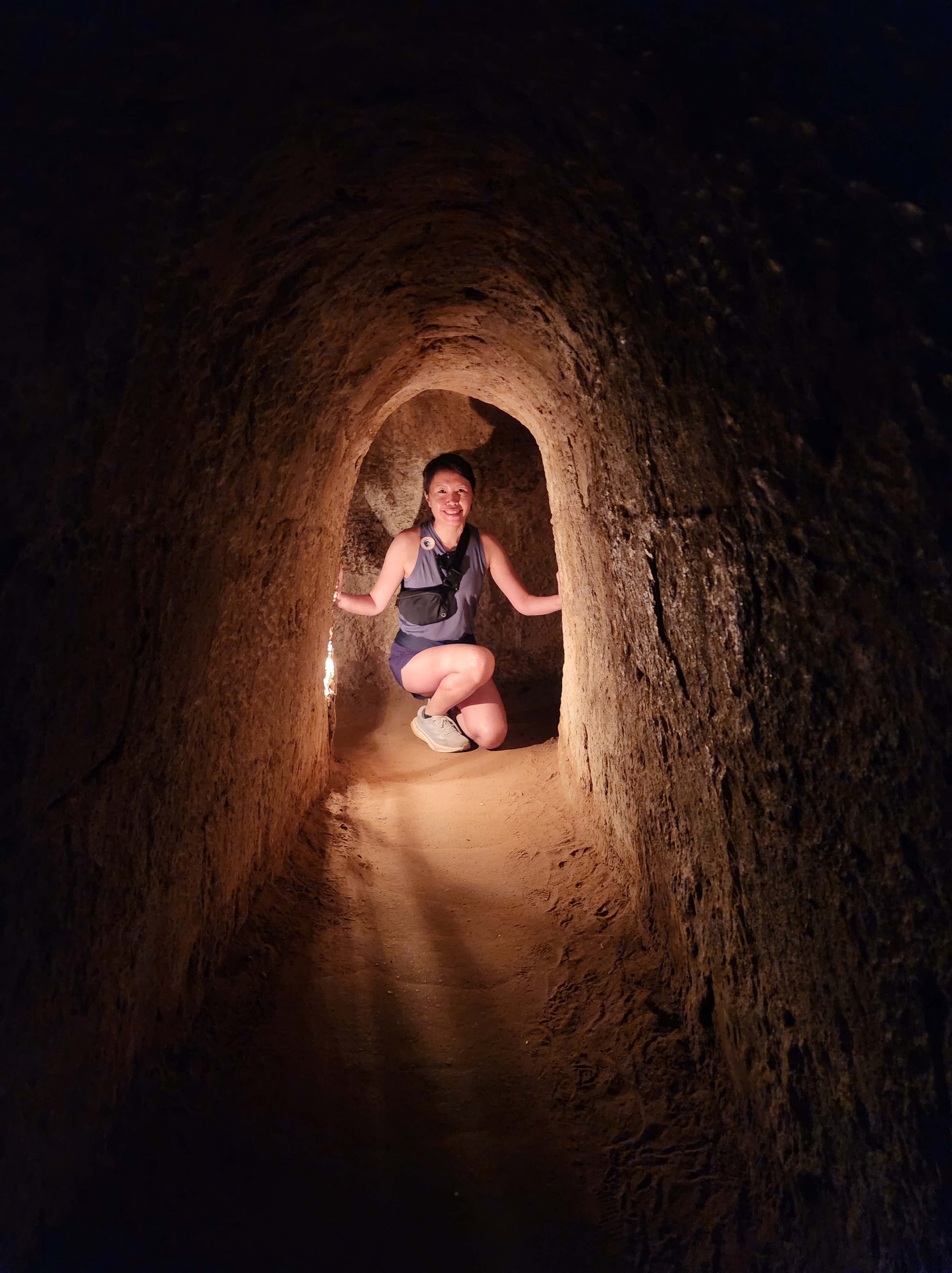
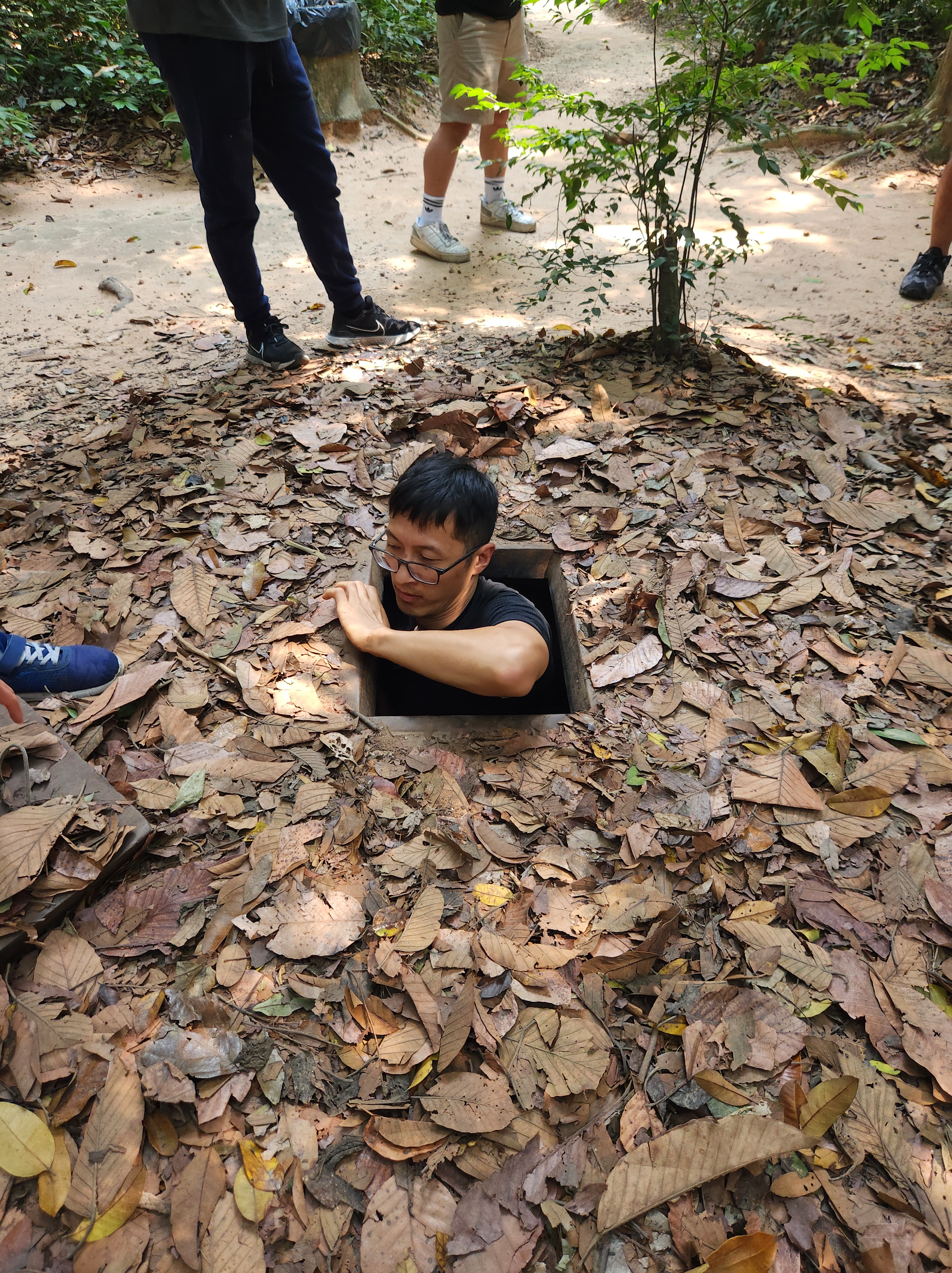
The highlight of our visit to HCMC was going to Cu Chi Tunnels and War Remnants Museum. We visited the museum one day, then booked a day tour to Cu Chi Tunnels the day after. They were the perfect complement for learning all about the Vietnam War. The Cu Chi Tunnels were a vast network of secret tunnels that the Vietcong soldiers used to combat the Americans. The living conditions for Vietcong soldiers during that time were terrible; many had to eat rats and snakes while in hiding, and had to live alongside dead bodies in the tunnels.

To accommodate tourists, the tunnels today are built three times larger than the original and equipped with lighting and air conditioning. This is crazy to me because I was already feeling hot and tired after a short trip through the tunnels. 😅 It was incredibly humbling to experience what people’s lives were like only 50 years ago. We discussed the war and Cu Chi Tunnels for days after – so much better than just learning about it in school!

We spent a total of 18 days in Vietnam. This was my first time there, but I strangely felt connected to the place. Perhaps it was the familiar smells, tastes and sounds that reminded me of my upbringing, which was heavily influenced by my parents’ time in Vietnam. For the first time, I wondered what my parents’ life was like there, and what our lives would be like if they never left.

I loved the craziness, familiarity, and of course the food in Vietnam. I can only hope to go back one day.