You often hear a lot of criticism about the US healthcare system – it’s complicated, expensive, and extremely inequitable. But having lived in the US for most of my life, I had nothing to compare it to…that is, until we moved to Taiwan. Taiwan’s healthcare system is regarded as one of the best in the world, but it’s not without any flaws.
Let’s talk about the good stuff first…
Healthcare for All. While healthcare in the US relies mostly on private insurance companies, Taiwan’s healthcare insurance is government-run. The program is called National Health Insurance (NHI), and almost everyone is included. Even though we’re not Taiwanese citizens, we were able to enroll in NHI after getting an Alien Resident Card (ARC) and 6 months of residence in Taiwan.
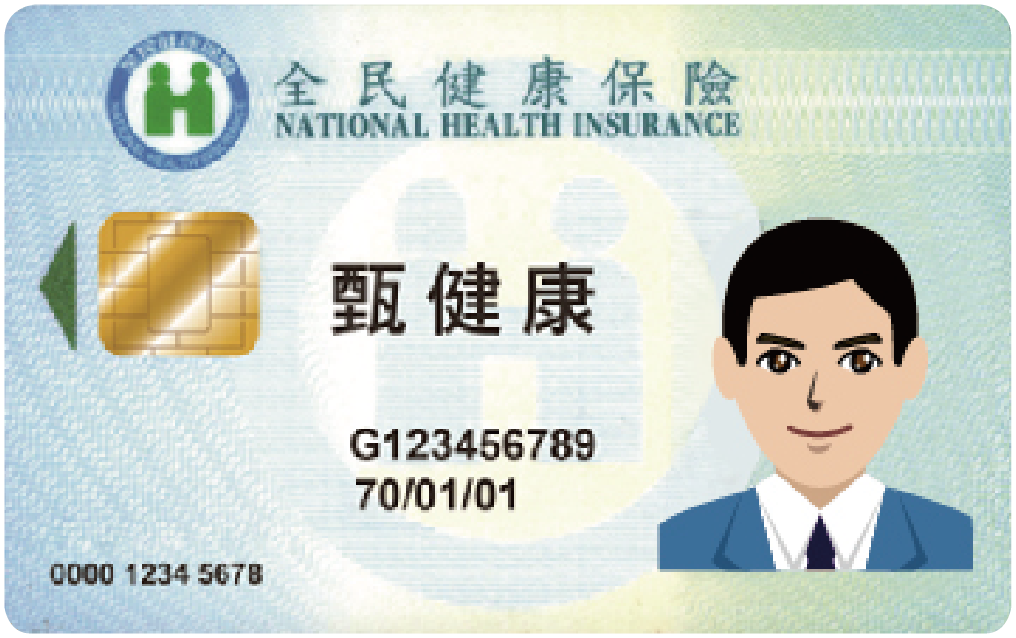
Flexibility: A small number of private clinics and cosmetic procedures in Taiwan do not accept NHI and require out-of-pocket payment, but the vast majority are part of the system. This means there’s basically no “in-network vs. out-of-network” nonsense like they have in the US. You could walk into almost any hospital or clinic and use your NHI card. Your entire medical history is recorded in your NHI card so there’s no need to transfer any medical records. I can see virtually any doctor or switch clinics whenever I want, and I love that flexibility.
Cost. We pay about $100 USD a month for health insurance for the 4 of us. To put this in perspective, a full year of health insurance in Taiwan still costs less than a single month does for us in the US!🫨 When you see a doctor in Taiwan, you still have to pay a small fee (typically around $8 USD), which often includes medication. That’s certainly a lot less than the $25 USD copay in the US! But even before we got our NHI cards, I had to see a doctor and pay out of pocket. The cost? Only $22 USD, and that included medication.
Accessibility: Healthcare is easily accessible in Taiwan. Hospitals, clinics, and pharmacies are everywhere in Taipei. You can also see a specialist without a referral from a primary care doctor. For example, I was able to book appointments with an ENT, a dermatologist, and a gastroenterologist directly through their websites, often for the same day or the next day. The cost is about the same as any doctor’s visit, typically around $8 USD. Long gone are the days of waiting months and paying an arm and a leg to see a specialist!
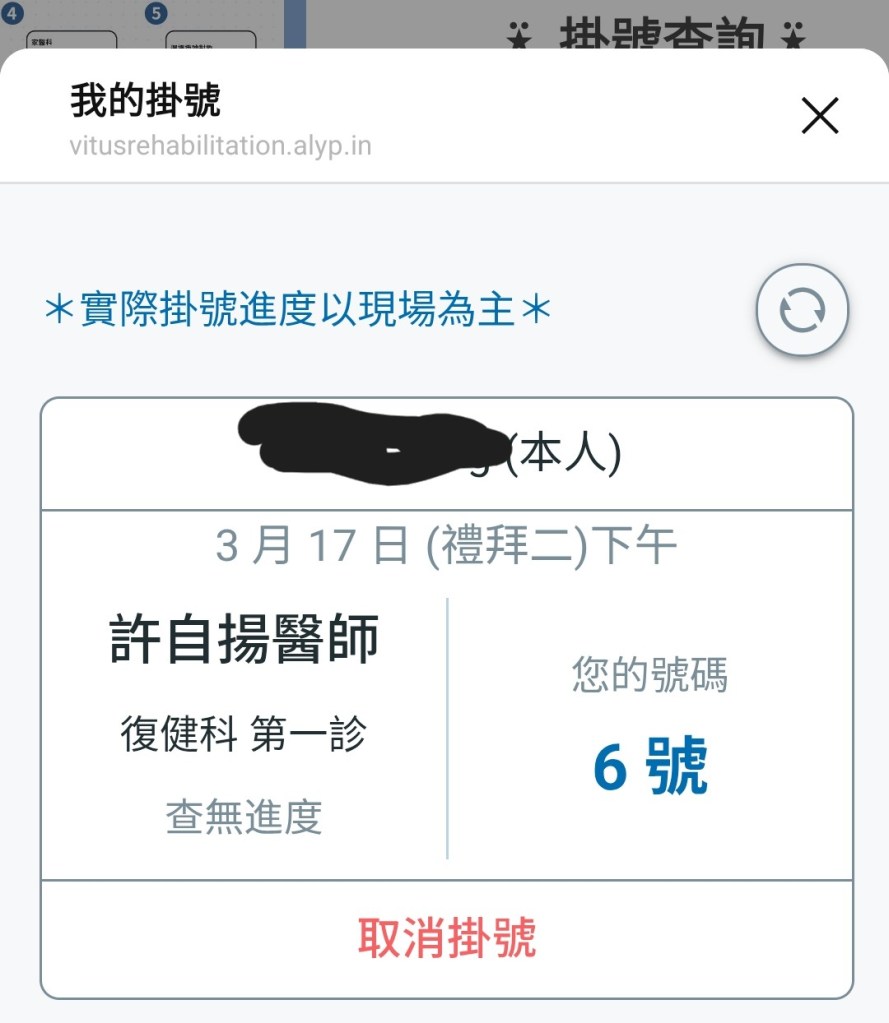
Convenience. Unless you have a routine or follow-up visit, doctor “appointments” in Taiwan don’t work quite the same way as they do in the US. Instead, the process is called 掛號, which is essentially registering to see a doctor. You can sign up online, by phone, or in person, and you’ll be given a queue number. From there, you simply show up and wait your turn. You can keep an eye on the queue status online. This system can feel a little ambiguous at first, but the upside is speed and flexibility; you can often see a doctor the same day without weeks of planning.
Another reassuring aspect is that most doctors in Taiwan speak at least some English. I’ve even encountered a few who were completely fluent, which is a huge relief for foreigners like me. I don’t want anything to be lost in translation, especially when it comes to my health!
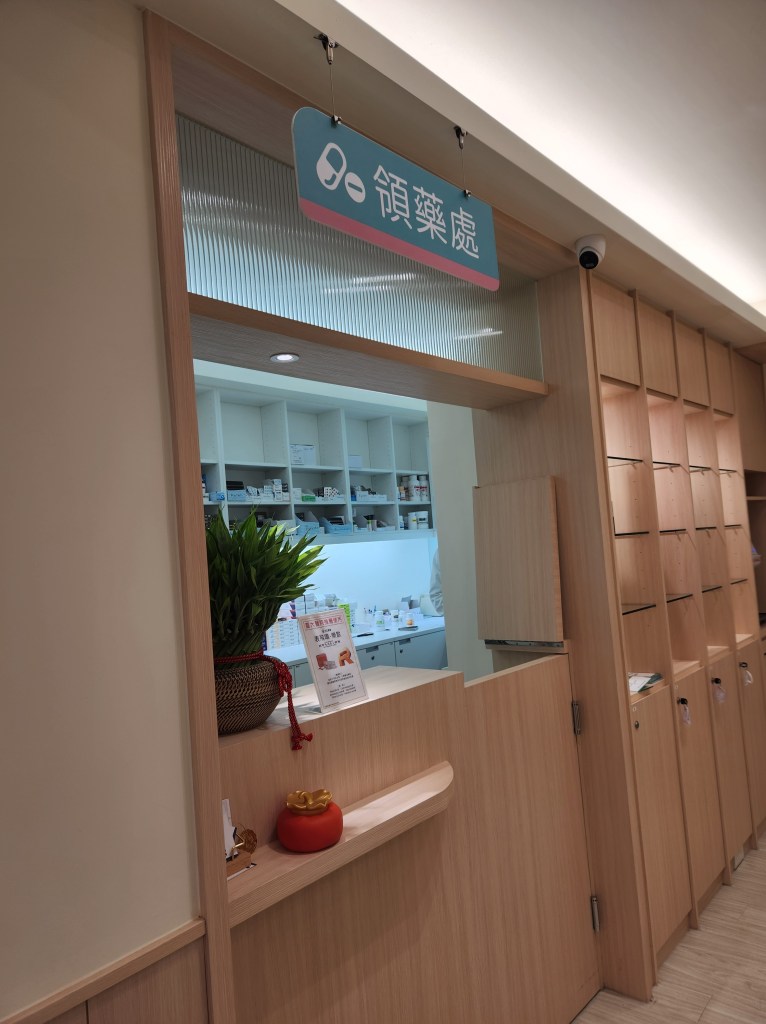
What’s also interesting is that most hospitals and clinics have an in-house pharmacy. After your appointment, the doctor sends the prescription directly and within minutes, you can walk to the counter and pick up your medication. There’s no extra charge and no need to make a separate trip to a Walgreens and wait again. ✌️
Now let’s discuss the not-so-good stuff…
Rushed Visits. Because healthcare is so accessible and affordable in Taiwan, many people see a doctor, even for minor ailments. I’ve had minor colds and aunties would urge me to see a doctor. 😂 This makes clinics, and especially hospitals, feel like a conveyor belt. Doctors often move quickly from one patient to the next with little to no break, so visits can feel rushed. There have been times when I barely had a chance to ask questions before being ushered out the door. That said, I’ve discovered that smaller clinics tend to offer a more personal experience and better bedside manners.
Reliance on Medicine. In Taiwan, there seems to be a reliance on medication compared to preventative care or simply allowing the body to heal on its own. Almost every doctor’s visit ends with a small bag filled with prescriptions, even for little kids! My guess is that this is partly due to how accessible and efficient the healthcare system is; with so many patients to see each day, there’s often little time for in-depth conversations. Medication thus becomes the quickest form of care.
Lacking in Innovation. Some hospitals and clinics in Taiwan can feel a bit old-school, both in terms of equipment and overall facilities. This is probably again due to the result of constant, high-volume use. With so many patients seeing the doctor each day, wear and tear shows quickly. Taiwan also relies heavily on imported pharmaceuticals and medical devices from foreign countries. Despite a flawed system, the US is undisputedly more innovative in medicine, with faster and greater access to the latest treatments and technologies.
So Taiwan may not be leading the way in medical innovation, but it has a system that is accessible, efficient, and affordable. It’s definitely not perfect, but it’s a model that challenges what we often accept as “normal” in the US, and that is already enough for me. In fact, Baba and I have already talked about coming back to Taiwan when we’re older and need more reliable, accessible care.
 Hongs Abroad