Ramblings

New School Year, New Adventures? 弟弟 Edition

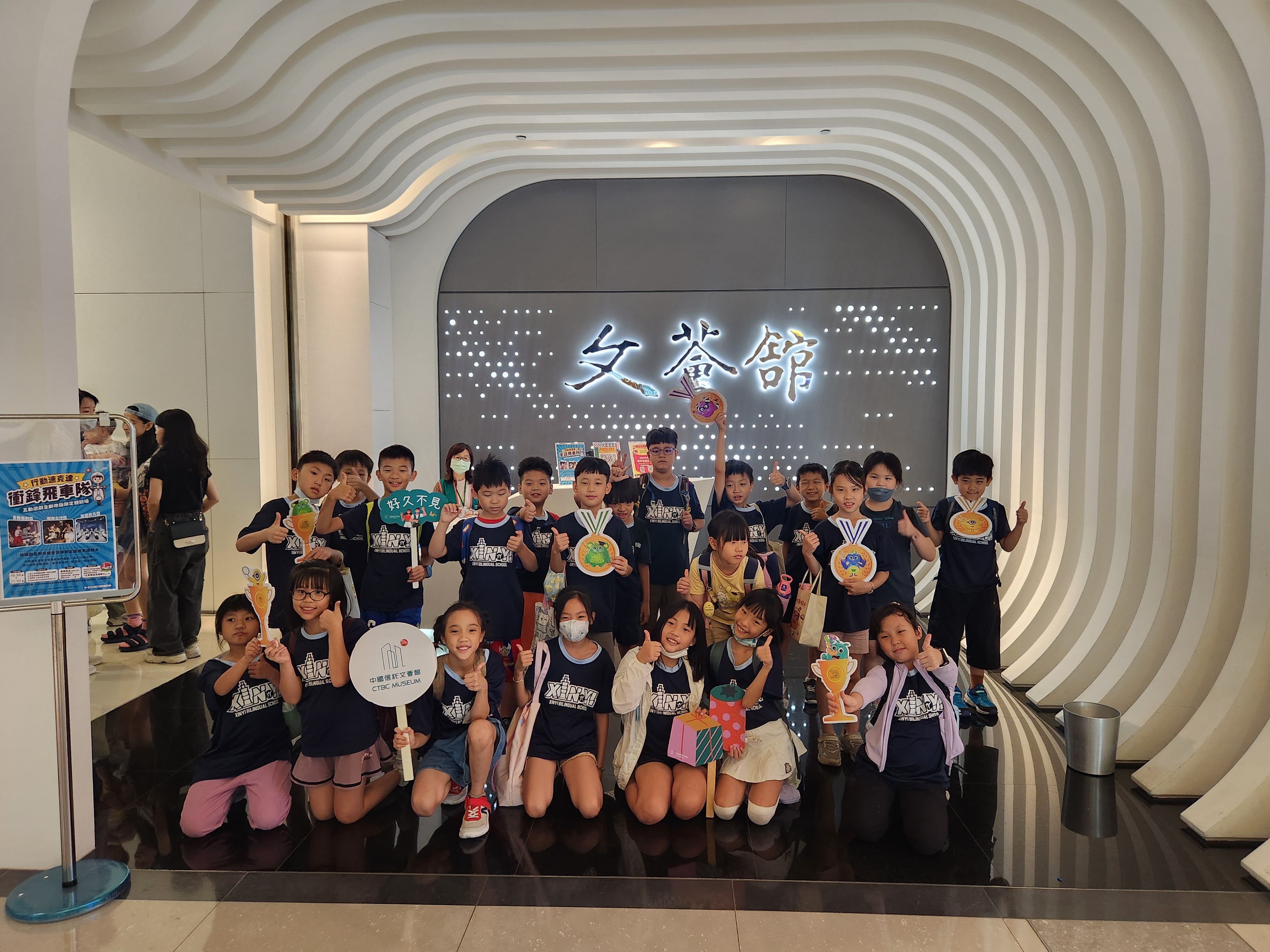
Little brother O (弟弟) started 3rd grade this year. We’re not too worried about O for a few reasons: 1) he’s been in Taiwan schools since 1st grade so he already has a solid foundation, 2) based on our experience with C, 3rd grade isn’t too stressful yet, and 3) thankfully, O was assigned a fairly relaxed teacher. He is known to organize a lot of field trips. Last week we went to a treasury/finance museum.

Homework is reasonable, on average 30-40 minutes a day. But O’s teacher has been giving more challenging homework than I remember C getting in 3rd grade — things like sentence composition and short essays. Thank goodness for ChatGPT! 😅

Starting this year, O has 3 long days of school a week, so I miss having the little guy around at home in the afternoons. For the last two years, he’d come home around noon, have lunch, finish his homework, and spend the rest of the afternoon on his hobbies. It felt so carefree. Now, on top of the longer school days, O has after-school activities everyday: Minecraft, swimming, and art — so we don’t see him until almost 6 pm on most days.

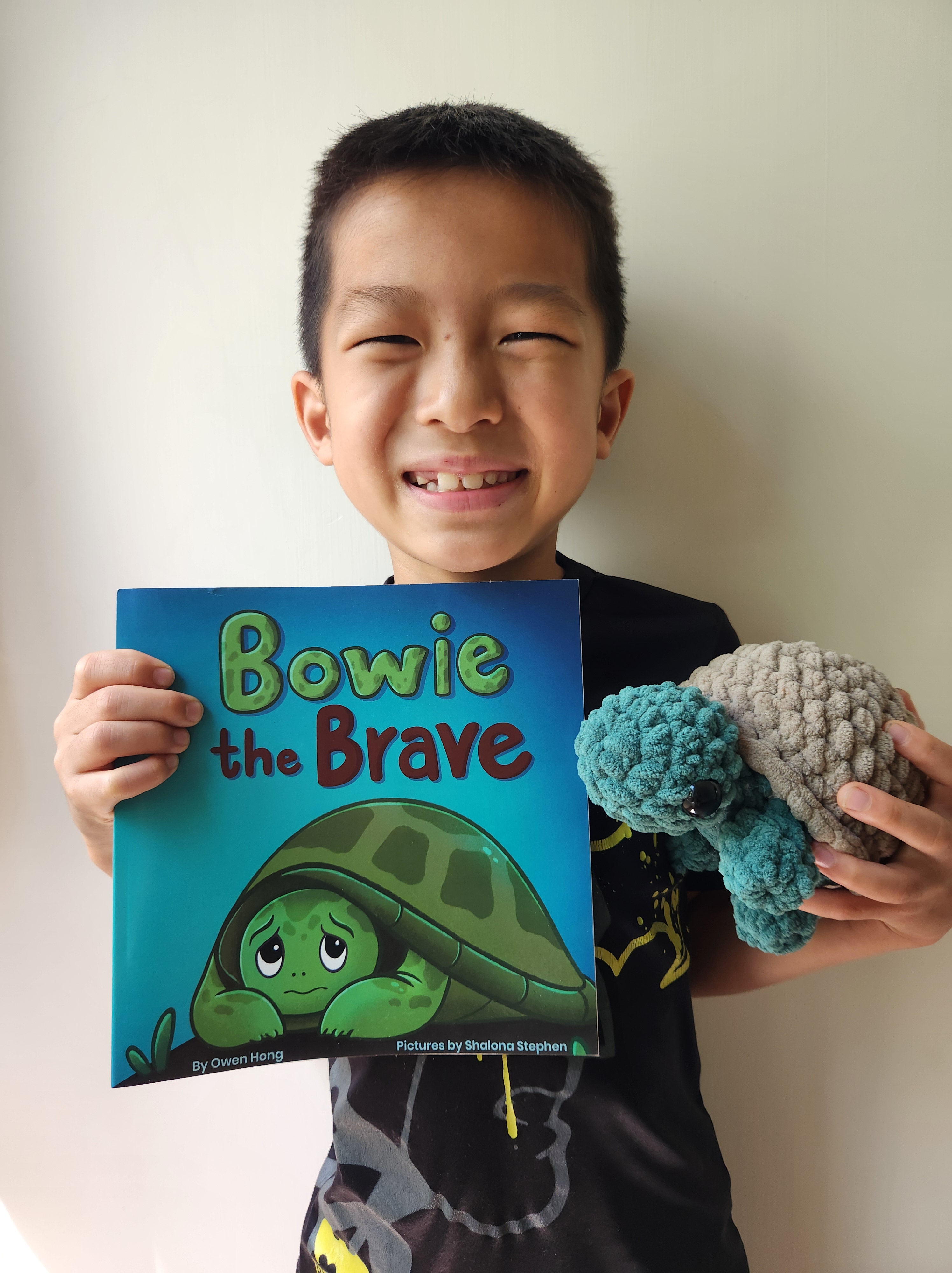
Outside of school, O practices Brazilian Jiu-Jitsu, plays Minecraft, and loves to read — especially fantasy novels. He’s become hooked on the Harry Potter and Percy Jackson series! Recently, I’ve noticed his writing becoming more expressive and imaginative, so over the summer, I encouraged him to write his own book (since I have a little experience in that area 😏). He decided to write a story about overcoming the fear of trying new things, something he is still personally working through. The result is a cute story called Bowie the Brave, now available on Amazon!

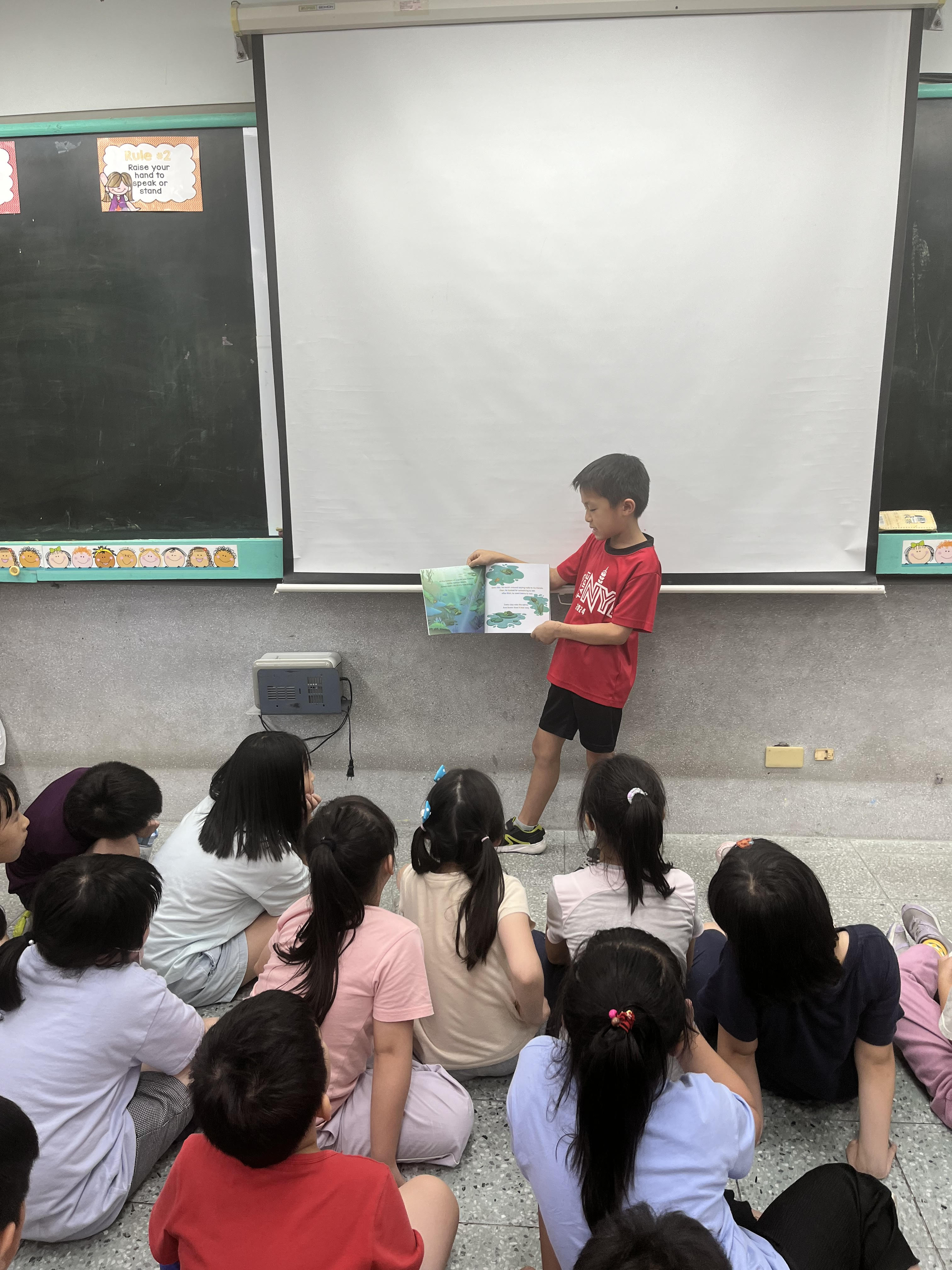
We couldn’t be prouder of O. He used to be really hesitant about trying new things, but we’ve seen how much his confidence has grown. Recently, he read his book in front of his class — something that would’ve seemed unlikely not long ago. Although he was nervous at first, we’re so glad he pushed through and did it anyway. My SIL also shared his book with her school principal, who then invited O to give a presentation about his book to a group of 2nd graders in December. It will another big challenge, but O is willing to take it on!

Sometimes I miss the summer, when Baba and I could take on projects like these with the kids. During that time, the boys seemed their most creative: building fun Lego and cardboard creations, C experimenting in the kitchen, and O working on his book. We had time to slow down, to wonder and create together. Now that school is in full swing and schedules are packed with homework, there’s little time left for personal projects like these, and I can’t help but wonder if their creativity gets stifled a bit. Still, I’m grateful that Baba and I get to spend so much valuable time with them. Not every parent gets that opportunity, and I don’t take it for granted.

Ramblings

New School Year, New Adventures? 哥哥 Edition

C and O have been back in school for over a month now, so I thought it’d be a good time to share a little recap. I’ll start with big brother C (哥哥) first.

In Taiwan, elementary students switch teachers and classmates every two years, a transition that can feel nerve-wracking for families. This year, both C and O had to change classes. Knowing this, Baba and I met with the Director of Academic Affairs to request a more “relaxed” teacher for C. Since he was already doing about 2 hours of homework in 4th grade everyday, we couldn’t imagine what it would be like for the next two years.

The Director assured us that teachers are randomly assigned (which we weren’t entirely convinced of but let go) and said we’d need to work directly with C’s teacher. In August, classroom assignments were released and C was placed with the most notoriously strict 5th-grade teacher 😆. And we knew she was strict because she mailed every family a 4-page letter outlining expectations and sent daily reminders all summer.

We reached out to the teacher share our situation. She asked if C could try completing all the homework for a month and then see if adjustments are needed. We replied that he will do the best he can within the time we allocated for him (~1 hour a day), with the condition that he wouldn’t have to stay in class during recess if he couldn’t finish (a common practice here).

I was nervous about how she’d respond. In Taiwan, homework and tests are the ultimate measures of success, and this teacher seemed stern and unyielding. But to my surprise, she’s been understanding. Even when C couldn’t finish his homework, she didn’t scold or embarrass him (though she still has to grade him fairly). Over time, C has grown to appreciate that she allows students to start homework in class, has a structured schedule, and even her humor while scolding students. I’m grateful he’s kept such a positive attitude through all these changes.

Left photo: C doing homework in class. Right photo: His nightly stack of homework books. 😯

This year has been a bit more challenging since we decided not to bring back our tutor. Combined with our limited schedule for C’s Chinese homework, it’s led to lower grades, which was something we expected. We keep reminding C that this choice is intentional: we want to prioritize his well-being and focus on what will benefit him in the long run. Of course, once we’re back in the US, homework can’t be left unfinished and grades matter more. I just hope he’s not going to think that skipping work or poor grades are acceptable… 😣

For extracurriculars, C is on the badminton team, Global Scholars Program, and an ambassador 小小外交 at school. He also had the opportunity to visit Kinmen 金門 (an outer island of Taiwan) for 3 days in September with classmates. Outside of school activities, C (and O) still practices Brazilian Jiu-Jitsu, has gotten really interested in Minecraft and making Lego stop motion videos. Baba has also been working with the boys on simple engineering projects, while I’ve been focusing on reading and writing. It’s been busy in a good way!

Ramblings

Lessons Beyond School

I know I complained about C’s homework load in my last post, but I want to acknowledge that our school offers amazing opportunities that teach valuable lessons beyond the classroom, some of which were not available to us in the U.S. (especially not in elementary school). Most opportunities are for 4th grade and up, so unfortunately O will have to wait his turn.

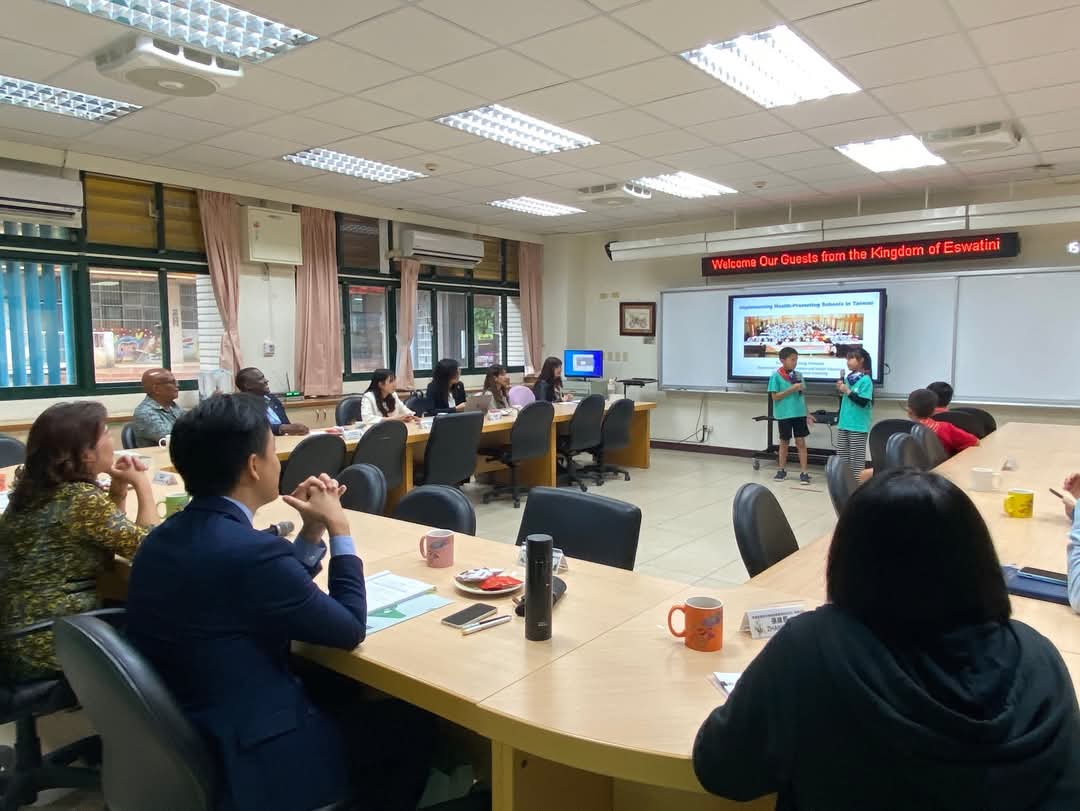
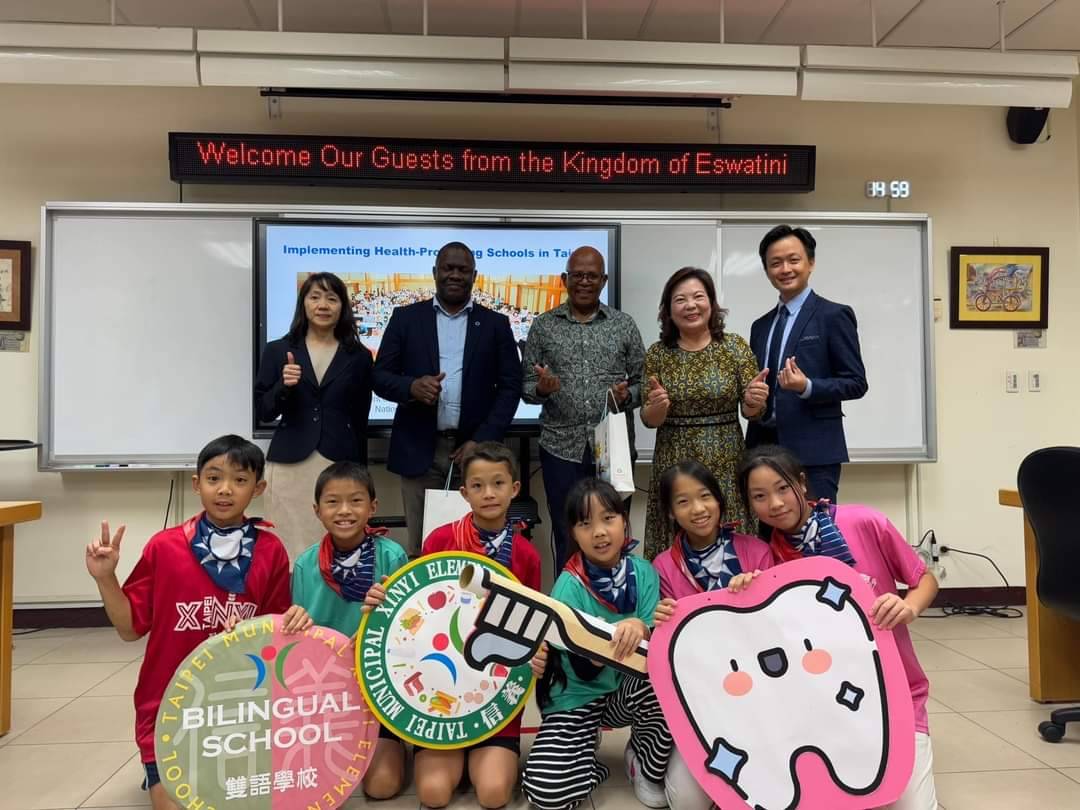
Little Diplomat. This year, C was selected to be a “Little Diplomat”. Occasionally, our school has visitors from other countries, and Little Diplomats are responsible for welcoming them, giving tours of the school, and presenting on different topics. C met people from Indonesia, Korea, Japan and the Kingdom of Eswatini. Being a Little Diplomat has allowed C to practice public speaking and learn how to interact with people from different cultures.

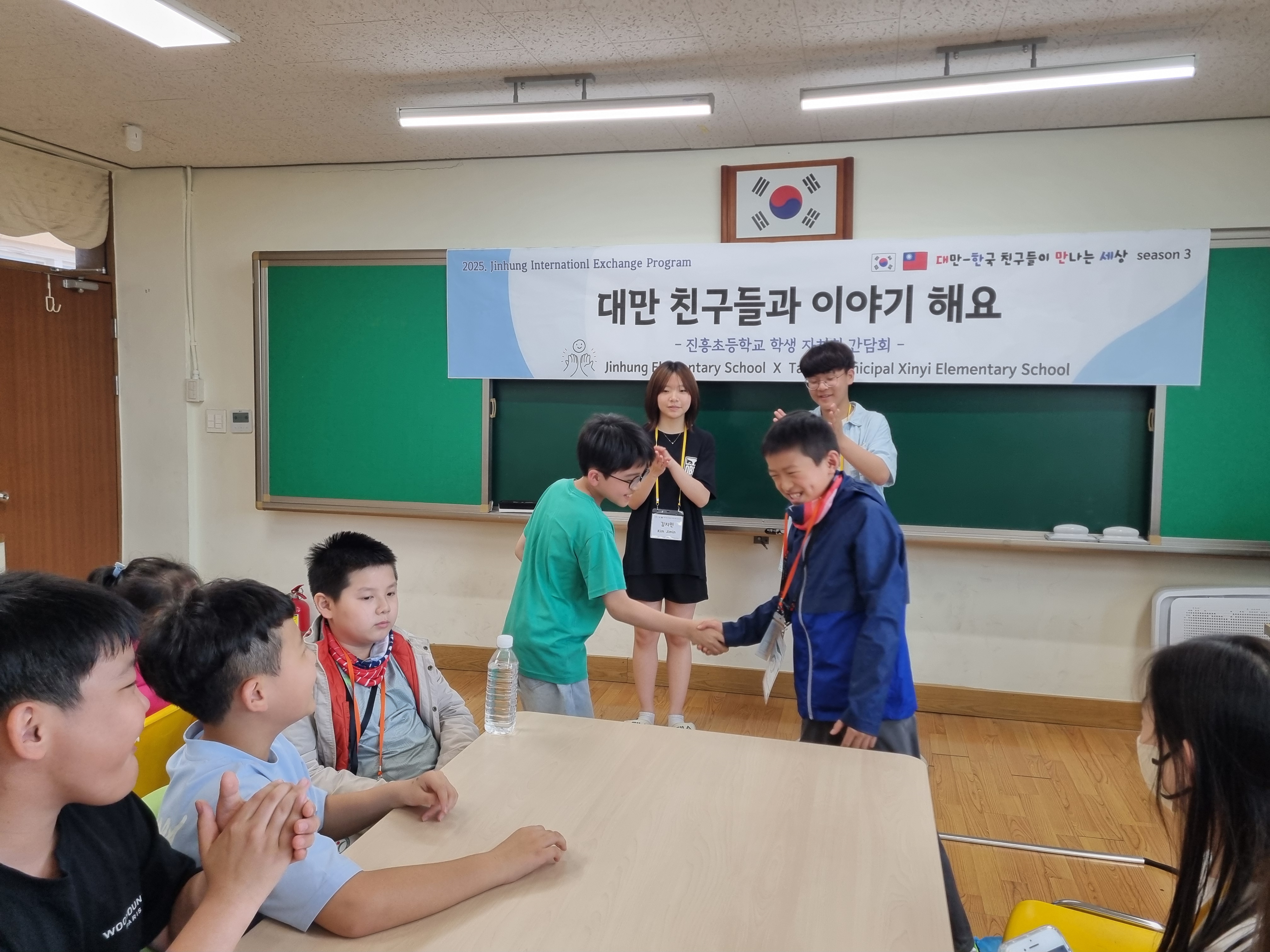
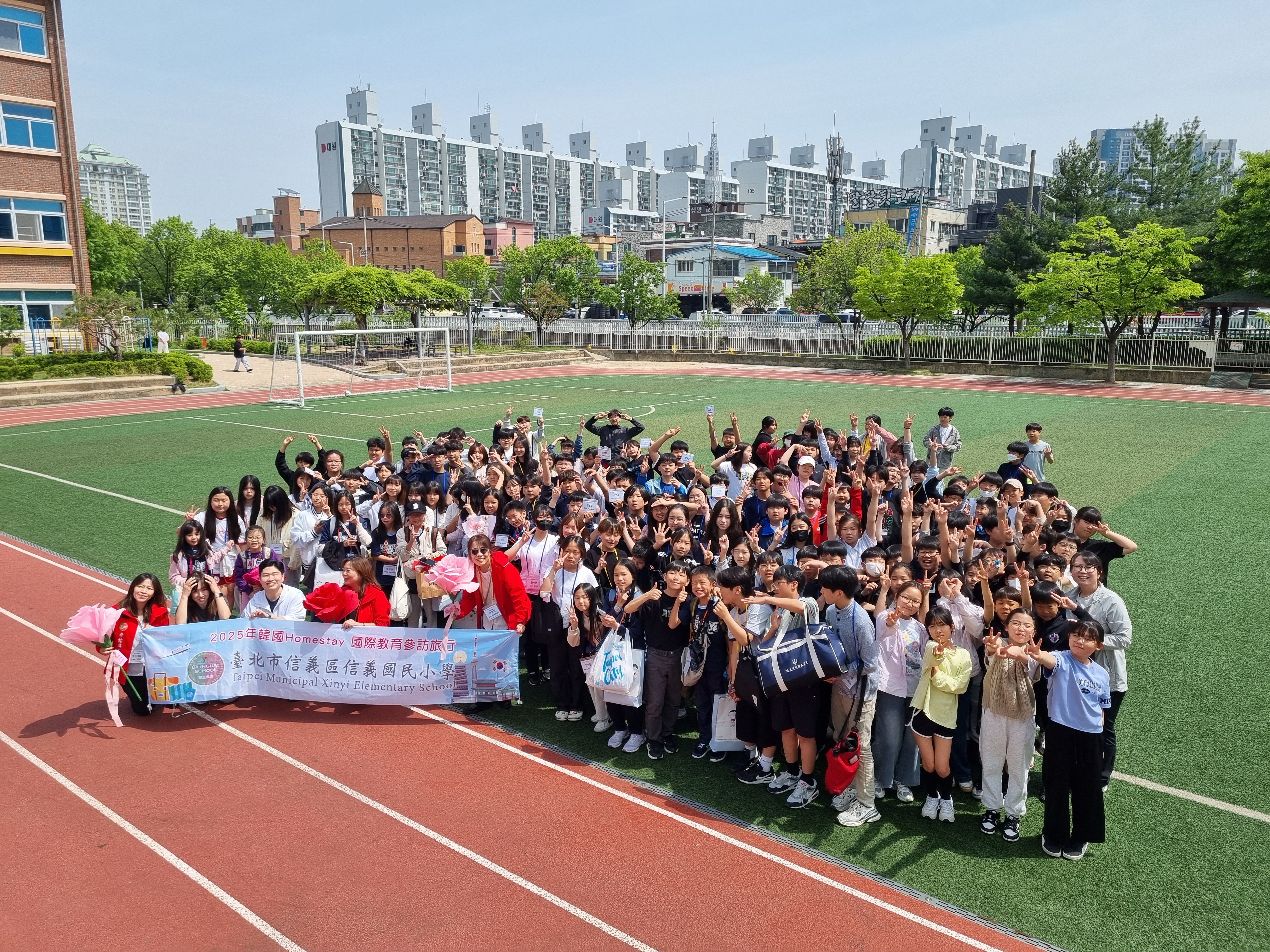
International Exchange. Early in the school year, C participated in a school trip to Penghu, one of Taiwan’s outer islands. He wrote about the experience here. Then last month, our school organized a trip to Korea for a week! Students even got to do a homestay for 1 night with a local family – how cool is that?! Hopefully C will be able to write a post about his Korean school trip sometime.

Beyond just having fun, C also learned a lot through this experience. Since he’s a native English speaker and comfortable speaking in front of others, the school often asks him to present or help translate between Taiwanese and Korean students. In the months leading up to the trip, students would also meet on a weekly basis to prepare – writing to Korean students, practicing performances, learning about Korean culture and language, etc.

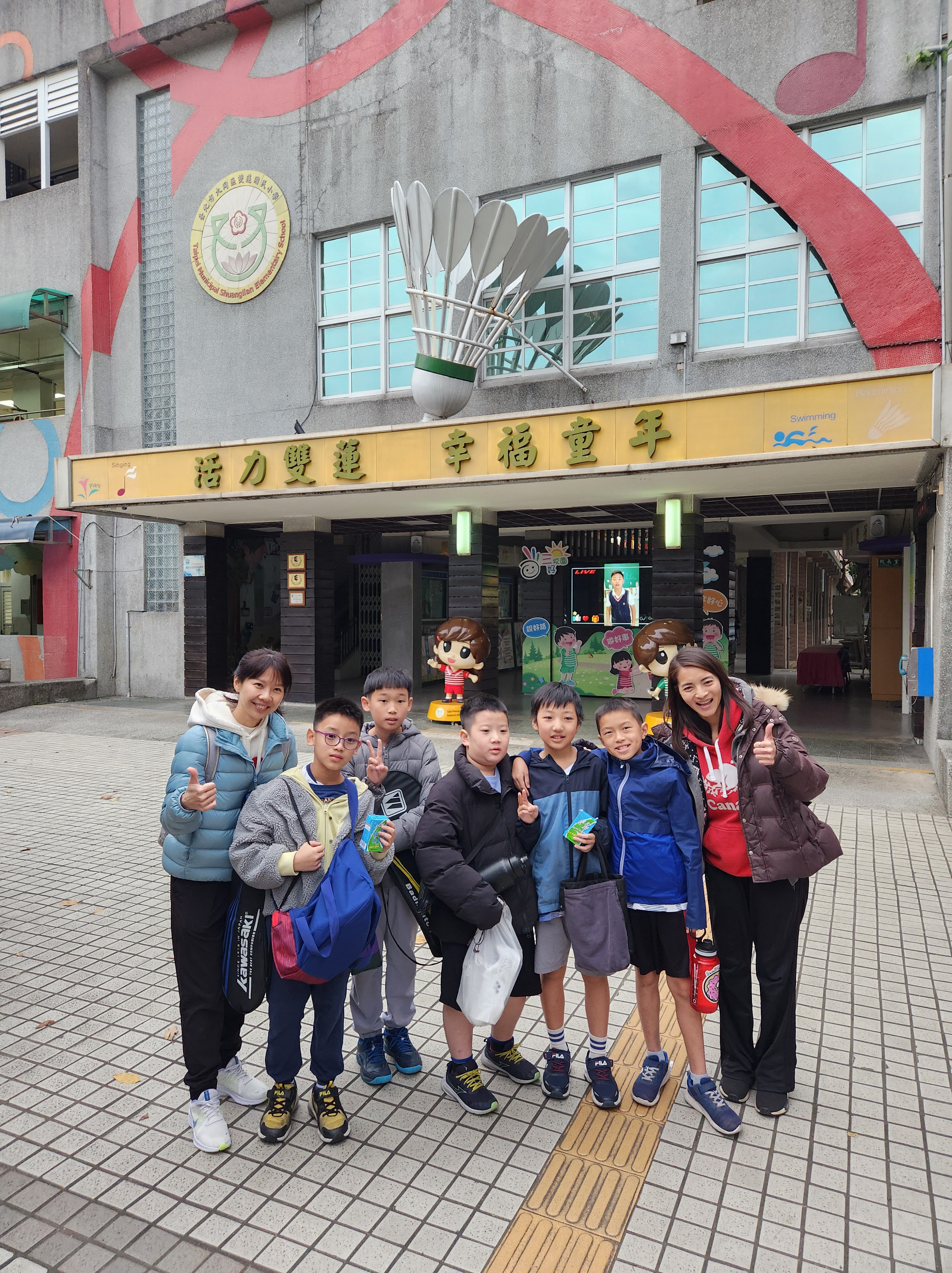
Badminton Team. C has been on the badminton team since the beginning of the school year. I’ve always been a fan of kids playing sports – they learn about teamwork, get exercise, and develop grit. C absolutely loves playing badminton. And so much to his delight, his team has practices almost everyday, sometimes twice a day. Unlike the elementary school sports in the US, Taiwan school teams take practice very seriously (as with most other things 😅). Students have to run laps if they don’t do well during practices, and can get kicked off the team if they consistently perform poorly or have a bad attitude. It’s a bit harsh compared to U.S. standards but it definitely pushes the kids to work hard and take their responsibilities seriously.

Global Scholars Program. C isn’t part of this program yet, but will be applying for it. It’s a program for 5th and 6th graders that focuses on global issues – like reducing food waste – where students collaborate to develop solutions and create an action plan. They then present their action plan to other students from around the world participating in the same program.

The goal of this program aligns perfectly with what we’ve been encouraging our boys to do: identify a problem, come up with a solution, and take action. We hope this experience will help C build important skills like teamwork, communication, and leadership. To us, these skills are far more important than scoring well on a social studies exam. 😅

The programs I’ve mentioned are not available in every Taipei public school, so we really appreciate that our school has such an international and forward-thinking focus. That’s one of the great things about living on a small island like Taiwan – people are always looking outward and eager to learn from others around the world.

But it would be remiss not to mention C’s role in all of this. Despite a heavy homework load, he’s always excited to participate in activities. He definitely has a bit of FOMO – which, in his case, is a good thing – because he truly wants to make the most of every opportunity.

Ramblings

Thailand

The last leg of our month-long SE Asia trip was to Bangkok, Thailand. Since we had been bouncing around Vietnam and Cambodia the past few weeks, we decided to station ourselves in Bangkok for the remainder of our trip. Bangkok is one of my favorite cities in the world. There is a special vibe and energy that that’s both comforting and thrilling. There is just so much to do, see, and eat! This is my third time there, and my feelings about the Bangkok remain the same.

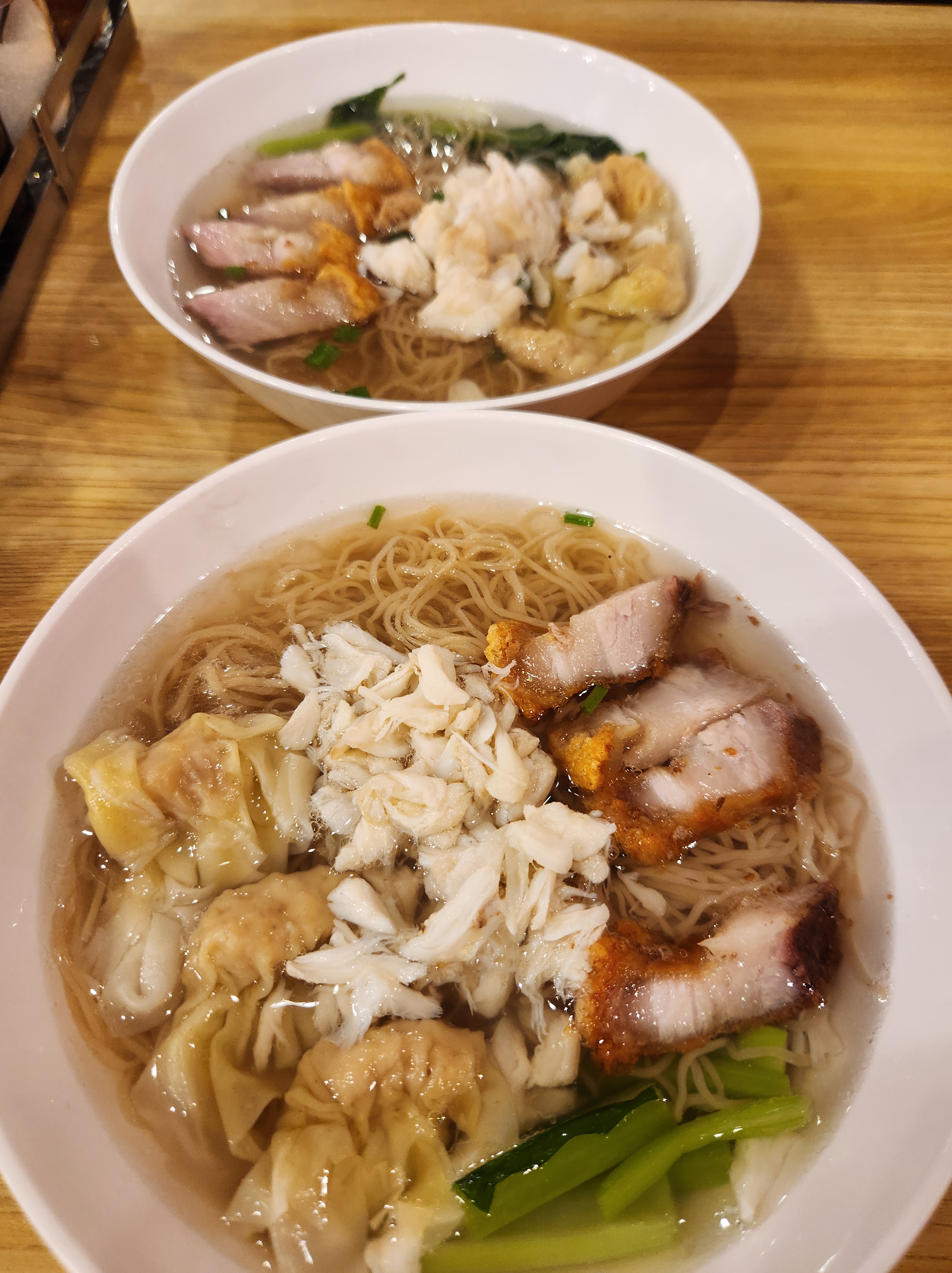
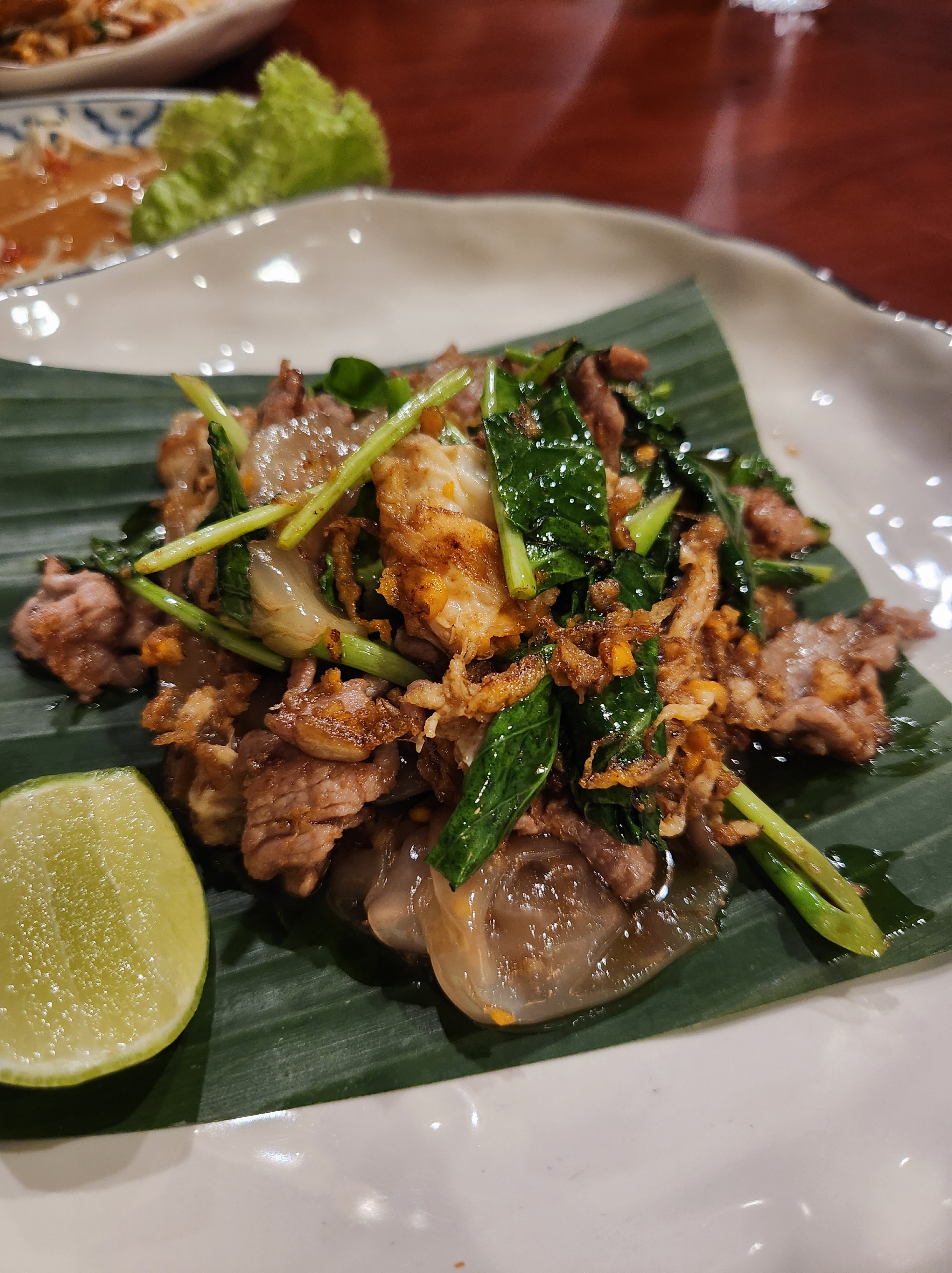
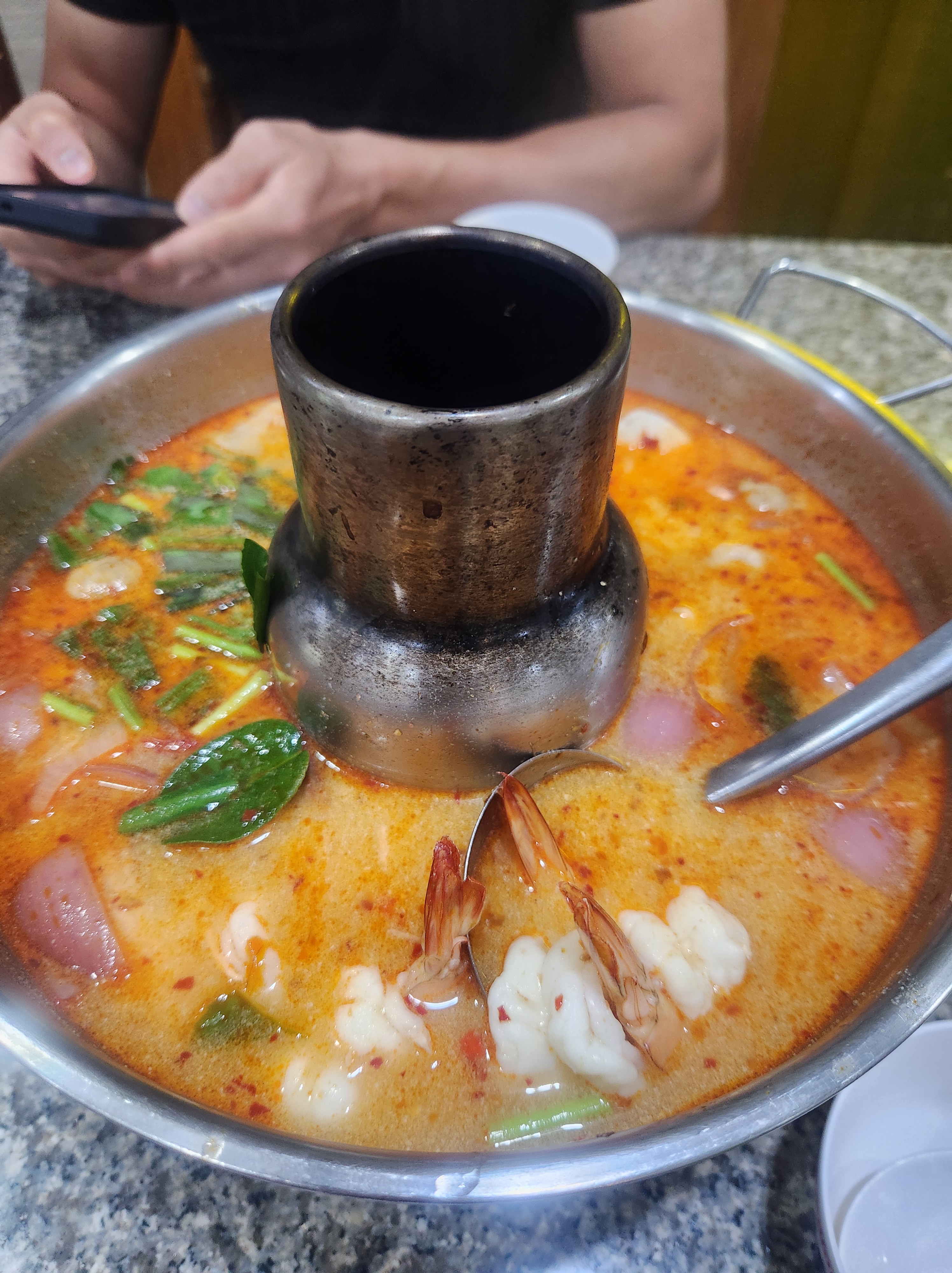
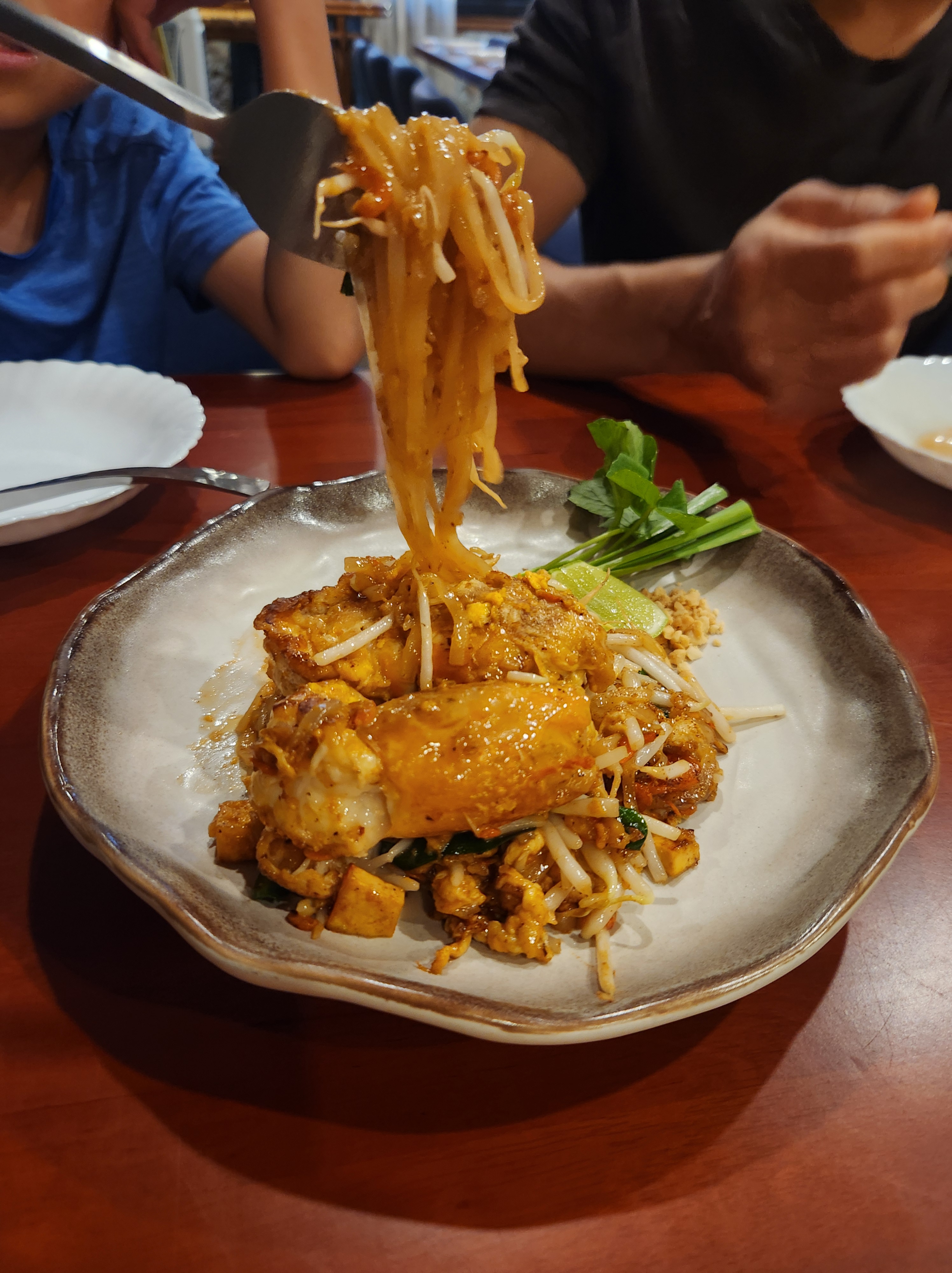
It would be negligent to visit Thailand and not eat to our heart’s content. 😊 We love Thai food but as with Vietnamese food, Taipei unfortunately doesn’t have a lot of authentic Thai restaurants and we sorely miss it.

We spent the week in Bangkok eating and eating and eating. Probably gained a few pounds from this trip but boy, was it worth it!

The food prices in Bangkok were not as cheap as Vietnam’s, but more on par with Taipei’s (about $25-$30 for a casual meal for family of four). However, you can also easily find street food that’s much cheaper.

Another “must” when visiting Thailand is getting a Thai massage. Since we didn’t have anyone to watch the boys, Baba stayed at the Airbnb with them while I went to get a 1.5 hour massage. It was a relaxing experience, but not as joint-cracking as I remembered (and hoped for) 😂. At $30, the massage was on the higher-end but still very reasonable compared to the US.

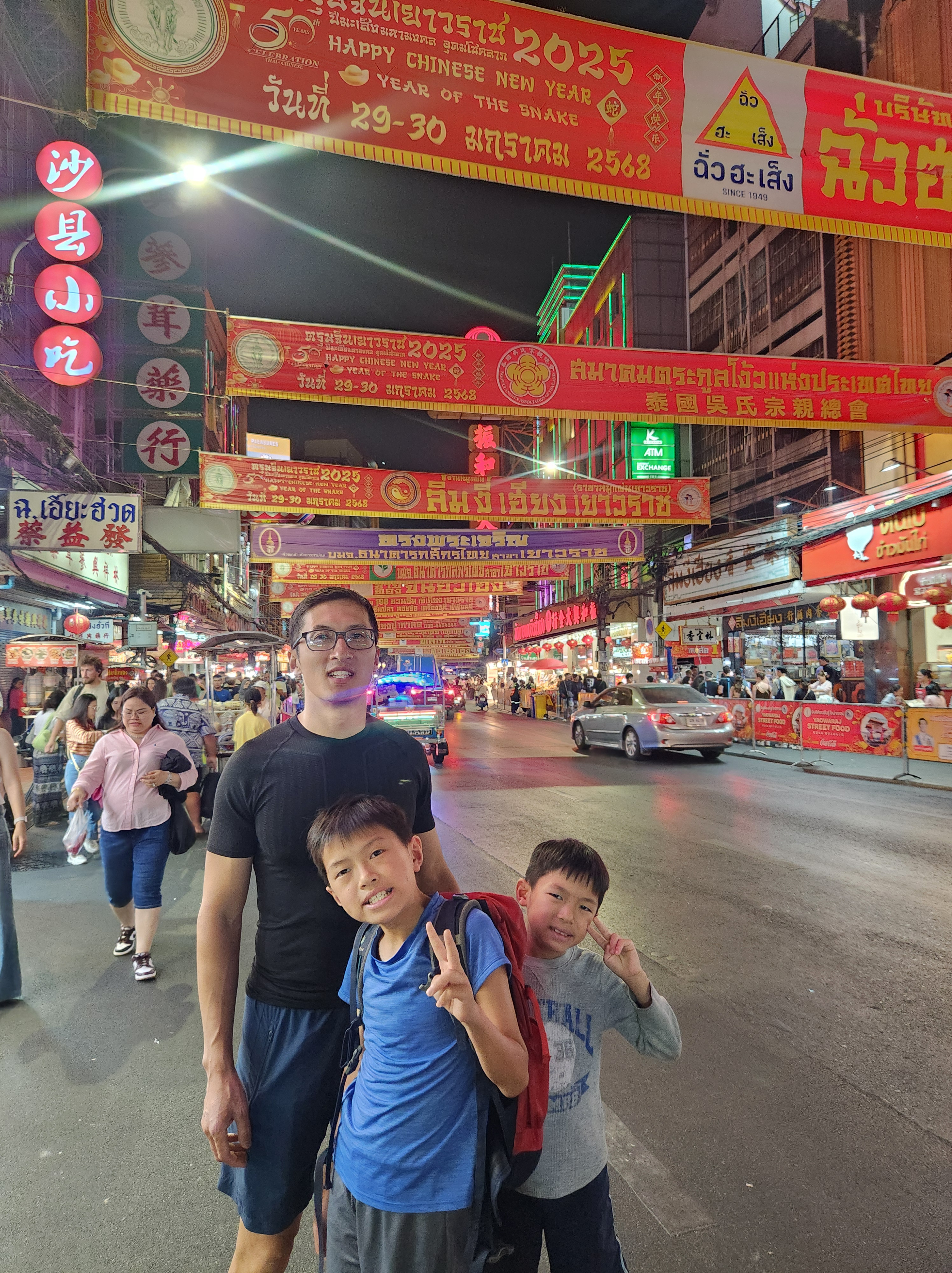
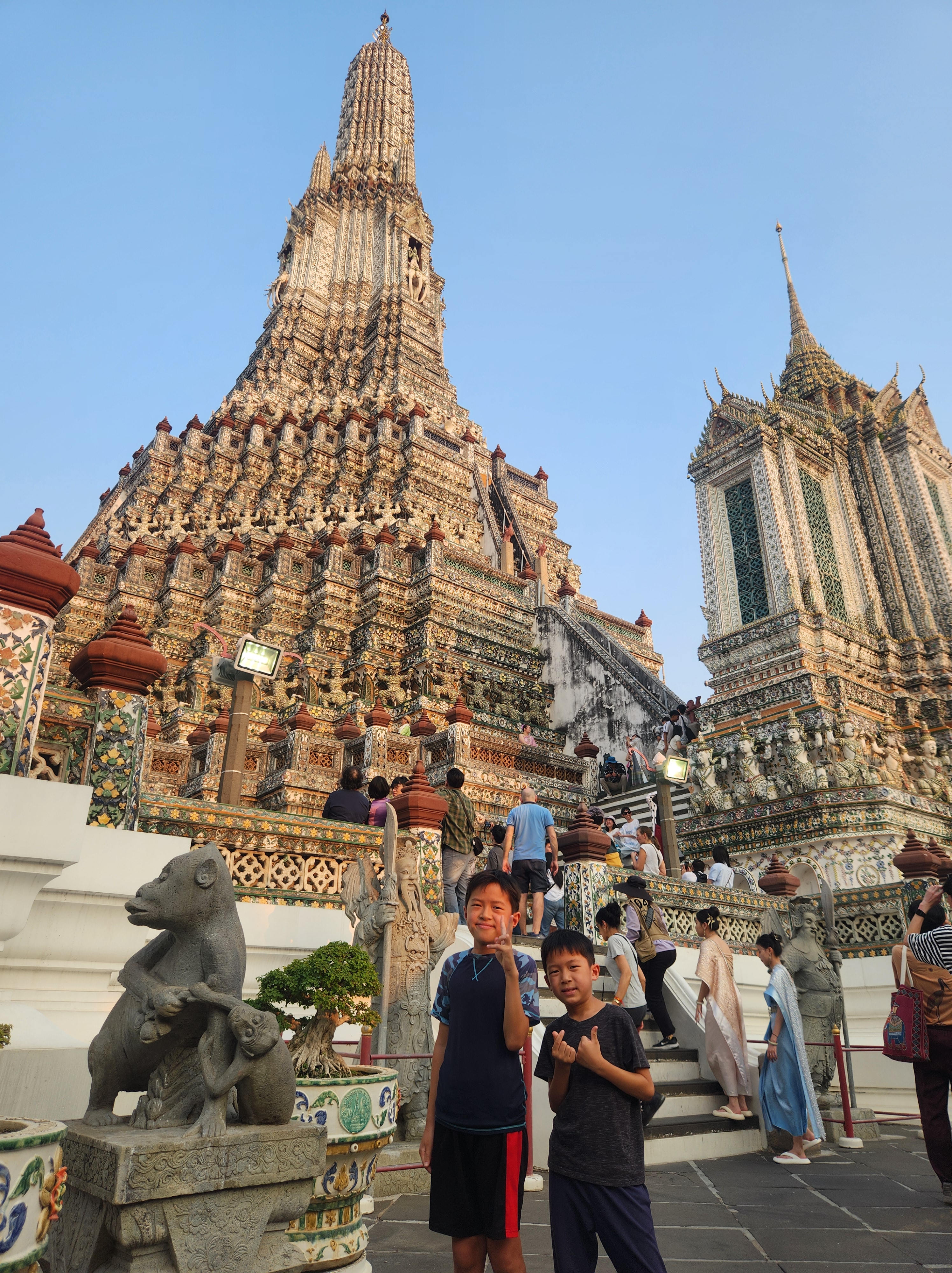
Sightseeing around Bangkok: Chinatown (incredibly chaotic but in a good way!), Icon Siam (the biggest, most fabulous mall in Bangkok), and Wat Arun Temple.

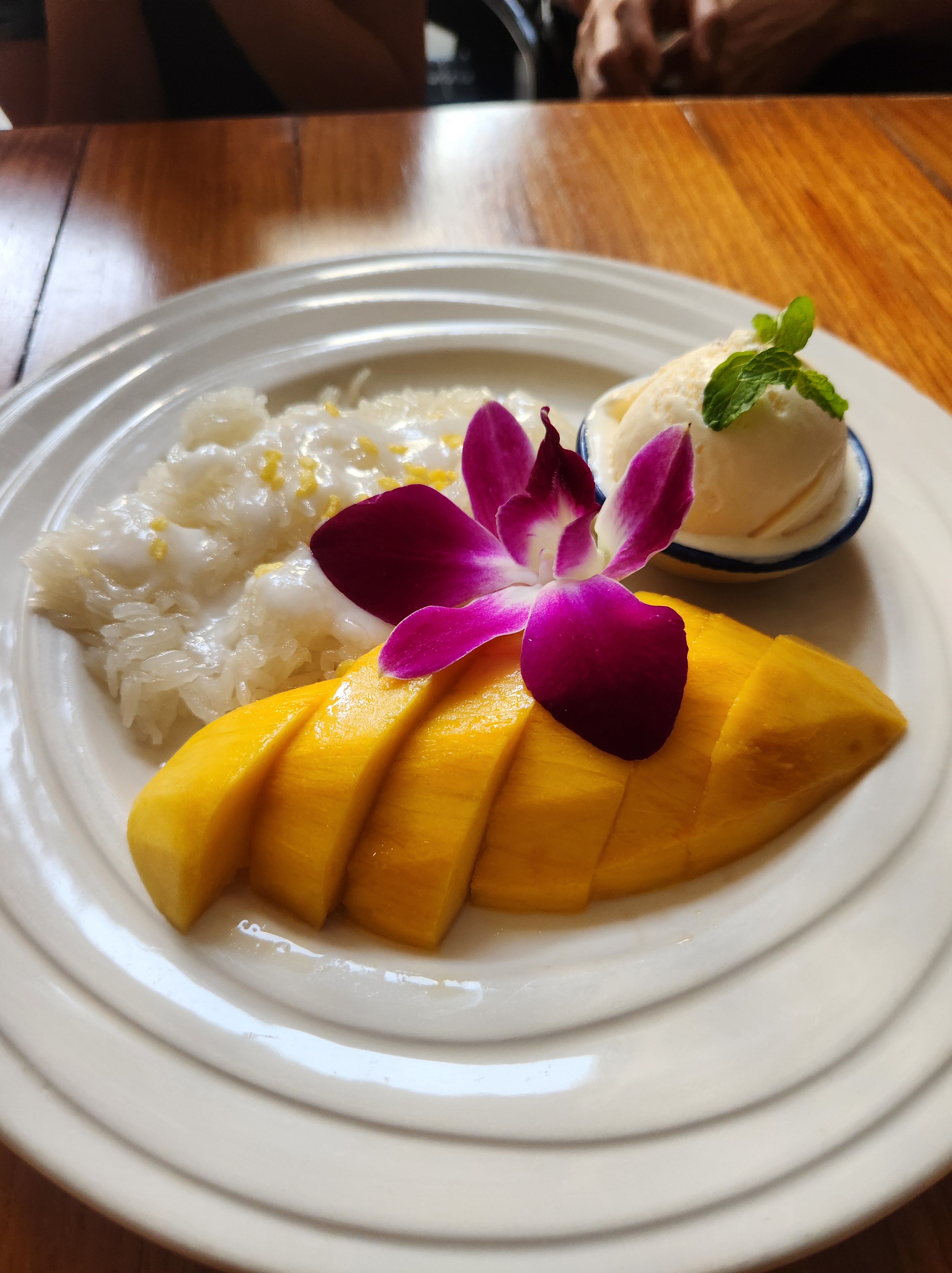
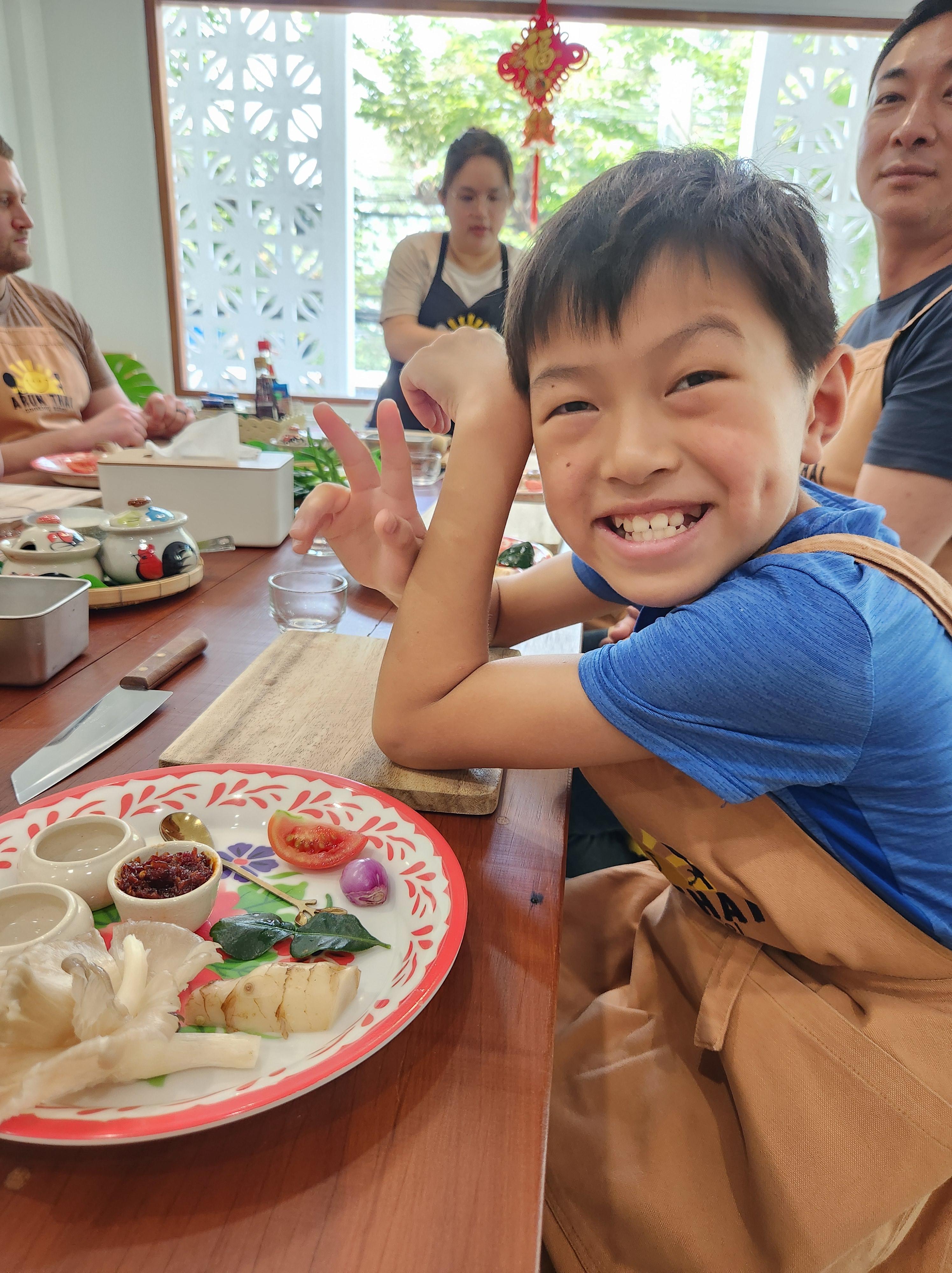
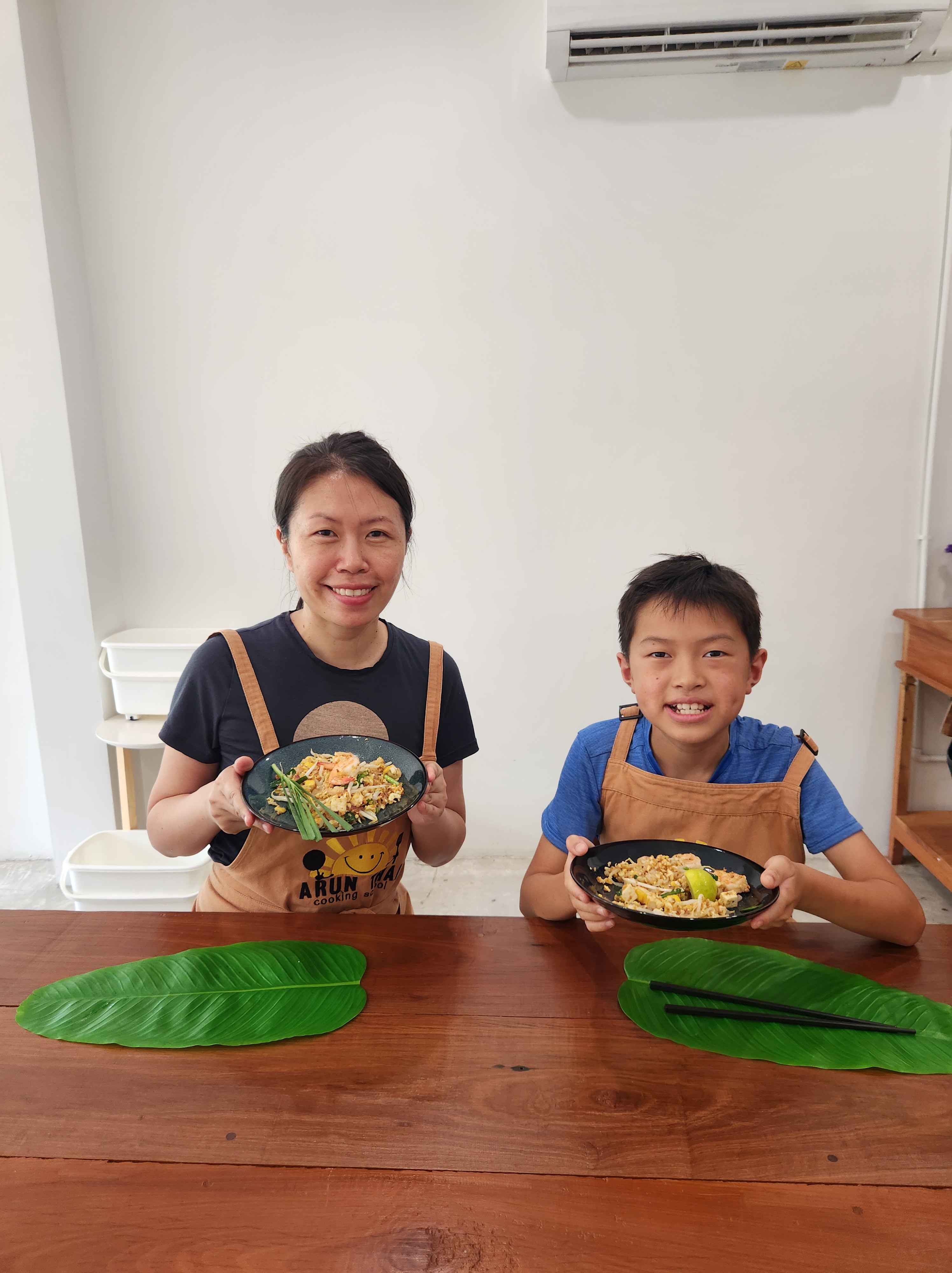
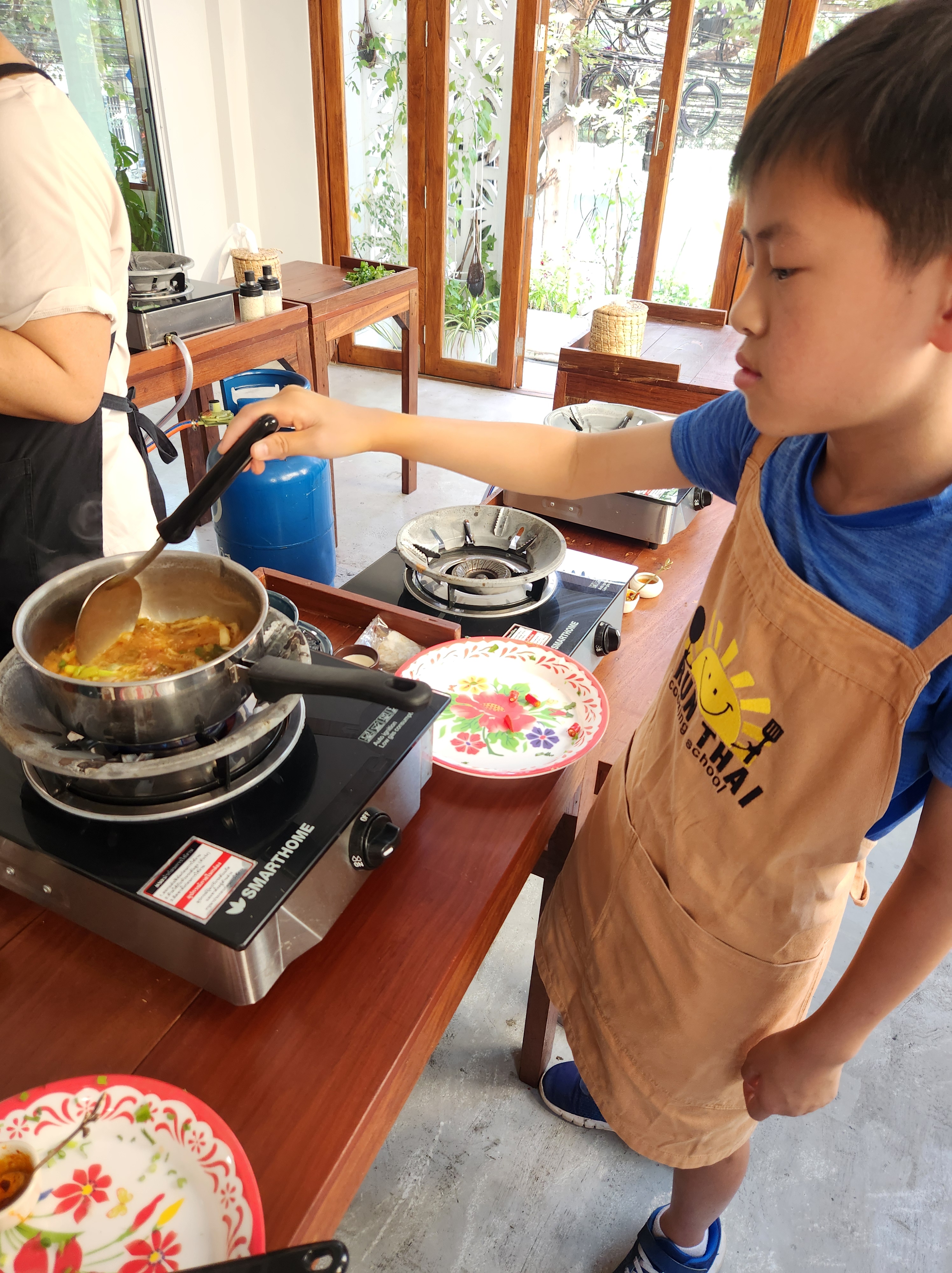
Around the second or third day into the trip, Baba started experiencing GI issues. (We suspect it may have been all that coconut cream from the mounds of Mango Sticky Rice he ate.) So, I decided to book a last-minute Thai cooking class with C, my boy who lives to eat.

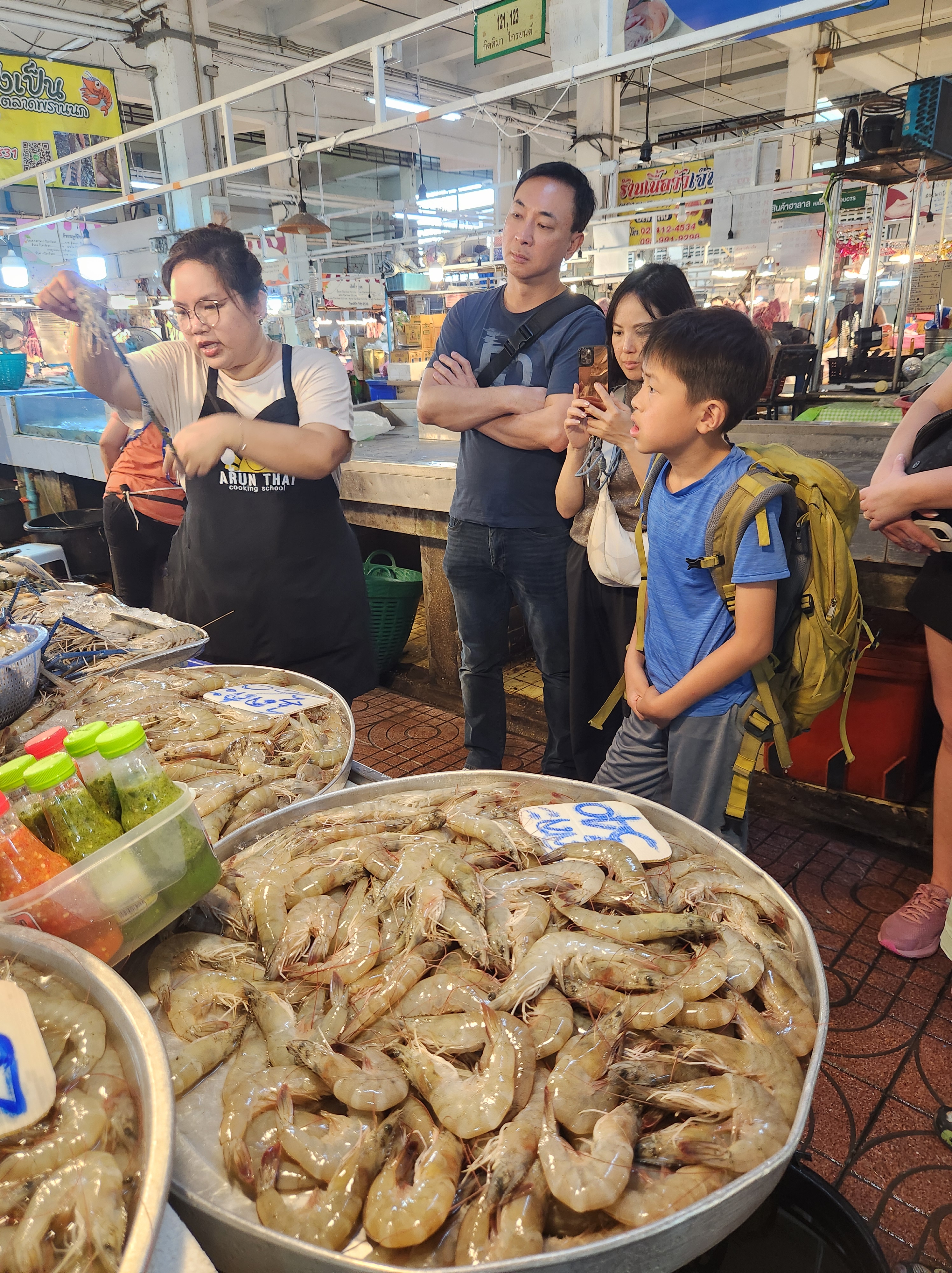
We had a total blast!! The class started off at a local wet market, where our teacher showed what some common ingredients are in Thai cooking. We went back to the cooking school via tuk-tuk and cooked four amazing dishes: Tom Yum Goong, Pad Thai, Massaman Curry and Mango Sticky Rice. Every dish was restaurant-quality and surprisingly easy to make! Then again, not having to source ingredients and clean up after ourselves makes a huge difference too 😅.

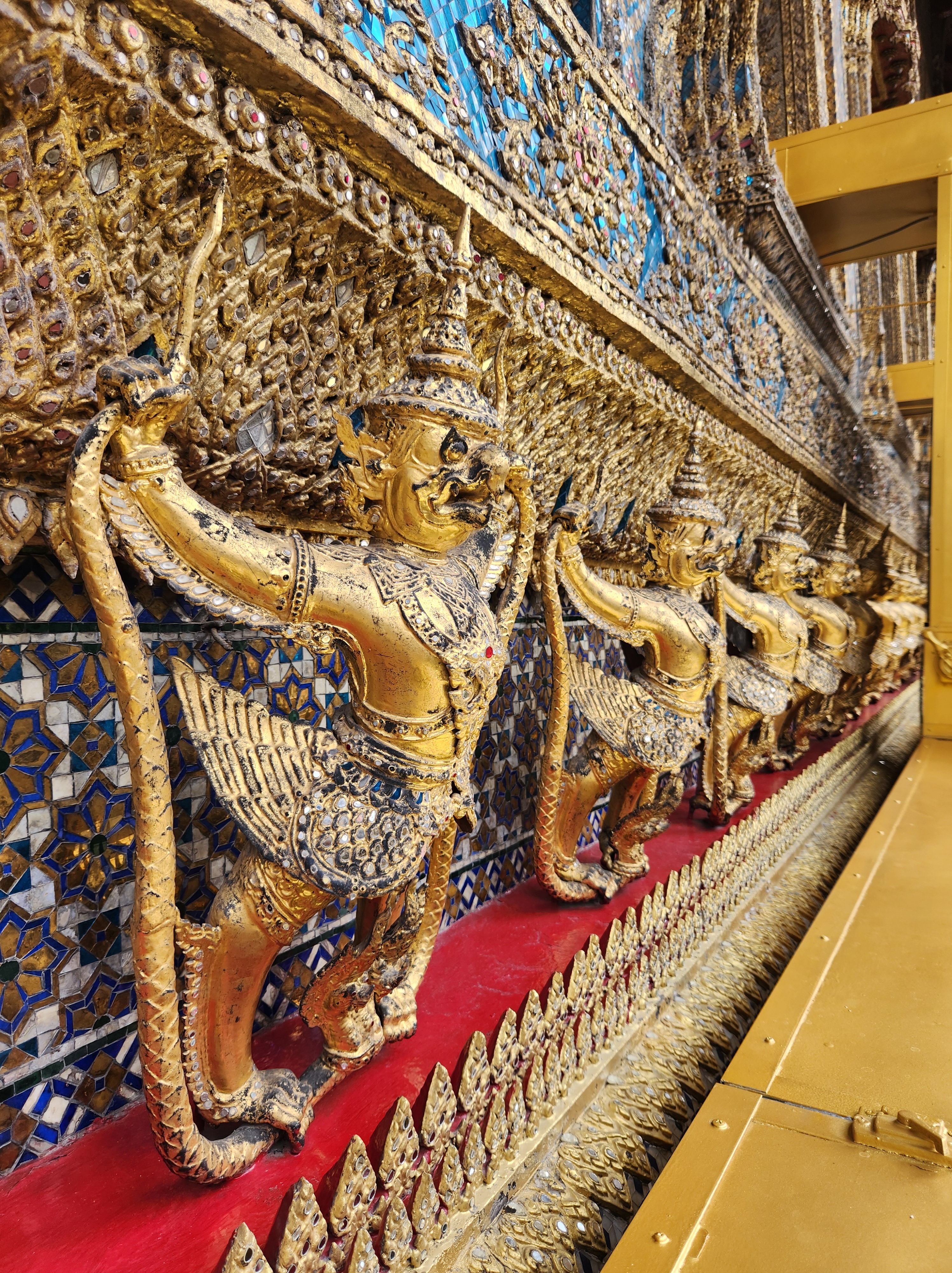
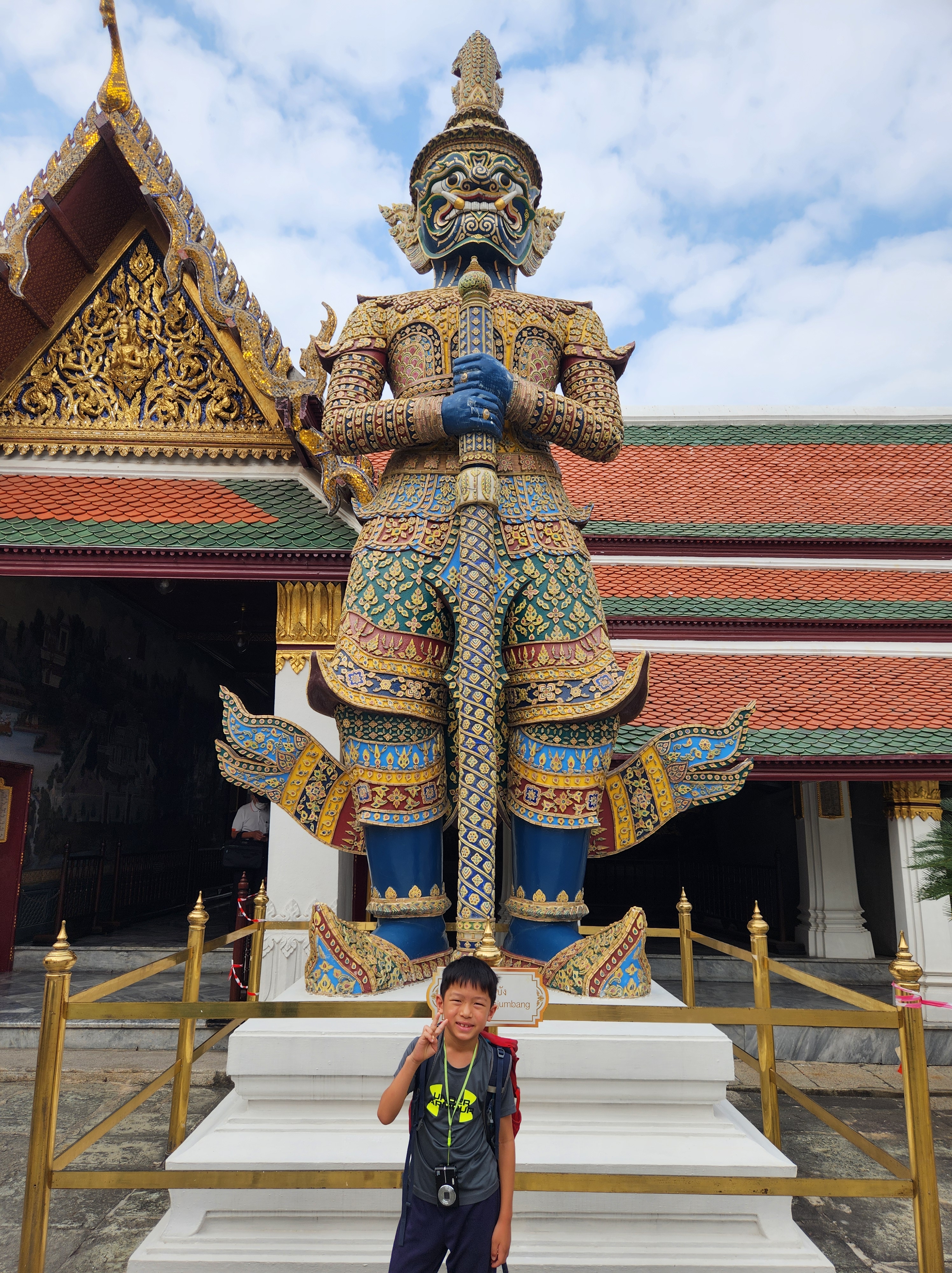
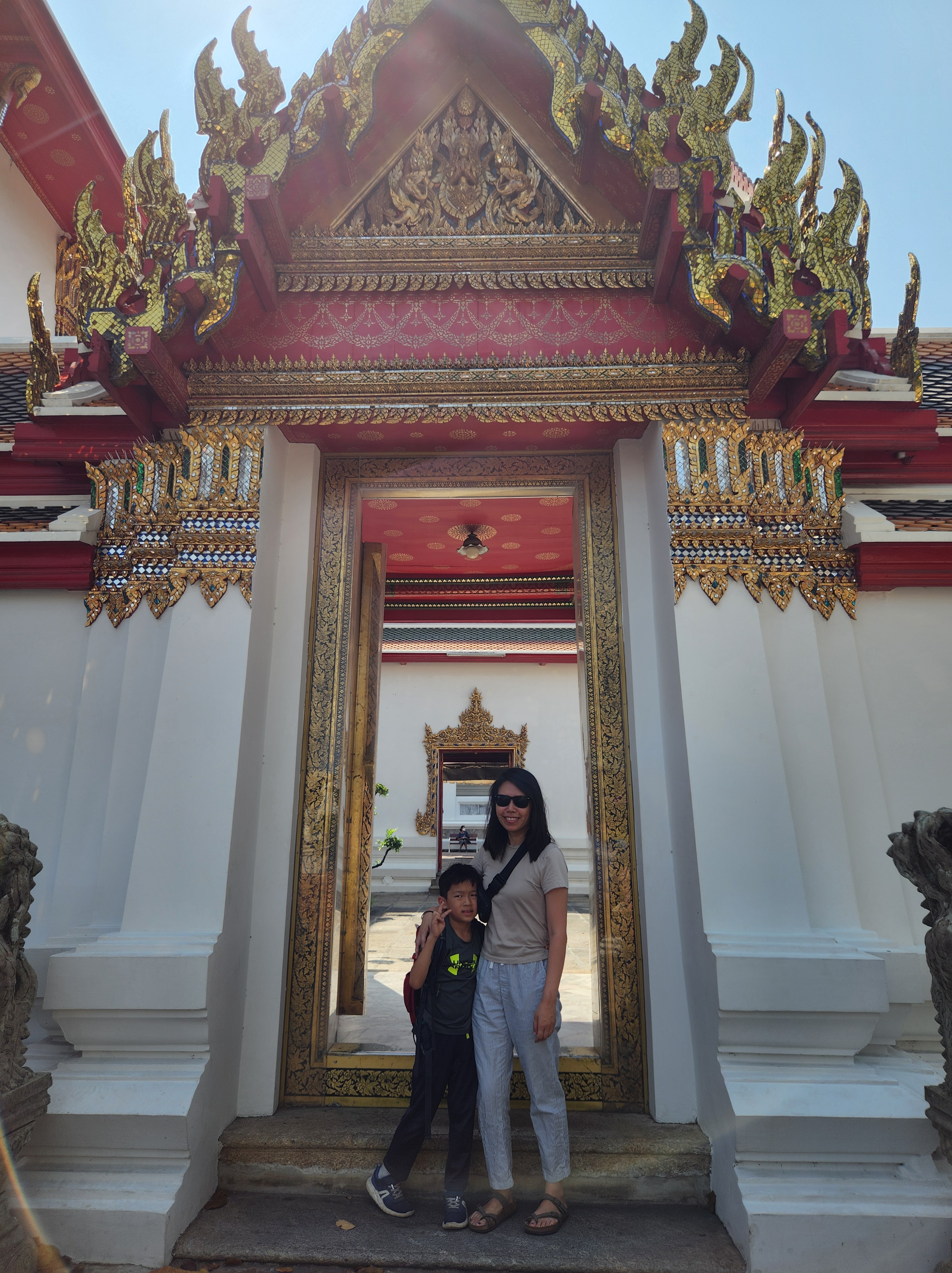
As the week went on, C caught another stomach bug. 😣 (Or maybe he never fully healed from the last bug in Vietnam?) With two men down, O and I went sightseeing at the Grand Palace and Wat Pho (Reclining Buddha Temple) by ourselves. I remember seeing these grand, opulent temples for the first time 20 years ago and feeling my jaw drop to the floor. It was moving to see O reacting the same way when he laid eyes on the Grand Palace, and I was reminded why we take these trips with our kids.

And that completes our whirlwind trip in SE Asia! Thankfully, Baba and C recovered from their illnesses before we flew back to Taipei. We even got to sneak in some delicious food (but with extra caution) on our last day. We got back to Taipei in the evening and the boys had school the very next morning 😅. Even after a month-long vacation, they whined and wished they could stay in SE Asia a while longer. But you know what? I felt the same way.

Ramblings

Vietnam

Hello, it’s been awhile!

But I have an excuse. We had been traveling around SE Asia over the boys’ winter break, visiting 3 countries and 8 cities in 4 weeks. We had such an amazing time there, and surprisingly didn’t find the trip exhausting at all. SE Asia is one of my favorite regions in the world.

I’ve been wanting to visit Vietnam for some time. Baba and I both have connections there, with his parents and siblings being born in Vietnam and my family having lived there for many years. I’ve also been enticed by pictures on social media of the beautiful nature and landscapes around the country. But most of all, we absolutely love Vietnamese food and have been missing it since we moved to Taiwan (the Vietnamese food here is lackluster).

We visited Vietnam from north to south – first Hanoi, then Ha Long Bay, Hoi An, Da Nang and finally Ho Chi Minh City.

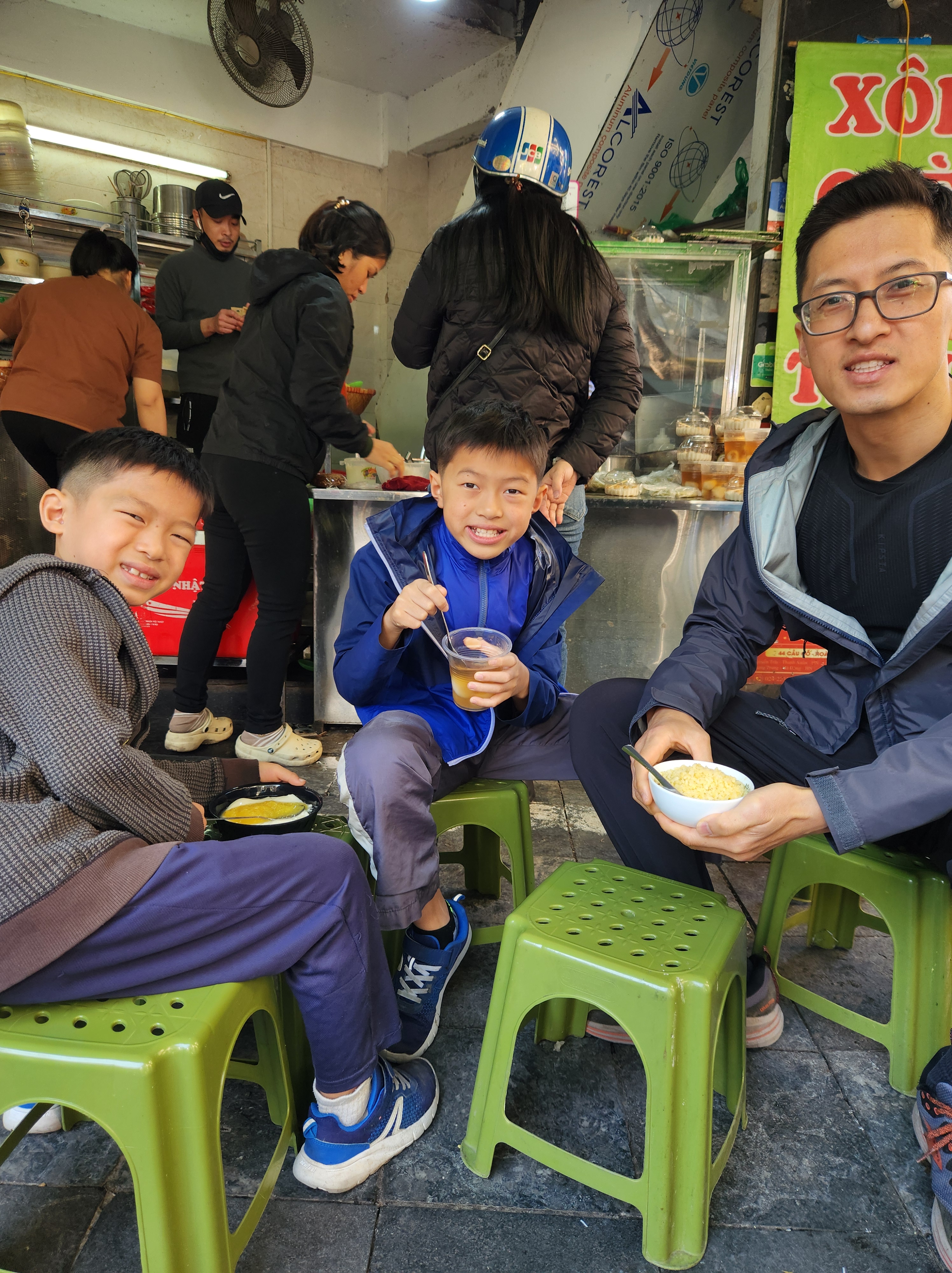
Hanoi. Despite the terrible air pollution and nonsensical traffic, we loved Hanoi! I don’t know if it’s because Hanoi was the first place we visited, but the city has that old-world charm that makes you feel like you’ve stepped back in time, with its narrow streets, cozy cafes and roadside restaurants complete with the quintessential small, plastic stools. We stayed in the Old Quarter; most things were within walking distance and every corner had something to be discovered.

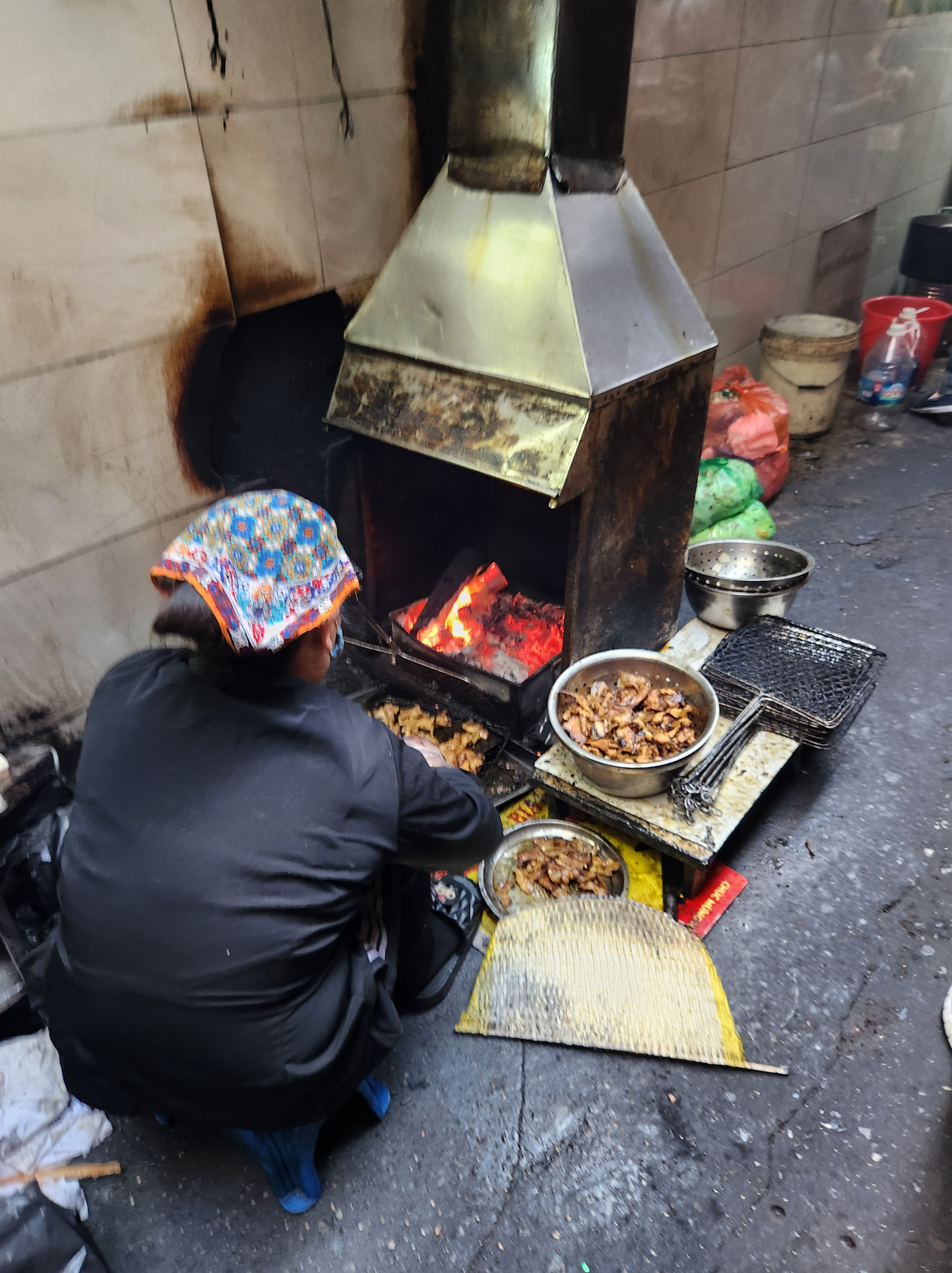
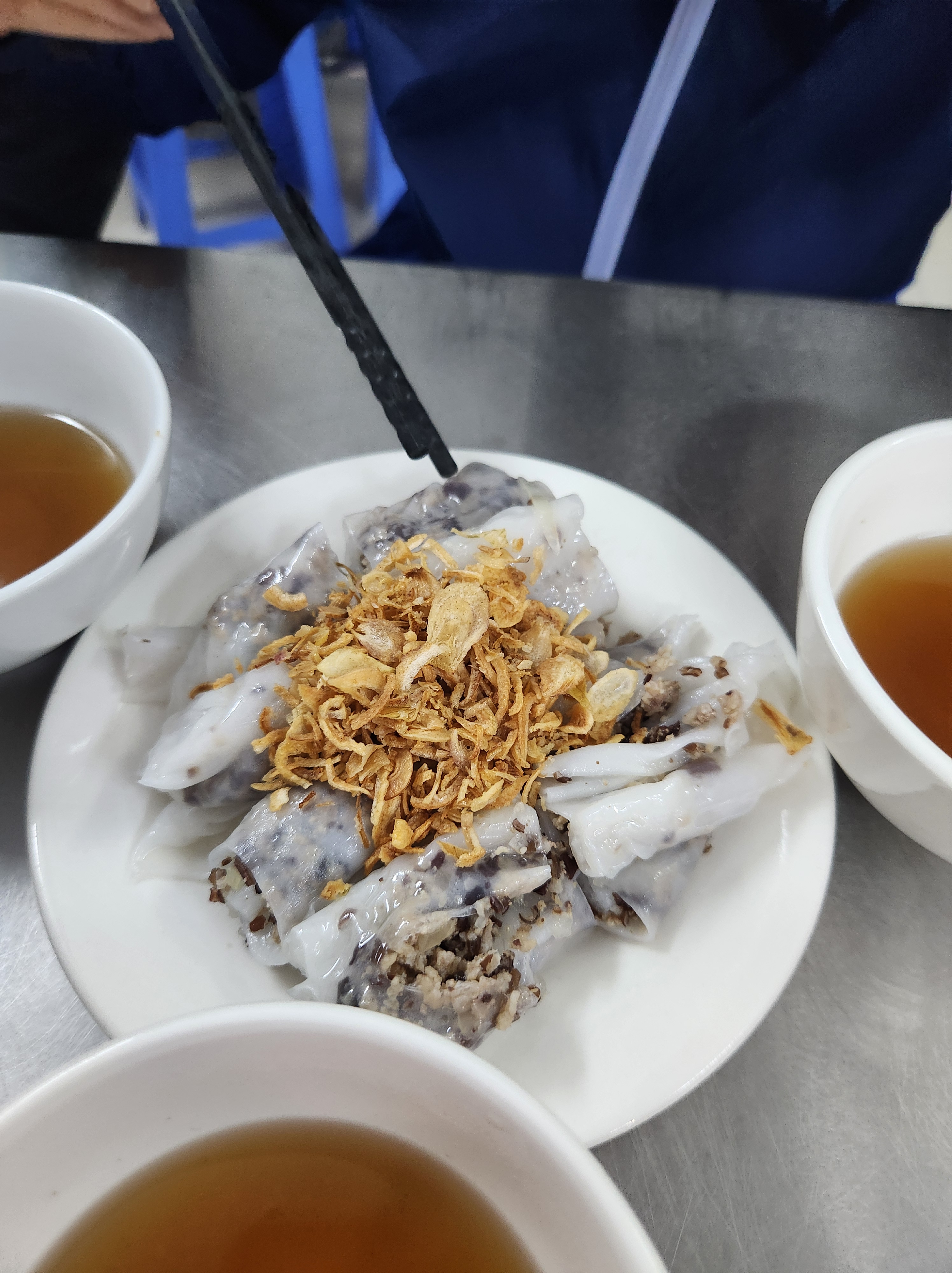
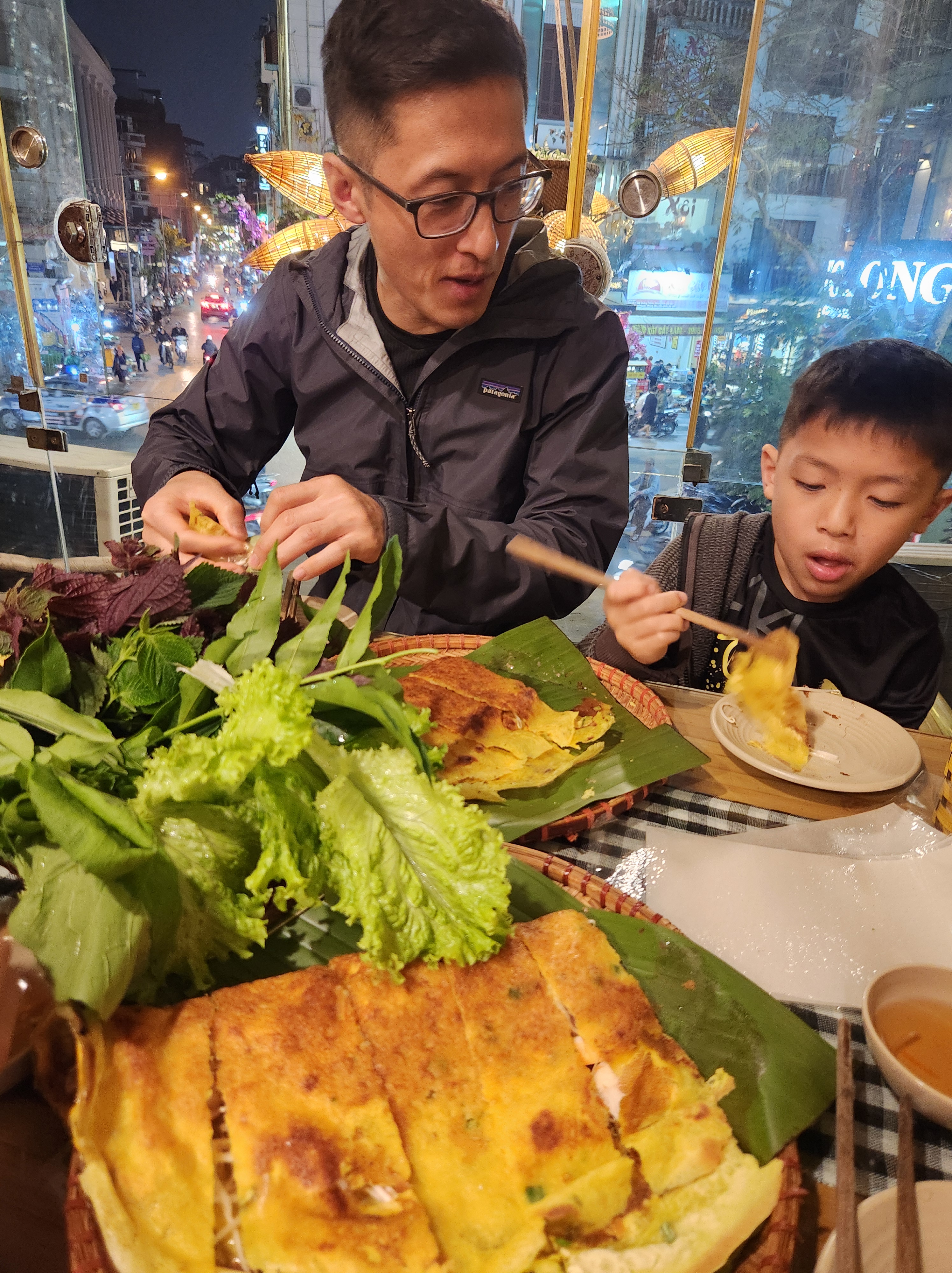
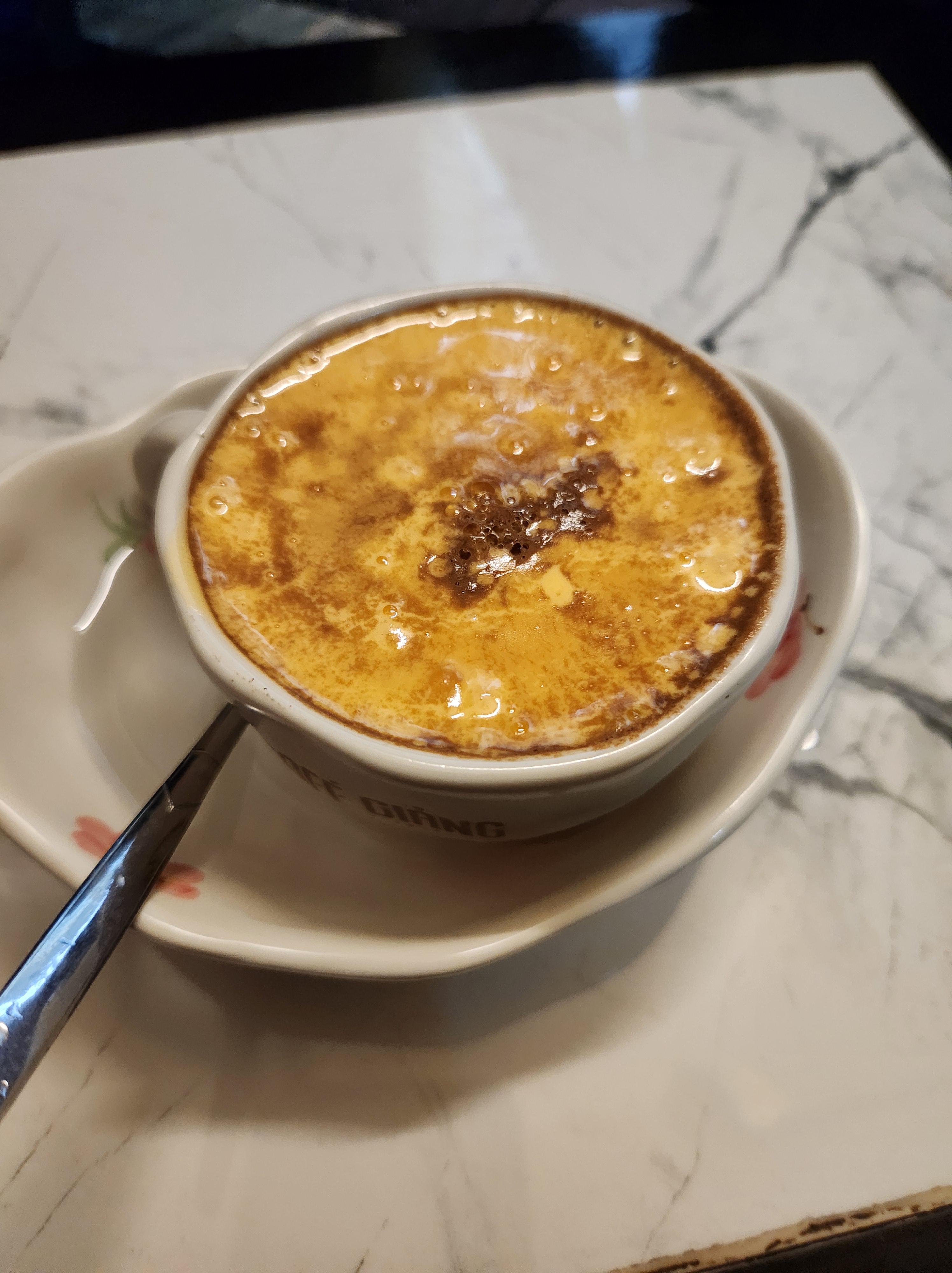
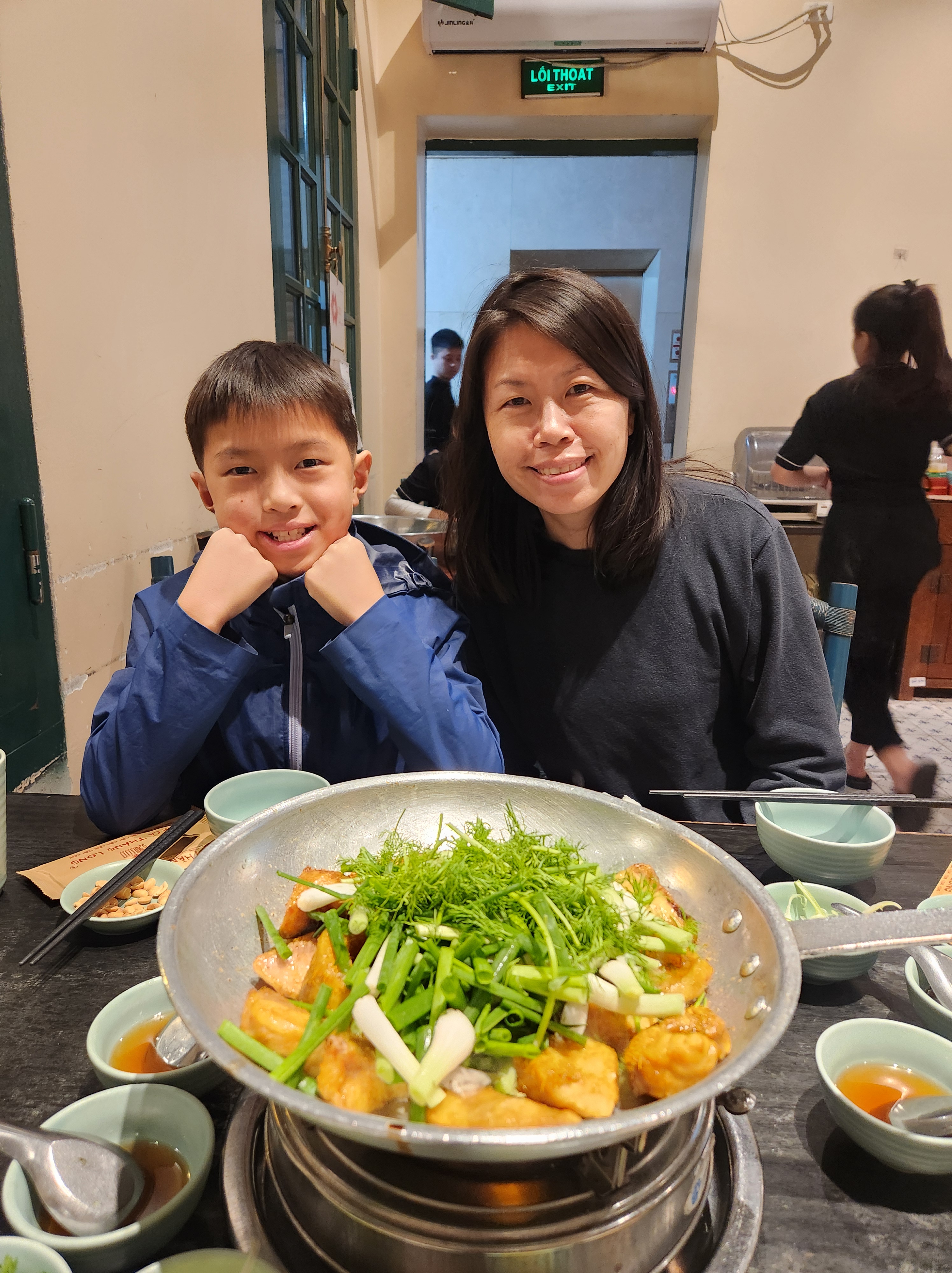
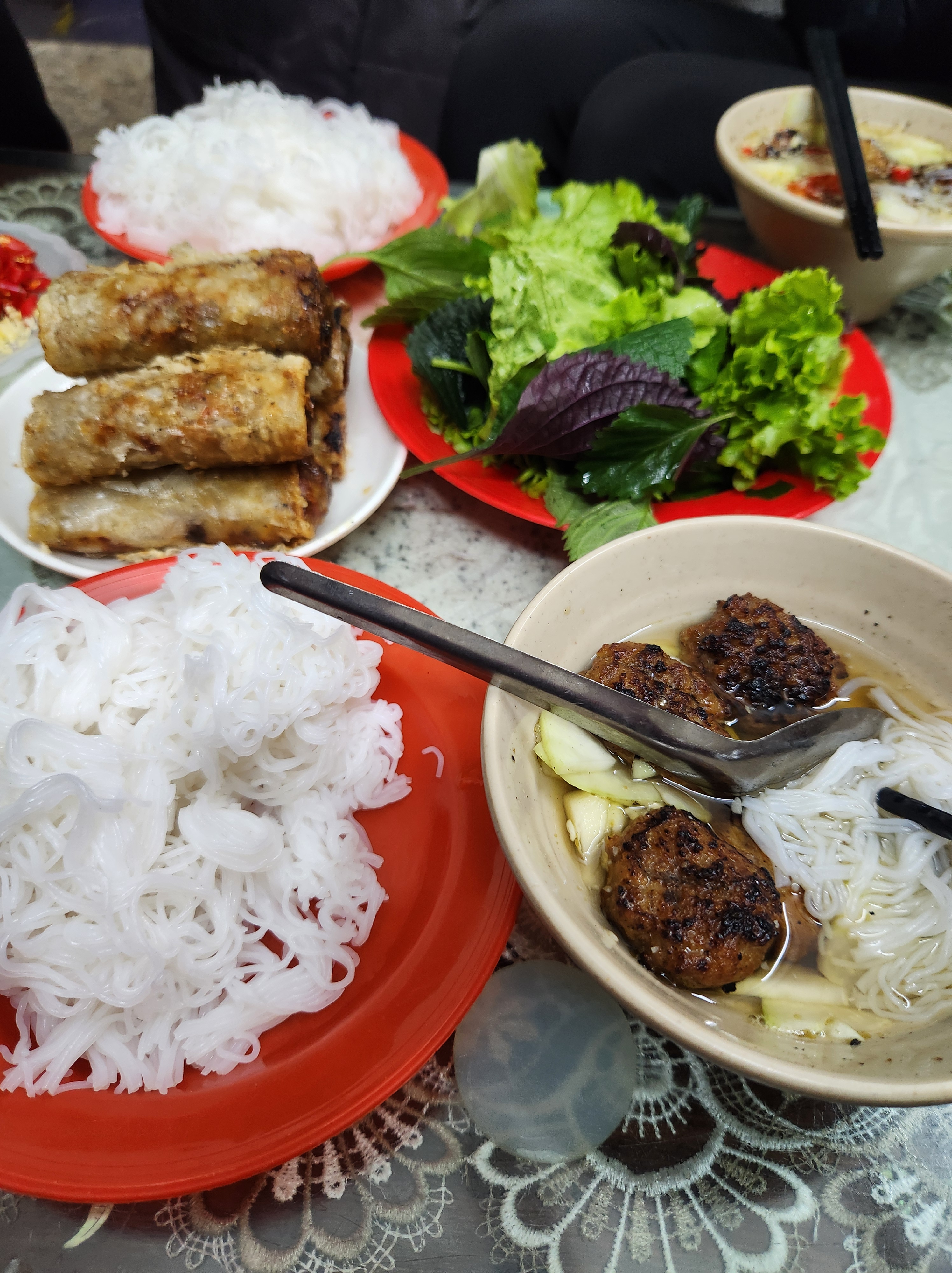
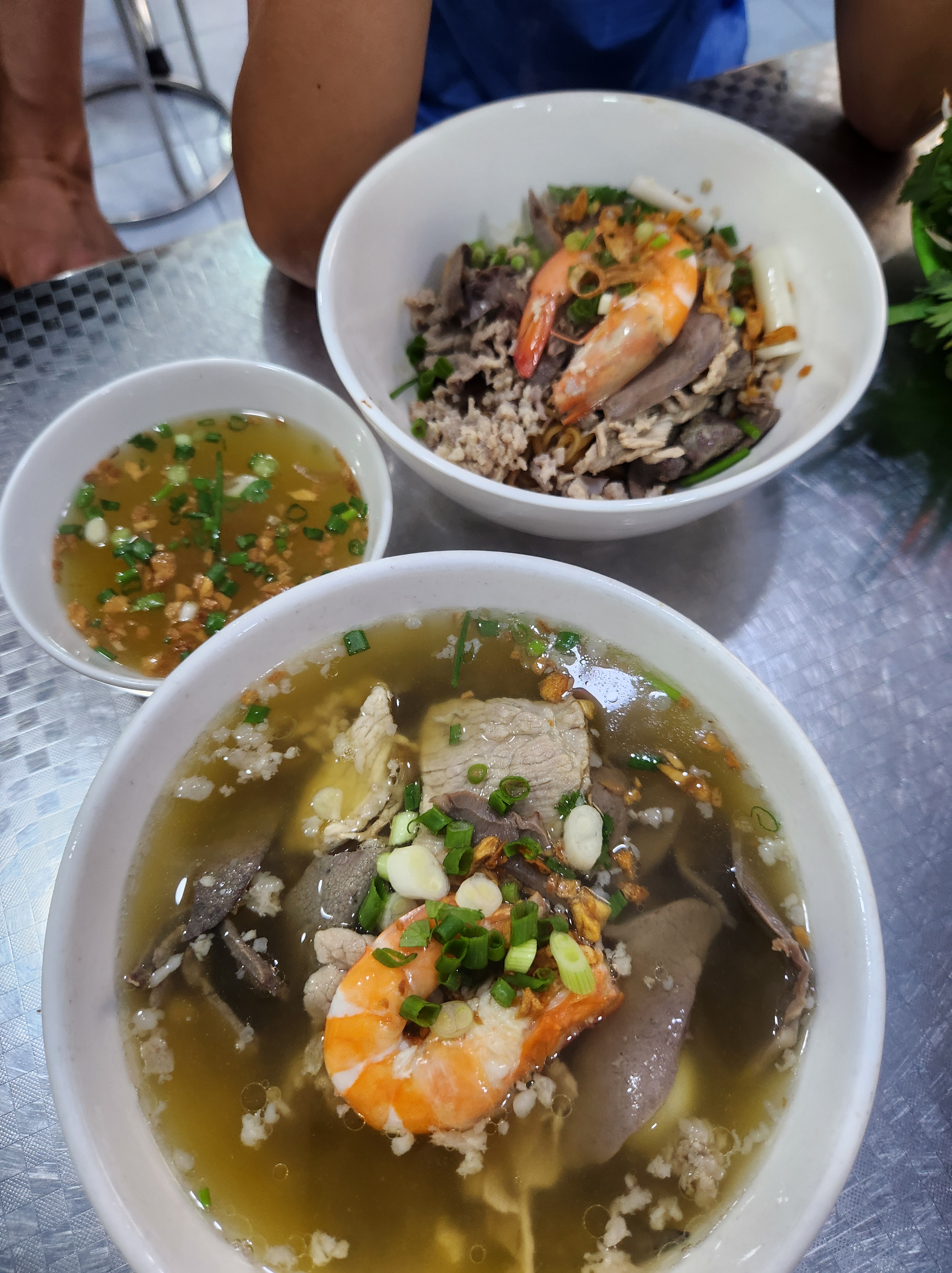
The food in Hanoi was also amazing. People have told me northern Vietnamese food is pretty bland but we didn’t think that at all. I don’t think we had one bad meal there, and of course everything is so, so affordable. Our meals were usually around $8-$10 for a family of four. 😱

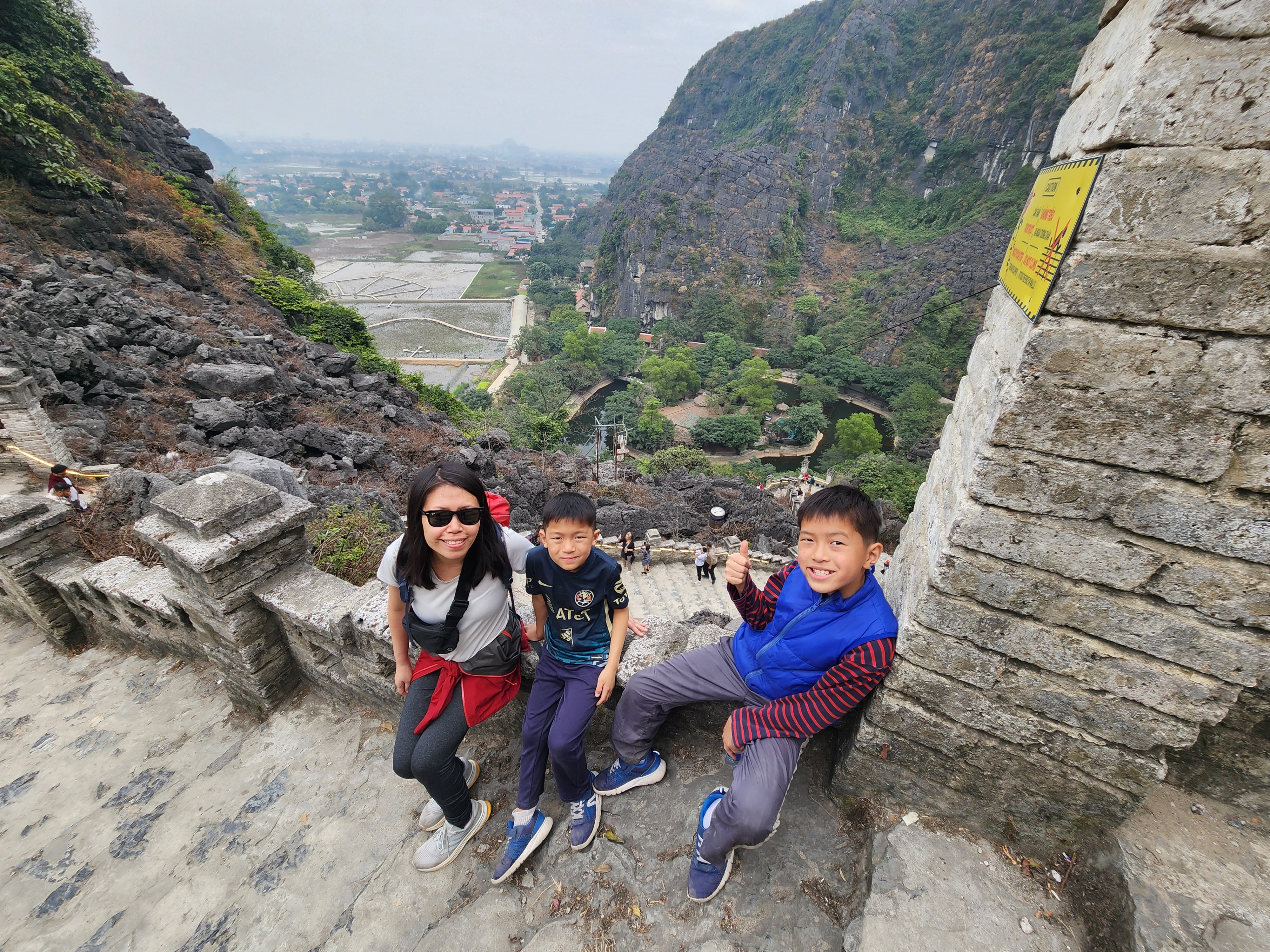
During our stay in Hanoi, we also booked a day trip to Ninh Binh, a city in the countryside with calm rivers flanked by stunning limestone mountains and caves. It was so scenic! After the boat tour, we hiked to Hang Mua Cave and climbed up the Ngoa Long (Lying Dragon Mountain). The hike was all stairs so it was definitely a work out!

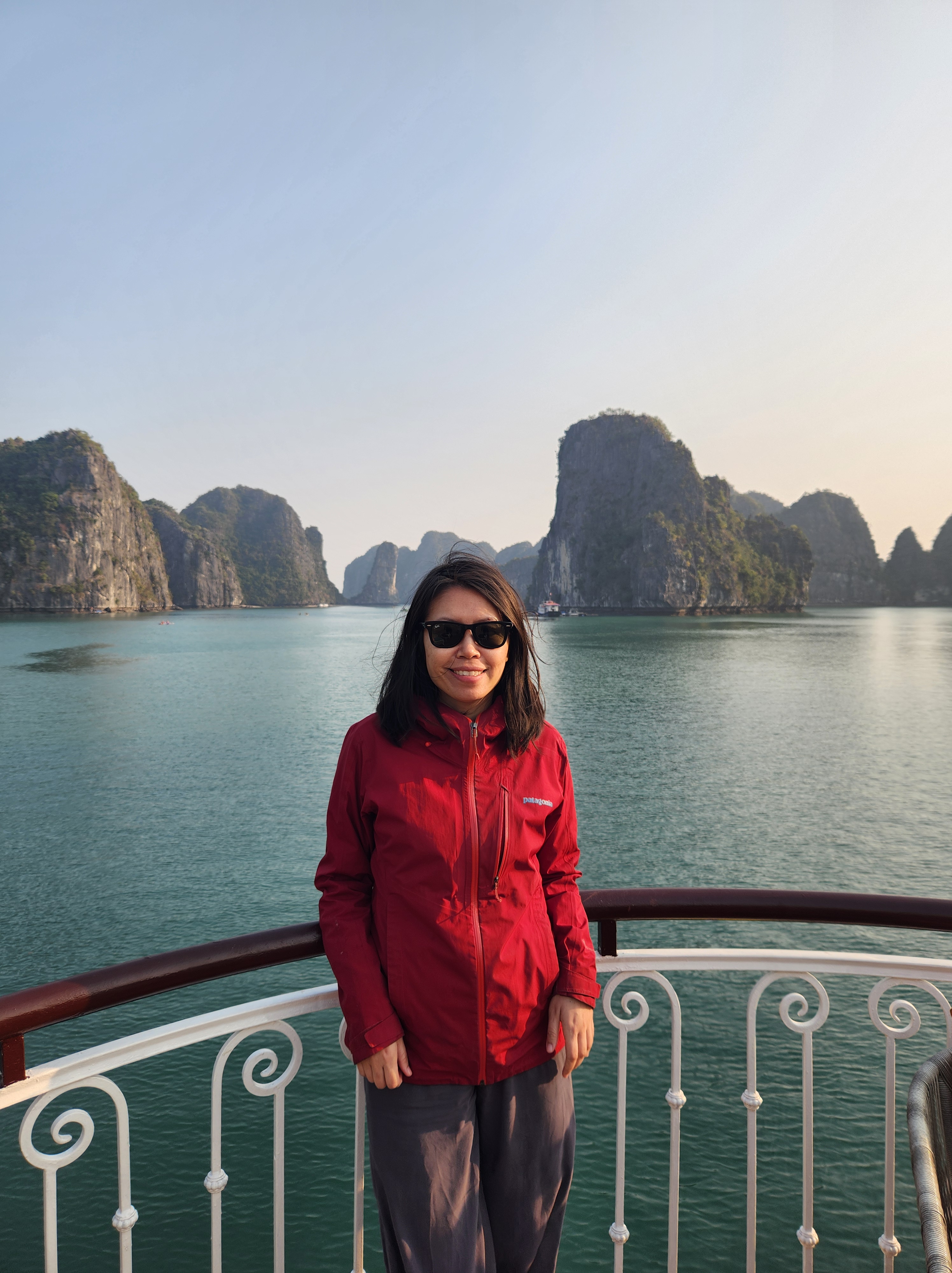
Ha Long Bay. We left Hanoi and took a 2 hour bus ride to Cat Ba Island, a gateway to Ha Long Bay. Originally, we wanted to go on a 2-night cruise to Ha Long Bay but the atrocious prices and lukewarm reviews turned us off. So, Baba found a more economical alternative: stay in Cat Ba Island for 2 nights and book a day cruise to the bay. 🙂

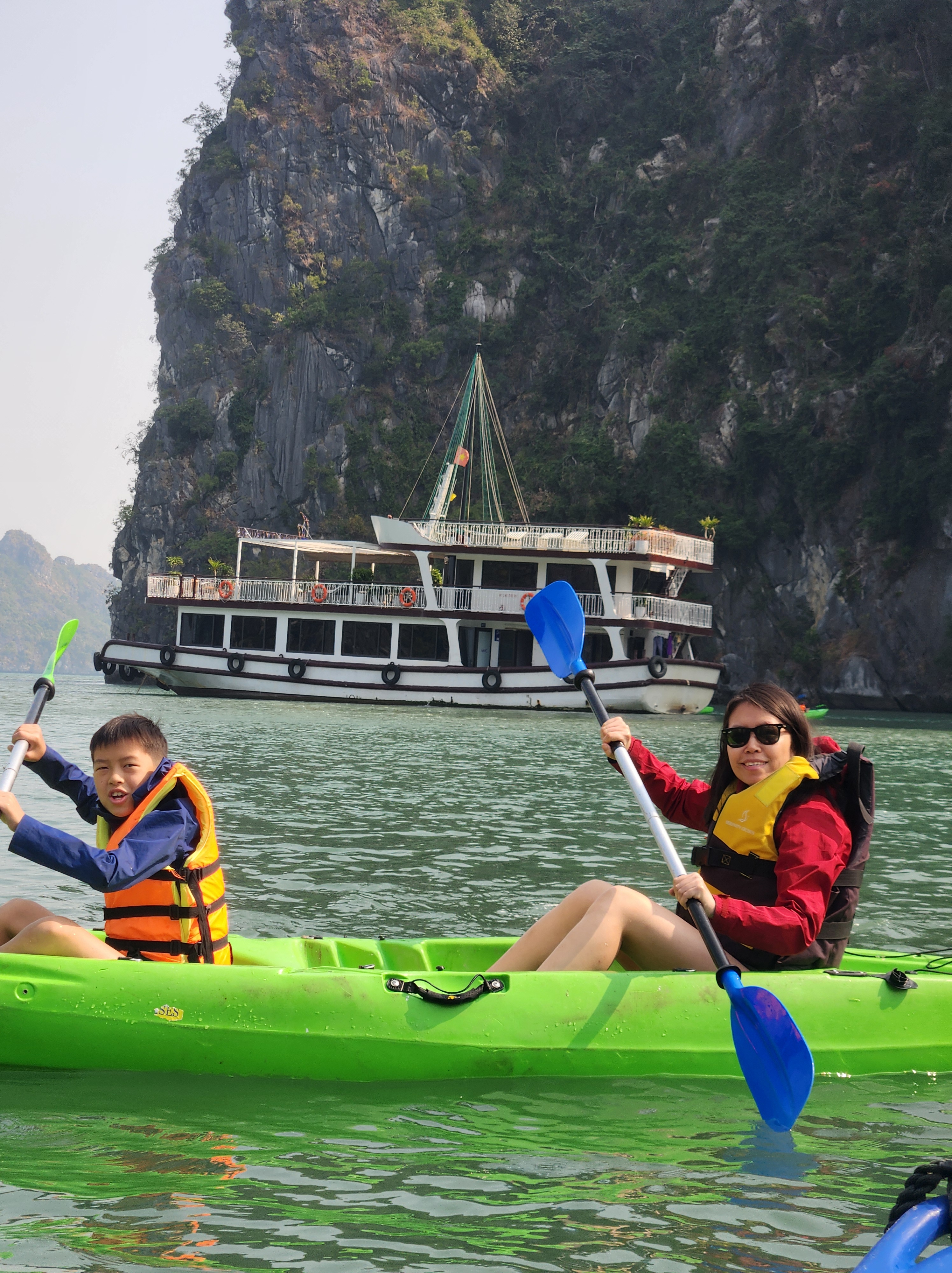
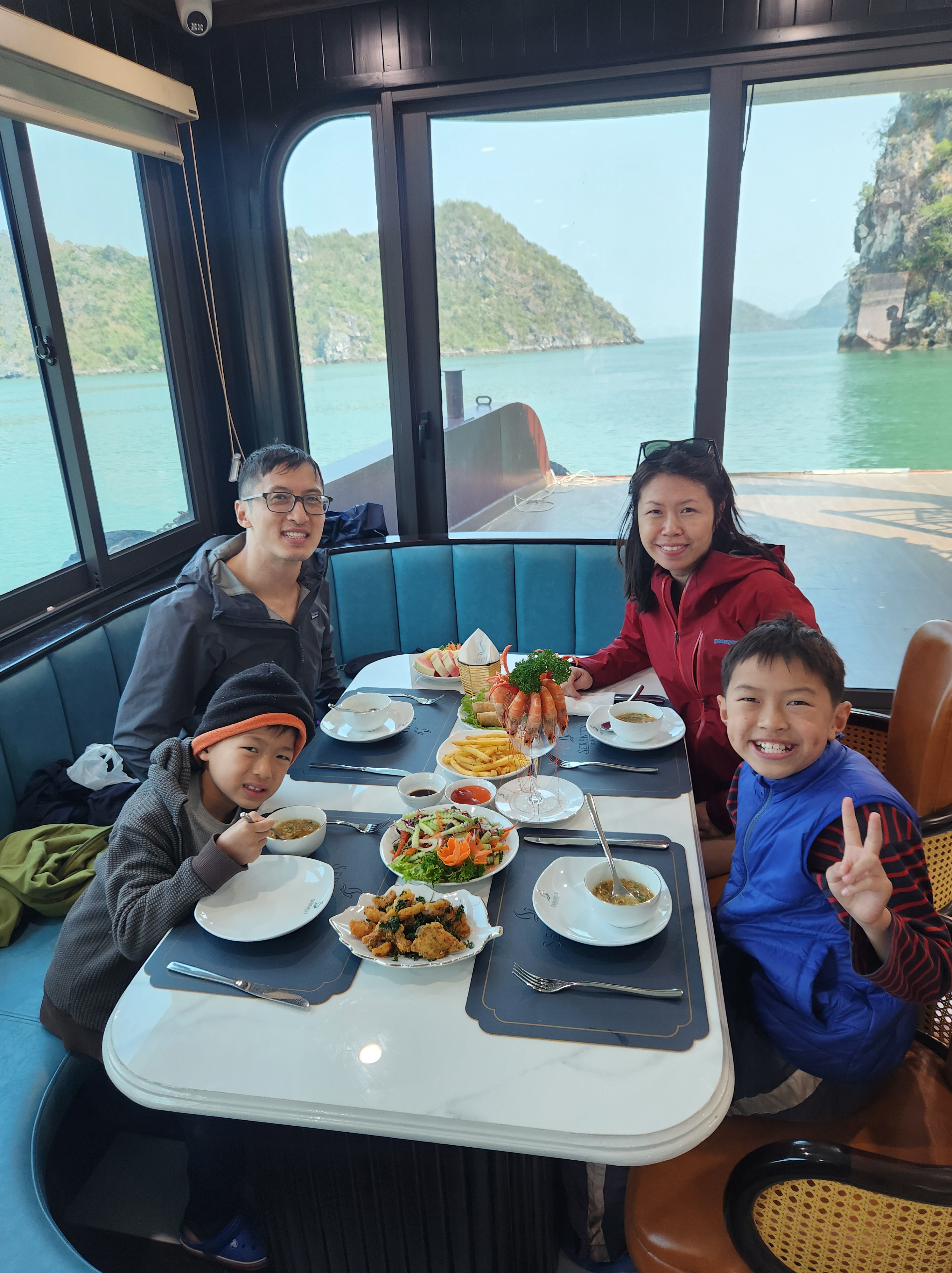
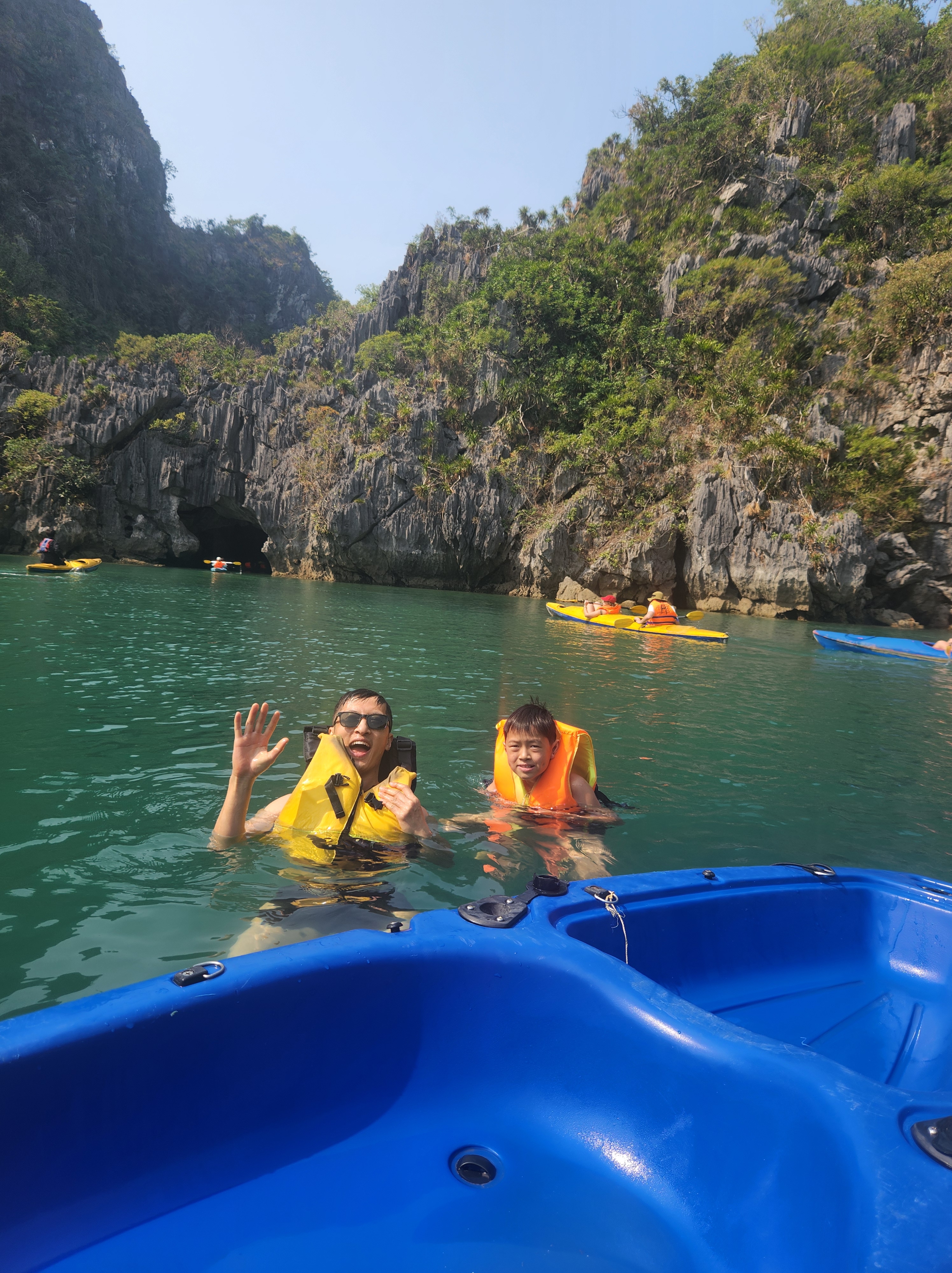
There wasn’t much to do on Cat Ba Island (although the tourism department is trying to build it into a resort town) and the food was mediocre. But we had a wonderful day cruise around Ha Long Bay – the views were beautiful and we got a chance to do some water activities even though the water was freezing. Our tour operator was Cat Ba Express and they were great. They seamlessly organized the cruise and transportation to/from Hanoi.

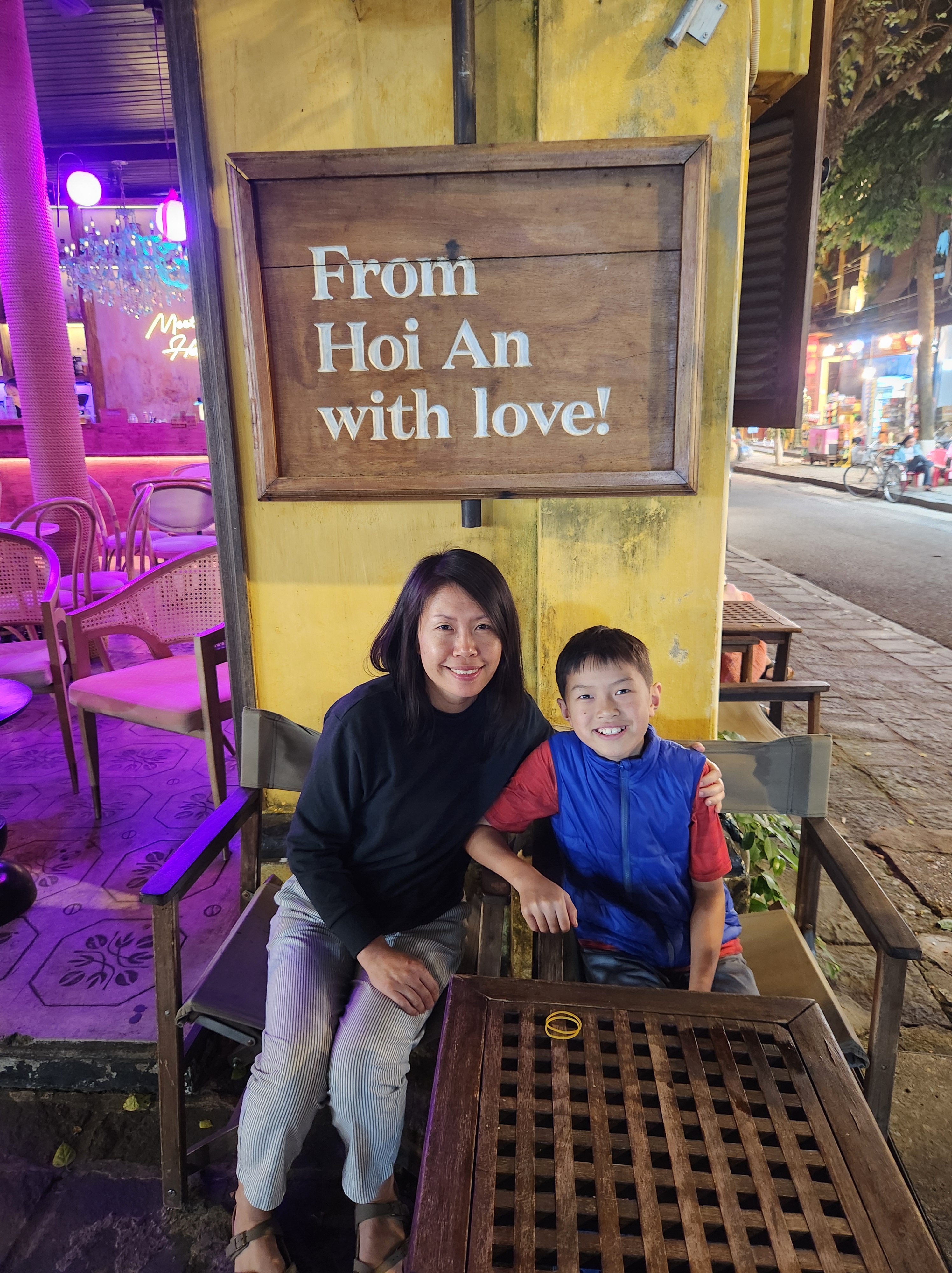
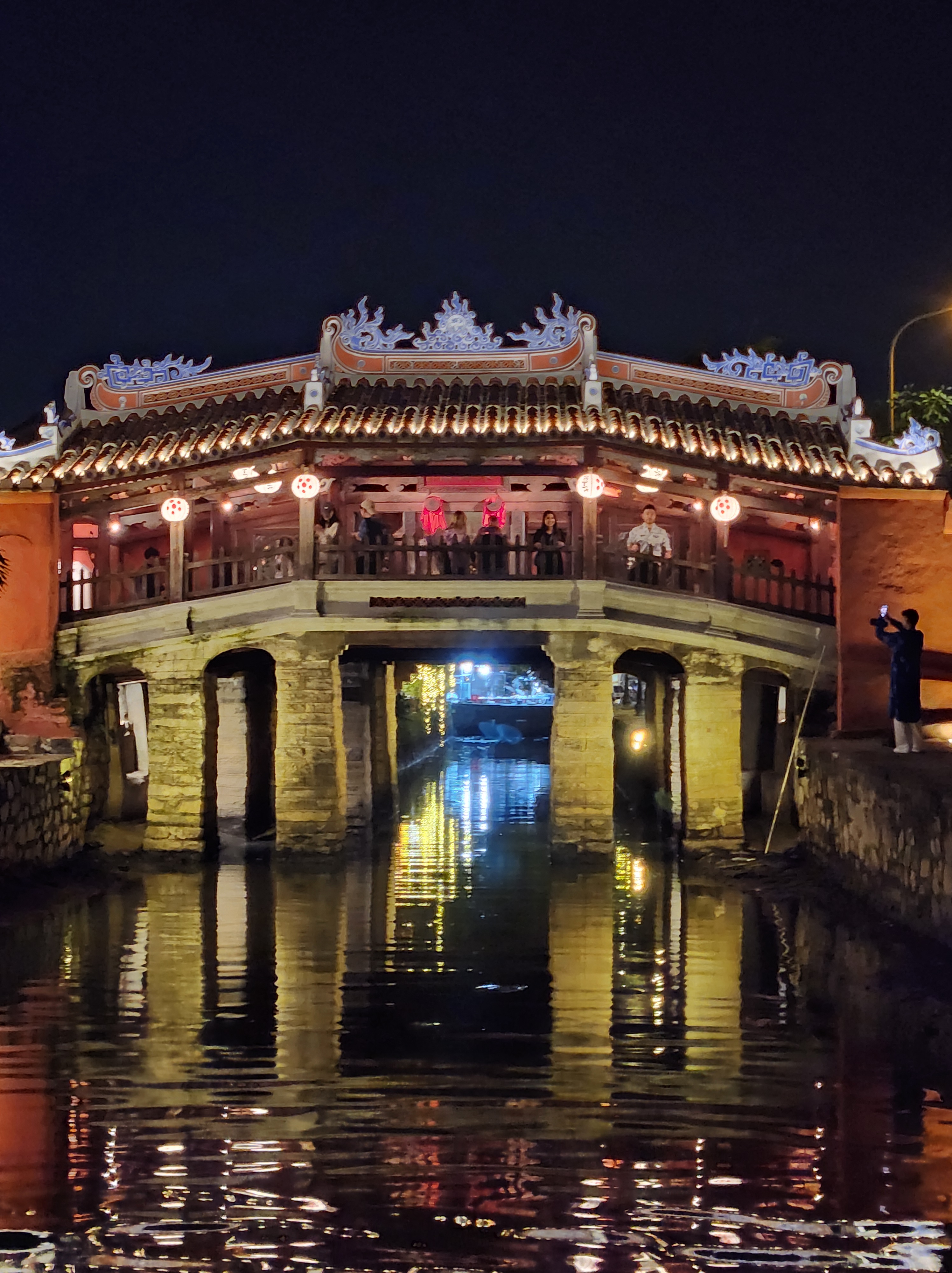
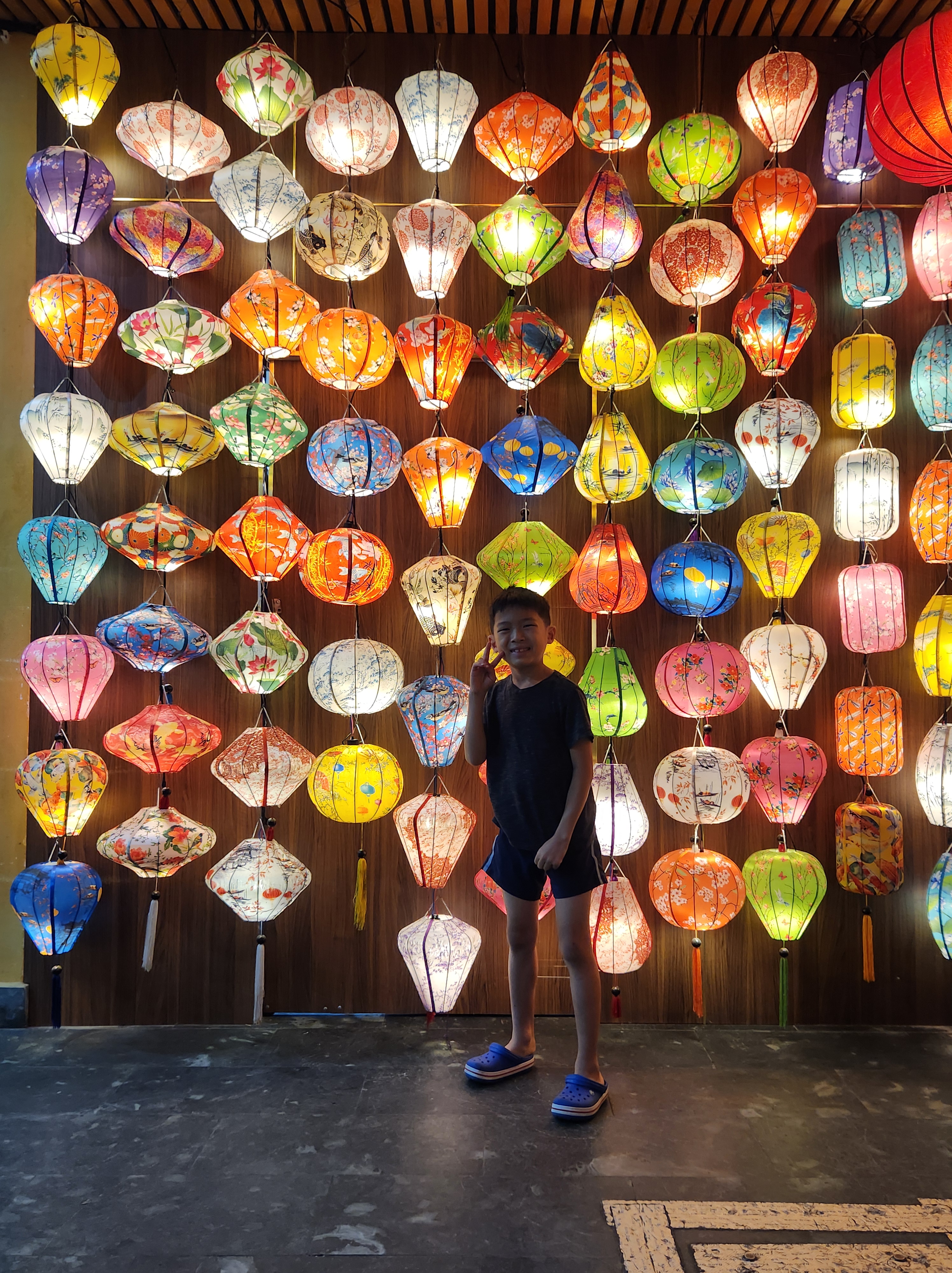
Hoi An. After Ha Long Bay, we flew to central Vietnam which included Hoi An. Hoi An is an incredibly picturesque city and has become one of Vietnam’s most Instagram-able place.

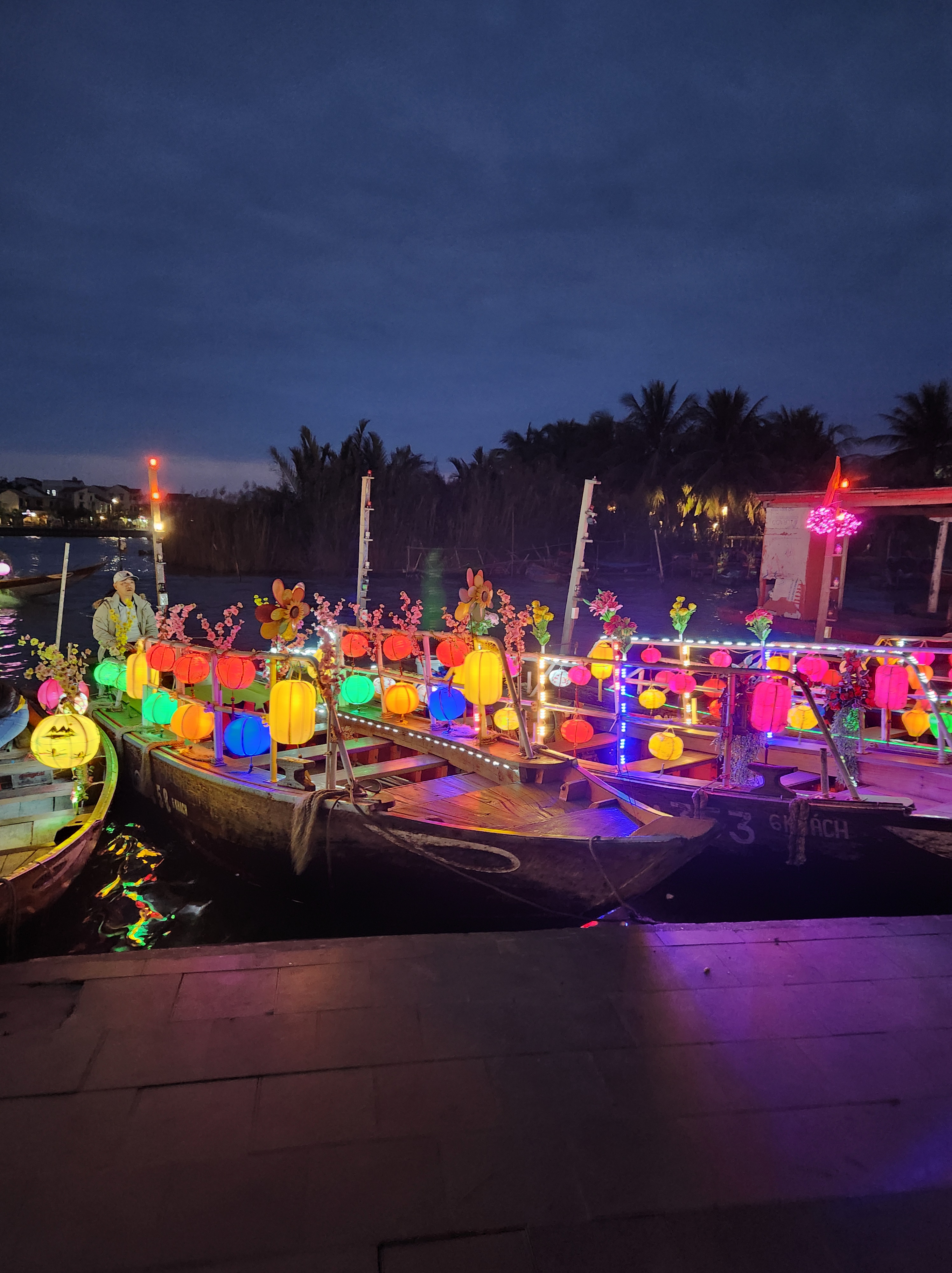
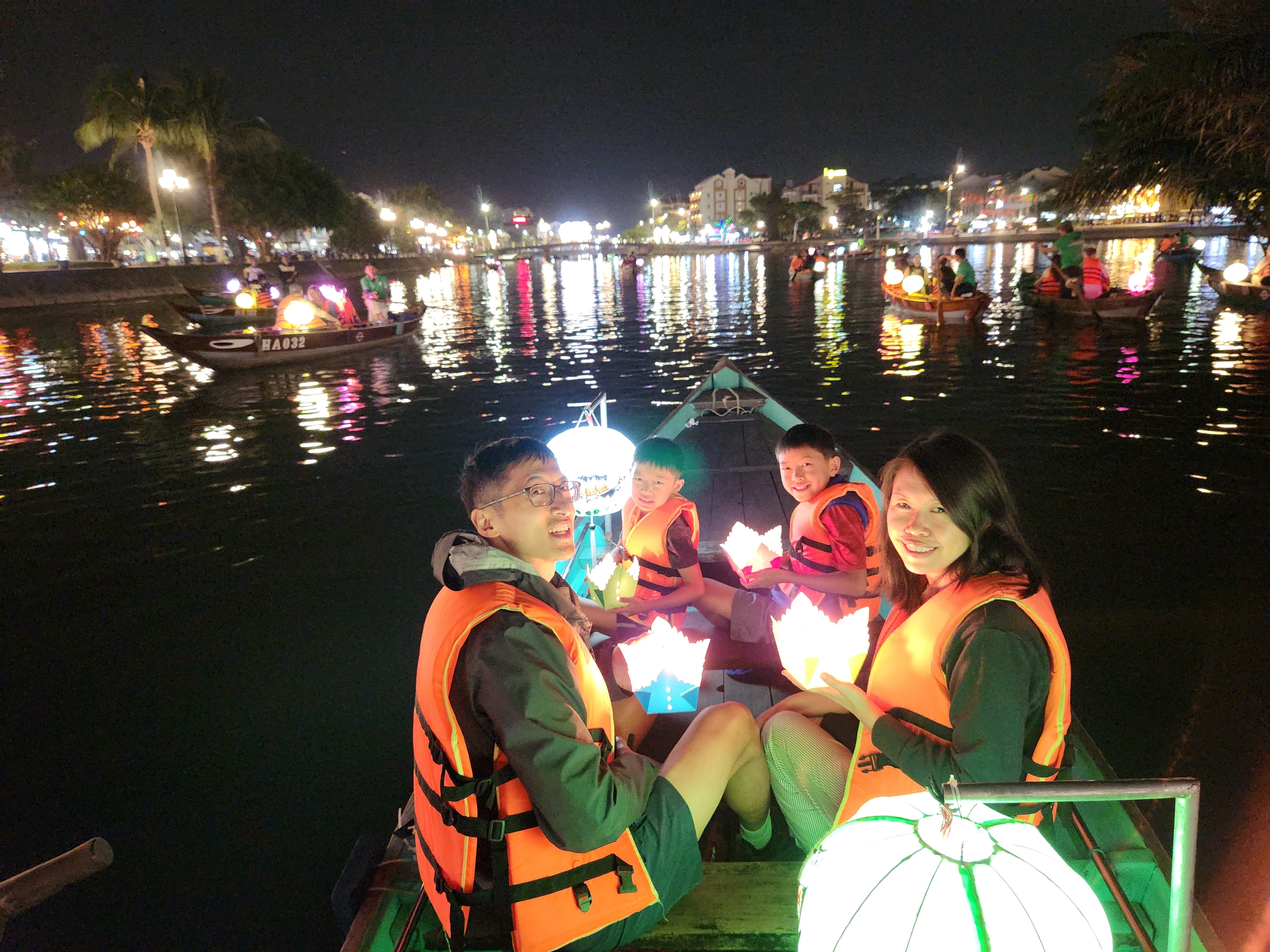
Hoi An is a very small city so after one day of sightseeing, we were pretty much done. There were so many tourists in the main part of Hoi An that at times it felt like a commercialized tourist trap. The streets were lined with shops selling souvenirs or tourist “experiences” like the lantern release on the river (which we ended up doing anyway 😅).

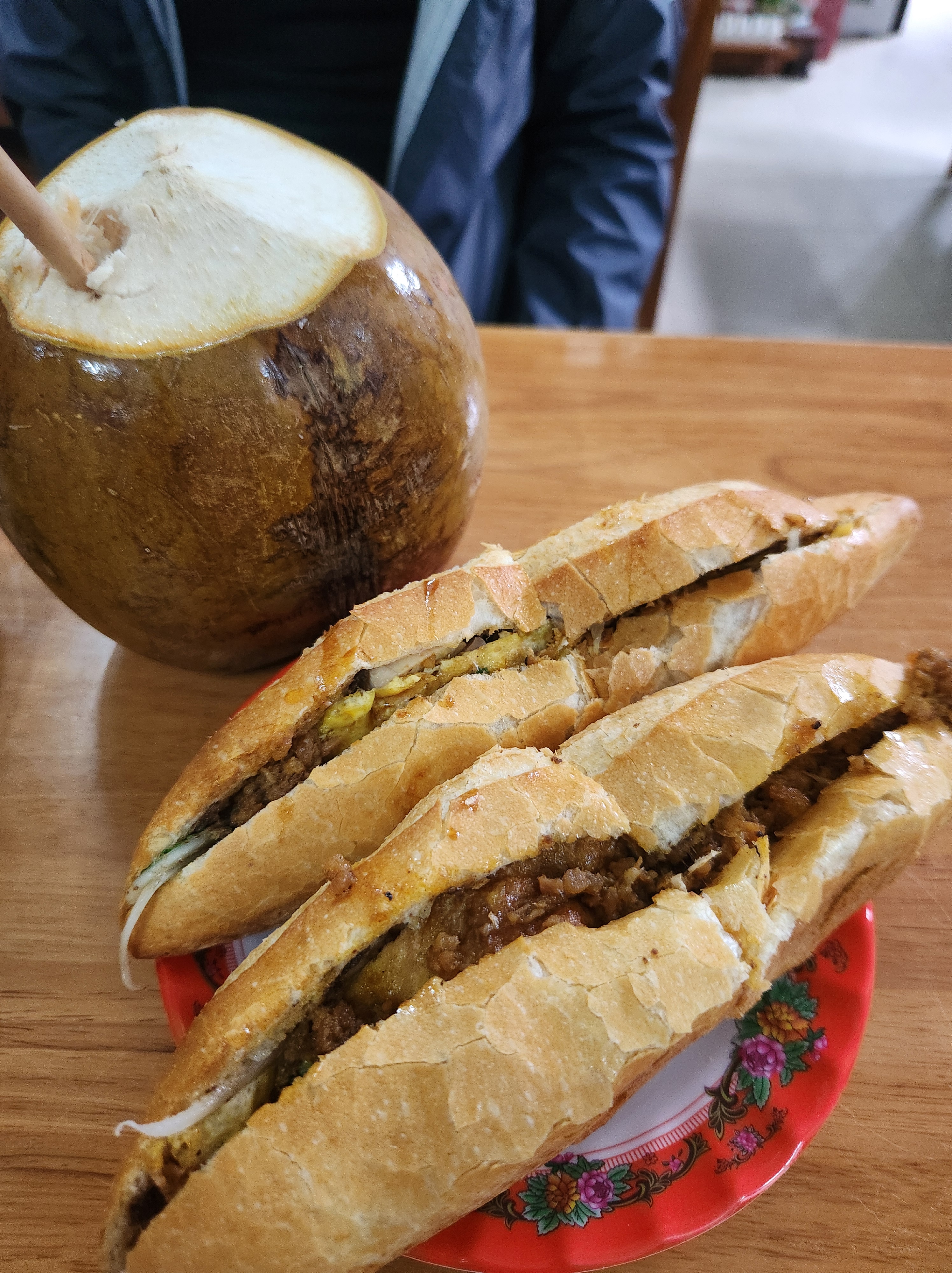
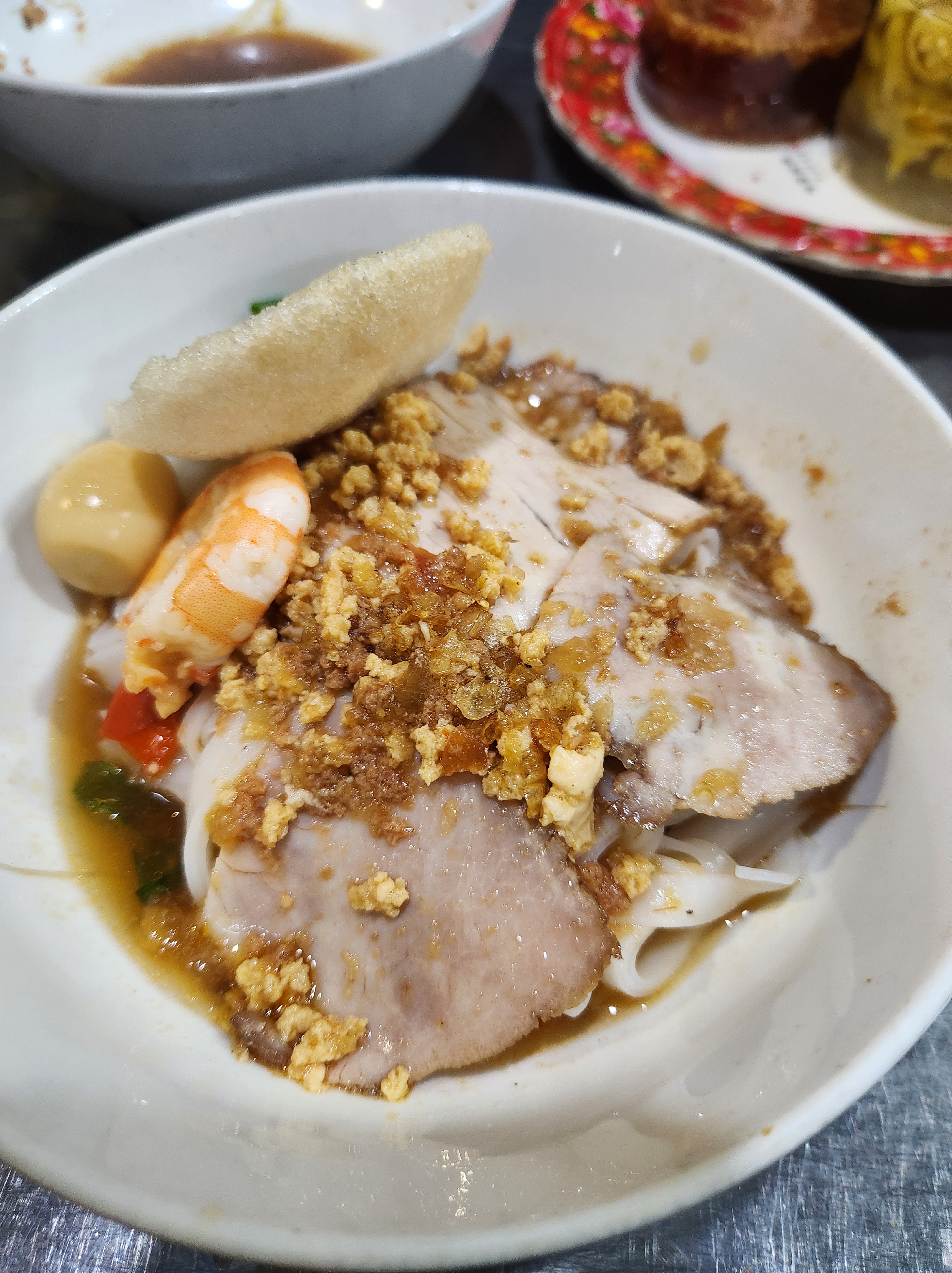
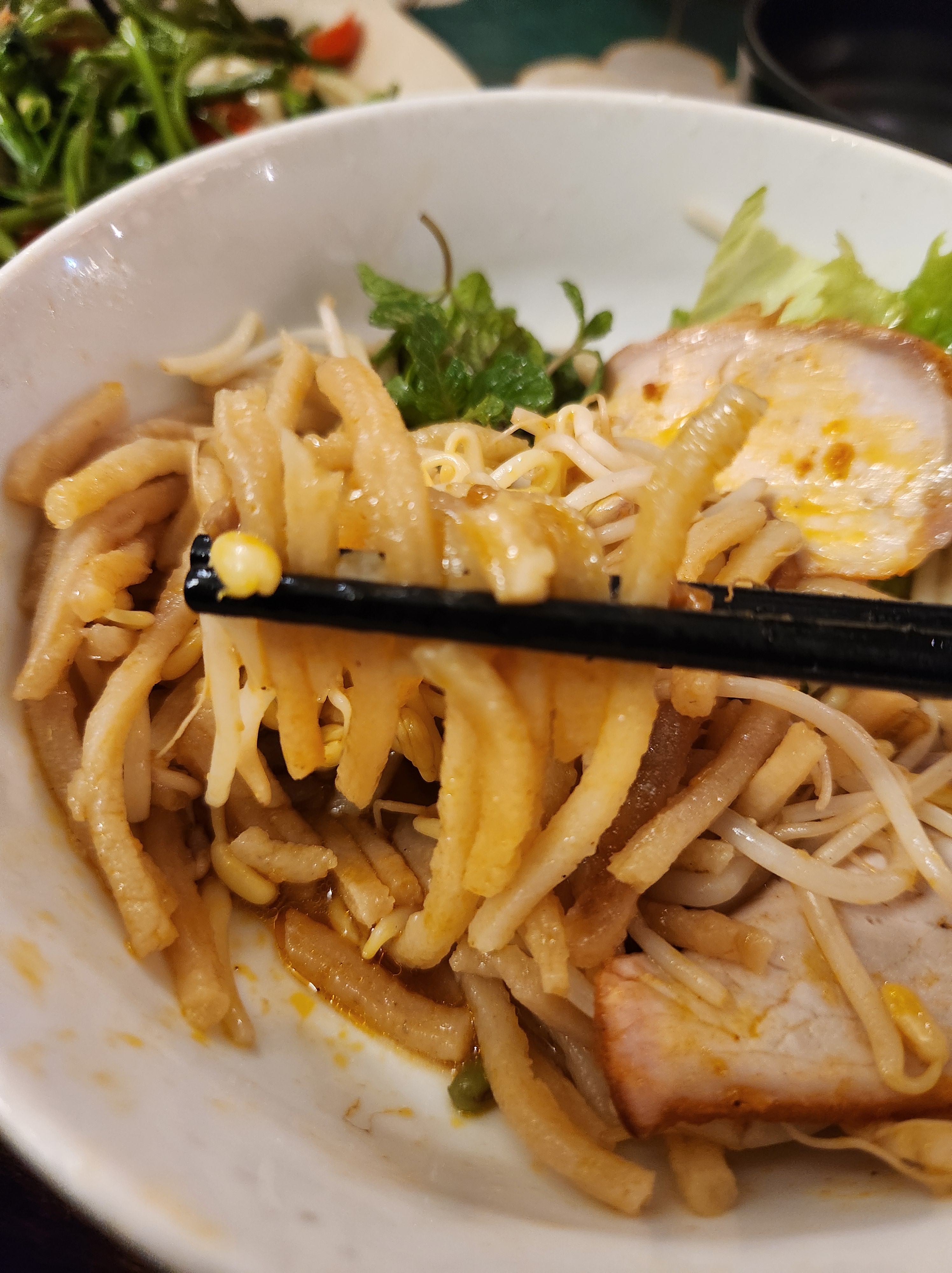
Nonetheless, we ate some good comfort food in Hoi An like bánh mì (including the shop that Anthony Bourdain visited!), and dishes native to central Vietnam that we’ve never had before, like mì quảng and cao lầu.

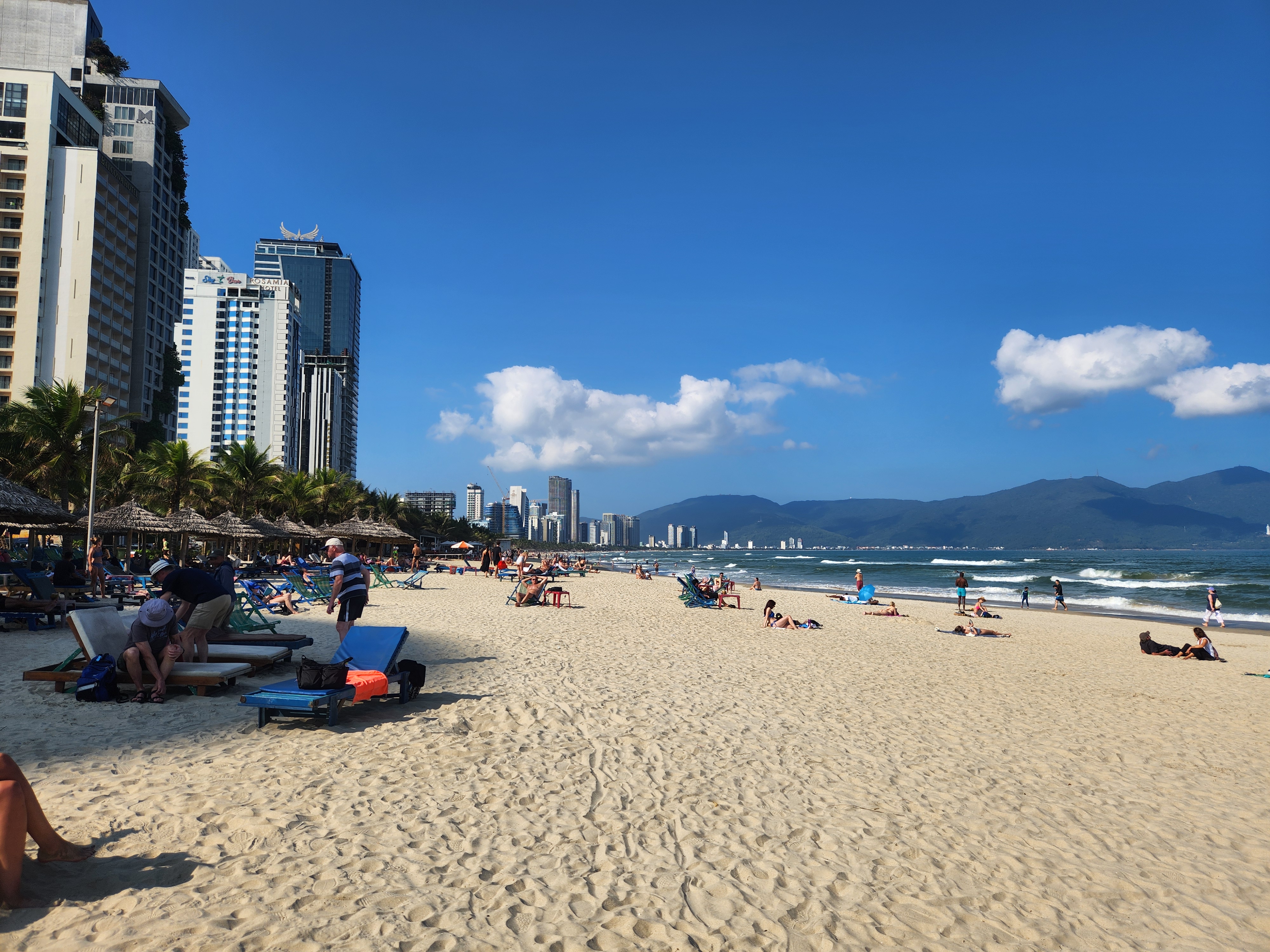
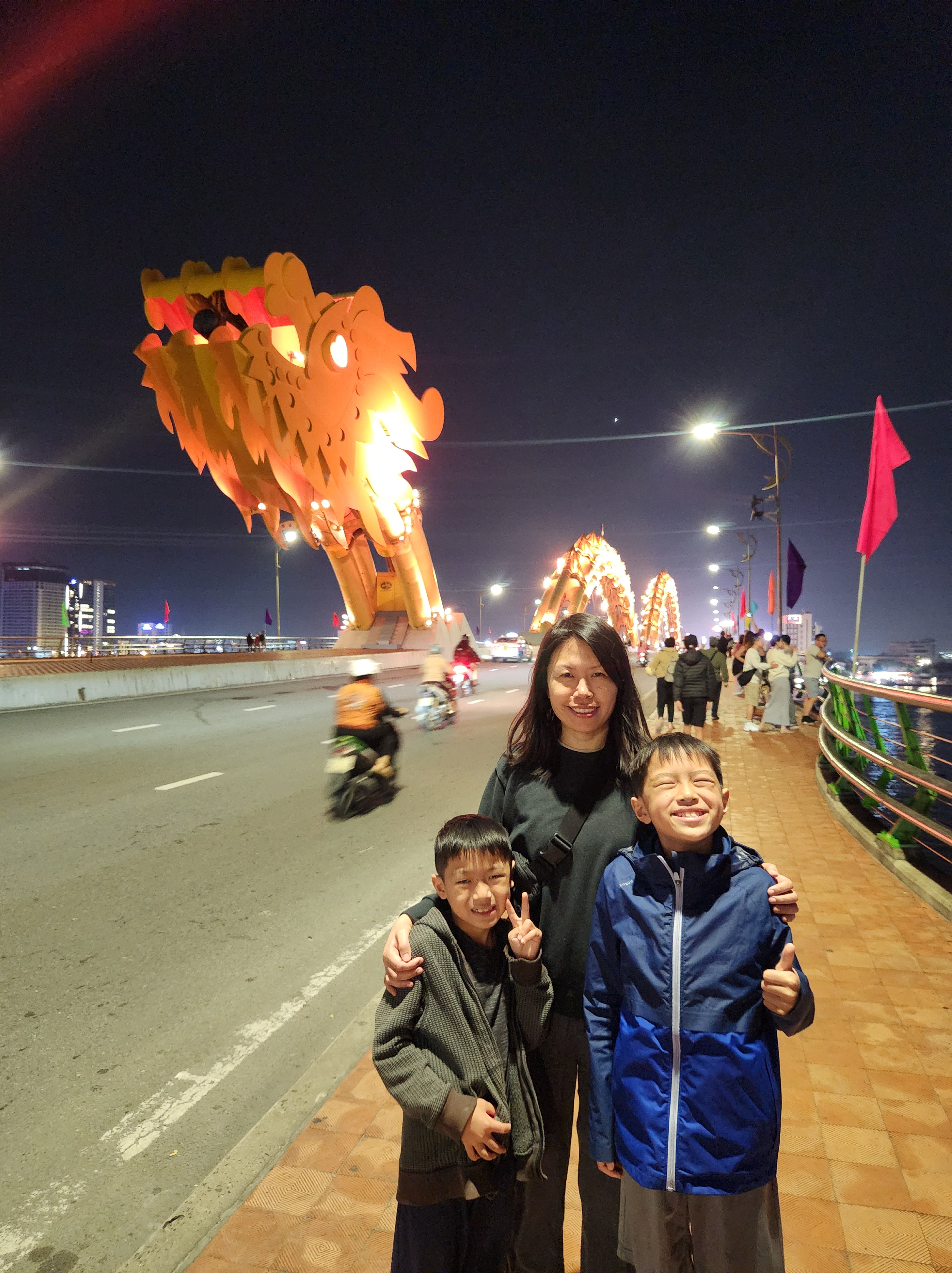
Da Nang. Da Nang is just a one hour drive from Hoi An. We only stayed here for 2 nights, but wished we stayed longer because it turned out to be one of our favorite places in Vietnam.

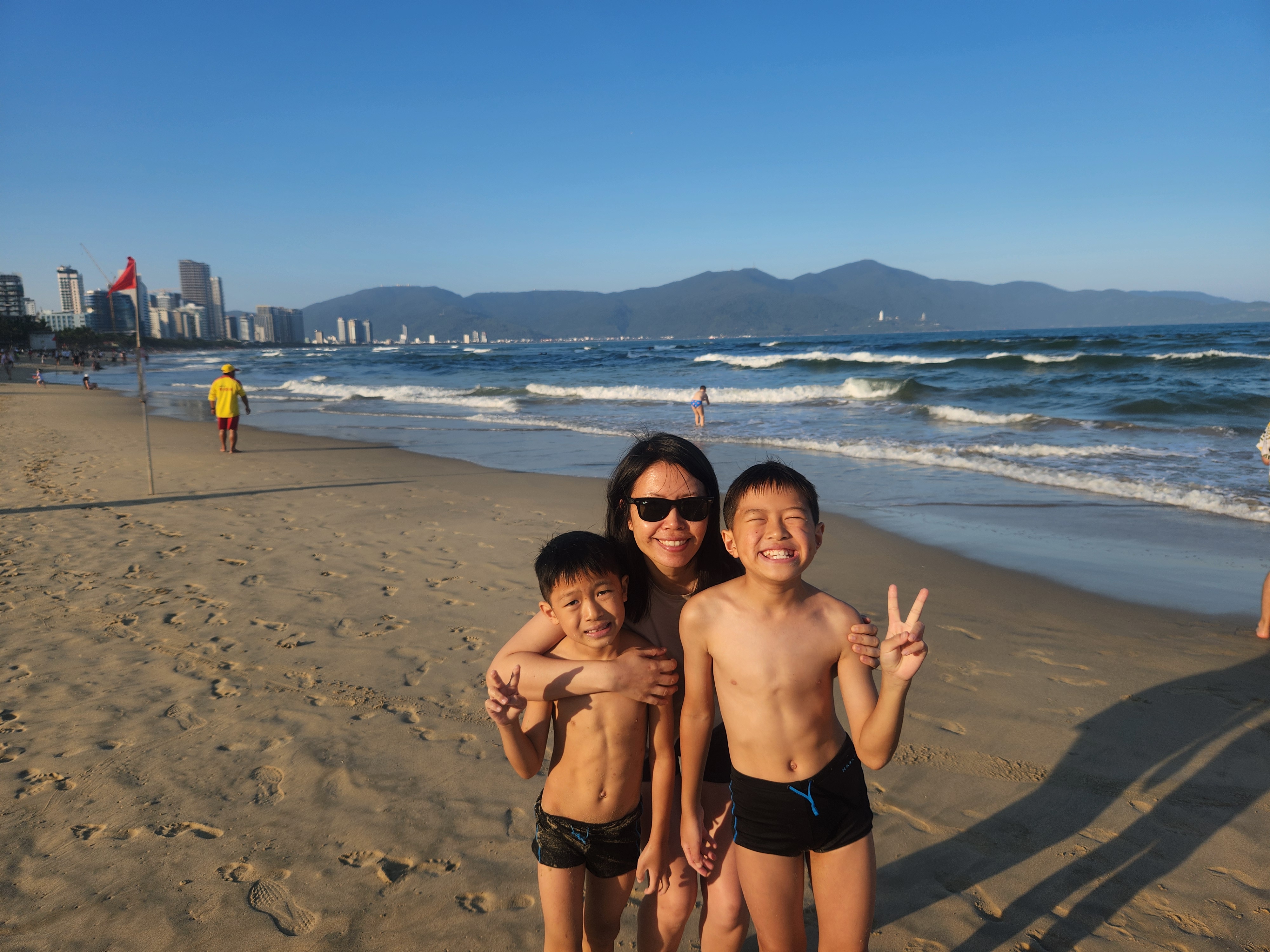
There are two sides to Da Nang. We stayed at the “resort” side, which was next to a really nice beach and tourist-friendly shops and restaurants. The boys loved the beach here and kept wanting to stay. (Taipei has no nearby beaches so the boys miss it immensely.)

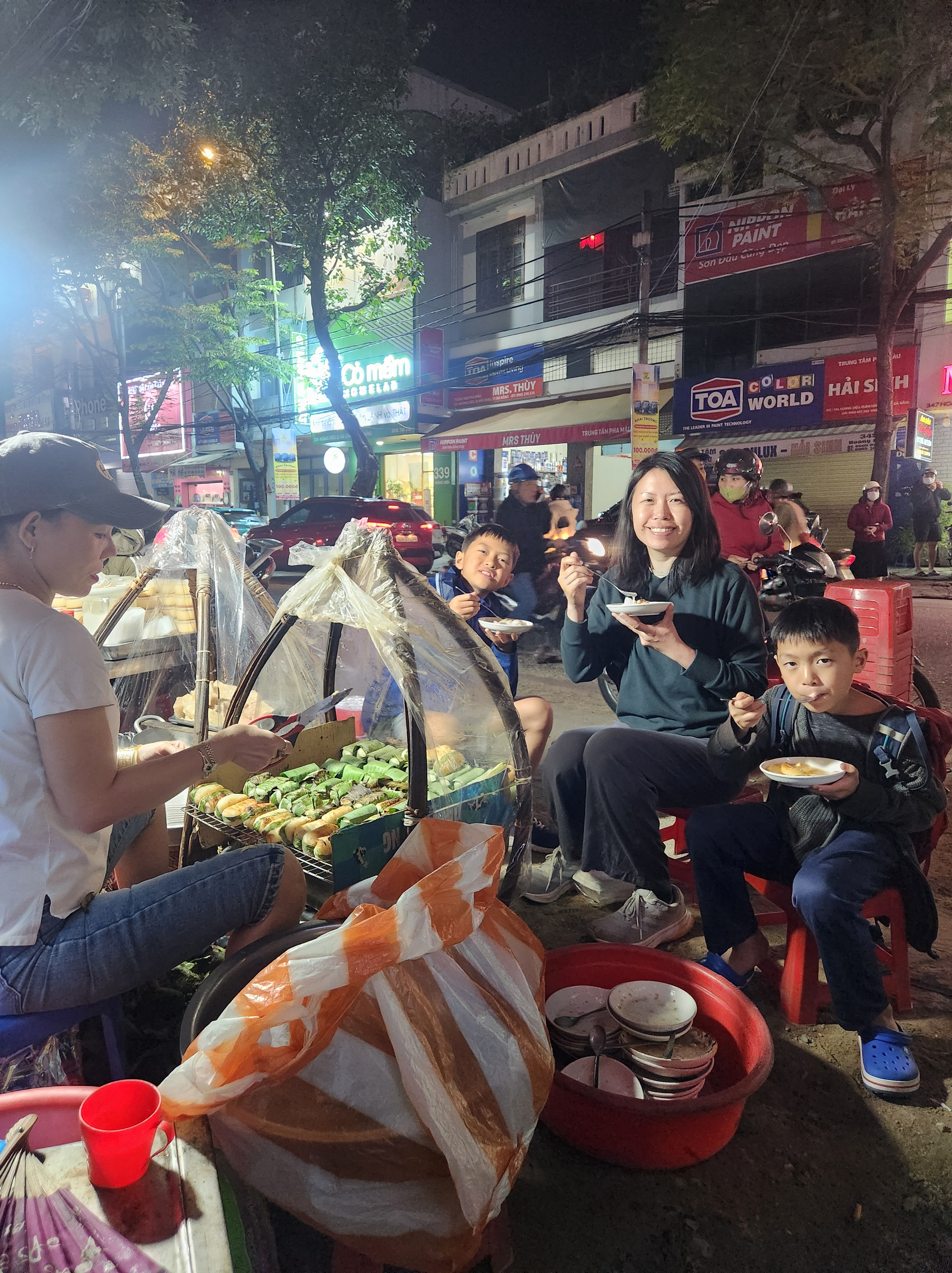
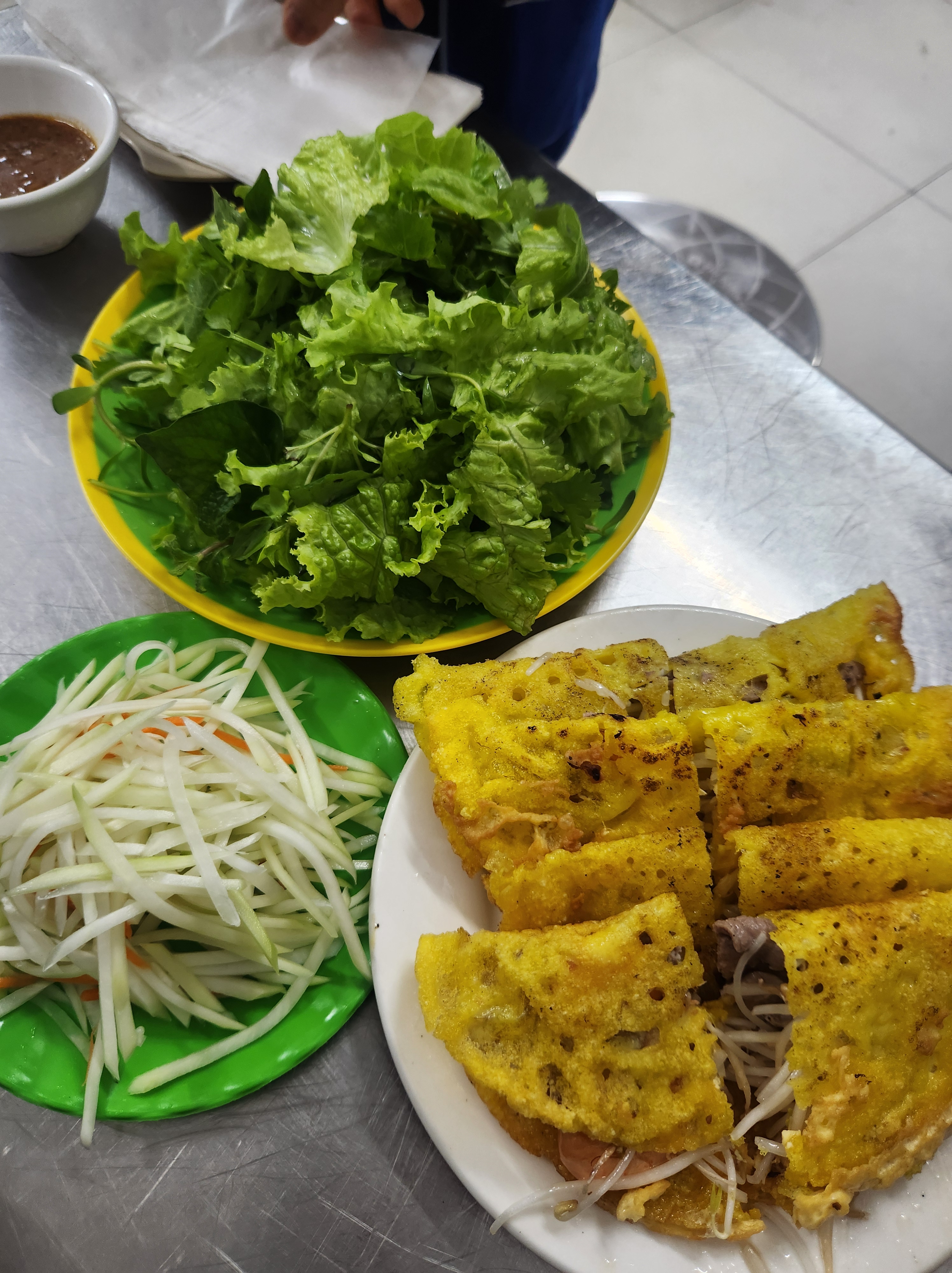
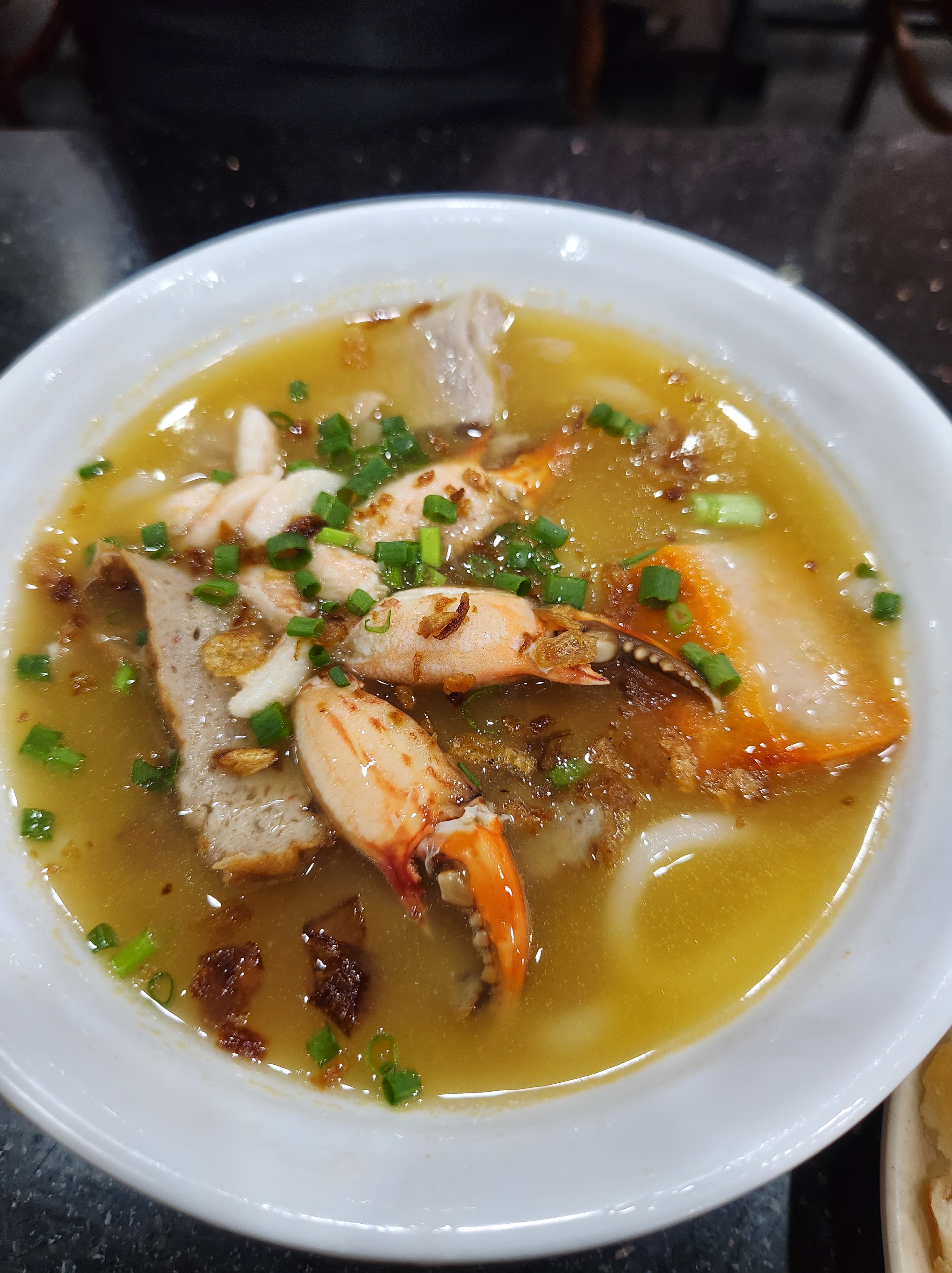
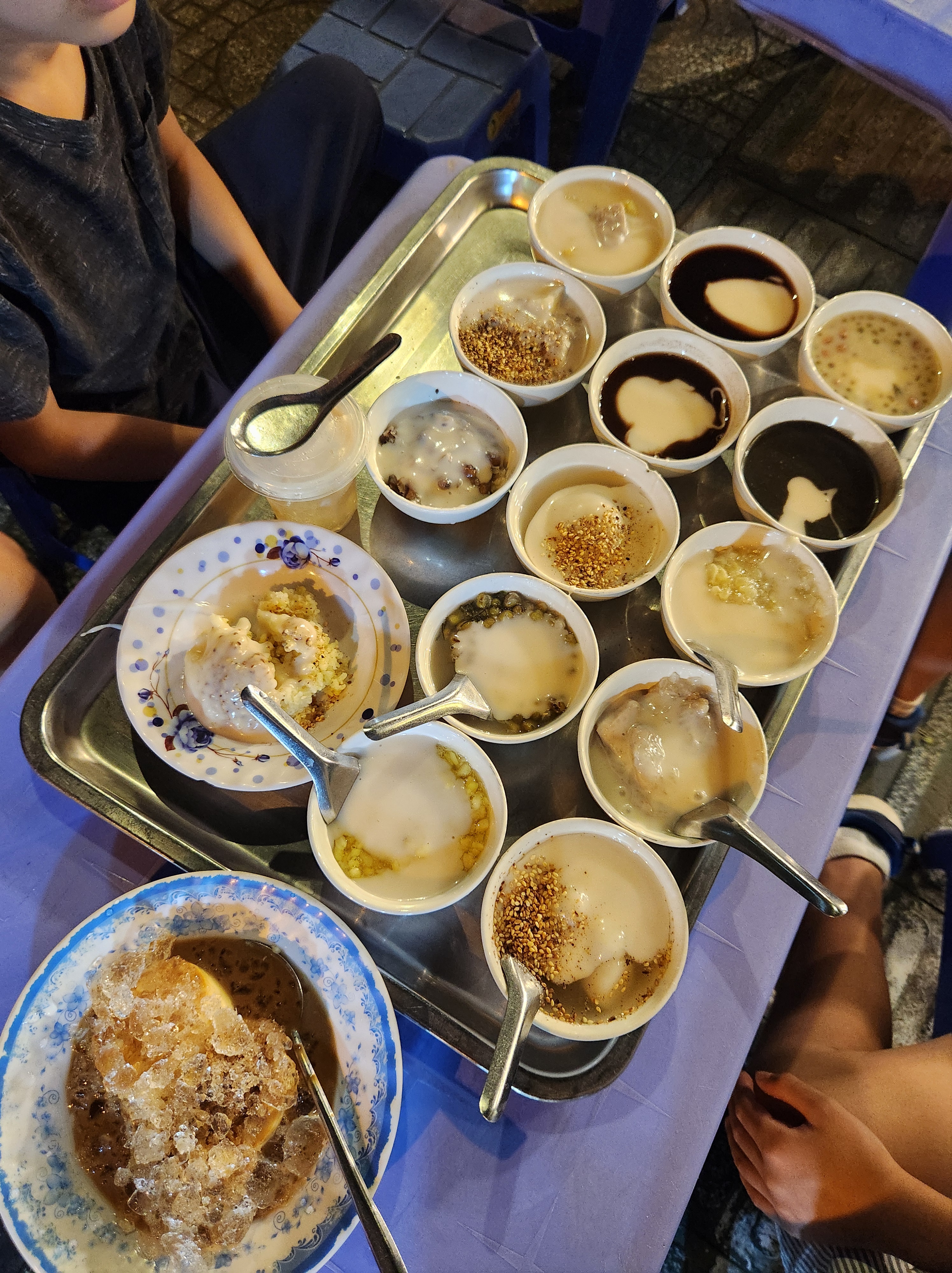
We thought that was all of Da Nang until we did a Google search and realized there’s another part to the city over the bridge. A part that is a bit grittier and more frenzied, but with much more authentic, delicious food and interesting sites. We loved this part of Da Nang the best and had some of the best bánh xèo of our lives here!

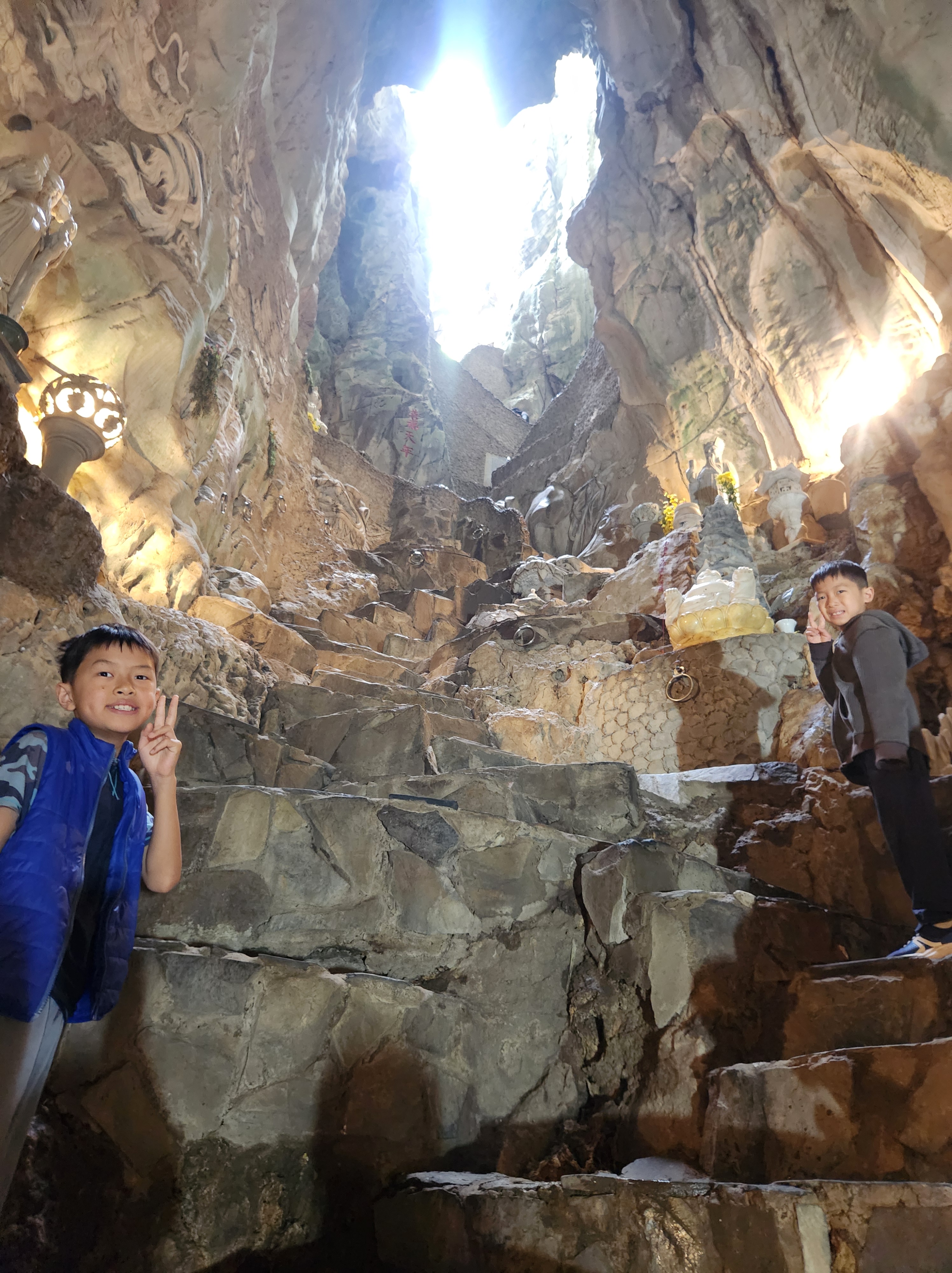
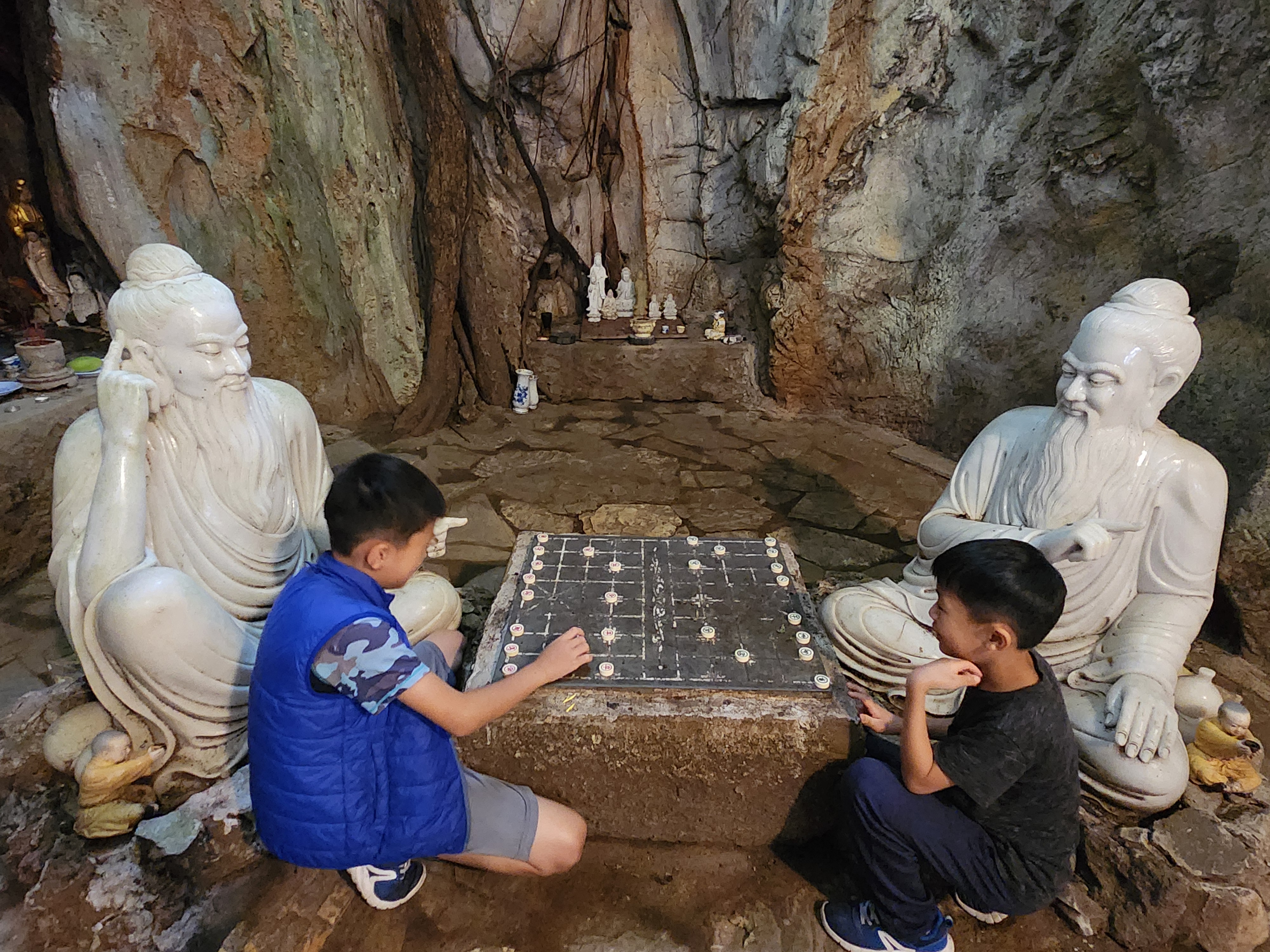
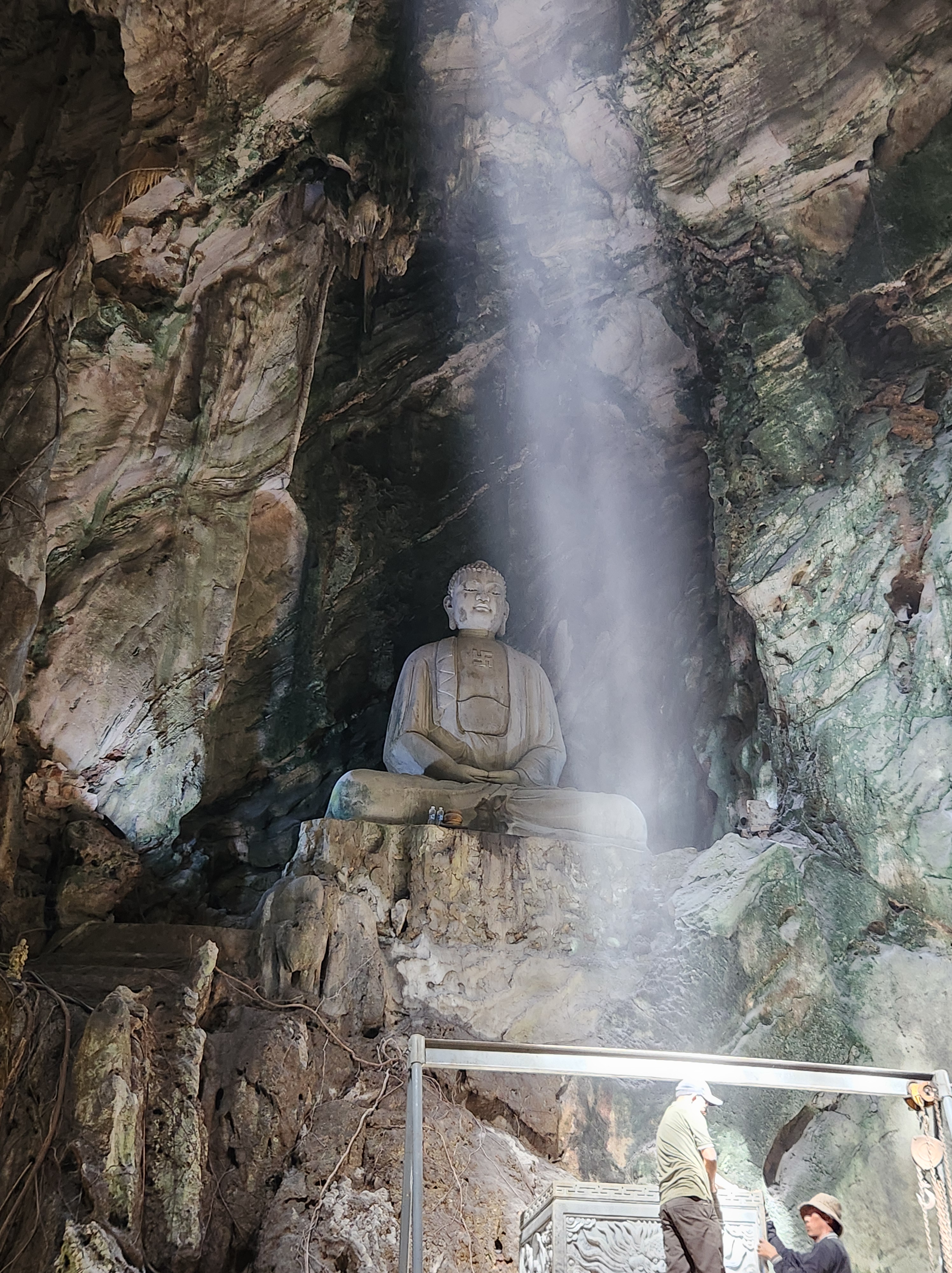
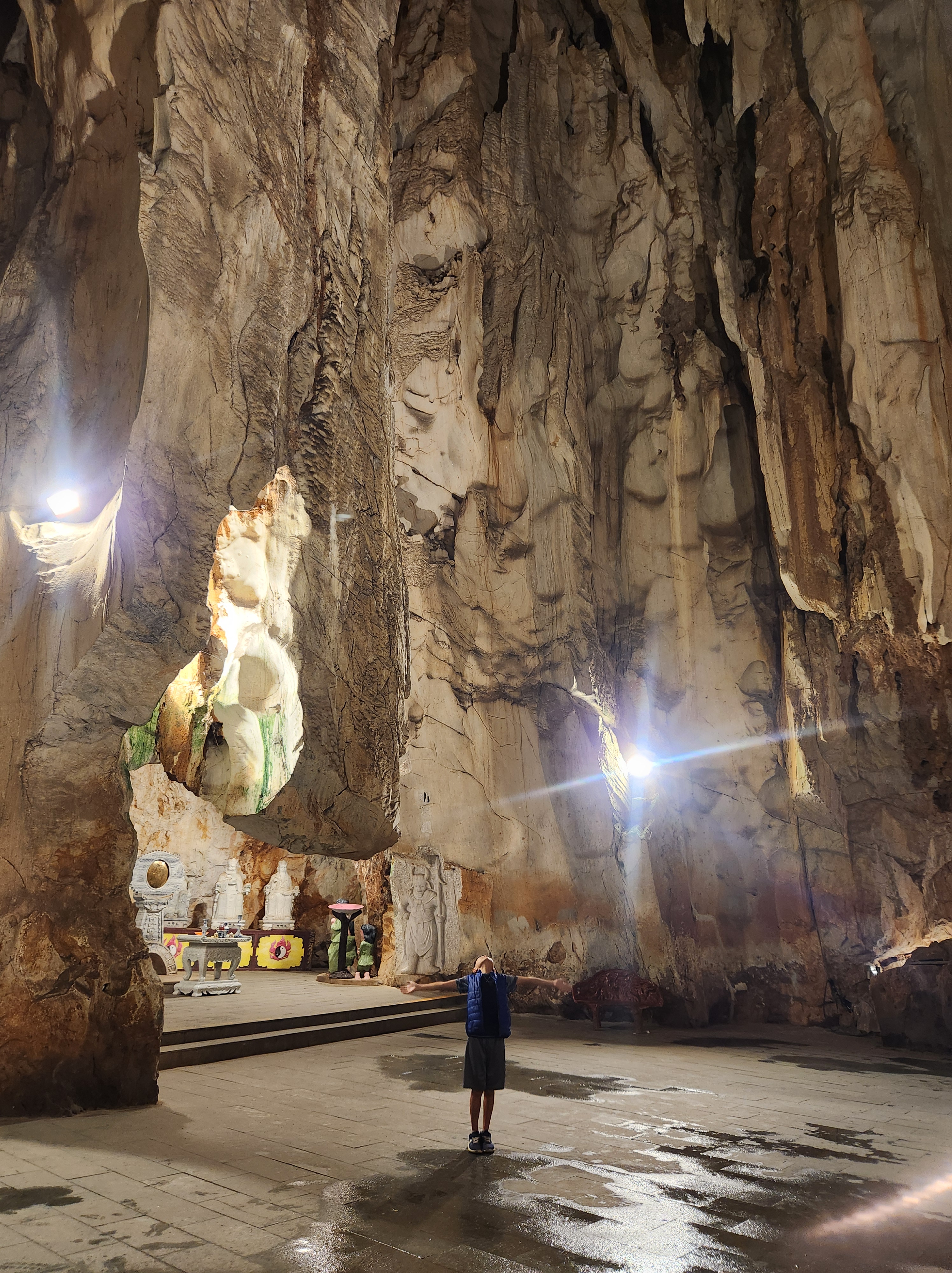
Before leaving Da Nang, we also spent a few hours visiting Marble Mountain, a cluster of five limestone and marble hills/caves. It was a nice break from the usual cityscape.

Ho Chi Minh City. Ho Chi Minh City is the most modern city in Vietnam, with wide boulevards, upscale shopping, and international cuisine. But HCMC is also incredibly vast and scattered. Even though we stayed in District 1 (where most tourists stay), it took us a long time to walk to places or we’d have to take a taxi, and many of the restaurants we wanted to visit were a 20-30 minute car ride away.

We heard that HCMC has the best food in Vietnam but thought the food was average (except for 1 or two dishes), at least compared to what we had in Hanoi and Da Nang. Maybe we went to the wrong places?

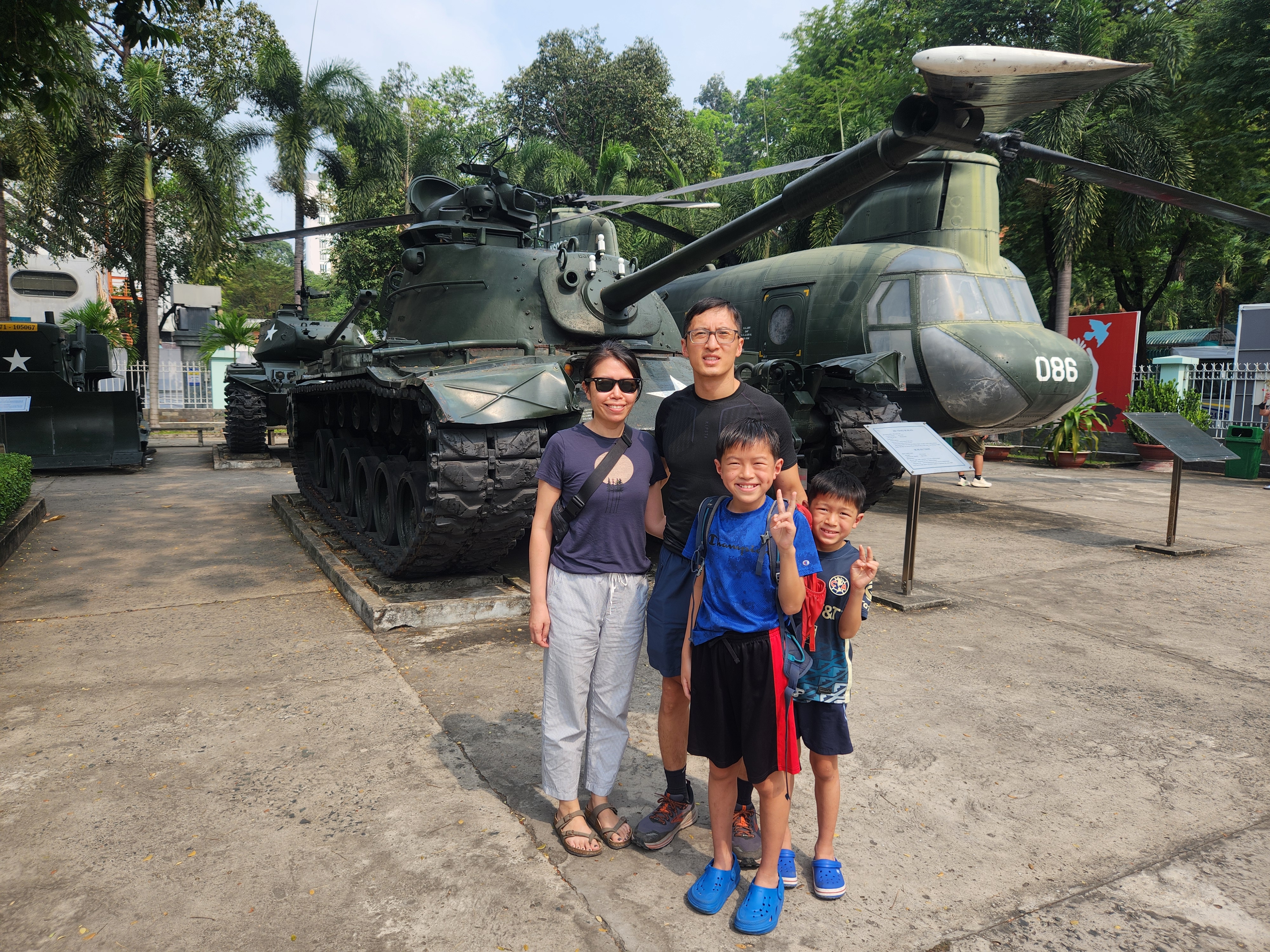
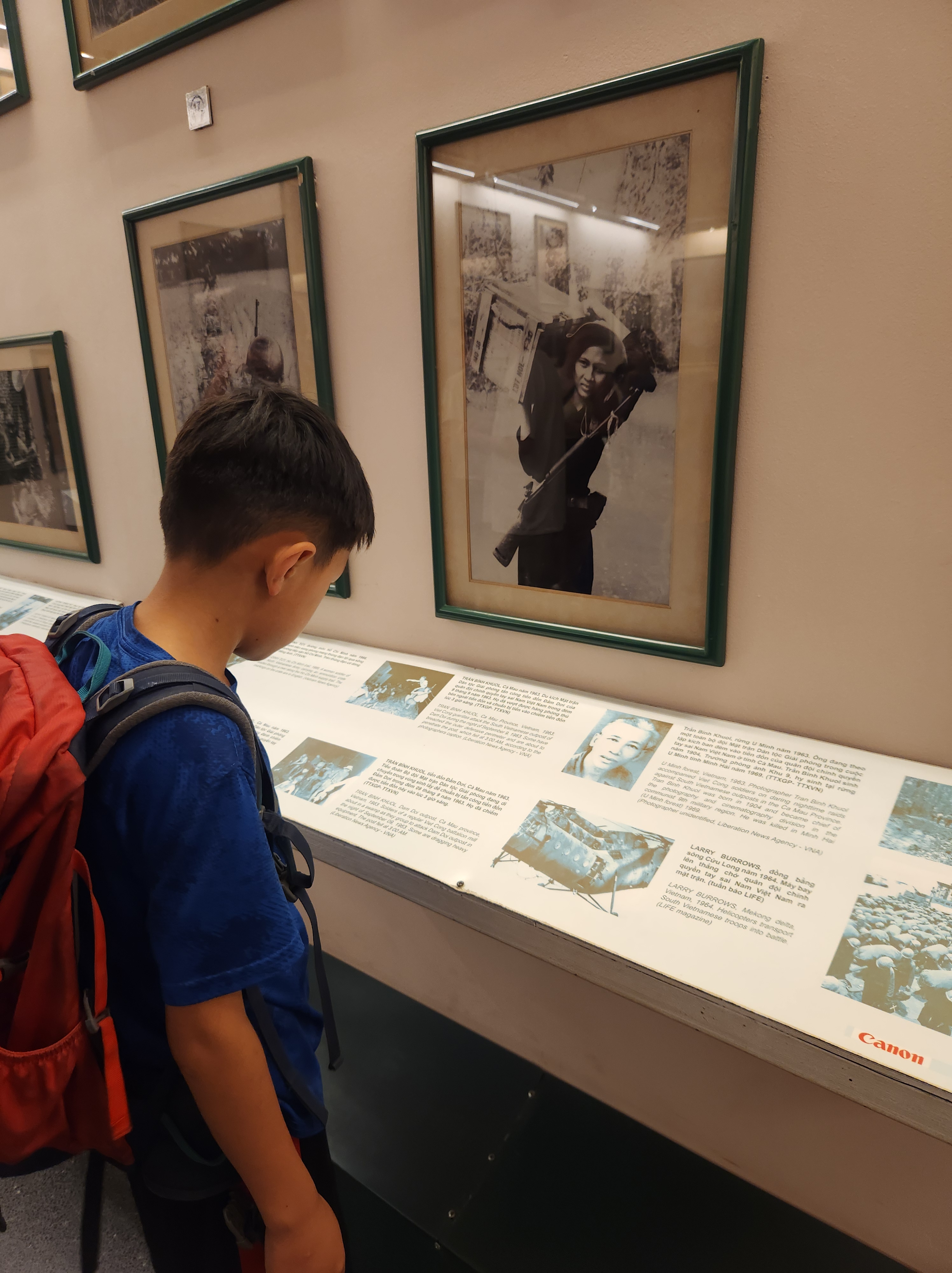
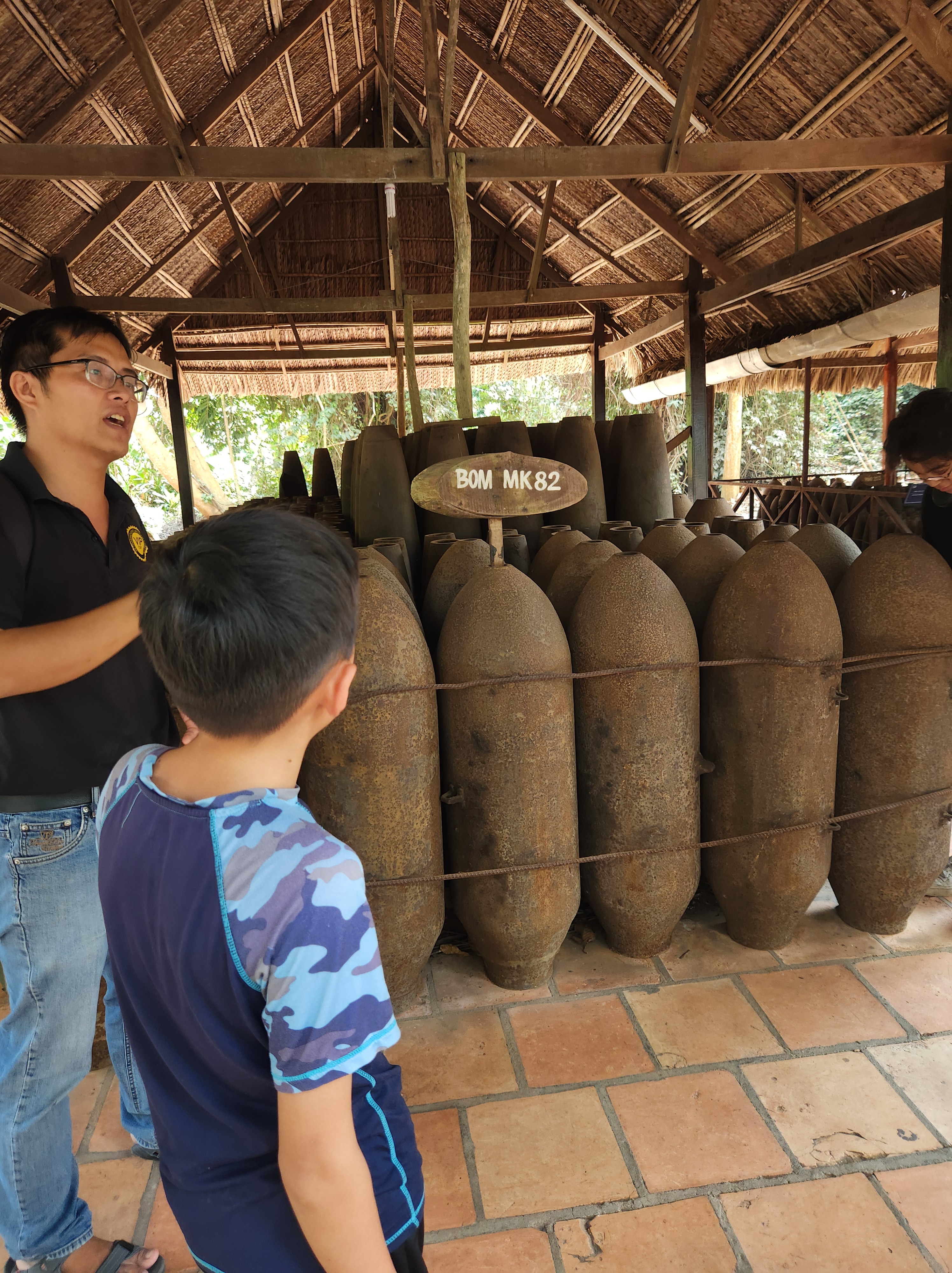
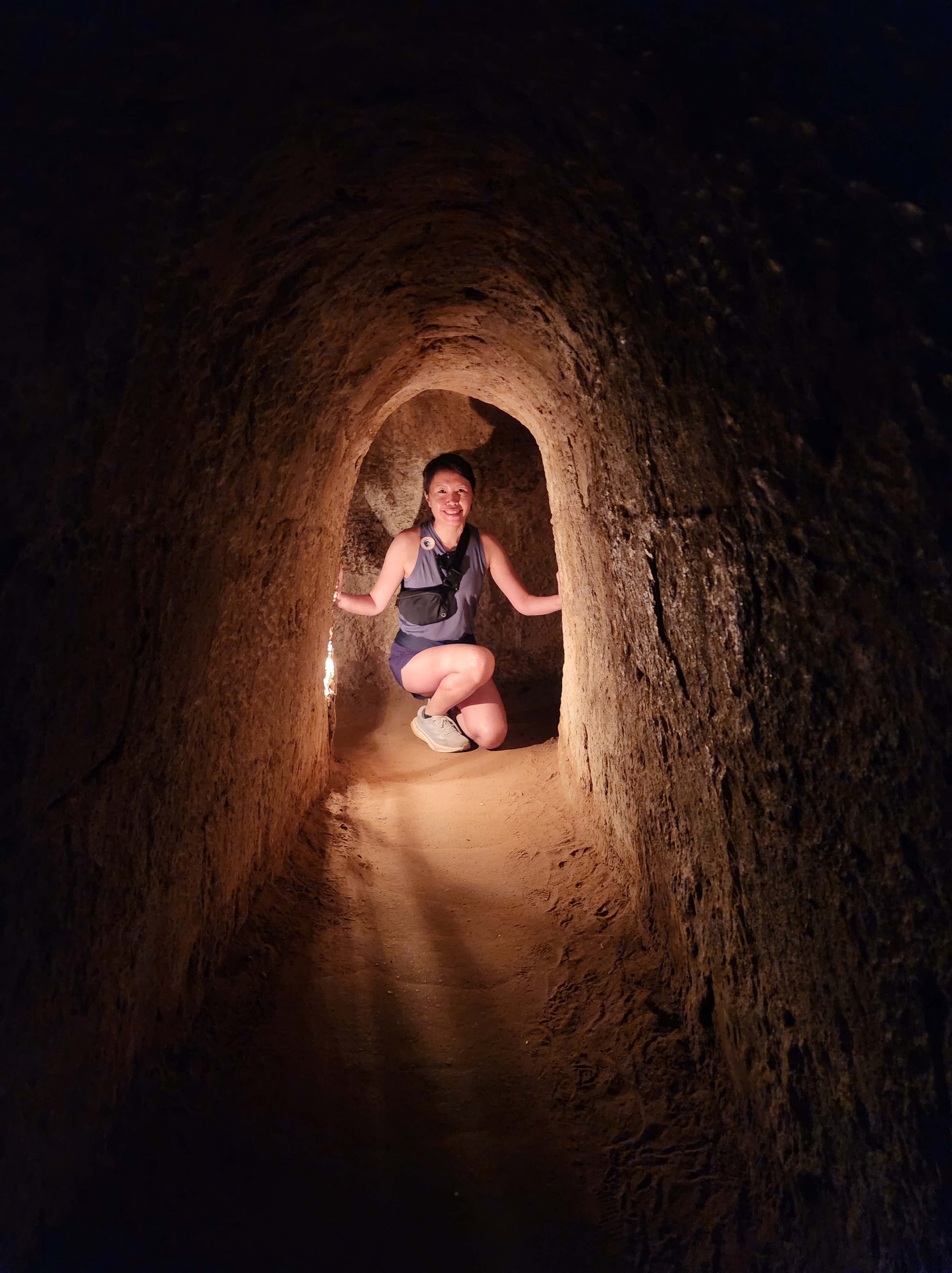
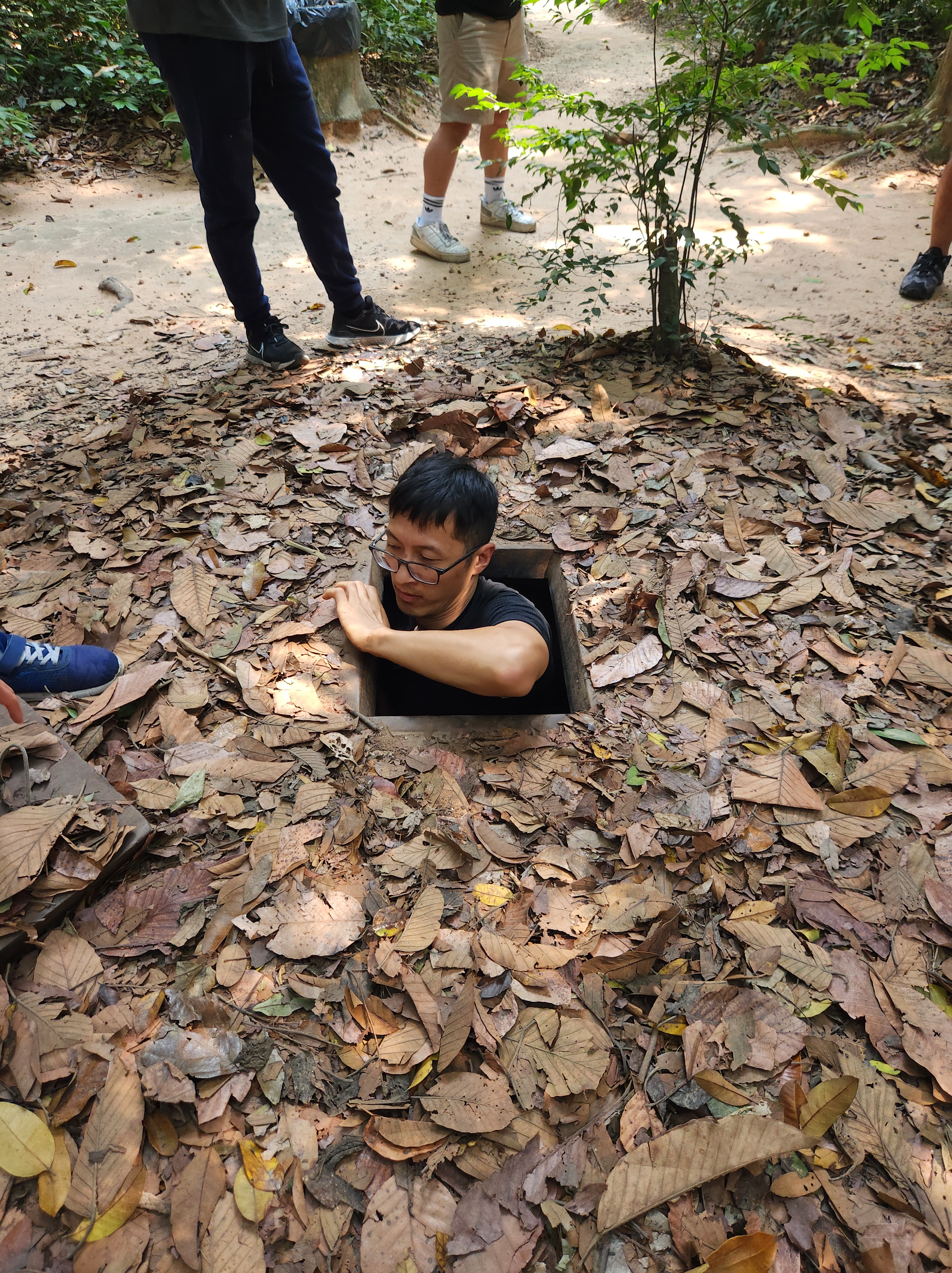
The highlight of our visit to HCMC was going to Cu Chi Tunnels and War Remnants Museum. We visited the museum one day, then booked a day tour to Cu Chi Tunnels the day after. They were the perfect complement for learning all about the Vietnam War. The Cu Chi Tunnels were a vast network of secret tunnels that the Vietcong soldiers used to combat the Americans. The living conditions for Vietcong soldiers during that time were terrible; many had to eat rats and snakes while in hiding, and had to live alongside dead bodies in the tunnels.

To accommodate tourists, the tunnels today are built three times larger than the original and equipped with lighting and air conditioning. This is crazy to me because I was already feeling hot and tired after a short trip through the tunnels. 😅 It was incredibly humbling to experience what people’s lives were like only 50 years ago. We discussed the war and Cu Chi Tunnels for days after – so much better than just learning about it in school!

We spent a total of 18 days in Vietnam. This was my first time there, but I strangely felt connected to the place. Perhaps it was the familiar smells, tastes and sounds that reminded me of my upbringing, which was heavily influenced by my parents’ time in Vietnam. For the first time, I wondered what my parents’ life was like there, and what our lives would be like if they never left.

I loved the craziness, familiarity, and of course the food in Vietnam. I can only hope to go back one day.
Ramblings

A Weekend in Yilan 宜蘭

Since moving to Taiwan, we’ve heard a lot about Yilan, a county in the northeast part of the country. Apparently it’s a very popular weekend getaway for families.

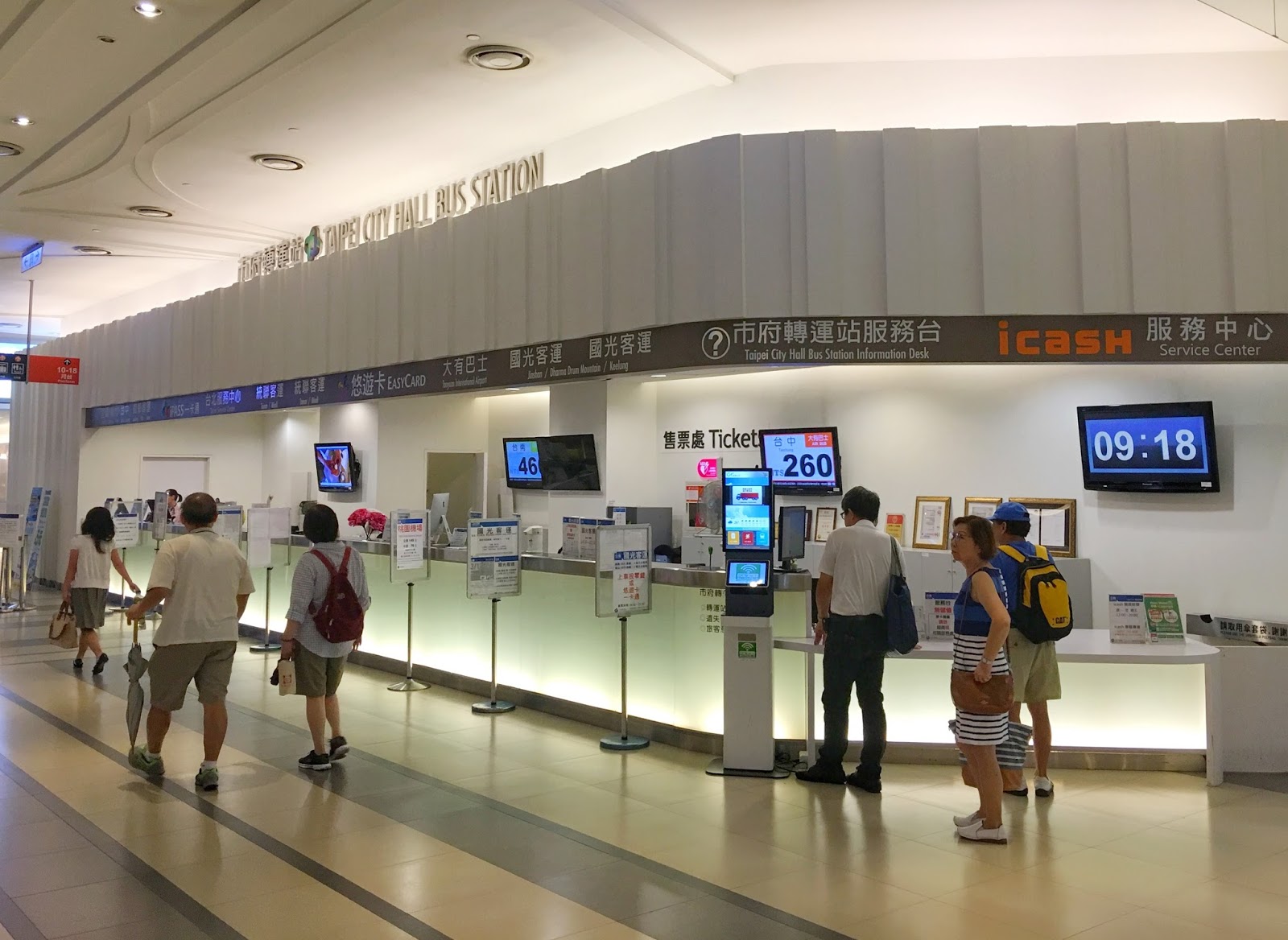
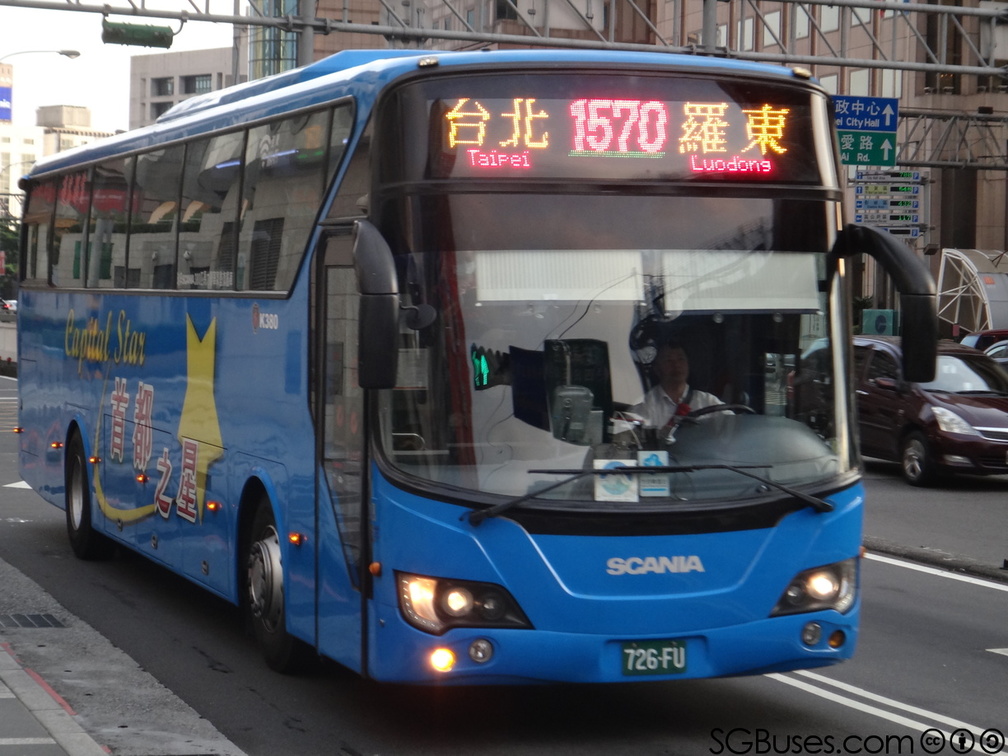
Earlier this month, we finally took a trip to Yilan for a weekend. It was so easy to get there! Friday after school, we walked 15 minutes from our place to the Taipei City Hall bus station, then boarded a bus to Luodong 羅東. The buses depart every 10-15 minutes and we simply paid the fare on board with our Easy Card. Within an hour, we arrived at Luodong – easy peasy!

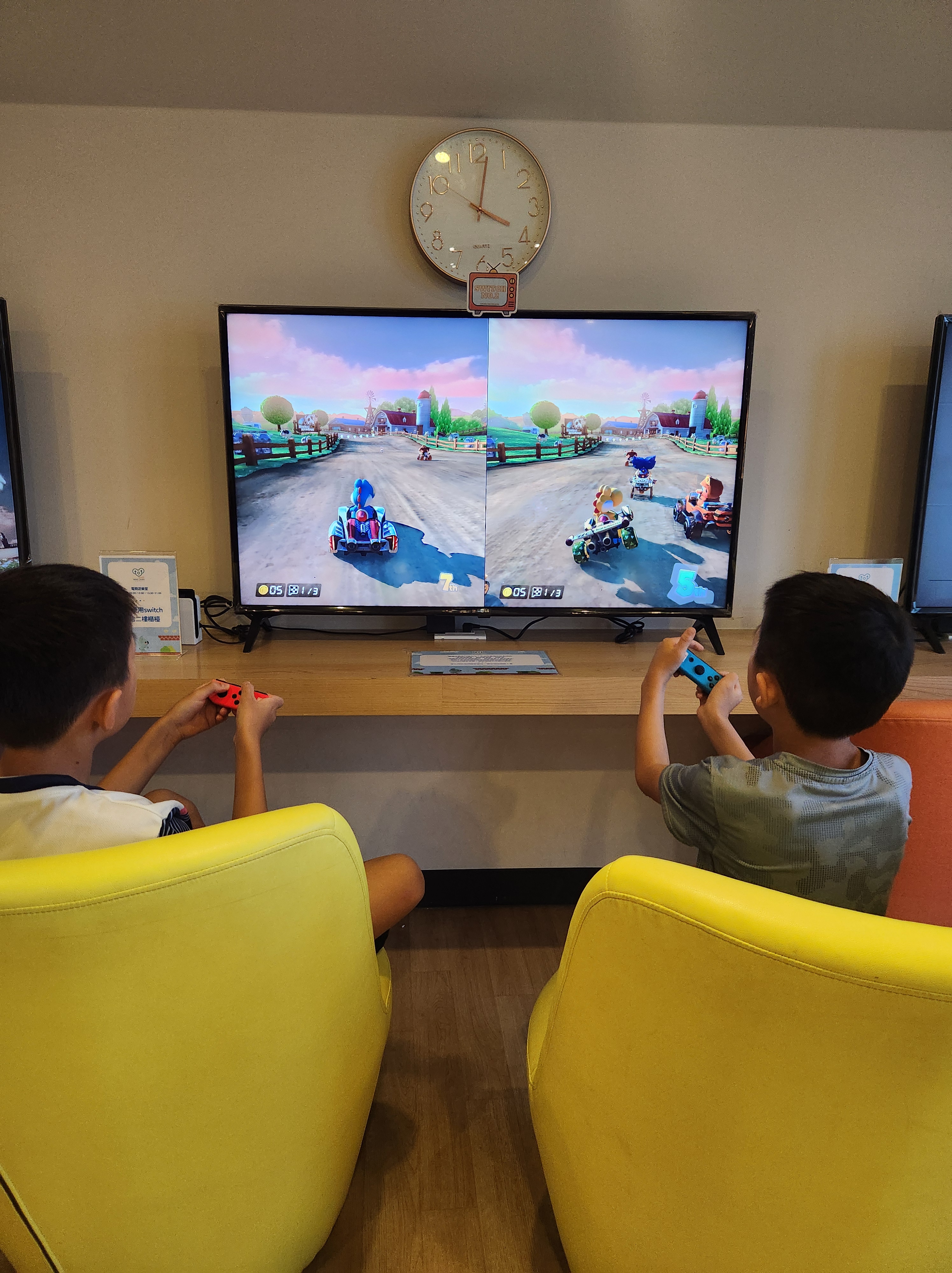
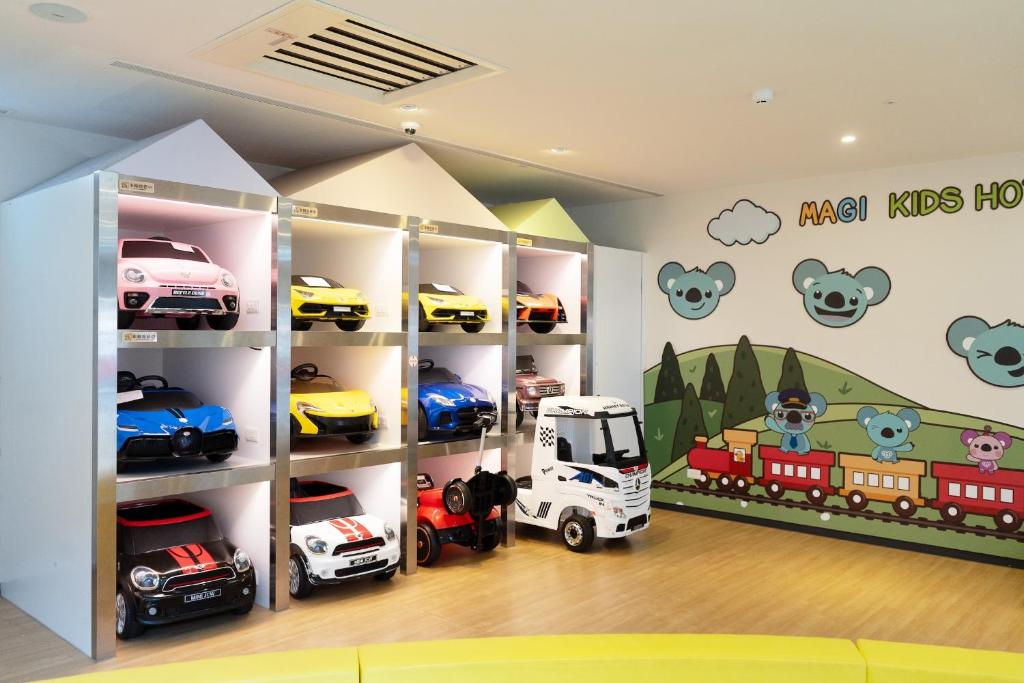
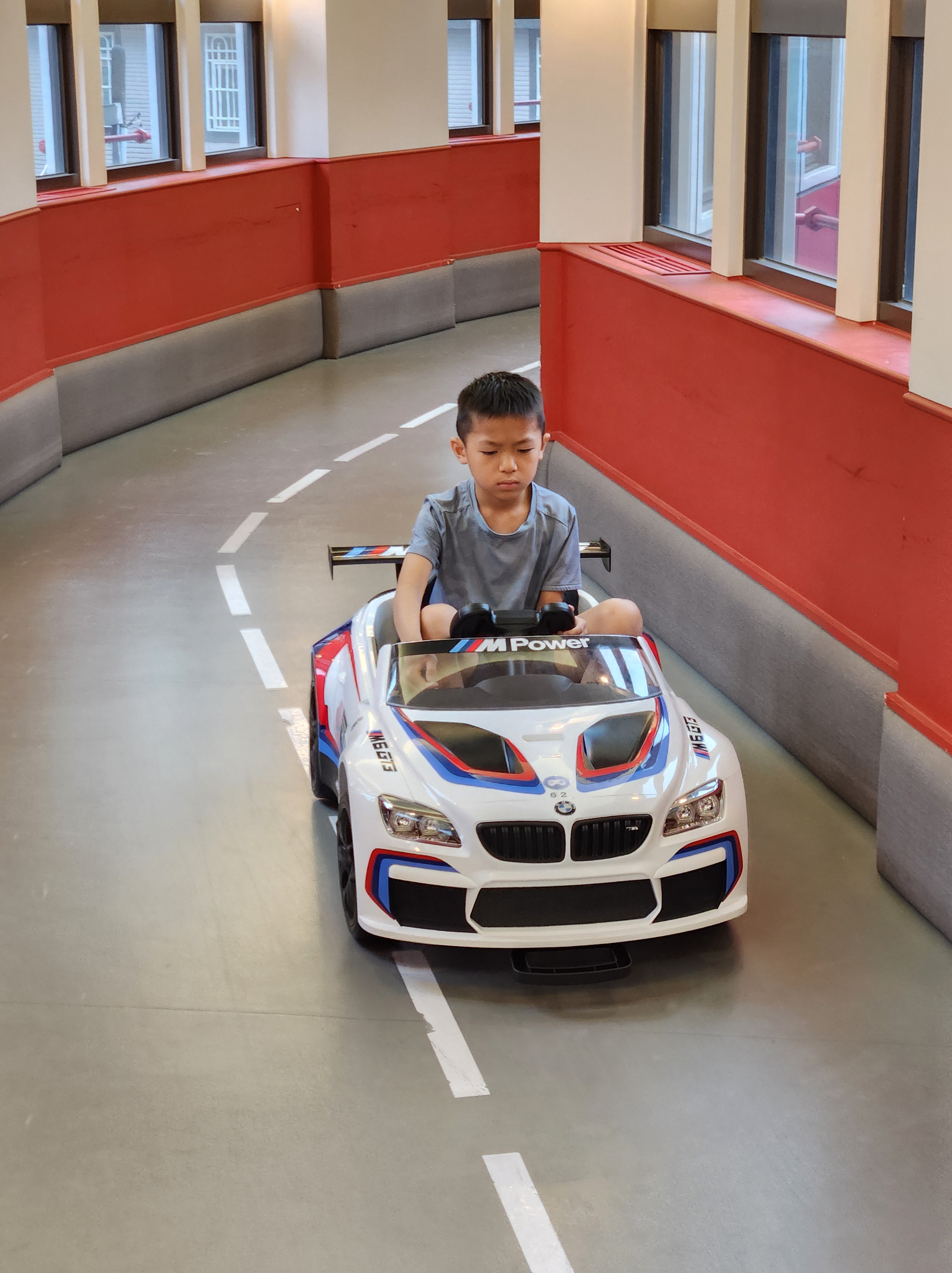
I decided to stay in the city of Luodong because it’s close to a few of the family farms Yilan is famous for. I booked a room at Check Inn Magi and it was a HUGE hit with the boys. It has video games, ball pit room, a large indoor slide and motorized toy cars. The boys seriously wanted to live there. 😂 The best part was that Baba and I could rest in our room while they played downstairs.

Our hotel was also close to the Luodong Night Market, which we visited on Friday night. It was a pretty big market but nothing stood out in particular, at least nothing that we tried.

On Saturday morning, we went to Zhang Mei Ama Farm 張美阿嬤農場, about a 20 minute taxi ride from Luodong. Buses don’t run very frequently in Yilan, so most people either drive, hire a driver, or take a taxi.

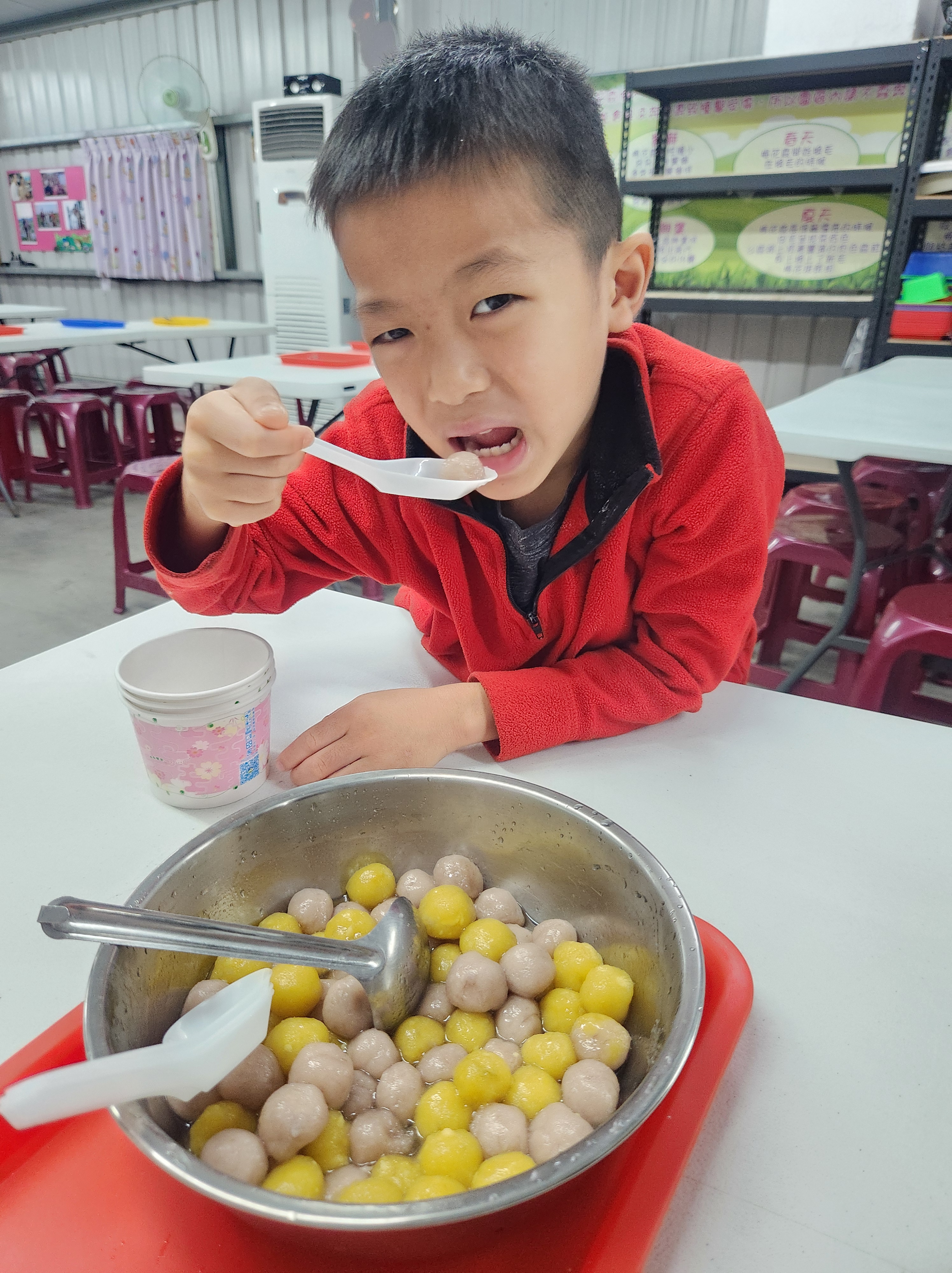
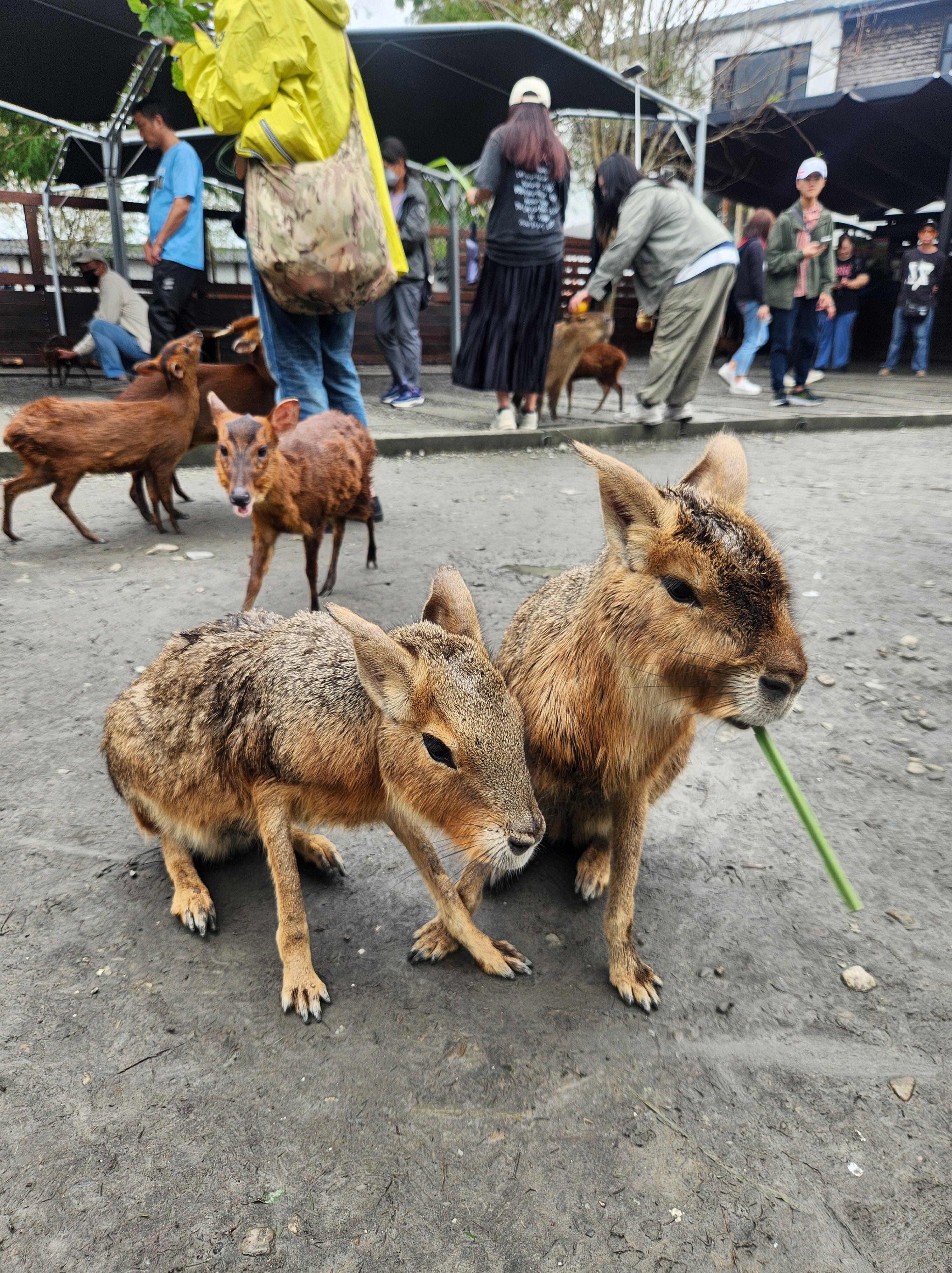
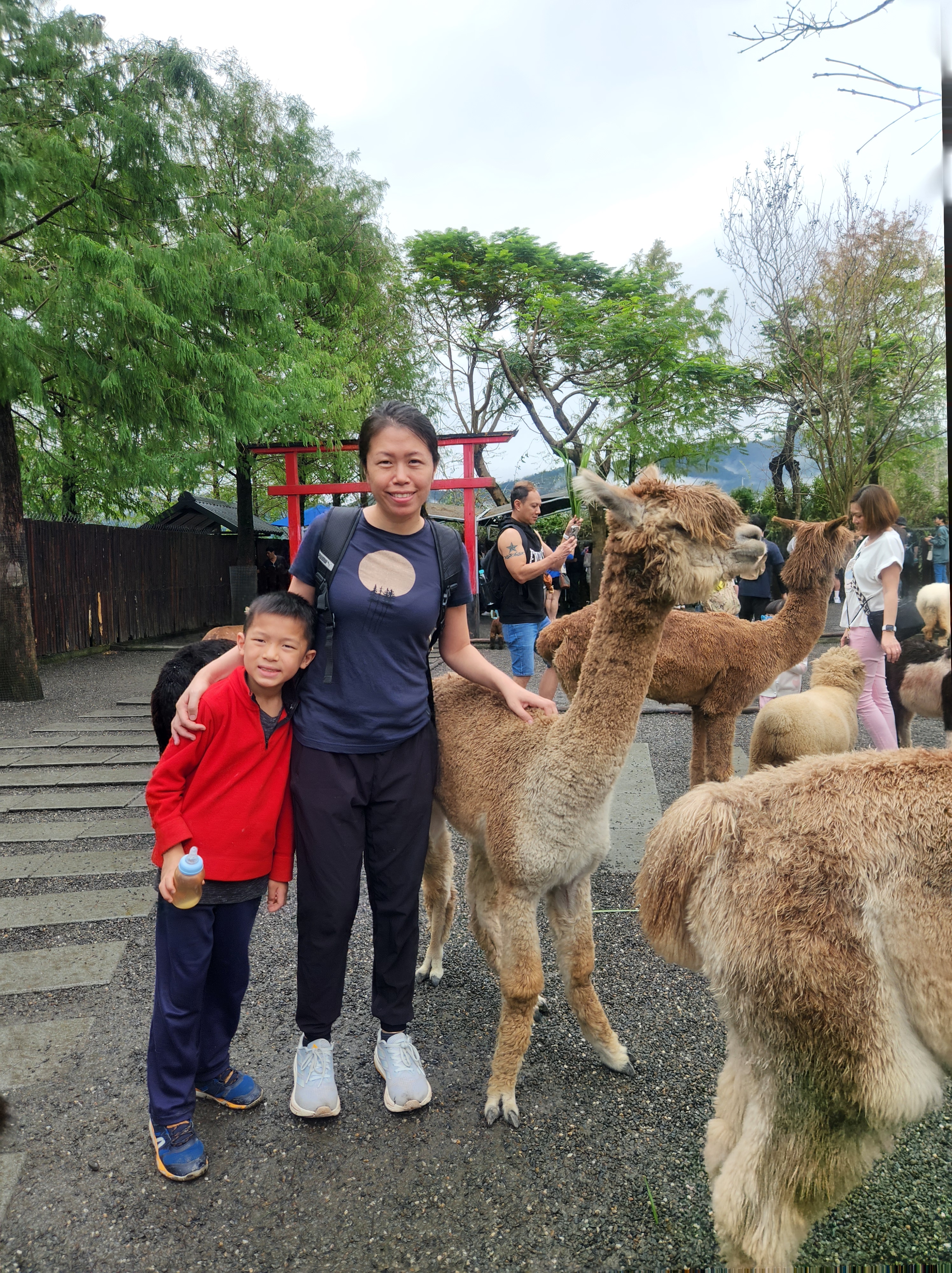
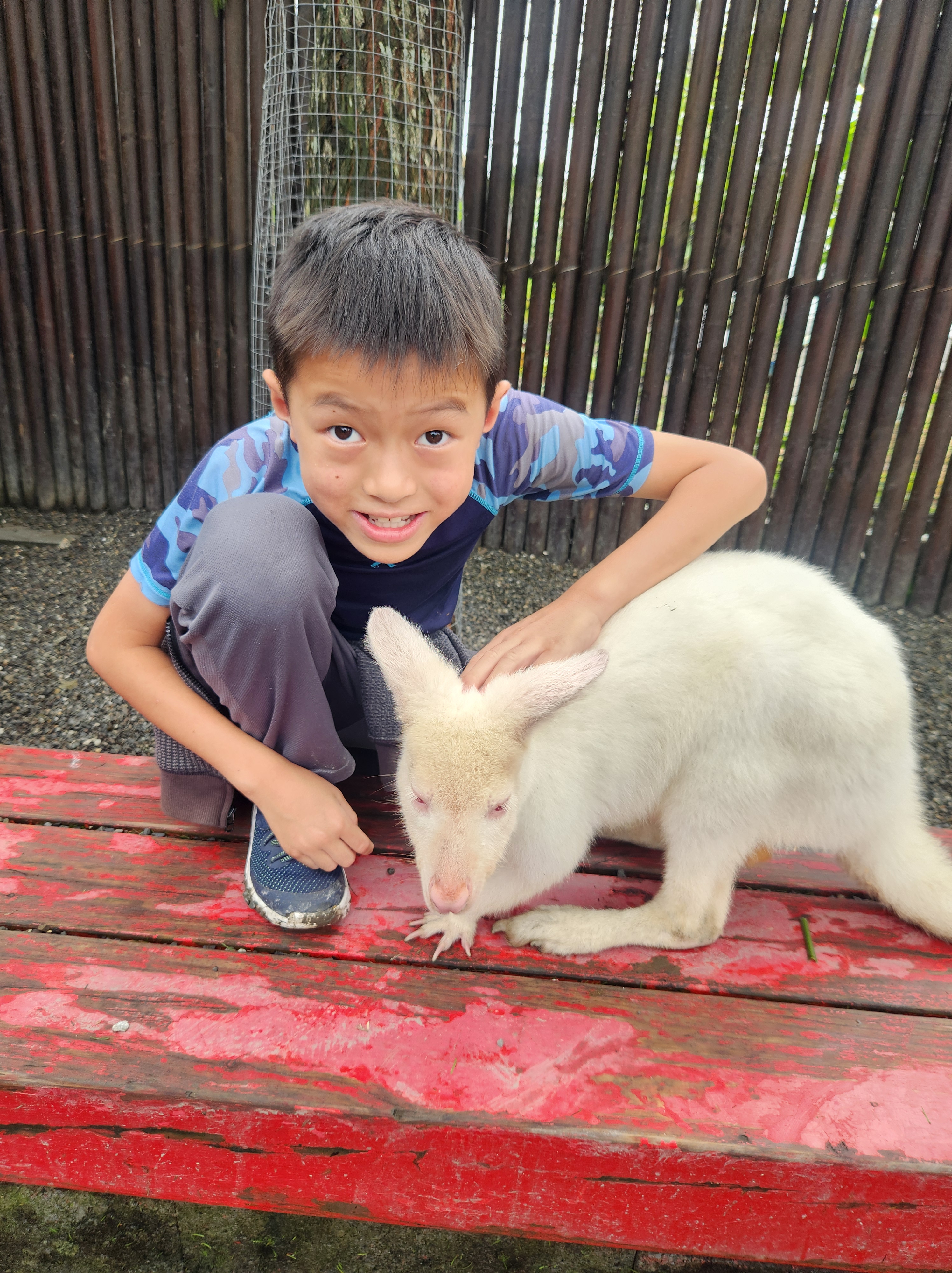
Zhang Mei Ama Farm is a popular petting farm located in Sanxing. Visitors can get up close and personal with animals like alpacas, capybaras, sheep, wallabies, etc. But first, we signed up for a short cooking class at the farm, where we got to make (and later eat) sweet potato and taro balls. The balls are fairly easy to make: just mash up soft taro and sweet potato with rice flour, then boil in water.

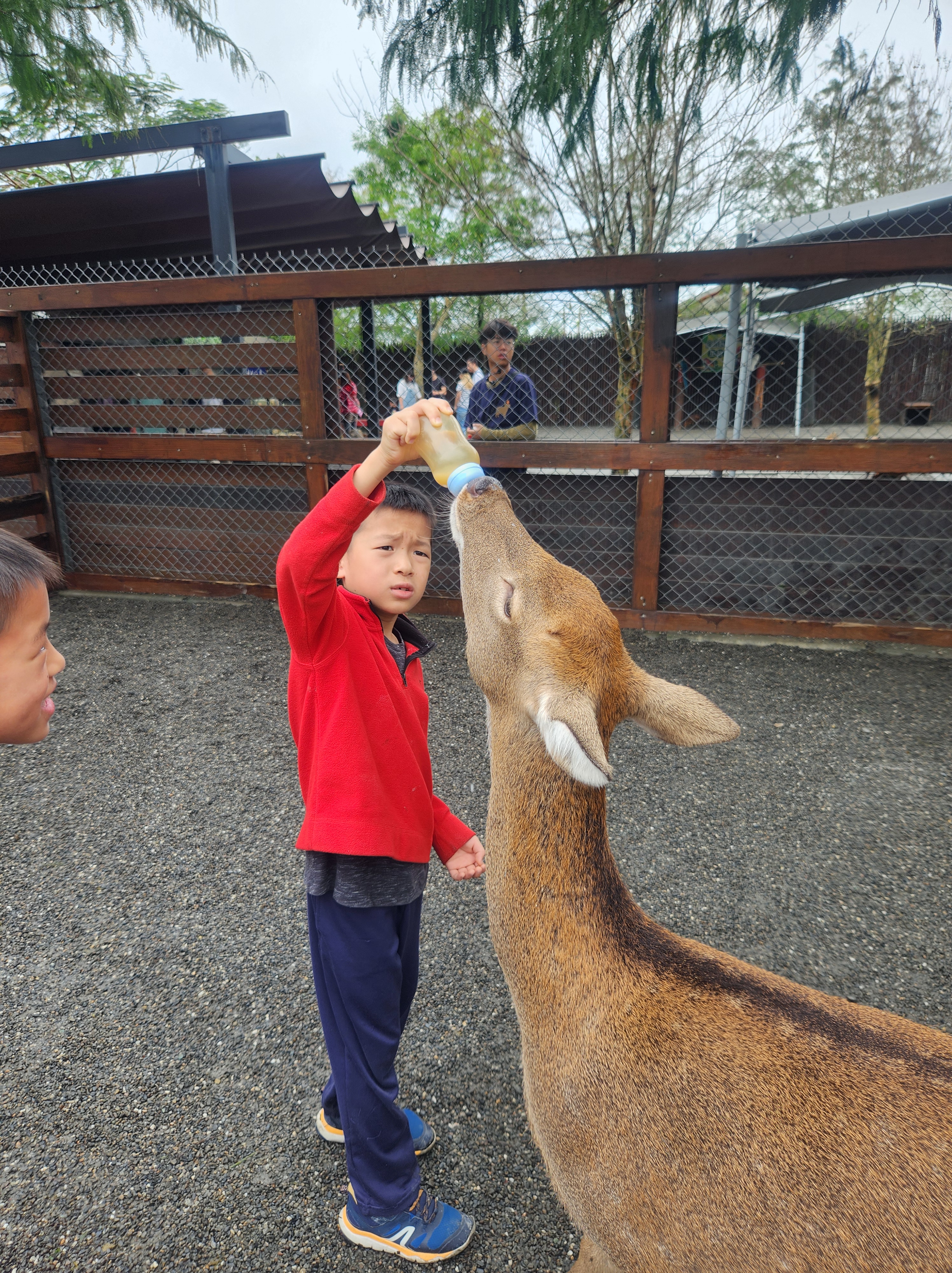
After the cooking class, we headed to the petting farm. The worker gave us a bunch of grass to feed the animals. It can be pretty overwhelming at first because the animals charged at anyone with food. The taller animals like alpacas and deer would grab the food right out of C and O’s hands, so Baba and I had to hold it with our arms held high. 😂 But aside from the animals being ravenous, they were generally very tame and seemed to be well taken care of. We all loved seeing the variety of animals here! We paid $10.75 per person for both the cooking class and farm experience, and booked our tickets here.

Nearby Zhang Mei Ama Farm are a couple of scallion farms. The one we went to is Cong Bao Bao 葱抱抱體驗農場. It was about a 30 minute walk from the farm. You could take a taxi there but since the weather was comfortable, we decided to walk.

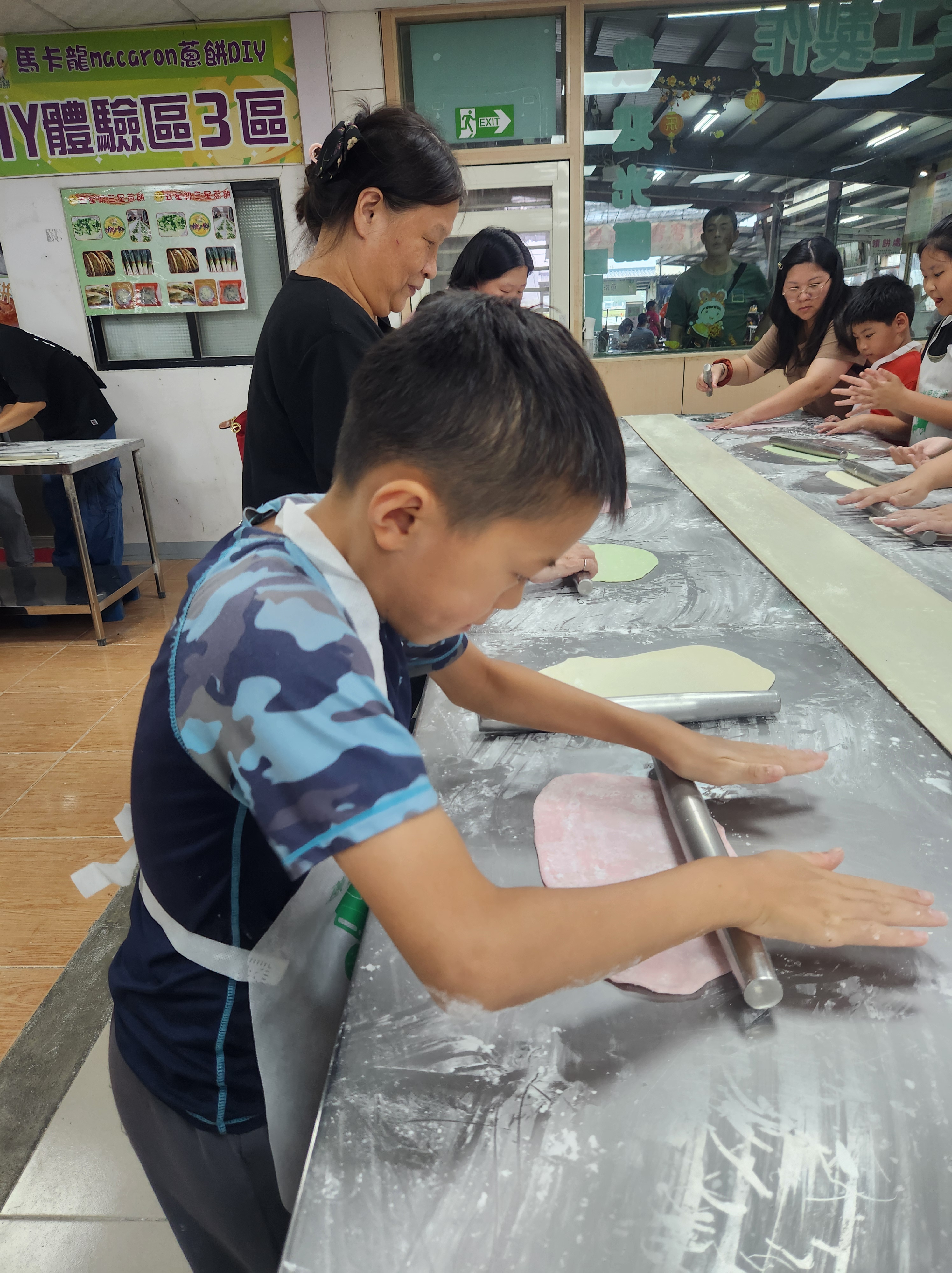
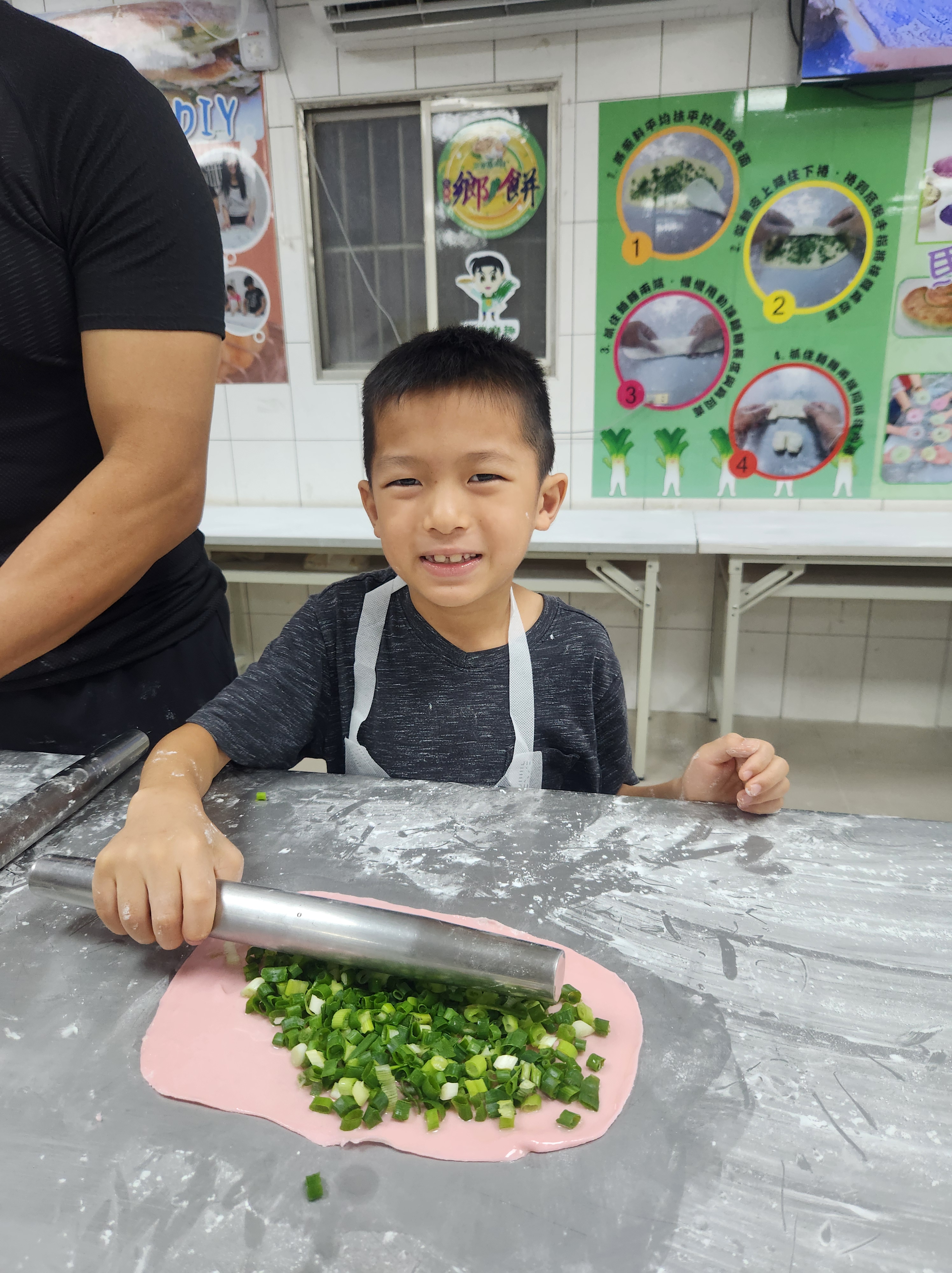
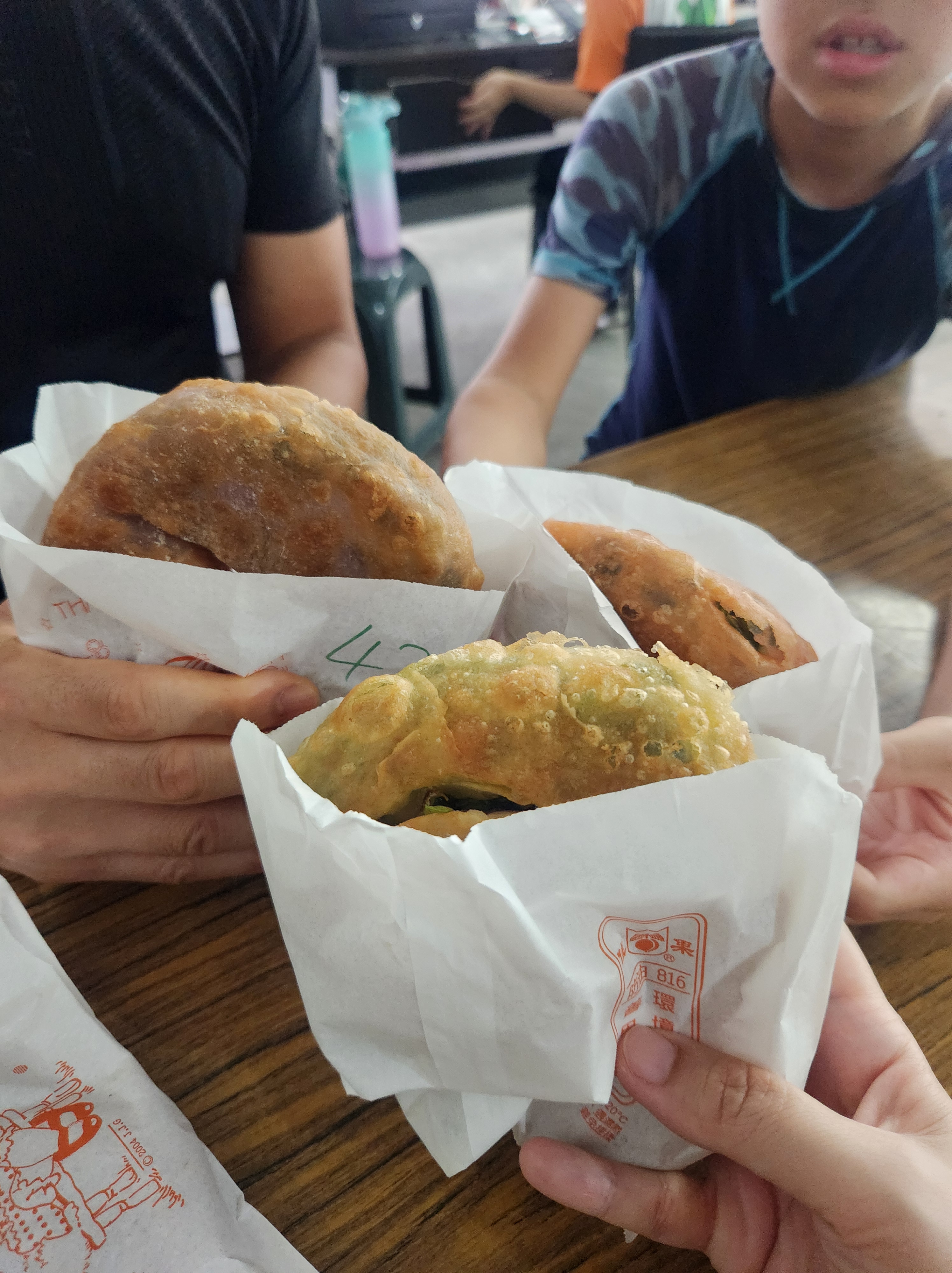
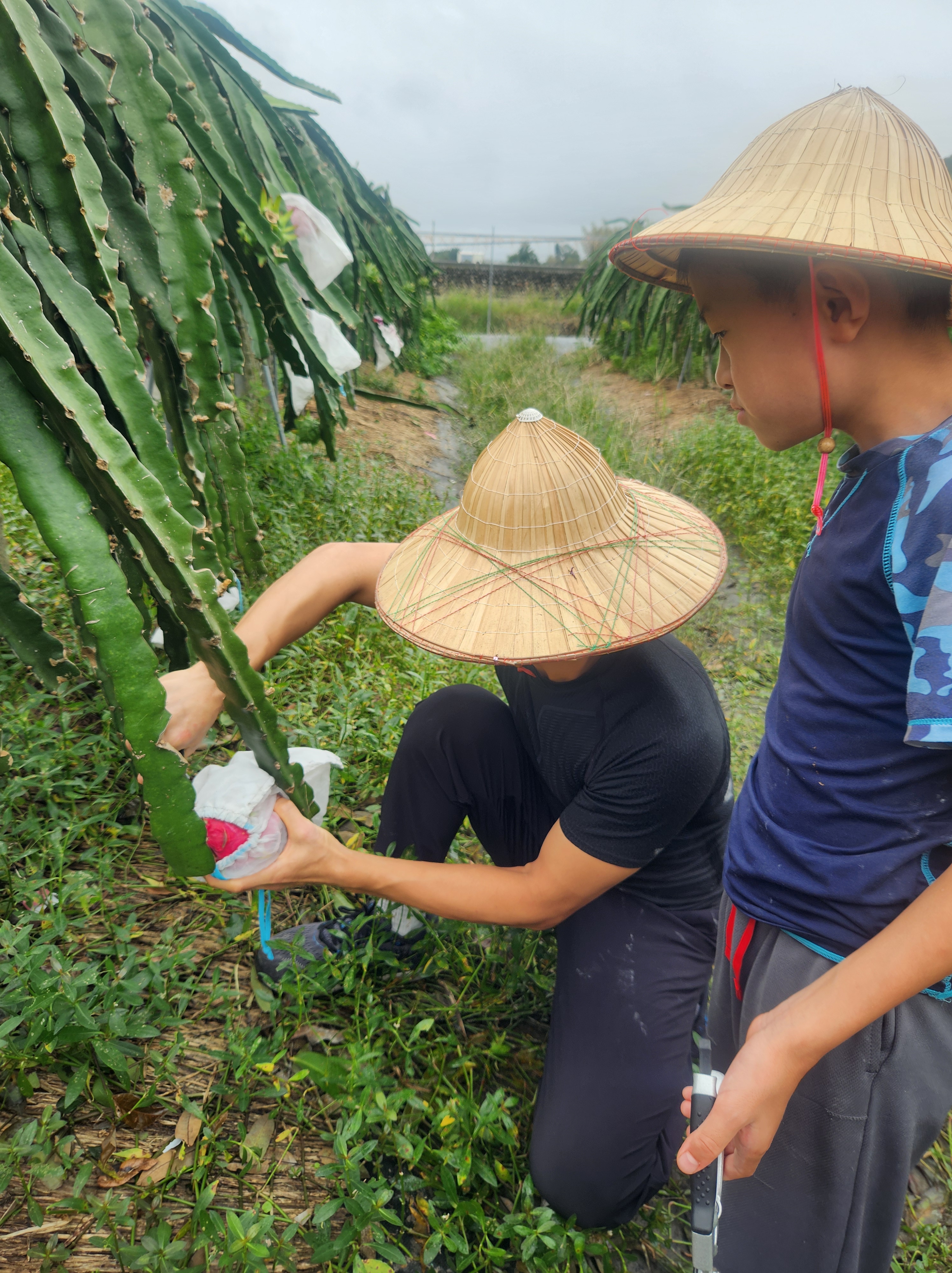
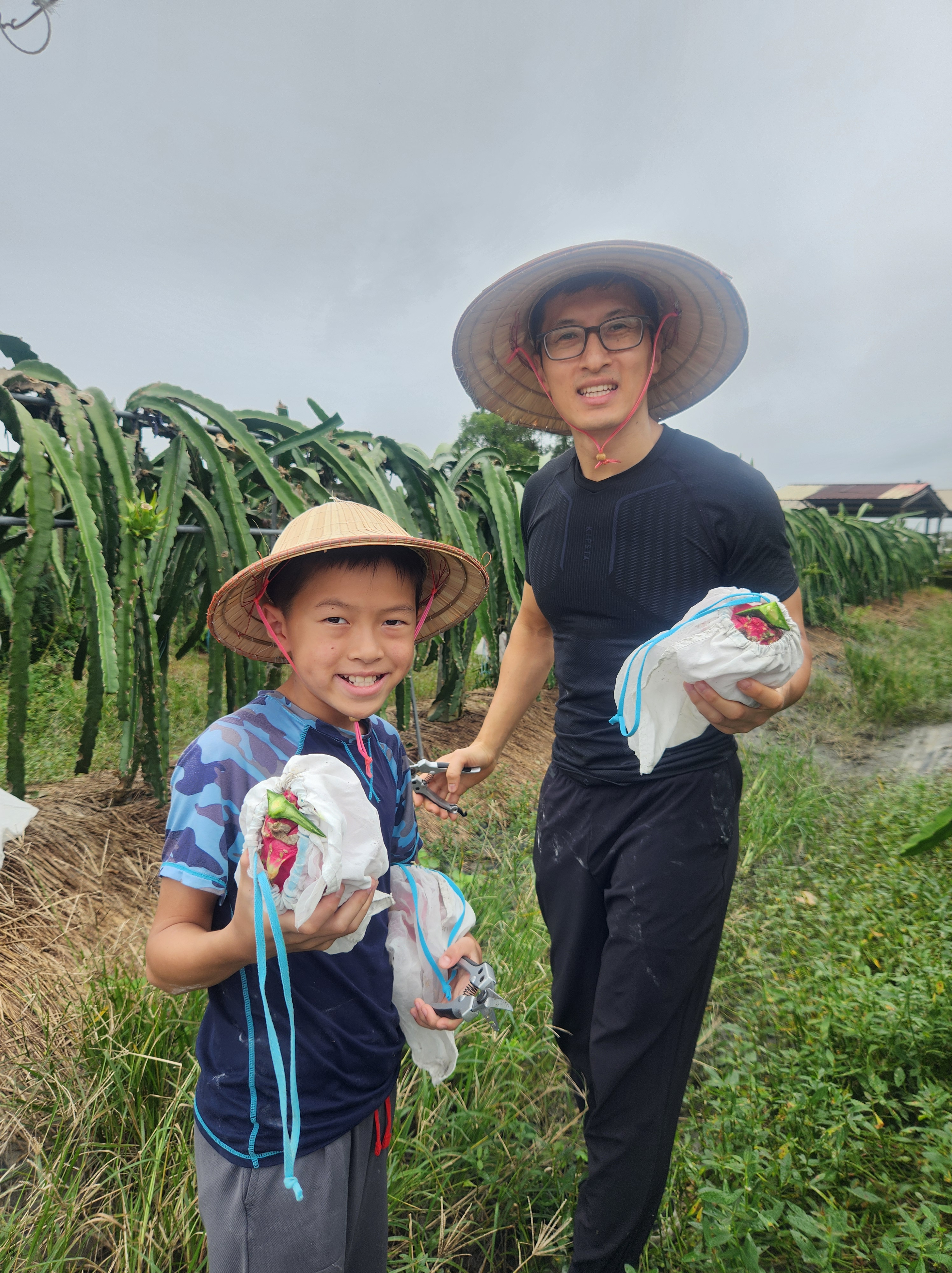
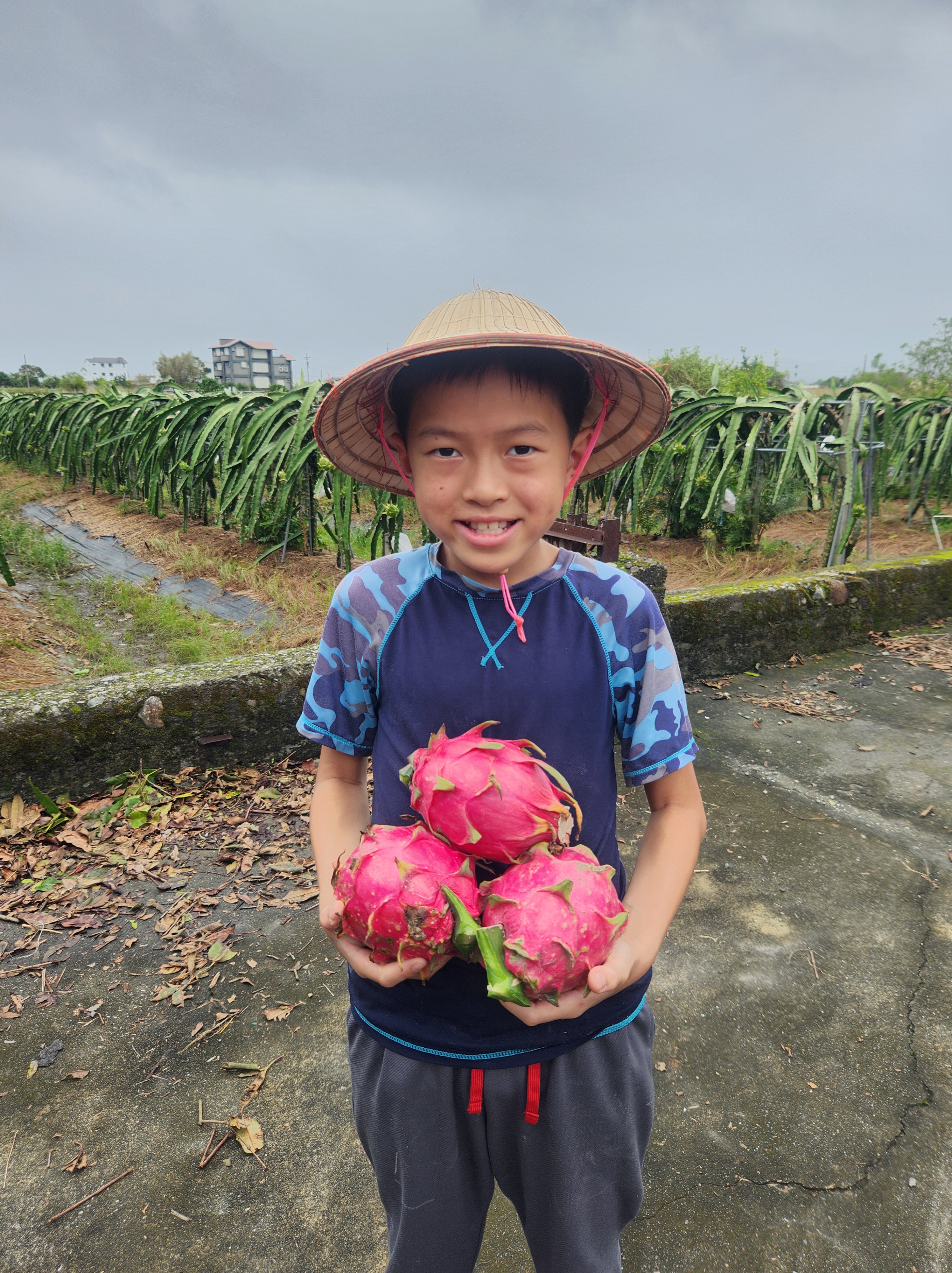
At Cong Bao Bao, you can make scallion pancakes and/or harvest scallions. Unfortunately, the scallion fields were destroyed by Typhoon Kong-rey the weekend prior. But all was not lost! The farm also grew dragon fruit so we were able to pick those.

Interestingly, dragon fruit grows on long prickly vines. The dragon fruits at the farm had pink flesh and were wrapped in bags to prevent bugs and animals from eating them. We each got to take one home.

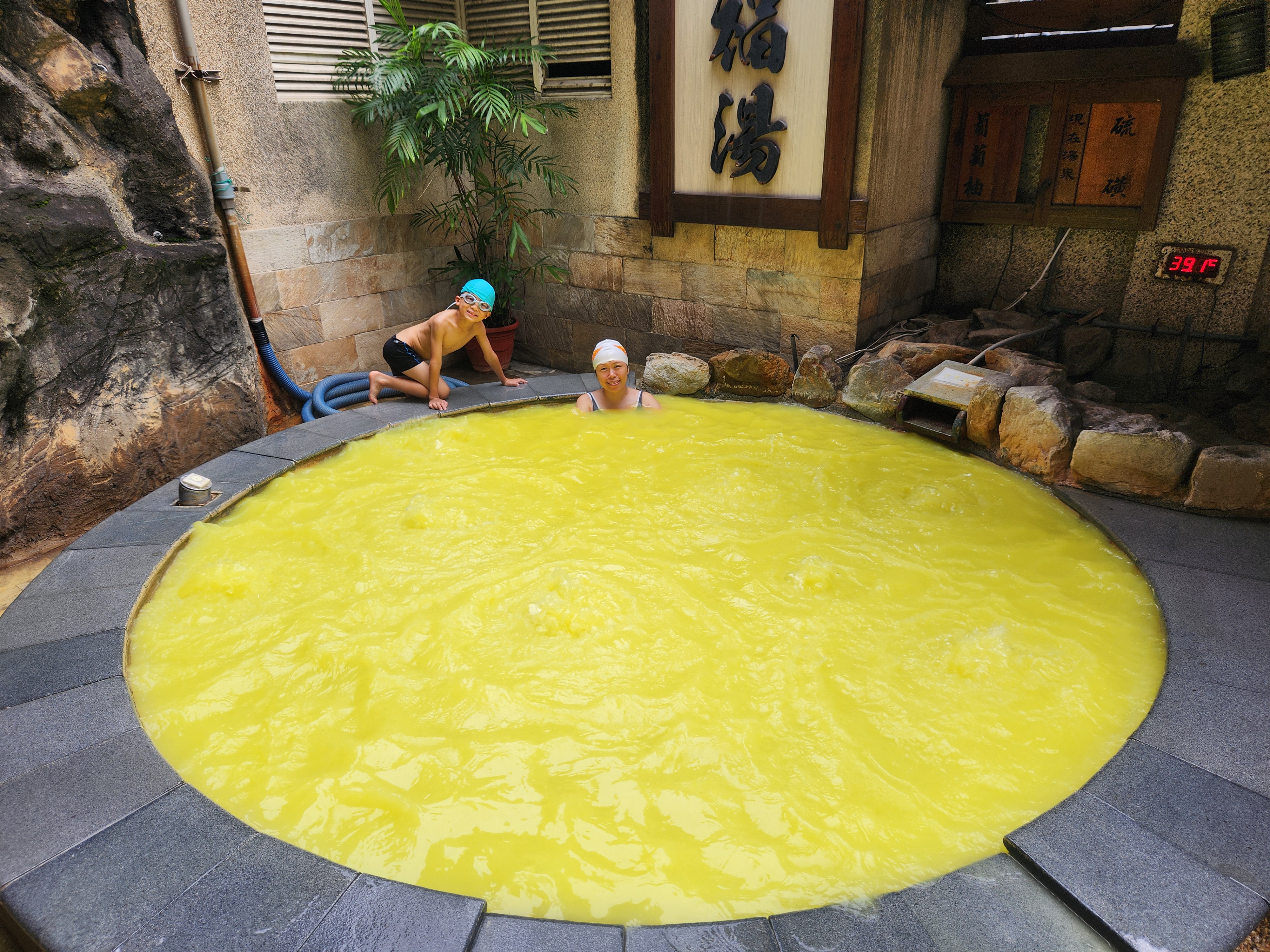
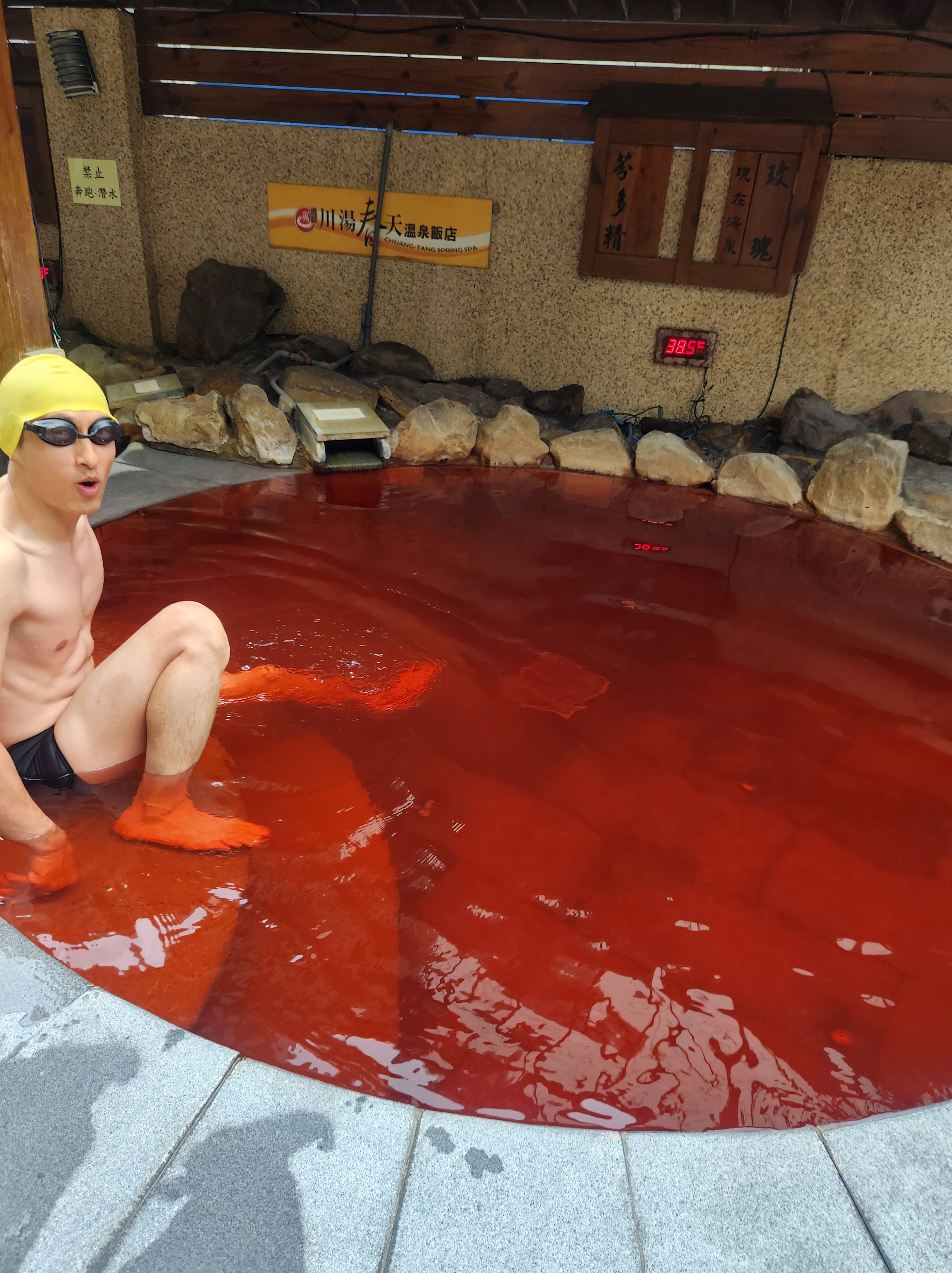
On our last day in Yilan, we took the local train to Jiaoxi 礁溪, another small town in Yilan famous for hot springs. Streets are literally lined with hot springs spas. We bought a day pass at Chuan Tang Spring Spa Hotel 川湯春天溫泉飯店 for about $10 per person. (On weekdays, it’s about $7 per person.)

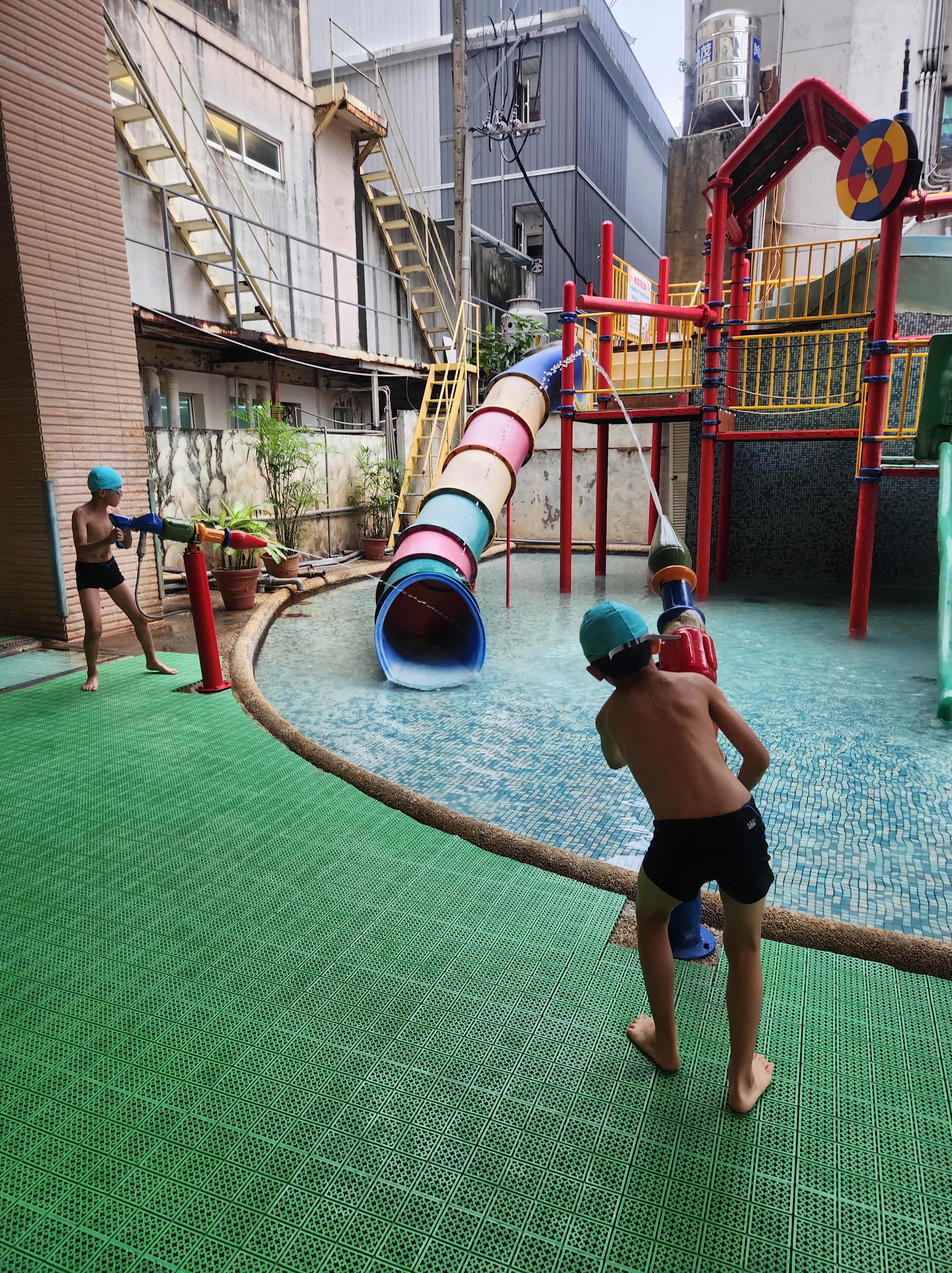
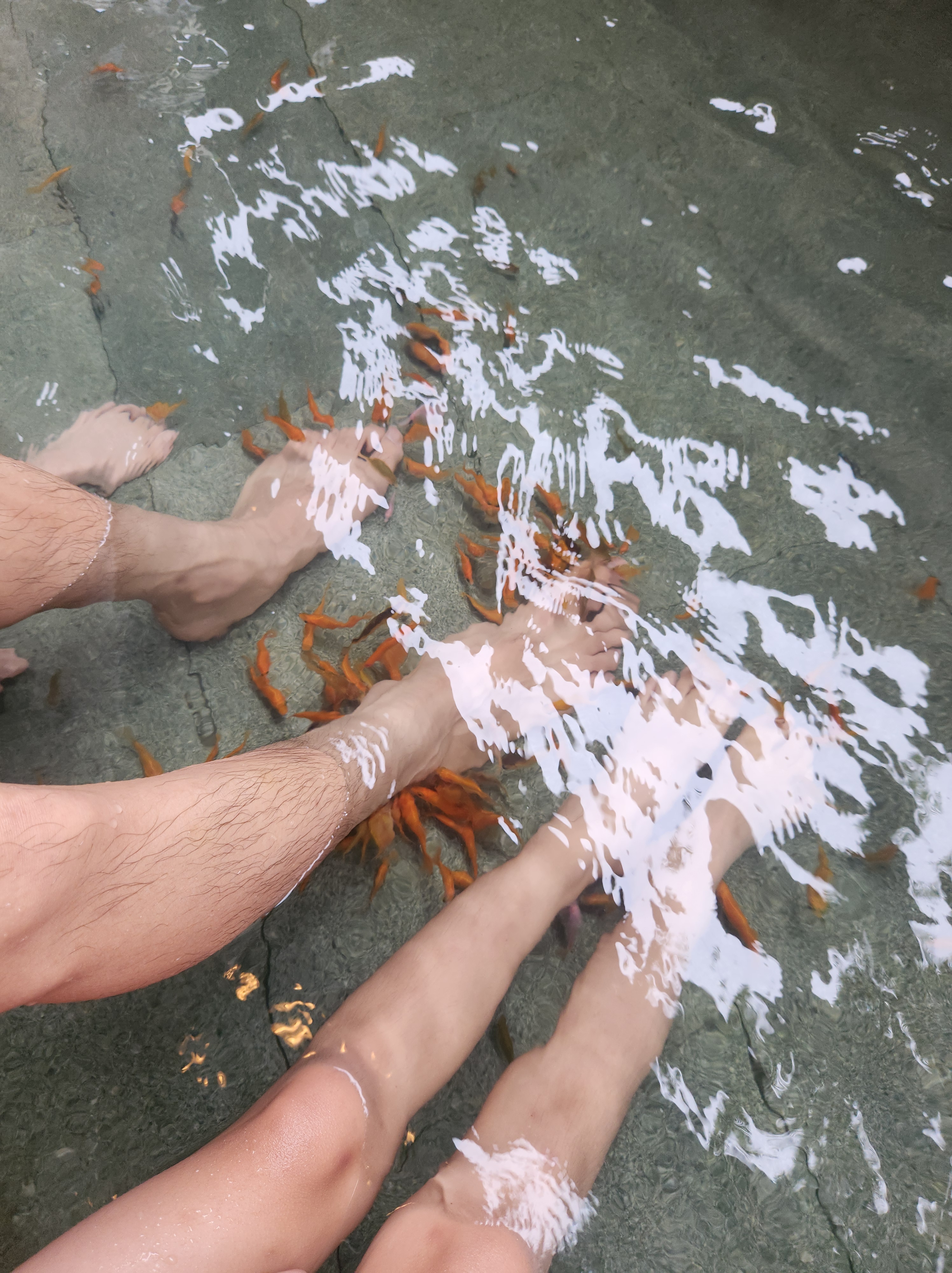
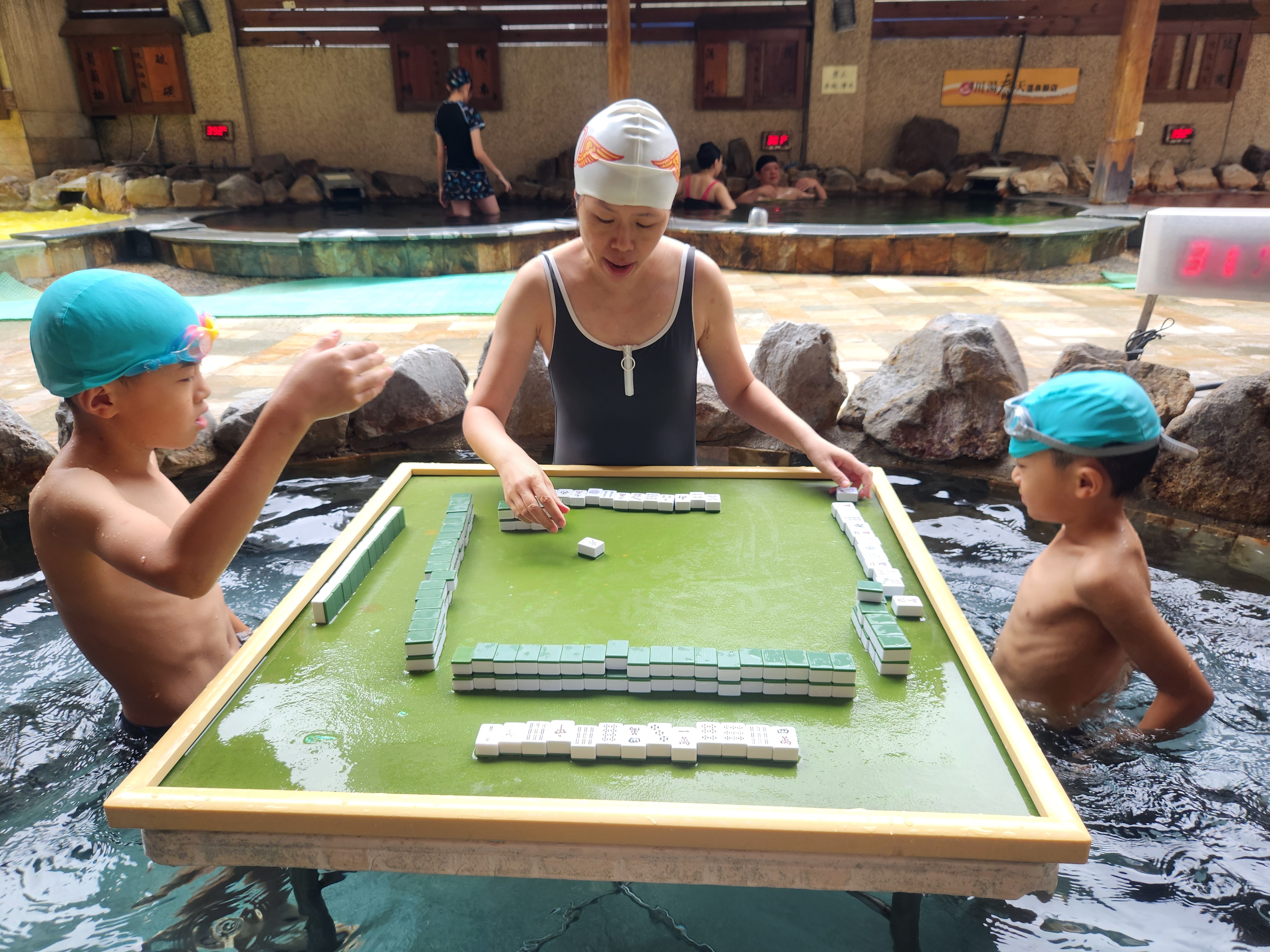
The resort is a little dated but we still had a lot of fun because of the variety of facilities. They had different scented and colored baths; a kids’ section with water slides; scented steam rooms; fish pedicure; and even a bath with a mahjong table! 😂 We stayed here for 4 hours – definitely got our money’s worth!

The trip from Jiaoxi back to Taipei was seamless as well. As with Luodong, there is a direct bus linking Jiaoxi and Taipei. We took the bus for about an hour and the first stop was just a 5 minute walk from our apartment. Can’t get any more convenient than that!

We had a great time in Yilan. It’s family-friendly, easy to get to, and has tons of fun, affordable activities. It really makes a perfect weekend getaway.

Ramblings

Indonesia Part 2: Java and Bali

Click here to read the first part of our Indonesia trip.

Bali is one of the most popular destinations in Asia. It’s so popular that it has sort of become synonymous with Indonesia. But it’s easy to see why. Bali has a rich culture and natural beauty, but also tourist-friendly features like 5-star resorts, electric nightlife and plenty of restaurants.

We chose to stay in Ubud, the cultural center of Bali that’s also very family-friendly. I decided to “splurge” on our accommodations (but it was still relatively affordable!). Our villa had a swimming pool, 3 large rooms, and included 2 helpers who came each morning to prepare breakfast for us. What a treat!

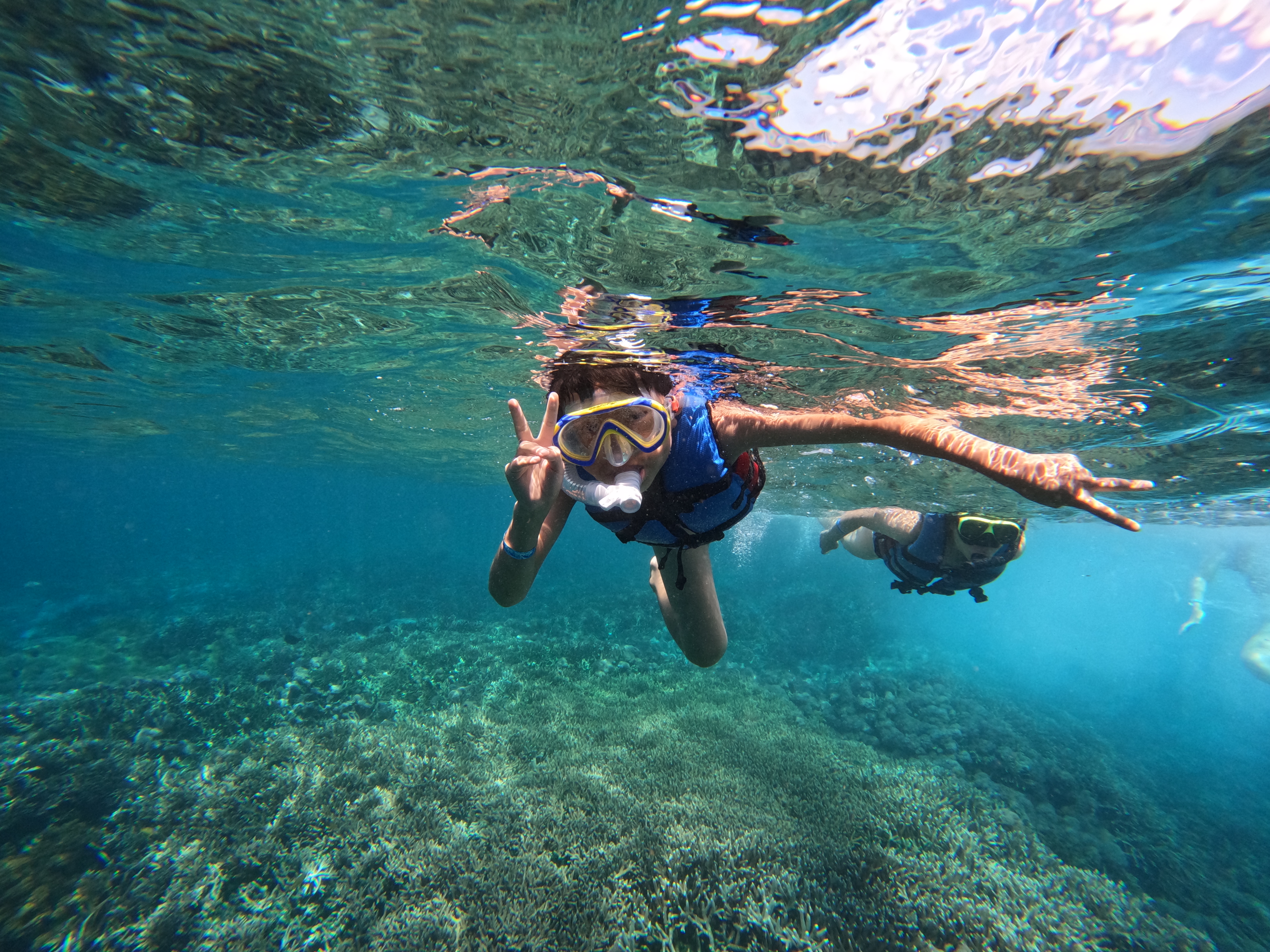
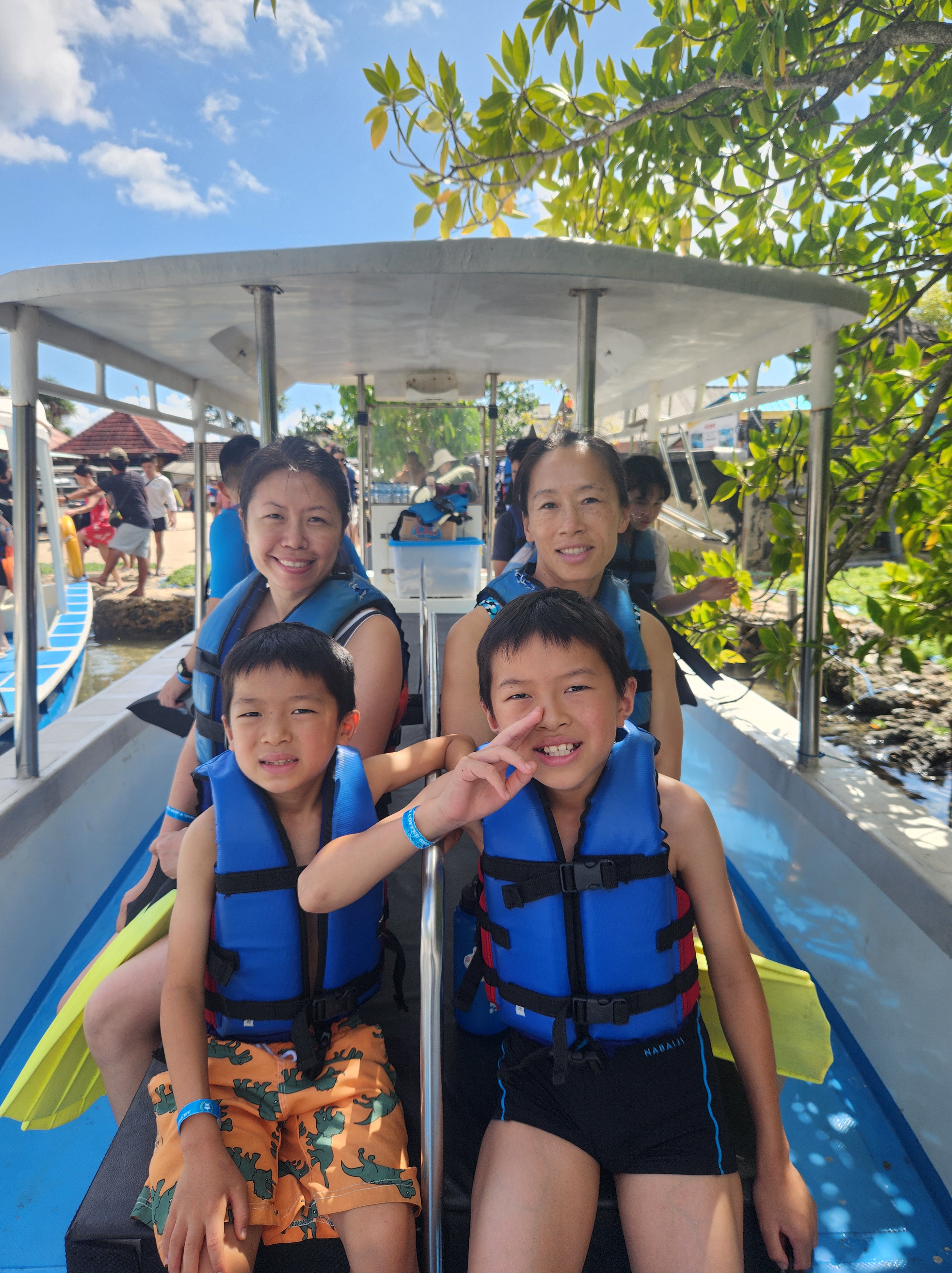
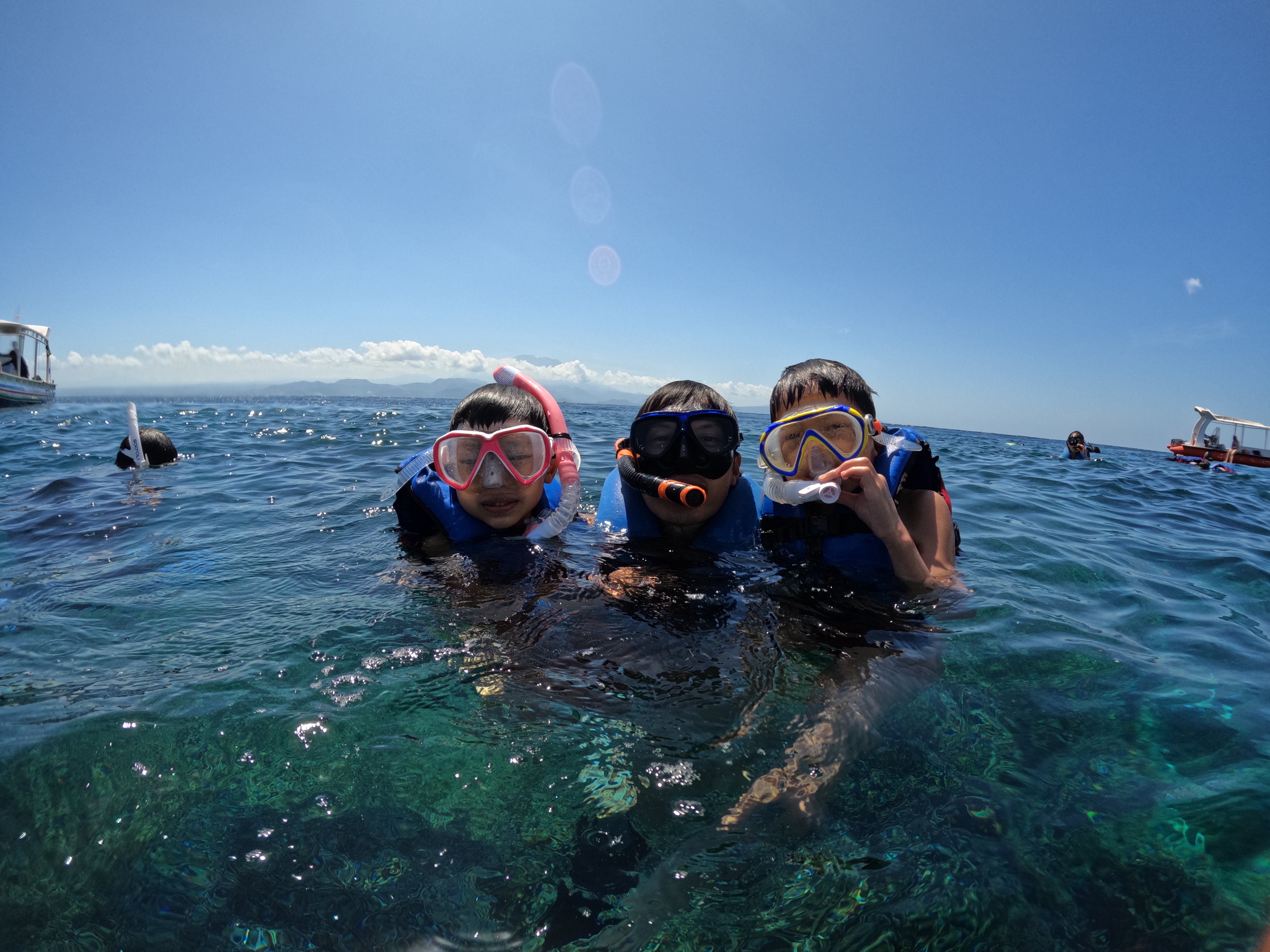
On our first full day in Bali, we went snorkeling at 3 locations. The first location had super choppy and deep waters, but we were there to see the giant manta ray – and we did! Unfortunately we weren’t able to get any pictures. The next two locations had calmer waters, and the boys had a much more pleasant experience. This was their first time snorkeling and I’m amazed by how brave they were! This is the tour we booked.

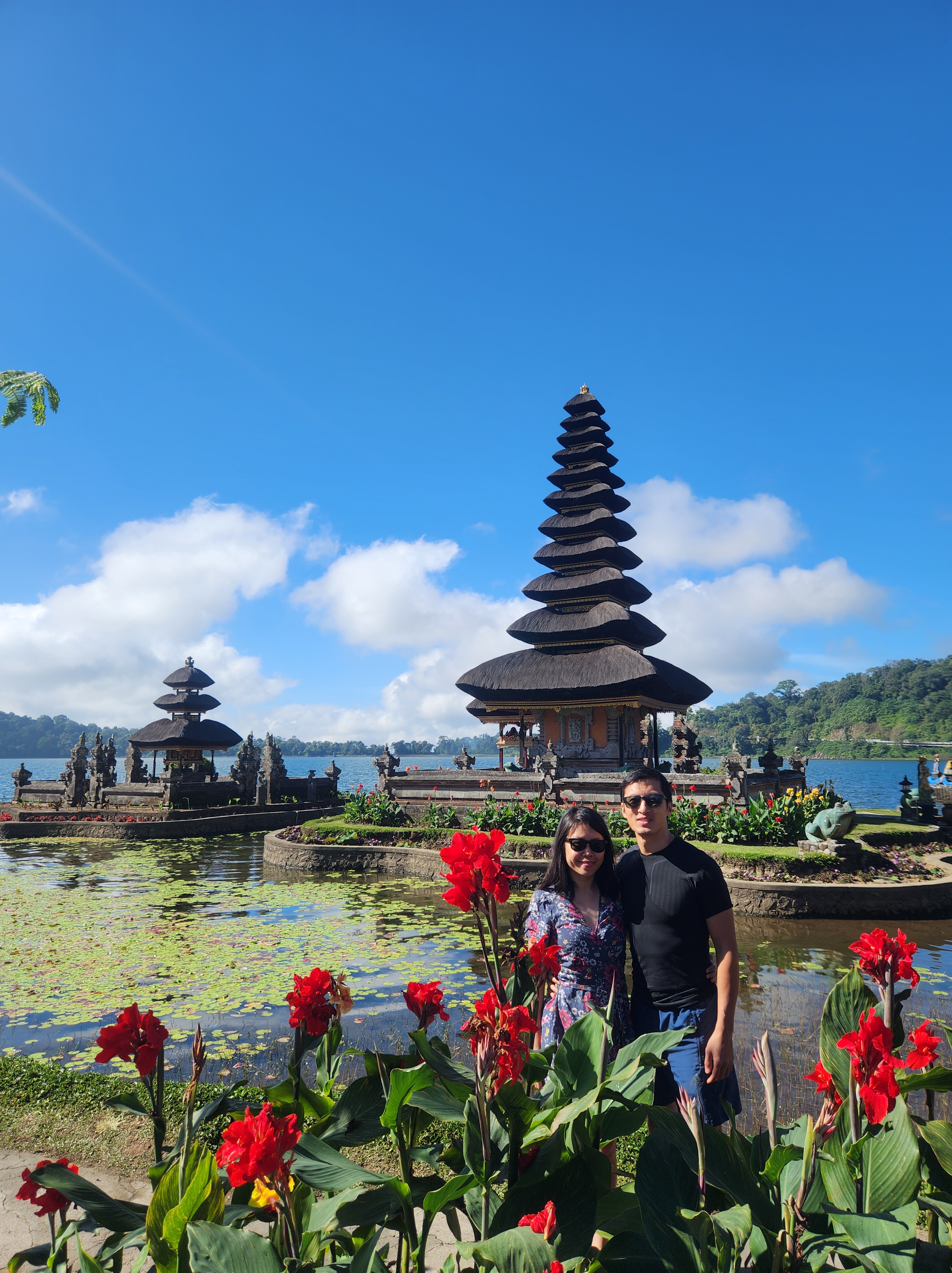
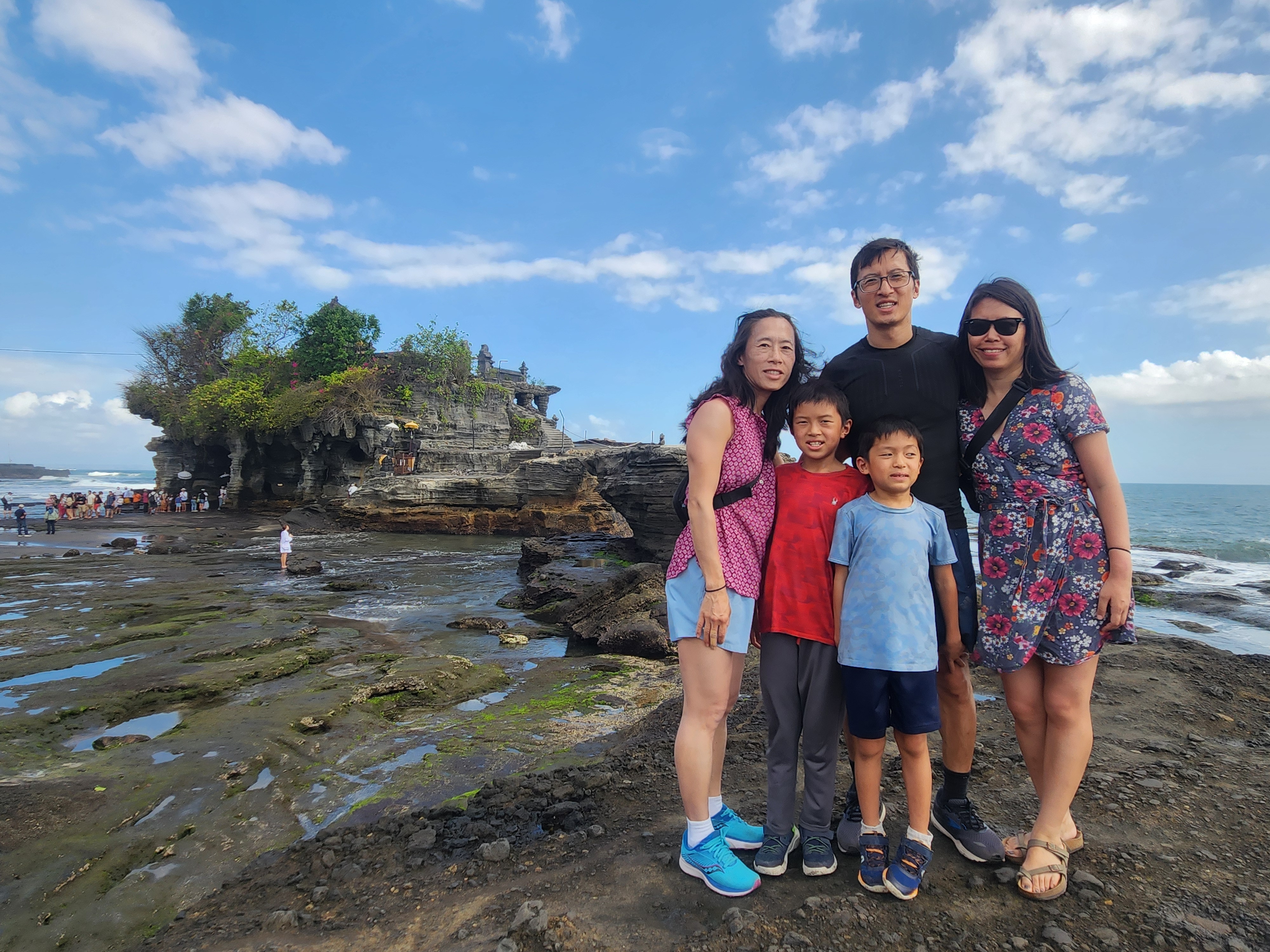
After a day of adventure, we booked a more low-key tour the next day and visited some of Bali’s most famous temples: Ulun Danu Beratan (left) and Tanah Lot (right). No tourists were allowed inside.

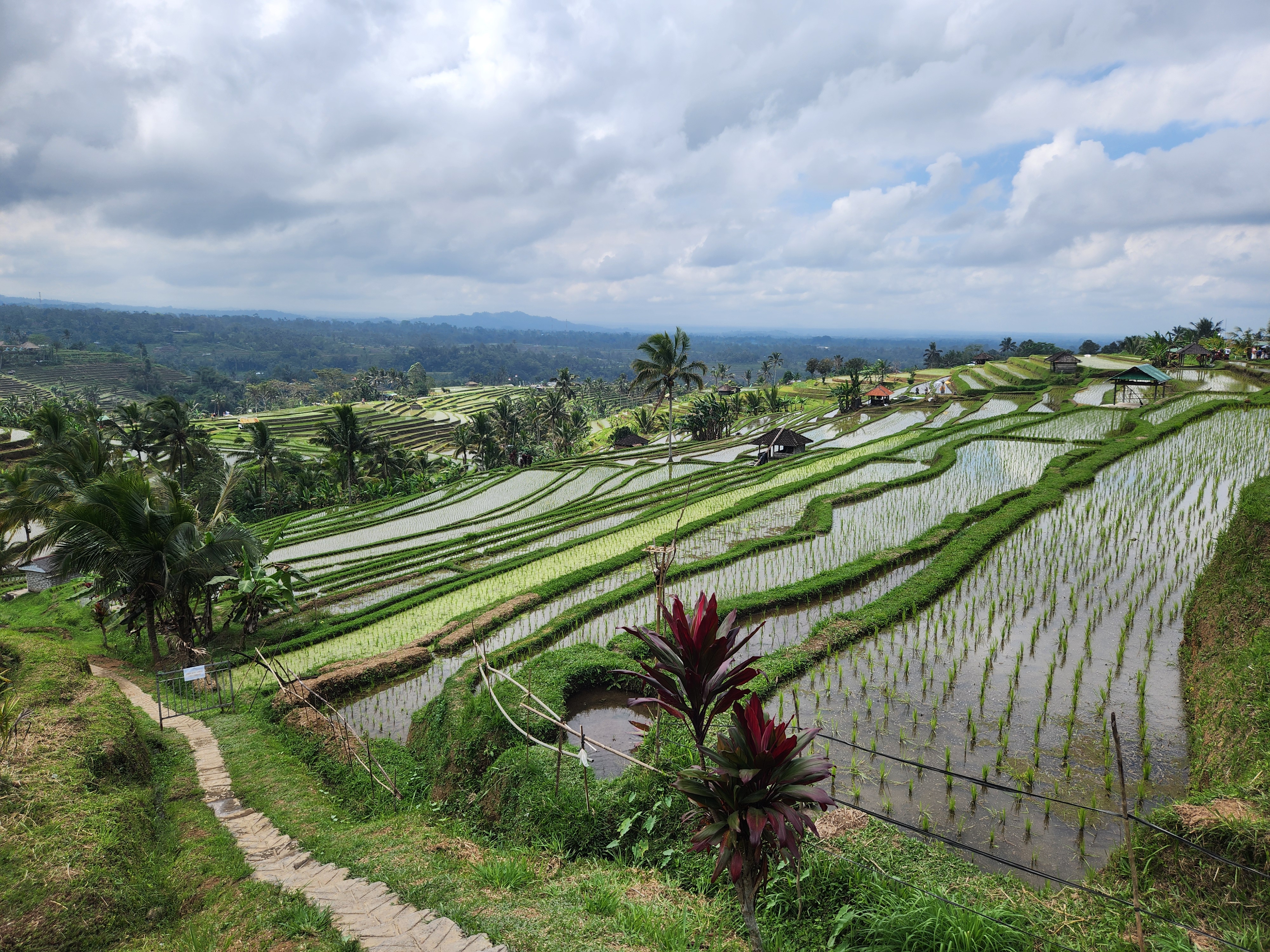
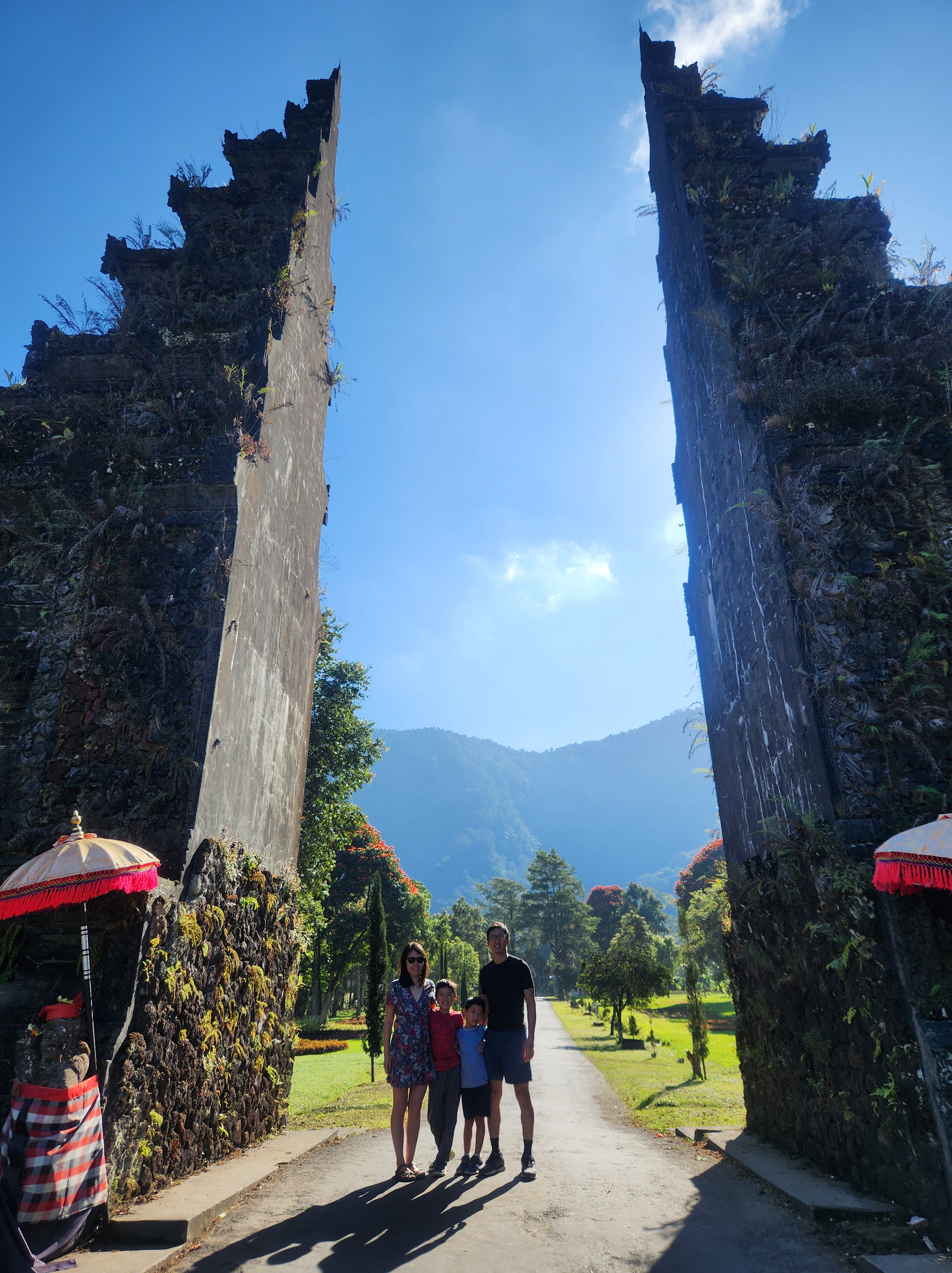
We also visited the Jatiluwih Rice Terrace and Handara Gate. Honestly, not much to do in these places except to look around and take pictures.

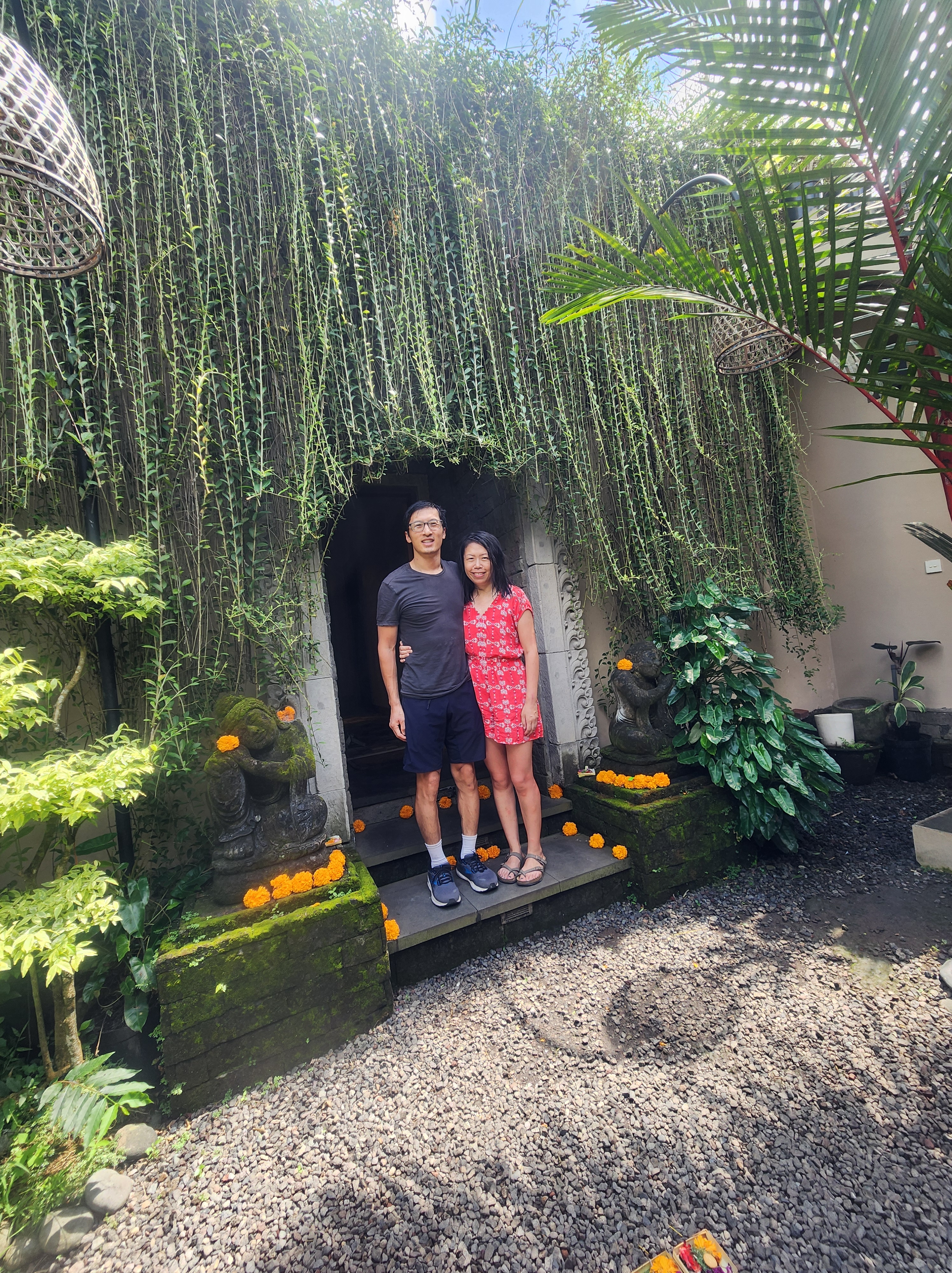
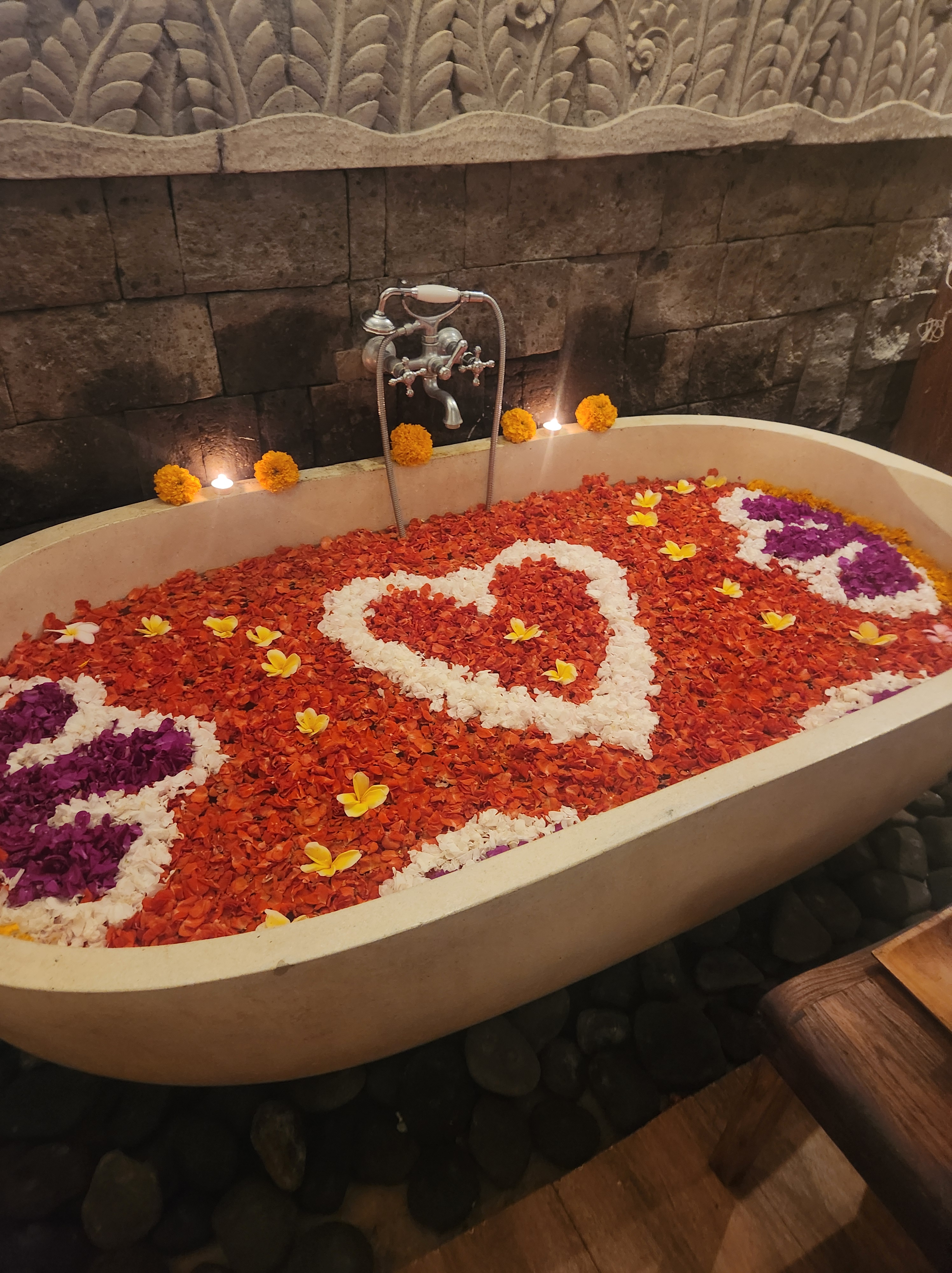
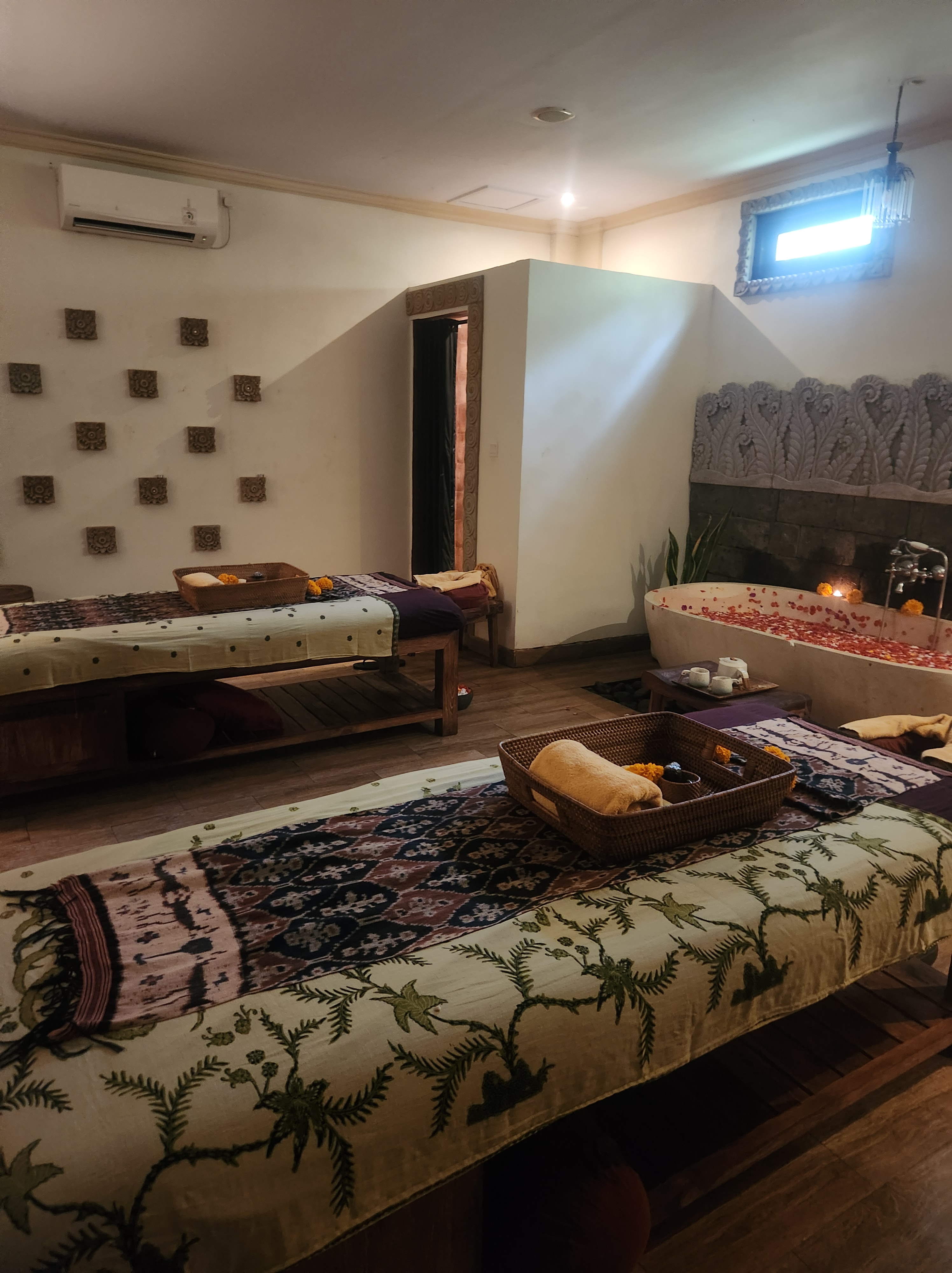
Bali is known for its spas, so of course we had book a couple’s spa/massage at Ubud Traditional Spa for Baba and me. The two-hour massage for 2 people cost only $60! It would be triple the price in SF.

While Baba and I were getting massages, my SIL took the boys to the Sacred Monkey Forest, where hundreds of monkeys roam free. Quite frankly, this would freak me out. 😅

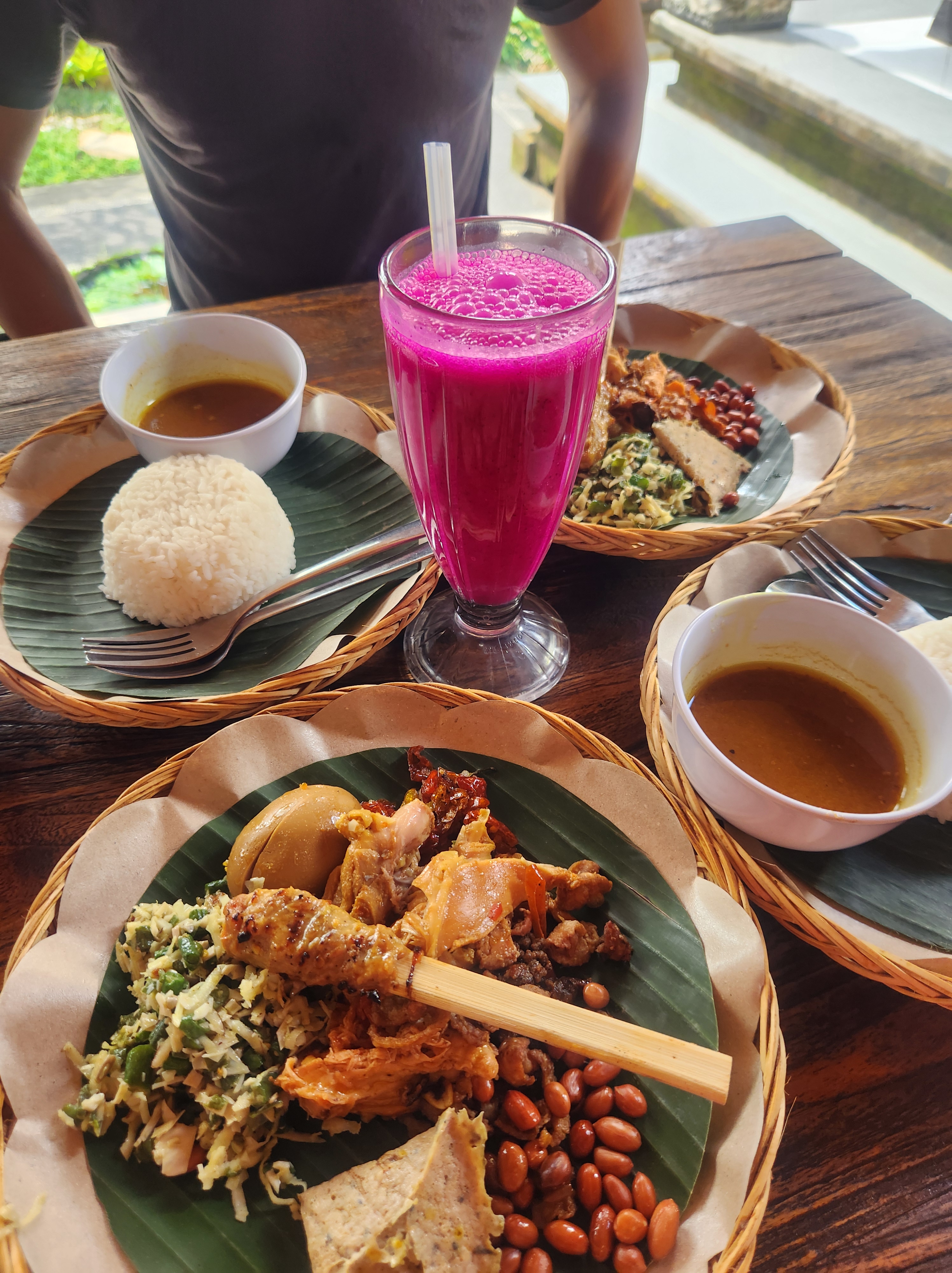
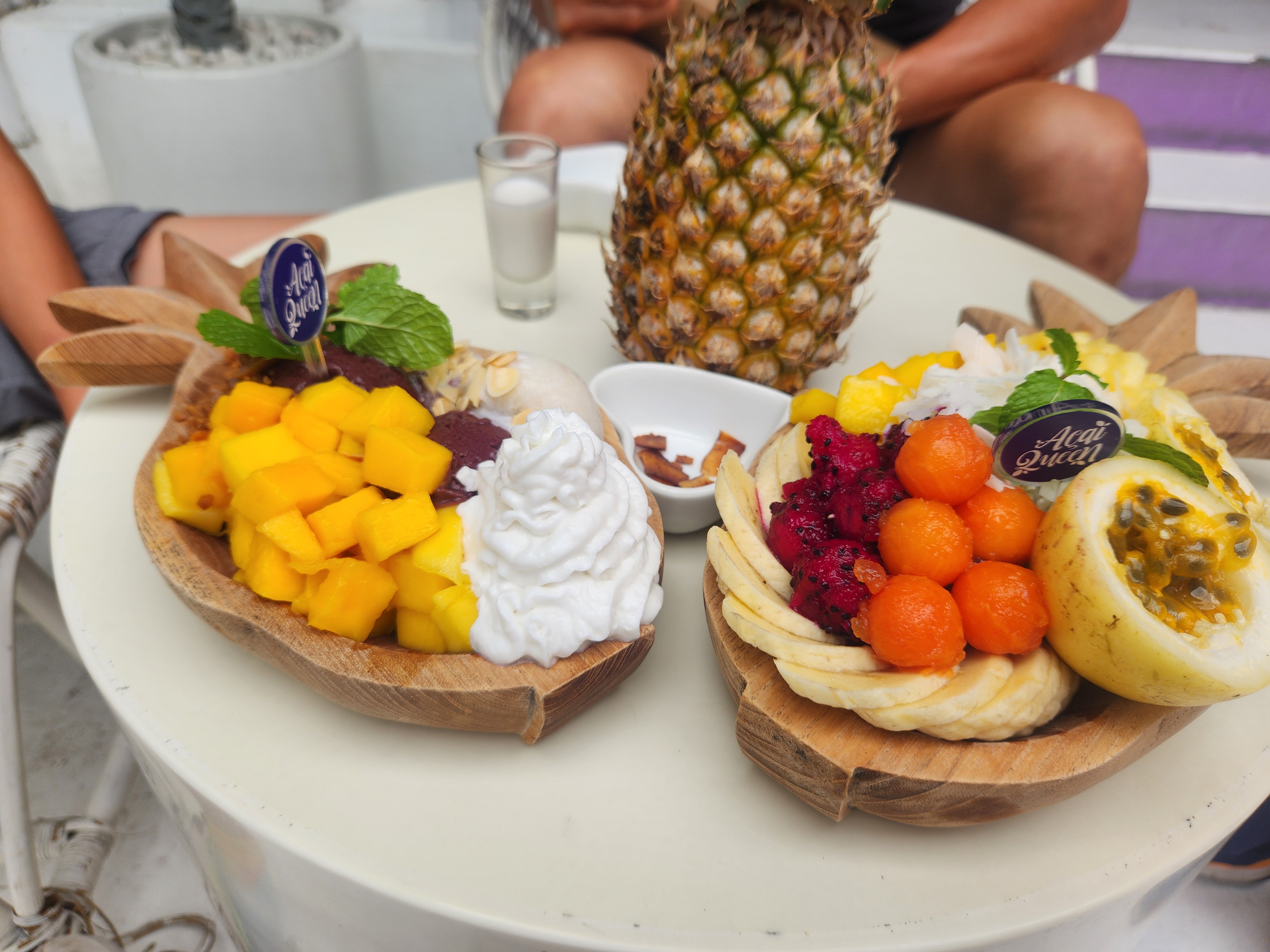
Food in Bali was a lot more expensive compared to Java and in our opinion, generally not as good. We felt like the flavors were altered to cater to foreign palettes. The center of Ubud had many trendy restaurants serving acai bowls, steaks, vegan cuisines, and sushi. Ironically though, the best meal we had in Indonesia was also in Bali – crispy, spicy pork belly and sausage with greens and rice (center picture).

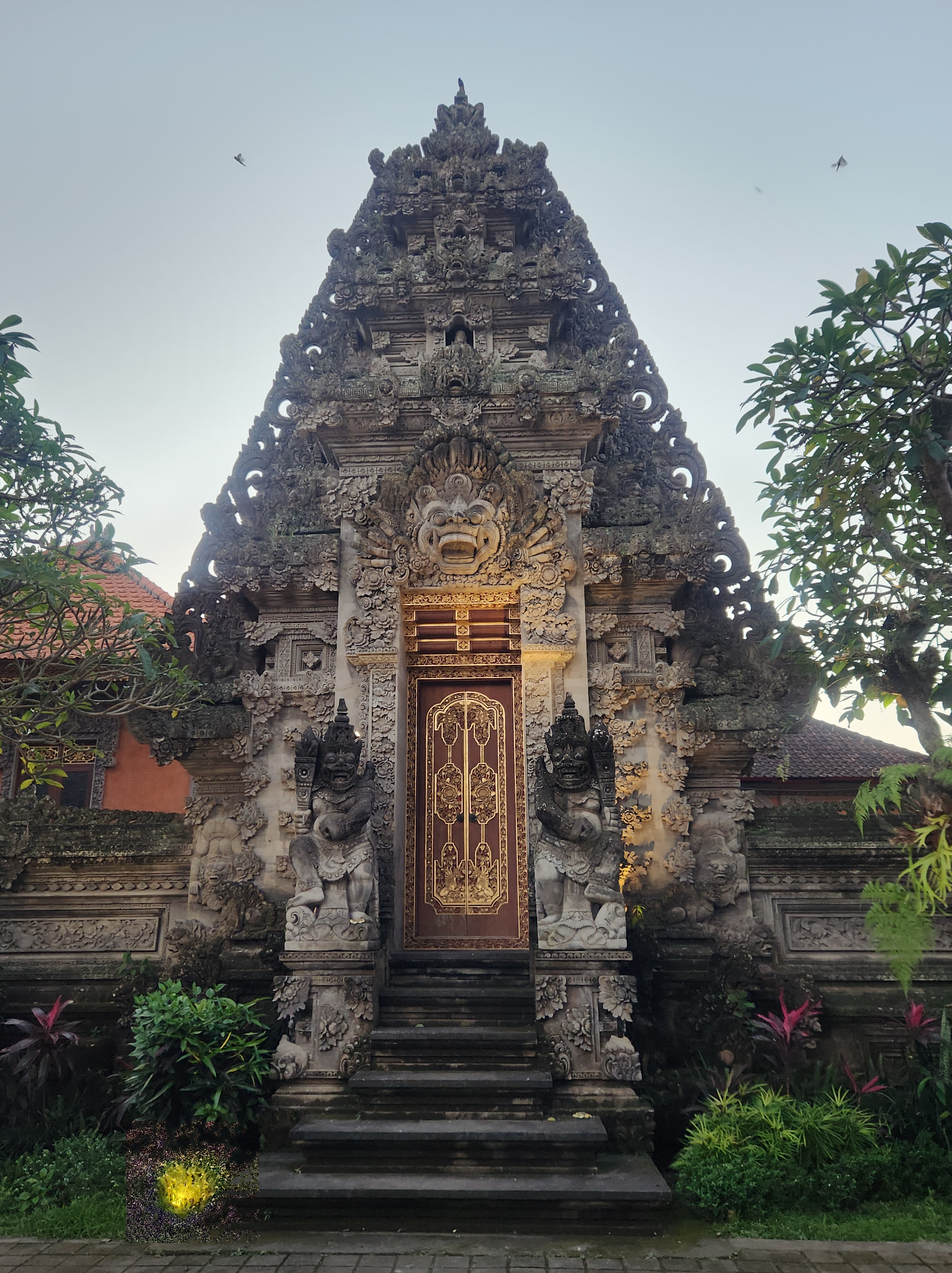
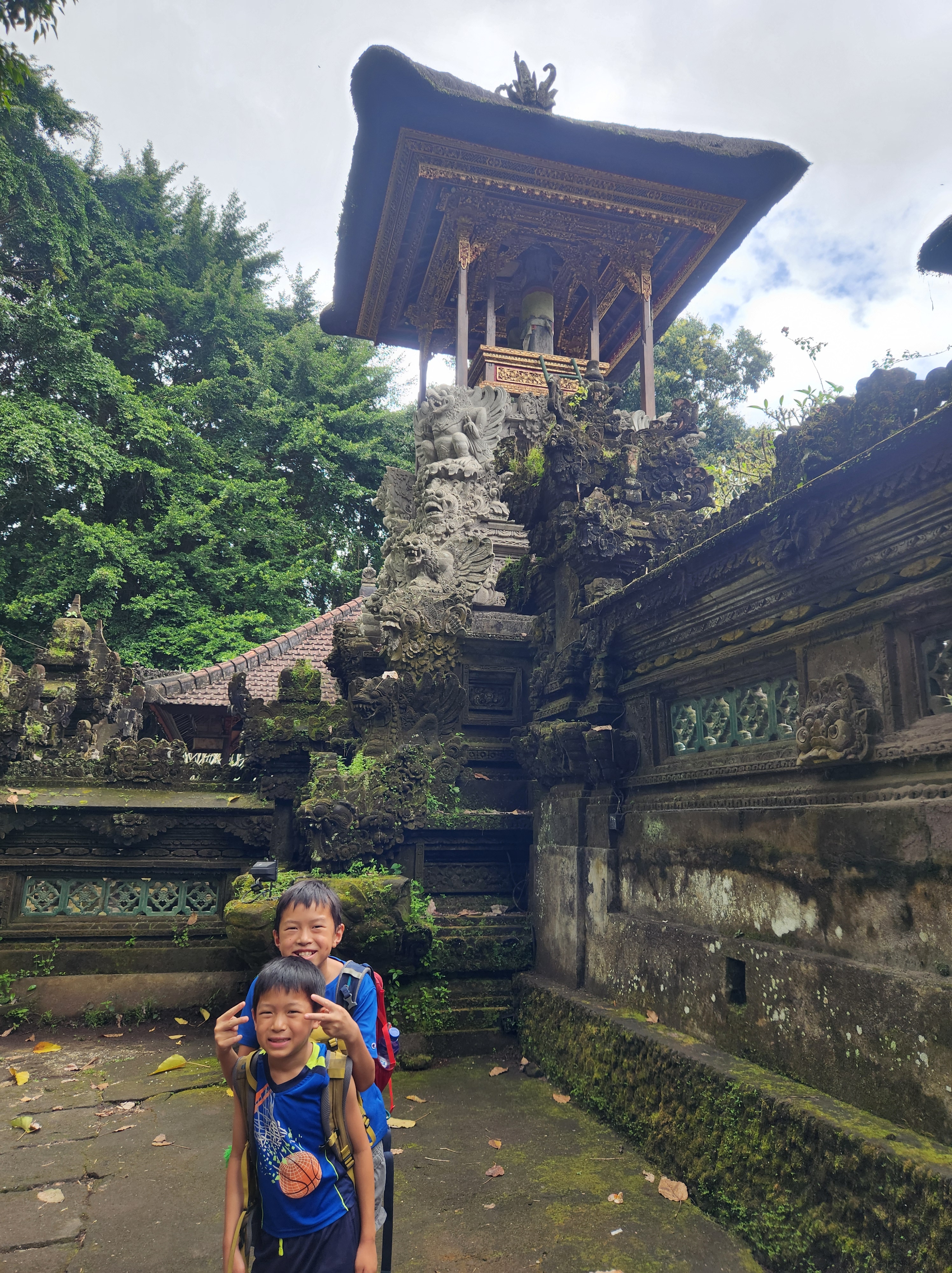
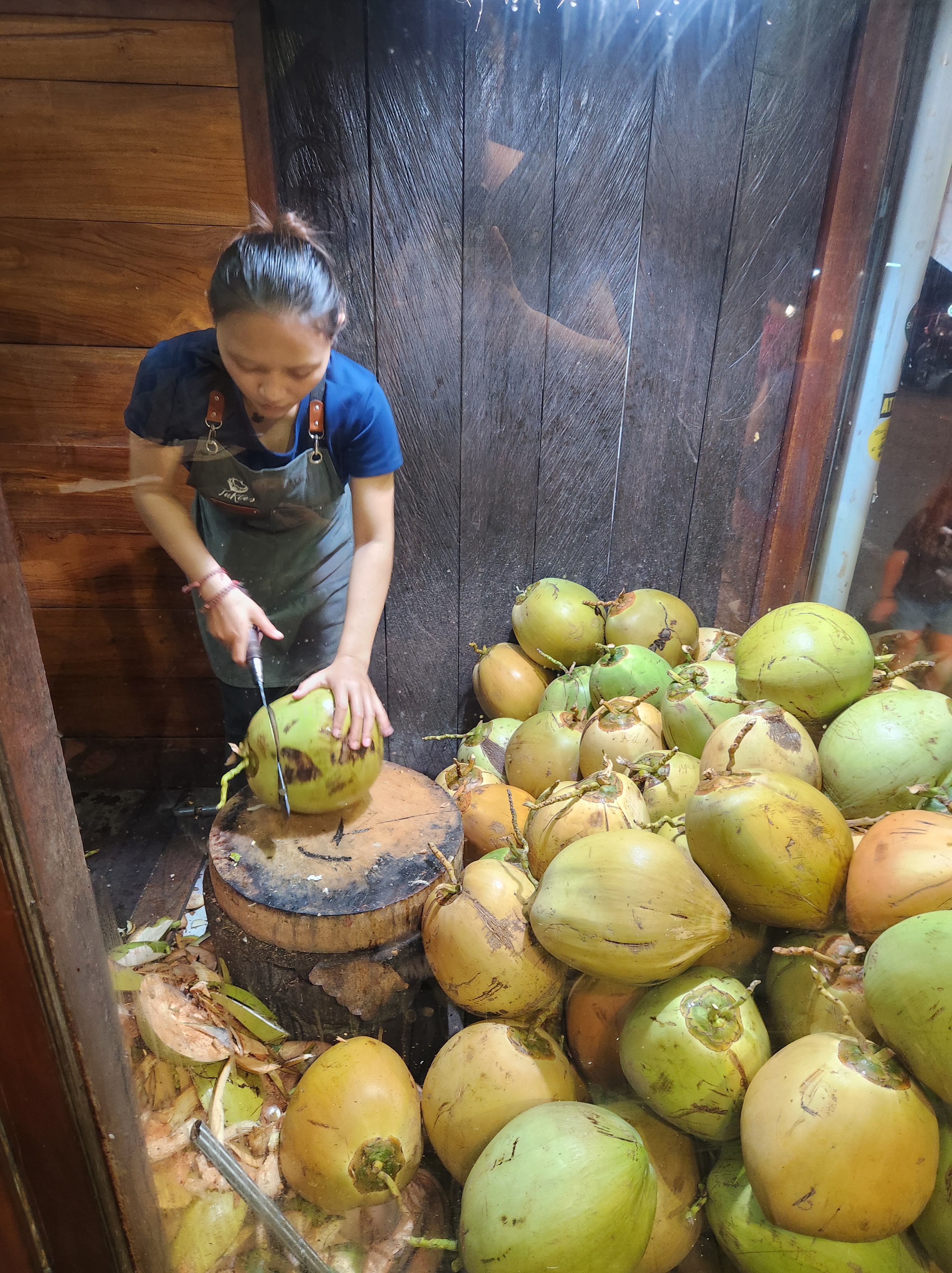
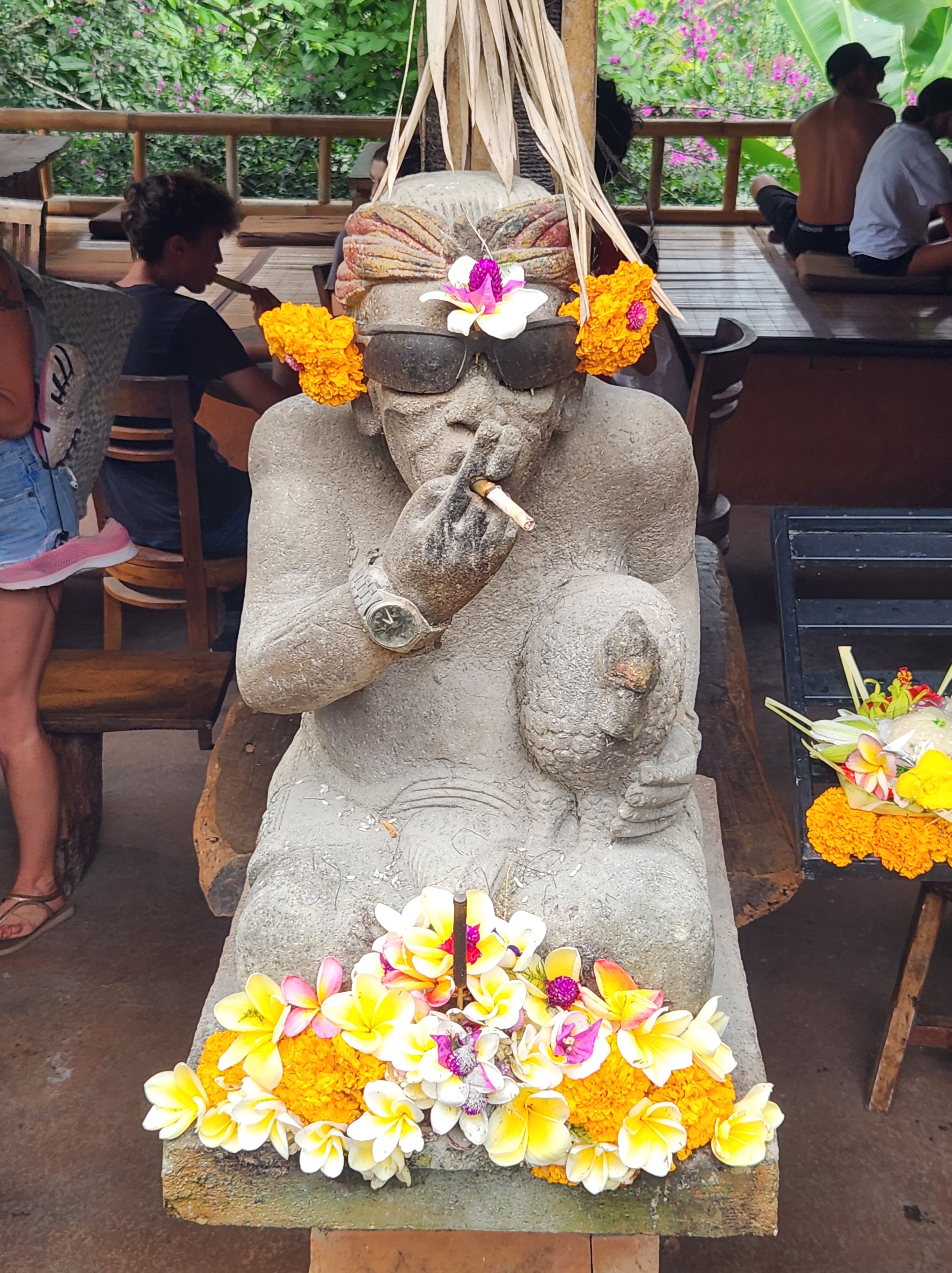
Sights around Ubud, Bali.

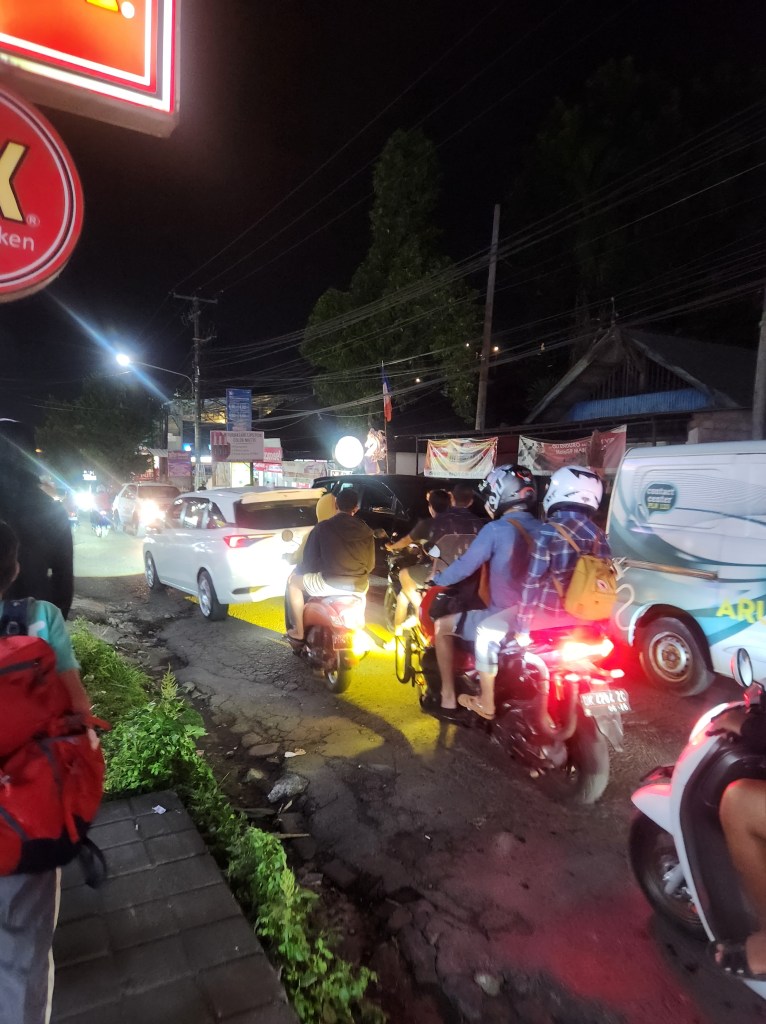
We wanted to explore other parts of the island but traveling around Bali was so, so cumbersome. Public transportation is non-existent and the roads are narrow, with only one lane going each way. Traffic is terrible at any hour of the day. One time, we were stuck in a taxi for an hour when the ride should’ve been only 20 minutes! 😠
I know Bali is a desired destination for many, but unfortunately it wasn’t our favorite. Many “attractions” felt like they were built just to bait tourists, like the Bali swing, or photo op setups at temples. Some bars and restaurants in Ubud look like they plucked straight from Las Vegas or London. Tourism is a huge part of Bali’s economy so it’s understandable they have to cater to visitors but it can feel inauthentic, especially since we had just come from Java.

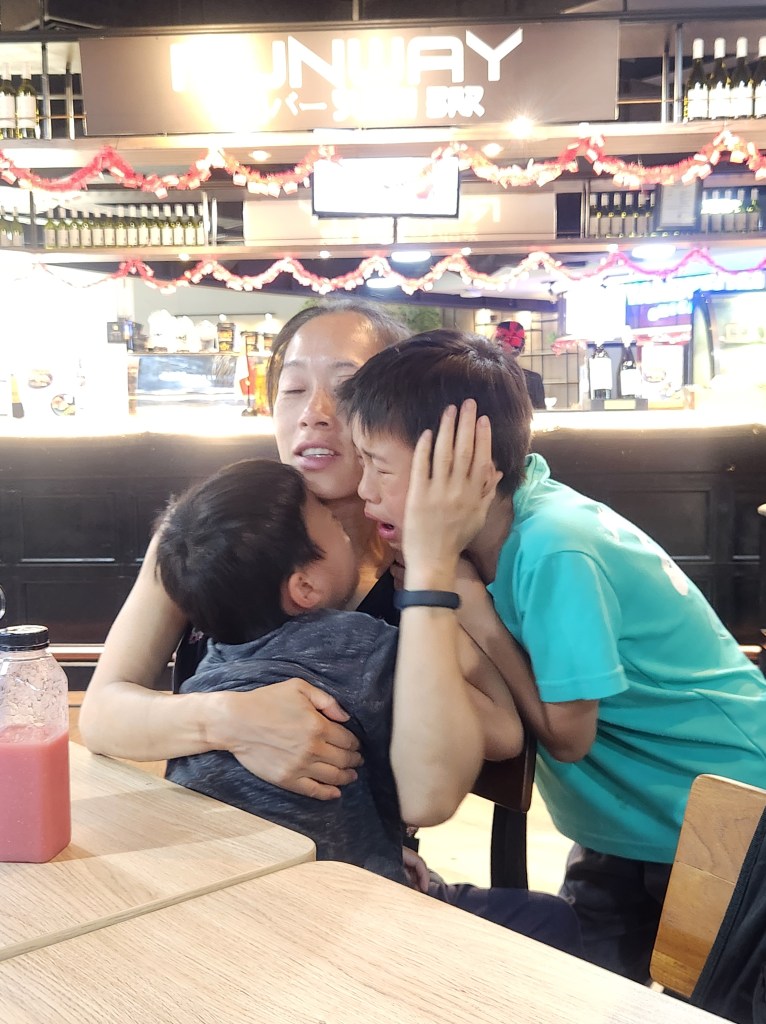
After a week in Bali and 2 months in Taiwan, we parted ways with my SIL at the airport. The boys were devastated. They had such a fun and memorable summer with their aunt, and we are thankful she spent her summer with us. Goodbyes are the hardest part of living abroad, but I don’t think they’ll ever get easier.

Ramblings

Summer 2024 Activities in Taiwan: Zongzi, Fencing, and Monkey King Opera

This summer, Baba’s sister (my SIL) came to Taiwan and stayed with us for 2.5 months. Prior to her arrival, the boys excitedly came up with a list of places to take her around Taipei and beyond. This is one of the few times we get to play host. Since most of our friends and family are from the Bay Area, we never had to take anyone around until we moved here.

Luckily, my SIL was down for everything. Even though we didn’t sign the boys up for any full-time camps, they still had a busy and productive summer! This is just a snippet of the things we did, in addition to Alishan and Indonesia (which I’ll blog about next!).

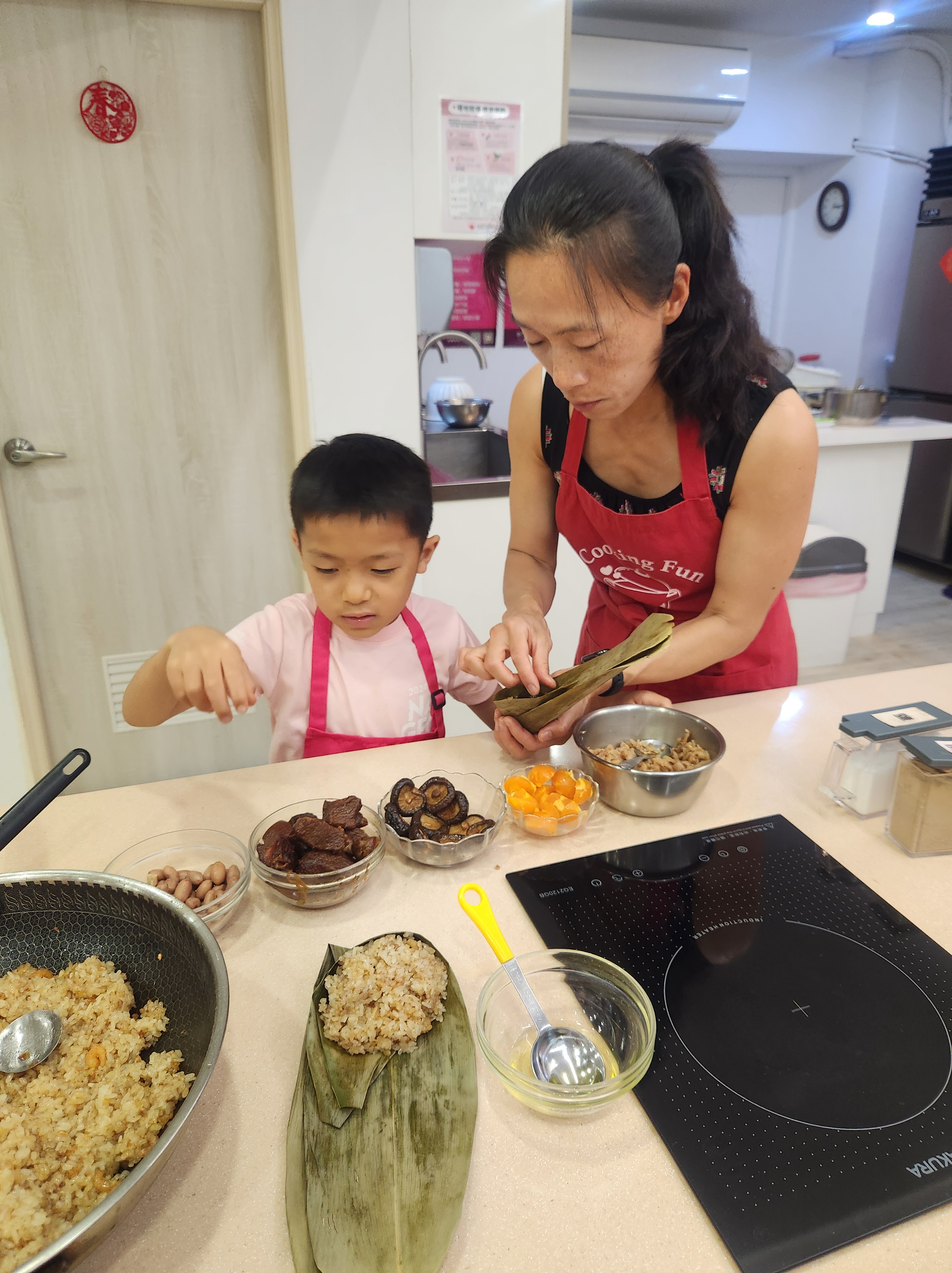
Zongzi Cooking Class. We had such a fun time learning how to wrap zongzi 粽子 at CookingFun Taiwan. At the time, the Dragon Boat Festival holiday had already passed so it was just the four of us in the whole class!

Making zongzi is extremely labor intensive since each ingredient needs to be prepared separately and in advance. The process can take days. Our teacher had already prepared some ingredients for us beforehand, so we were able to make 26 zongzi’s during the 2.5 hour class and take them all home with us!

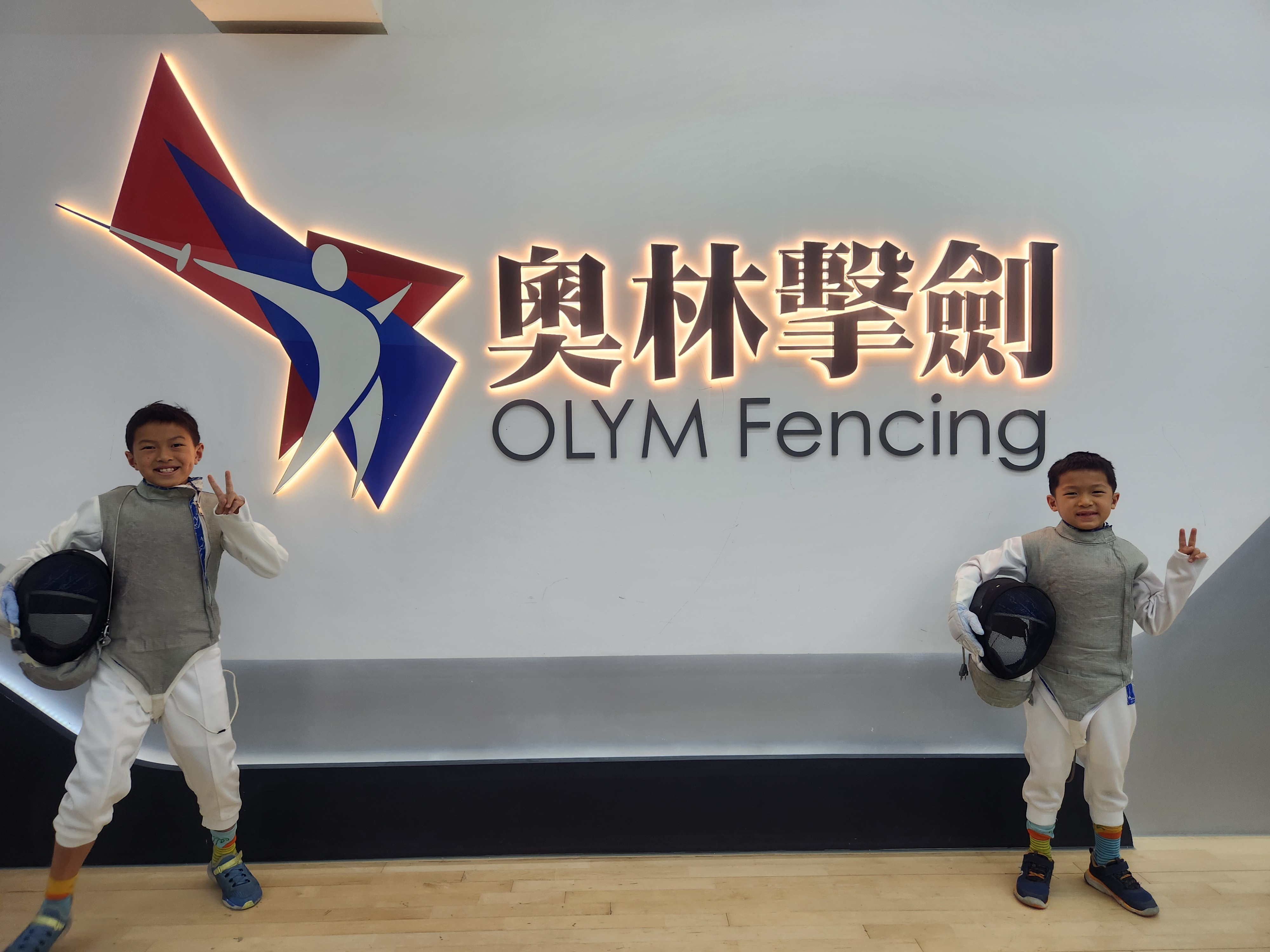
Fencing. Fencing always looked like sword fighting to me so I thought the boys would enjoy it. I found a one-day trial class and signed the boys up. The class was really fun, but it’s quite a journey from our place and I’m not sure if we want to manage another extracurricular during the weekend. But how adorable are the fencing uniforms? 😍

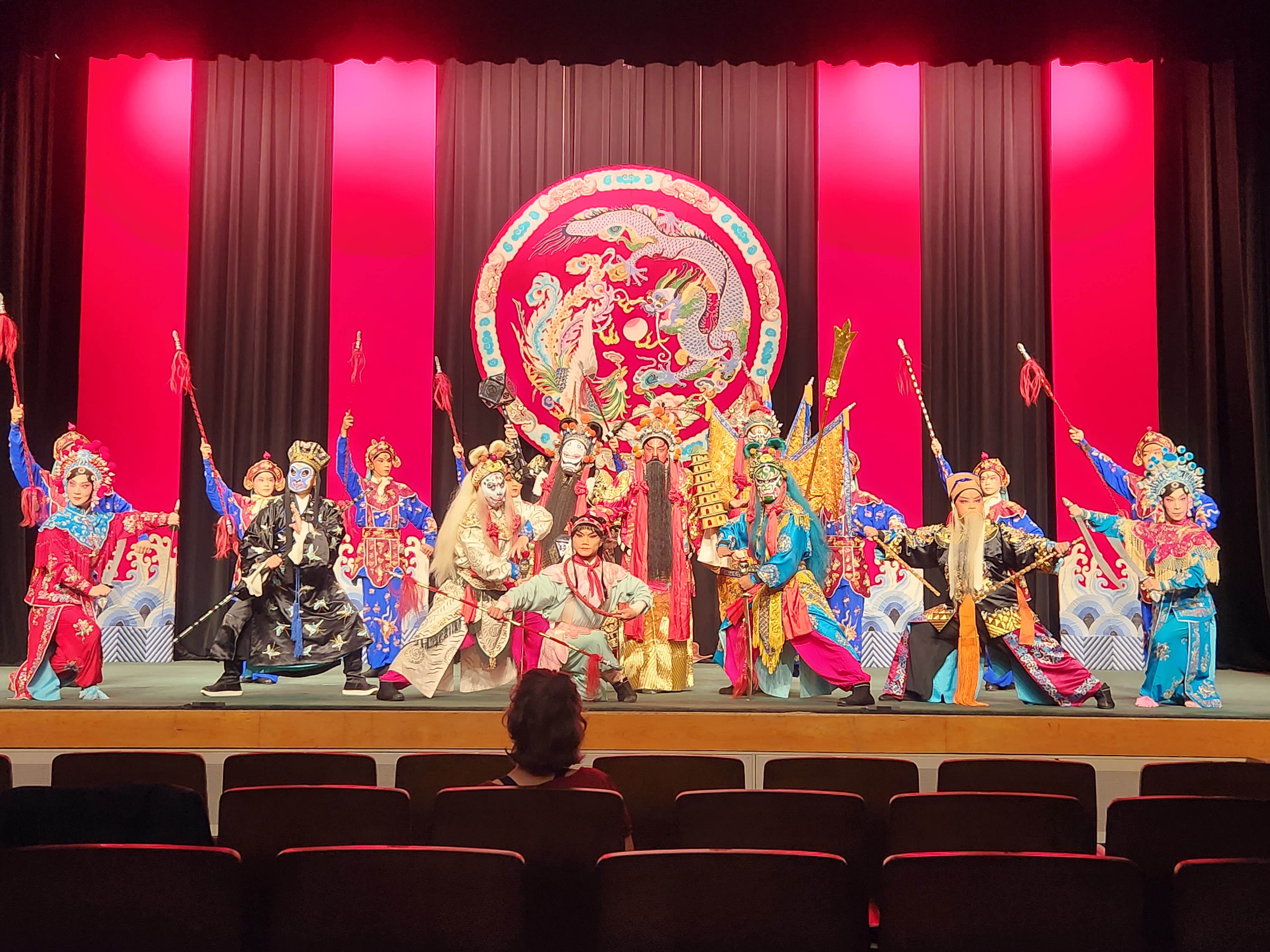
Monkey King Chinese Opera. The Monkey King opera is put on by Taipei Eye Performing Arts. The show was really entertaining but I’m also glad it was only an hour. 😅 While there were English subtitles displayed on the side of the stage, Chinese opera can be rather hard to follow! The pre and post show activities were so much fun. We got to dress up in traditional Chinese costumes, participated in a print-making activity, and even met the actors.

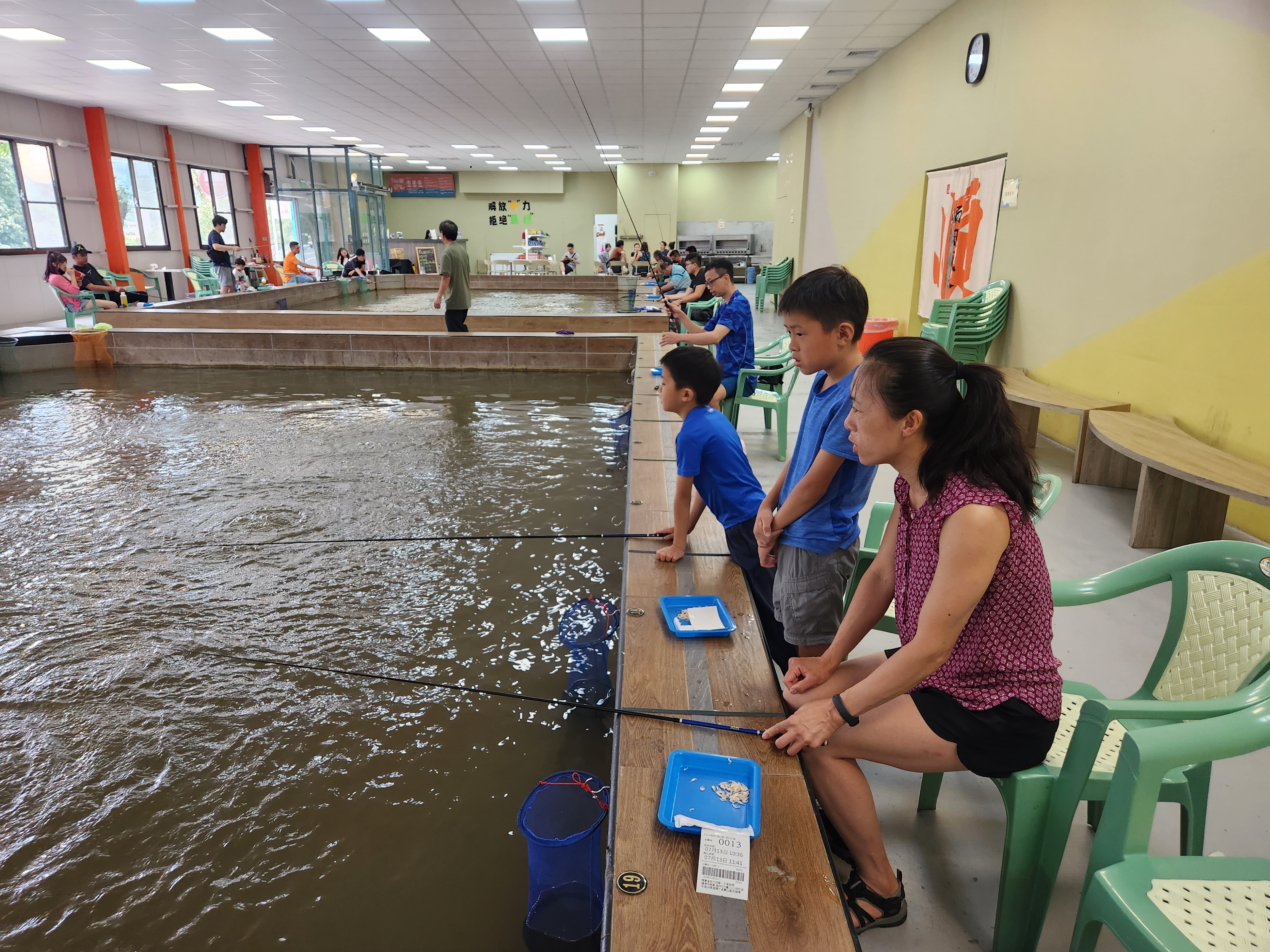
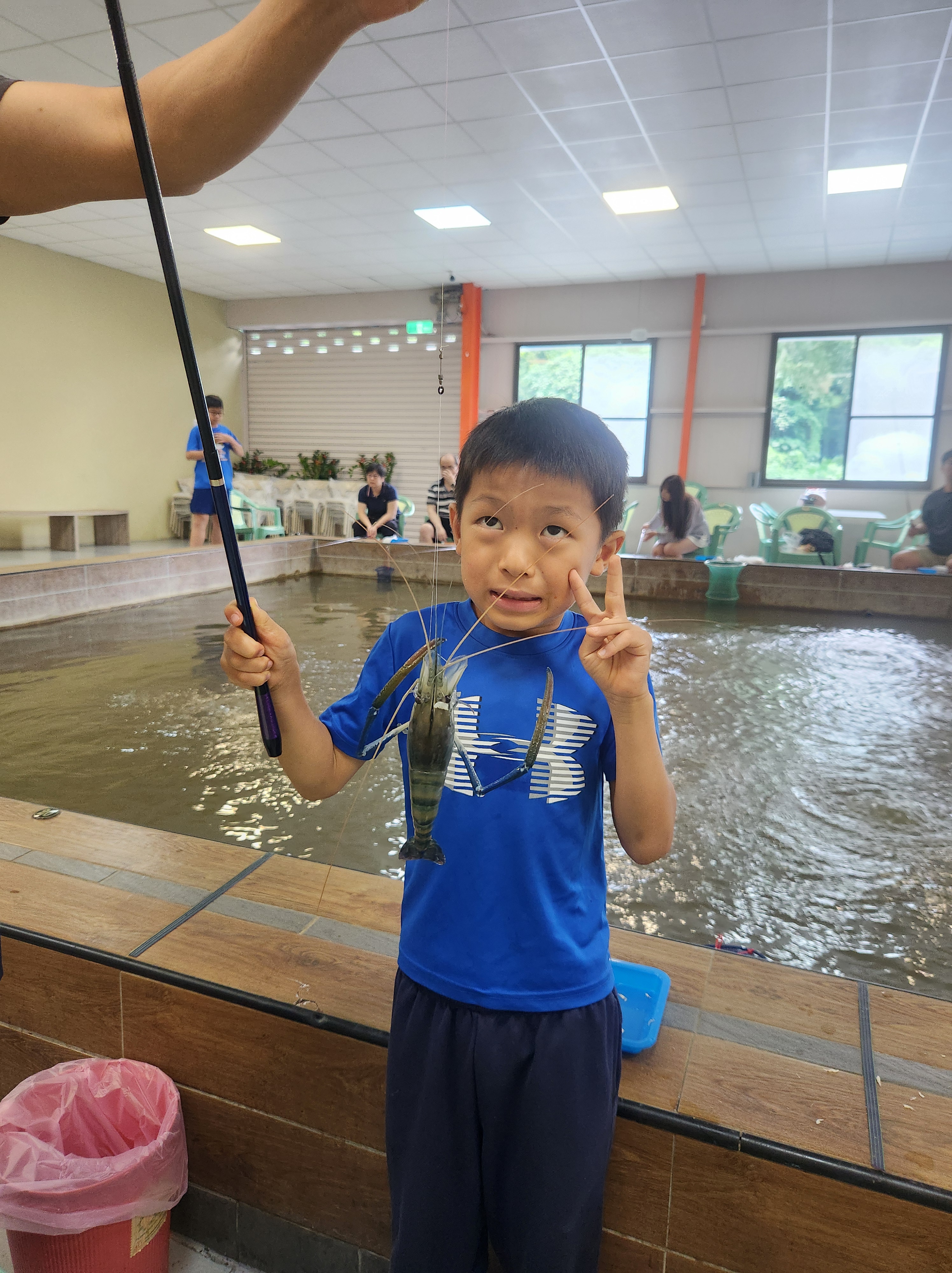
Shrimping. Believe it or not, one of Taiwan’s pastimes is indoor shrimping. You rent fishing rods for about $13 an hour, and can catch as many shrimp during that time. The first time we went, we only caught 5. This time, we caught 9! You can then grill and eat the shrimp onsite. Despite how peculiar this all is, we always get a thrill whenever we catch a shrimp. The shrimp pool we went to this time was called Fun蝦休閒釣蝦場. It was clean, had AC and the staff was kind – highly recommend!

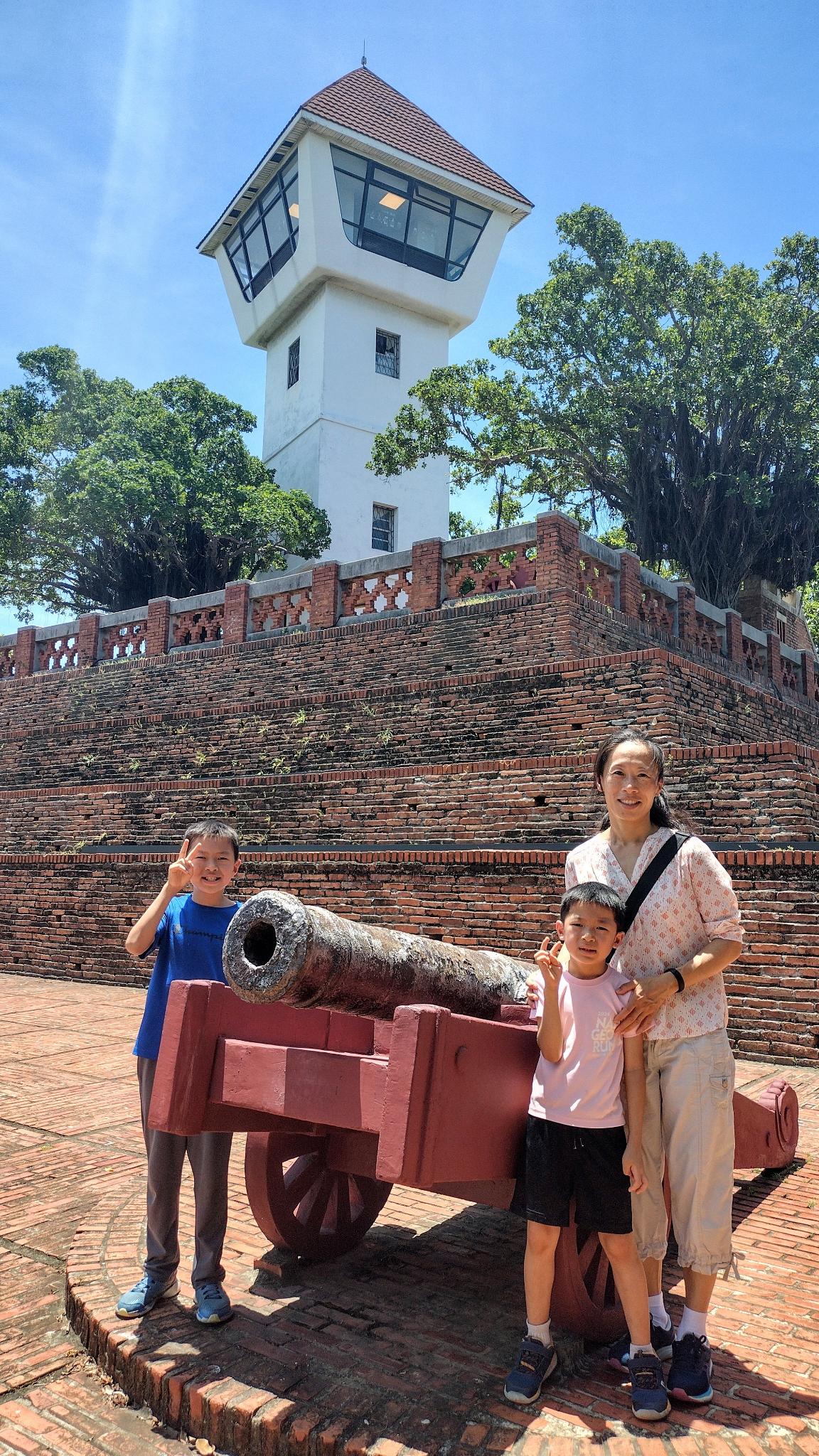
Tainan. Baba and I already took the boys to Tainan last October, but my SIL wanted to visit the city with the boys. They went for 2 nights, which gave Baba and me some much appreciated time off! 😊

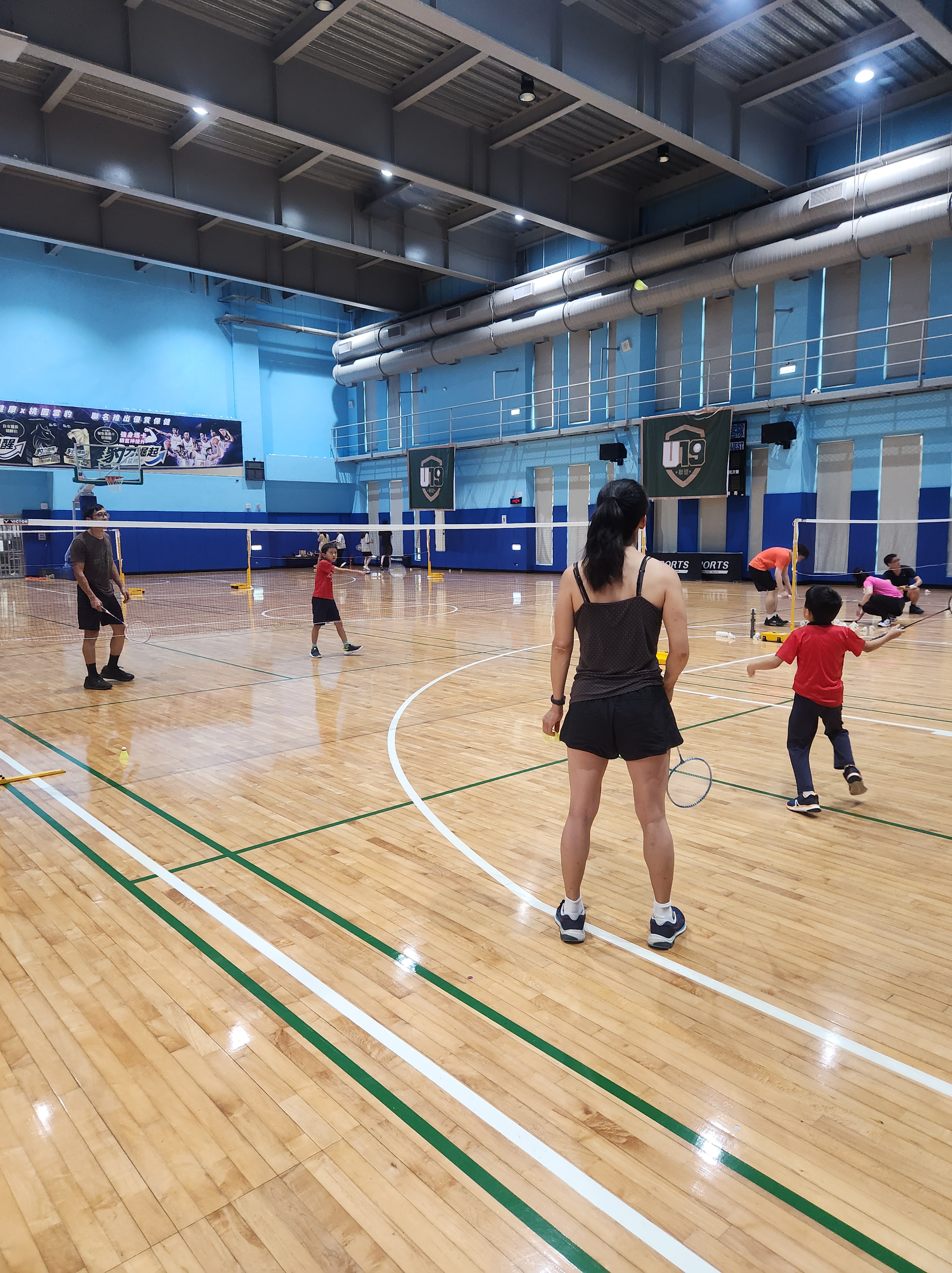
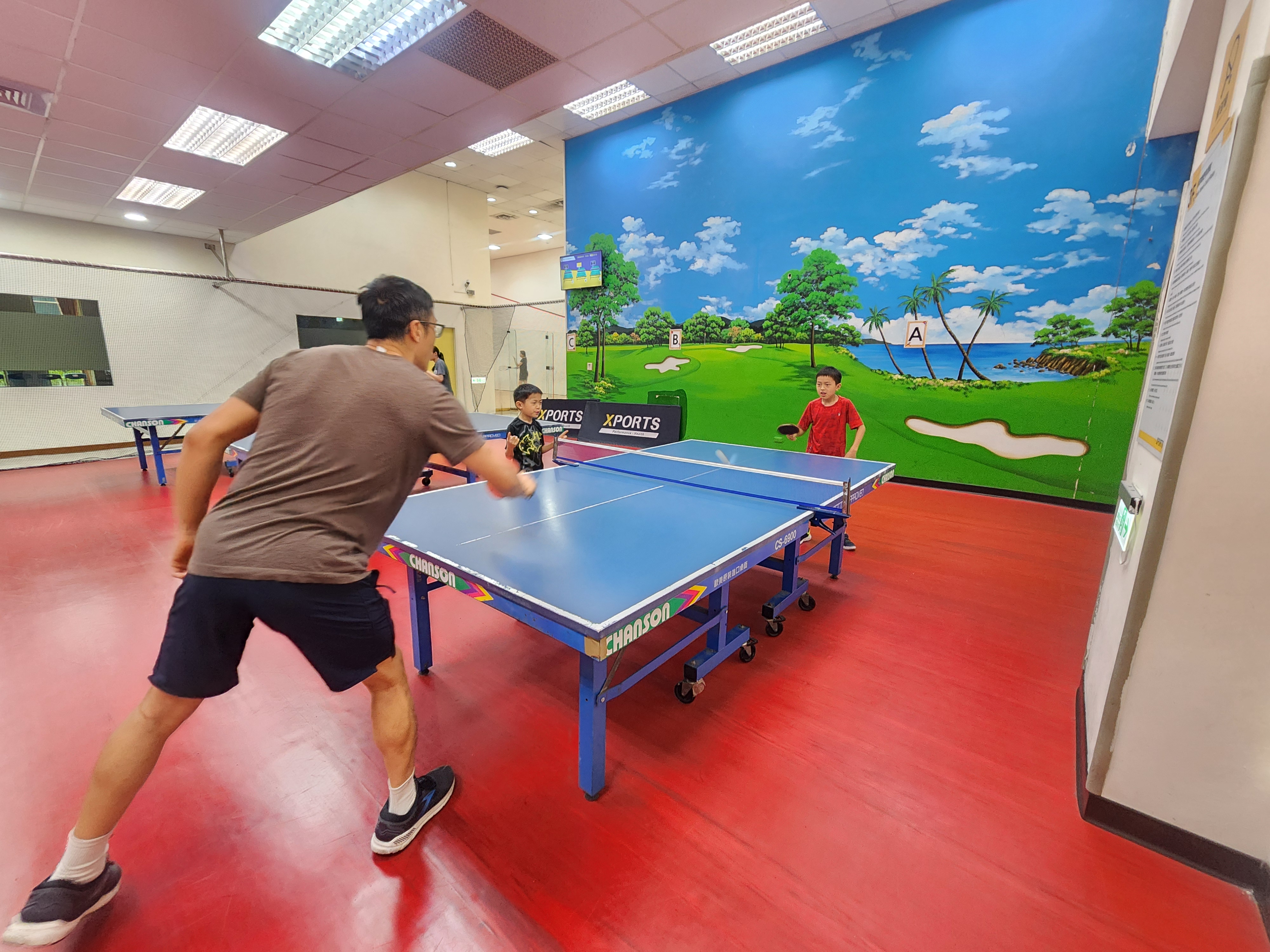
Staying Active. It’s absurdly hot and humid in Taipei during the summer, so we had to find ways to stay active indoors. We played badminton, ping pong, swam, and went to the gym at the nearby sports center. On occasion, we would join a group of visually impaired people at Sun Yat Sen for a run at night. (Ok full disclosure: I did it once and couldn’t stand the humidity but Baba, my SIL and the boys went a few times!)

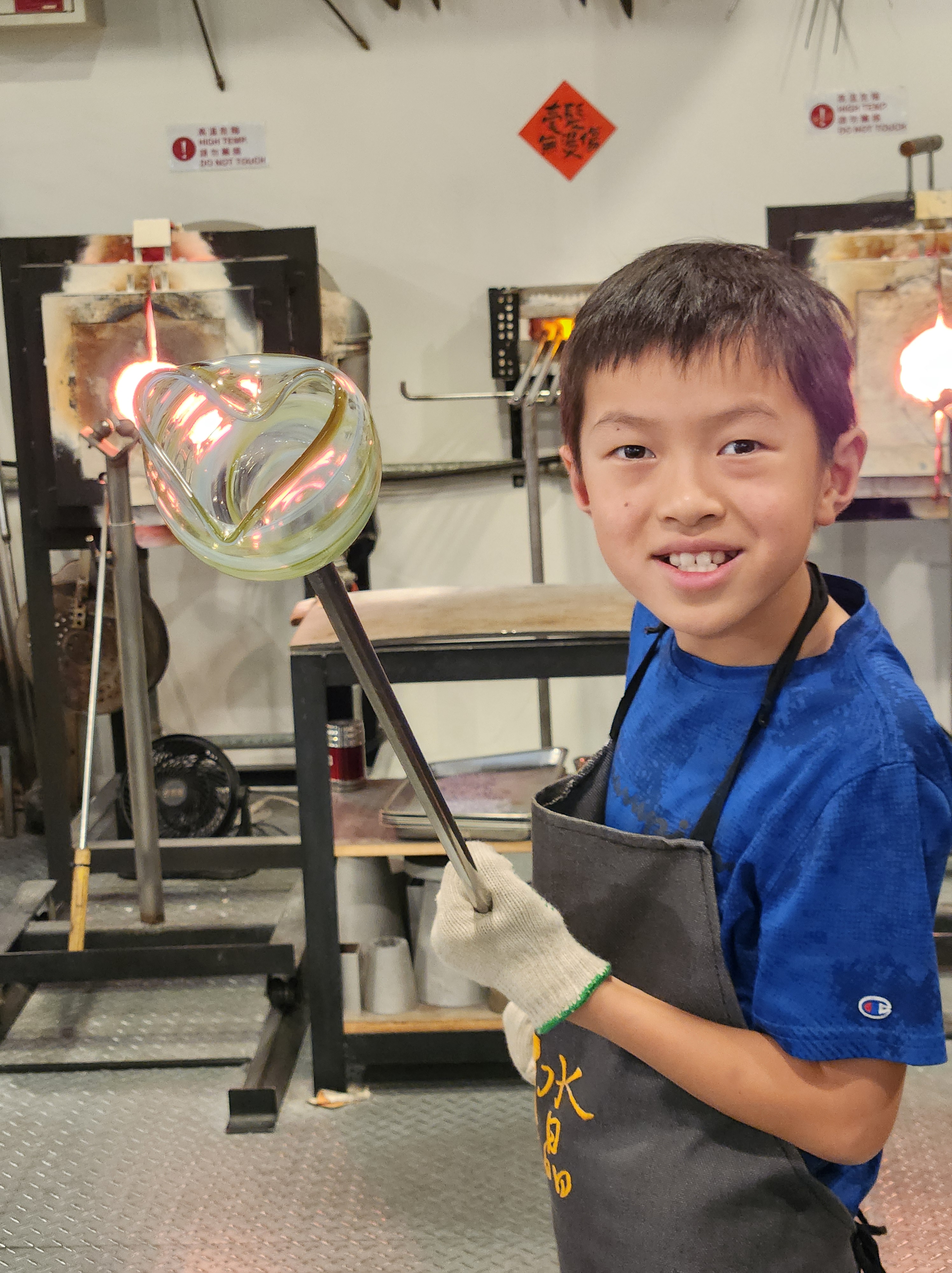
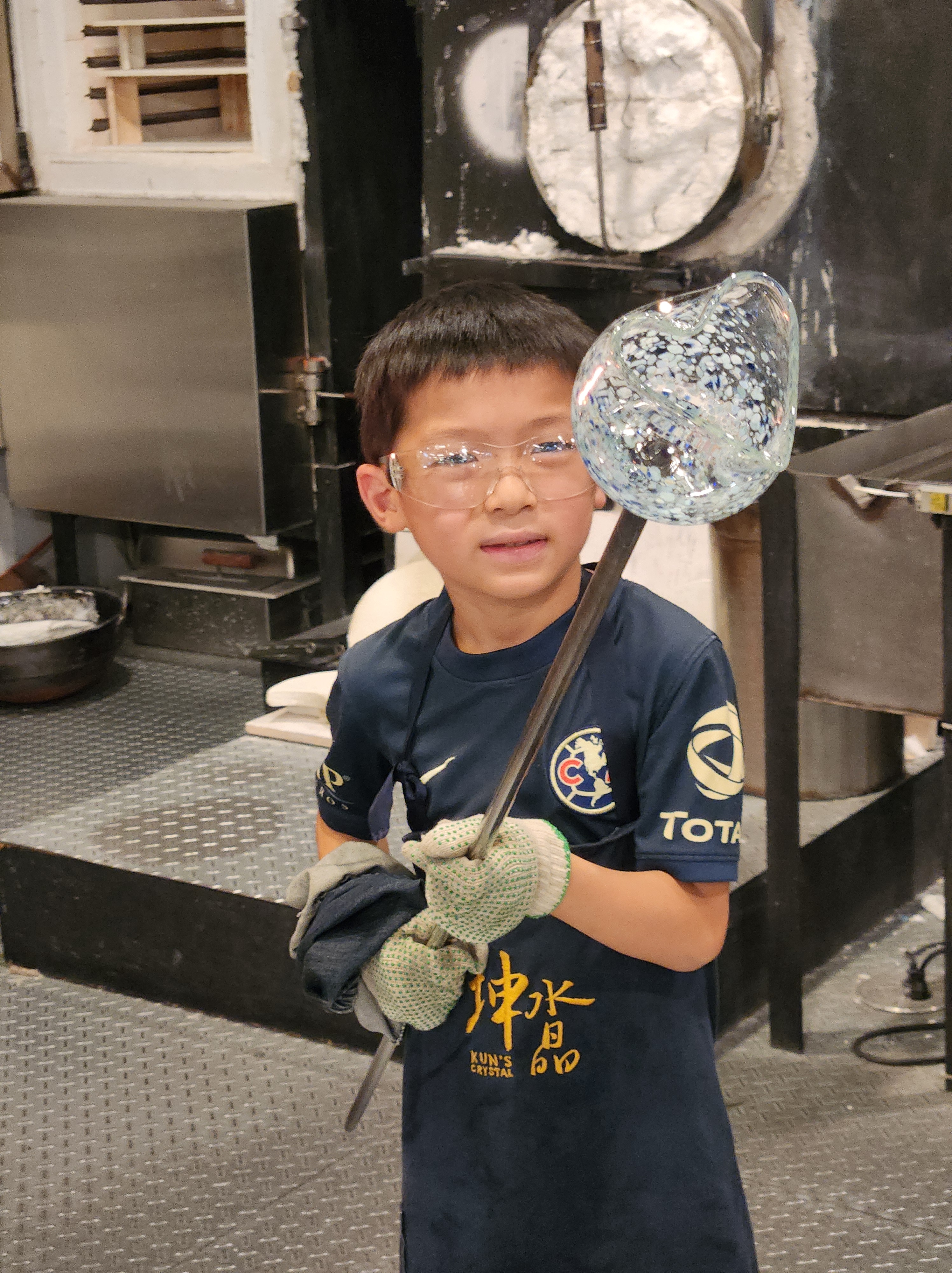
Glass Blowing. It never occurred to me to try glass blowing, but I wanted to find indoor activities to avoid the heat and this popped up on a blog. Guests get to take part in the entire process, from gathering molten glass from the furnace to forming the glass with the blowpipe. It was a fun, educational experience – but didn’t come cheap! Depending on the shape you want to make, the cost can be $30-$100 per person. Initially, we weren’t sure if we wanted to do it, until we realized the same experience in SF would cost around $200! Gotta take advantage of the benefits of living in Taiwan while we can. Our glass blowing experience was done at Kun Crystal.

There were more activities we did but I don’t want this blog to get too long. We had a pretty fun and productive summer, right? Except I’m sure if you asked the boys what we did all summer, they’d say, “Nothing. We just sat at home and played with our tablets.” 😒 Why do I even bother? 😂

Ramblings

Exploring Alishan in Taiwan | A Cool Summer Getaway

Summer is coming to an end, and there is so much to catch up on! I’ll start with our trip to Alishan 阿里山 back in July.

Alishan is one place I had always wanted to visit in Taiwan. Known for its lush greenery, tea trails, and forest railway, Alishan is a wonderful escape from the big city (and heat!) in Taipei. Since my SIL was visiting for the summer, we all took a 3 night/4 day trip to the area.

We first took the high-speed rail from Taipei to Chiayi Station. From there, you can take the historic newly-reopened Alishan Forest Railway directly to Alishan, but tickets are hard to come by. So, the alternative is to take one of the many buses to Alishan, which can take about 1 hour and 45 minutes to 2 hours, depending on whether you want to stop at any of the smaller towns near Alishan. We did not have to book bus tickets in advance and simply paid the fare with our Easy Card on the bus.

Since we had time, we decided to stop by a small town called Fenqihu 奮起湖 for 1 night before making our way to Alishan. We stayed at the Fenqihu Hotel located in the center of town. We immediately noticed the temperature difference between Taipei and the Alishan area after stepping off the bus. While Taipei has been in the 90s everyday plus humidity, Fenqihu was a cool, breezy 75°F. We were so thankful to be spared from the heat!

Fenqihu is popular for its bamboo forest and (weirdly) their bento boxes. The bento boxes were quite tasty, generous in size, and cheap! Each bento was about $4 and came with bottomless seaweed soup.

We had low expectations for good food in this little town, but we surprisingly found some incredible cronuts and aiyu jelly 愛玉, which is a refreshing jelly dessert made from fig seeds. The jelly is topped with ice and lime juice, making it a perfect summer treat.

Fenqihu is also popular location to see fireflies at night. Our hotel offers nightly tours to see fireflies but because of the rain, we weren’t able to see too many.

After Fenqihu, we took a 30-minute bus ride to Alishan, where we stayed for 2 nights. Our hotel was Chinshan Villa. I loved Alishan! I’ve always been a city girl, but being surrounded by mountains and lush green forests is just so calming. The air in Alishan is ten times cleaner and fresher than Taipei’s too. The park itself isn’t huge so you can do all the hikes within 2 days with time to spare. None of the hikes were particularly strenuous, so it’s great for all fitness levels.

Even though we weren’t able to get tickets for the historic Alishan Forest Railway, you can still ride the train within the park. In fact, I think the trains that run within the park are even better because they use the old wooden carriages (while the trains from Chiayi are more like commuter trains). The trains look gorgeous against the landscape of Alishan!

A popular thing to do in Alishan is seeing the sunrise. We woke up at 3am, rode the train up to the mountain peak and waited for the sunrise. It was beautiful, but not sure if it’s worth sacrificing my beauty sleep. 😅 The early morning was also extremely cold, so the boys had to wear Baba’s clothes and I had to rent a jacket from our hotel. Baba just braved the cold. 😂 Apparently tourists often underestimate the temperature drop in Alishan!

Alishan is probably the most well-respected producer of teas in Taiwan due to its altitude and weather. As a lover of teas – but I’m in no way a connoisseur! – I went with my SIL to do some tea tasting. The most interesting fact (or perhaps belief?) we learned is that tea does not have any long term health benefits! Instead, the tea master we met said it’s merely the lifestyle of tea drinkers that could contribute to longevity, which includes socializing with friends, drinking lots of fluids, etc. Still, my SIL walked away with a few bags of oolong teas. 😊

Before heading back to Taipei, we made a quick stop at another town called Shizhuo 石桌, known for its tea plantations. Shizhuo, along with Fenqihu and Xiding, are the three most common towns to stay at on the way to Alishan. We got to Shizhuo by the bus enroute to Chiayi.

Seeing the neat rows of tea plantations was lovely but we didn’t realize how hot it was in Shizhuo. The hikes were all uphill and after about an hour, we were sweating buckets and ready to go home.

We were prepared to take the bus back to Chiayi Station to catch the high-speed rail, but a taxi driver offered us an unbelievable deal ($16 for a 1 hour drive back!) so our tired bodies eagerly hopped on the cab.

I can see why Alishan is such a popular destination for locals and tourists alike. The scenery is beautiful everywhere you look. Apparently it’s even more beautiful during cherry blossom season, where trails and railways are flanked with blooming pink flowers. I can only dream of seeing that one day!

Ramblings

Lessons Learned from Taiwan Public Schools: One Year Later

Hours and hours of homework everyday. Tests each week. Instruction based purely on rote memorization. Berating from teachers.

These were the kinds of “horror” stories I read about Taiwan public schools before coming here. I mulled over our decision to send the boys to a public school, but ultimately agreed with Baba that it’s probably the best way for them to learn the language and culture.

Now that we’ve gone through one year in a Taiwan public elementary school, I can say that while some of the stories are true…it also isn’t nearly as bad as I imagined? Above all else, the boys learned many valuable lessons through this experience.

Time Management. Yes, there is homework everyday. O (1st grade) gets about 15-20 minutes of homework on average, while C (3rd grade) gets about 1.5 hours each day. Even more homework is assigned on the weekends and long holidays. On top of this, there are tests every week. Then the boys have extracurriculars and additional tutoring in math and English (from Baba and me).
This is a 180° from our life back in San Francisco. But with this shift, C and O have learned a lot about time management. They know to do homework when they come home. They know to ask Baba or me to double check their homework. When there is an upcoming test or more homework than usual, we strategize how to tackle everything. We complete the homework on Friday, then we spend Saturday and Sunday reviewing for the test. Yet through all of this, they never seem daunted by the workload.

C’s homework assignment book. He makes a habit of checking off assignments he’s completed.

How to Study. I honestly didn’t know how to properly study until college. I used to aimlessly flip through my textbooks and call it a day. 😅 In Taiwan, teachers make students correct errors on homework and tests (訂正). So when it’s time to prepare for an exam, we’d review the problems the boys got wrong before doing new practice problems. In reading comprehension, they both know to preview the questions first before reading the passage so he knows what to look for. If they write a character incorrectly on at practice test at home, they know to write it again three times for me, just like they do at school. Education is taken very seriously in Taiwan and I think this principle has rubbed off on the boys.
Facing Challenges. The task of learning a new language is a challenge in and of itself, but the overall curriculum in Taiwan is more challenging than what we had in the US. O had to learn 10+ vocabulary words each week, including how to write the character and their definitions. C, for example, learned geometry and started using a protractor and compass. In science, C learned about magnetic fields and plant biology. On top of generally harder coursework, remember that everything is also written in a foreign language.
The boys started off not understanding anything in school. But day by day, they showed up to school without feeling discouraged or defeated. And in just one academic year, they have not only adjusted well at their new school but more importantly, learned that they can take on any challenge.
O’s first day of school and not understanding a single word. 😂

However, I would be remiss if I didn’t mention the factors that played into our mostly positive experience in a Taiwan public school. First, we never put any pressure on the boys. We just want them to try their best and if they end up failing their exams, that’s ok too. Second, we were lucky to find a school and teachers that have been supportive. Our school is known to be less intense than other nearby schools. We were also lucky to find a great tutor to help C with his homework. But I think the most important factor is C and O’s personalities. They are generally carefree, easy-going, can make friends easily and are at an age where they can still quickly adapt. When things get tough, they shrug it off and move on. Their resilience never ceases to amaze me.

Are Taiwan public schools the best fit for our family in the long run? Probably not. Like I mentioned, there is some truth to the stories you hear about schools here. Much of the curriculum is based on rote memorization, with homework and tests getting more and more intense in the upper grades. It’s not for everyone. And since we want to eventually move back to the US, we want C and O to hold on to values that are important for their growth in the future – things like creativity, project-based learning and critical thinking.

In the meantime, we are happy here and could not have asked for a better experience. The boys even said they like school in Taiwan more than in the US. 😶I always remind C and O how lucky they are to be able to go through two very different education systems that will only enrich their life experiences.