Ramblings

Becoming Bilingual

Before coming to Taiwan, the boys had minimal exposure to Chinese. They took several online classes (inconsistently) and went to an after school Chinese program that had only one hour of language instruction each day. We tried to supplement with Chinese books and shows at home but both boys showed little interest. We also spoke English exclusively at home because I was not confident in my Chinese at all.

After almost one year of public schooling in Taiwan, two things have proved to be true:

  1. Kids are truly like sponges!
  2. There is no better way to learn a new language than in an immersive environment.

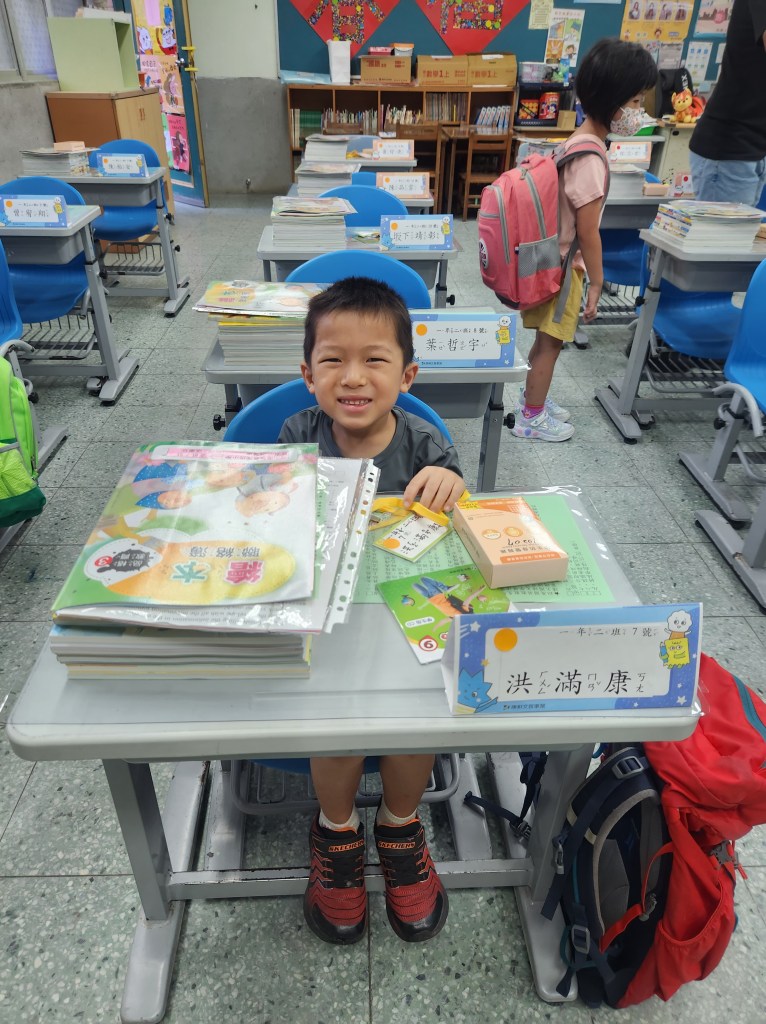
At the start of the school year, I had trained both kids to introduce themselves in Chinese (their name, age, where they’re from), but that was pretty much all they could say. They could not understand what was going on in class and had to depend on classmates and teachers to help them translate. C could read/write a few characters, but O could barely remember to write his name in Chinese.

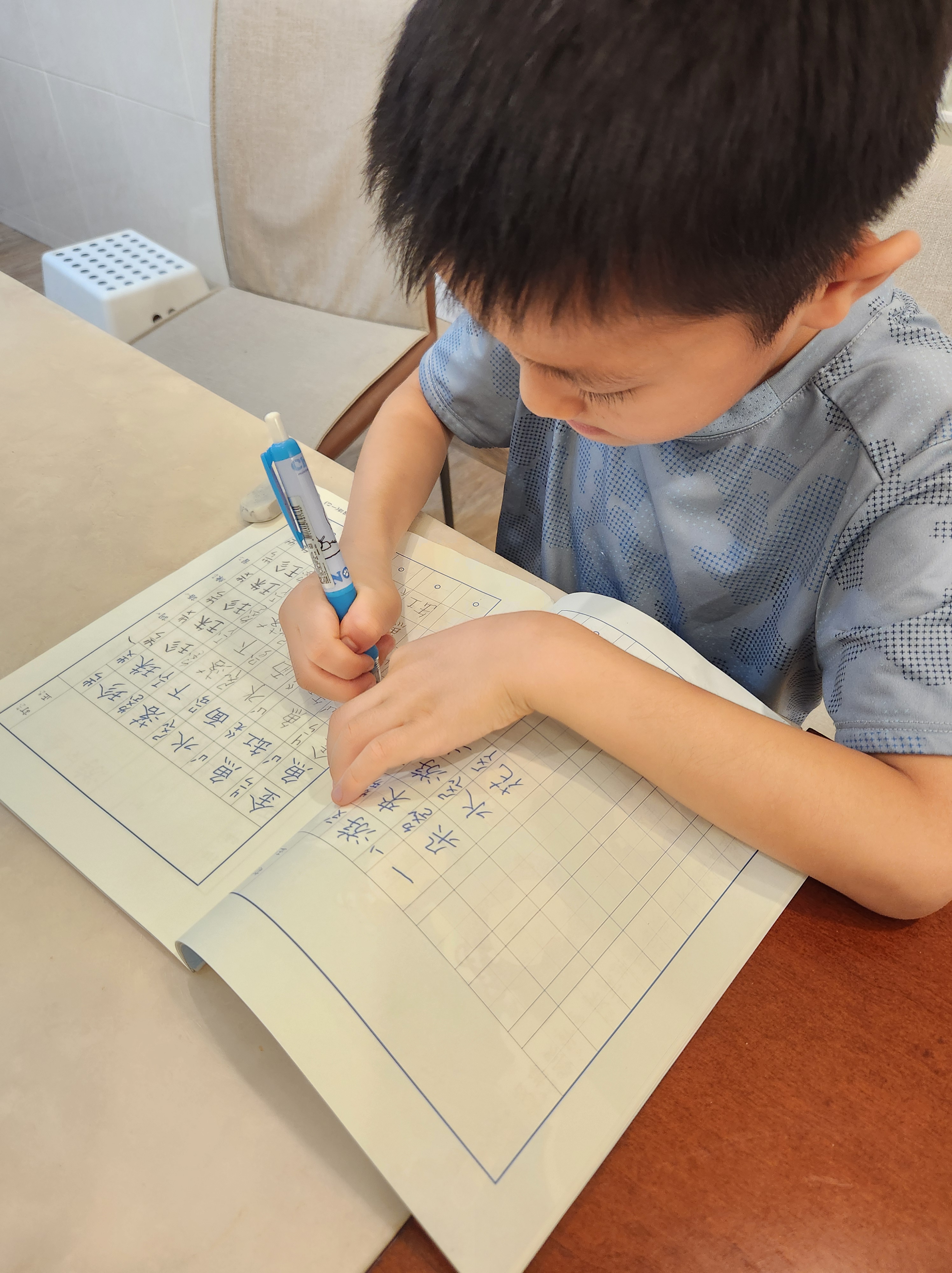
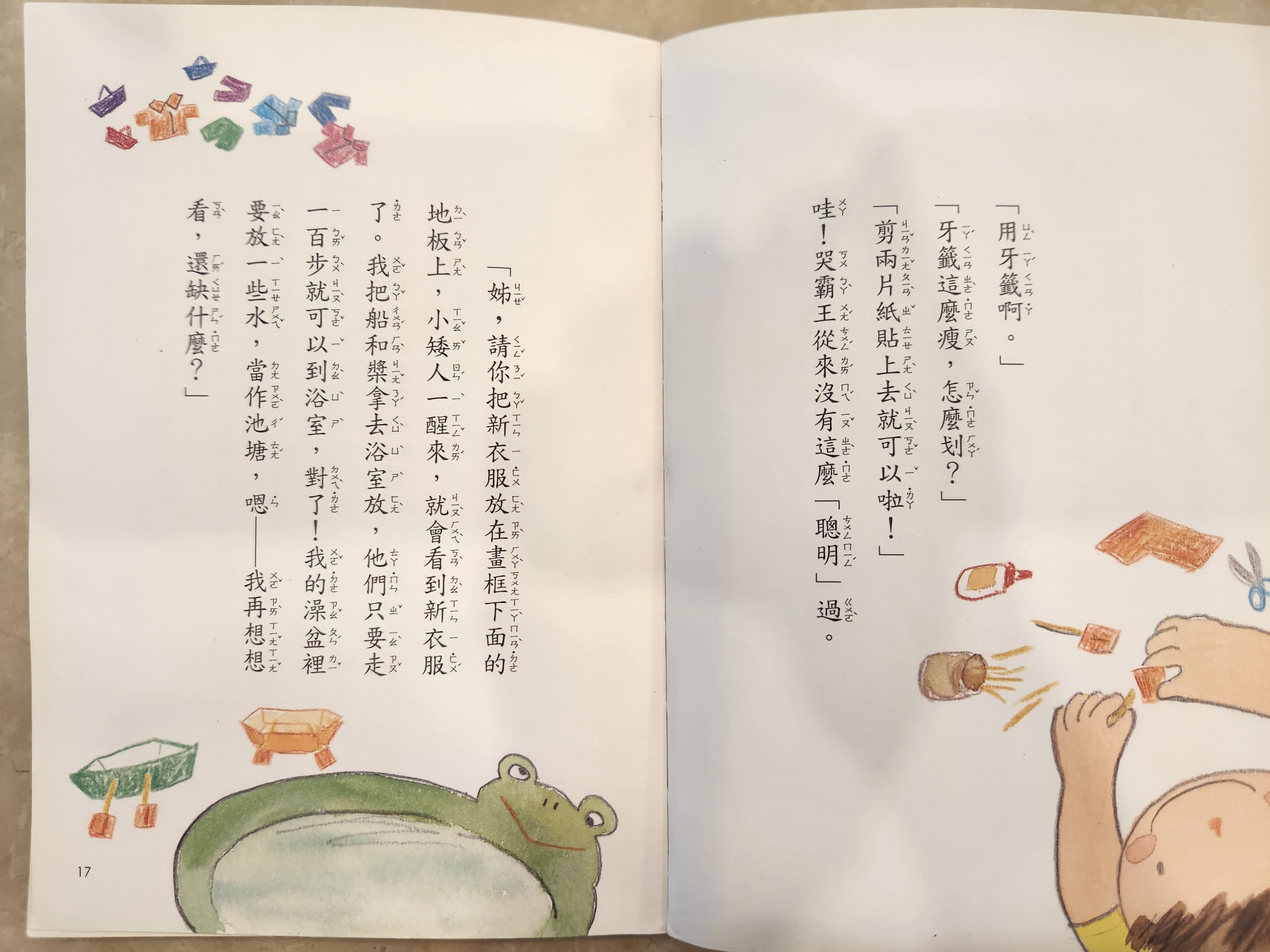
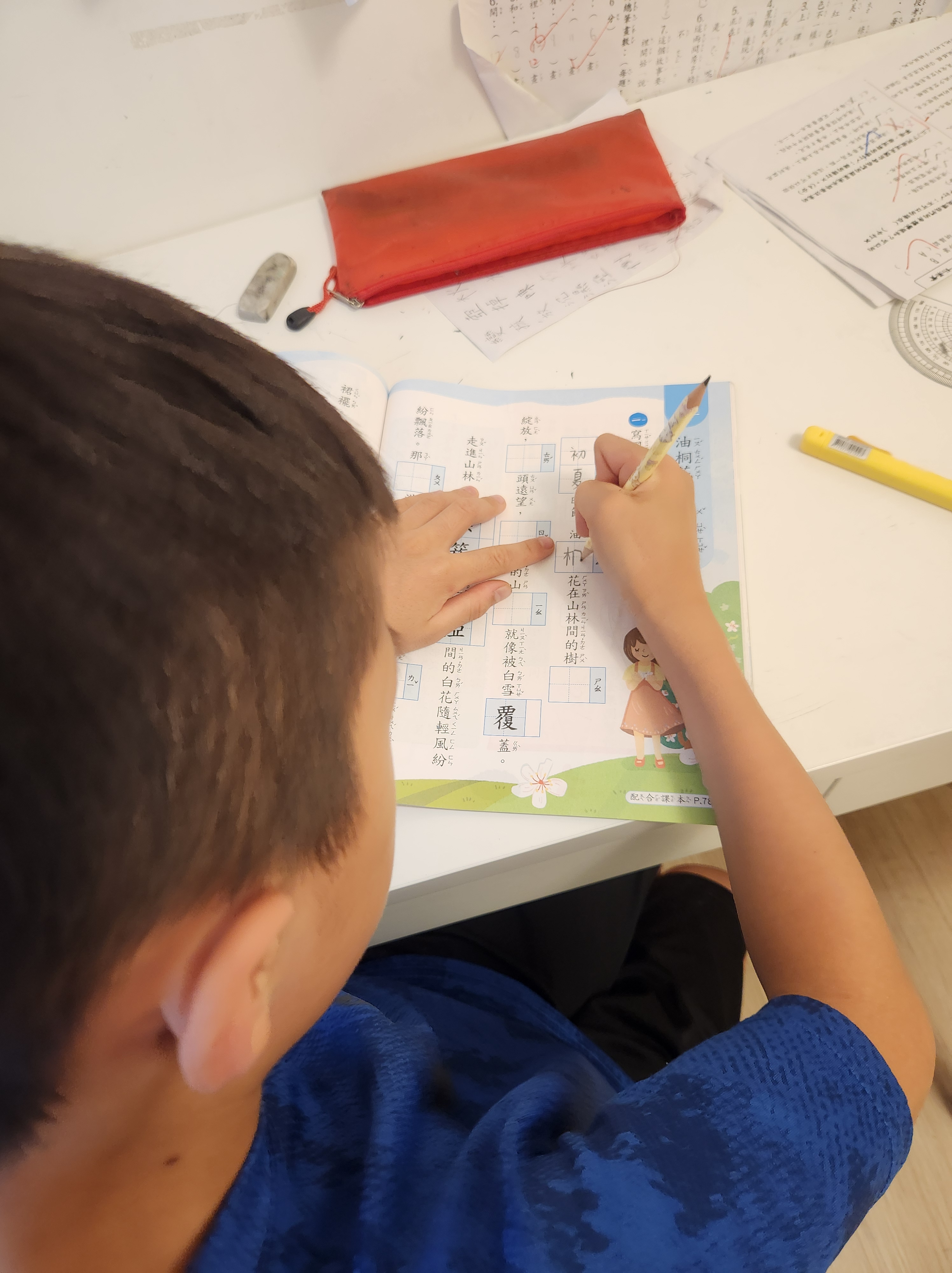
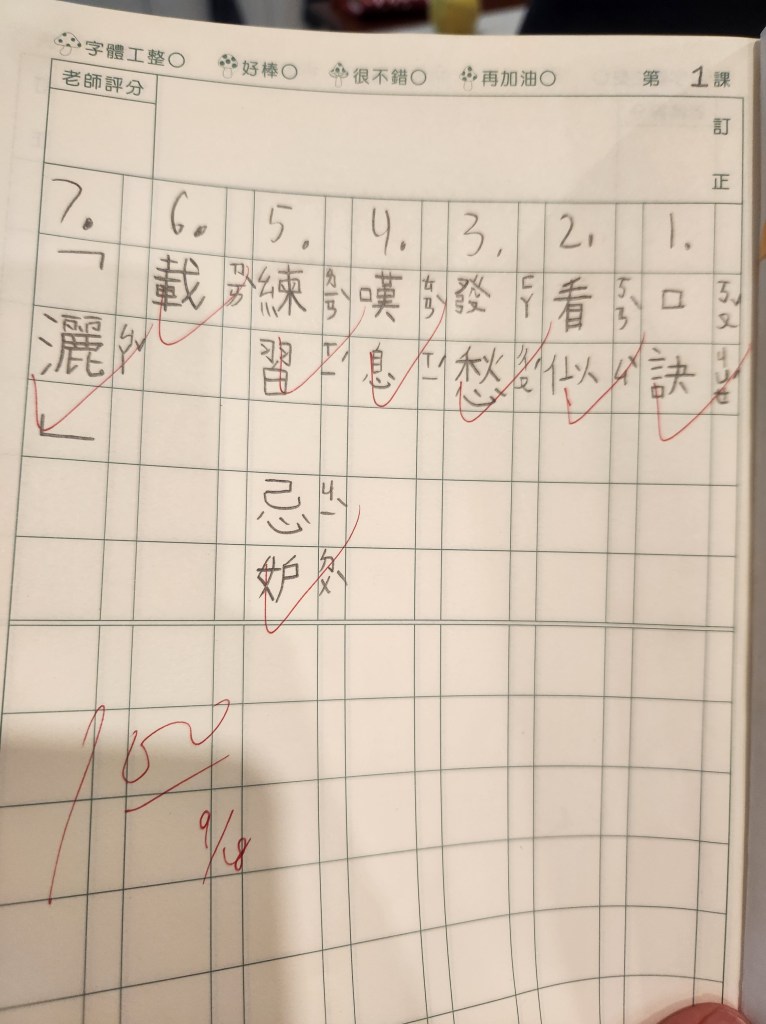
Flash forward to nine months later, C and O can understand their teachers, chat with friends, and read/write basic Chinese. O can do homework all by himself, from reading the problems to writing the answers. O’s teacher no longer needs to translate for him, and he still gets good grades on his tests and homework. With the help of zhuyin, O can also read a lot of text (see below for one of his assigned reading books) though he probably only understands 60% of it at this point.

C’s homework is a lot more challenging, but he can often complete more than half of his assignments by himself. (The rest is with his tutor’s help.) The fact is he is able to read, understand and answer difficult problems in Chinese is already a huge improvement from nine months ago. What I’ve noticed about C is that he’s able to retain information better as well. Almost every week, there is a dictation test on new vocabulary at school. At the beginning of the school year, I would help him study and man, it was a struggle! He would maybe get 20% right on the first try. Now, we wouldn’t really need to practice and C would still get almost every word correct.

This is why an immersive environment is so helpful when learning a language. In the US, both boys were SO resistant to doing anything in Chinese because it wasn’t the norm. Family and friends there all spoke English. Here, their friends speak only Chinese. Their teachers speak only Chinese. Everywhere they go, people speak only Chinese. If they want to watch TV, it will be in Chinese because there’s no other option. In this sink or swim environment, they learned they had to swim.

It’s been amazing witnessing C and O’s progress. I love hearing them talk in Chinese; it’s like reliving the time when they were toddlers first learning how to speak. As much as I am amazed at how quickly they’re learning, I am also incredibly proud of their attitude. They never once complained about not understanding anything, or all the homework and tests at school. They never seem frustrated when they have to read an entire page of Chinese, or have to write pages and pages of characters.

C and O are not fluent (I think my Chinese is still better than theirs 😅) and I honestly don’t expect them to be. But what I hope they’ll extract from this experience is that they can learn and do anything with patience and grit.

Ramblings

Tainan: A Trip of Gluttony

(Long overdue post! We went to Tainan back in October 2023 but just now decided to blog about it. 😅)

Tainan is Taiwan’s old capital, and one of Taiwanese people’s favorite vacation spots due to its delicious traditional food and historic architecture. We decided to travel there during Taiwan’s Double Ten Holiday 雙十節, when the boys had a 4 day weekend.

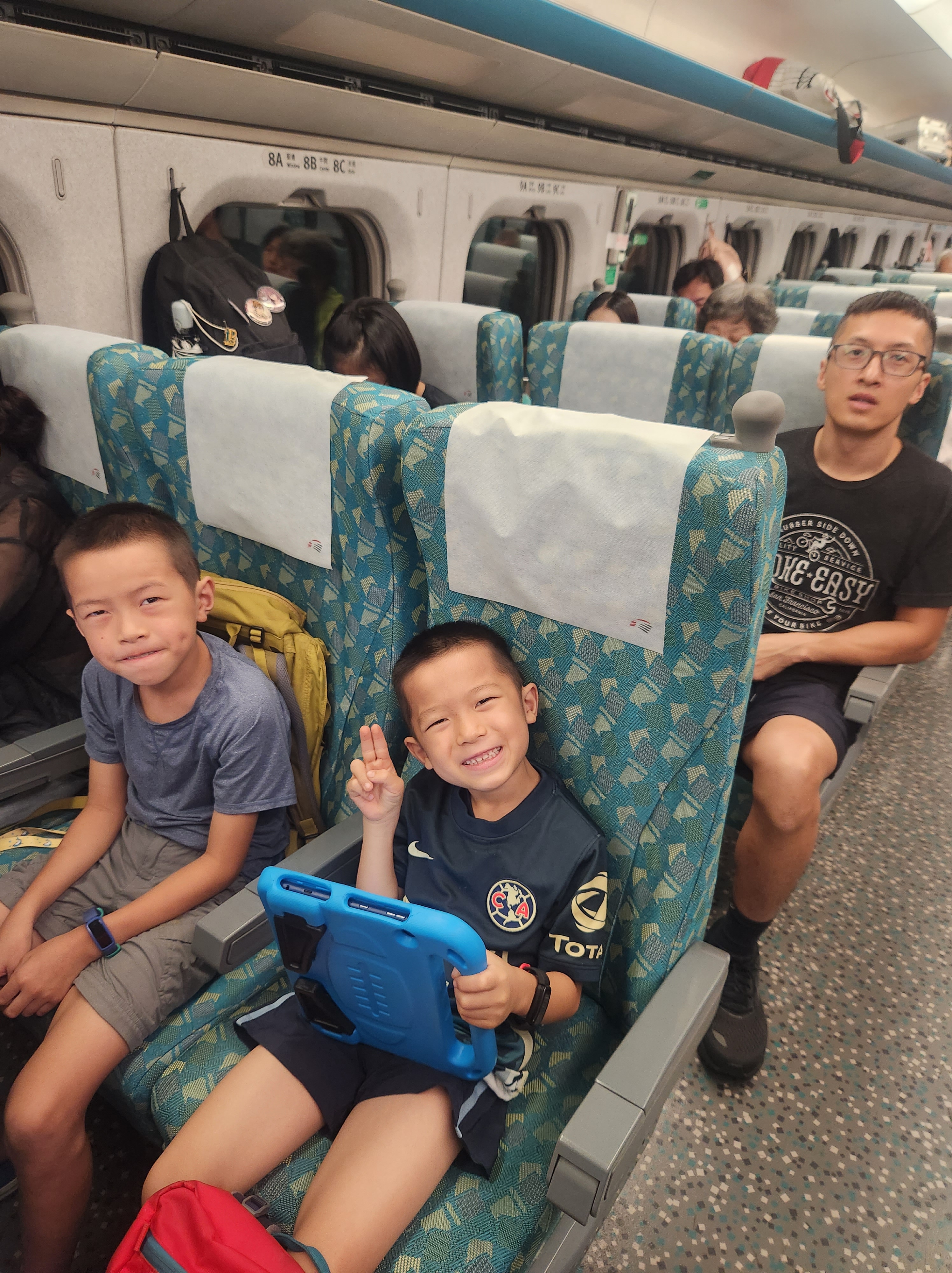
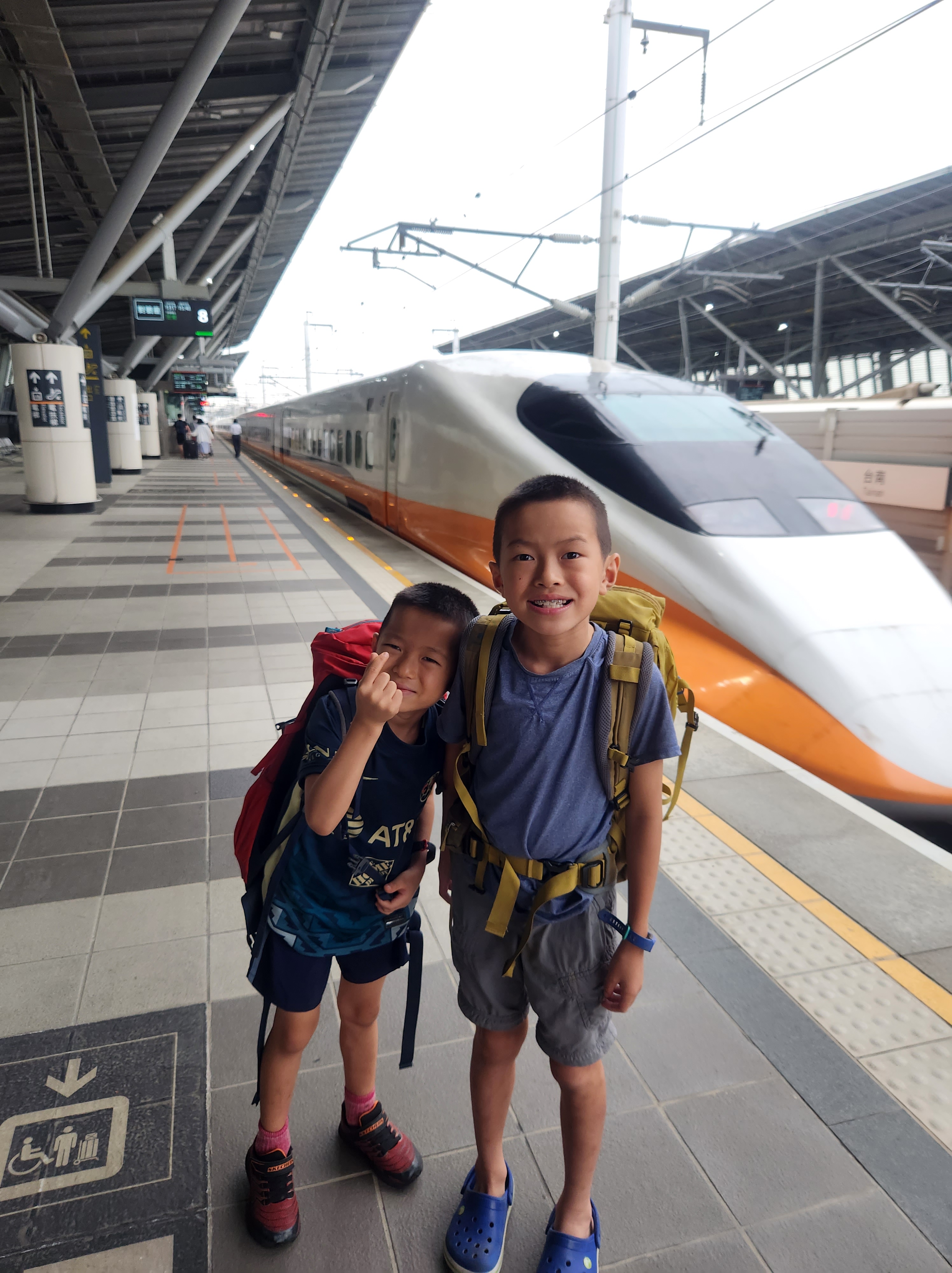
We took Taiwan’s high-speed rail which was super convenient, clean and efficient. After booking our tickets online, we printed them at 7-11. On the day of departure, we took the MRT to Taipei Main Station, which is connected to the high-speed rail. Within 2 hours, we arrived in Tainan!

We stayed in the West Central District of Tainan in a quaint Airbnb located on top of a café. We literally had to walk through the café, go up the stairs to the attic to get to our Airbnb! It was an unusual place to stay but the location was great. A lot of people warned us that we’d need to rent a car to get around, but we never felt the need to because our Airbnb was so central.

Tainan is famous for traditional Taiwanese food, so let’s first talk about the food! As soon as we arrived in Tainan, we hit up several restaurants.

(From left to right, top to bottom)
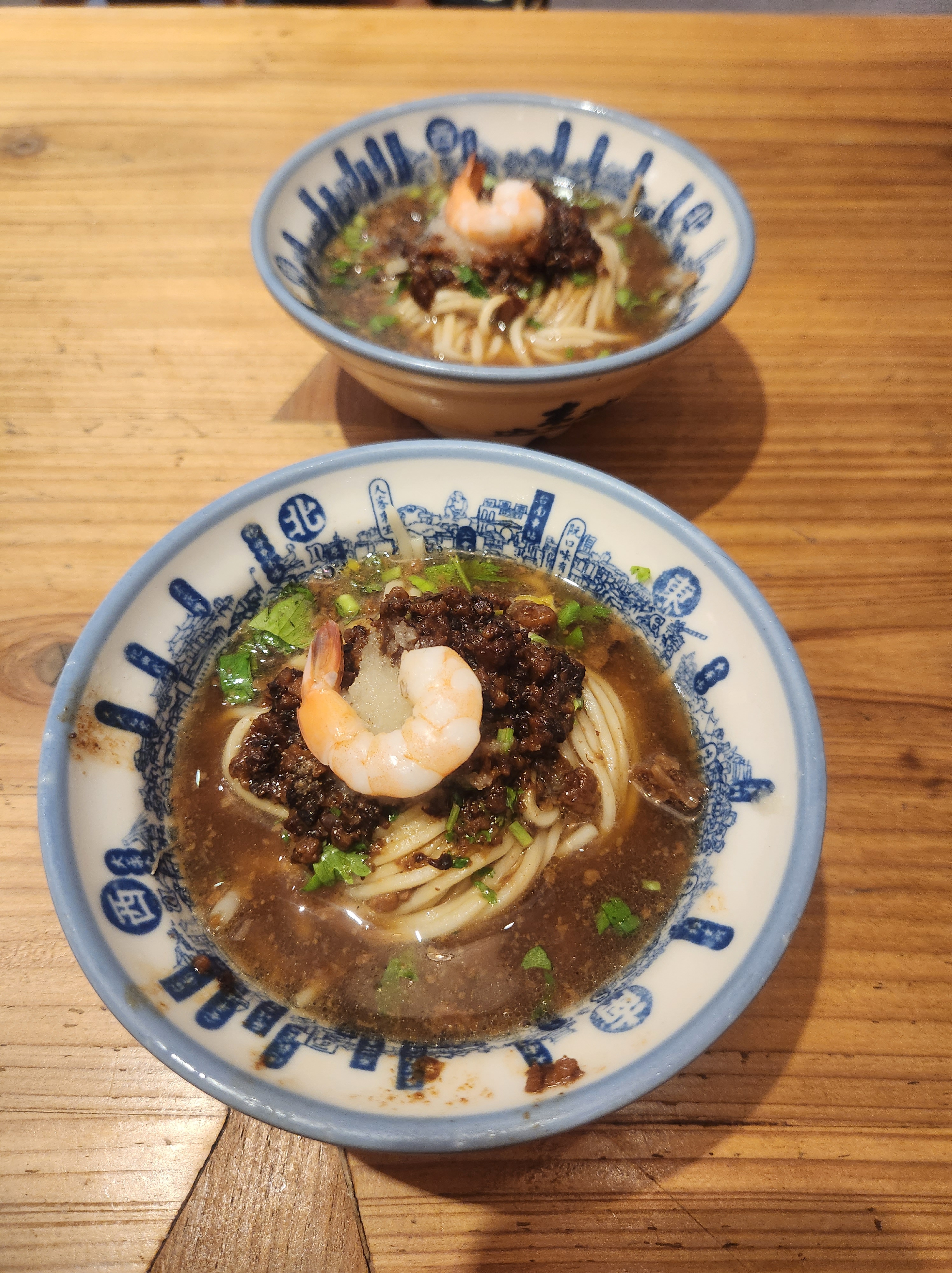
Danzai Noodles 擔仔麵: This is a popular snack in Tainan that’s made with wheat noodles in shrimp broth, garlic and topped with marinated pork. The portion is tiny, so it’s more a snack than a meal. It was delicious and we gobbled both portions up!

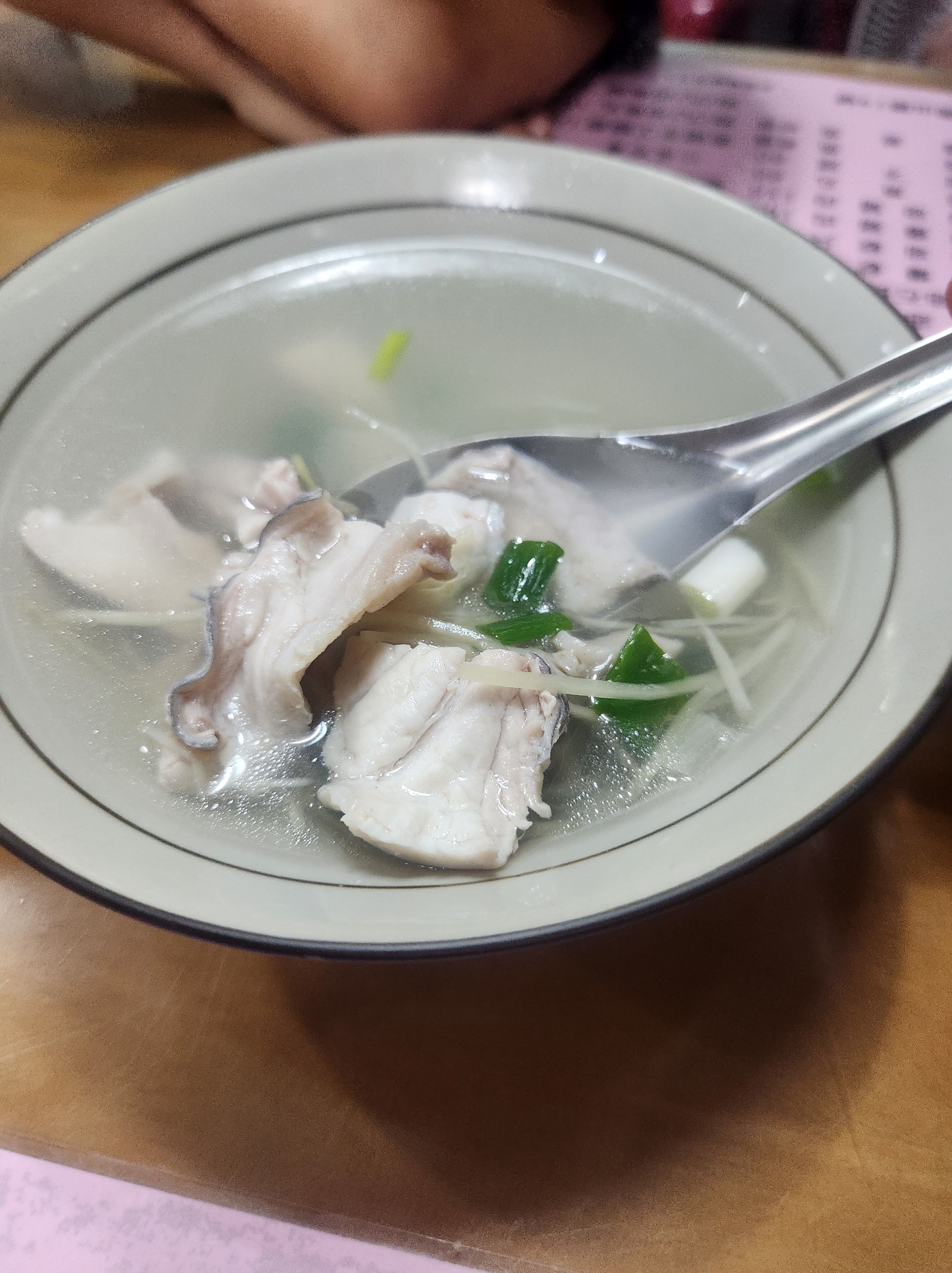
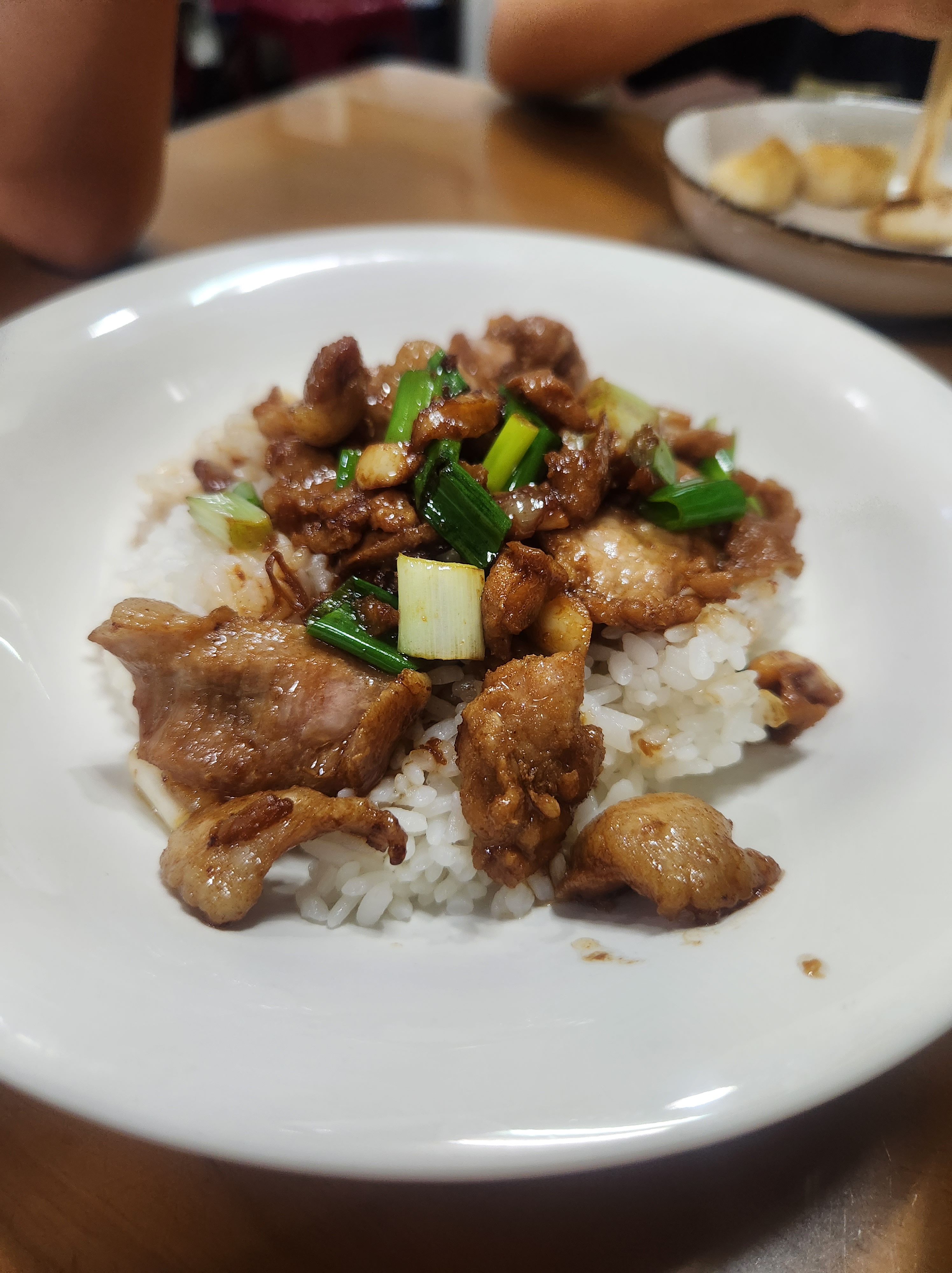
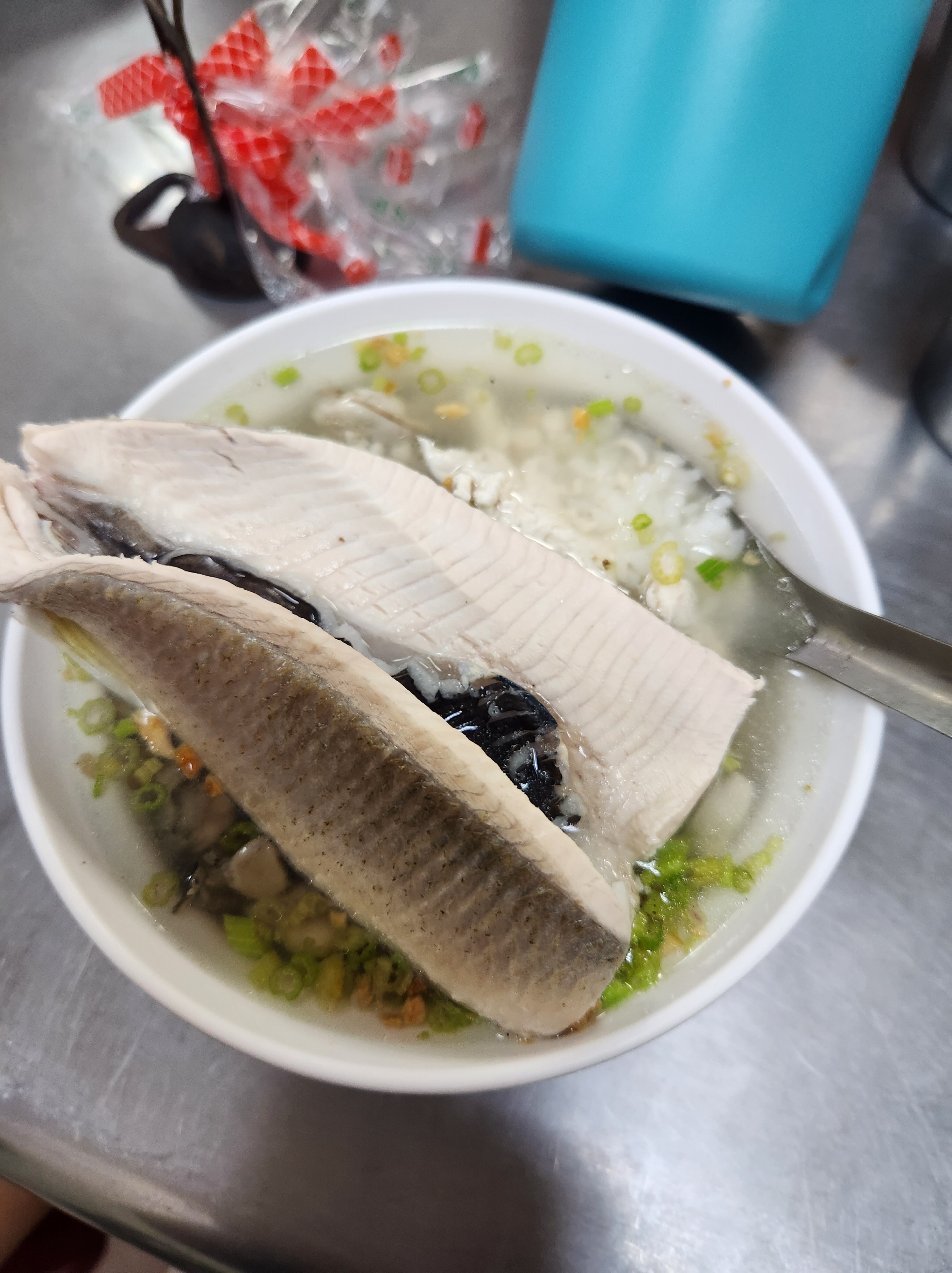
Fish Soup and Fried Pork Over Rice: After eating 擔仔麵, we came across this simple restaurant owned by a sweet old lady. We ordered a fish soup and fried pork over rice. Both were so simple, yet packed with flavor. It was so good that we ordered a second plate of the fried pork over rice!

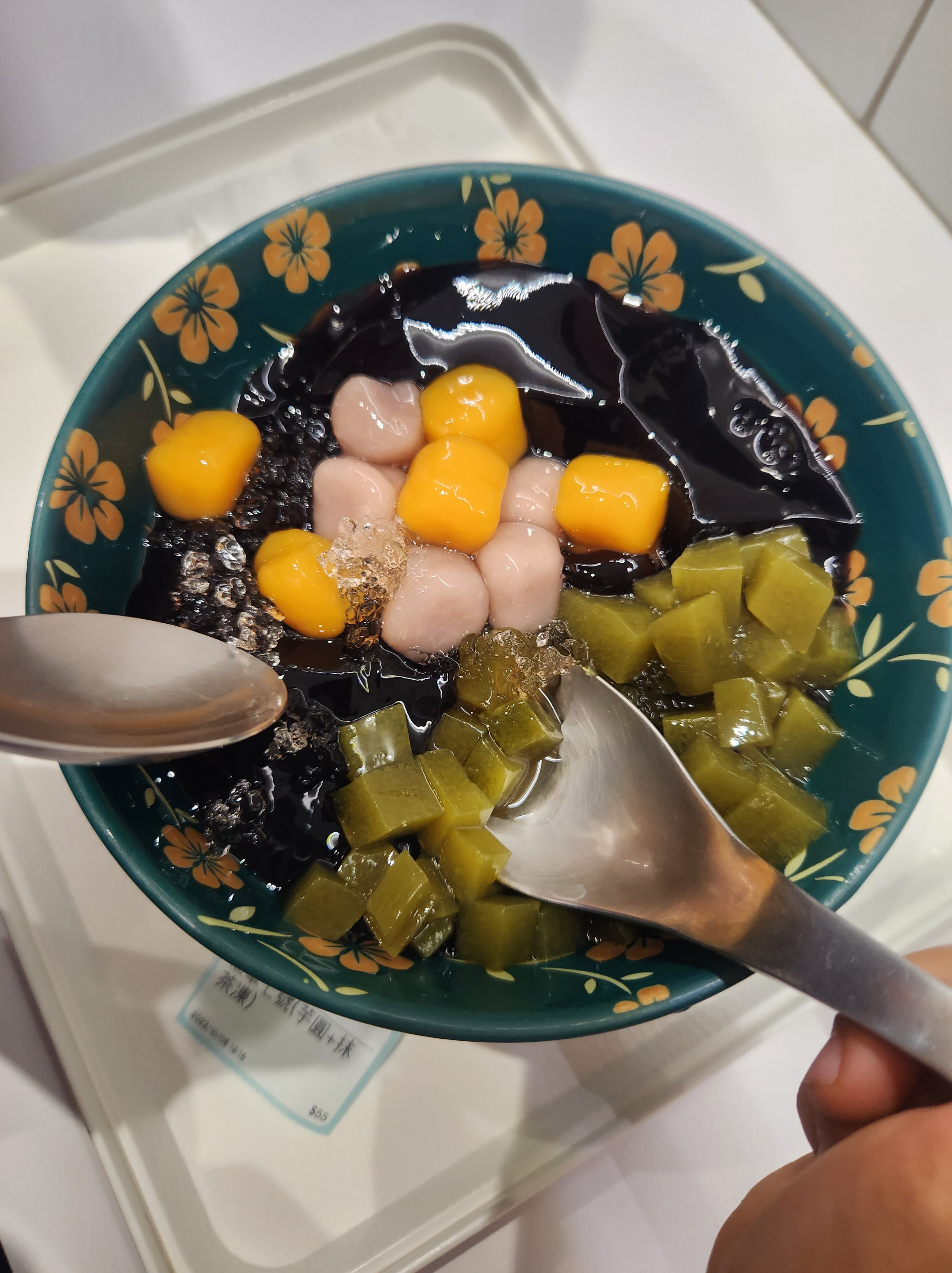
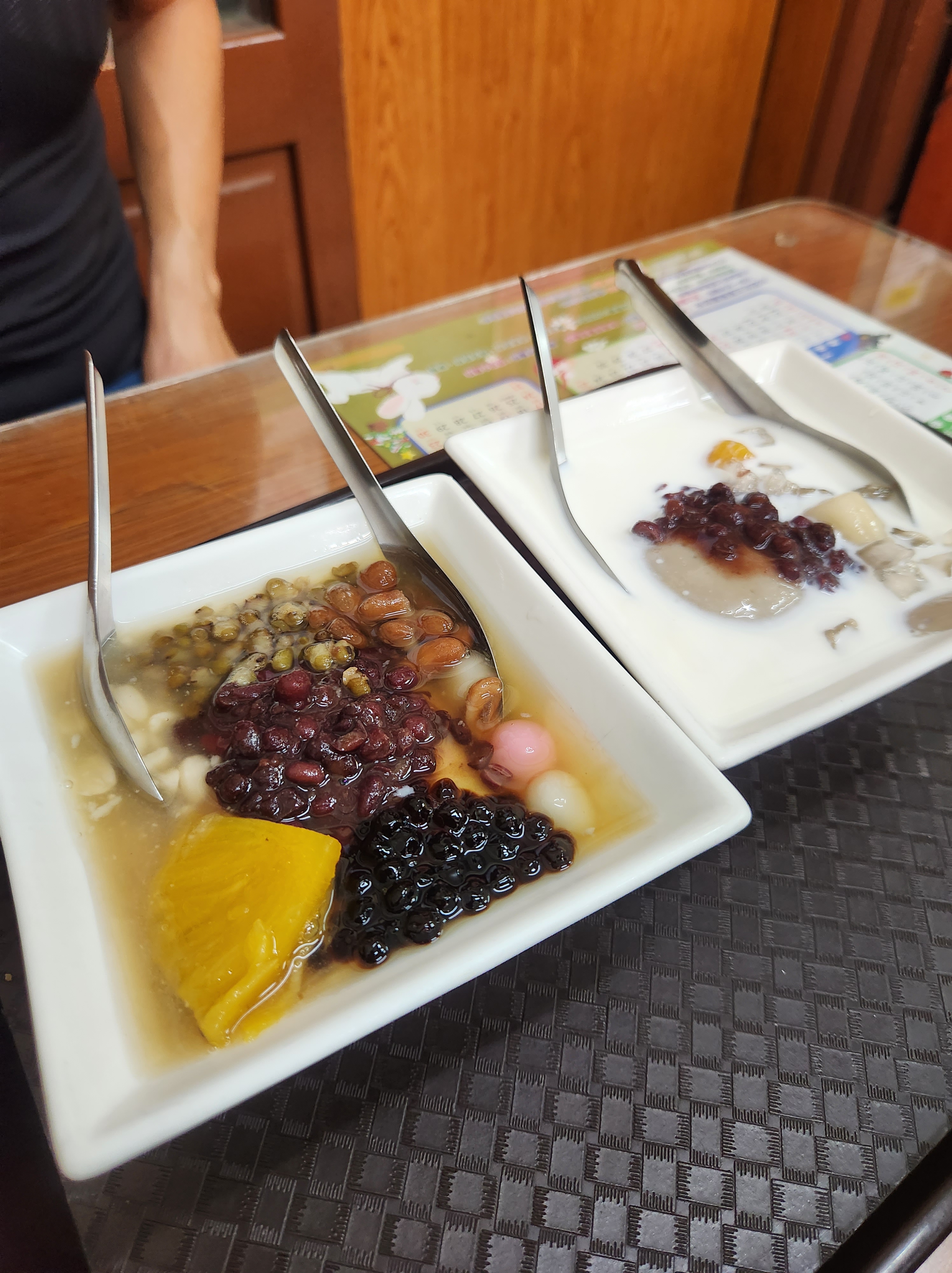
Grass Jelly with Taro and Sweet Potato Balls: Baba and the boys love this dessert. Personally, I’m not a big fan of the glutinous texture and mild taste but it’s very popular across Taiwan.

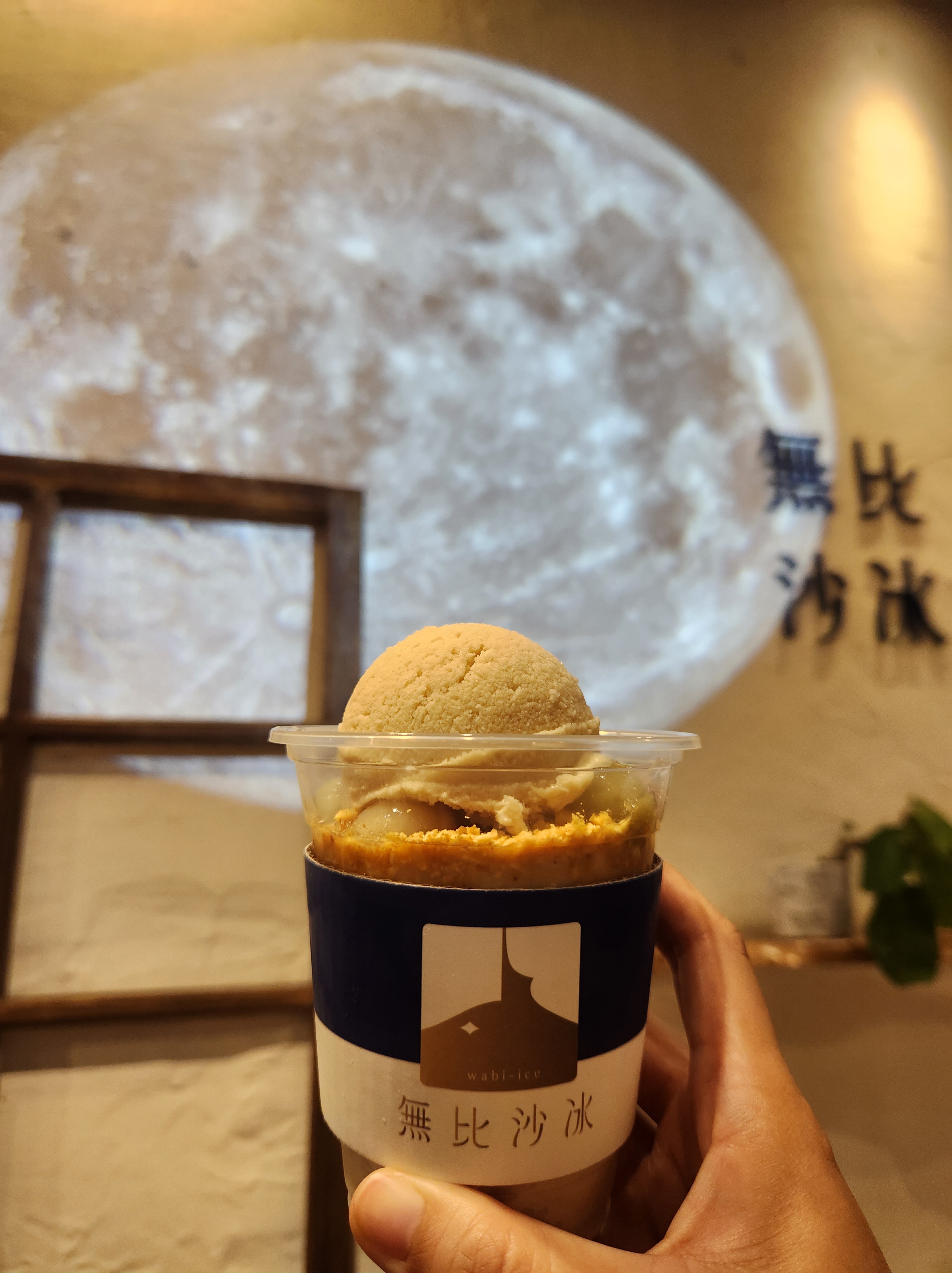
Peanut Shaved Ice 花生刨冰: We noticed a shop selling different kinds of 刨冰, but their most famous was peanut! We grabbed a cup and it was the perfect not-too-sweet and refreshing dessert on a hot night.

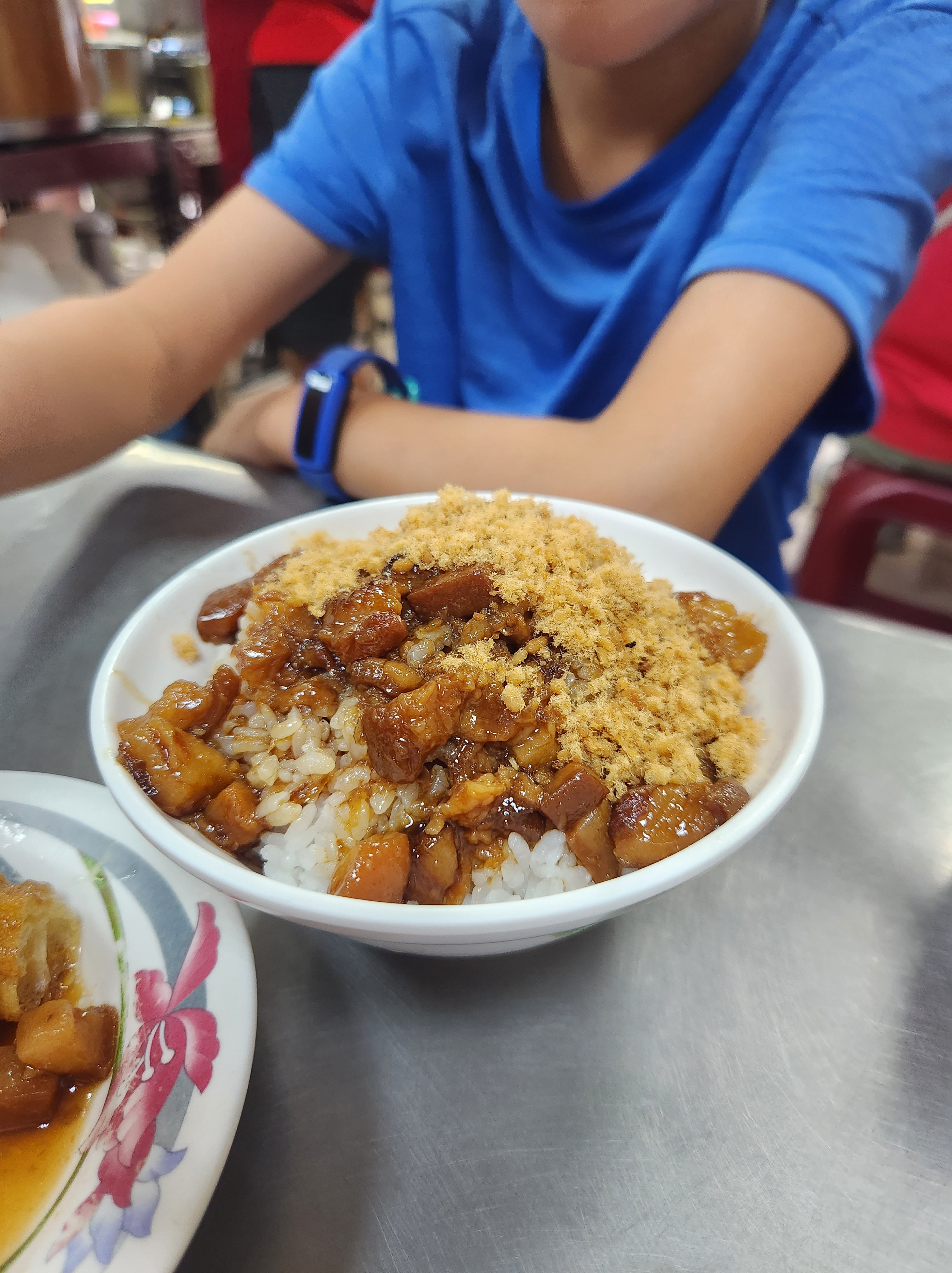
The next morning, we had a traditional Tainan breakfast of milkfish congee and braised pork rice 滷肉飯. I’m a huge congee lover, and was really looking forward to eating my favorite comfort food here. But the milkfish was thick and dry, and the rice was not as creamy as I’d like. I still prefer Cantonese style congee.

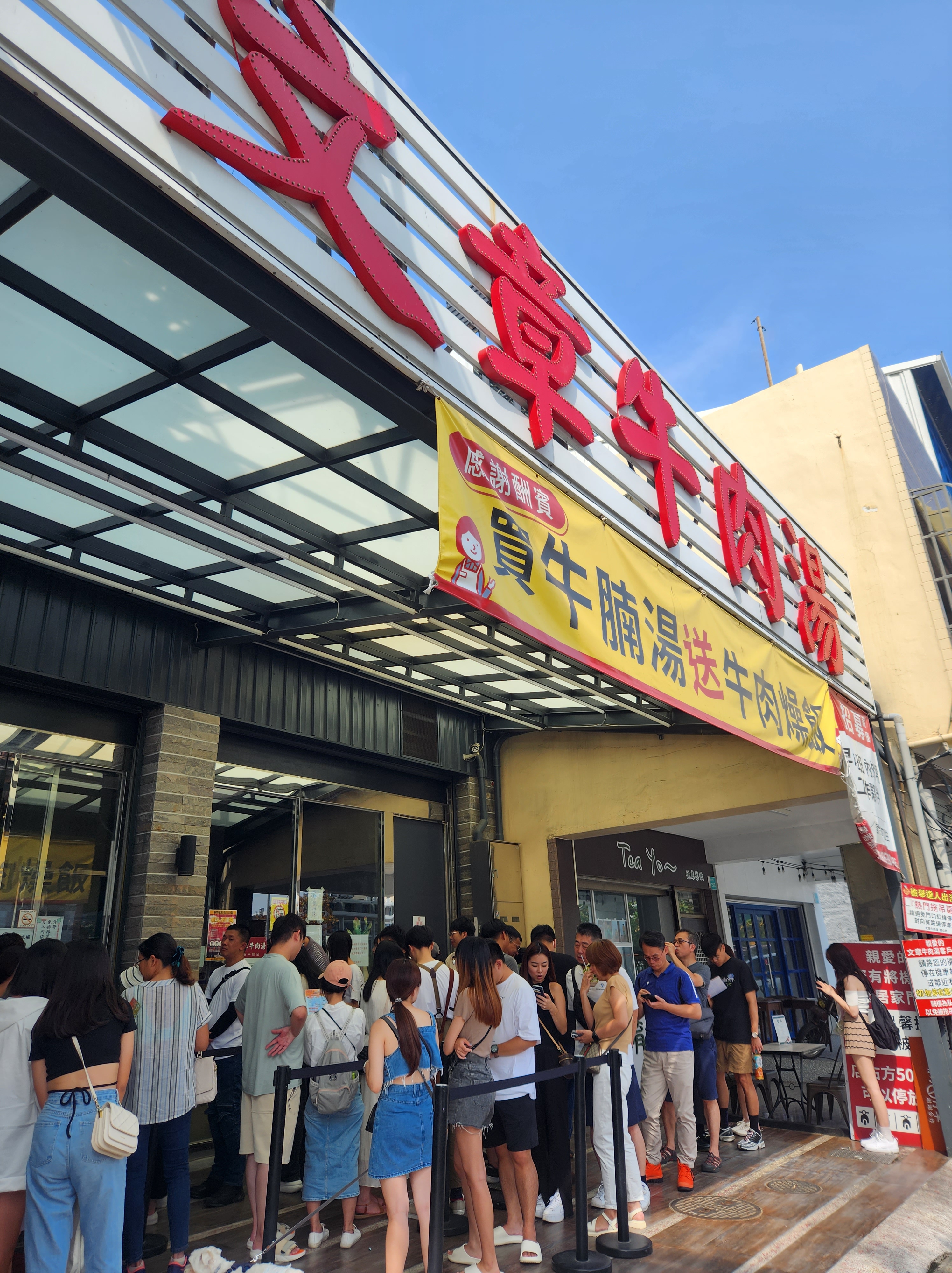
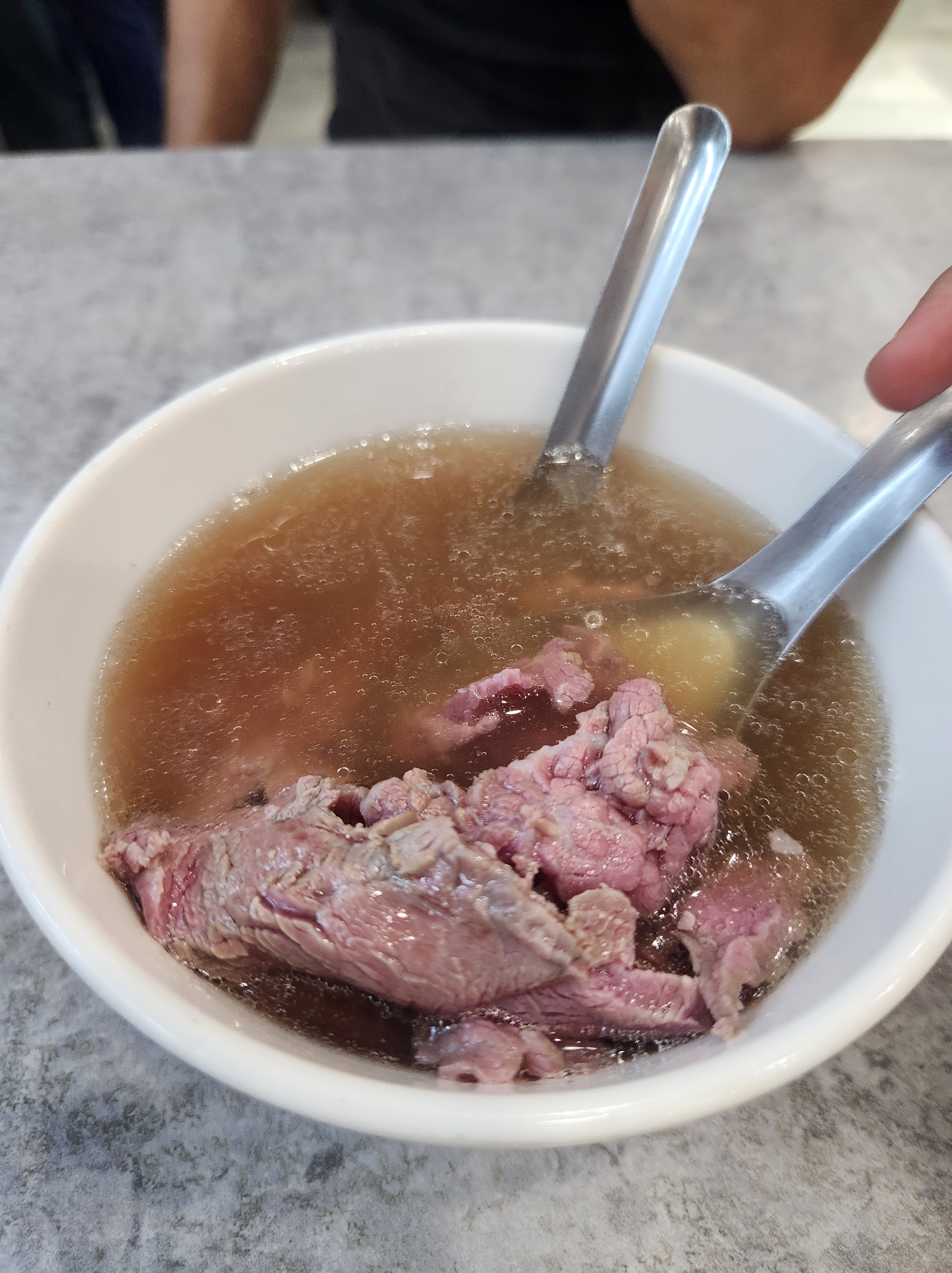
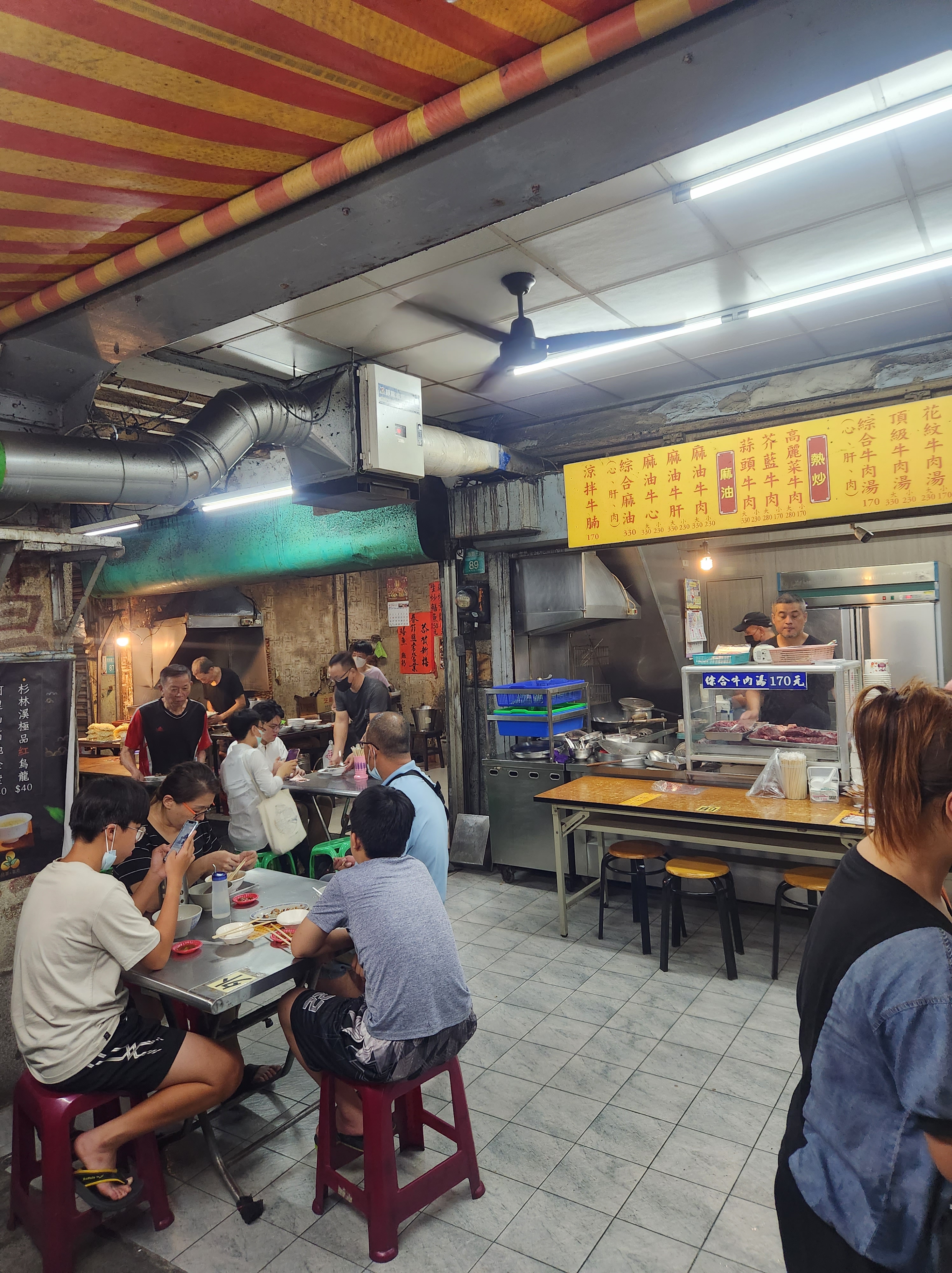
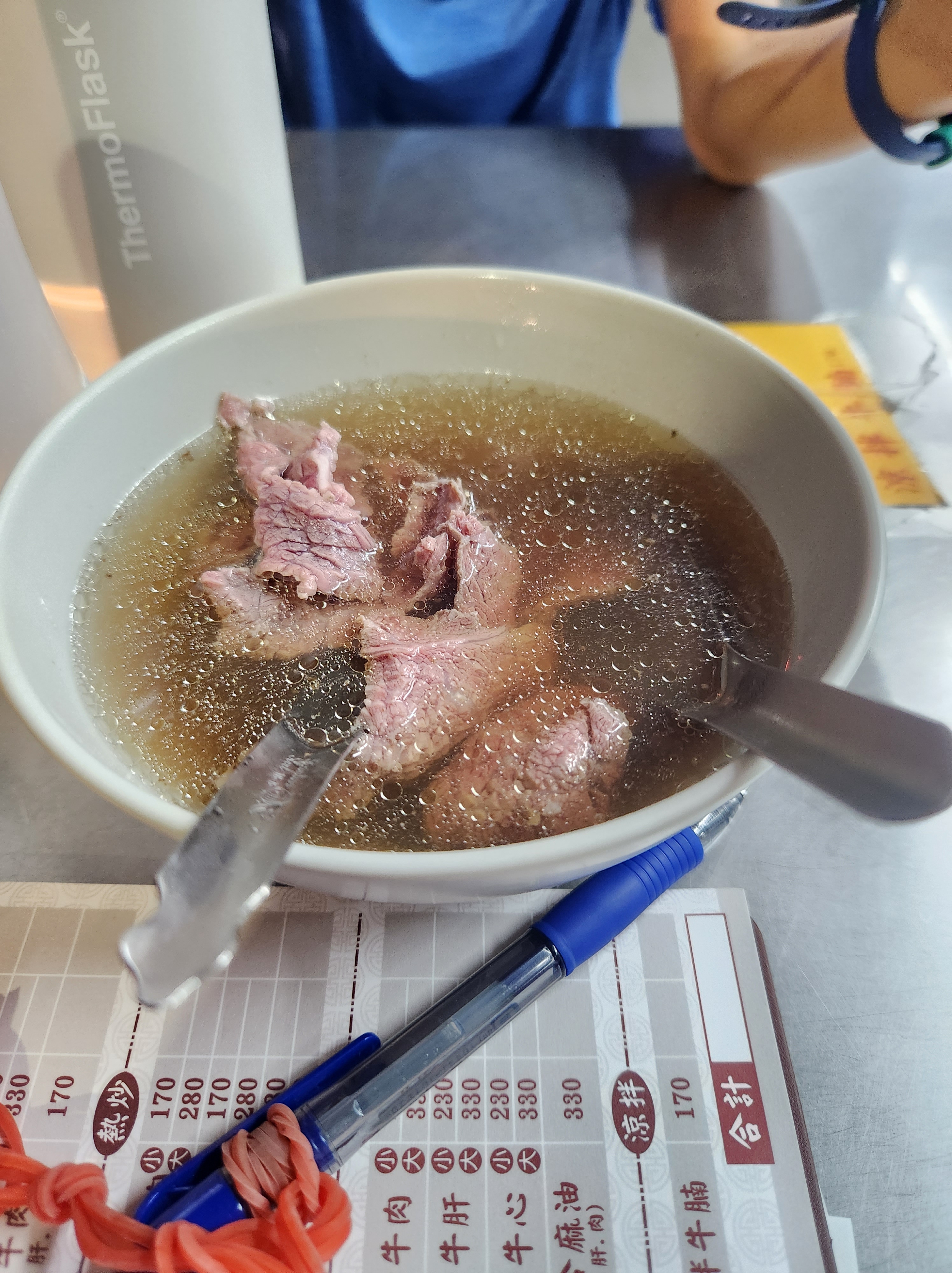
Later on, we took a long walk to get in line at Wen Zhang 文章牛肉湯, a famous restaurant known for a Tainan staple: beef soup 牛肉湯! We waited in line for 30-40 minutes in the heat, but it was worth it. The soup is very simple – literally beef broth with thin slices of beef – but it’s amazingly flavorful, clean, and comforting, like something your mom or grandma made. Apparently many people in Tainan have this soup for breakfast!

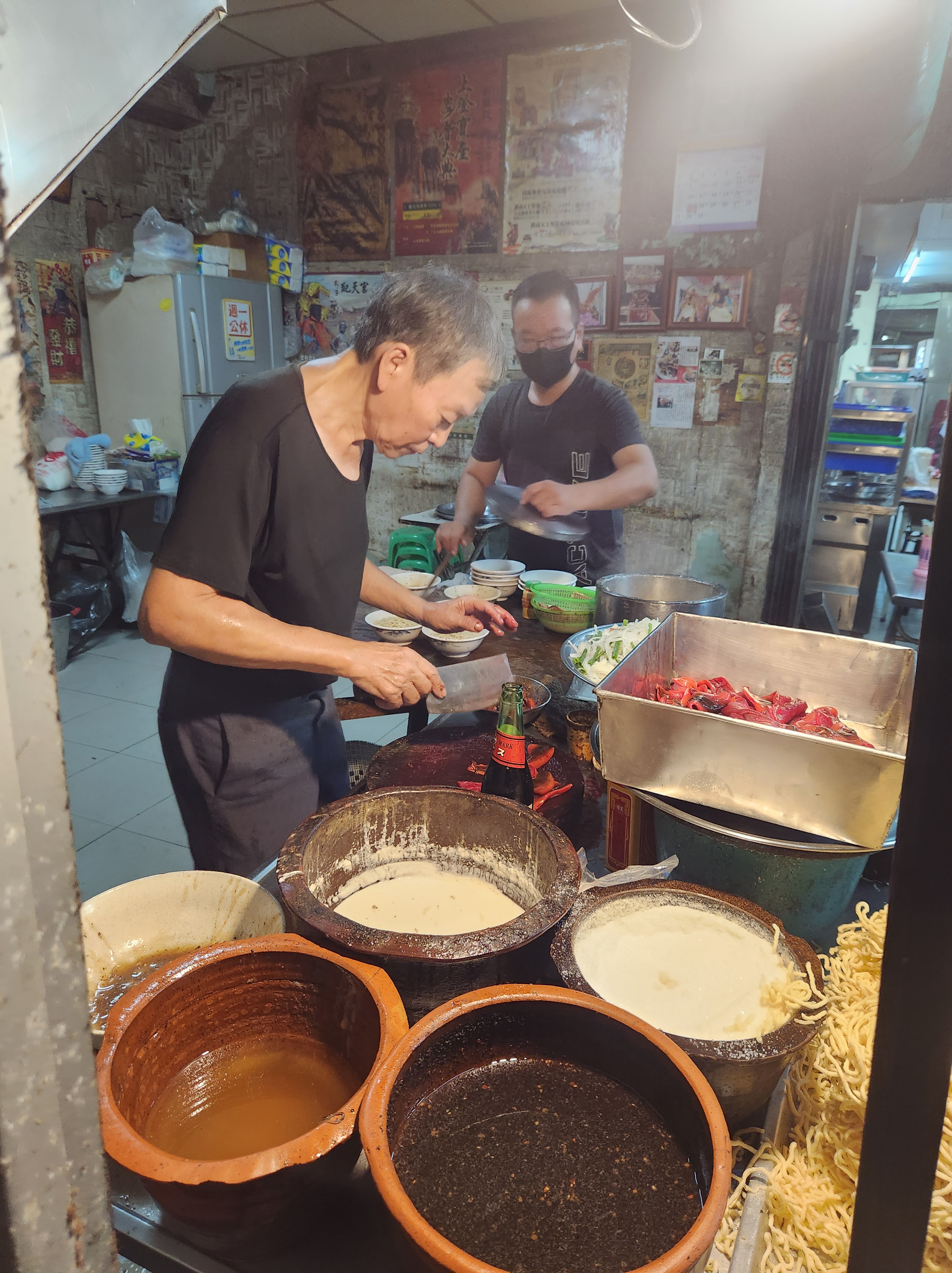
Eel noodles is also a common dish you’ll find in Tainan. We went to a popular hole-in-the-wall restaurant called A Jiang 阿江鱔魚意麵 to try this dish.

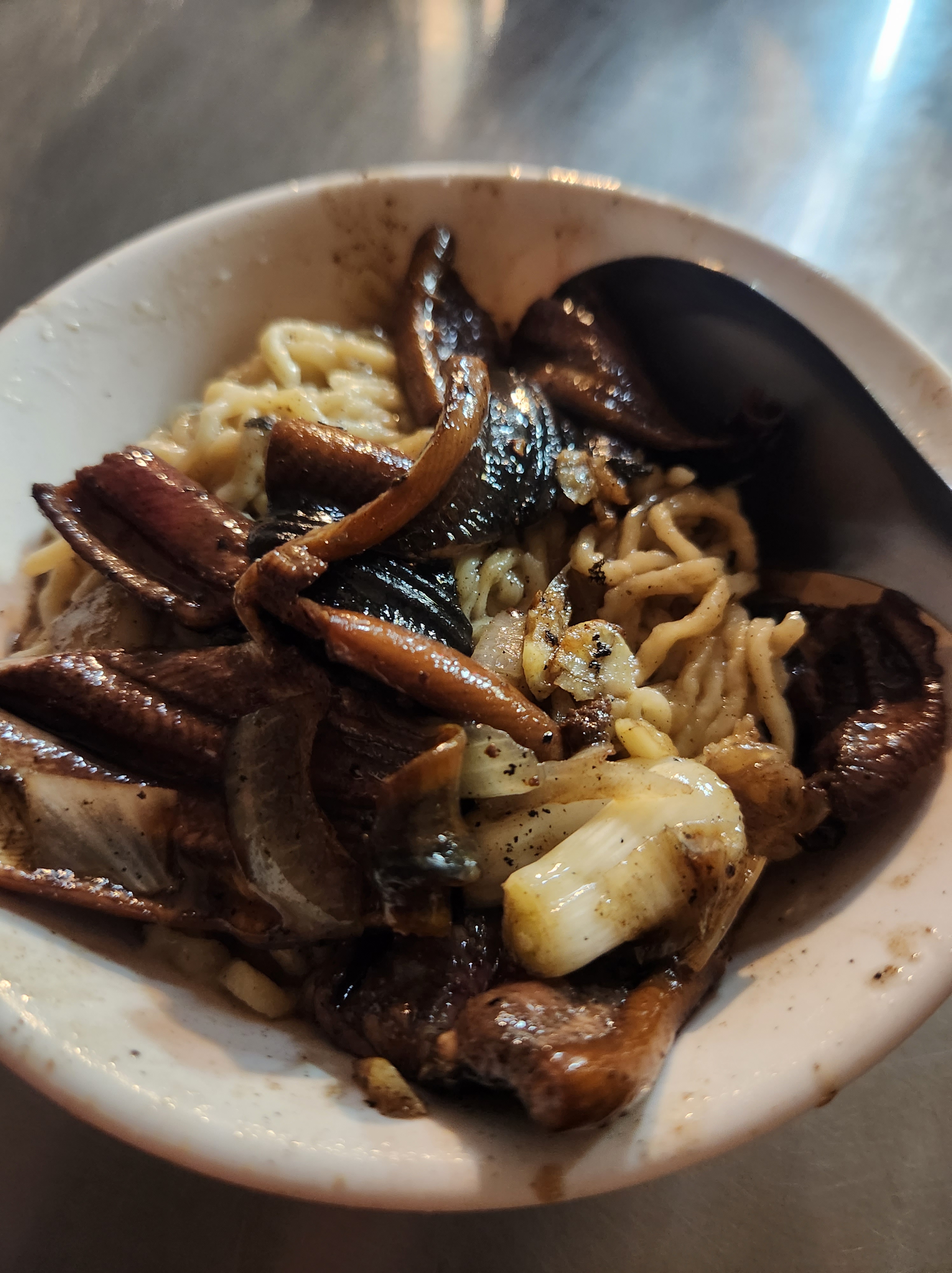
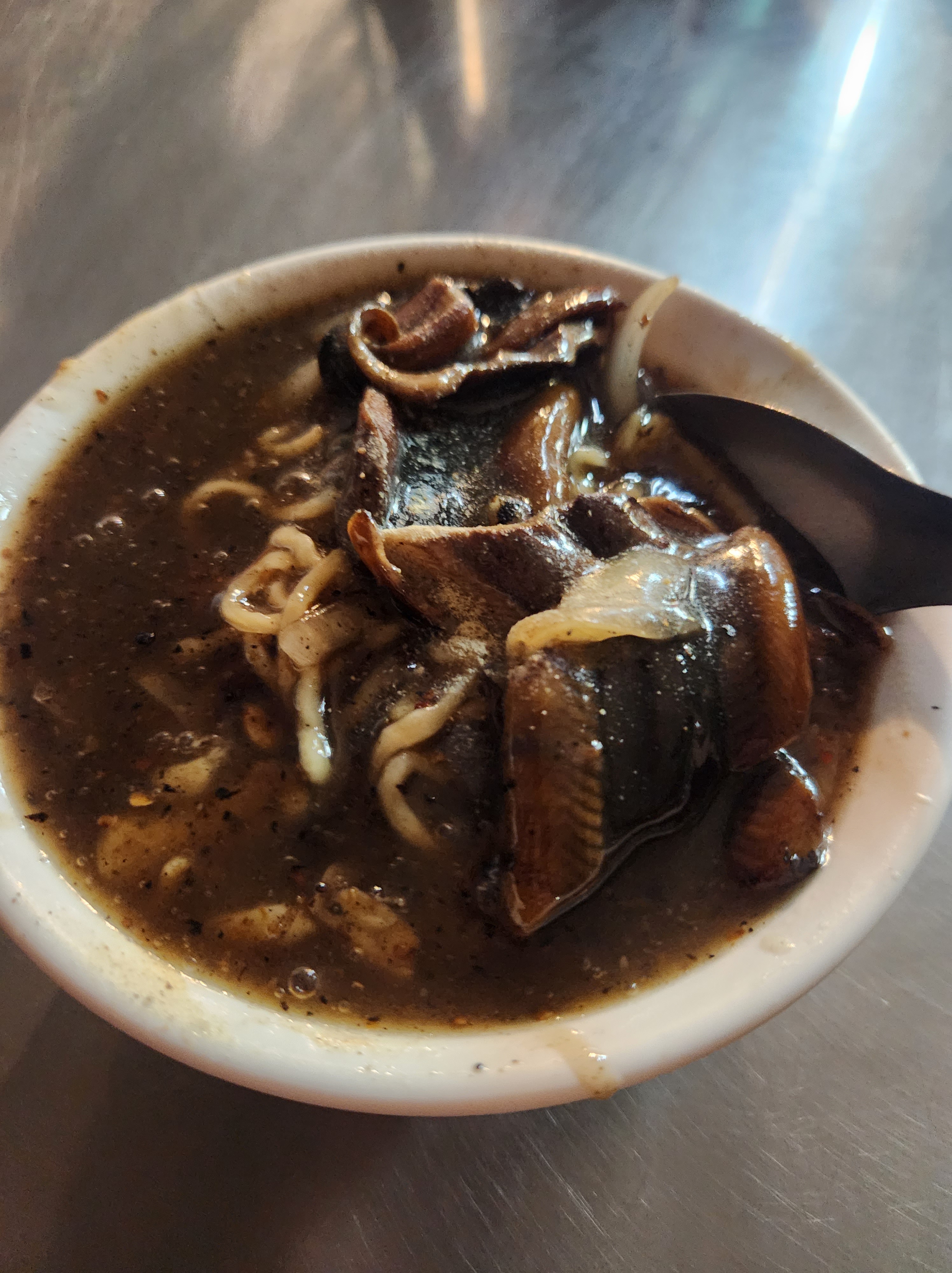
They basically have two options: one that’s dry-fried and one with sauce. We ordered both. Visually, these are not the prettiest looking dishes. 😂 But the smoky flavor and wok-hay were amazing. The eel was firm – even a bit crunchy – and marinated well. Personally, I preferred the dry-fried version.

Then, we hopped next door to get another bowl of beef noodle soup and ginger scallion fried beef. The beef soup was not as good as the one we had at Wen Zhang 文章, but it was still good! The ginger scallion beef was delicious – the beef was so tender and flavorful. People in Tainan really know how to cook beef!

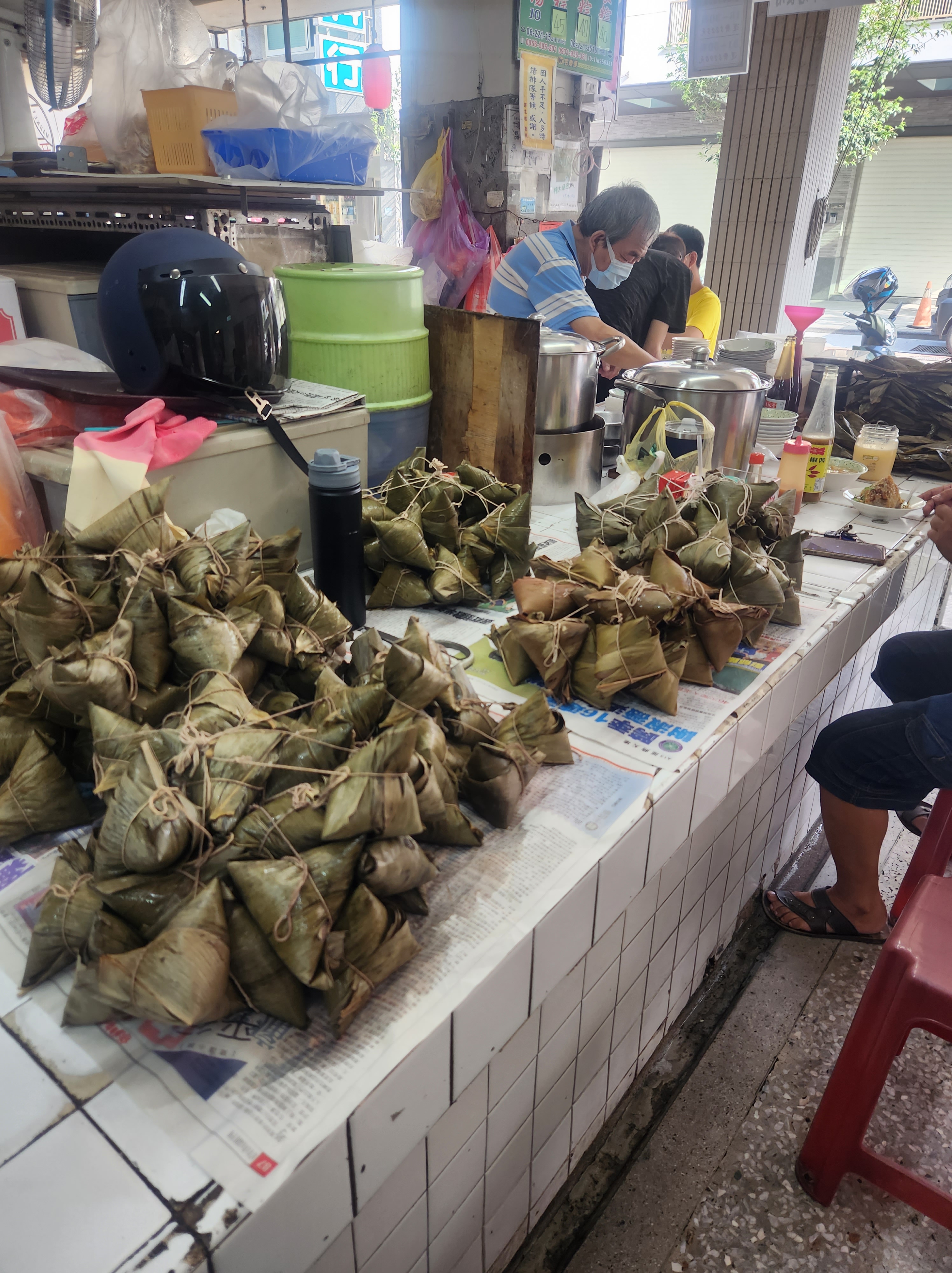
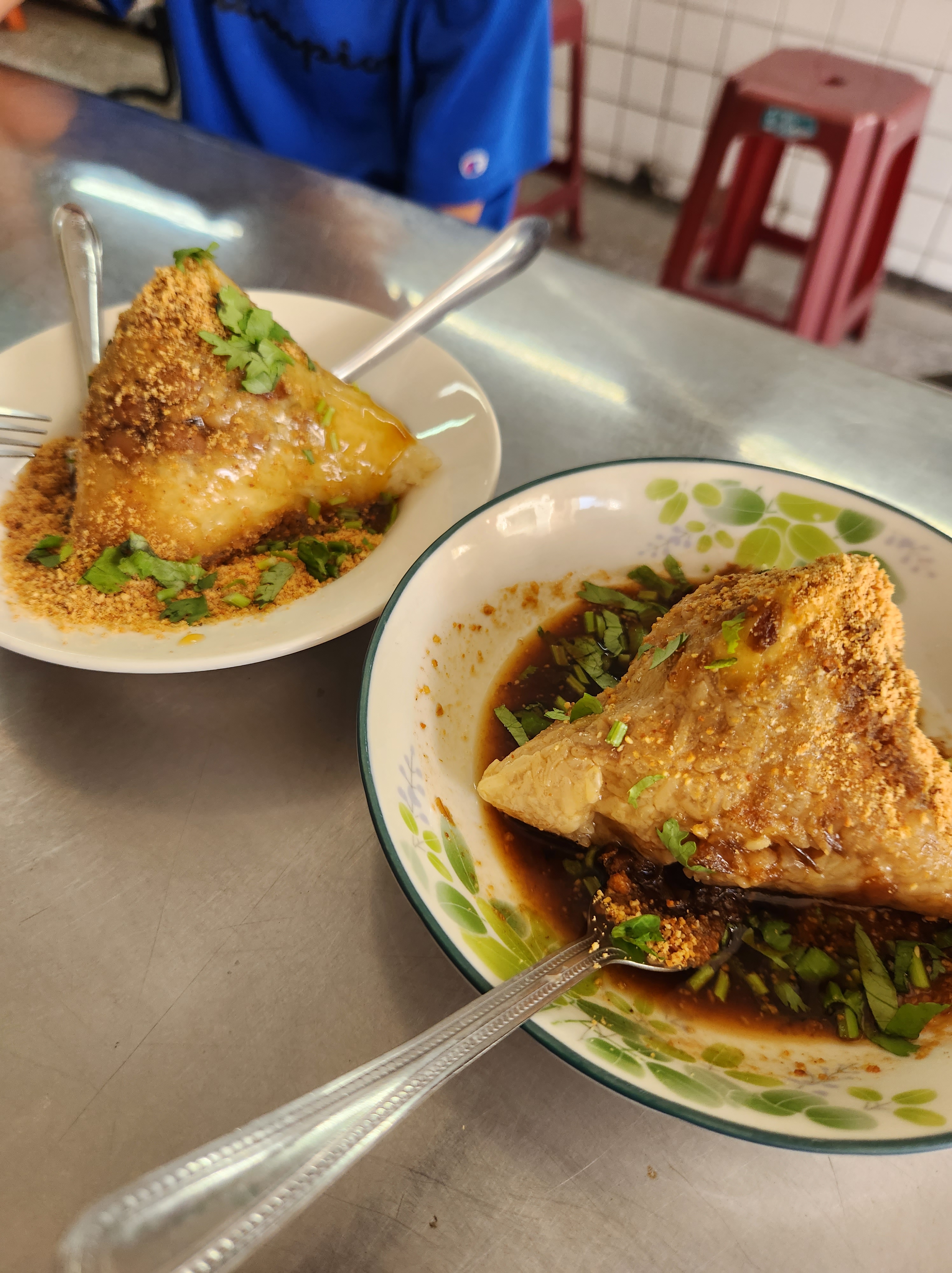
The next morning, we had another typical breakfast item in Tainan – sticky rice dumplings 粽子! I thought this was pretty heavy to have for breakfast, but since breakfast is the most important meal for Tainan people, maybe they want something hearty?

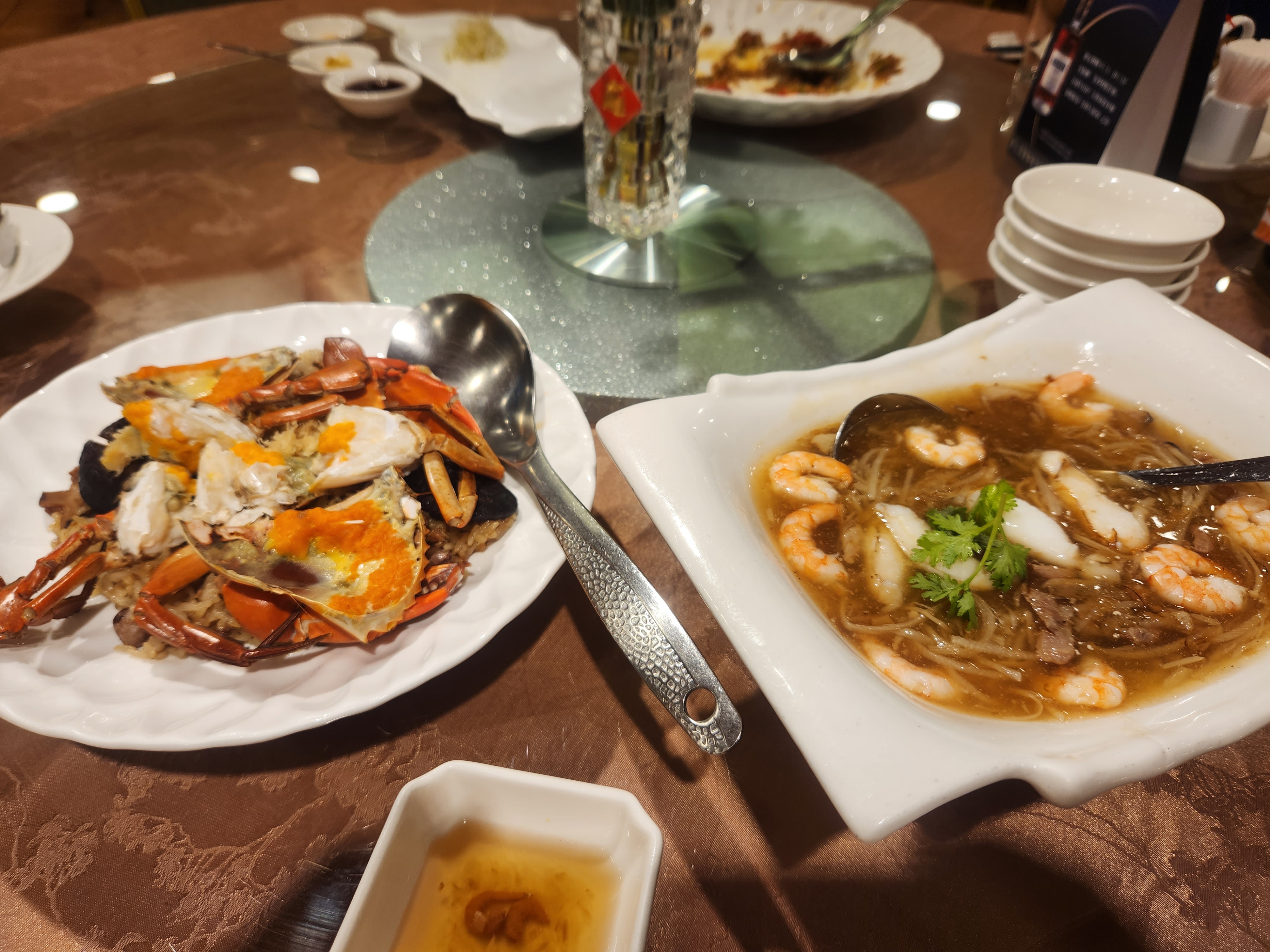
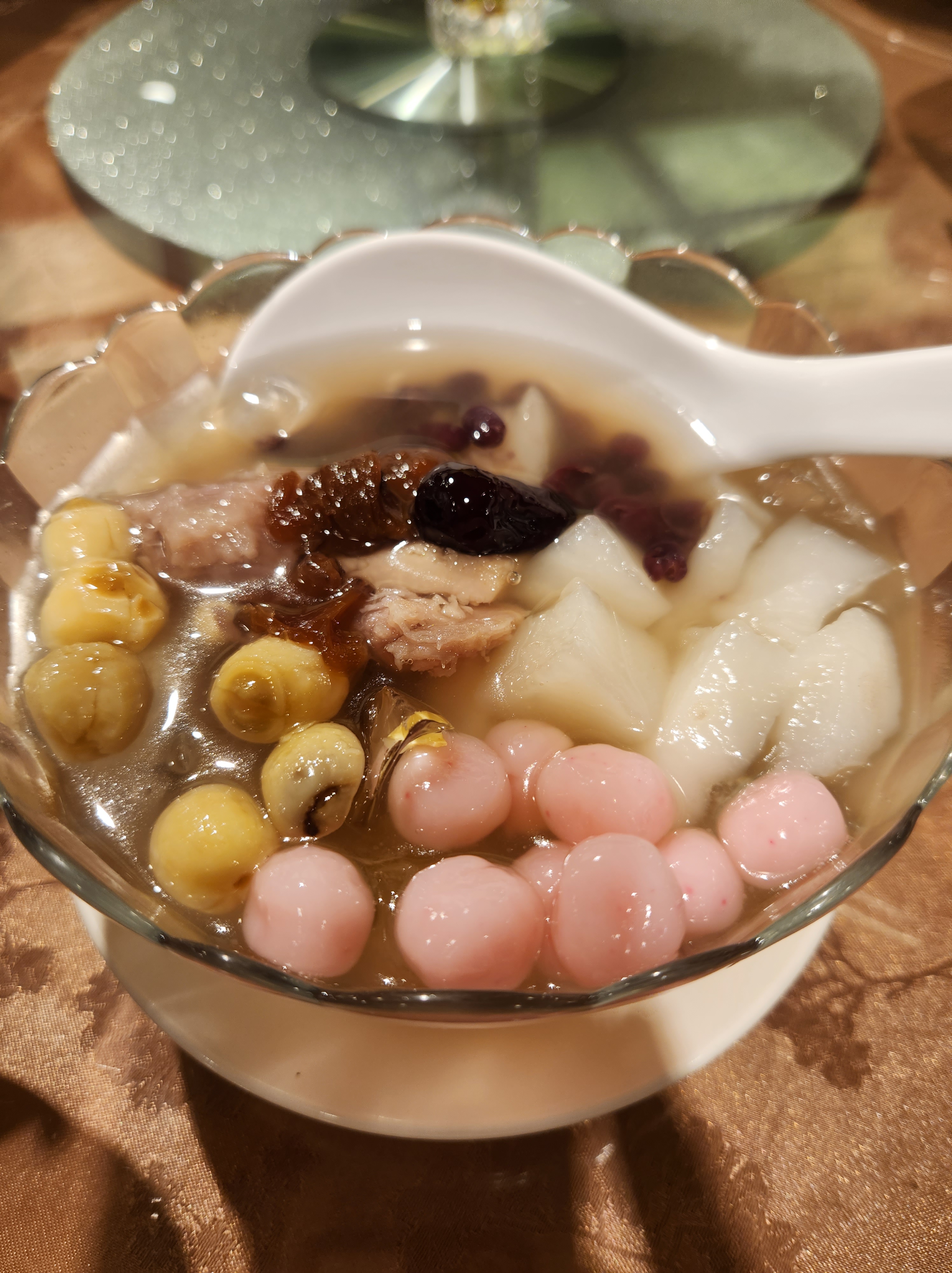
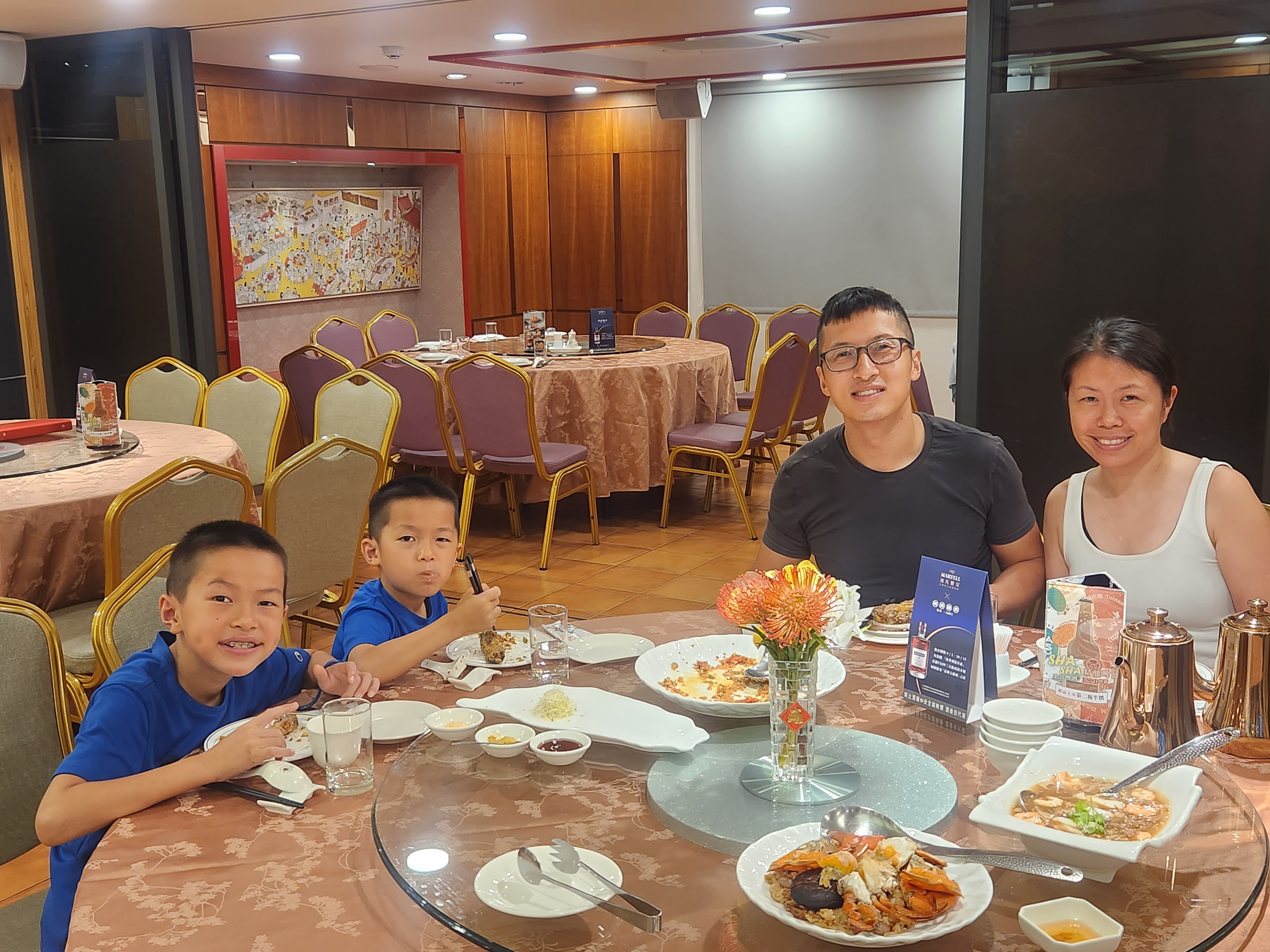
We had lunch reservations at A Sha Restaurant 阿霞飯店, which is one of the most famous restaurants in Tainan serving traditional Taiwanese dishes. This is a restaurant that requires reservations and we were lucky we could snag one before we went back to Taipei.

The lunch at A Sha was our priciest meal (about $100 USD), but honestly, it was a little underwhelming. Don’t get me wrong – everything was decent but at that price, I was expecting something more memorable, especially since food is so cheap in Tainan.

Aside from food, Tainan is also famous for its historic buildings and architecture. Here are some places we visited:

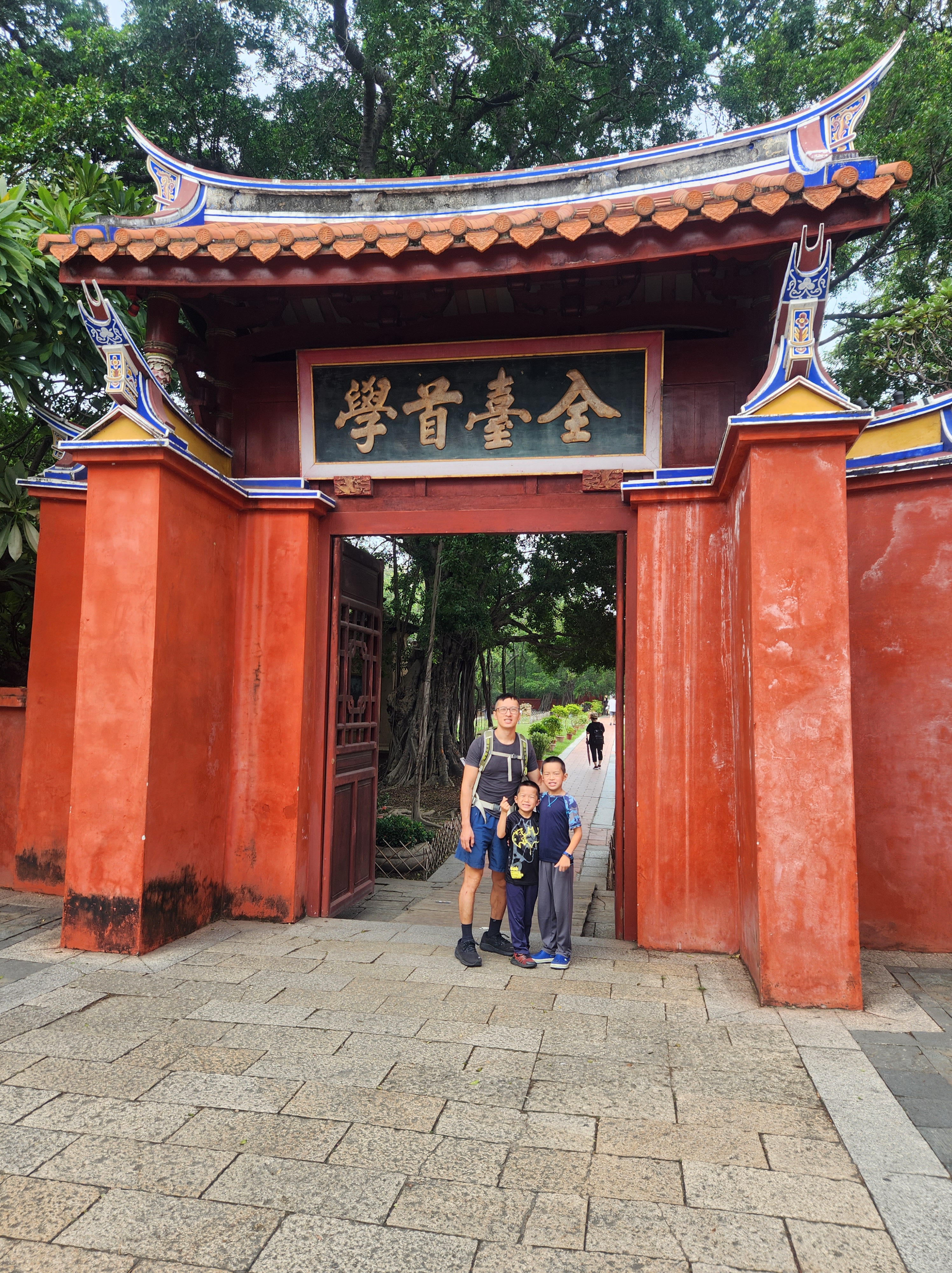
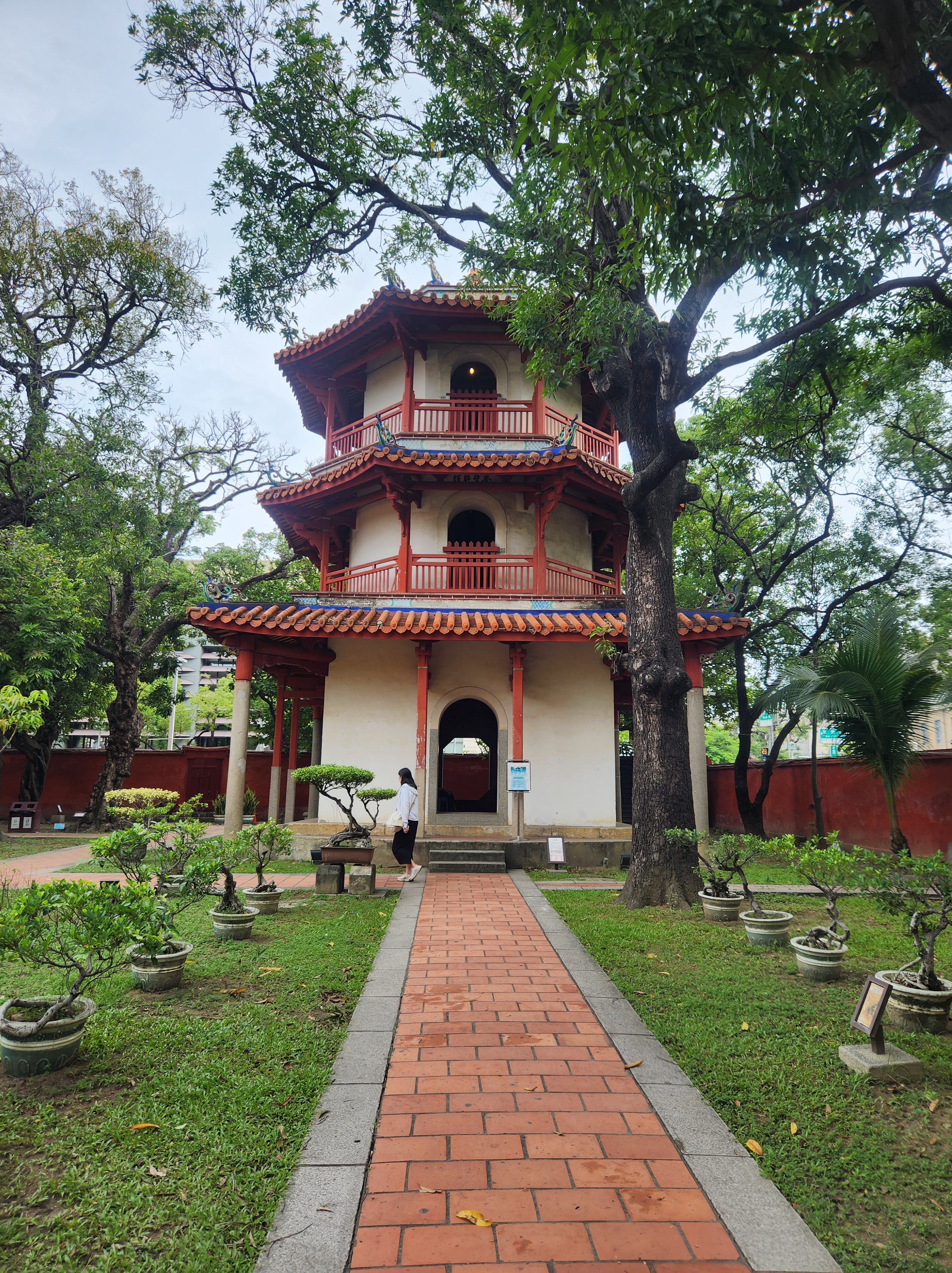
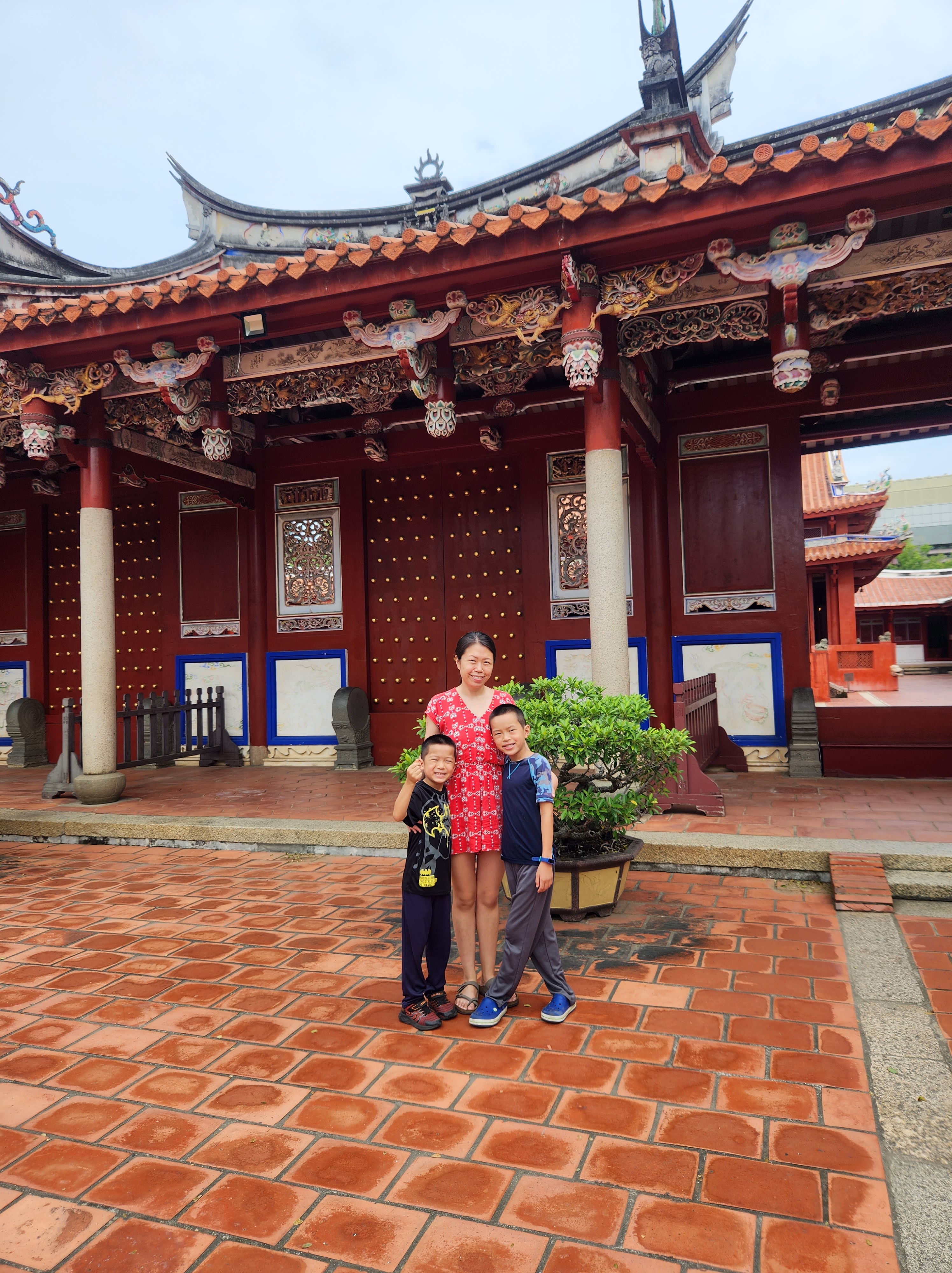
Confucius Temple: You could pay extra to go inside other buildings at the temple, but we only walked around the public areas which was more than enough for us to explore!

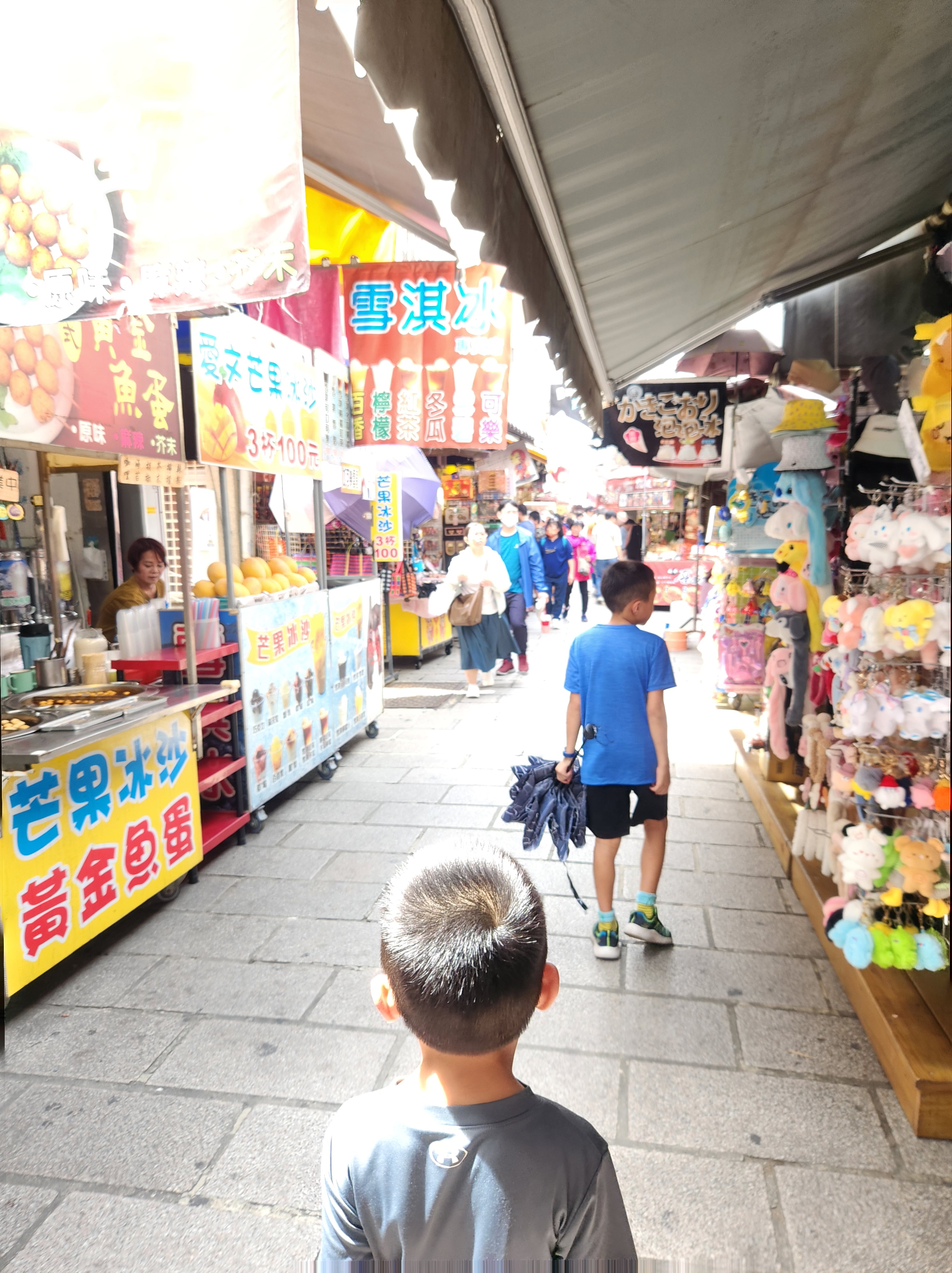
Anping Old Street: The oldest street in Taiwan, filled with alleys of food stalls and shops. It was fun navigating through the alleyways spotting interesting things to try.

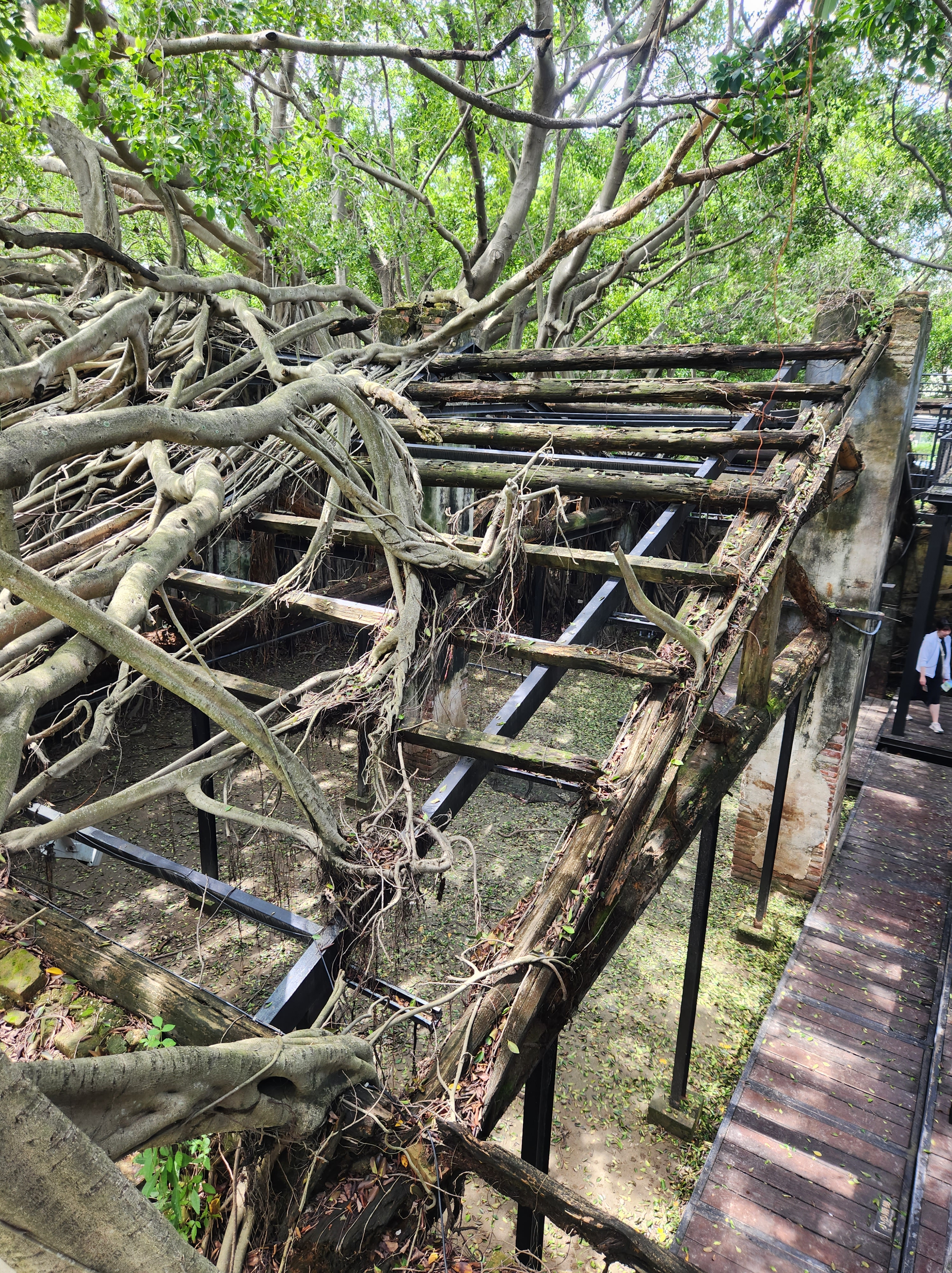
Anping Tree House: Probably my favorite site in Tainan. This was an old Japanese salt warehouse but after 100 years of transformation, the place is now covered in banyan roots. We loved the mystique of the tree house, and it reminded us of Angkor Wat in Cambodia!

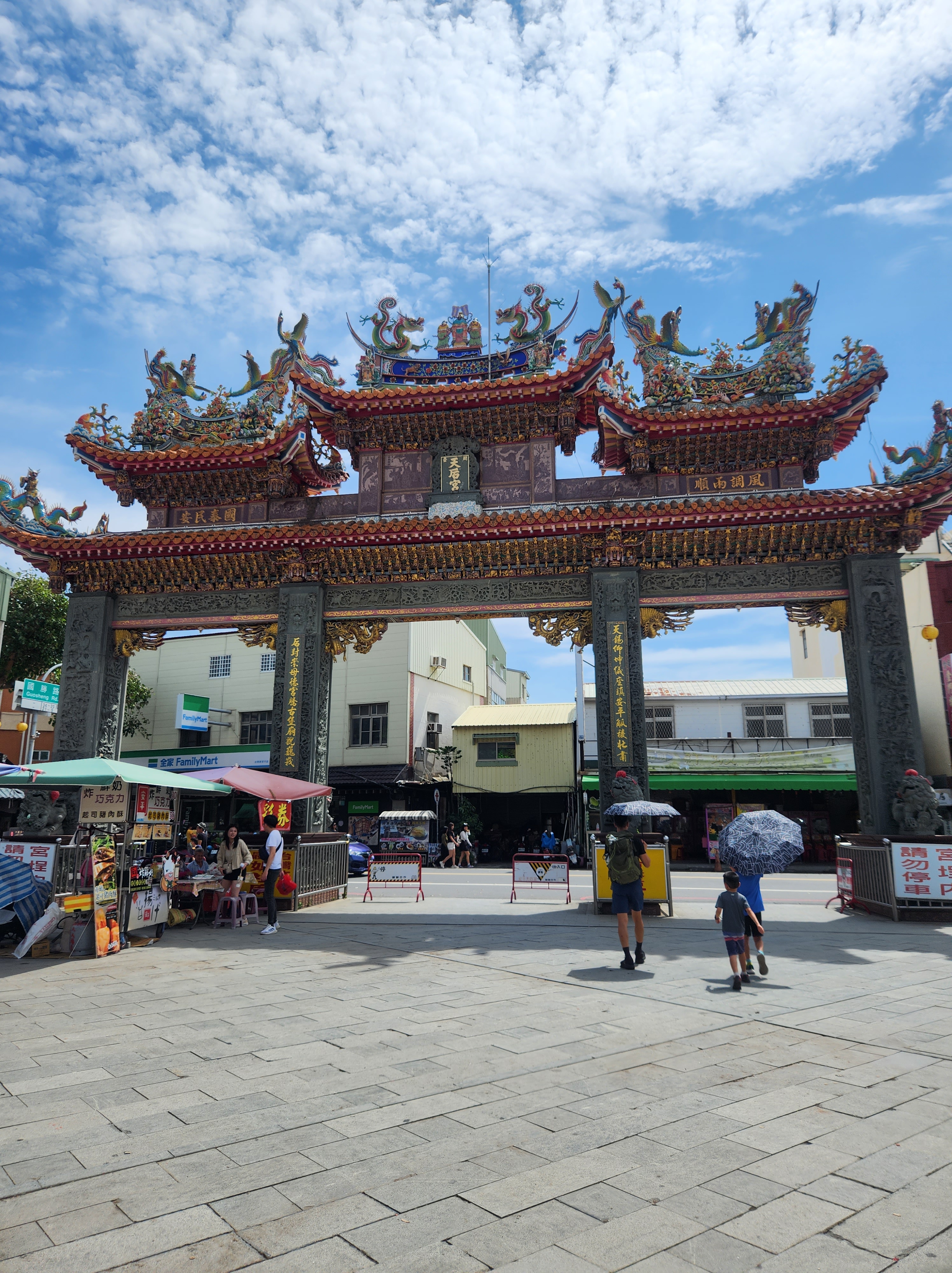
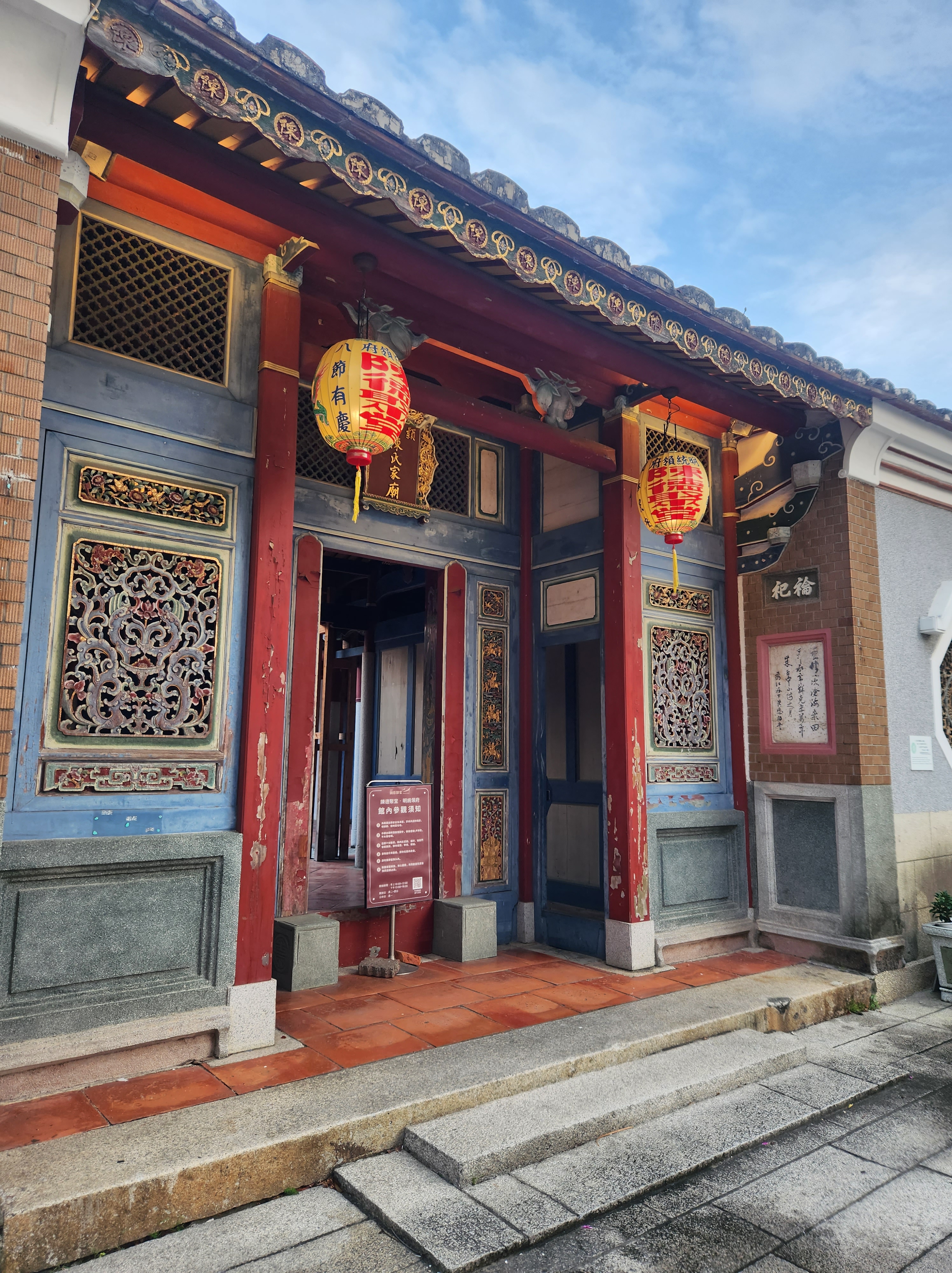
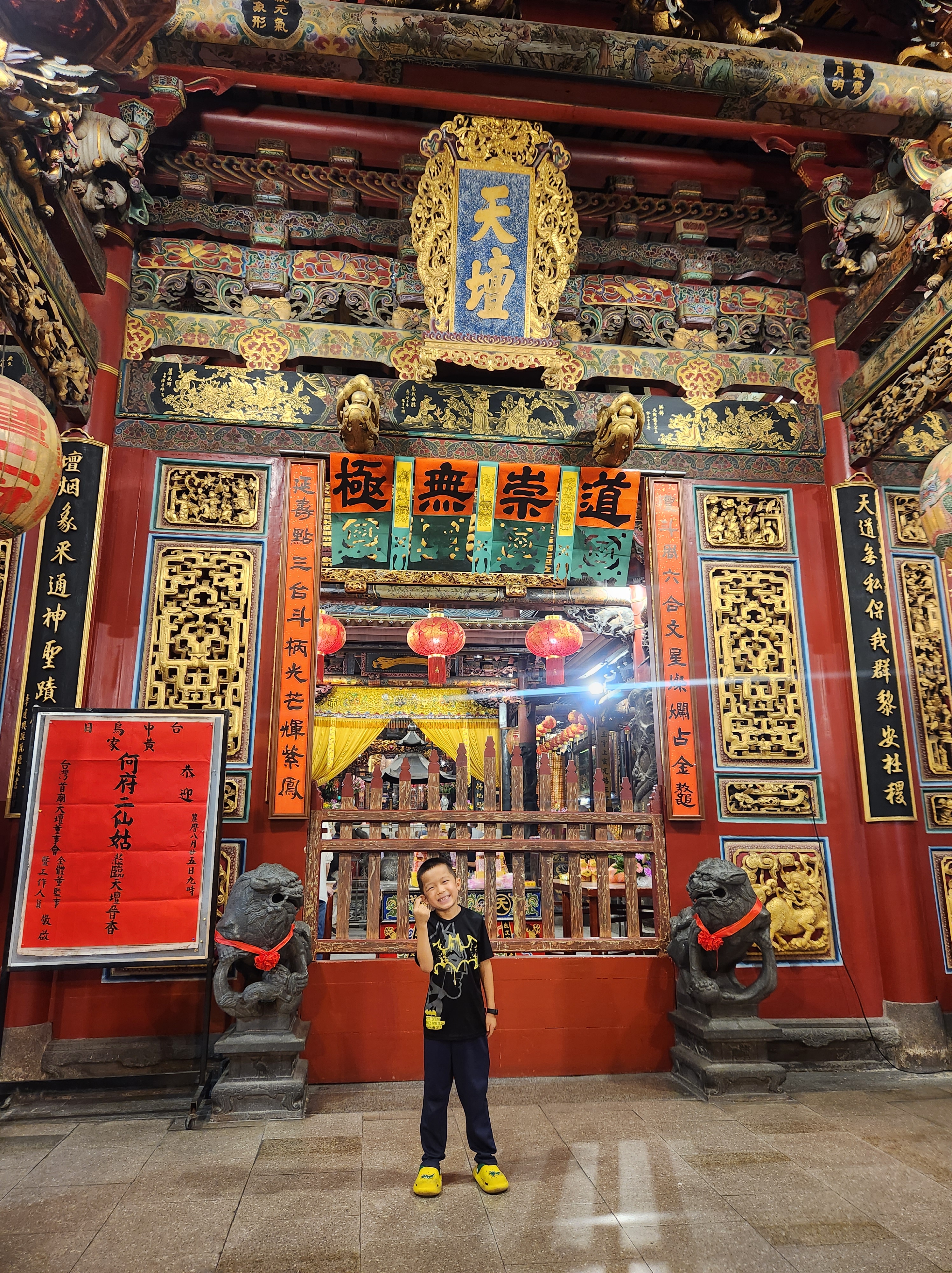
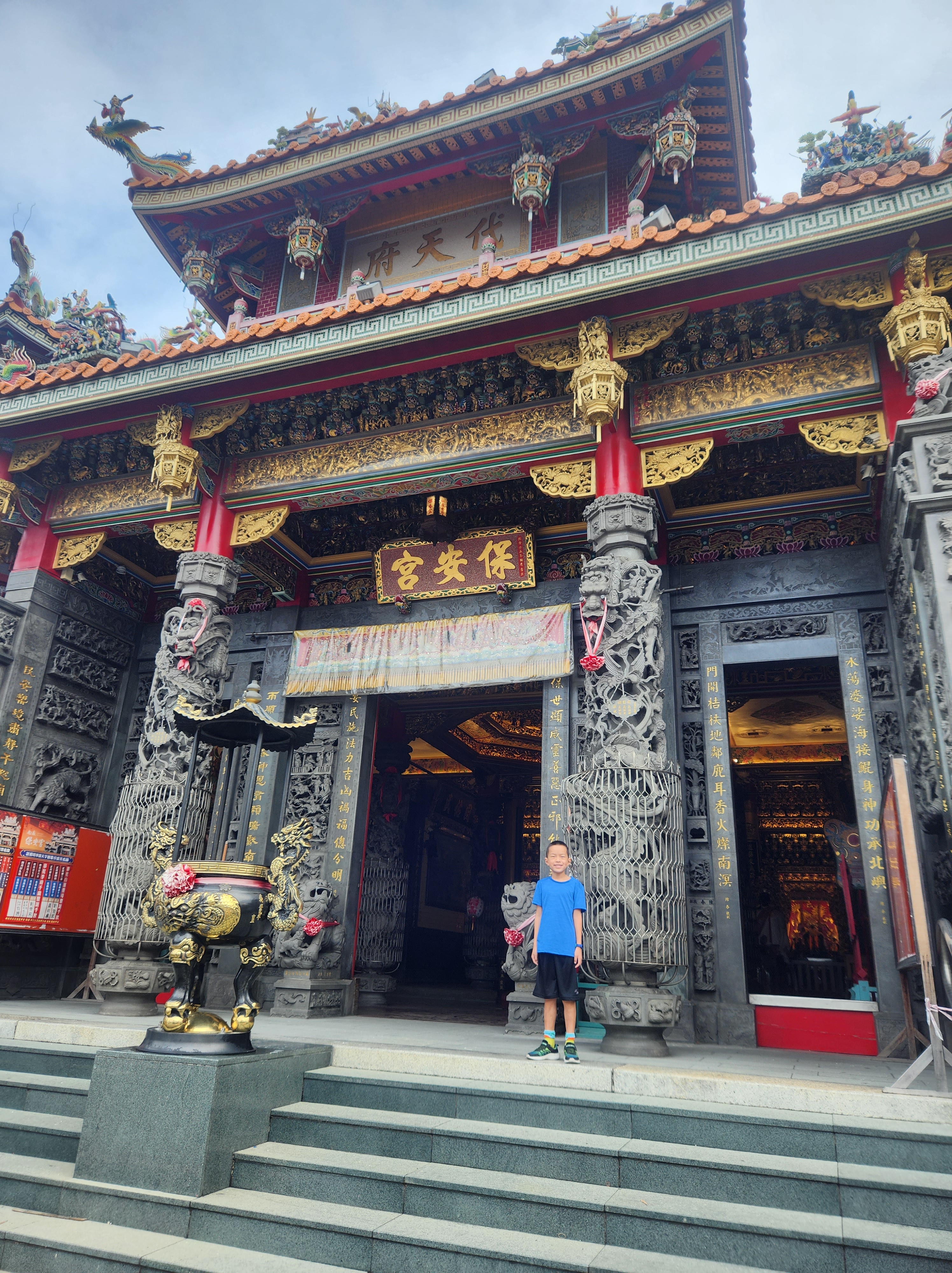
Temples: There are beautiful temples big and small sprinkled across Tainan. It was fun to get a glimpse of old Tainan on every street we turned into.

Tainan makes a great weekend trip! It has a more chill, more laid-back vibe than Taipei, with friendly locals, interesting history, and delicious, cheap food.

Ramblings

Halloween in Taiwan

Halloween is my favorite holiday. I love all things spooky and creepy, and I’m always amazed at people’s creativity with their costumes and decorations.

I knew we weren’t going to experience the same kind of festivities in Taiwan as we had in the US (because Americans can get really serious about this holiday 😆). I wasn’t sure how kids would even trick-or-treat because most people live in secured apartment buildings. But Halloween has always been a fun holiday for kids, and I didn’t want to take that away from the boys while we’re abroad.

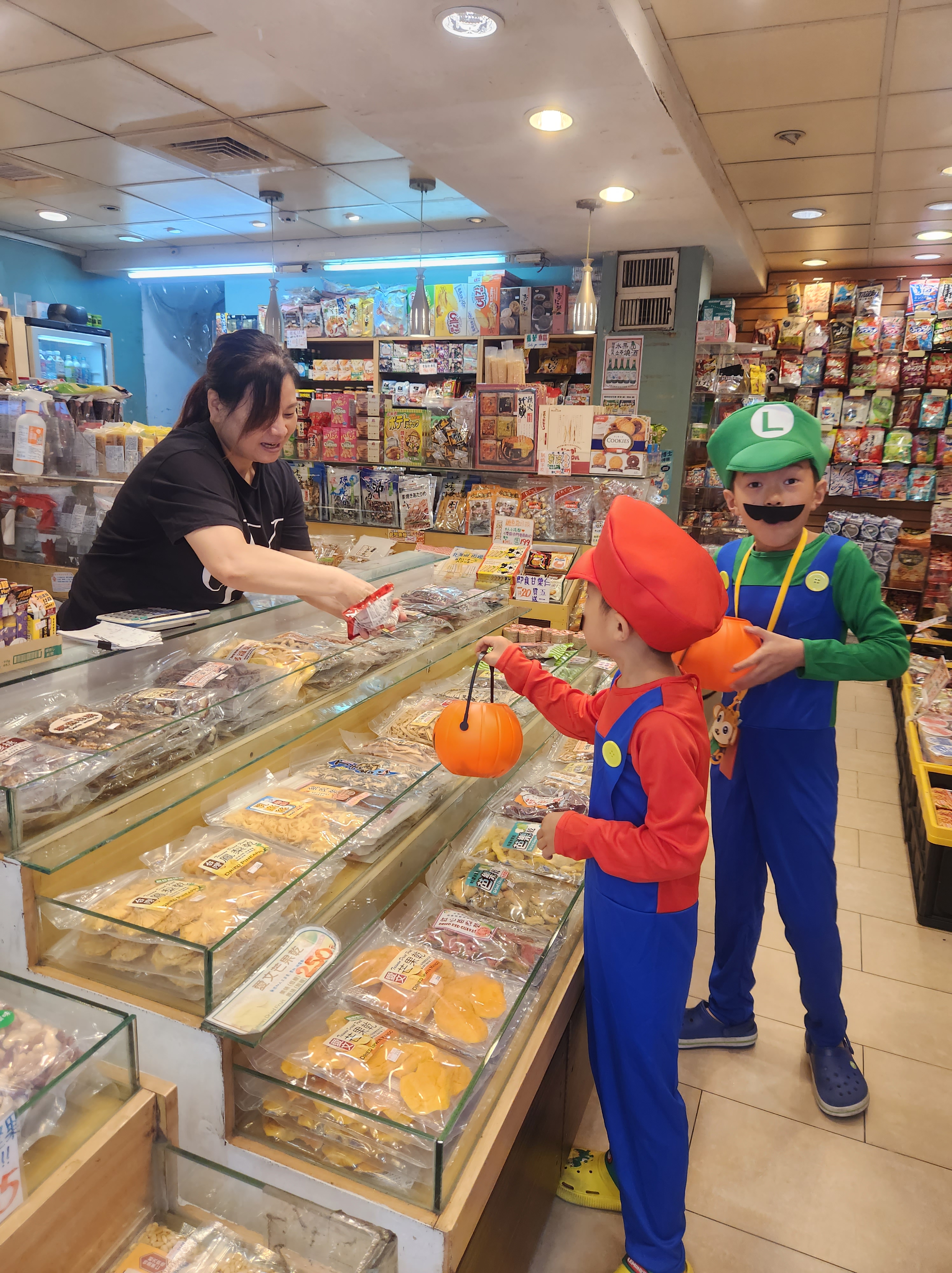
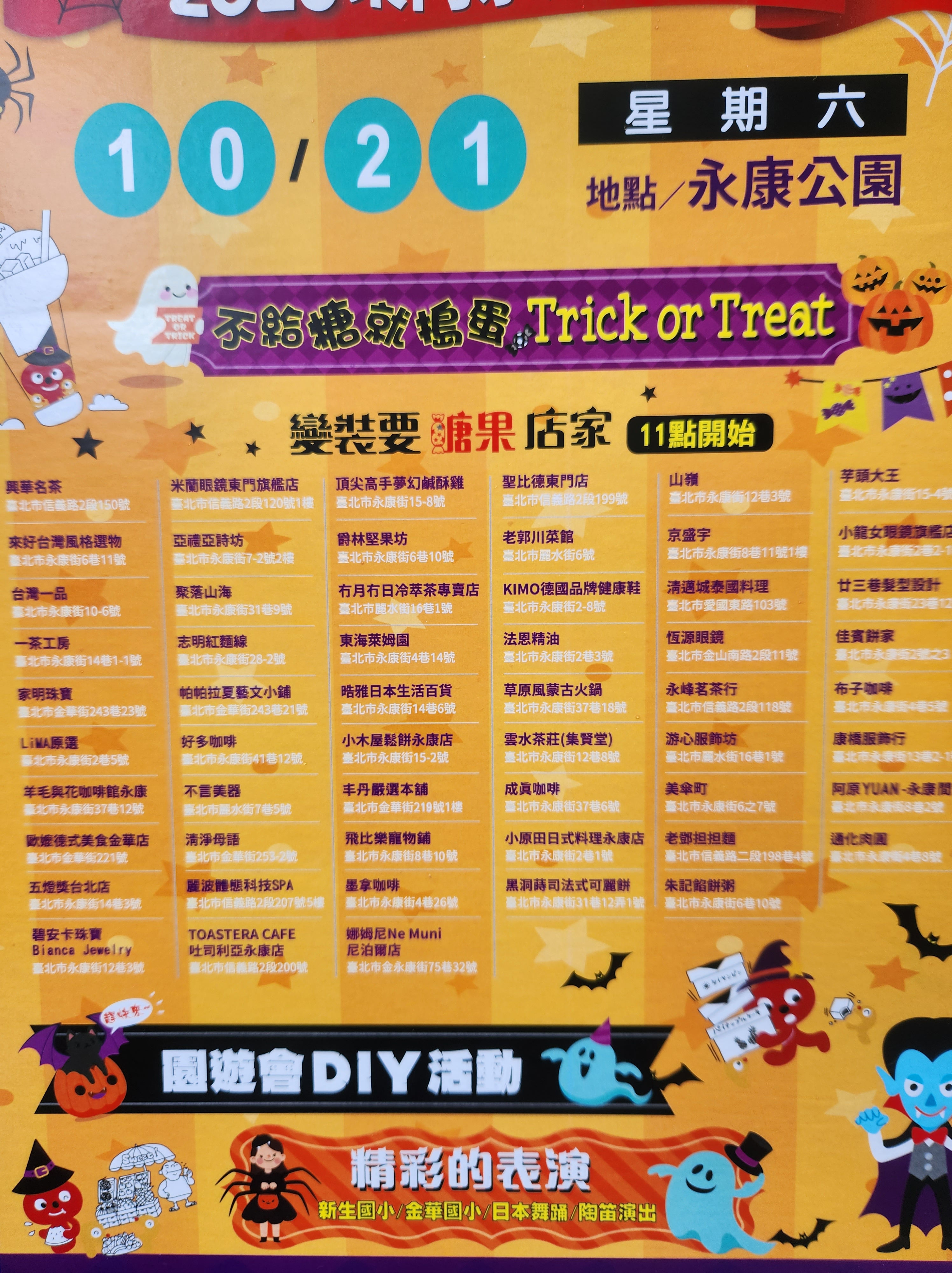
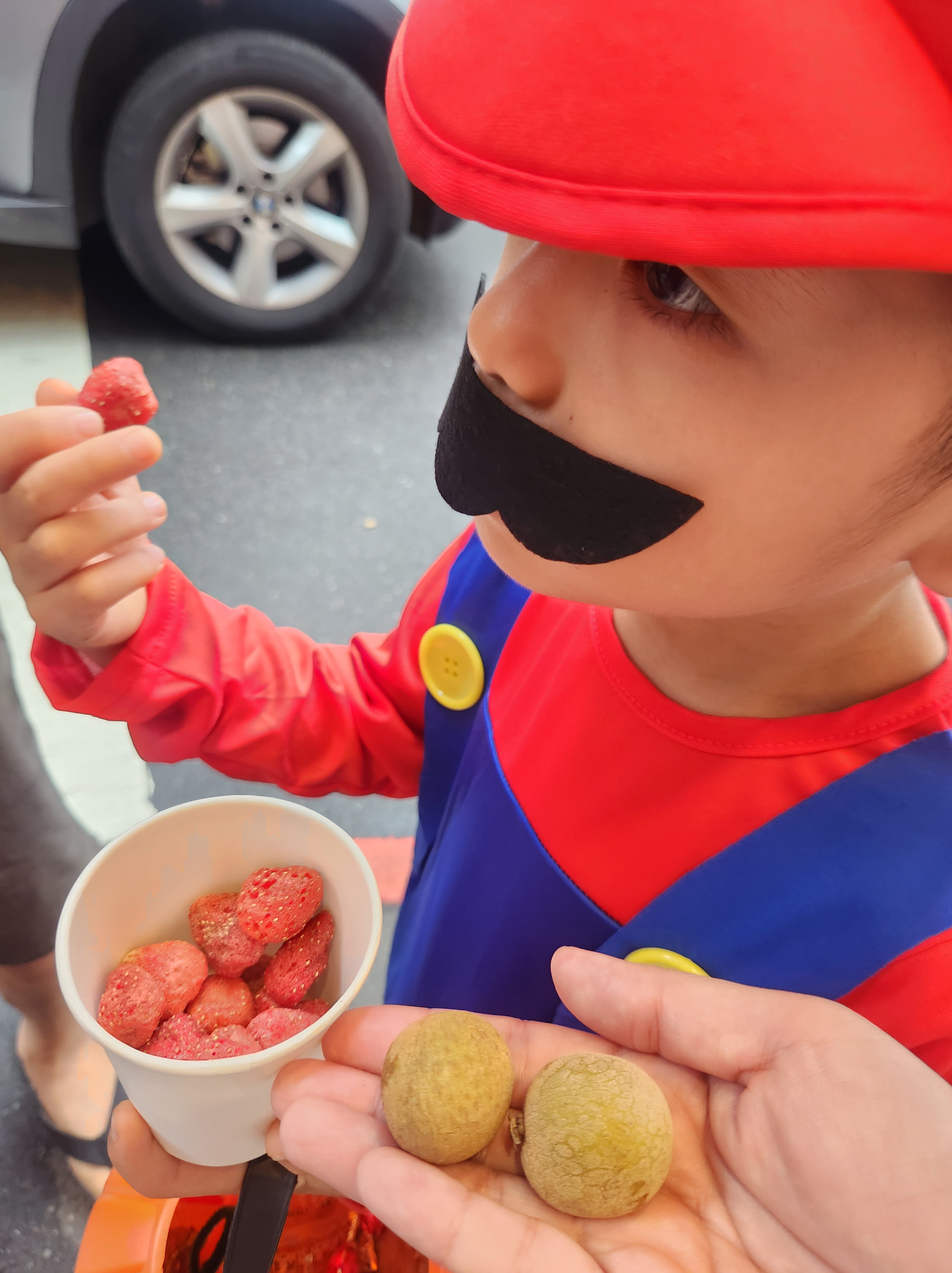
I searched for activities and was pleasantly surprised to find many events in Taipei leading up to Halloween. There are pockets of shopping areas like Yong Kang Street, Tienmu, Maji Square, Zhongshan Station, etc. where shop owners participate to pass out candy to trick-or-treaters. We went to the event at Yong Kang Street, which was mostly for locals and had a lot of fun. We even got freeze dried strawberries and longan as treats!

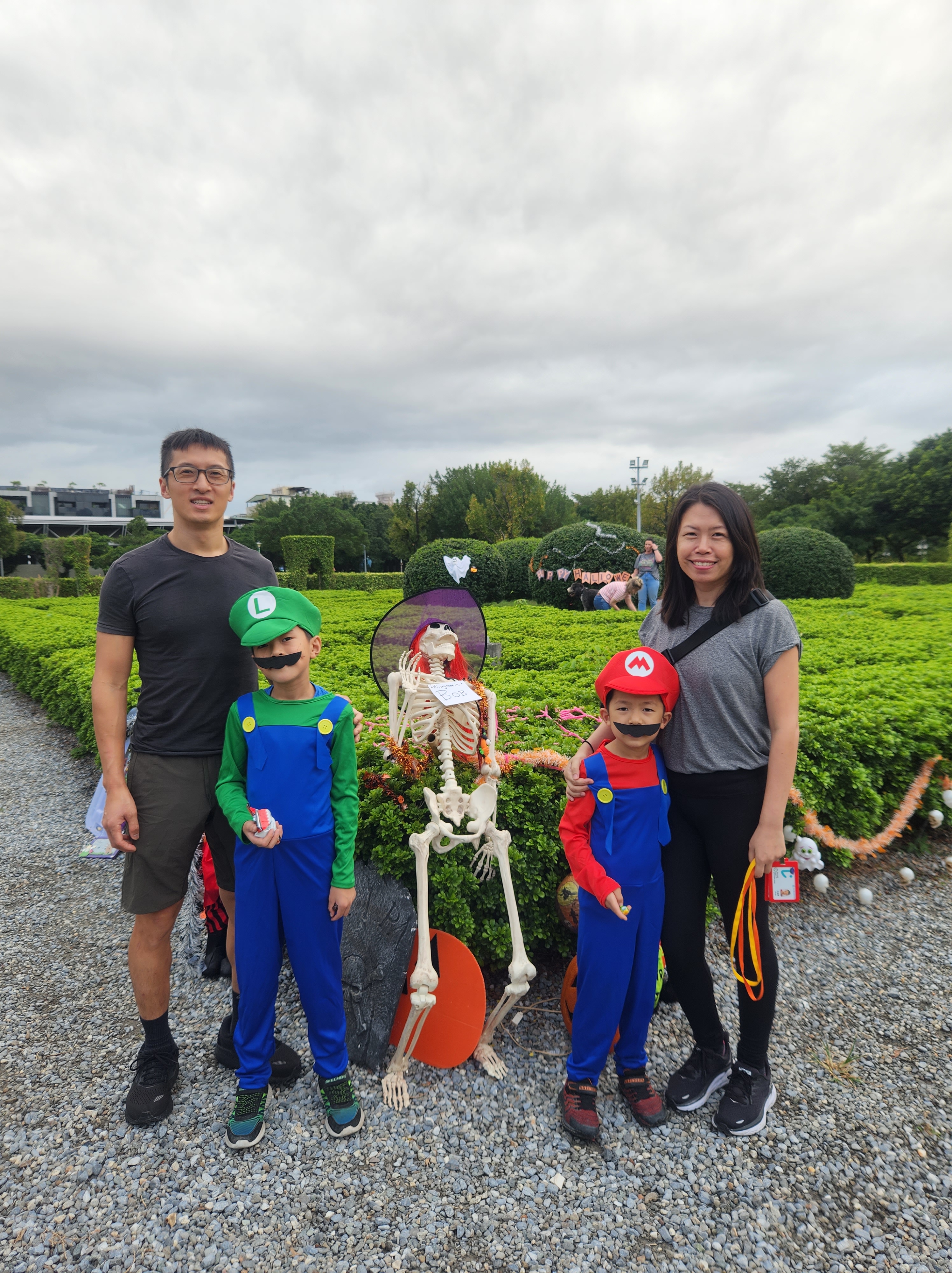
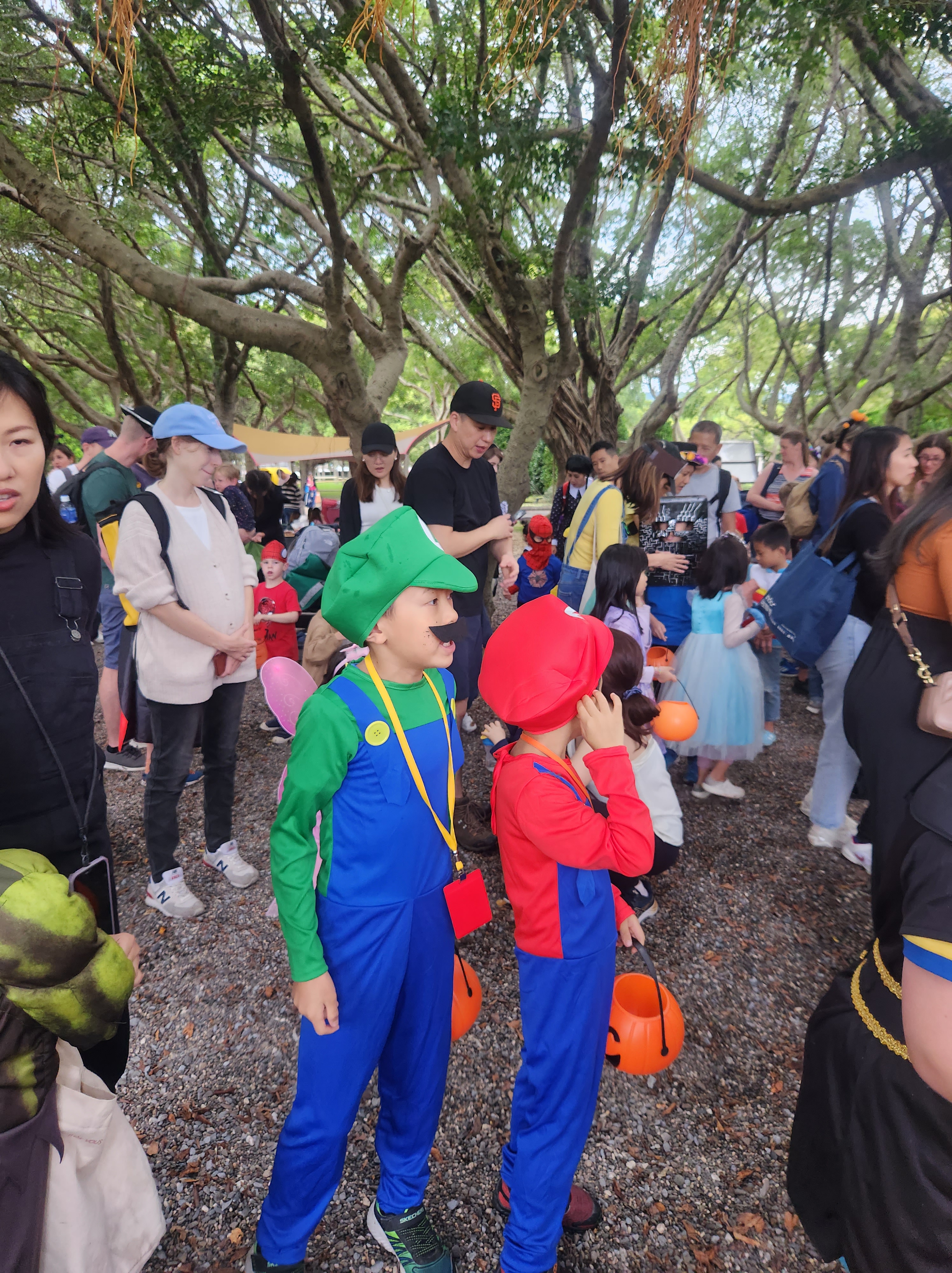
Later on, I found out about an expat parent group organizing a Halloween event at the Garden Maze at Xinsheng Park. It’s not the typical Halloween hay mazes you’d find in the US but close enough! Parents donate bags of candy and hide in the maze to pass out to trick-or-treaters. There was a large turnout!

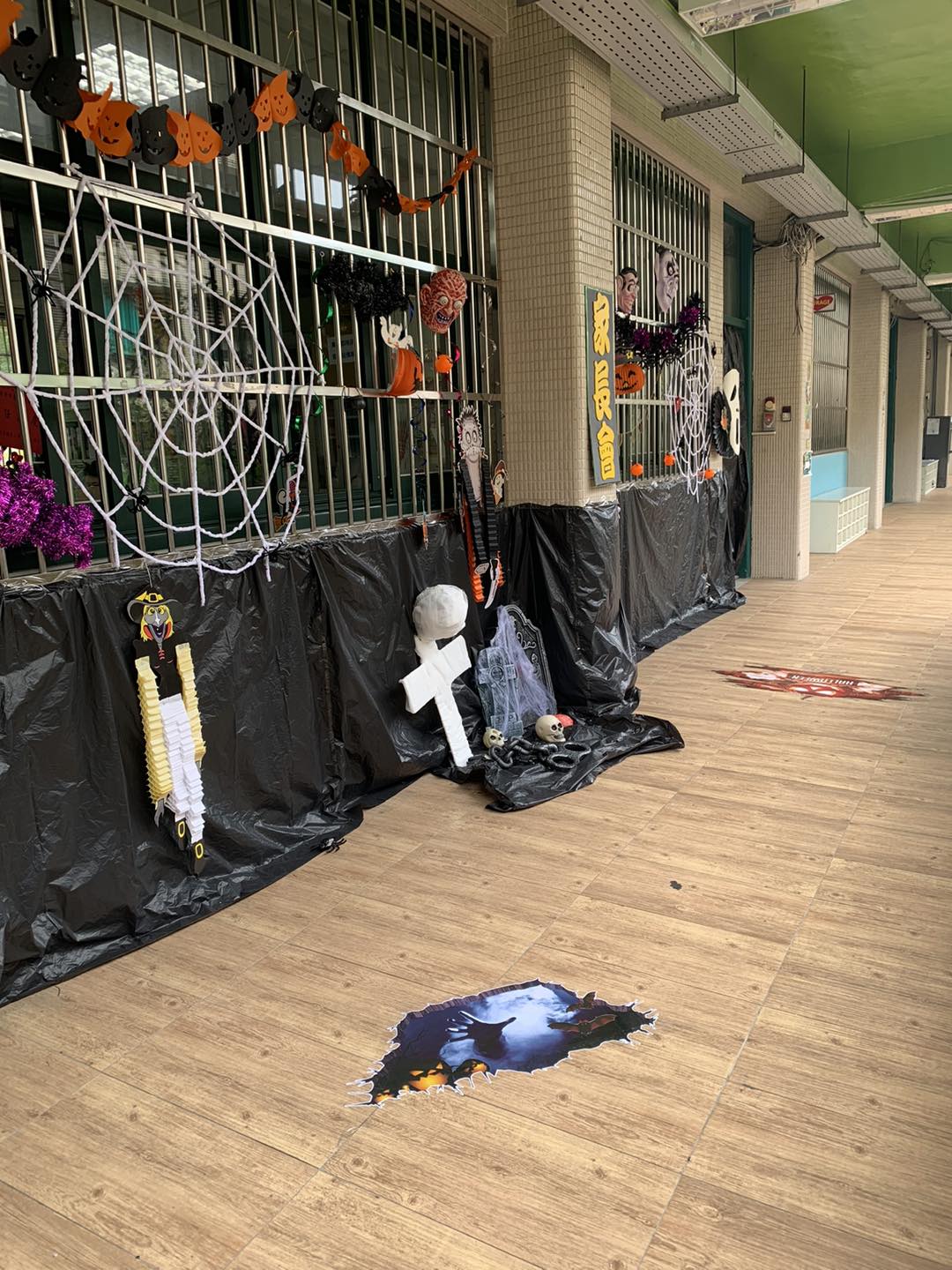
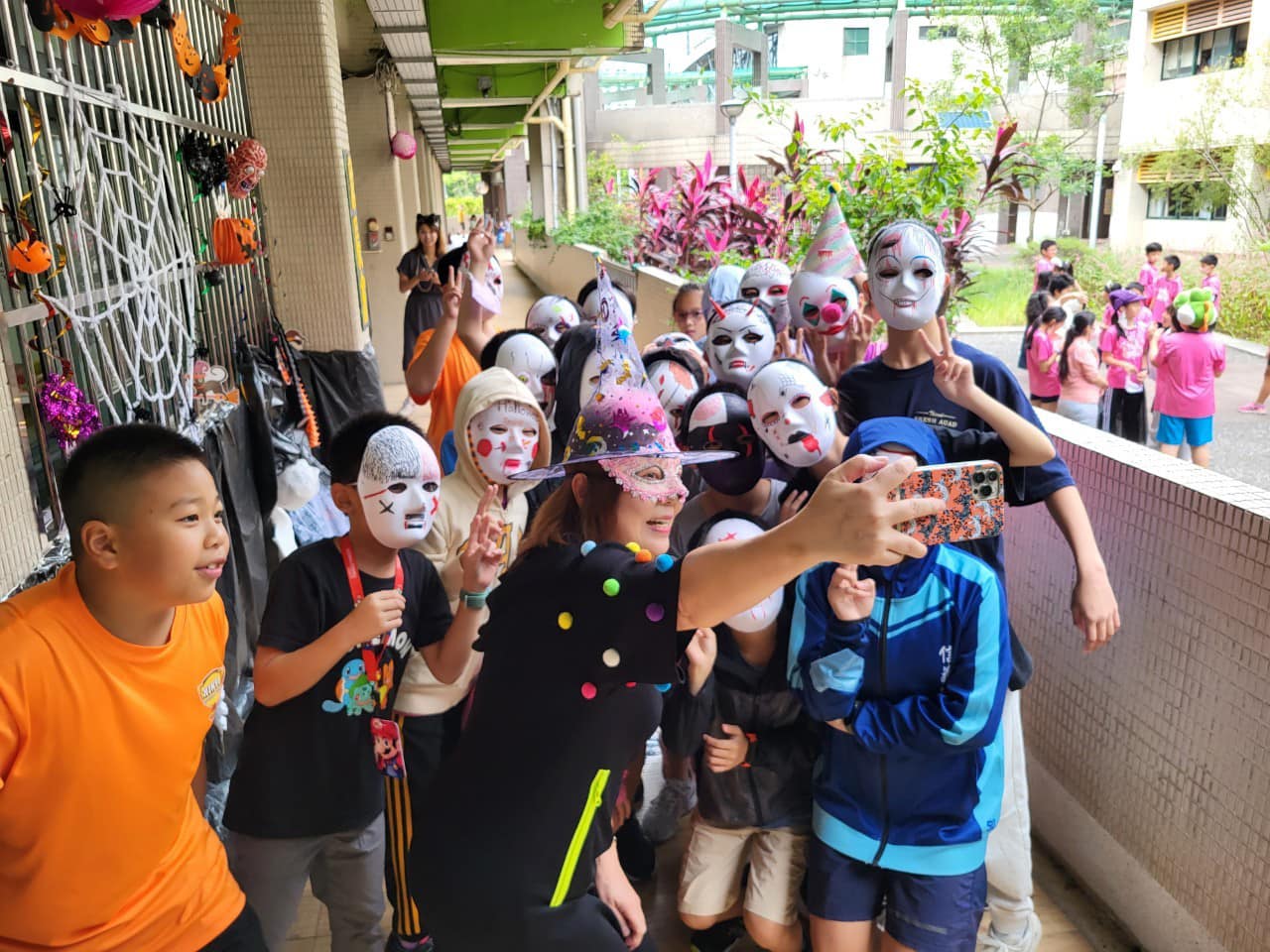
The boys’ school also had a Halloween activity the week prior. The PTA decorated an area of the school and classes took turns to visit. Students can wear costumes to school too but because C and O’s costume is pretty tricky to get in and out of, they decided not to wear it. Plus, they absolutely hate wearing the mustache. 😆

Because this year’s Halloween landed on a weekday (Tuesday), there wasn’t any trick-or-treating on the day of. People in Taiwan take school and work very seriously, so it makes sense they wouldn’t want to take time away from homework or work. Plus, C had midterms this week! 😬

I had wondered if Taiwan celebrated Halloween at all, and while of course it’s not the same as the US, we had an awesome time exploring the different Halloween activities around Taipei! We’ll definitely check out other Halloween events next year.

Ramblings

School in Taiwan, Part II

In my last post, I shared the differences between public schools in Taiwan vs. the US. After some thought, I realized there are more differences I wanted to share.

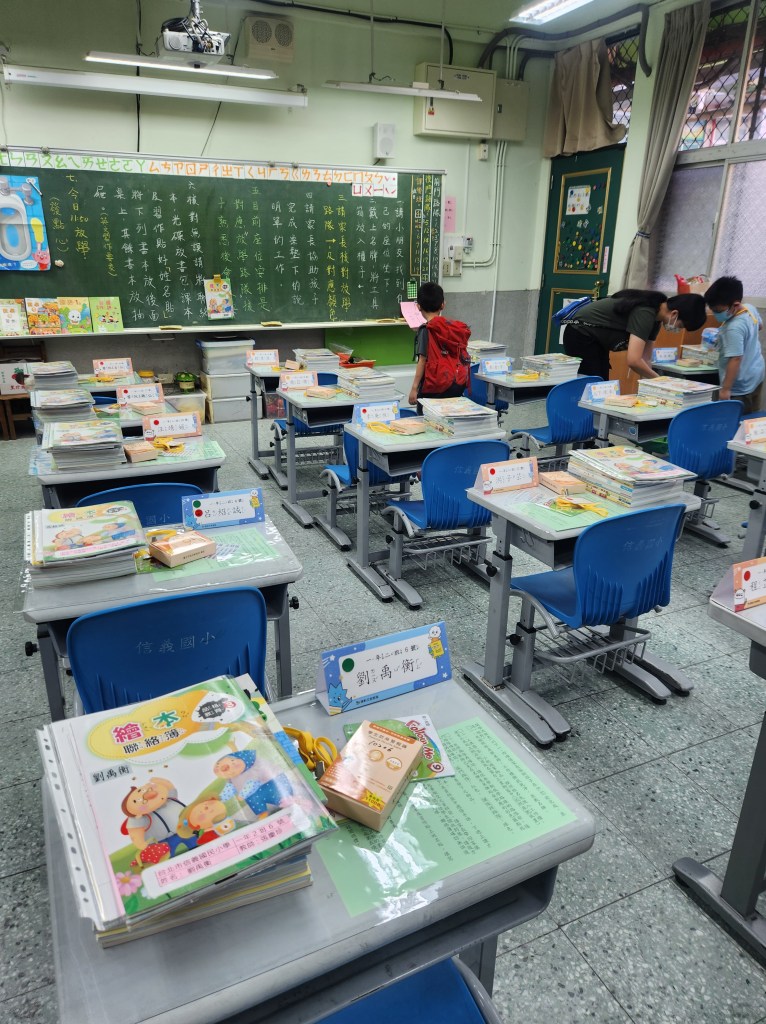
Classroom Setting. In the US, elementary school classrooms are usually pretty colorful and cheery, with artwork on the walls and bright rugs for circle time. Kids’ desks are usually pushed in groups to encourage teamwork. In Taiwan, the classrooms are not as cozy. There are rows of individual desks (though some classes may have two desks pushed together) and the rooms are bare except for teaching materials. There are no games, artwork, toys or books. Honestly, this brought back terrible memories of Chinese school for me. 😬

Tests, Tests, Tests. I knew beforehand that Taiwan schools are very focused on tests. What I didn’t know is how many there would be! O, even in first grade, has dictation tests each week. C either has a dictation or math test each week. There are also midterms and finals, and from what I understand, students are ranked at the end of each semester. 😬 In the US, there aren’t tests until the third grade. Even then, it’s just one exam taken on the computer.

Grades. Elementary school in the US do not use real grades. Teachers use a rating system from 1-4, 4 being exceeding grade level. Homework assignments are given either a ✔+ or ✔. Here in Taiwan, everything is graded. You get one stroke or phonetic symbol wrong, points will be deducted. Parents also have to sign off on the test results. Below is C’s first dictation exam but he’s had others that were not so ideal.

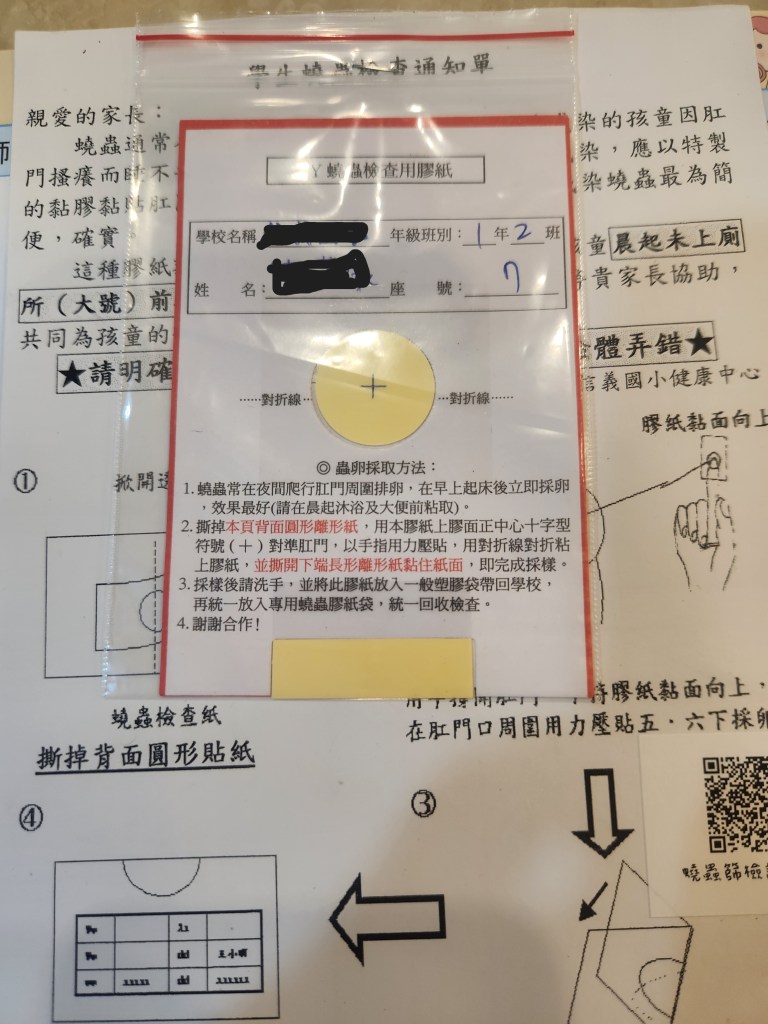
Health Tests. Besides academic tests, there are health tests that are administered at the school. So far, only O had to do the tests, so maybe they’re only for first graders. These tests require getting a sample at home. We’ve had to provide a urine sample and more recently, do a pinworm test which required getting a sample from where the sun don’t shine. 😂 I also read that students get a dental exam later on in the year. I can’t imagine US schools implementing something like this.

Staff. You often hear schools being short staffed in the US. I was surprised to see so many staff at our school in Taiwan! (Then again, our school has 700-800 students so they do need the manpower.) There is a Department of Academic Affairs, Department of General Affairs, Department of Student Affairs, and so on. Each department has a lead and then 4-5 staff. Then there are teachers for each subject. I remember at our old school in SF, we had one secretary who basically managed everything.

Saturday School. Last Saturday, the boys had school. This was a “make up” day for an upcoming Monday holiday. In Taiwan, if a holiday falls on Tuesday or Thursday, the government will give you Monday or Friday off to make it a 4-day weekend. But, you have to make up that extra day off by going to school or work on a Saturday. And yes, there is homework that day too. Again, file this under “things that will never work in the US.” 😂 There would be protests and riots, but the Taiwanese have such a strong work ethic!

Ramblings

School in Taiwan: Same, But Different

We’ve been at a public elementary school in Taiwan for almost a month now. Our experience has been interesting, surprising, and eye-opening. I wanted to share some similarities and differences I’ve noticed between Taiwan schools and US schools.

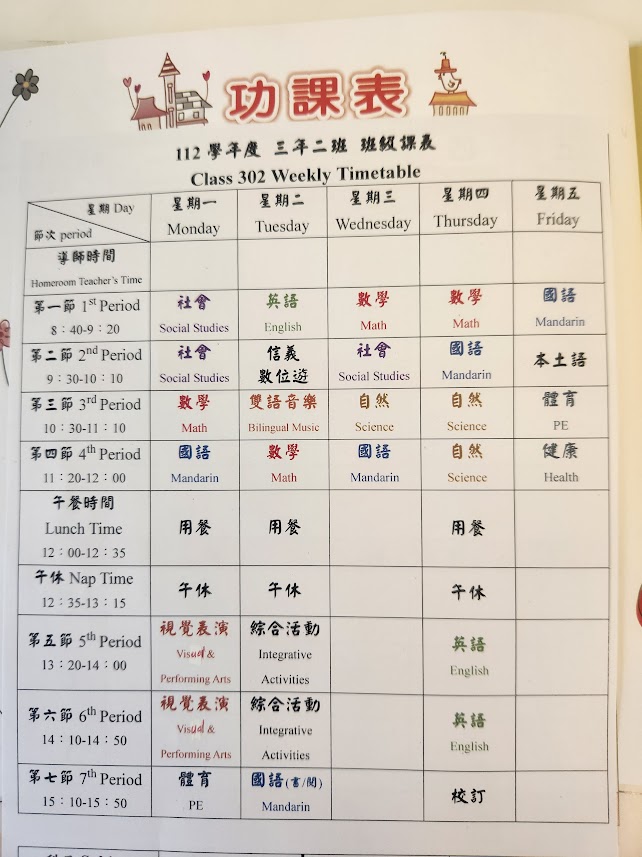
Class Schedule. Students study pretty much the same subjects as in the US. There is math, PE, science, English, music and language arts (except we’re learning Chinese Mandarin of course). However, elementary students in Taiwan follow a period schedule, much like middle school and high school in the US. There is homeroom, followed by periods for the different classes. The homeroom teacher is the “main” teacher for subjects like math and language arts, but kids change teachers and classrooms for the other classes. Kids also have a textbook and workbook for each subject – totaling to about 15 books! 😮

Students at different grades also have different schedules. C, who is a 3rd grader, has three long days during the week, in which his classes go from 7:50am – 3:50pm. O, a 1st grader, only has one long day during the week. The rest of the days are short days, from 7:50am – 12pm. We had a hard time trying to remember their schedules at first!

Homework. Like in the US, there is homework and it’s usually on math and language arts. There is homework everyday, even on weekends. We were prepared for 2-3 hours of homework a day, but so far it hasn’t been that bad. O’s homework is really easy right now, because he’s still learning the basics of zhuyin. The math is just counting or very simple addition. He usually completes everything within 20 minutes.

C’s homework is more complicated solely because the questions are all in Chinese. But in terms of quantity, it’s manageable. I’d say his homework takes anywhere from 1-2 hours a day. If he could read/write Chinese fluently, I’m sure it would be half the time. We also lucked out finding a great tutor who comes to our place everyday for an hour to help him with homework. Otherwise, we would be struggling with Google Translate. 😅

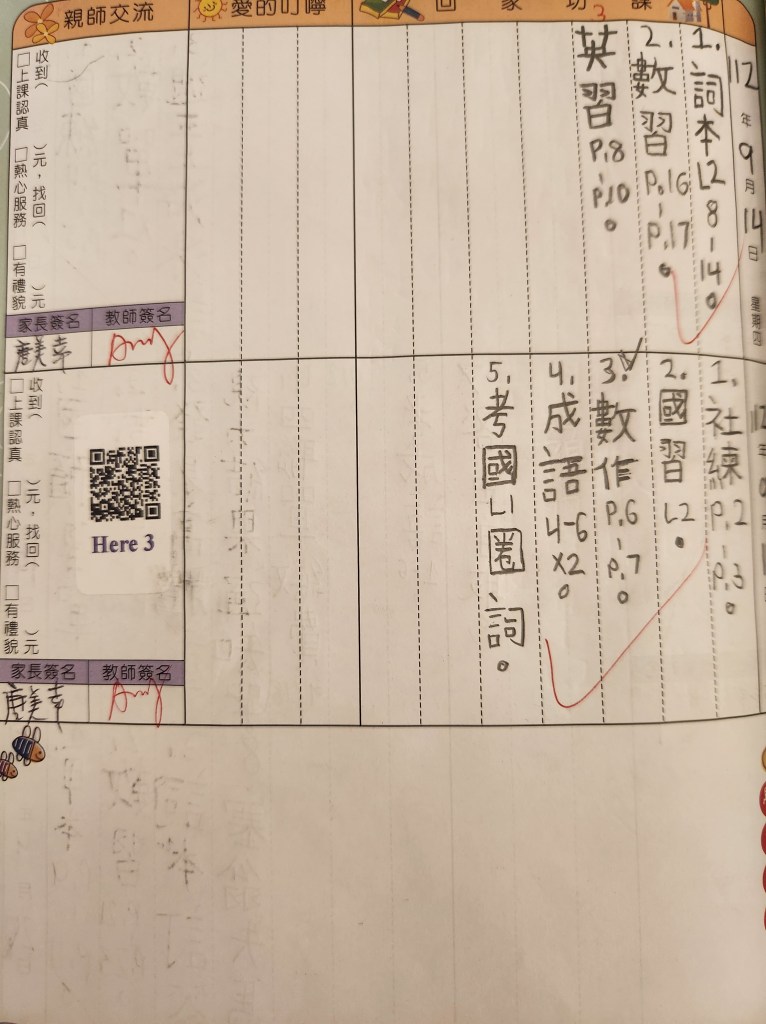
Daily homework assignments are written in a booklet. The teachers review and make sure students wrote everything down correctly. Parents then have to sign it each night when the homework is completed. You can also write messages to the teacher in the booklet, but most communications are done via LINE.

Recess (or lack thereof). Schools in Taiwan mostly have 10 minute breaks in between classes. The longest break is 20 minutes. Unlike the US, students don’t have an official “recess” where they go out into the yard and play. They usually either hang out in the hallways or stay inside the classroom. They get a 40 minute nap time after lunch, but that just means they rest their head on their desk inside the classroom. At first, the boys were disappointed there was no recess and I was worried they weren’t getting enough outside time. But like with everything else, they’ve gotten used to it and don’t mind it at all now!

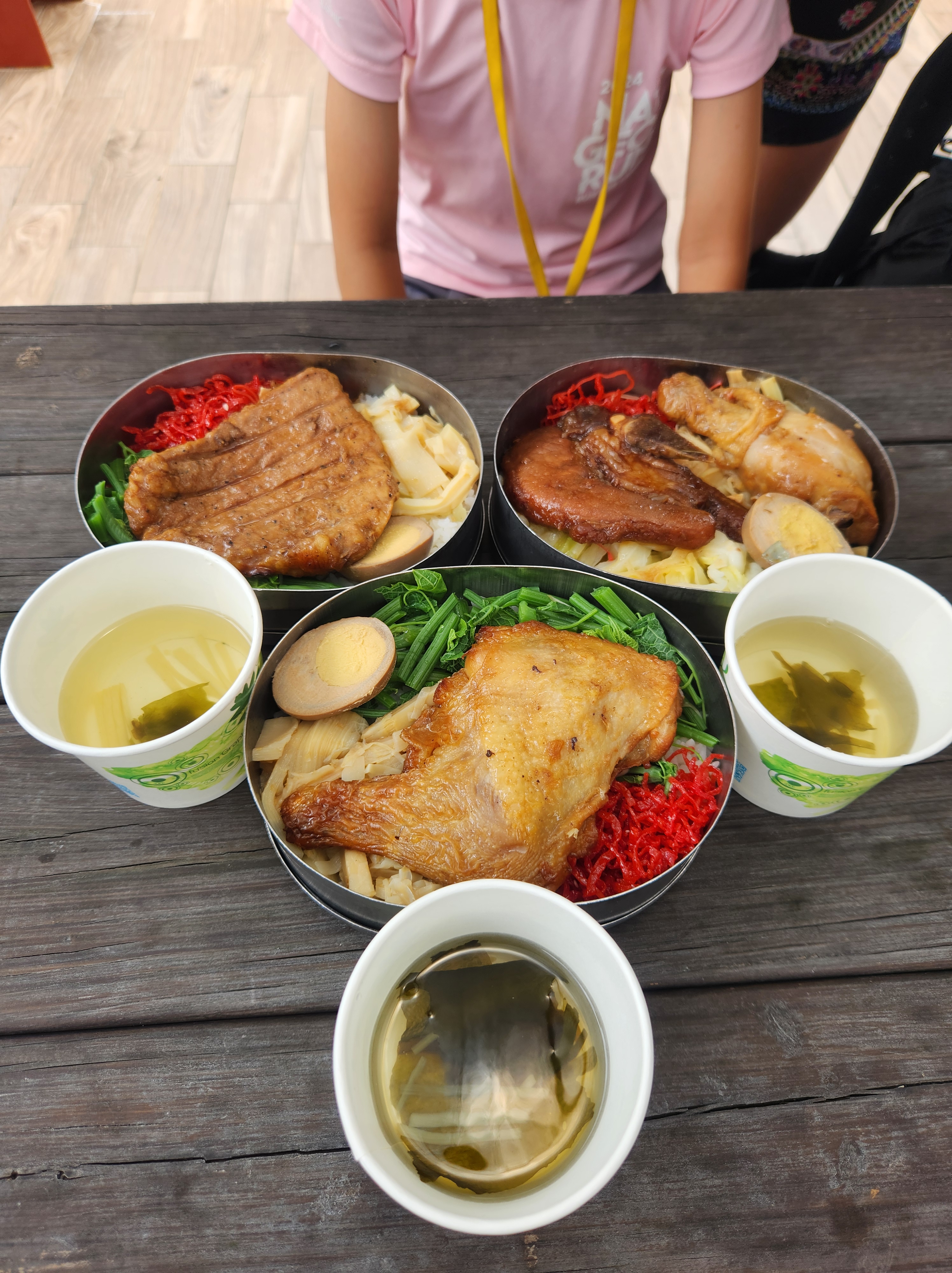
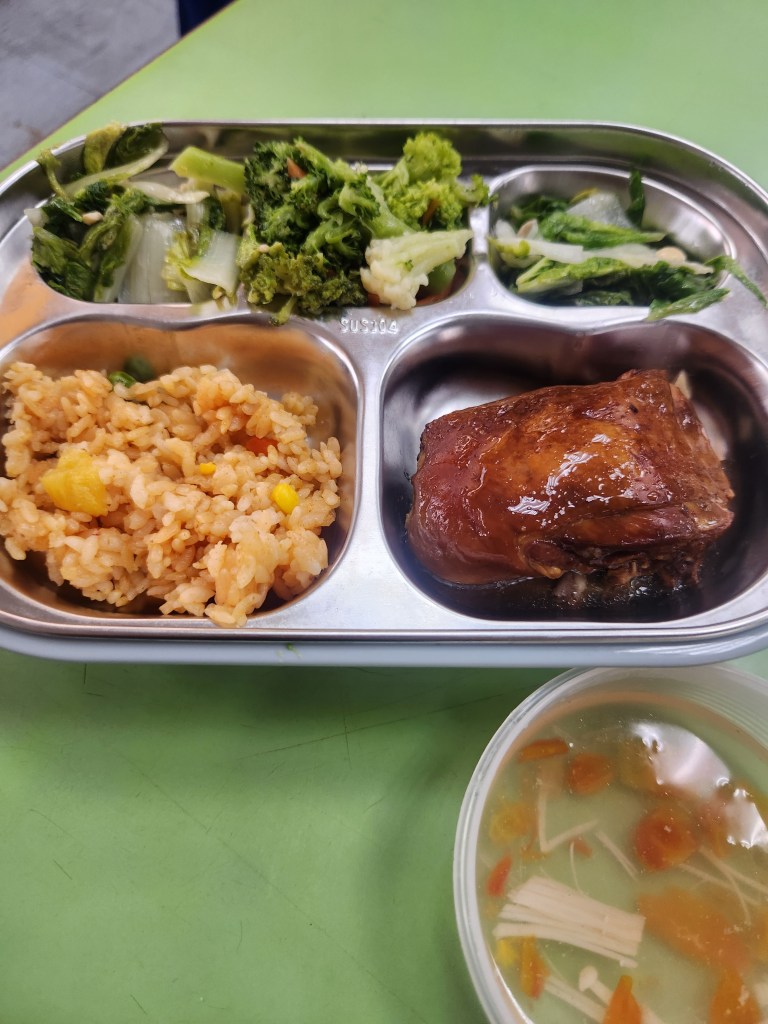
Lunches. The school provides lunches, but only on long days. The lunches are served and eaten in the classroom because there is no cafeteria, and students have to bring their own utensils. The boys have been loving the food, and look forward to it. Lunches usually consist of a rice, protein, vegetables, soup and fruit, and they try to serve different types of cuisines. The boys say it’s “SOOO MUCH BETTER” than the school lunches in the US. 😆 What’s also interesting is that students have to brush their teeth after lunch too!

PTA. Back at our old school in SF, Baba and I were pretty involved with the PTA. It was a great opportunity to help out the school while getting a glimpse into our kids’ day. I didn’t expect schools in Taiwan to have anything like that, but it turns out our school has a “Parent Association” or 家長會. Currently, Baba volunteers as a traffic control guard and I volunteer at the library.

Parents take volunteering seriously here! When you sign up for shift, you are expected to show up that day/time for the entire semester. (Unlike the US, where parent volunteers come and go whenever they please.) Baba had to undergo training for his job and the 家長會 had to buy him insurance. There are also group chats for each volunteer team, and there are multiple messages being sent everyday!
School Fees. In the US, public schools are entirely free (unless you join special clubs, teams or what not.) In Taiwan public school, there are fees. We have to pay for textbooks, school lunches, and bring all supplies. This includes pencils, markers, scissors, glue, and so on. It’s not expensive – we paid less than $200 per kid this semester – but it was a little surprising coming from the US.

However, what’s different in Taiwan is that there are zero school fundraisers. Everything is “paid for” in US schools because families raise funds to support the classrooms. Here, families are responsible for their own expenses. Neither is good or bad, just different!
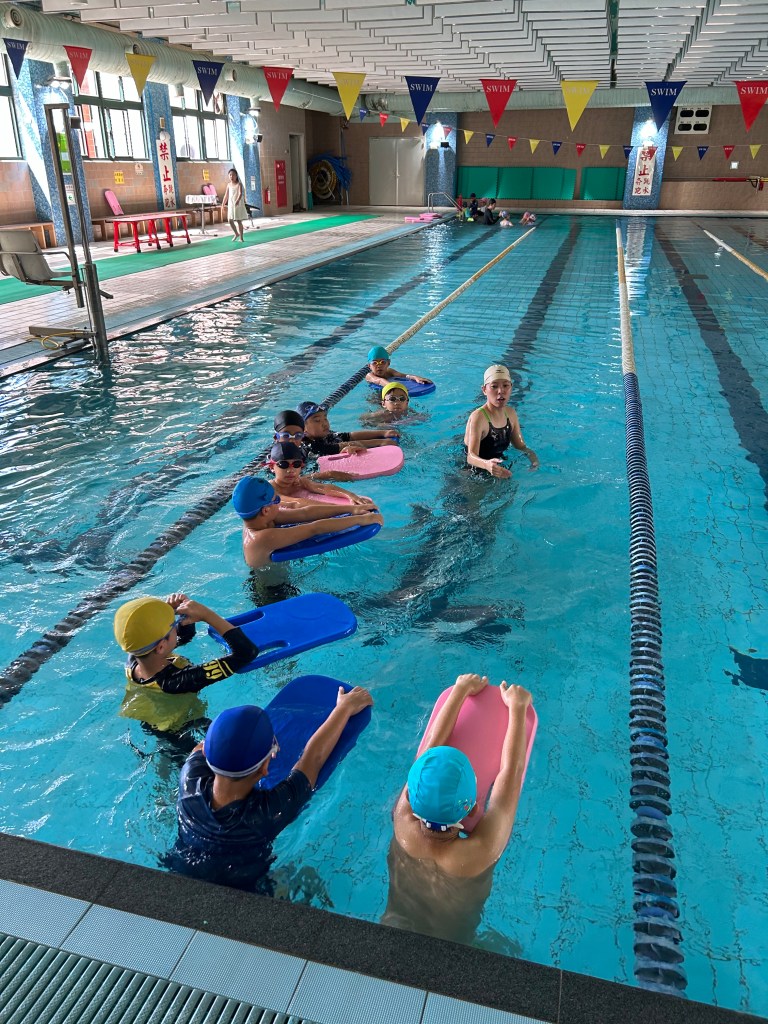
Swim Class. Something really interesting at our school is that it has a pool! Many schools in Taiwan have a pool too, but not all. Students at our school take a 4-week swim class during the semester. I can’t imagine the logistics of trying to get 25 kids in and out of the pool, but I guess the school has figured it out. Kids are grouped by swimming ability. We don’t expect the boys to come out of the class being pro swimmers, but it’s neat that the school has this option.

Afterschool Care. Taiwan schools have afterschool care too, where kids can get homework help. But we felt like C needed 1:1 help in Chinese, so we opted out of this program. However, we were surprised to learn that our school offers A TON of after school activities. There is in-line skating, badminton, ping-pong, magic, track & field, Legos, taekwondo, and much more! We got a little too excited and signed the boys up for something everyday. 😅

But much like the school fees, there are costs to these activities and you have to supply all materials. So we had to purchase in-line skates and helmets, ping-pong paddles and even a deck of cards for O’s magic class.

School Teams. Back in SF, our school had one sports team (soccer) and that was 100% run by parents. Here, our school has several school-run sports teams: basketball, swimming, soccer, badminton, track & field and even theater. But unlike the US, where all kids are accepted into the team (at least in elementary school), there are tryouts here. Not everyone gets in. C says he wants to try out for track & field next semester, so we’ll see.

As I’m writing this post, I realized there are other differences between the schools in the US vs. Taiwan that I haven’t mentioned. Not glaringly different as the ones I’ve listed above, but still interesting. This post is getting too long though, so hopefully I can get to it next time!

Ramblings

By the Book

Any time I want to explain a complicated topic to the boys, I turn to books. Children’s books have such a simple yet thoughtful way of communicating a message.

So as we got closer to moving, I looked for books about navigating between different cultures. I think I borrowed 10+ books from the library 😅 but these are a few of my favorites.

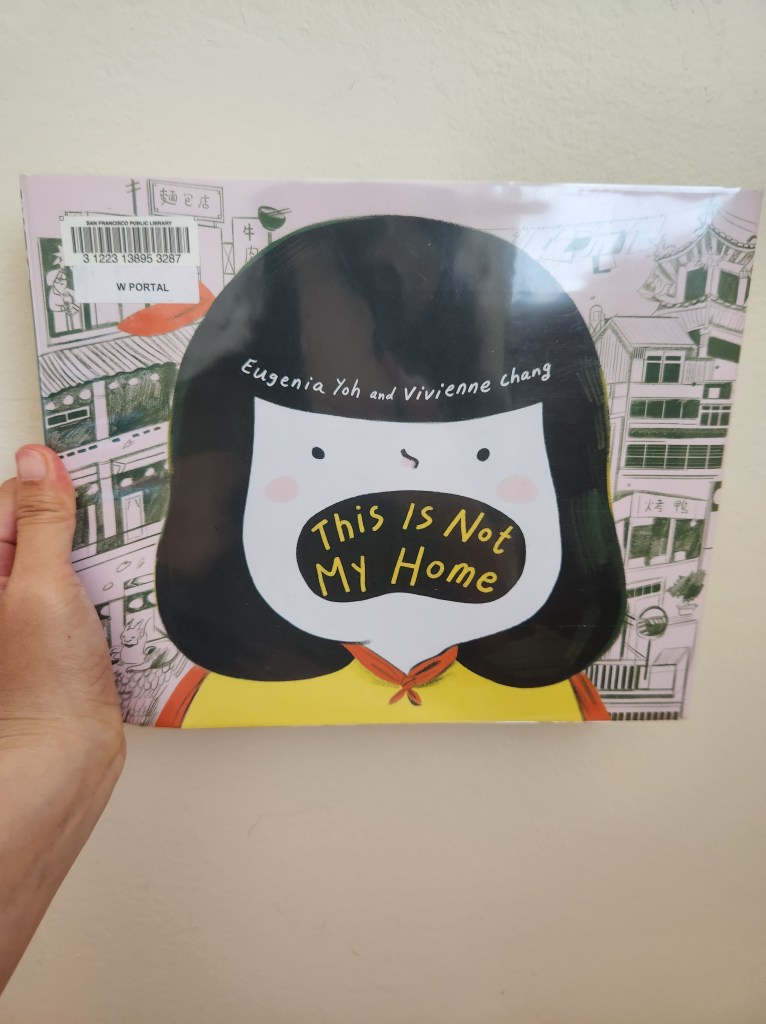
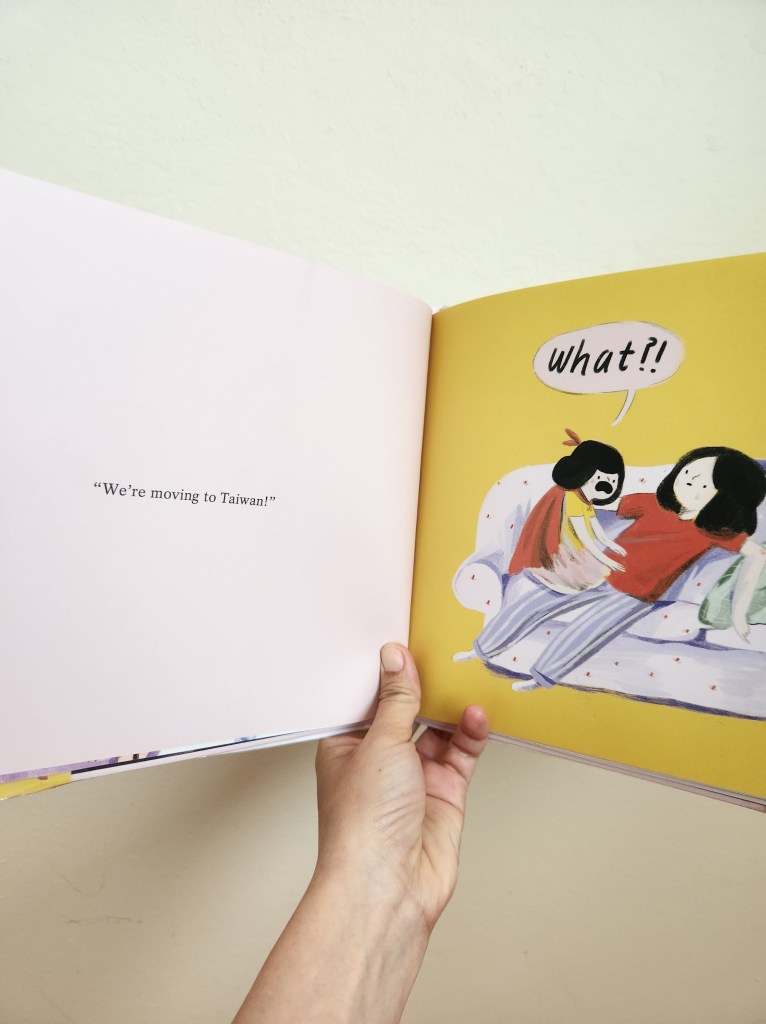
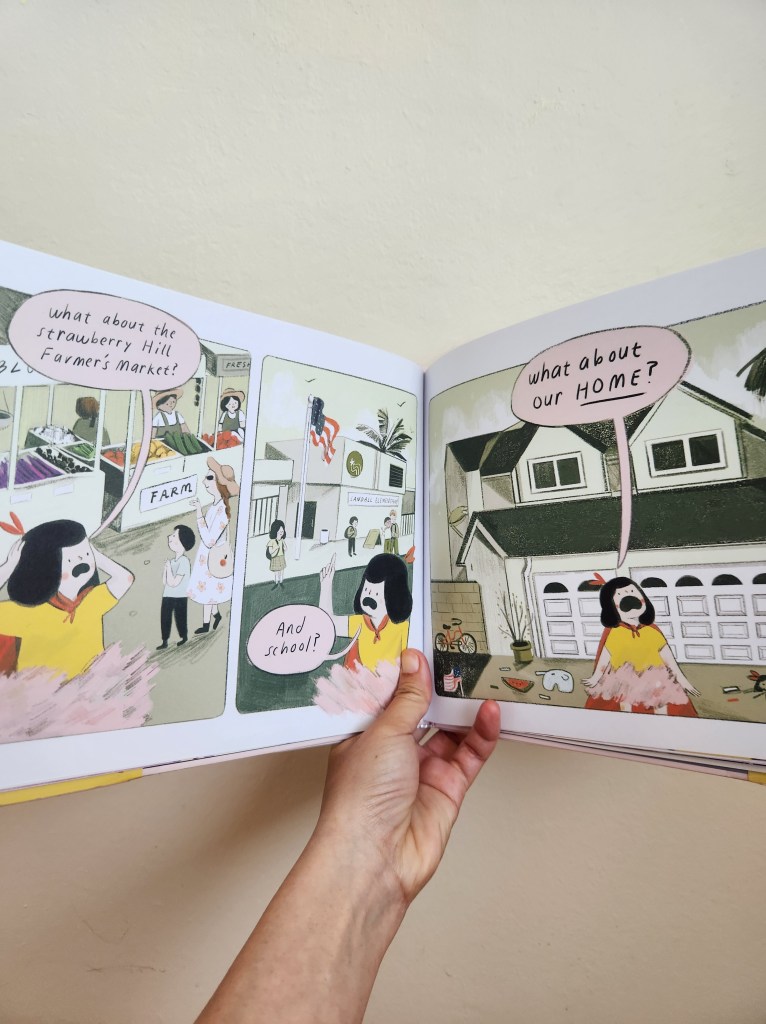
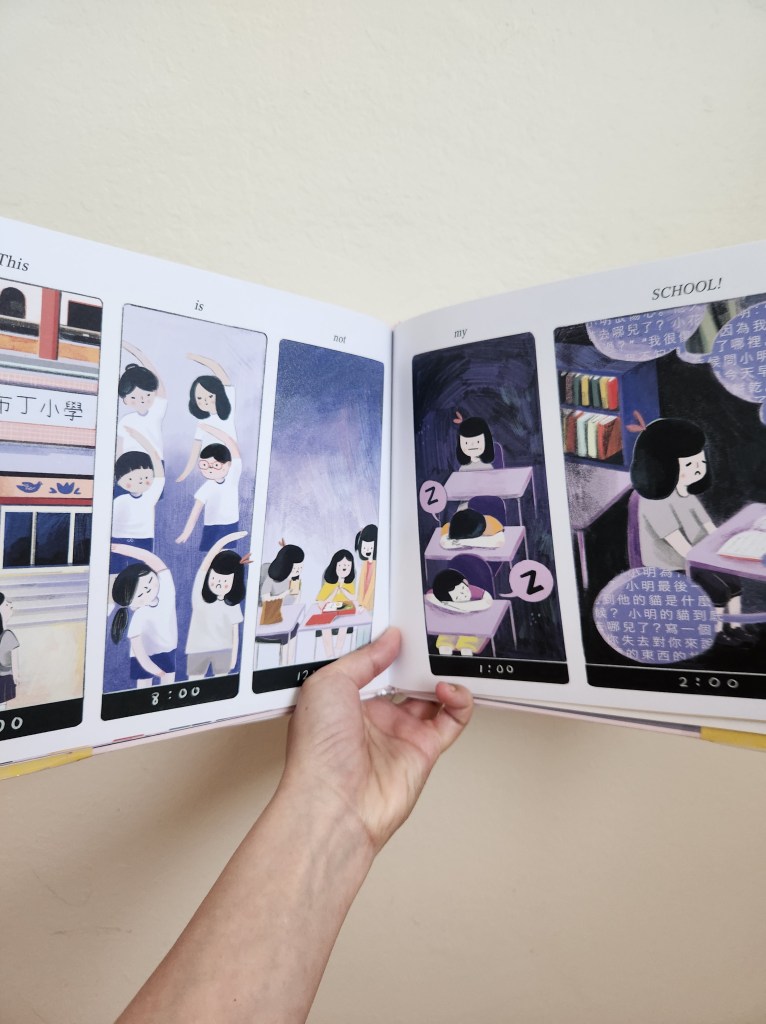
This Is Not My Home by Vivienne Chang and Eugenia Yoh

This book is perfectly fitting for our situation because the main character, Lily, also moves from US to Taiwan. Lily inevitably compares Taiwan to her home and nothing seems right. But she learns that this is her mother’s home and over time, Lily begins to accept it as her own too.


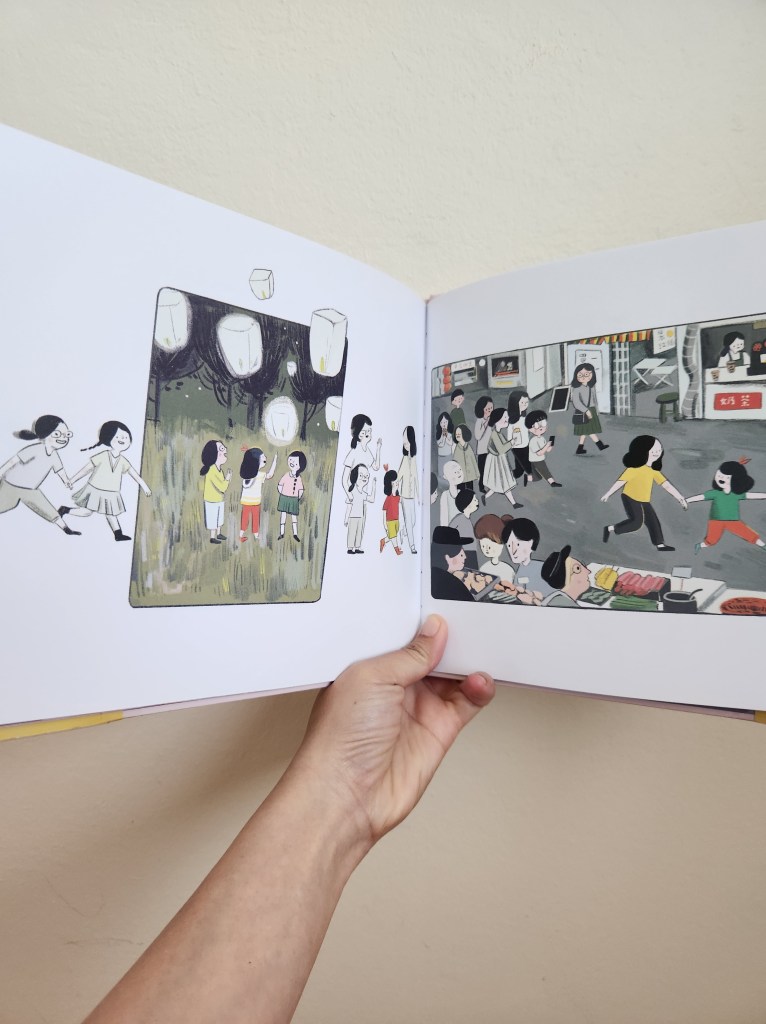
A New Home by Tania de Regil

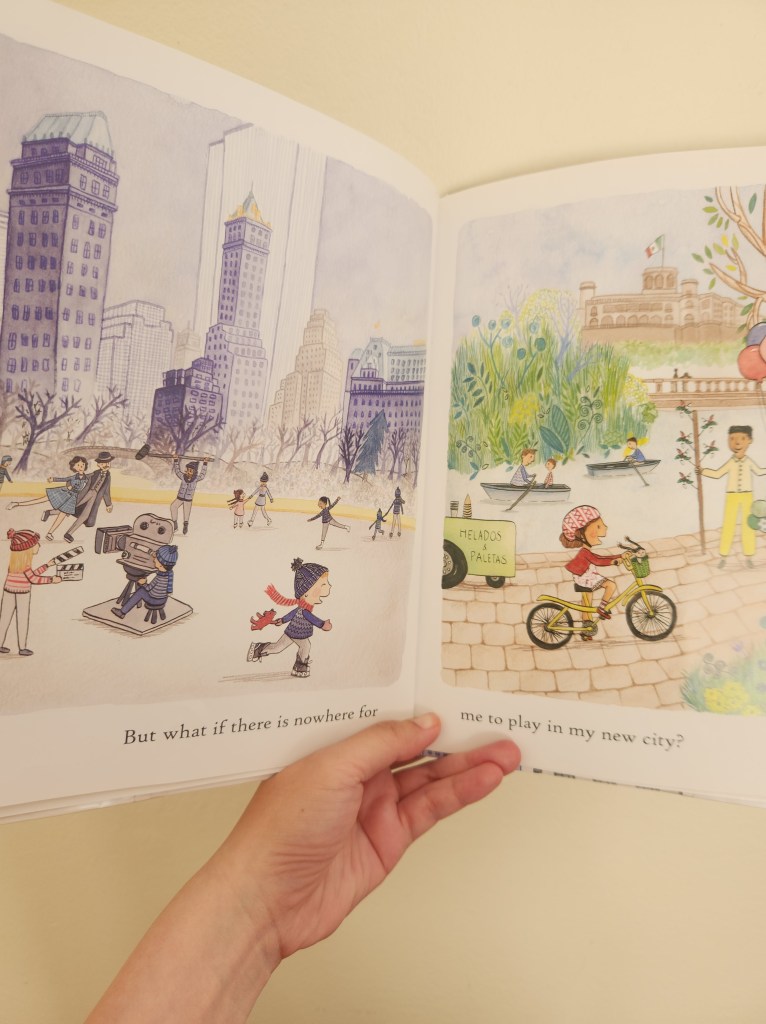
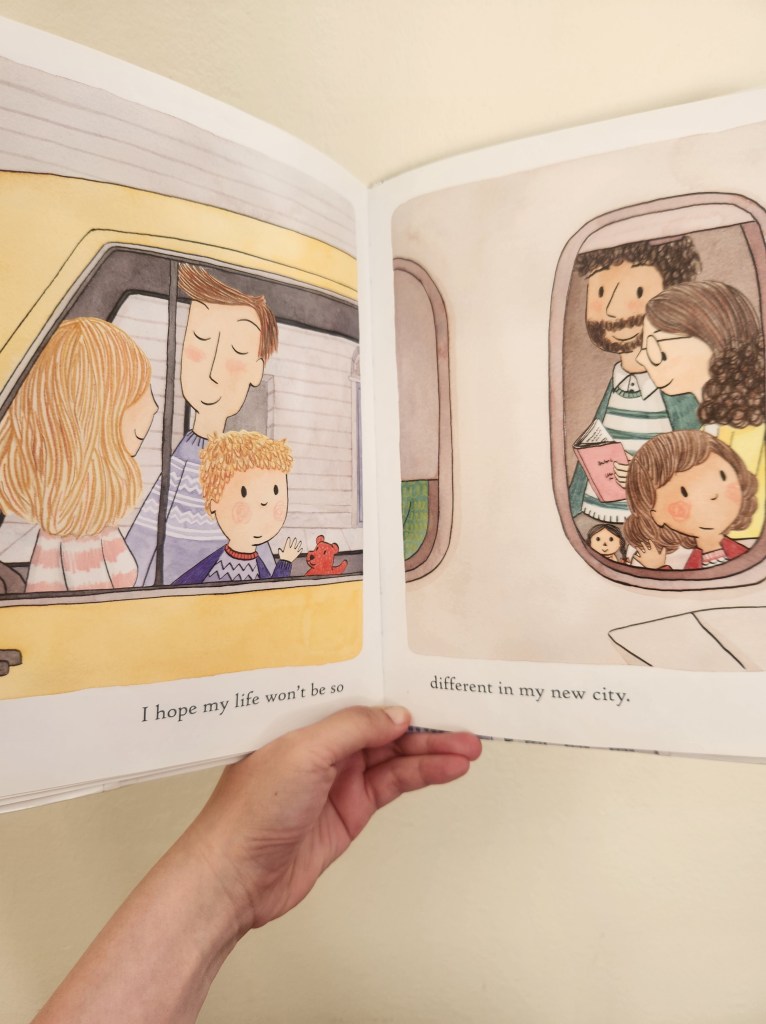
A simple story of very few words, this book is about two kids moving to each other’s home country – US and Mexico. They both wonder if they’ll be able to enjoy the things they did at home, like playing in the park, buying snacks after school and watching concerts at night. But through side by side illustrations of life in their hometowns, we learn that we are not so different from each other after all.


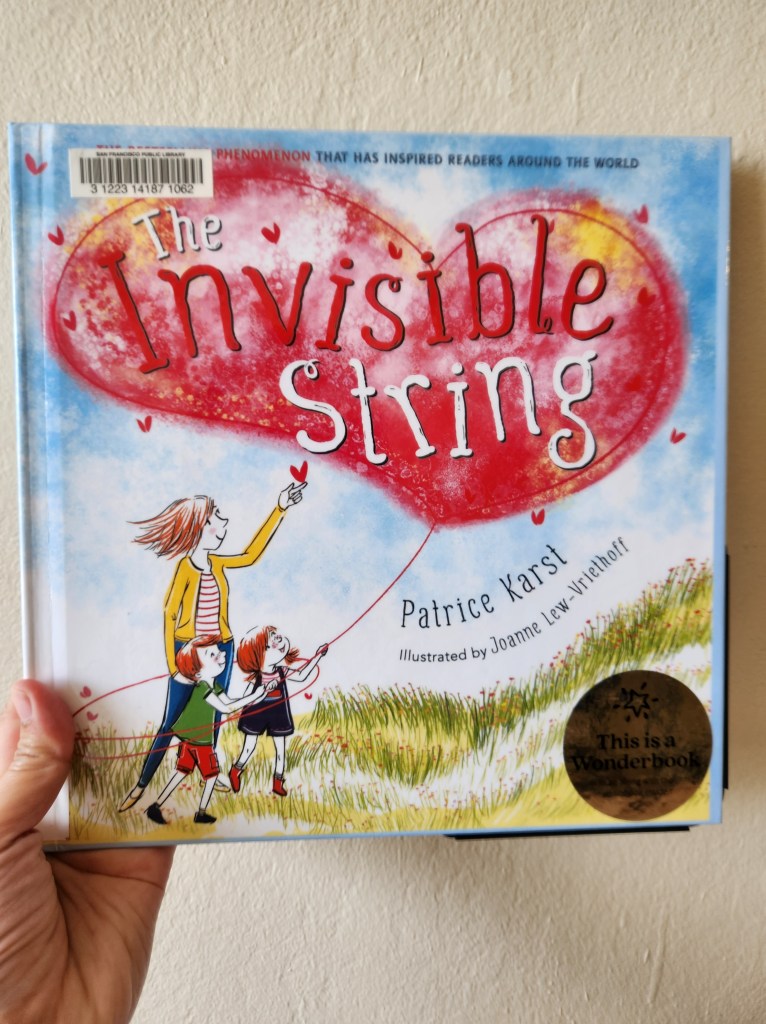
The Invisible String by Patrice Karst and Joanne Lew-Vriethoff

This book isn’t about moving per se, but about the unbreakable bonds you develop with loved ones. The story starts off with two children having a hard time sleeping during a thunderstorm while their mom is in the next room. She tells them about the “invisible string” that connects them to her and all their loved ones, no matter how near or far. My hope is that C and O will understand that we are always connected to our family and friends back home.

Many people have asked how C and O are dealing with the change. They both acknowledge they will miss family and friends, but otherwise they are handling everything in stride. We gave away all their books (but supplemented them with new tablets), 80% of their toys – and yet, they just shrug it all off and move on to the next thing. I guess this is why people recommend moving when kids are still young. They are truly uncomplicated and resilient beings!

Ramblings

The Kids Are Alright…?

Kids. They bring so much joy but also so many complications. C and O will be 8 and 6 when we land in Taiwan so we have to consider how the move will affect them, both socially and academically.

SOCIAL

Thankfully, I think they’re still young enough to adapt easily yet old enough to remember the experience. Of course, their adaptability will depend a lot on their personalities too. Between the two, I predict C might adapt better socially. He is a happy-go-lucky kid, makes friends easily and is fairly logical when you reason with him. He was initially reluctant about the move, but is starting to understand how unique this experience will be. C is also super excited about all the yummy food in Taiwan too. 🙂

O, on the other hand, is slow to warm up but he’s at an age where he’s content following his older brother and parents around. He can be anxious and stubborn – and as a result, unamenable to new changes, so we’ll have to keep a closer eye on him.

Above all, I think the boys will struggle with not having family around in Taiwan. (And honestly, for us too.) They are incredibly close to their extended family. They are used to having aunts and uncles visit each week, take them on trips and teach them everything from math to reading and writing. We’ve been spoiled, I know. Help from family has been so invaluable the past few years, and it was one of the major reasons why we postponed our move until now. Yet if we wait any longer, then it will be harder for C and O to adapt to a new school. (I’ll explain why below.) There is really no ideal time to move abroad, sigh.

ACADEMICS

It will be interesting to see how the boys adjust academically in Taiwan. Right now they are breezing through elementary school in the US. In Taiwan, we will be putting them in local public school. This was not our original intent. We had considered putting them in private bilingual schools but decided against it for several reasons:

  1. We believe public schools will give the boys a better perspective of Taiwanese people and culture. Private schools are typically full of expats or wealthy families so you are living in a bubble.
  2. We’ve heard from a few expat parents that public schools are the best and fastest way to learn the language. While private schools teach Chinese too, many of them dedicate about half the time to English.
  3. Private schools can be expensive.

Taiwan public schools are notorious for being harsh. There is a lot of homework, tests and rule-following. O will be starting 1st grade which is comparable to kindergarten in the US, so we’re hoping the transition for him will be smoother. (Taiwan elementary schools start with 1st grade. Kindergarten is a separate entity, similar to how preschools are operated here.)

C will be starting 3rd grade, and that worries me much more. This is another reason why we didn’t want to postpone our move further. By the third grade, Taiwanese students are fluent in writing, reading and speaking. There are a few public schools with a CSL (Chinese as a Second Language) program, but we need to be working at a Taiwanese company in order to qualify. If we continue to wait to move, the chances of C catching up in a Taiwanese school are next to none.

Baba and I have no way to help the boys with school, so we will be hiring a tutor to help with homework. I fully expect that there will be a lot of tears and frustration…from me and the boys. I will probably drive myself crazy wondering whether we made the right choice sending them to public school. Guess we’ll just have to see how it goes.