I know I complained about C’s homework load in my last post, but I want to acknowledge that our school offers amazing opportunities that teach valuable lessons beyond the classroom, some of which were not available to us in the U.S. (especially not in elementary school). Most opportunities are for 4th grade and up, so unfortunately O will have to wait his turn.
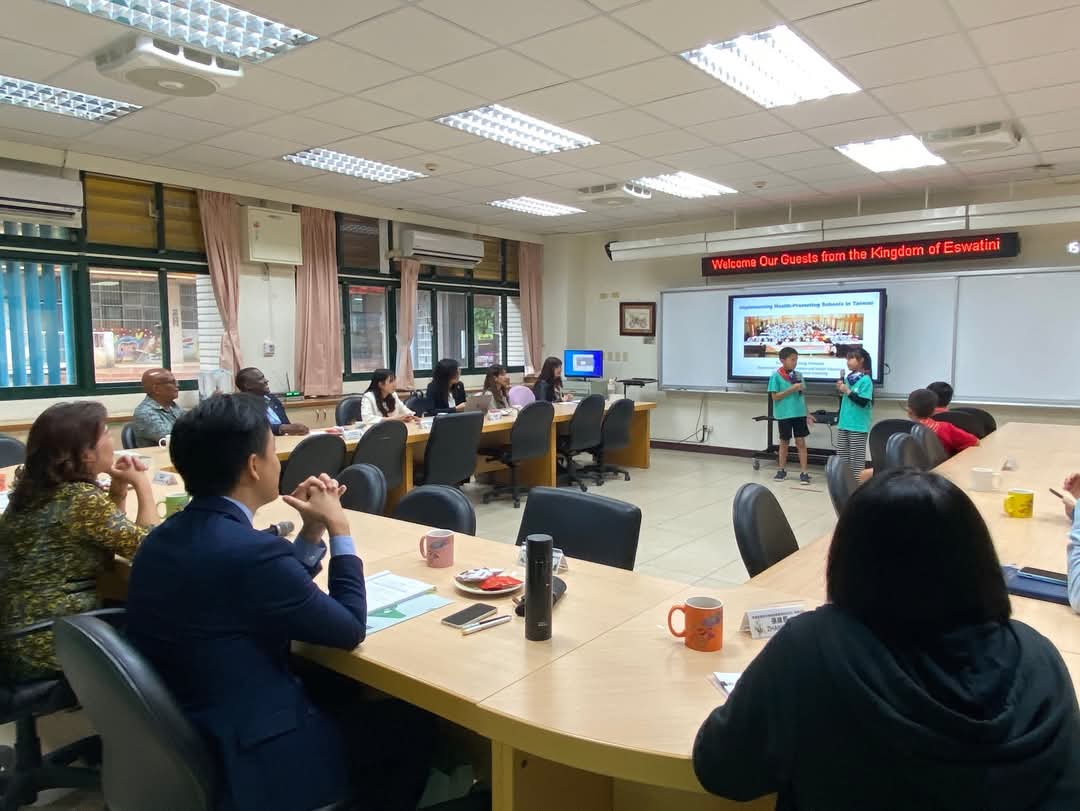
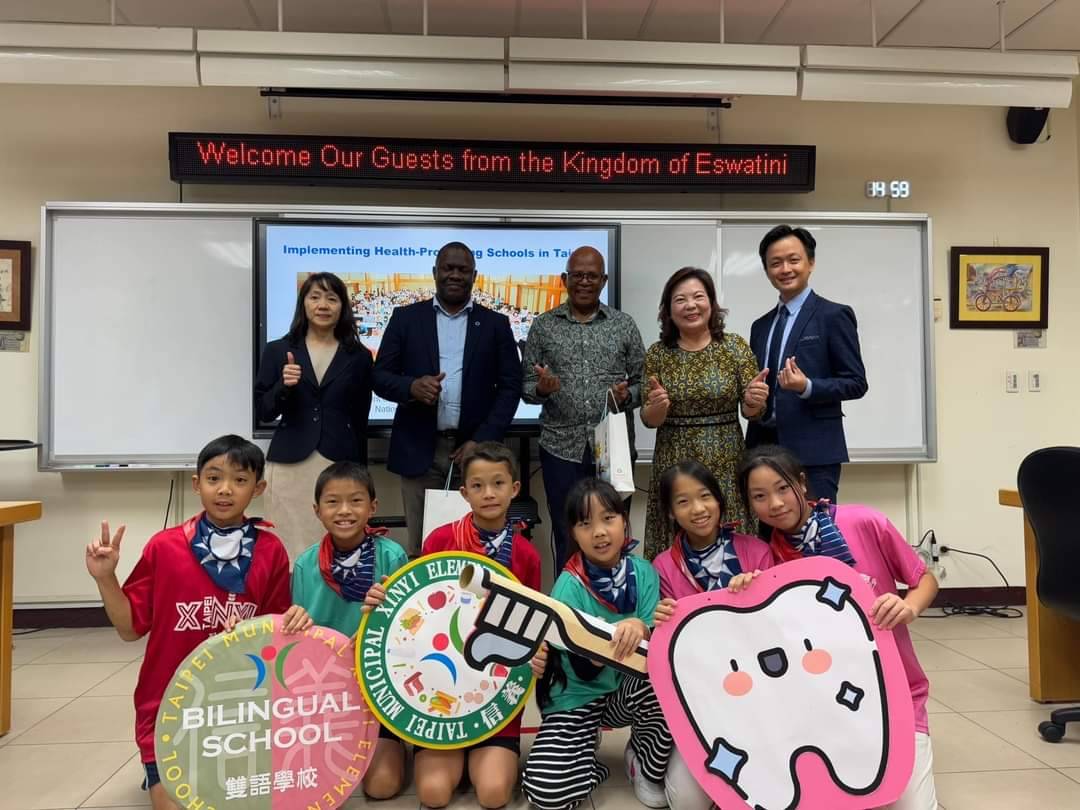
Little Diplomat. This year, C was selected to be a “Little Diplomat”. Occasionally, our school has visitors from other countries, and Little Diplomats are responsible for welcoming them, giving tours of the school, and presenting on different topics. C met people from Indonesia, Korea, Japan and the Kingdom of Eswatini. Being a Little Diplomat has allowed C to practice public speaking and learn how to interact with people from different cultures.
International Exchange. Early in the school year, C participated in a school trip to Penghu, one of Taiwan’s outer islands. He wrote about the experience here. Then last month, our school organized a trip to Korea for a week! Students even got to do a homestay for 1 night with a local family – how cool is that?! Hopefully C will be able to write a post about his Korean school trip sometime.
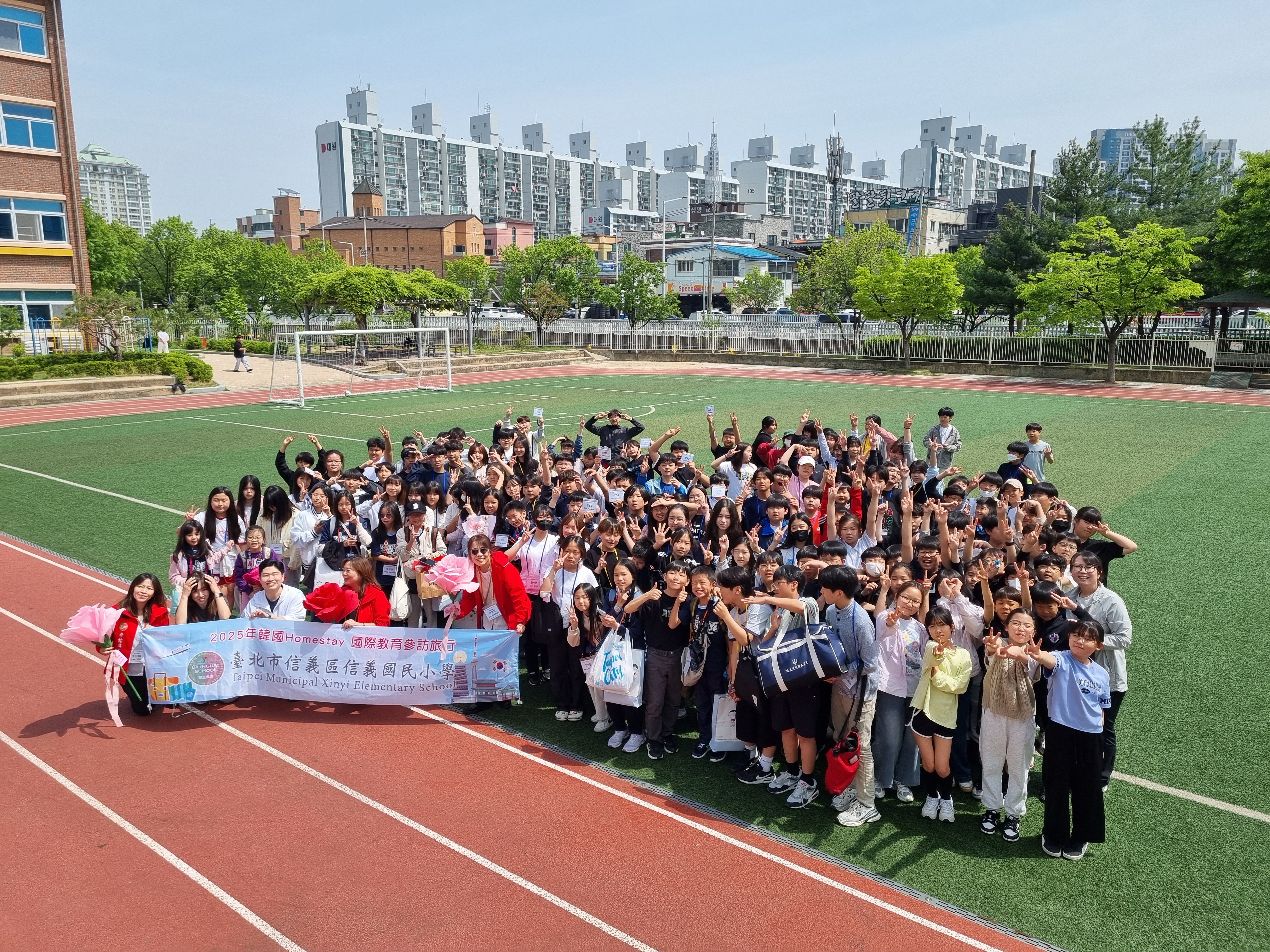
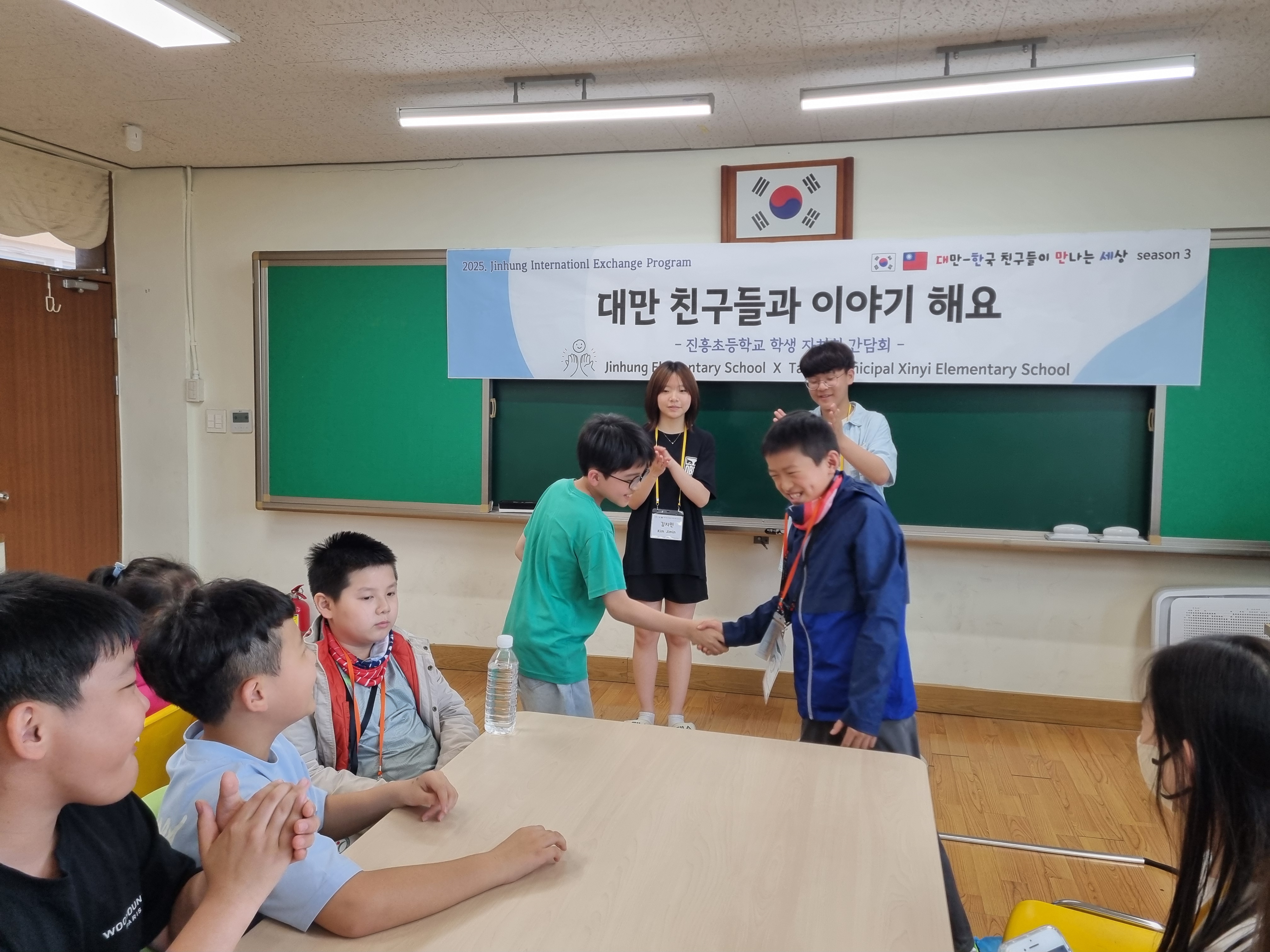
Beyond just having fun, C also learned a lot through this experience. Since he’s a native English speaker and comfortable speaking in front of others, the school often asks him to present or help translate between Taiwanese and Korean students. In the months leading up to the trip, students would also meet on a weekly basis to prepare – writing to Korean students, practicing performances, learning about Korean culture and language, etc.
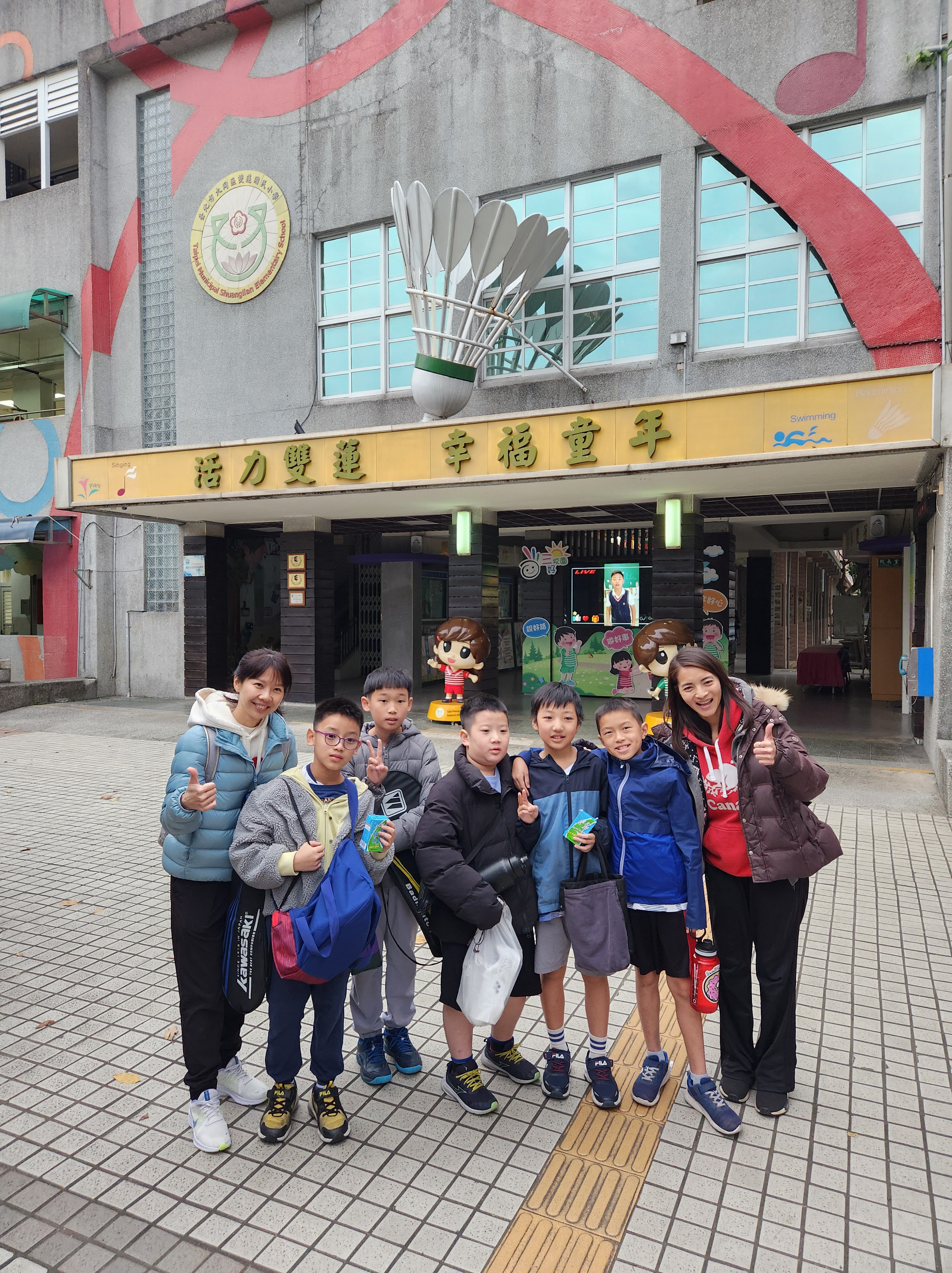
Badminton Team. C has been on the badminton team since the beginning of the school year. I’ve always been a fan of kids playing sports – they learn about teamwork, get exercise, and develop grit. C absolutely loves playing badminton. And so much to his delight, his team has practices almost everyday, sometimes twice a day. Unlike the elementary school sports in the US, Taiwan school teams take practice very seriously (as with most other things 😅). Students have to run laps if they don’t do well during practices, and can get kicked off the team if they consistently perform poorly or have a bad attitude. It’s a bit harsh compared to U.S. standards but it definitely pushes the kids to work hard and take their responsibilities seriously.

Global Scholars Program. C isn’t part of this program yet, but will be applying for it. It’s a program for 5th and 6th graders that focuses on global issues – like reducing food waste – where students collaborate to develop solutions and create an action plan. They then present their action plan to other students from around the world participating in the same program.
The goal of this program aligns perfectly with what we’ve been encouraging our boys to do: identify a problem, come up with a solution, and take action. We hope this experience will help C build important skills like teamwork, communication, and leadership. To us, these skills are far more important than scoring well on a social studies exam. 😅
The programs I’ve mentioned are not available in every Taipei public school, so we really appreciate that our school has such an international and forward-thinking focus. That’s one of the great things about living on a small island like Taiwan – people are always looking outward and eager to learn from others around the world.
But it would be remiss not to mention C’s role in all of this. Despite a heavy homework load, he’s always excited to participate in activities. He definitely has a bit of FOMO – which, in his case, is a good thing – because he truly wants to make the most of every opportunity.
 Hongs Abroad