Ramblings

Taroko Gorge

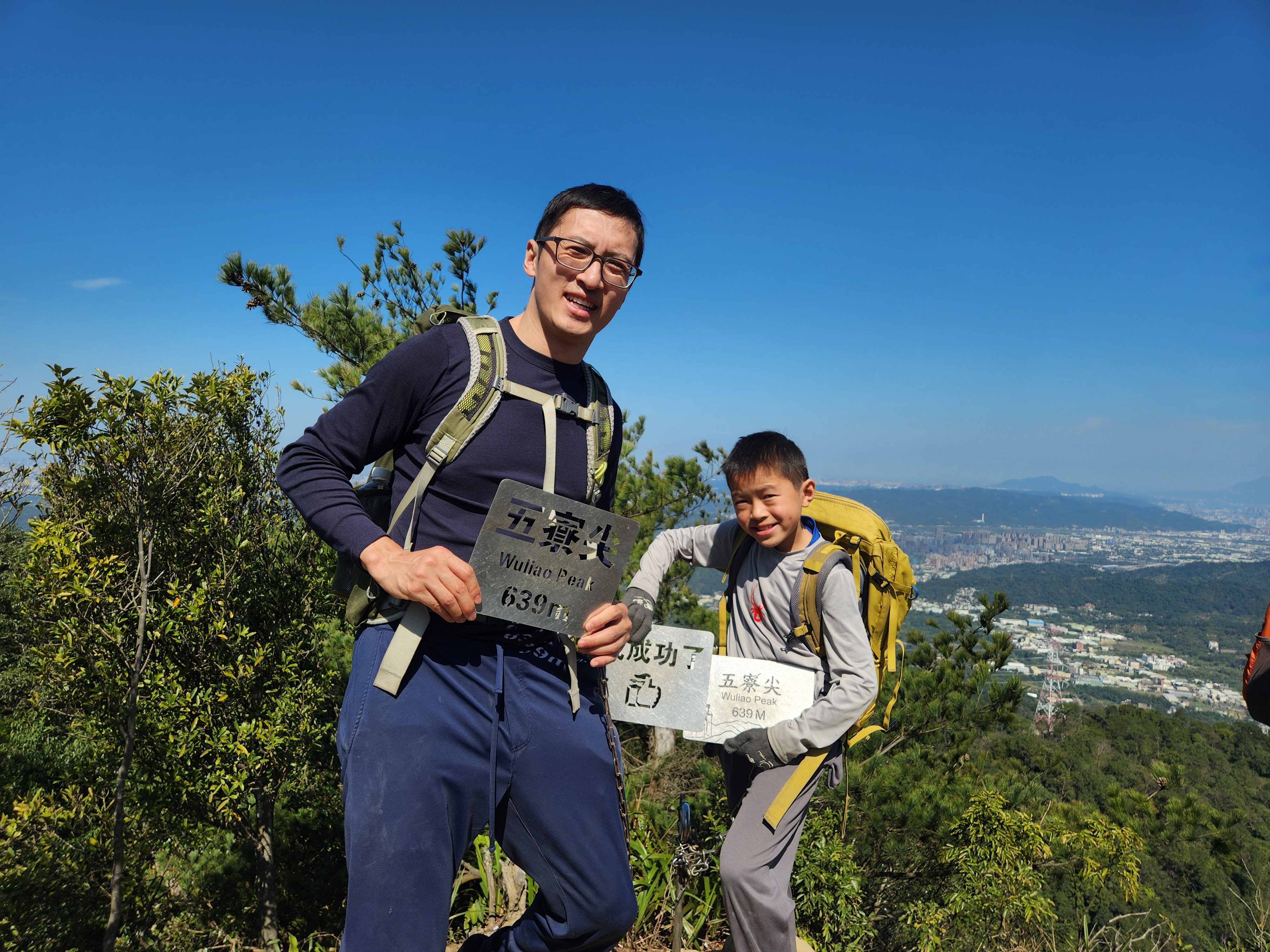
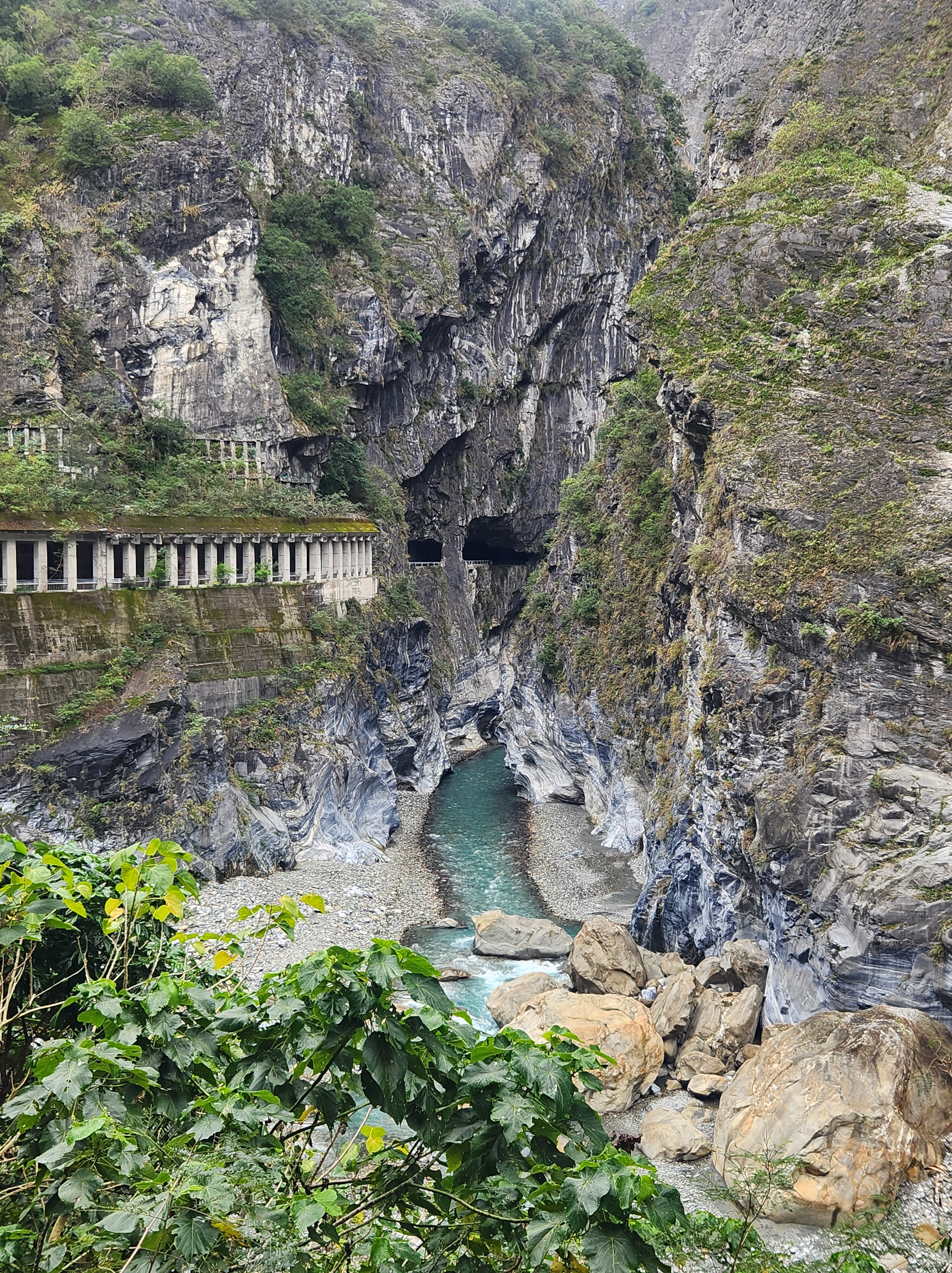
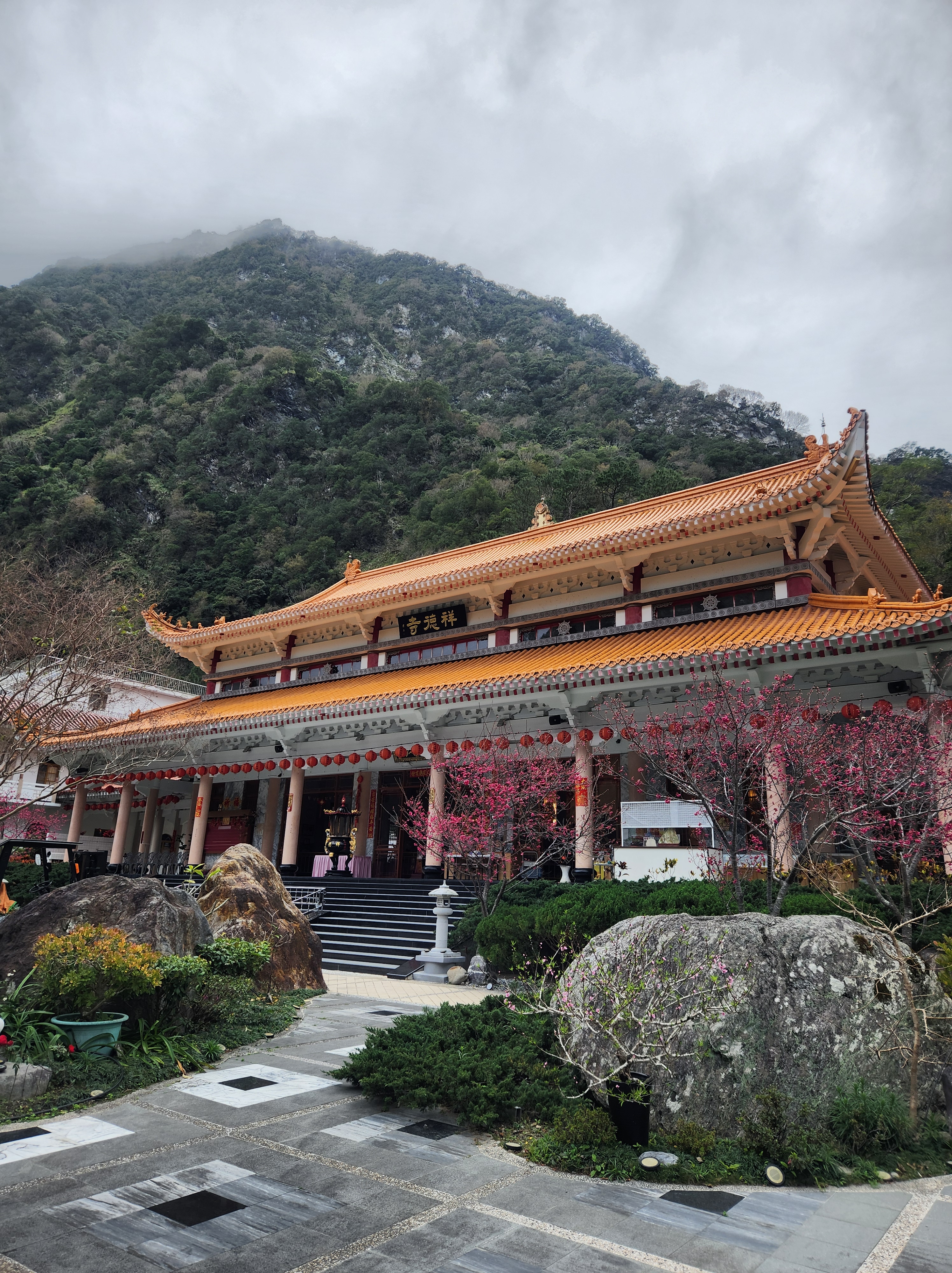
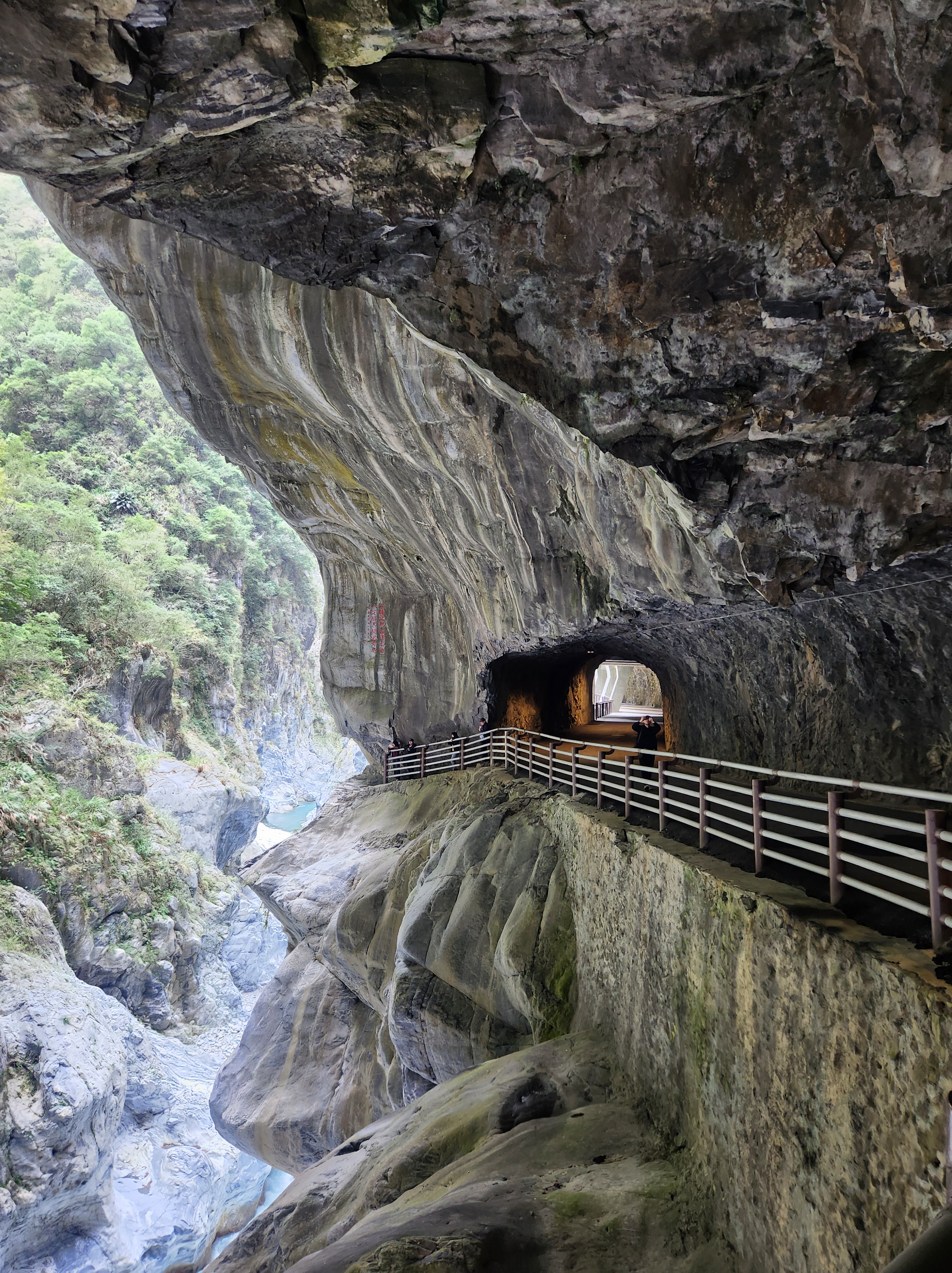
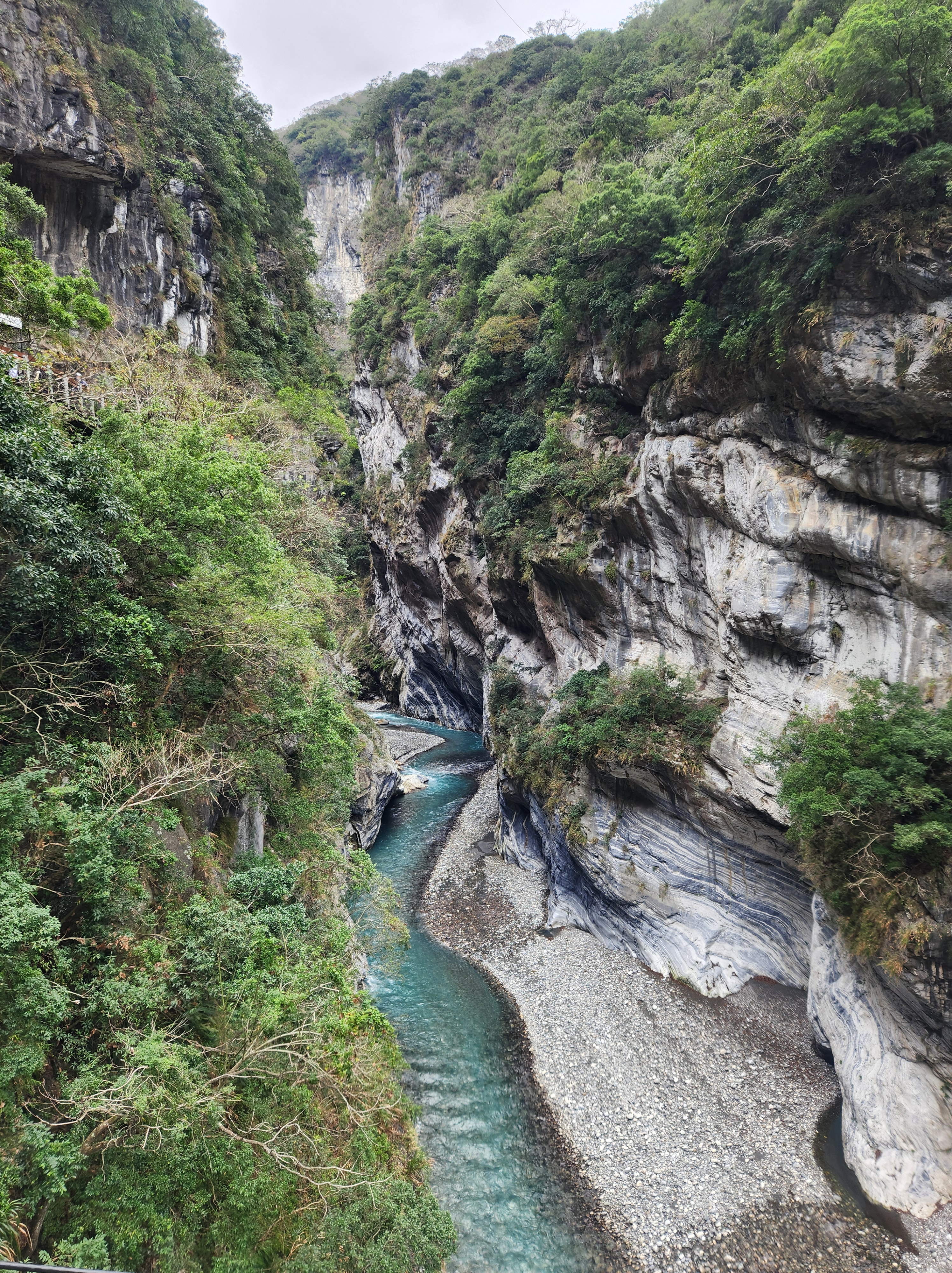
After coming back from Malaysia, we had a few days in Taipei before heading to our next destination: Taroko Gorge! Taroko is one of the nine national parks in Taiwan. The dramatic limestone mountains, clear blue water and scenic hikes make it the most popular national park among locals and tourists.

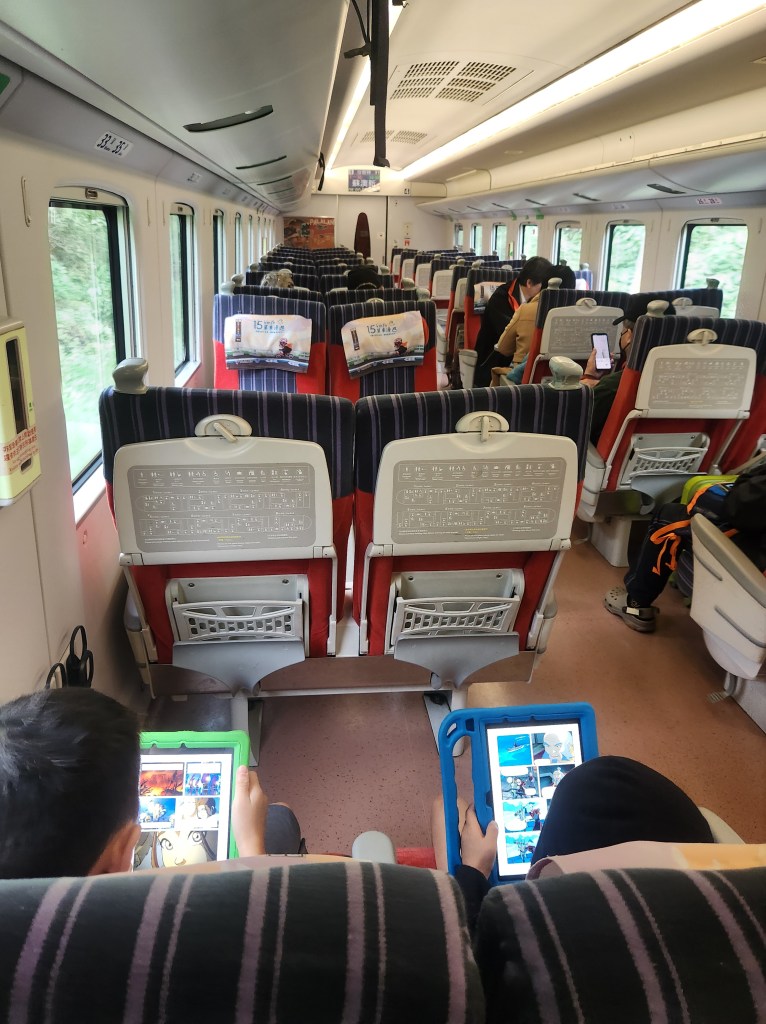
We took the Taiwan Rail to Taroko, not to be confused with the High-Speed Rail, but just as convenient and efficient. We left from Taipei Main Station and got off at Xincheng, which was closest to our hotel. The ride took approximately 2 hours.

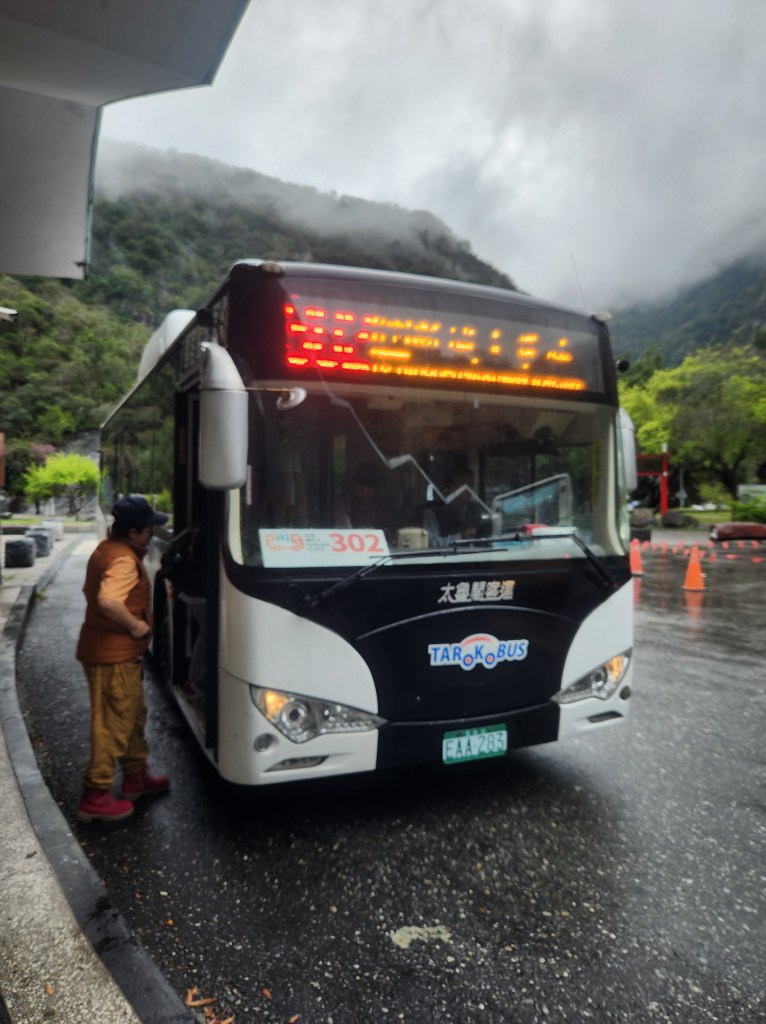
Many people advise renting a car or hiring a driver to visit Taroko Gorge. We ended up just taking the shuttle around the park, but a word of warning: shuttles don’t come frequently and the schedule can be inconsistent due to current roadwork. When we were there, the shuttle came every 30-45 minutes, so you just have to plan your hikes accordingly.

We stayed in Tienhsiang Youth Activity Center which is a basic hotel but fairly priced and located within the park. The room fee includes a breakfast buffet, and dinner costs an additional $8 per person. Don’t expect good food in Taroko! Restaurants are scarce and food is very basic. But people don’t come here for the food.

We stayed in Taroko for 3 nights and 4 days. The park isn’t huge so you could technically do all the hikes in that time if you’re determined enough.

As for the park itself: it’s beautiful! But then again, can you really go wrong with mountains and crystal blue rivers? 😍

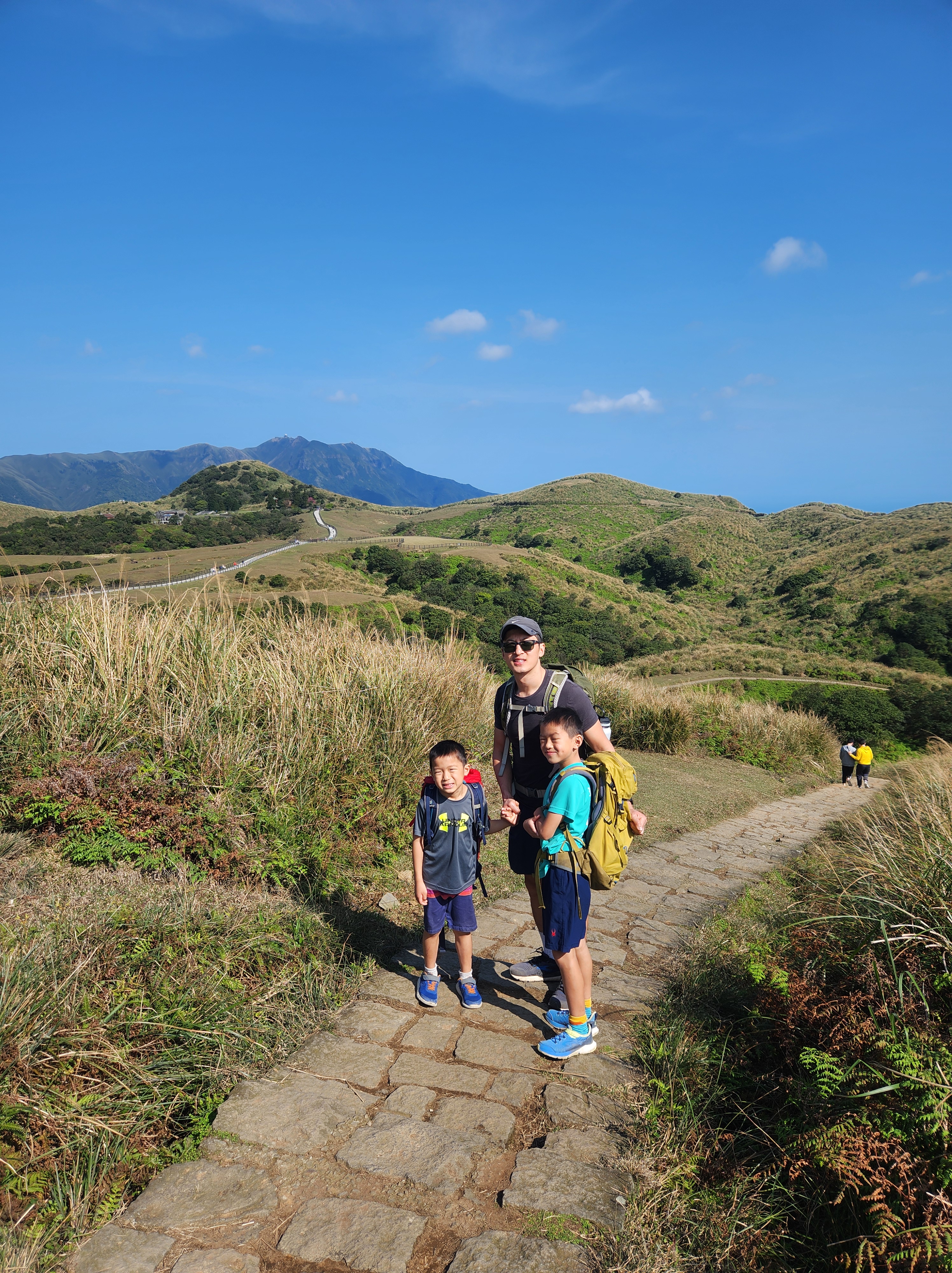
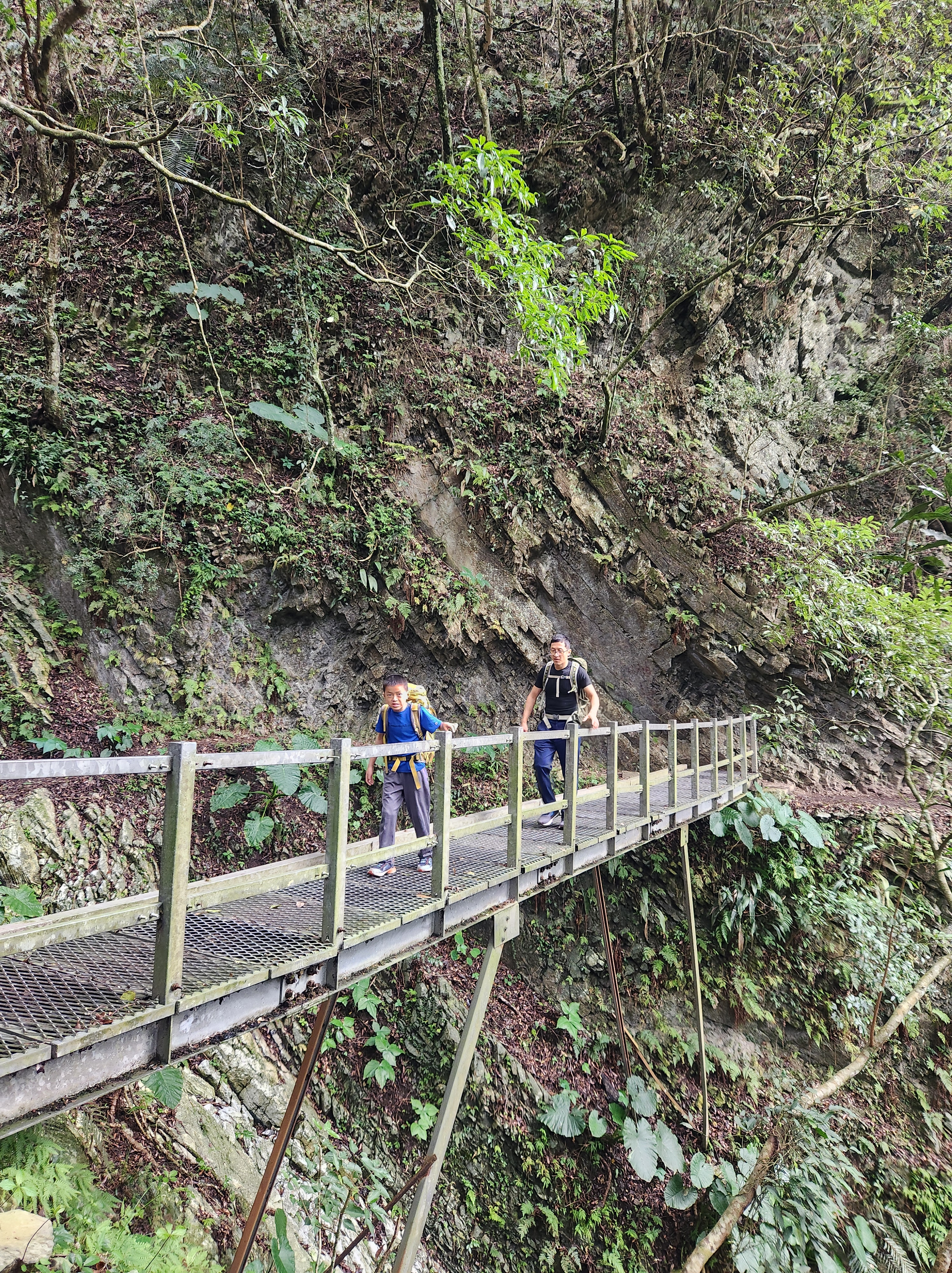
The park is also well maintained. Many of the trails are paved, making it easy for all types of hikers to explore. Everything is well marked, and most signs were in both English and Chinese. Bathrooms, even on the most remote trails, were clean too!

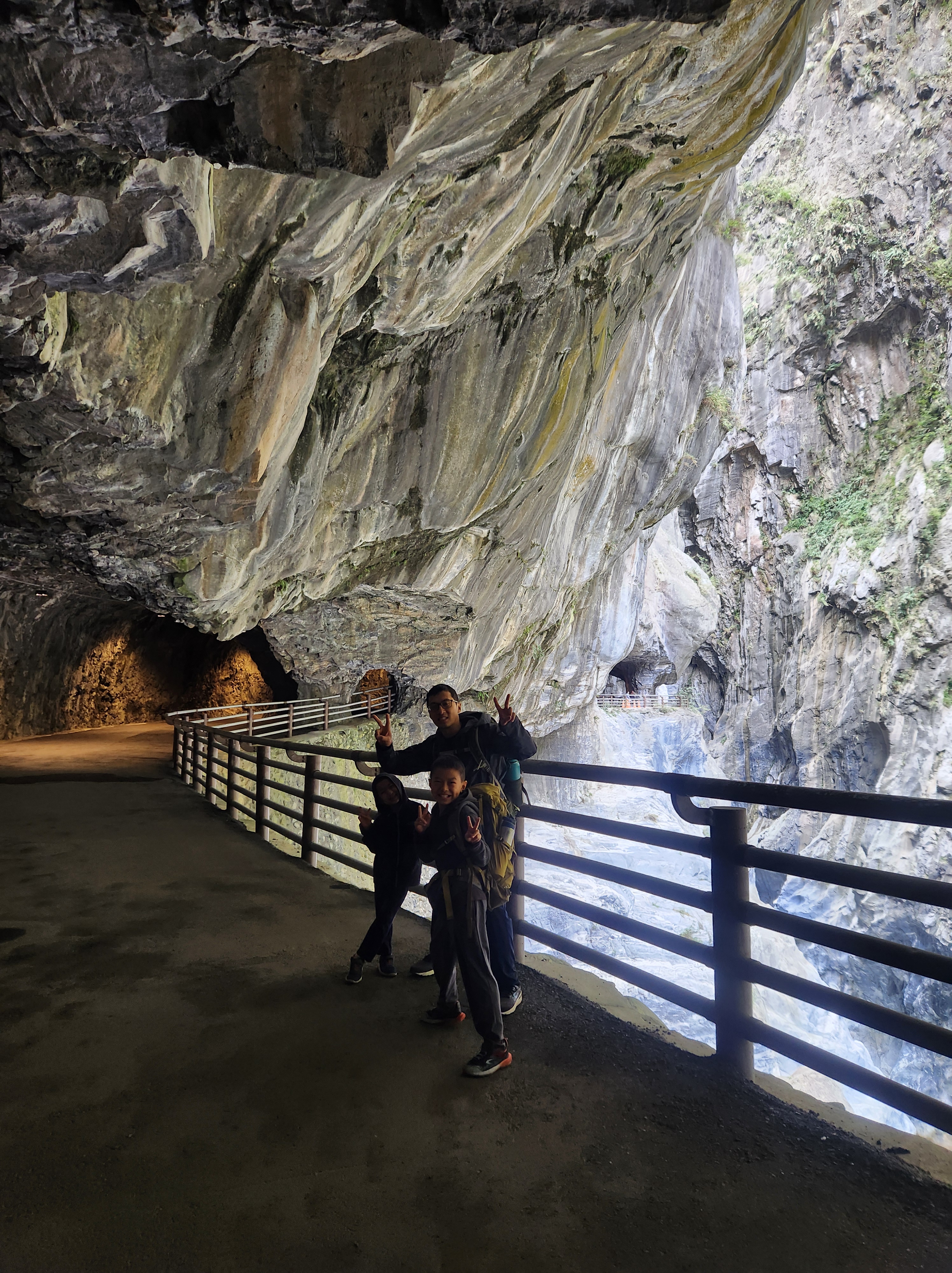
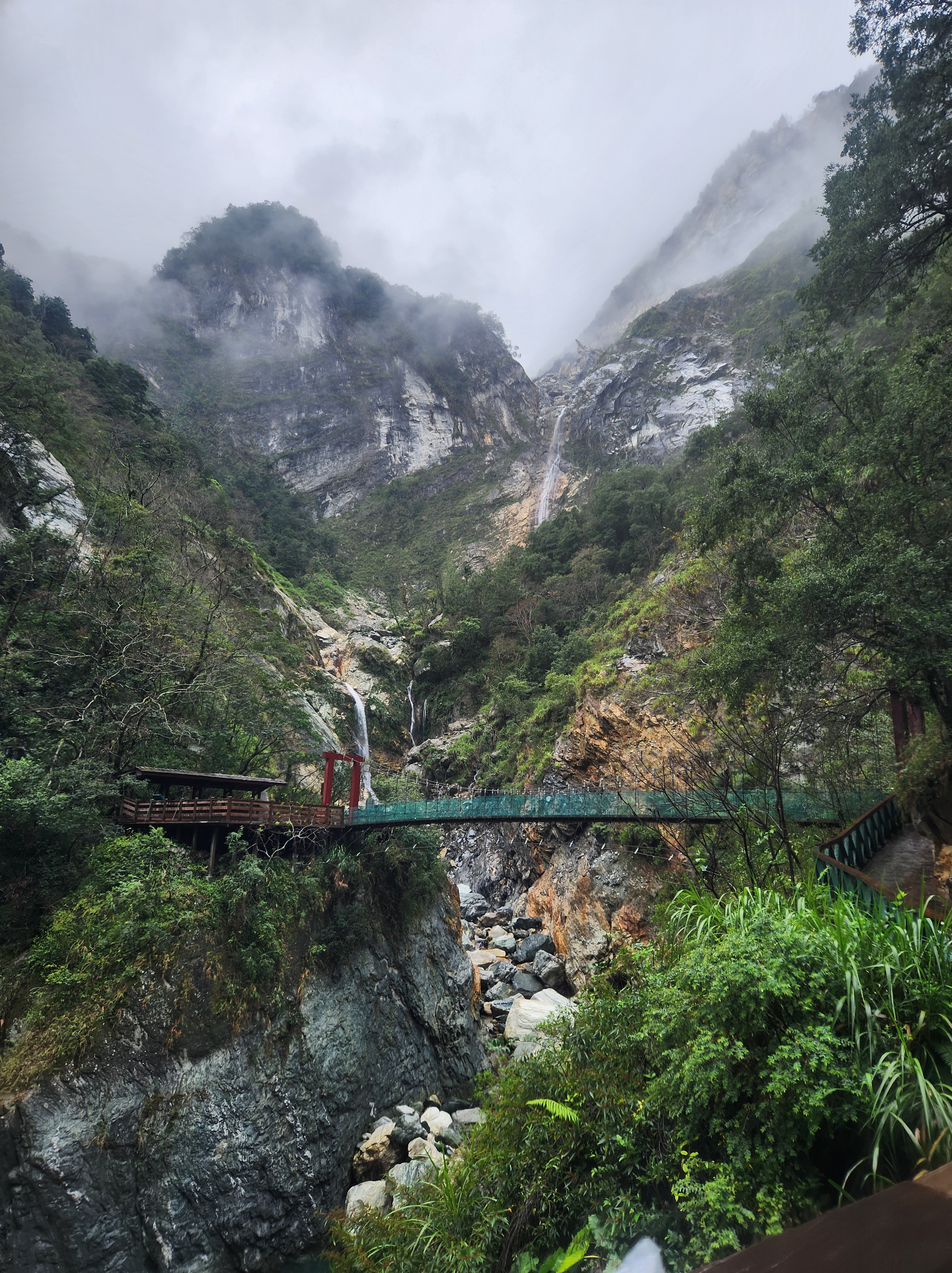
More pictures of Taroko because it’s so damn photogenic. The layers of fog added a level of mystique.

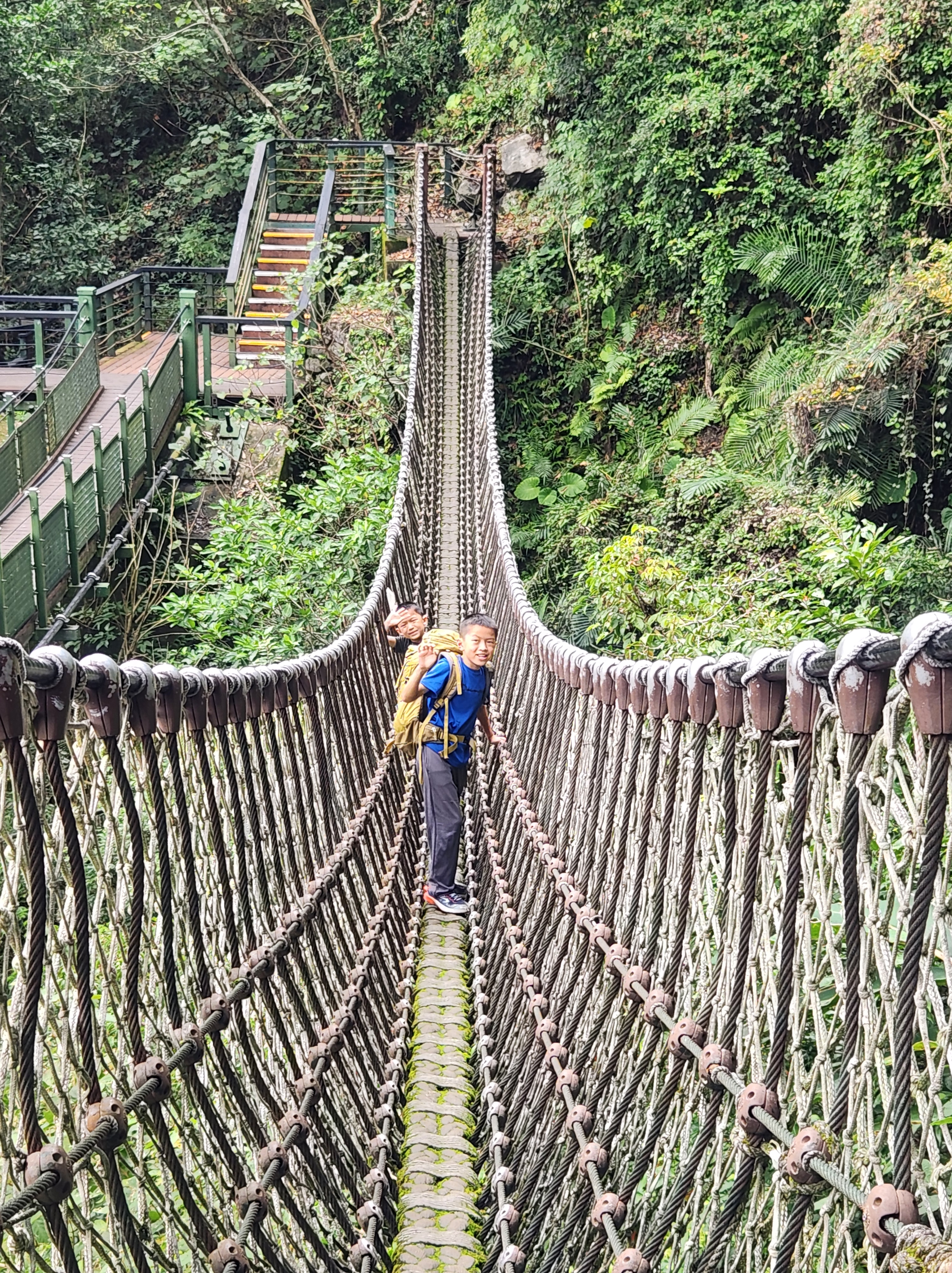
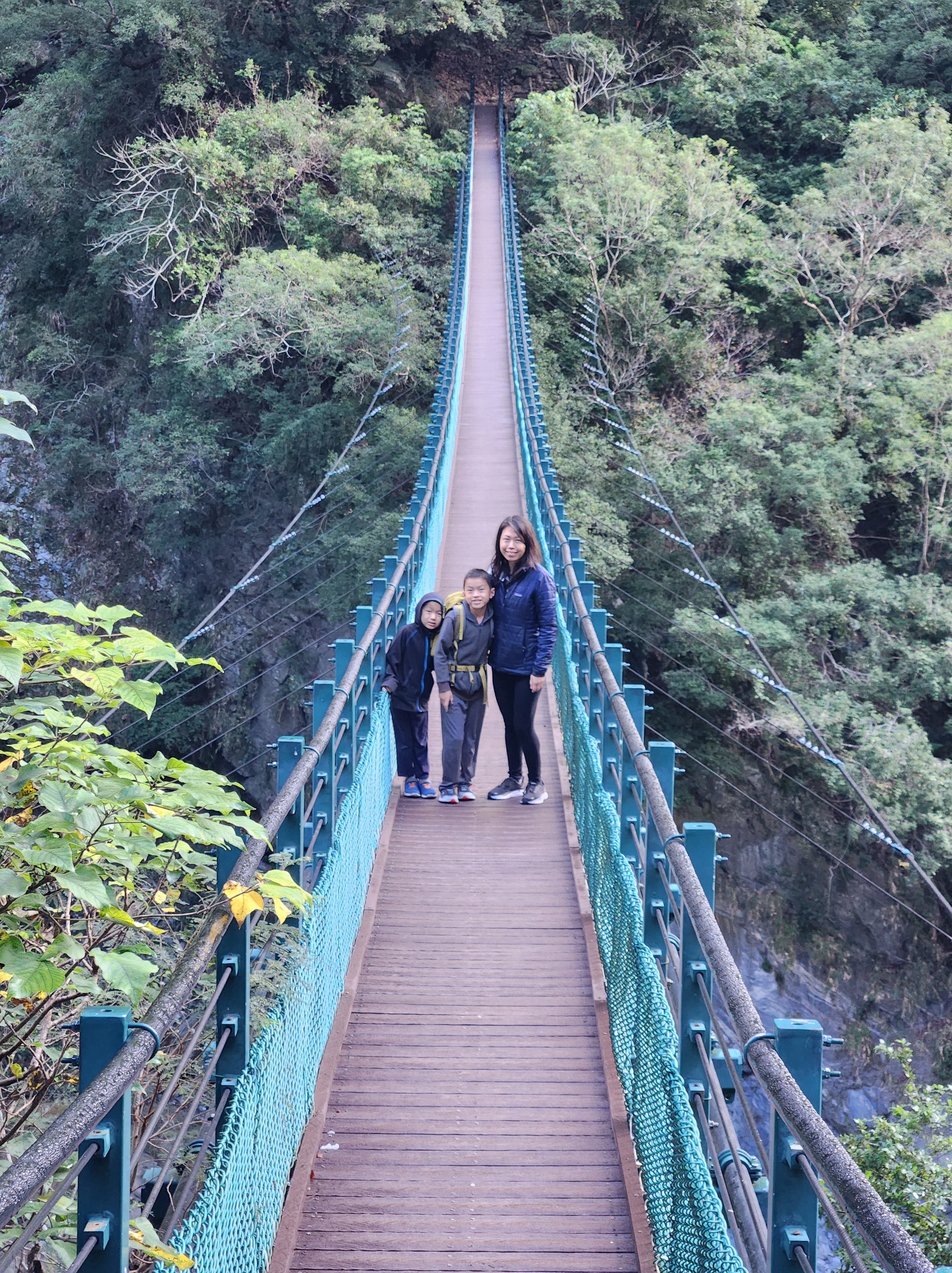
Taroko has many fun suspension bridges. The boys loved the buoyancy of the bridges, but that just made Baba even more nervous. 😅

After planning the Malaysia trip, I didn’t do very much research on Taroko. But the night before we left, Baba started researching Taroko and found that there is a famous hike (Zhuilu Old Road). Unfortunately, the hike requires a permit and there were no more spots left during the days we were there. We put ourselves on the waitlist anyway.

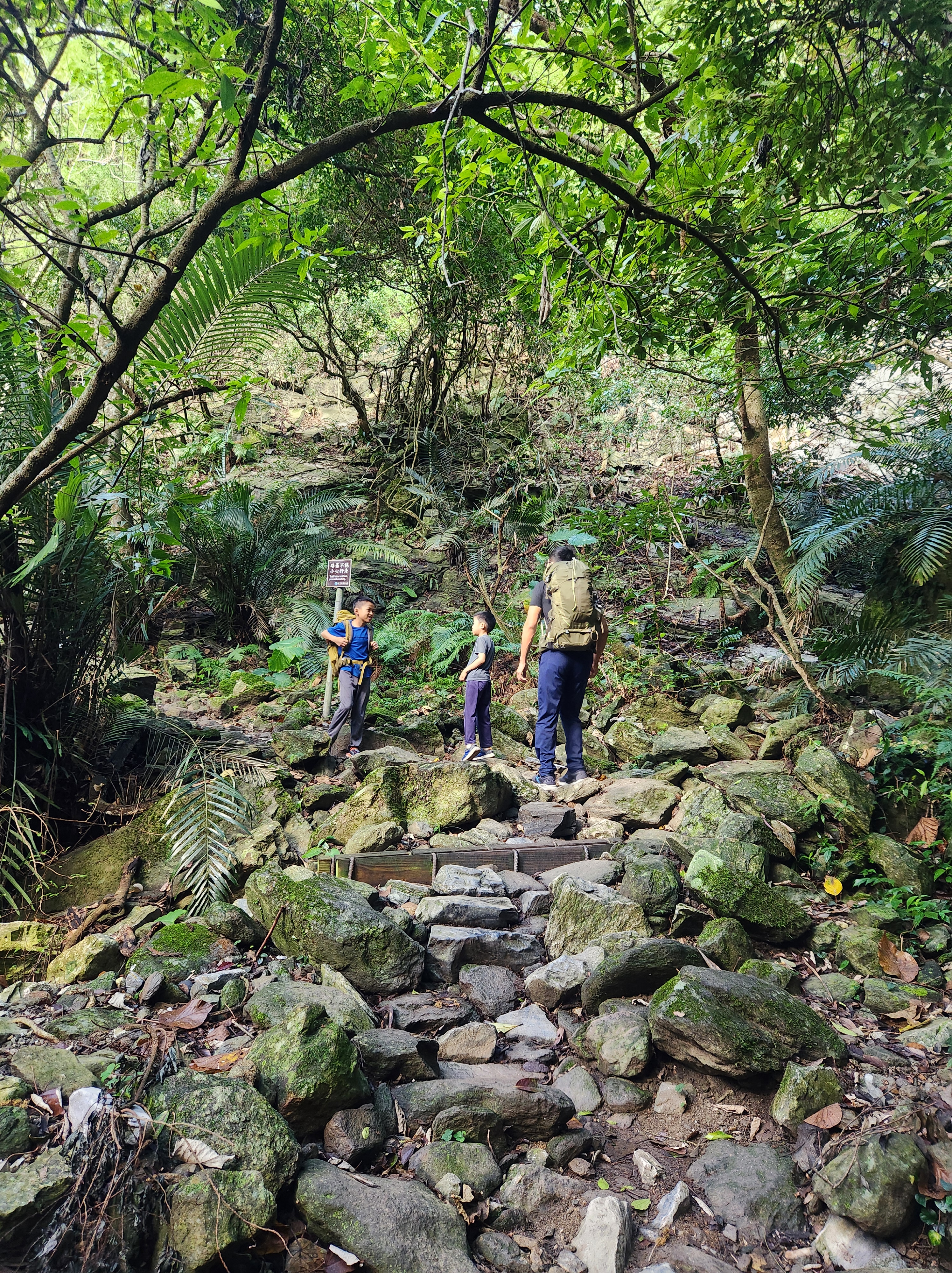
Well, we lucked out because at the last minute, we received a notice that we got the permits! Zhuilu Old Road was voted one of the best hikes in Asia because of its views and historical significance. The trail was once used by aboriginals to commute between villages.

The hike is considered challenging so we wanted to get there as early as possible. However, the park shuttles don’t start running until 11am and the trailhead was far from our hotel. We asked the front desk if they could find a driver, but we were told that taxis are few and far between. For awhile, we weren’t even sure we could do the hike.

Then, a few hours later, the front desk called and said they found a driver! Hurray! A man who works at the hotel simply volunteered to drive us. He didn’t even want any payment (though we still gave him something) – this is another example of how friendly Taiwanese people are!

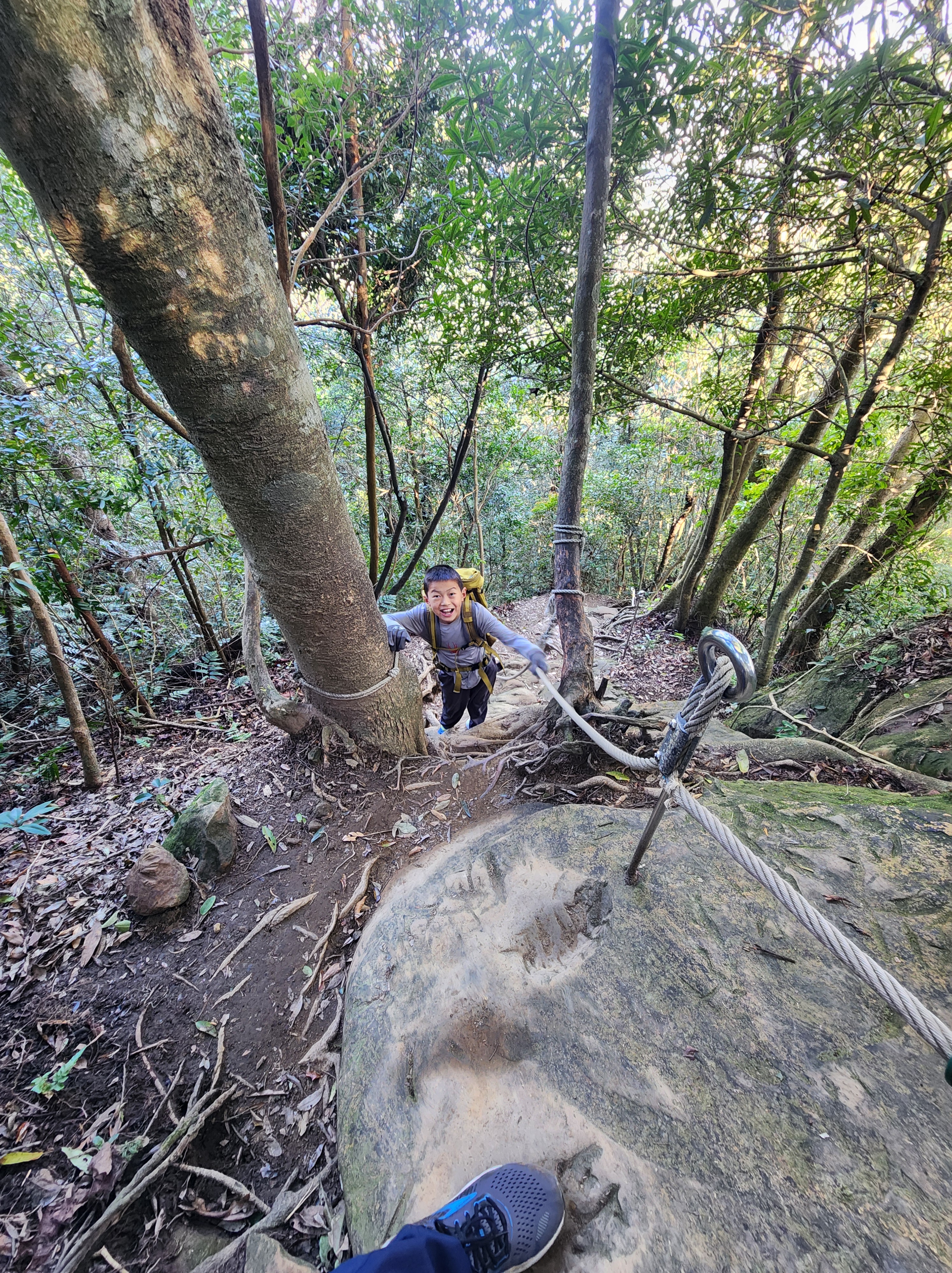
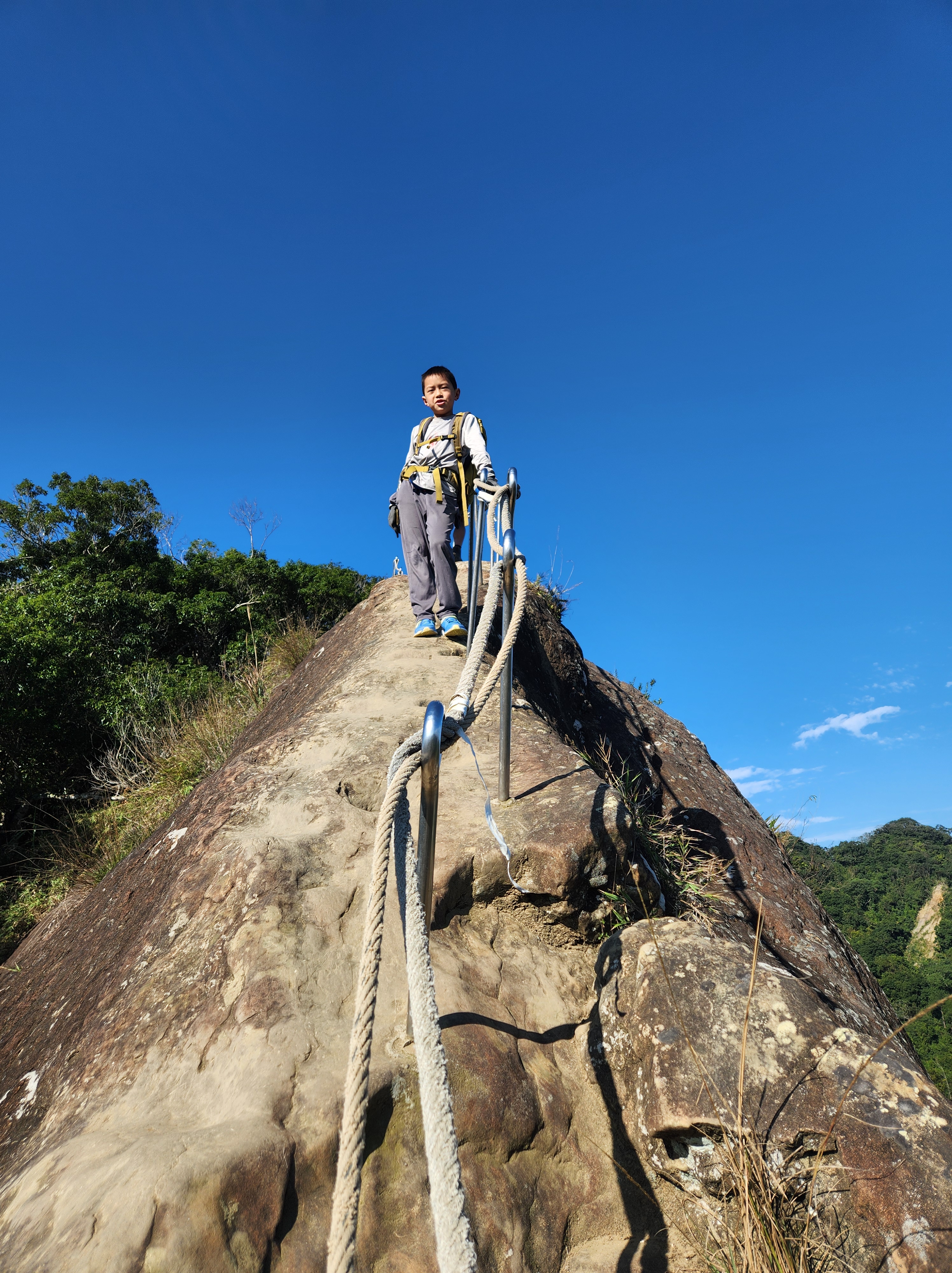
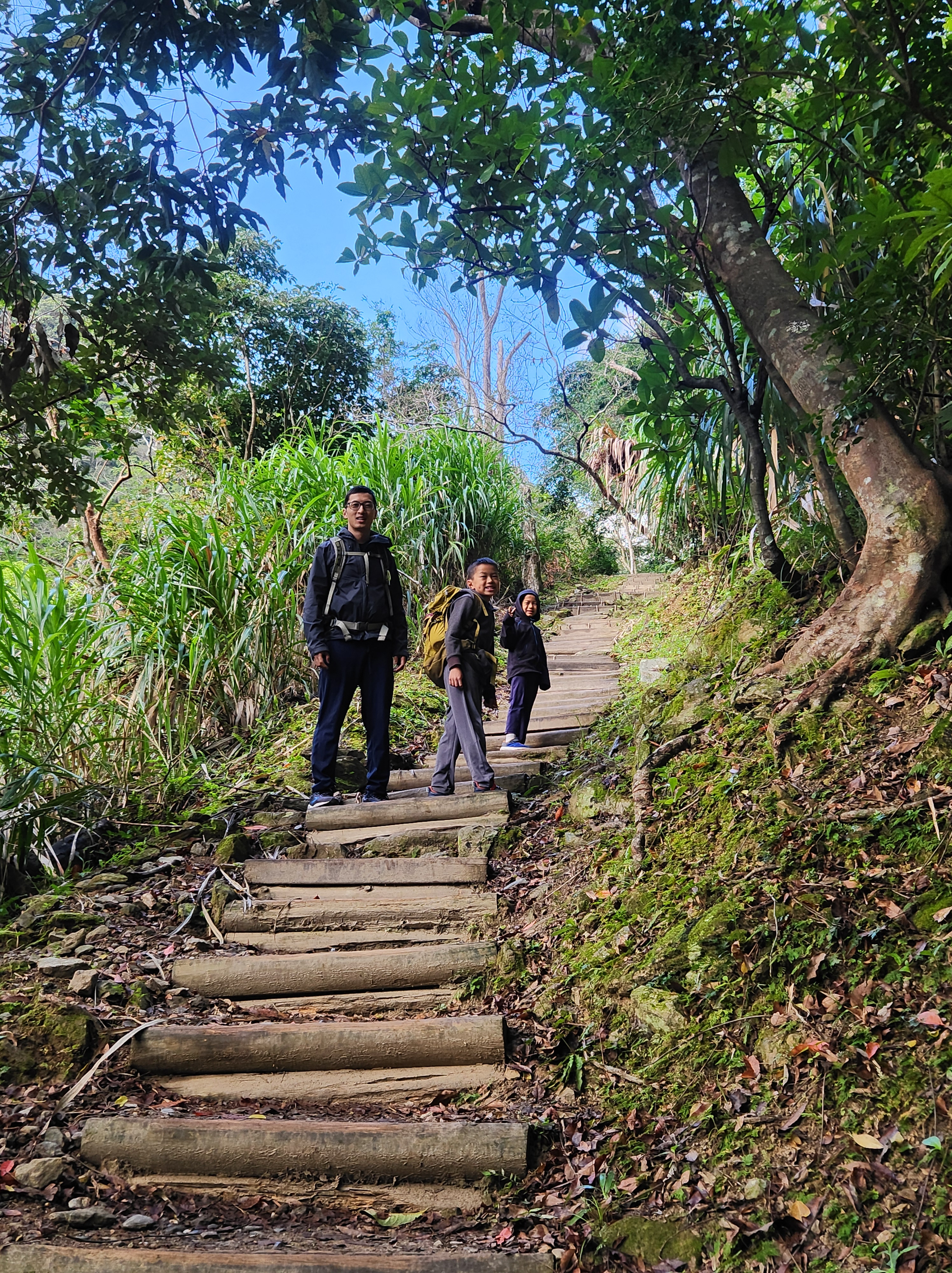
We were the first group to arrive at Zhuilu. Even though it’s a famous hike, we often felt like we had the whole trail to ourselves, which was so nice. The first 1.5 miles of the hike was a steep climb. It will make your legs BURN! We were also lucky that the morning of our hike was a clear day, because if it were wet (like it had been the prior days), it would be a much trickier hike.

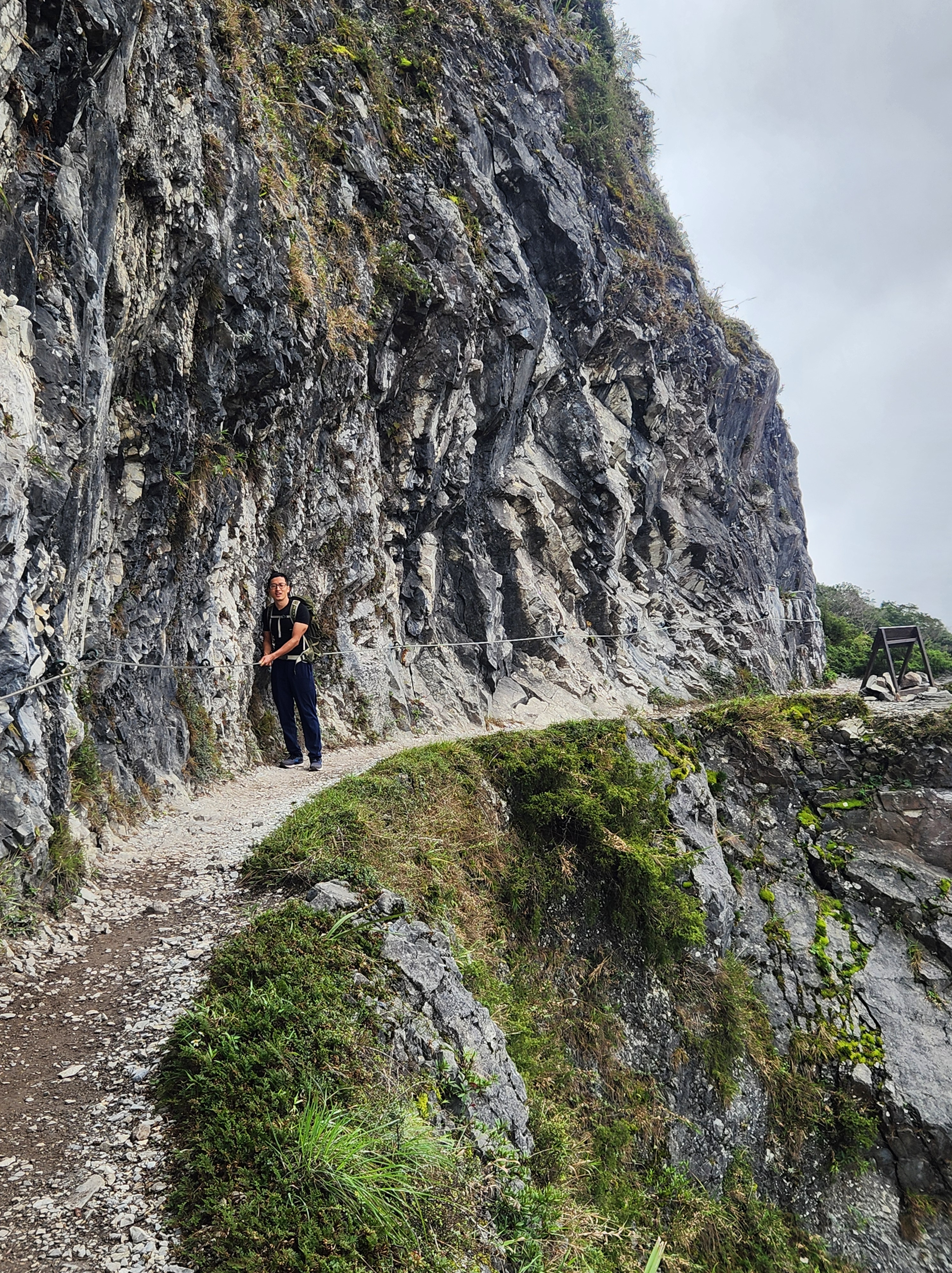
After hiking up the mountain, we arrived at the crescendo: a narrow 3 feet wide trail along a cliff, looking down 2,600 feet into the gorge. There is no guardrail, but there is a cable for you to hold onto. It’s not for those who are afraid of heights, but I think I was more worried about the kids messing around here.

The hike took us 5 hours roundtrip, with many breaks for water and snacks in between. We later went on two other hikes that same day, with one that required climbing a lot of stairs (not sure why I agreed to this). My old lady knees were dying at the end of the day.

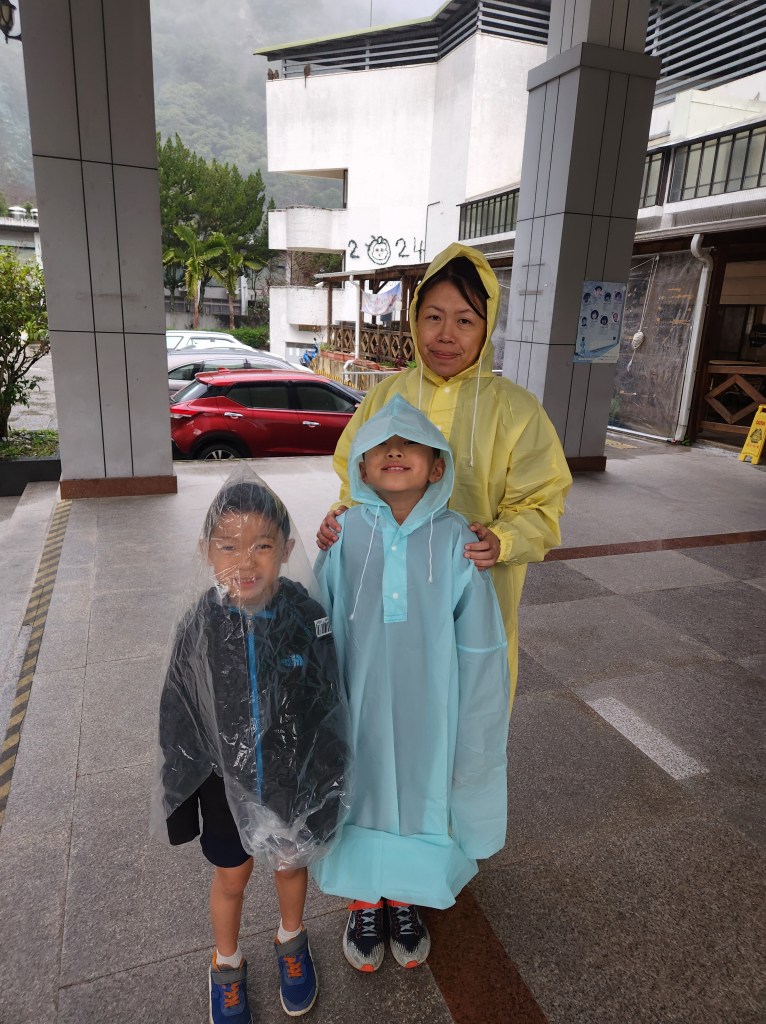
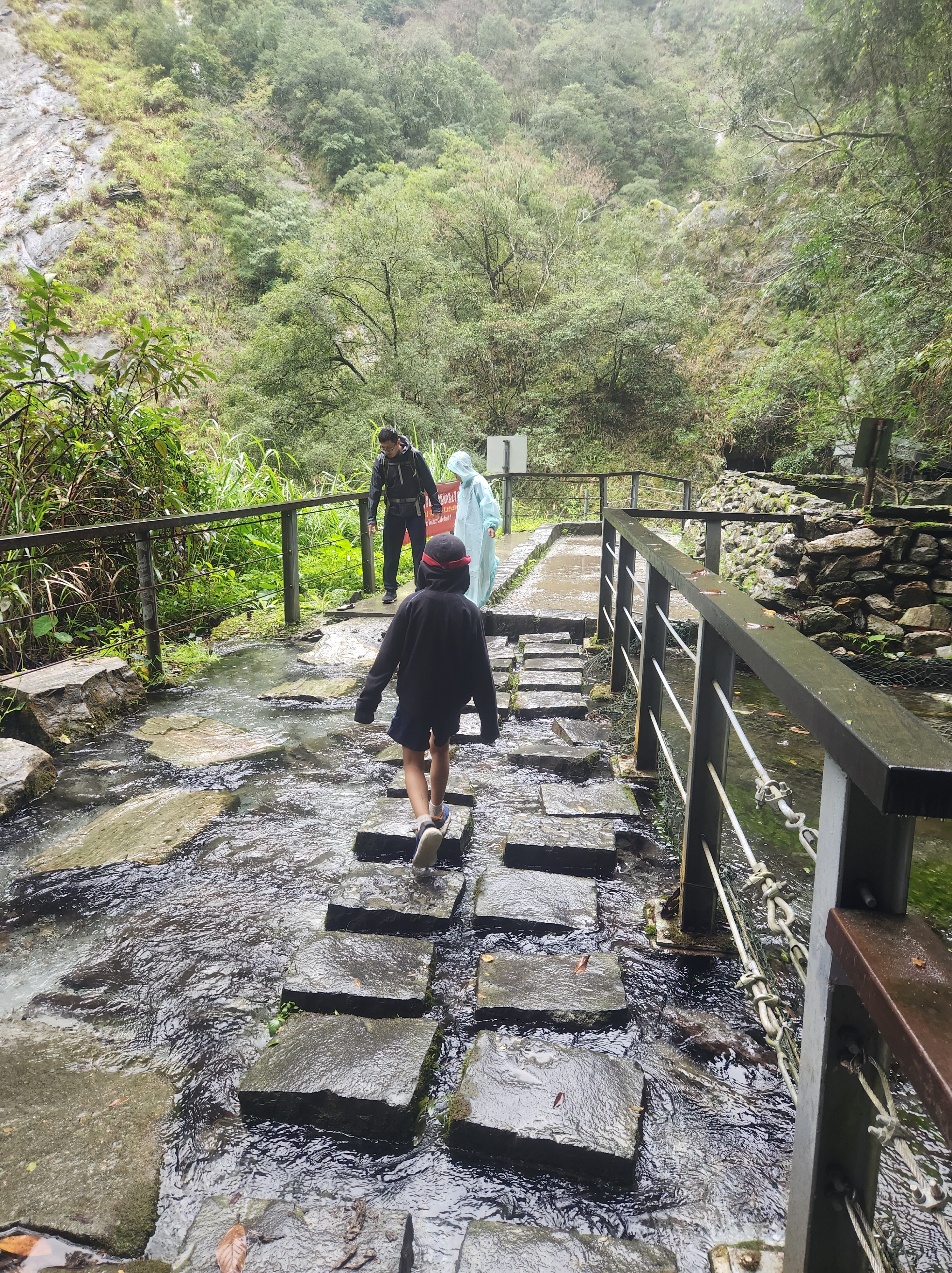
On the day we left, we squeezed in one last hike: the Baiyang Trail. This hike was relatively relaxing as the trail was paved and flat. We were told by another hiker to wear a raincoat because of the waterfall, so we went to 7-11 to get ponchos. None of them were small enough to fit O however, so being the responsible parents that we are, we used a plastic bag instead. 🤣

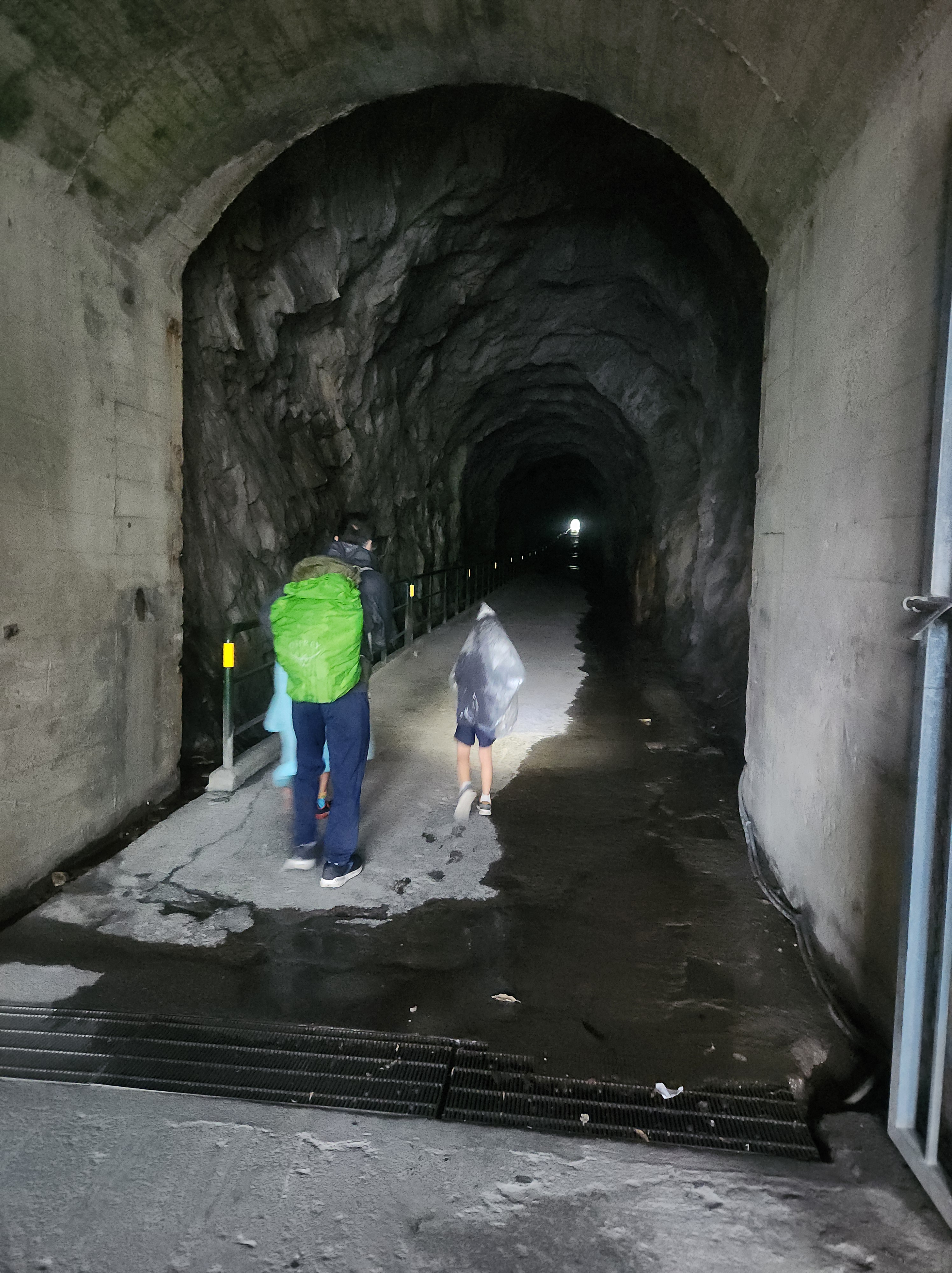
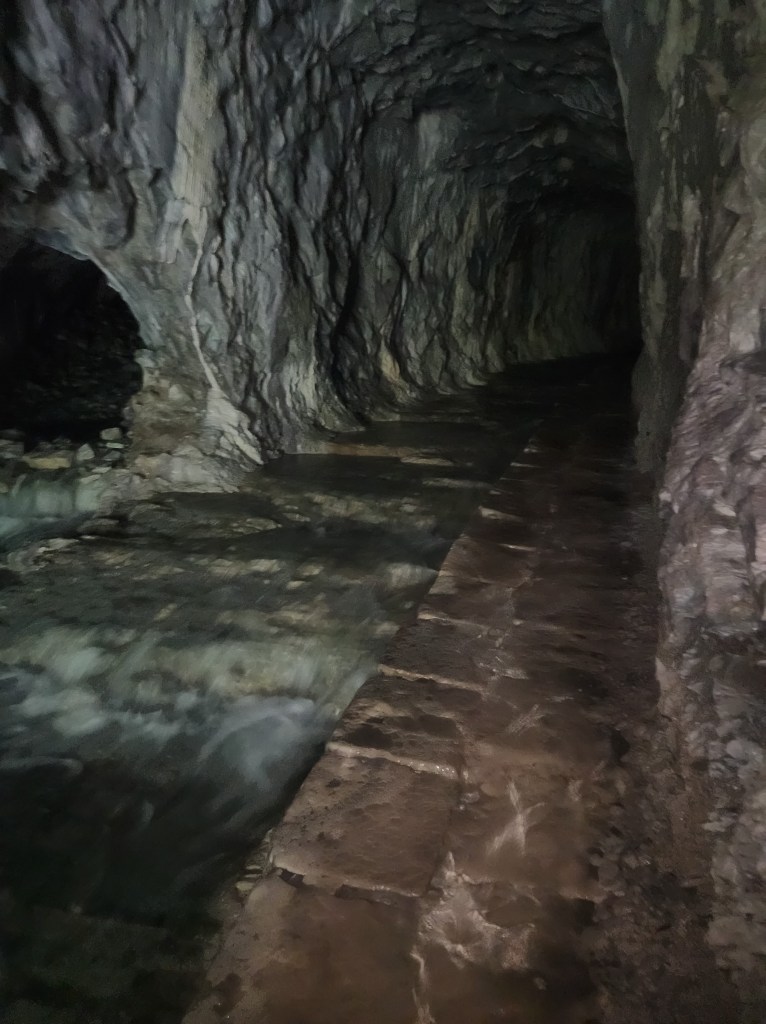
The Baiyang Trail was a lot of fun. It requires walking through a series of dark tunnels (so it’s best to bring flashlights). During the summer and fall, there are bats that live in the tunnels too!

Towards the end of the hike, we were wondering if we needed the raincoats at all. It provided more protection from that day’s rain than any mist or trickling water we found in the tunnels thus far.

But then, we arrived at the last tunnel. We saw a shallow river flowing through it. There was a narrow path against the tunnel’s wall, which we started to go through. It got wetter and wetter, and at this point, all our shoes were soaked. Suddenly, we heard and saw it: several waterfalls gushing out from the cracks of the tunnel! There is no way around them, so we walked under the waterfalls and got more soaked! 😂 With the darkness of the tunnel, sound of the rushing water echoing against the walls, and water pouring down on us, it was an exhilarating experience to say the least.

I wish I took better pictures of this part, but I was worried about my phone getting too wet (and me trying not to slip! 😅)

A lot of people just go to Taipei when they visit Taiwan, but if you have more time in your schedule, we highly recommend visiting Taroko too! Taiwan is actually known for its nature, and Taroko is a prime example of that.

Ramblings

Tainan: A Trip of Gluttony

(Long overdue post! We went to Tainan back in October 2023 but just now decided to blog about it. 😅)

Tainan is Taiwan’s old capital, and one of Taiwanese people’s favorite vacation spots due to its delicious traditional food and historic architecture. We decided to travel there during Taiwan’s Double Ten Holiday 雙十節, when the boys had a 4 day weekend.

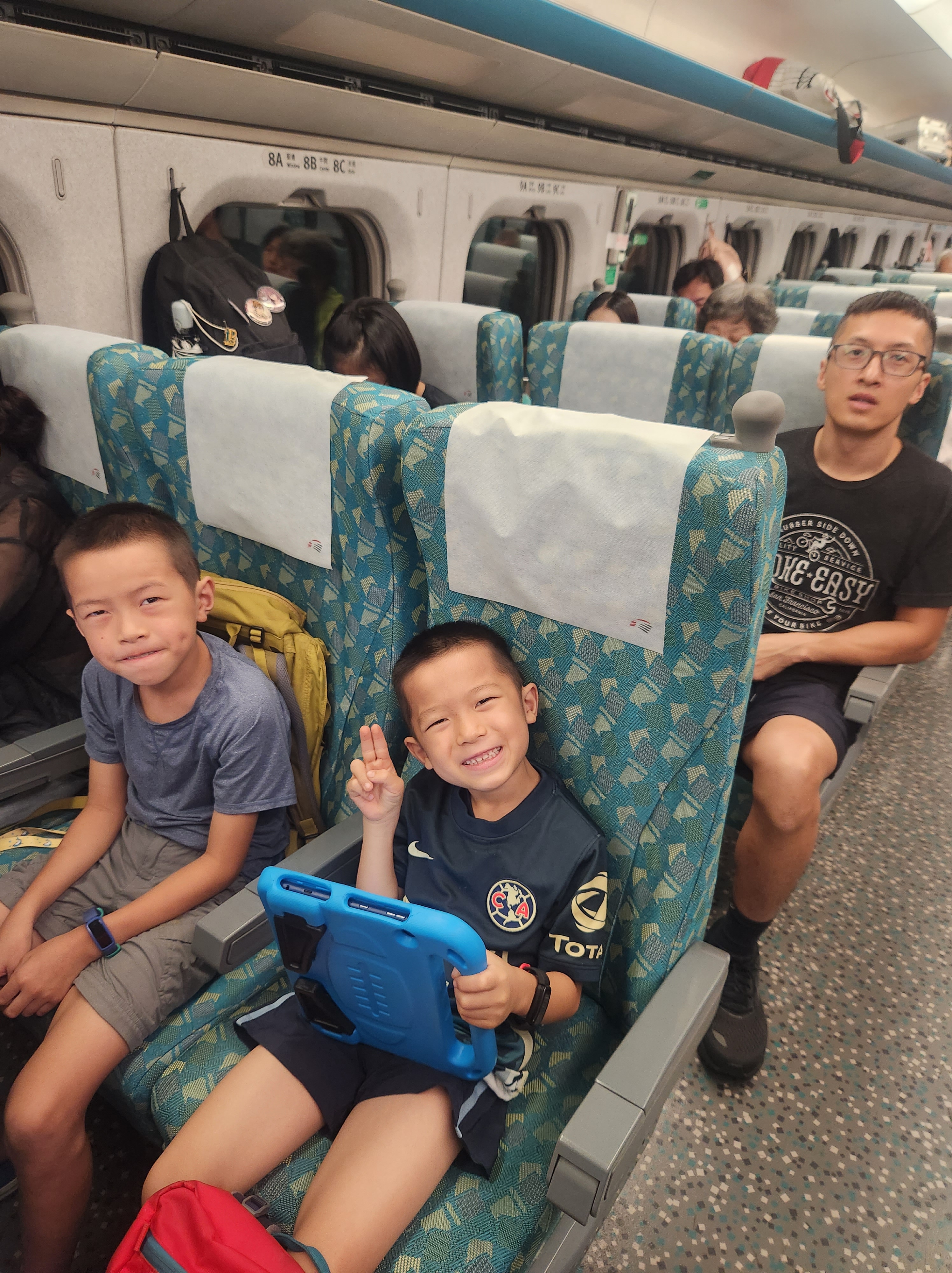
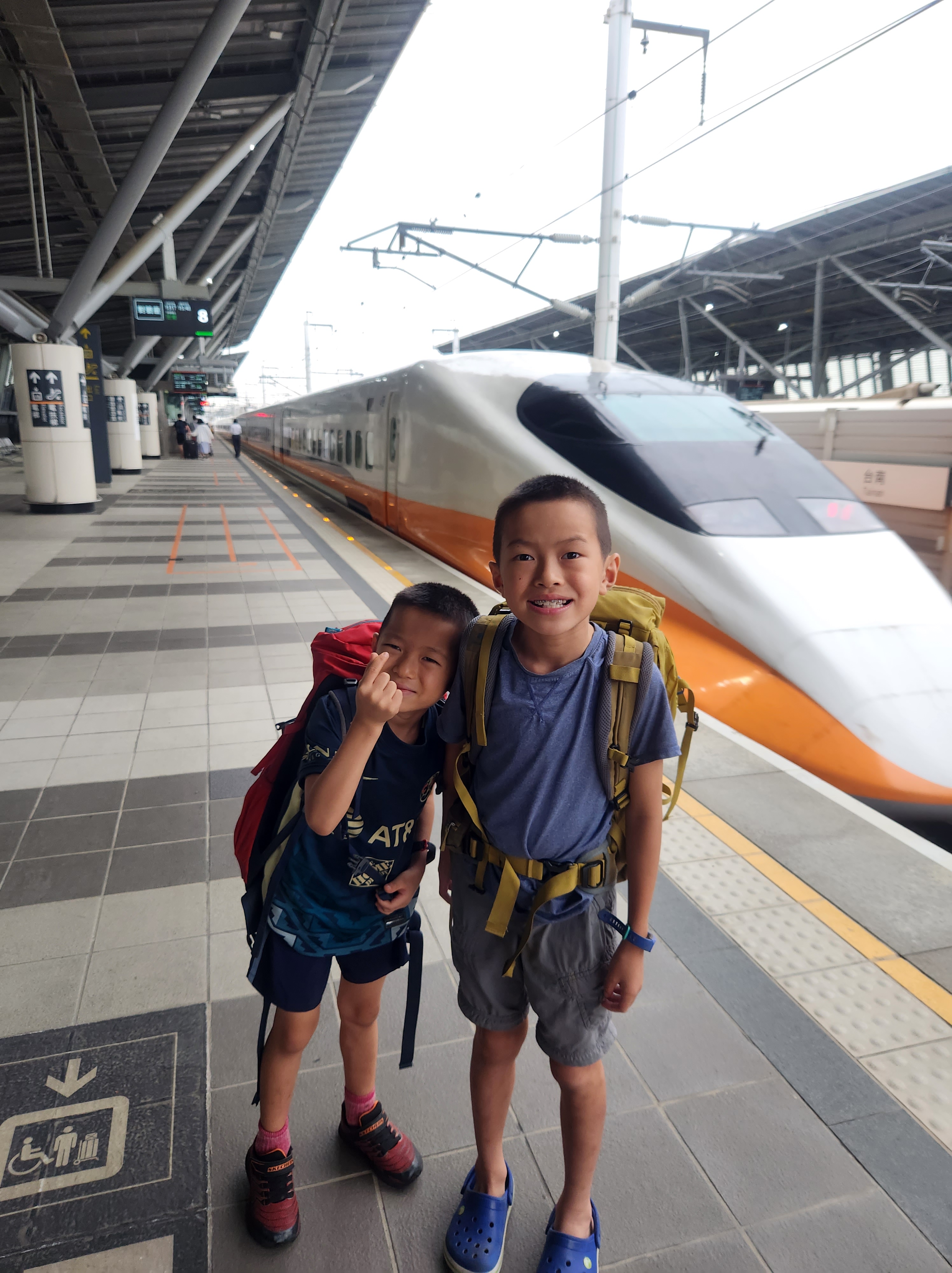
We took Taiwan’s high-speed rail which was super convenient, clean and efficient. After booking our tickets online, we printed them at 7-11. On the day of departure, we took the MRT to Taipei Main Station, which is connected to the high-speed rail. Within 2 hours, we arrived in Tainan!

We stayed in the West Central District of Tainan in a quaint Airbnb located on top of a café. We literally had to walk through the café, go up the stairs to the attic to get to our Airbnb! It was an unusual place to stay but the location was great. A lot of people warned us that we’d need to rent a car to get around, but we never felt the need to because our Airbnb was so central.

Tainan is famous for traditional Taiwanese food, so let’s first talk about the food! As soon as we arrived in Tainan, we hit up several restaurants.

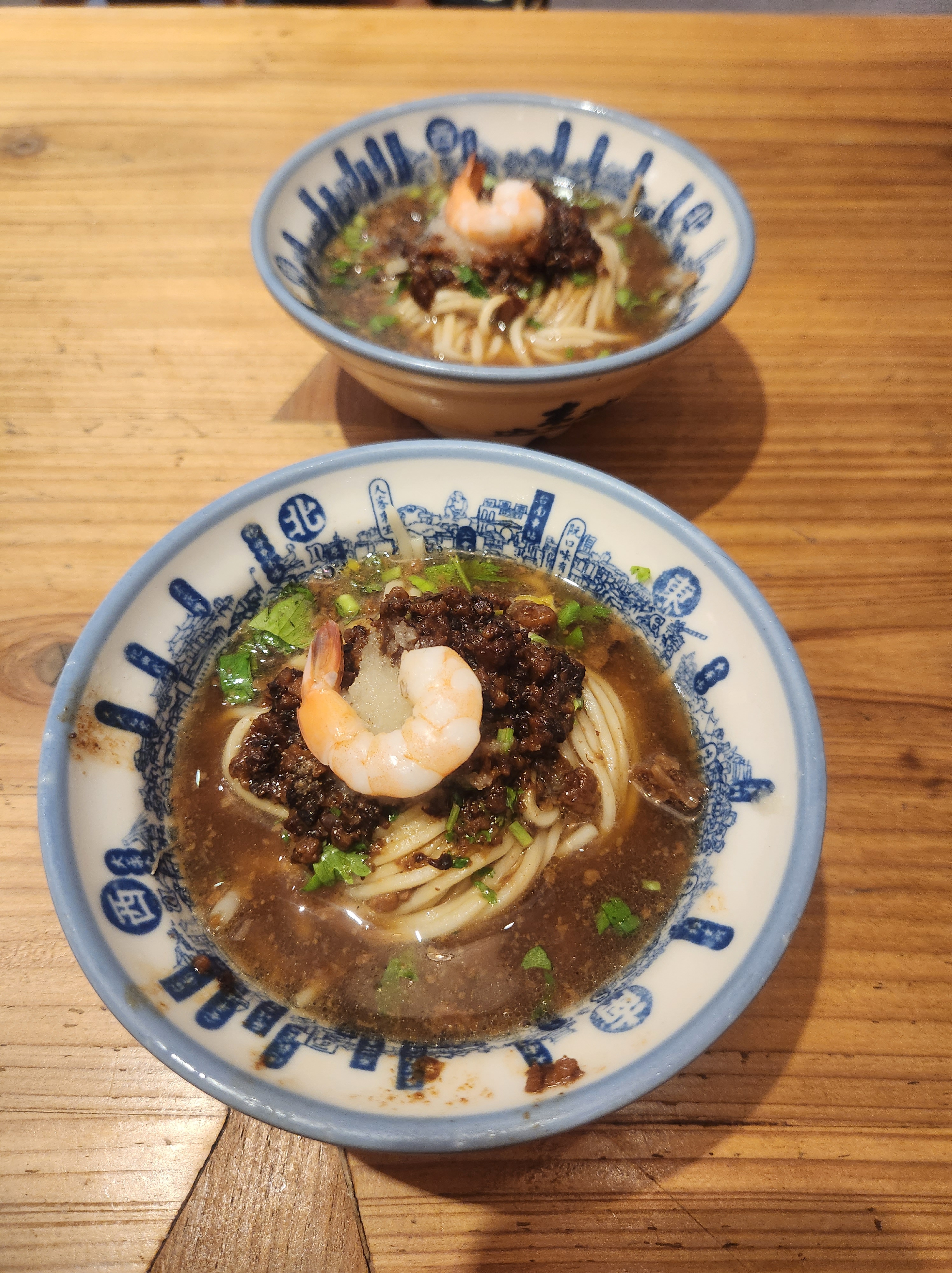
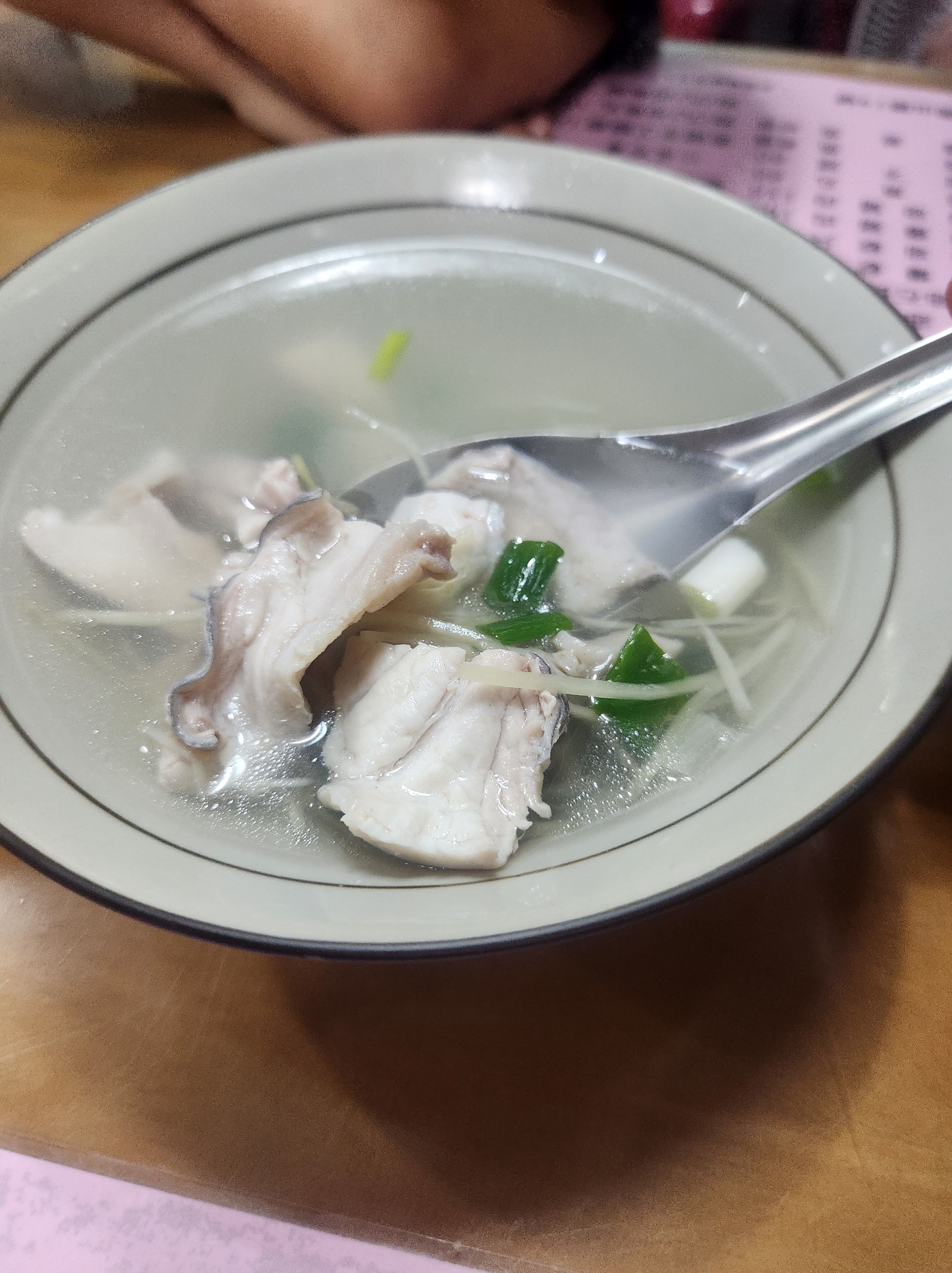
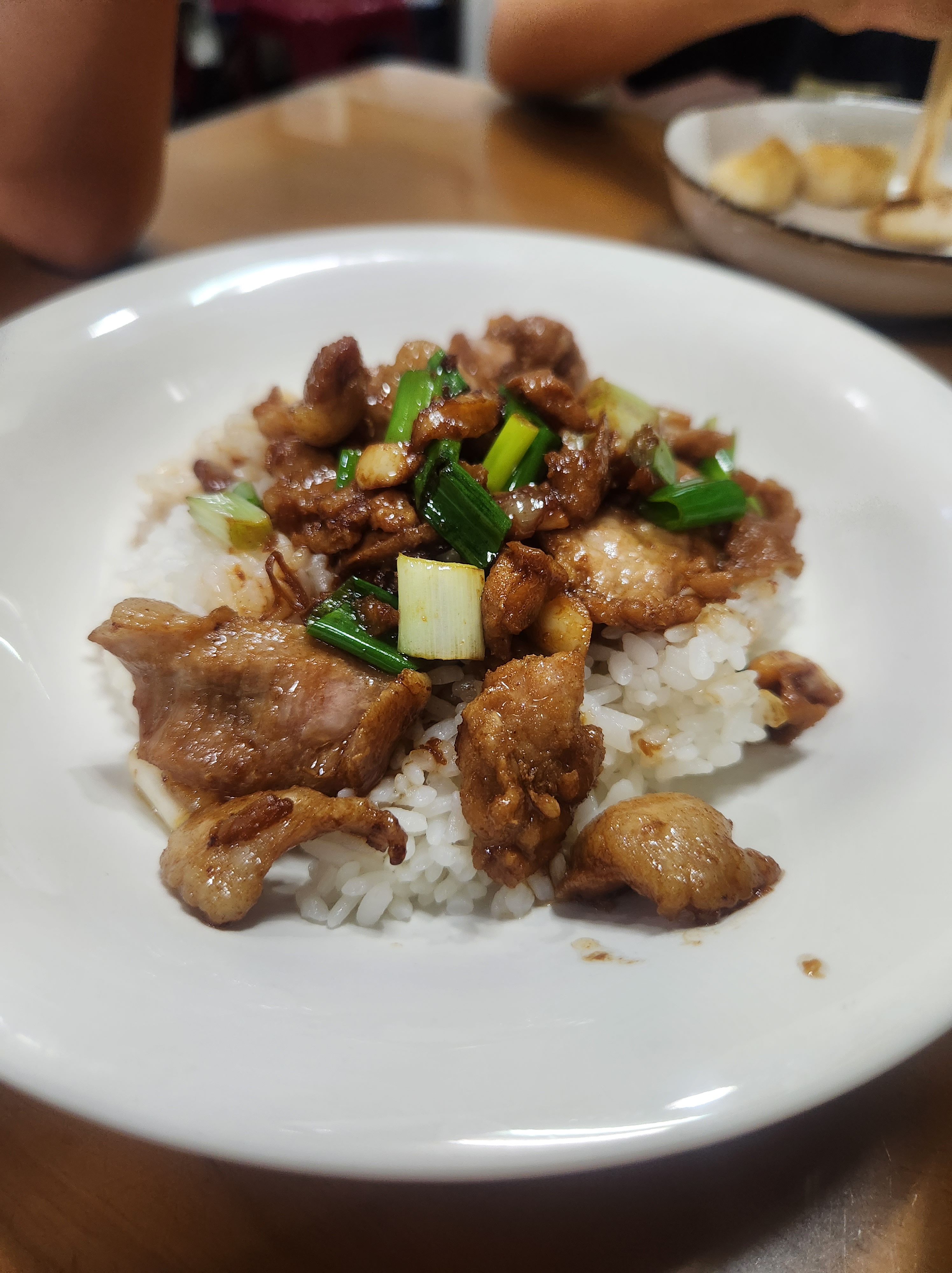
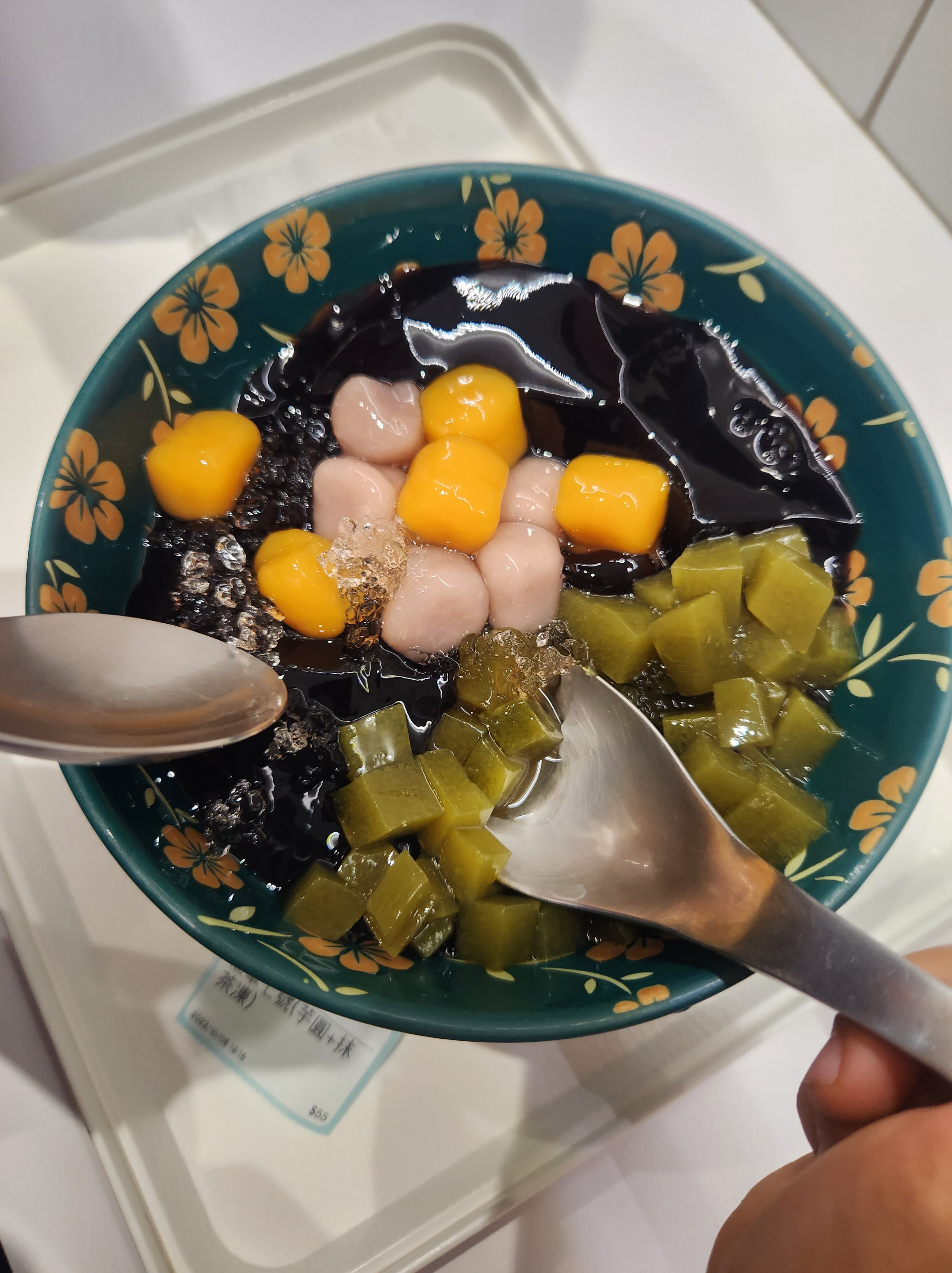
(From left to right, top to bottom)
Danzai Noodles 擔仔麵: This is a popular snack in Tainan that’s made with wheat noodles in shrimp broth, garlic and topped with marinated pork. The portion is tiny, so it’s more a snack than a meal. It was delicious and we gobbled both portions up!

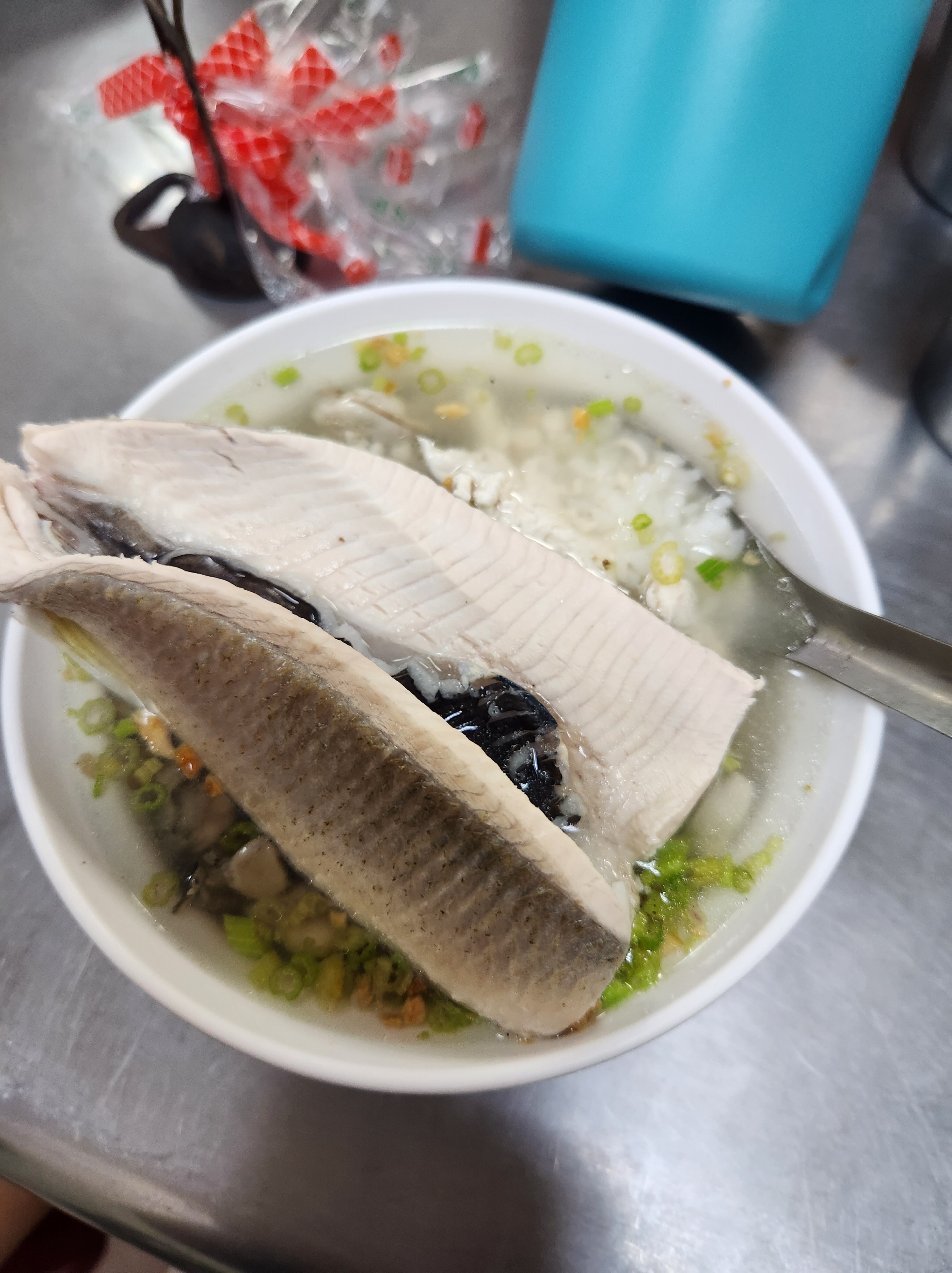
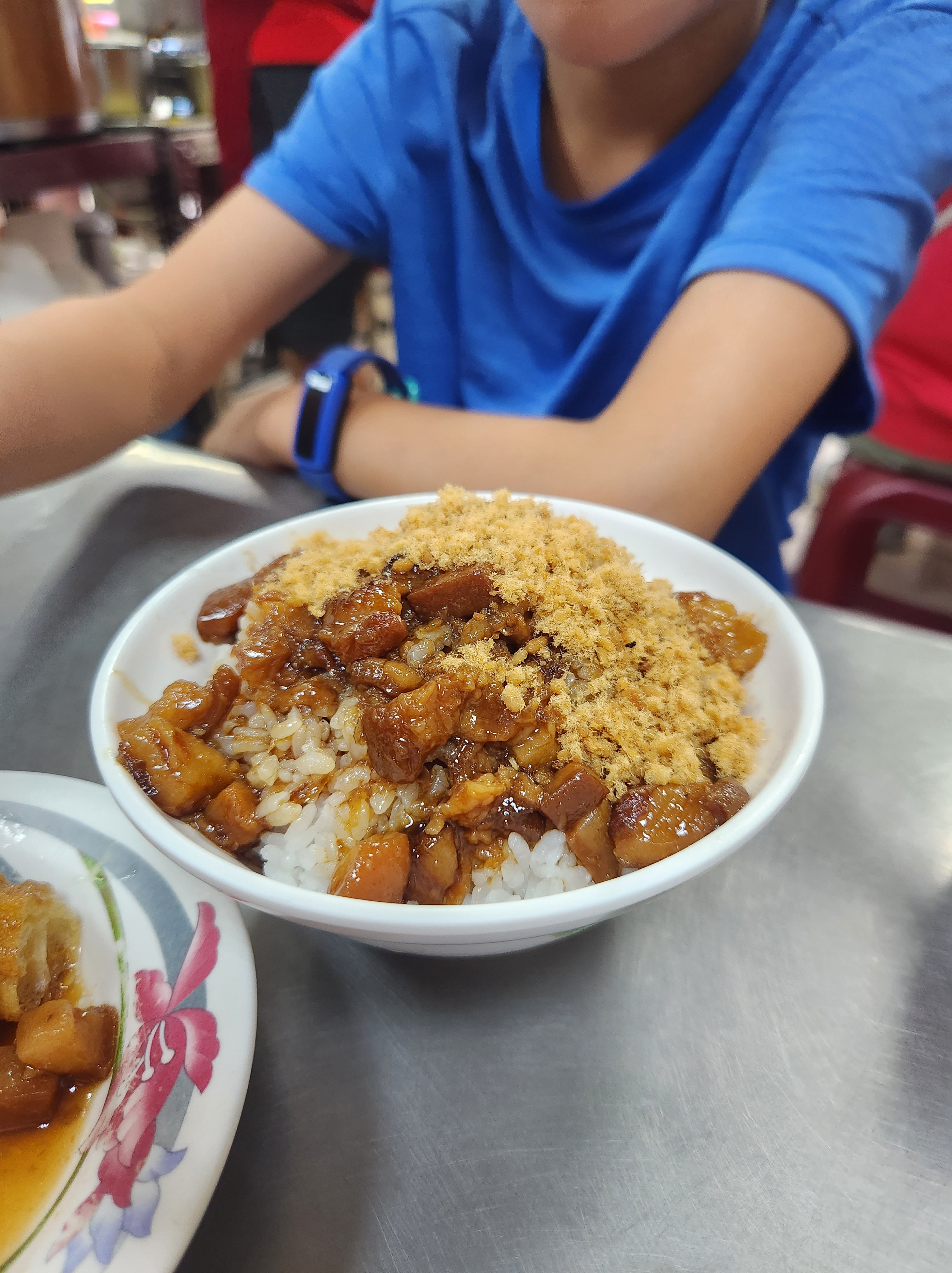
Fish Soup and Fried Pork Over Rice: After eating 擔仔麵, we came across this simple restaurant owned by a sweet old lady. We ordered a fish soup and fried pork over rice. Both were so simple, yet packed with flavor. It was so good that we ordered a second plate of the fried pork over rice!

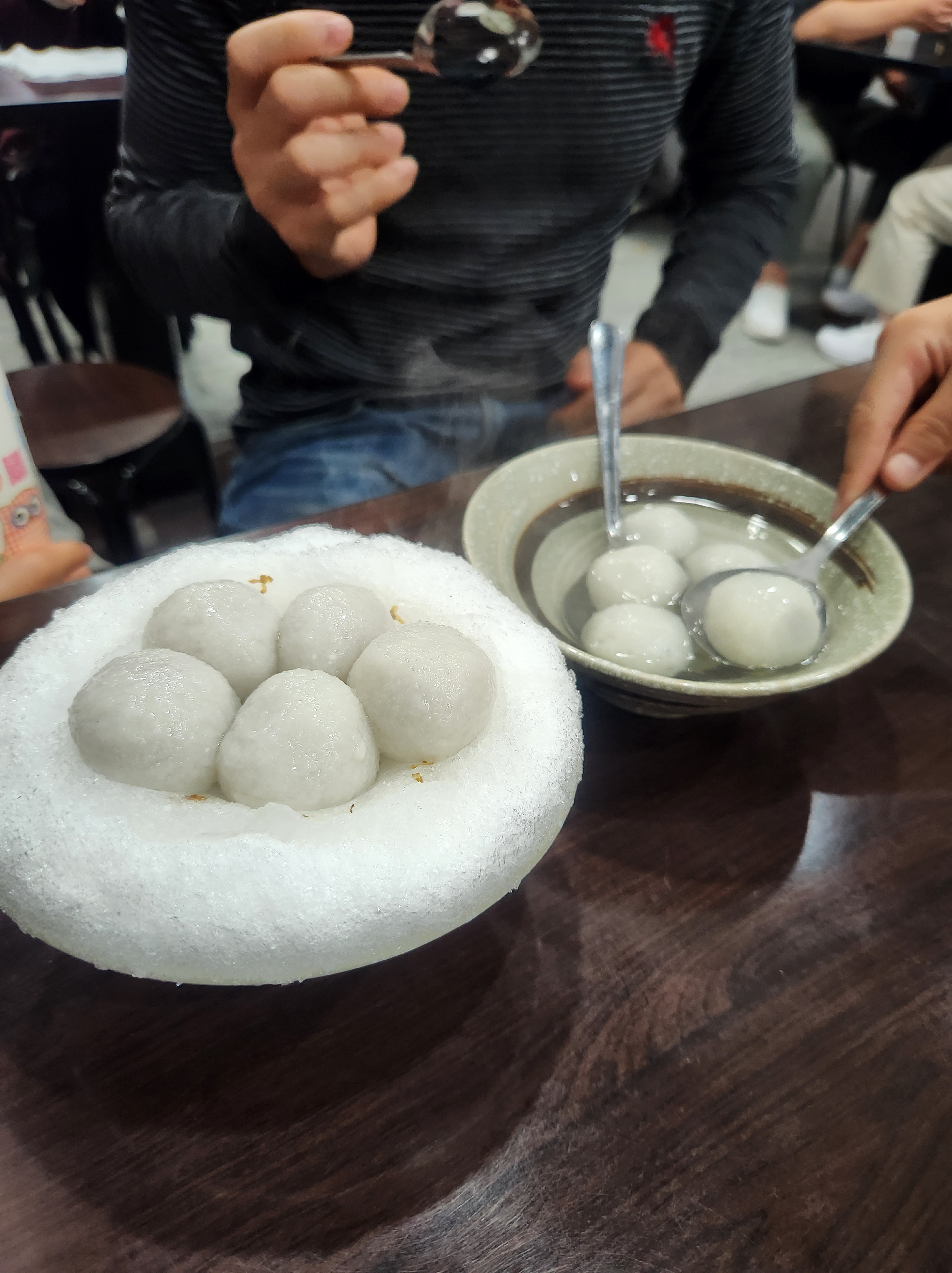
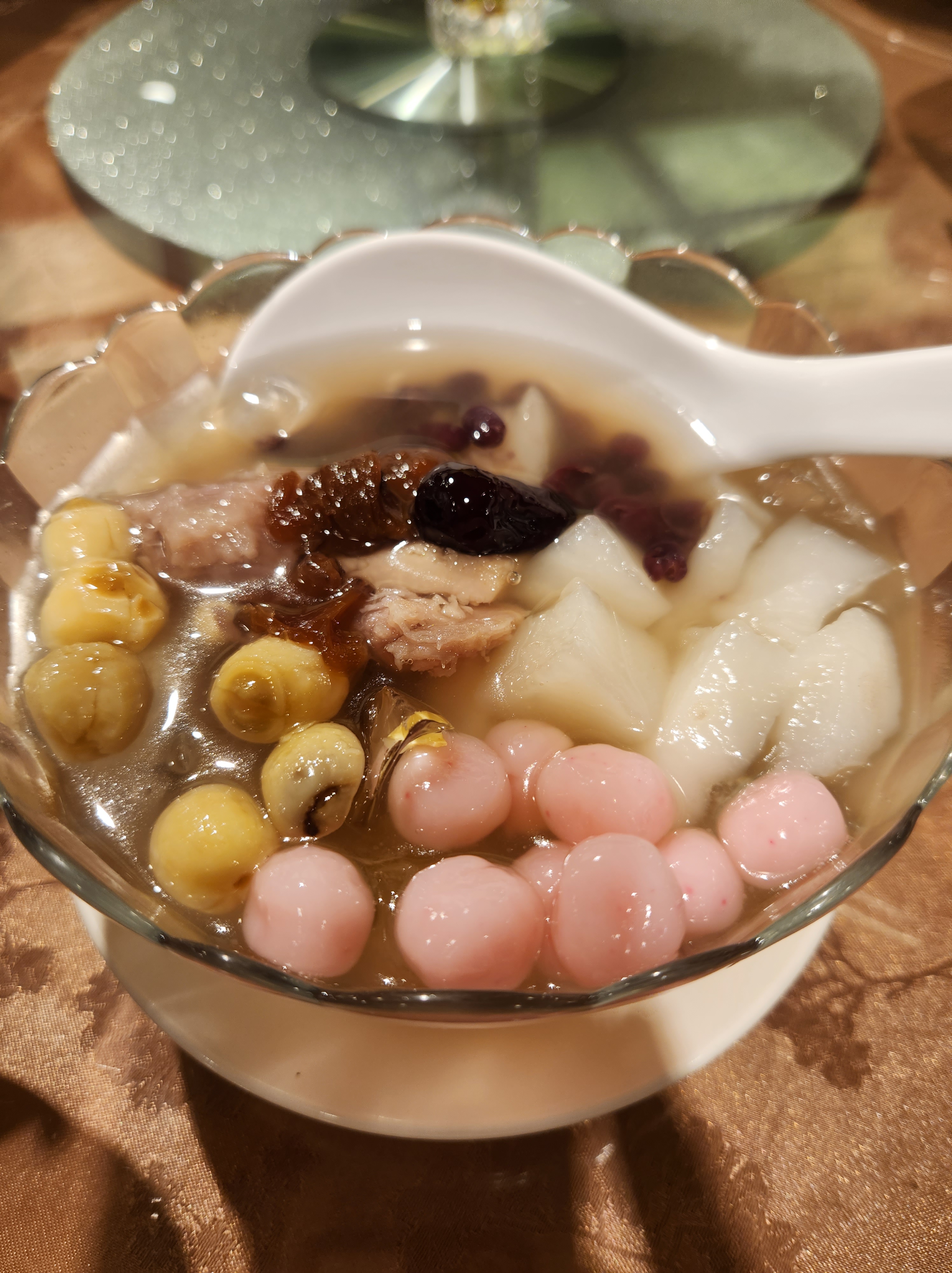
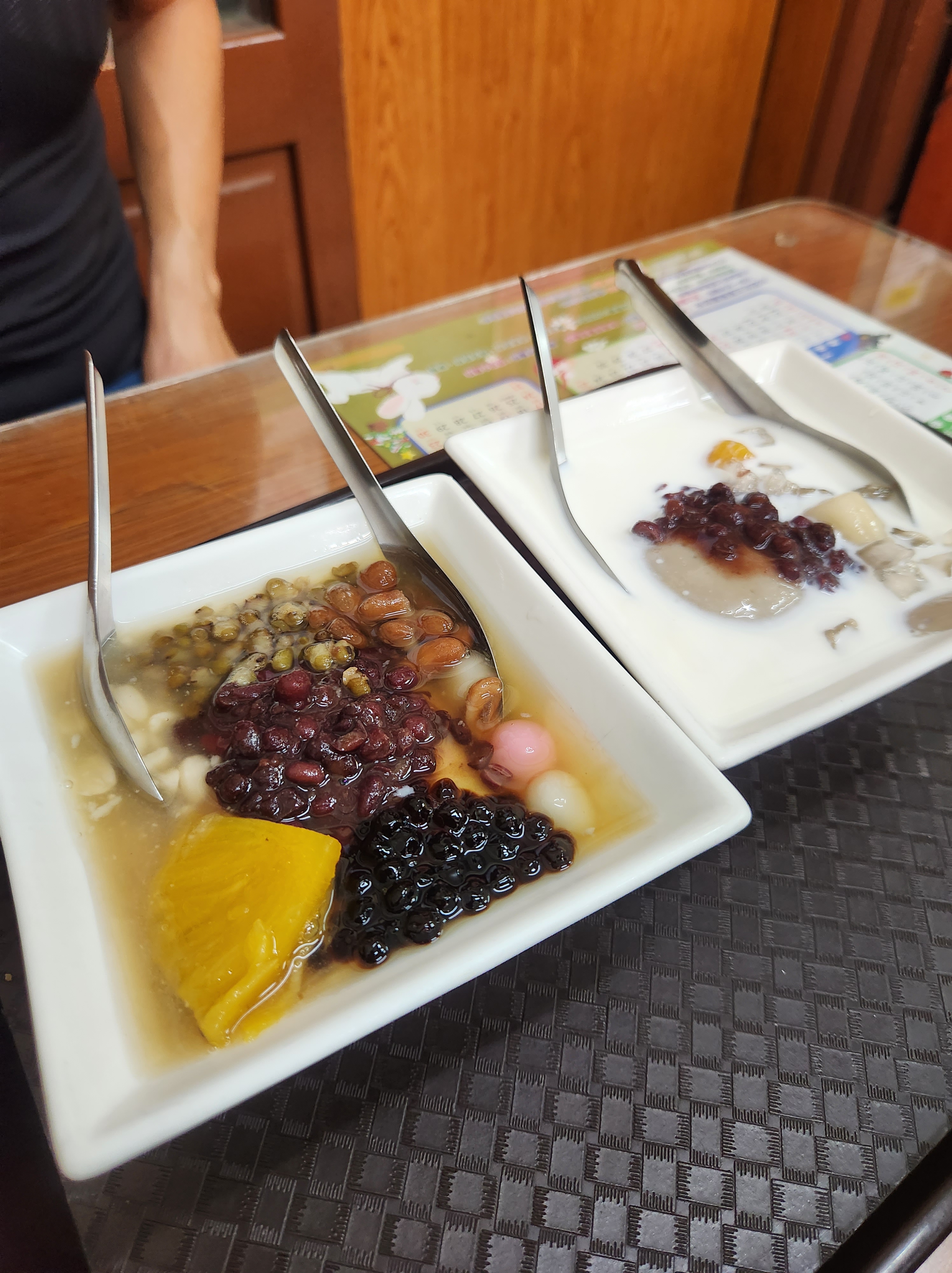
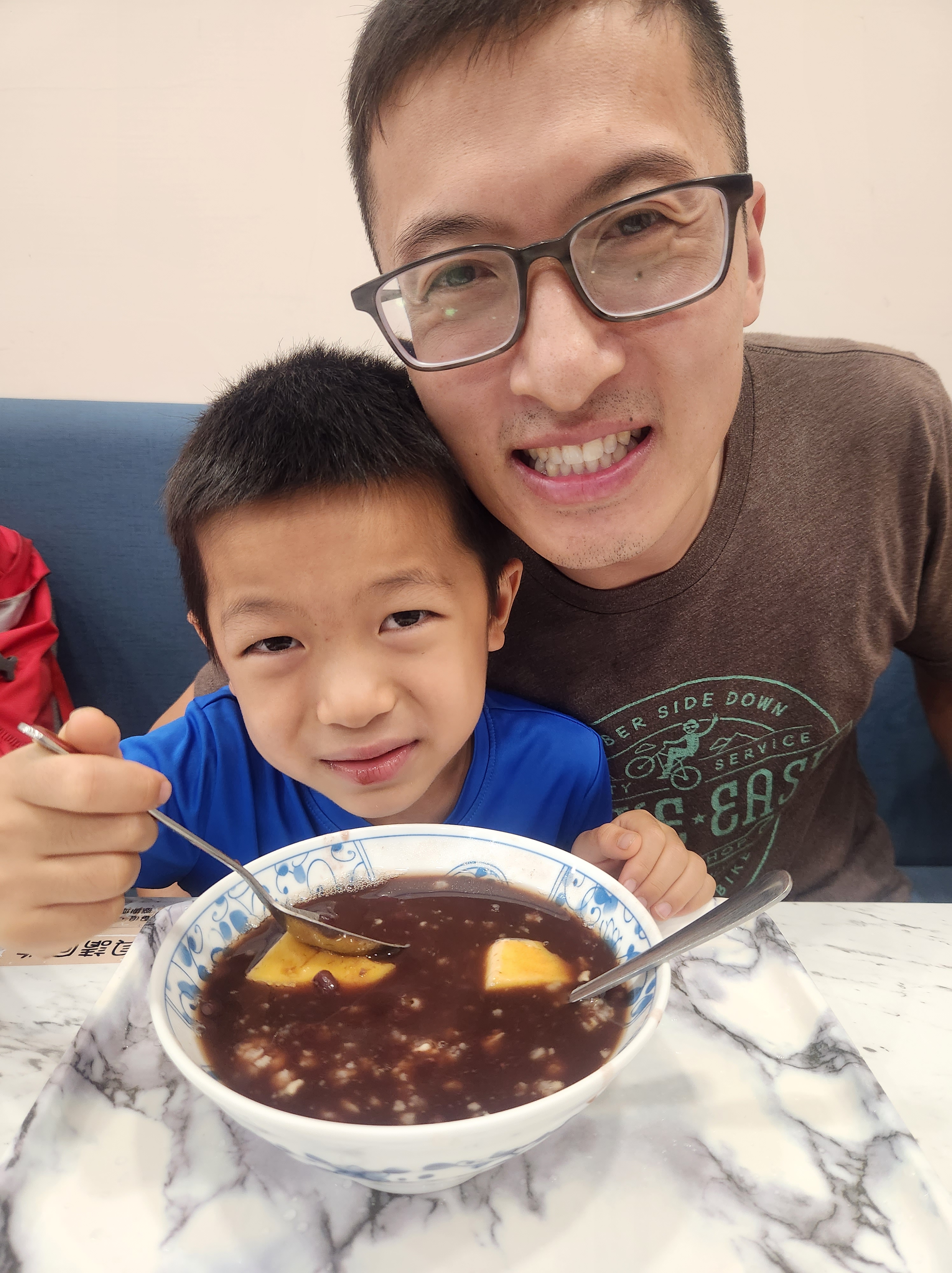
Grass Jelly with Taro and Sweet Potato Balls: Baba and the boys love this dessert. Personally, I’m not a big fan of the glutinous texture and mild taste but it’s very popular across Taiwan.

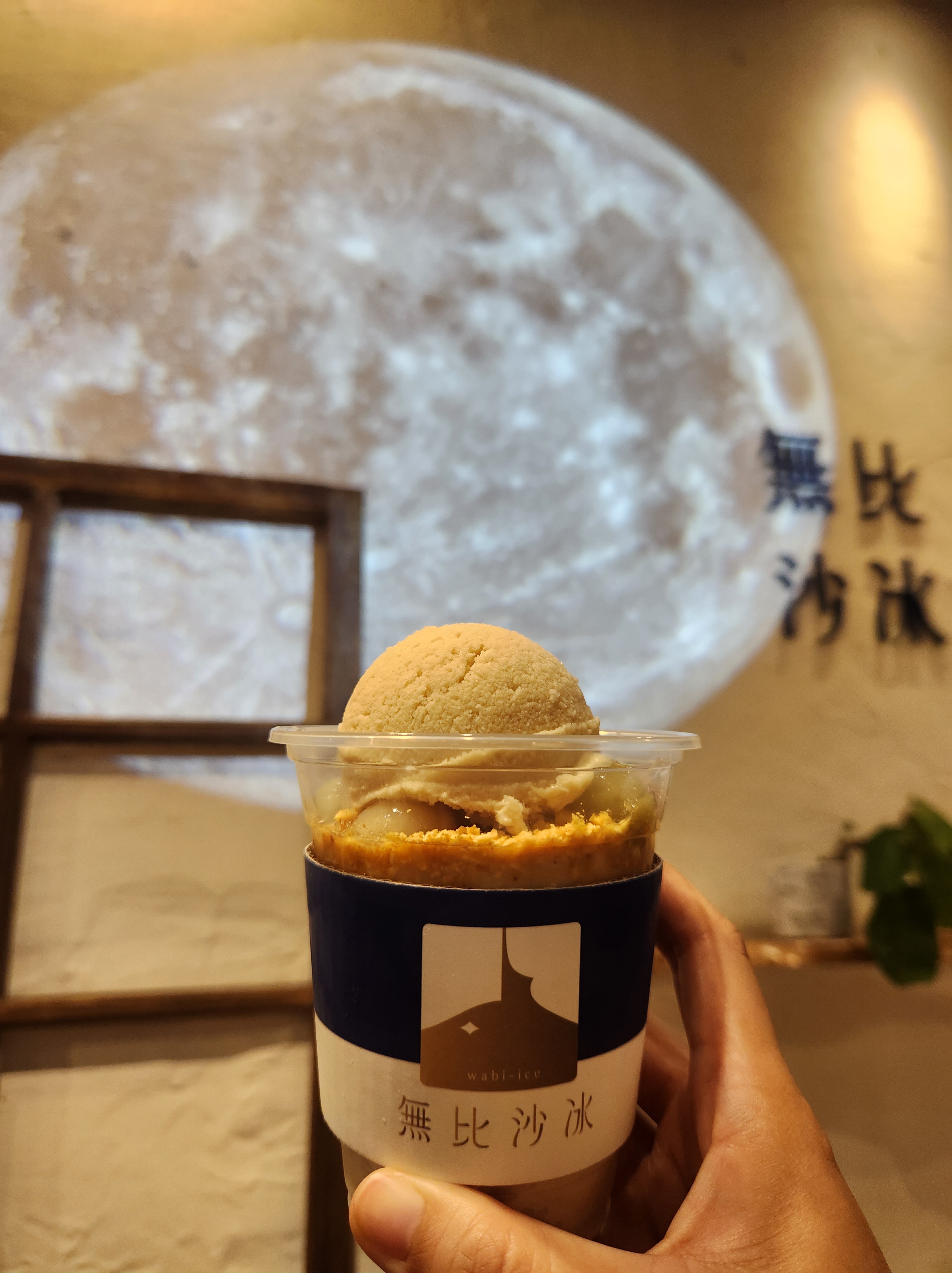
Peanut Shaved Ice 花生刨冰: We noticed a shop selling different kinds of 刨冰, but their most famous was peanut! We grabbed a cup and it was the perfect not-too-sweet and refreshing dessert on a hot night.

The next morning, we had a traditional Tainan breakfast of milkfish congee and braised pork rice 滷肉飯. I’m a huge congee lover, and was really looking forward to eating my favorite comfort food here. But the milkfish was thick and dry, and the rice was not as creamy as I’d like. I still prefer Cantonese style congee.

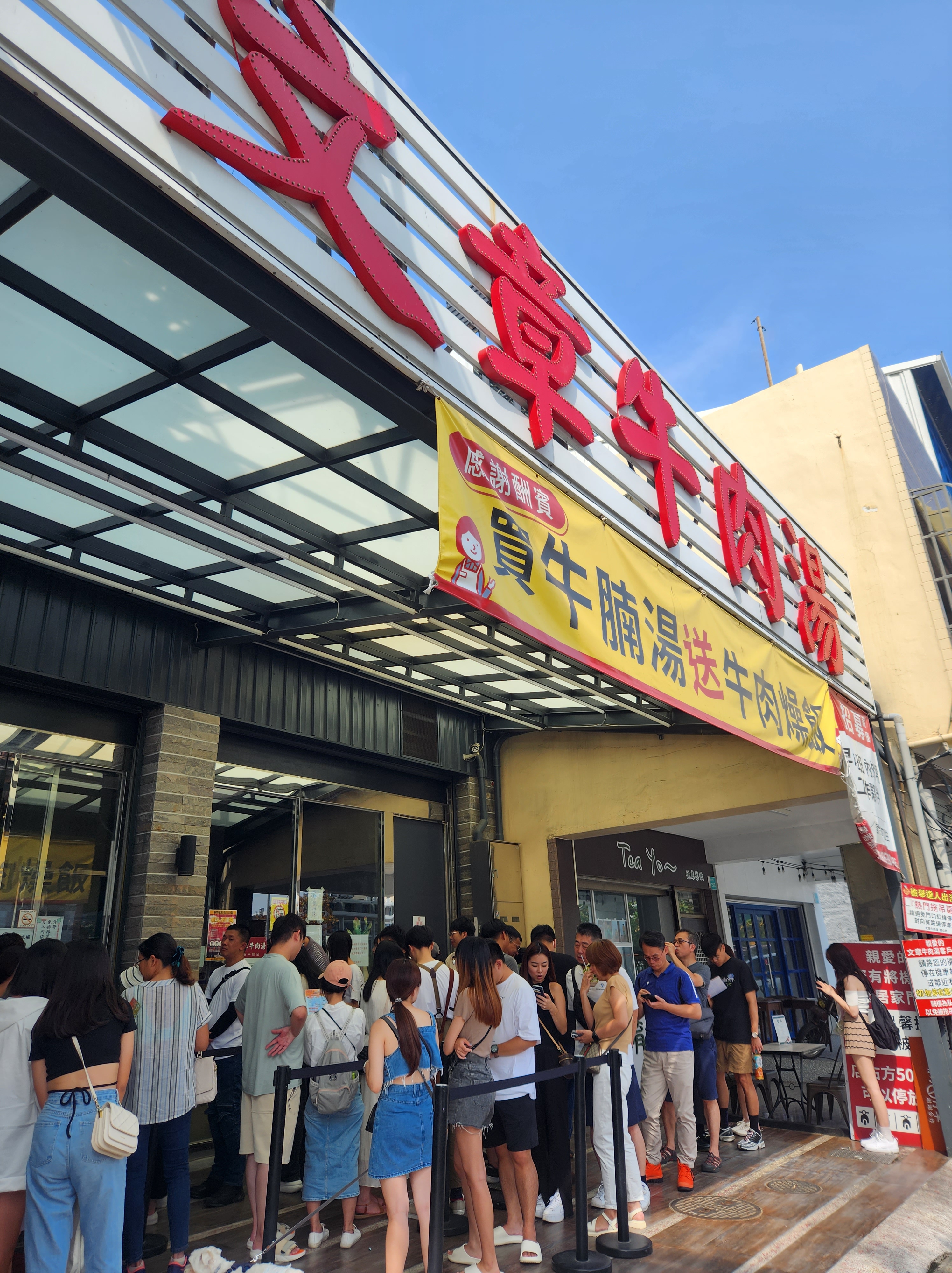
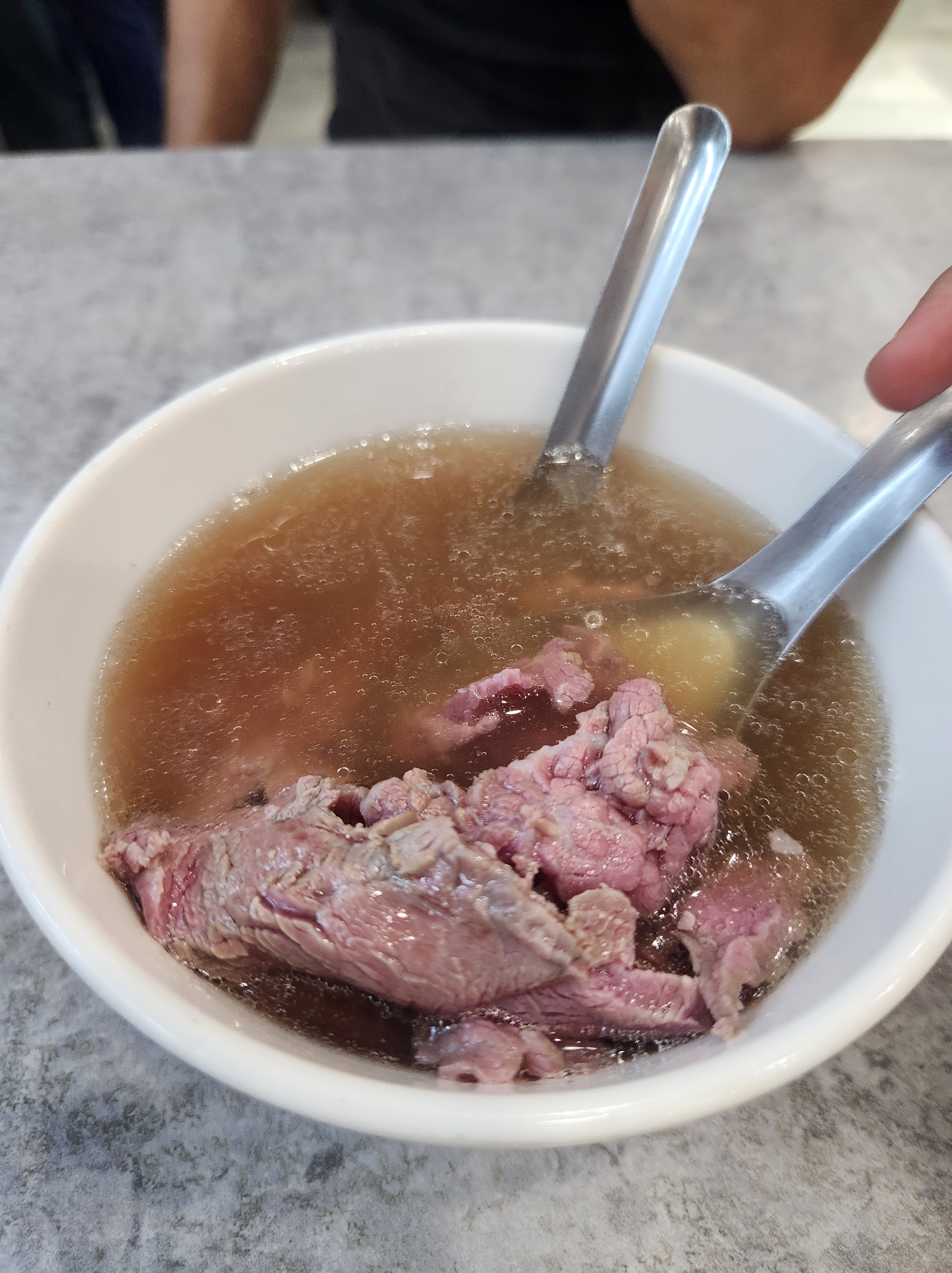
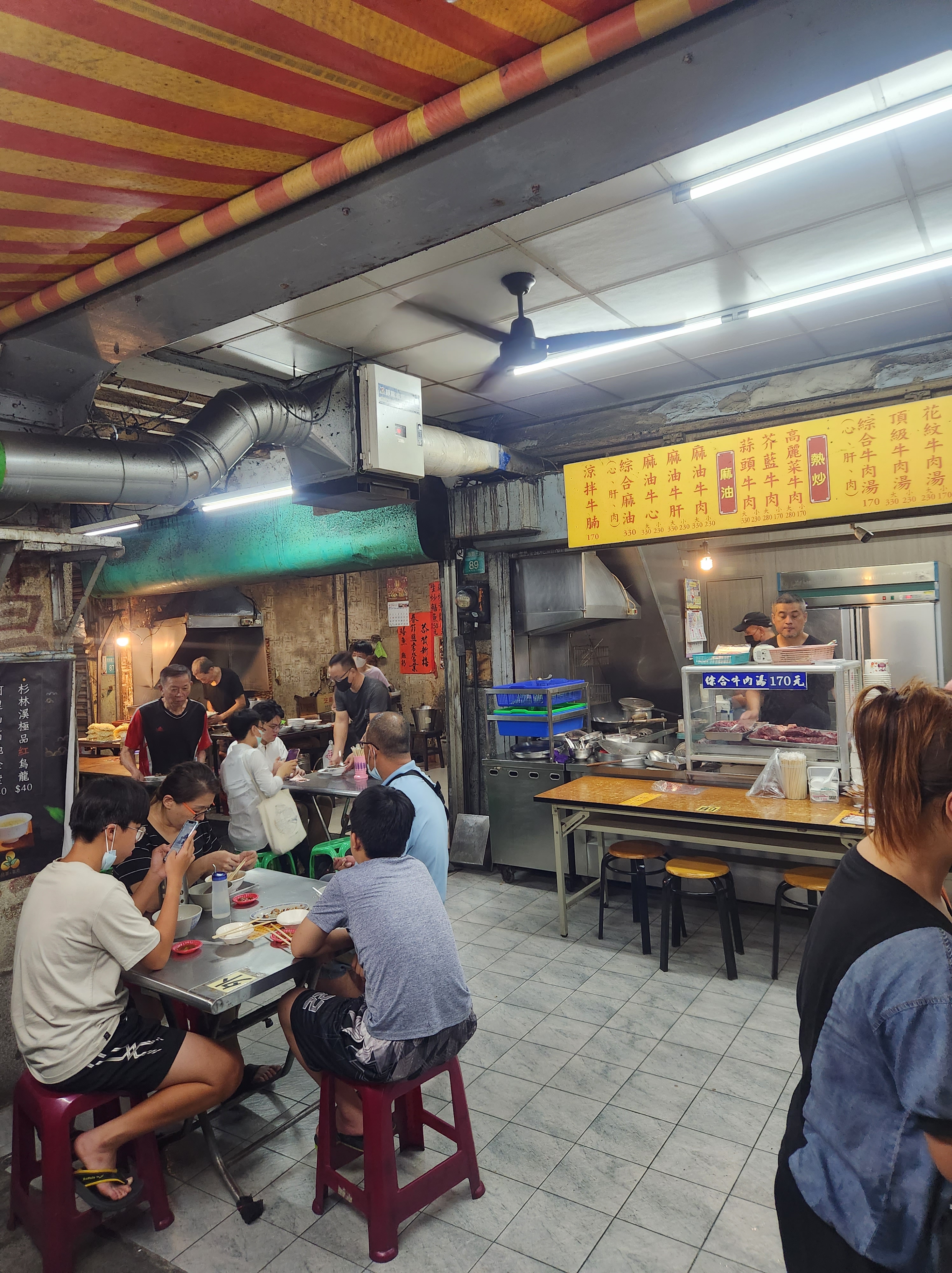
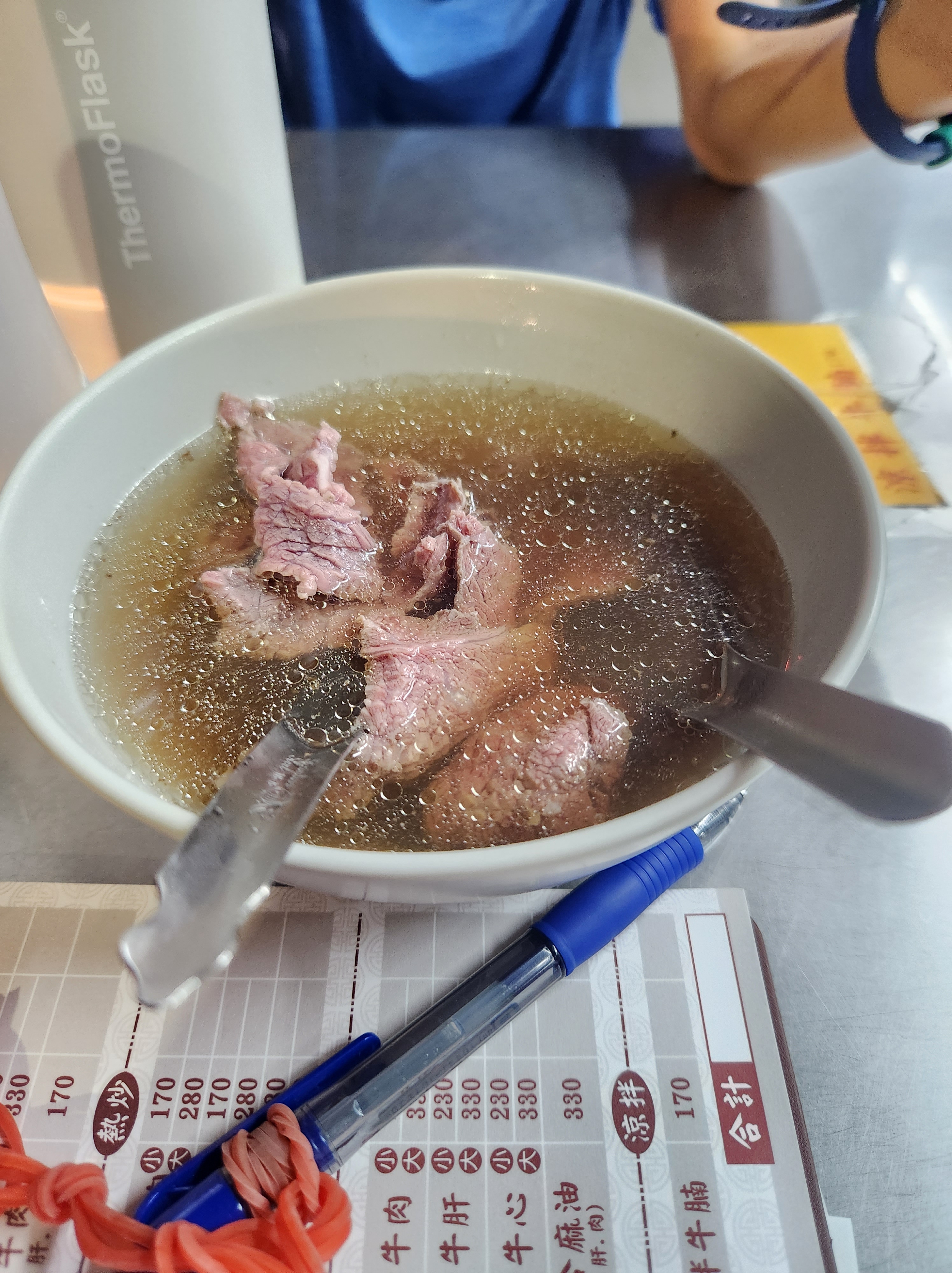
Later on, we took a long walk to get in line at Wen Zhang 文章牛肉湯, a famous restaurant known for a Tainan staple: beef soup 牛肉湯! We waited in line for 30-40 minutes in the heat, but it was worth it. The soup is very simple – literally beef broth with thin slices of beef – but it’s amazingly flavorful, clean, and comforting, like something your mom or grandma made. Apparently many people in Tainan have this soup for breakfast!

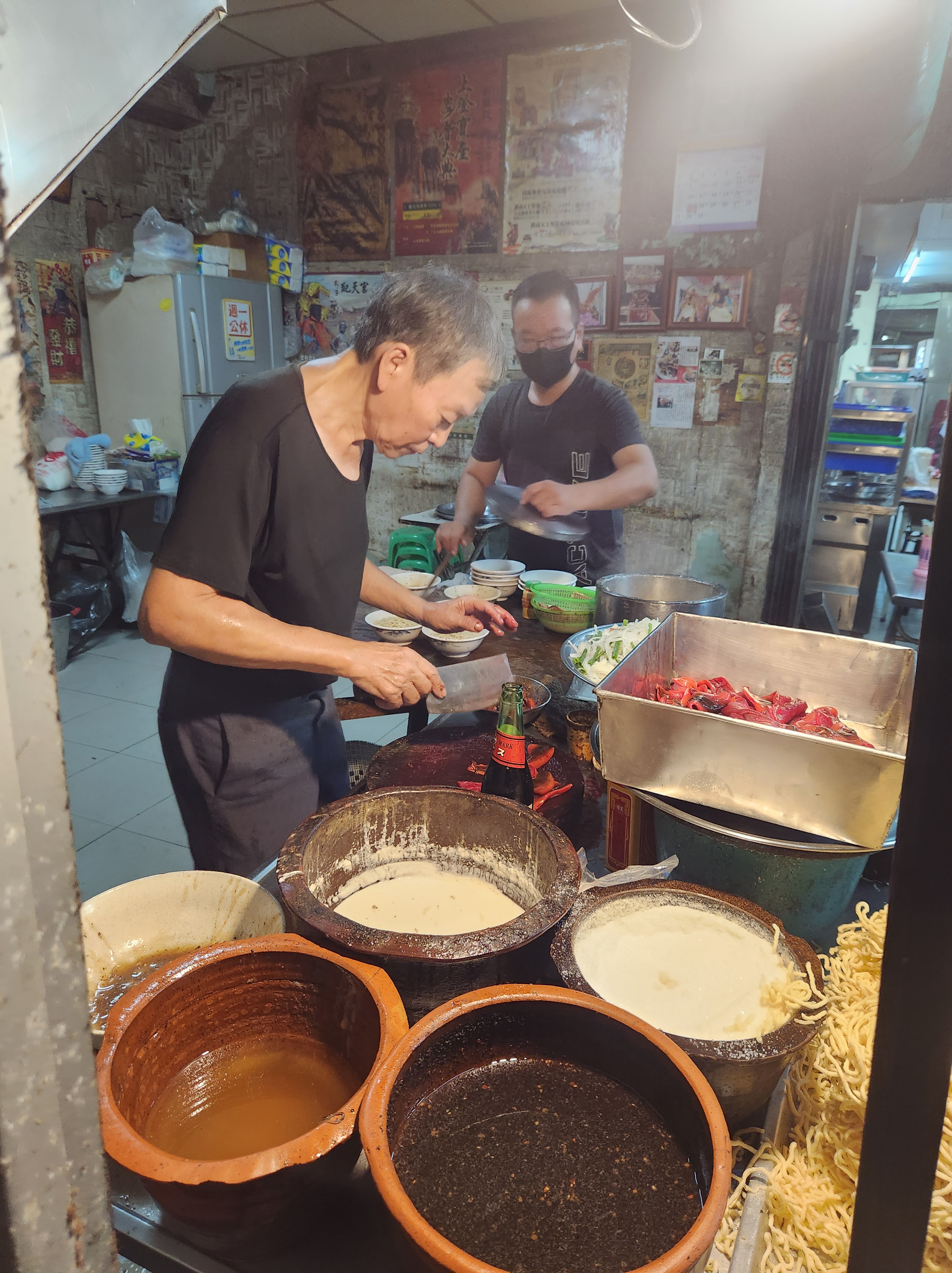
Eel noodles is also a common dish you’ll find in Tainan. We went to a popular hole-in-the-wall restaurant called A Jiang 阿江鱔魚意麵 to try this dish.

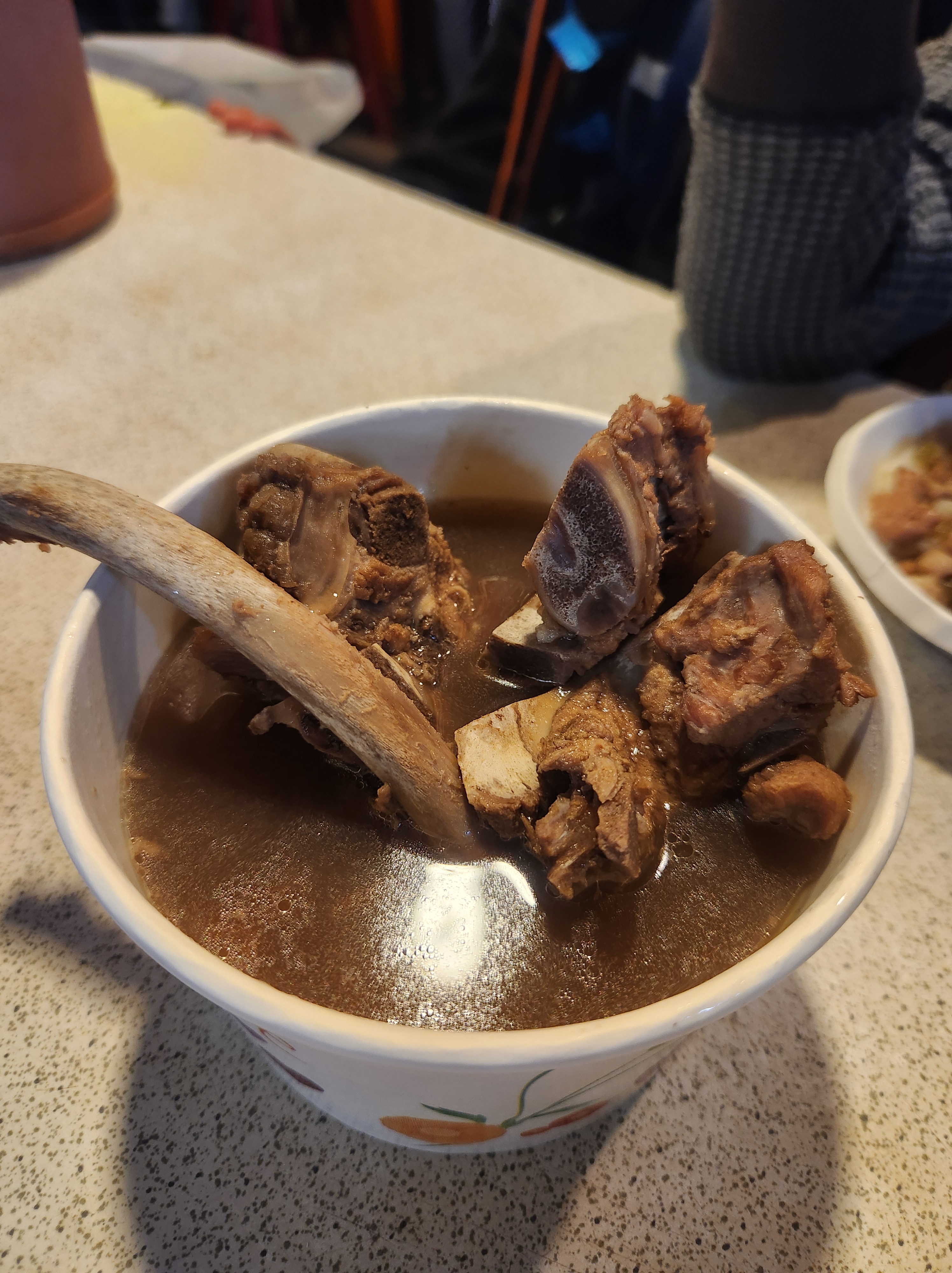
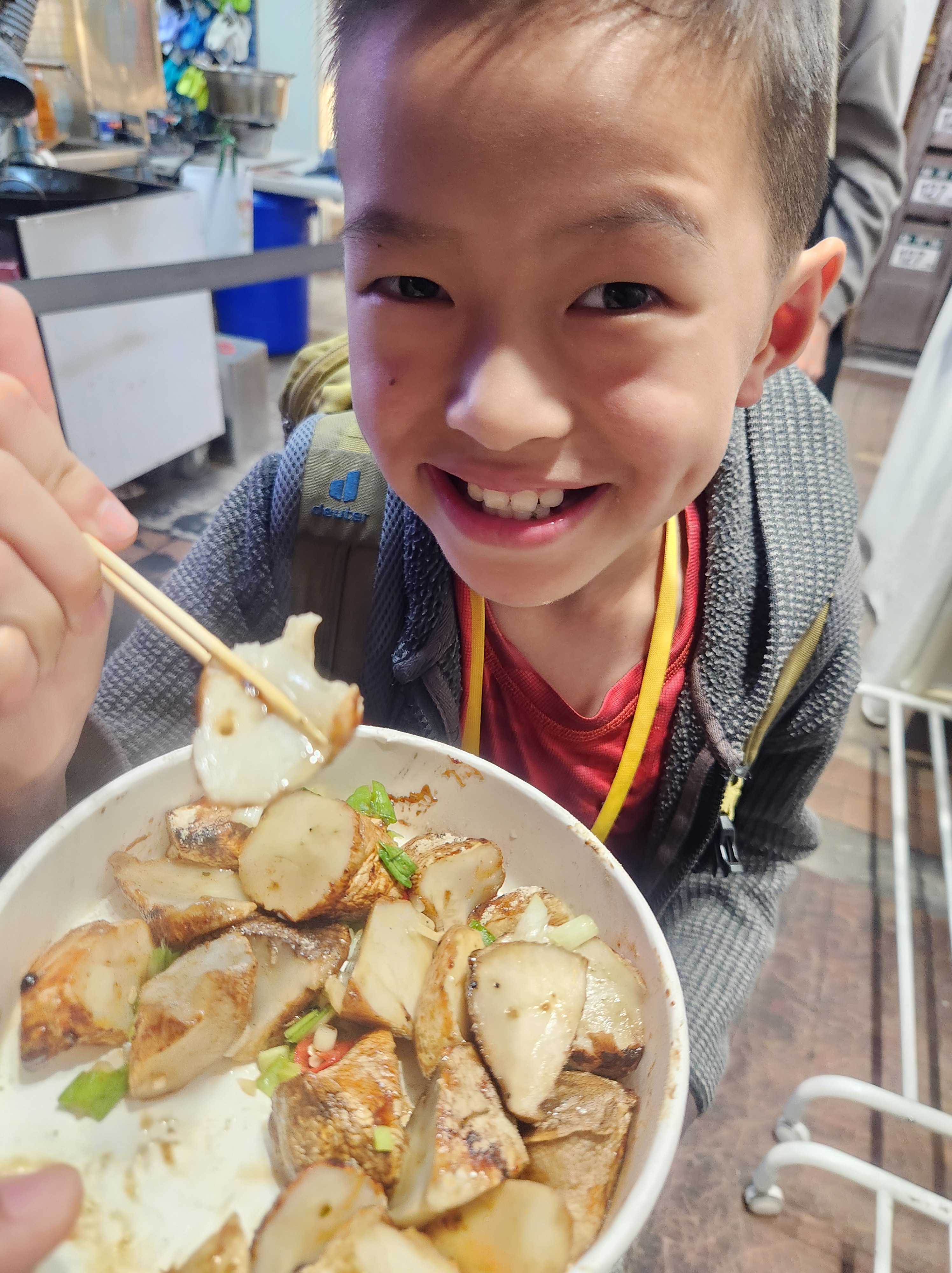
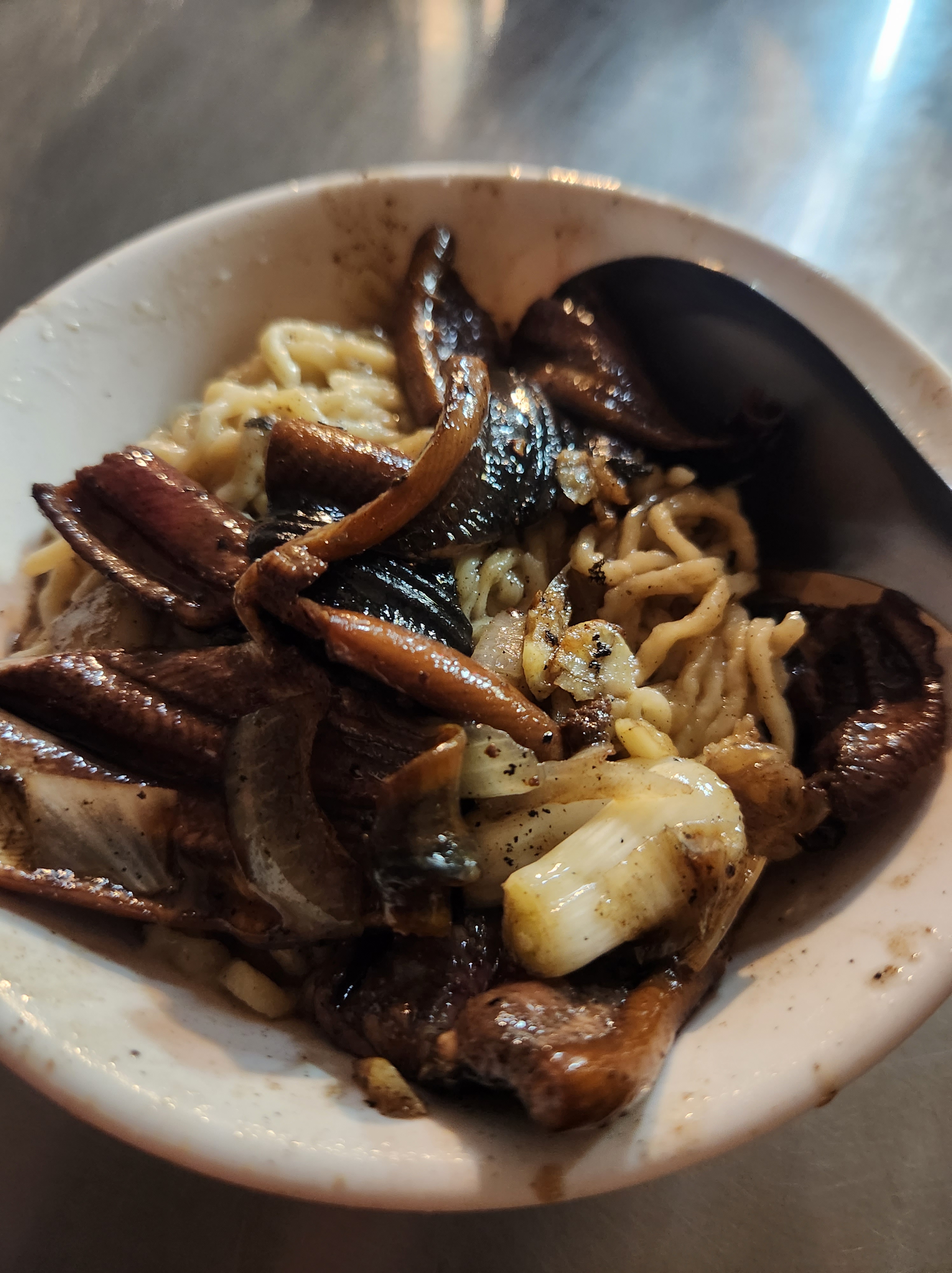
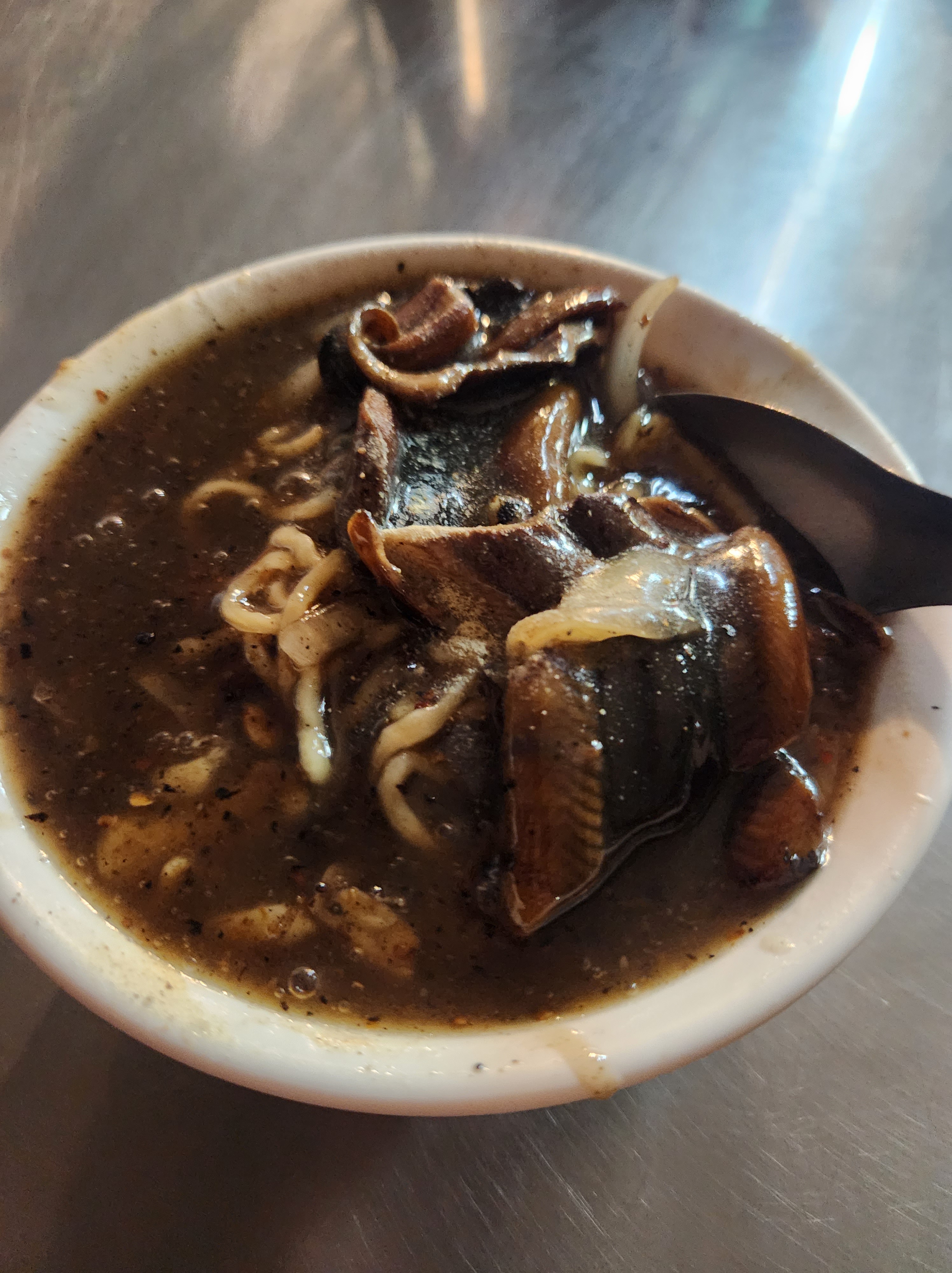
They basically have two options: one that’s dry-fried and one with sauce. We ordered both. Visually, these are not the prettiest looking dishes. 😂 But the smoky flavor and wok-hay were amazing. The eel was firm – even a bit crunchy – and marinated well. Personally, I preferred the dry-fried version.

Then, we hopped next door to get another bowl of beef noodle soup and ginger scallion fried beef. The beef soup was not as good as the one we had at Wen Zhang 文章, but it was still good! The ginger scallion beef was delicious – the beef was so tender and flavorful. People in Tainan really know how to cook beef!

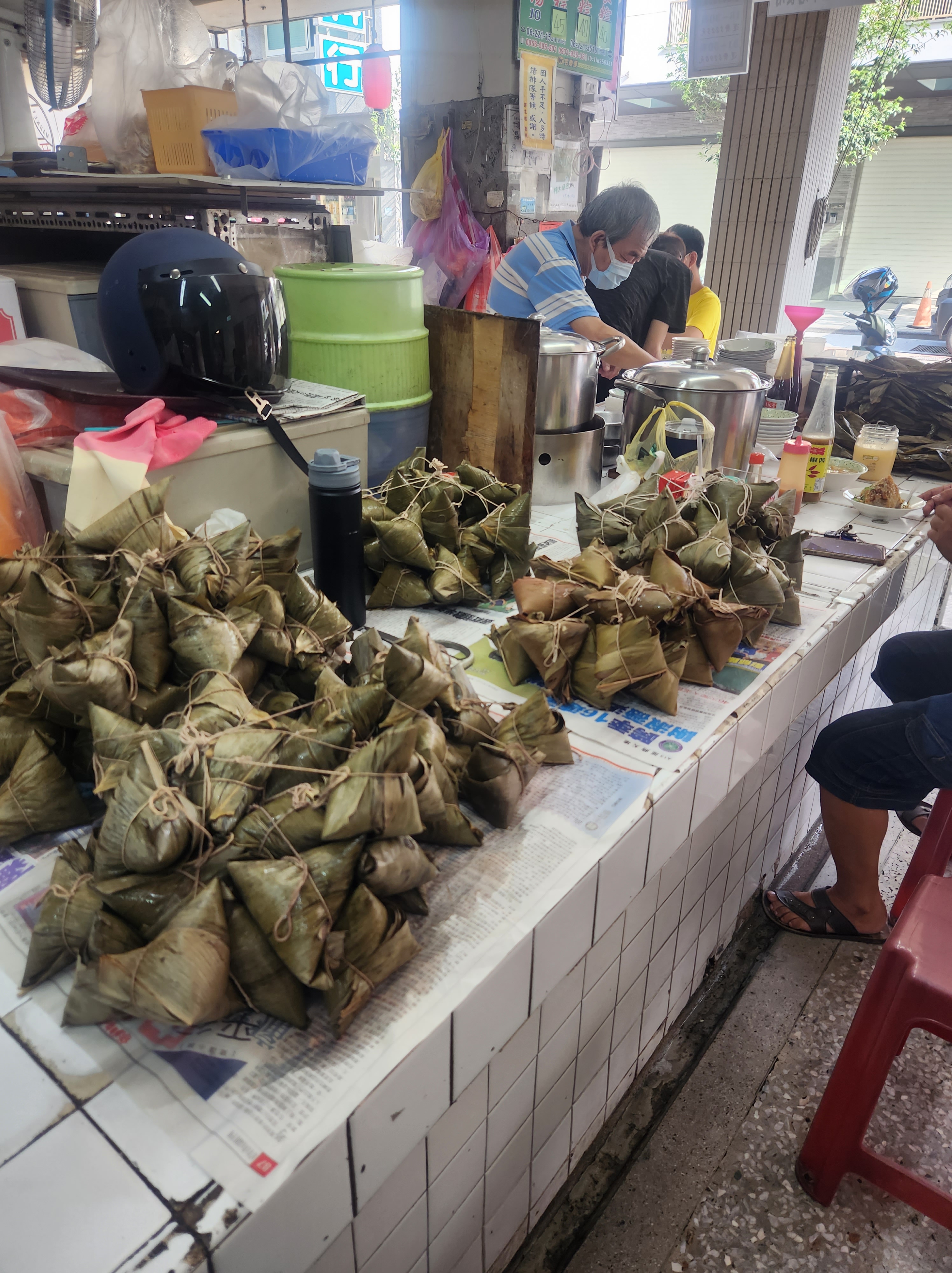
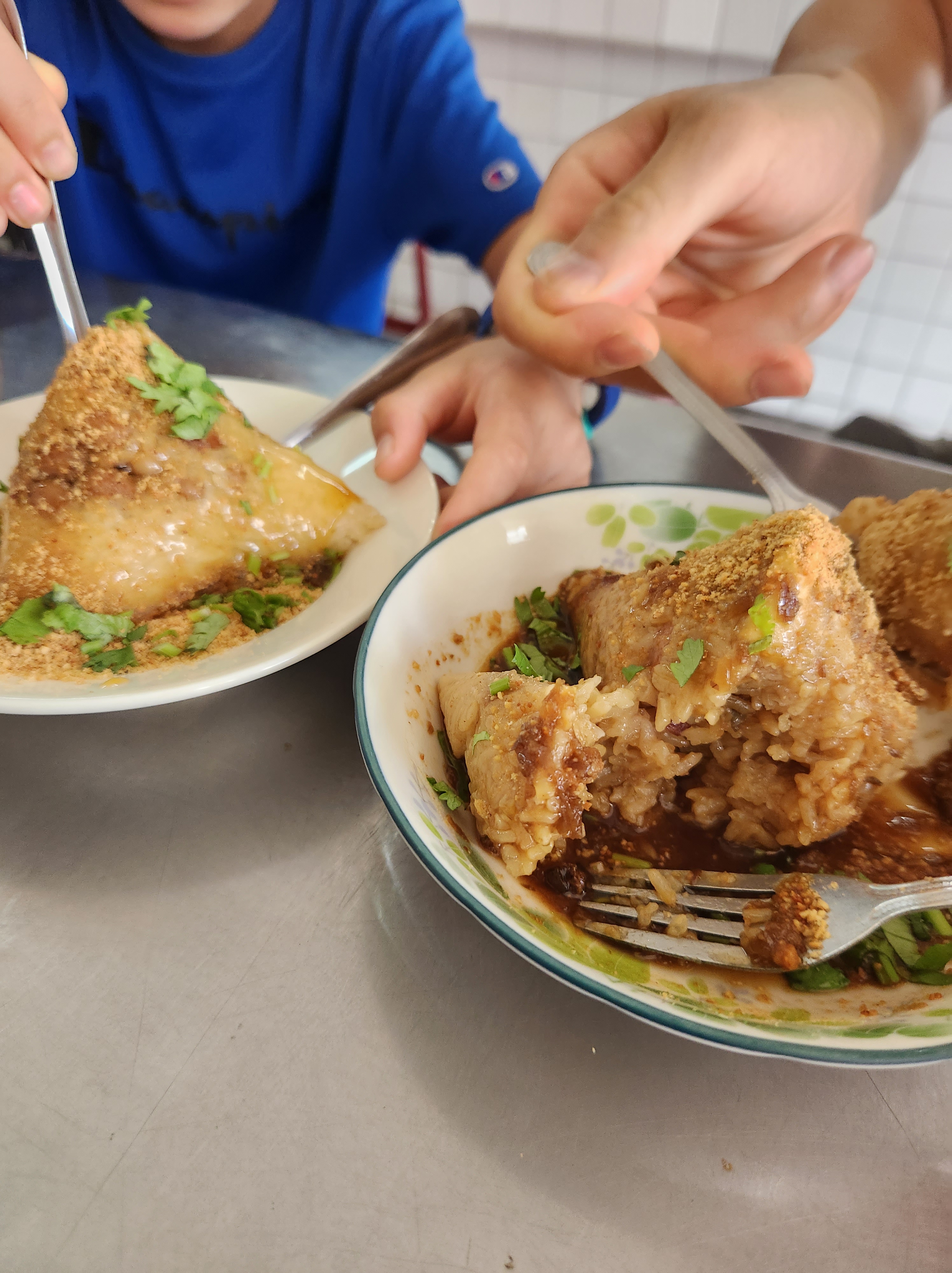
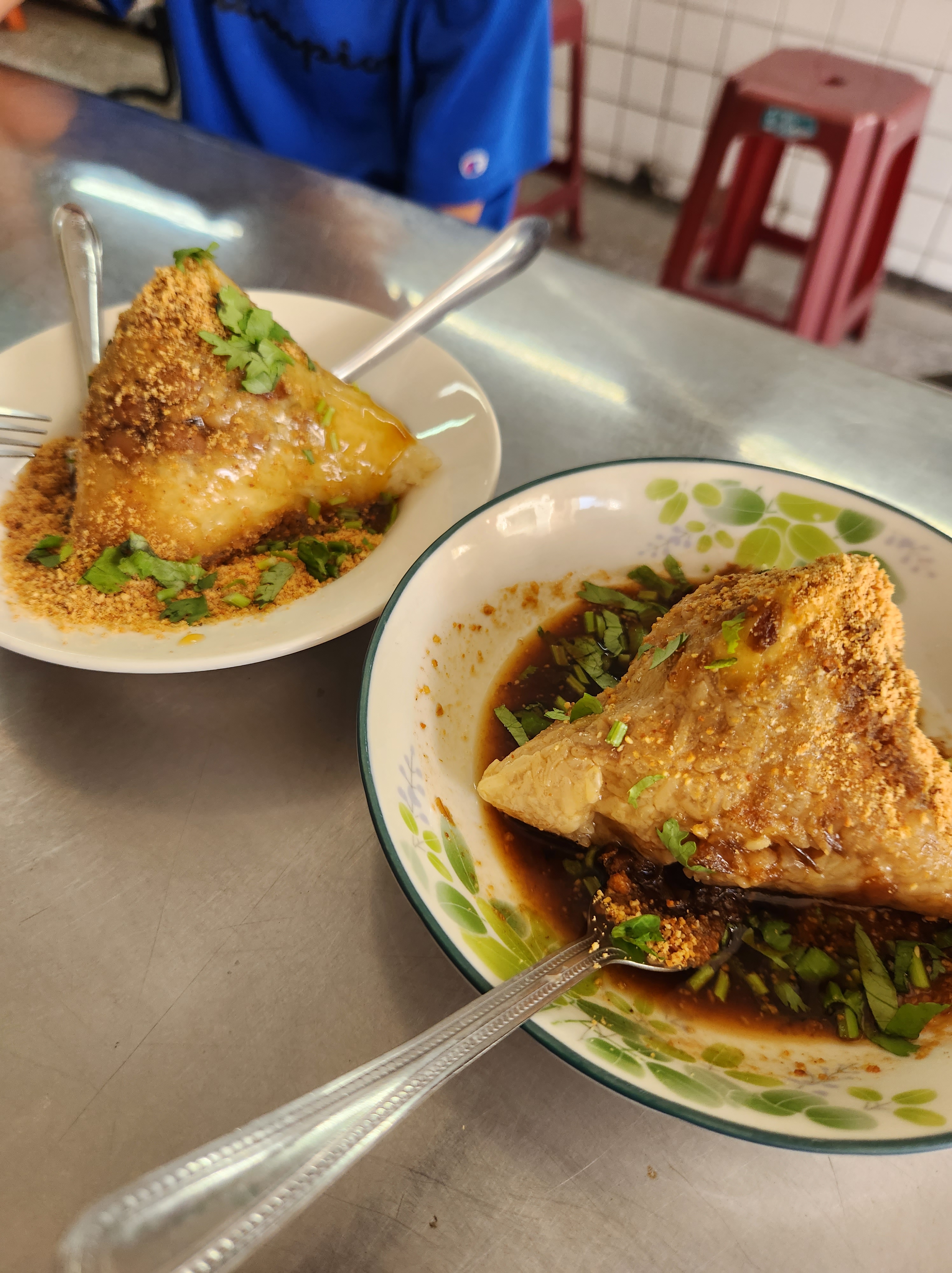
The next morning, we had another typical breakfast item in Tainan – sticky rice dumplings 粽子! I thought this was pretty heavy to have for breakfast, but since breakfast is the most important meal for Tainan people, maybe they want something hearty?

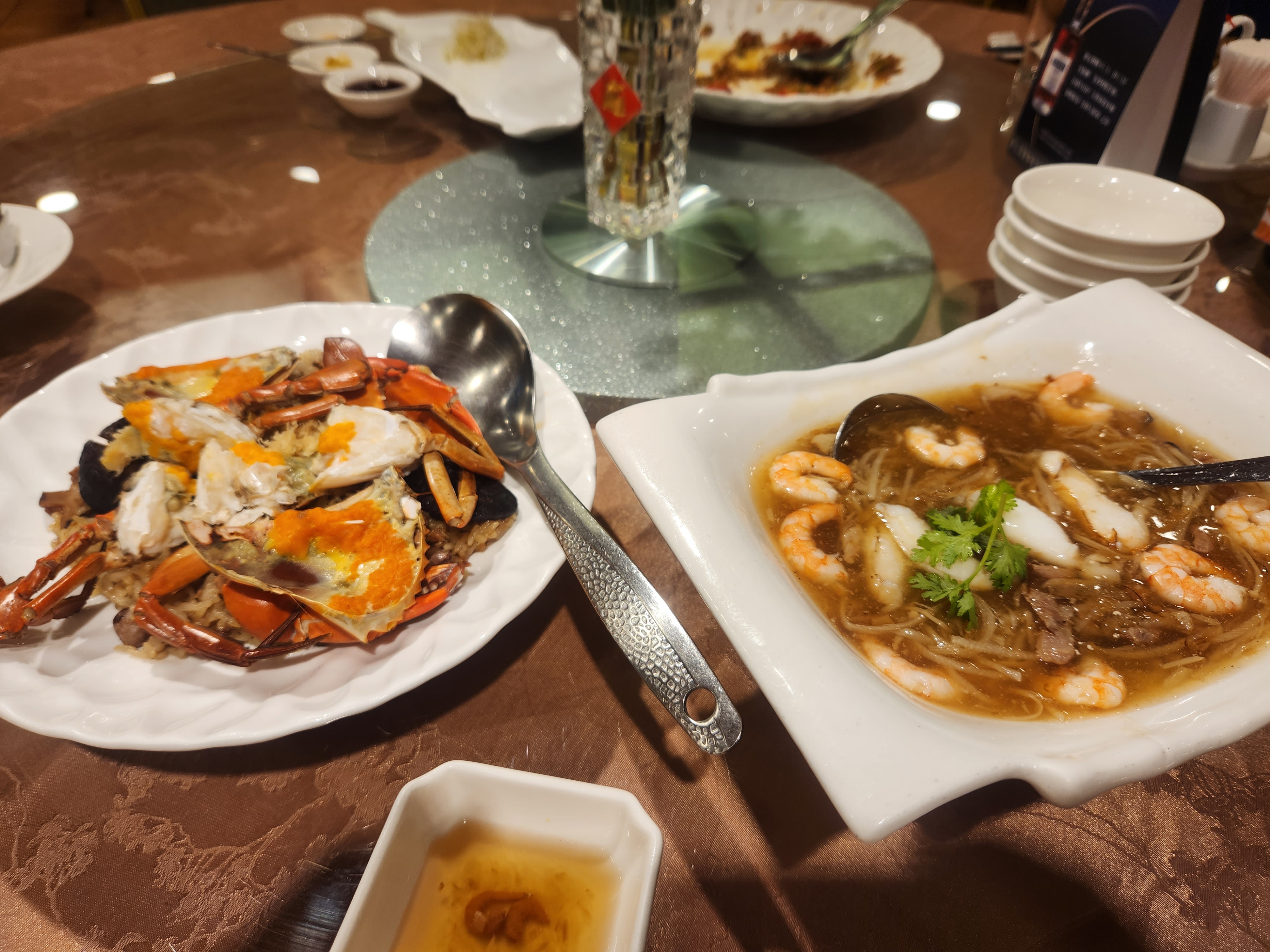
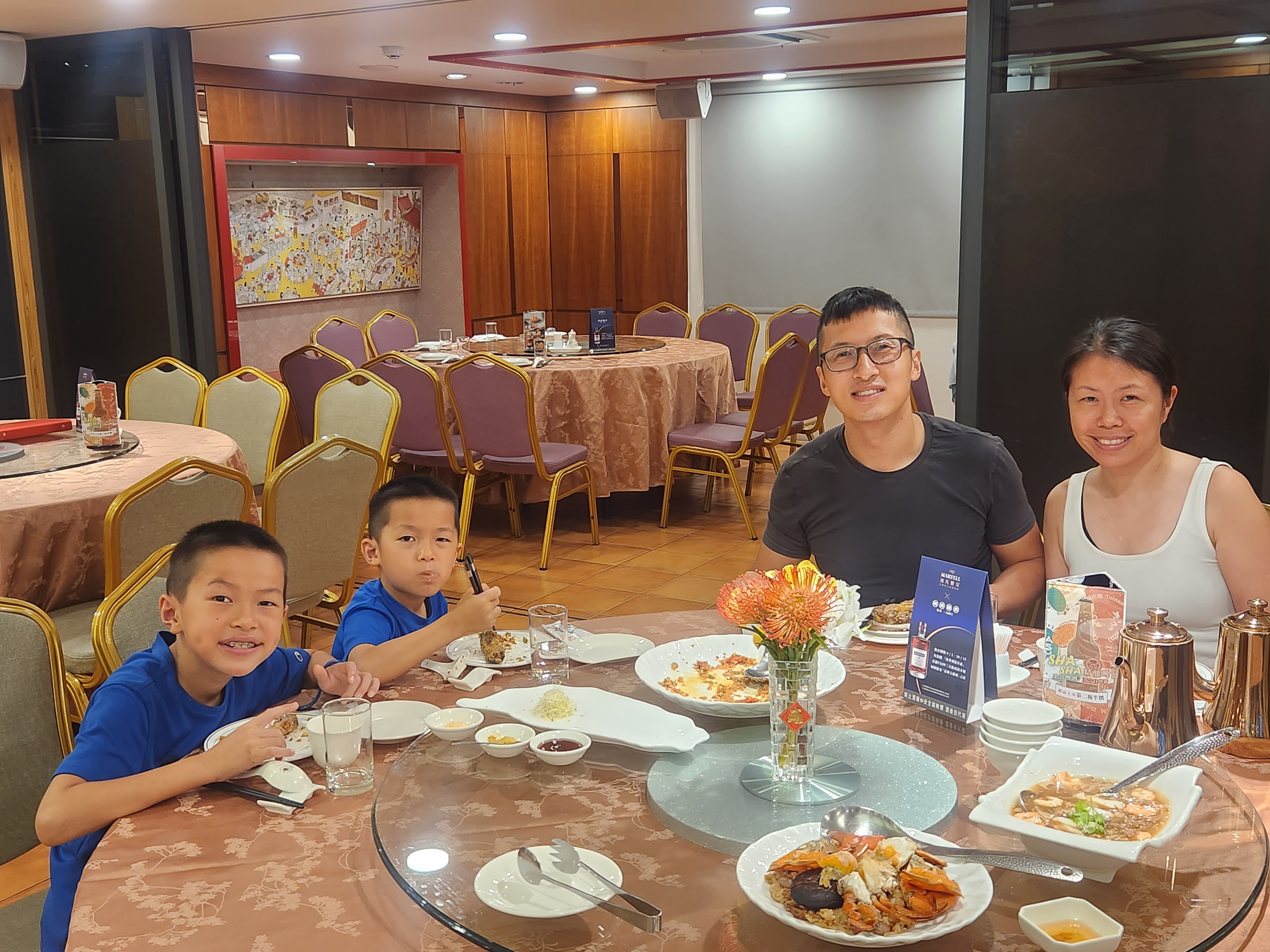
We had lunch reservations at A Sha Restaurant 阿霞飯店, which is one of the most famous restaurants in Tainan serving traditional Taiwanese dishes. This is a restaurant that requires reservations and we were lucky we could snag one before we went back to Taipei.

The lunch at A Sha was our priciest meal (about $100 USD), but honestly, it was a little underwhelming. Don’t get me wrong – everything was decent but at that price, I was expecting something more memorable, especially since food is so cheap in Tainan.

Aside from food, Tainan is also famous for its historic buildings and architecture. Here are some places we visited:

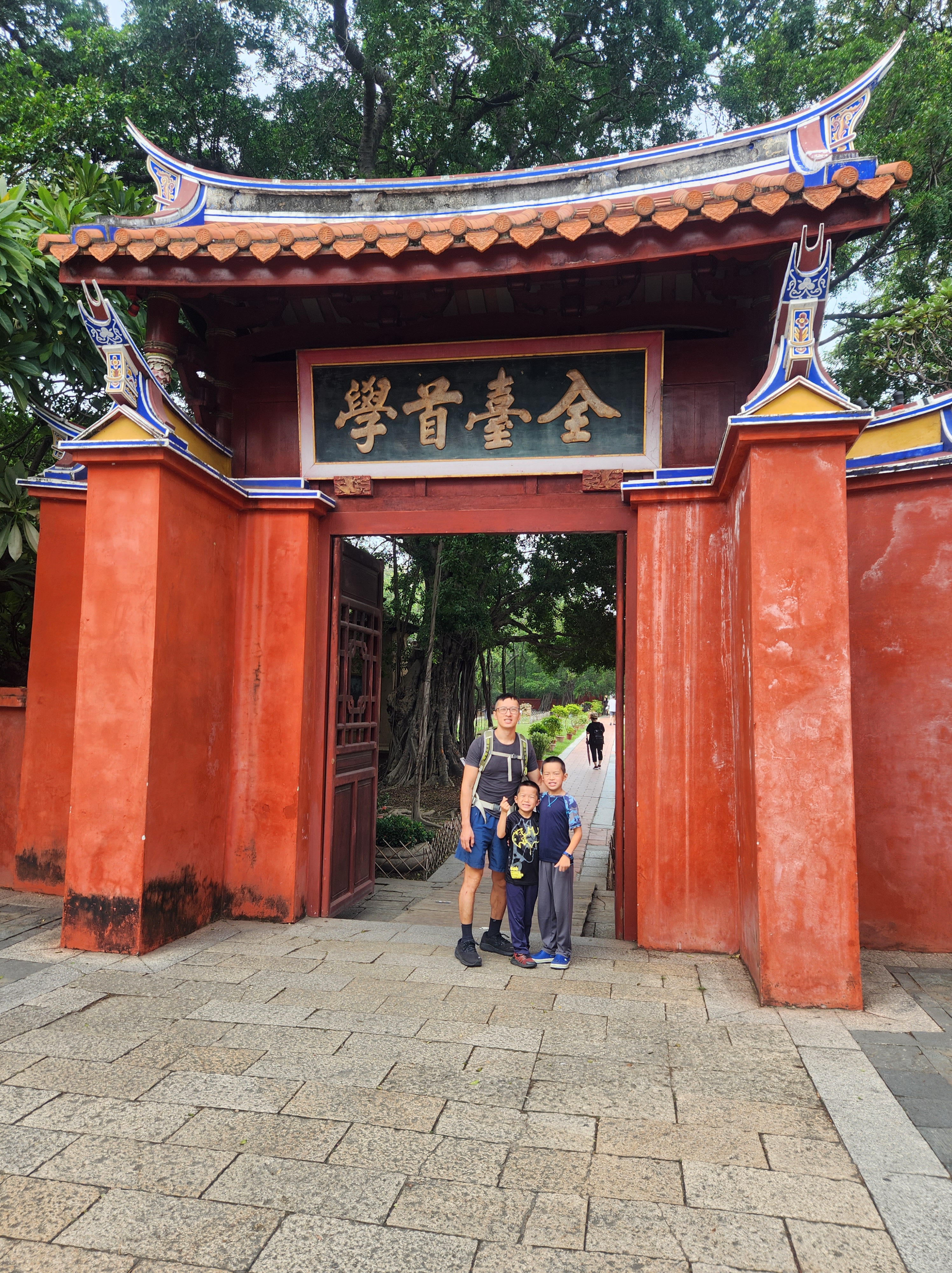
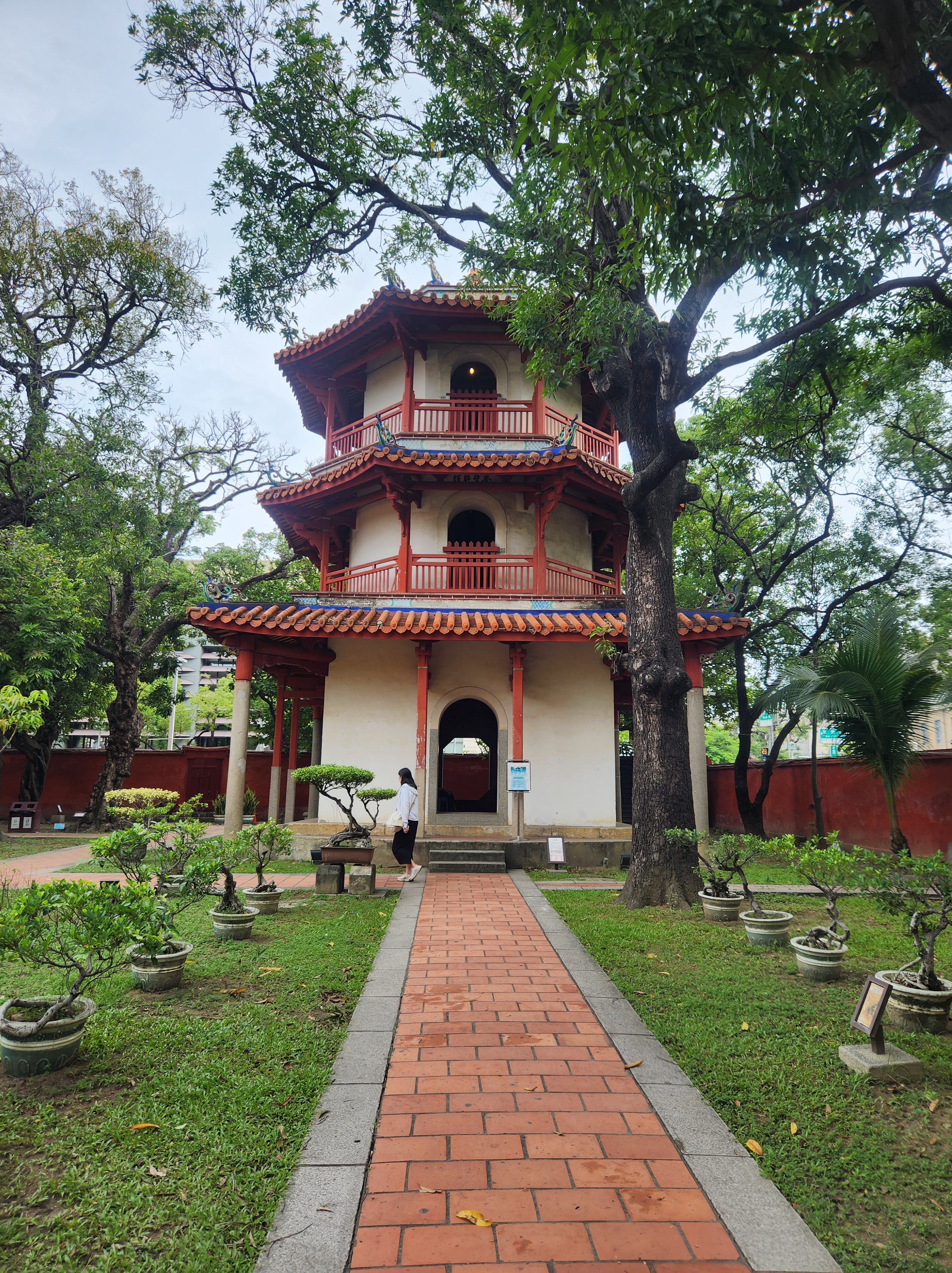
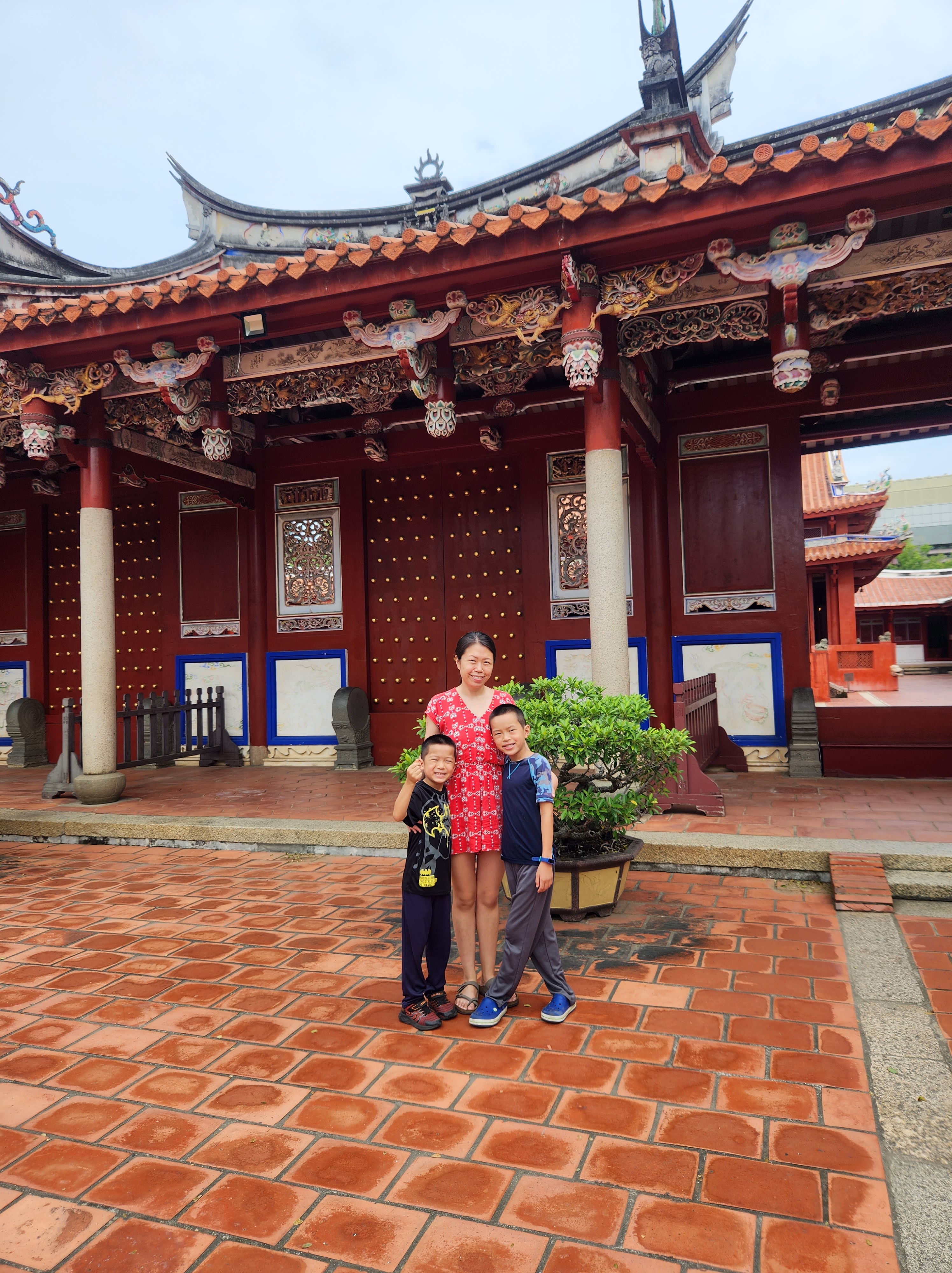
Confucius Temple: You could pay extra to go inside other buildings at the temple, but we only walked around the public areas which was more than enough for us to explore!

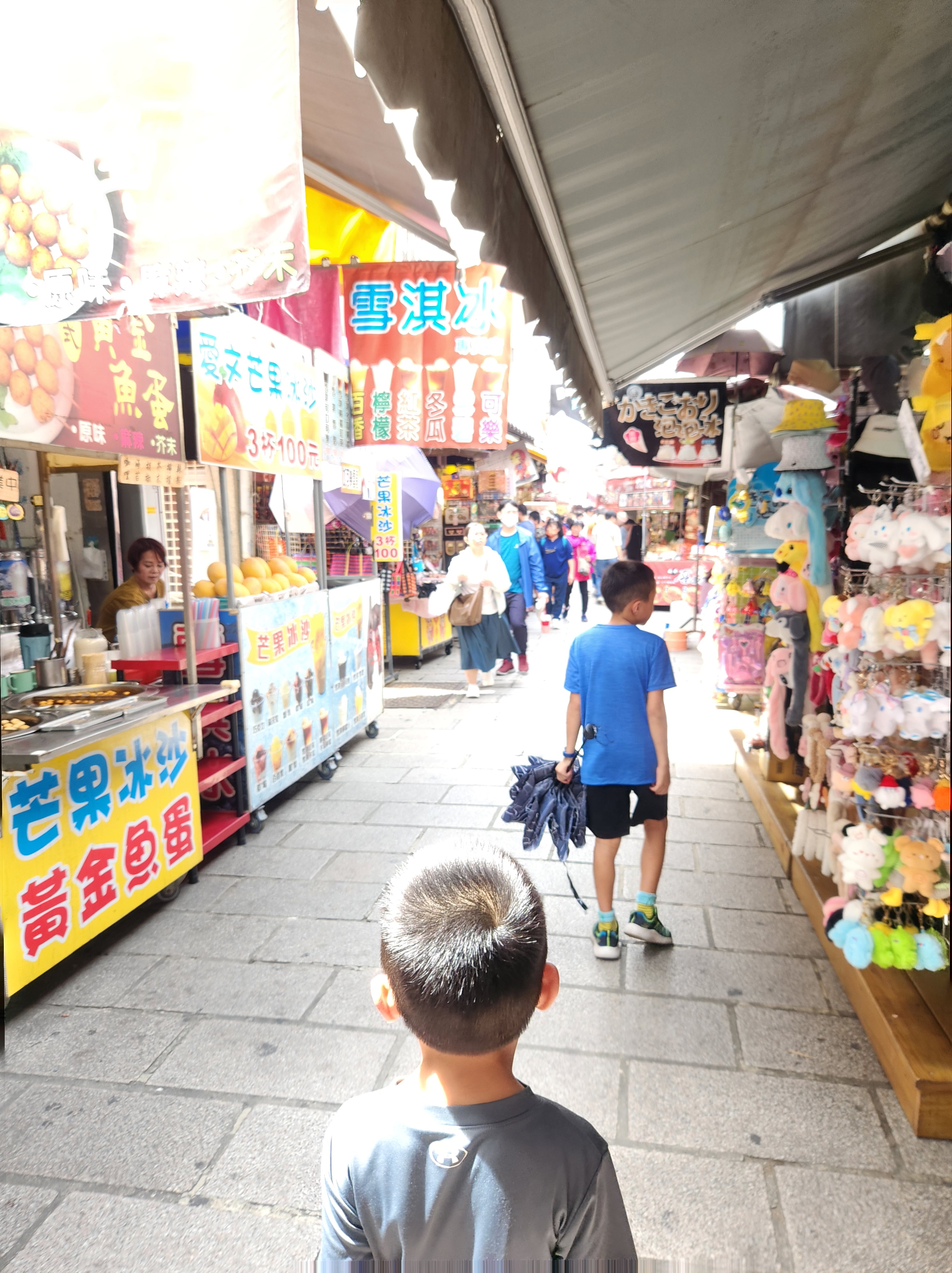
Anping Old Street: The oldest street in Taiwan, filled with alleys of food stalls and shops. It was fun navigating through the alleyways spotting interesting things to try.

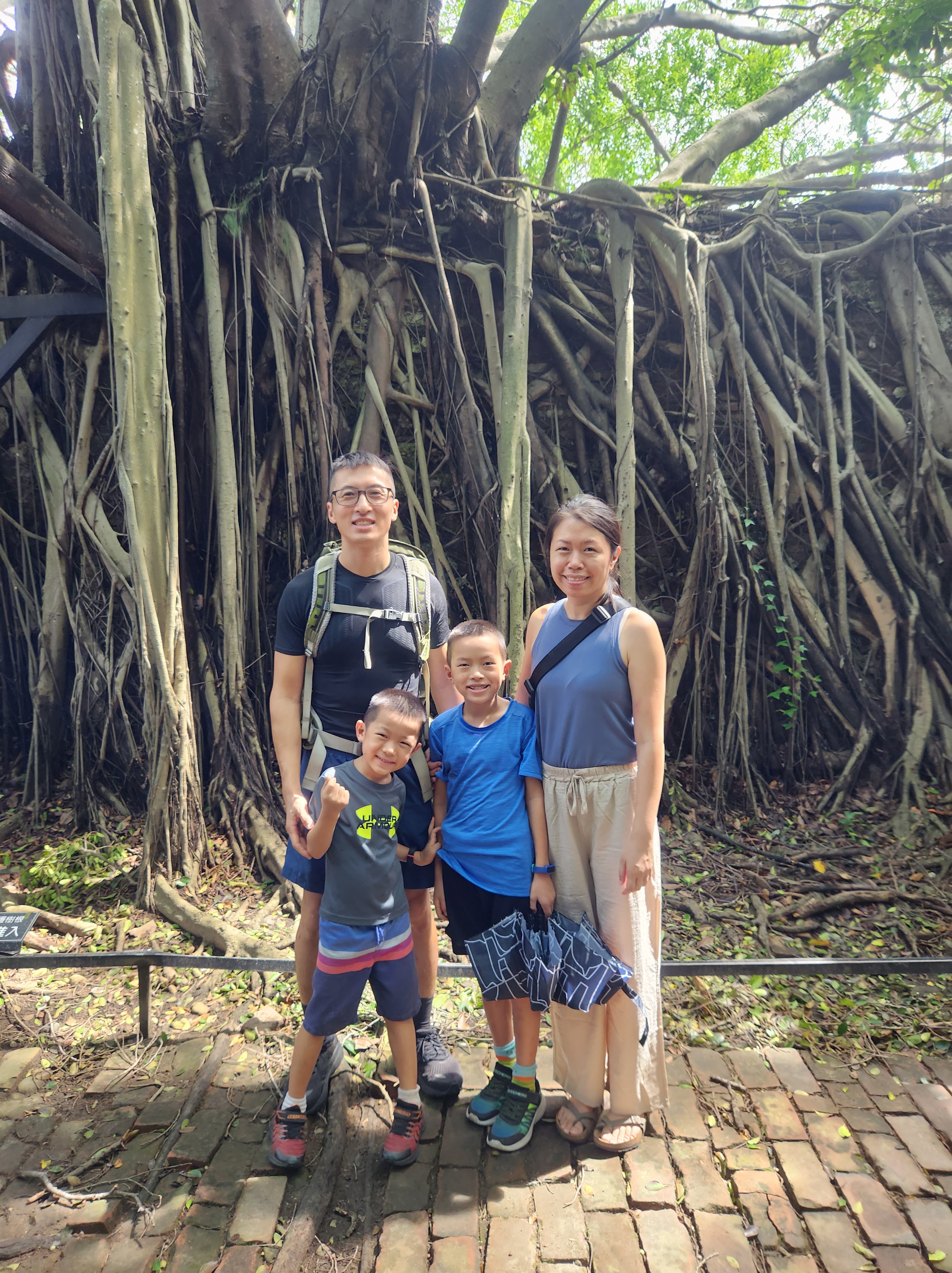
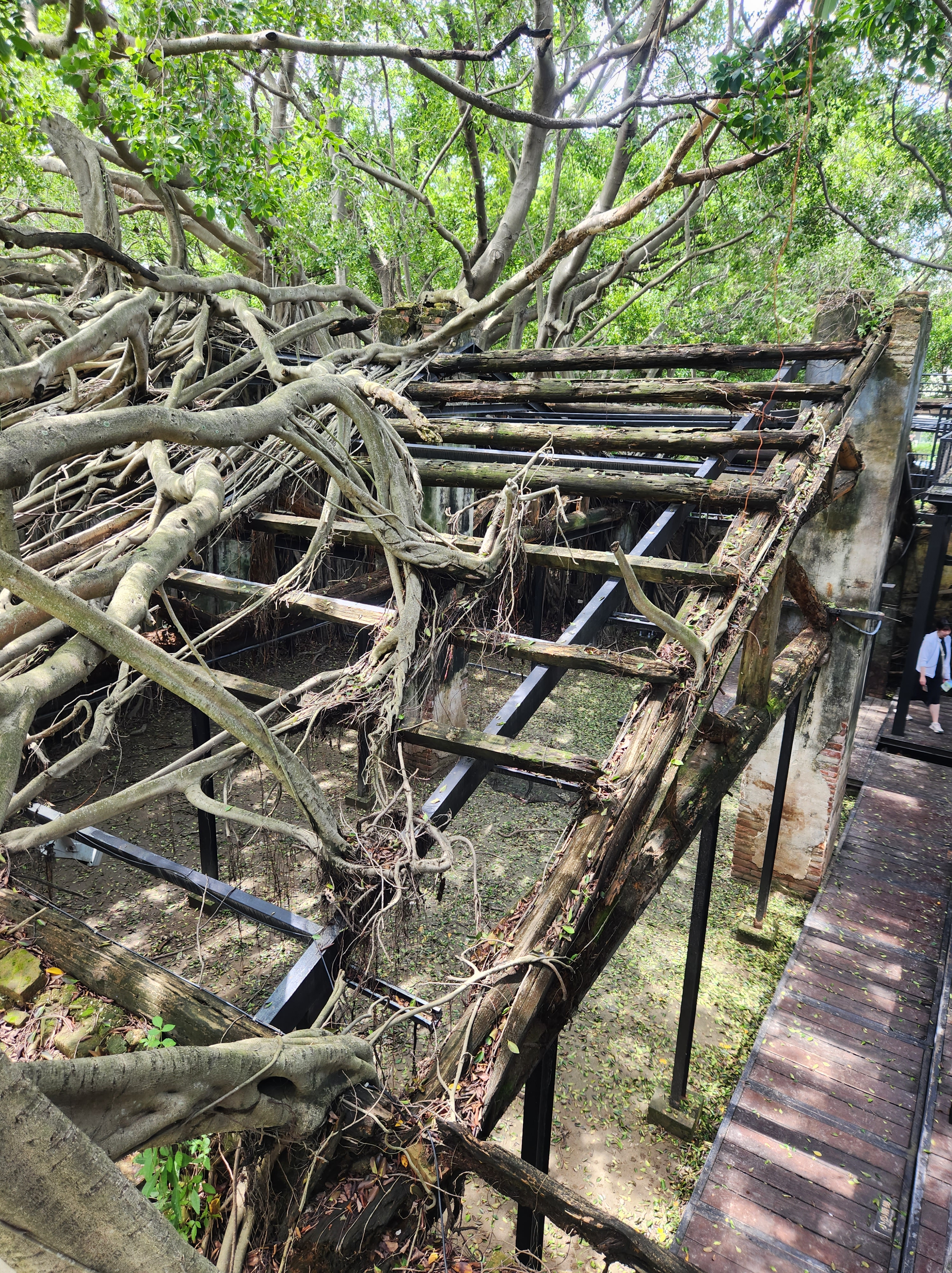
Anping Tree House: Probably my favorite site in Tainan. This was an old Japanese salt warehouse but after 100 years of transformation, the place is now covered in banyan roots. We loved the mystique of the tree house, and it reminded us of Angkor Wat in Cambodia!

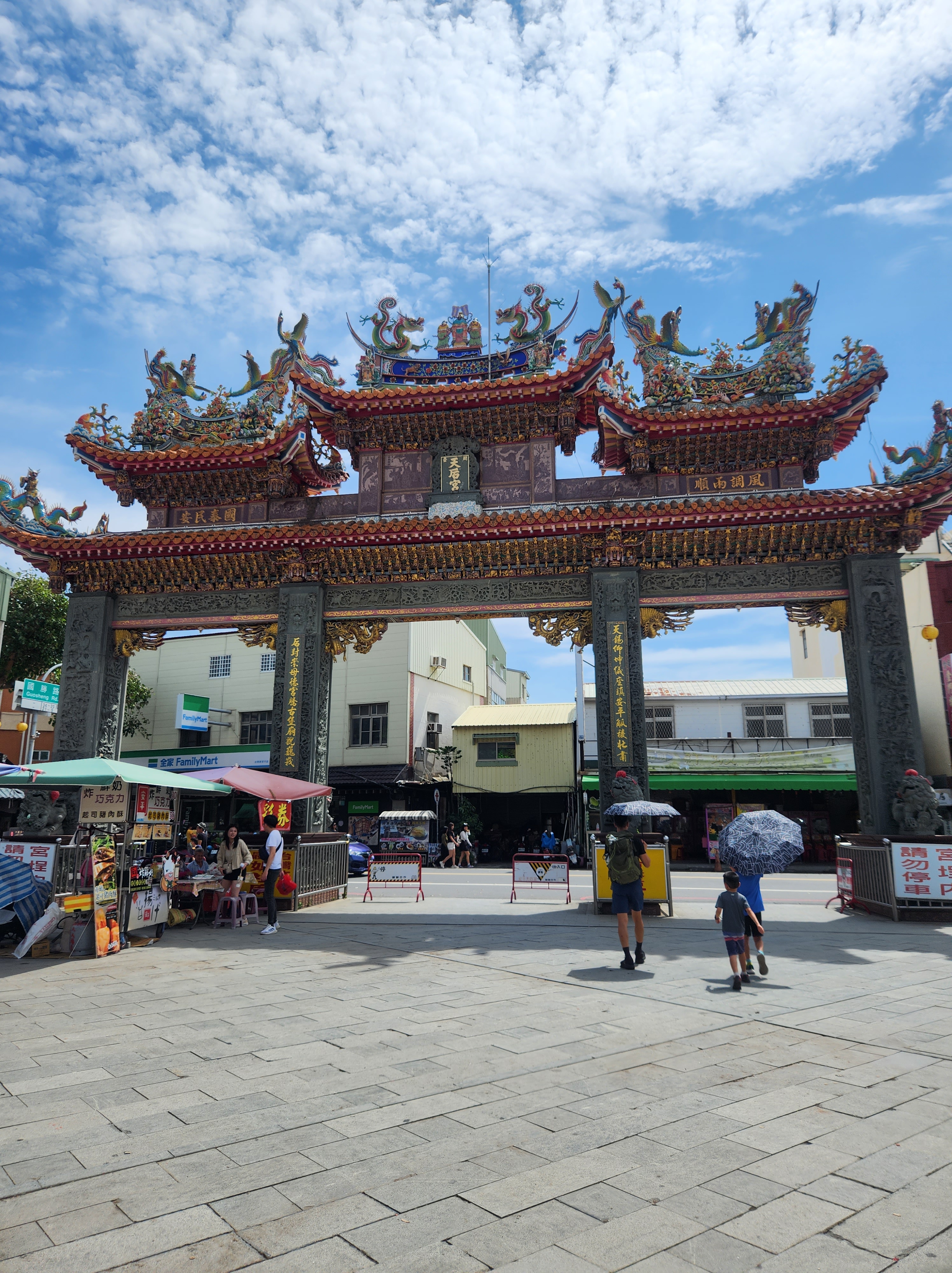
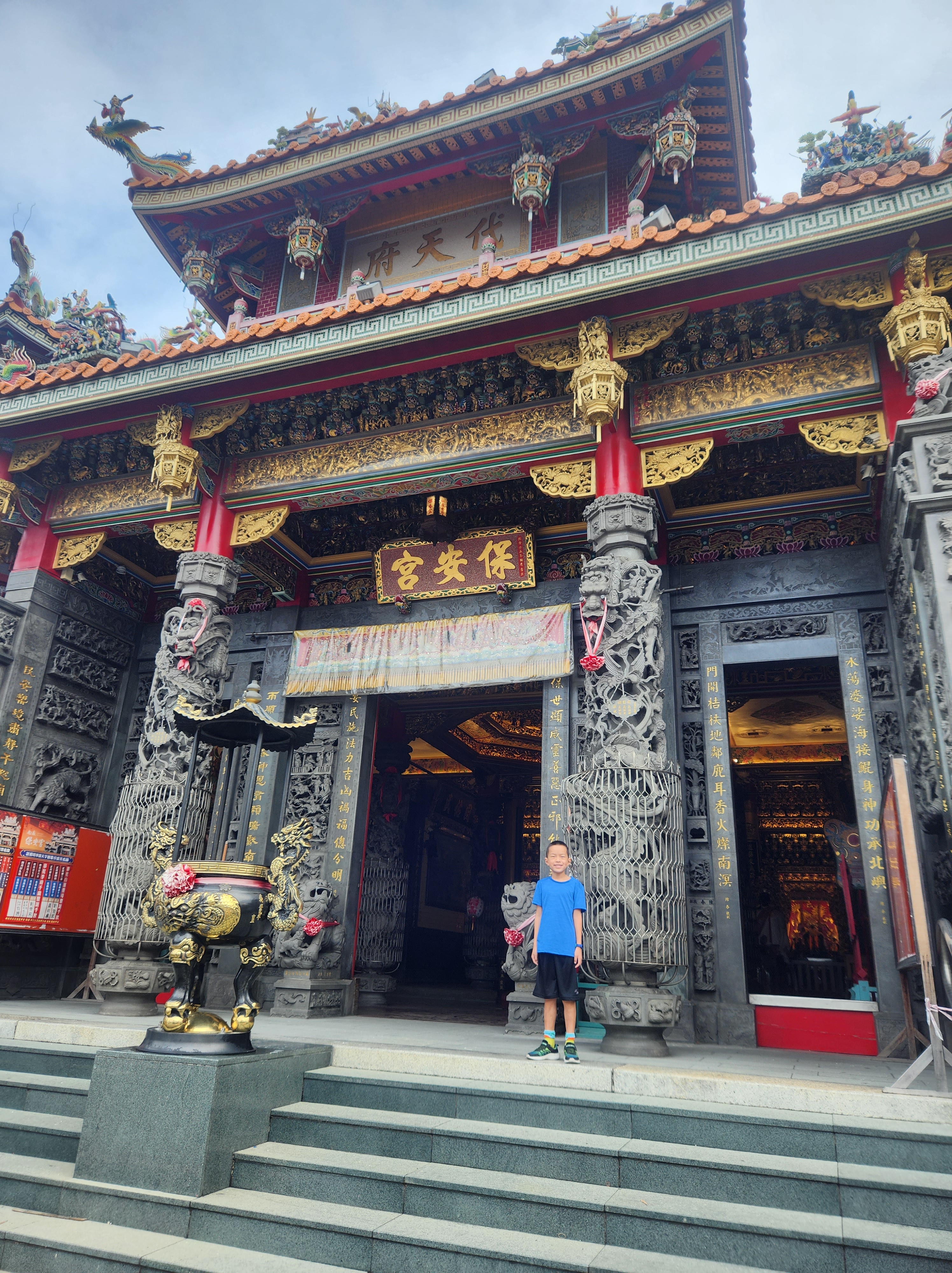
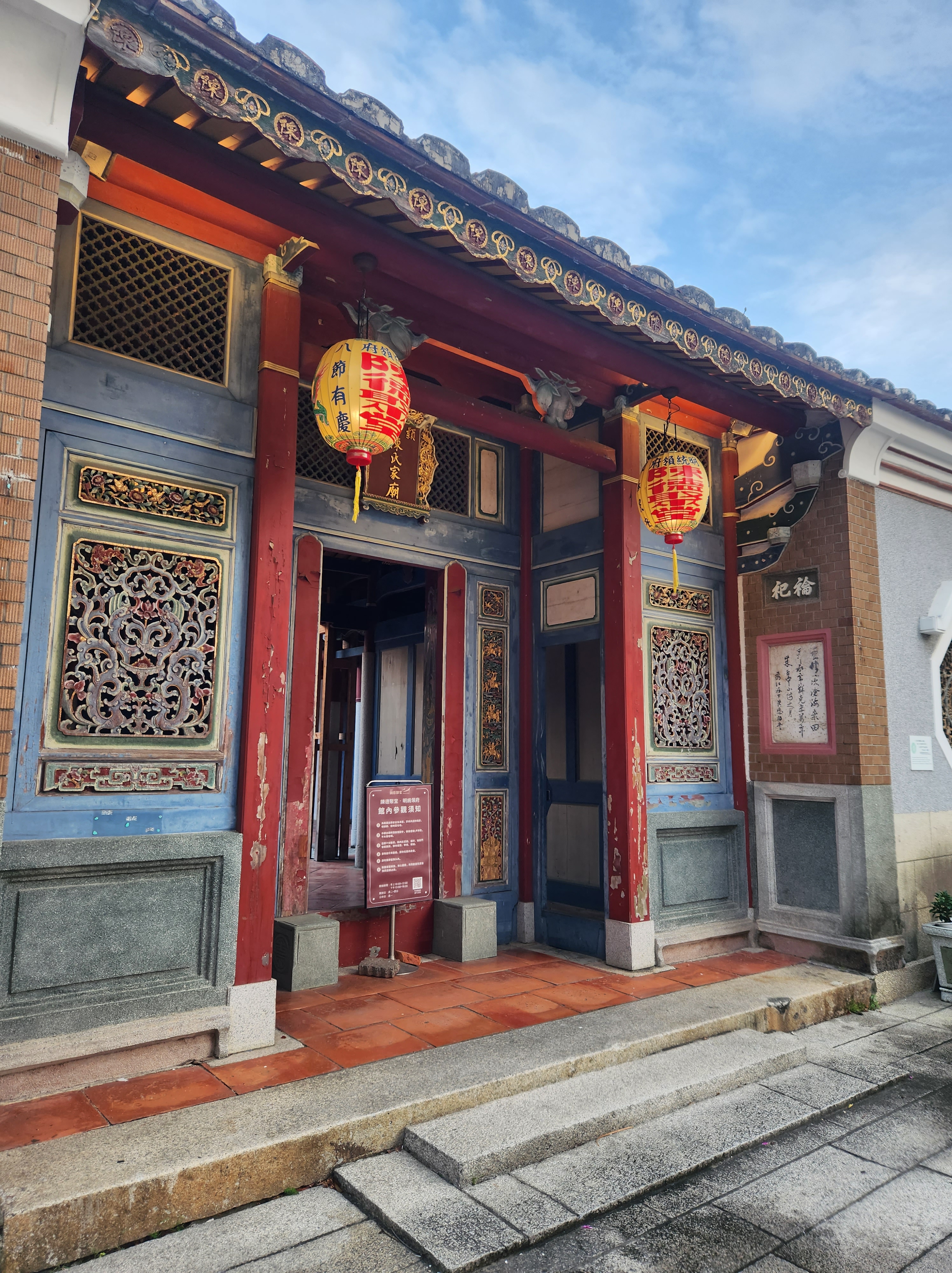
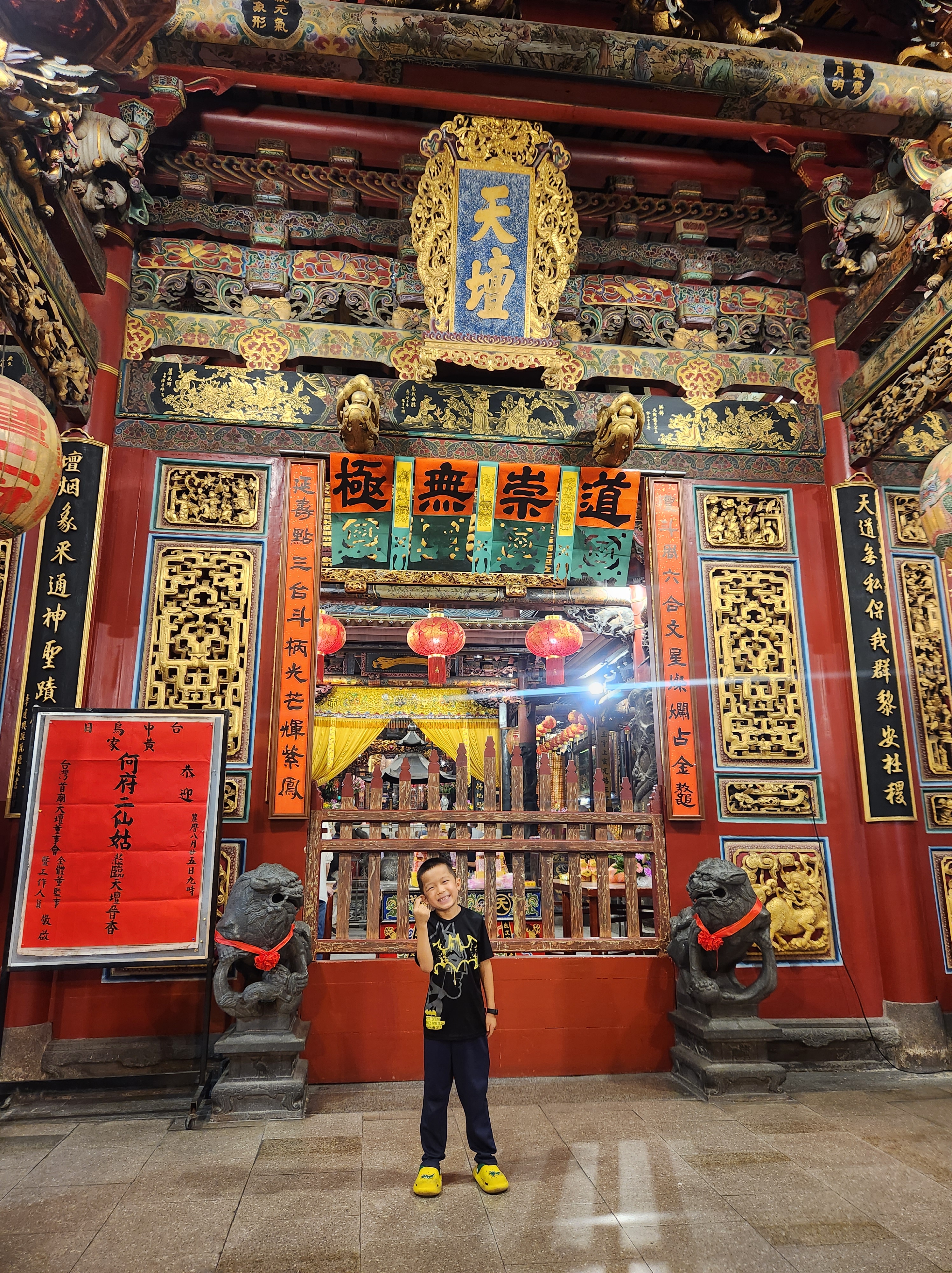
Temples: There are beautiful temples big and small sprinkled across Tainan. It was fun to get a glimpse of old Tainan on every street we turned into.

Tainan makes a great weekend trip! It has a more chill, more laid-back vibe than Taipei, with friendly locals, interesting history, and delicious, cheap food.

Ramblings

Holidays in Taiwan

Happy New Year! It’s been awhile, so thought I should recap our first holiday season in Taiwan.

Thanksgiving was pretty low-key, but it always has been. Even while in SF, we’d just have dinner with our families. Thanksgiving in Taiwan is non-existent, so we spent the day at home just like any other day.

Christmas in Taiwan was interesting. There were many festive decorations and activities leading up to Christmas, but students (and workers) do not get any time off. Yes, the boys had school on Christmas Day! 😮 They were initially shocked but like everything else, they shrugged it off and went to school as usual. I’m constantly amazed at their ability to just roll with the punches.

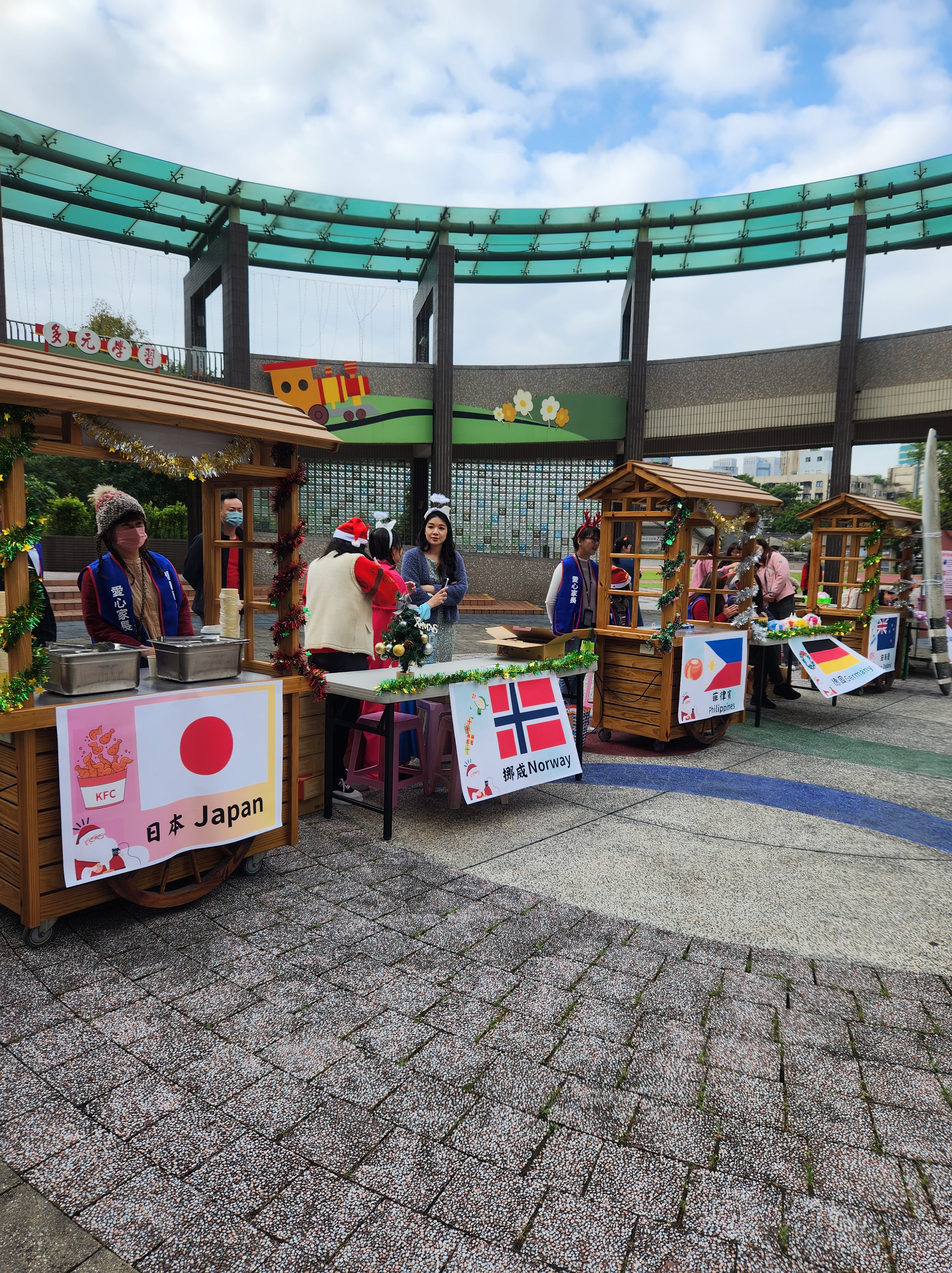
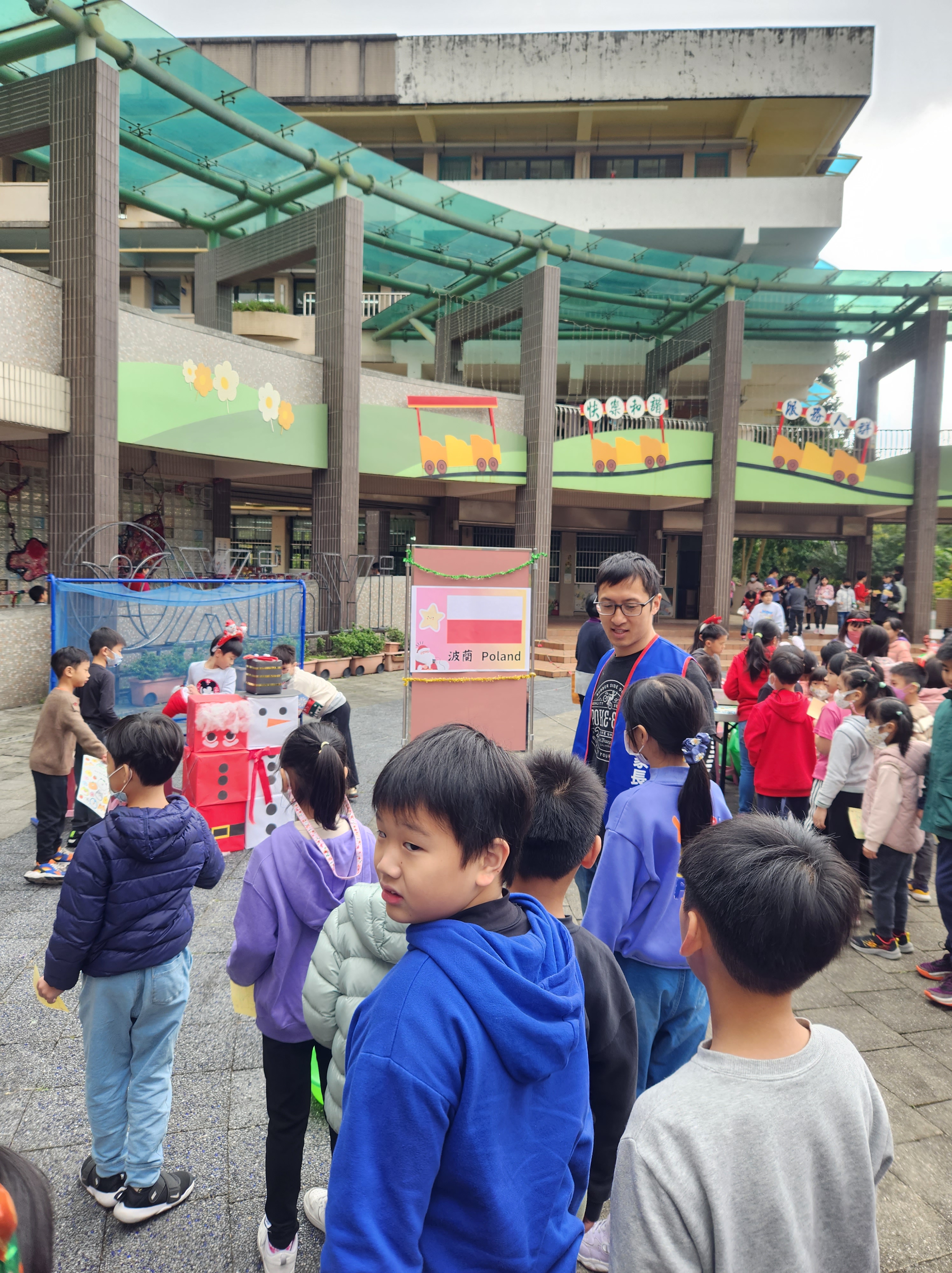
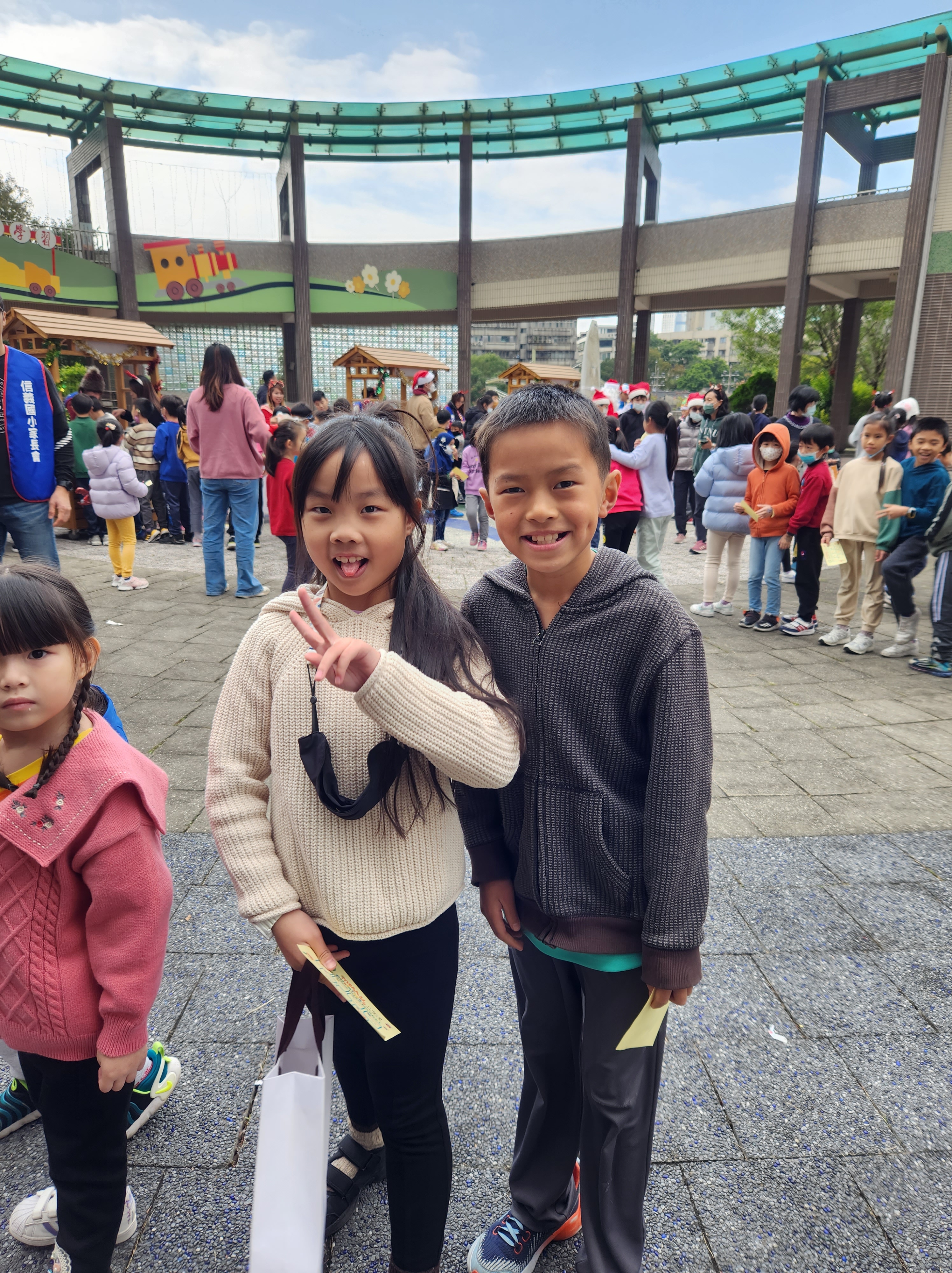
Our school put together a little market on Christmas Day for students. There were booths from various countries – Japan, Germany, New Zealand, etc. – that offered activities or food commonly seen in that country during the holidays. I really like how our school is always mindful of other cultures.

Baba and I volunteered at the event and were assigned the snowball throwing booth. We basically had to run after balls and restack the snowball targets for 3 hours straight. 😂 Thankfully, a couple of kids later helped out and gave us old folks a break.

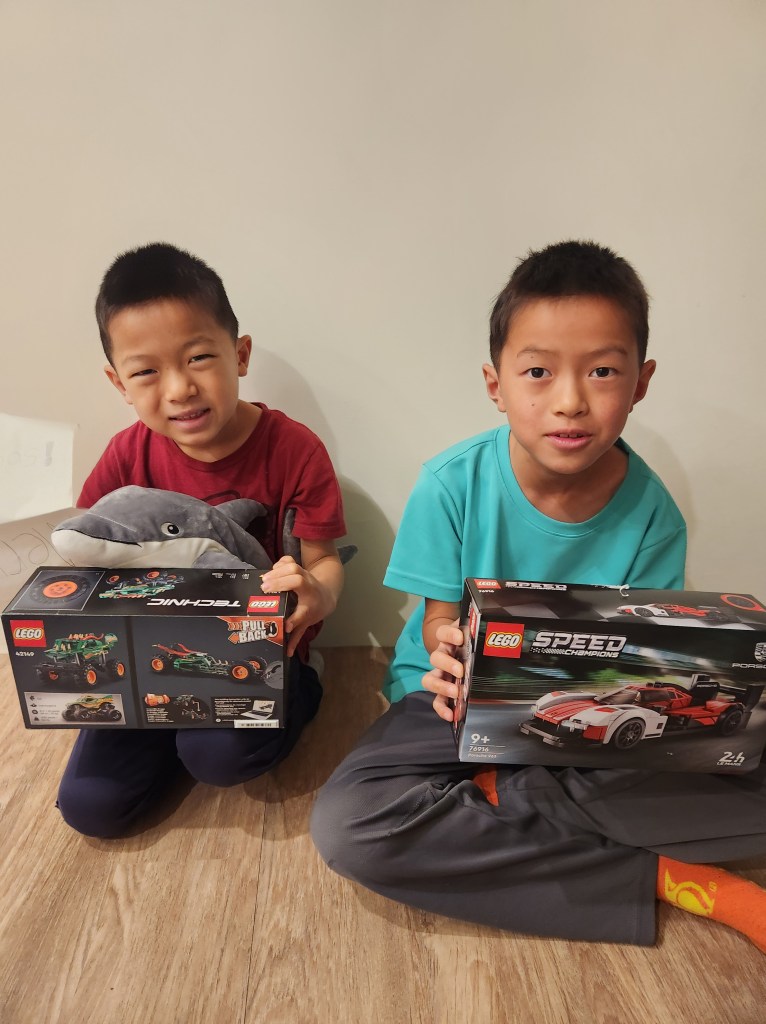
I opted not to get Christmas decorations this year. Decorations are quite pricey in Taiwan, and we have no space to store them. But the boys wrote letters to Santa (in Chinese because they believe the Taiwan Santa can only understand Chinese), and “Santa” brought gifts for them this year. C also bought O a stuffed dolphin for Christmas using his own money, which was really sweet.

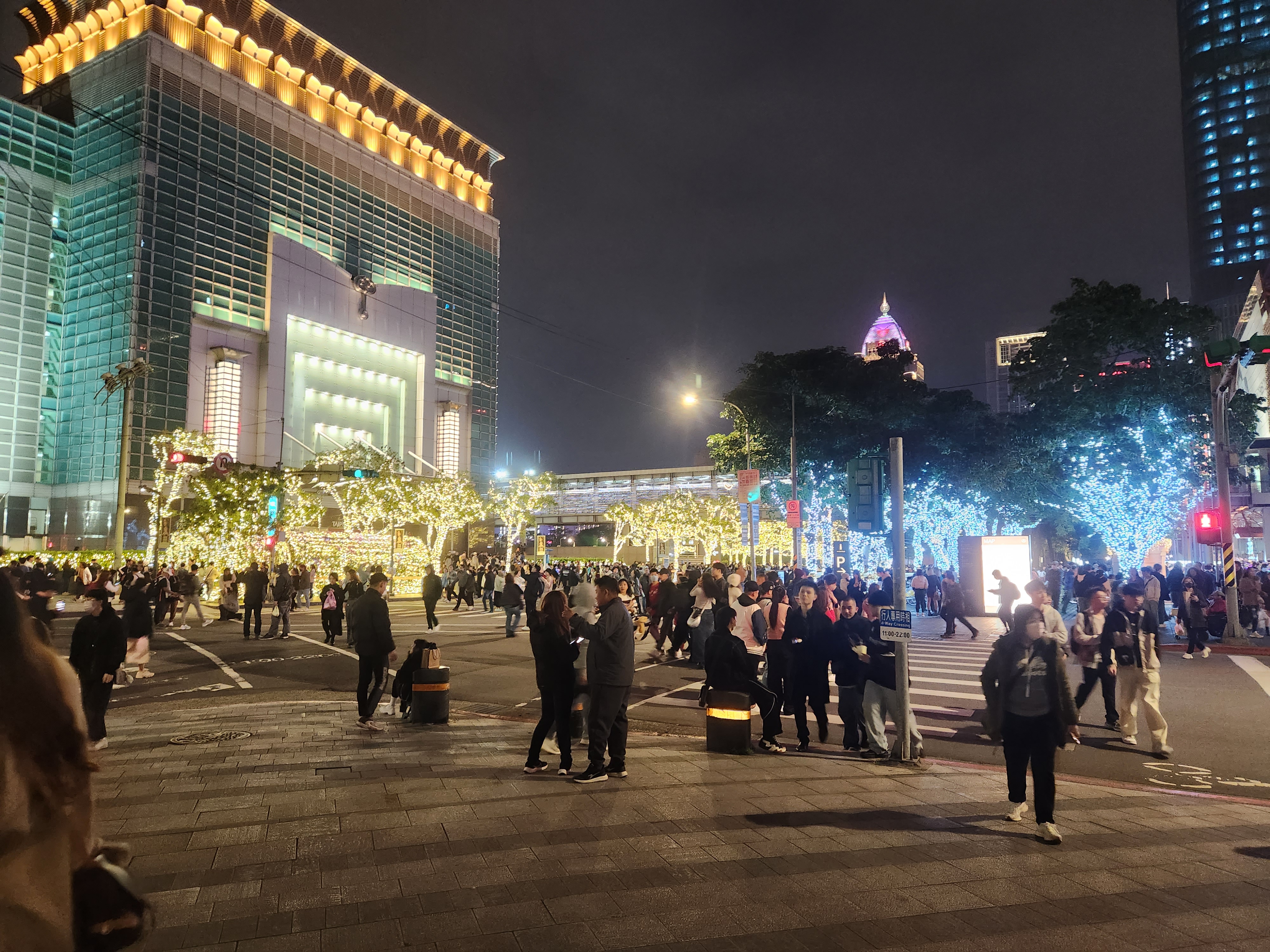
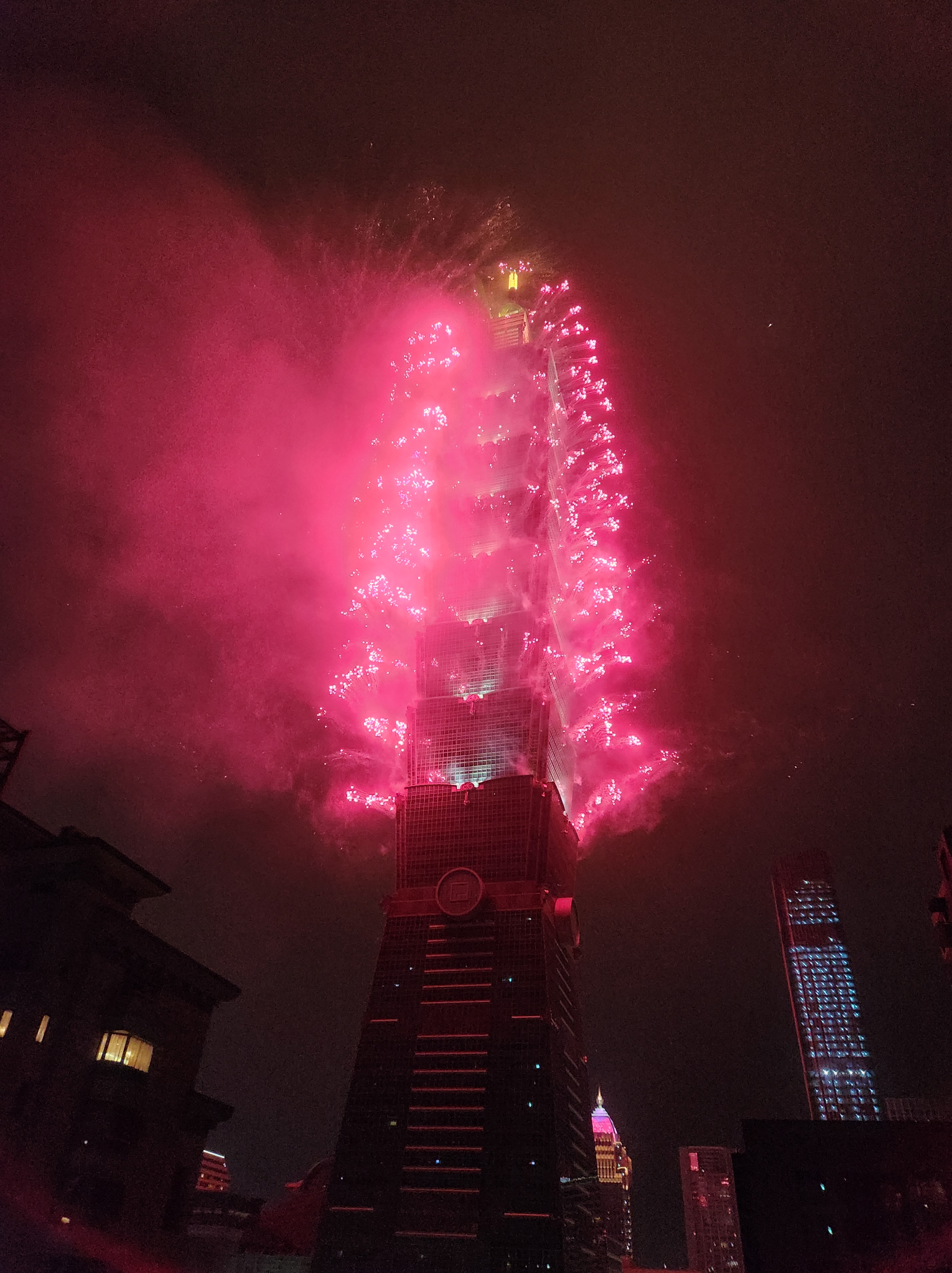
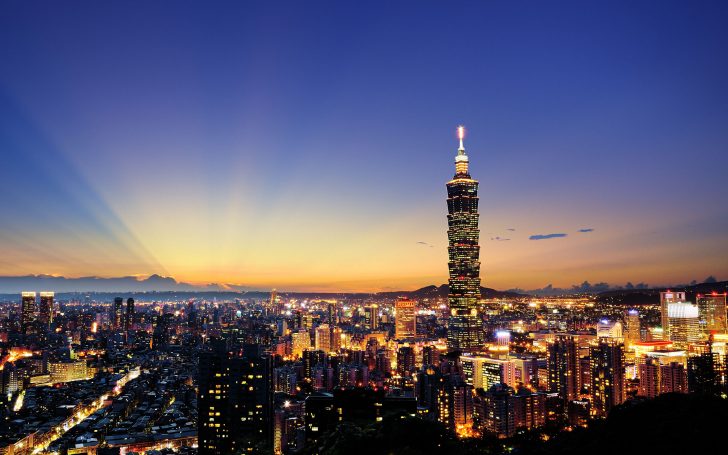
Since we live very close to Taipei 101, our neighborhood was really festive on NYE. Apparently people park their cars in the area the night before, and start camping out in the morning for a good viewing spot of the fireworks show.

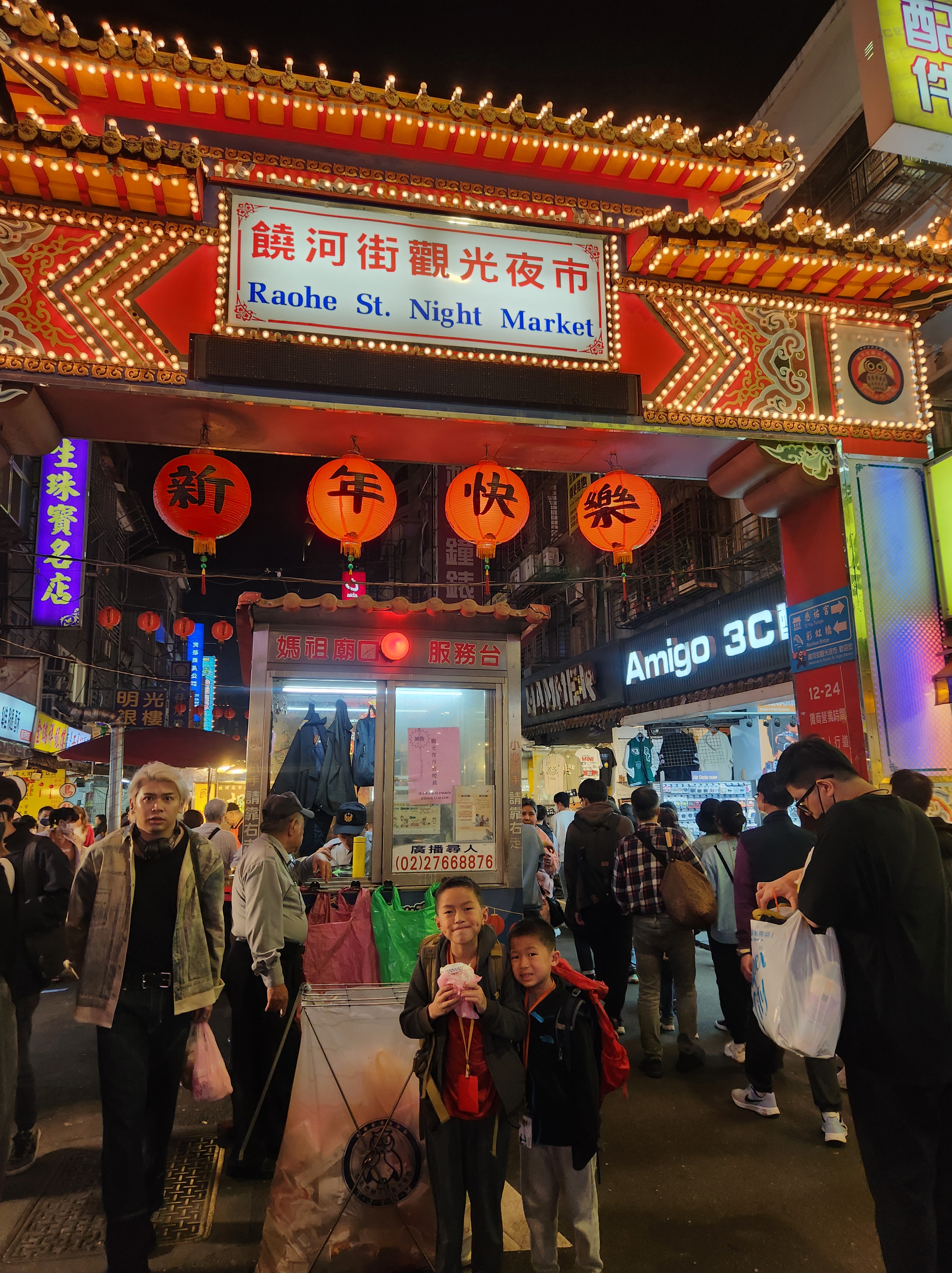
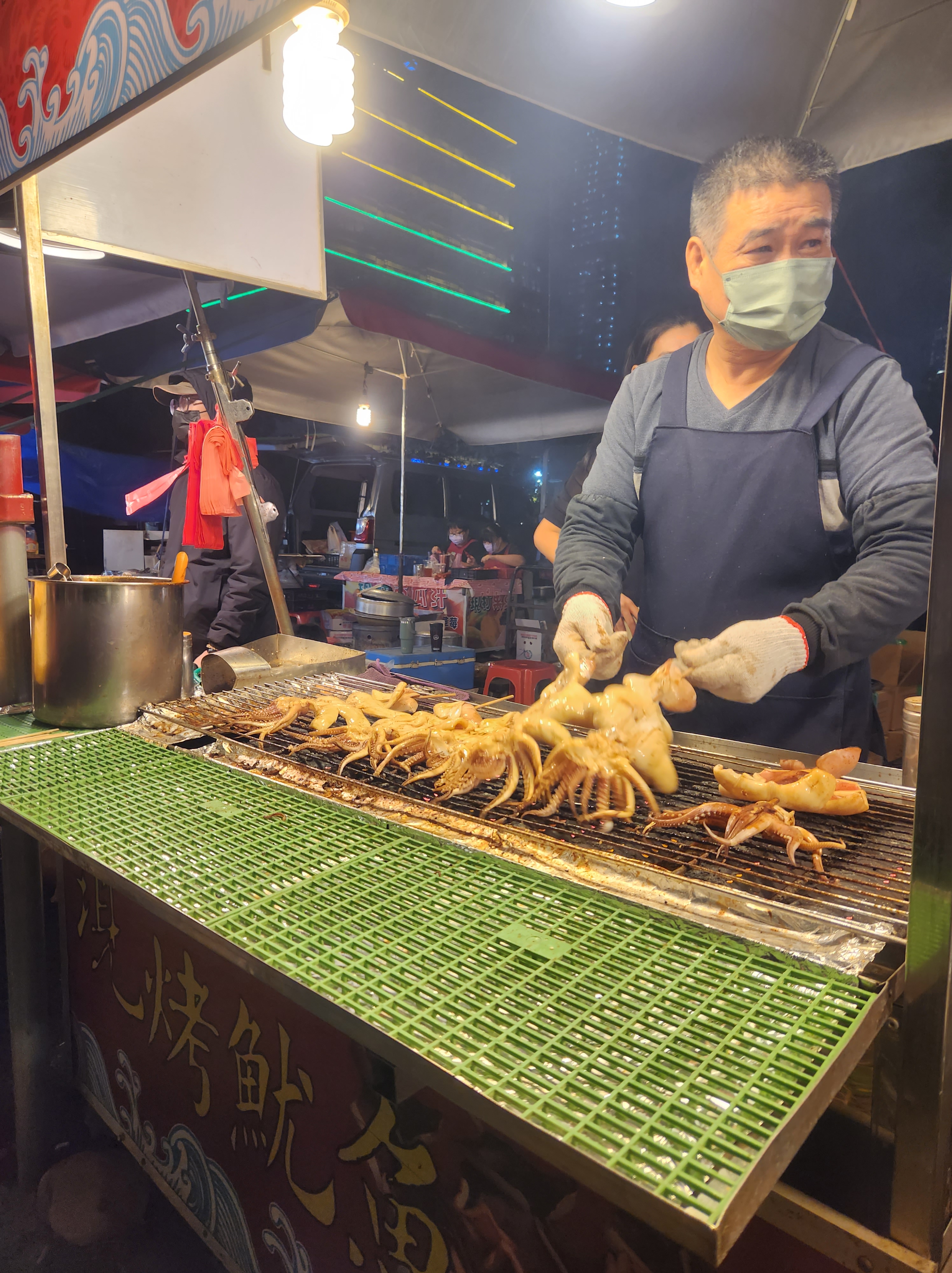
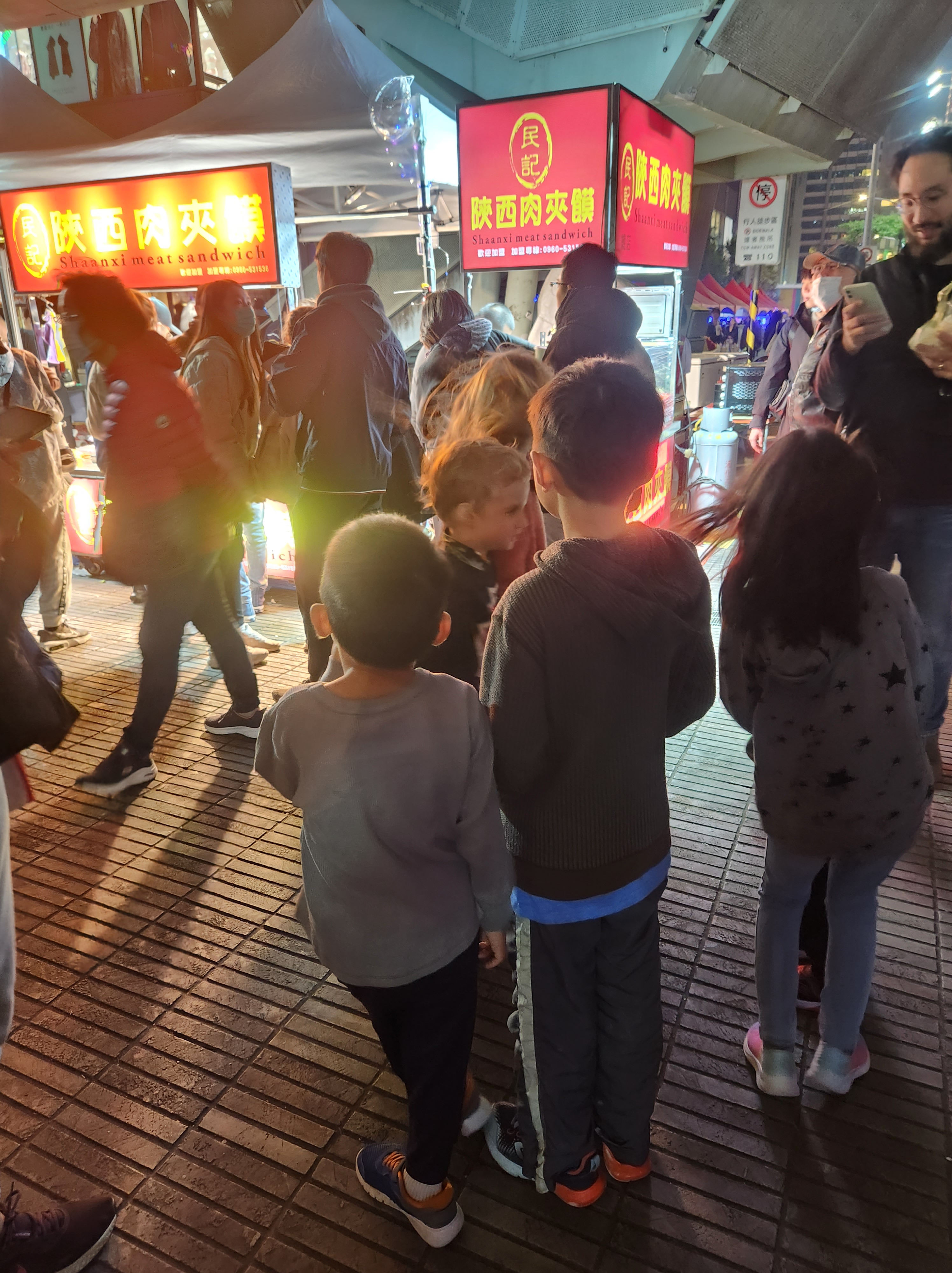
We met up with friends to explore the surrounding night market (built just for NYE), and then went home at around 9:30 to rest because there’s no way we can stay up the whole night!

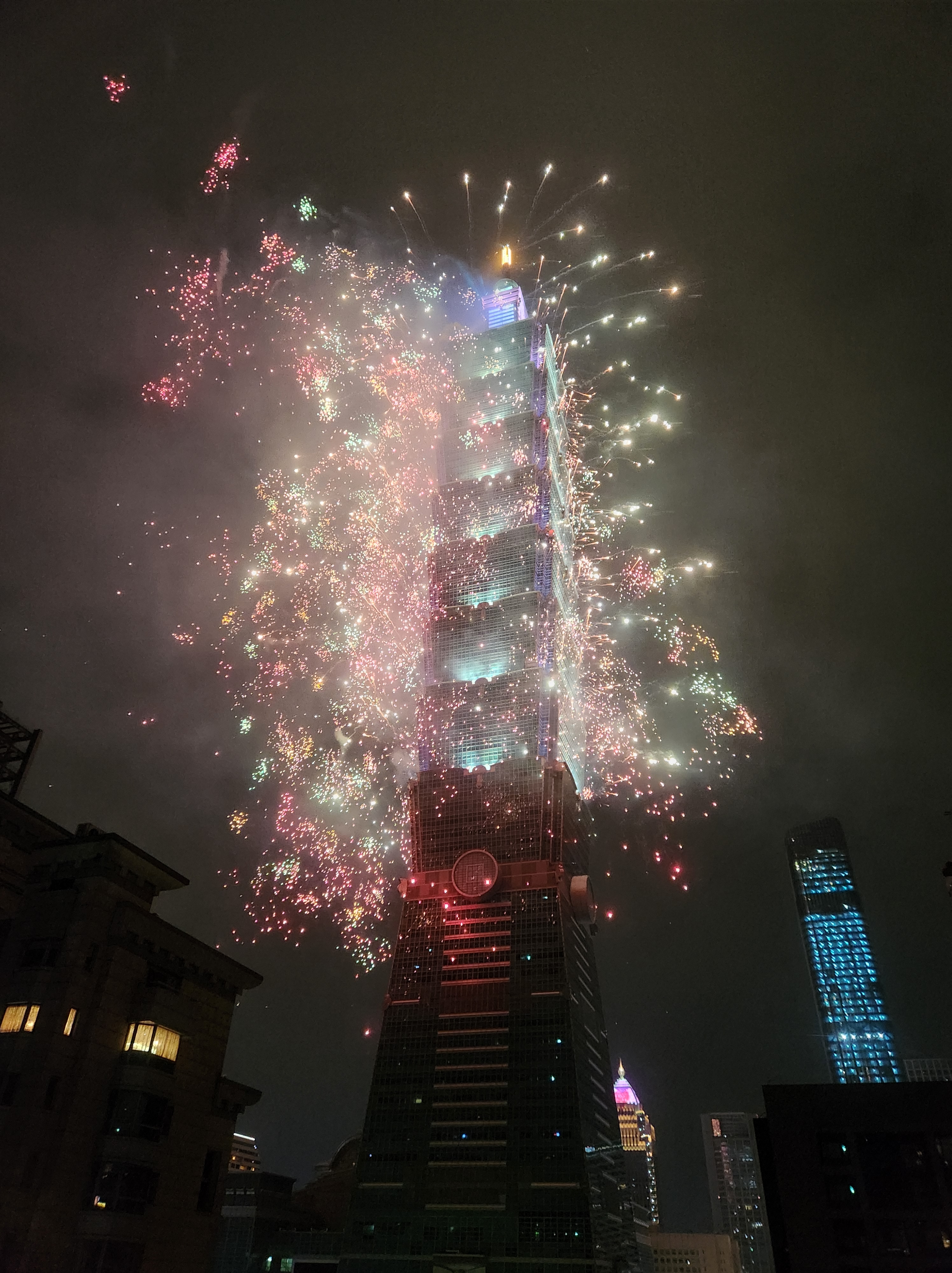
At 11:30, we woke the boys up and went up to our building’s rooftop for a fantastic view of Taipei 101. By this time, there were a lot of people sitting on the streets waiting. And the fireworks did not disappoint! The firework show lasted five minutes and every moment was SPECTACULAR.

Baba and I don’t even remember the last time we stayed up for NYE countdown. When we did, it was probably spent at home watching the Times Square ball drop on TV. But ever since having kids, we just slept through NYE. This was the boys’ first time staying up for NYE countdown, and it was certainly a special one.

As we stood on our roof watching the fireworks, I couldn’t believe my luck. Here I was, spending new year’s with my loves in Taiwan, and living the life I always dreamed of. The boys are thriving in school and Baba is loving life here. Just a few years ago, I would’ve never thought this life was possible but here we are.
Wishing everyone a happy, healthy and unforgettable 2024! Cheers!

Ramblings

5 Things We Love About Taiwan

We shared what we don’t love about Taiwan in the last post, now here’s a list of things we do love!

Safety. Baba and I were born and raised in SF, so being alert of your surroundings, guarding your belongings, locking all doors and never leaving anything in the car – all seemed like a normal way of life.

It’s not until we started living in Taiwan that we realized, “Wow, this is how life should be.” We never have to worry about our safety. I walk on the streets at night alone wearing my AirPods. The boys go to the playground by themselves. I am almost always daydreaming on the MRT, never worrying if someone suspicious is sitting next to me. Baba has left his backpack in the park and it’s still there when we go back for it. Feeling safe is so liberating and we never realized how much stress we were under until we moved here.

People. The safety of a place is largely dependent on its people. Taiwanese people are incredibly respectful, kind and friendly. The most frequent phrase you’ll hear in Taiwan is “不好意思”, which means “excuse me” or “sorry to bother you”. Good manners is an important value here, emphasized in schools and at home. We’ve seen people pick up trash on the street that wasn’t theirs. People have gone out of their way to help us. One of the reasons the boys love school in Taiwan is because the kids are so nice and enjoy helping one another.

Convenience. Before moving to Taiwan, I was hesitant about giving up the convenience of living in SF, with its Amazon 2-day delivery, public transport and grocery stores nearby. But it turns out that Taipei is just as convenient, if not more.

1. The public transportation is amazing. The MRT is efficient, cheap, clean, and on time. There are also local trains and a high-speed rail that take you all around the island. Super easy to book tickets and navigate the train routes.

2. Online shopping is a breeze. Momo is Taiwan’s version of Amazon. Items get delivered within 1-3 days (no “prime membership” is required!), and for returns, Momo sends someone to your home to collect the item. 😮 Most major retailers like IKEA and Costco also deliver within a few days for a small fee.

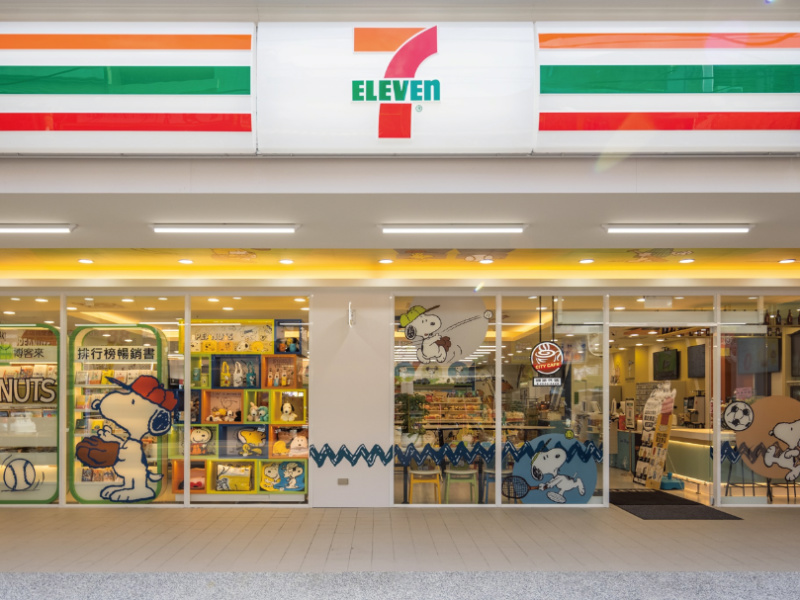
3. Convenience stores like 7-11, Family Mart, etc. here are truly convenient! There is at least one convenient store every 2-3 blocks. And unlike the 7-11’s in the US, the ones in Taiwan aren’t gross and sketchy. There are ATMs and copiers/printers available, where you can also print train or plane tickets. You can pay your bills there, and have packages delivered to your nearby 7-11 if you aren’t home. People can also grab a quick lunch there because there is hot water, microwaves and utensils.

Cost of Living. Generally, the cost of living in Taiwan about 20-30% less than SF. Some things like meat and seafood can be expensive but eating out, healthcare, transportation, and household goods are very cheap. For reference:

  • Casual meal for our family of four: $20-$30 (In SF, this amount would be per person. Before taxes. And before tips. 😂)
  • Boba tea drink: $1.50-$2
  • Dentist visit with cleaning: $45 (This is with no insurance)
  • One-way MRT ticket: $1
  • Thirty minute Uber ride: $8-$10
  • Rent for our 3 bedroom, 2 bathroom in a nice neighborhood: $2,200 (Though, many locals have told us we overpaid so it’s possible to find something cheaper!)

Food. Taiwan is absolutely food-obsessed….and we love it!! There are streets and alleys literally packed with so many restaurants and cafes I often wonder how they can all stay in business. Every time we venture to a new area, we find something delicious to try, whether it’s a food stall selling 粽子 (rice dumplings) or a cozy bakery selling fresh breads. It’s a good thing eating out is cheap here, because we want to eat EVERYTHING!

To us, the pros outweigh the cons of living in Taiwan. Taipei may not be as glamorous or famous as some of its neighbors, but it’s a remarkable place once you peel back the layers. It’s truly a privilege to call Taiwan our second home. ❤

Ramblings

5 Things We Don’t Love About Taiwan

We’ve only been living in Taiwan for 3.5 months so by no means are we experts about the Taiwanese way of life, but I thought it’d be fun to share what we love and don’t love about Taiwan so far. Let’s start with the not-so-good stuff.

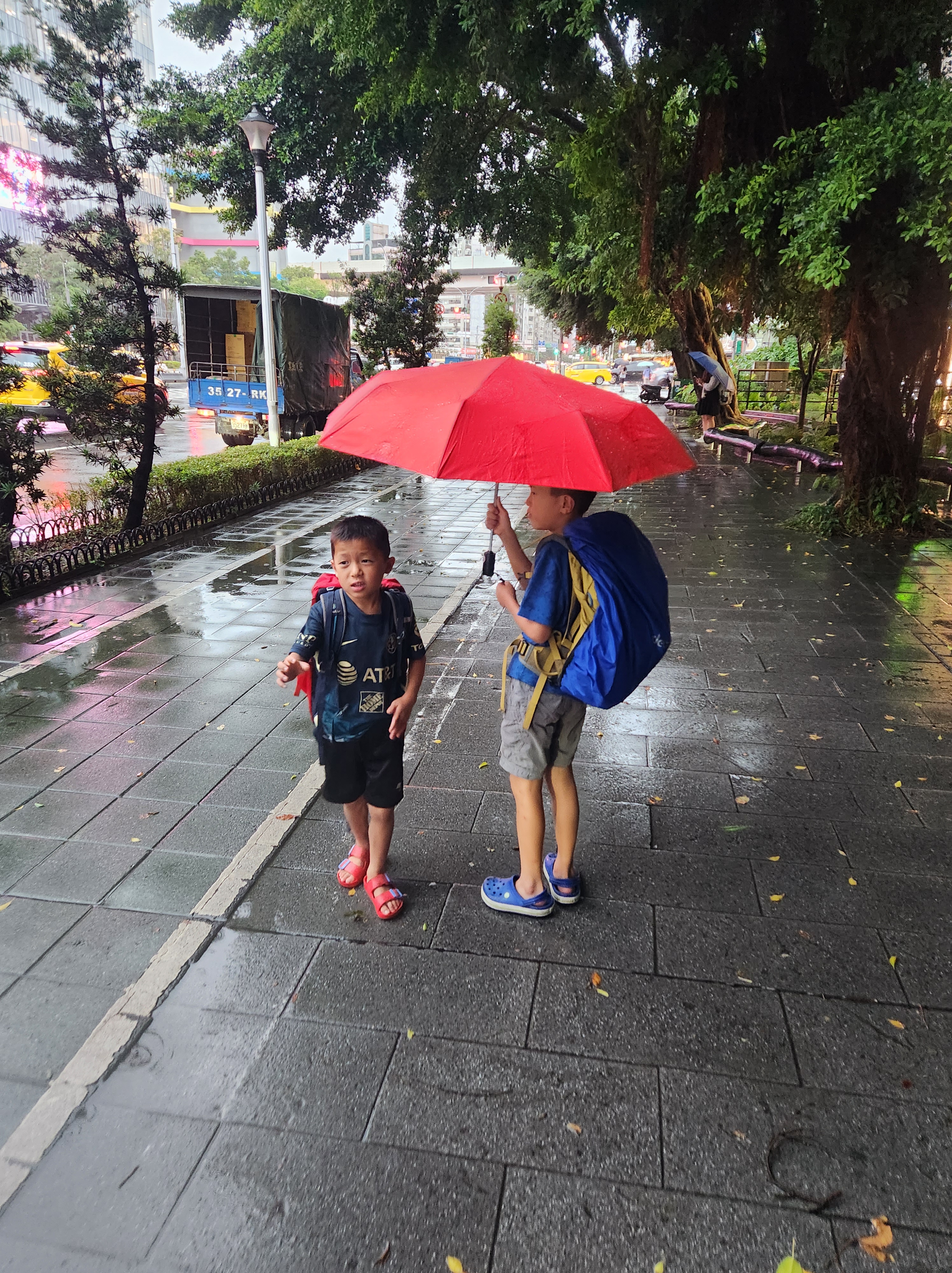
Weather. Before moving to Taiwan, we already knew the weather was going to be a drawback and unfortunately, this perception hasn’t changed. 😆 It gets very hot and humid during the summer – I’m talking at least 90°F plus humidity – and this year, it remained hot up until early November (!!!). It got so uncomfortable some days that we dreaded going out. And when it wasn’t brutally hot, there was pouring rain. It’s no wonder that Taiwanese people bring an umbrella with them everywhere – if it’s not to block the lethal sun, then it’s for the rain!

Now that we’re in mid-November, the weather has finally cooled down (most days are in the high 60s to mid 70s). We’re excited to do more outdoor activities, but we’ve also heard that it rains almost everyday during the winter season. 😑

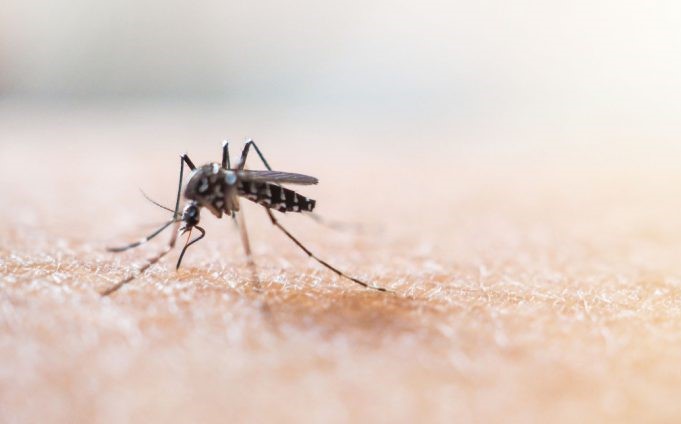
Bugs. Because of the hot, humid weather, Taiwan has a lot of bugs. We probably lost a pint of blood to the vicious little mosquitoes here. They are relentless yet so tiny that you can’t see them (and squash them). What’s worse is that I have an allergic reaction to mosquito bites so my bites would turn into huge welts. But over time, the bites have dwindled and we found a great tool that relieves the itching and swelling. No cream or insect repellant has worked better than this little gadget!

We also get a fair share of annoying fruit flies and ants, but nothing we haven’t dealt with in SF.

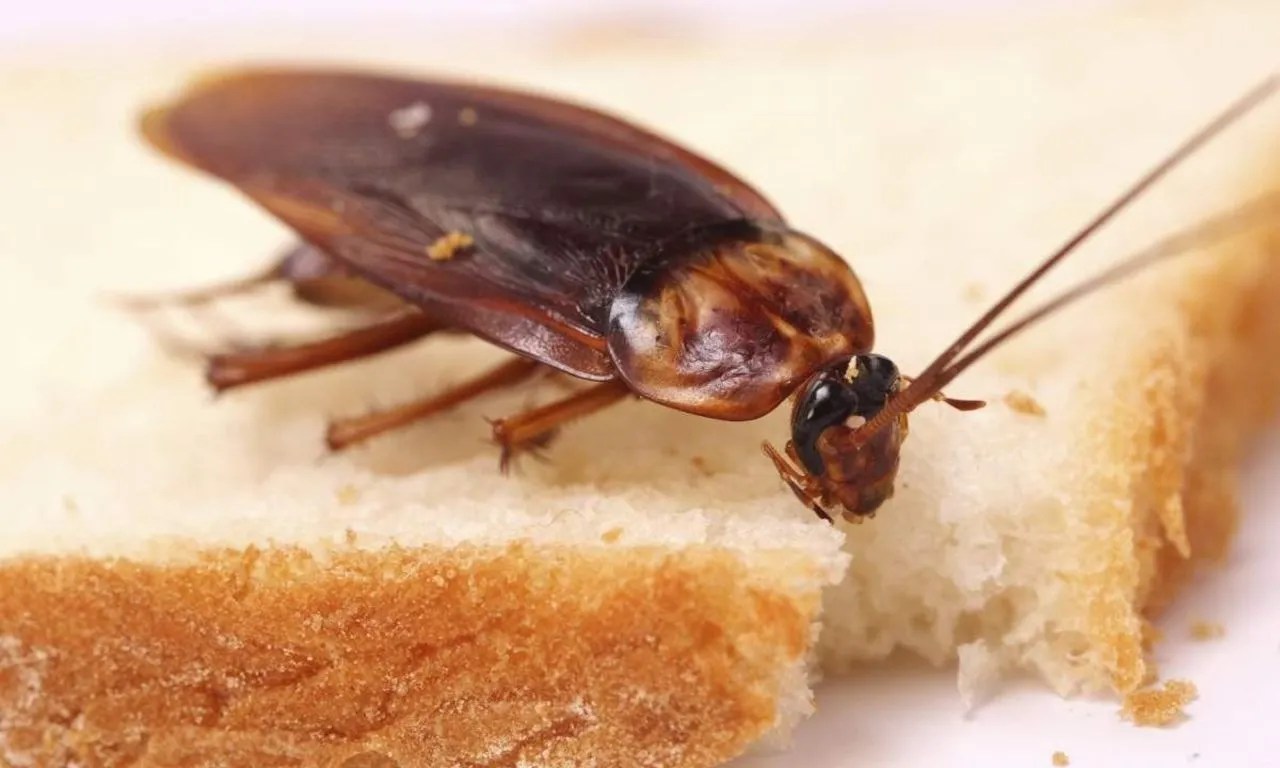
Cockroaches are massive here, but we’ve only found them on the streets (thank god!) and even then they are usually dead due to Taipei’s periodic pest control efforts. C is totally grossed out by the roaches, but I don’t mind them as long as they are out of the house!

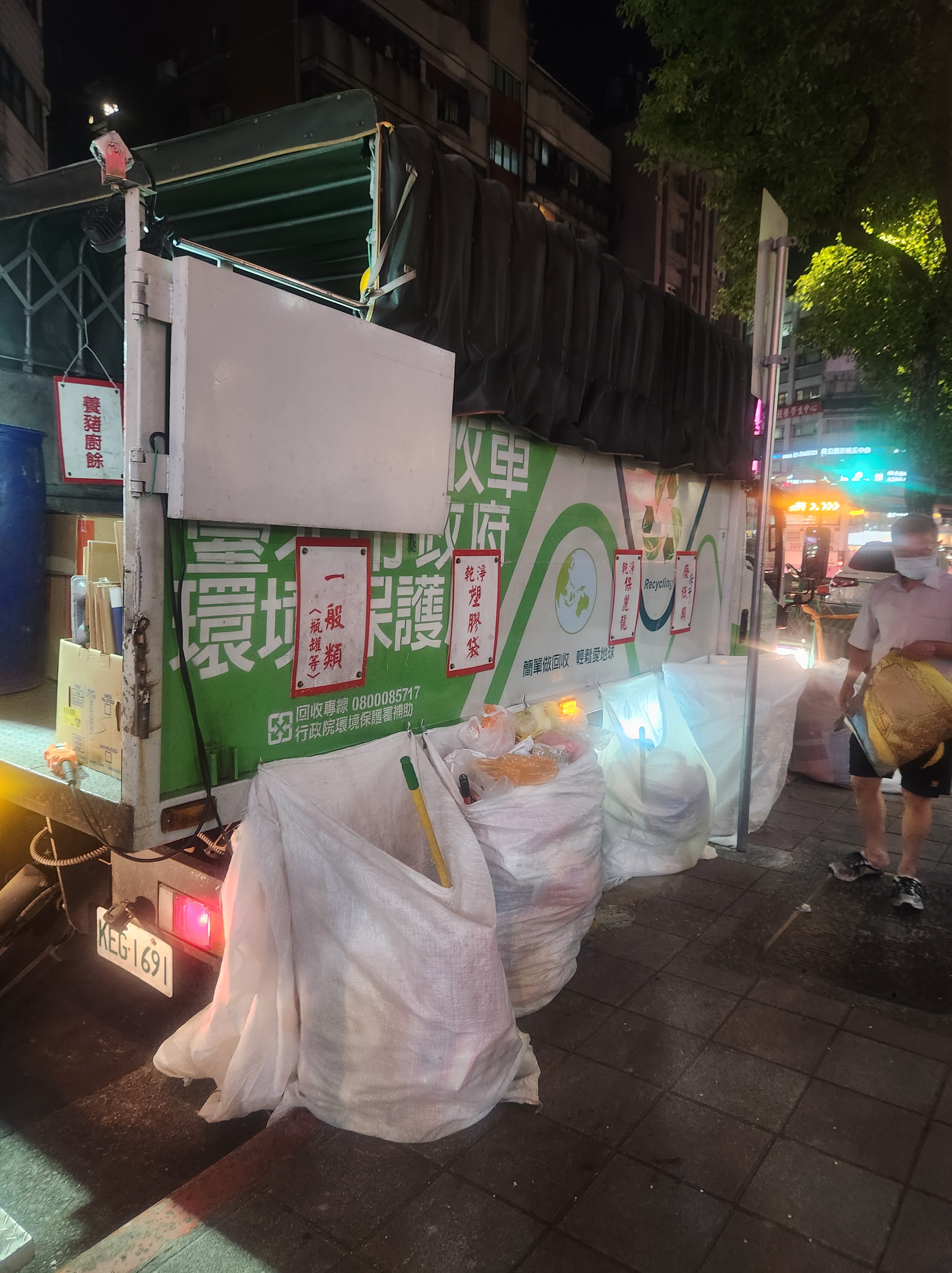
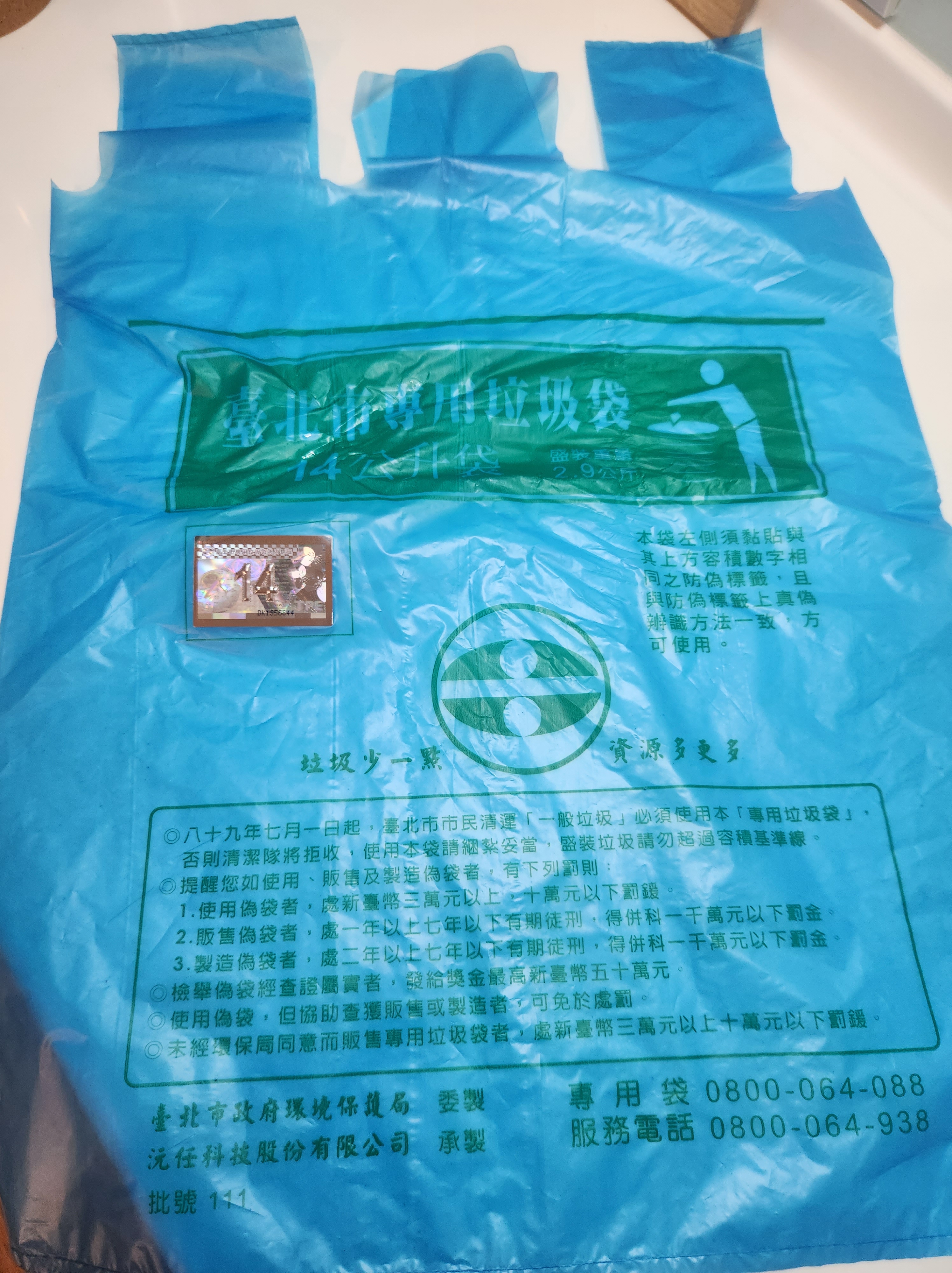
Garbage Collection. Look, we’re glad that Taiwan tries to be eco-friendly but the garbage/recycling system is a quite annoying and complicated. First, there are very few public garbage cans, which isn’t that big of a deal because we know people often abuse them. So you bring your trash home, but it has to be separated into multiple categories: general trash, soft plastics, hard plastics and metals, paper, and compost. You just bought a drink in a paper cup with a plastic lid? You have to separate the paper and plastic into two bins. But if the paper cup is dirty, you also have to rinse it before putting it with the rest of the recycling. 😫 Additionally, there are special “government-approved” trash bags you have to purchase (pictured below) or else your garage will be rejected.

In the US, apartment buildings and single family homes have large garbage and recycling bins that are usually stored in a garage and get collected once a week. In Taiwan, all garbage is kept within your home. The garbage trucks come through each neighborhood everyday except Wednesdays and Sundays at a predetermined time to collect everyone’s trash. But because there are 5 different categories, you’re running downstairs with 5 bags/bins to catch the trucks. (Side note: Some apartments include garbage collection or you can pay for this service out of pocket, so this doesn’t apply to everyone in Taiwan.)

The peculiar thing about all this though, is that many stores and restaurants still use a ton of plastic. Plastic bags, plastic utensils, utensils wrapped in plastic, plastic straws, and so on. So if the government is trying to reduce waste, why are they still allowing so much plastic? 🤔

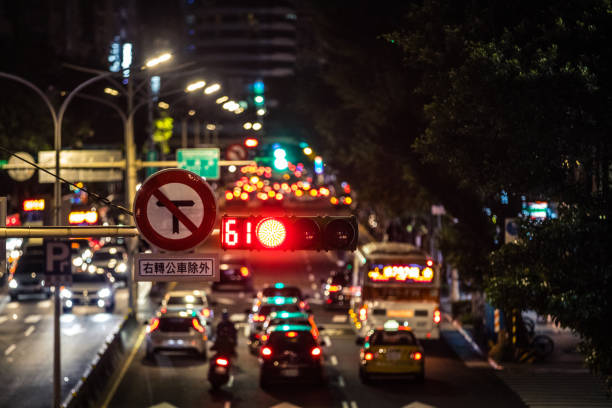
Traffic Lights. Taipei isn’t exactly a pedestrian friendly place. The sidewalks are uneven, and some of the smaller streets don’t even have a proper sidewalk.

But our biggest issue is with the traffic lights. If you miss a light for example, it’s possible you’d have to wait up to 90 seconds. And on scorching hot days, it’s not fun at all. Sometimes, we’ve found that it was faster to go downstairs to an MRT station and back upstairs on the other side of the street. The traffic lights make walking feel like an eternity sometimes.

Food Diversity. One thing we miss about living in SF is the diversity of food (and people!) living there. You can easily find good Mexican, Thai, Indian or pizza in one neighborhood. It’s not easy to find that variety in Taipei. So far, we’ve found 2 good pizza joints and 1 decent Indian place, but still out of luck on the others. I miss a good burrito!

Finding ingredients from other cuisines is challenging too. I still haven’t found fresh dill or Cajun seasoning in stores. Either that, or the ingredients are very expensive. For example, a small bag of lentils is close to $10 and a can of diced tomatoes is $2.50. Meats and seafood are also quite pricey. We’ve found that buying groceries is often more expensive than eating out, but I still cook on weekdays because of the boys’ school schedule.

Enough complaining though – I’ll share what we love about living in Taiwan next!

Ramblings

Halloween in Taiwan

Halloween is my favorite holiday. I love all things spooky and creepy, and I’m always amazed at people’s creativity with their costumes and decorations.

I knew we weren’t going to experience the same kind of festivities in Taiwan as we had in the US (because Americans can get really serious about this holiday 😆). I wasn’t sure how kids would even trick-or-treat because most people live in secured apartment buildings. But Halloween has always been a fun holiday for kids, and I didn’t want to take that away from the boys while we’re abroad.

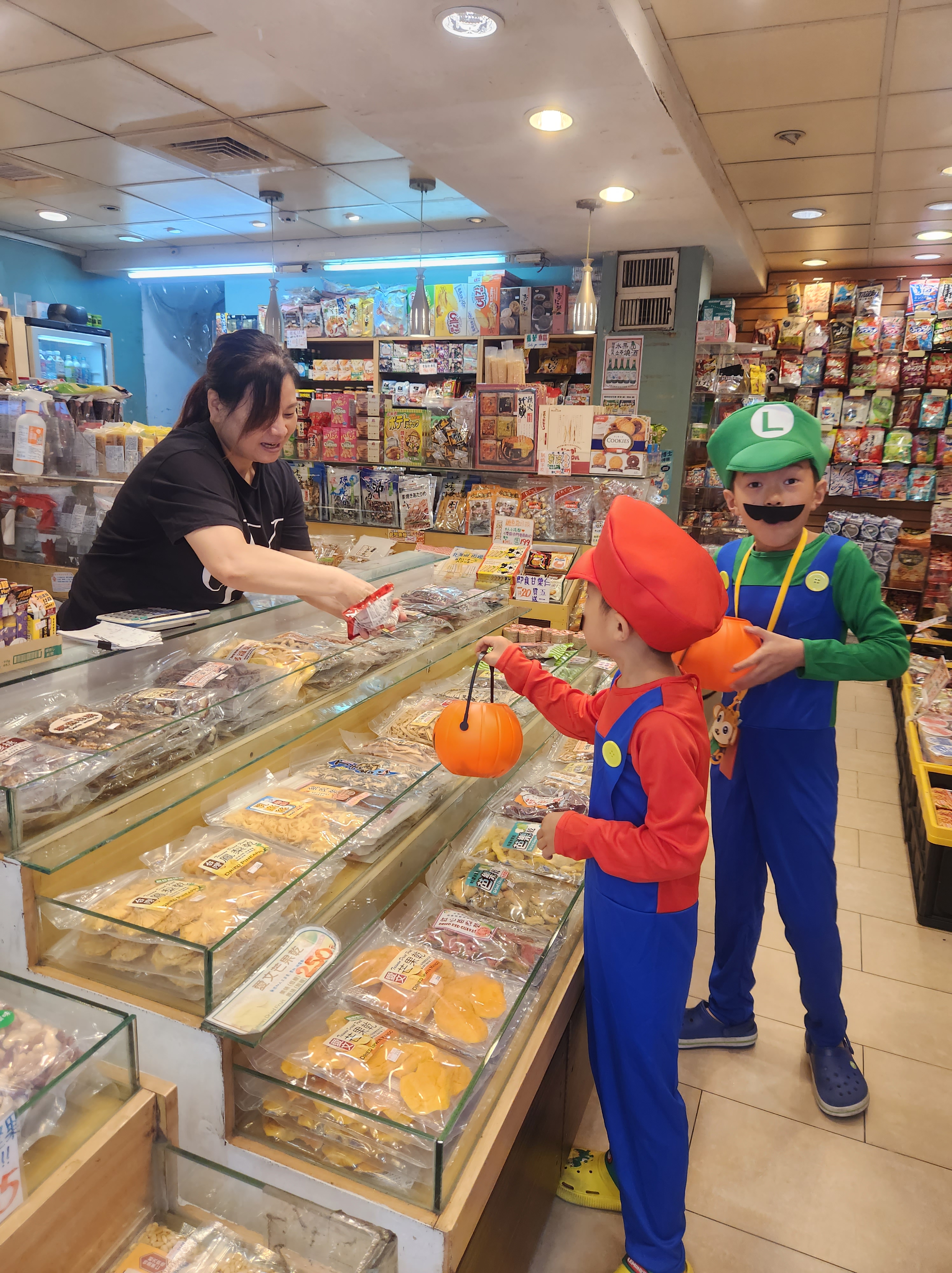
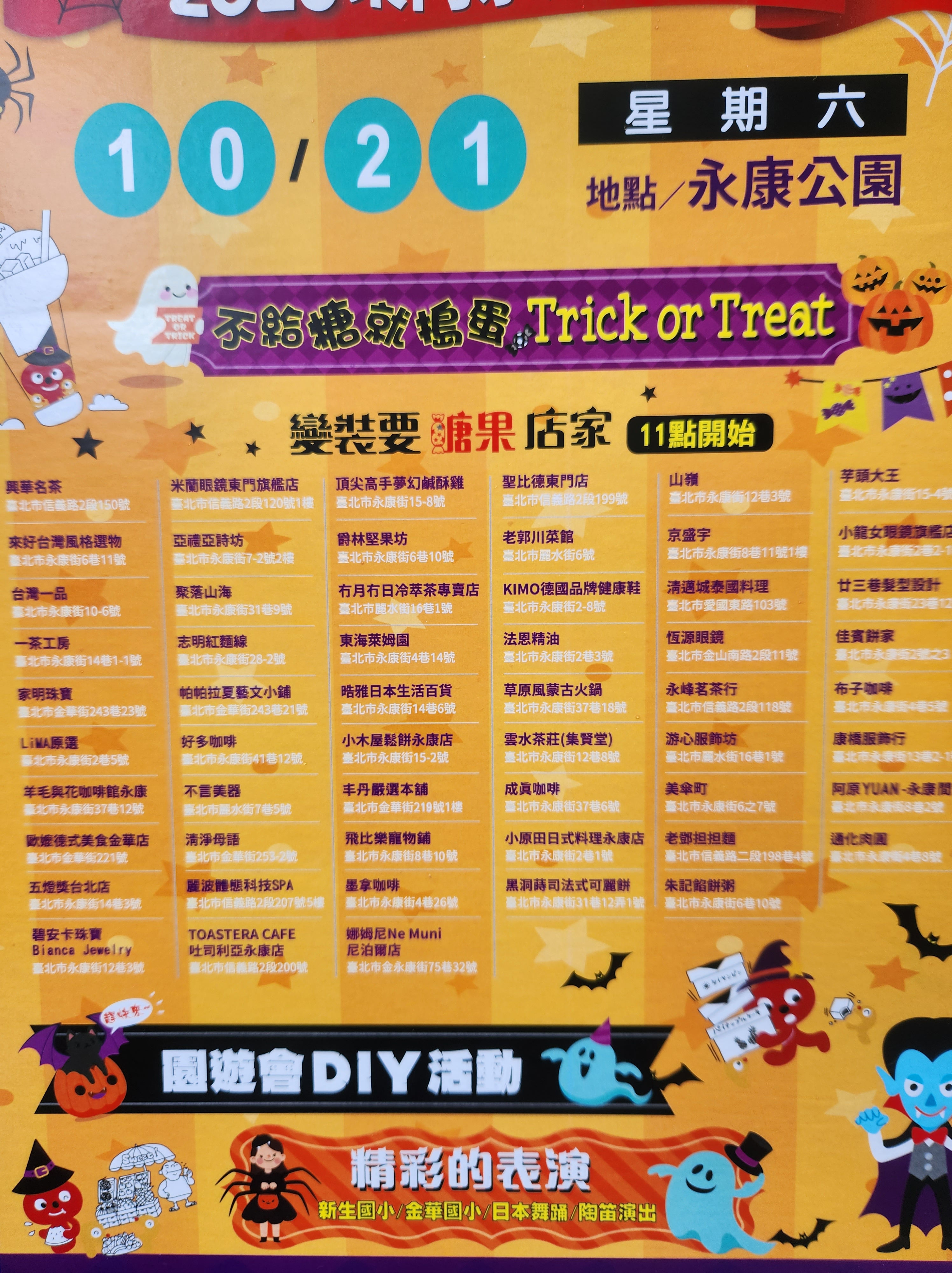
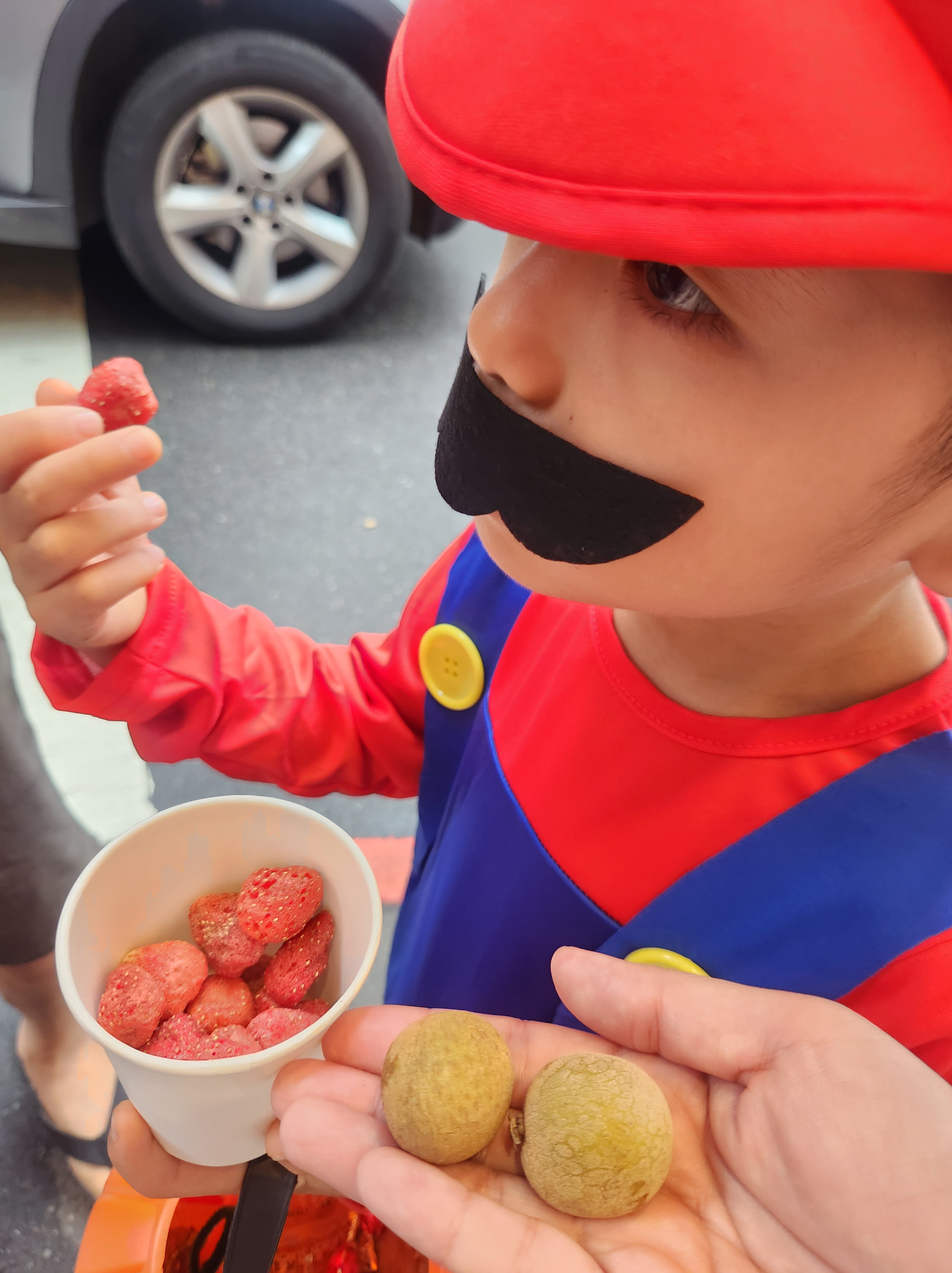
I searched for activities and was pleasantly surprised to find many events in Taipei leading up to Halloween. There are pockets of shopping areas like Yong Kang Street, Tienmu, Maji Square, Zhongshan Station, etc. where shop owners participate to pass out candy to trick-or-treaters. We went to the event at Yong Kang Street, which was mostly for locals and had a lot of fun. We even got freeze dried strawberries and longan as treats!

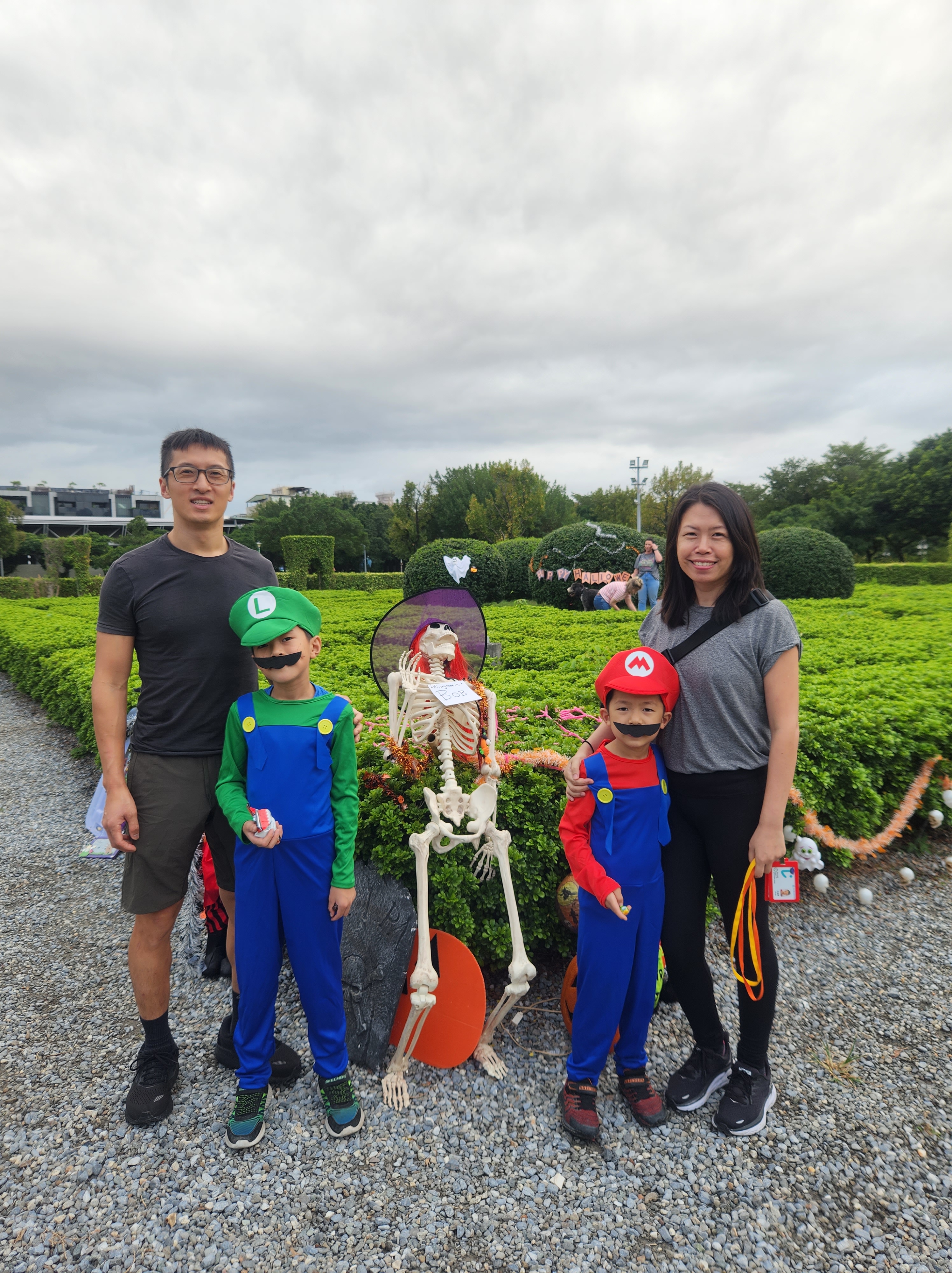
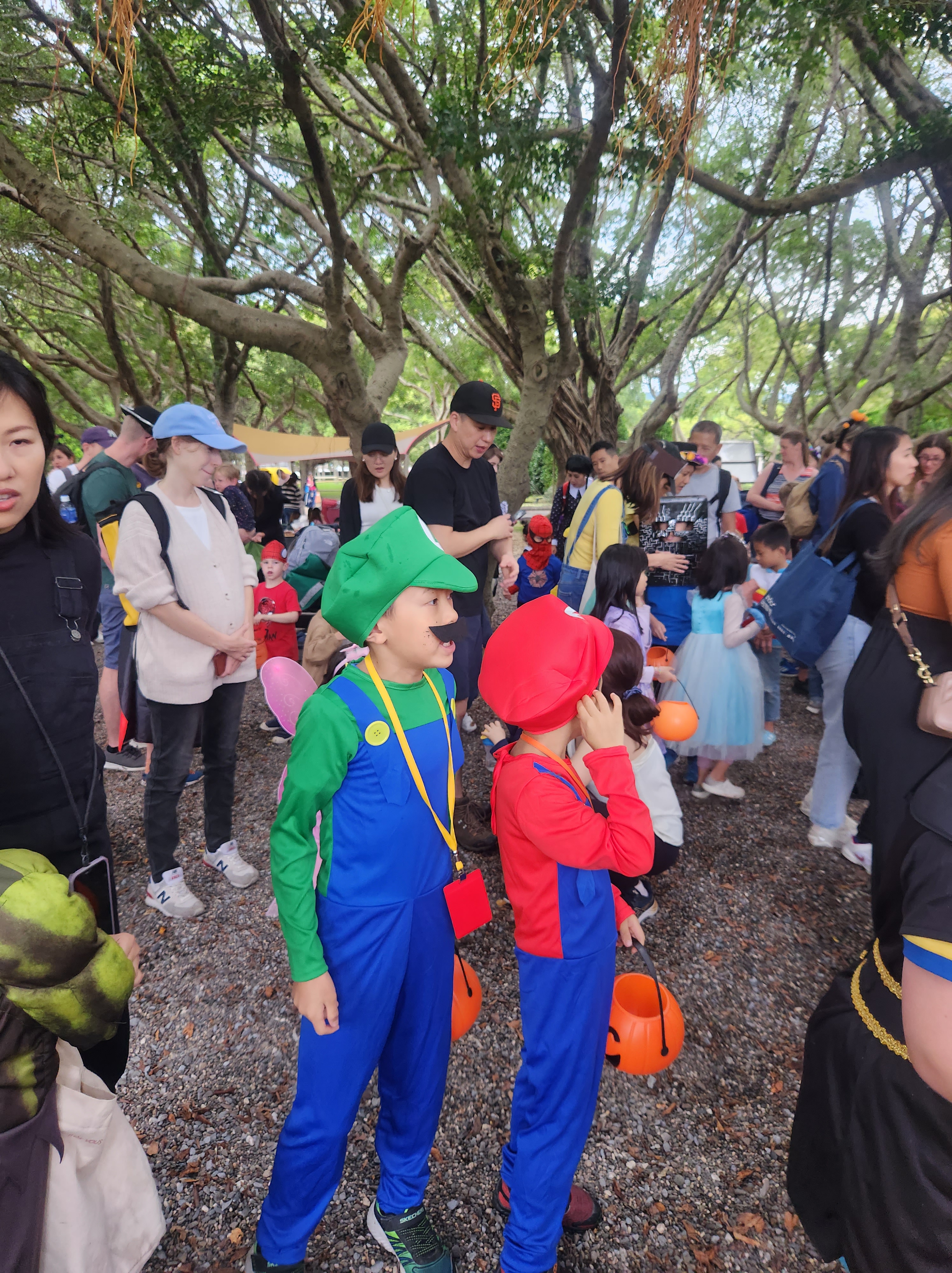
Later on, I found out about an expat parent group organizing a Halloween event at the Garden Maze at Xinsheng Park. It’s not the typical Halloween hay mazes you’d find in the US but close enough! Parents donate bags of candy and hide in the maze to pass out to trick-or-treaters. There was a large turnout!

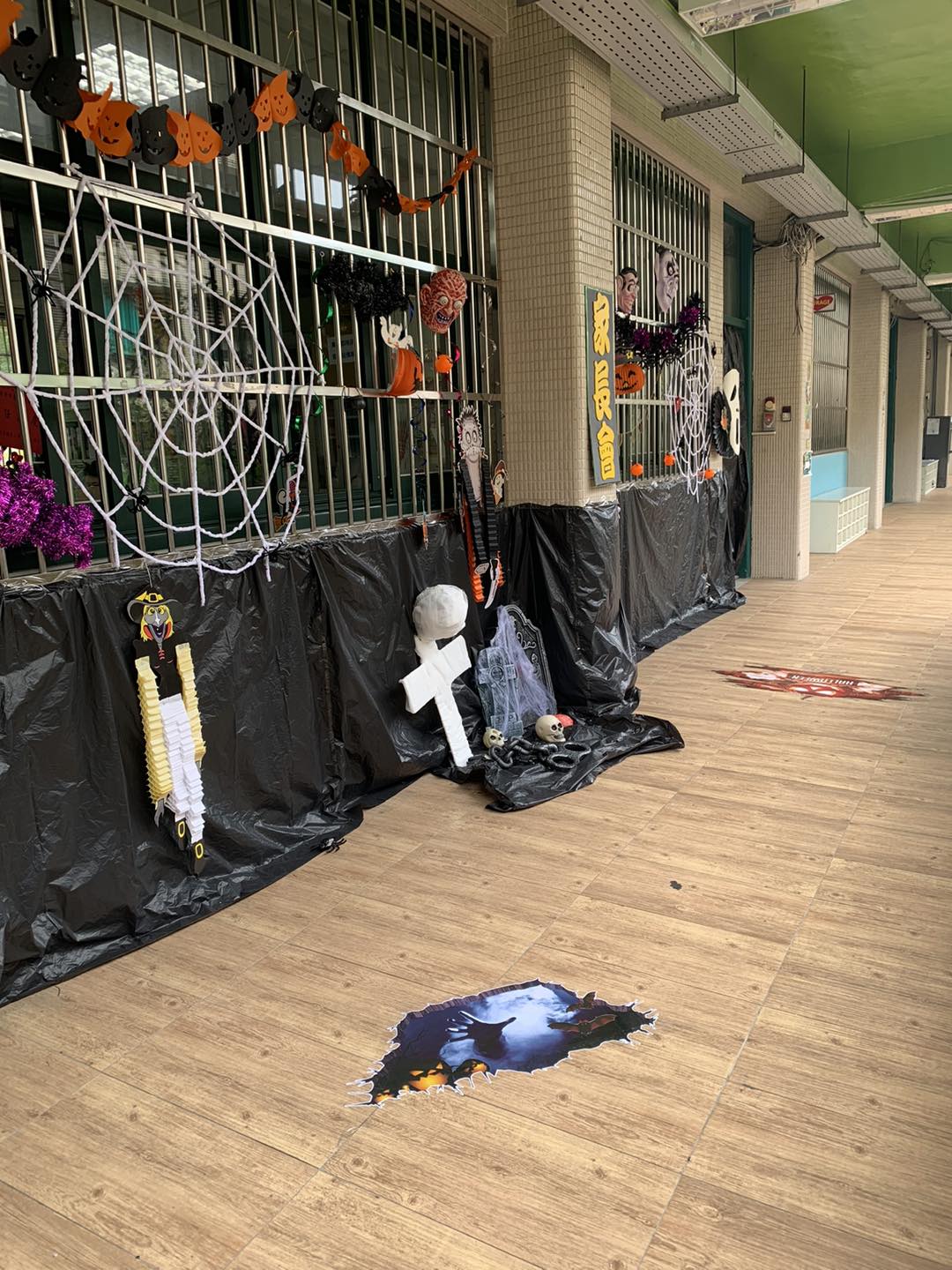
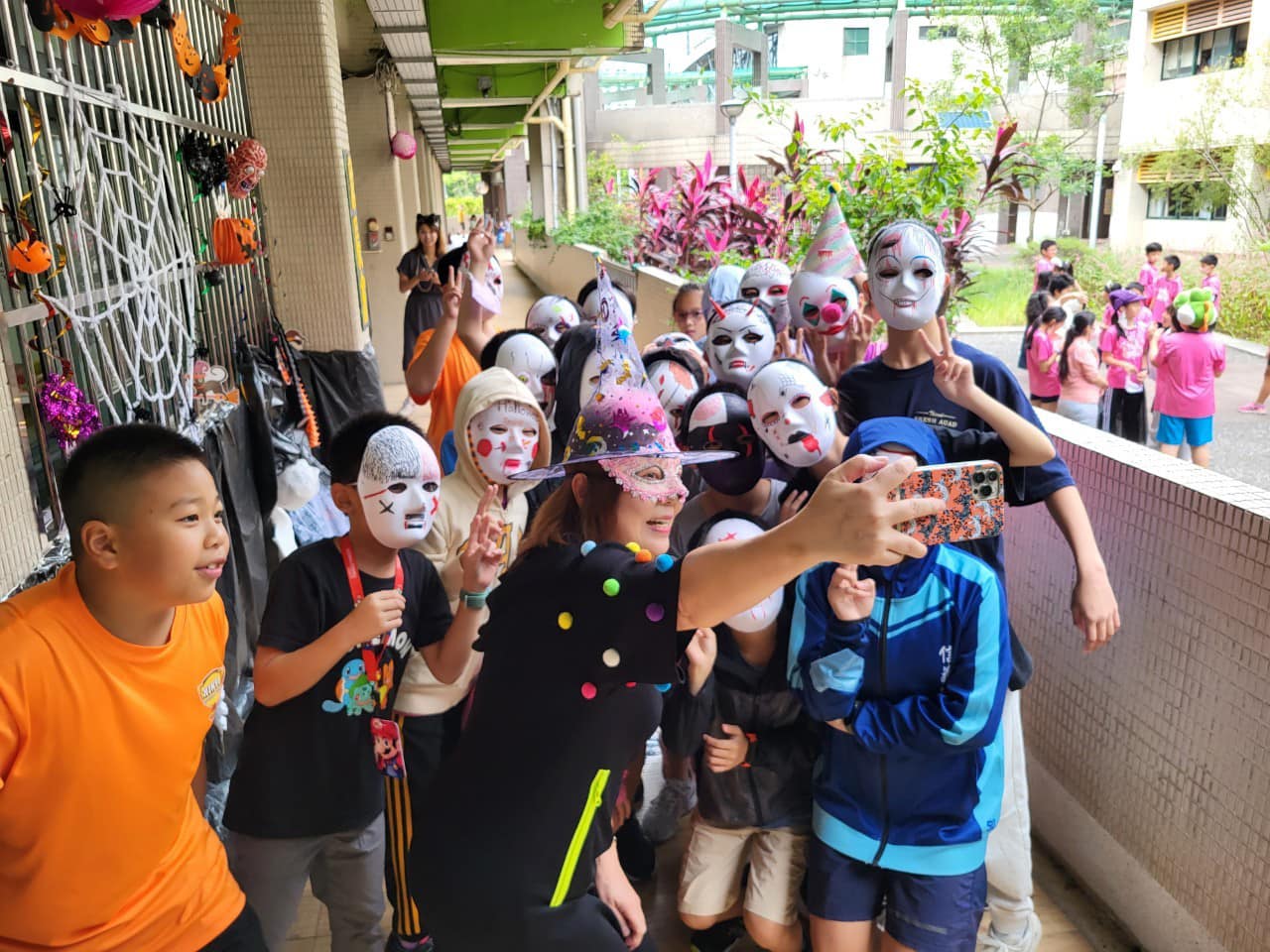
The boys’ school also had a Halloween activity the week prior. The PTA decorated an area of the school and classes took turns to visit. Students can wear costumes to school too but because C and O’s costume is pretty tricky to get in and out of, they decided not to wear it. Plus, they absolutely hate wearing the mustache. 😆

Because this year’s Halloween landed on a weekday (Tuesday), there wasn’t any trick-or-treating on the day of. People in Taiwan take school and work very seriously, so it makes sense they wouldn’t want to take time away from homework or work. Plus, C had midterms this week! 😬

I had wondered if Taiwan celebrated Halloween at all, and while of course it’s not the same as the US, we had an awesome time exploring the different Halloween activities around Taipei! We’ll definitely check out other Halloween events next year.

Ramblings

Learning Chinese

This shit’s hard.

One of the reasons we chose to live in Taiwan is because its national language is something other than English. Moreover, we wanted to learn a language that is going to be interesting and useful to us, and Mandarin Chinese was perfect.

Baba and I are ethnically Chinese, though I grew up speaking Cantonese and learned Mandarin in high school and college. Baba grew up speaking Chiu Chou, and also studied Mandarin in high school. But that was ~20 years ago and most of what we learned has been forgotten.

So there’s really no better way to re-learn Mandarin than to live in Taiwan, right?! Except compared to ~20 years ago, our middle-aged brains can’t learn fast enough. I go to Chinese class twice a week for 4 hours at a place called LingoLab in Da’an. I come out of each class thinking my Mandarin is pretty decent, but then I get a reality check when a 7-11 clerk asks me a question other than “do you want a receipt?”. Ugh.

Classes at LingoLab are small (there is only 1 other student in my class), focus mostly on spoken Chinese, and cater to busy foreigners. Tuition is also reasonable. National Taiwan Normal University is actually the gold standard for foreigners learning Chinese in Taipei, but the courses are like 15-hours a week on top of many written exams. I just didn’t want to make that commitment.

The textbook I use for class, published by the NTNU. It teaches Taiwanese Mandarin, and the lessons are really useful for daily life. There are also accompanying audio recordings on YouTube.

Because I have a foundation in Cantonese, I can understand quite a bit of Mandarin. My biggest obstacle is my limited vocabulary and due to that, a lack of confidence when speaking. It can be frustrating sometimes because I actually have a lot to say! 😆 But I don’t know how to express myself and so I slink away feeling defeated and embarrassed.

Baba self-studies at home for about 3 hours a day through a site called huayuworld.org. The site includes a lot of great resources to learn Chinese. Baba never kept up with any Chinese back home so he has to start from scratch. But to his advantage, he isn’t afraid to strike up a conversation with anyone, even in his broken Chinese (which is similar to C’s personality).

There are days when we feel like we’re making progress, and other days when we feel like we’re still so, so far behind. Despite all this, I still find learning Chinese interesting and enjoy the challenge. So, I’m setting small goals for myself: maybe it’s to confidently order a meal at a restaurant (which I think I’ve gotten 80% of it down now) or maybe it’s to ask more questions when shopping. But however slowly, I believe we’ll all get there one day!

Other useful Chinese online resources:

Ramblings

A Day in the Life

Quite a few people have asked what Baba and I do while the kids are at school since we’re not currently working. Well, here’s an idea of what a typical day looks like for us in Taiwan. (Why do I feel like an influencer making this post? 😂)

6:45am: Wake up and make breakfast.

7:30am: Walk the kids to school. We’re lucky that we’re just a 5-minute walk away. School doesn’t officially start until 7:50am, but C likes getting there early.

8:00am: Baba studies Chinese at home. I either practice Chinese, read, or surf the internet. On Thursdays, Baba would be doing traffic control at school and I’d be volunteering at the school library.

9:30am: Buy groceries at the nearby traditional market or PX Mart, which is like a smaller version of a Safeway here. These are the two places where we shop for groceries the most.

10:00am: I attend Chinese class in Da’an. Some days, Baba and I may use this time to take a mid-morning nap. 😆

12:00pm: Pick up O from school and have lunch. C has school until 4pm for most days out of the week.

1:00pm: We help O complete his homework. (Yes, it takes two adults to do a 1st grader’s Chinese homework. 😂) Most of the time though, O has already completed a portion of his homework at school. Depending on the day, Baba may have Brazilian Jiu-Jitsu class in Zhongshan district.

1:30pm: O plays by himself, we go to the library, or buy more groceries for dinner.

2:30pm: Swim at the sports center across the street. Again, we’re super lucky to be living so close to a pool!

3:45pm: Bring O back to school for his after school club. Depending on the day, he may have ping pong, STEM, in-line skating, taekwondo, or magic. C is already at school so he goes straight to his after school club.

4:00pm: I cook dinner. Baba practices more Chinese.

5:45pm: Pick up the kids from after school club.

6:00pm: Dinner and shower before C’s tutor comes. This is usually the most hectic time.

6:30pm: C’s tutor arrives and helps him with his homework.

8:00pm: Kids pack up for school the next day. Brush teeth, and get ready for bed.

8:30pm: Bedtime for the boys.

9:00pm: Garbage trucks come, and Baba and I take the garbage and recycling downstairs. The garbage disposal process in Taiwan is quite an experience! You can read about it here.

10:00pm: Bedtime for Baba and me.

Ramblings

School in Taiwan, Part II

In my last post, I shared the differences between public schools in Taiwan vs. the US. After some thought, I realized there are more differences I wanted to share.
Classroom Setting. In the US, elementary school classrooms are usually pretty colorful and cheery, with artwork on the walls and bright rugs for circle time. Kids’ desks are usually pushed in groups to encourage teamwork. In Taiwan, the classrooms are not as cozy. There are rows of individual desks (though some classes may have two desks pushed together) and the rooms are bare except for teaching materials. There are no games, artwork, toys or books. Honestly, this brought back terrible memories of Chinese school for me. 😬

Tests, Tests, Tests. I knew beforehand that Taiwan schools are very focused on tests. What I didn’t know is how many there would be! O, even in first grade, has dictation tests each week. C either has a dictation or math test each week. There are also midterms and finals, and from what I understand, students are ranked at the end of each semester. 😬 In the US, there aren’t tests until the third grade. Even then, it’s just one exam taken on the computer.

Grades. Elementary school in the US do not use real grades. Teachers use a rating system from 1-4, 4 being exceeding grade level. Homework assignments are given either a ✔+ or ✔. Here in Taiwan, everything is graded. You get one stroke or phonetic symbol wrong, points will be deducted. Parents also have to sign off on the test results. Below is C’s first dictation exam but he’s had others that were not so ideal.

Health Tests. Besides academic tests, there are health tests that are administered at the school. So far, only O had to do the tests, so maybe they’re only for first graders. These tests require getting a sample at home. We’ve had to provide a urine sample and more recently, do a pinworm test which required getting a sample from where the sun don’t shine. 😂 I also read that students get a dental exam later on in the year. I can’t imagine US schools implementing something like this.

Staff. You often hear schools being short staffed in the US. I was surprised to see so many staff at our school in Taiwan! (Then again, our school has 700-800 students so they do need the manpower.) There is a Department of Academic Affairs, Department of General Affairs, Department of Student Affairs, and so on. Each department has a lead and then 4-5 staff. Then there are teachers for each subject. I remember at our old school in SF, we had one secretary who basically managed everything.

Saturday School. Last Saturday, the boys had school. This was a “make up” day for an upcoming Monday holiday. In Taiwan, if a holiday falls on Tuesday or Thursday, the government will give you Monday or Friday off to make it a 4-day weekend. But, you have to make up that extra day off by going to school or work on a Saturday. And yes, there is homework that day too. Again, file this under “things that will never work in the US.” 😂 There would be protests and riots, but the Taiwanese have such a strong work ethic!

Ramblings

School in Taiwan: Same, But Different

We’ve been at a public elementary school in Taiwan for almost a month now. Our experience has been interesting, surprising, and eye-opening. I wanted to share some similarities and differences I’ve noticed between Taiwan schools and US schools.

Class Schedule. Students study pretty much the same subjects as in the US. There is math, PE, science, English, music and language arts (except we’re learning Chinese Mandarin of course). However, elementary students in Taiwan follow a period schedule, much like middle school and high school in the US. There is homeroom, followed by periods for the different classes. The homeroom teacher is the “main” teacher for subjects like math and language arts, but kids change teachers and classrooms for the other classes. Kids also have a textbook and workbook for each subject – totaling to about 15 books! 😮

Students at different grades also have different schedules. C, who is a 3rd grader, has three long days during the week, in which his classes go from 7:50am – 3:50pm. O, a 1st grader, only has one long day during the week. The rest of the days are short days, from 7:50am – 12pm. We had a hard time trying to remember their schedules at first!

Homework. Like in the US, there is homework and it’s usually on math and language arts. There is homework everyday, even on weekends. We were prepared for 2-3 hours of homework a day, but so far it hasn’t been that bad. O’s homework is really easy right now, because he’s still learning the basics of zhuyin. The math is just counting or very simple addition. He usually completes everything within 20 minutes.

C’s homework is more complicated solely because the questions are all in Chinese. But in terms of quantity, it’s manageable. I’d say his homework takes anywhere from 1-2 hours a day. If he could read/write Chinese fluently, I’m sure it would be half the time. We also lucked out finding a great tutor who comes to our place everyday for an hour to help him with homework. Otherwise, we would be struggling with Google Translate. 😅

Daily homework assignments are written in a booklet. The teachers review and make sure students wrote everything down correctly. Parents then have to sign it each night when the homework is completed. You can also write messages to the teacher in the booklet, but most communications are done via LINE.

Recess (or lack thereof). Schools in Taiwan mostly have 10 minute breaks in between classes. The longest break is 20 minutes. Unlike the US, students don’t have an official “recess” where they go out into the yard and play. They usually either hang out in the hallways or stay inside the classroom. They get a 40 minute nap time after lunch, but that just means they rest their head on their desk inside the classroom. At first, the boys were disappointed there was no recess and I was worried they weren’t getting enough outside time. But like with everything else, they’ve gotten used to it and don’t mind it at all now!

Lunches. The school provides lunches, but only on long days. The lunches are served and eaten in the classroom because there is no cafeteria, and students have to bring their own utensils. The boys have been loving the food, and look forward to it. Lunches usually consist of a rice, protein, vegetables, soup and fruit, and they try to serve different types of cuisines. The boys say it’s “SOOO MUCH BETTER” than the school lunches in the US. 😆 What’s also interesting is that students have to brush their teeth after lunch too!

PTA. Back at our old school in SF, Baba and I were pretty involved with the PTA. It was a great opportunity to help out the school while getting a glimpse into our kids’ day. I didn’t expect schools in Taiwan to have anything like that, but it turns out our school has a “Parent Association” or 家長會. Currently, Baba volunteers as a traffic control guard and I volunteer at the library.

Parents take volunteering seriously here! When you sign up for shift, you are expected to show up that day/time for the entire semester. (Unlike the US, where parent volunteers come and go whenever they please.) Baba had to undergo training for his job and the 家長會 had to buy him insurance. There are also group chats for each volunteer team, and there are multiple messages being sent everyday!

School Fees. In the US, public schools are entirely free (unless you join special clubs, teams or what not.) In Taiwan public school, there are fees. We have to pay for textbooks, school lunches, and bring all supplies. This includes pencils, markers, scissors, glue, and so on. It’s not expensive – we paid less than $200 per kid this semester – but it was a little surprising coming from the US.

However, what’s different in Taiwan is that there are zero school fundraisers. Everything is “paid for” in US schools because families raise funds to support the classrooms. Here, families are responsible for their own expenses. Neither is good or bad, just different!

Swim Class. Something really interesting at our school is that it has a pool! Many schools in Taiwan have a pool too, but not all. Students at our school take a 4-week swim class during the semester. I can’t imagine the logistics of trying to get 25 kids in and out of the pool, but I guess the school has figured it out. Kids are grouped by swimming ability. We don’t expect the boys to come out of the class being pro swimmers, but it’s neat that the school has this option.

Afterschool Care. Taiwan schools have afterschool care too, where kids can get homework help. But we felt like C needed 1:1 help in Chinese, so we opted out of this program. However, we were surprised to learn that our school offers A TON of after school activities. There is in-line skating, badminton, ping-pong, magic, track & field, Legos, taekwondo, and much more! We got a little too excited and signed the boys up for something everyday. 😅
But much like the school fees, there are costs to these activities and you have to supply all materials. So we had to purchase in-line skates and helmets, ping-pong paddles and even a deck of cards for O’s magic class.

School Teams. Back in SF, our school had one sports team (soccer) and that was 100% run by parents. Here, our school has several school-run sports teams: basketball, swimming, soccer, badminton, track & field and even theater. But unlike the US, where all kids are accepted into the team (at least in elementary school), there are tryouts here. Not everyone gets in. C says he wants to try out for track & field next semester, so we’ll see.
As I’m writing this post, I realized there are other differences between the schools in the US vs. Taiwan that I haven’t mentioned. Not glaringly different as the ones I’ve listed above, but still interesting. This post is getting too long though, so hopefully I can get to it next time!